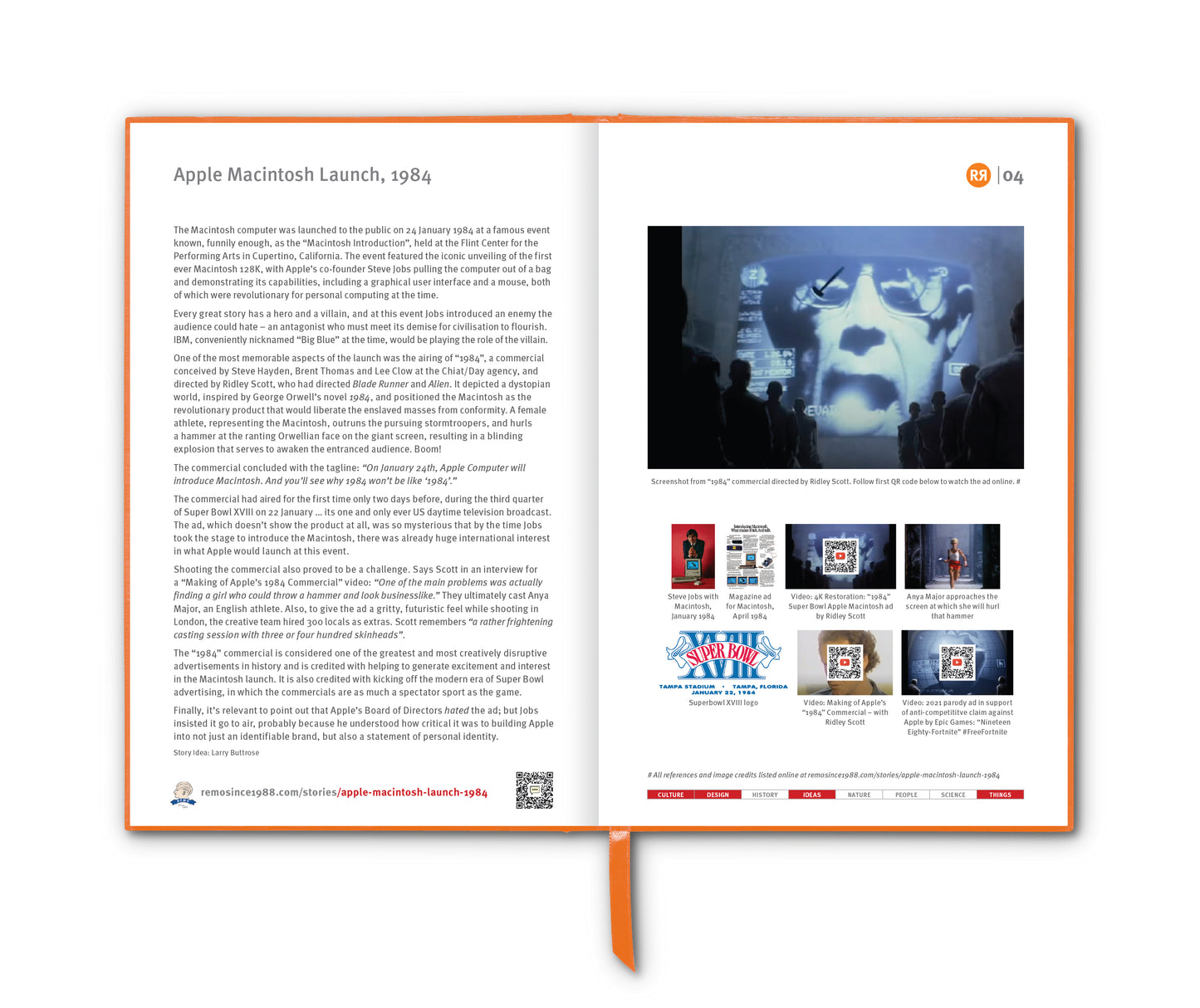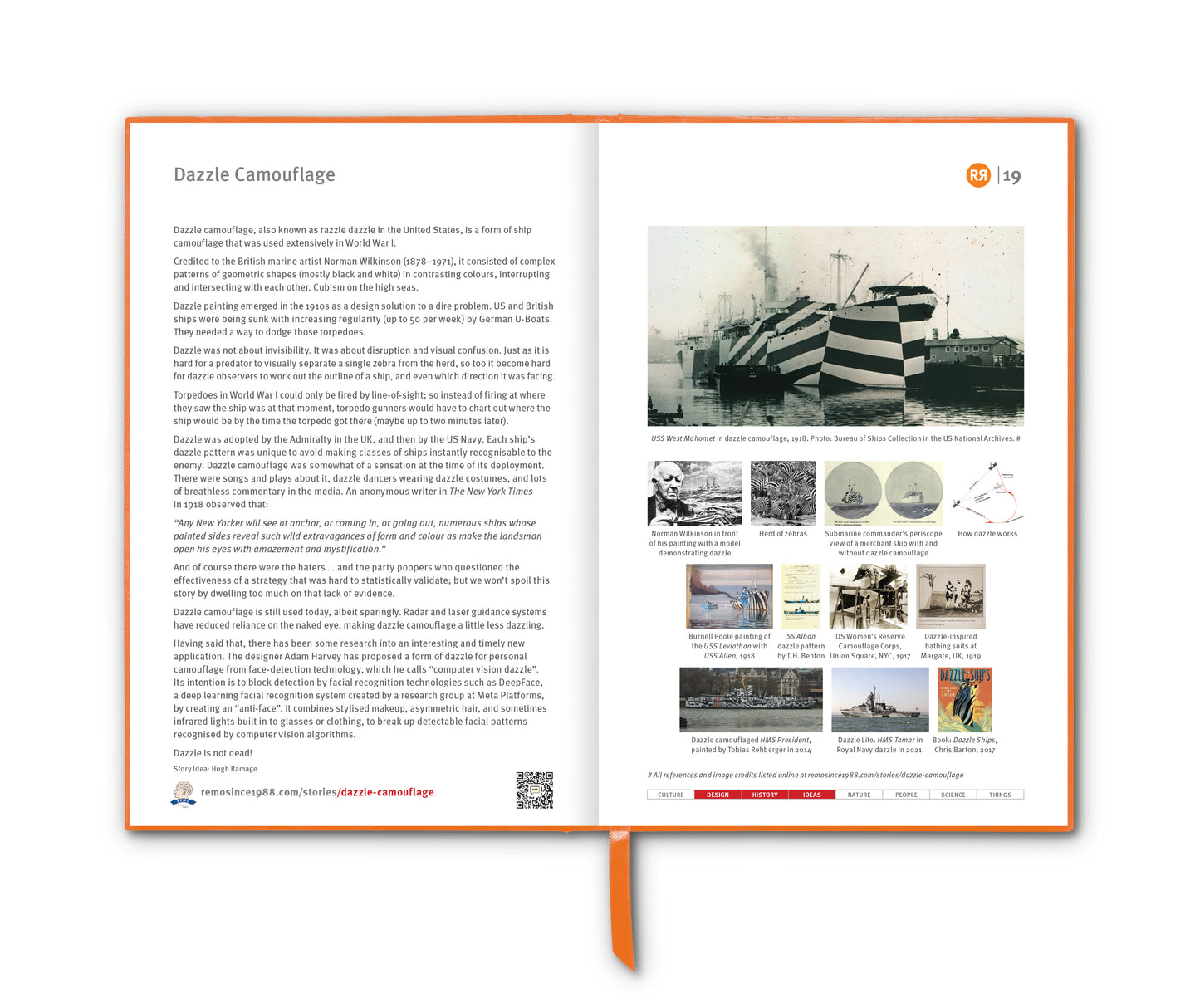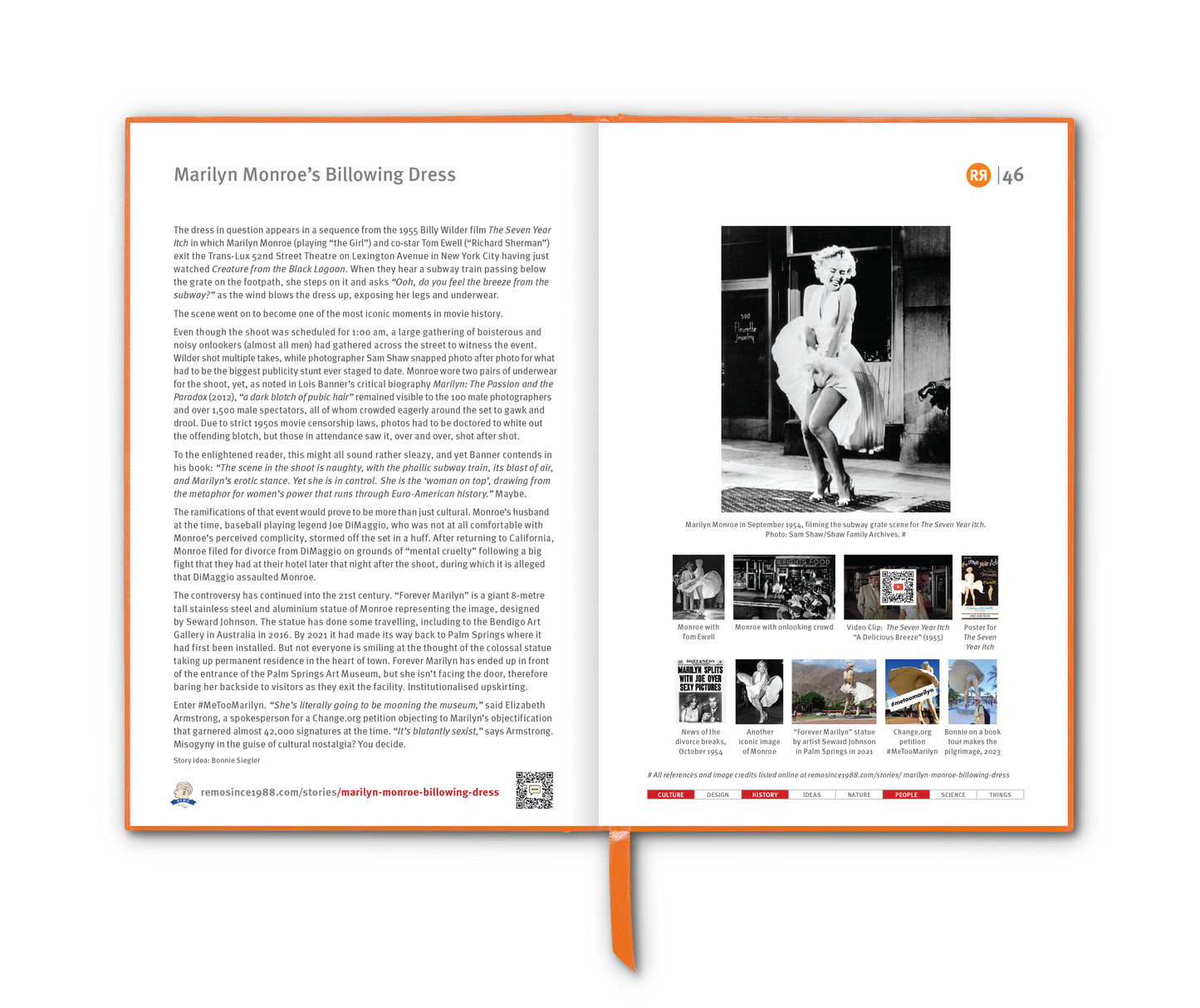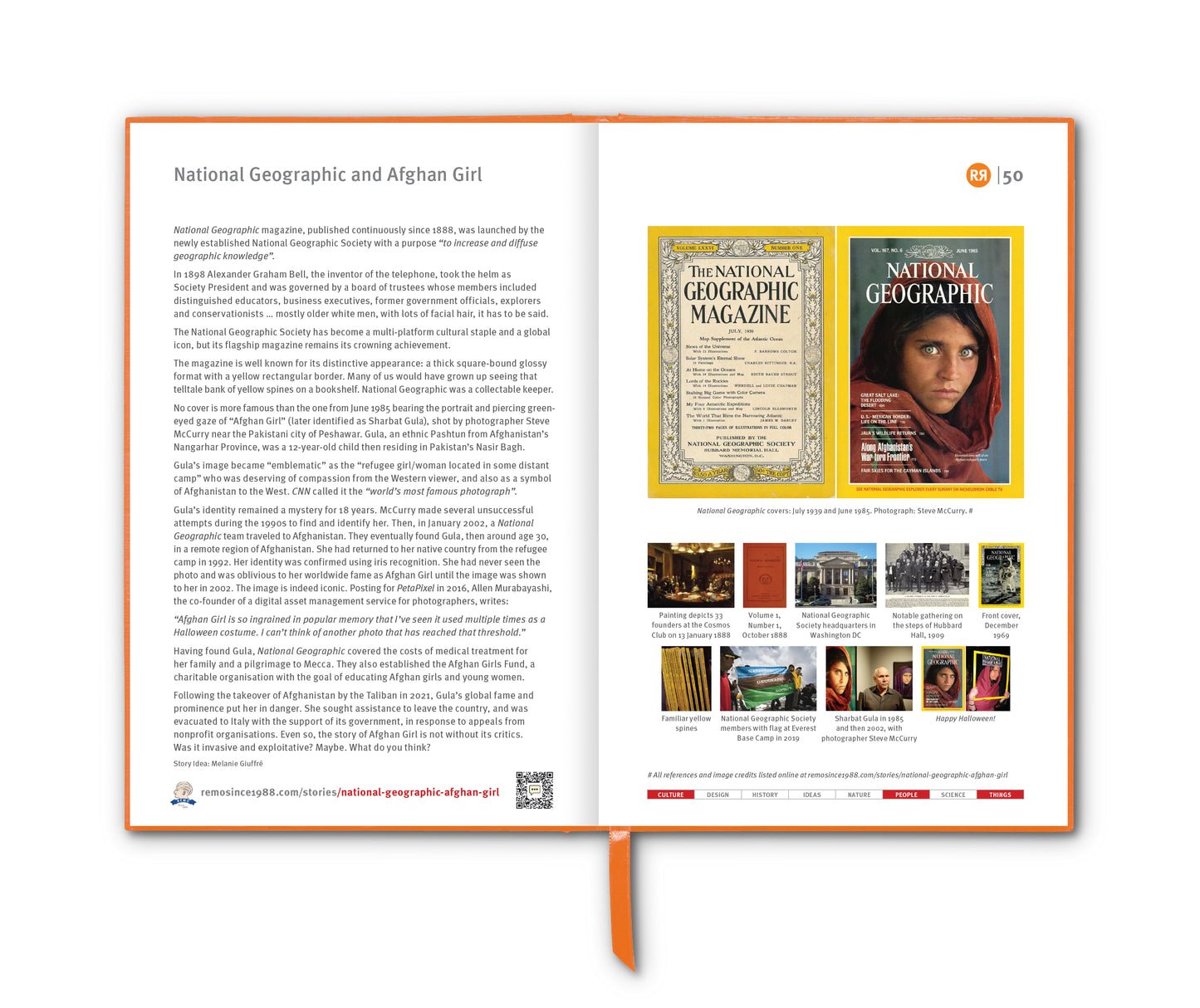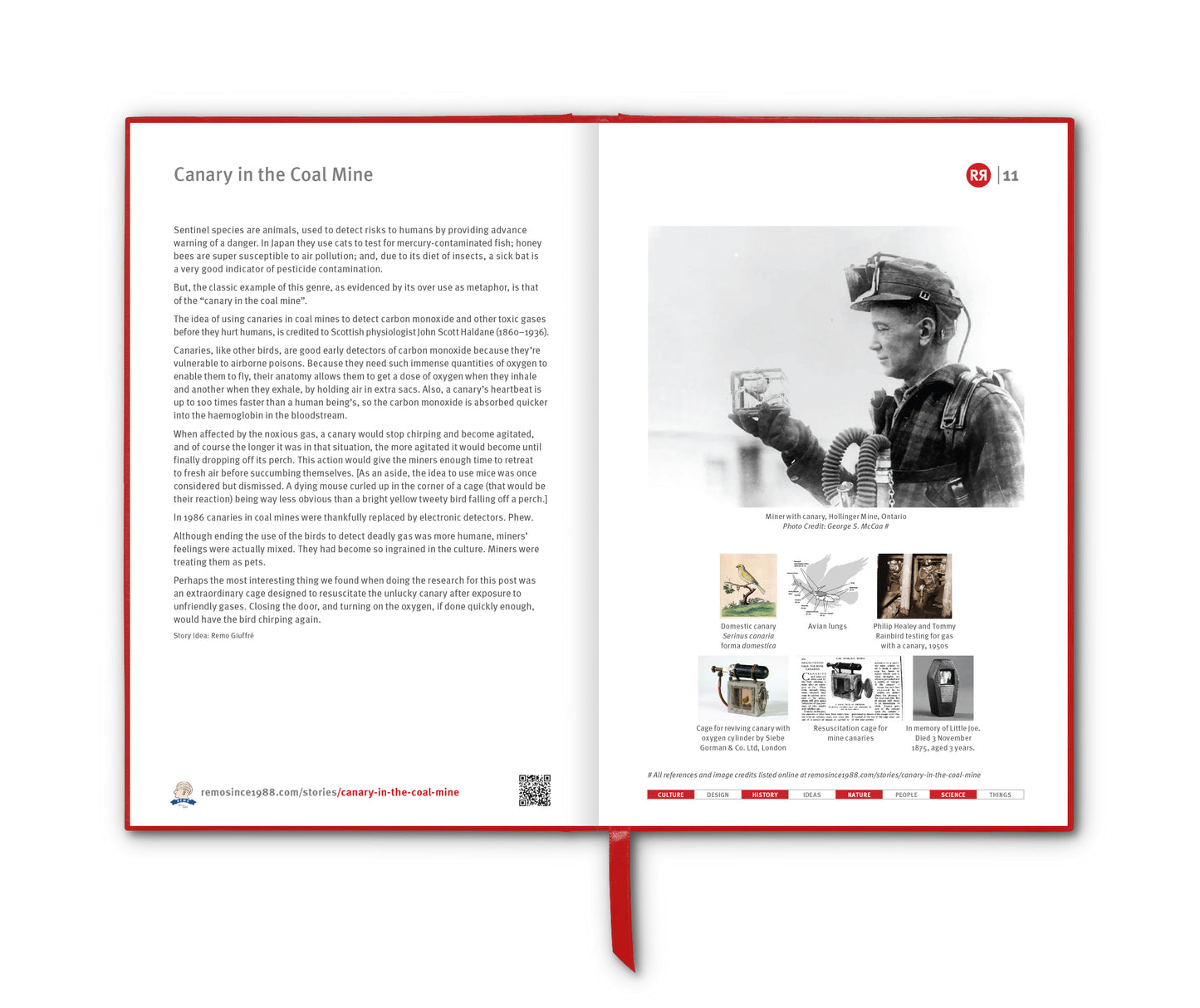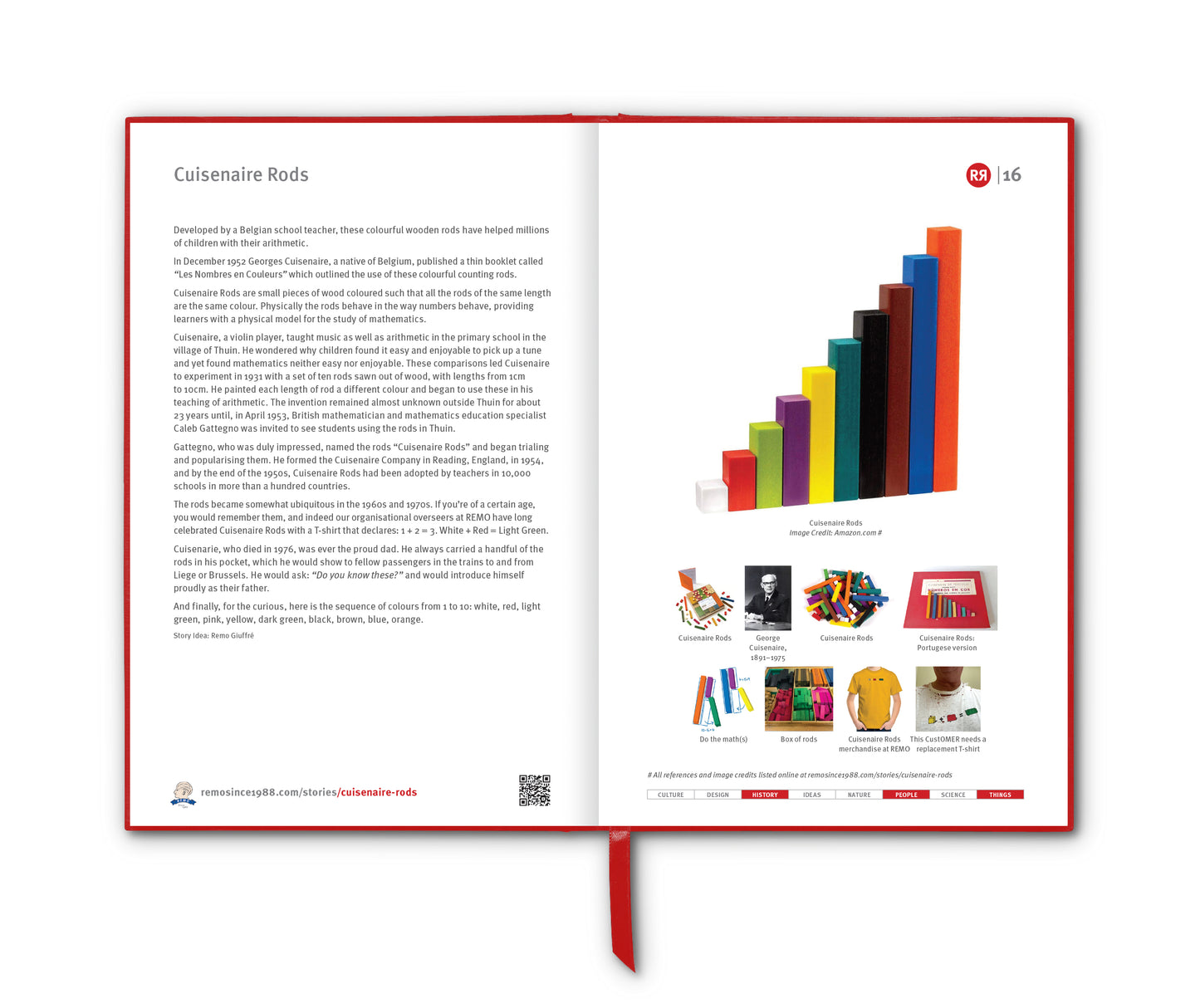

“Looksmaxxing” is the internet’s hyper-optimised [Ed: and frankly quite odd] answer to our ancient preoccupation with physical attractiveness. The term originated on male “incel” (meaning: "involuntarily celibate”) message boards in the 2010s. Emerging from these online forums and migrating to platforms like TikTok and Reddit, it treats beauty as a system that can be hacked – measured, tweaked and improved through discipline, products, and, at times, obsession.
Within these communities, a dense, ever-evolving jargon has taken hold. Influential figures include users like Clavicular (real name: Braden Peters), known for breaking down facial aesthetics into highly specific components and rating systems. Participants analyse everything from jaw projection to skin clarity, often with a level of scrutiny that resembles forensic science more than casual grooming advice. These ratings, together with one's perceived status and wealth, are to be considered when calculating one's "sexual market value" (also known as SMV). [Ed: It’s out there, that’s for sure.]
A key distinction is between “softmaxxing” and “hardmaxxing”. The former refers to relatively accessible improvements – skincare routines, better haircuts, fitness, posture and wardrobe upgrades. The latter ventures into more extreme territory: cosmetic procedures, orthodontics or experimental techniques aimed at permanently altering one’s appearance. The line between the two is fluid, but the underlying goal is the same – incremental gains toward an idealised standard – “ascending” from average to elite through a hierarchy of “logging” (dominating others in looks). By way of context, Clavicular rates the actor Matt Bomer as the closest thing we have to what he called a “True Adam”.
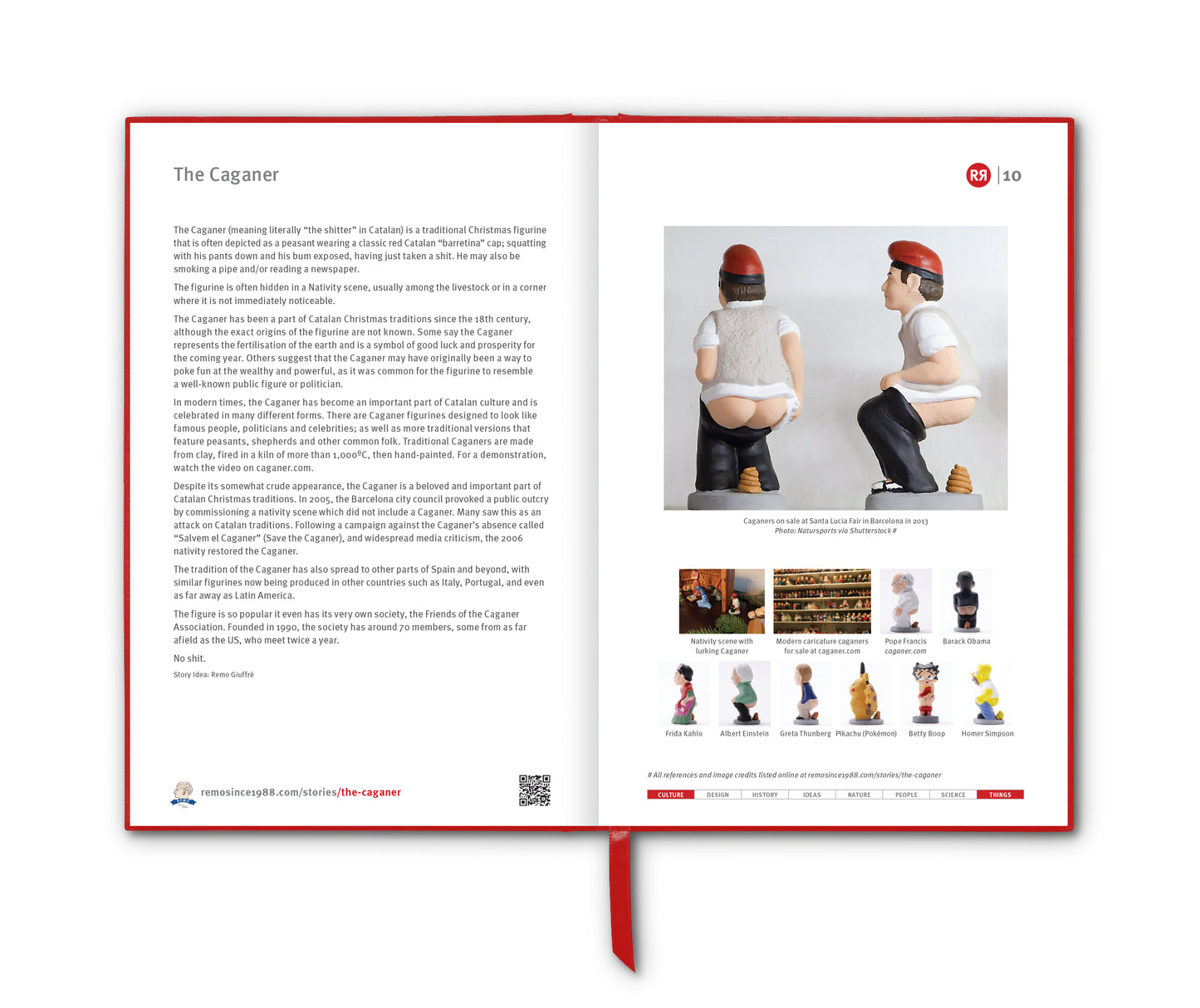
Among the most widely discussed techniques is “mewing,” popularised by British orthodontist John Mew and his son Mike Mew. It involves pressing the tongue against the roof of the mouth to supposedly reshape the jawline over time. Scientific support is limited, but its viral spread suggests a strong appetite for low-cost, DIY transformation methods.
Other concepts drift further into controversial territory. “Hunter eyes”, for instance, describe a narrow, slightly downward-tilting eye shape associated – within these circles – with attractiveness and dominance. More extreme still is “bonesmashing”, a fringe practice in which individuals intentionally apply force to facial bones by tapping them with hammers (!) in the belief that micro-damage will remodel structure during healing. Medical experts strongly caution against such methods, citing risks of injury without proven benefit.
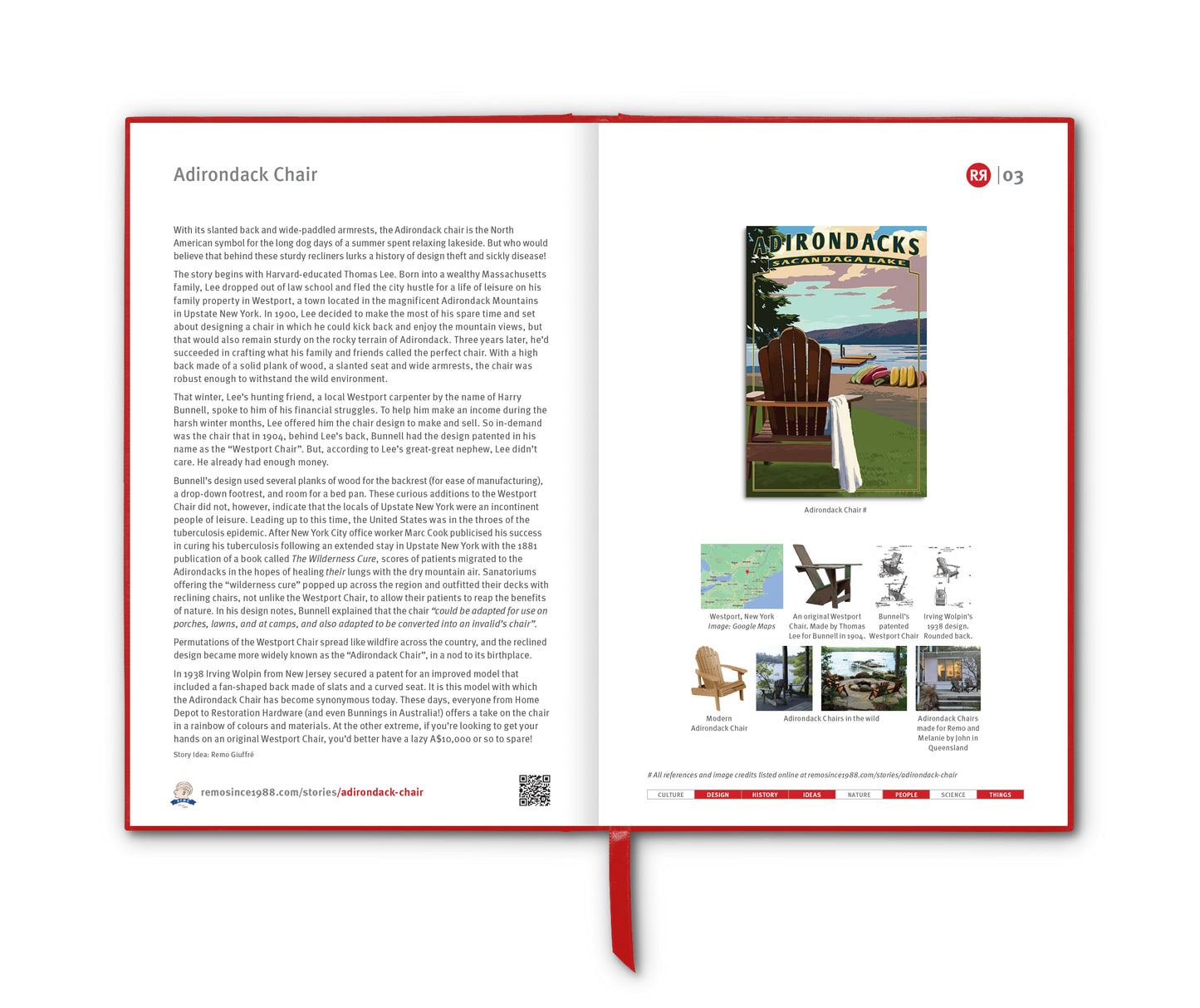
The movement has drawn cultural scrutiny. In The New Yorker, critic Becca Rothfeld argued that looksmaxxing reflects a broader shift toward treating the self as a project of relentless optimisation. Beauty becomes less about expression and more about compliance with perceived universal standards – symmetry, youthfulness and sexual dimorphism. Rothfeld suggests this mindset risks flattening individuality, replacing charm with calibration.
That tension is captured by the French phrase jolie laide – literally “pretty-ugly.” It celebrates faces that deviate from classical ideals yet possess a distinctive allure: a crooked nose, an asymmetrical smile, an unconventional gaze. Where looksmaxxing often seeks to eliminate irregularities, jolie laide embraces them, implying that memorability lies in difference rather than perfection.
Psychologically, looksmaxxing can cut both ways. For some, it offers agency – a structured path toward self-improvement through grooming and discipline. For others, it risks becoming a loop of comparison and dissatisfaction, where the mirror becomes a metric and identity a perpetual work-in-progress.
___________________________________
References
wikipedia.org/wiki/Looksmaxxing
newyorker.com/culture/critics-notebook/the-captivating-derangement-of-the-looksmaxxing-movement
smh.com.au/lifestyle/health-and-wellness/the-tiktok-trend-encouraging-teen-boys-to-get-fit-try-steroids-and-starve-themselves-20241010-p5kh7j
Images
1. Clavicular selfie via @clavicular0 on Instagram
2. @bmaxie before and after via looksmaxxing.com
3. Hunter eye vs prey-eye. Credit: at1aesthetics.co.uk
4. Cosmetic leg-lengthening is an example of "hardmaxxing"
5. Actor Matt Bomer via IMDb. "True Adam"?
6. Clavicle parades for Elena Velez at New York Fashion Week 2026/27
7. "The captivating derrangement of the looksmaxxing movememnt" by Becca Rothfeld for The New Yorker, 7 March 2026
8. Willem Dafoe is jolie laide