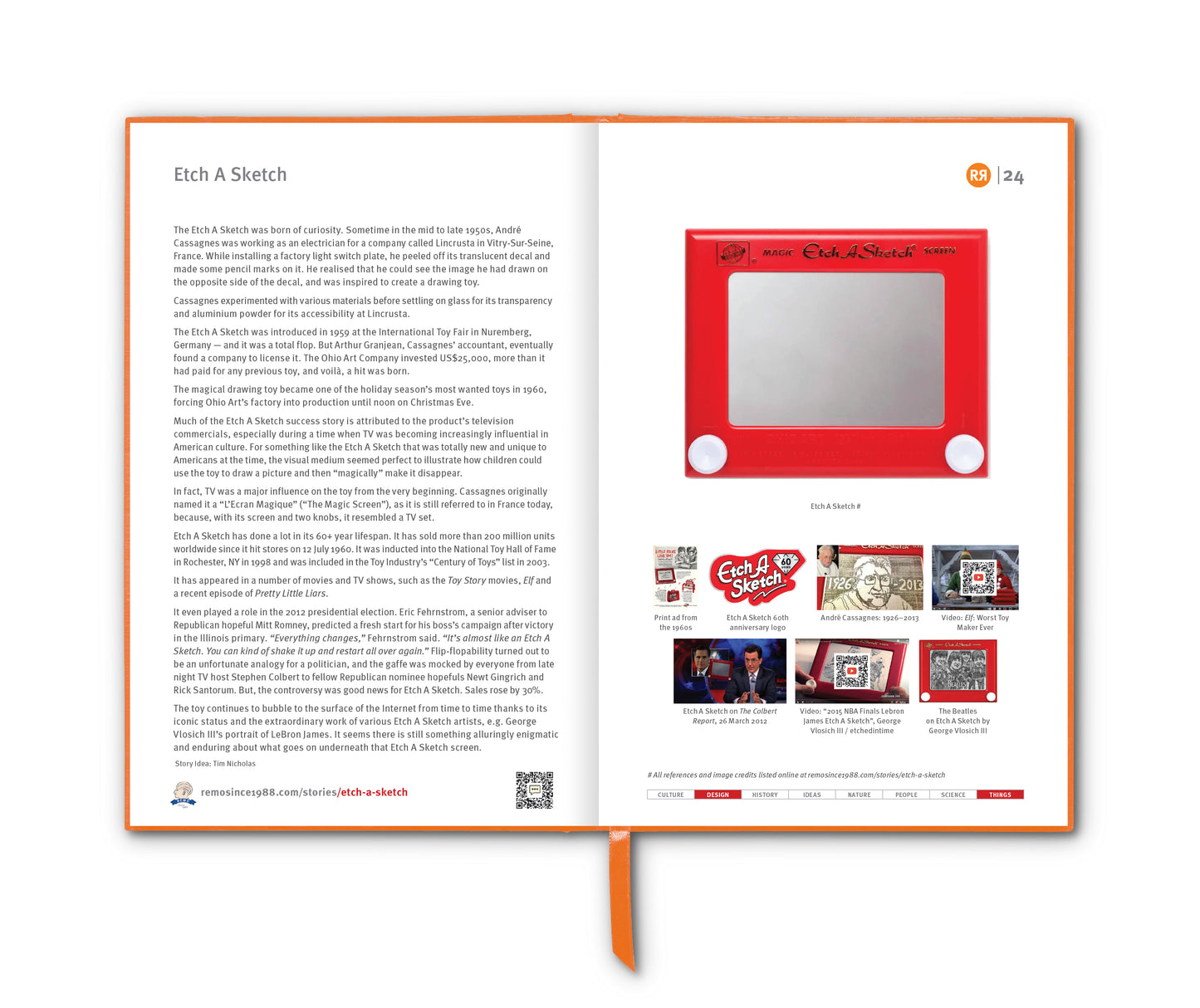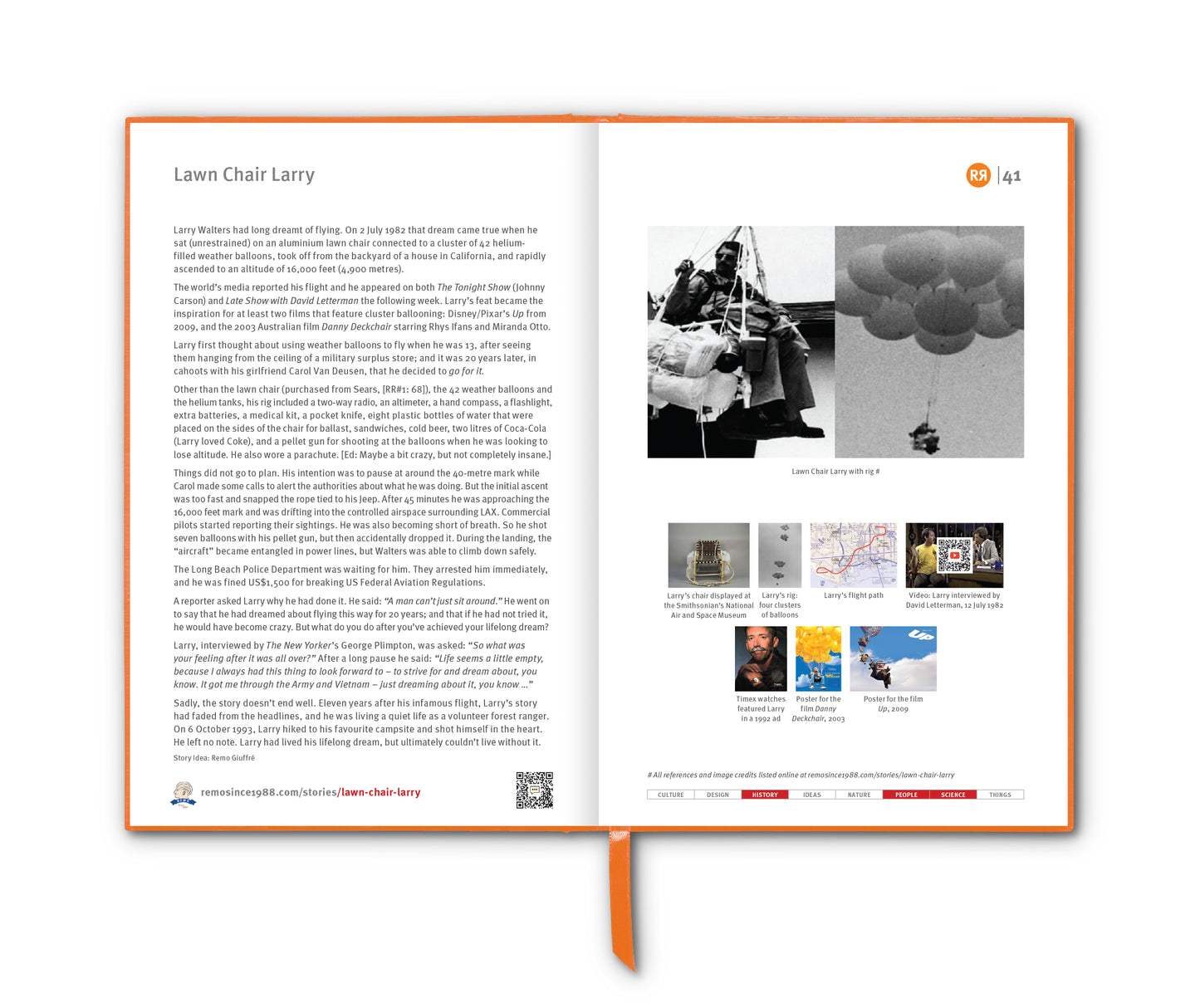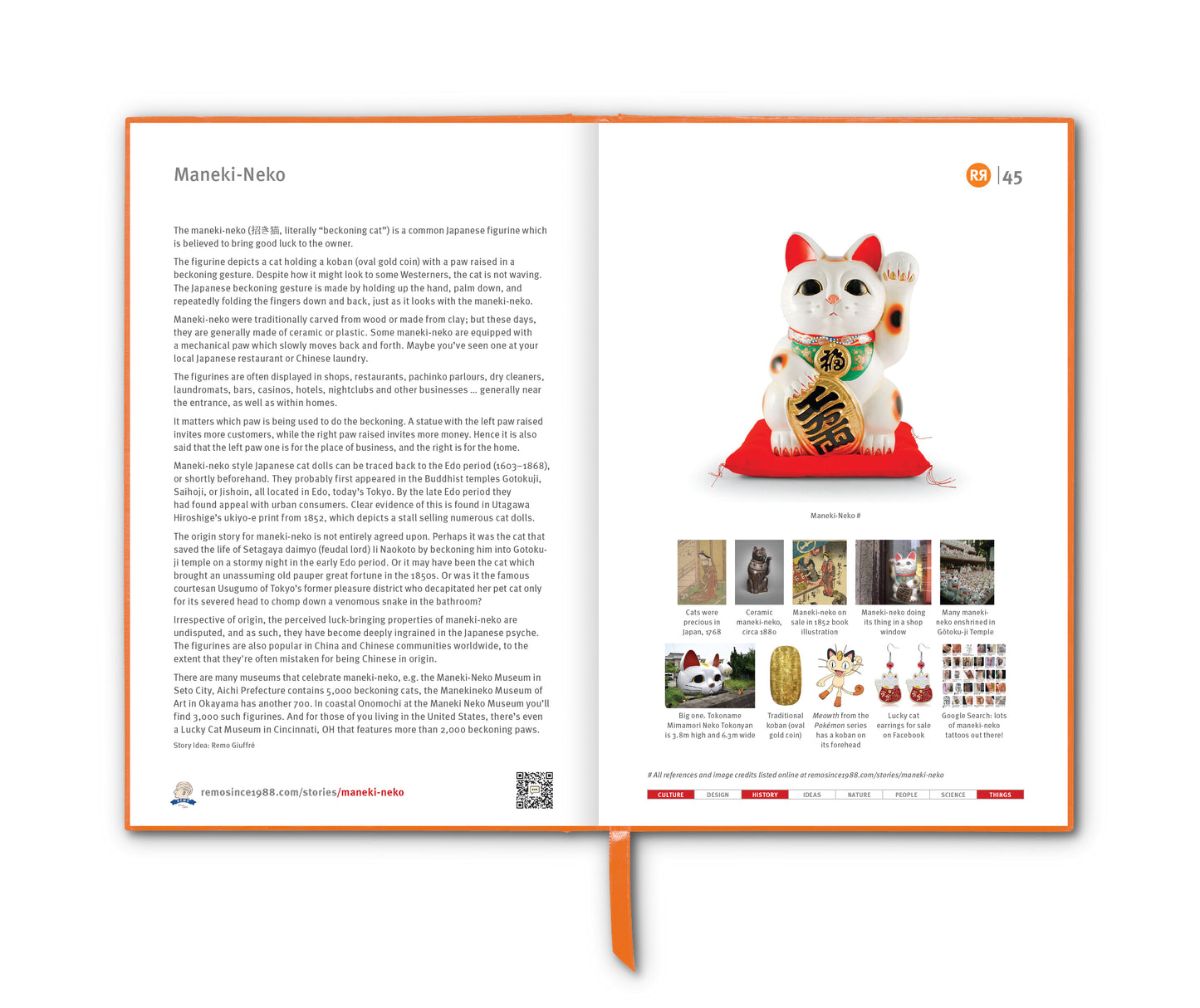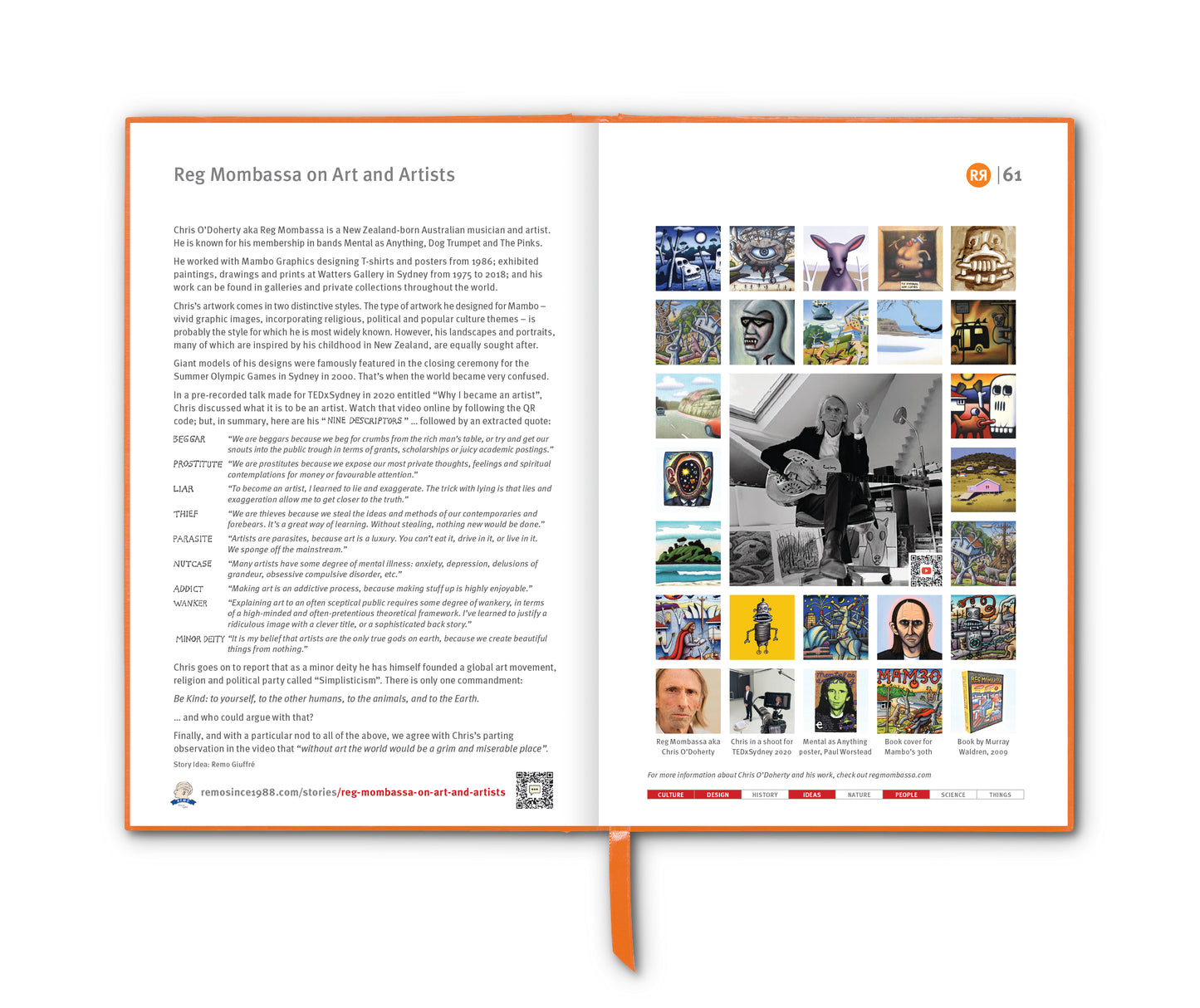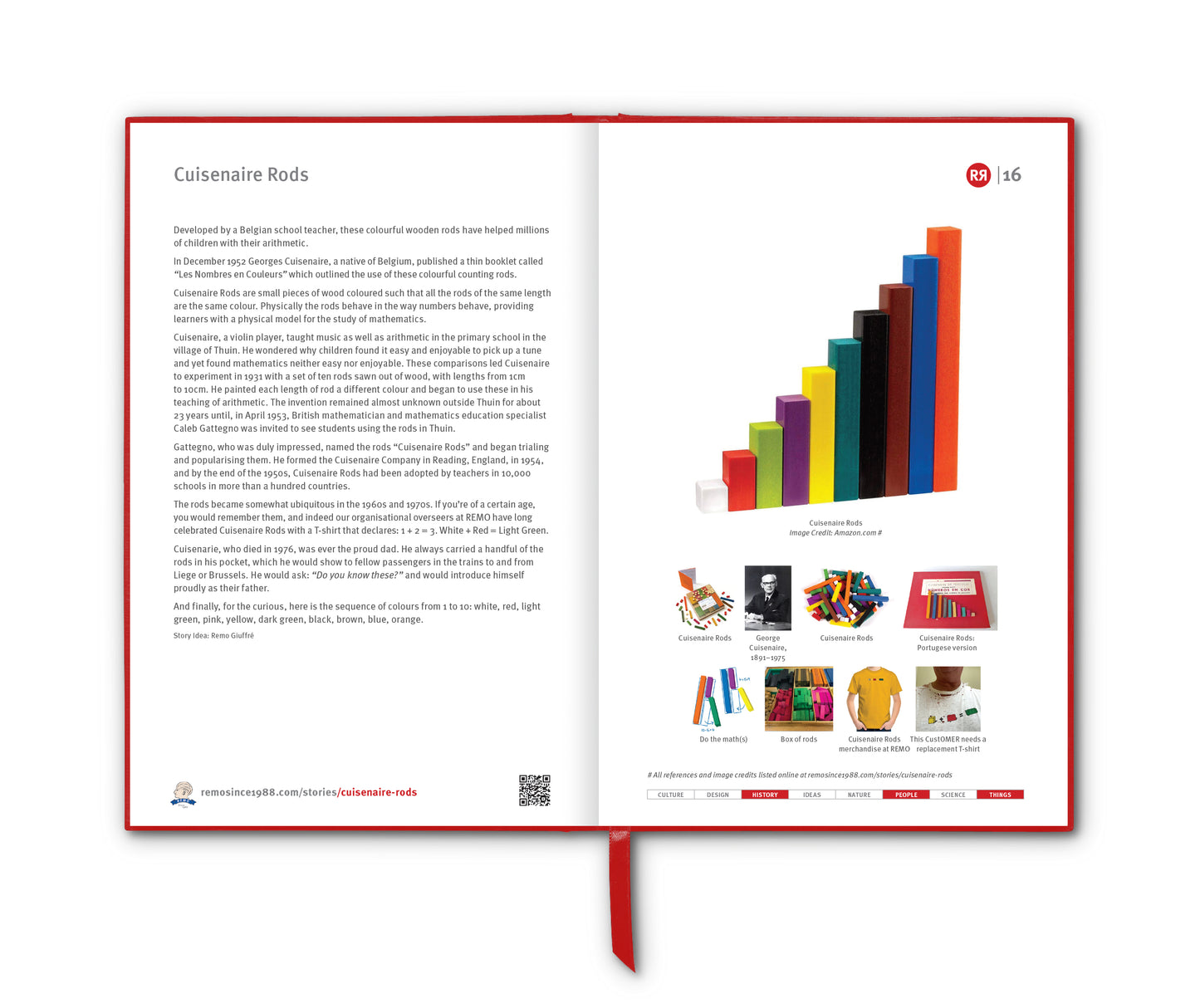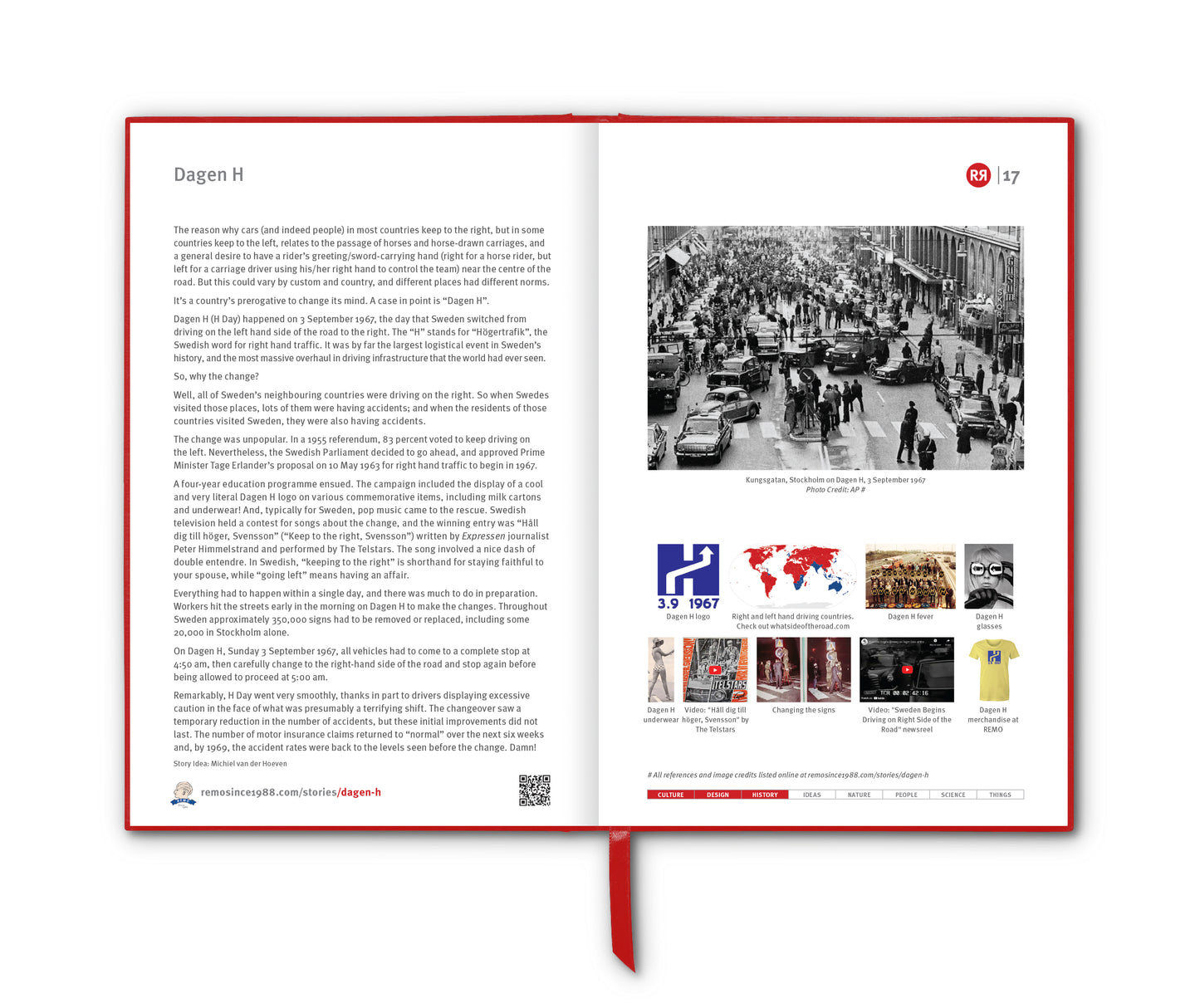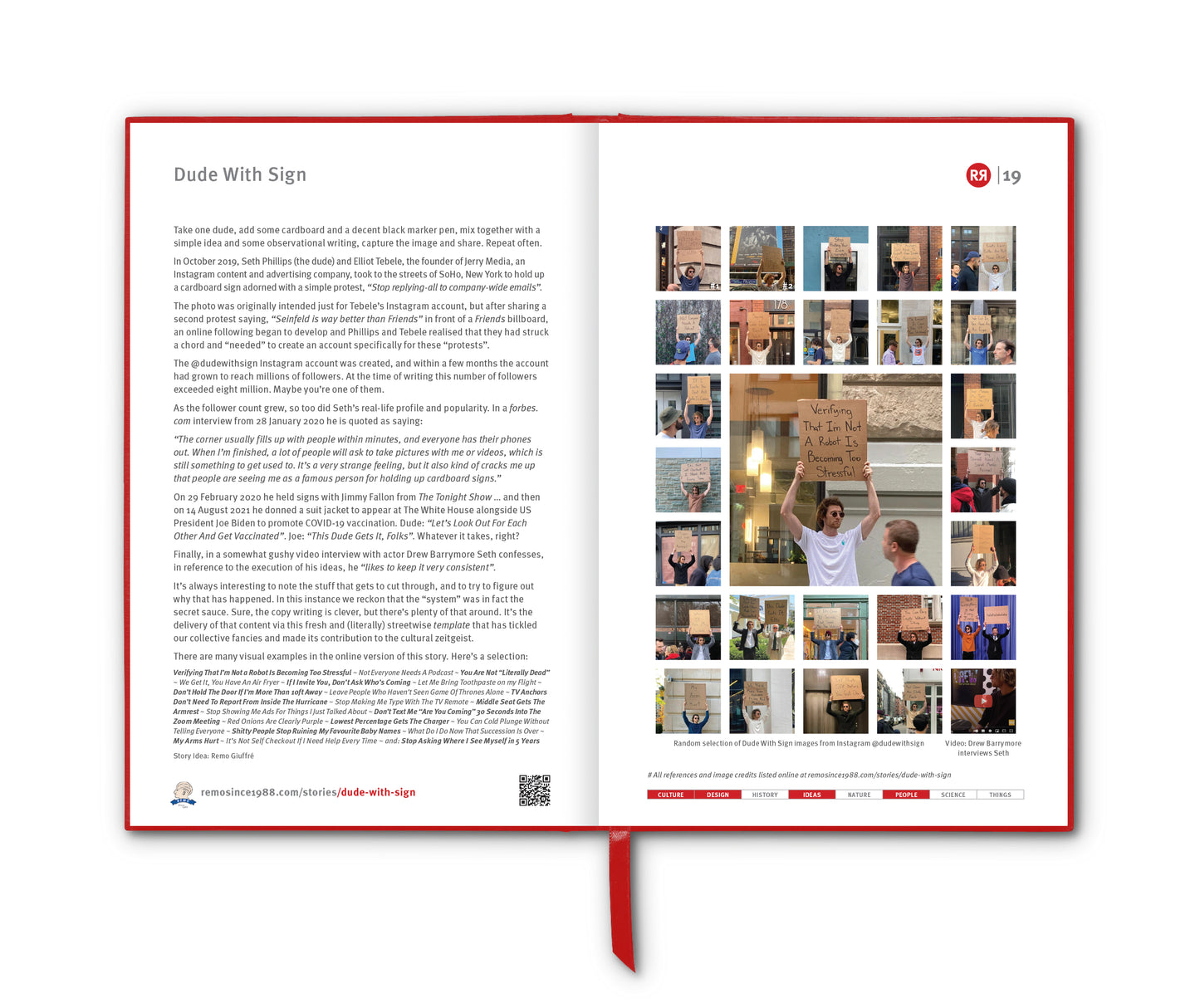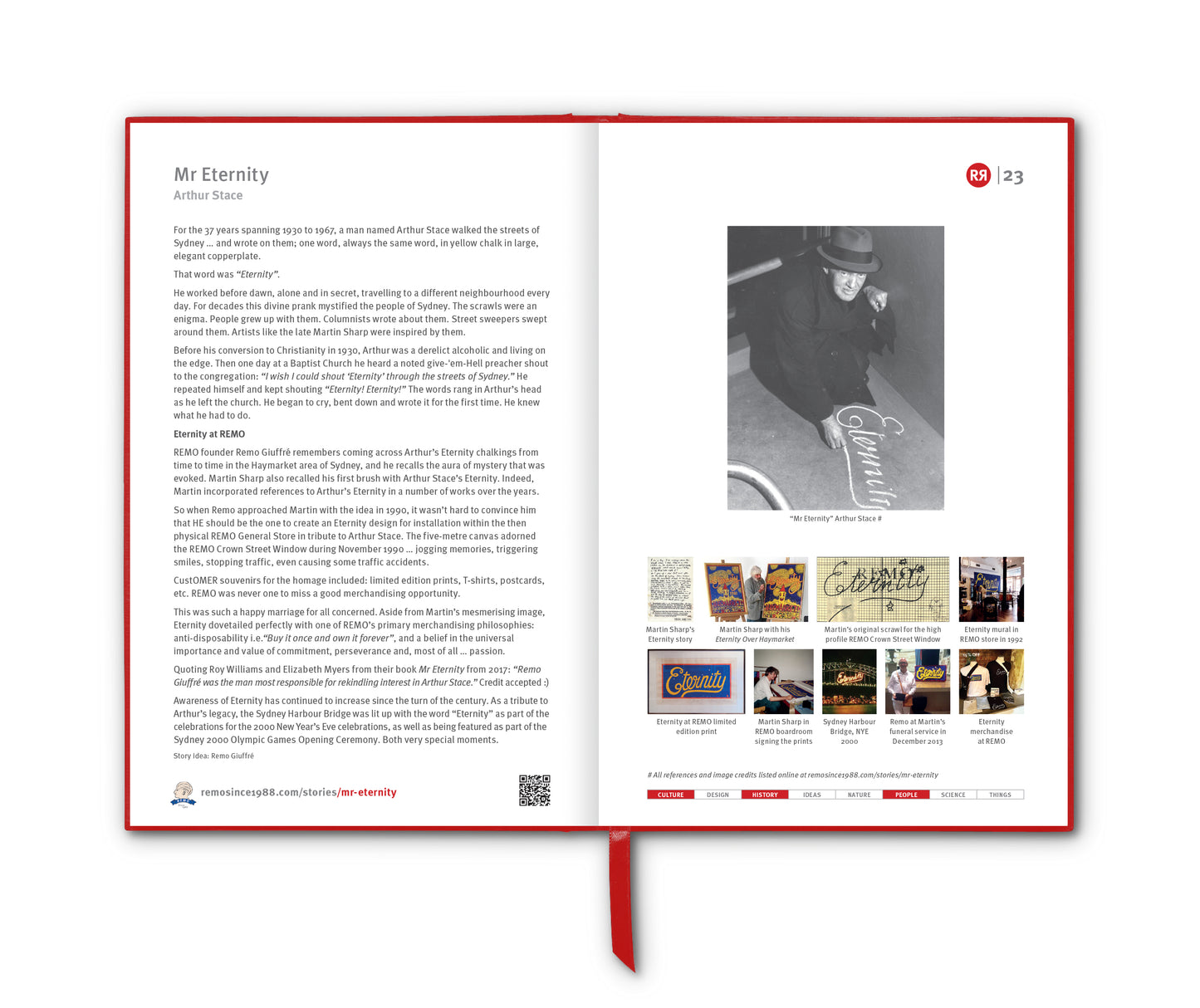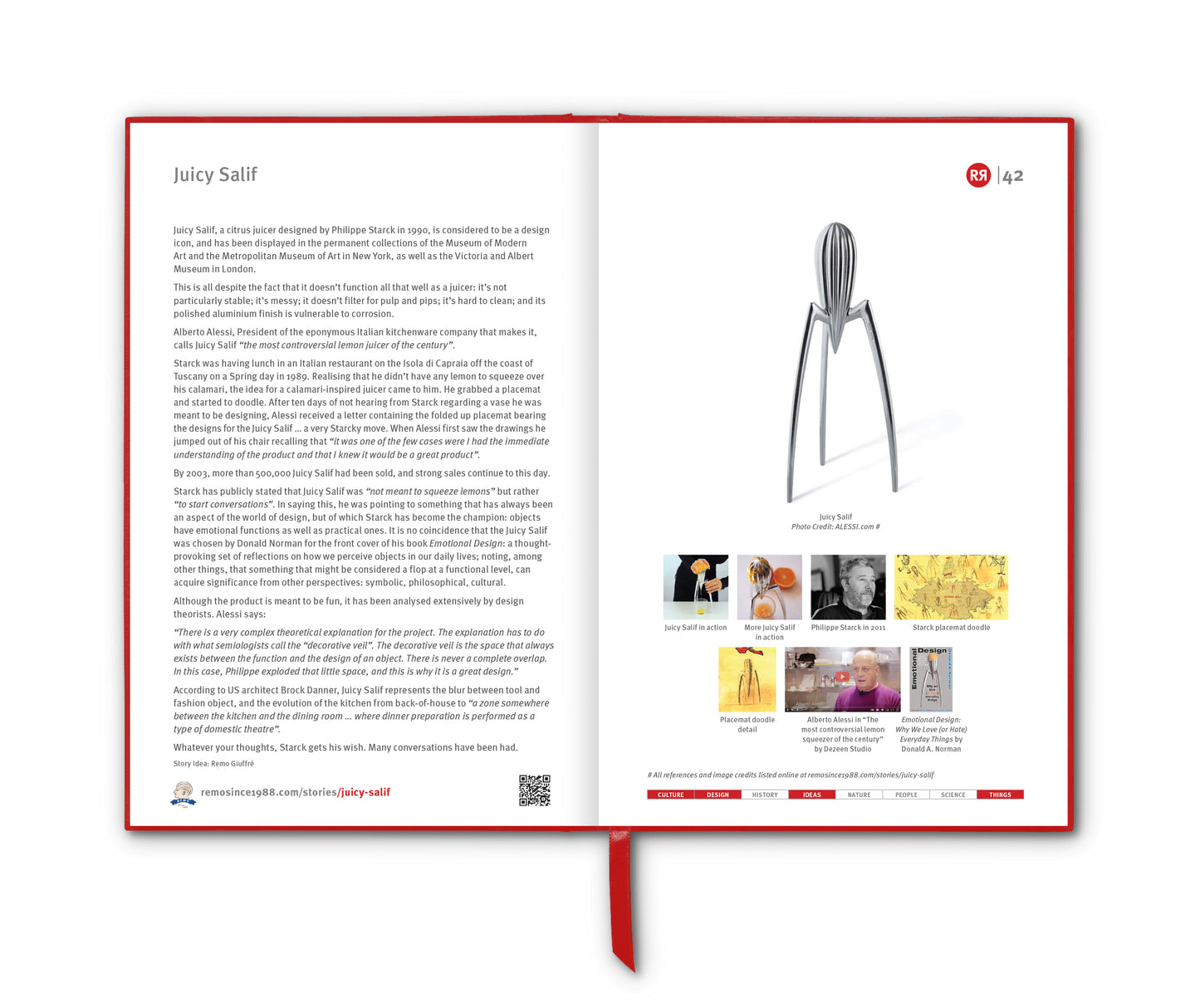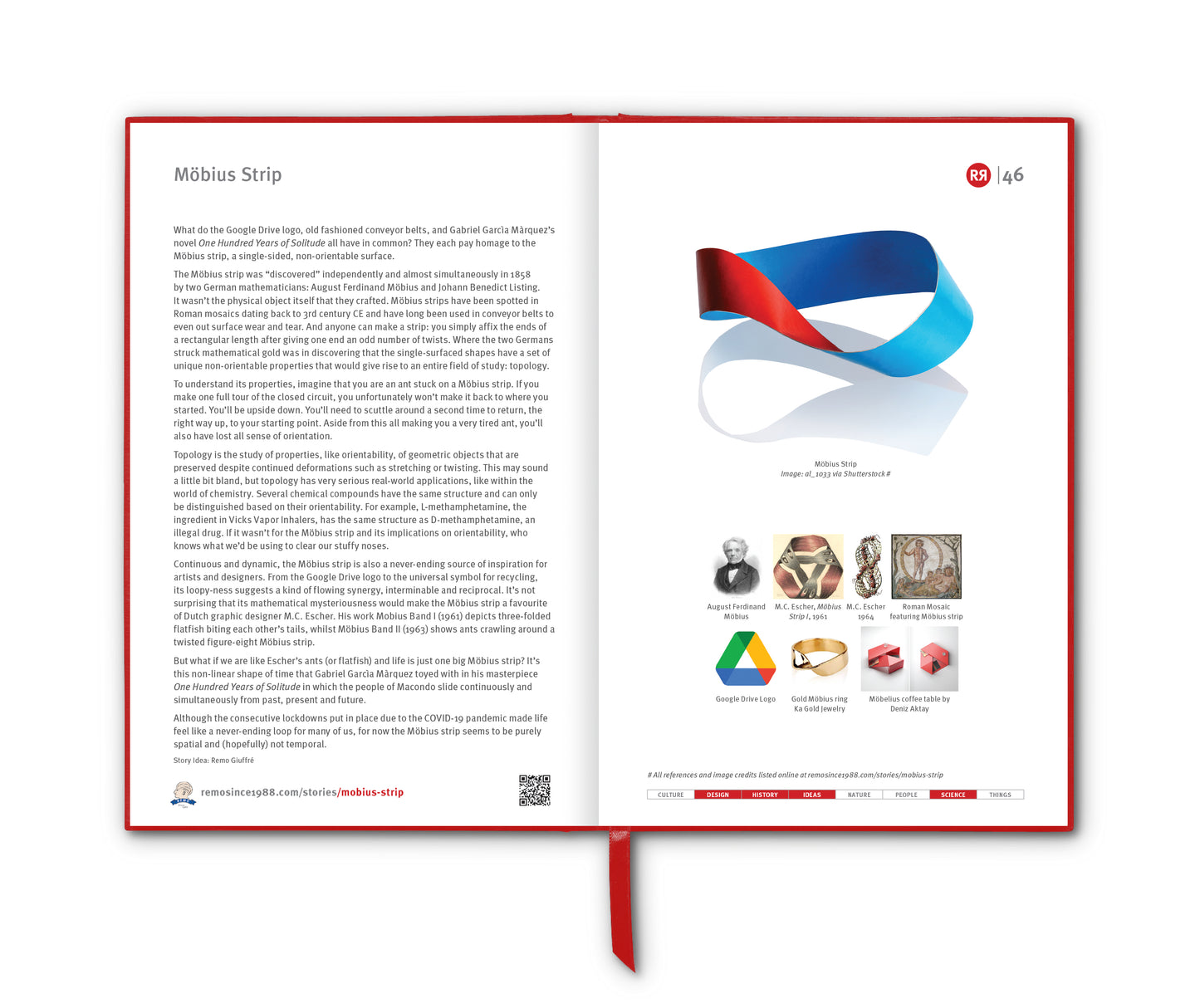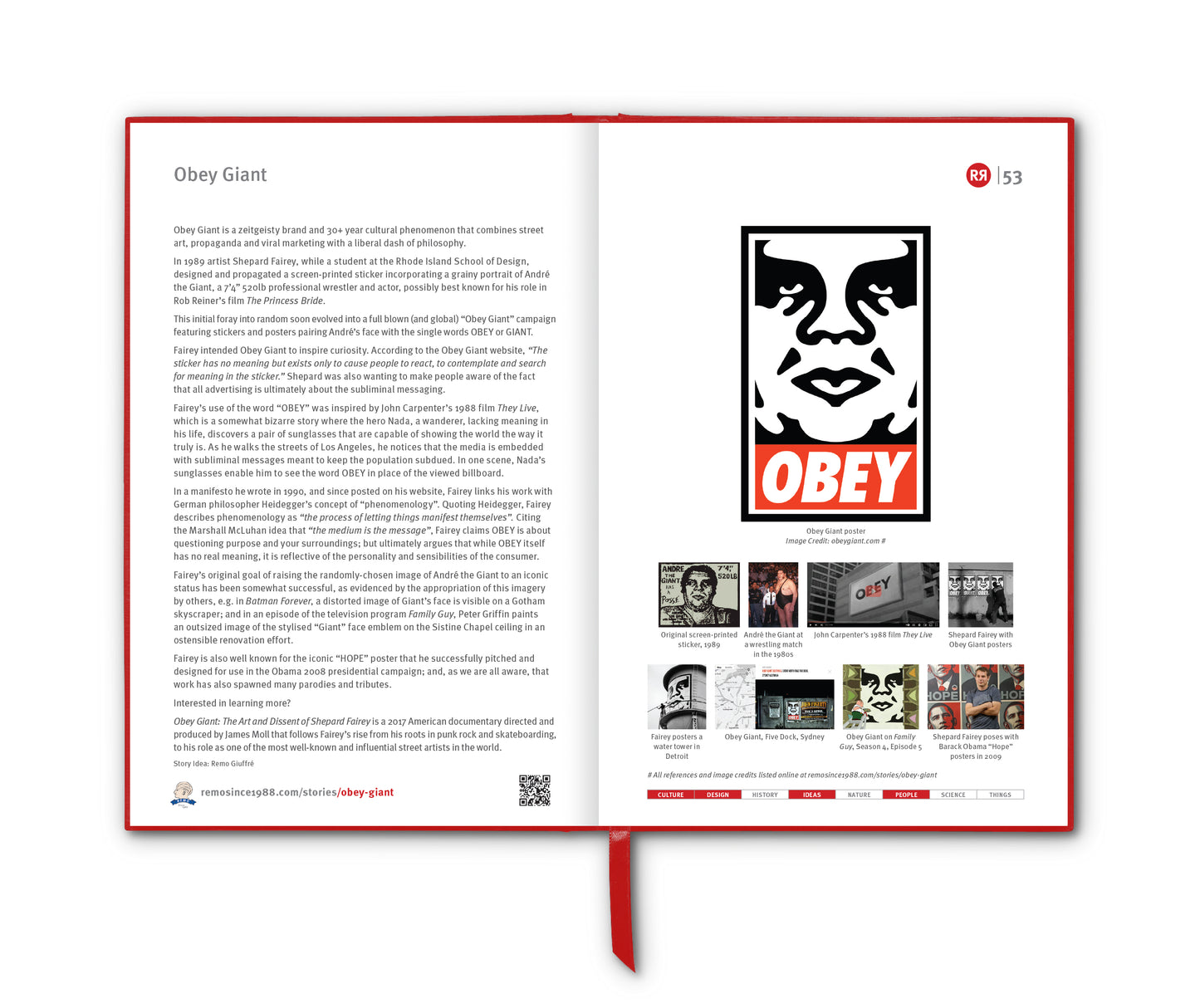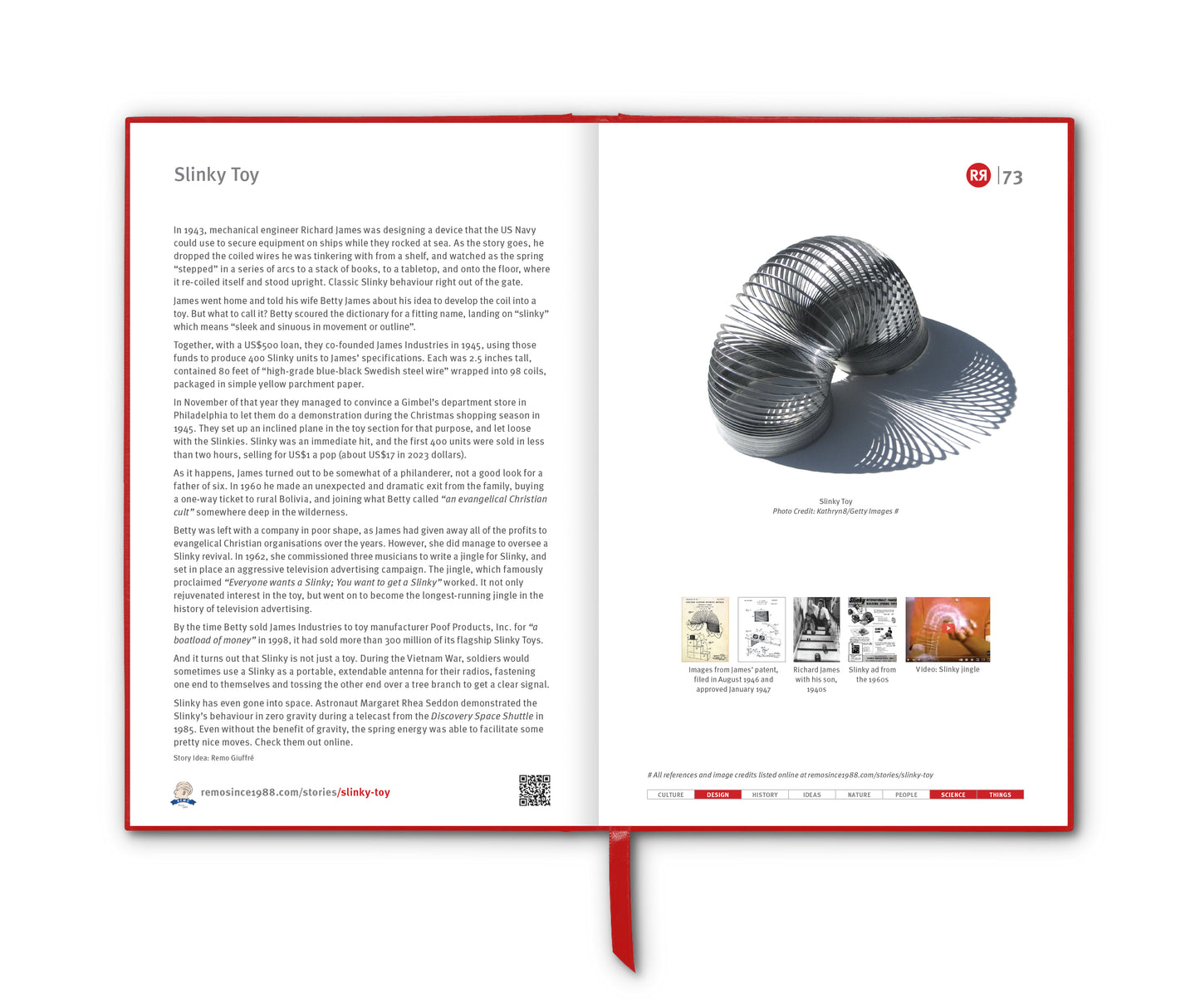

In 2012, an elderly Spanish woman named Cecilia Giménez attempted what she believed was a simple act of kindness. The result became one of the most famous art restoration disasters in history – and, unexpectedly, one of the most successful tourism campaigns ever accidentally created.
The artwork in question was Ecce Homo (“Behold the Man”), a modest 1930 fresco of Jesus painted by local artist Elías García Martínez in the small town of Borja. The painting hung inside the Sanctuary of Mercy church and had little international profile. Over the years, moisture and age had caused the fresco to deteriorate badly. Giménez, an 81-year-old parishioner with no professional restoration training, decided to help preserve it.
Her intentions were sincere, but her execution was catastrophic. Instead of delicately restoring the face of Christ, Giménez transformed it into a blurry, rounded figure with crude features, smudged eyes and an oddly simian expression. When photos of the restoration reached the internet, global ridicule followed almost instantly. Social media exploded. The transformed image was compared to a monkey, a potato, a lion and countless other things. The internet quickly gave it some nicknames: “Monkey Christ” or alternatively “Beast Jesus”.
What could have been a humiliating local embarrassment instead became a worldwide cultural phenomenon. Journalists descended on Borja. Television crews arrived. Tourists started making pilgrimages to see the botched fresco in person. Within weeks, the tiny town had become internationally famous.
The story resonated because it combined several irresistible ingredients: religious art, amateur enthusiasm, unintended comedy and internet virality. But beneath the jokes was something strangely touching. Cecilia Giménez had not vandalised the artwork out of malice or ego. She genuinely believed she was helping. As the mockery intensified, many people began defending her, and indeed the notoriety was causing her humiliation, anxiety and panic, a period during which she refused to eat and reportedly lost six kilograms. But ultimately, the mood changed and she evolved from being an internet punchline into becoming an unlikely folk hero.
Then came the real twist – and a terrific example of turning lemons into lemonade.
Rather than hide the fresco or attempt another restoration, Borja embraced the chaos. The church began charging a small admission fee to view the painting. Souvenir shops appeared. There were mugs, T-shirts, fridge magnets and wine labels featuring Beast Jesus. Visitor numbers surged into the hundreds of thousands. The town reportedly generated hundreds of thousands of euros in tourism revenue for the newly formed foundation, funding local charities and community projects in the process.
Few people outside Borja cared about Ecce Homo before 2012. In an age obsessed with perfection, Ecce Homo became a celebration of glorious imperfection. The failed restoration succeeded precisely because it failed so publicly and so memorably.
Today, “Monkey Christ” is one of the most recognisable religious artworks on Earth.
_______________________
References
wikipedia.org/wiki/Ecce_Homo_(Garc%C3%ADa_Mart%C3%ADnez_and_Gim%C3%A9nez)
time.com/5490009/botched-jesus-restoration-tourist-attraction-spain/
theguardian.com/world/2018/dec/28/how-monkey-christ-brought-new-life-to-a-quiet-spanish-townhttps://www.facebook.com/profile.php?id=100049820744485
boredpanda.com/funny-internet-reactions-botched-ecce-homo-restoration/
Images
1. Monkey Christ
2. Elías García Martínez, Ecce Homo (1930), and Cecilia Giménez’s infamous 2012 restoration attempt.
3. Elias García Martínez (1858–1934)
4. Map of Borja, Spain
5. Cecilia Giménez. Credit: The Guardian
6. The Madrile family visit the Borja exhibition
7. Cecilia Giménez (1931–2025)
8 to 11. Ecce Homo Monkey Christ parodies