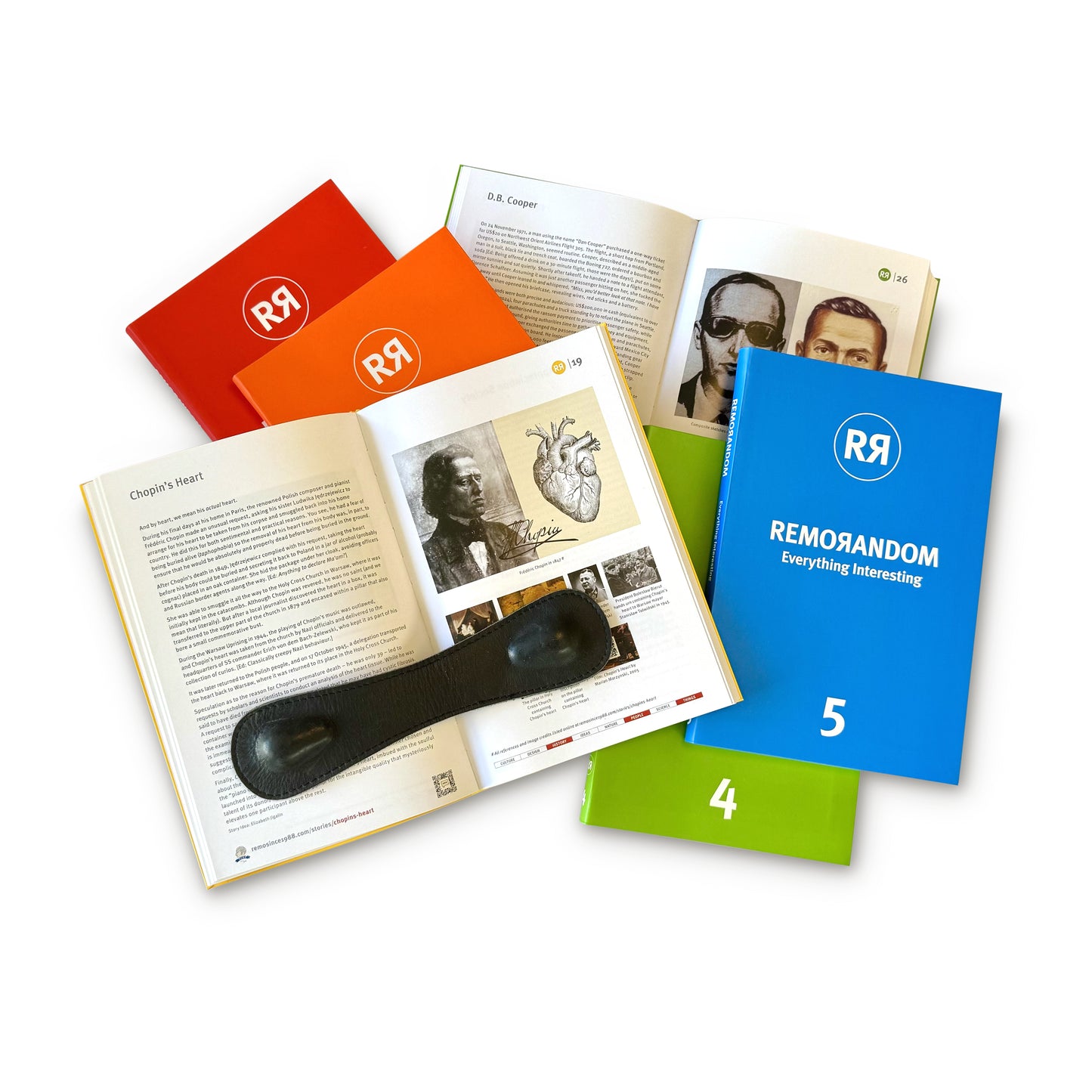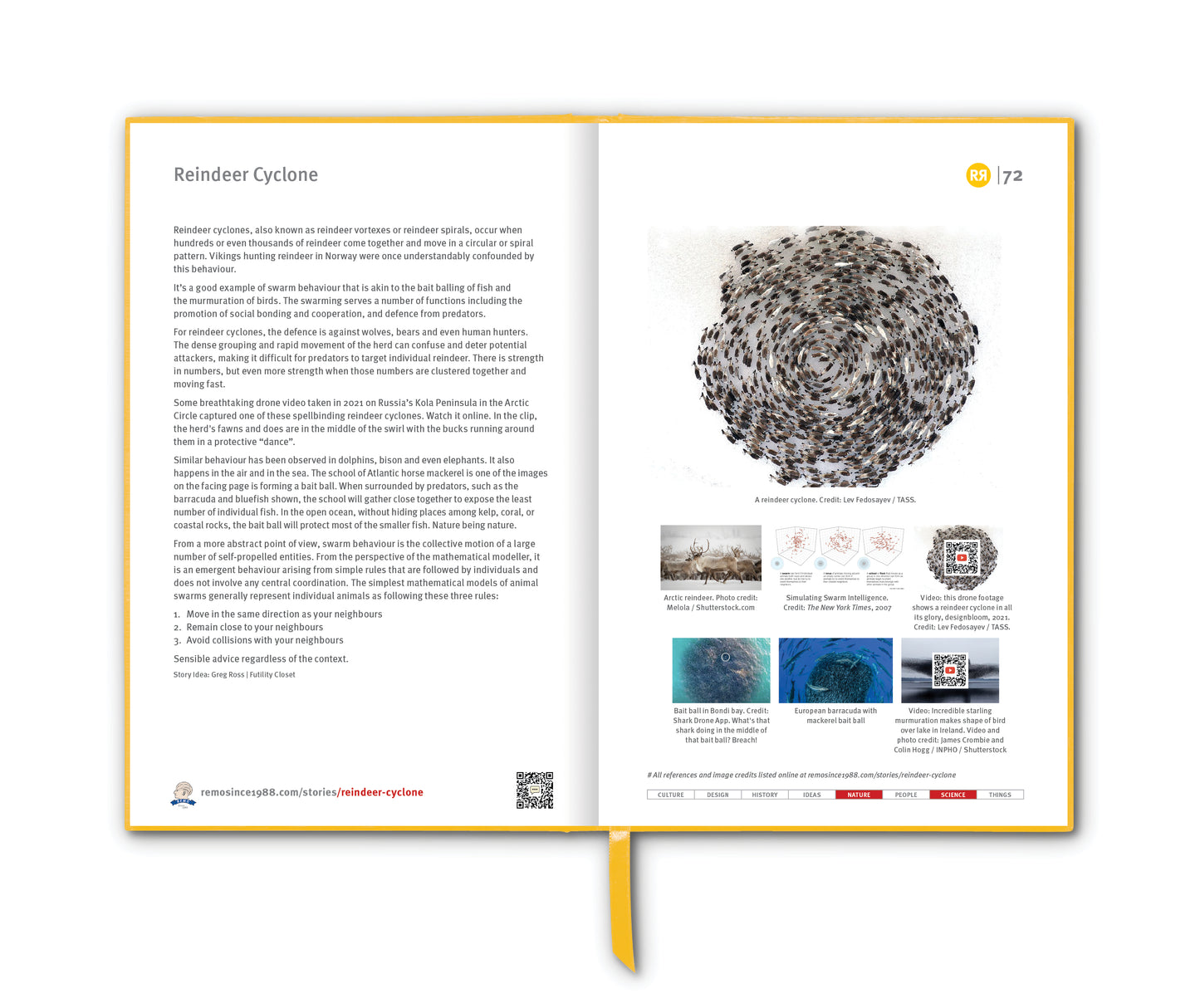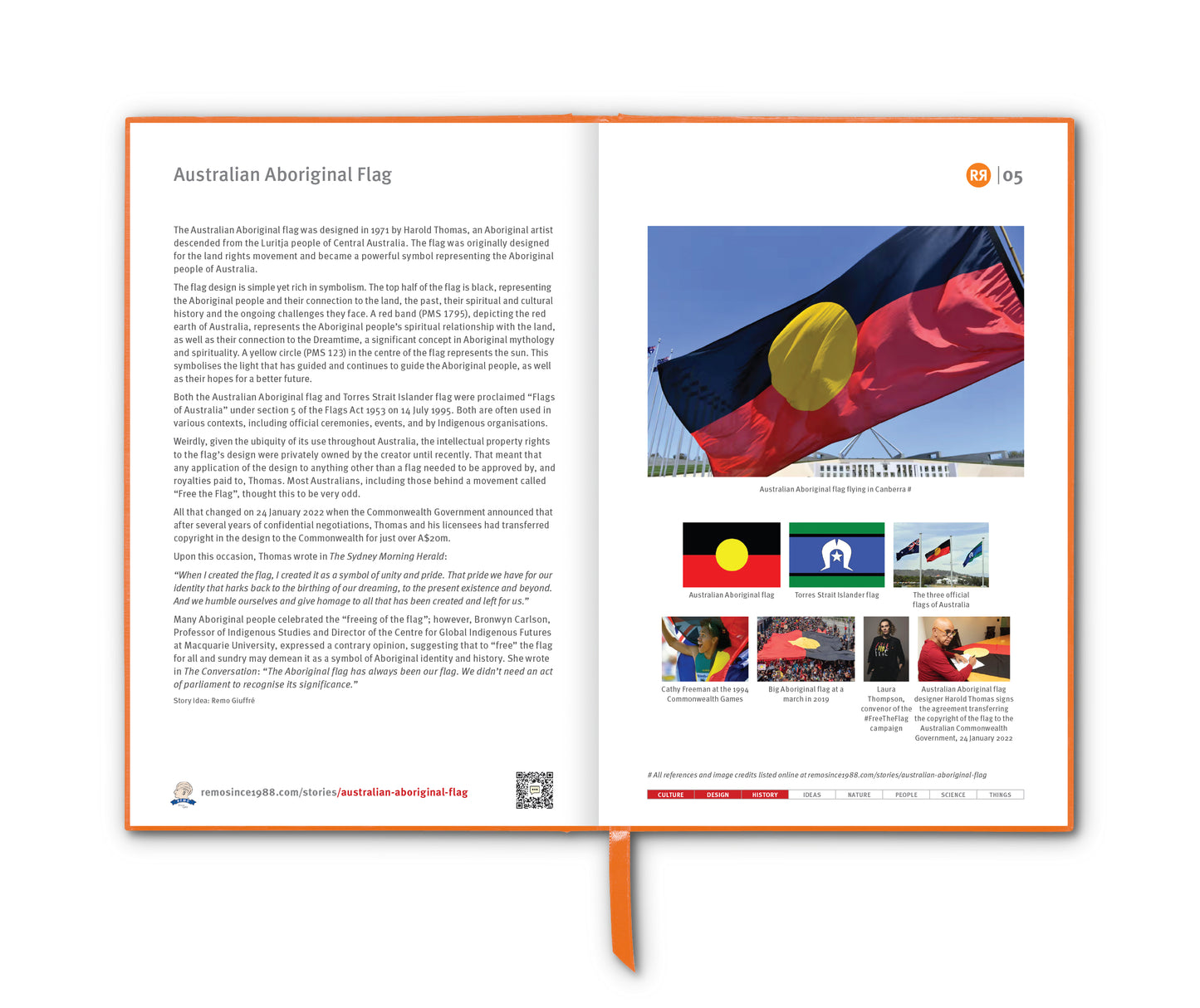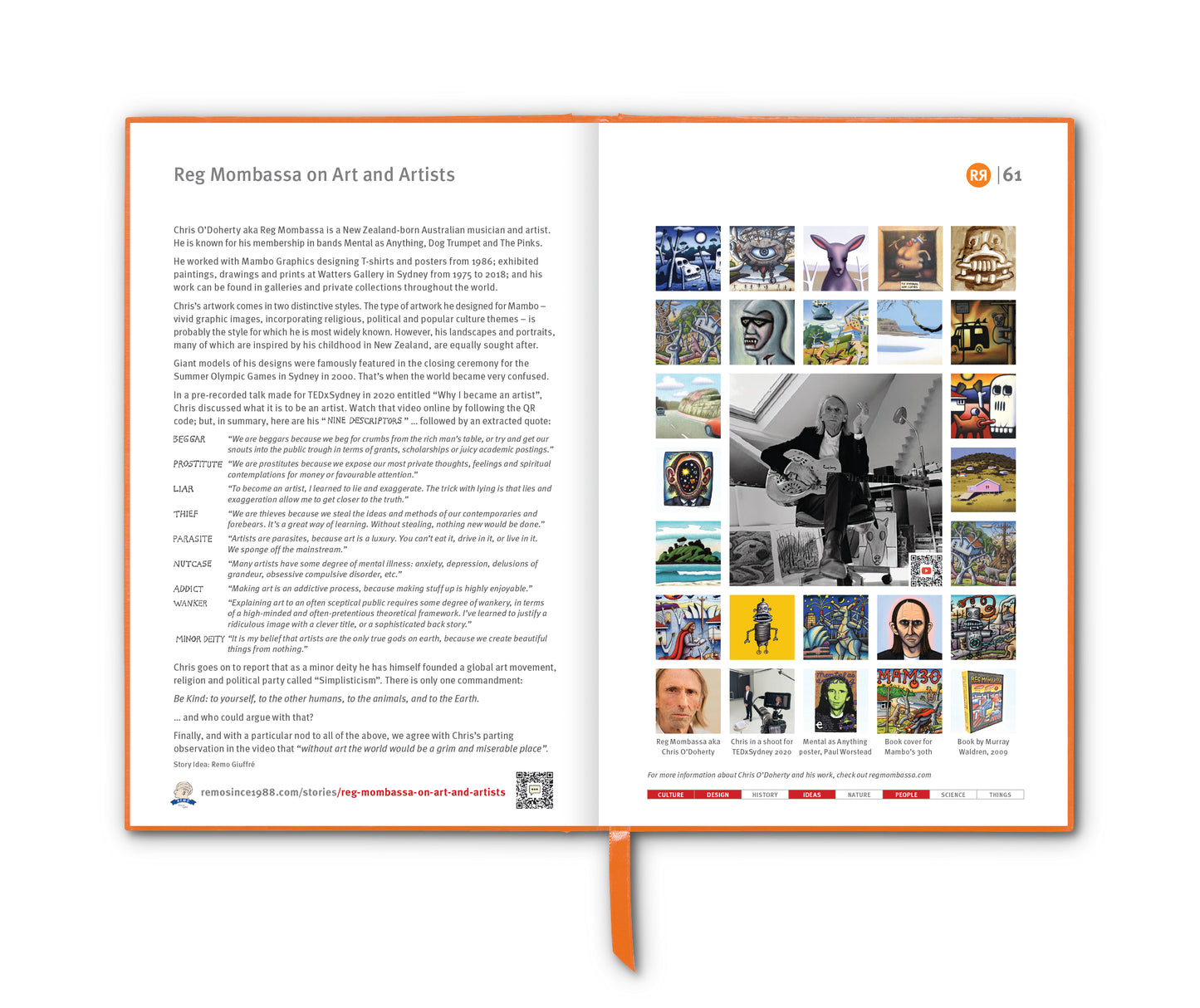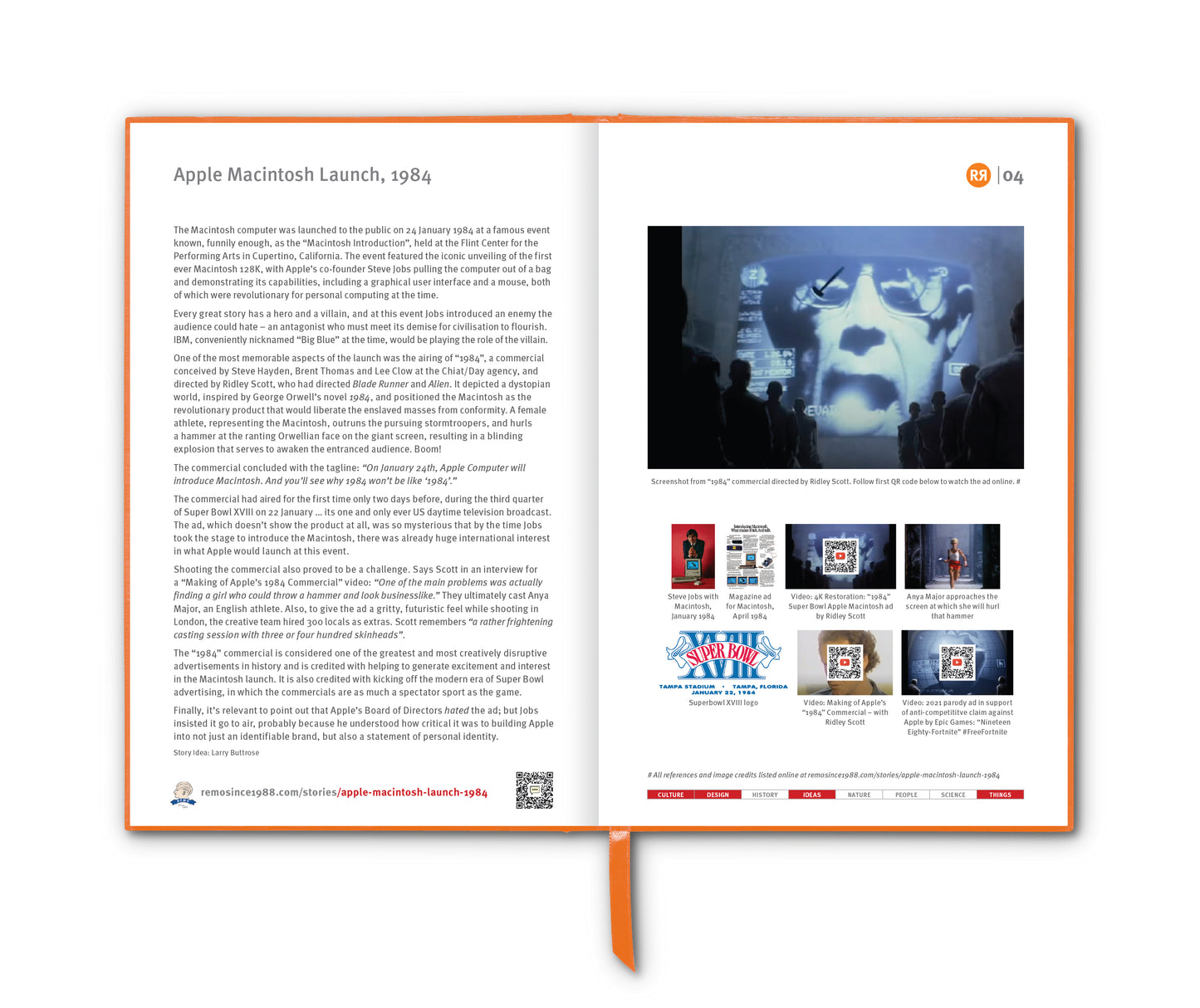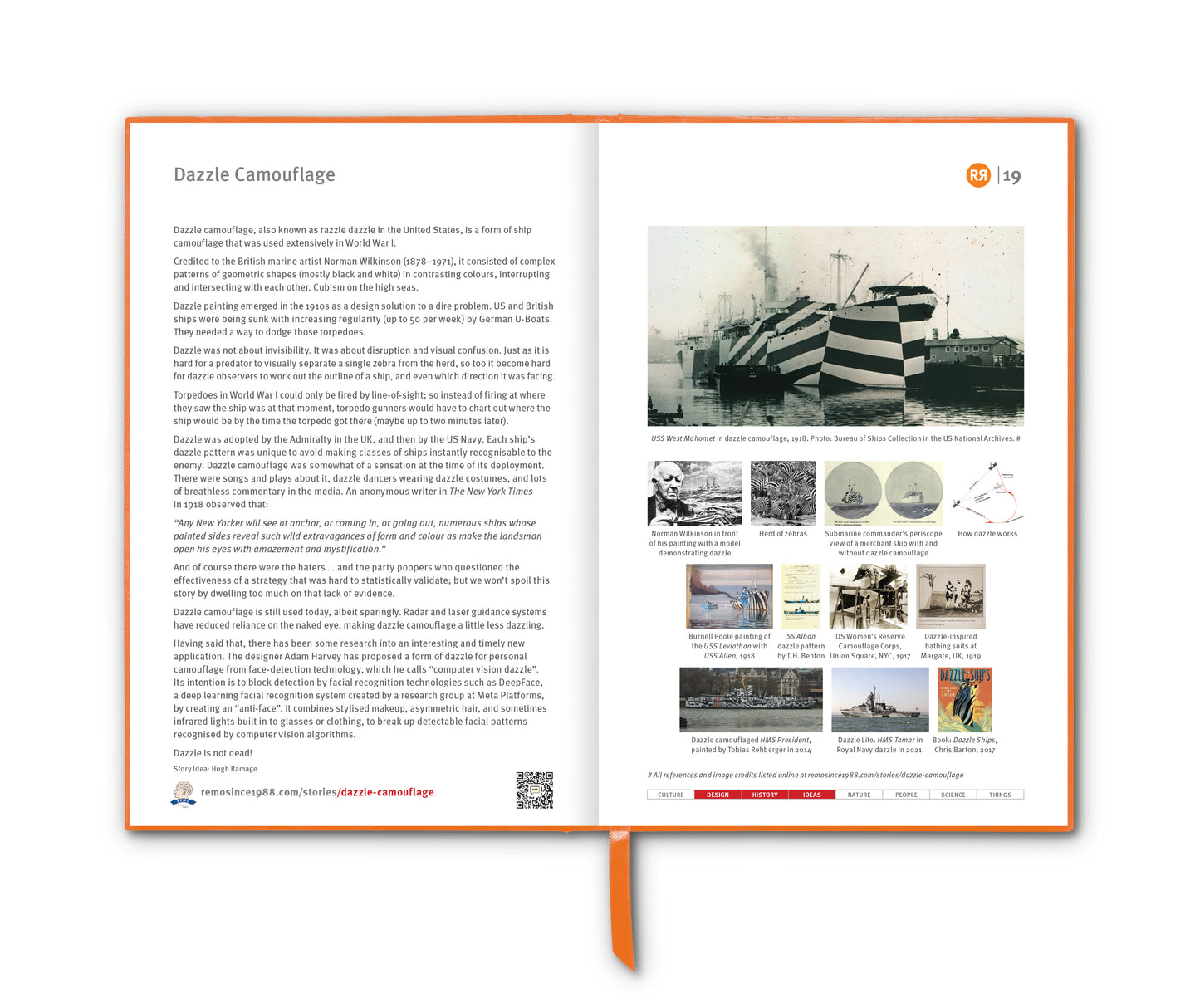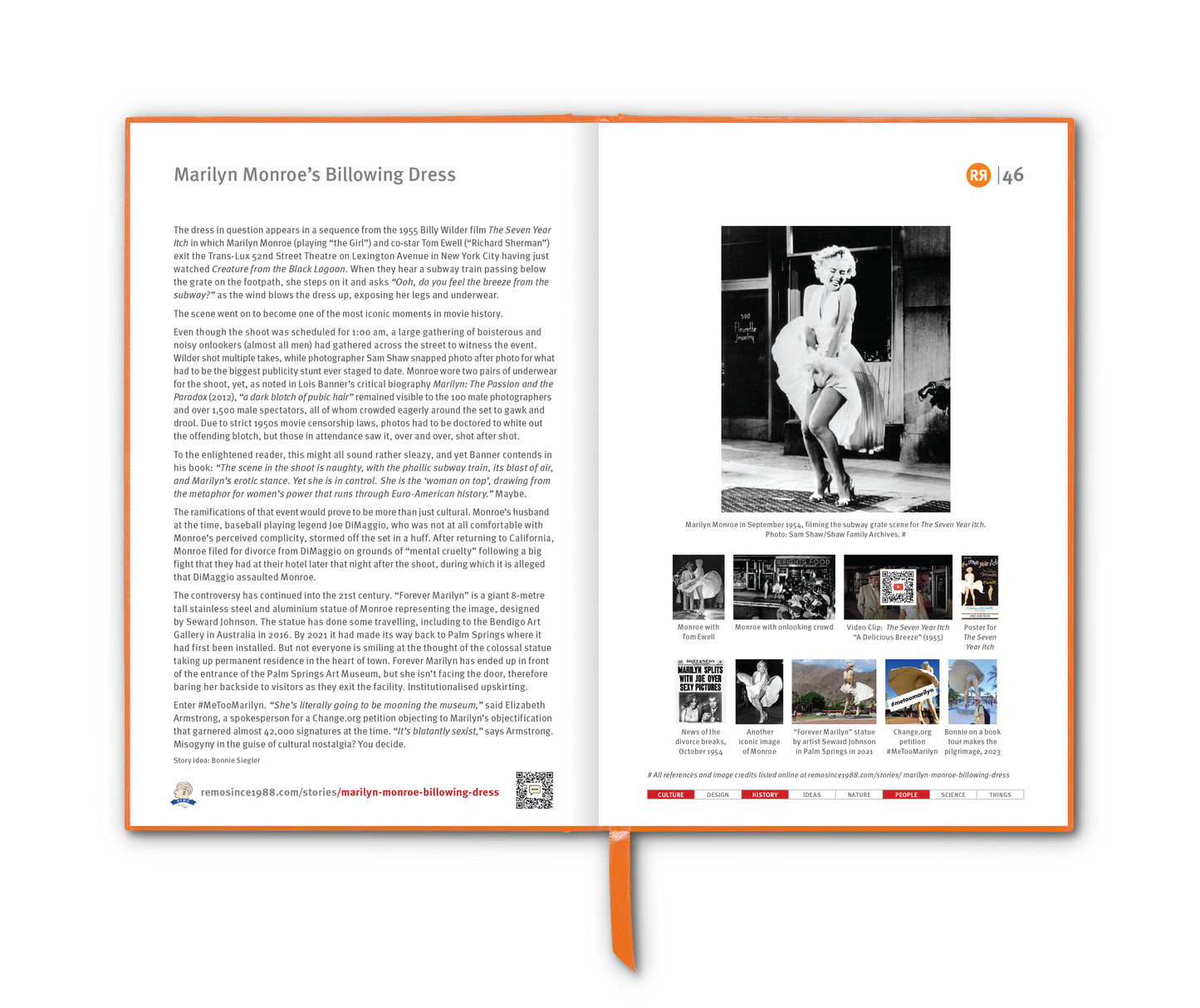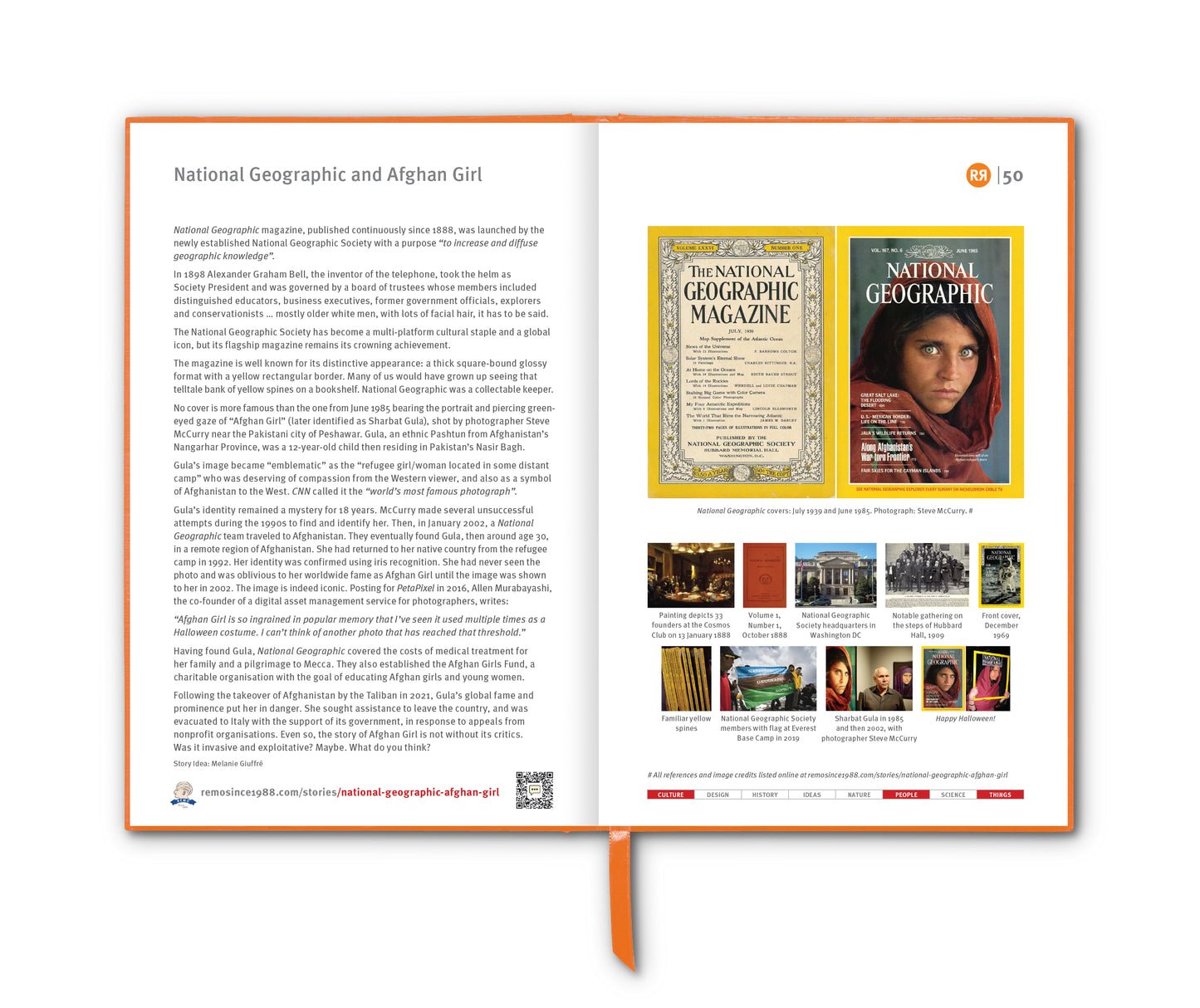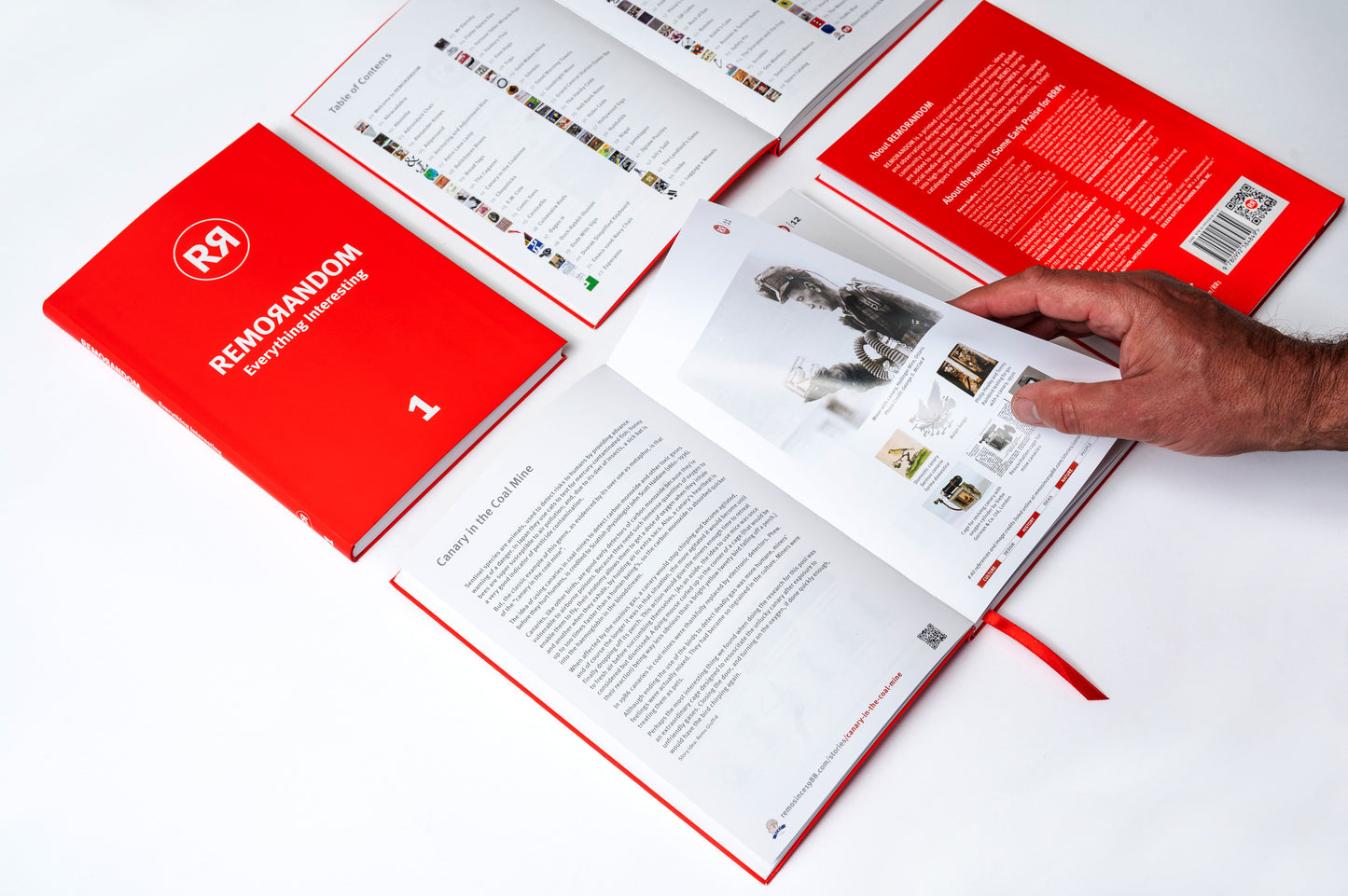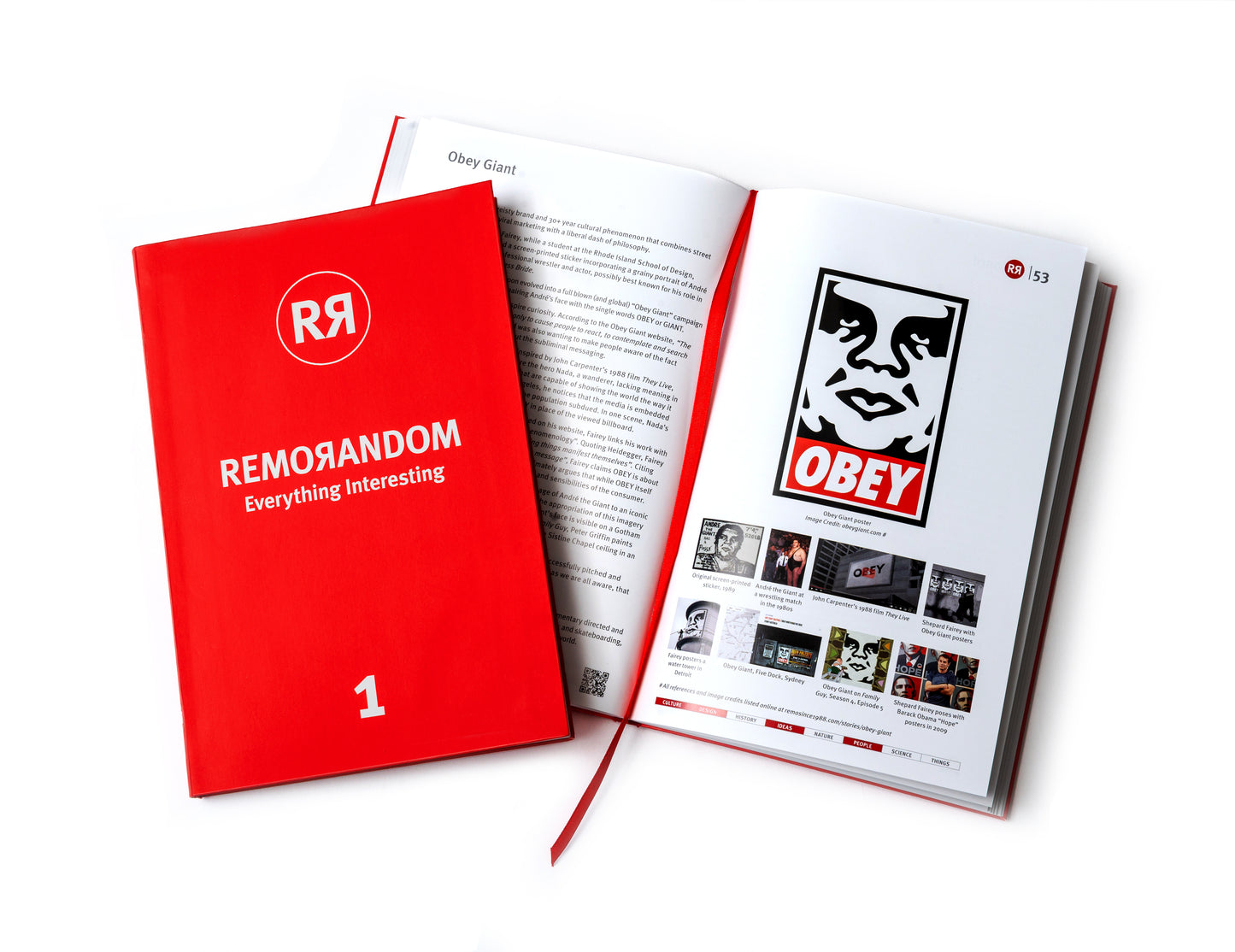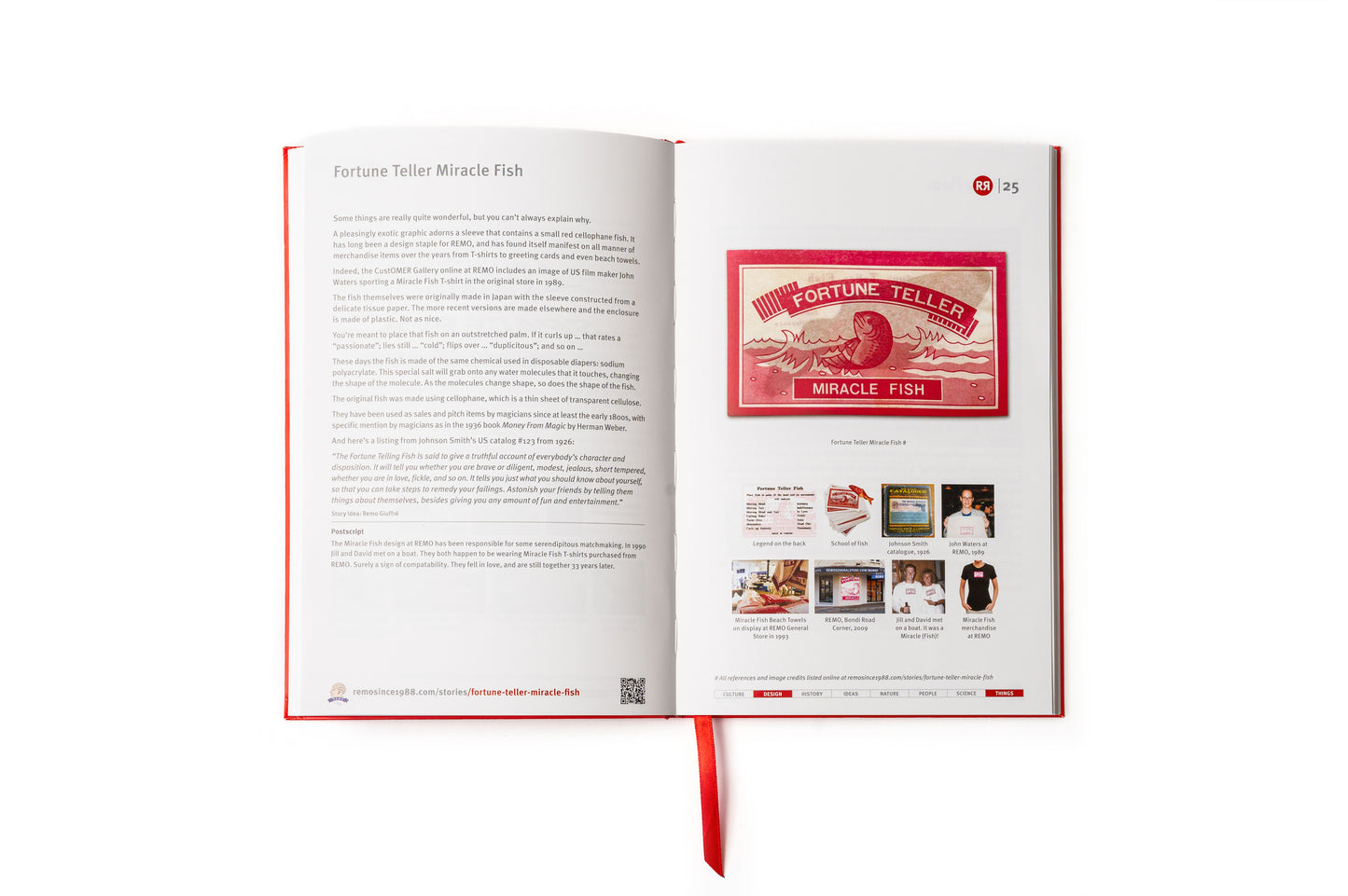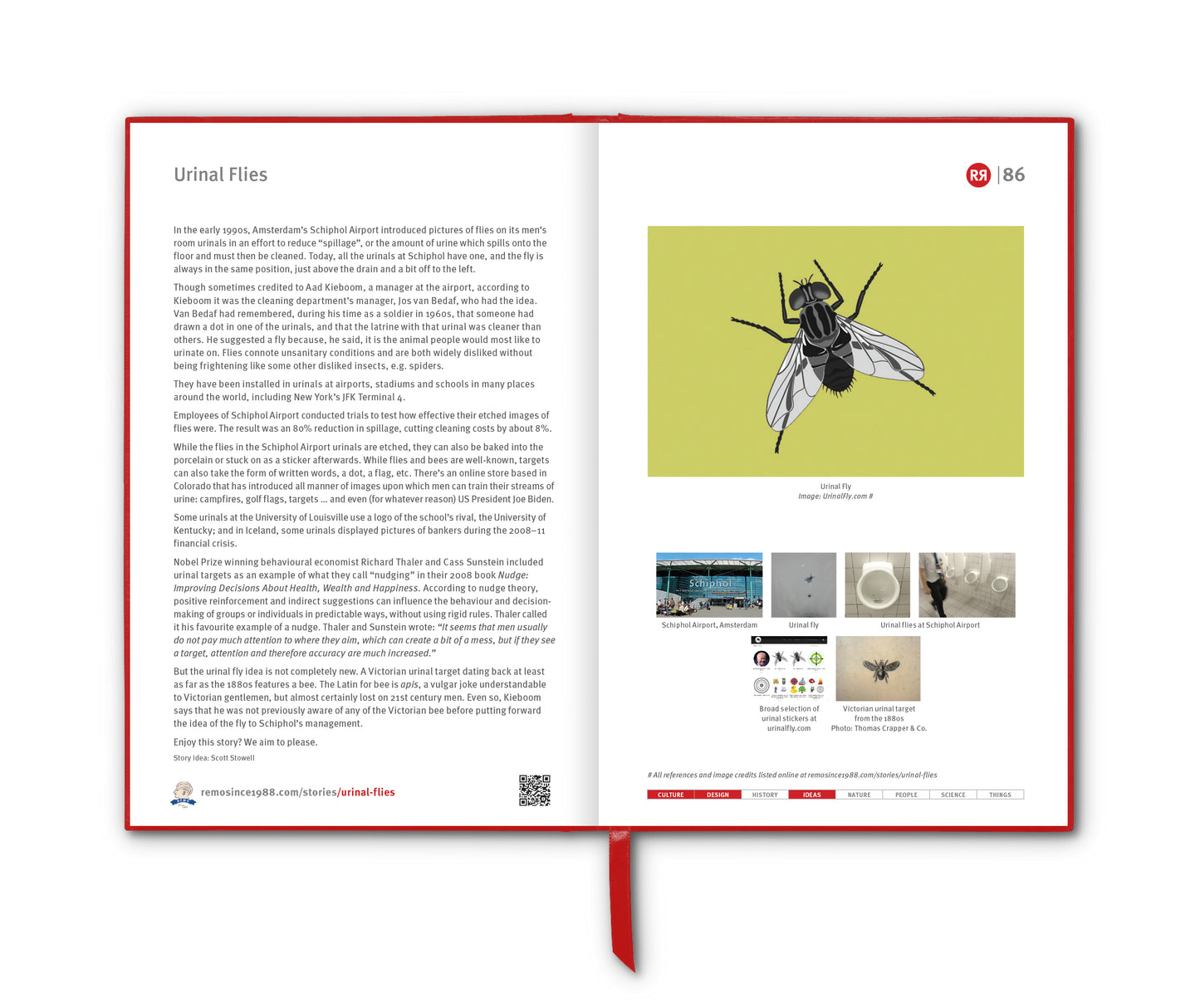

“OK” is one of the world’s most internationally recognised words. Airline pilots say it, software buttons display it and the speakers of dozens of languages use it without translation. It’s right up there with “hello”.
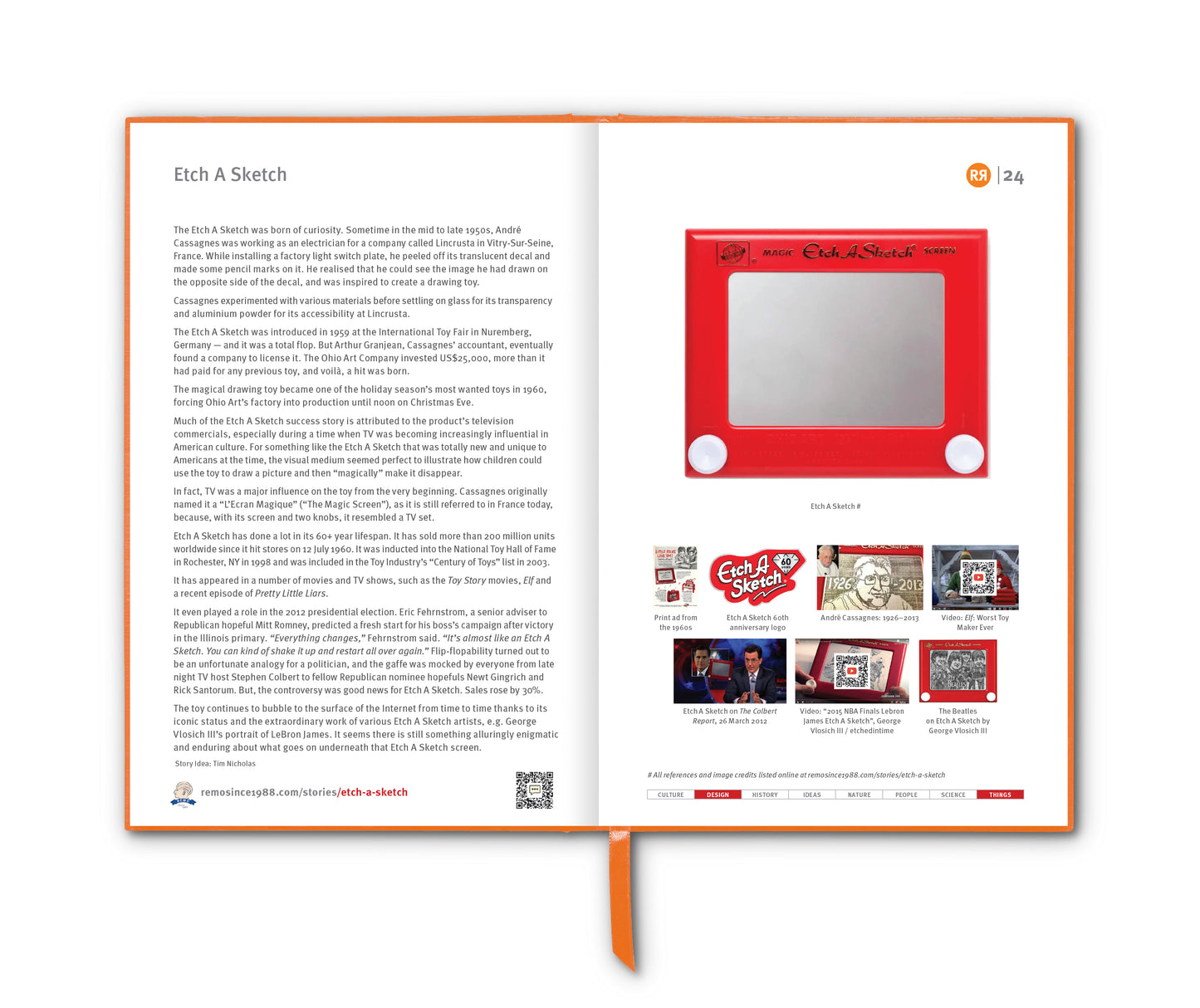
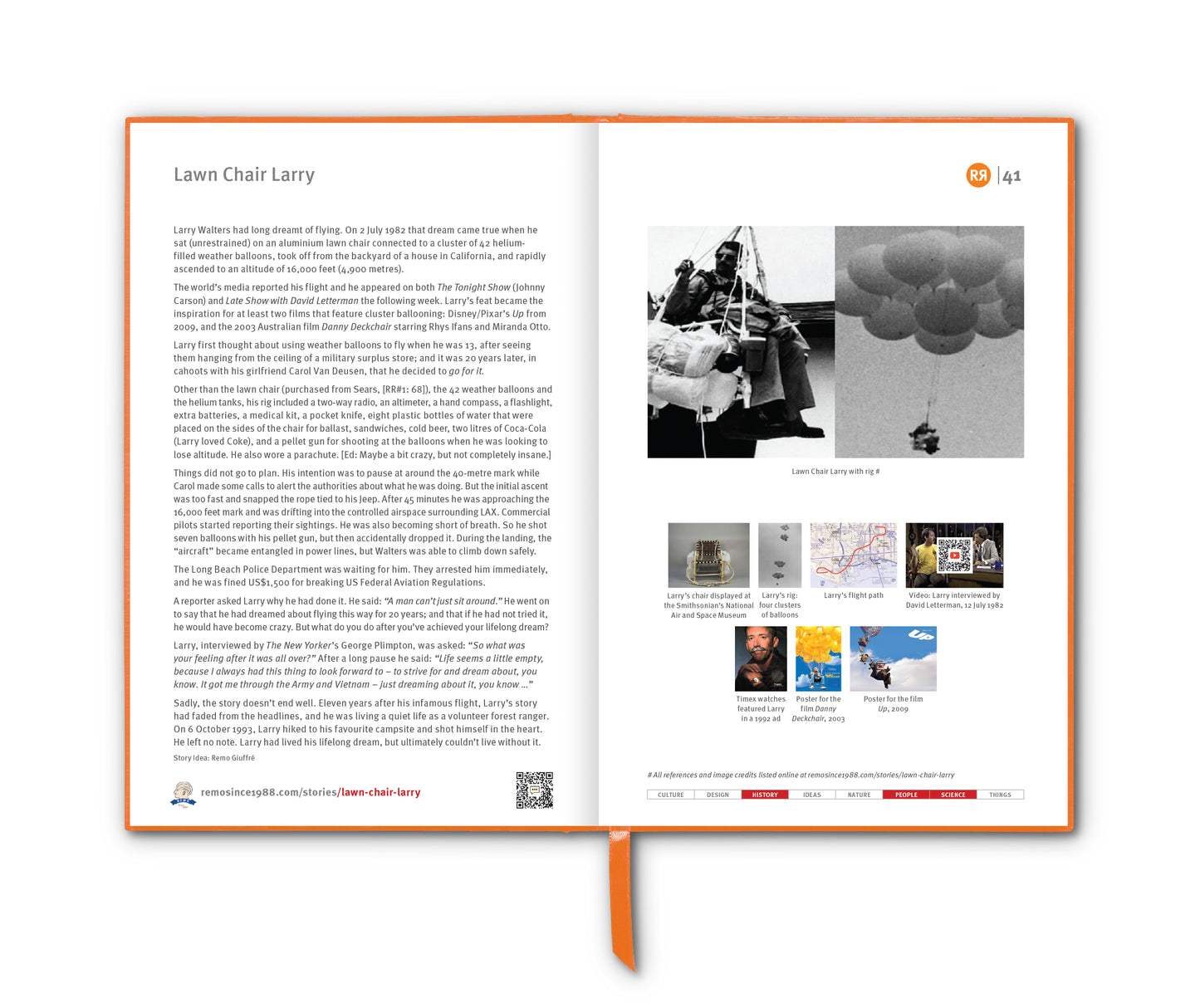
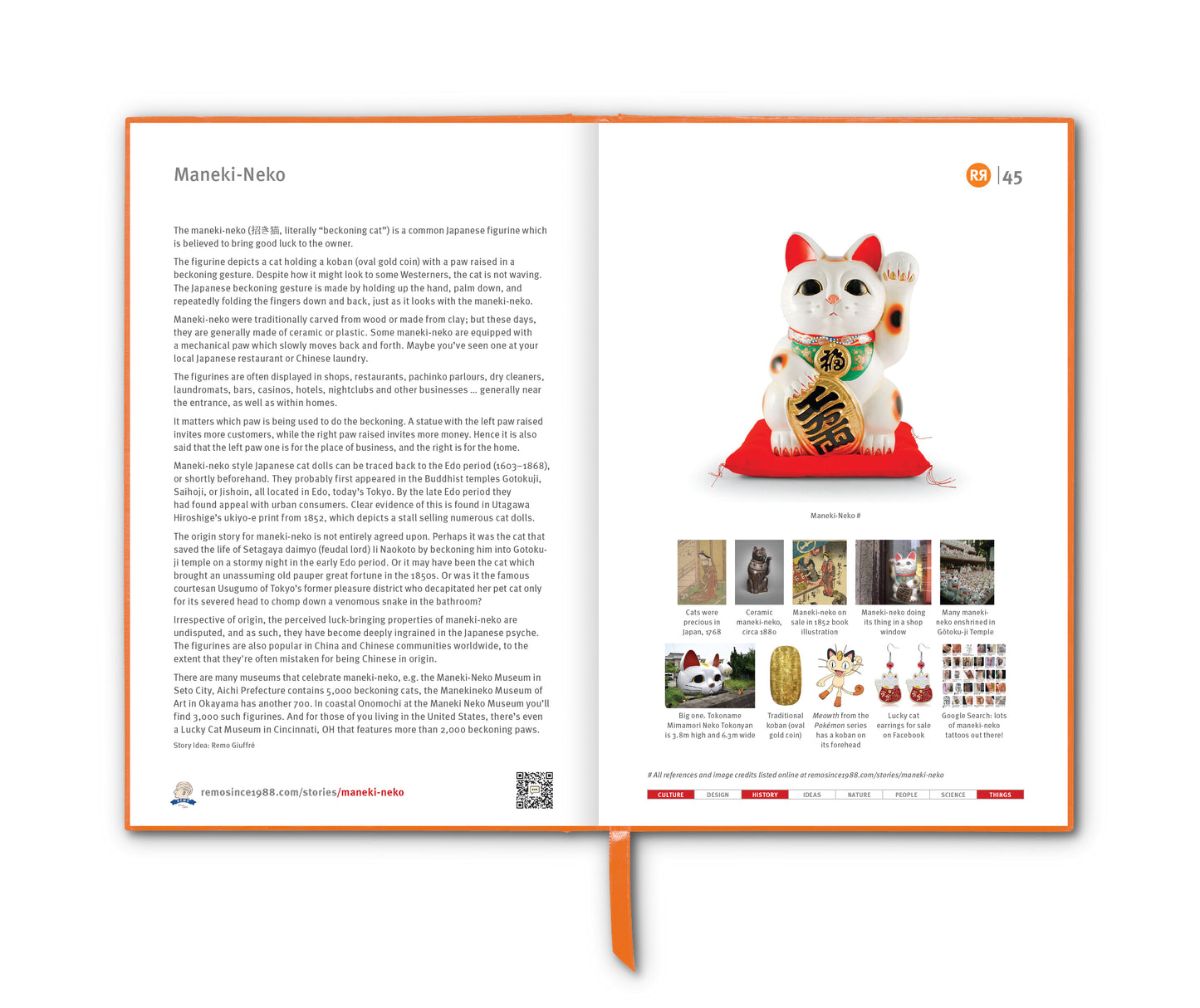
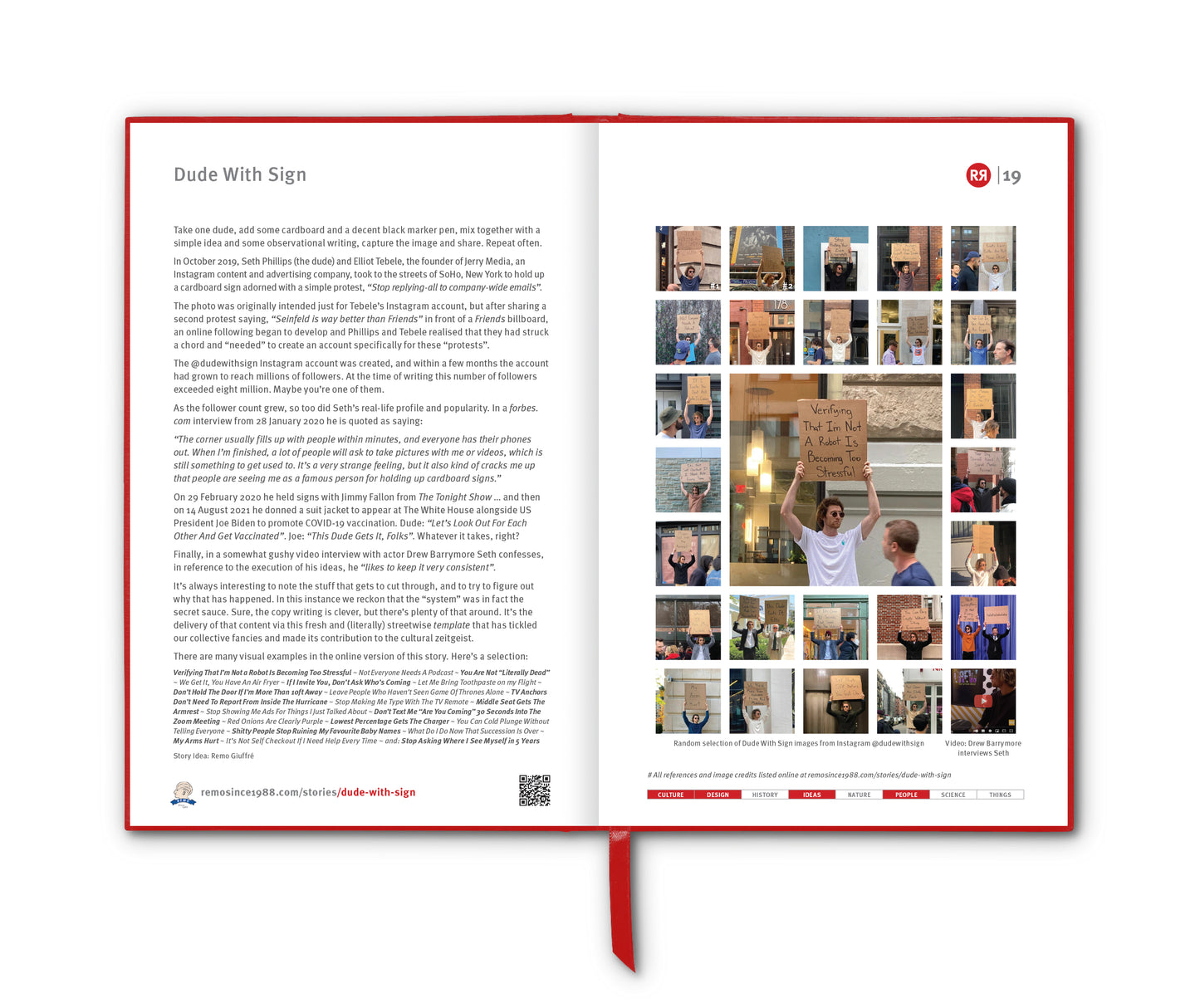
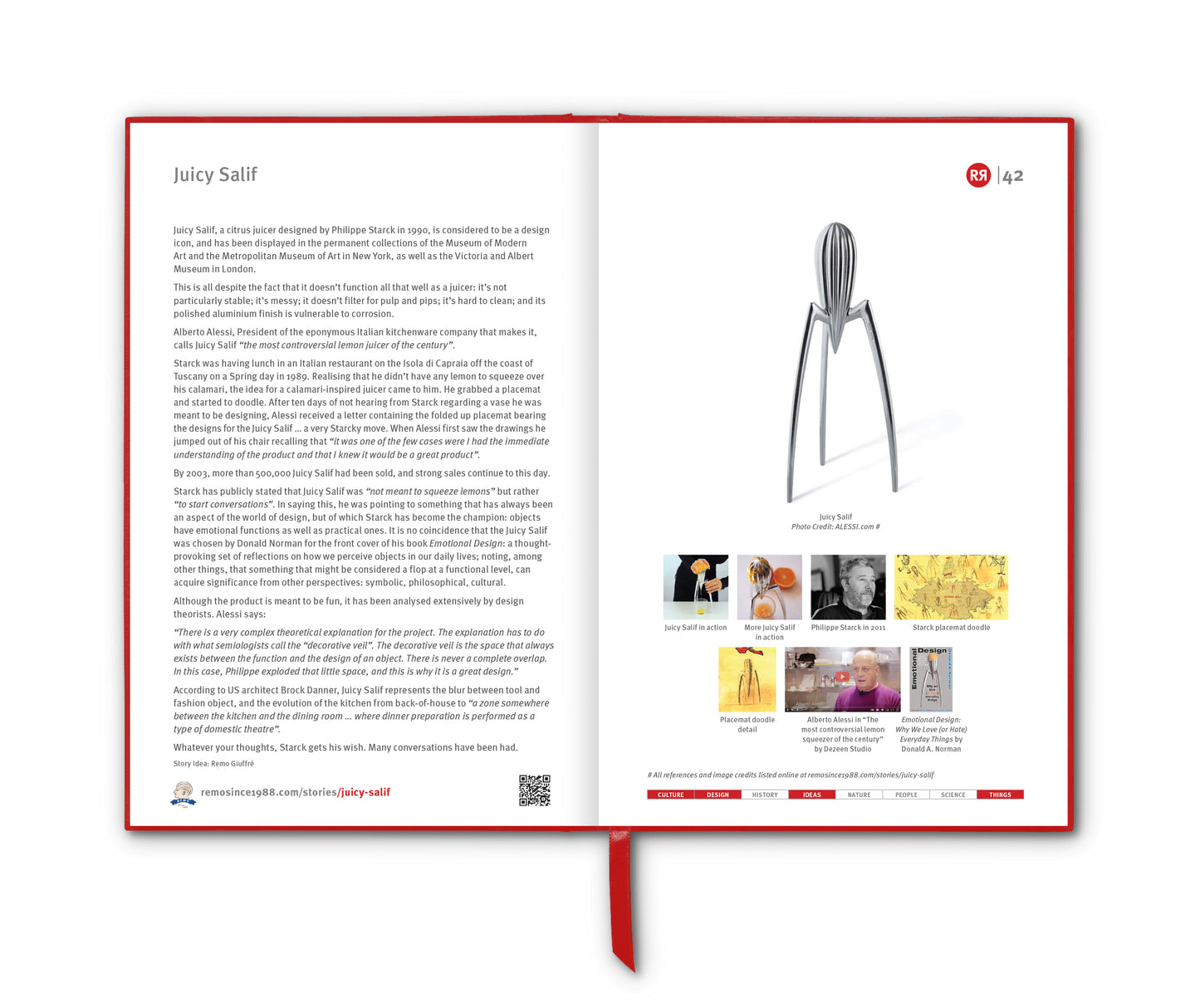
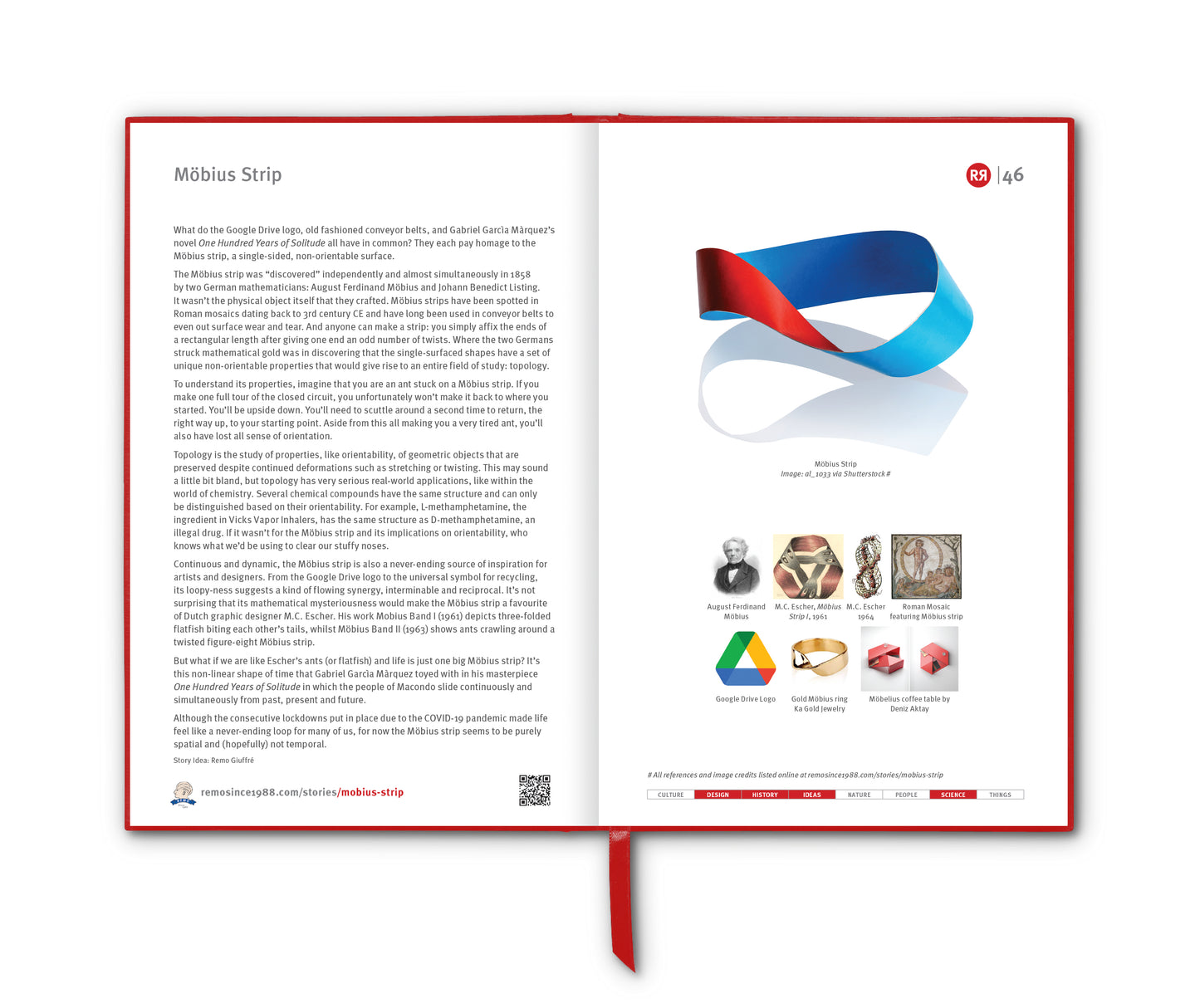
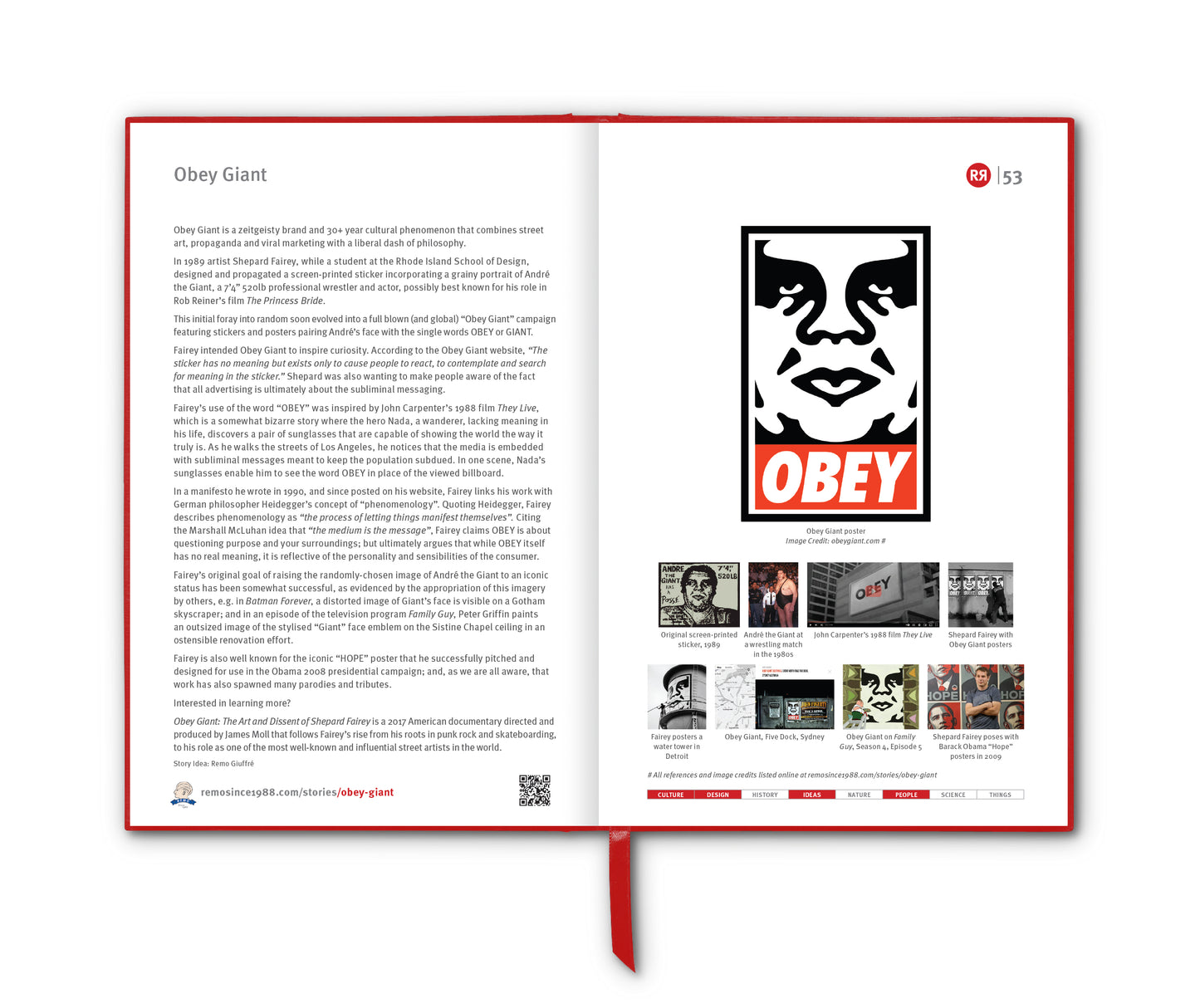
Its origin is somewhat disputed (lots of theories, see below); however, most modern reference works reckon that it originated in Boston as part of a fad in the late 1830s that involved the abbreviation of intentional misspellings [Ed: An odd fad, I guess you had to be there.] – and that it is an initialism of "oll korrect”, a misspelling of "all correct". The word OK first appeared in print in 1839 in the Boston Morning Post. Readers found it amusing, and the abbreviation began appearing in other newspapers.
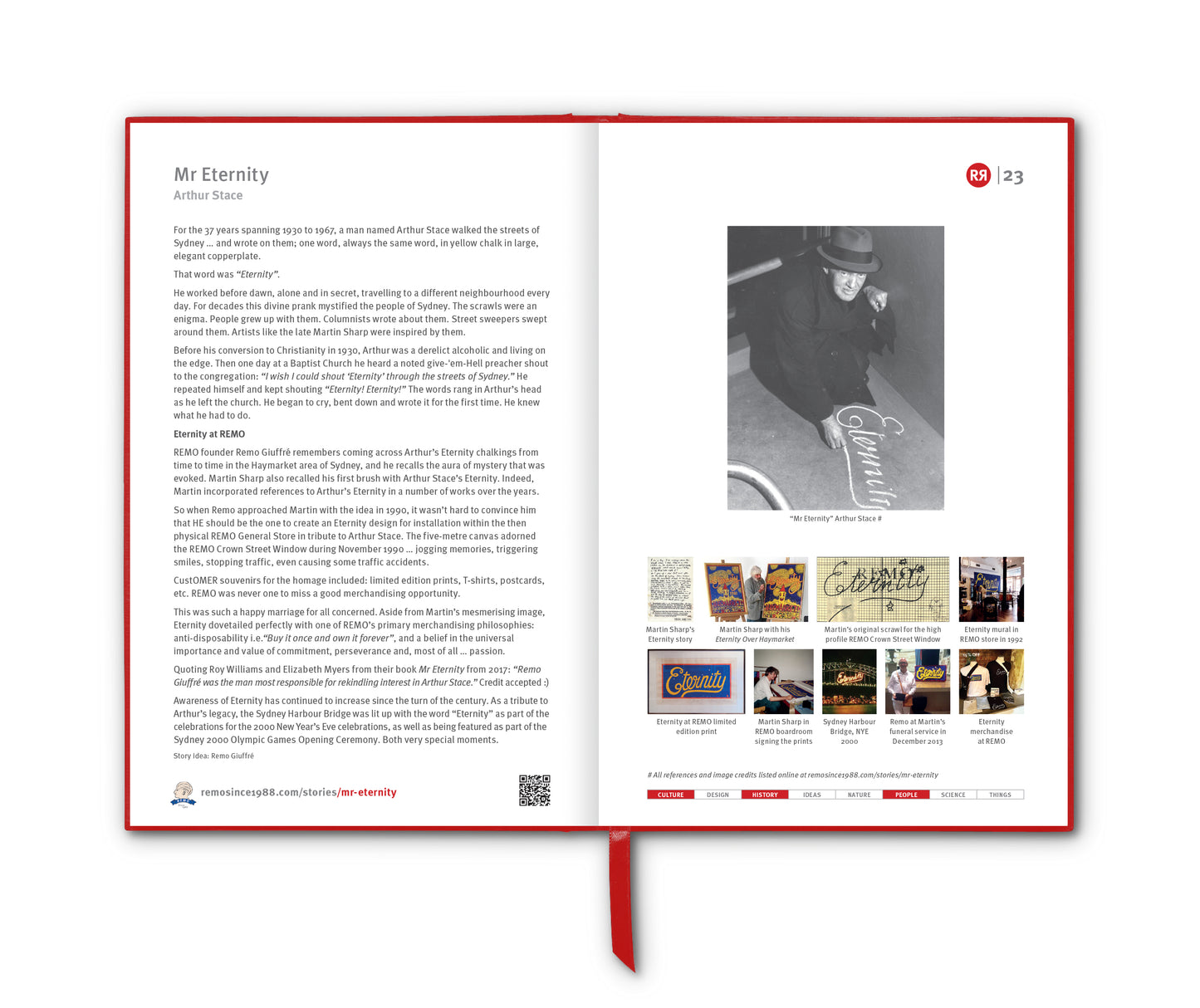
Its survival was helped enormously by politics. During the 1840 US presidential campaign of Martin Van Buren, supporters formed political groups known as “OK Clubs”. The slogan worked on two levels. It echoed the already circulating abbreviation for “oll korrect”, but it also referred to Van Buren’s nickname, “Old Kinderhook”, after his hometown of Kinderhook, New York. Campaign banners, badges, and newspaper coverage spread the letters across the country. By the early 1840s Americans were seeing OK everywhere, and the joke abbreviation transformed into a standard expression meaning approval or agreement.
Some of the early printed appearances show how quickly it moved from novelty to normal usage. Newspapers in the early 1840s began using the expression casually in reports and commentary, sometimes still explaining the joke, sometimes assuming readers understood it. Within a few years, OK appeared in everyday writing to mean something like “satisfactory”, “correct” or “approved.” By the late nineteenth century it had become a standard part of American English.
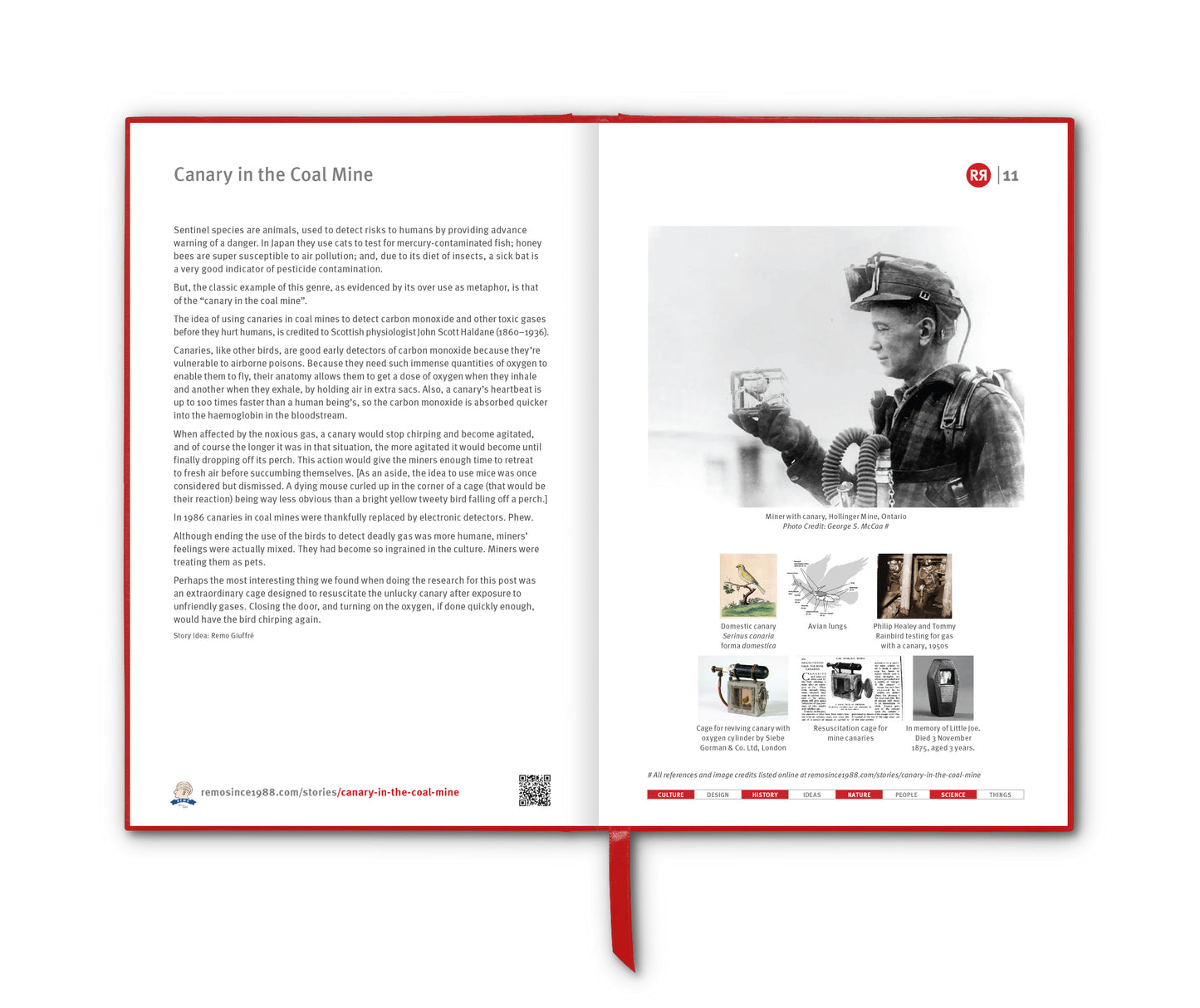
For many years the true origin of the term was debated. People proposed explanations ranging from the Greek phrase ola kala (“all good”) to the Choctaw word okeh, or even military reports meaning “zero killed”. The mystery was largely resolved in the 1960s by lexicographer Allen Walker Read, who painstakingly searched early American newspapers and uncovered the Boston joke-abbreviation fad along with the first printed example of OK. His research is now widely accepted as the definitive explanation.
Over time the spelling evolved. Early writers tended to use O.K. with periods, but the simpler OK became common in the twentieth century, while “okay” emerged as a phonetic spelling. The word also expanded grammatically. It could be spoken as a response (“OK”), used to check agreement (“Is that OK?”), describe something adequate (“The movie was OK”) or act as a verb (“The manager OK’d the proposal”).
The OK hand gesture – thumb and index finger forming a circle and visually represented the letter “O”, with the other fingers extended loosely suggesting the “K” – appears to have developed after the word “OK” was already popular, and most evidence places its rise in the late 19th or early 20th century in the United States. Early twentieth-century American magazines and advertisements began using the gesture to signal approval or quality. Another major boost came in the mid-20th century through underwater diving culture. Divers needed clear hand signals, and the circle gesture became the standard sign meaning “I’m OK”.
OK?
______________________________
References
wikipedia.org/wiki/OK
scmp.com/news/world/article/1455146/ok-most-spoken-word-planet-marks-its-175th-anniversary
ruok.org.au/logos
Images
1. OK is a linguistic rock star
2. The word OK first appeared in print in 1839 in the Boston Morning Post.
3. Martin Van Buren photograph by Mathew Benjamin Brady
4. The Washington Post, 21 October 1909
5. OK graffiti, Nijmegen, Netherlands, 2002. Photo credit: graffiti-database.com
6. OK! magazine cover, 7 March 2025
7. RUOK? is an Australian suicide prevention charity
8. U+1F44C 👌 OK hand sign
9. Scuba divers OK. Image credit: Shutterstock
10. Book: OK: The Improbable Story Of America's Greatest Word by Allan Metcalf, 2012