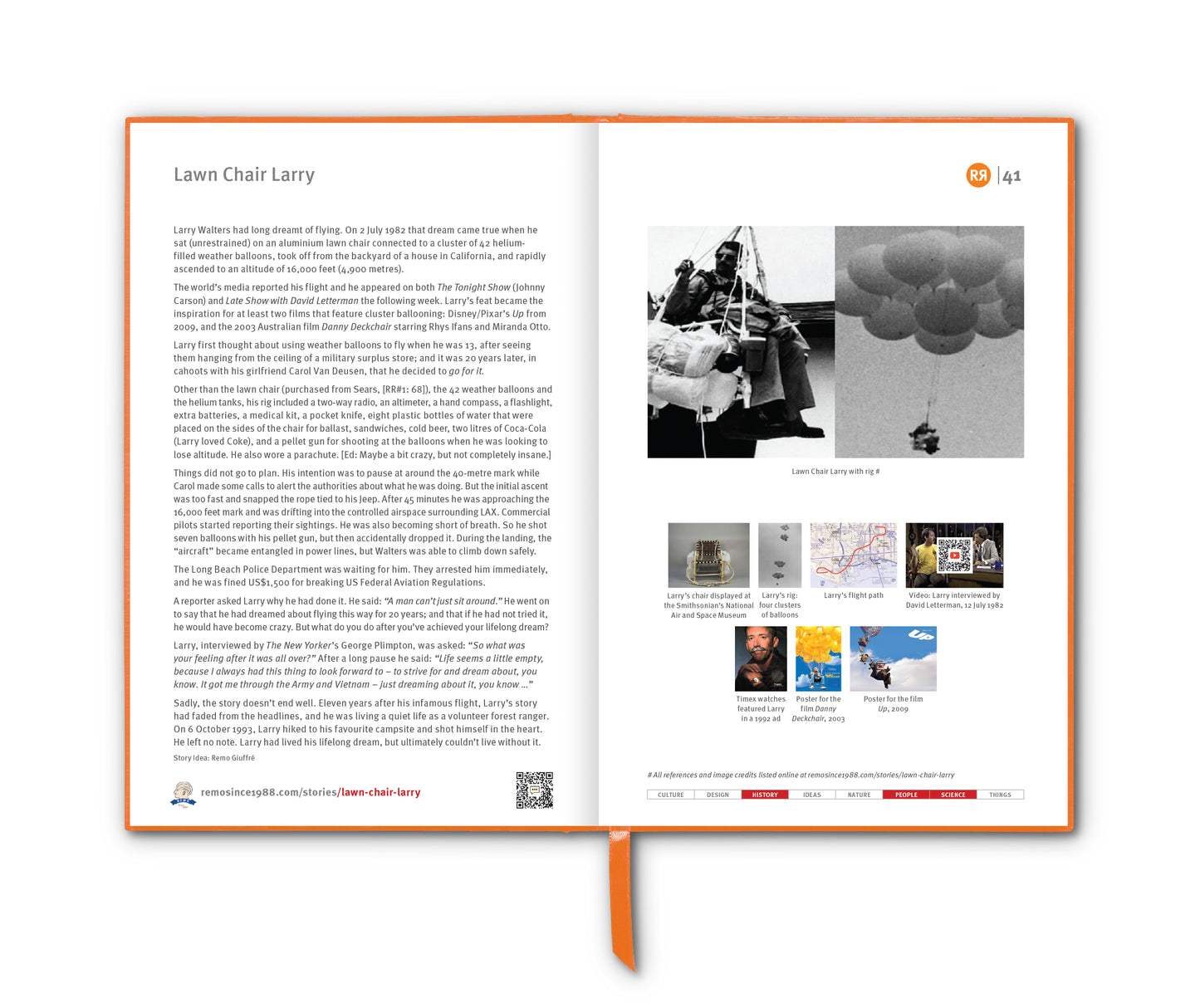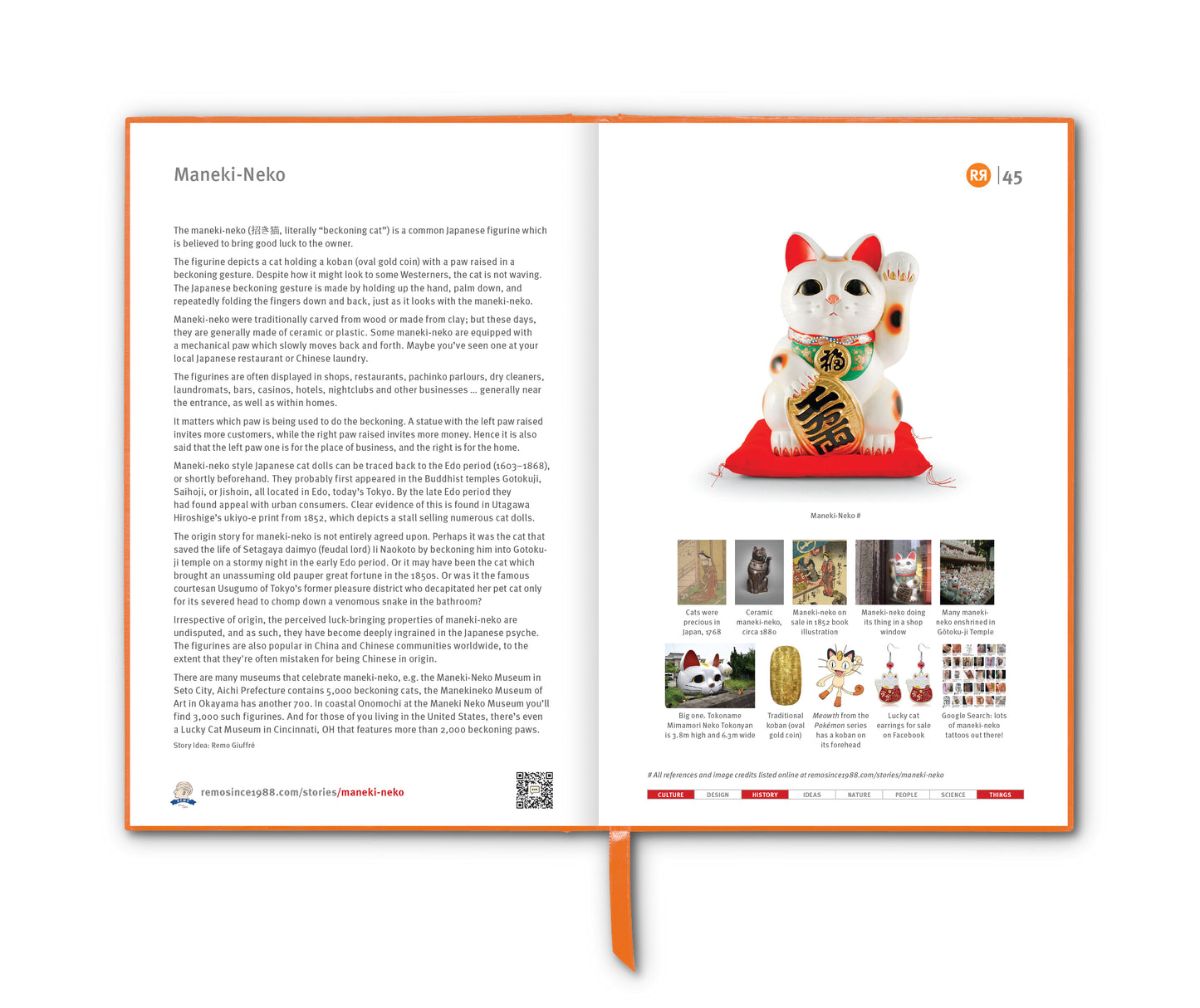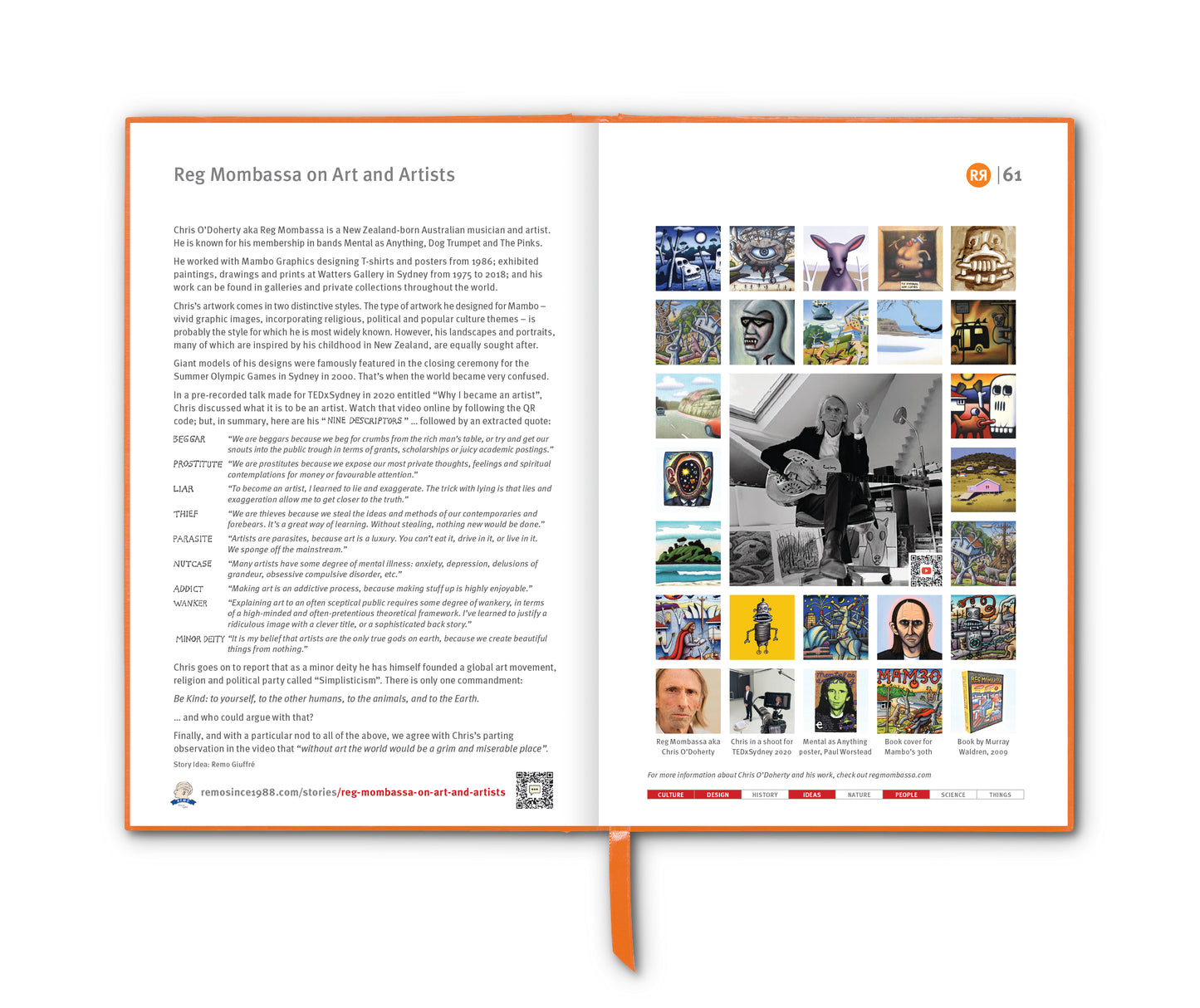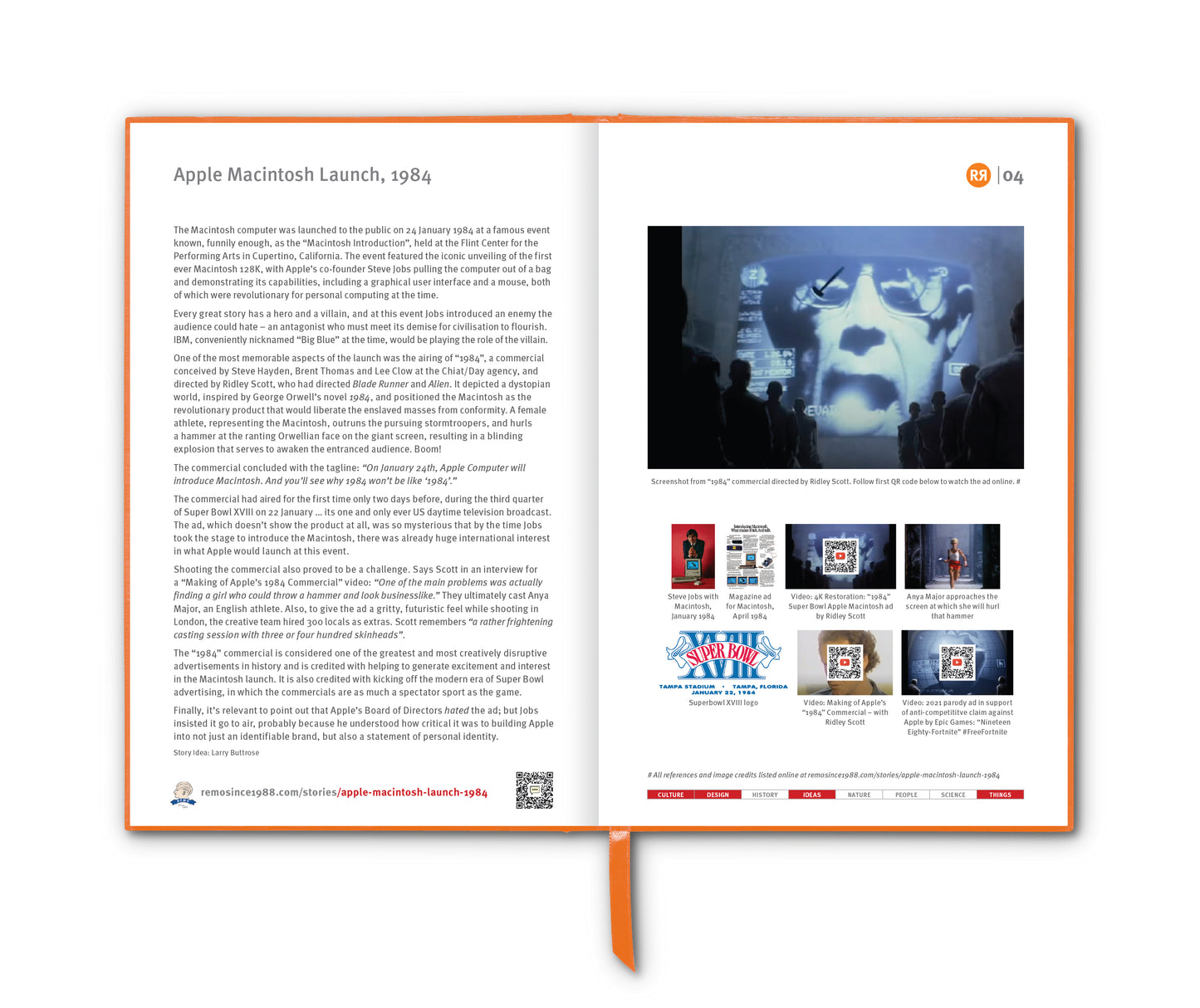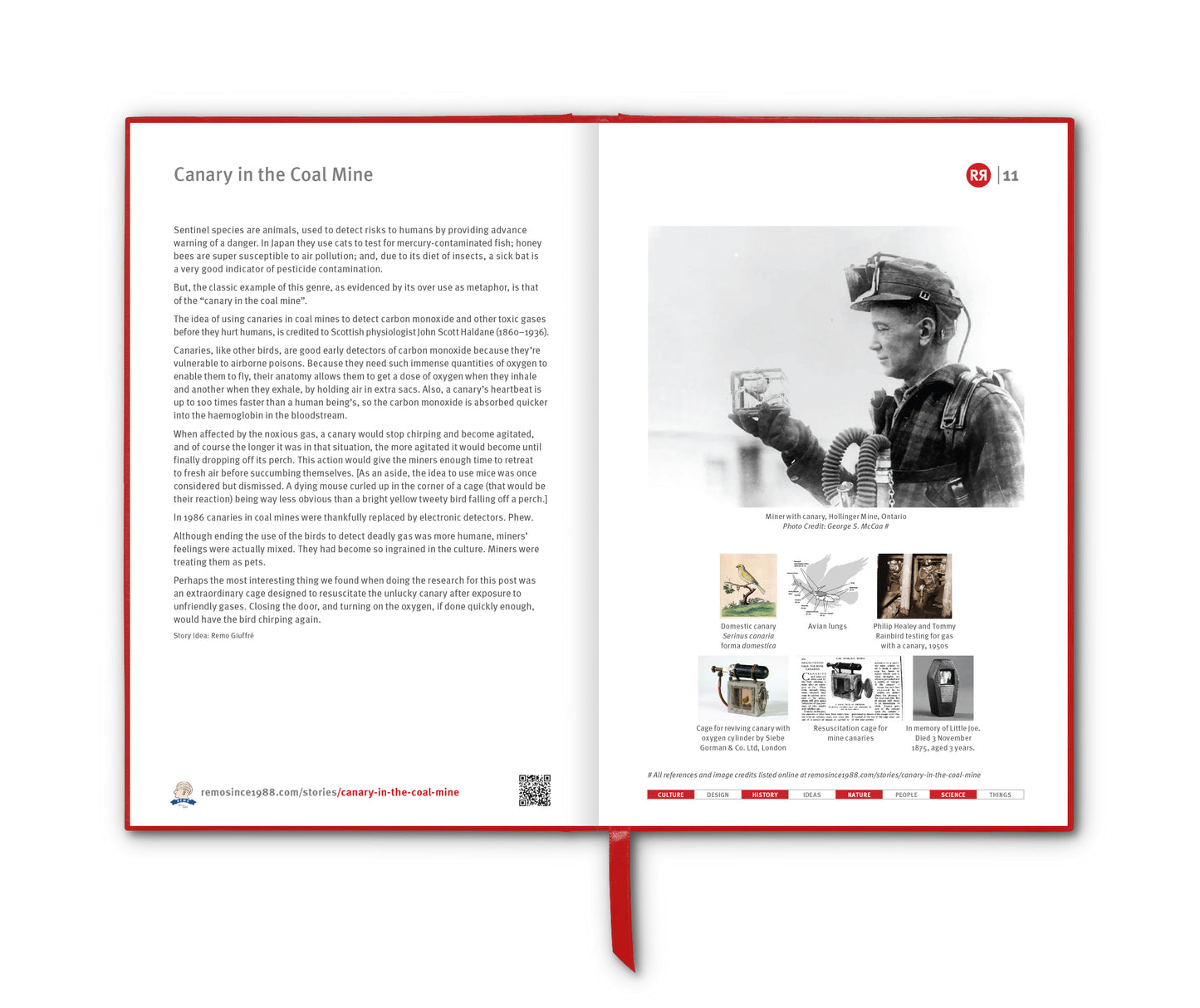

Few desserts carry as much cultural baggage as the pavlova. A crisp meringue shell, marshmallowy [RR2:47] centre, freshly whipped cream and fruit on top: simple, iconic – and, let’s all admit it, delicious.
But behind all of this innocent sweetness lies one of the most enduring culinary disputes in the Southern Hemisphere. Is the pavlova an Australian or Kiwi "invention"?
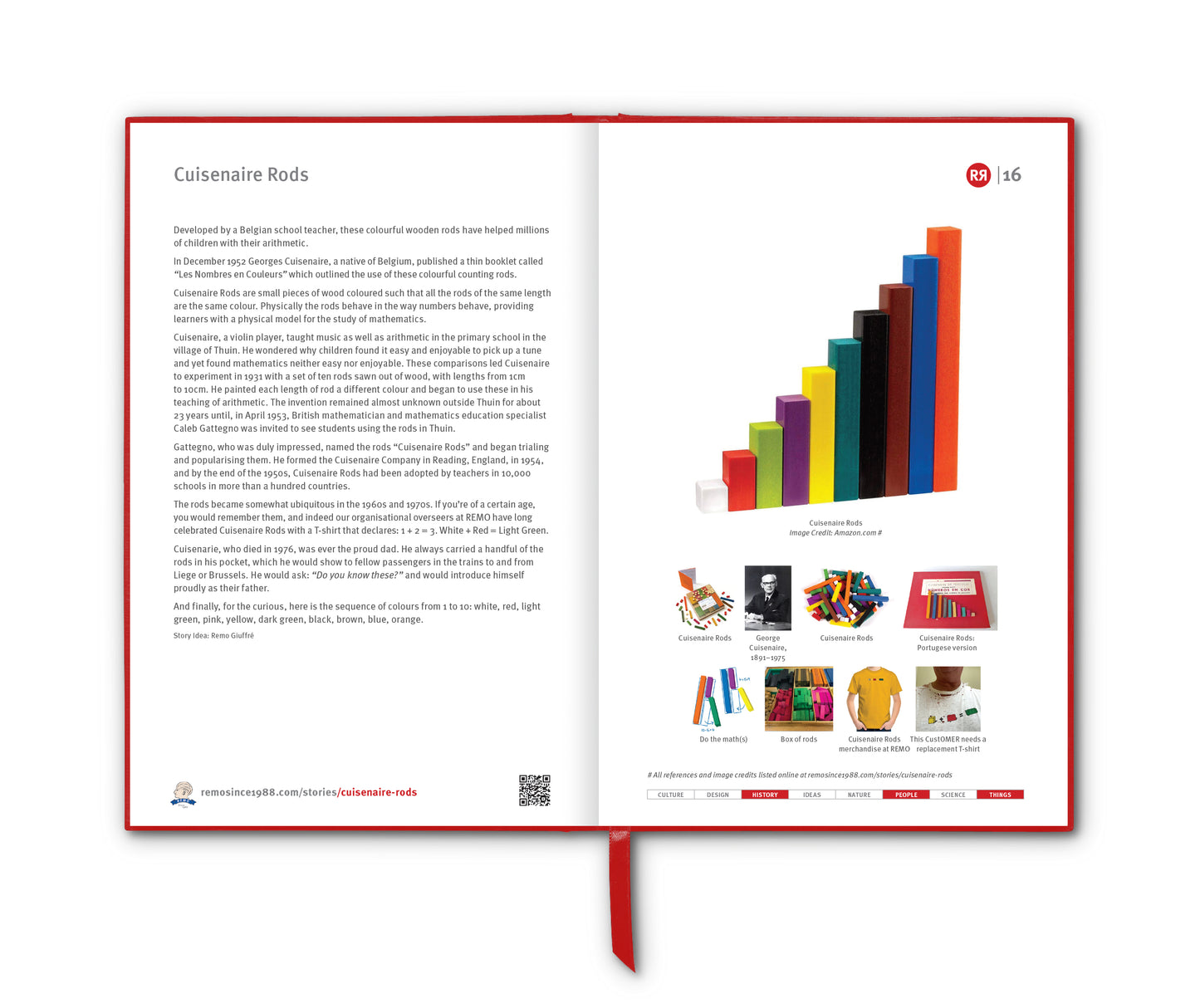
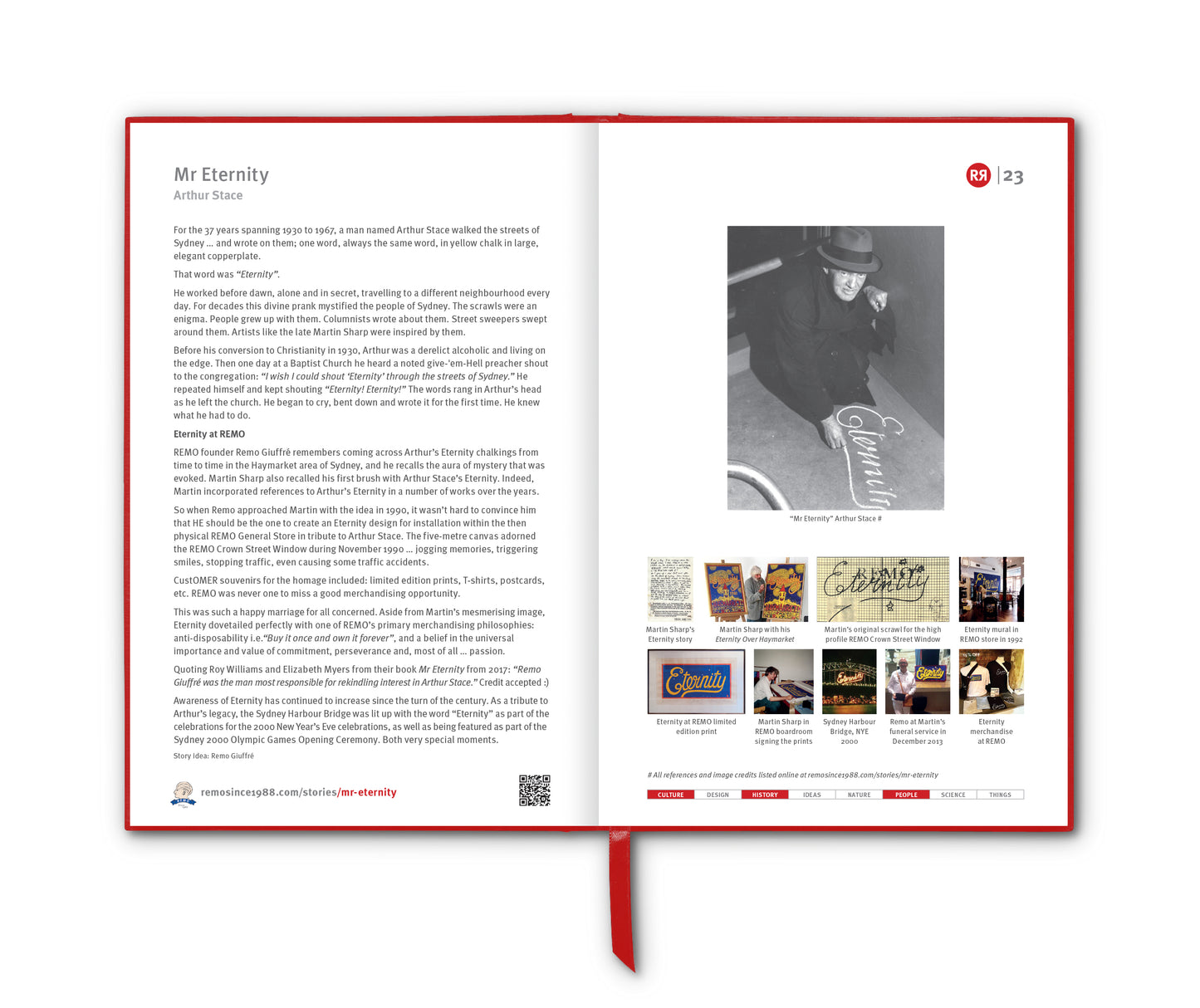
The story begins not in a kitchen but on a stage. In the mid-1920s, Russian ballerina Anna Pavlova, the most celebrated dancer of her age, toured both Australia and New Zealand. Her appearances drew enormous crowds. She danced with an ethereal lightness that reviewers struggled to describe. “She does not dance,” wrote one critic, “she soars.” Her salutes to the crowd became news stories. Her feather-light tutus became objects of imitation. And, crucially, her presence inspired cooks.
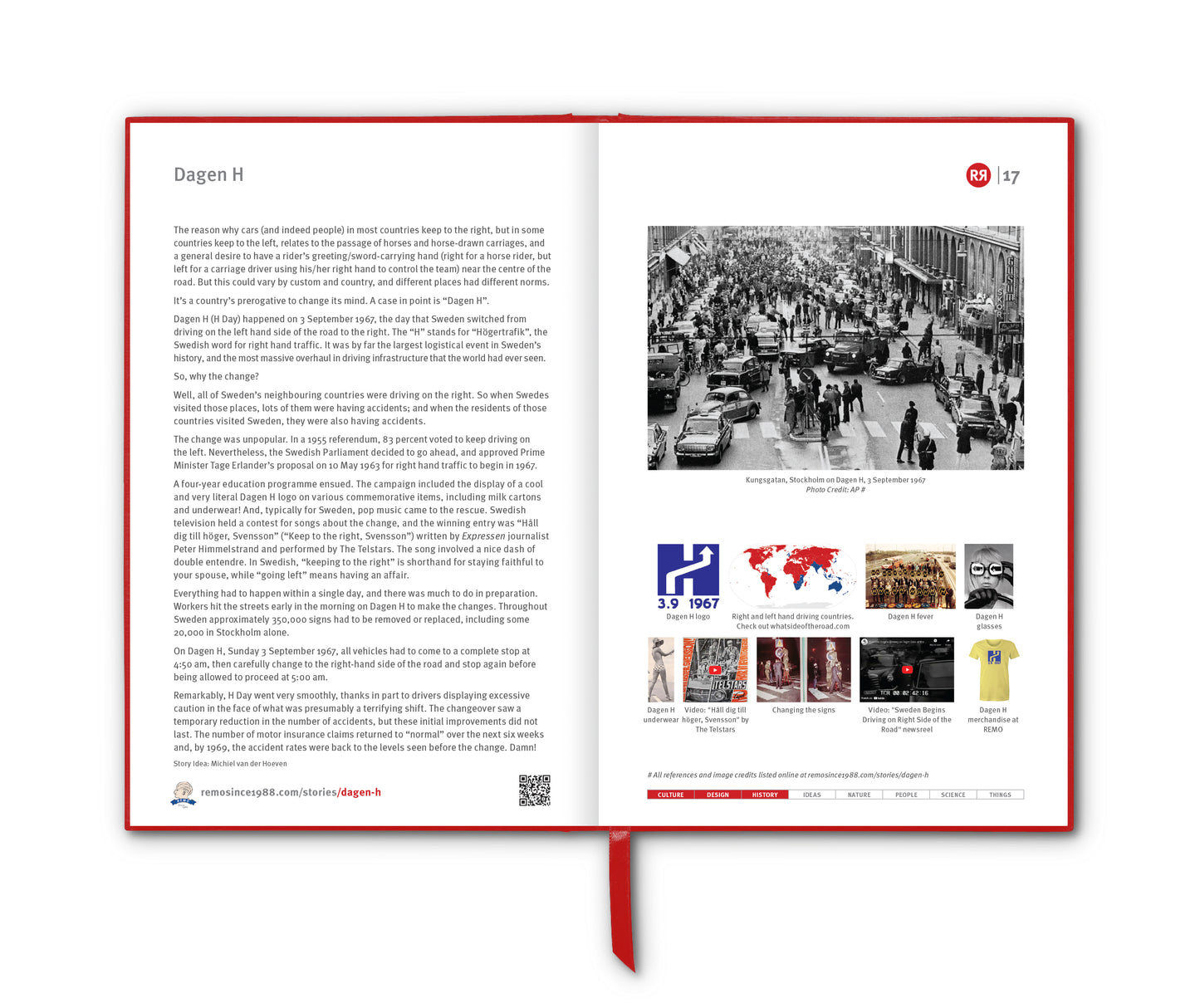
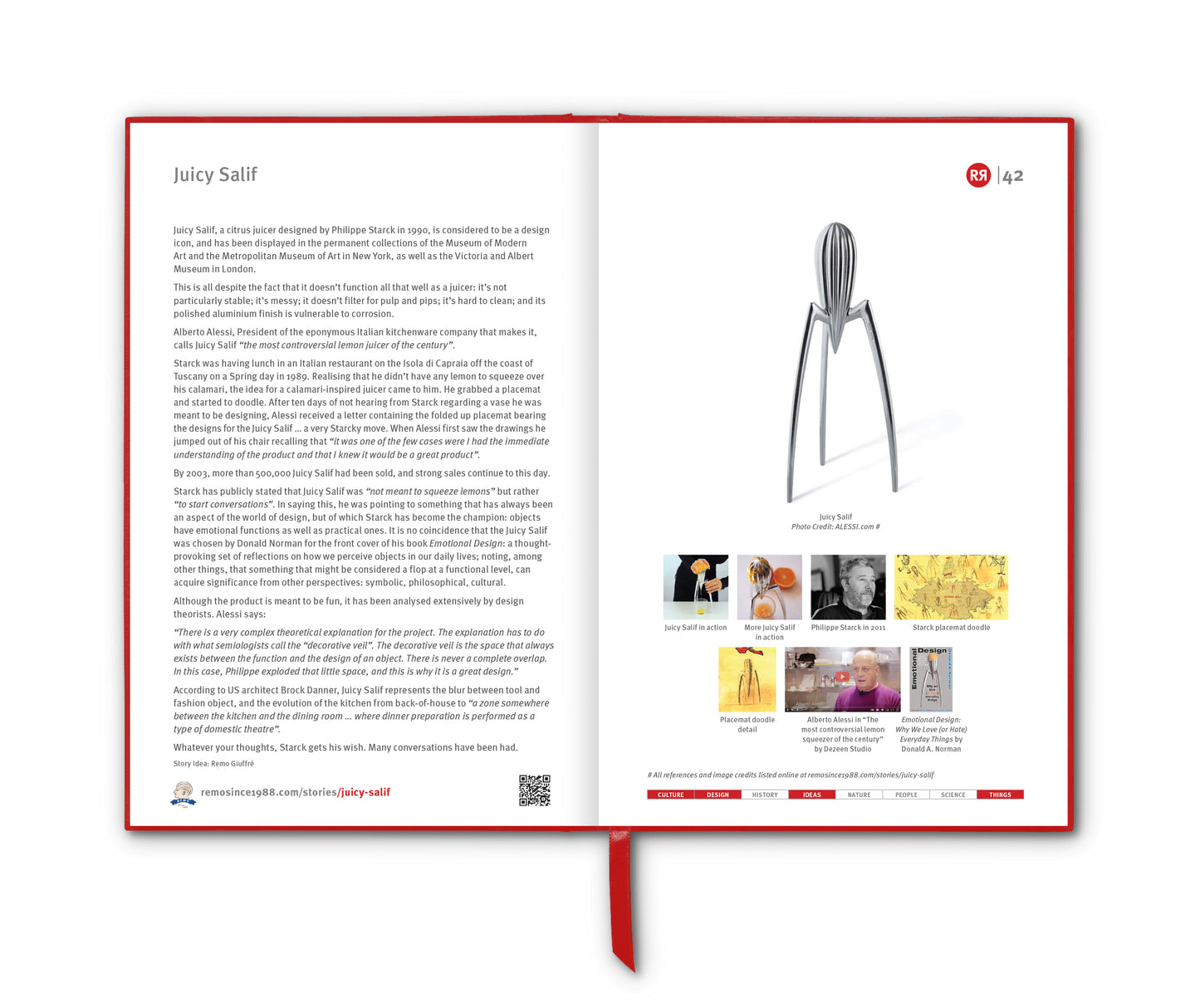
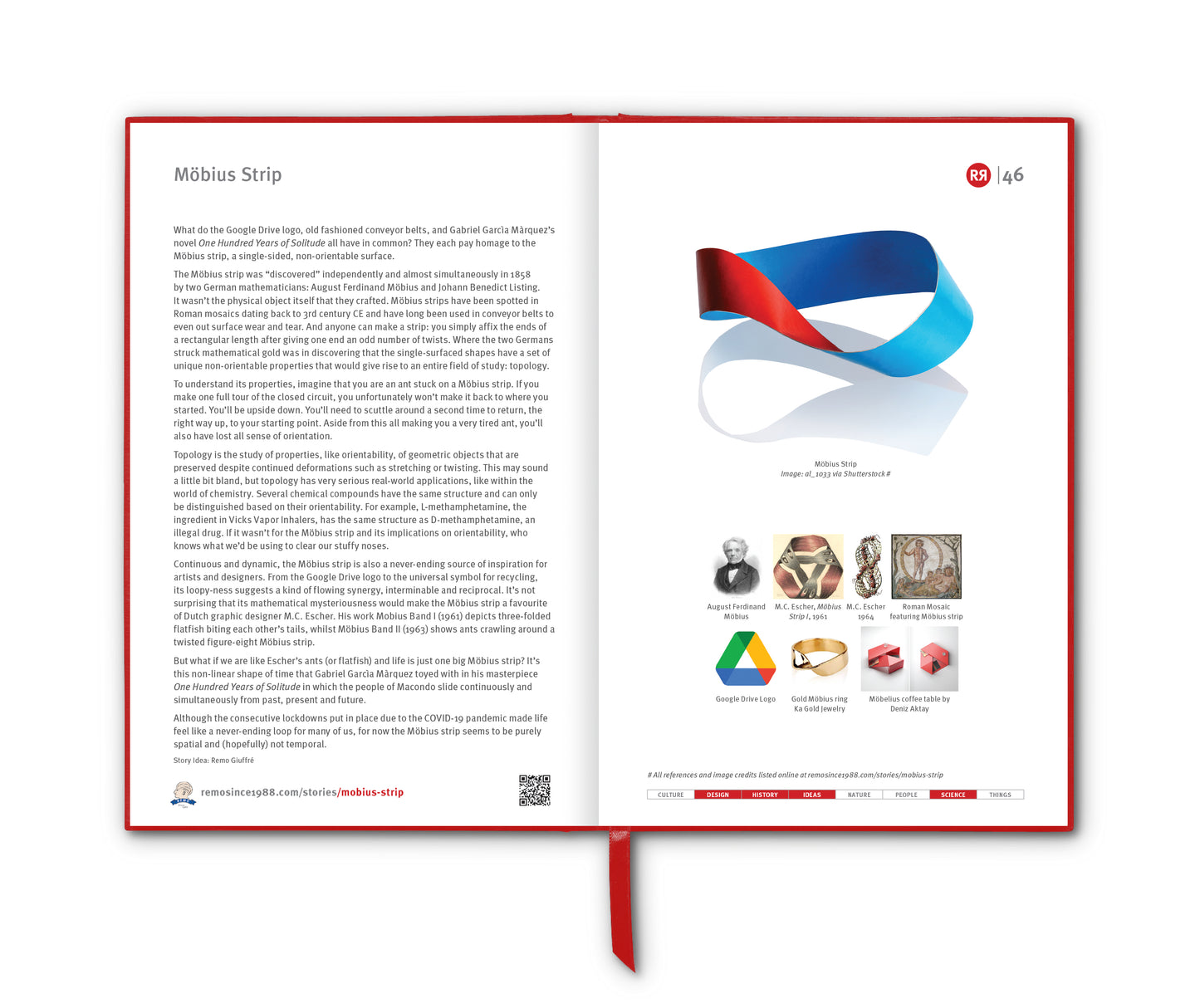
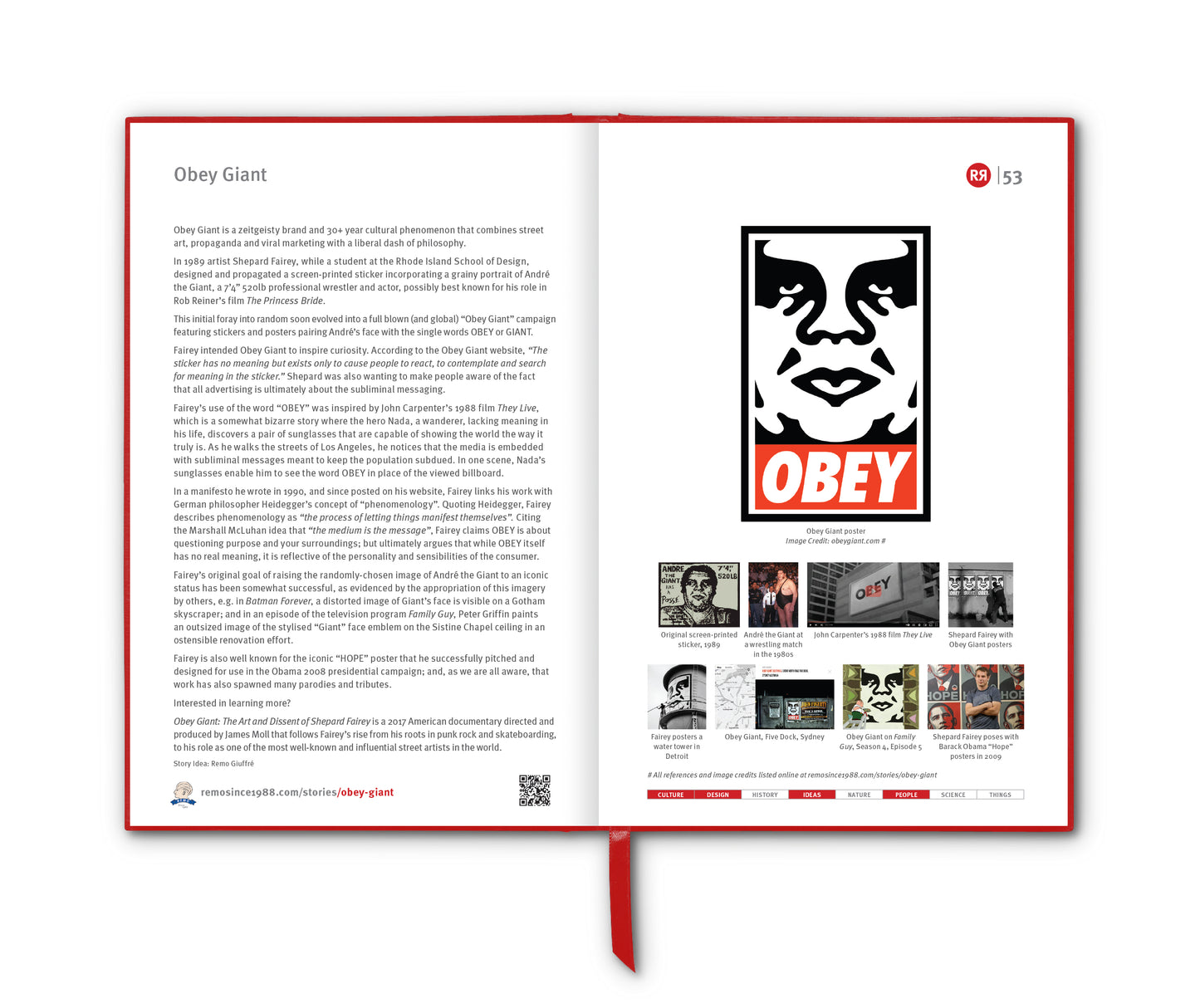
The earliest known pavlova recipes appeared in New Zealand rather than Australia. We know this thanks to Helen Leach – a New Zealand food anthropologist – who conducted detailed archival research into cookbooks and publications. In 1929, a recipe for a “pavlova cake” was published in a New Zealand regional cookbook, describing a meringue-based dessert topped with fruit. This predates the earliest comparable Australian references, which tend to involve multi-layered gelatin or cream desserts only later evolving into the recognisable pavlova. Leach also concluded that prior claims, e.g. that a Wellington hotel chef invented the dessert during the 1926 tour of Anna Pavlova, could not be verified through surviving documentation.
Despite all of this culinary sleuthing, Australian newspapers ran (and continue to run) spirited counterarguments; chefs accused historians of bias; politicians even joined the fray.
Matthew Evans, a restaurant critic for the Sydney Morning Herald, told the Associated Press in 2005 that it was unlikely a definitive answer about the pavlova's origins would ever be found. "People have been doing meringue with cream for a long time, I don't think Australia or New Zealand were the first to think of doing that," he said.
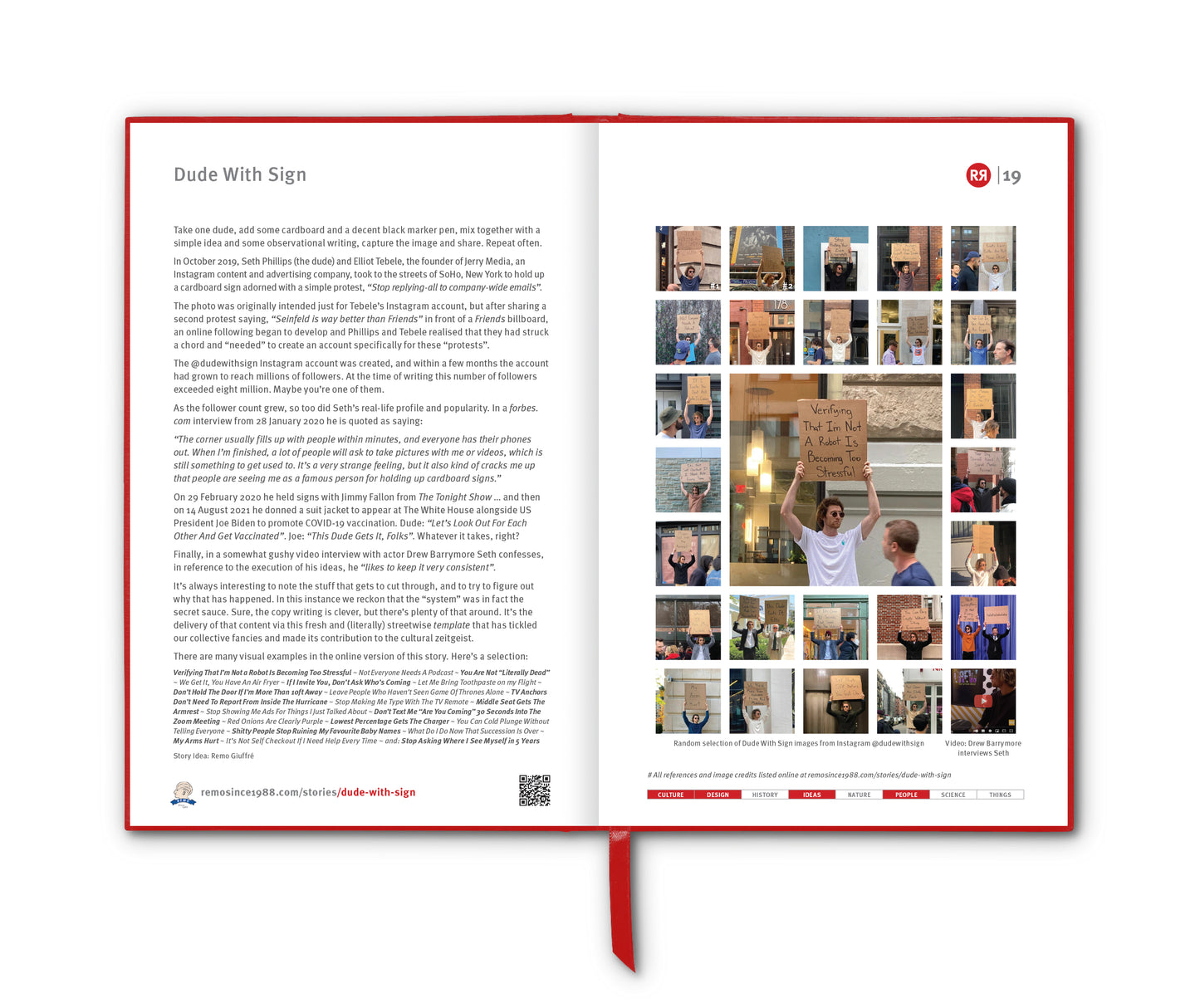
And indeed, the pavlova doesn’t exist in a vacuum. It belongs to a broader family of fruit-and-meringue desserts, many of which pre-date Pavlova’s tour entirely. The clearest cousin – perhaps even the older sibling – is Eton Mess, the famously unpretentious English dessert served at Eton College that is comprised of crushed meringues folded through whipped cream and fresh strawberries. The whole thing looking like it was assembled in a hurry (because it usually is). But its existence also reinforces something important about the pavlova debate: meringue, cream, and fruit have been colliding for centuries in kitchens across Europe. The Antipodean contribution wasn’t the invention of the concept, but the naming of it, its styling and its elevation to national emblem.
And that emblematic power is real. In both Australia and New Zealand, the pavlova has become a fixture on Christmas tables, at summer gatherings and family celebrations. It is highly democratic: anyone can whip egg whites and sugar; everyone has an opinion on the perfect toppings. Kiwis argue for kiwifruit, of course. Australians often lean toward passionfruit [Ed: my vote]. Some families insist on berries. Others are crazy enough to involve chocolate.
Today, the pavlova is less a dessert than a shared cultural artefact – enjoyed with equal enthusiasm on both sides of the ditch. The dispute has softened into a kind of sibling rivalry – repetitive, unserious and (mostly) affectionate.
__________________________
References
wikipedia.org/wiki/Pavlova
nationalgeographic.com/travel/article/the-story-behind-pavlova-recipe-where-to-eat
news.bbc.co.uk/2/hi/asia-pacific/4696575.stm
Images
1. Russian ballerina Anna Pavlova in The Swan by Mikhail Fokine, Berlin. Pavlova credit: bbc.co.uk
2. Programme from Pavlova’s 1926 tour. Credit: Archives New Zealand CC BY-SA 2.0
3. Handwritten pavlova recipe. Credit: State Library of Queensland
4. Australian and New Zealand national flags: similar but different
5. Fresh fruit toppings vary
6. Sydney Restaurateur Neil Perry's patriotic passionfruit pavlova. Photo credit: William Meppem
7. Eton mess