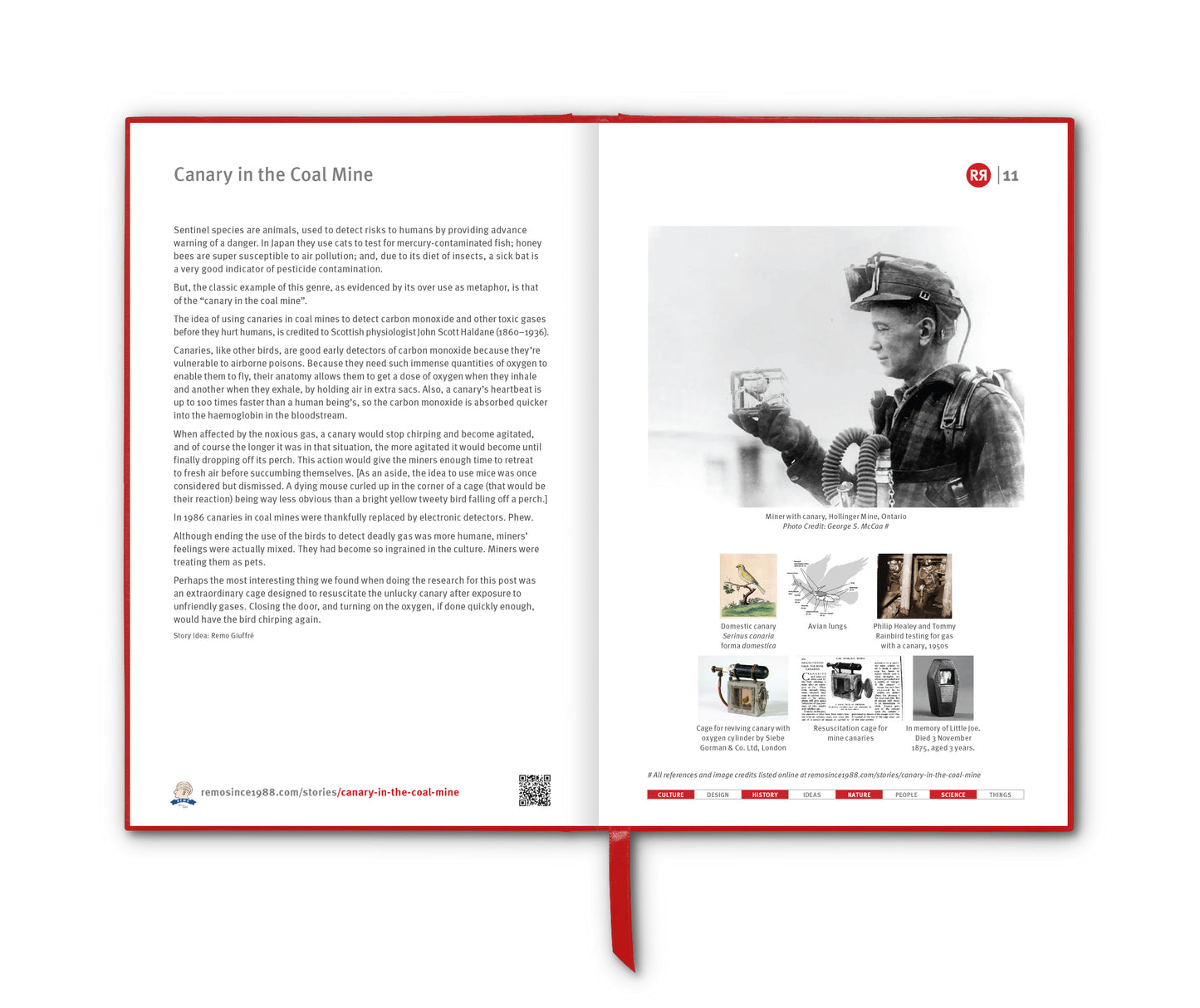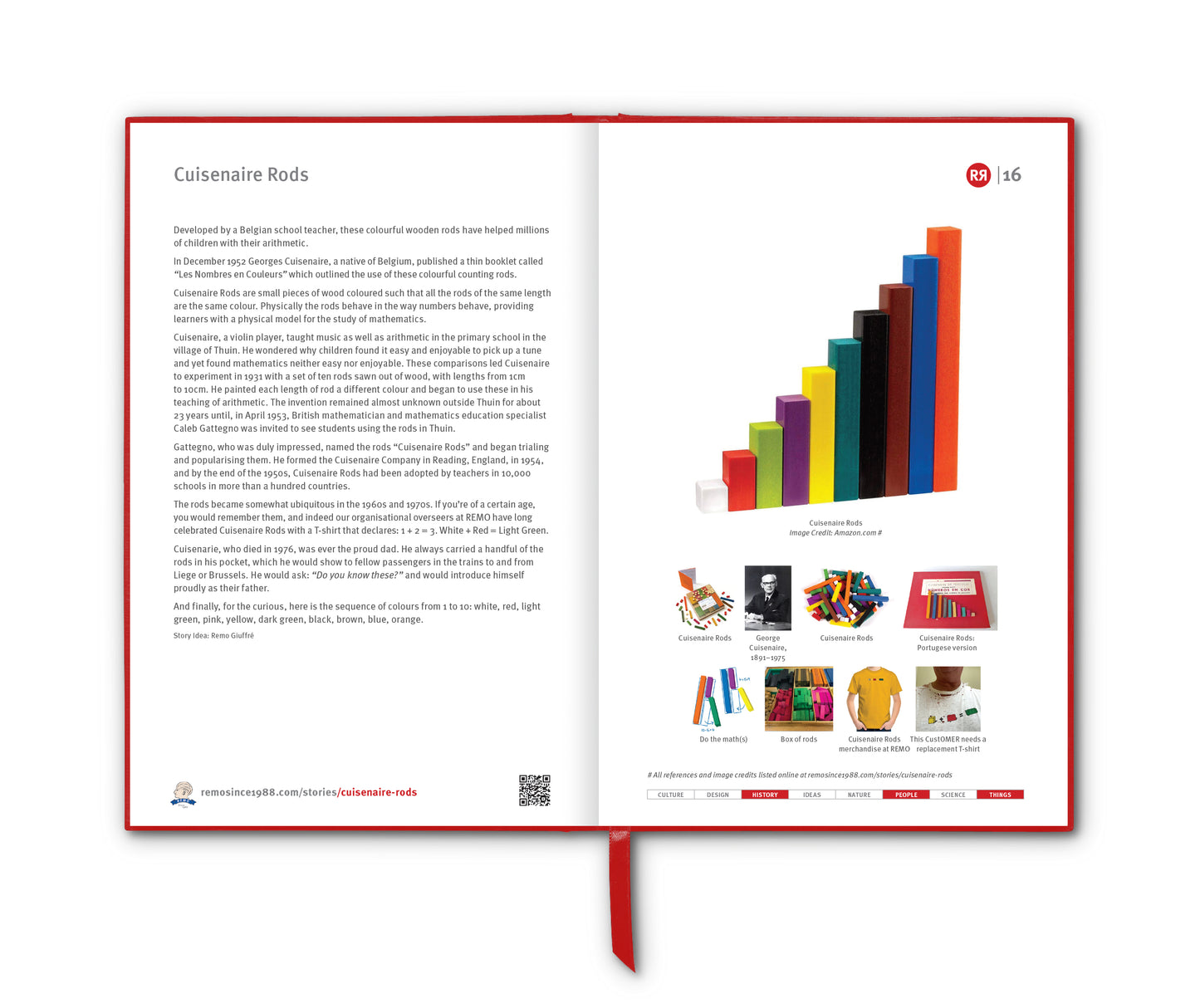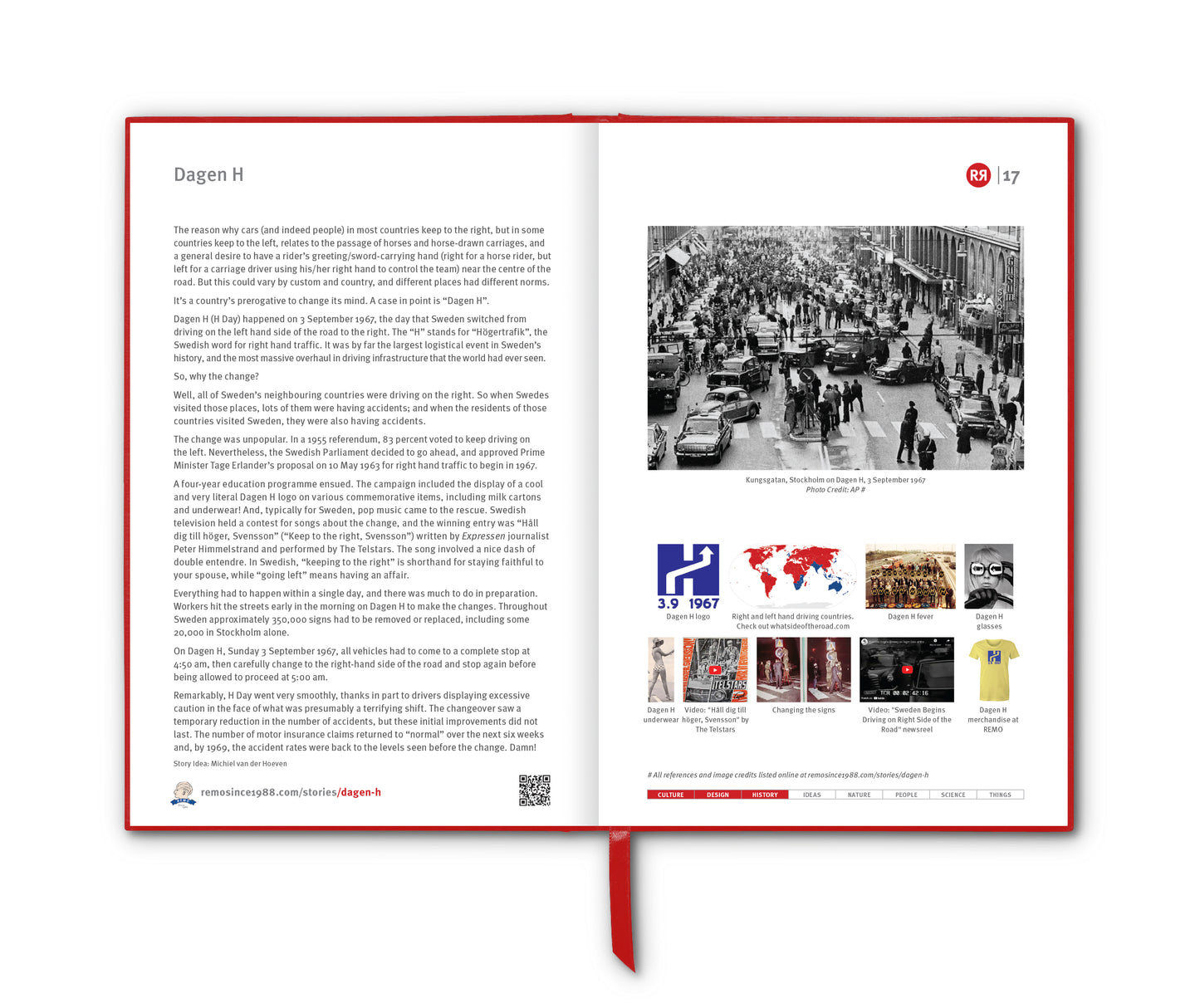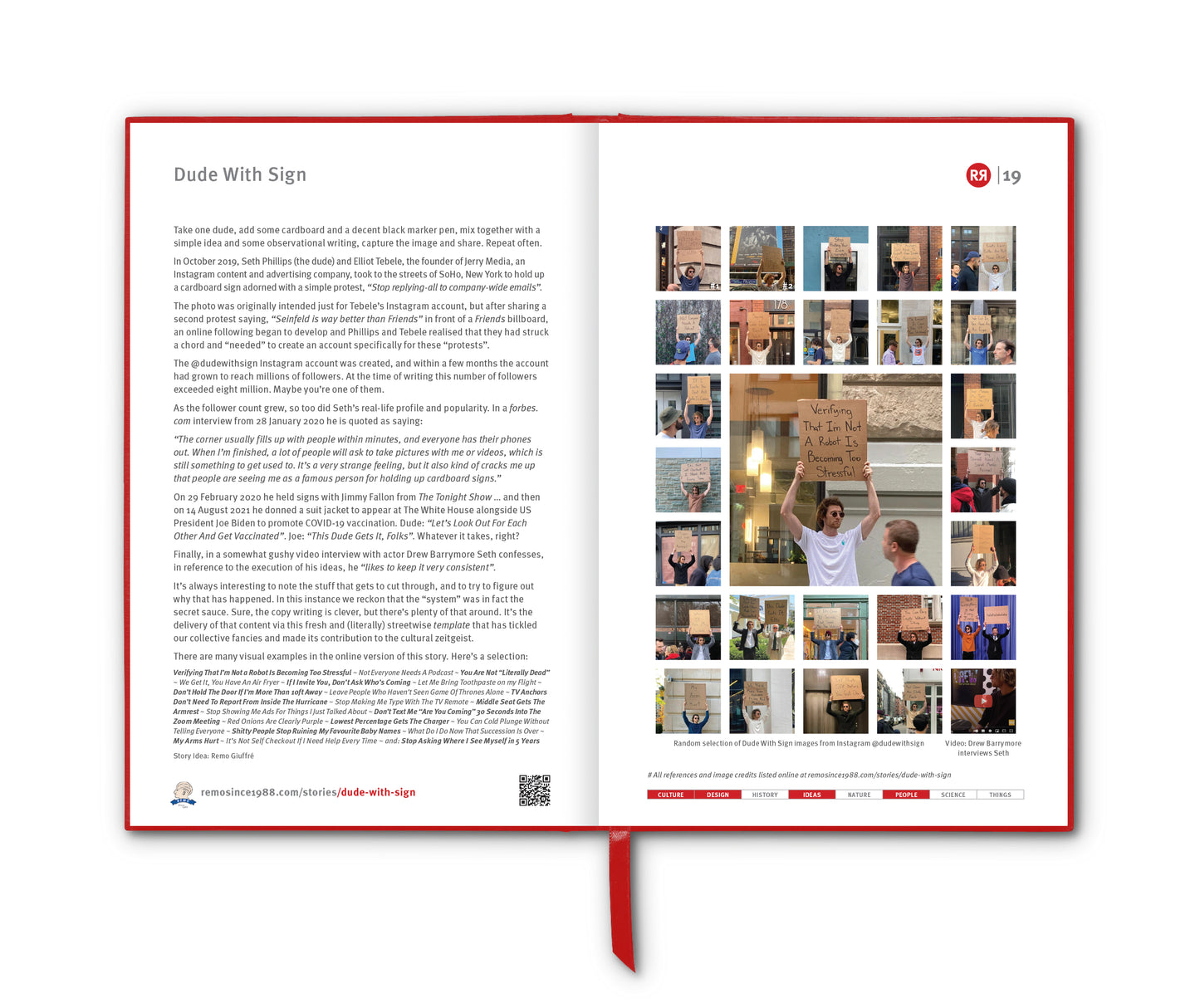

On 13 September 1848, in the quiet Vermont town of Cavendish, a 25-year-old railway foreman named Phineas P. Gage became an accidental icon of neuroscience. A blast meant to compact gunpowder into rock instead launched a 1.1-metre iron tamping rod straight through Gage’s skull. It entered beneath his left cheekbone, passed behind his eye, tore through the frontal lobes, and shot out the top of his head. The rod landed several metres away, bloodied and bearing bits of brain, but somehow unbent. Astonishingly, Gage remained conscious. He sat up. He spoke. And then he stood and walked – unaided – to a nearby cart that carried him to town.
This was, understandably, big news. People simply did not survive this sort of injury. When Dr John Martyn Harlow arrived, he found Gage sitting upright in a chair, vomiting and talking at the same time, with brain tissue quite literally exiting the wound. Harlow later wrote that Gage was “perfectly rational” and insisted on telling the story of how it happened. His survival alone would have made him a medical sensation. But Gage’s post-accident personality changes transformed him into something more: a case study that helped shape our modern understanding of the brain.
Before the accident, Gage was described by his employers as efficient, reliable and universally liked – the sort of man you would trust to oversee explosives on a railroad project. After the accident, according to Harlow, Gage became impulsive, profane, irreverent and unable to stick to plans. “Gage,” Harlow wrote, “was no longer Gage”. This simple sentence has echoed through psychology textbooks for more than a century, suggesting that specific regions of the brain control specific aspects of personality and behaviour – a foundational idea for modern neuroscience. In his book An Odd Kind of Fame: Stories of Phineas Gage, the University of Melbourne’s Malcolm Macmillan writes that two-thirds of introductory psychology textbooks mention Gage.
In what was the heyday of freak shows and public curiosities, Gage became a willing celebrity. The tamping rod accompanied him everywhere, like a strange metal sceptre. He even had it inscribed. “This is the bar that was shot through the head of Mr. Phinehas P. Gage,” it reads, regrettably misspelling his name.
He travelled, exhibited himself briefly at Barnum’s American Museum in New York, and then relocated to Chile, where he worked as a long-distance stagecoach driver. This detail – often glossed over in older accounts – suggests that he may have regained more stability and executive function than popular myth allows. Guiding horses, managing passengers, and navigating rough terrain required judgement, memory and concentration. Gage’s ability to do this for years complicates the neat narrative of “good man becomes reckless brute”.
Still, his injury had lasting effects. By the late 1850s, his health declined, and he moved back to the United States to live with family. He died in 1860 at age 36 after a series of seizures, likely linked to his earlier trauma. His skull and the famous rod eventually found a home at Harvard Medical School, where they remain among the most visited objects in its anatomical collection.
Gage lived long enough for his mind to fracture, adapt, and, to some extent, rebuild. In doing so, he helped lay the groundwork for everything from brain mapping to modern psychology.
________________________
References
wikipedia.org/wiki/Phineas_Gage
nytimes.com/tierneylab.blogs.nytimes.com/2009/07/22/the-curious-case-of-phineas-gage-refocused
theguardian.com/science/blog/2010/nov/05/phineas-gage-head-personality
Images
1. Cropped daguerreotype studio portrait of Phineas P. Gage (1823–1860) shown holding the tamping iron which injured him. Skull on display at the Warren Anatomical Museum at Harvard Medical School.
2. Second portrait of Gage (2010). Credit: Gage family of Texas photo collection
3. The first known report of Gage's accident in the Boston Post
4. Skull diagram of Phineas Gage
5. Barnum's American Museum in New York City
6. Skull on display at the Warren Anatomical Museum at Harvard Medical School
7. Jack and Beverly Wilgus, collectors of vintage photographs discovered the image. Photo credit: Chris Hartlove
8. Book: An Odd Kind of Fame: Stories of Phineas Gage, 2002 by Malcolm Macmillan