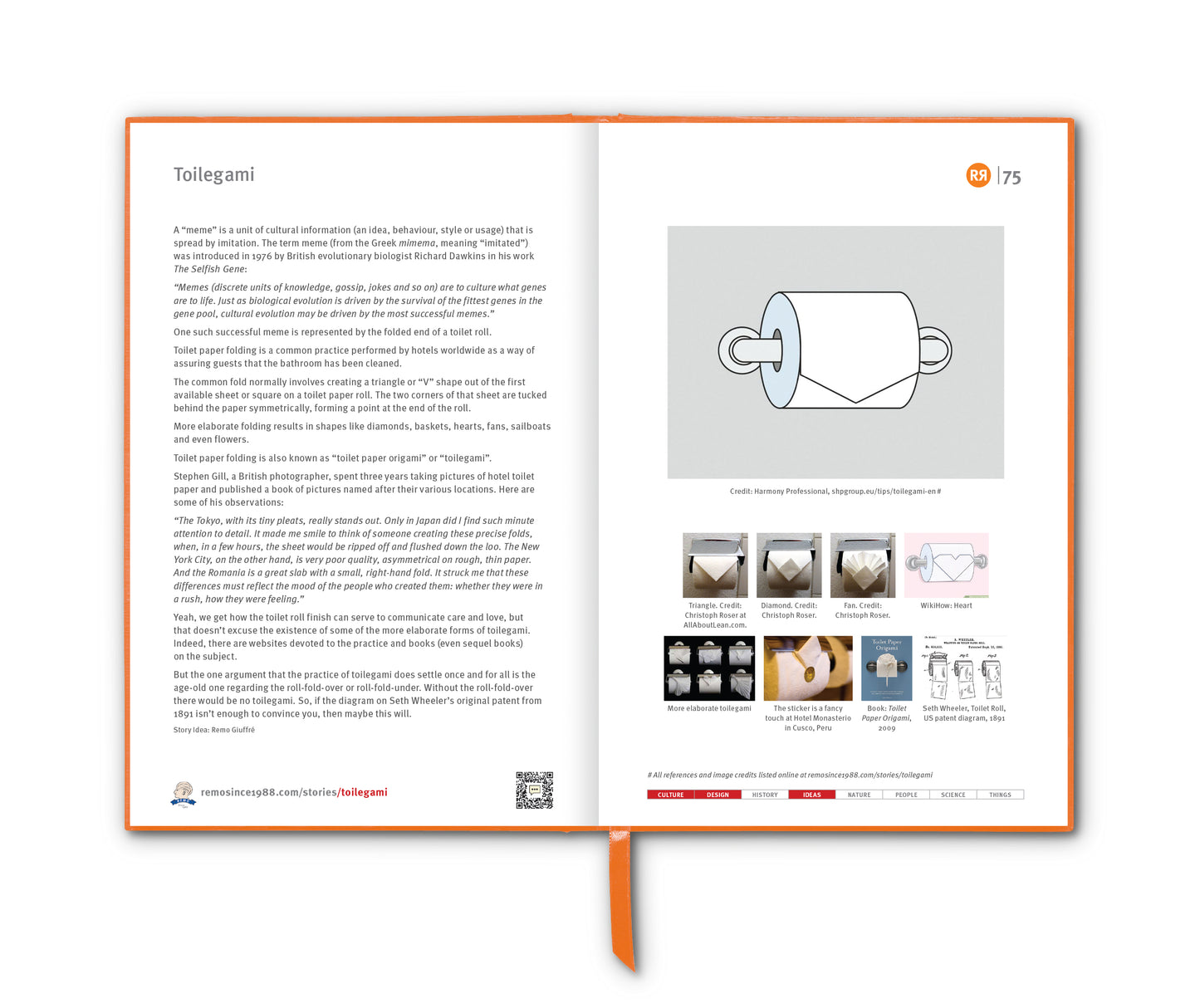
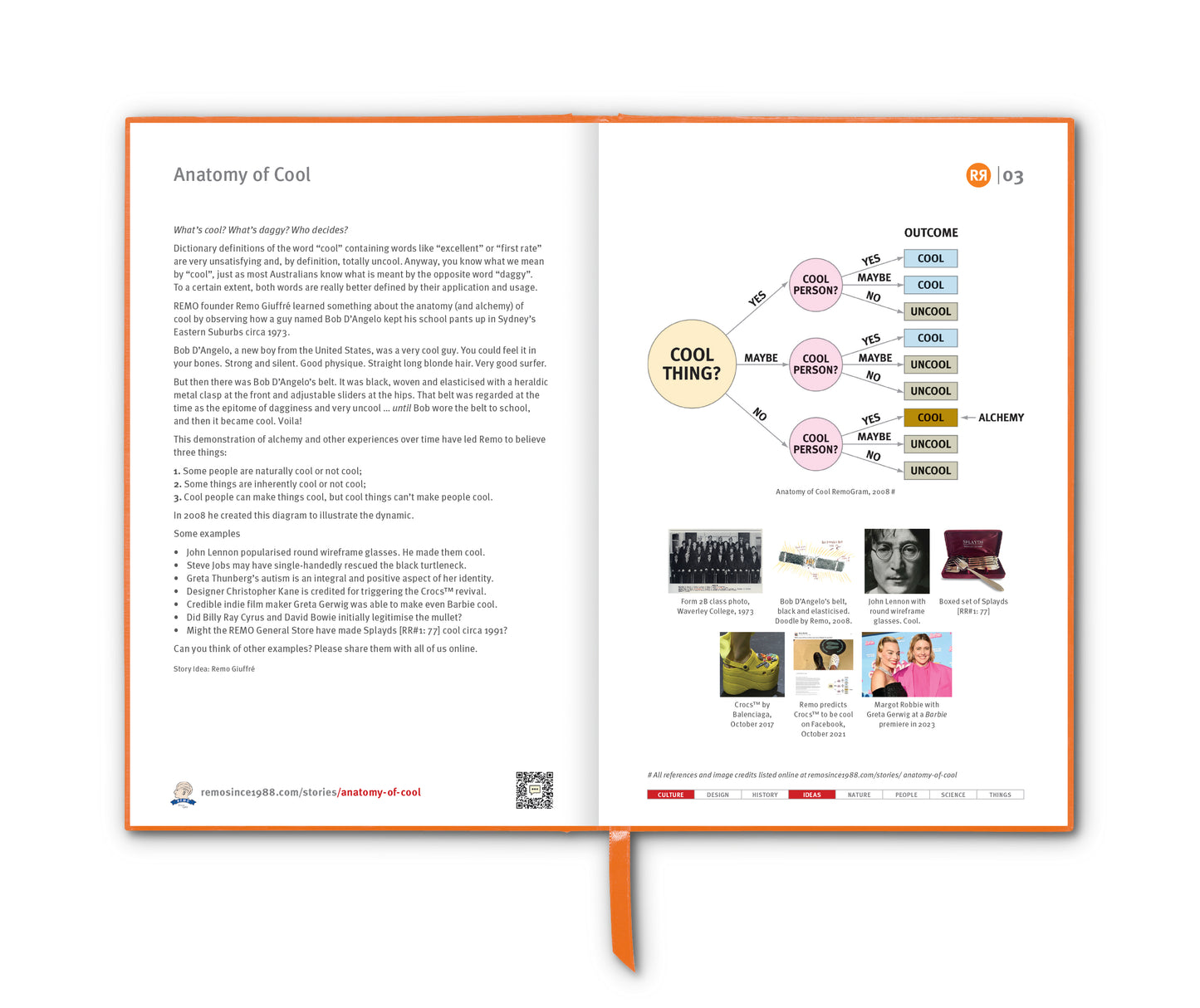
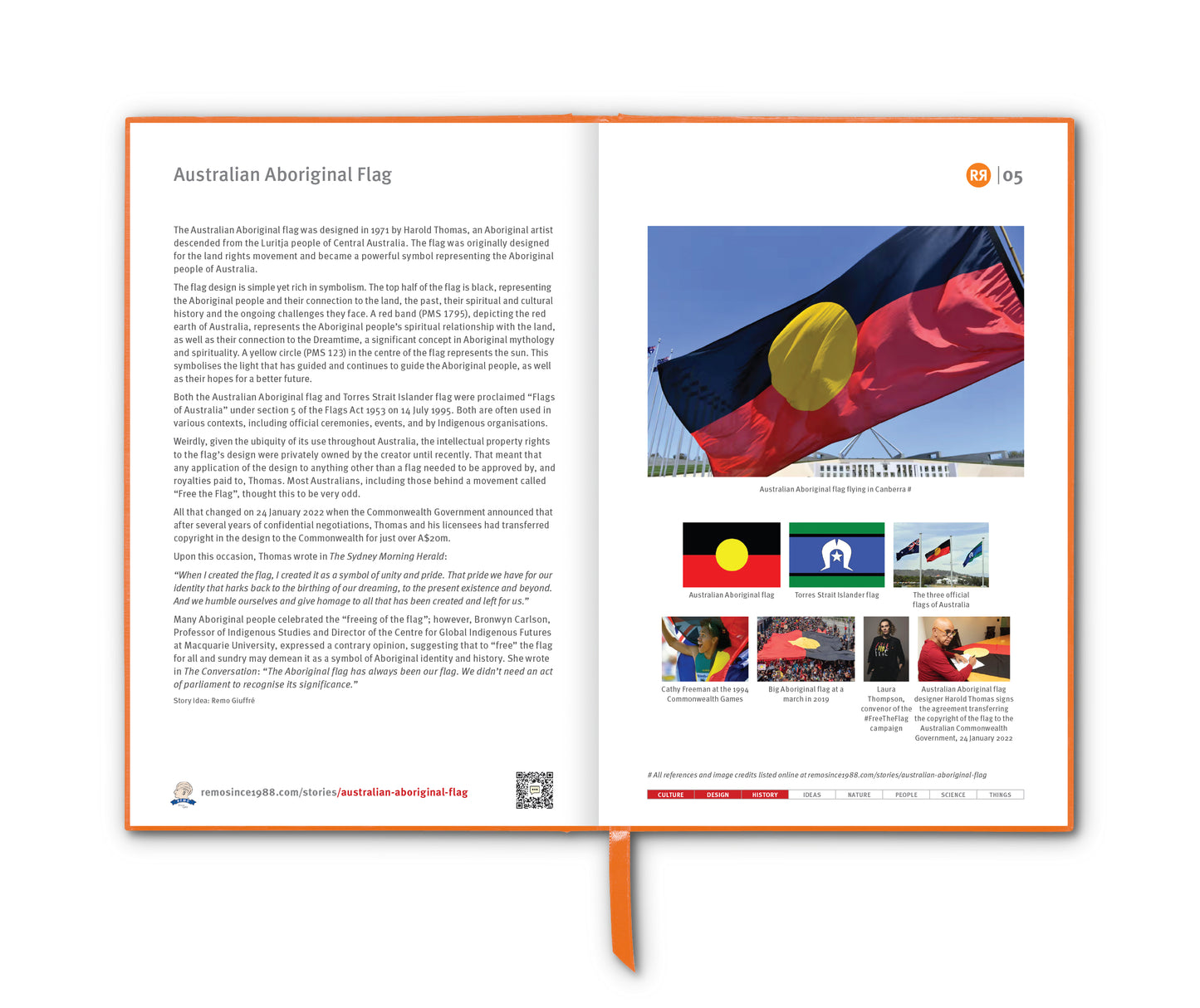
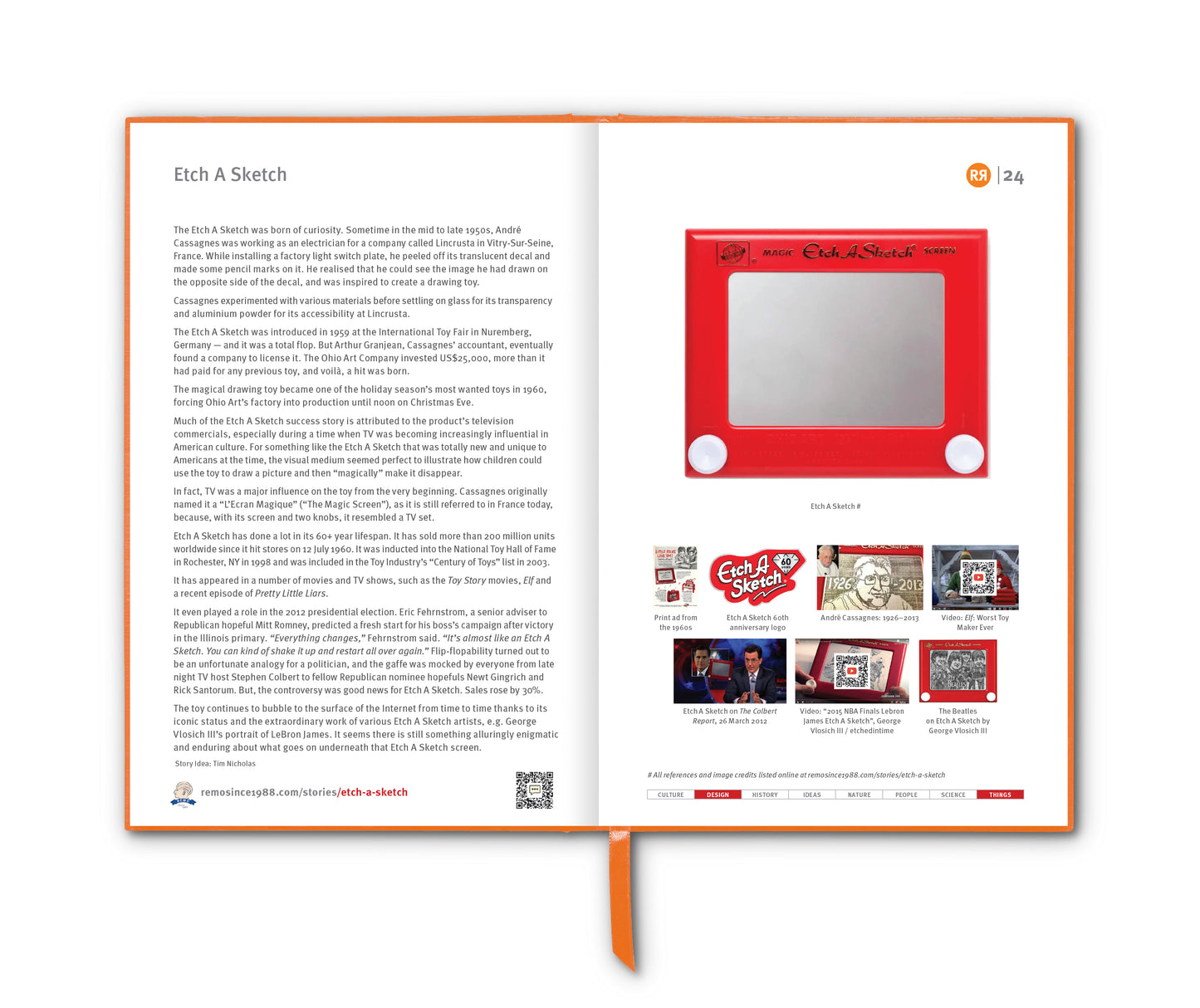
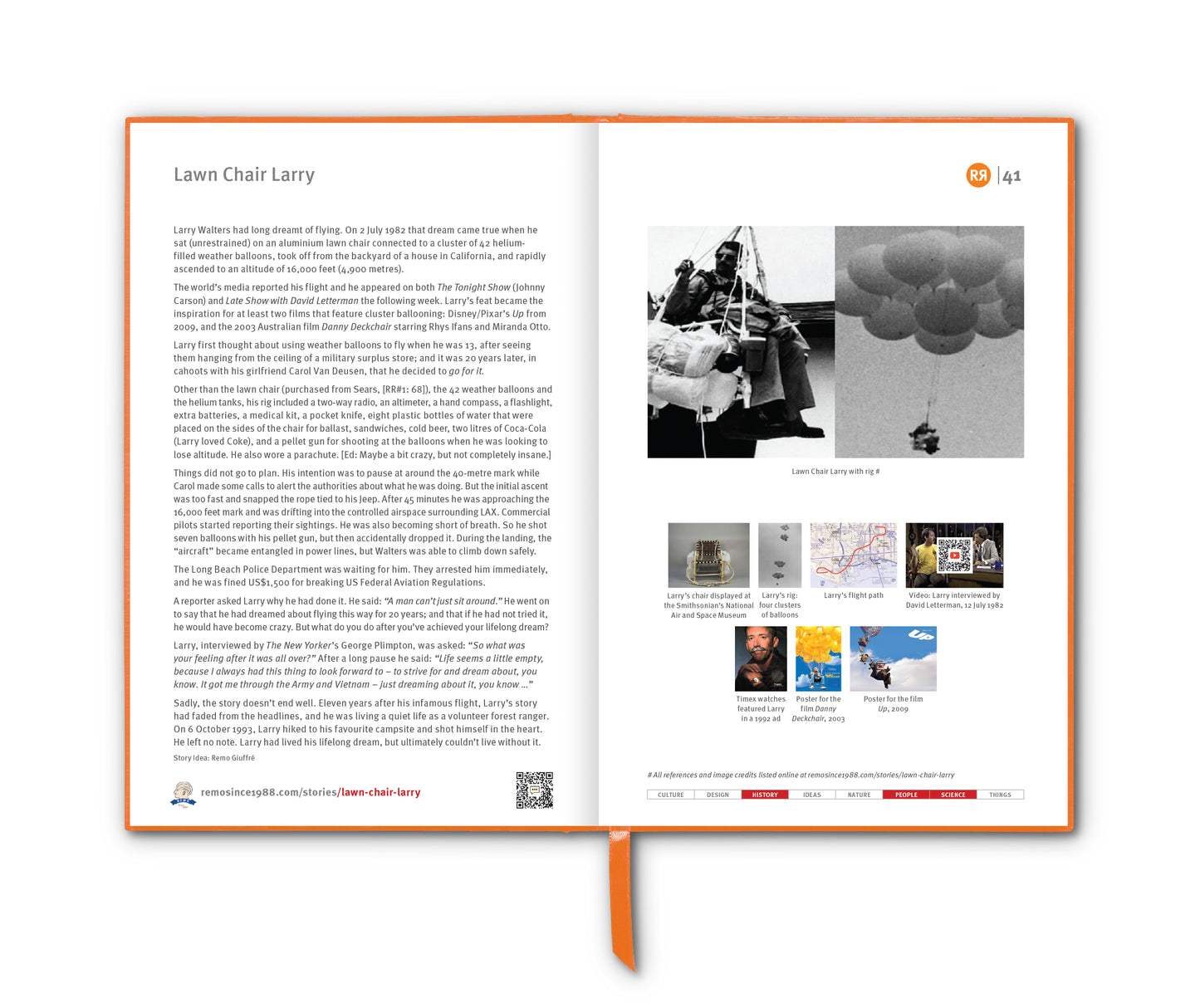
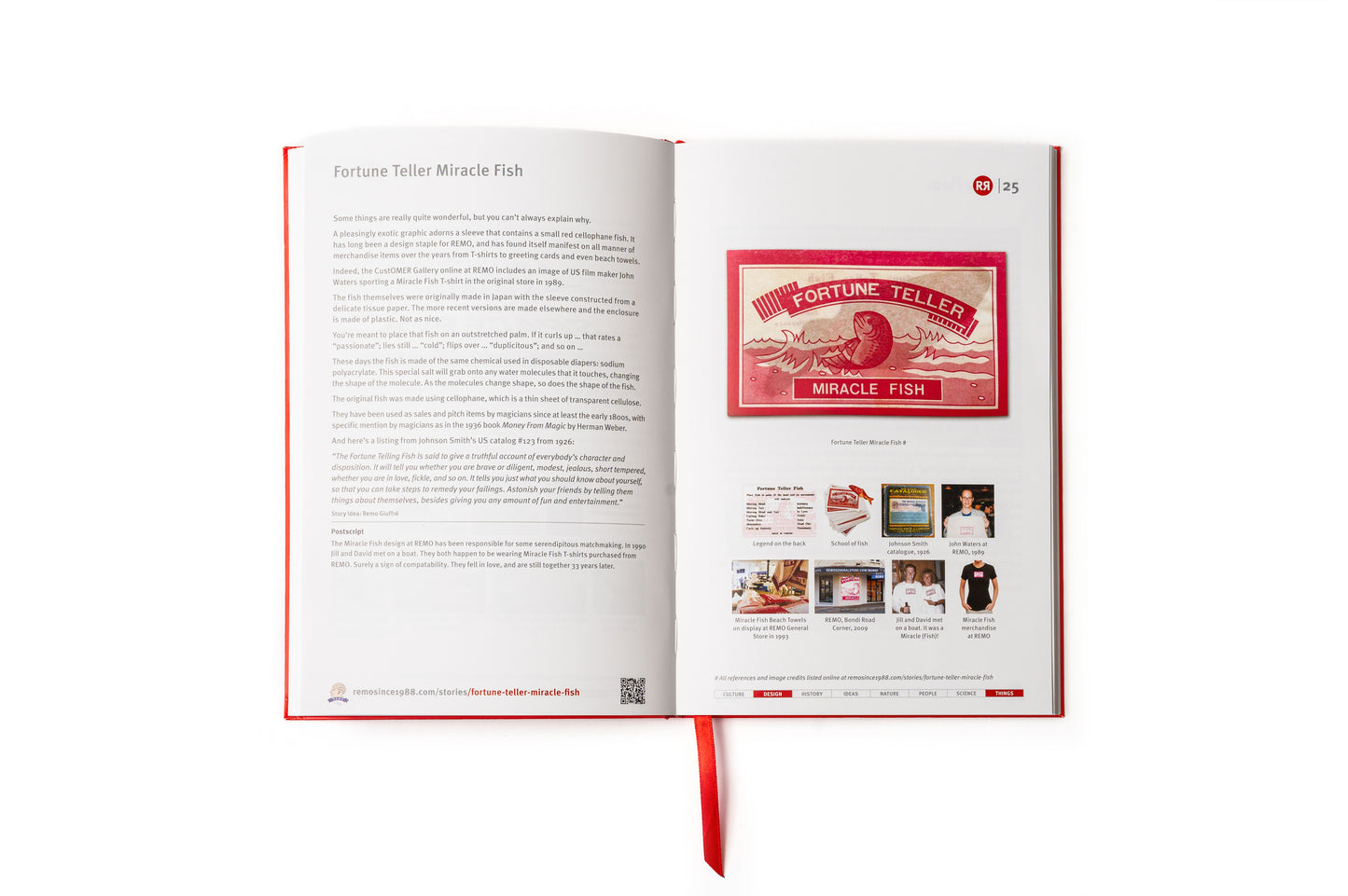
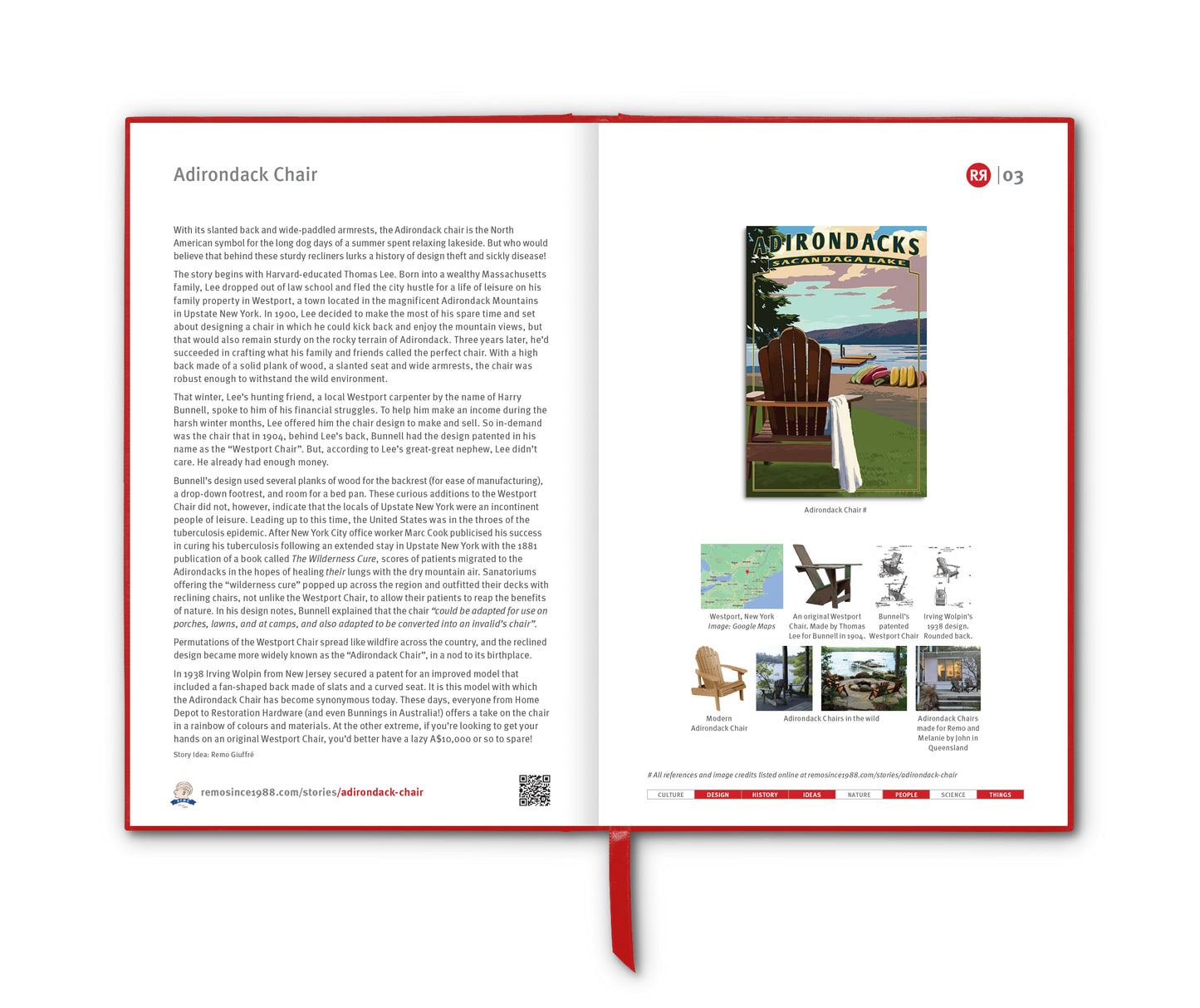
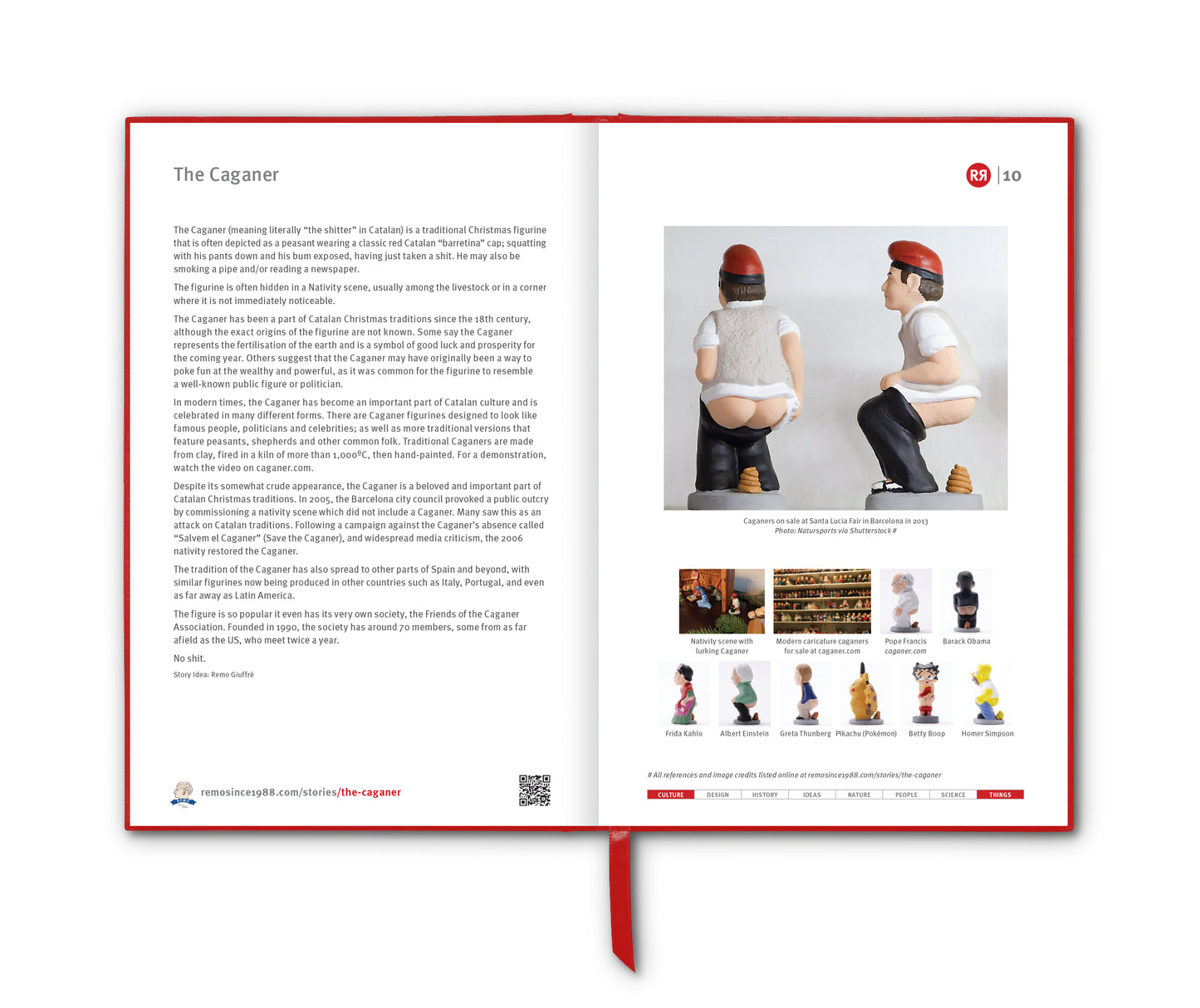
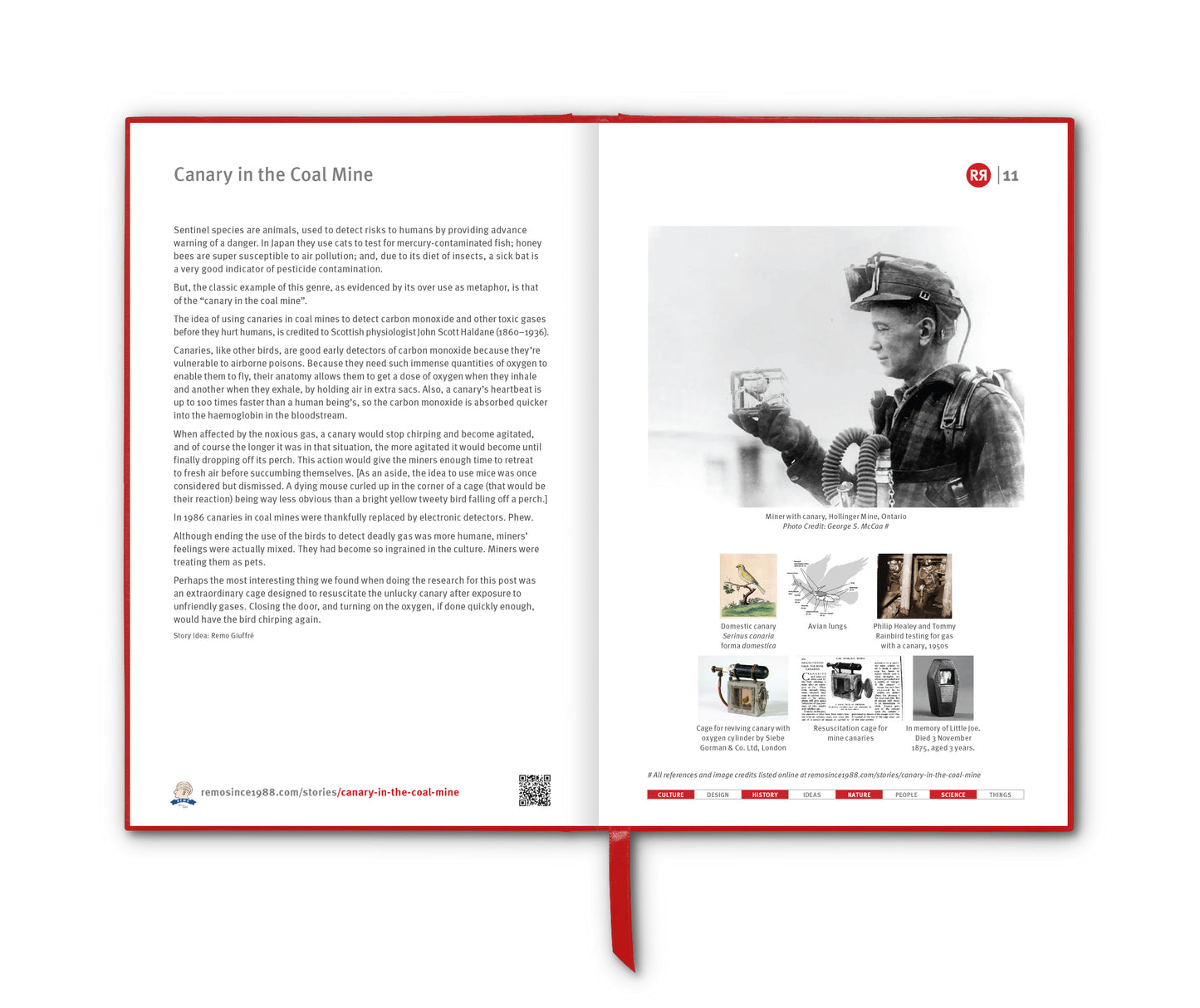
Our story begins in the 17th century, a period when Europe was obsessed with both scientific discovery and spectacular demonstration. Enter Prince Rupert of the Rhine: soldier, privateer, nephew of King Charles I and enthusiastic dabbler in natural philosophy (the historical study of the physical universe before the development of modern science).
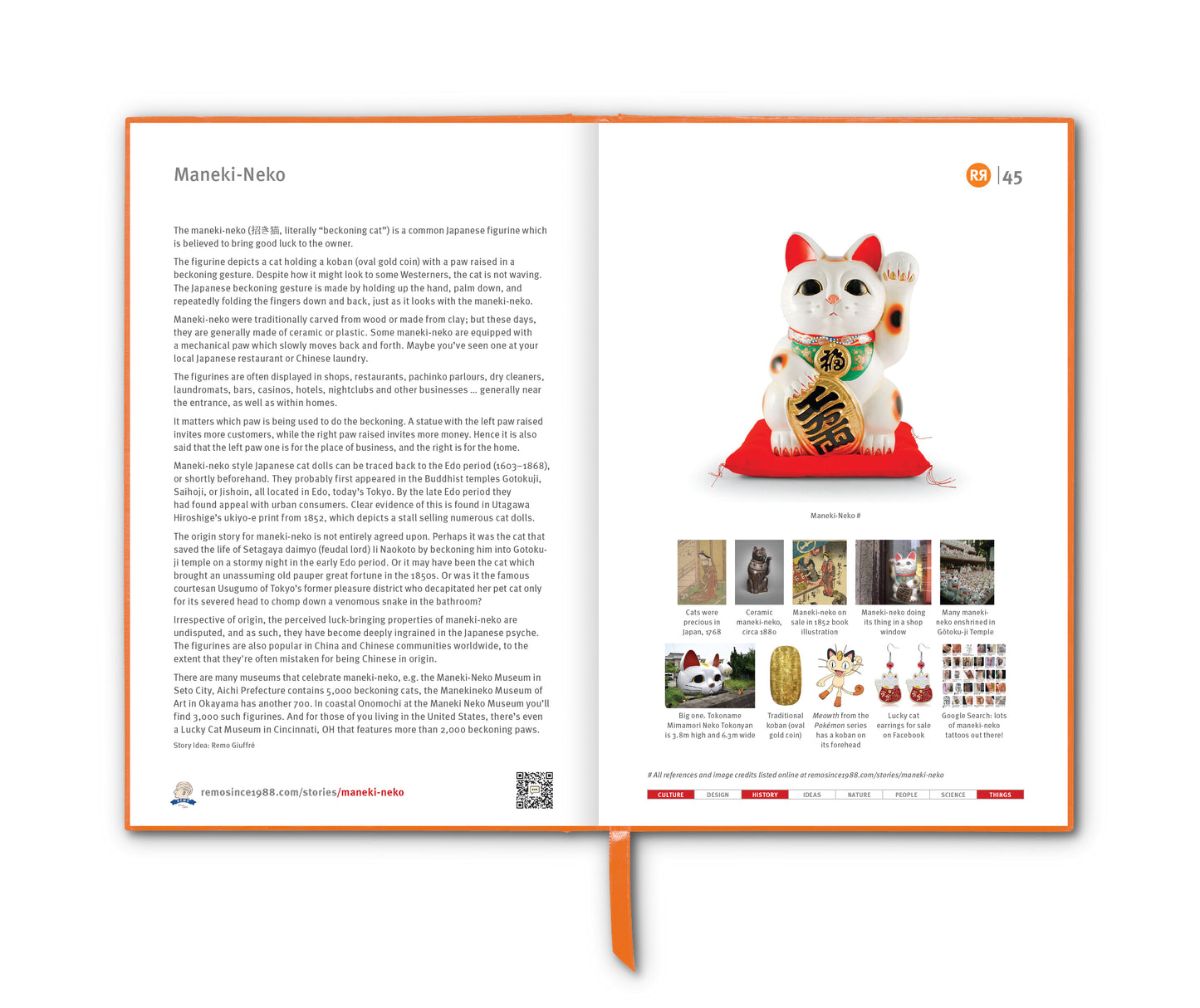
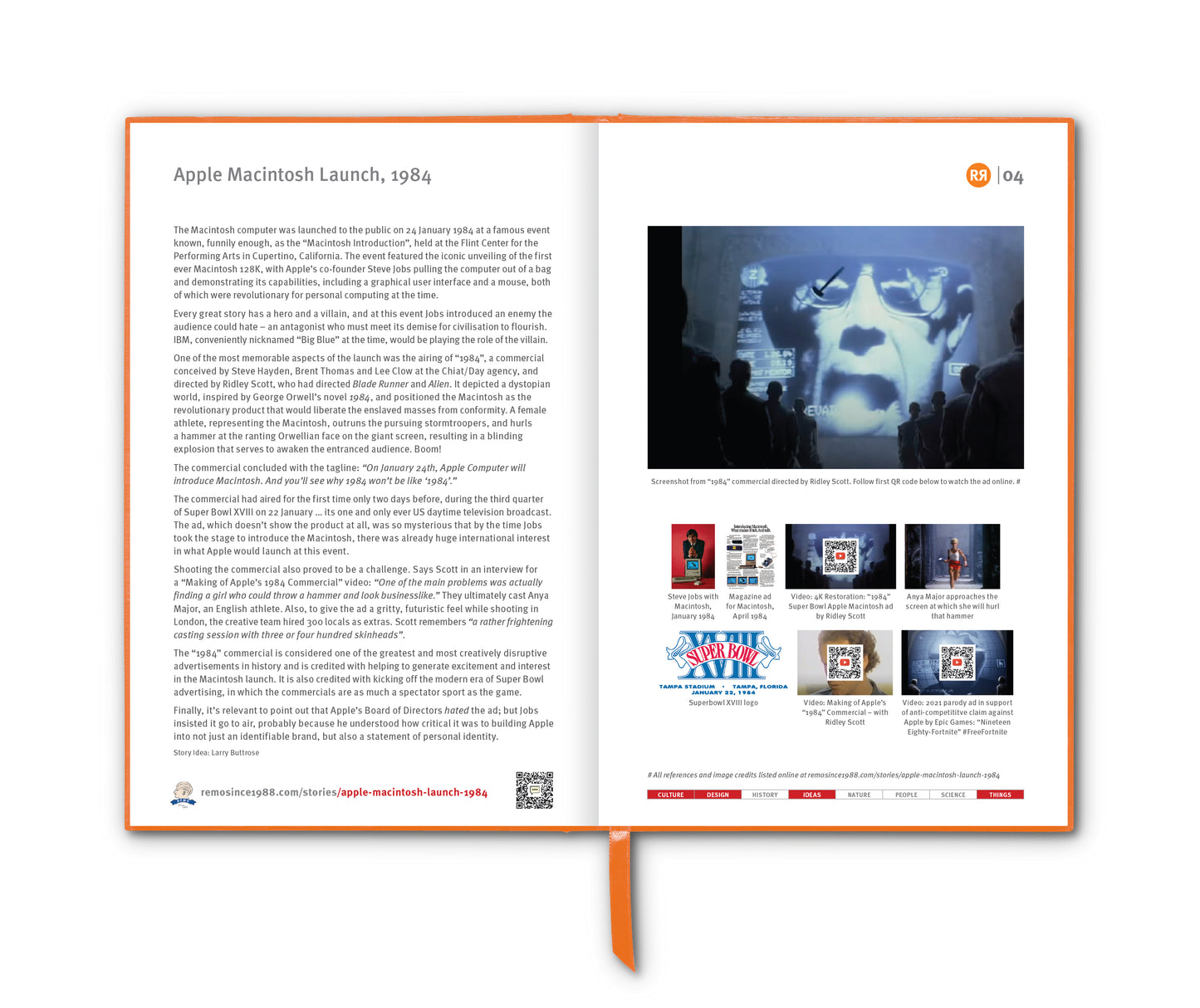
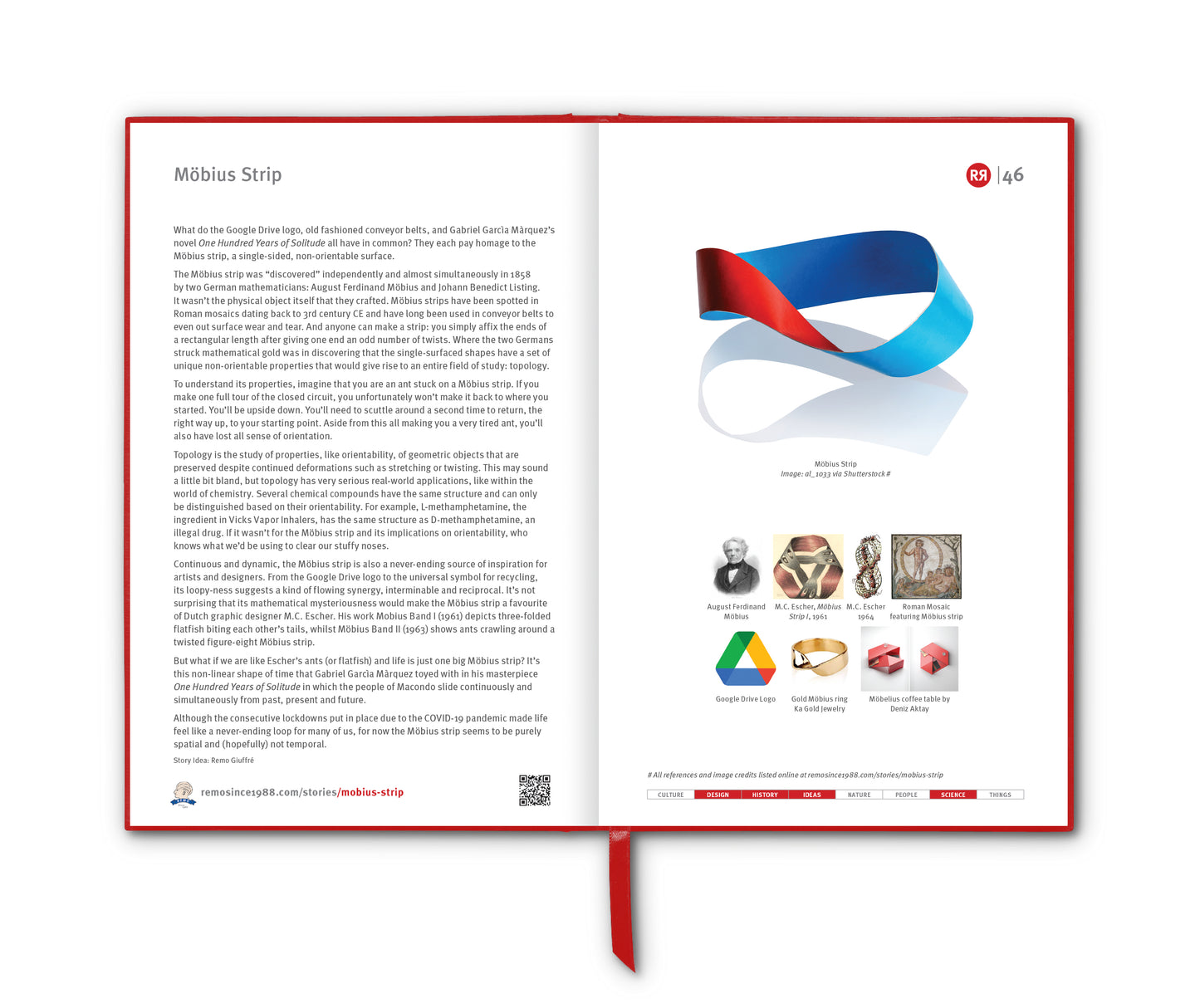
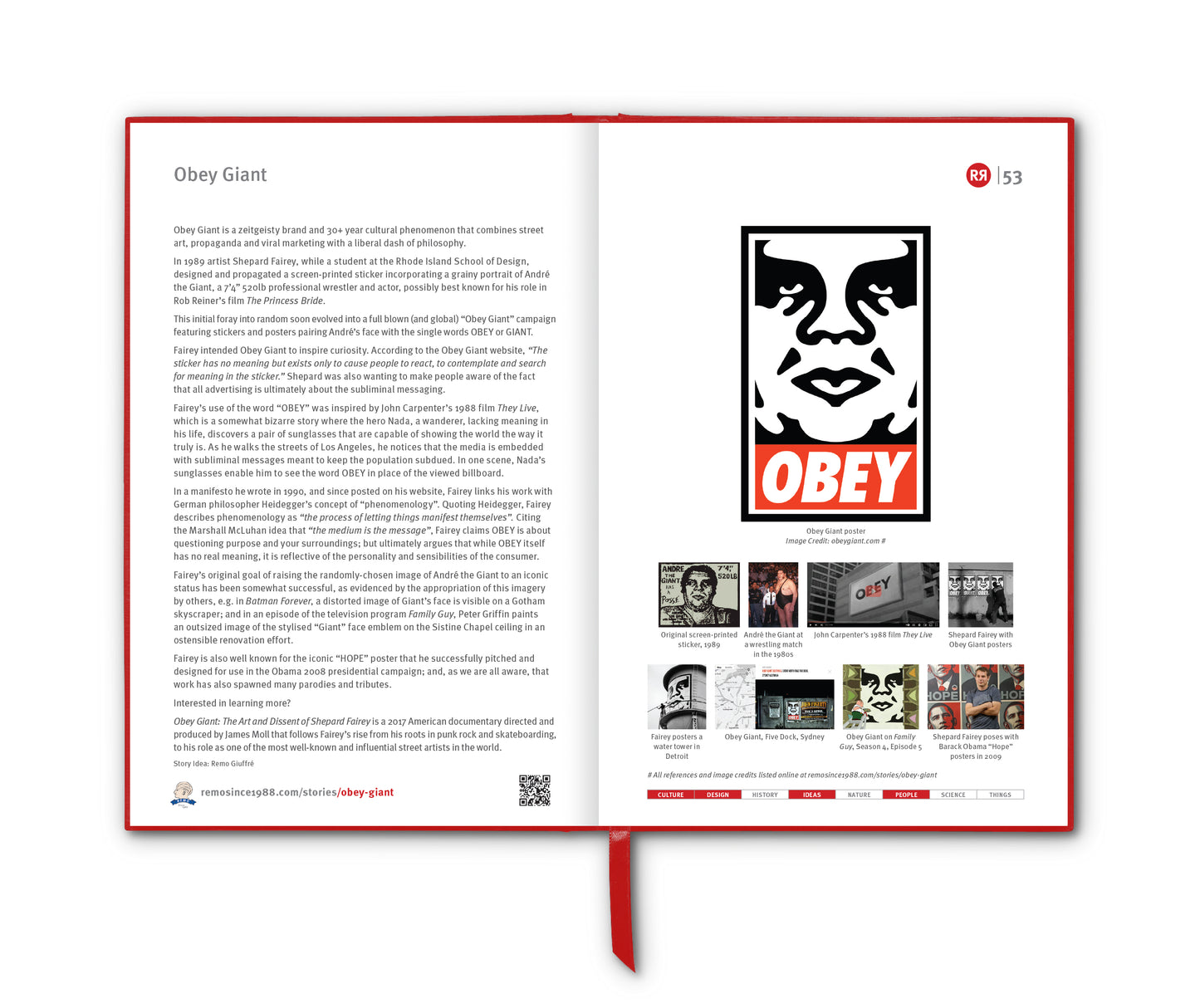
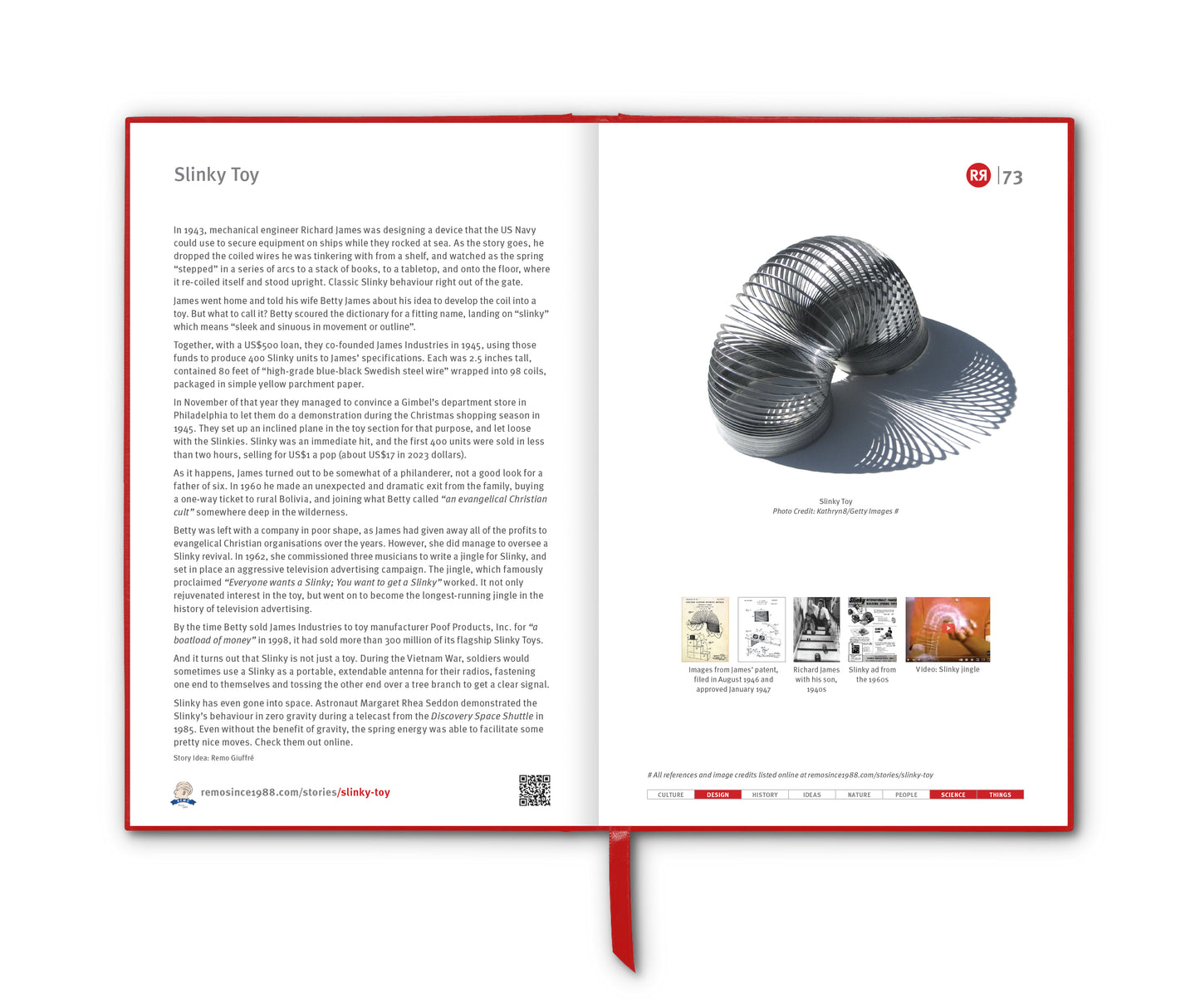
In around 1660 he arrived at the English court bearing a curious novelty that he had encountered in Germany, sometimes attributed to Dutch engineer and inventor Cornelis Drebbel – tiny teardrop-shaped blobs of glass created by dripping molten glass into cold water. The rapid cooling caused the glass to solidify into a tadpole shape with a round bulbous head and a long, thin tail – but that wasn’t the fun bit.
Prince Rupert showed that the head of the drop could withstand astonishing force. You could hammer it, squeeze it, even hit it with a mallet, and it simply refused to break. What’s more, and here’s the twist: if you merely flicked the delicate tail, the entire drop would explode into fine powder in an instant, shattering with the force of a tiny internal bomb. Not crack, not crumble – disintegrate. Samuel Pepys, who attended the demonstration, described the drop as “one of the greatest wonders I ever saw”.
For a court known to enjoy both theatrics and science, this was a hit. The newly formed Royal Society took notice, seeing in the drop not just an amusing trinket but a scientific puzzle. Why was it nearly indestructible at one end – yet catastrophically fragile at the other?
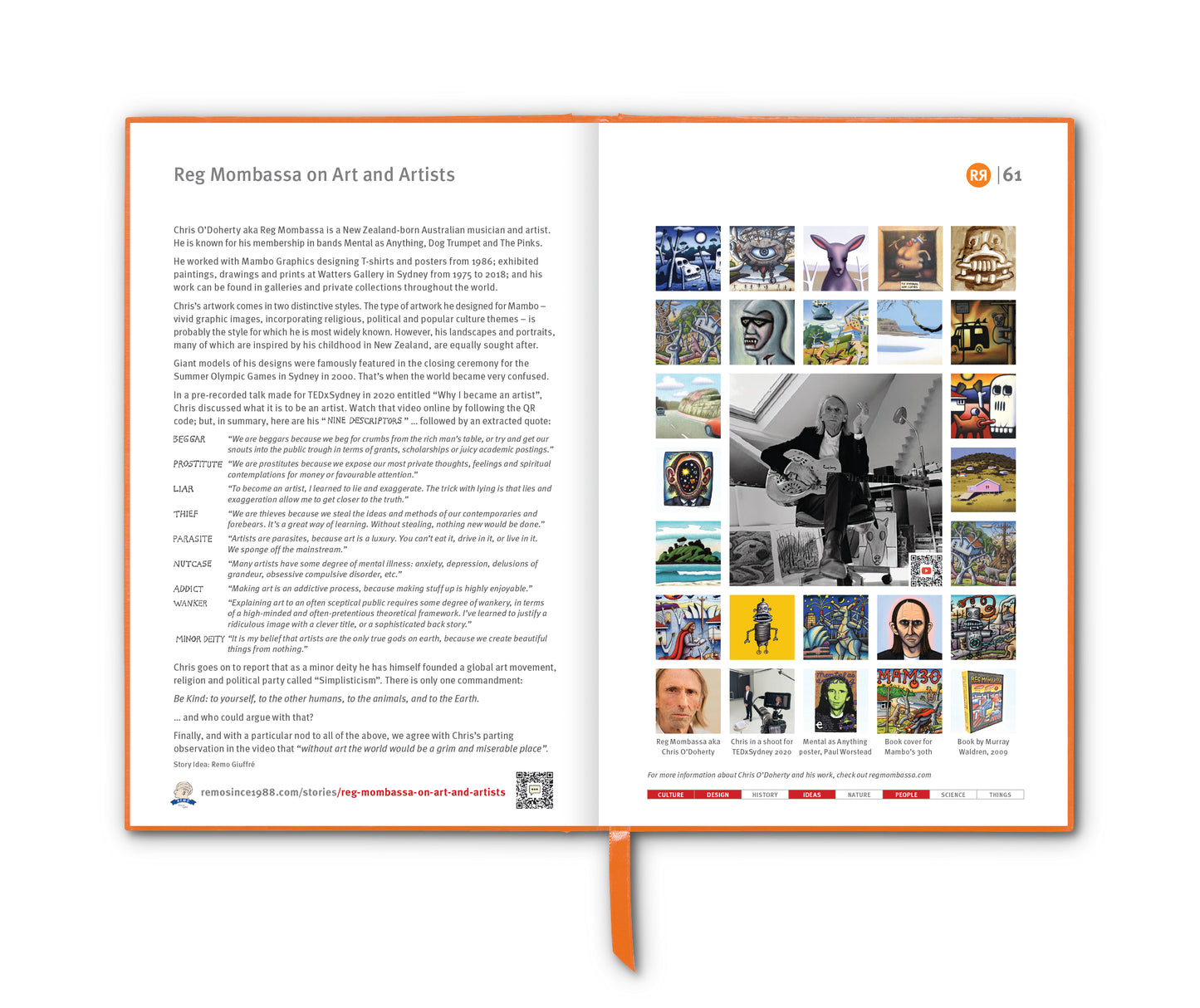
The Royal Society began experiments, trying to understand its contradictory behaviour. Robert Hooke sketched the drop in his 1665 masterwork Micrographia, using it to illustrate the hidden stresses that lurked inside solid materials. What Hooke couldn’t see, but intuited, was that the head of the drop was under extreme compressive stress, while the interior remained in opposing tensile stress. Modern high-speed photography finally confirmed what Hooke suspected: that a fracture beginning at the tail triggers a chain reaction travelling through the glass at over 1,600 metres per second, outpacing even bullets.
Why does this happen? It’s all in the cooling. When the molten glass is plunged into cold water, the outside solidifies instantly, shrinking and squeezing the still-soft interior. As the interior cools, it tries to contract – but the hardened shell won’t let it. The result: compressed outer layers (very strong) and stretched inner layers (very unstable). The bulbous head, squeezed tight, becomes nearly unbreakable. The tail, however, is the weak point where all that pent-up tension can finally escape.
Today, Prince Rupert’s Drop appears in physics lectures, YouTube slow-motion videos, and museum displays – still performing its 17th-century magic trick. It remains a beautiful illustration of material science: how strength and fragility can coexist, and how appearances can often mislead.
And you can thank Prince Rupert’s Drop for the toughness of your phone screen. Although smartphone glass does not use Prince Rupert’s Drop technology itself – it uses the same underlying physics (surface compression) but using safer, more engineered and less unpredictable methods.
____________________________
References
wikipedia.org/wiki/Prince_Rupert's_drop
library.unimelb.edu.au
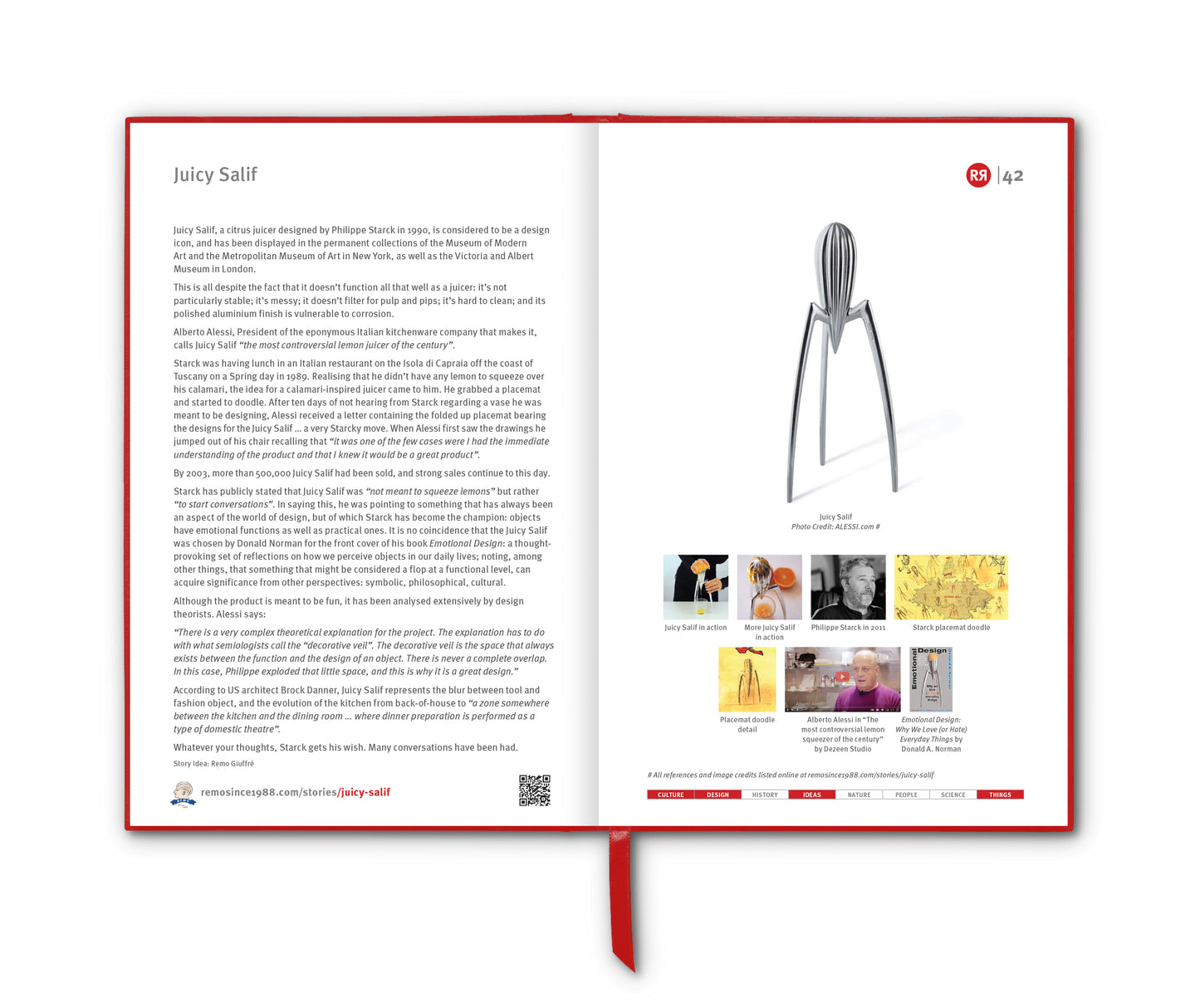
Images
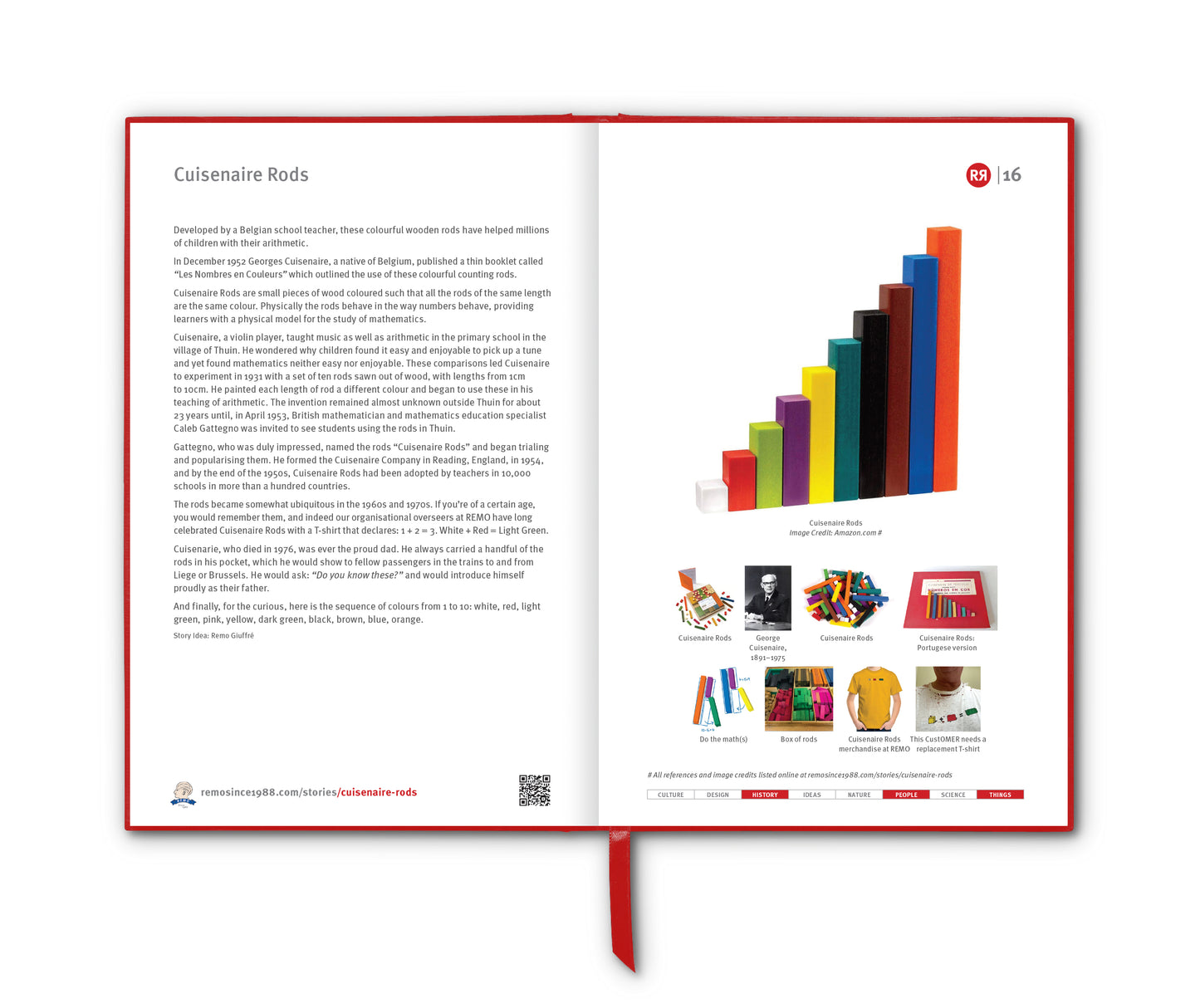
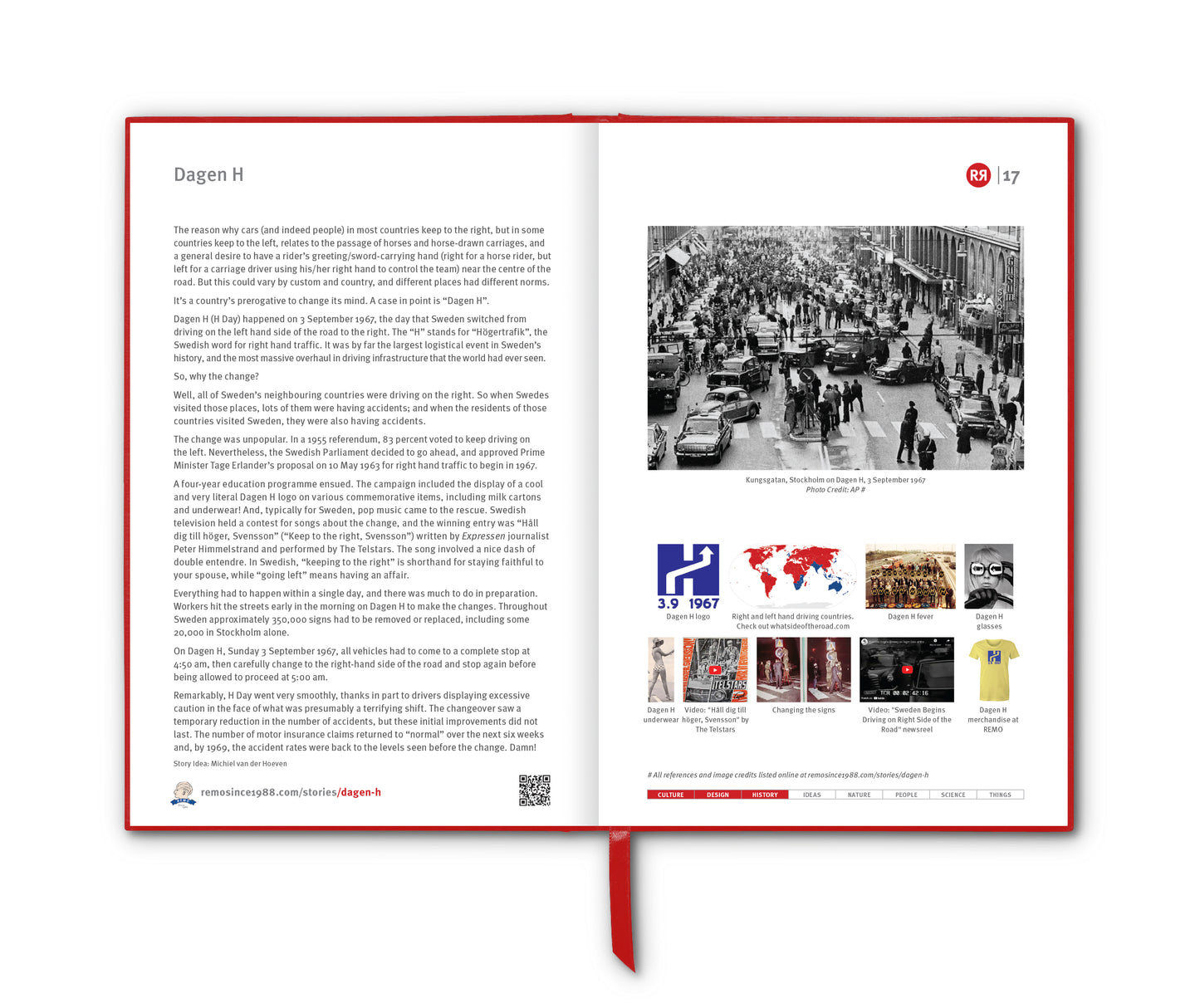
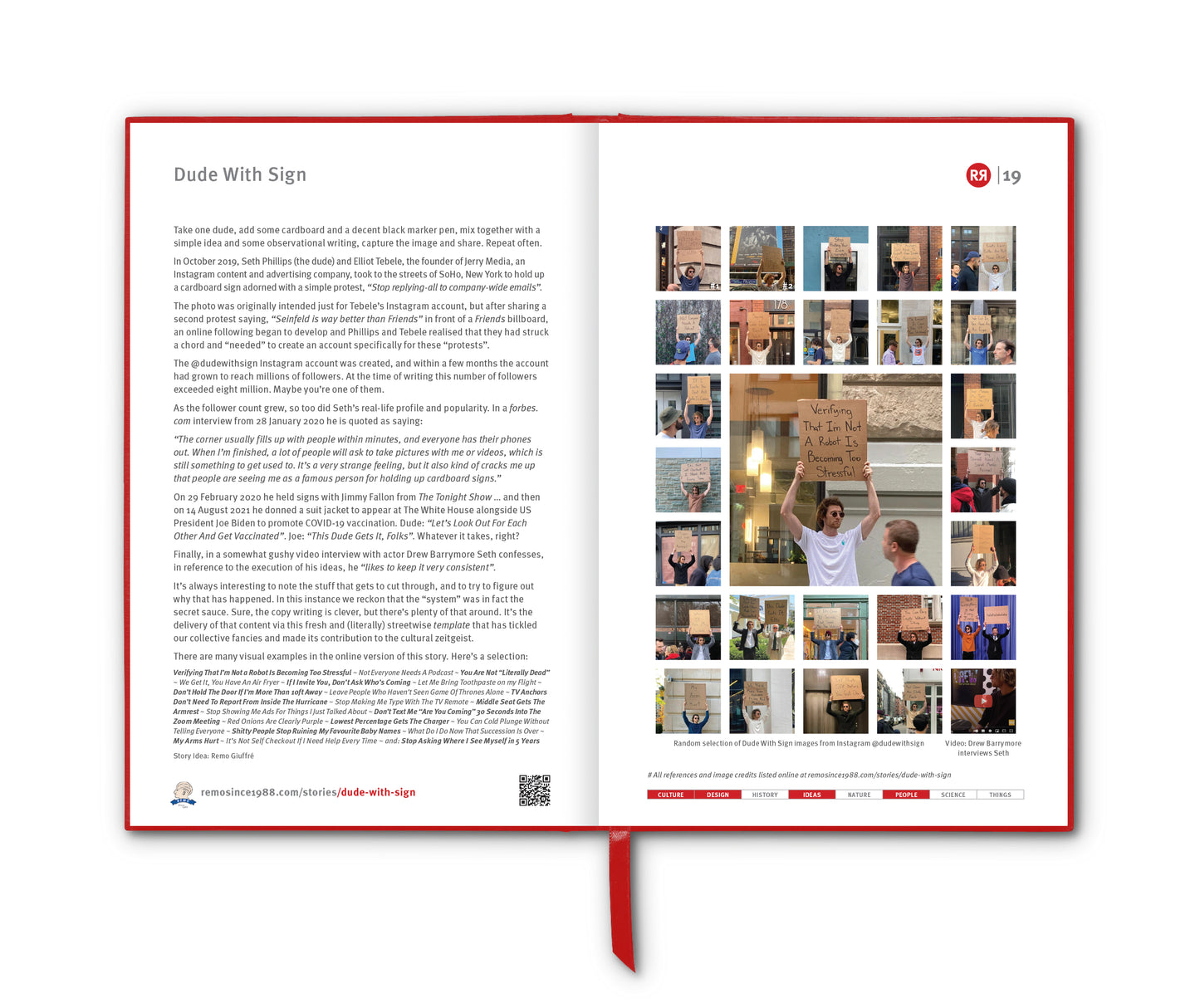
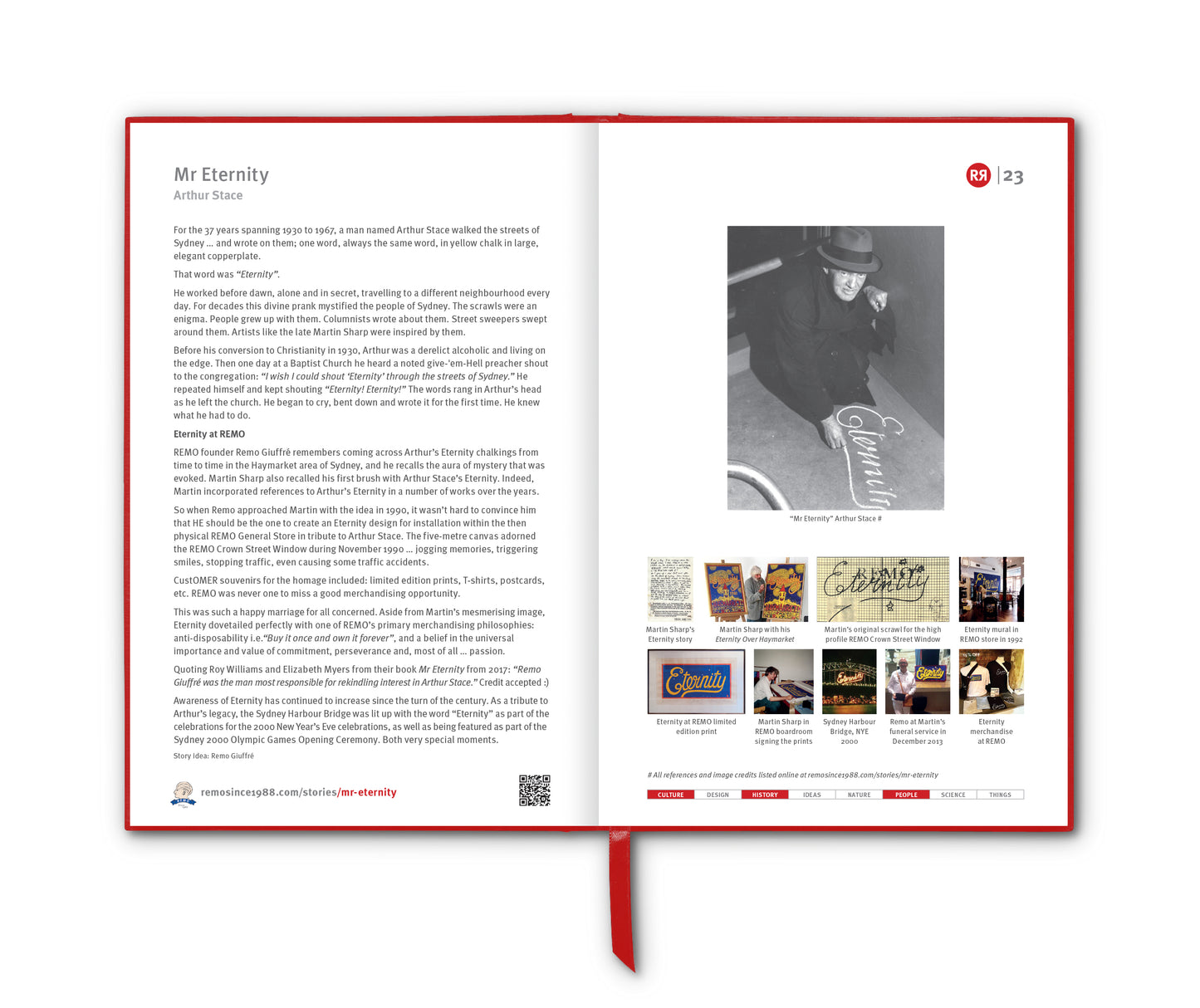
1. Depiction of glass drops from Robert Hooke's Micrographia (1665). Portrait: Prince Rupert of the Rhine by Peter Lely
2. A figure describing a Prince Rupert's drop, from Account of the Glass Drops (1661) by Sir Robert Moray.
3. Robert Hooke's Micrographia (1665)
4. Prince Rupert’s Drops. Credit: dtobin
5. Prince Rupert’s Drop vs Crazy Hydraulic Press
6. Exploding head of a Prince Rupert’s Drop. Credit: Purdue University
7. Video: "Prince Rupert's Drops: 400 Year Old Mystery Revealed". Srinivasan Chandrasekar from Purdue University explaining the physics.