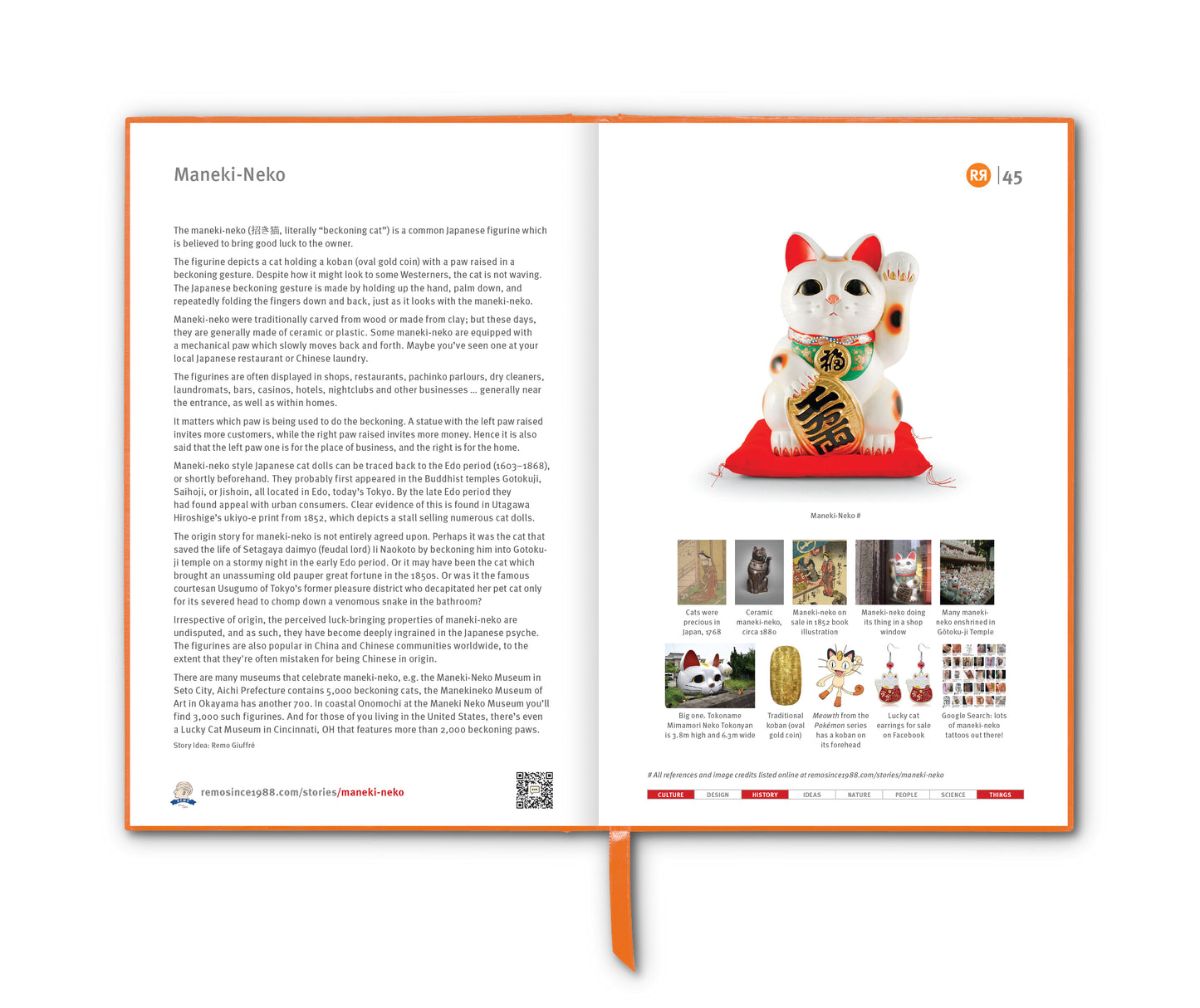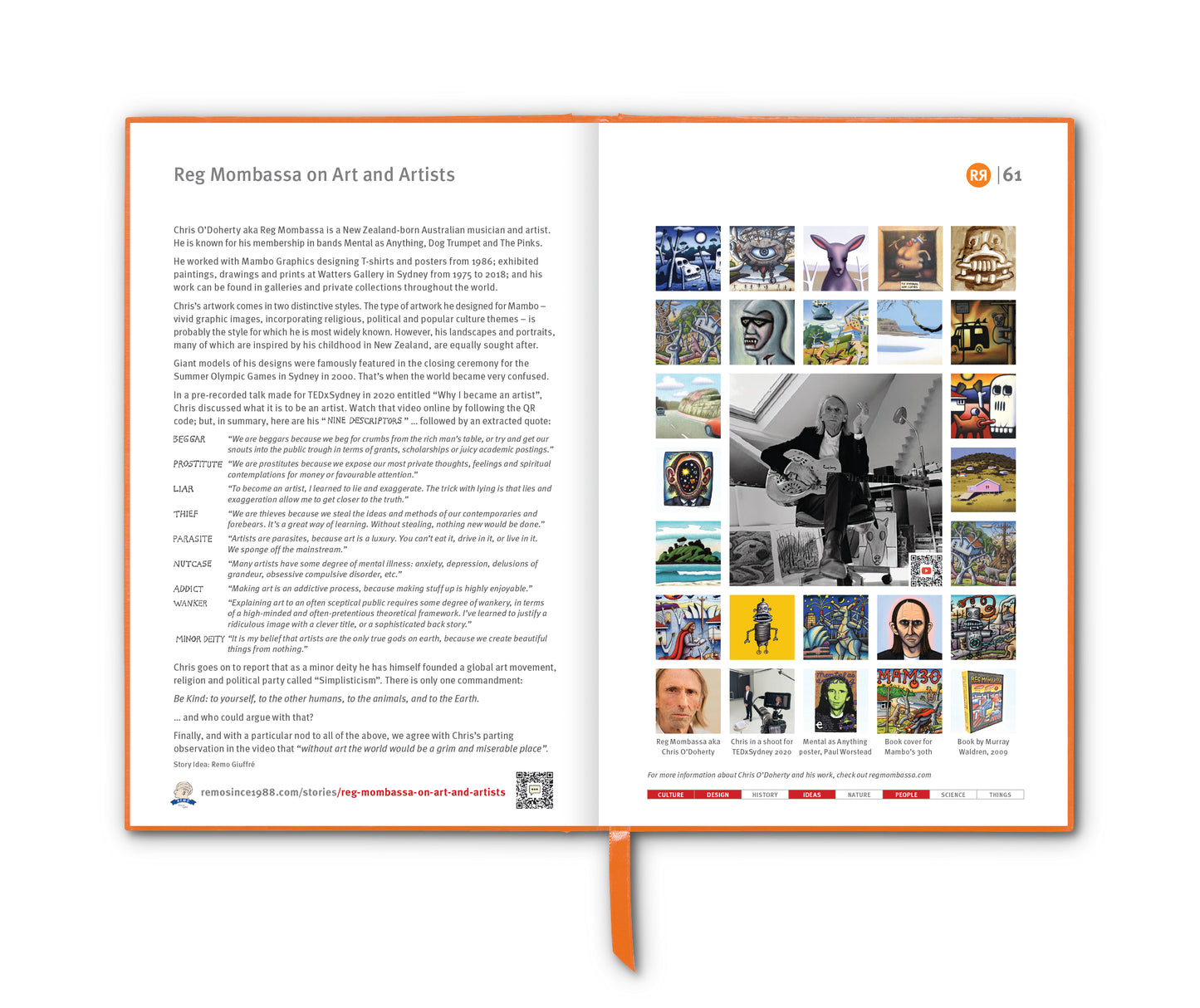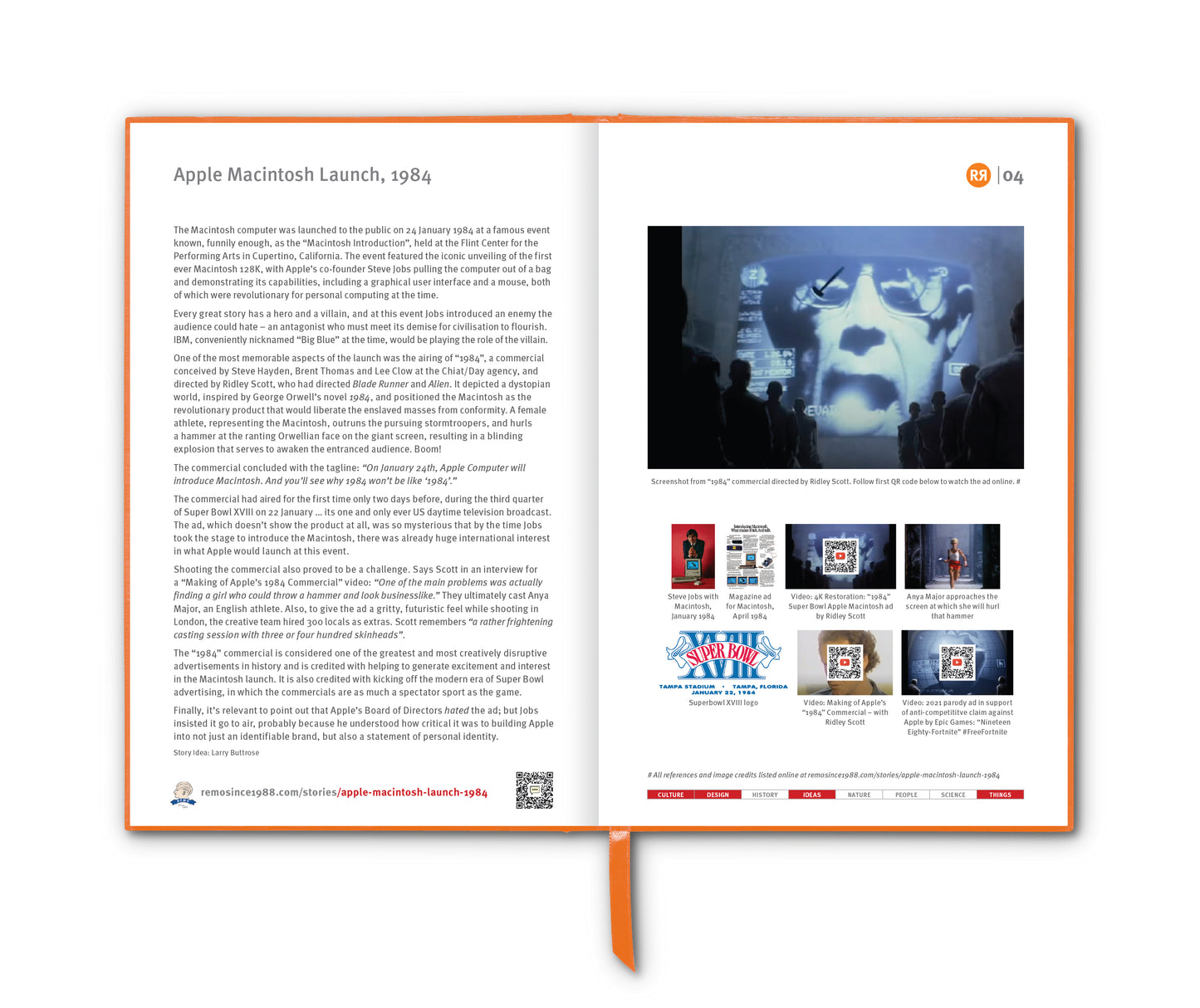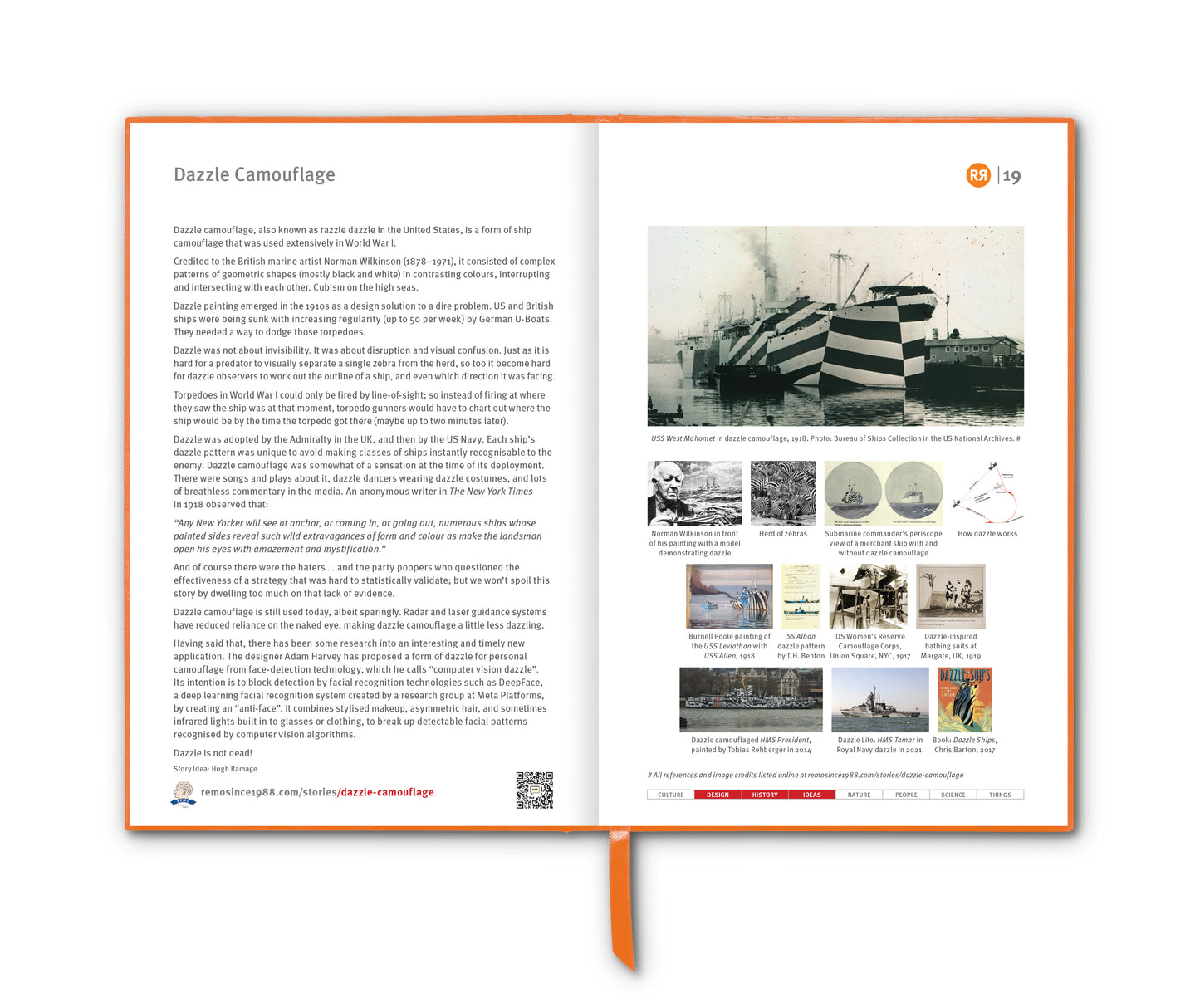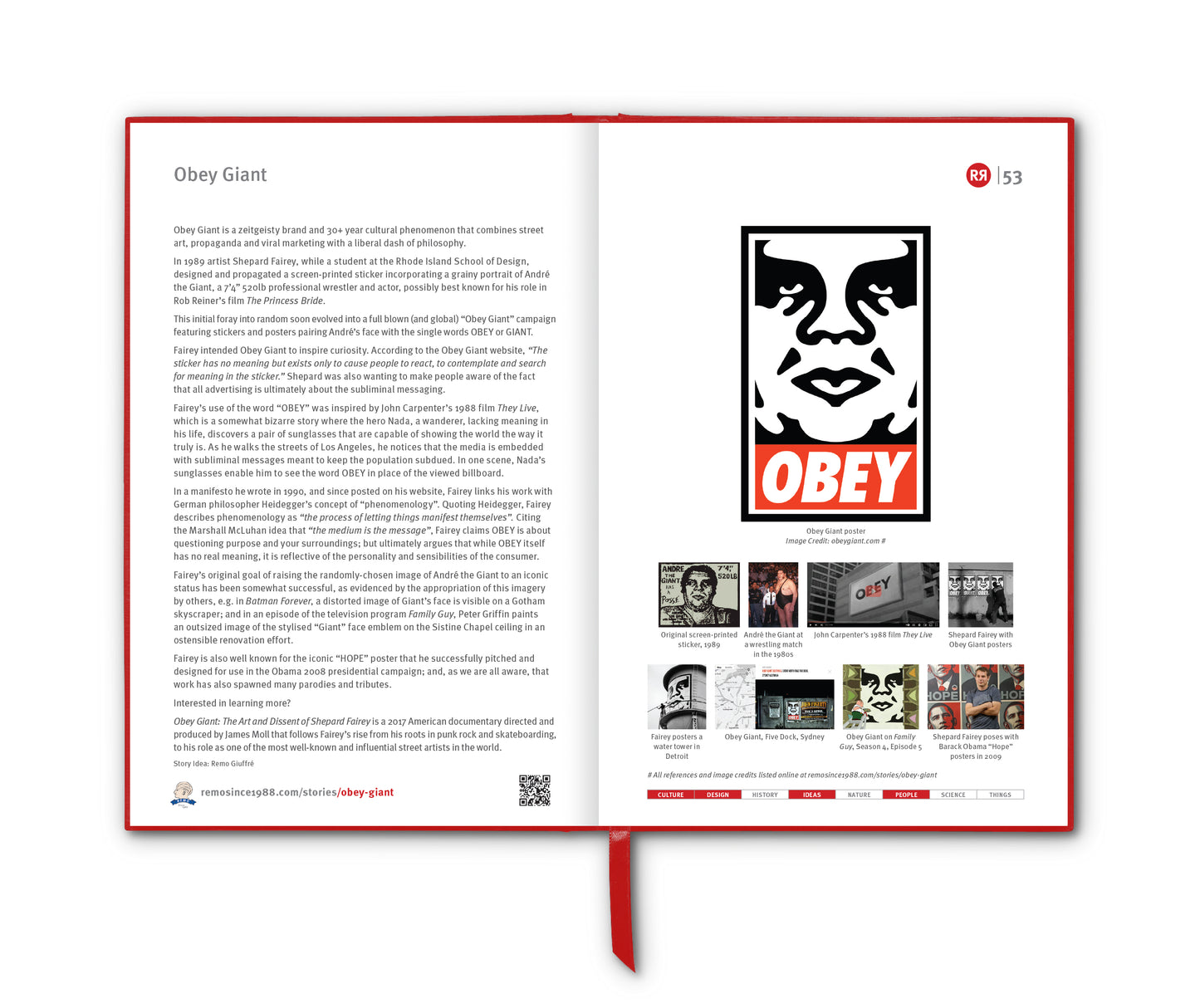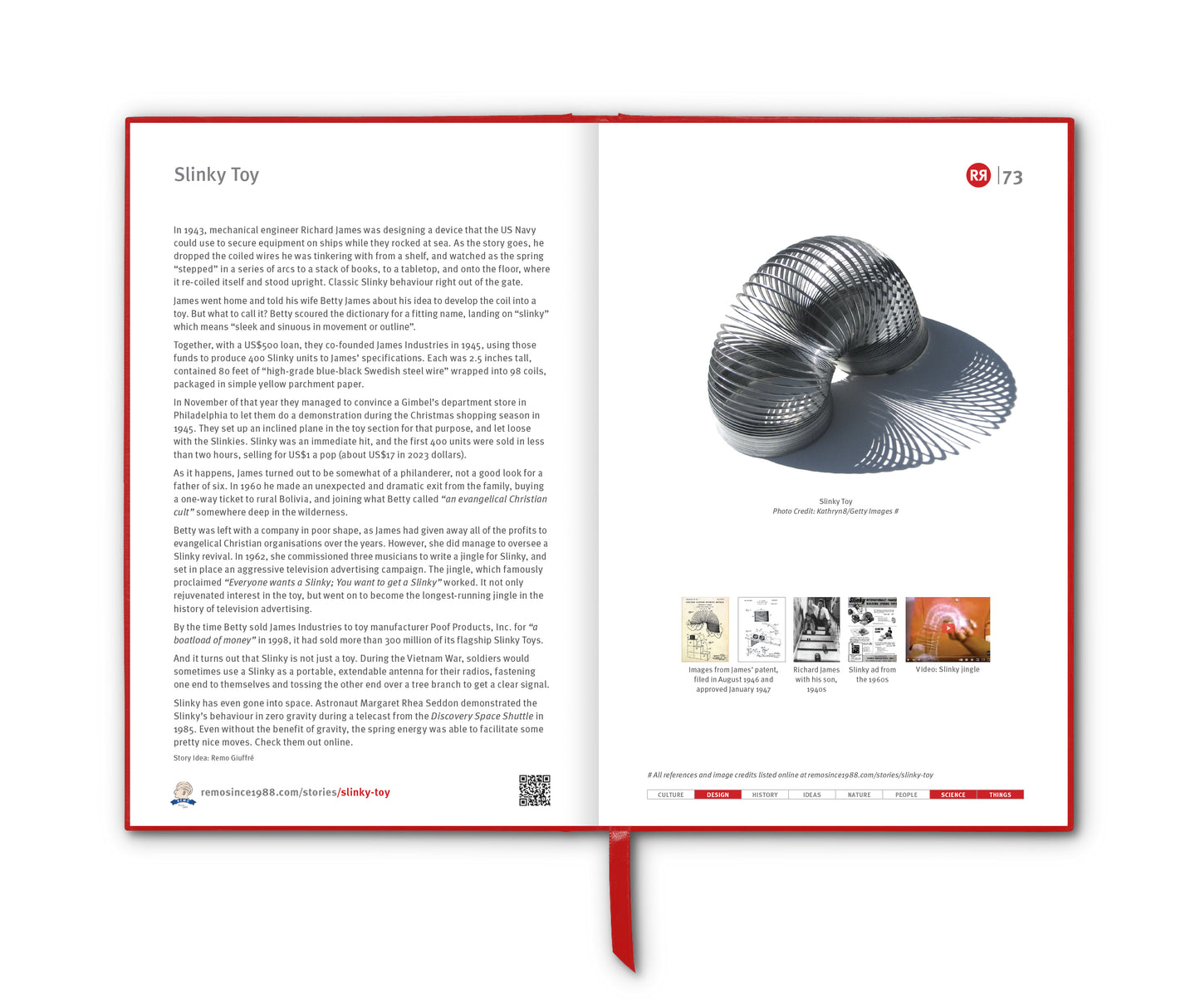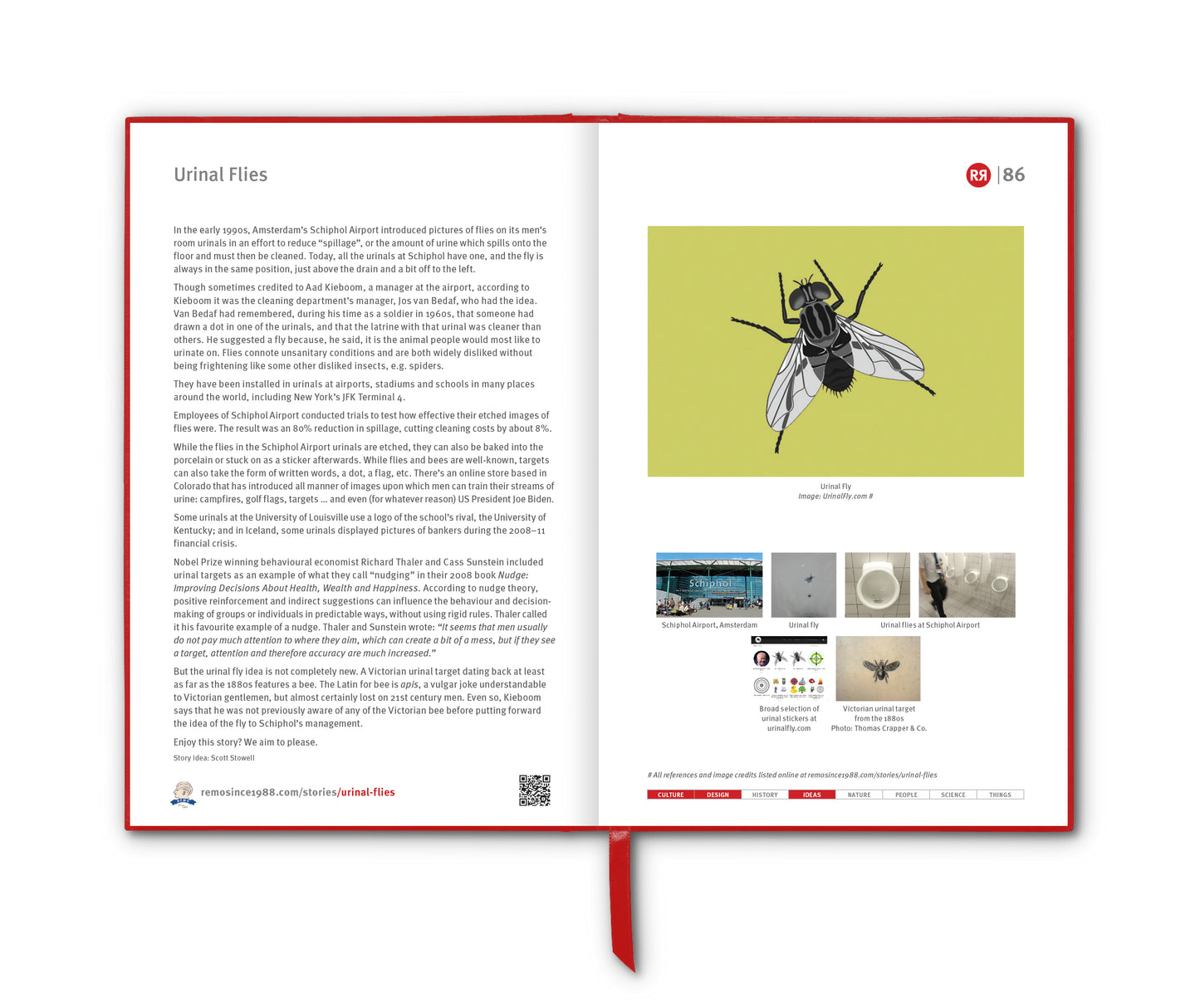

The Rashomon effect refers to the phenomenon where different people provide contradictory interpretations or recollections of the same event. It’s named after Akira Kurosawa’s 1950 film Rashomon in which four characters – a bandit, a samurai’s wife, the samurai (via a medium) and a woodcutter – each offer their version of a crime.
None of their stories match, and the audience is left to question the nature of truth itself. Just like in the parable of the blind men and an elephant, where each blind man feels a different part of the animal's body, going on to describe very different animals based on their limited experience. Humans have a tendency to claim absolute truth based on their limited, subjective experience as they ignore other people's limited, subjective experiences which may be equally true.
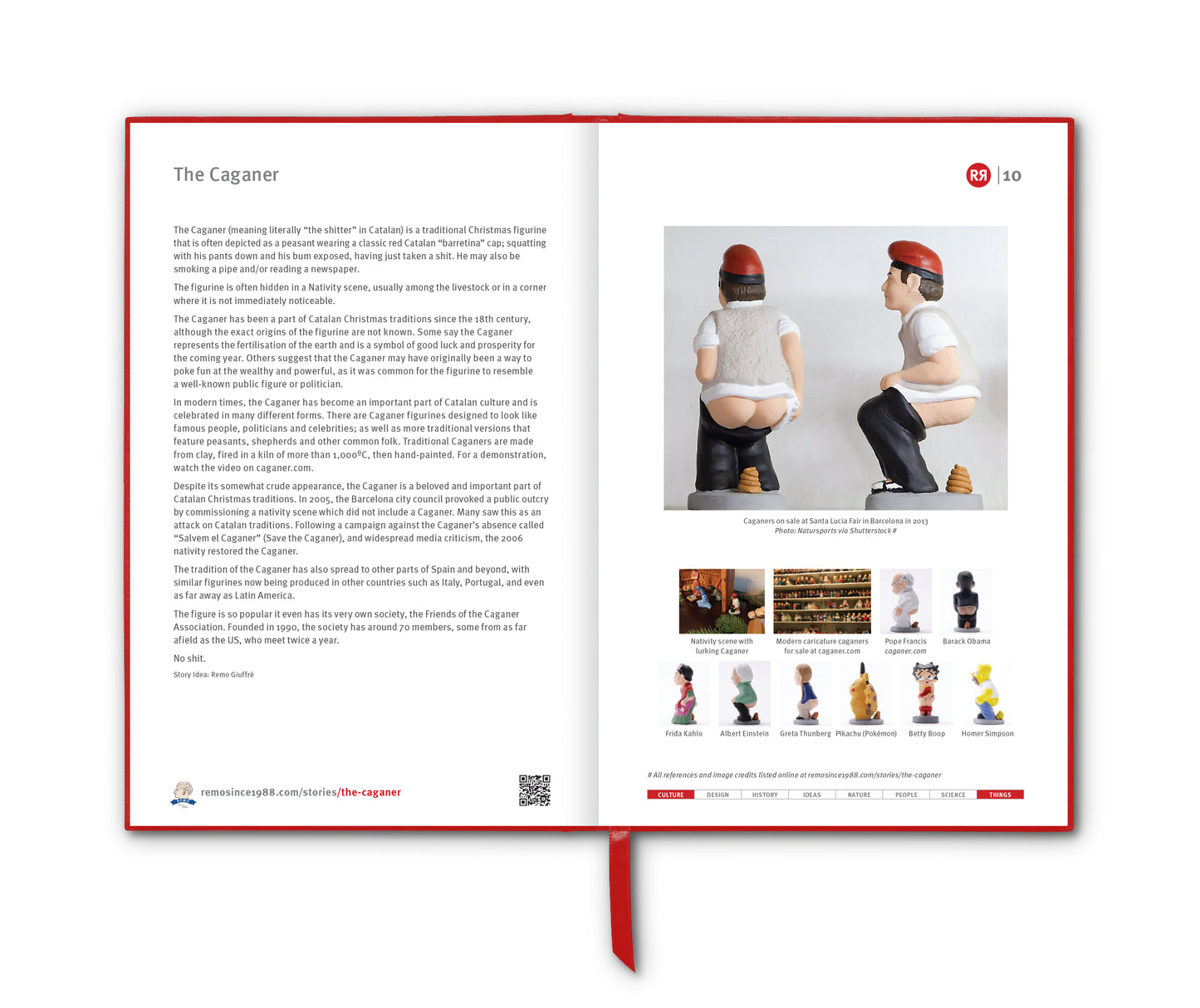
The Rashomon effect has been defined in a modern academic context as "the naming of an epistemological framework—or ways of thinking, knowing and remembering – required for understanding complex and ambiguous situations”. At its core, the effect illustrates the subjectivity of perception and memory. We don’t just see events; we interpret them, filter them through personal experiences, emotions, biases and even our need to protect or project a certain image of ourselves.
In psychology, this overlaps with concepts like confirmation bias, where we favour information that aligns with our existing beliefs, and false memory, where recollections can be distorted over time.
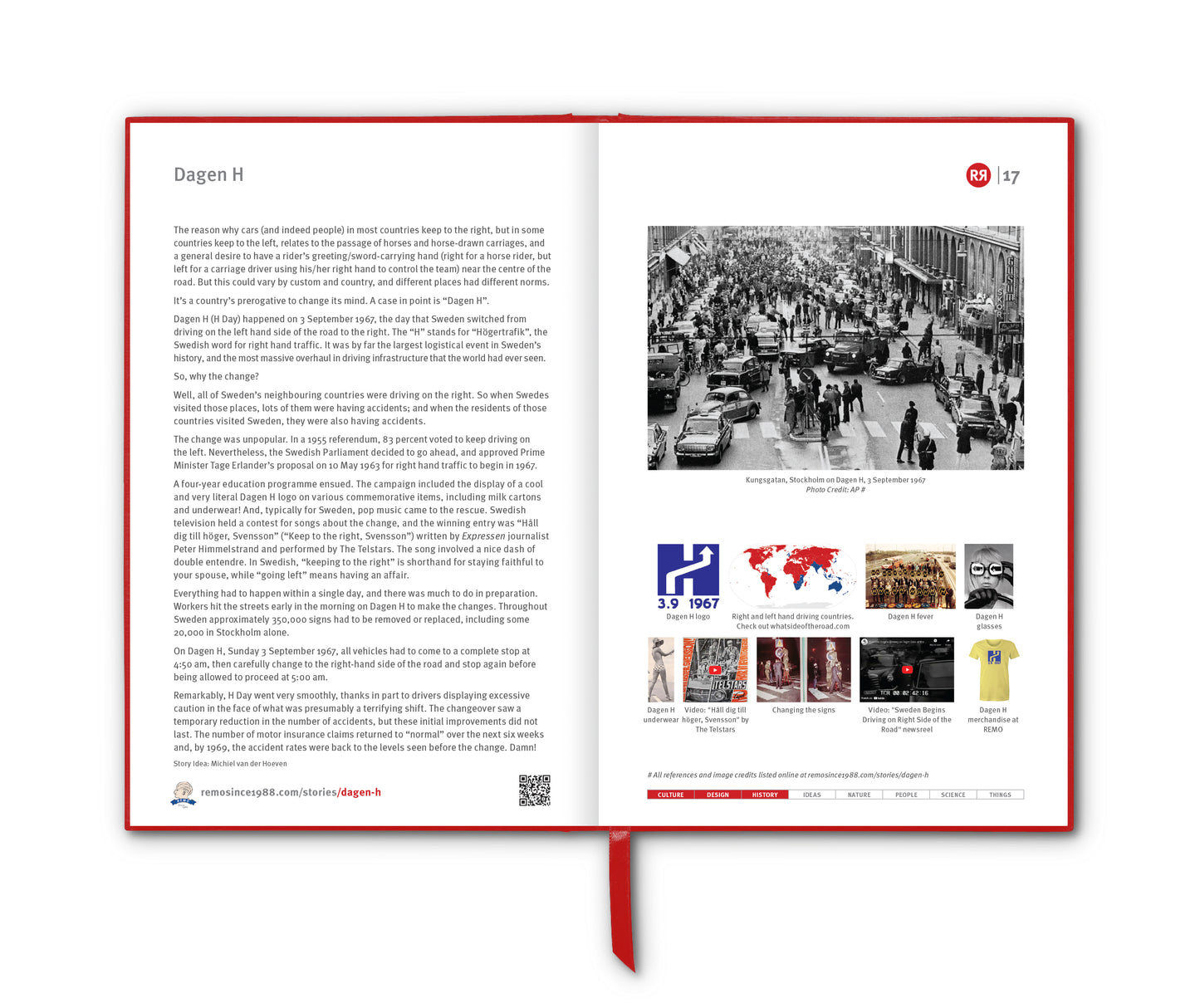
In legal settings, the Rashomon effect is especially significant. Eyewitness testimony, once considered gold-standard evidence, is now treated with more skepticism.
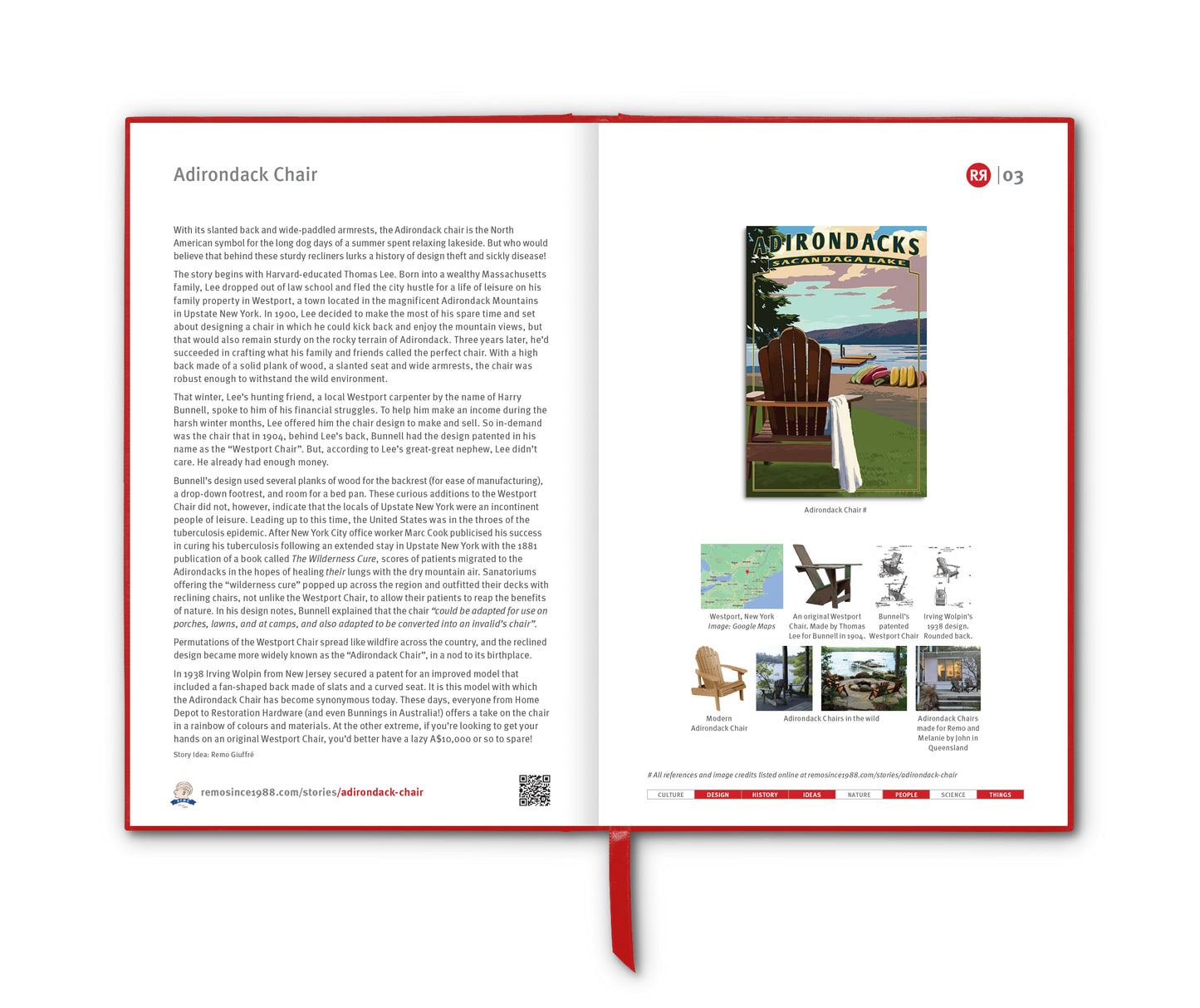
The Rashomon effect isn’t confined to courts or the cinema. It plays out in everyday life: family disputes, workplace misunderstandings, political debates, even social media controversies. Online, where tone and nuance are easily lost, people often form sharply divided interpretations of the same statement, image or video. What one person sees as satire, another reads as an insult. What one calls justice, another sees as injustice. The Rashomon effect reminds us how easily consensus can fracture.
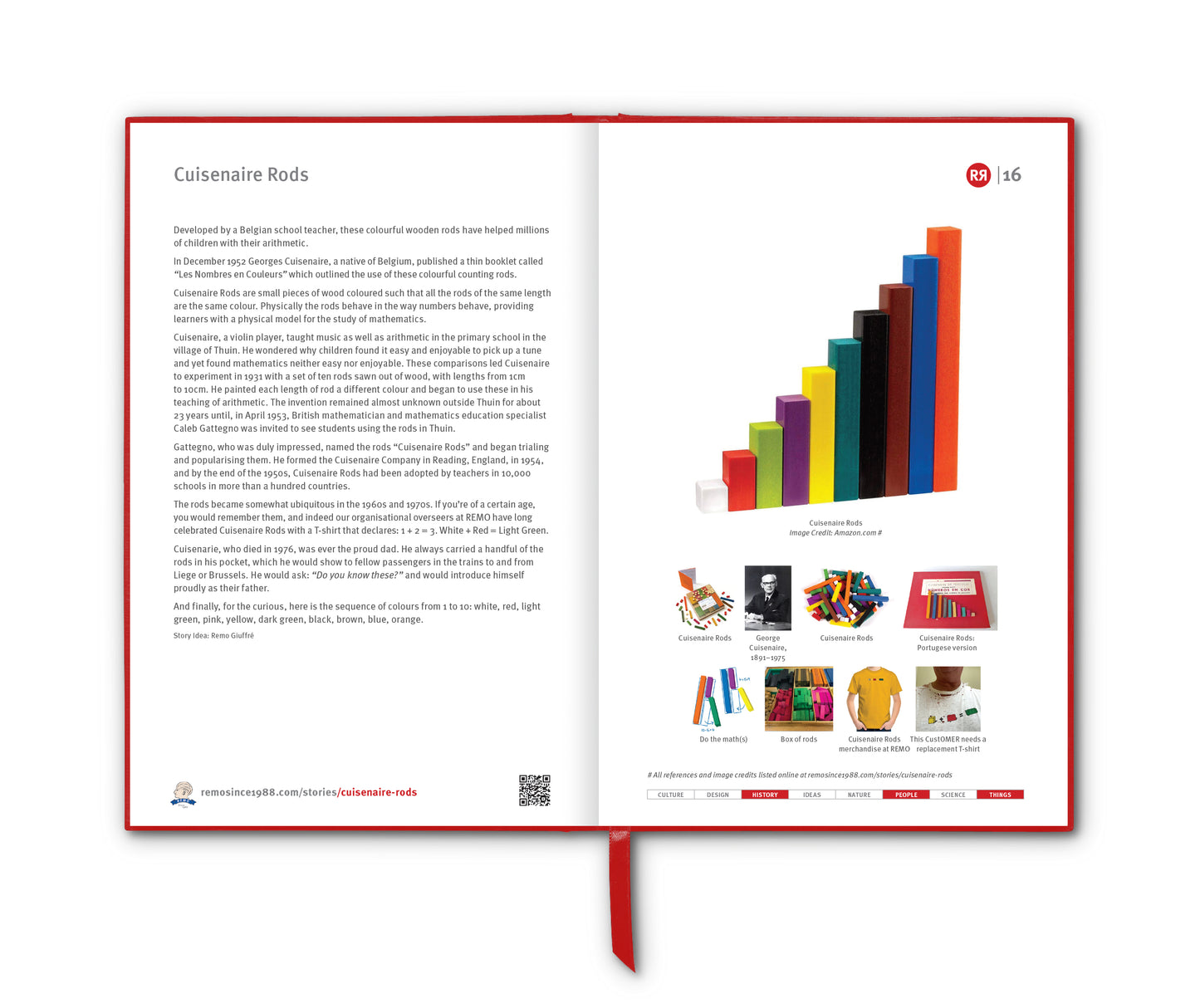
But this doesn’t mean that truth is completely relative or unknowable. What the Rashomon effect really teaches is the idea that we should be aware of our cognitive limitations and remain open to other perspectives. In journalism, history and interpersonal communication, acknowledging multiple viewpoints can bring us closer to a fuller understanding of events, even if perfect objectivity remains elusive.
______________________
References
https://en.wikipedia.org/wiki/Rashomon_effect
https://en.wikipedia.org/wiki/Blind_men_and_an_elephant
Images
1. Rashomon Effect
2. Toshiro_Mifune and Daisuke Kato, Rashomon, 1950
3. Rashomon poster, 1950
4. Seven blind men and an elephant parable. Credit: TED Ed video (see below)
5. Rashomon Effect. Credit: TED Ed video (see below)
6. Video: "How do you know what's true?" - Sheila Marie Orfano for TED Ed
7. Marge: "You liked Rashomon. Homer: That's not how I remember it." Credit: The Simpsons