
The language of smiles is filled with subtlety. Much more than cheerful expressions, smiles are social acts with powerful consequences.
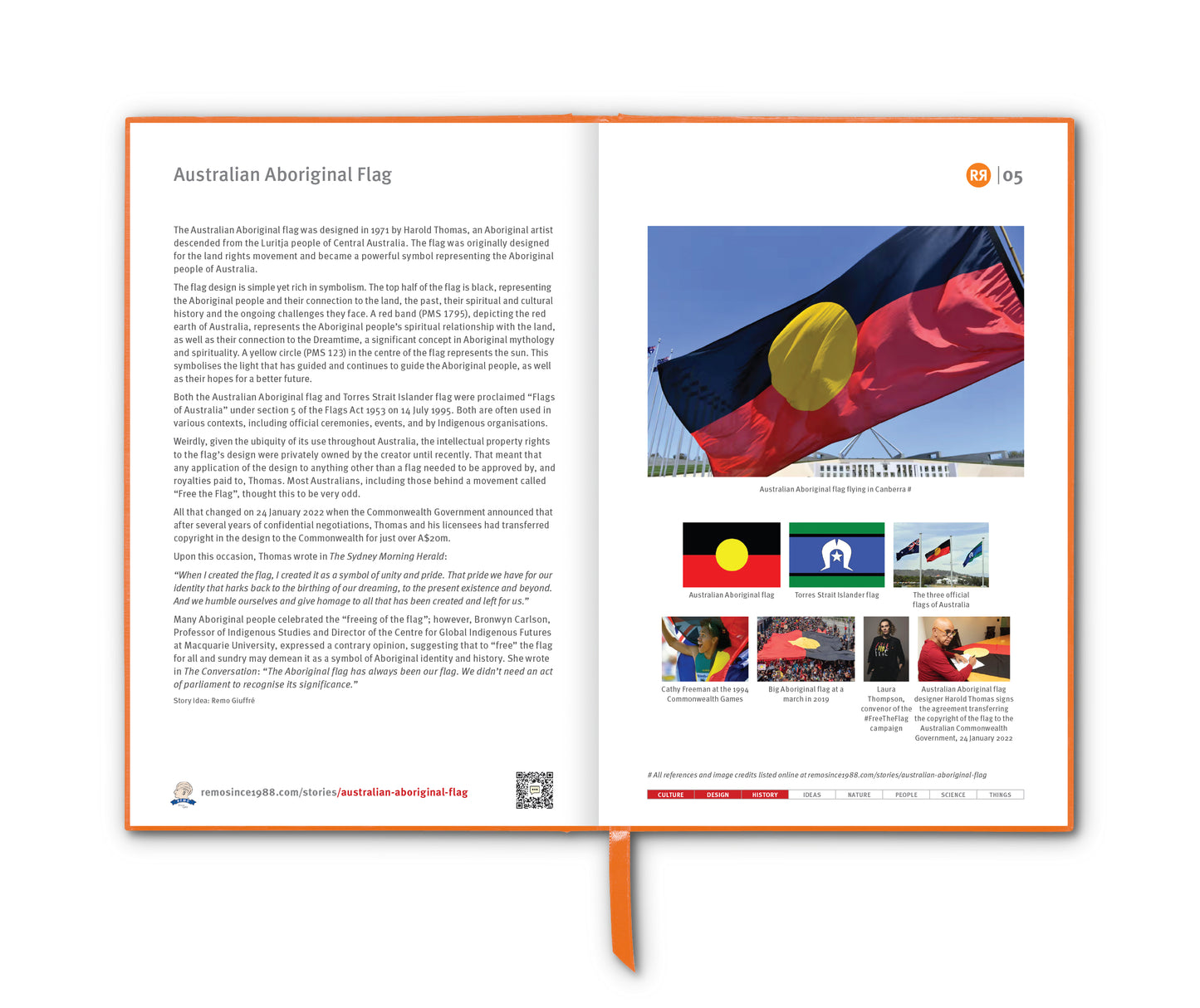
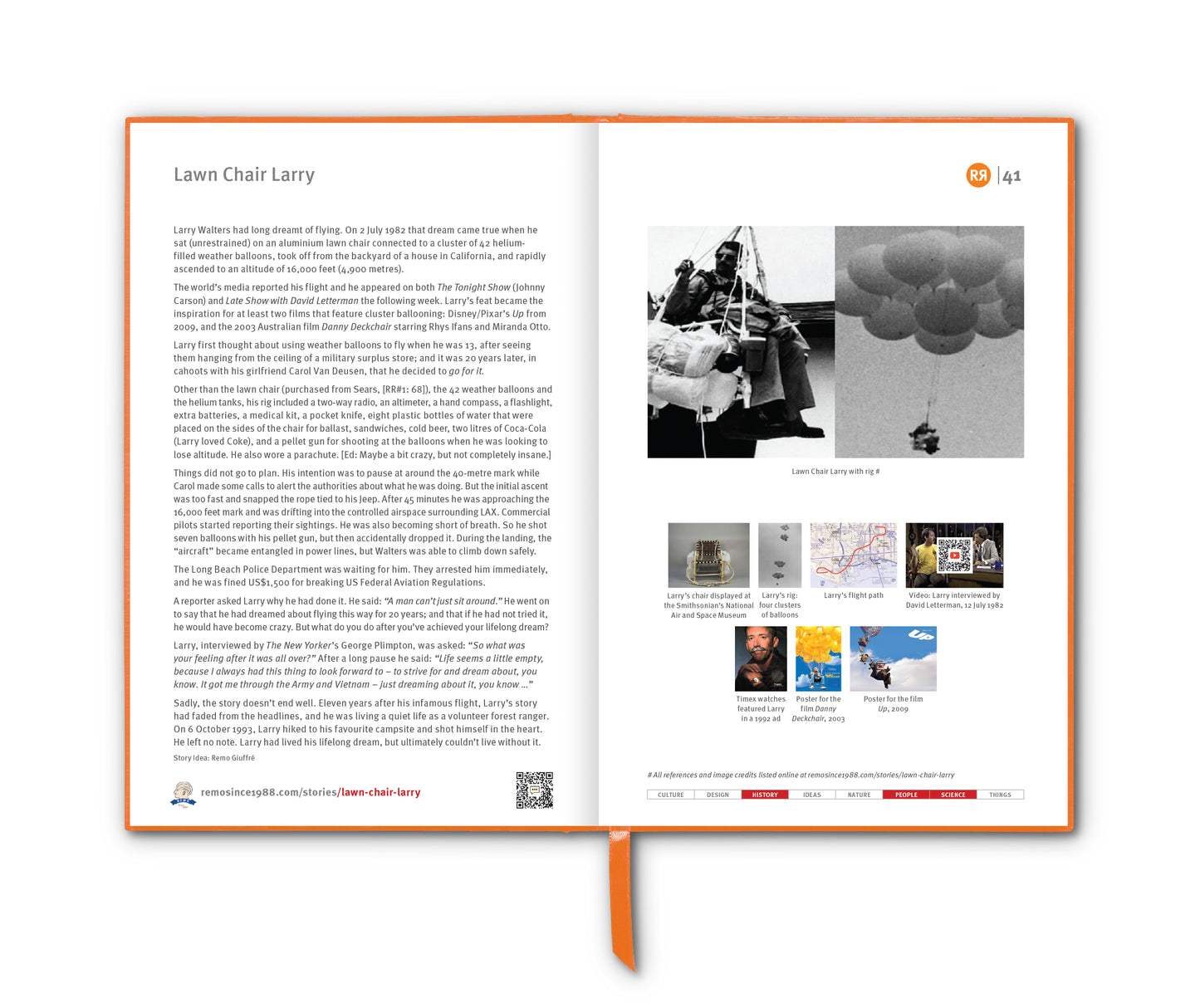
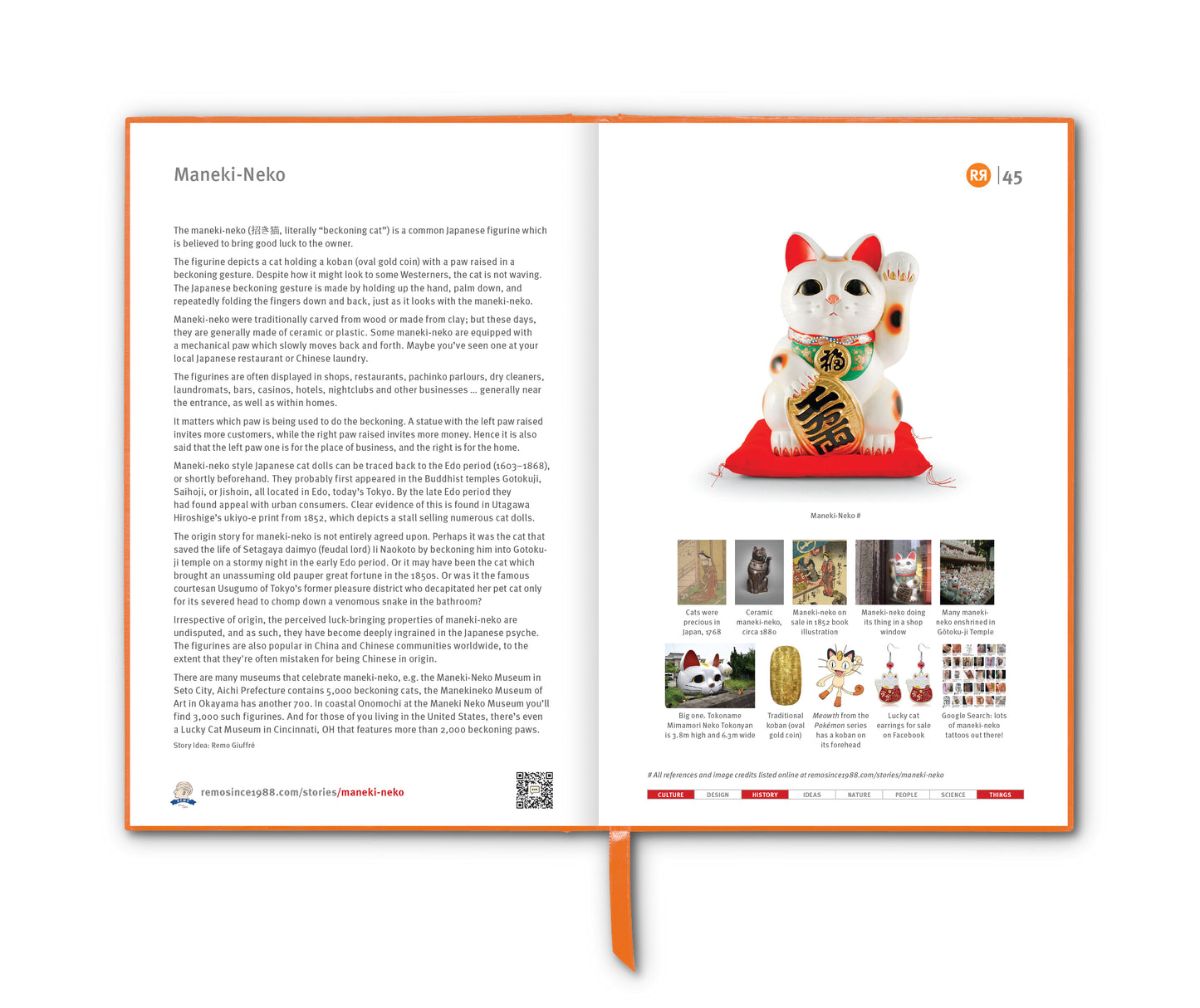
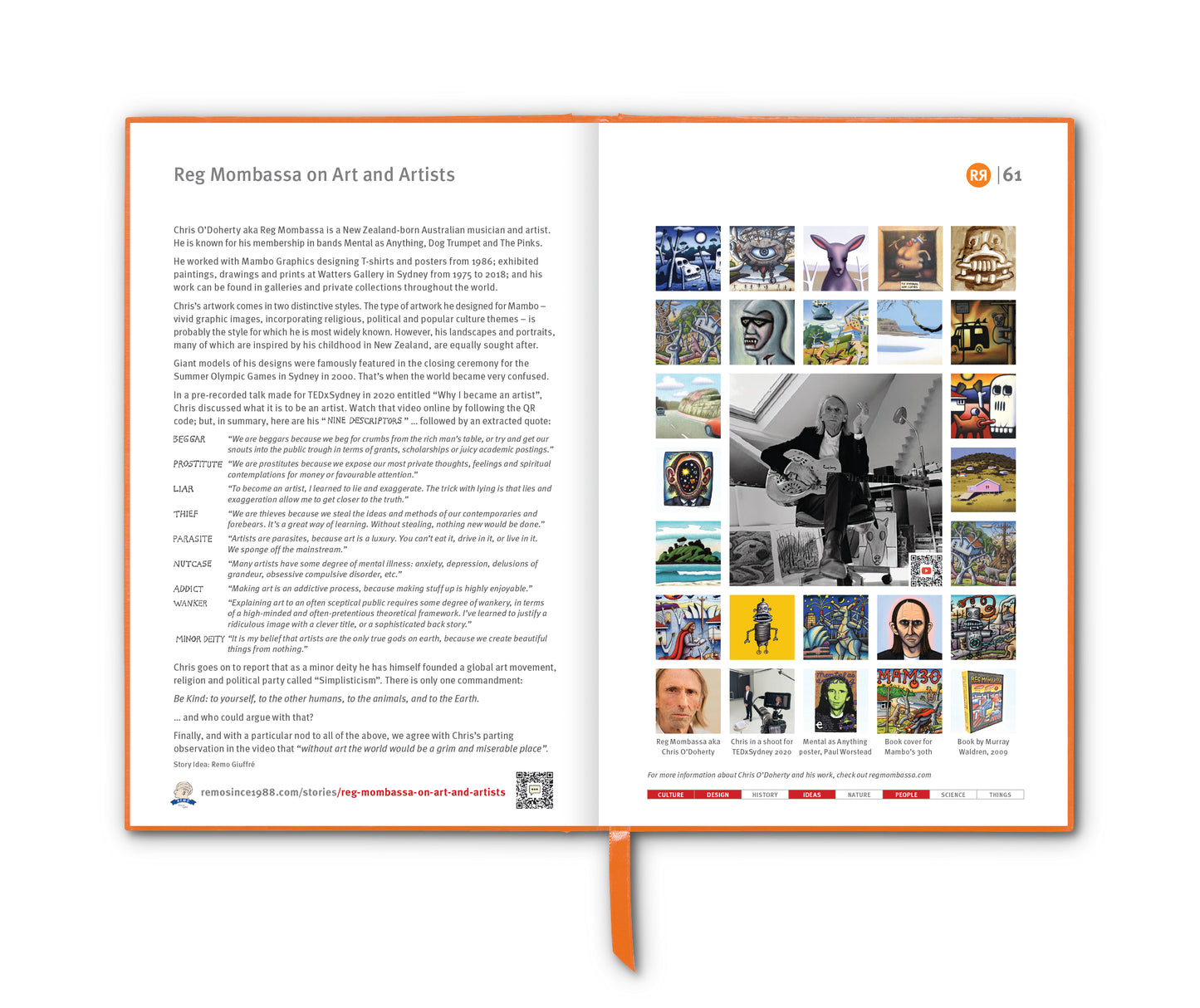
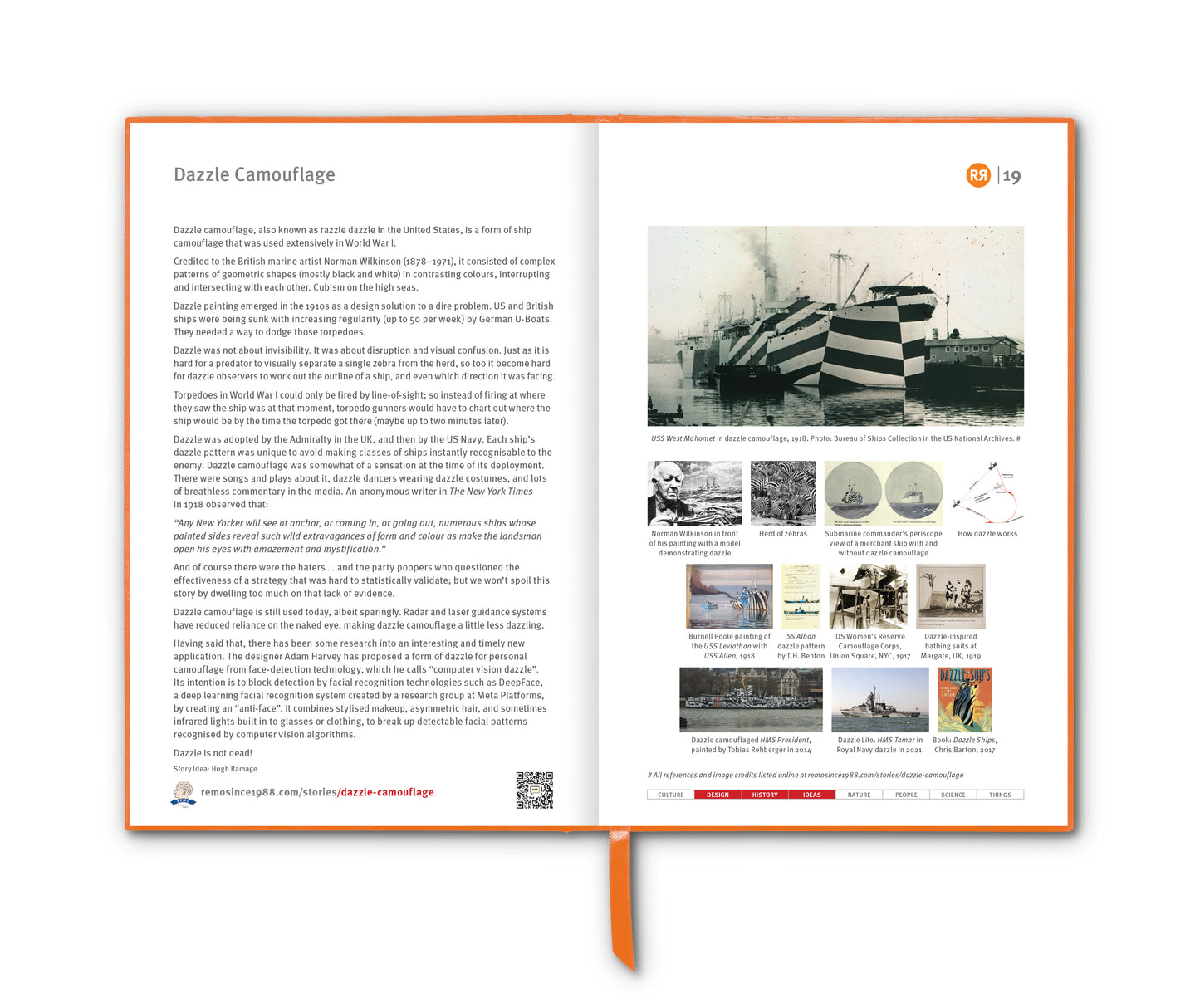
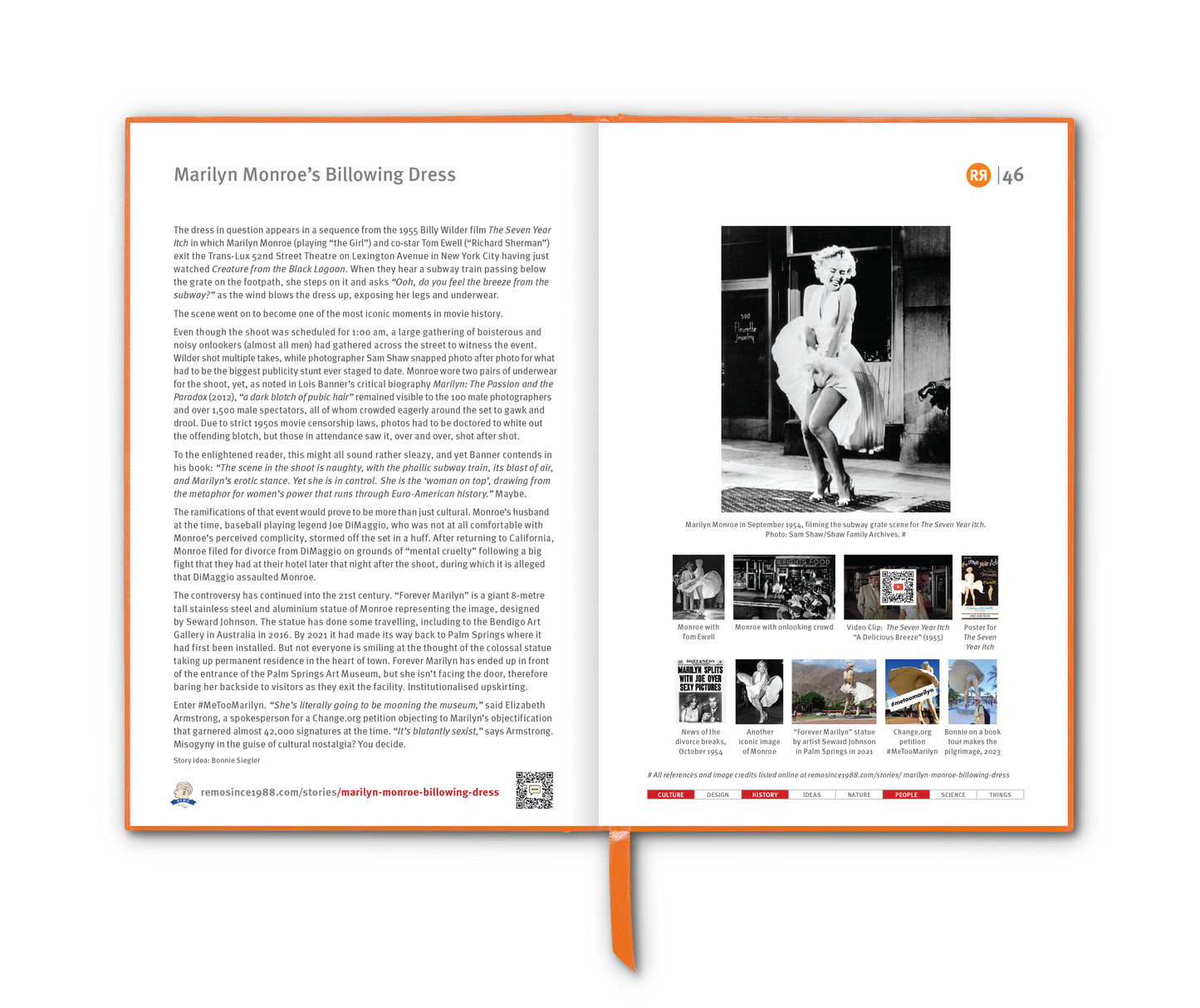
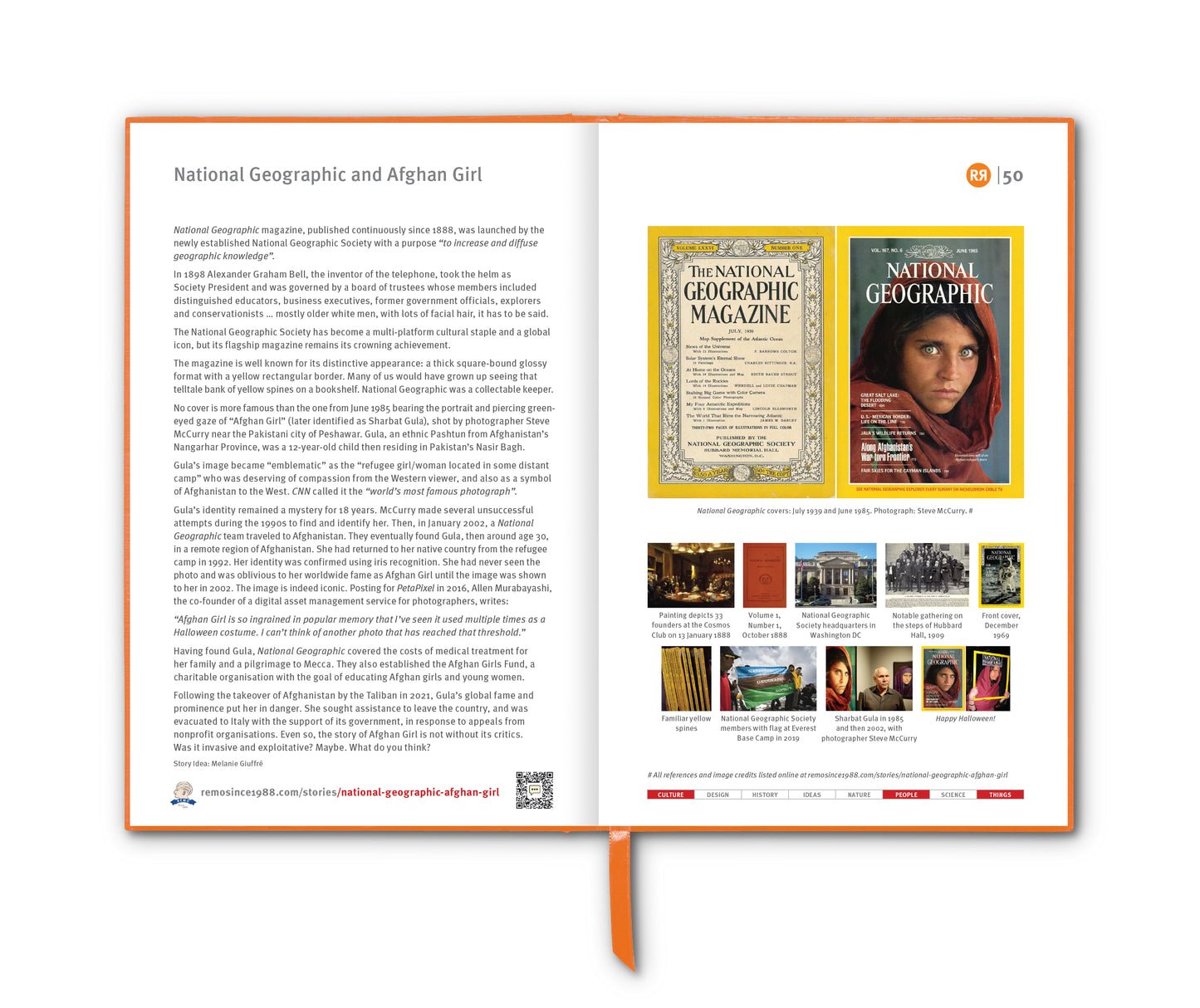
Primatologist Signe Preuschoft traces the smile back over 30 million years of evolution to a "fear grin" stemming from monkeys and apes, who often used barely clenched teeth to portray to predators that they were harmless or to signal submission to more dominant group members. Human smiling likely evolved from similar appeasement gestures, gradually expanding to signal cooperation and trustworthiness. In social species, reducing aggression is essential. A smile can say “I come in peace” – without words. Over time, this signal broadened to include friendliness and bonding.
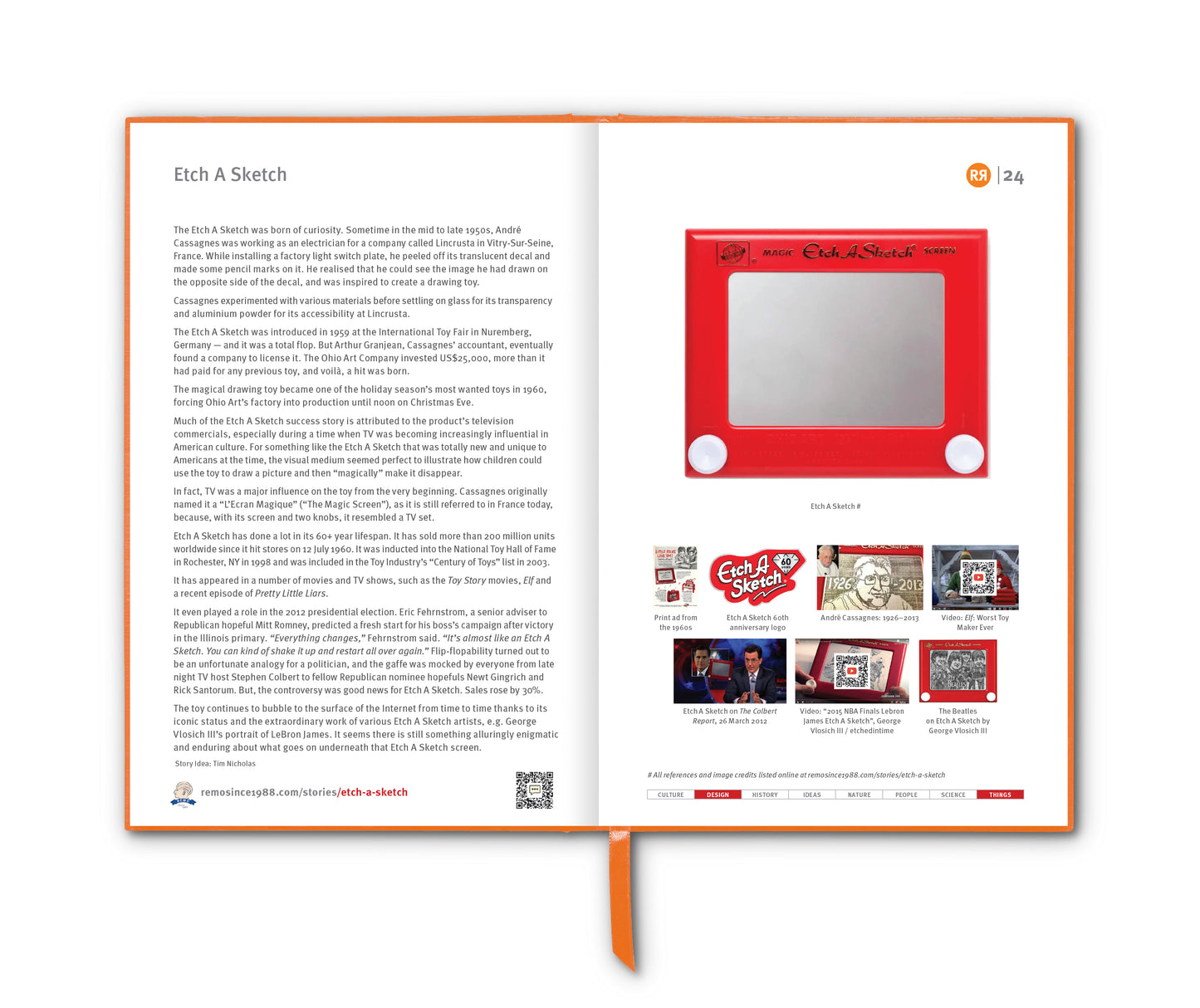
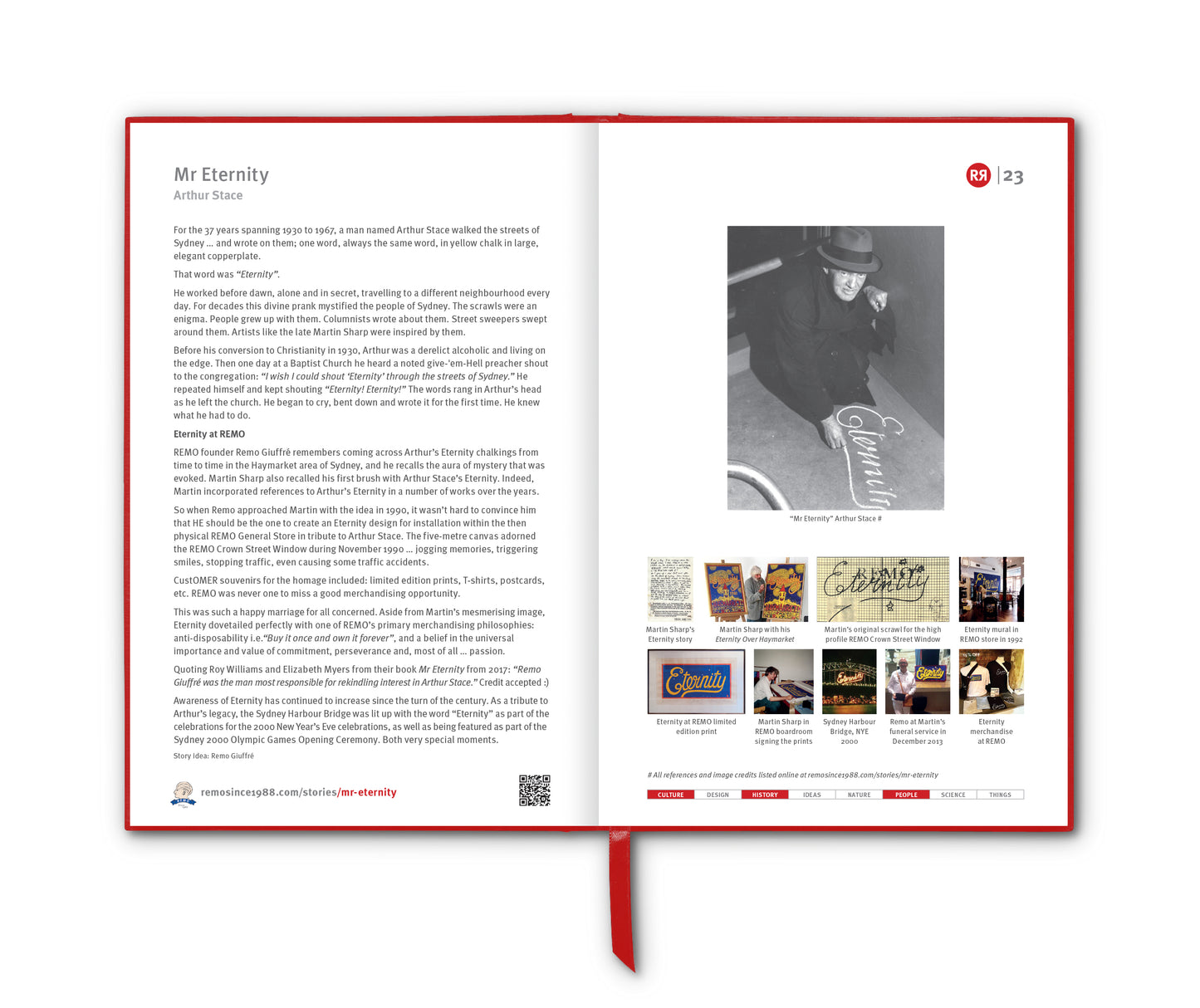
A genuine smile – known as a Duchenne smile, named after 19th-century neurologist Guillaume Duchenne – involves two key muscle groups: the zygomatic major (which pulls the corners of the mouth upward) and the orbicularis oculi (which crinkles the outer corners of the eyes). That eye involvement, which is very hard to control voluntarily, is what makes a smile look “real”. Fake smiles typically activate only the mouth.
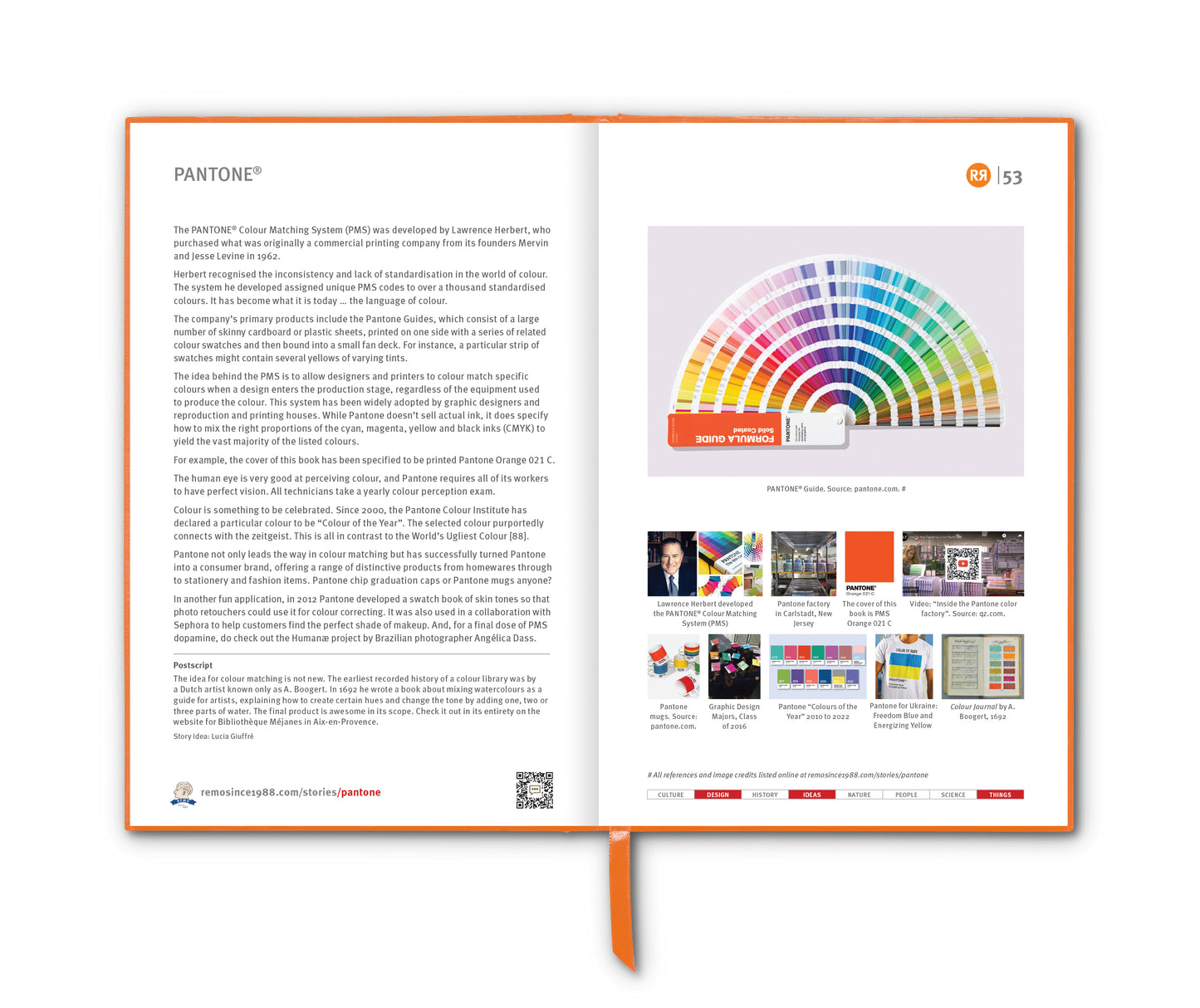
Hilariously, the Duchenne smile is also sometimes referred to as the "Pan Am smile", named after the now-defunct airline Pan American World Airways, whose flight attendants would always flash every passenger the same perfunctory smile. A more recent nick name is the “Botox smile”. Chronic use of Botox injections to deal with eye wrinkles can result in paralysis of the small muscles around the eyes, preventing the appearance of a Duchenne smile.
Smiling is wired into the brain’s emotional circuitry. The limbic system, especially the amygdala and basal ganglia, helps generate spontaneous smiles, while the motor cortex can produce voluntary ones. This dual control system explains why some smiles burst out uncontrollably, while others are socially deployed by the individual and according to the situation.
Neurochemically, smiling can trigger the release of dopamine, endorphins and serotonin – feel-good neurotransmitters associated with pleasure, stress reduction and mood regulation. Even forcing a smile can sometimes create a feedback loop: facial muscles send signals back to the brain that nudge emotions in a more positive direction. Moreover, studies show people who smile are perceived as more approachable, competent, and likeable – traits that carry clear evolutionary advantages in group living.
Smiling is linked to lower heart rate during stress and may contribute to longer life expectancy, though causation is tricky to prove. Still, the combination of stress buffering, social bonding and positive emotional feedback makes smiling a low-effort, high-return behaviour.
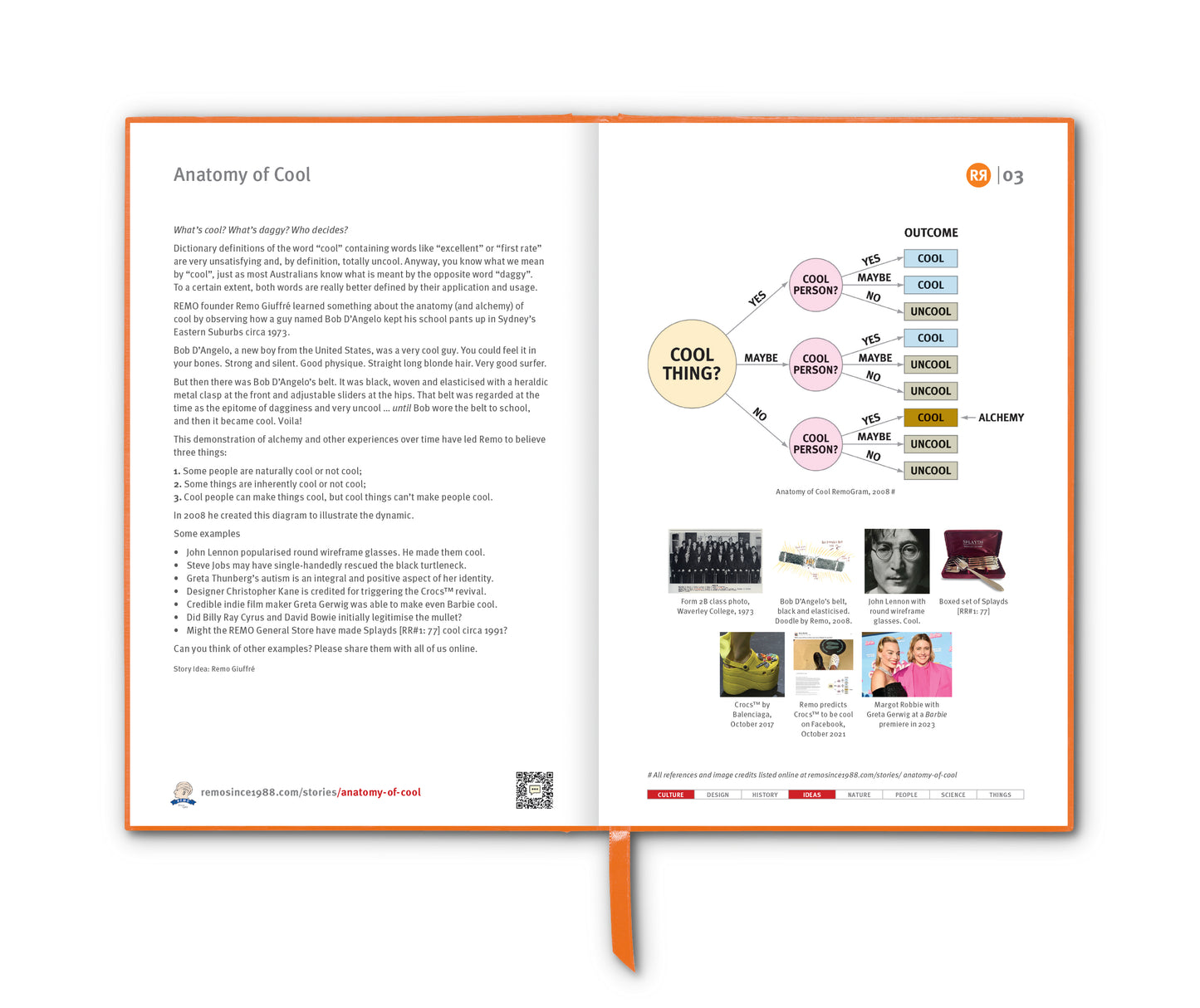
And smiling, not unlike yawning [RR3:90], is deeply contagious. Seeing a smile activates mirror neurons in the observer’s brain, subtly encouraging them to mimic the expression and, in turn, feel a bit of the associated emotion. This is emotional synchrony in action – one reason shared laughter and smiling strengthen group cohesion.
Interestingly, smiling isn’t always about happiness. People smile when embarrassed, anxious, or grieving – a psychological mechanism that helps smooth social tension. In difficult moments, a small smile can signal resilience or reassurance: I’m okay enough; you don’t need to worry.
_______________________________
References
wikipedia.org/wiki/Smile
wired.com/2011/08/science-behind-smiles/
themarginalian.org/2011/08/30/lip-service-the-science-of-smiles/
researchgate.net/figure/The-Duchenne-smile-left-versus-the-social-smile-right-Social-smiles-use-only-the_fig4_337322714
Images
1. Smile at REMO, 1995. For the origin story of this design, see Tucker's Toothpaste Collection [RR1:84].
2. Primatologist Signe Preuschoft. Photo credit: Four Paws
3. Fear grin or grimace
4. Duchenne smiles to the right. Paul Ekman Emotions Revealed (2007). Top image photo credit: Megan Mangum
5. Guillaume Benjamin Amand Duchenne (1806–1875)
6. The orbicularis oculi
7. Pan Am smile
8. Ellen DeGeneres’s famous Oscar selfie taken at the 2014 ceremony
9. Smiling (sort of) Mona Lisa by Leonardo da Vinci
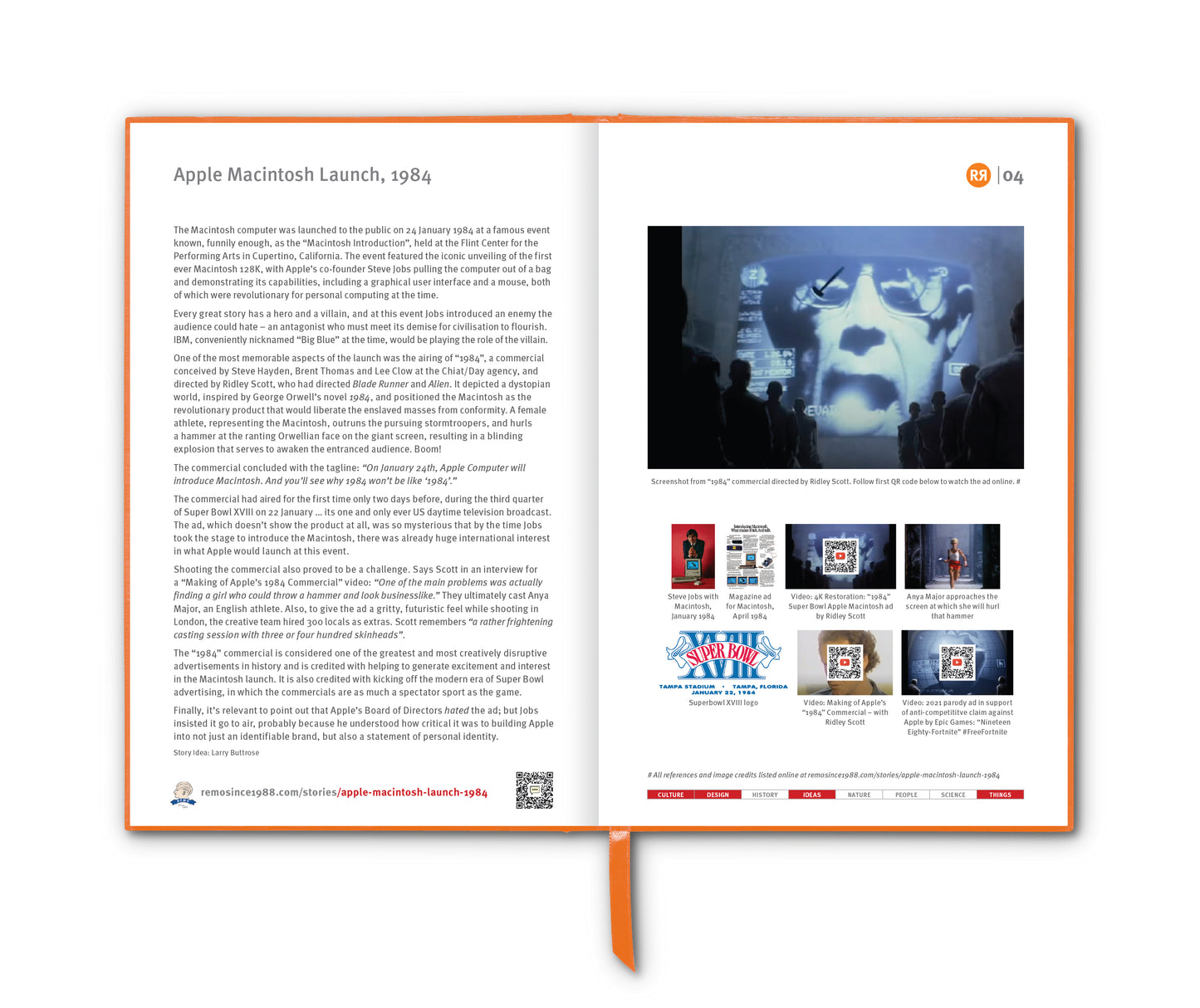
10. Book: Lip Service: Smiles in Life, Death, Trust, Lies, Work, Memory, Sex, and Politics (2011) by Marianne LaFrance
11. REMO 1995 family photo with teams positioned around a big smile