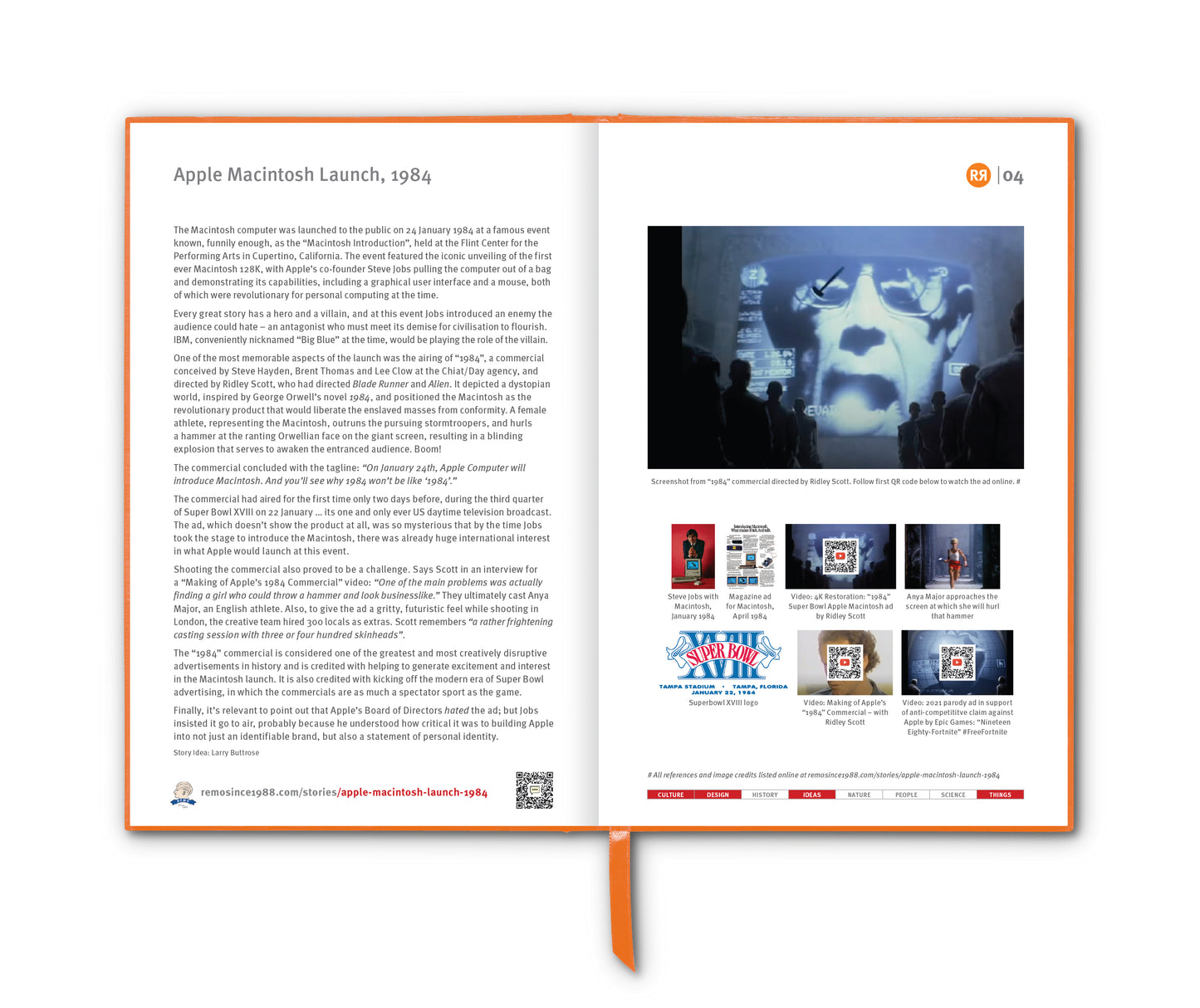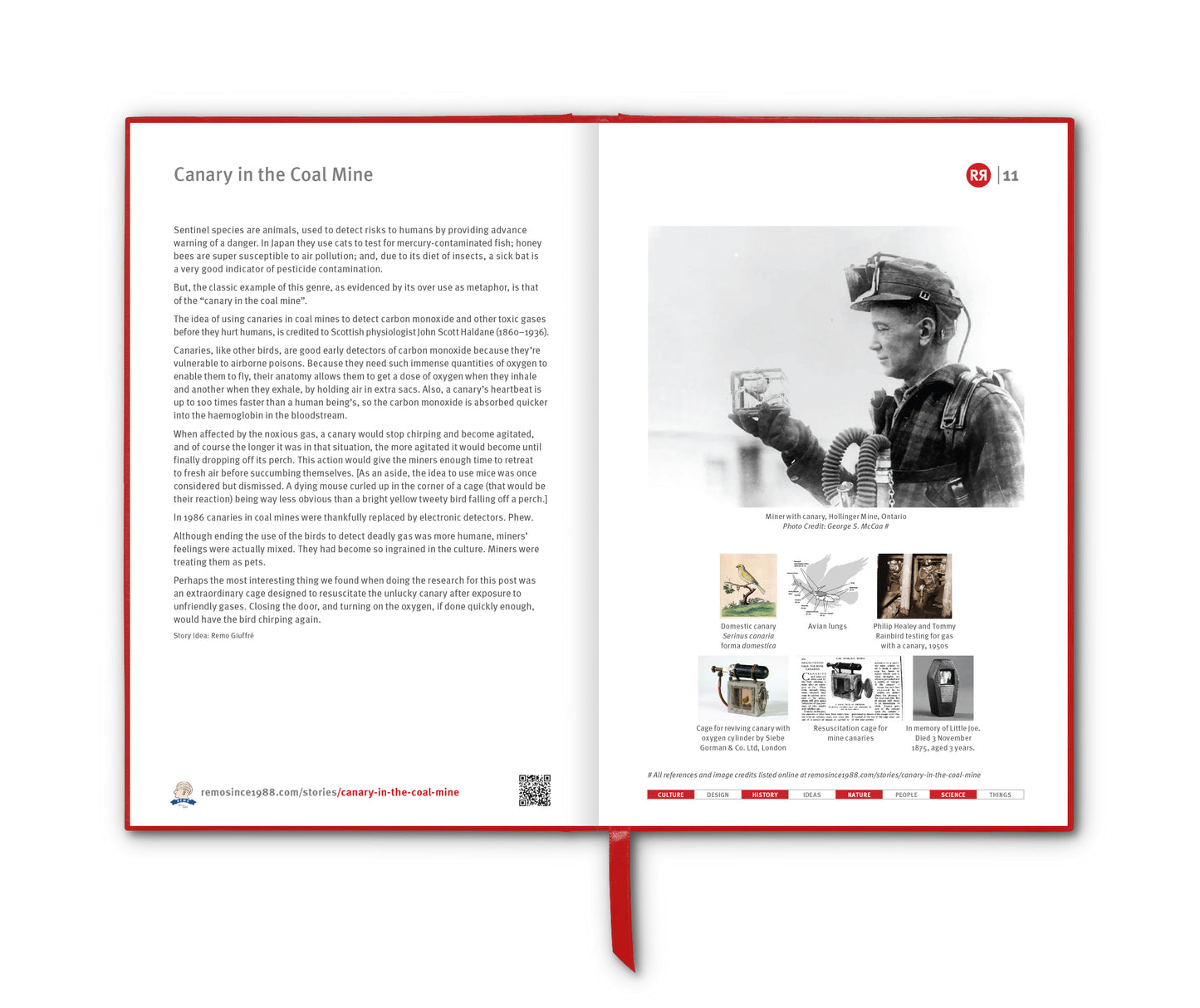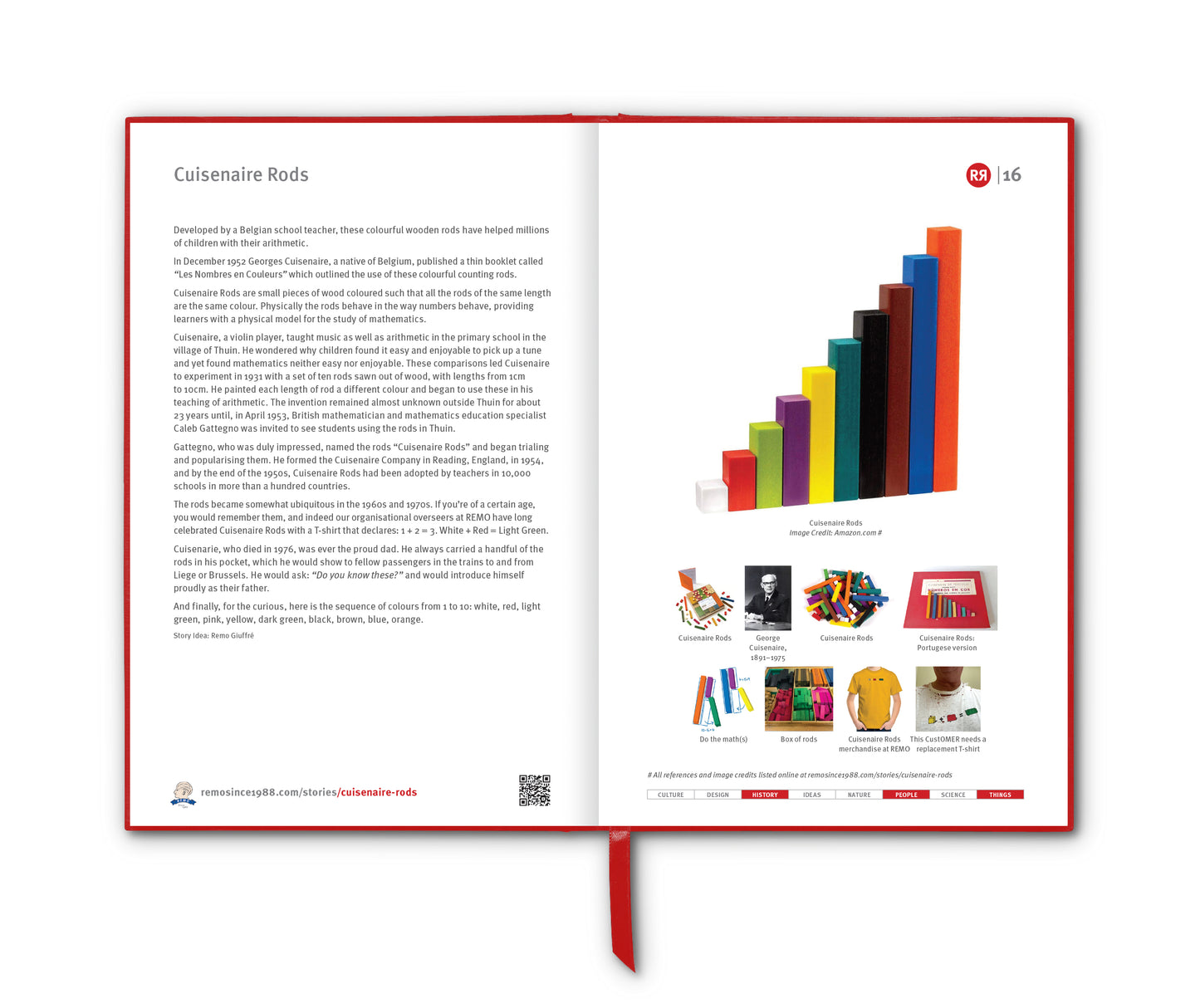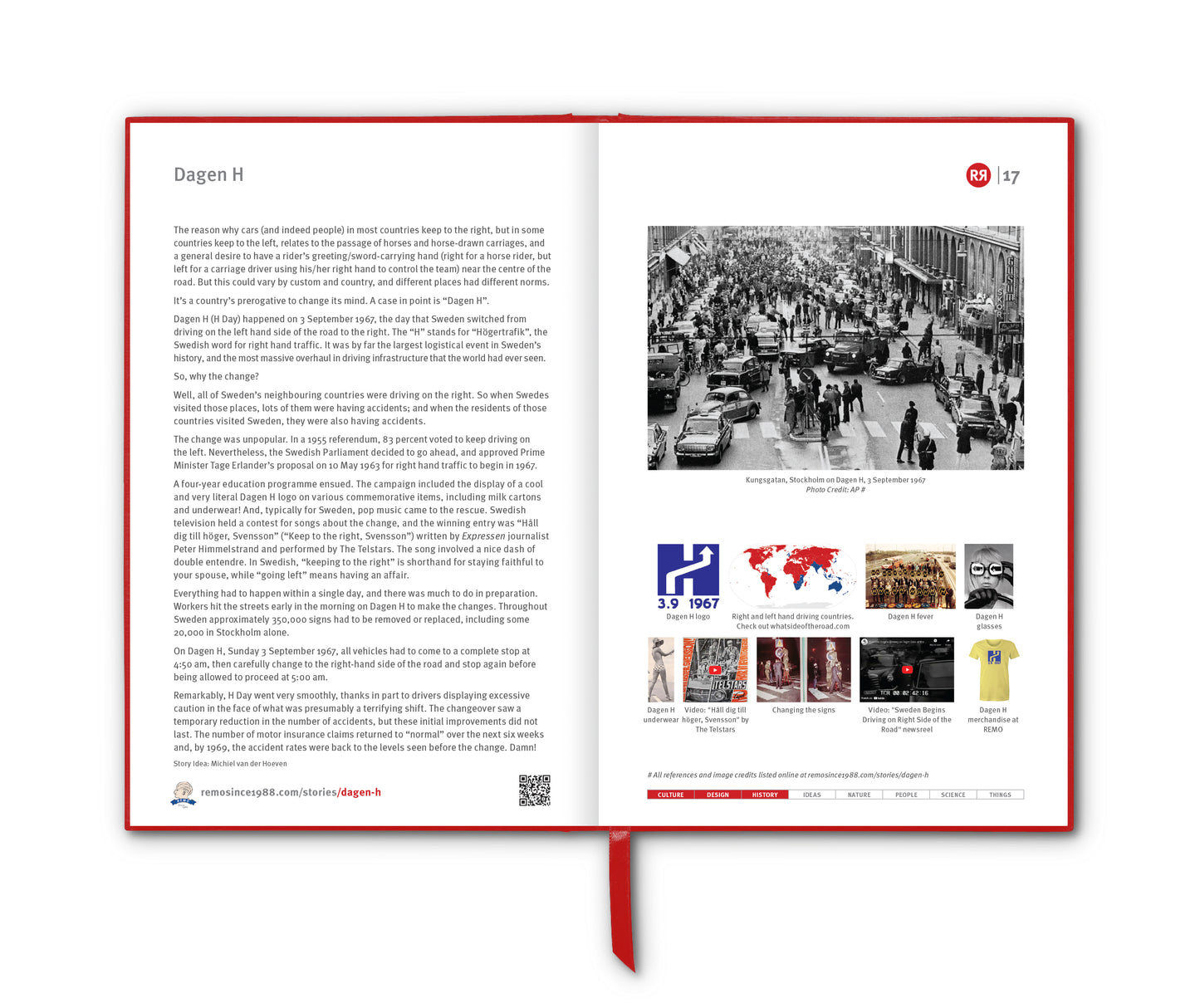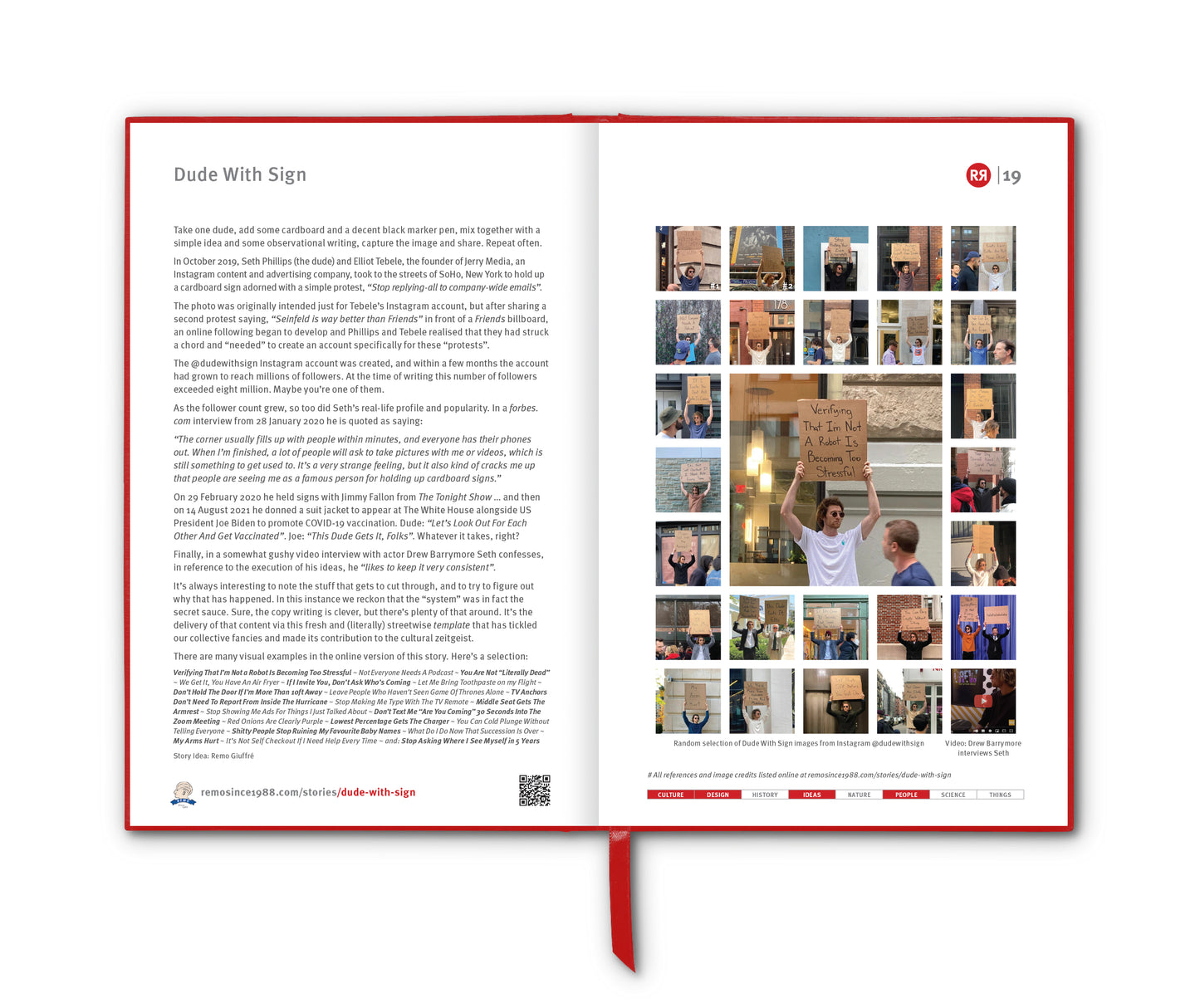

Spencer Tunick is an American photographer best known for creating large-scale photographic installations involving hundreds or thousands of nude volunteers posed in public spaces. Born in 1967 in Middletown, New York, Tunick studied at Emerson College in Boston and began experimenting with nude photography in urban environments in the early 1990s. His earliest works were small, improvised and frequently disrupted by police, leading to multiple arrests. These encounters eventually resulted in a landmark 1999 court ruling that recognised Tunick’s work as protected artistic expression under the First Amendment, a decision that allowed him to move from guerrilla-style interventions to carefully planned, city-wide installations.
Tunick’s work treats the unclothed human body not as an erotic subject, but as a formal and sculptural material. Volunteers are recruited in advance and directed into precise arrangements – standing, lying, clustering or stretching across streets, plazas, staircases and natural landscapes. When viewed from a distance or above, individuality dissolves and the bodies become texture, pattern and mass. Tunick has often said that he uses nudity “as a costume”, stripping away clothing as a marker of class, profession and identity, leaving behind a collective human form that is anonymous, vulnerable and unified.
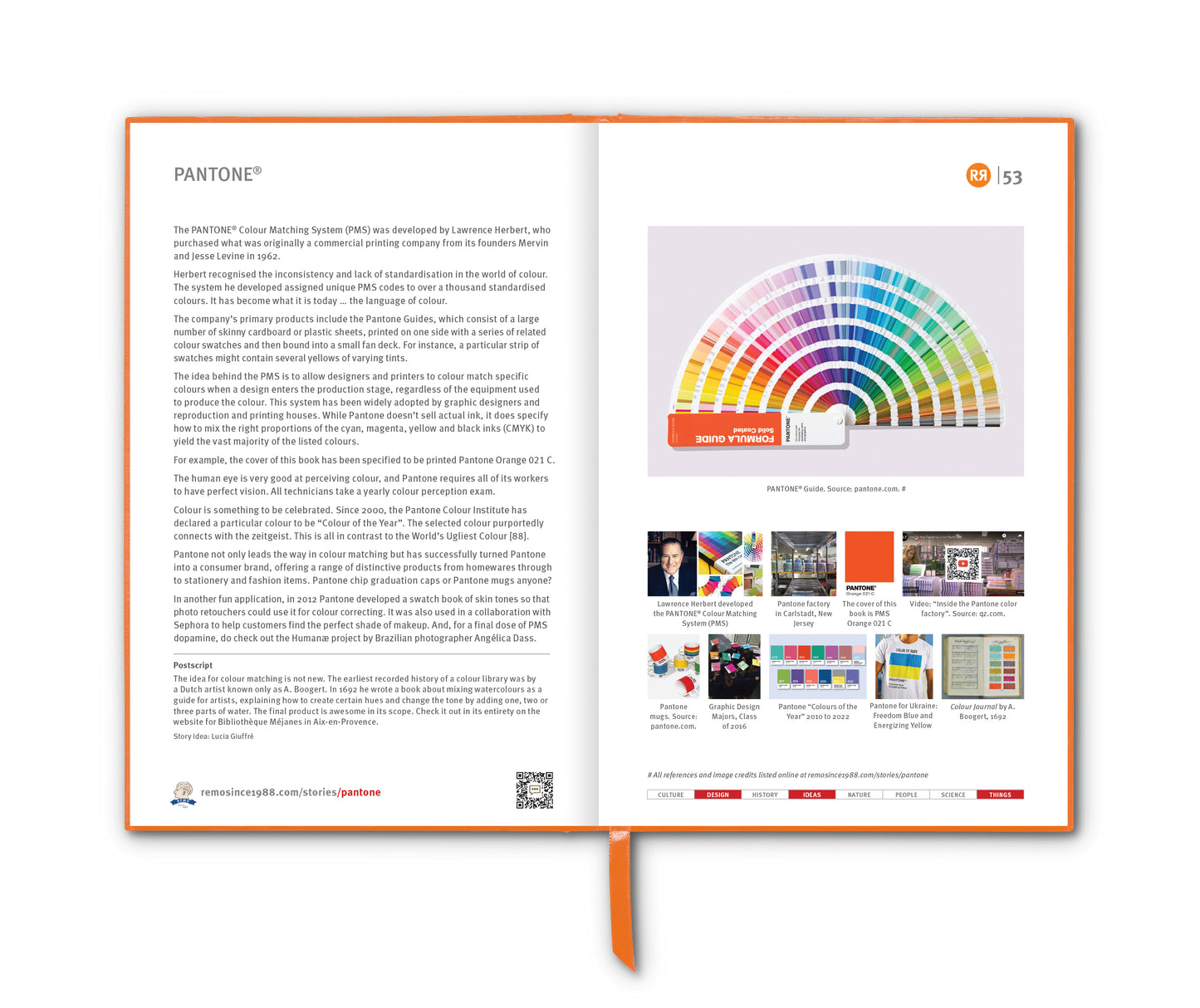
Sometimes, after gathering his subjects together, Tunick grades them by gender, long hair, age or other characteristics. Registration for modelling on his website includes questions about skin tone. A colour chart shows seven boxes ranging from stark white to baby-powder pink and dark chocolate – reminiscent of the Humanae Project by Angelica Haas [RR]. In his work, he plays off different flesh tones or groups people of the same colour. Tunick is also interested in the juxtaposition between the organic and the mechanical, and often chooses famous buildings or unusual structures as his backdrop.
Some of Tunick’s most famous installations include a 2003 work in New York City involving around 7,000 participants near Rockefeller Center, a 2007 installation in Mexico City with approximately 18,000 volunteers, one of the largest nude art events ever staged, and a 2010 installation at the Sydney Opera House at dawn. He has also returned repeatedly to the Dead Sea, photographing floating nude figures to draw attention to environmental degradation and the rapidly shrinking body of water. These works blend visual spectacle with subtle political and ecological commentary.
Central to Tunick’s practice is the tension between the individual and the collective. Participants willingly surrender personal modesty to become part of a larger visual statement, transforming vulnerability into solidarity. The works question social attitudes toward nudity, public space and bodily shame, while also reimagining iconic locations through the presence of the human form. Critics have alternately described the images as liberating, unsettling or provocative, while supporters emphasise their non-sexual, almost classical quality, likening them to living sculptures or large-scale land art.
Over more than three decades, Tunick has staged installations in over 30 countries, involving well over 100,000 volunteers, and his photographs are held in major museum collections worldwide. For many participants, the experience itself is as significant as the final image, often described as empowering, communal and emotionally resonant.
References
wikipedia.org/wiki/Spencer_Tunick
spencertunick.com
Images
1. Spencer Tunick installation at Sydney Opera House, 2010. Photo credit: Spencer Tunick
2. Spencer Tunick
3. New York's Grand Central Station, 2003
4. Mexico City, 2007
5. Sydney Opera House, 2010
6. Munich, 2012
7. Melbourne
8. Video: "Body Moving Change" by Spencer Tunick, TEDxSanMigueldeAllende, 2011
9. Dead Sea 15, 2011. Photo credit: Spencer Tunick
10. 2500 volunteers on Sydney's Bondi Beach for skin cancer awareness, November 2022
11. Warning – public nudity ahead! Bondi Beach, 2022