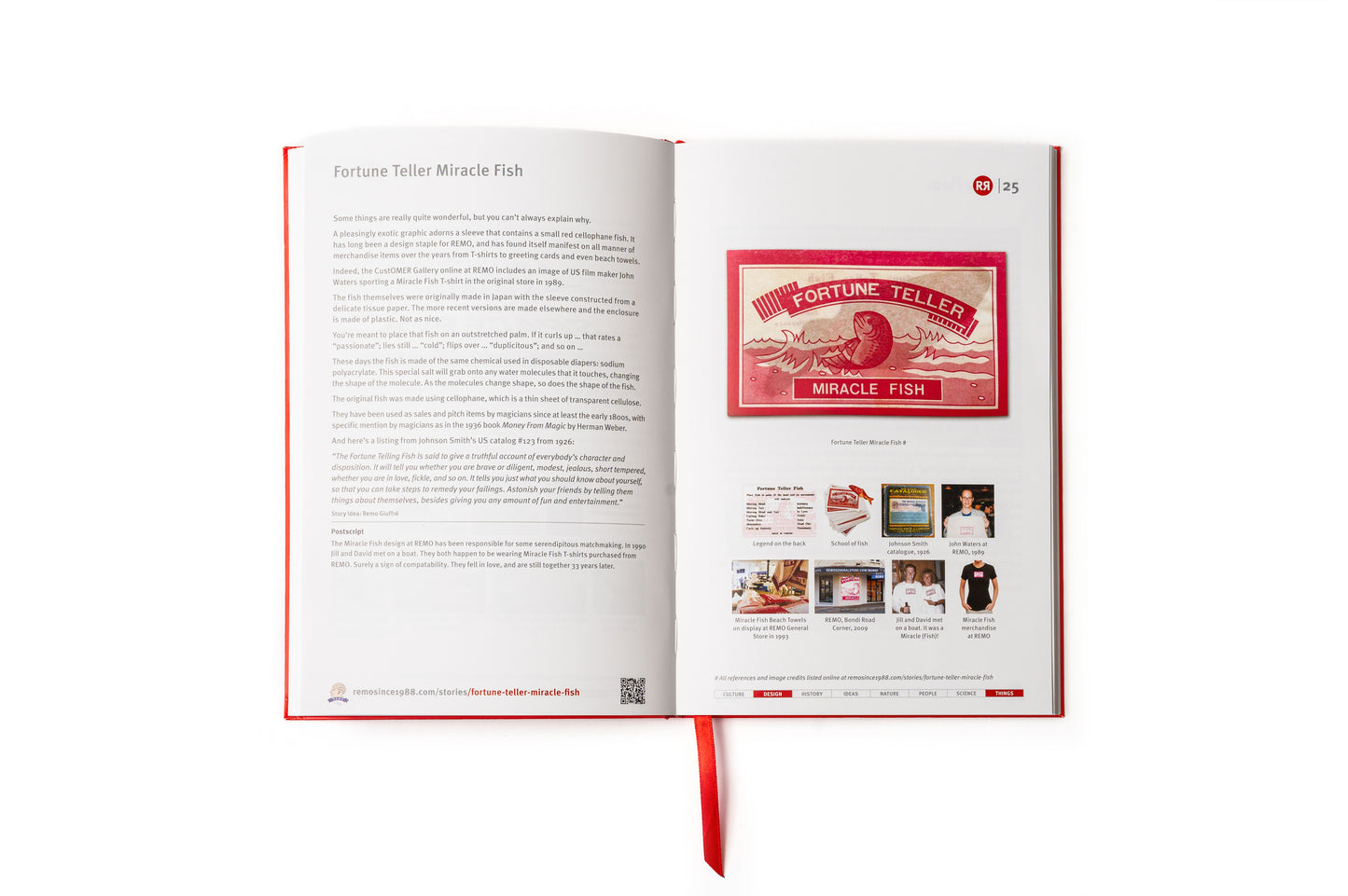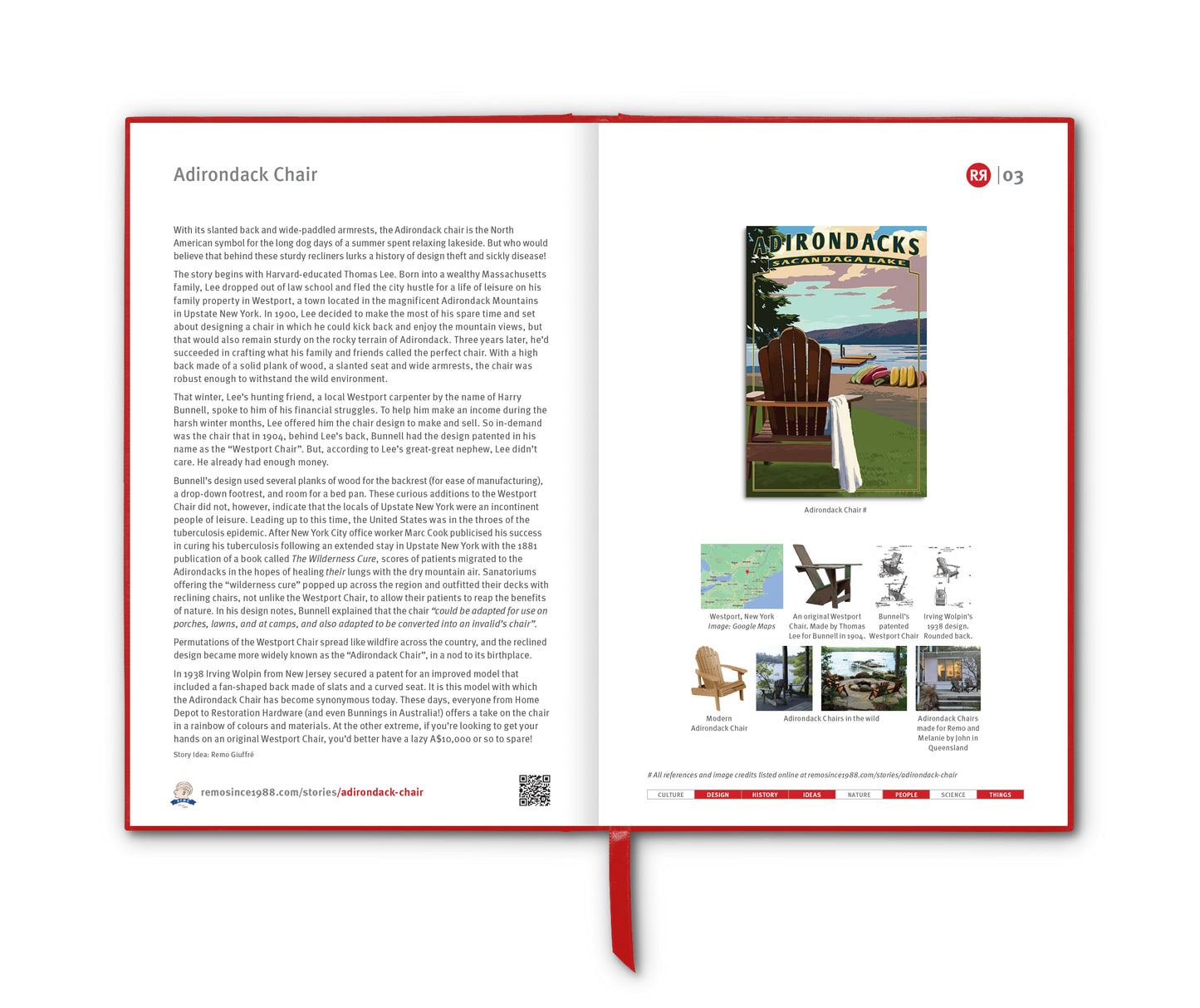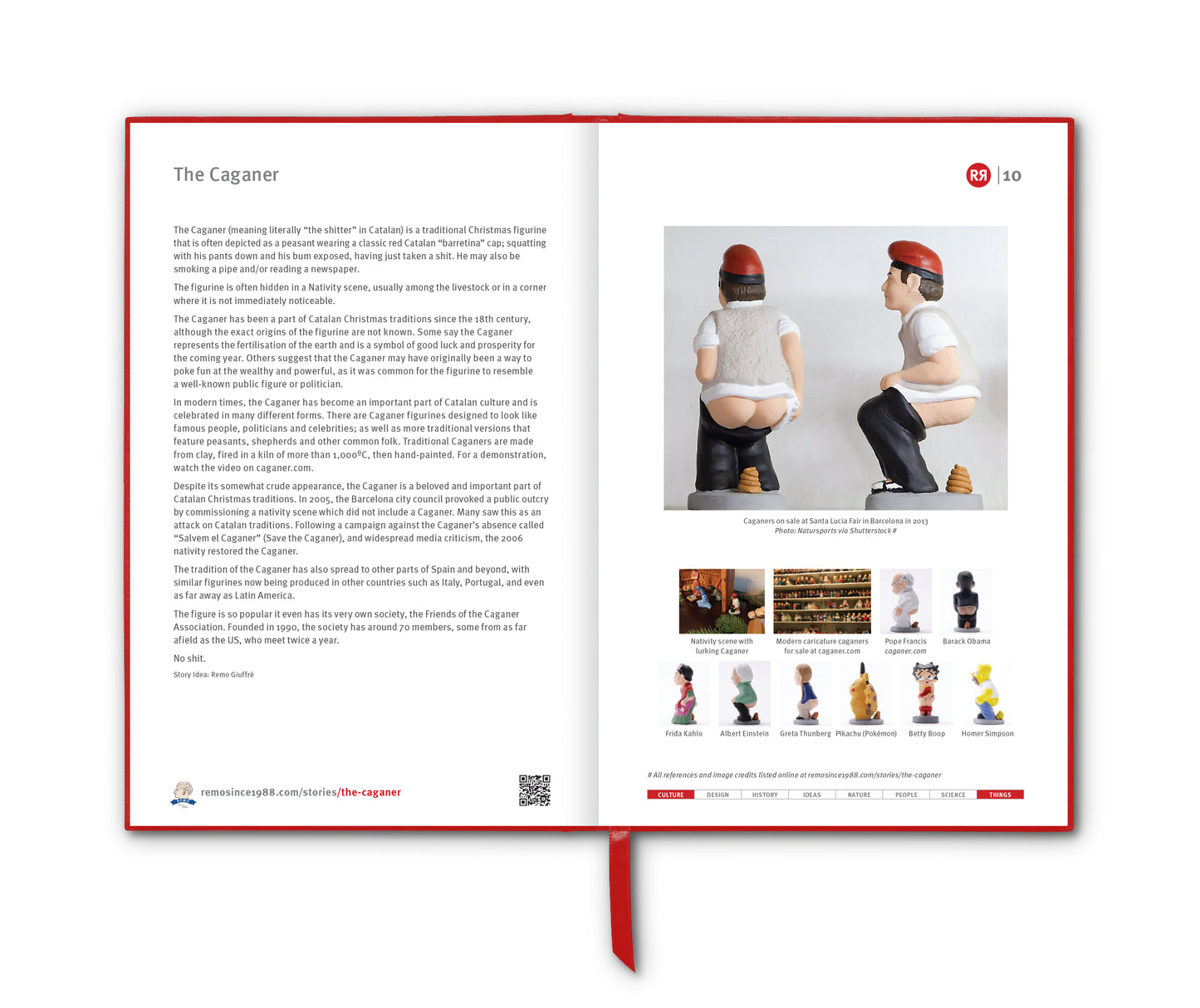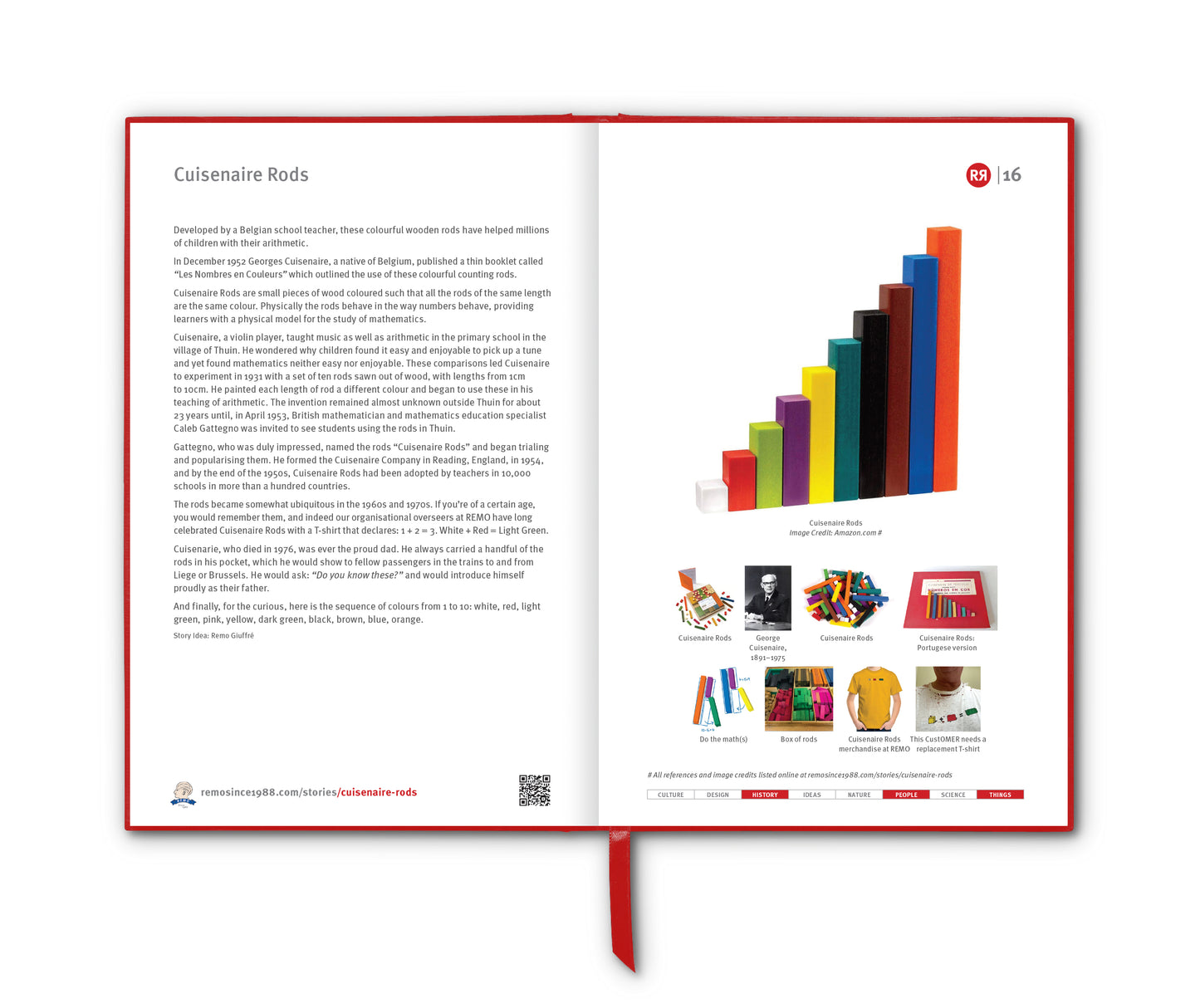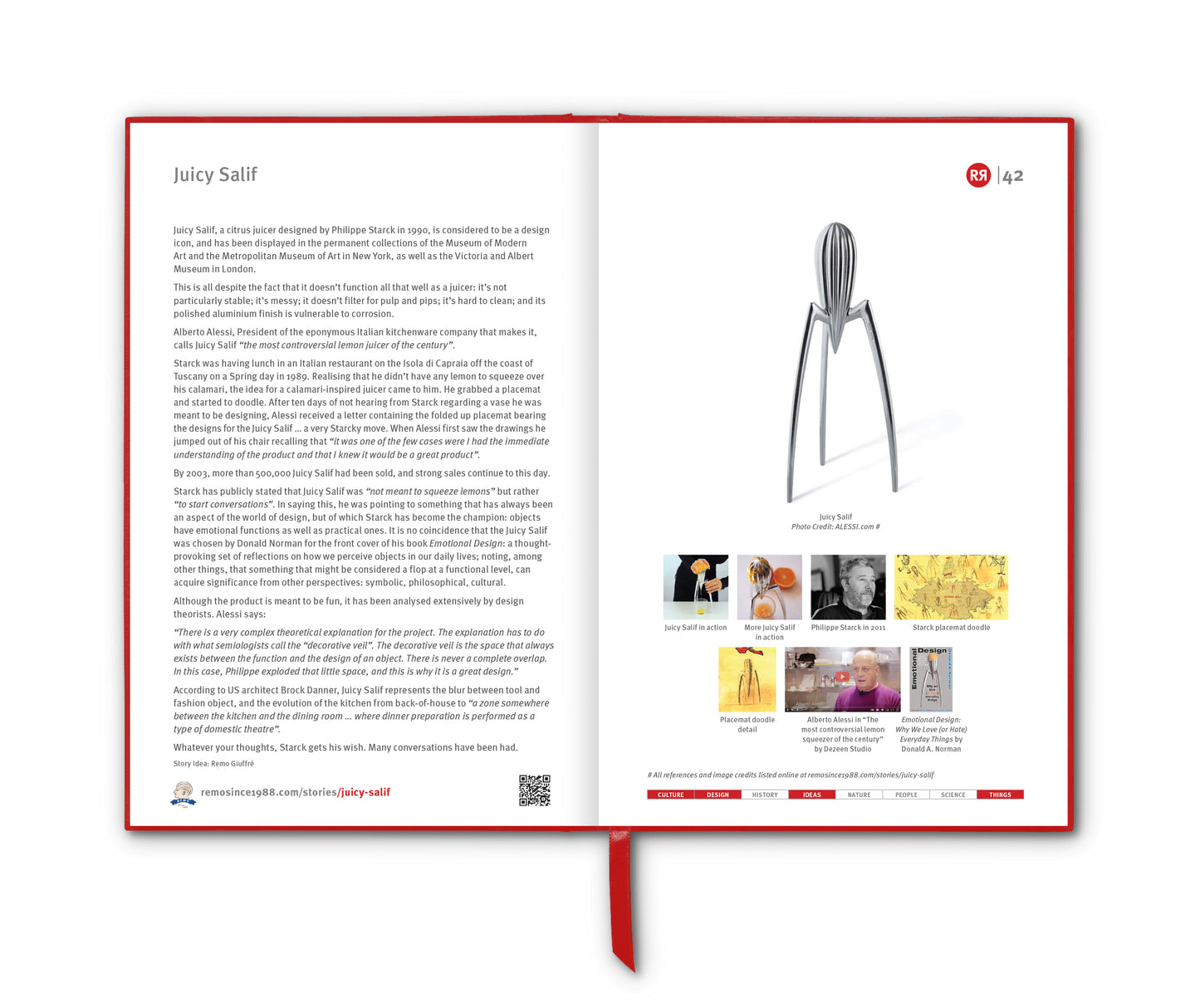

Here’s a selection of strange or unusual foods from around the world.
Balut (Philippines)
A fertilised duck egg containing a partially developed embryo. Eaten warm with vinegar and salt. A popular street snack and a symbol of Filipino culinary bravery.
Casu Marzu (Sardinia, Italy)
Pecorino cheese deliberately invaded by live maggots, which break down the fats and create a runny, fiery cheese. Traditionally eaten with the larvae still wriggling.
Century Egg (China)
Duck eggs preserved in alkaline clay until the yolk becomes creamy and the white turns translucent black. Fragrant, sulphuric and surprisingly mild when eaten with congee.
Drunken Shrimp (China)
Live freshwater shrimp served in a bowl of rice wine, eaten while still moving. The alcohol both flavours and anaesthetises them.
Escamoles (Mexico)
Also known as “insect caviar”, these ant larvae are harvested from agave roots. Delicate, buttery and surprisingly refined. Not great to look at, however.
Fugu (Japan) [RR1:28]
Pufferfish containing lethal tetrodotoxin in its organs. Must be prepared by licensed chefs. Prized for texture and ritual.
Hákarl (Iceland)
Fermented Greenland shark, buried, pressed, hung for months – then served in ammonia-rich cubes. A test of culinary courage. Anthony Bourdain famously called it “the single worst, most disgusting and terrible tasting thing” he’d ever eaten.
Lutefisk (Norway & Sweden)
Dried cod soaked in lye until translucent, then cooked. A historic preservation method turned holiday tradition.
Menudo (Mexico)
A rich tripe stew widely believed to cure hangovers. Gelatinous, aromatic and beloved.
Mopane Worms (Southern Africa)
Caterpillars of the emperor moth, dried or fried. High in protein and central to regional food security.
Pálinka Fruit-Bat Soup (Cambodia)
Fruit bats simmered in coconut milk with herbs. A rainforest dish shaped by necessity.
Sannakji (Korea)
Live baby octopus chopped and served immediately; the tentacles still wriggle on the plate.
Smalahove (Norway)
A sheep’s head split, smoked or dried – then boiled. Served with rutabaga and potatoes before Christmas.
Shiokara (Japan)
Salt-fermented seafood viscera, usually squid. Intense, briny and deeply umami.
SPAM (United States) [RR1:76]
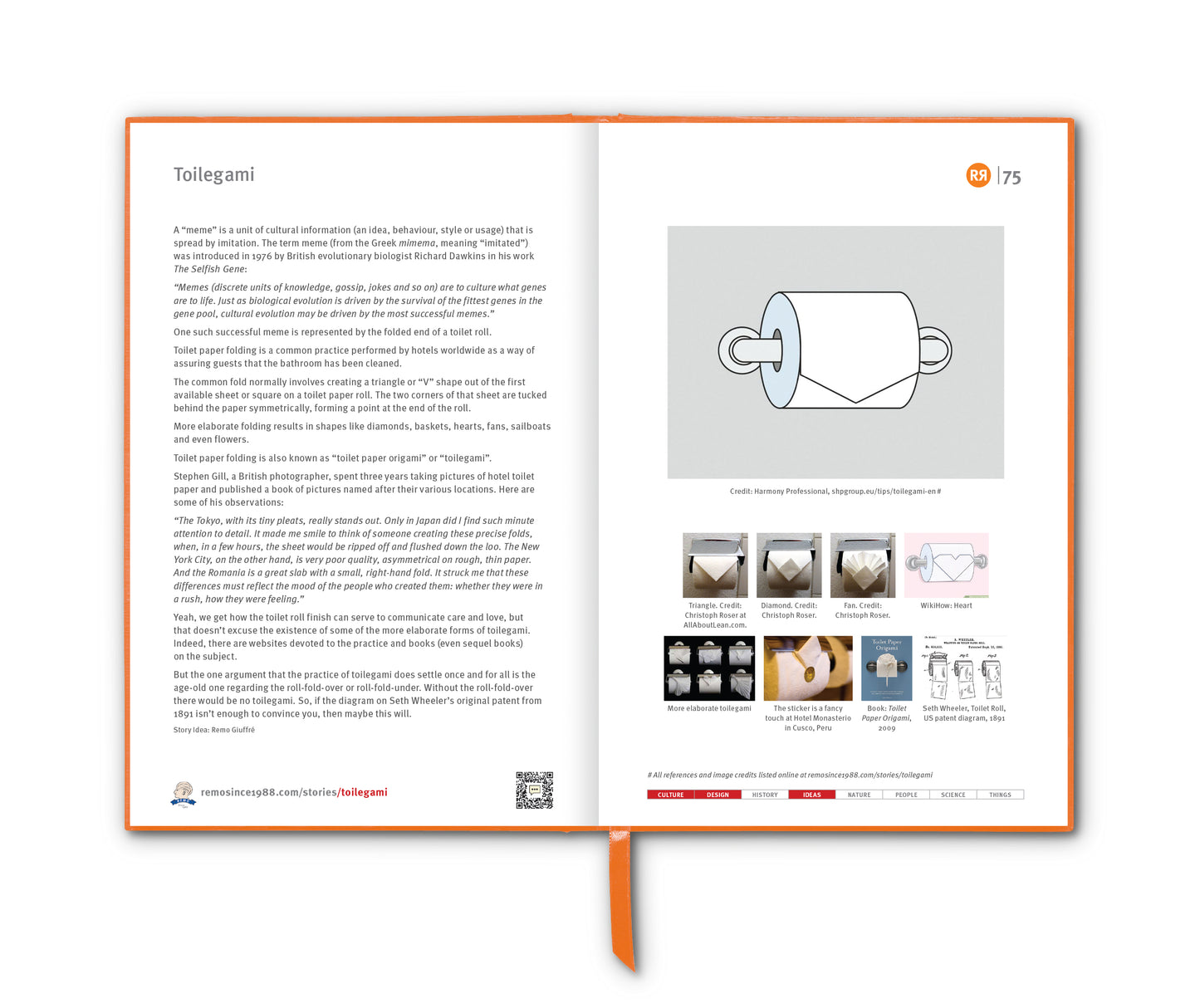
Couldn’t resist. SPAM’s basic ingredients are pork shoulder and ham, with salt, water, modified potato starch (as a binder), sugar and sodium nitrite (as a preservative).
Stargazy Pie (Cornwall, UK)
A pie of whole pilchards baked with their heads poking up through the crust, “gazing at the stars”.
Stink Bugs (Africa)
Used to flavour stews or eaten on their own, stinkbugs are said to have a crunch to them and taste a little like apple. Prepared by boiling.
Witchetty Grub (Australia)
A traditional indigenous staple: large wood-eating larvae eaten raw (nutty) or lightly cooked (smoky and egg-like).
______________________________
References
abbyshearth.com/weird-foods-of-the-world
hostelworld.com/blog/the-50-weirdest-foods-from-around-the-world
medium.com/@mbhandari1008/the-worlds-strangest-foods
Images
1. Balut (Duck egg) in Philippines. Photo credit: Katherine from Tara Lets Anywhere
2. Casu Marzu (Sardinia, Italy). Credit: hostelworld.com
3. Century egg (China)
4. Escamoles (Mexico)
5. Fugu. Photo credit: Sinopix/Rex Features for The Guardian
6 & 7. Fermented Shark in Iceland. Photo credit: Carole from Travels with Carole
8. Sannakji is often dipped in sesame oil. Credit: Shutterstock
9. SPAM® Classic
10. Stargazy Pie. Credit: Rick Stein
11. Stink bugs (Africa)
12. Eating a witchetty grub. Credit: outbackcooking.blogspot.com