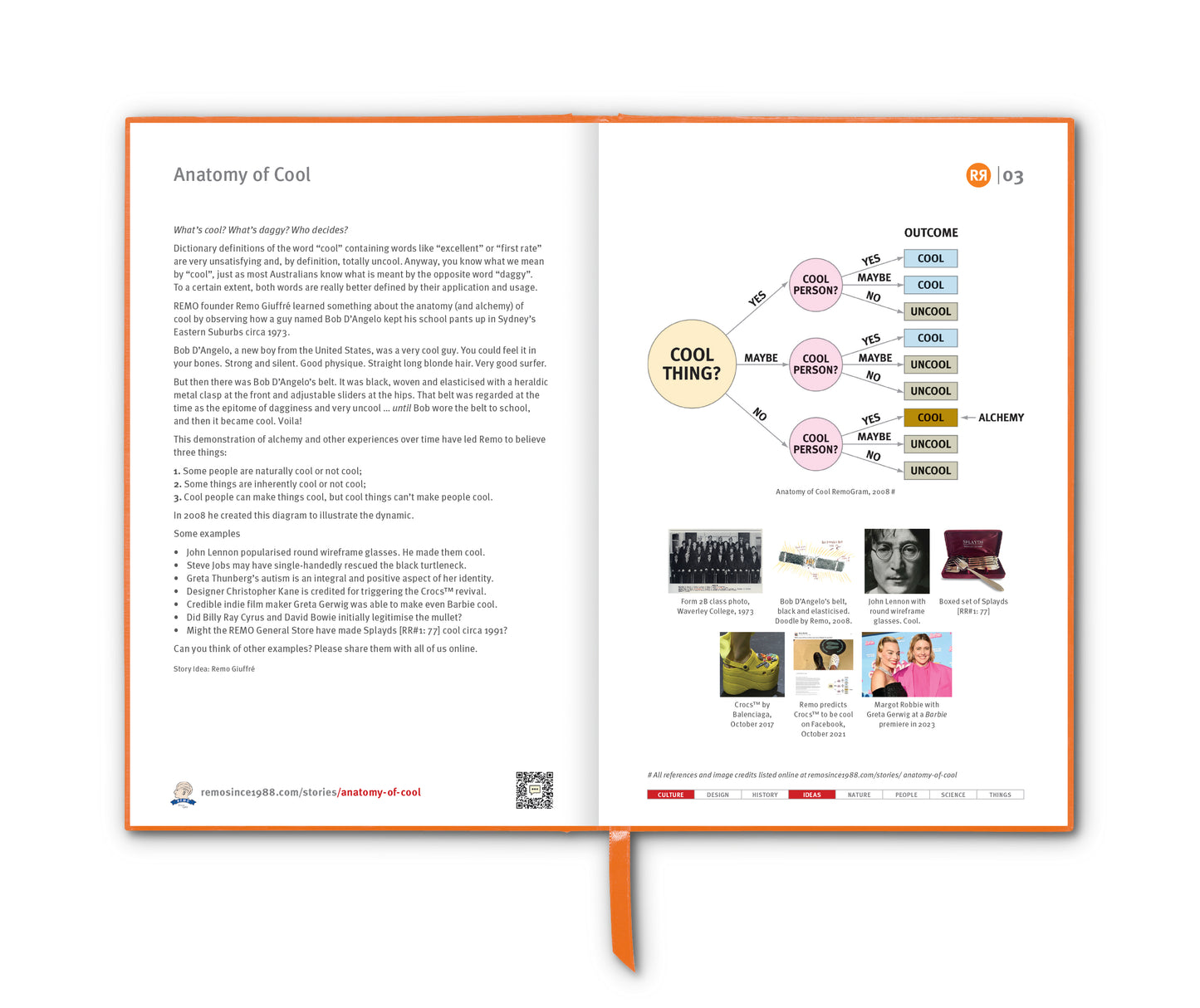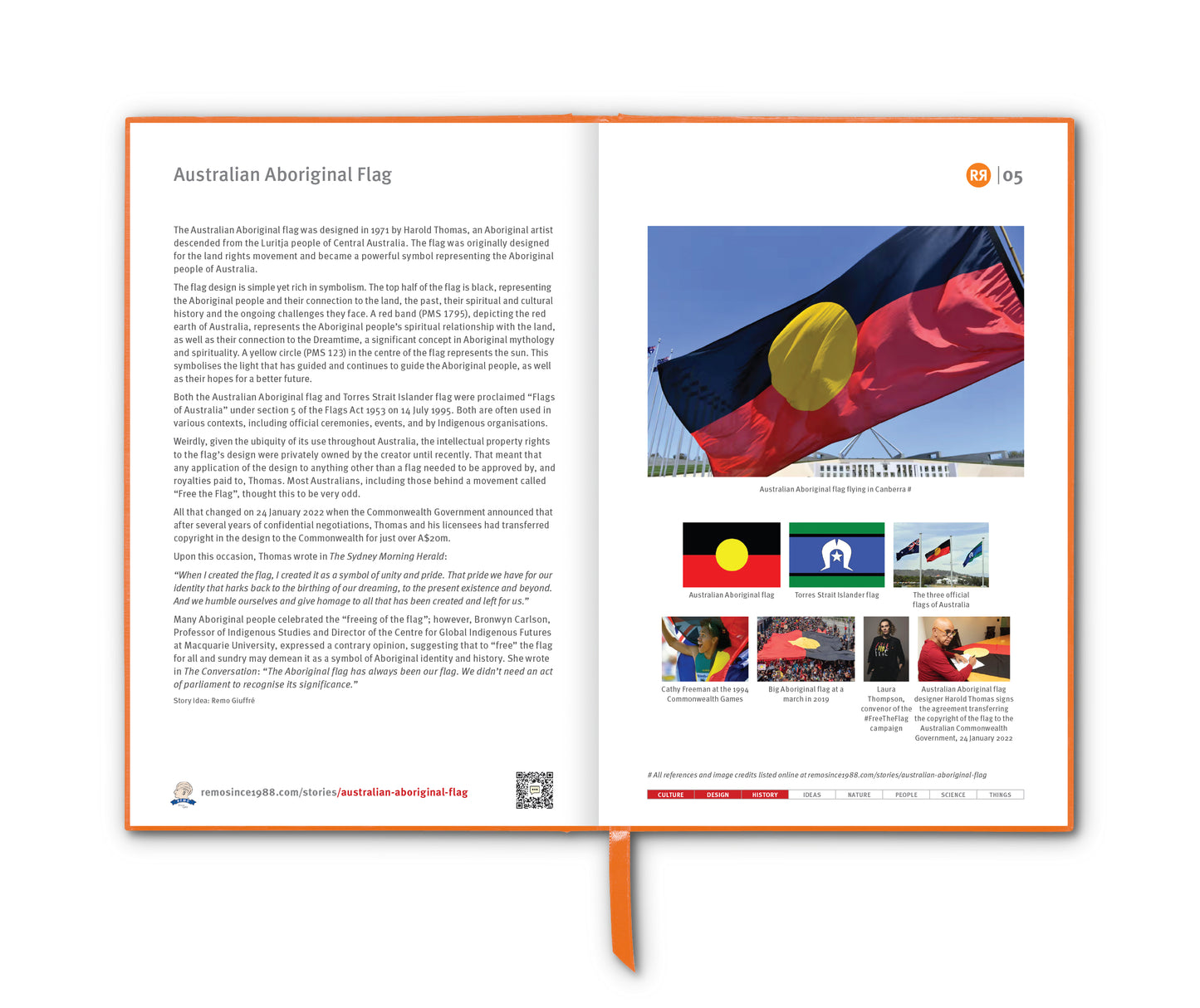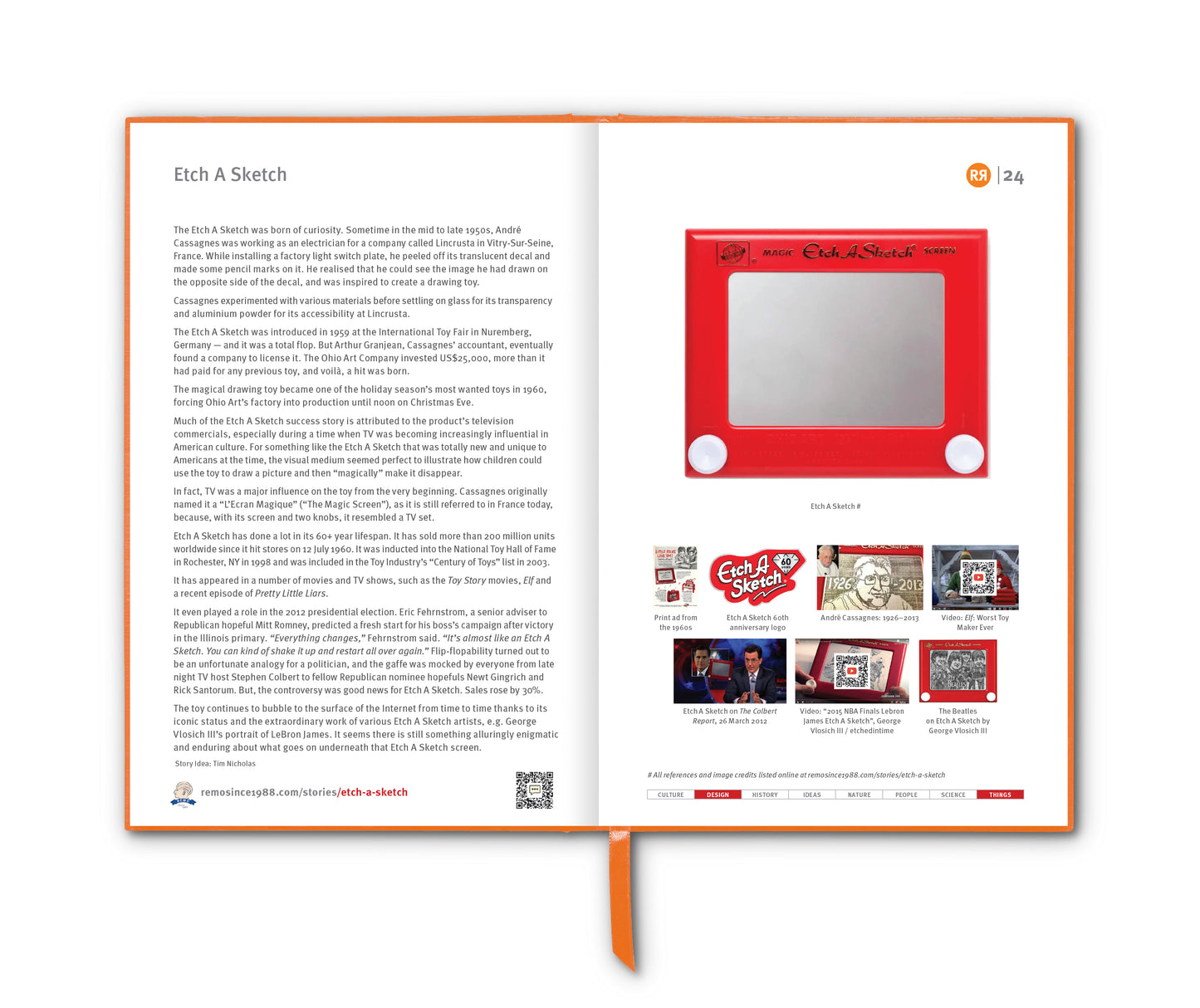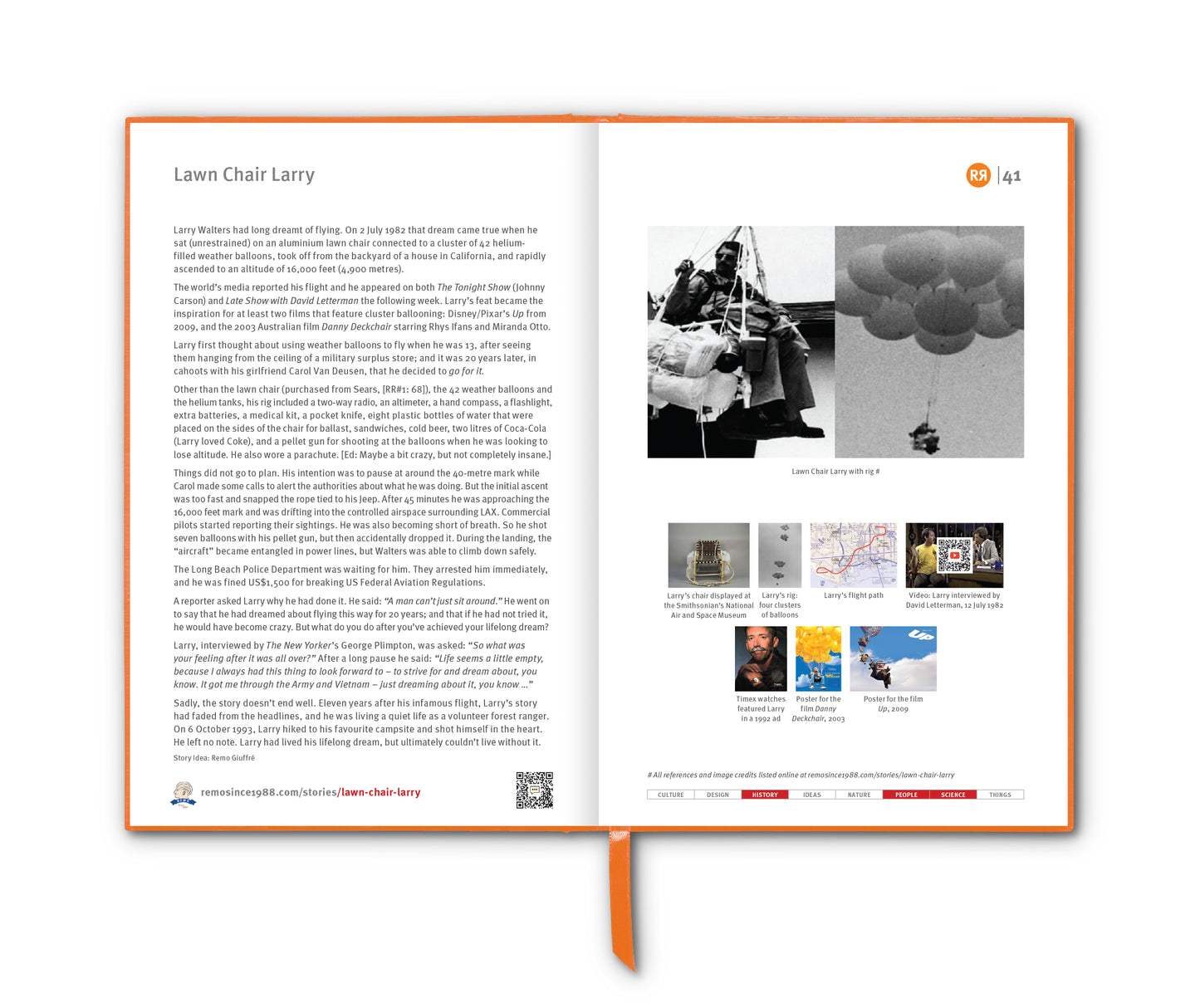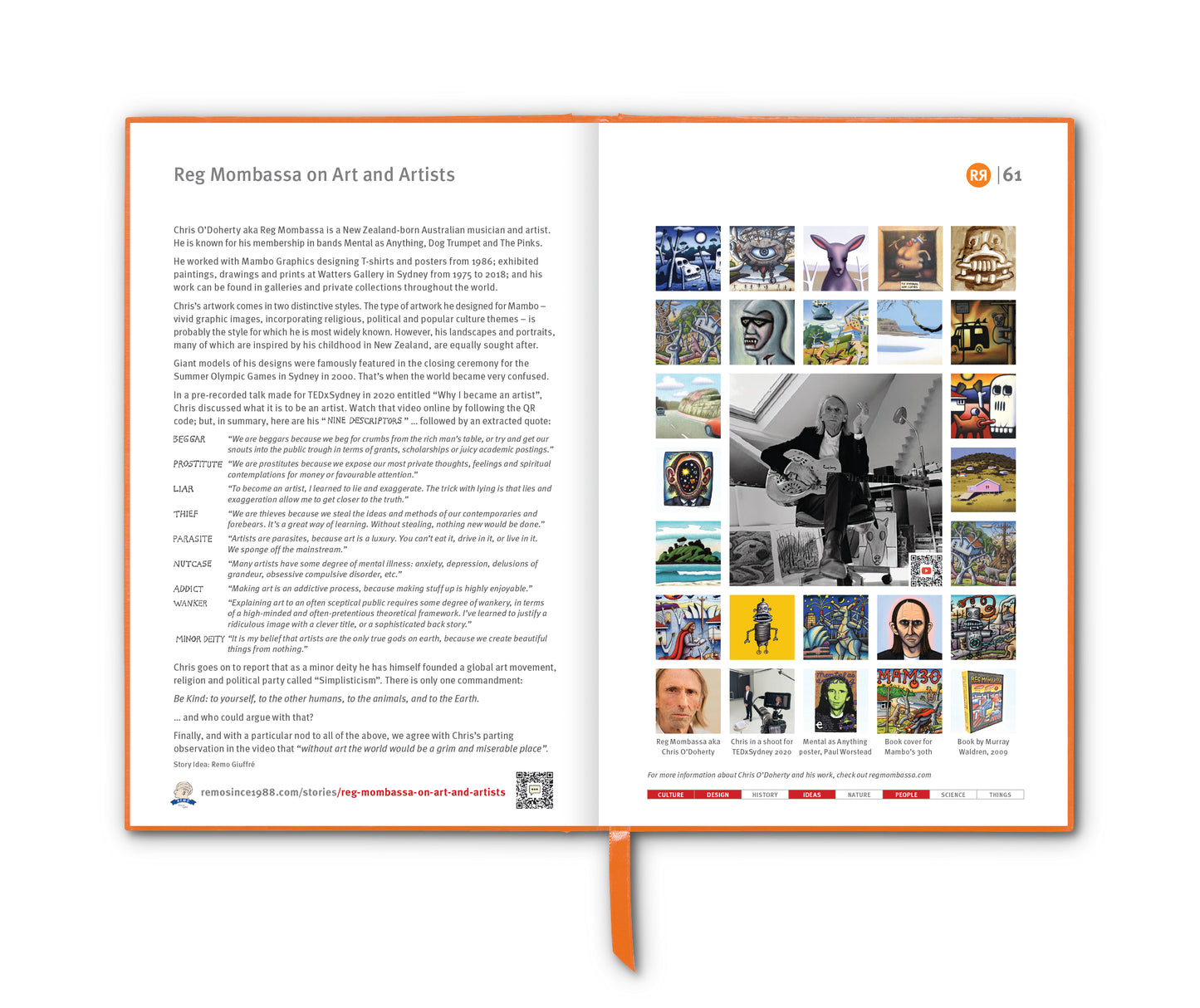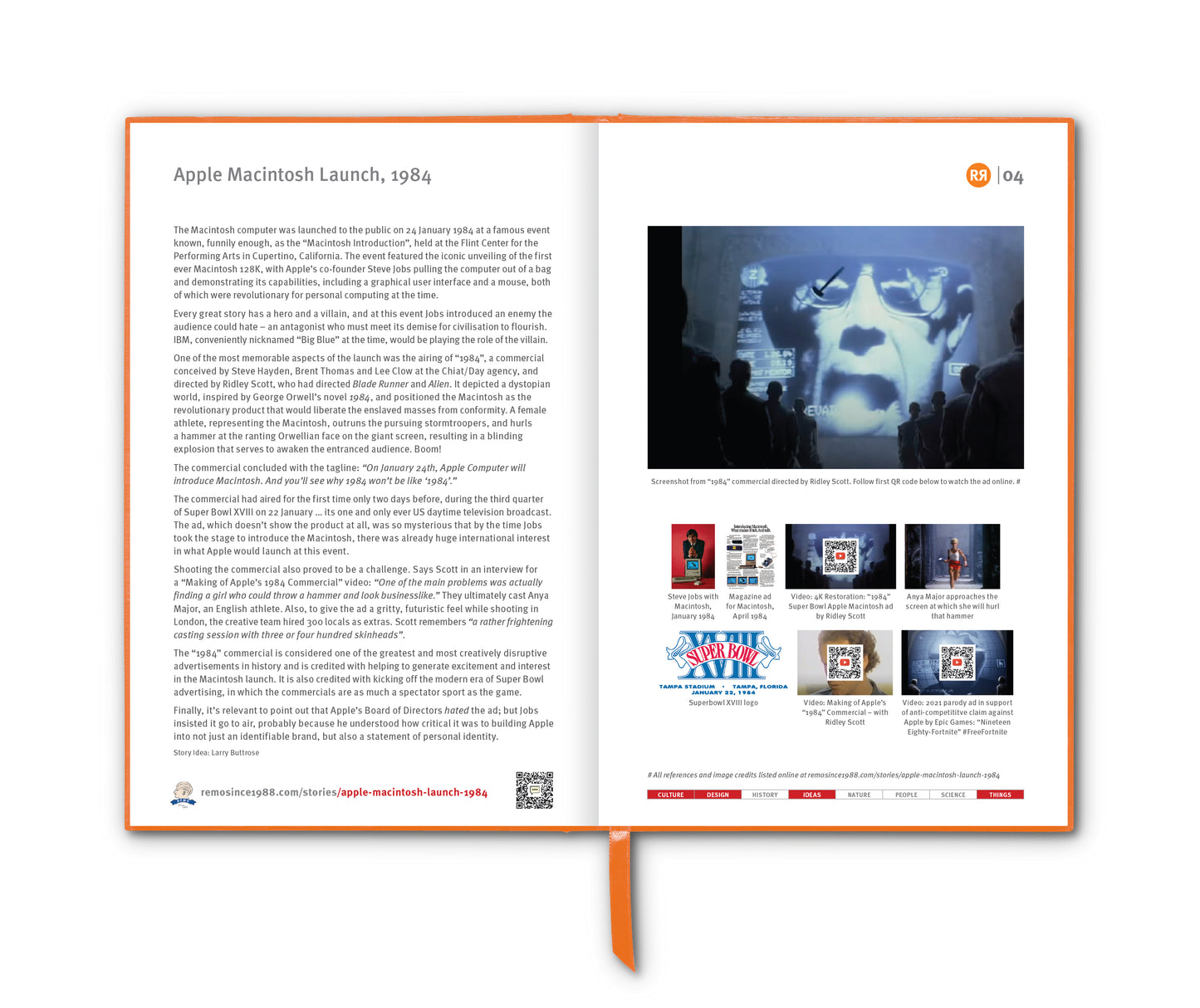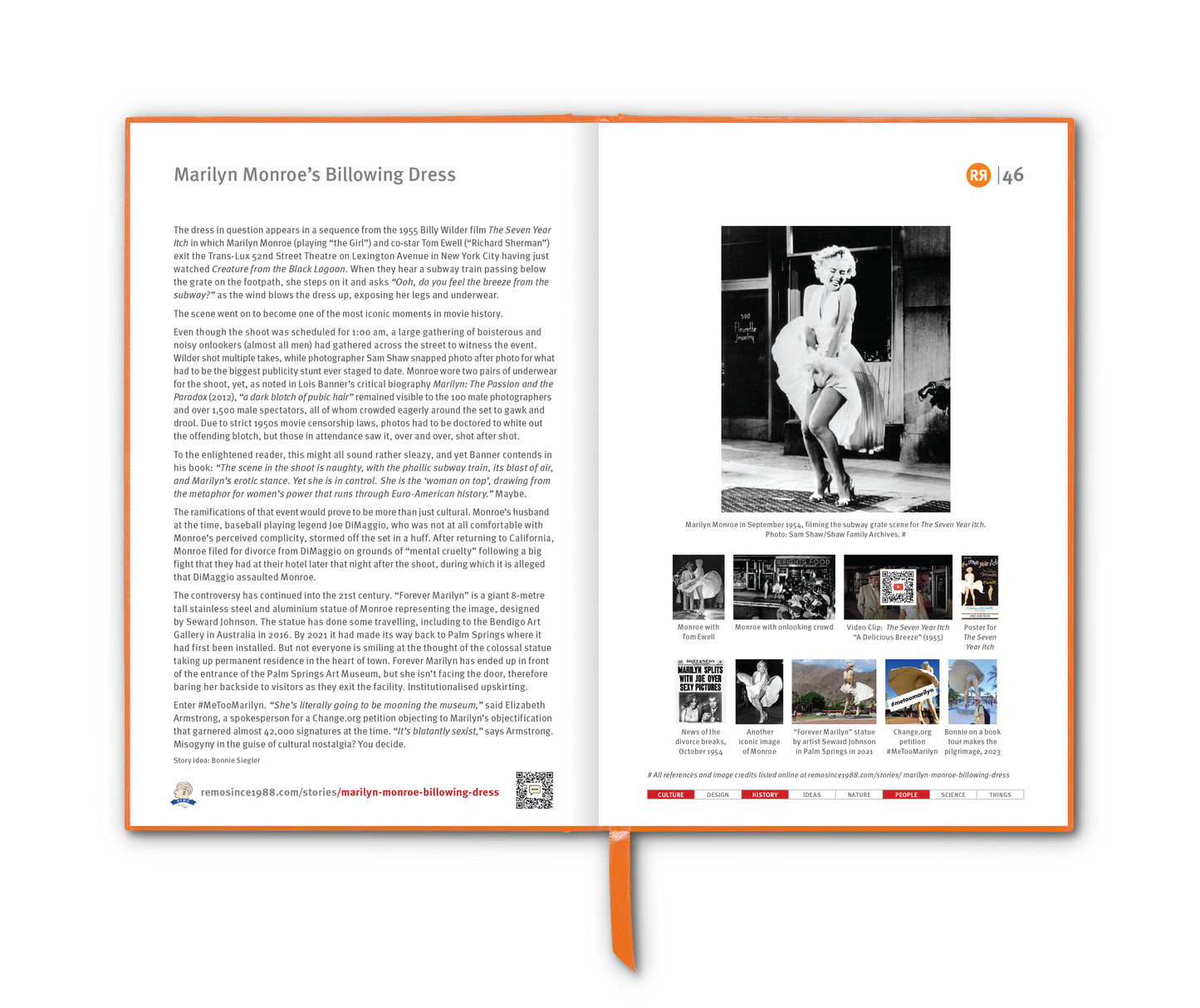

For more than a century, deep in the hollows of eastern Kentucky, stories circulated about a family whose skin carried a striking bluish tint – an appearance so unusual that it became the stuff of local legend. These were the Fugates of Troublesome Creek, better known today as the “Blue People of Kentucky”. Though their unusual colour invited folklore and speculation, the truth behind their blueness is a result of genetics, isolation, and the ways small communities can amplify rare traits over generations.
Martin Fugate was a French orphan who arrived in Kentucky in the early 1800s and settled along Troublesome Creek. [Ed: Amusing that one would choose to settle somewhere with that name.] When he married Elizabeth Smith – a woman who, by coincidence, also carried the same rare genetic condition – the stage was set for a multigenerational medical mystery. Their children, and later their descendants, exhibited a spectrum of skin tones that ranged from pale bluish hints to an unmistakable, vivid blue. In a remote region where families often intermarried due to geographic isolation and limited population, this rare gene circulated, resurfaced and occasionally intensified.
The genetic cause is a hereditary condition called methemoglobinemia. In simple terms, it’s a disorder in which the blood produces too much methemoglobin, an oxidised form of haemoglobin that is unable to carry oxygen efficiently. Normally, methemoglobin makes up less than 1% of a person’s blood. But in individuals with the recessive gene mutation found in the Fugate line, levels were far higher, giving their skin and lips a distinctive bluish cast. Despite the alarming appearance, most affected Fugates were otherwise healthy, living long and unremarkable lives by the standards of the time.
The scientific explanation did not arrive until the 20th century. In the 1960s, Dr Madison Cawein III, a haematologist at the University of Kentucky, tracked down the family after hearing stories about “the blue people”. Through a combination of genealogical detective work, medical investigation, and interviews with locals, Cawein unravelled the genetic puzzle. His work identified a deficiency in the enzyme diaphorase, crucial for converting methemoglobin back to functional haemoglobin. Without enough of this enzyme, methemoglobin accumulates, and the skin takes on a characteristic blue hue.
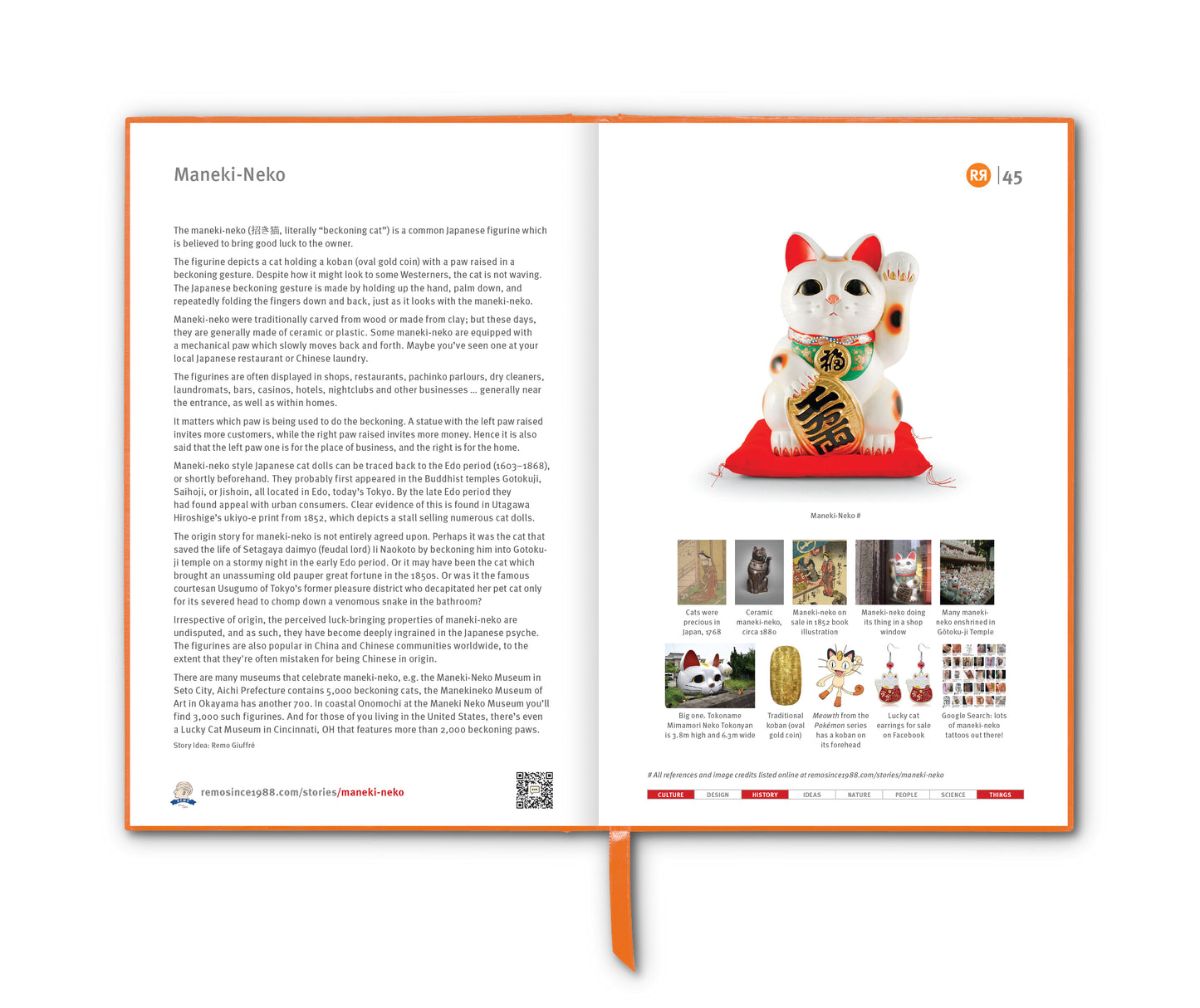
Treatment, as it turns out, was surprisingly simple. Cawein discovered that small doses of methylene blue, administered orally or intravenously, acted as an artificial electron donor, helping convert methemoglobin into its normal state. Within minutes, according to accounts, affected Fugates would “pink up” before clinicians’ eyes. The treatment wasn’t permanent, but its effects were dramatic and long-lasting.
By the late 20th century, as roads, travel, and intermarriage broadened the gene pool, the trait became increasingly rare. The last known blue-skinned Fugate was born in the 1970s, and today, the distinctive colouring has all but disappeared.
While the Fugates’ condition was inherited, the case of Paul Karason – often nicknamed “Papa Smurf” by the media – was different. Karason developed argyria, a permanent blue-grey discolouration of the skin caused by long-term ingestion and topical use of colloidal silver. Unlike methemoglobinemia, argyria is not genetic, not reversible, and involves silver particles depositing in the skin. The similarity in colouring sometimes causes people to conflate the two stories, but biologically they share no connection.
Two blues don’t make a white.
__________________________
References
wikipedia.org/wiki/Blue_Fugates
dna-explained.com/2025/05/19/the-mystery-of-the-blue-fugates-and-smiths-a-study-in-blue-genes-and-pedigree-collapse
Images
1. Painting of the Blue Fugates. Credit: Owlcation
2. Methemoglobinemia
3. Fugate family tree. Credit: dna-explained.com
4. Sketch of the original Troublesome Creek settlement. Credit: Kentucky Digital Library
5. Another blue Fugate
6. Papa Smurf! Paul Karason's skin turned blue after he imbibed too much colloidal silver
7. Blue Man Group. No relation.
8. Avatar, 2009. Also, no relation.
9. True BLUE by REMO. See also Stroop Effect [RR5:73].