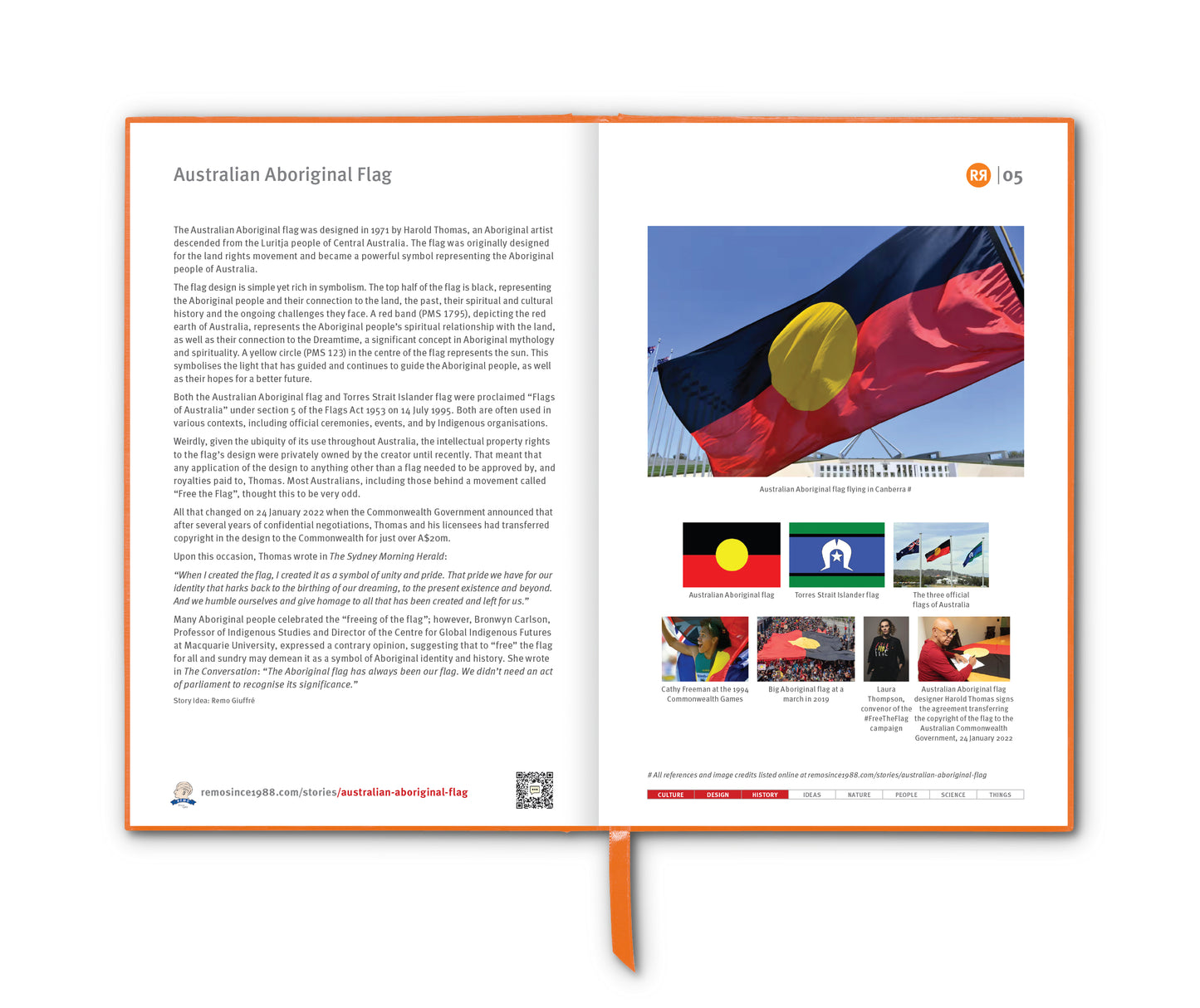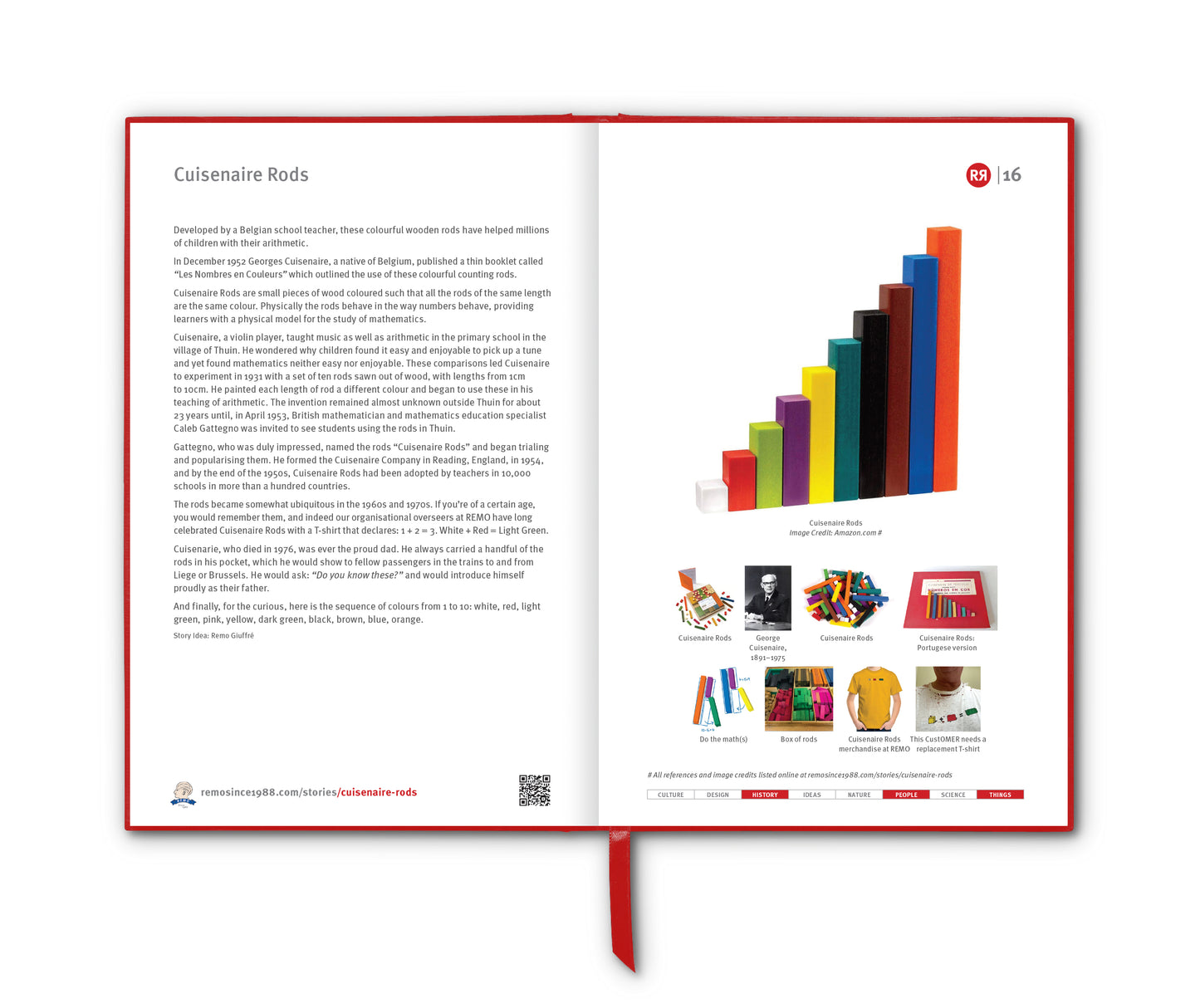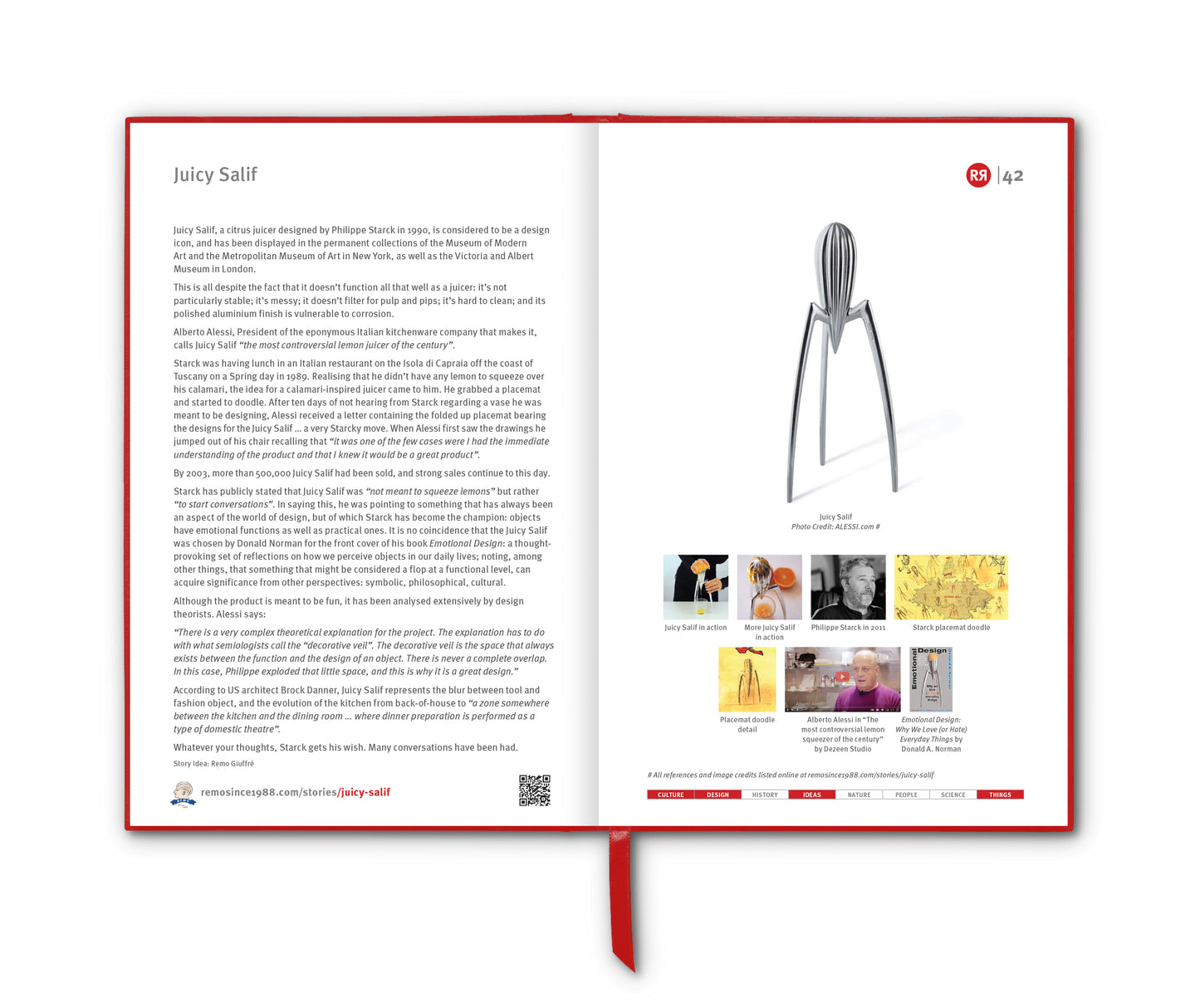

You know the feeling. You’re in a Chinese restaurant leafing aimlessly and endlessly through what is a virtual phonebook of menu options. You are feeling increasingly antsy – that is until the chef comes along, snatches the menu from your hand and says words to this effect: “Leave it to me. I will feed you. Would you like to start with the duck pancakes or the prawn dumplings?”
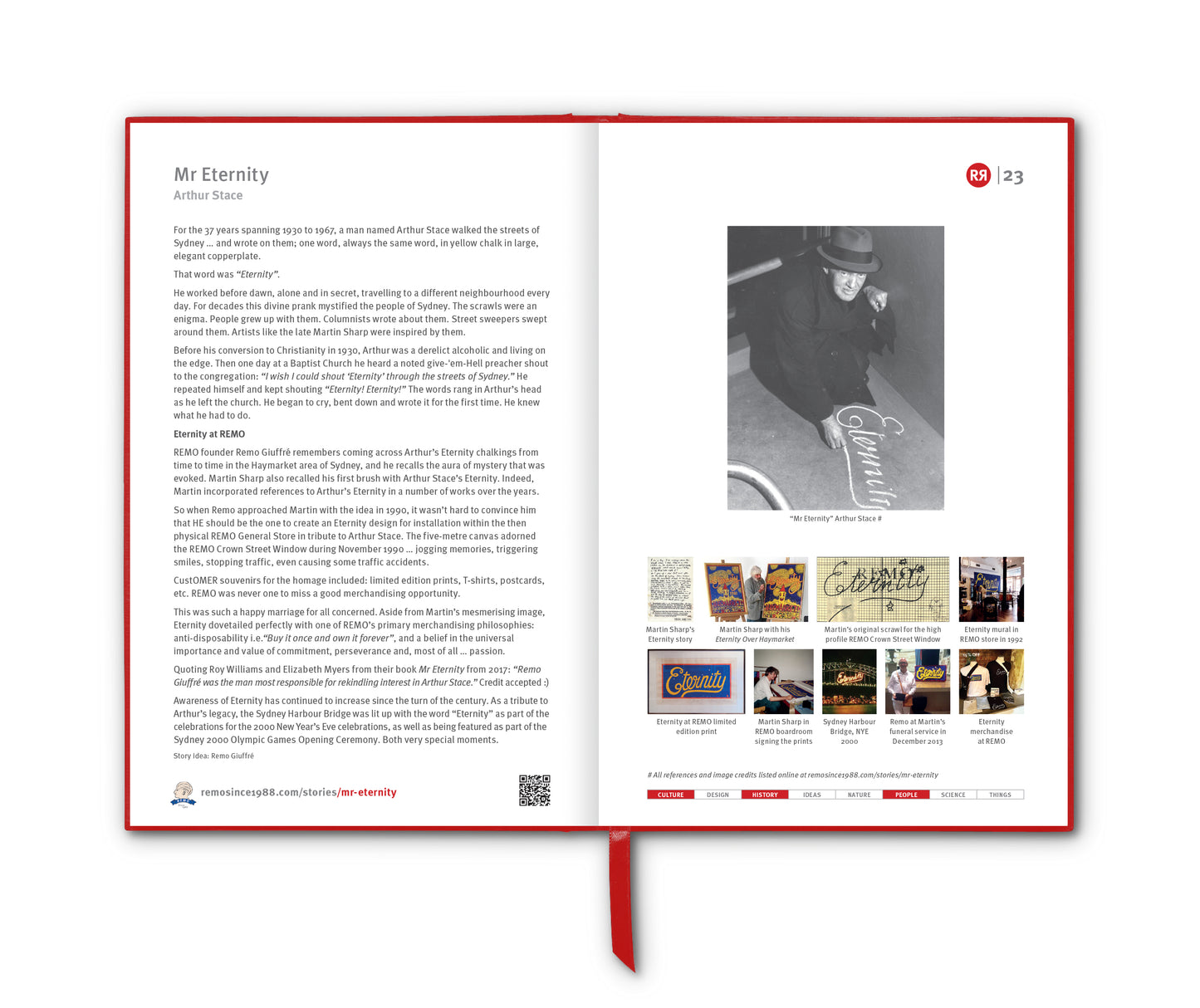
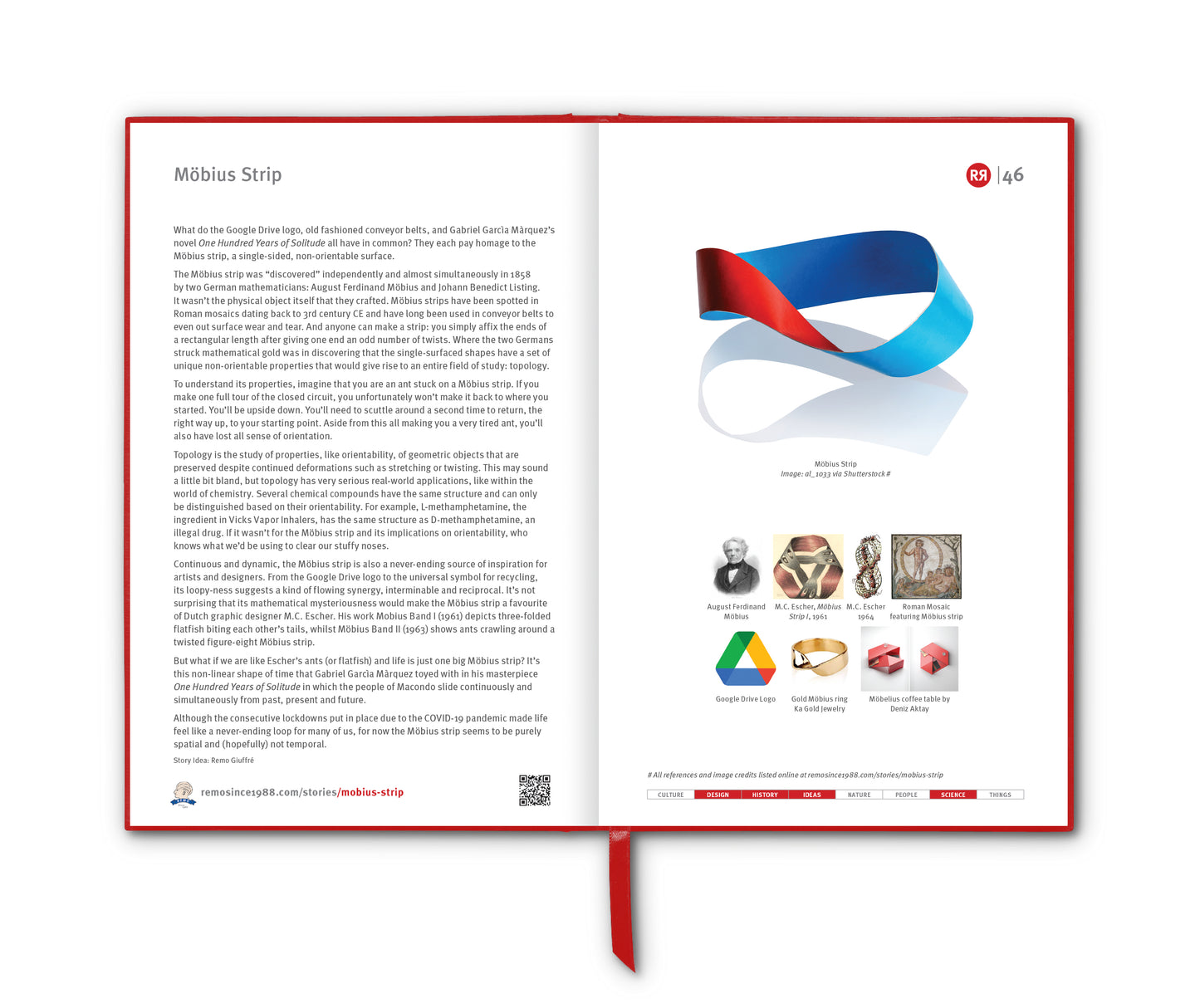
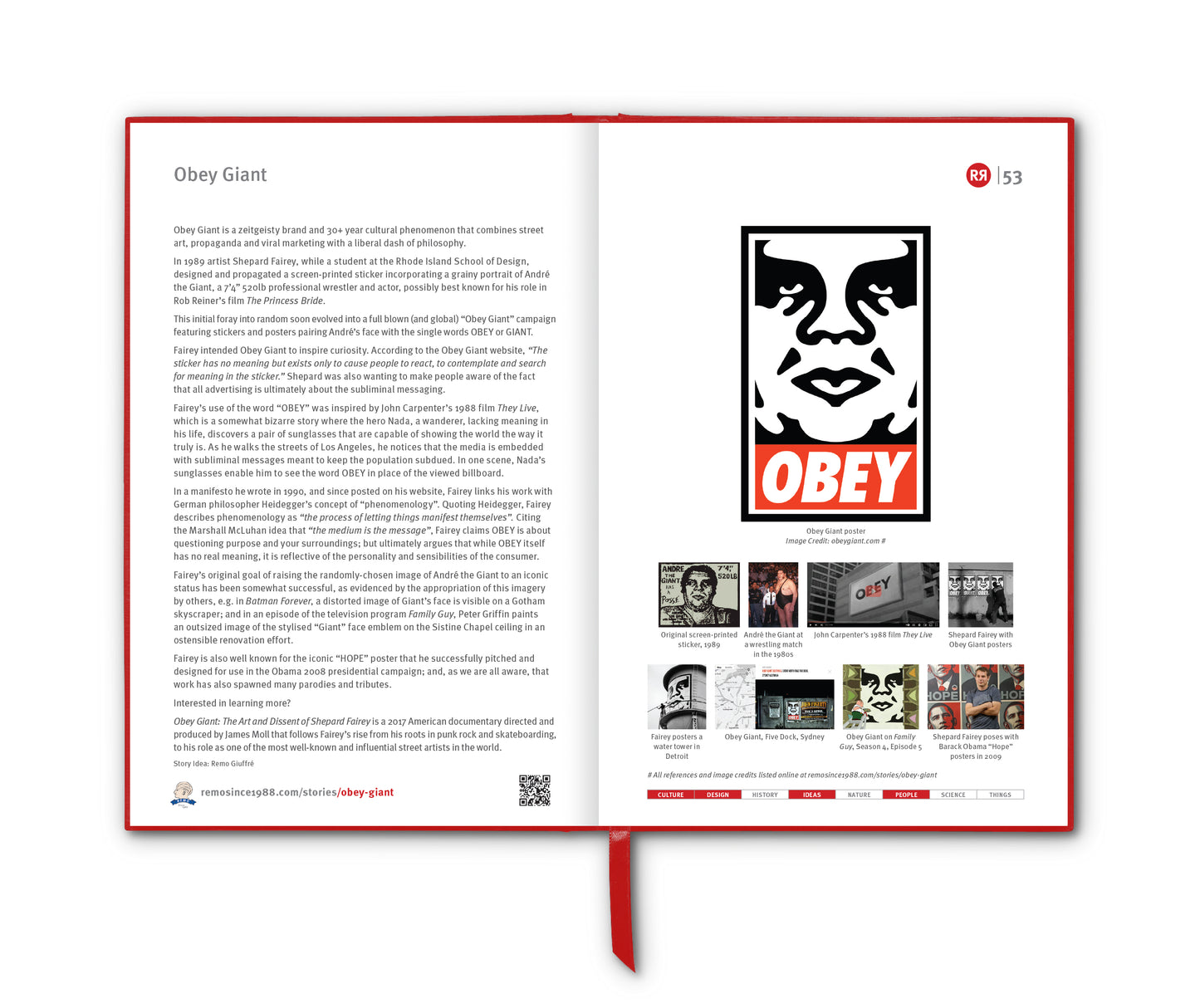
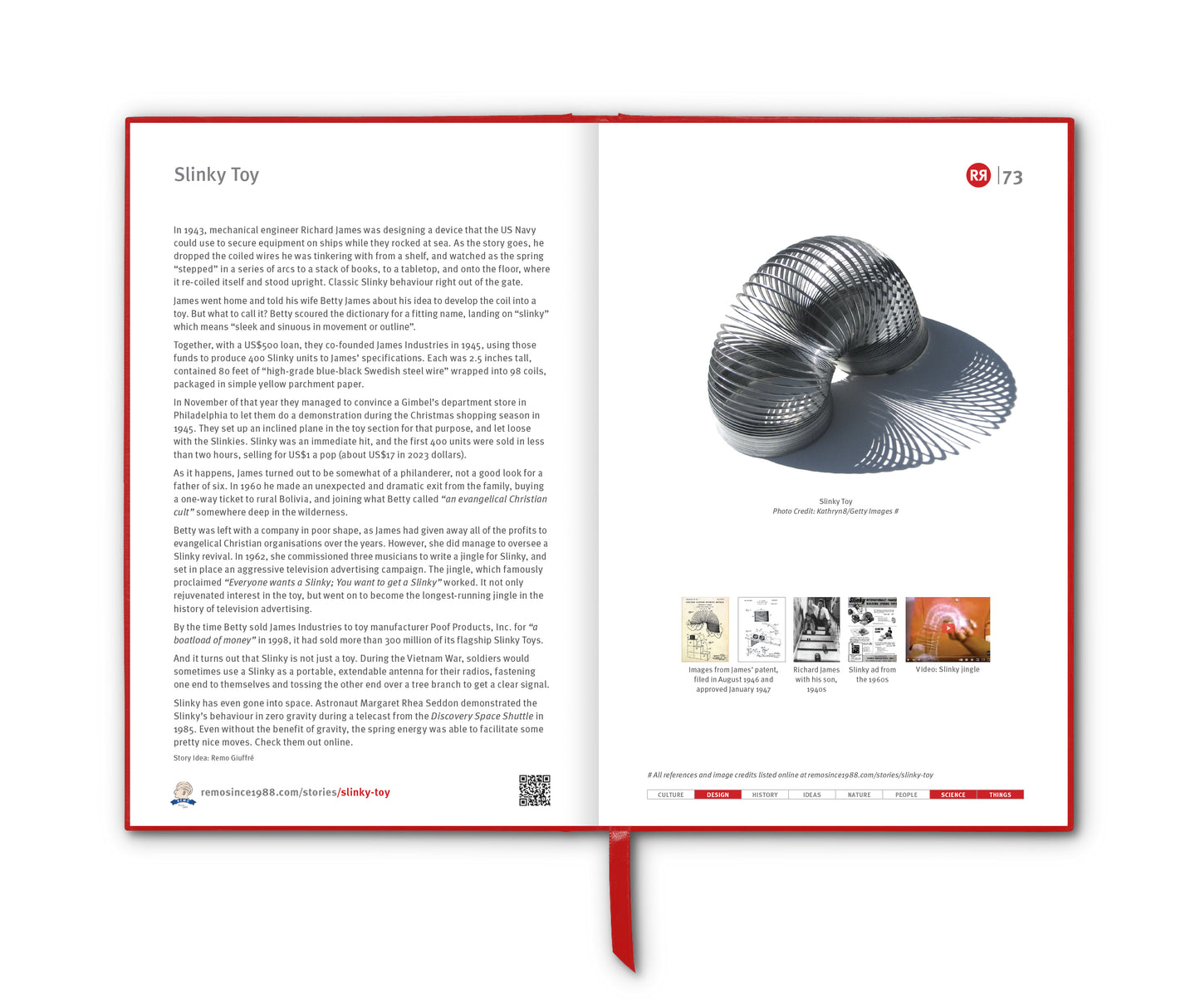
We like to think choice equals freedom. Pick the cereal, pick the career, pick the partner – more options = more possibility. But modern psychology keeps reminding us that freedom of choice has a dark side. The Paradox of Choice is the uncomfortable truth that abundance can become a burden: more options often increase anxiety, slow decisions and actually reduce satisfaction with the final pick.
The classic field experiment that launched the idea was run by Sheena Iyengar and Mark Lepper in 2000. At a grocery display they compared a “large” tasting table (24 jams) with a “small” table (6 jams). More people stopped at the large table, and more people sampled, but far fewer actually bought jam than at the small table. The spectacle of variety drew attention; only a pared-down menu produced action. That simple result captured something obvious in hindsight: a glut of options can paralyse intention, and decision fatigue will kick in when our limited stamina for making decisions is drained.
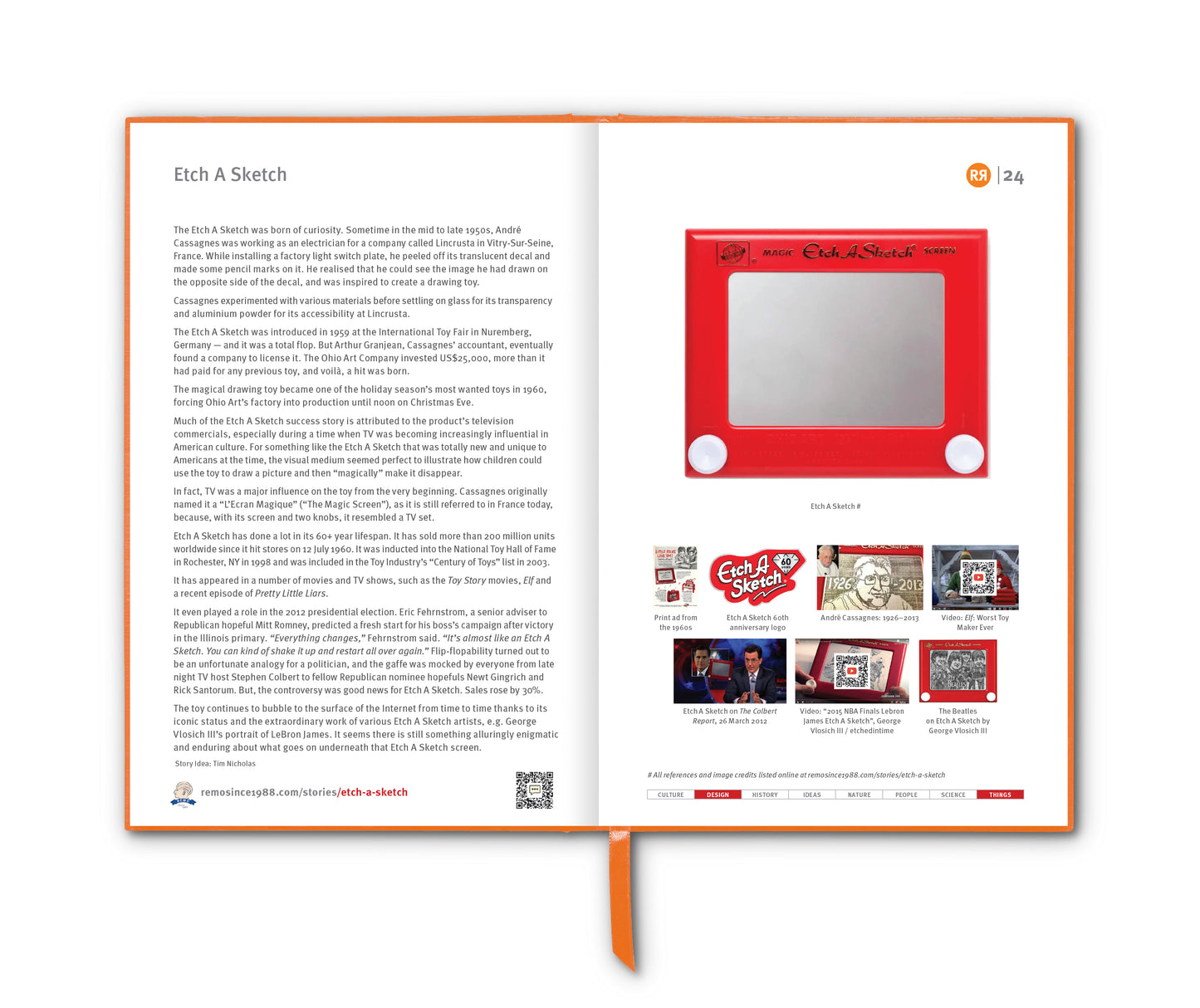
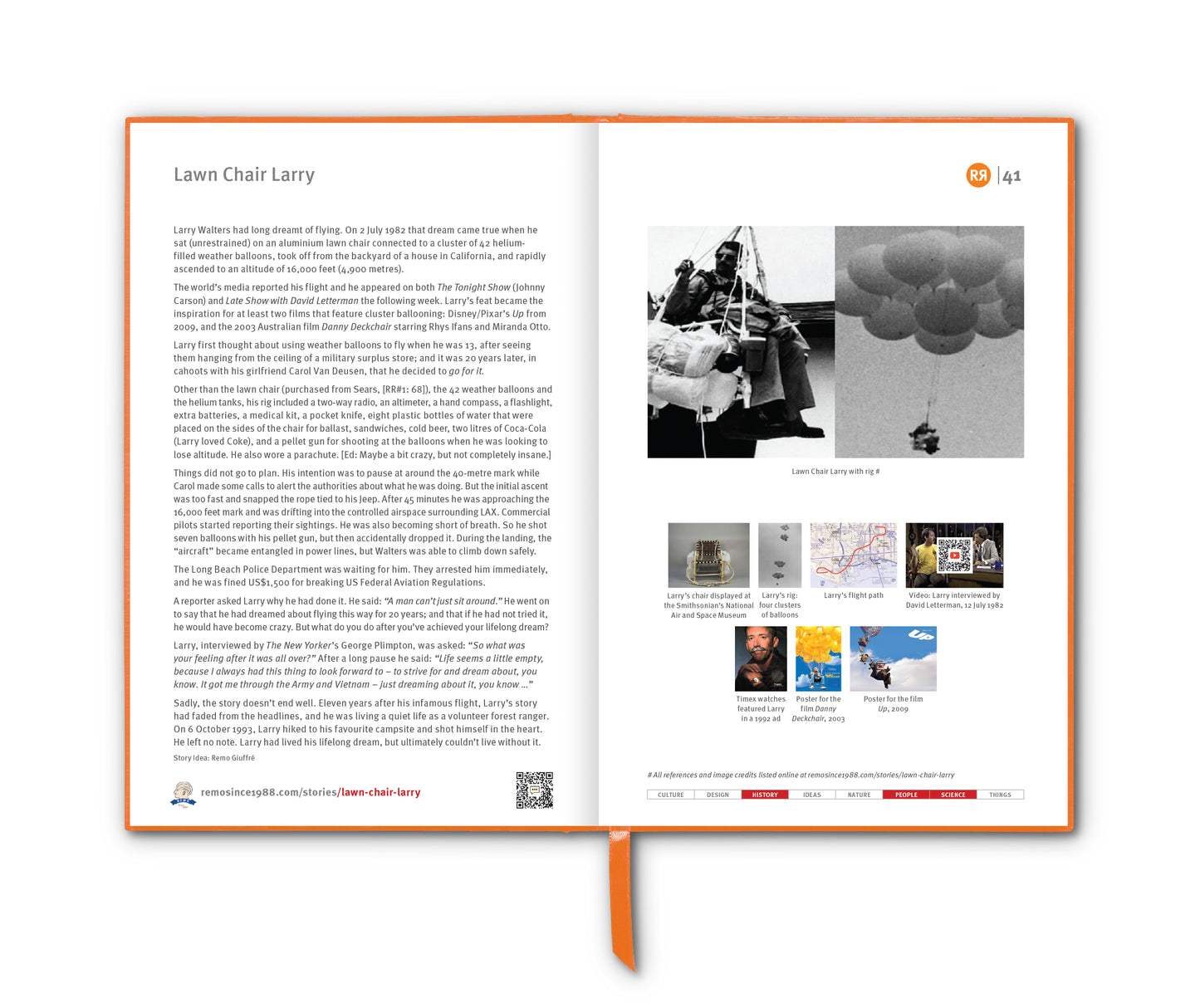
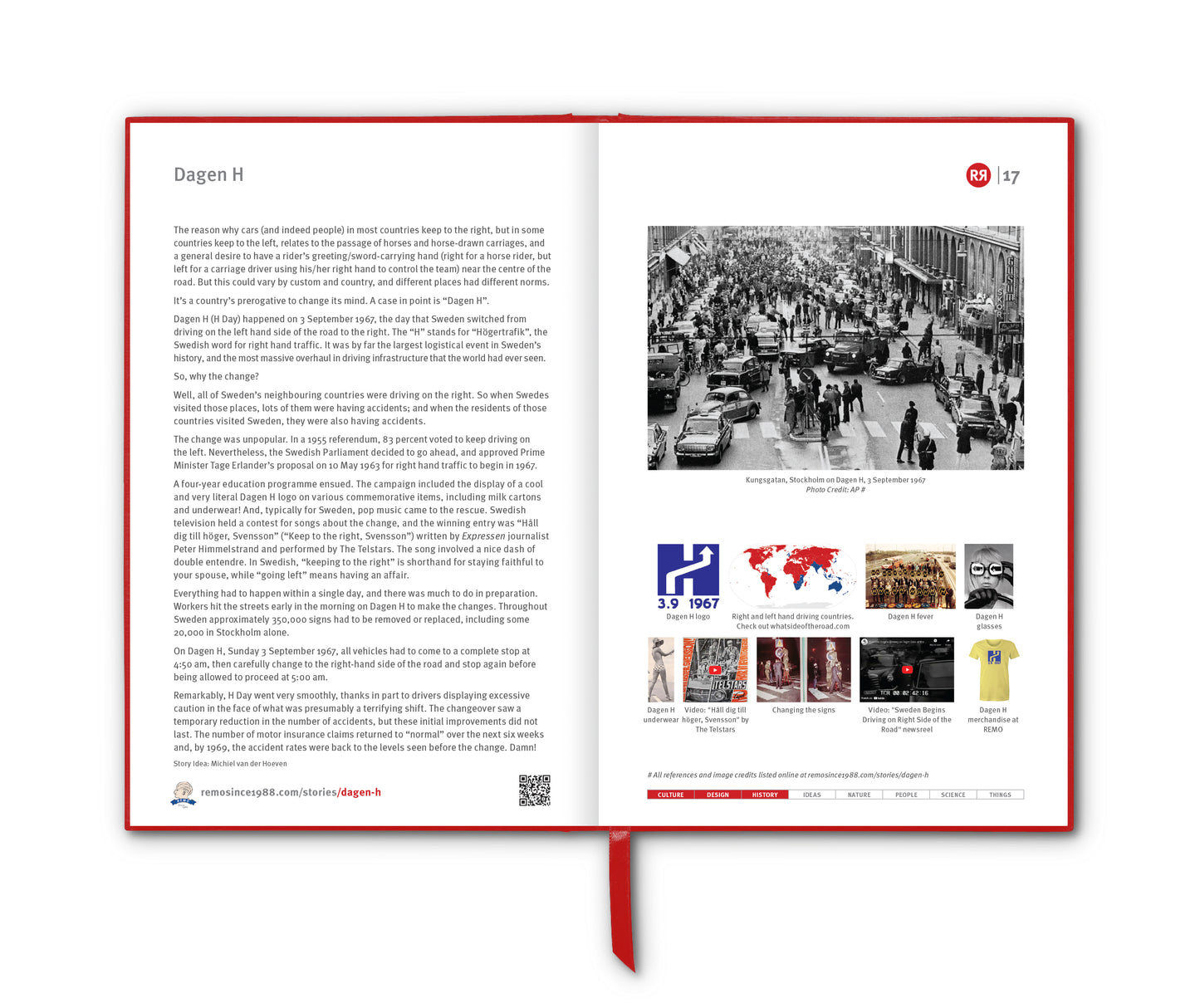
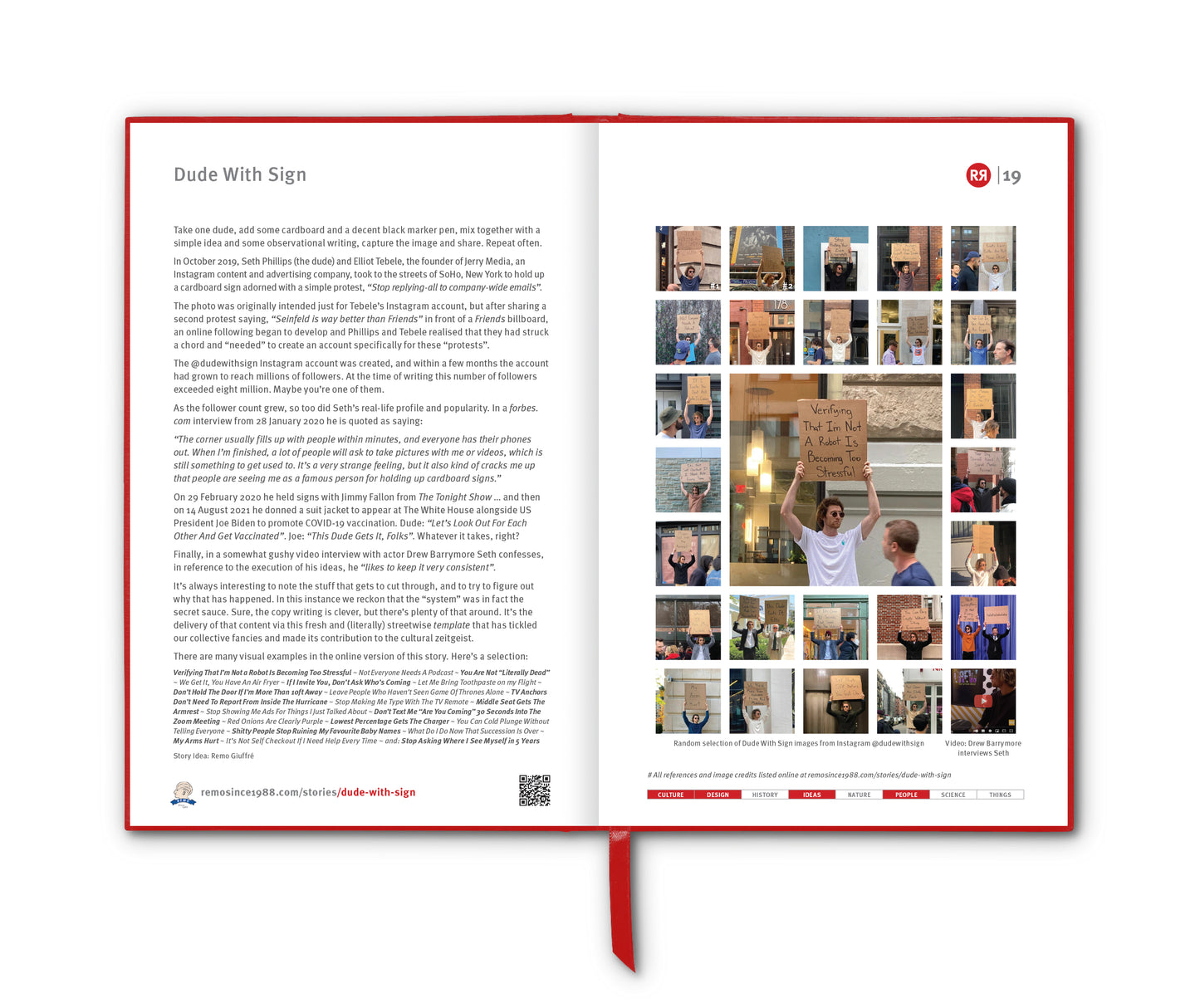
Psychologist Barry Schwartz popularised the idea for a broad audience in his 2004 book The Paradox of Choice: Why More is Less. He argued that as options multiply, so do expectations and the risk of regret. People split into roughly two decision styles: maximisers, who search exhaustively for the best possible outcome and thus suffer more regret; and satisficers, who accept “good enough” and tend to be happier. Schwartz linked choice overload to modern malaise – a society conditioned to believe that every decision must be optimised.
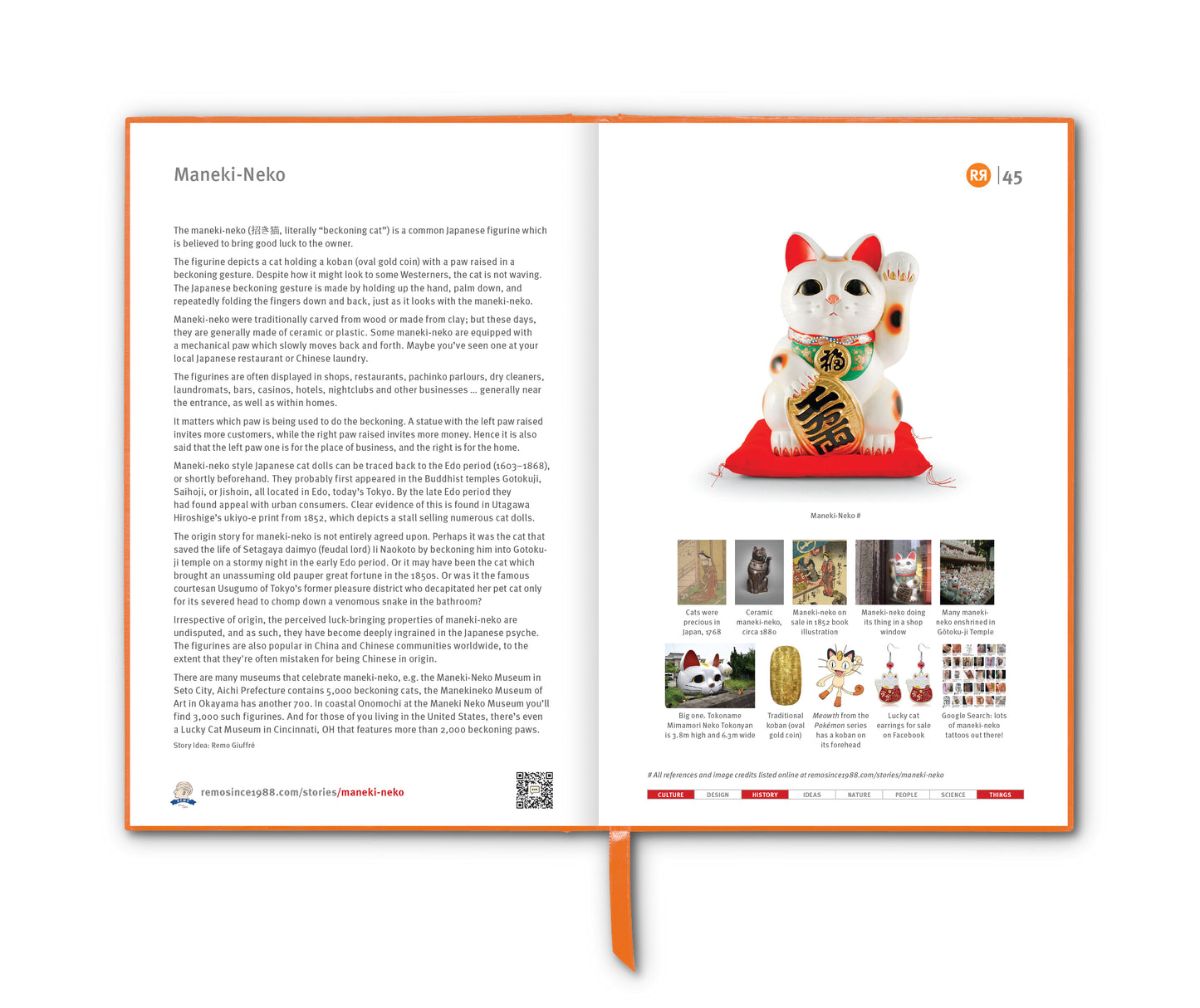
But the academic picture is messier than the headline. A major meta-analysis in 2010 examined dozens of studies and found mixed effects: sometimes more choice led to overload and lower satisfaction, sometimes it helped, and often the outcome depended on task, context and individual differences. Schwartz suggests that it is about finding the right balance between having too many options and not enough options. Goldilocks.
Alternatively, get smarter with your “choice architecture”. Rather than reducing the number of choices available to people, subtly change how options are presented, “nudging” people in given directions by organising their options into categories or highlighting desirable options, e.g. the daily specials or the banquet menu.
The Paradox of Choice lives in our daily lives. [Ed: Tinder fatigue, anyone?] It explains why the above mentioned Chinese menus bamboozle us, why dating apps create a buffet of serial uncertainty, and why an aisle of shampoo, milk or tuna varieties feels less liberating than it looks. It also offers a tiny, actionable antidote: limit the menu. Curate. Recommend. Flag a “best for most people” option. In a world overflowing with possibilities, removing the anxiety of endless comparison is one of the kindest choices an author, merchant, designer or friend can make.
_______________________
References
wikipedia.org/wiki/The_Paradox_of_Choice
thedecisionlab.com/reference-guide/economics/the-paradox-of-choice
faculty.washington.edu
neurofied.com/paradox-of-choice-why-less-more
Images
1. The proverbial Chinese menu. Credit: Modbury, London
2. Barry Schwartz speaking at the TED conference in 2009
3. Book: The Paradox Of Choice: Why More Is Less, Barry Schwartz, 2004
4. Charting the paradox of choice. Credit: neurofied.com
5. Video: The paradox of choice | Barry Schwartz | TED 2005
6. Lots of different milks
7. Tuna choices
8. Tinder has dramatically increased romantic partnership options