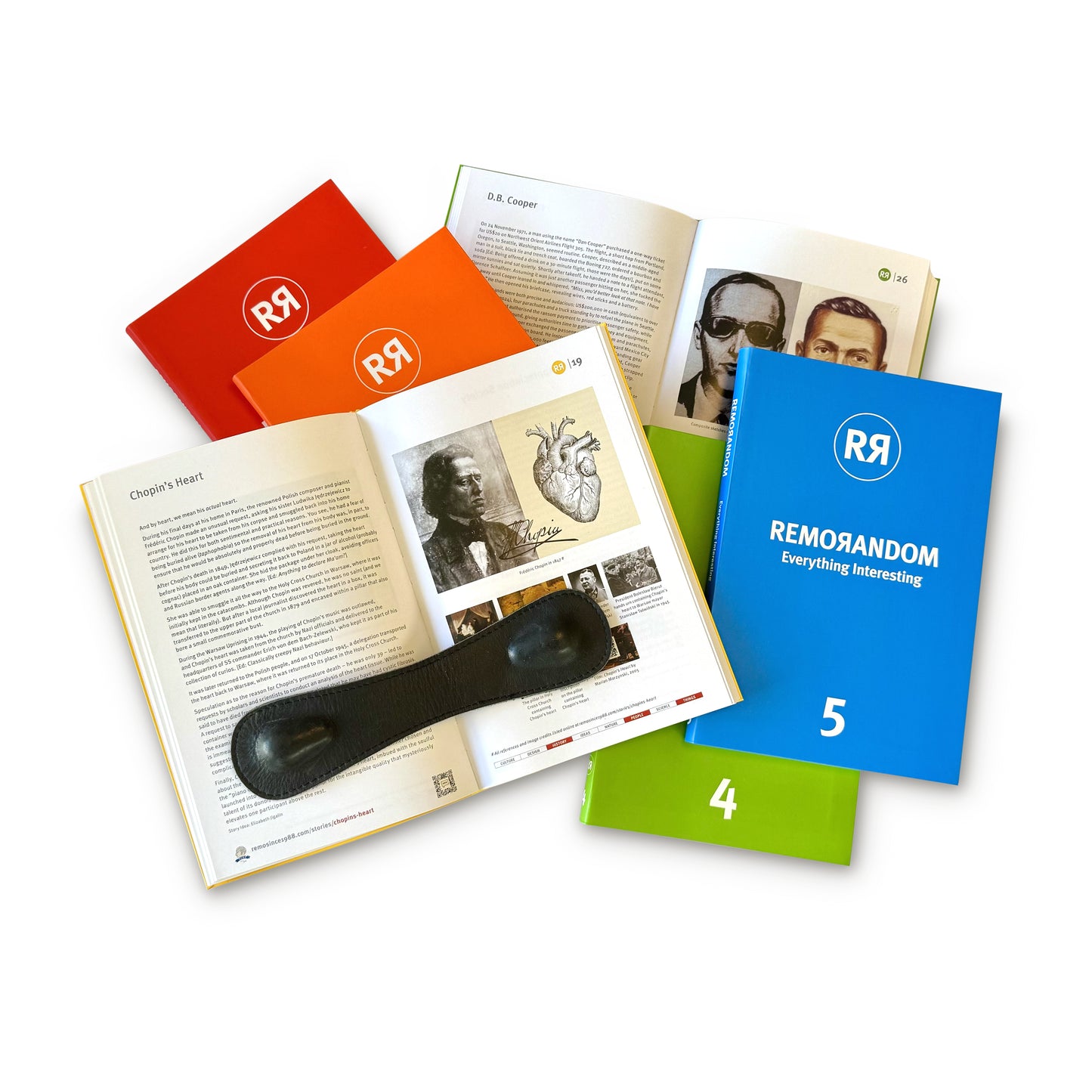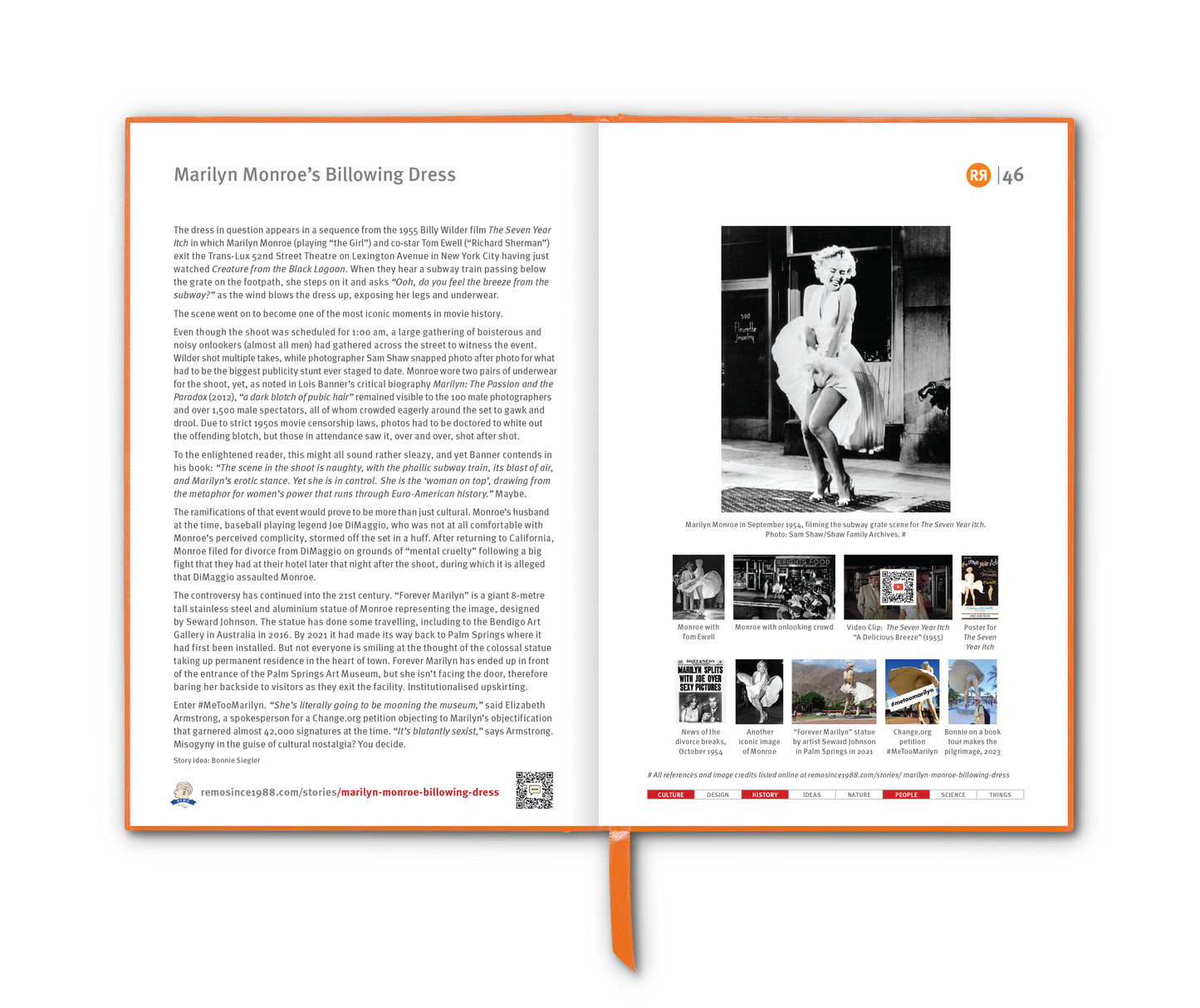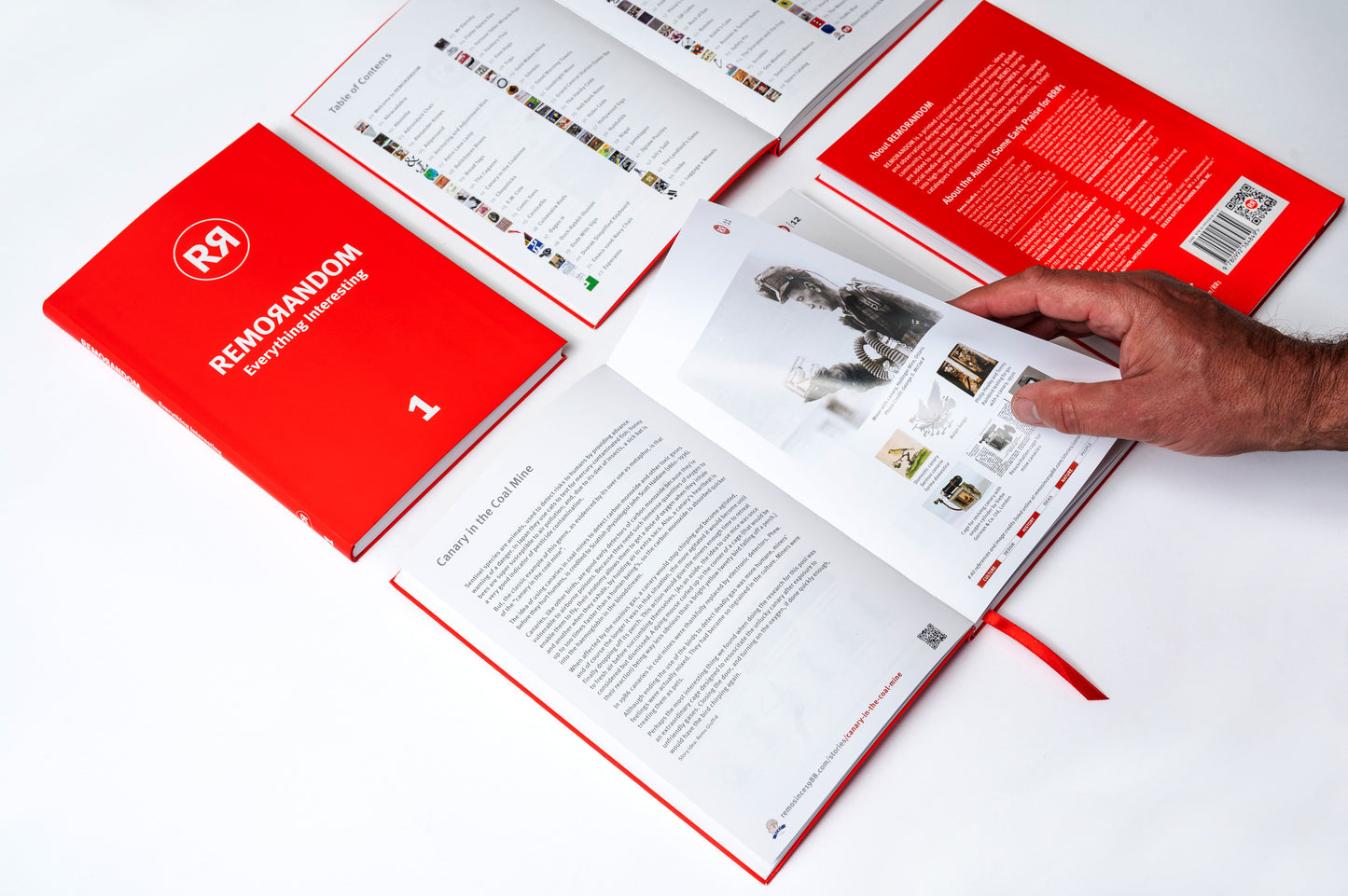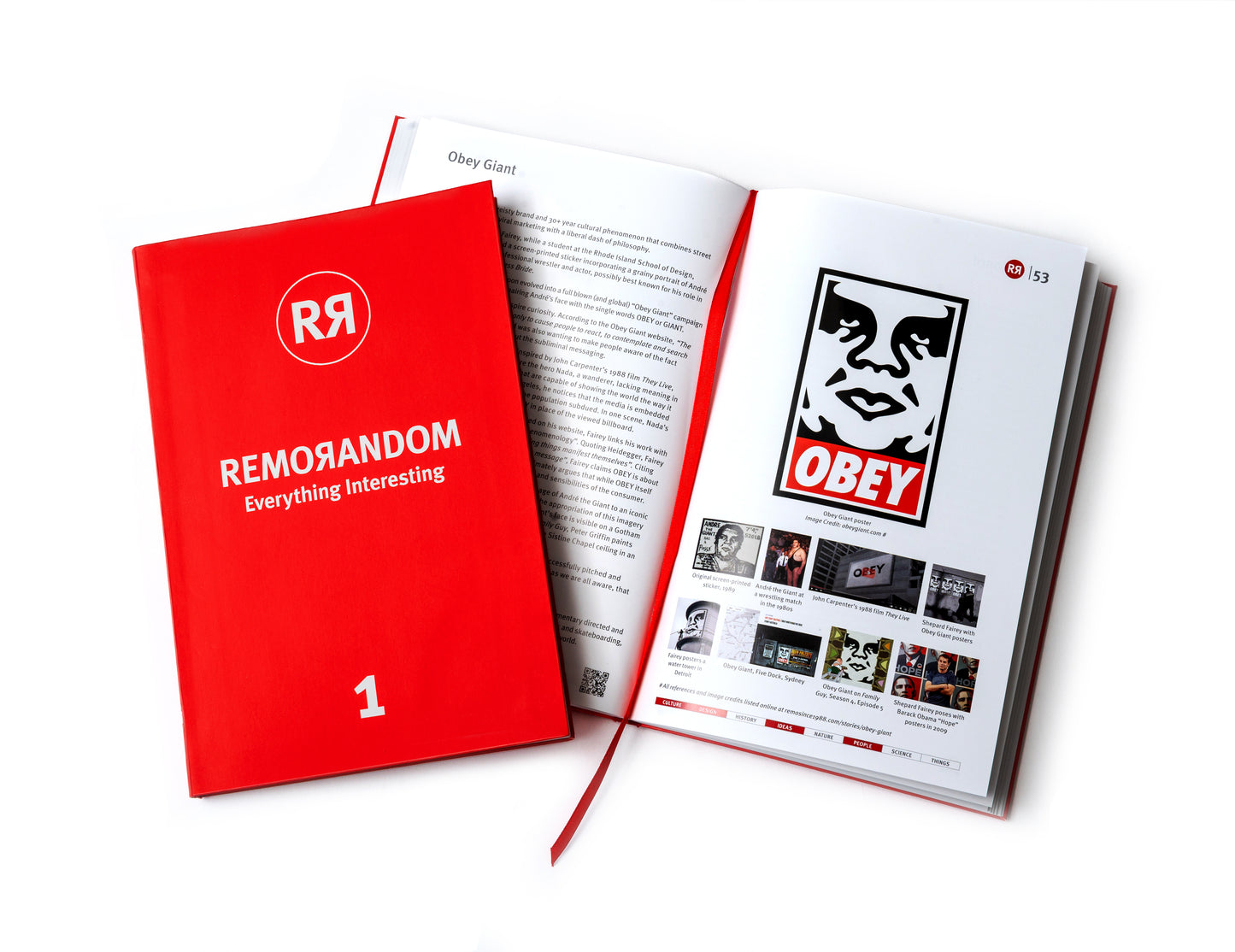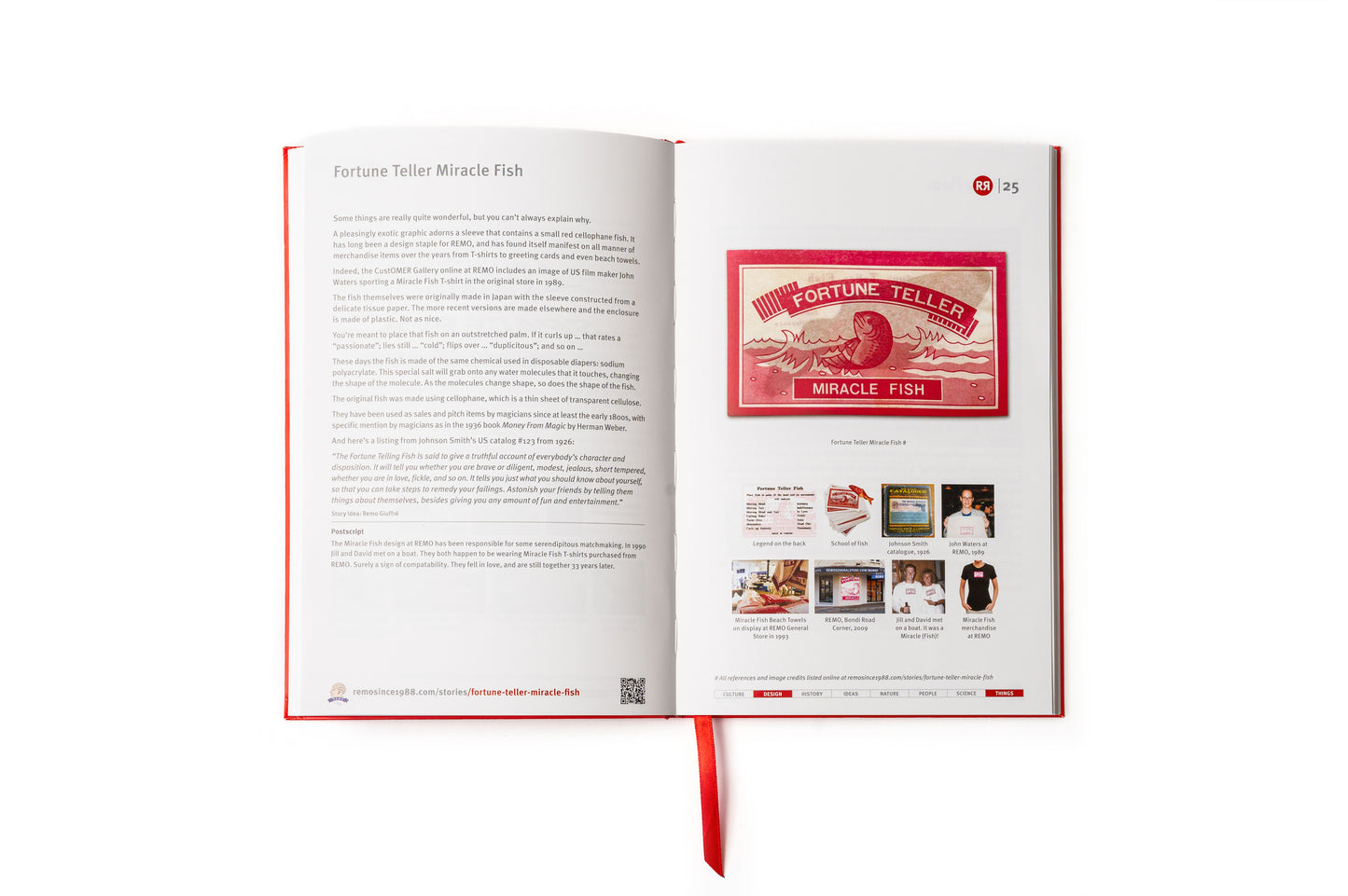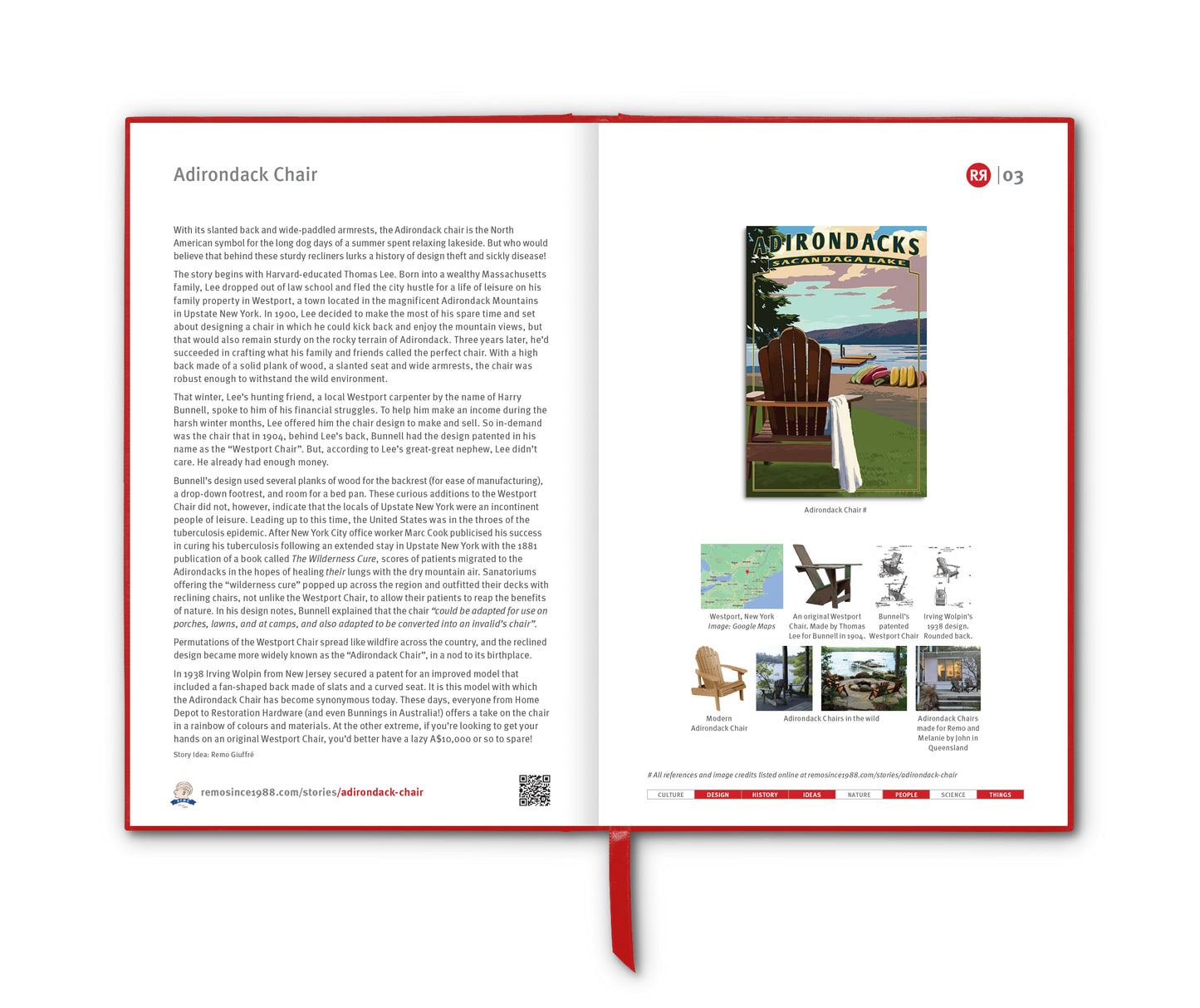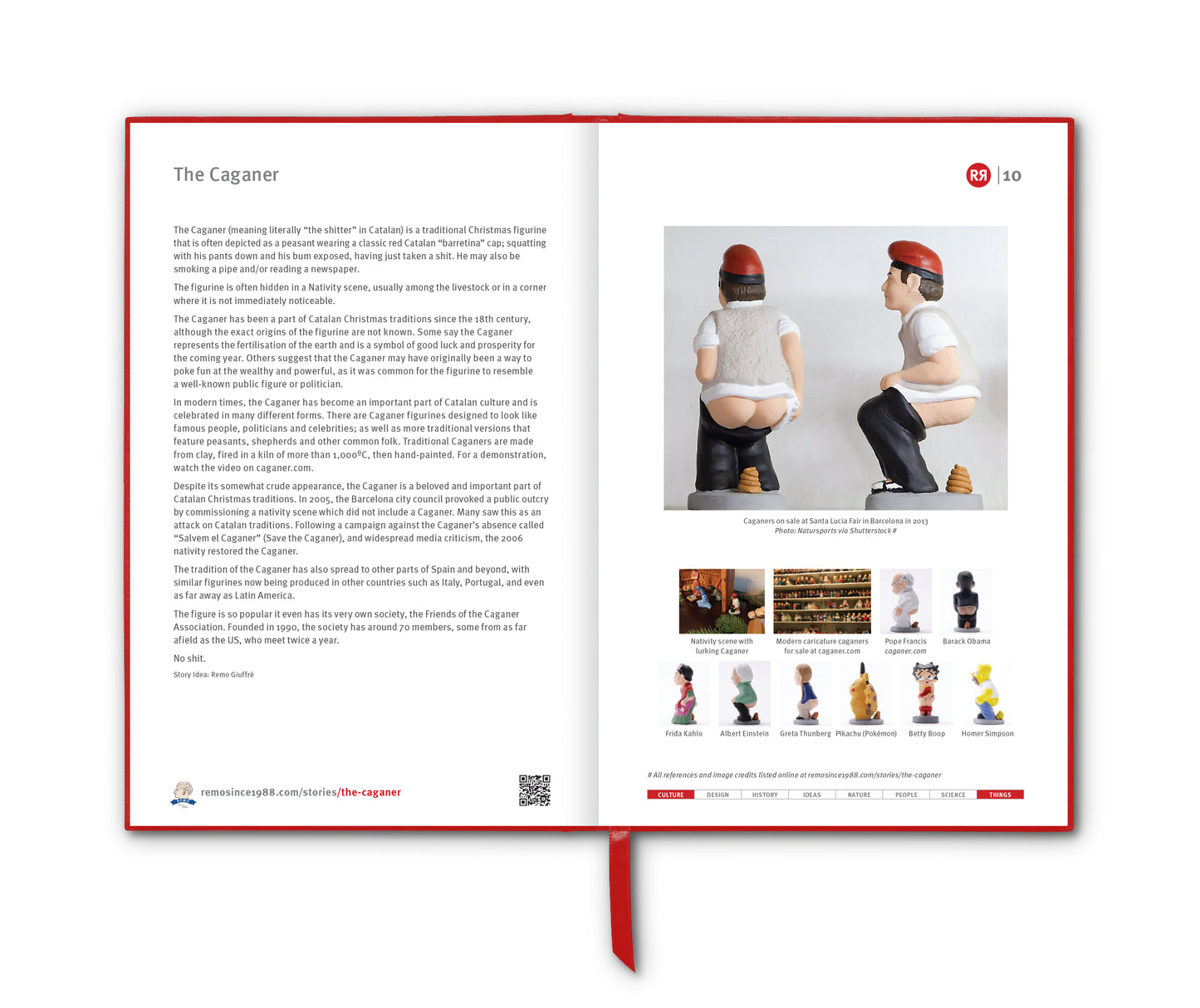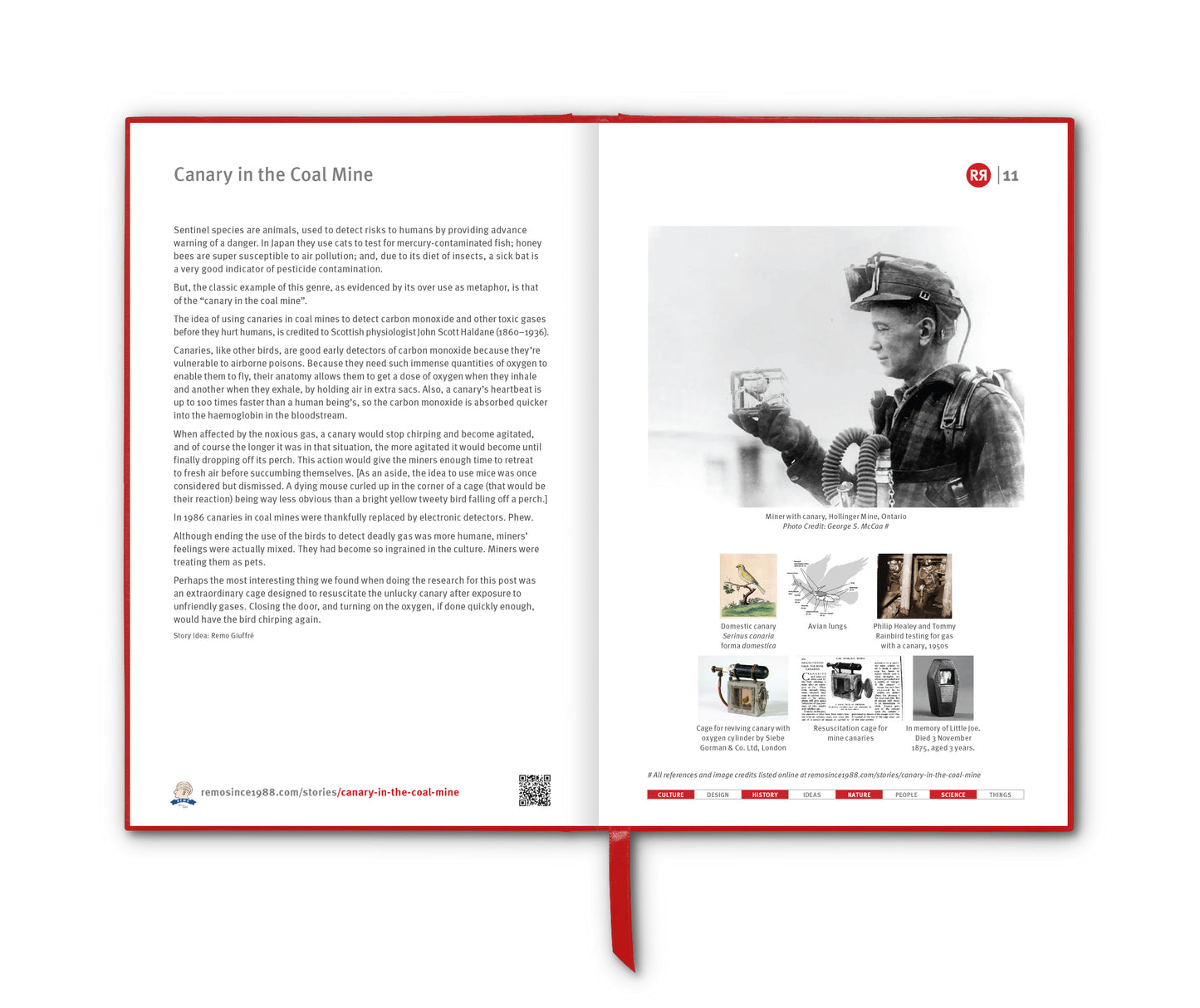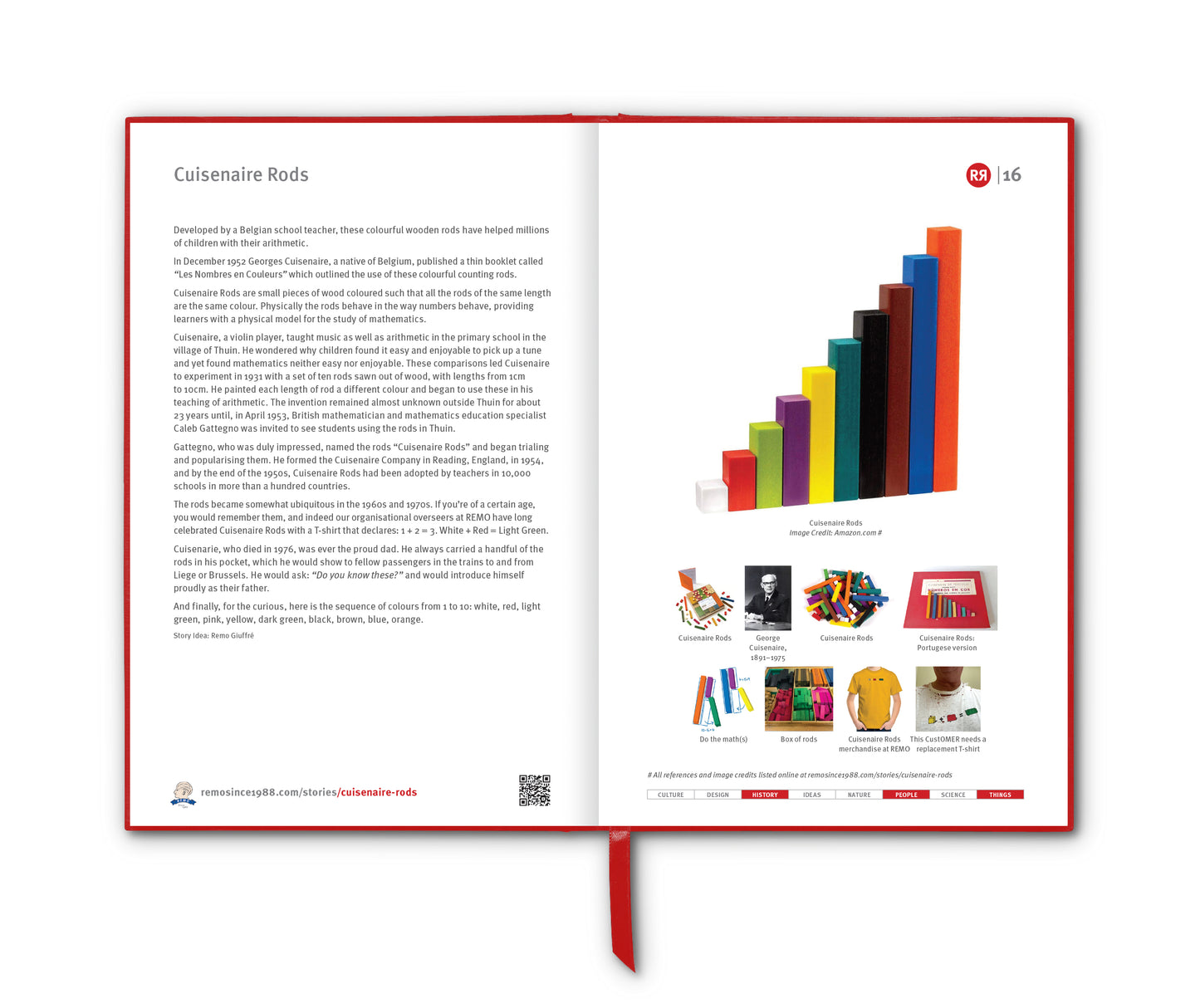

Magic is one of humanity's oldest forms of entertainment, yet it remains as captivating today as it was thousands of years ago. Whether it involves making a coin vanish, sawing a person in half, or apparently reading someone's mind, magic works because it exploits the peculiarities of human psychology. Far from demonstrating supernatural powers, magicians reveal just how easily our brains can be deceived.
The roots of magic stretch deep into antiquity. One of the earliest recorded conjurors appears in the ancient Egyptian “Westcar Papyrus” dating to around 1700 BCE, which tells of a magician named Dedi performing astonishing feats for Pharaoh Khufu. In many ancient societies, performers who could create seemingly impossible effects were often regarded as priests, shamans or sorcerers – blurring the line between entertainment and spirituality.
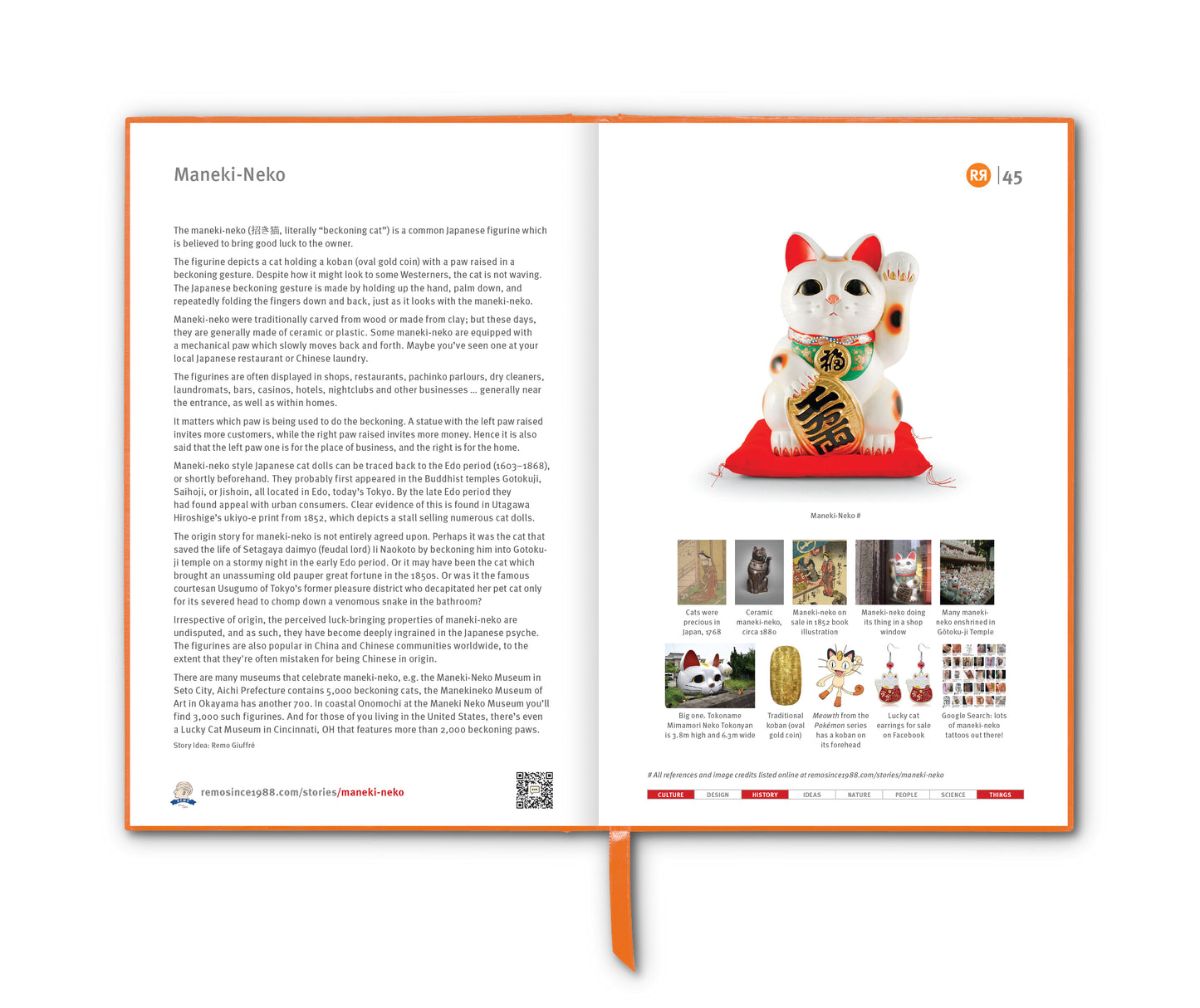
Modern stage magic began to take shape in the nineteenth century, thanks largely to the French magician Jean Eugène Robert-Houdin. Rejecting the mystical costumes and occult associations of earlier performers, Robert-Houdin presented magic as elegant theatrical entertainment. His influence was enormous. The young escape artist Erik Weisz admired him so greatly that he adopted the stage name Harry Houdini [RR]. Houdini would go on to become the world's most famous magician, astounding audiences with escapes from handcuffs, locked trunks and water-filled torture cells.
The twentieth century saw magic flourish in many forms, from the sleight-of-hand artistry of Dai Vernon to the grand stage illusions of David Copperfield and the comedy-infused performances of Penn & Teller. More recently, performers such as Derren Brown have blurred the boundaries between magic, psychology and suggestion.
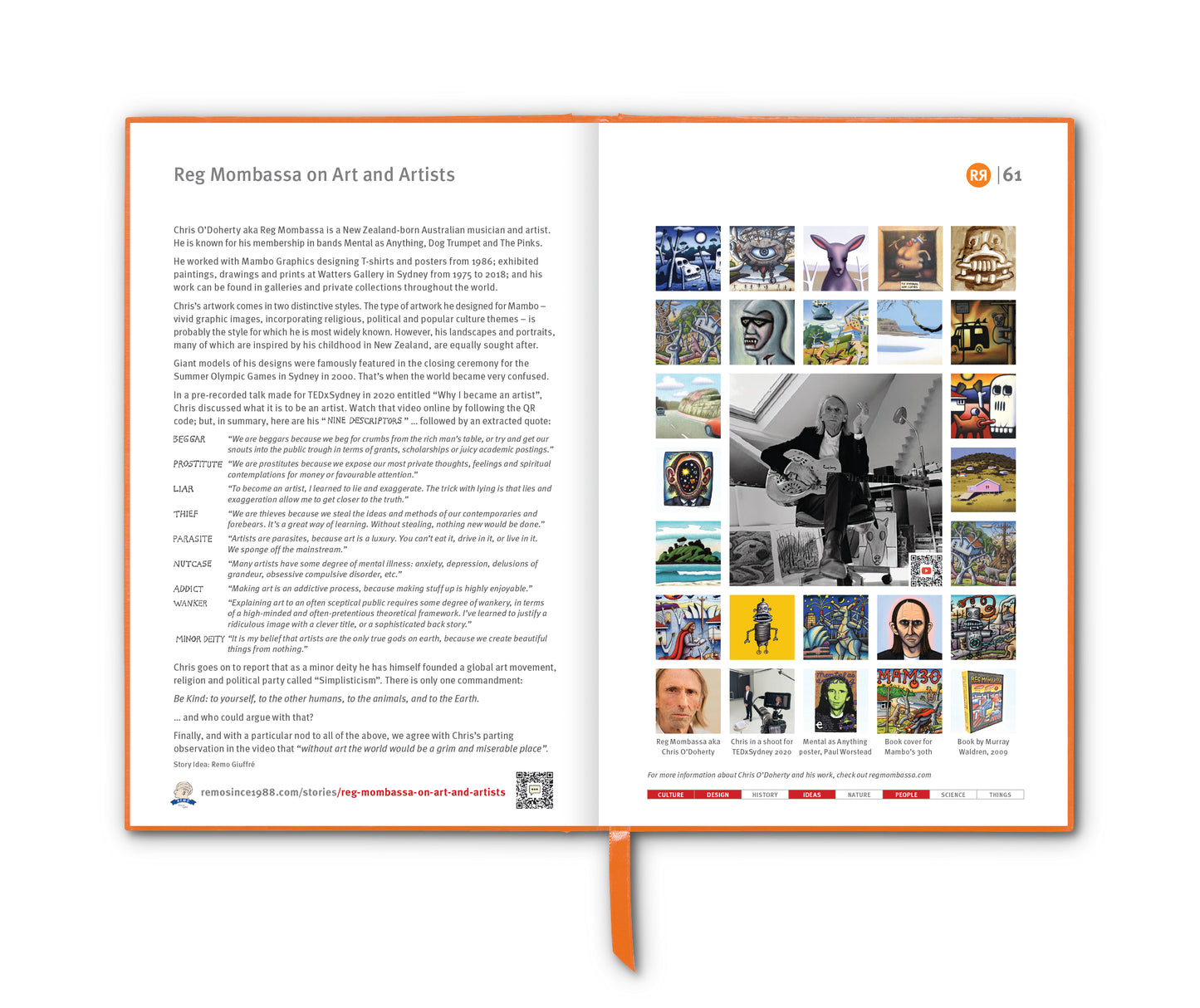
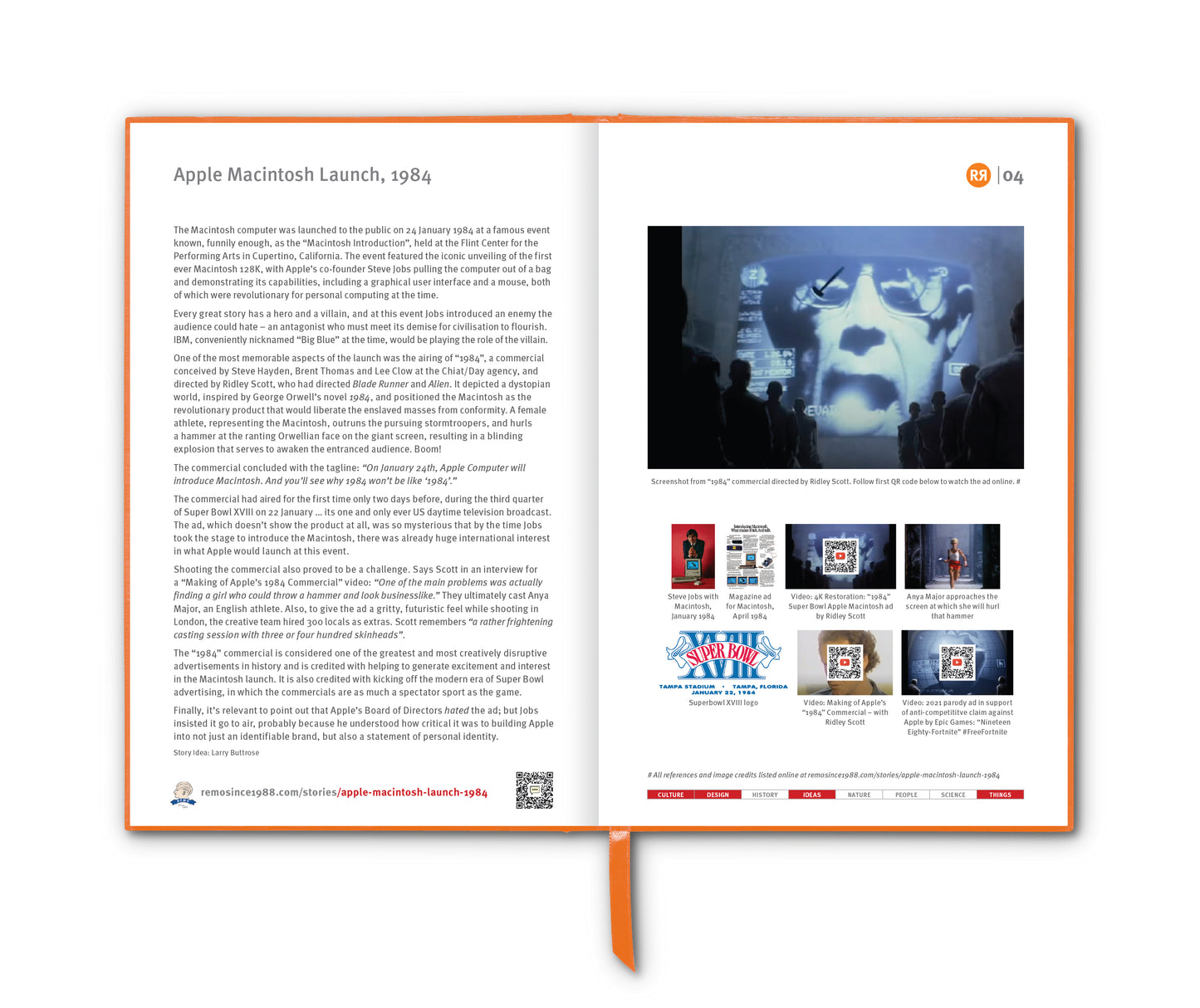
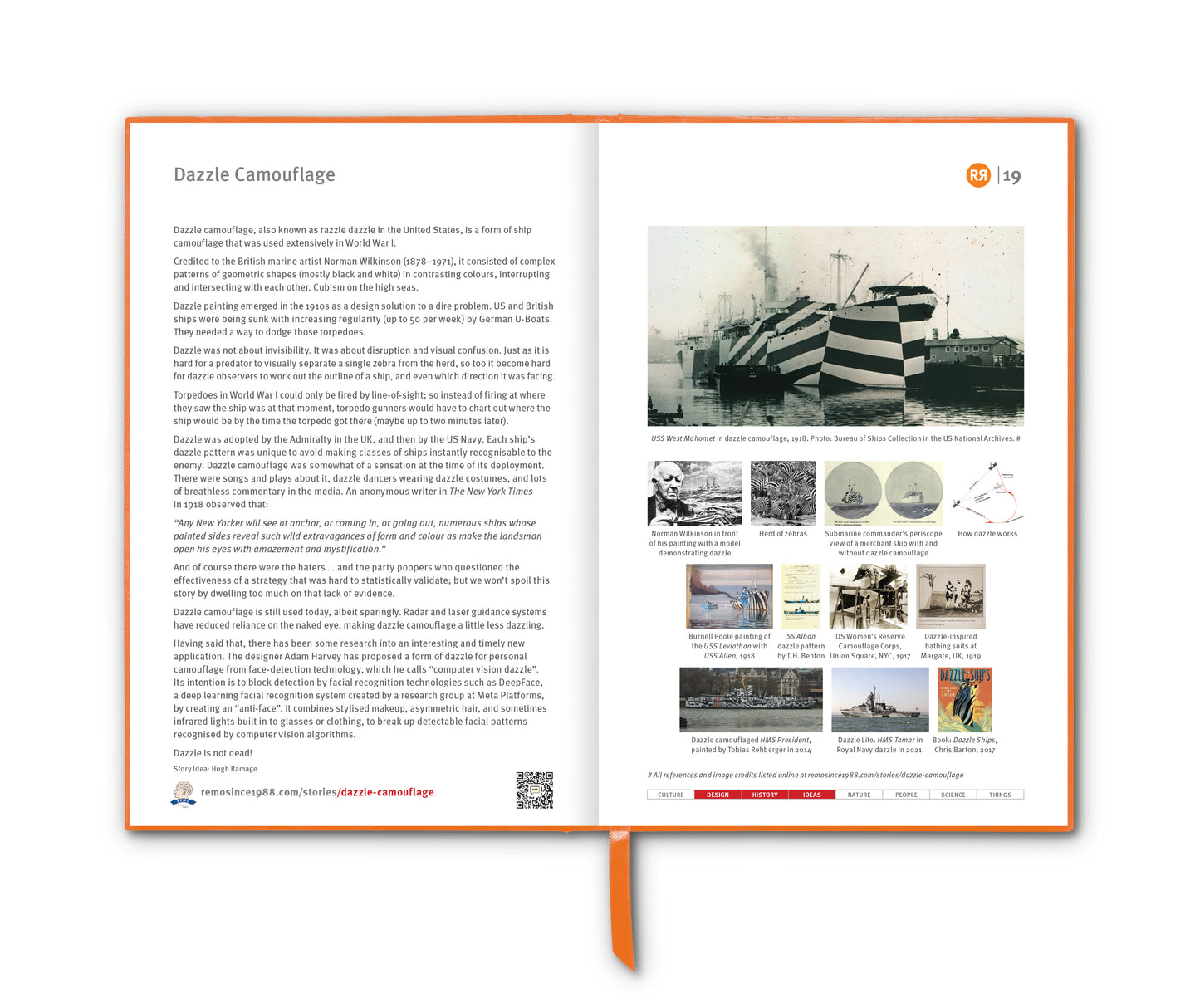
Indeed, psychology lies at the heart of all magic. The most important technique is misdirection: controlling where an audience directs its attention. Human attention is surprisingly limited. When concentrating on one thing, we often fail to notice other events occurring in plain sight, a phenomenon known as inattentional blindness. Magicians exploit this relentlessly, drawing the audience's gaze to one action while secretly carrying out another.
Magic also takes advantage of the brain's tendency to make predictions. We constantly interpret the world by relying on assumptions and past experience. When a magician suddenly violates those expectations, e.g. causing a signed card to appear inside a sealed envelope, the resulting mismatch produces surprise, delight and wonder.
In recent decades, psychologists have begun studying magic scientifically. British psychologist Richard Wiseman, himself a former professional magician, has conducted influential research into deception, luck and illusion, helping explain why people so readily accept impossible experiences. Another leading figure is Gustav Kuhn of Goldsmiths, University of London, whose pioneering experiments have established "magic science" as a recognised field of research. Kuhn has used magic tricks to investigate attention, perception and consciousness, demonstrating that people often fail to see even dramatic events occurring directly before their eyes.
Perhaps the greatest lesson of magic is that our perception of reality is not a perfect recording of the world. Instead, it is an active construction assembled by the brain.
_____________________________
References
smithsonianmag.com/arts-culture/teller-reveals-his-secrets-100744801/
newscientist.com/video/2475998-the-magic-lab-uses-psychology-to-understand-perception-and-free-will/
researchgate.net/publication/335290719_Playing_magic_tricks_to_deep_neural_networks_untangles_human_deception
Images
1. Illustration exploring the psychology of magic and misdirection, rendered in a vintage engraving style using ChatGPT by OpenAI
2. Dedi the ancient Egyptian magician
3. Jean Eugène Robert-Houdin, 1805
4. Harry Houdini [RR3:38]
5. Amusing card trick
6. David Copperfield Performing for an ABC Television special in 1977
7. Director of the MAGIC Lab, Dr Gustav Kuhn
8. Video: Colour Changing Card Trick, Richard Wiseman’s Quirkology, 2013
9. Video: The MAGIC lab uses cognitive psychology to better understand perception and free will, 2025