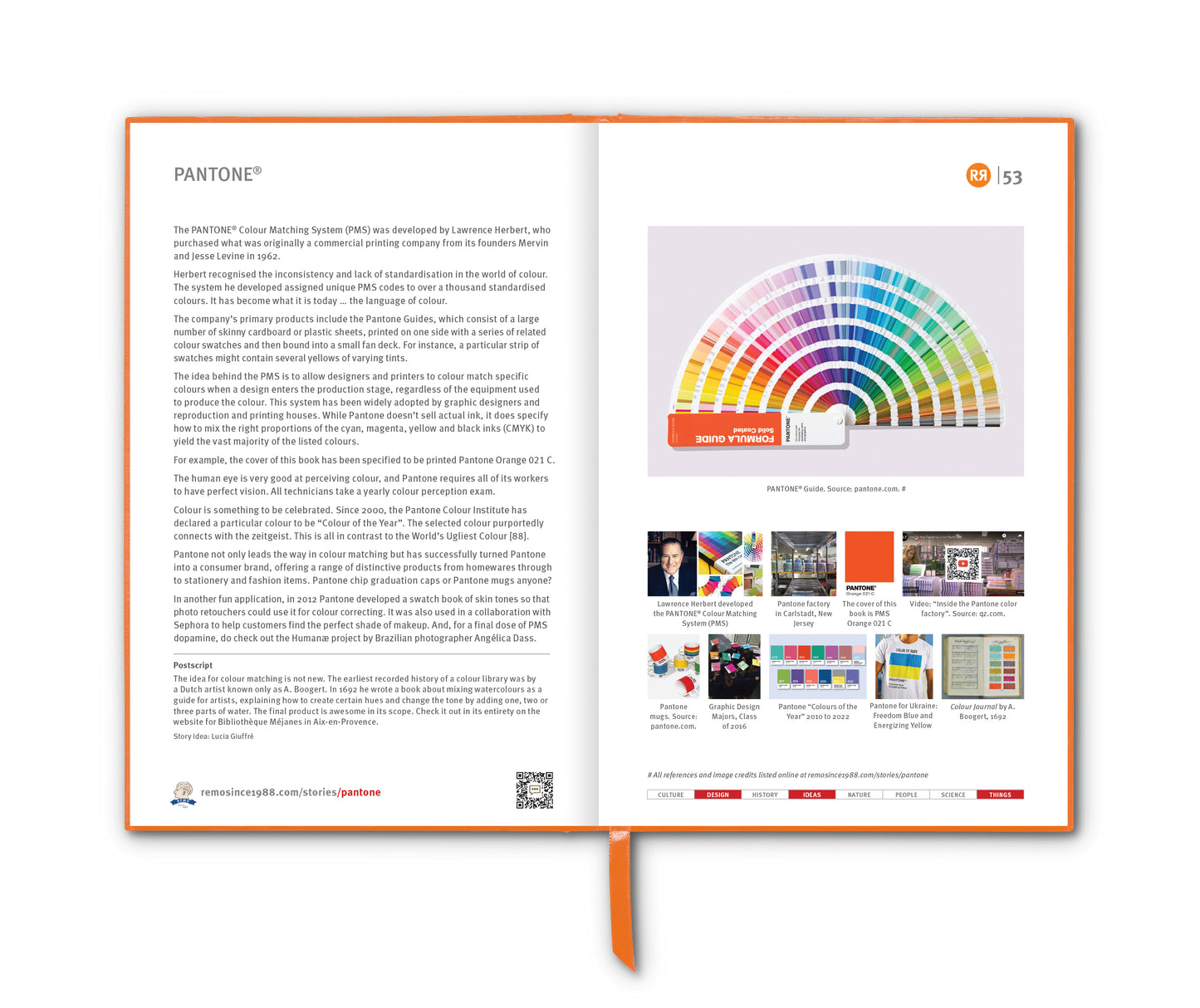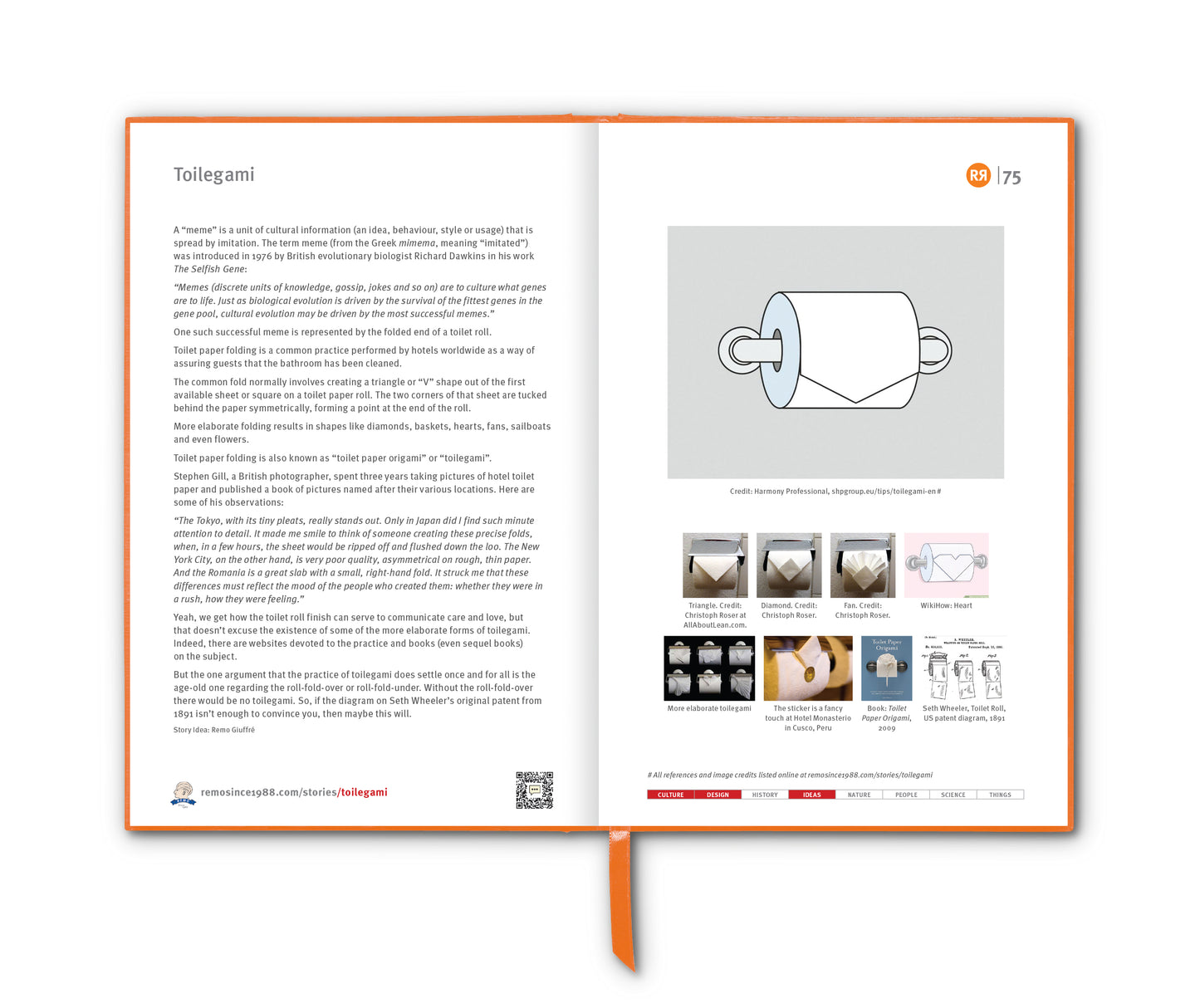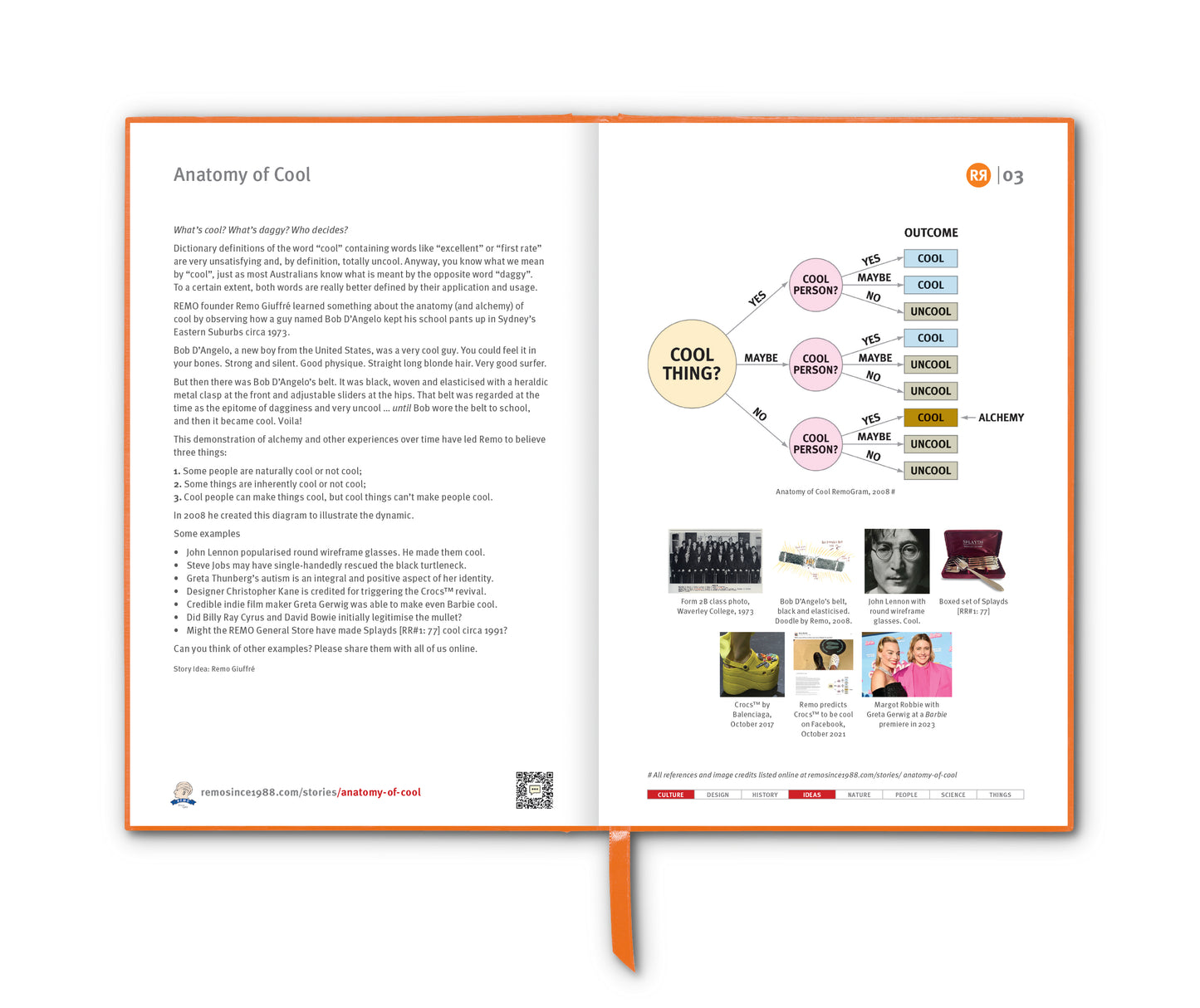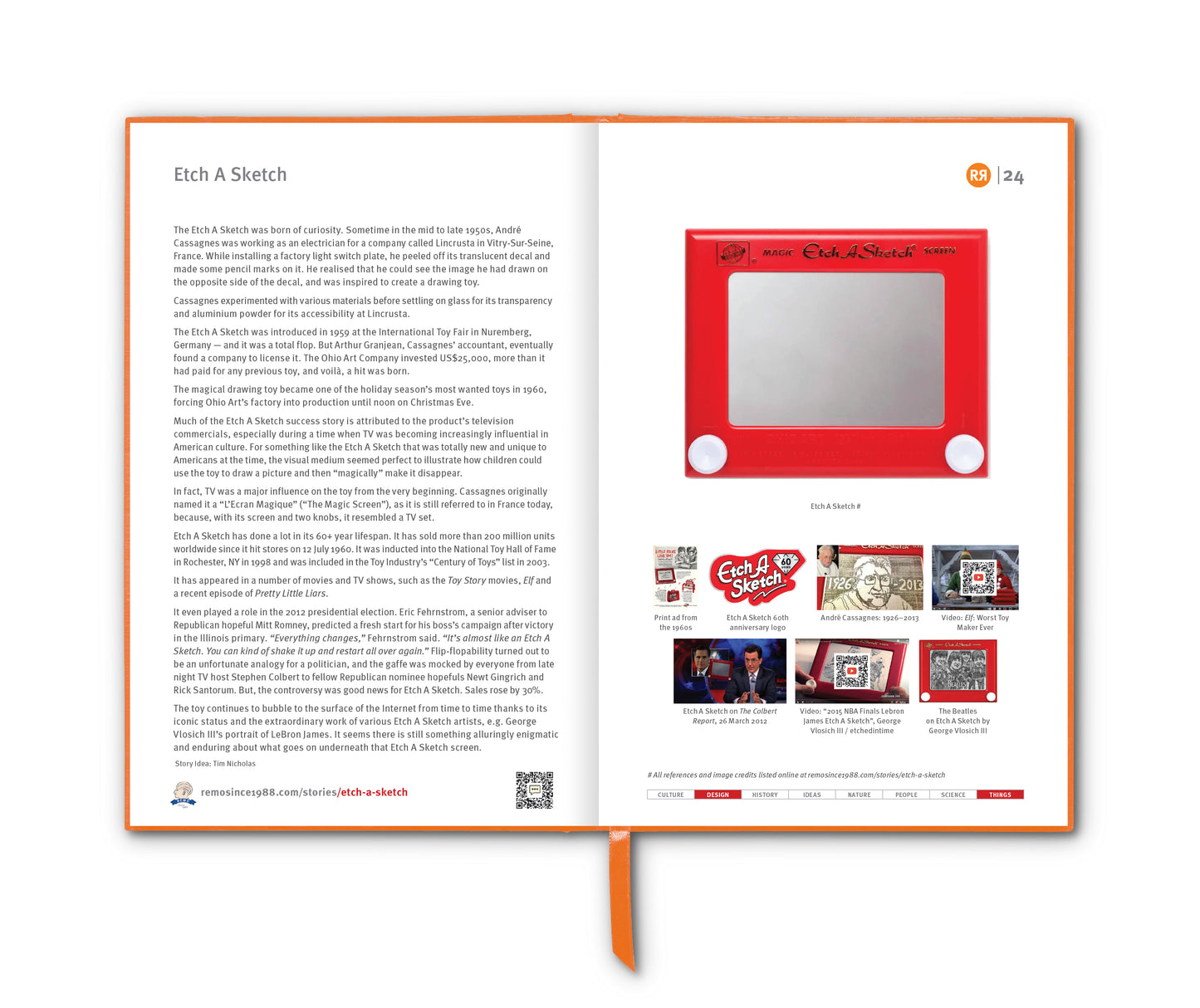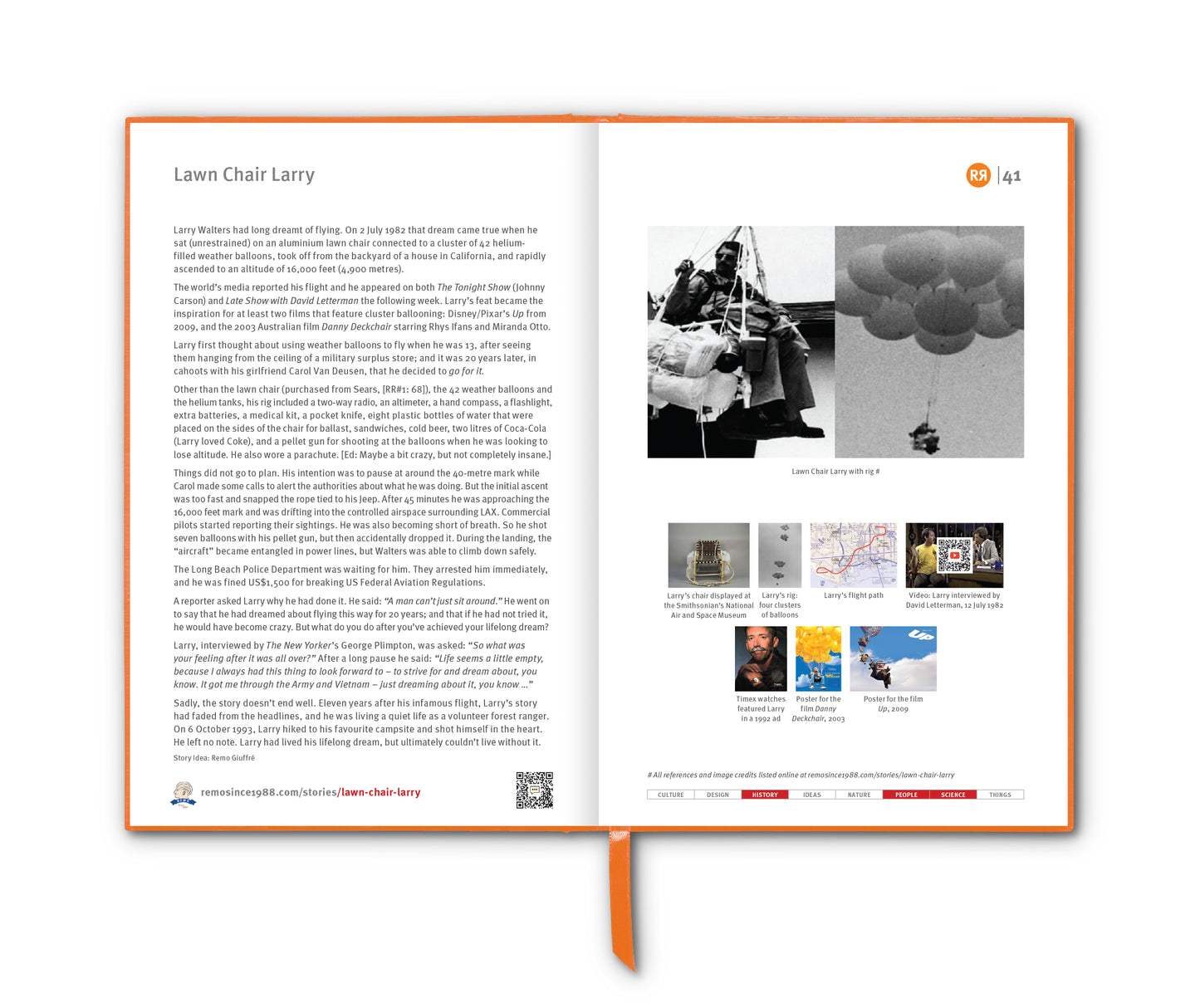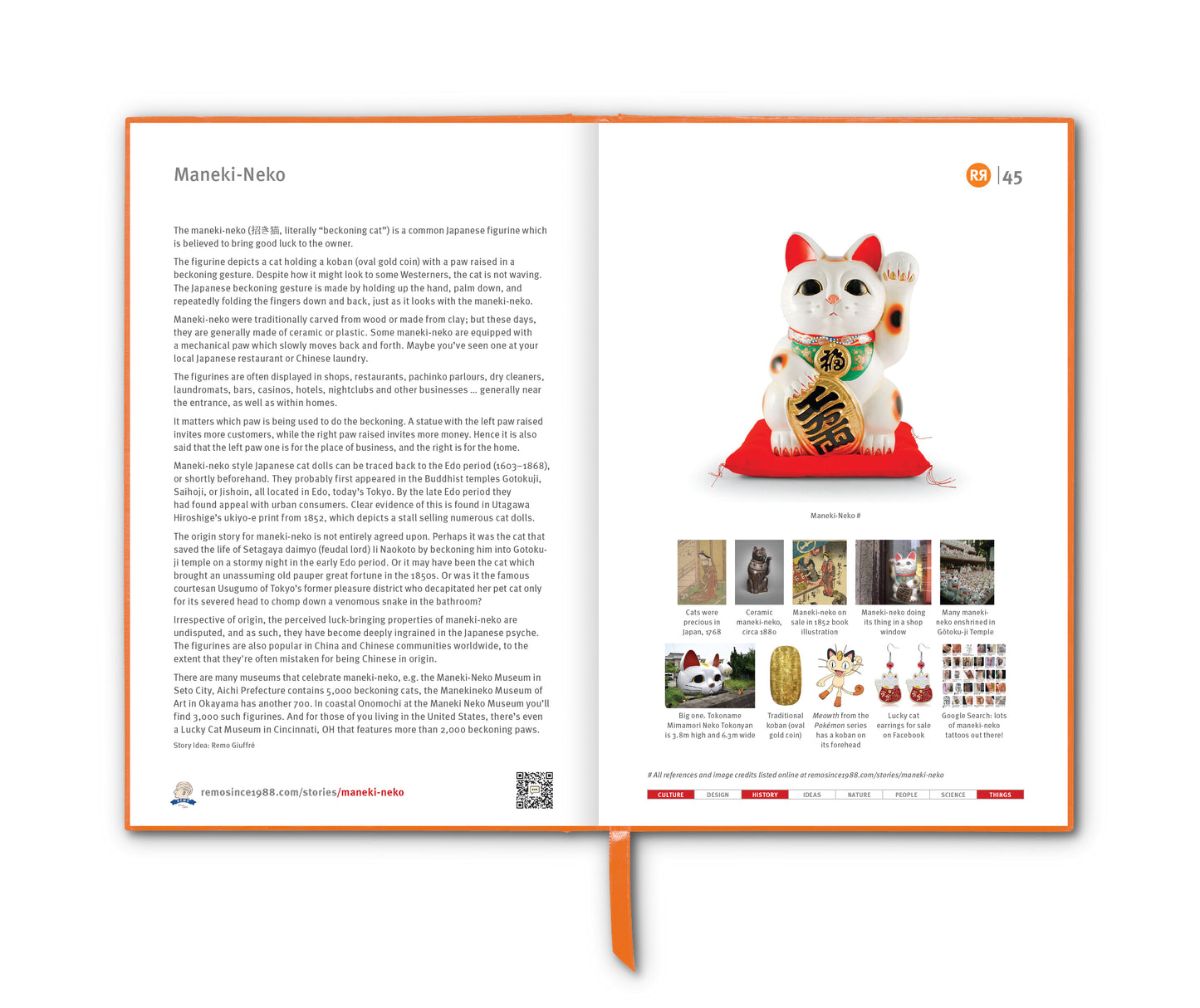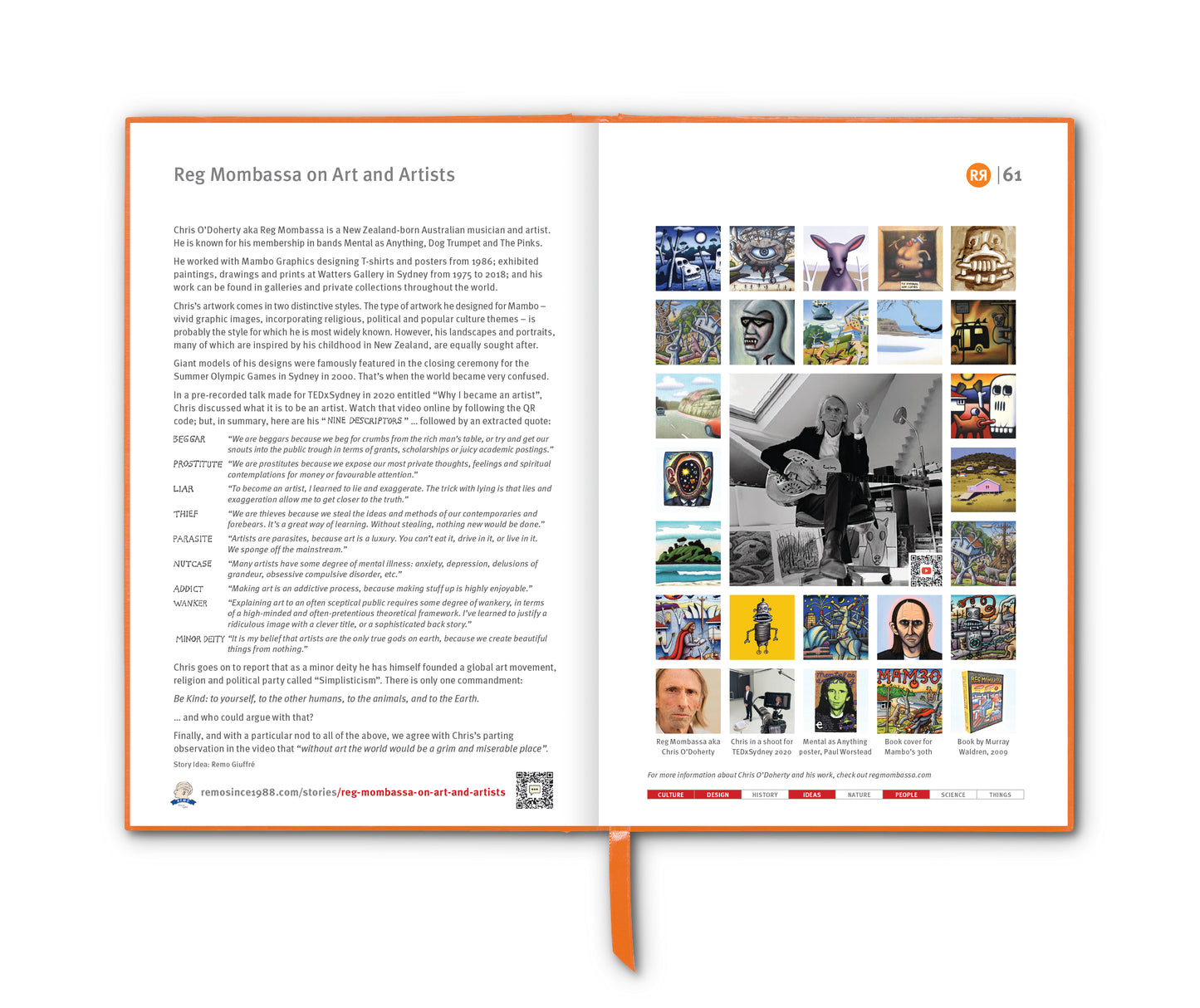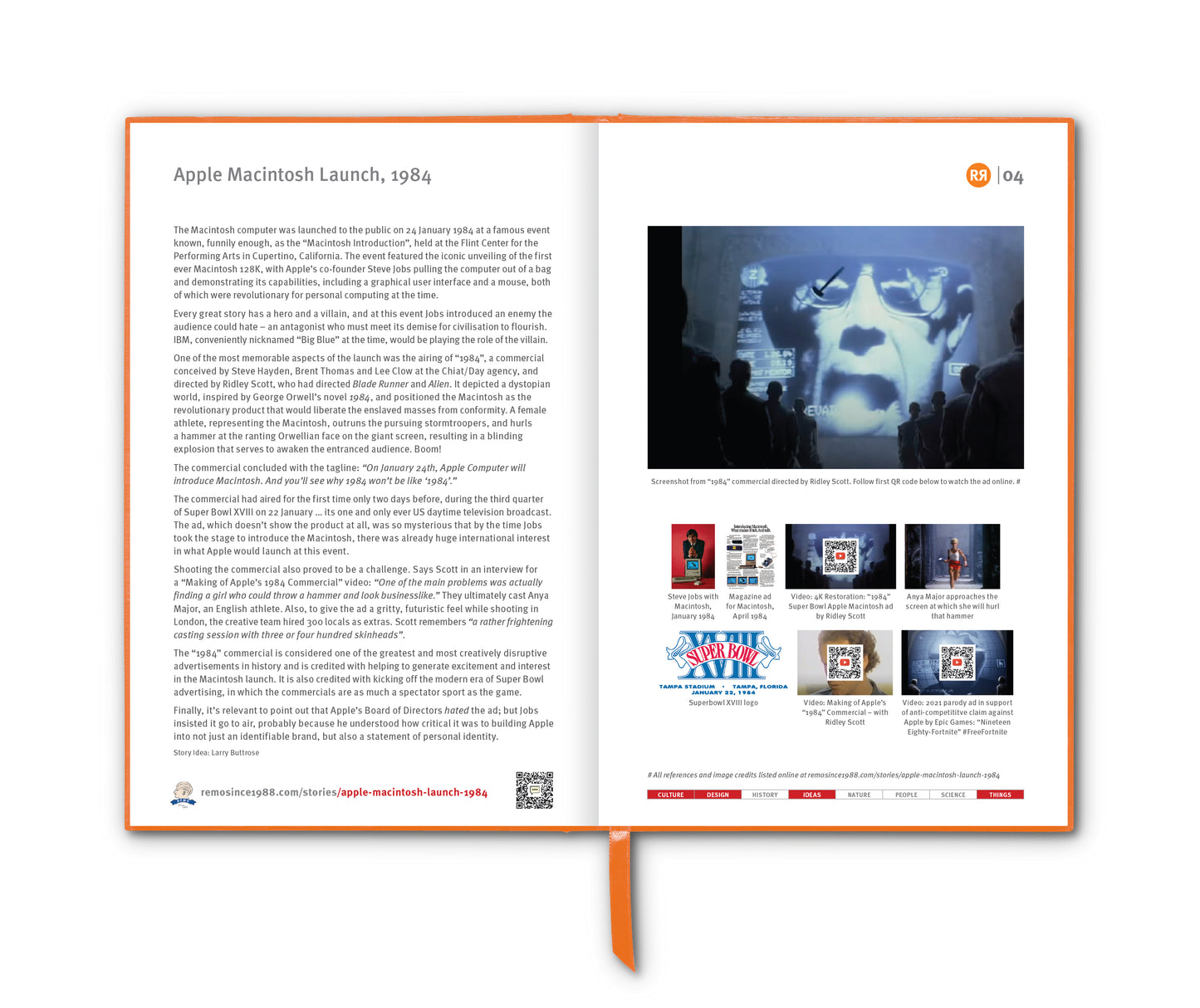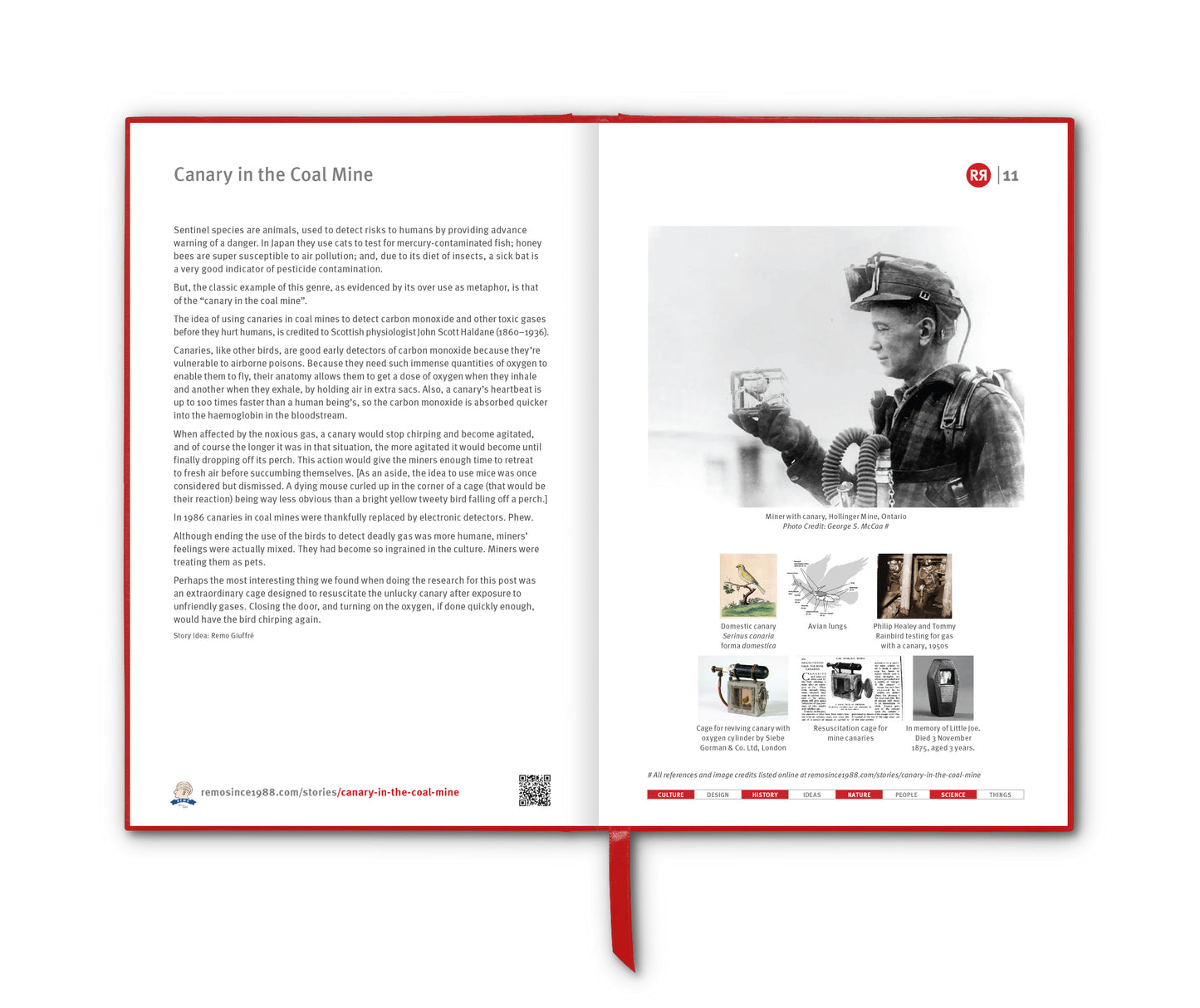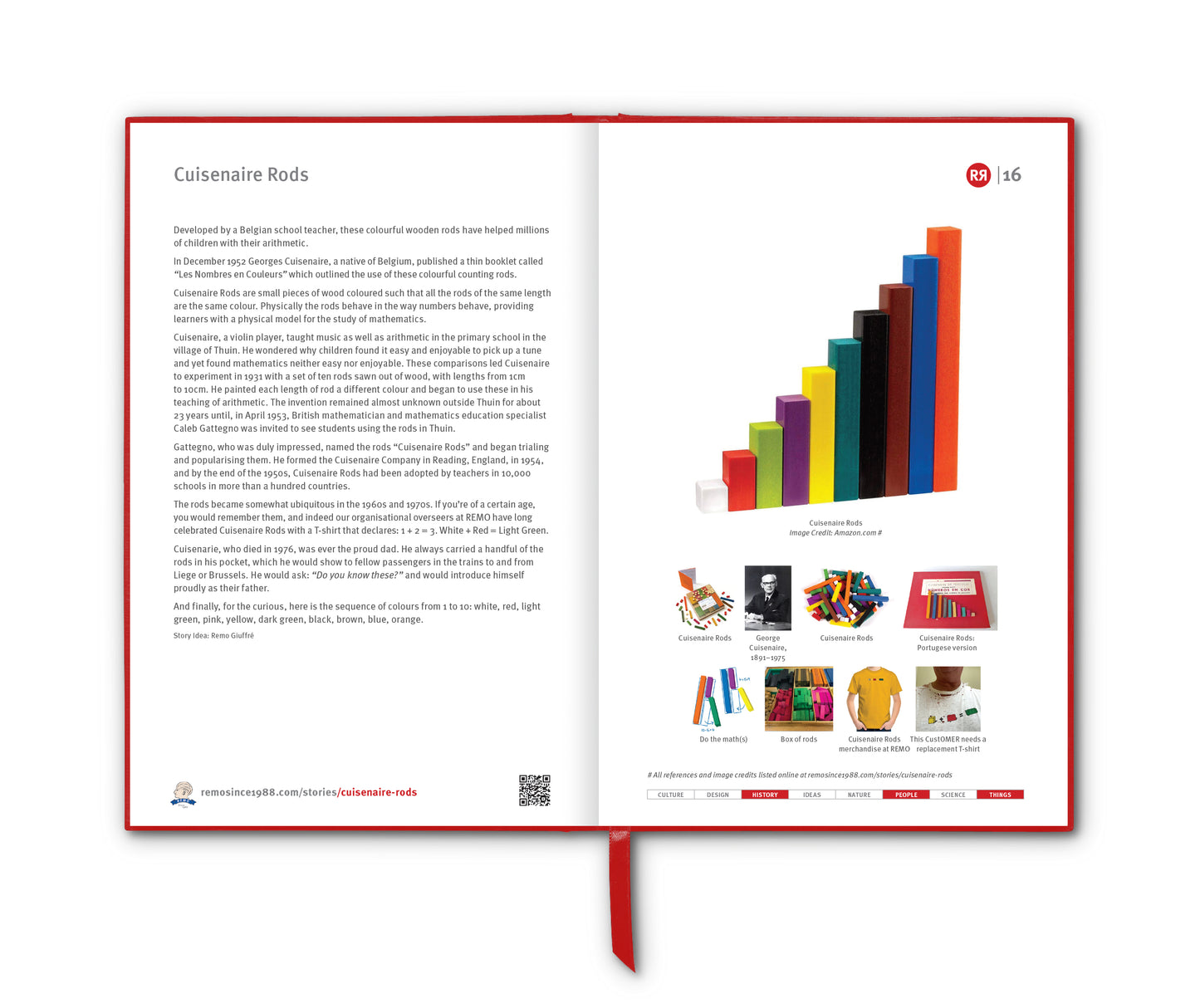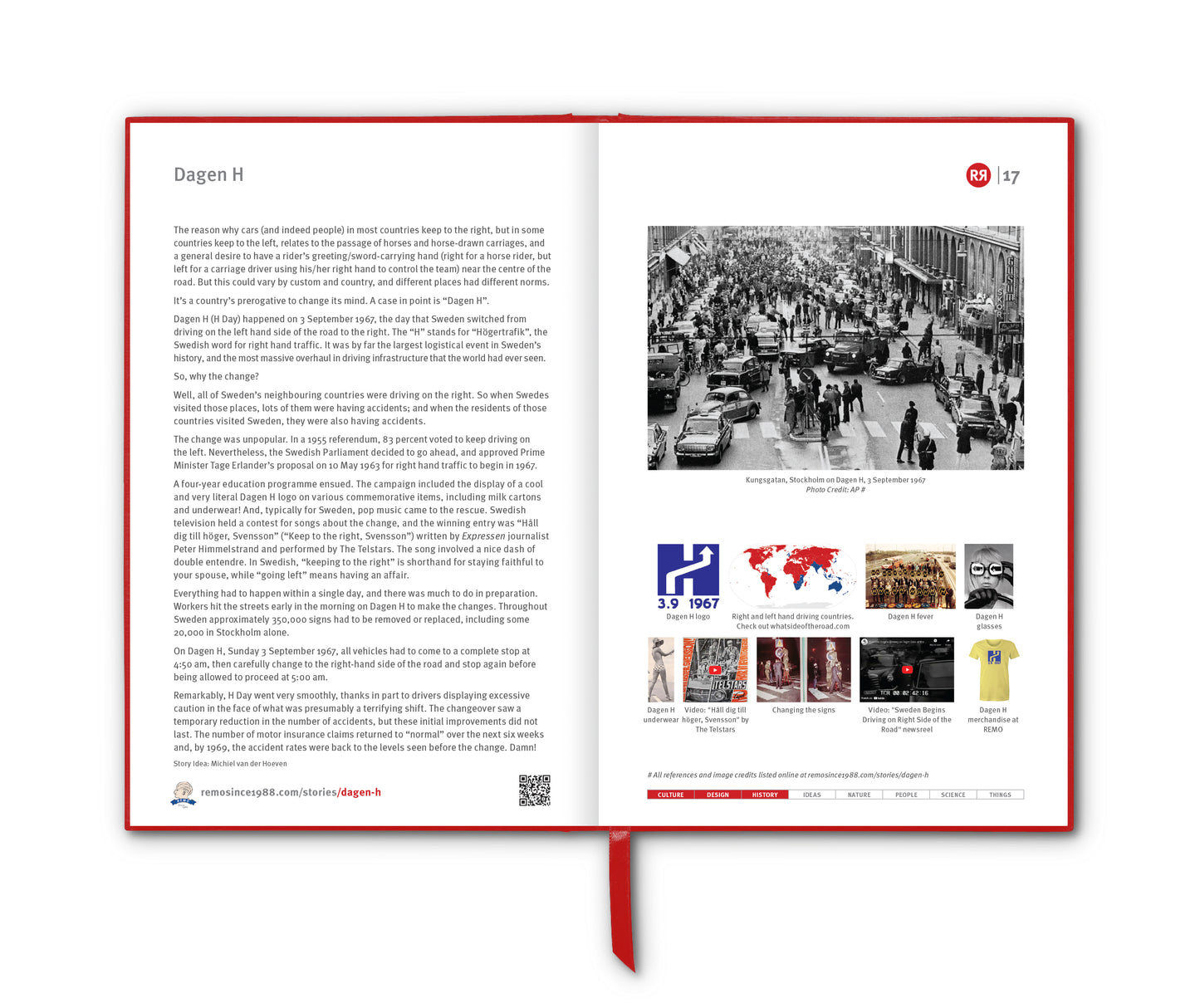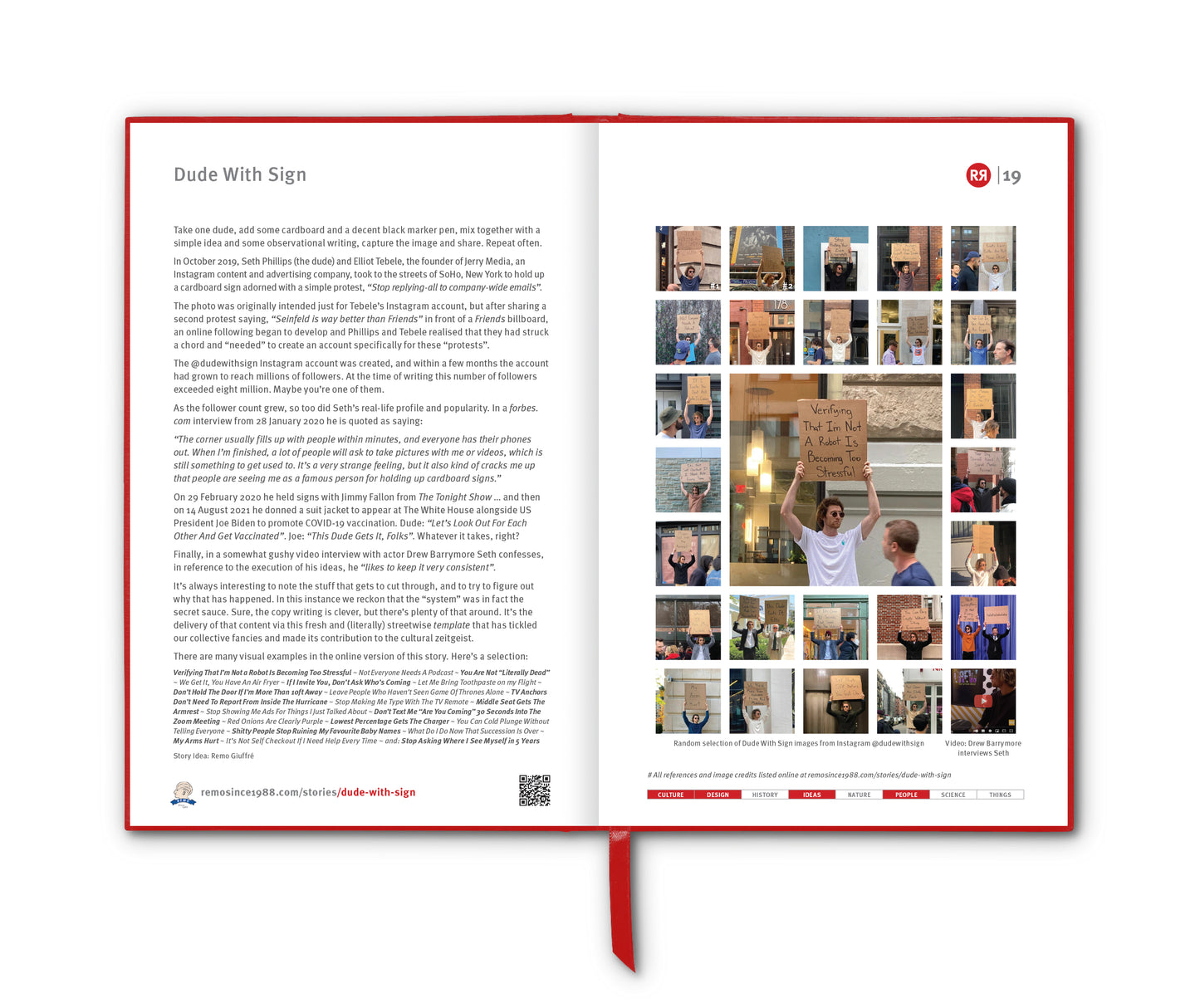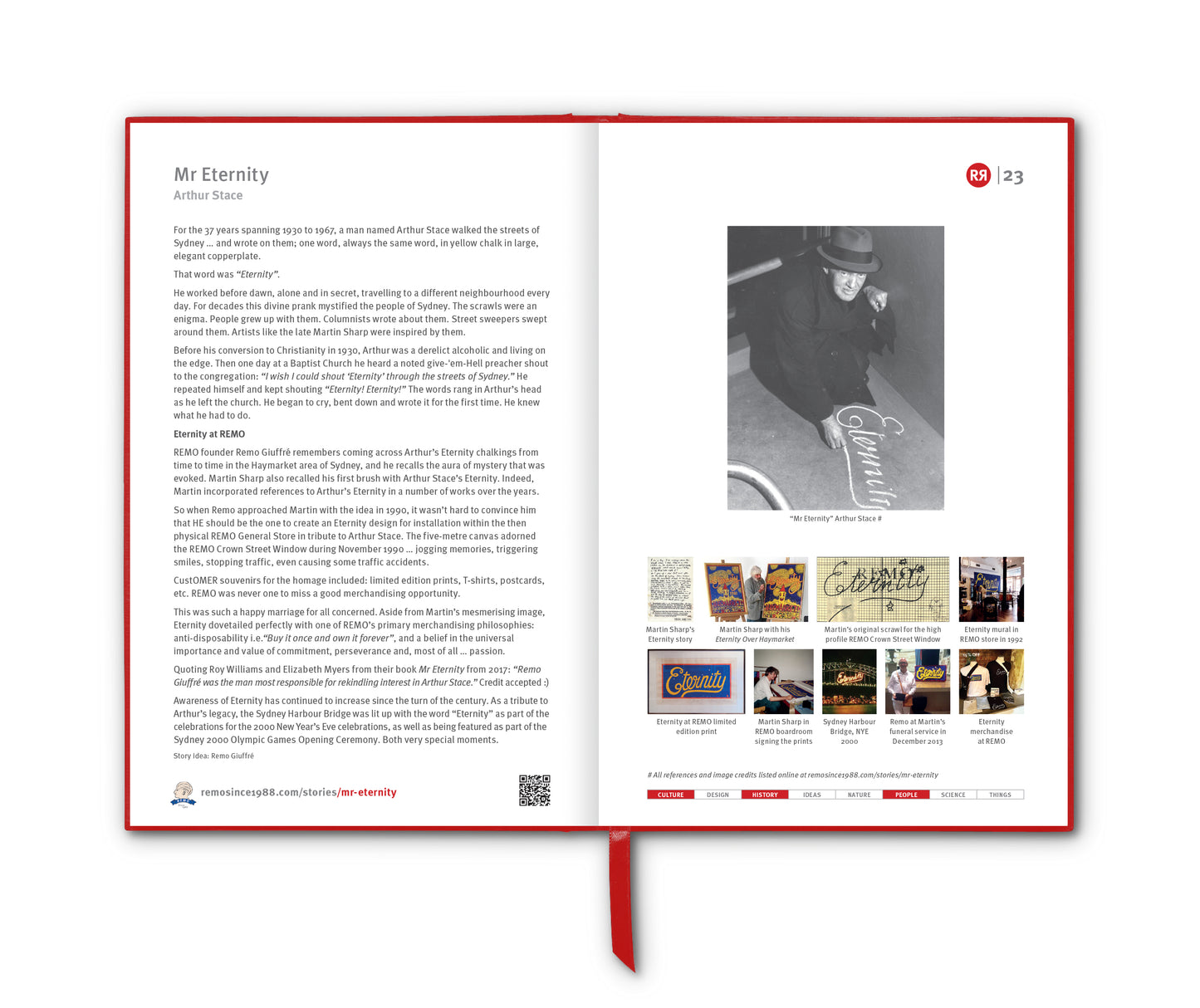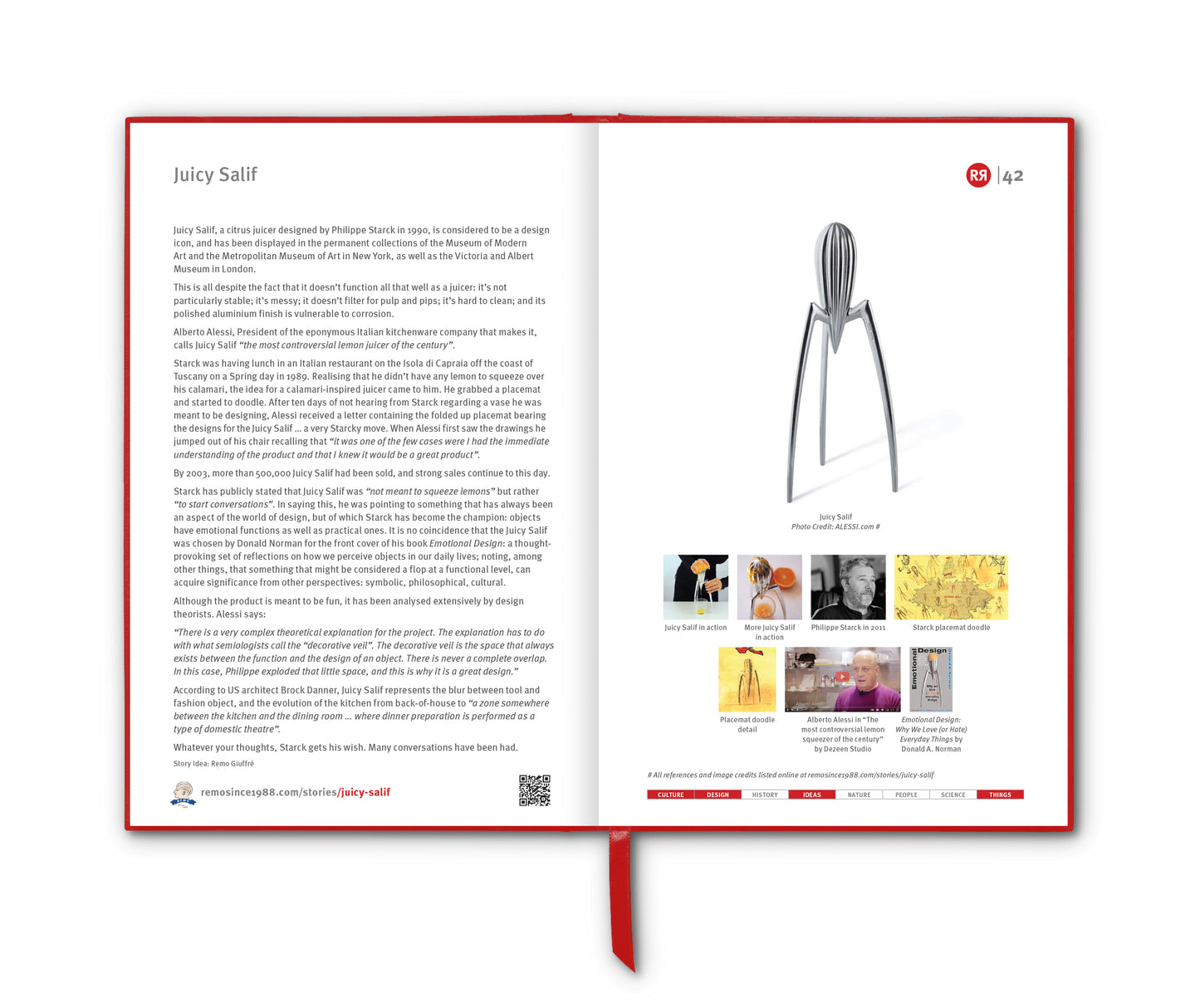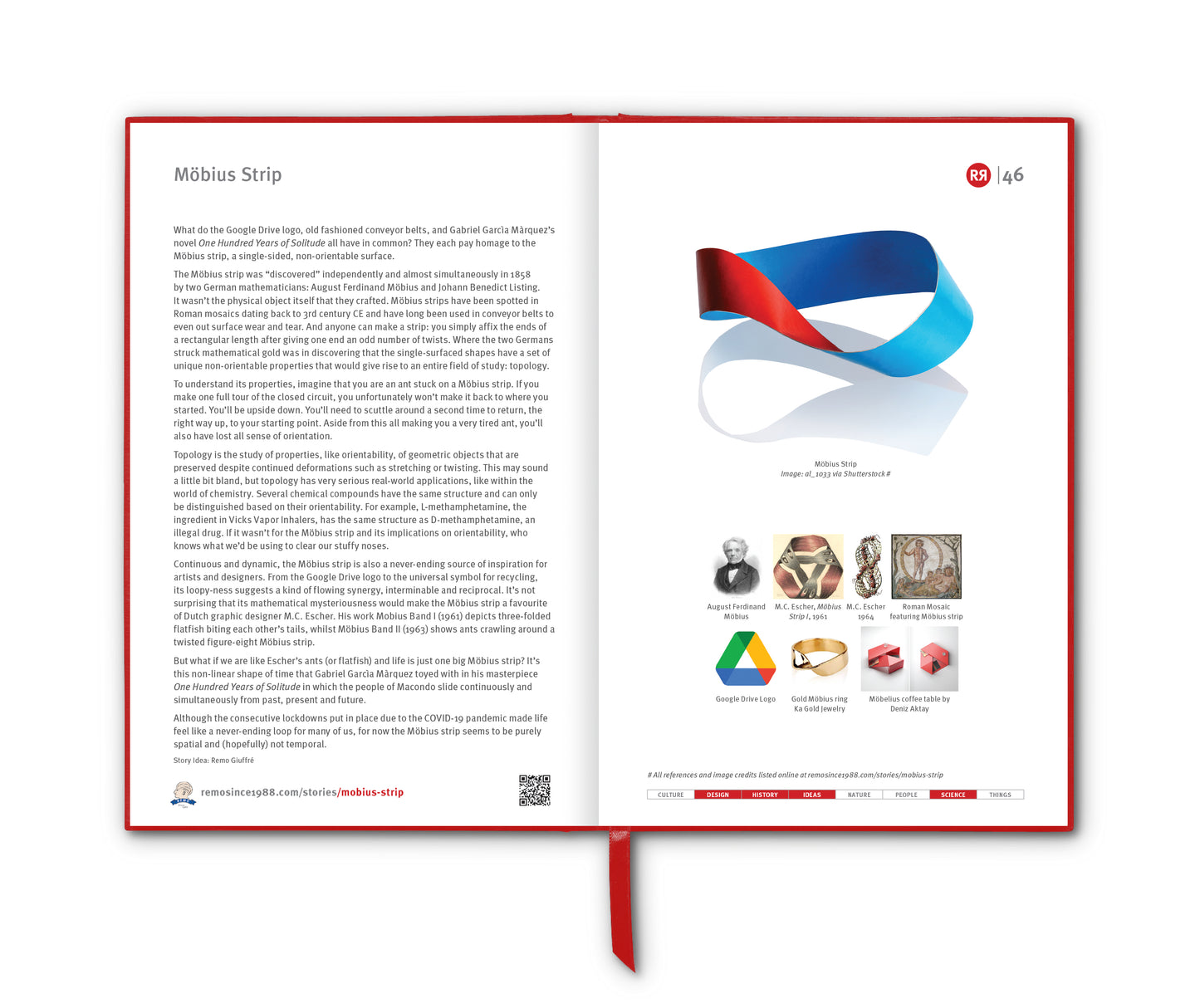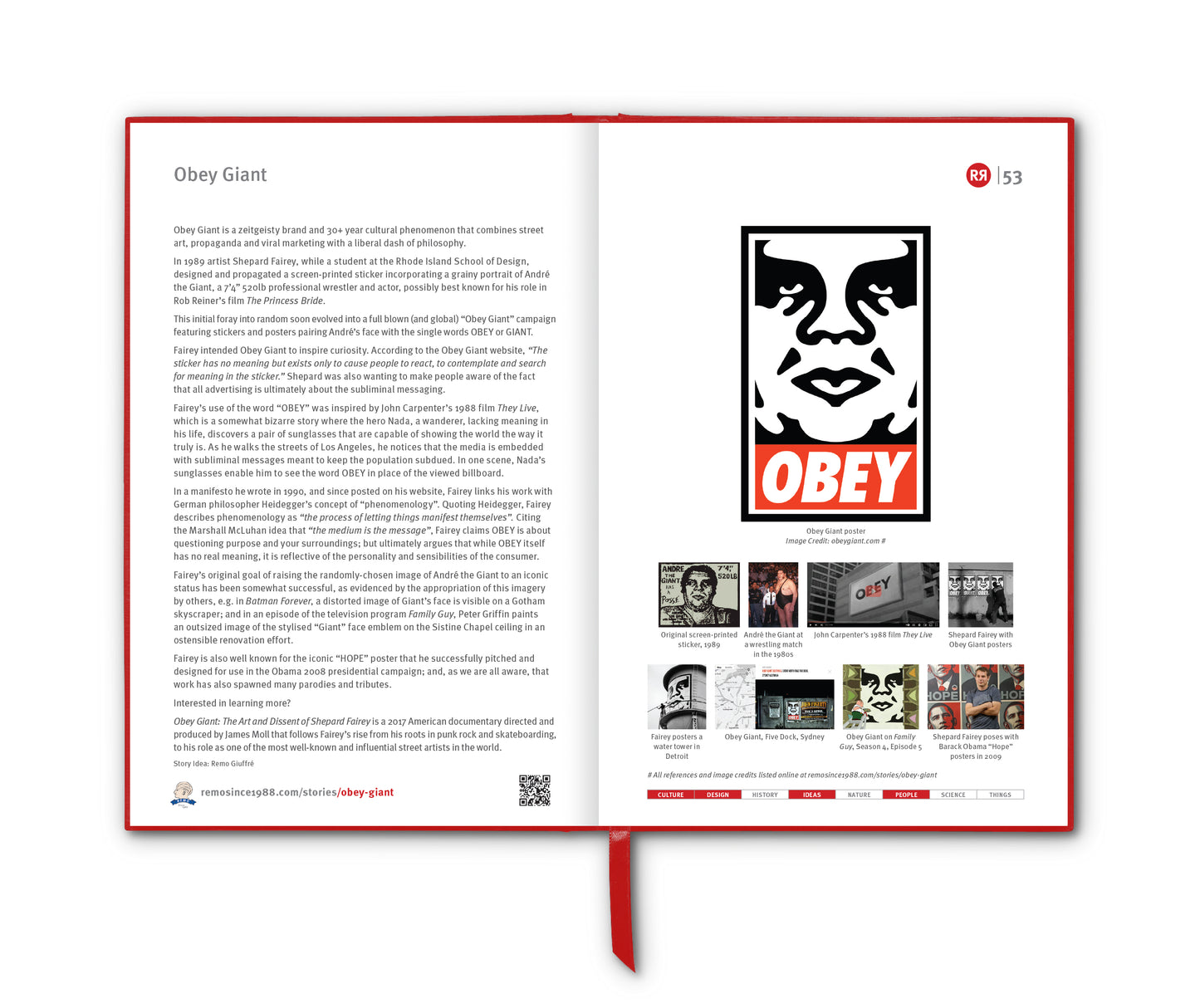

The Voynich manuscript is one of history’s most enduring literary mysteries.
Housed today at the Beinecke Rare Book & Manuscript Library at Yale University, the illustrated codex (book) looks at first glance like a typical medieval manuscript: vellum pages, flowing handwriting and elaborate illustrations. But a closer look reveals something extraordinary. The text is written in a script that no one has ever definitively deciphered.
The manuscript takes its name from Wilfrid Voynich, a Polish book dealer who purchased it in 1912 from a Jesuit college in Italy. Since then it has attracted scores of linguists, historians, cryptographers and codebreakers. Even experts who worked on military codes during World War II tried to crack it, without success.
Radiocarbon carbon-dating [RR5:13] of the vellum suggests the manuscript was created in the early 15th century, roughly between 1404 and 1438. That means the mystery is not a modern hoax but a genuine medieval artifact. Written in an unknown alphabet often called “Voynichese”, the text flows smoothly across more than 200 pages, suggesting a structured language rather than random symbols. Statistical analysis shows patterns similar to natural languages – certain characters appear more often than others, and words follow consistent structures – yet no known language matches it.
The illustrations deepen the intrigue. Many pages show plants, but most of them are unidentifiable species, seemingly combining features of several real plants. Other sections depict astronomical diagrams, zodiac symbols, bathing women in strange green pools connected by tubes and elaborate circular charts that resemble cosmological maps. These images hint at medieval interests in medicine, astrology and natural science, but nothing fits neatly into established traditions.
Because of this ambiguity, theories about the manuscript’s purpose vary wildly. Some scholars believe it may be a medical or herbal manual written in a lost or encoded language. Others suggest it is a cipher created to conceal alchemical knowledge. A few think it could be an elaborate medieval hoax designed to impress wealthy collectors. Over the years, figures as diverse as Roger Bacon and John Dee have been proposed as possible authors, though none of these claims have been proven.
Part of what makes the Voynich Manuscript so fascinating is that it sits at the intersection of several disciplines. It is a puzzle for linguists, a cryptographic challenge for mathematicians and a historical artifact for medieval scholars. In the age of artificial intelligence and advanced computing, researchers continue to test whether machine learning might finally decode the text. So far, however, every confident claim of a solution has eventually fallen apart under scrutiny.
More than six centuries after it was written, the Voynich Manuscript remains stubbornly silent.
________________________
References
wikipedia.org/wiki/Voynich_manuscript
nationalgeographic.com/history/article/voynich-manuscript-cipher-code-hebrew-europe-spd
smithsonianmag.com/smart-news/6-things-know-about-mysterious-voynich-manuscript
Images
1. Pages 32 and 167 of the Voynich manuscript, Beinecke Rare Book & Manuscript Library, Yale University. Page 167 has been interpreted to represent a sunflower, despite the fact that botanical observations are at odds with this identification.
2. Voynich among his books in Soho Square
3. Beinecke Rare Book & Manuscript Library, Yale University
4. Pages 135 the Voynich manuscript showing apparent nymphs
5. Pages 33 the Voynich manuscript
6. Detail of the nymphs on page 141
7. Voynich manuscript sample text – undecipherable to this day
8. Alan Turing [RR5:12] tried and failed to decipher the Voynich manuscript