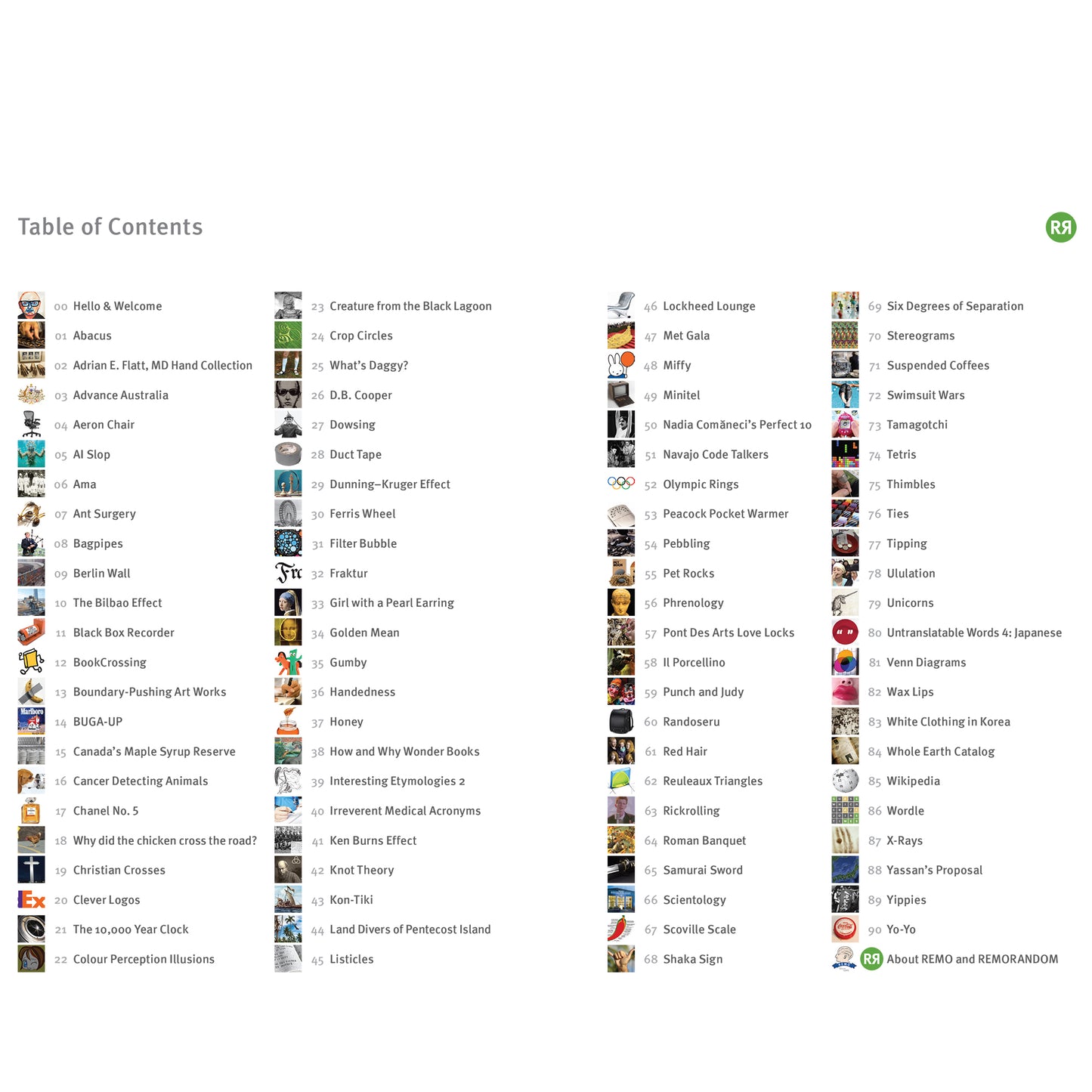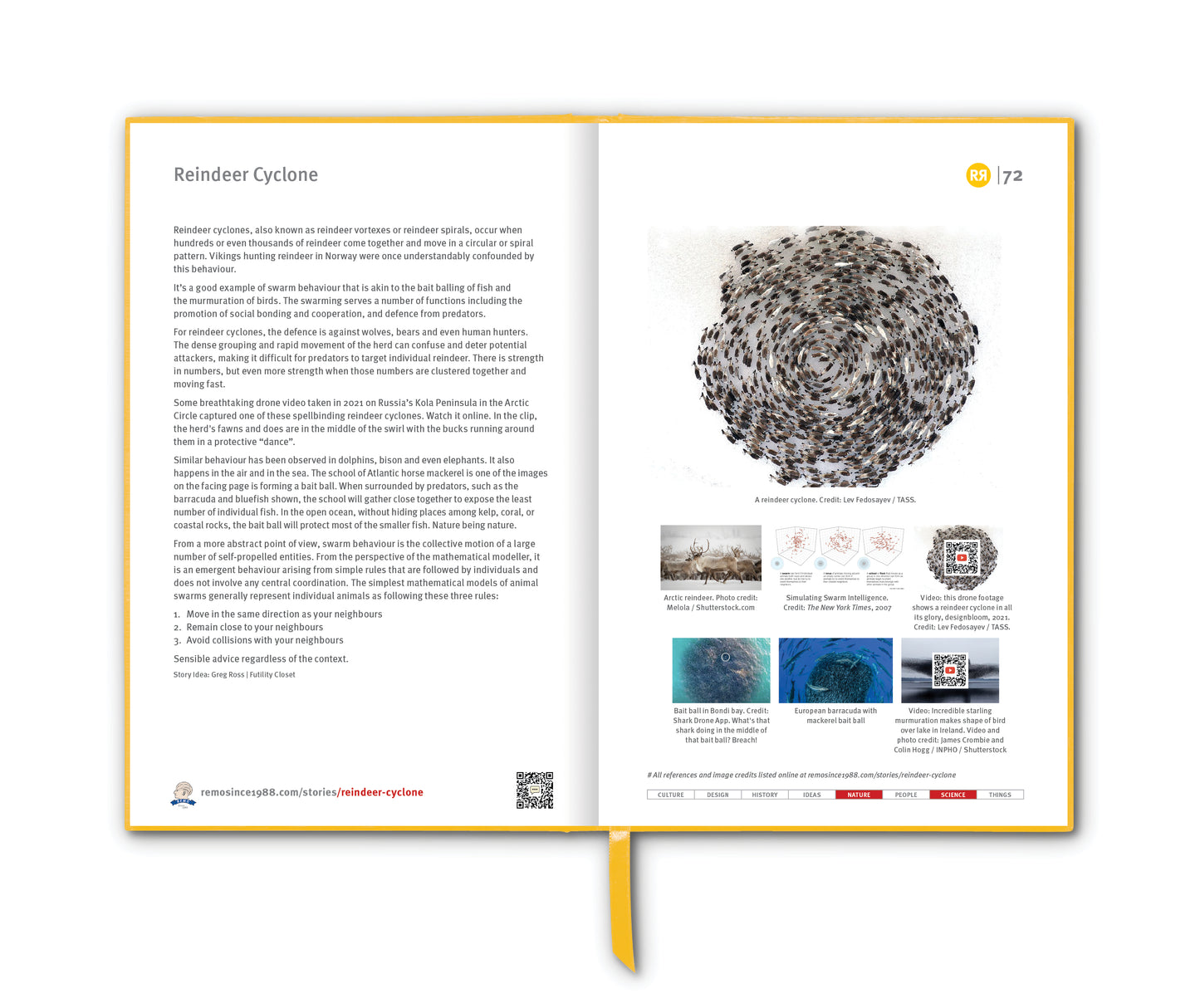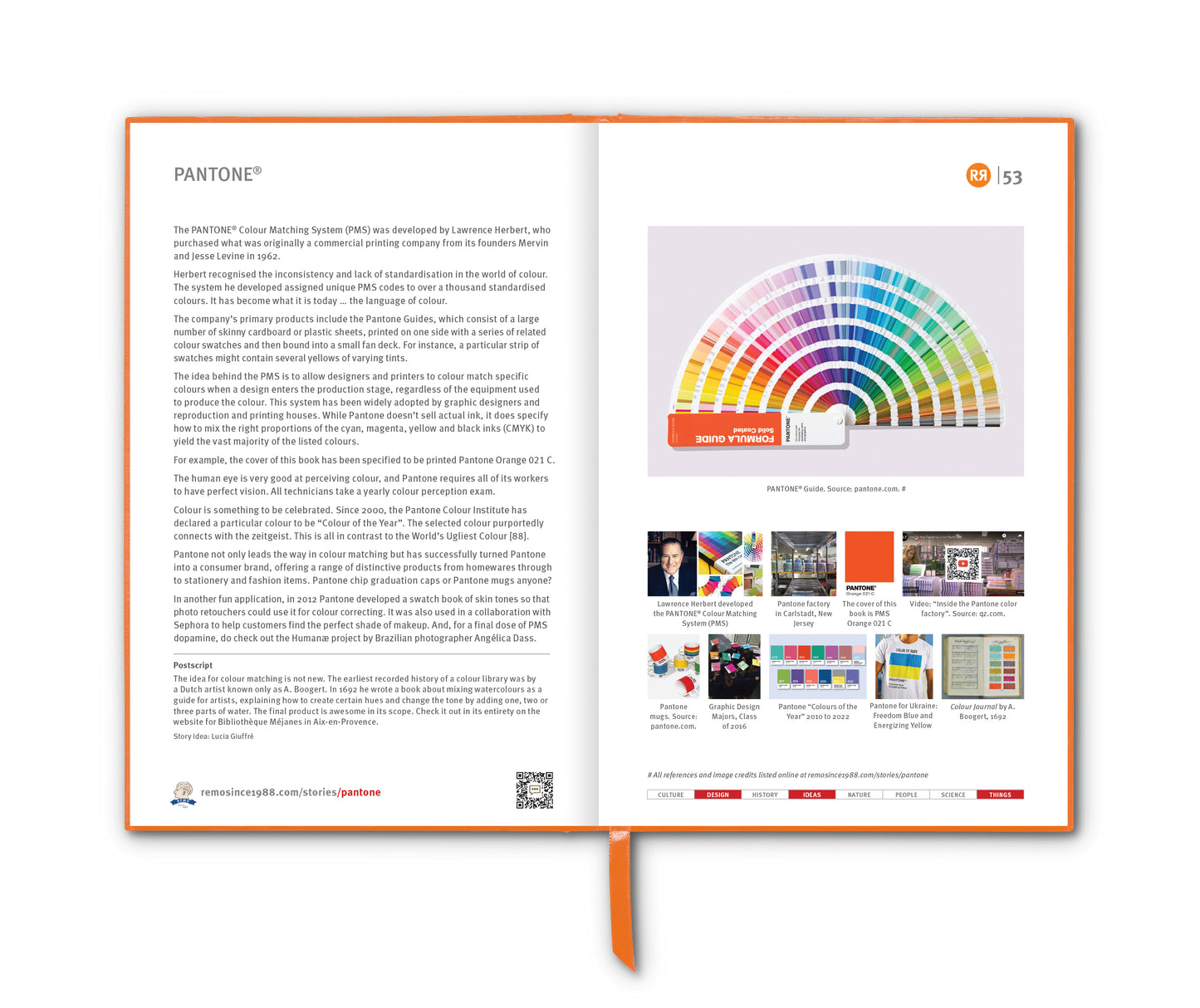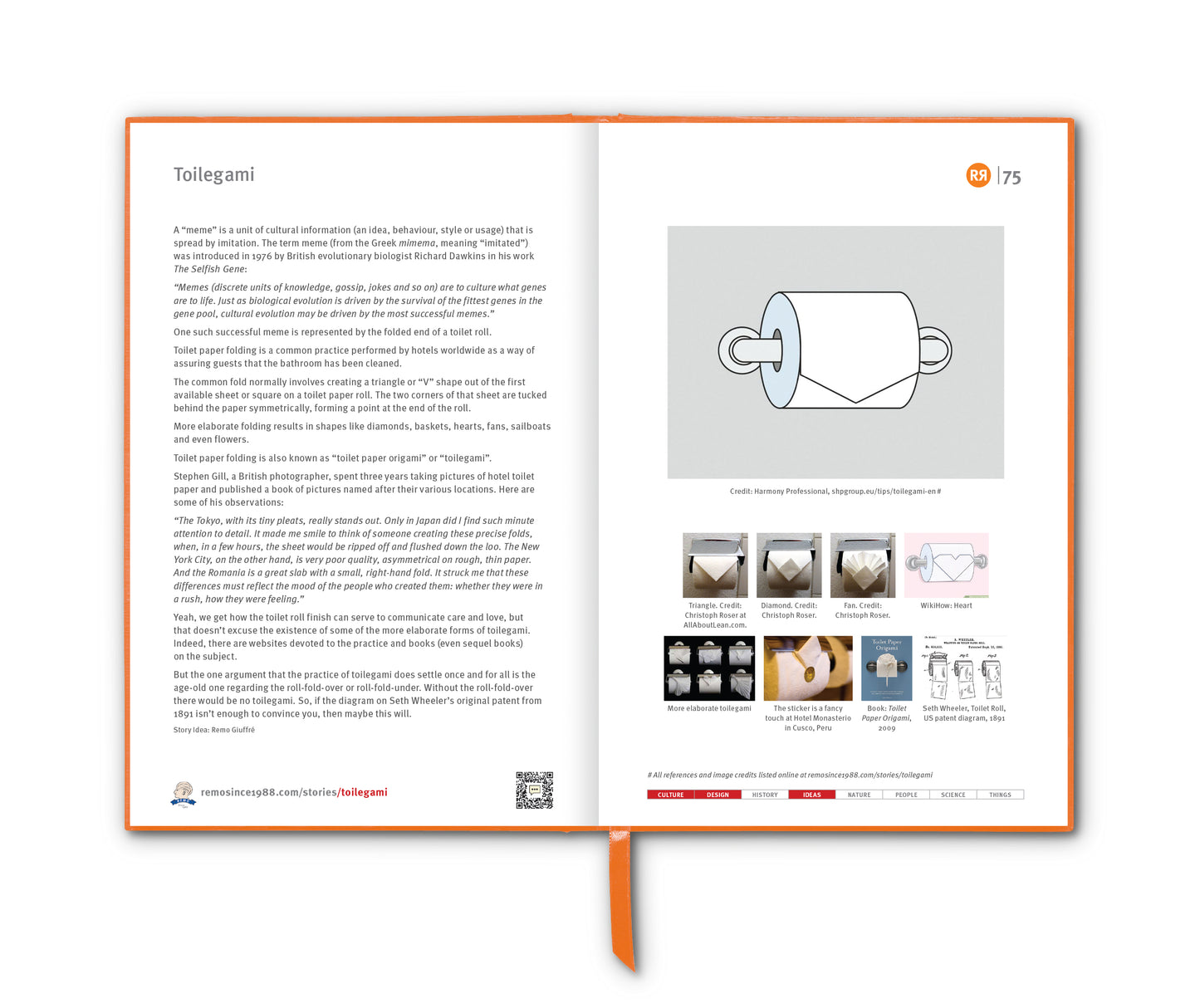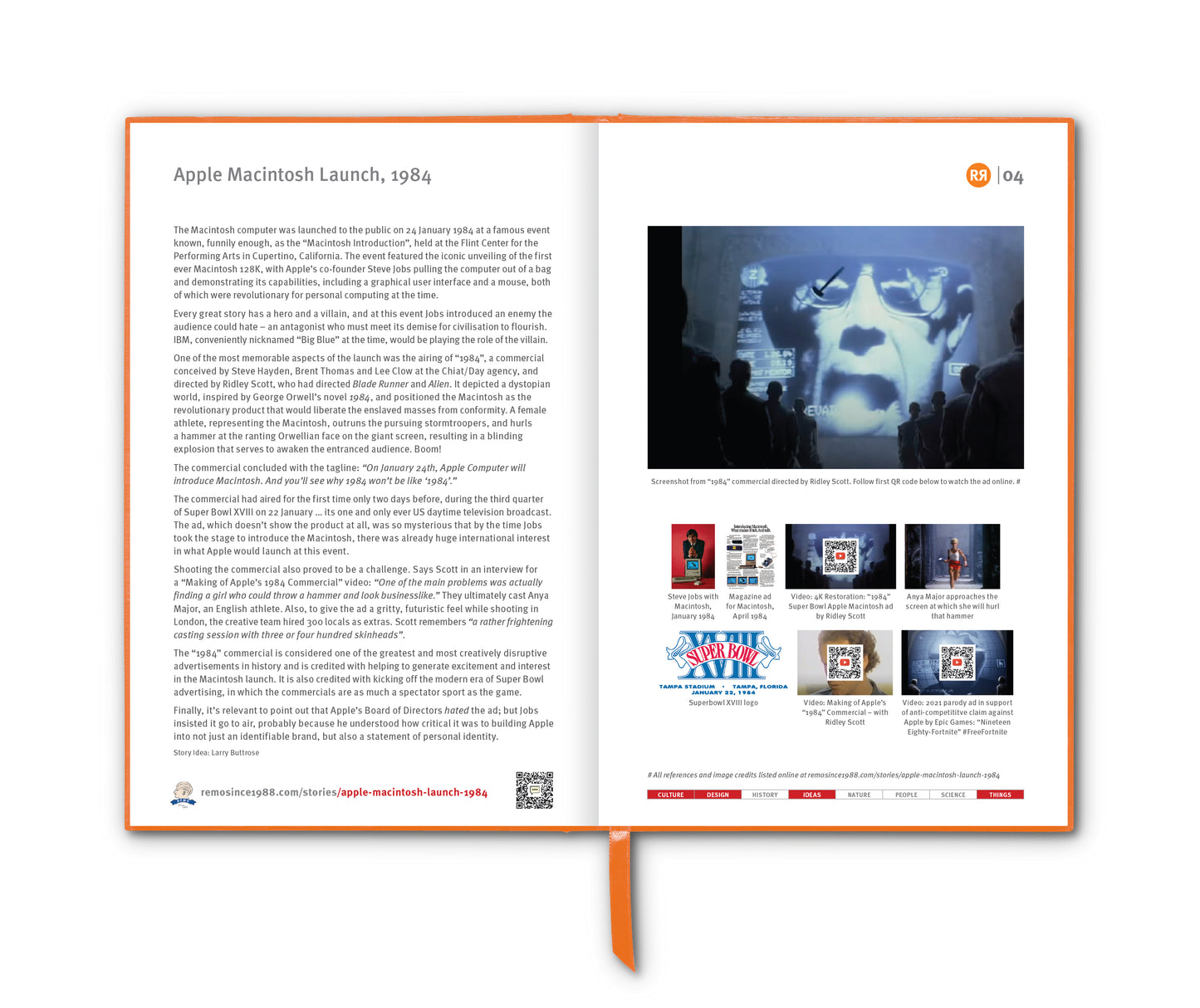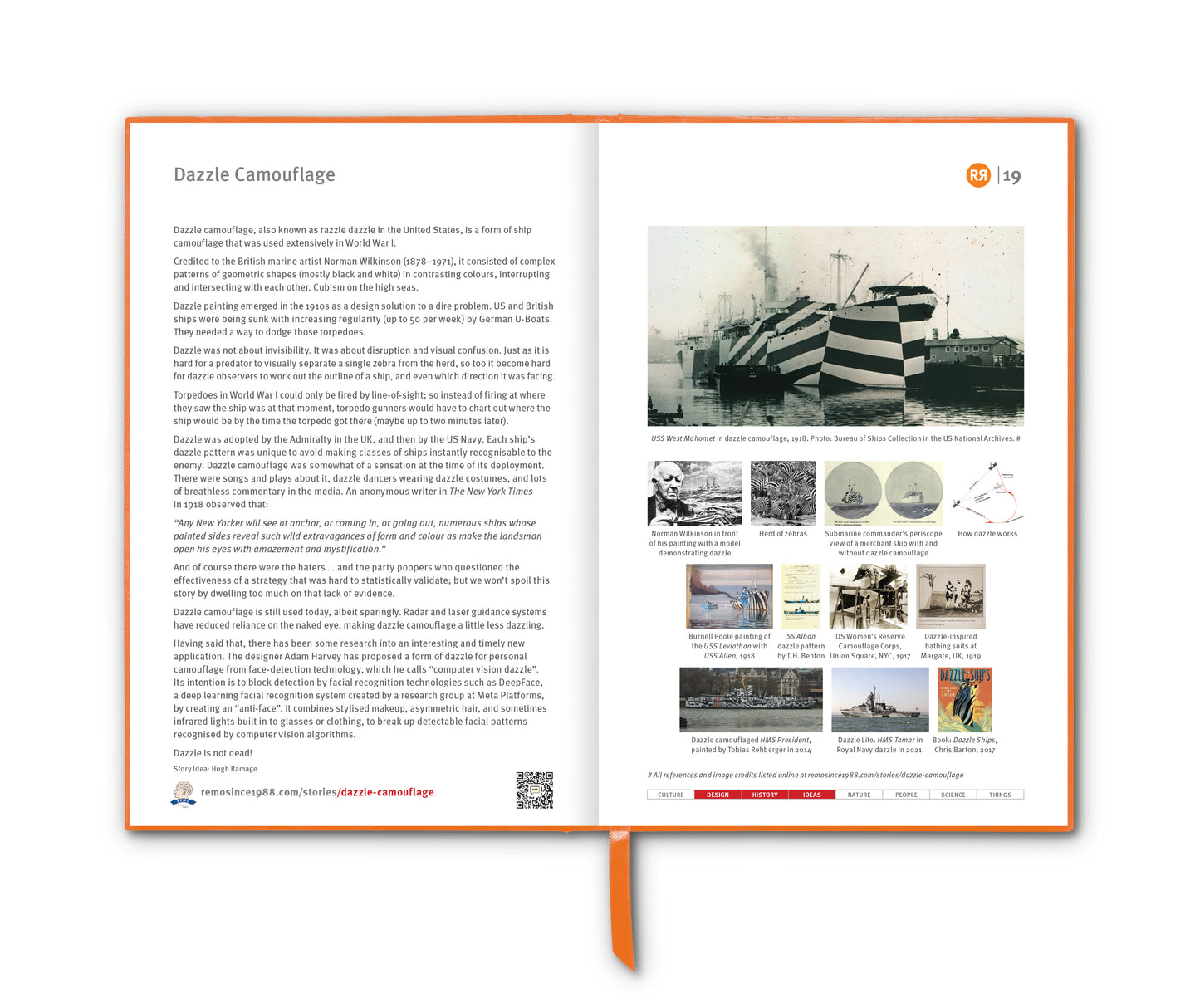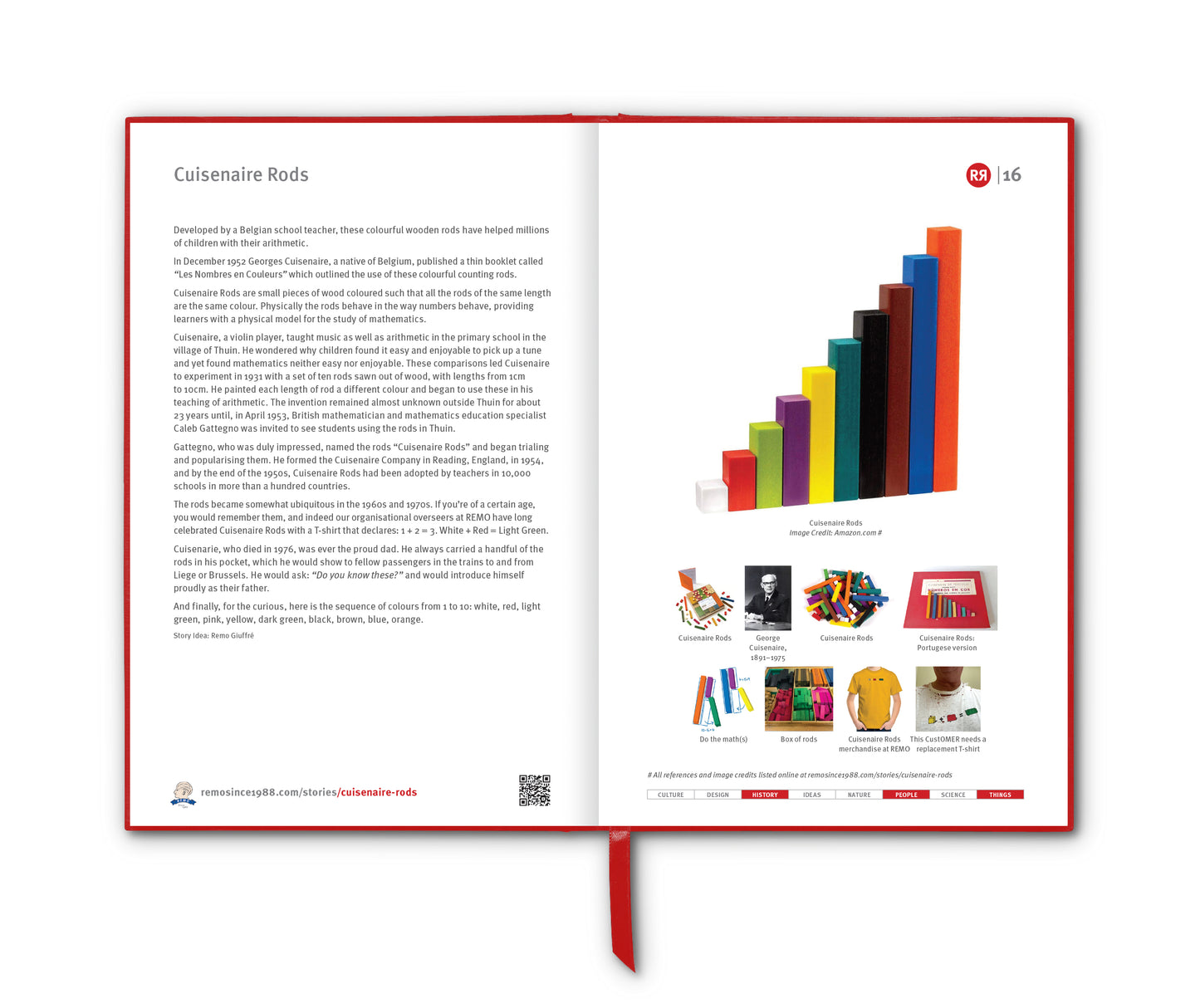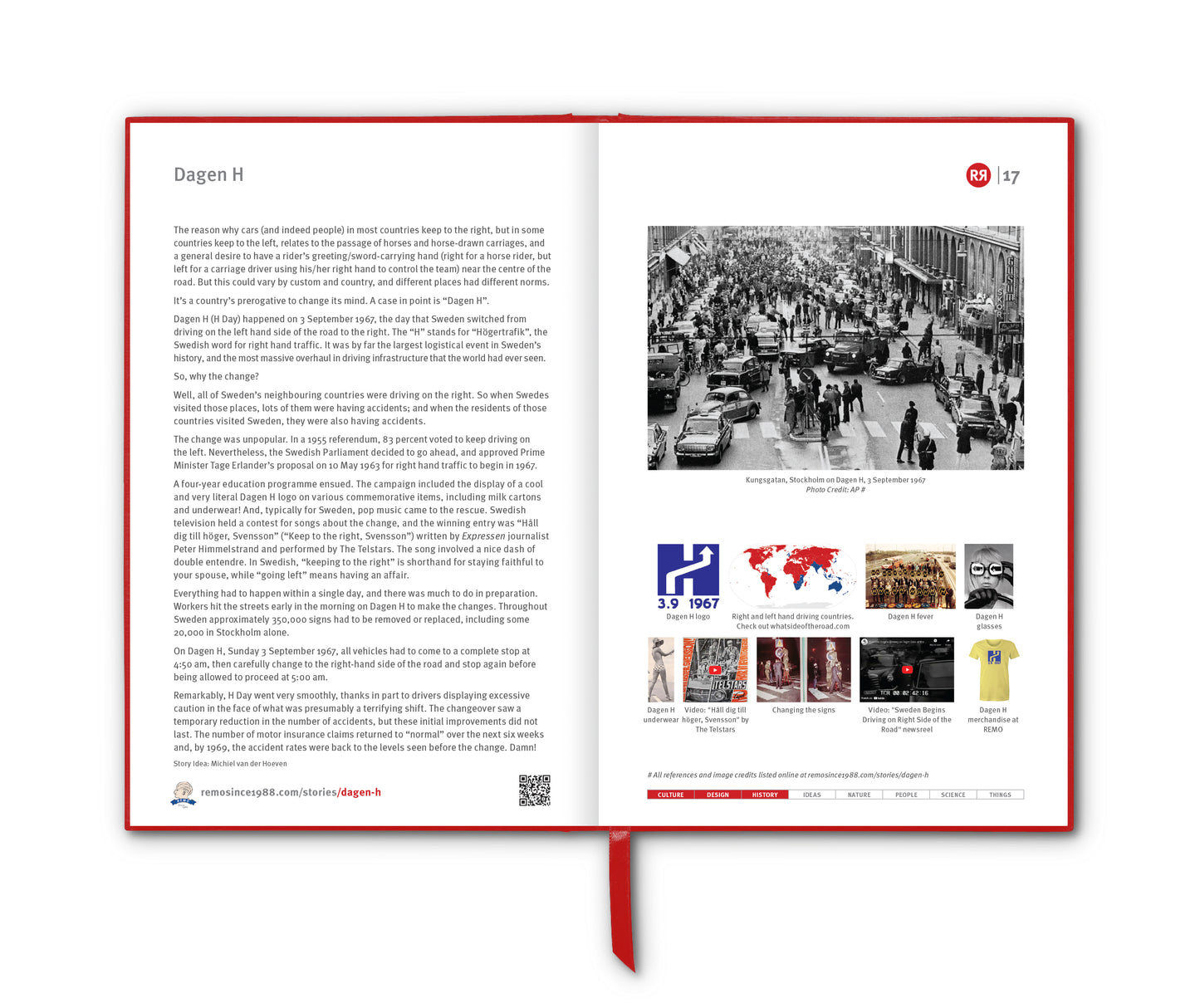

Beneath the world's oceans lies a vast, invisible infrastructure that powers modern communication: undersea cables, also known as submarine communications cables. Stretching over 1.4 million kilometres, these fibre-optic lifelines carry 99% of all international data – an astonishing fact in an age when satellites often get all the attention. From video calls and online banking to social media and global finance, much of our digital life depends on these deep-sea networks.
The story of undersea cables begins in the 19th century. In 1858, the first successful transatlantic telegraph cable linked Ireland and Newfoundland, dramatically reducing communication time between North America and Europe from weeks to minutes. While that first cable failed after just a few weeks, it marked the beginning of global connectivity. By the early 20th century, a worldwide web of telegraph cables was already in place – an analogue for today’s digital internet.
Modern undersea cables use fibre-optic technology. These cables contain hair-thin glass fibres that transmit data as pulses of light. They’re surprisingly skinny, typically about the size of a garden hose – and are armoured for protection in shallow waters. Deeper on the ocean floor, where threats like ship anchors and fishing trawlers are minimal, they are less shielded. Data speeds are astonishing: a single modern cable can carry tens of terabits per second, enough to stream millions of high-definition movies simultaneously.
About 485 undersea cables with length totalling over 1.45 million kilometres sit on the the ocean floor. These cables span the Atlantic and Pacific oceans, as well as strategic passages such as the Suez Canal and isolated areas within oceans.
Laying a cable is a monumental task. Special ships slowly spool the cable along routes meticulously planned to avoid geological hazards, coral reefs and maritime traffic. Some of these cables span entire oceans, e.g. the "Grace Hopper" cable, laid by Google in 2021, stretches over 6,000 kilometres from the United States to Spain. Another, the "2Africa" cable backed by Meta, will eventually link 33 countries around the African continent, promising to transform digital access across the region.
One surprising aspect of undersea cables is how physically vulnerable they are. Sharks have been known to bite them (mistaking the electromagnetic fields for prey) – though the bigger risks are anchors, natural disasters and geopolitical tensions. Despite this, repairs are rare and usually swift, thanks to global networks of cable-laying and repair ships.
The future of undersea cables is being shaped by the rise of cloud computing and AI. Major tech companies – Google, Microsoft, Amazon and Meta – are increasingly investing in their own private cable networks, giving them more control over bandwidth, latency and security. There’s also a growing focus on environmental impact, with newer cables designed to minimise disturbance to marine ecosystems.
In short, while we tend to think of the internet as wireless and intangible, it’s actually grounded (quite literally) in thousands of cables resting silently at the bottom of the sea.
Story Idea: Melanie Giuffré
__________________________
References
wikipedia.org/wiki/Submarine_communications_cable
theconversation.com/undersea-cables-are-the-unseen-backbone-of-the-global-internet-226300
submarinecablemap.com
Images
1. Undersea Cables Network. Credit: submarinecablemap.com
2. Undersea cable illustration. Credit: maritimeindia.org
3. Operators in the submarine telegraph cable room at the GPO's Central Telegraph Office in London circa 1898
4. Eastern Telegraph Company network in 1901
5. French Cable layer ship René Descartes, operated by Orange Marine
6. Spool of cabling aboard a ship
7.
A cross section of the shore-end of a modern submarine communications cable
8. Shark bites cable in 2014
9. Video: "How The Internet Travels Across Oceans", Tech Vision, 2022