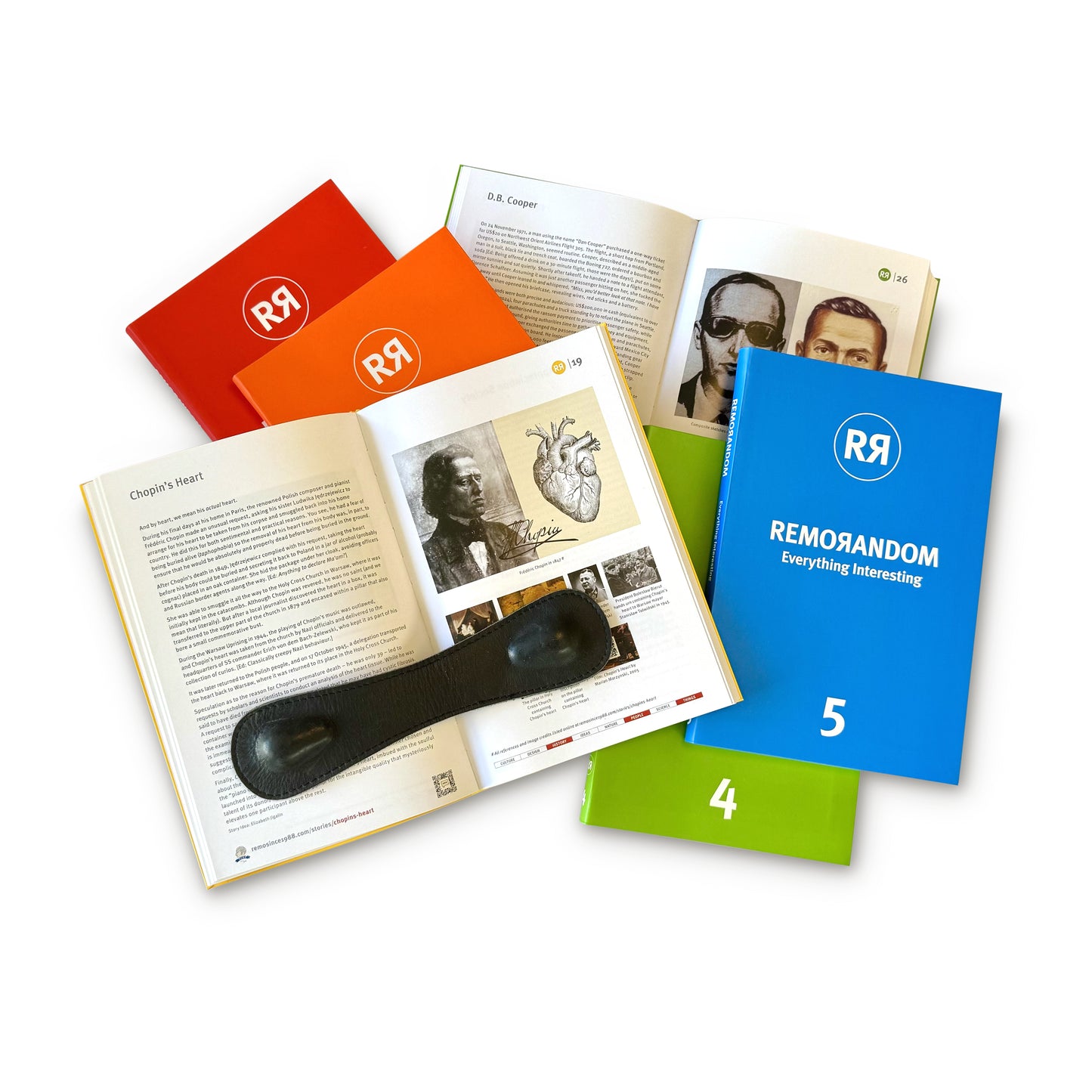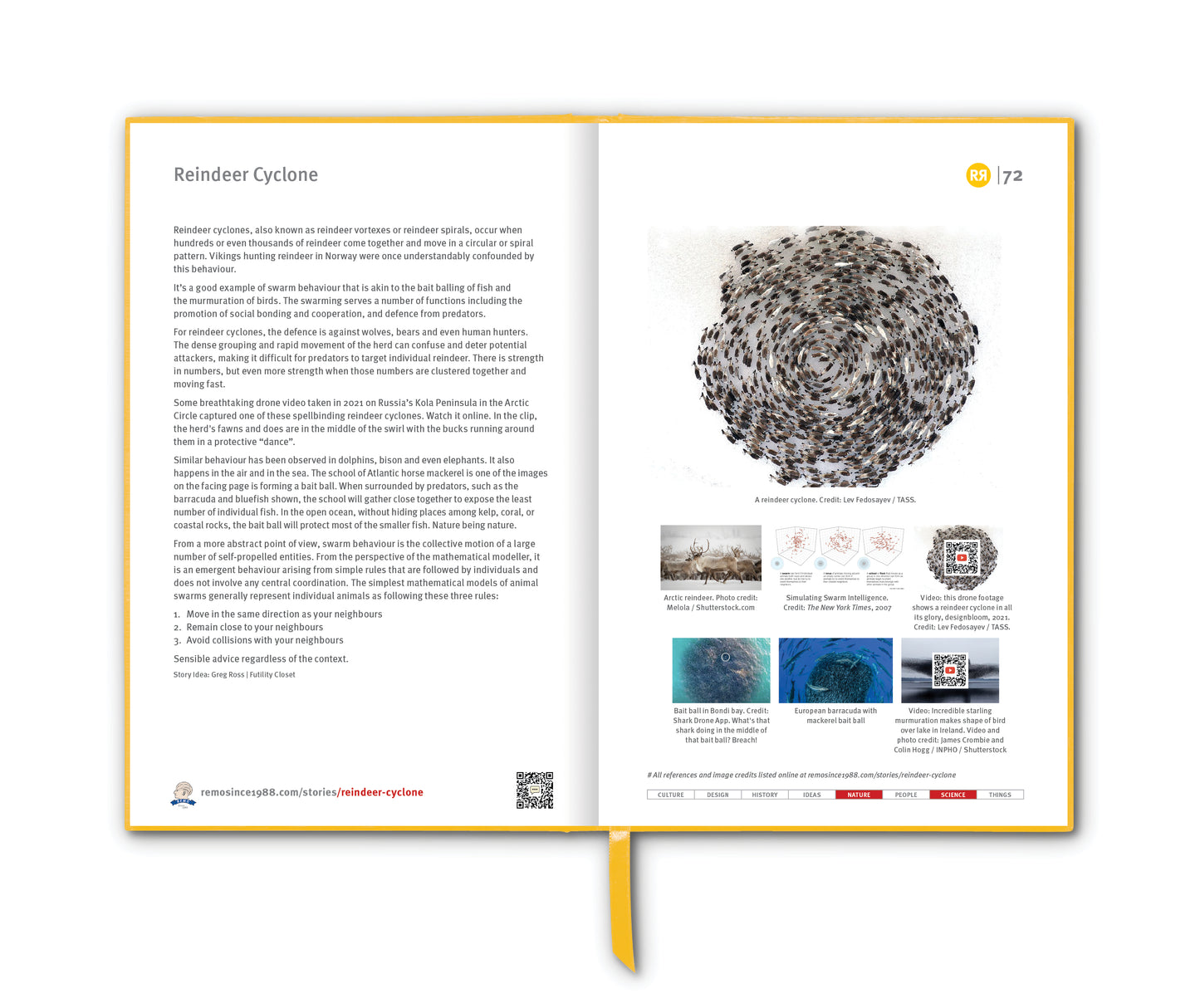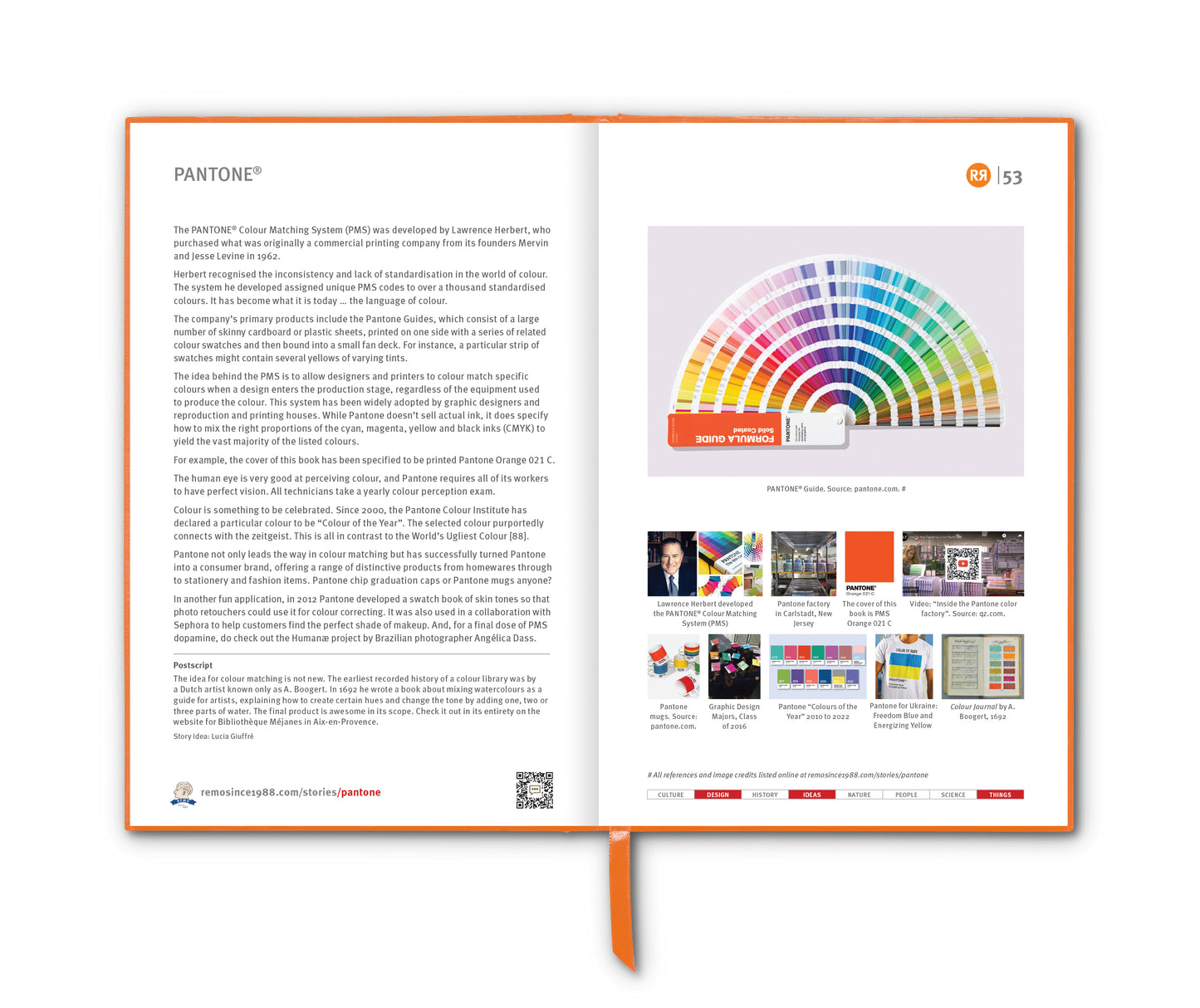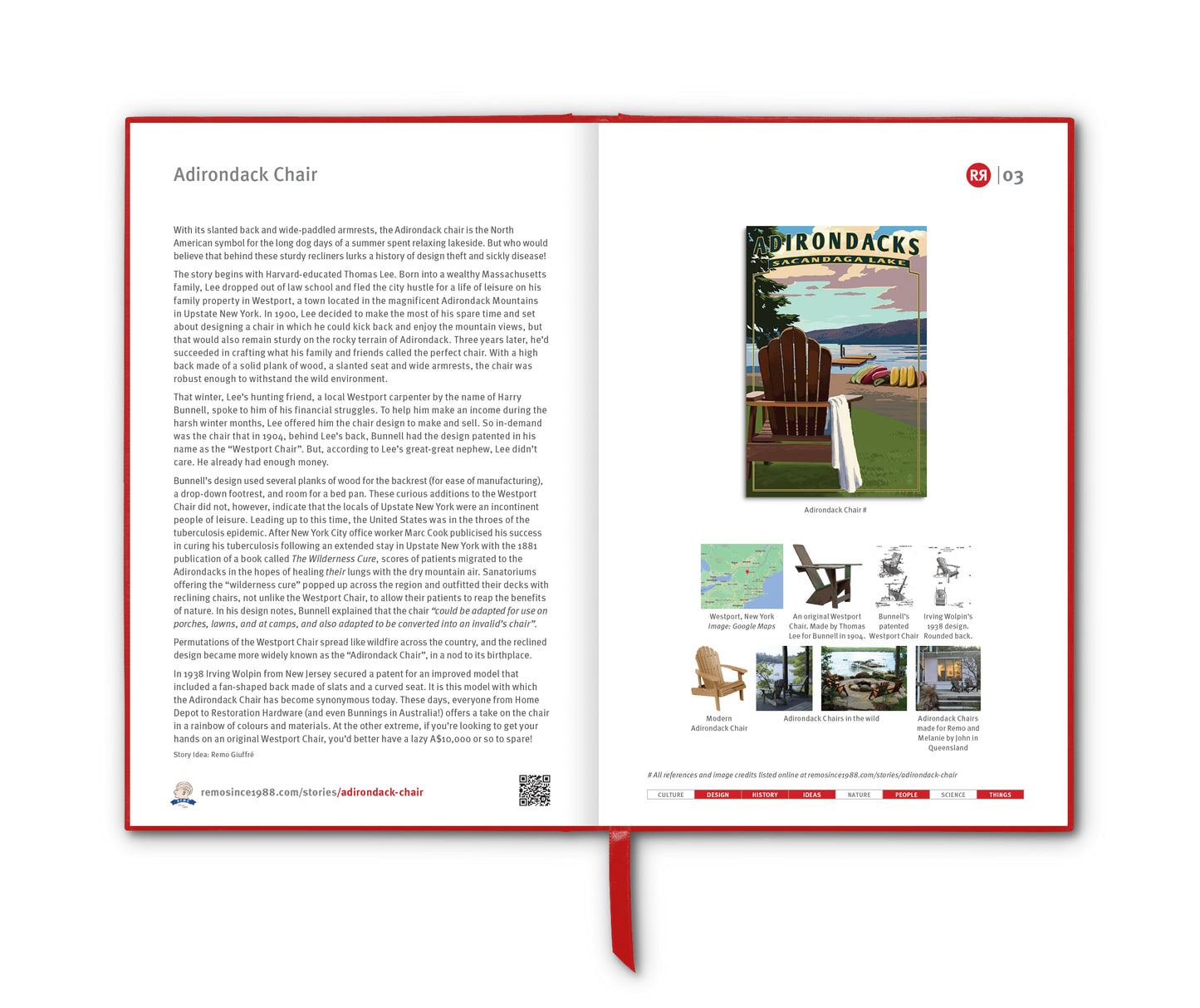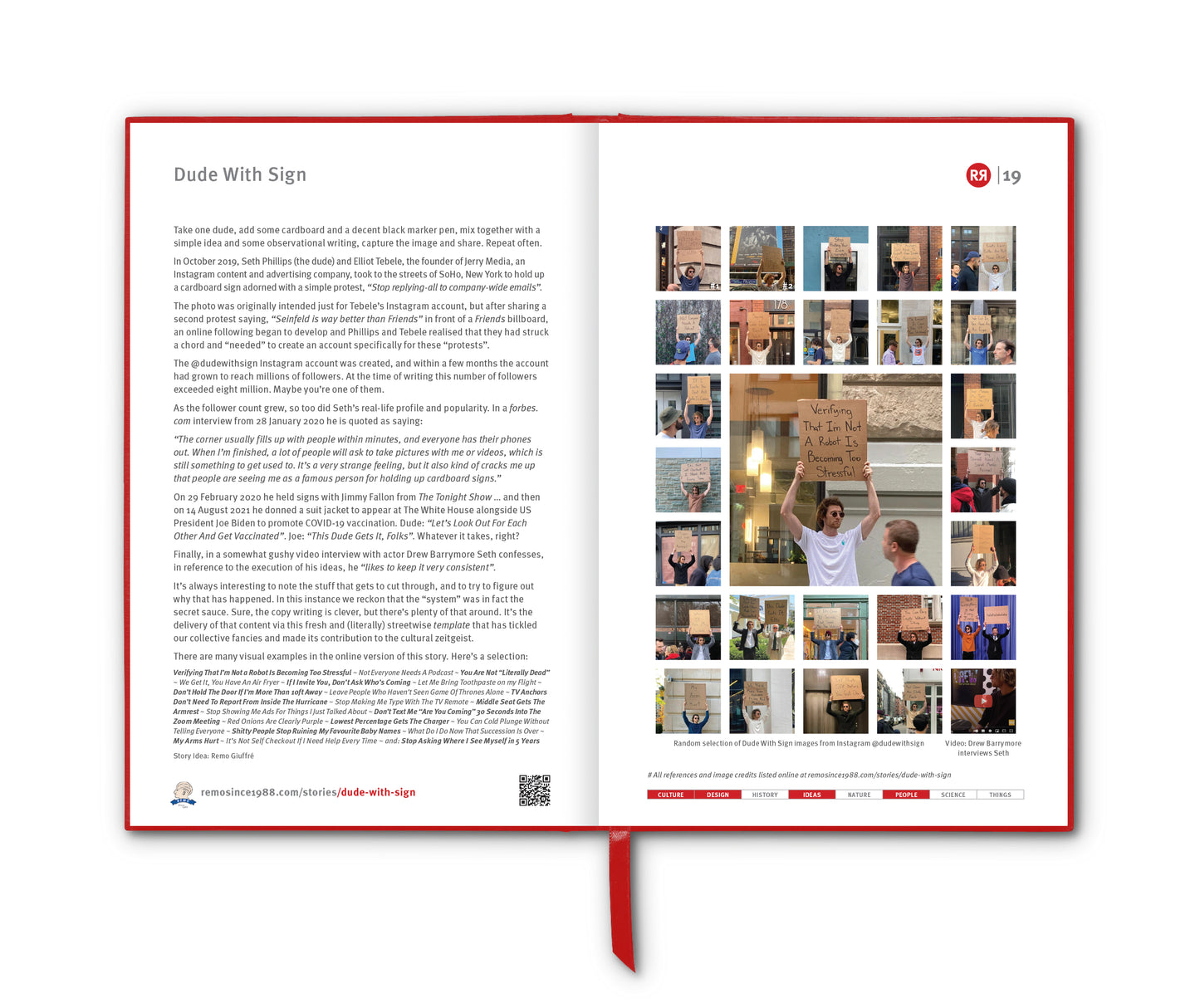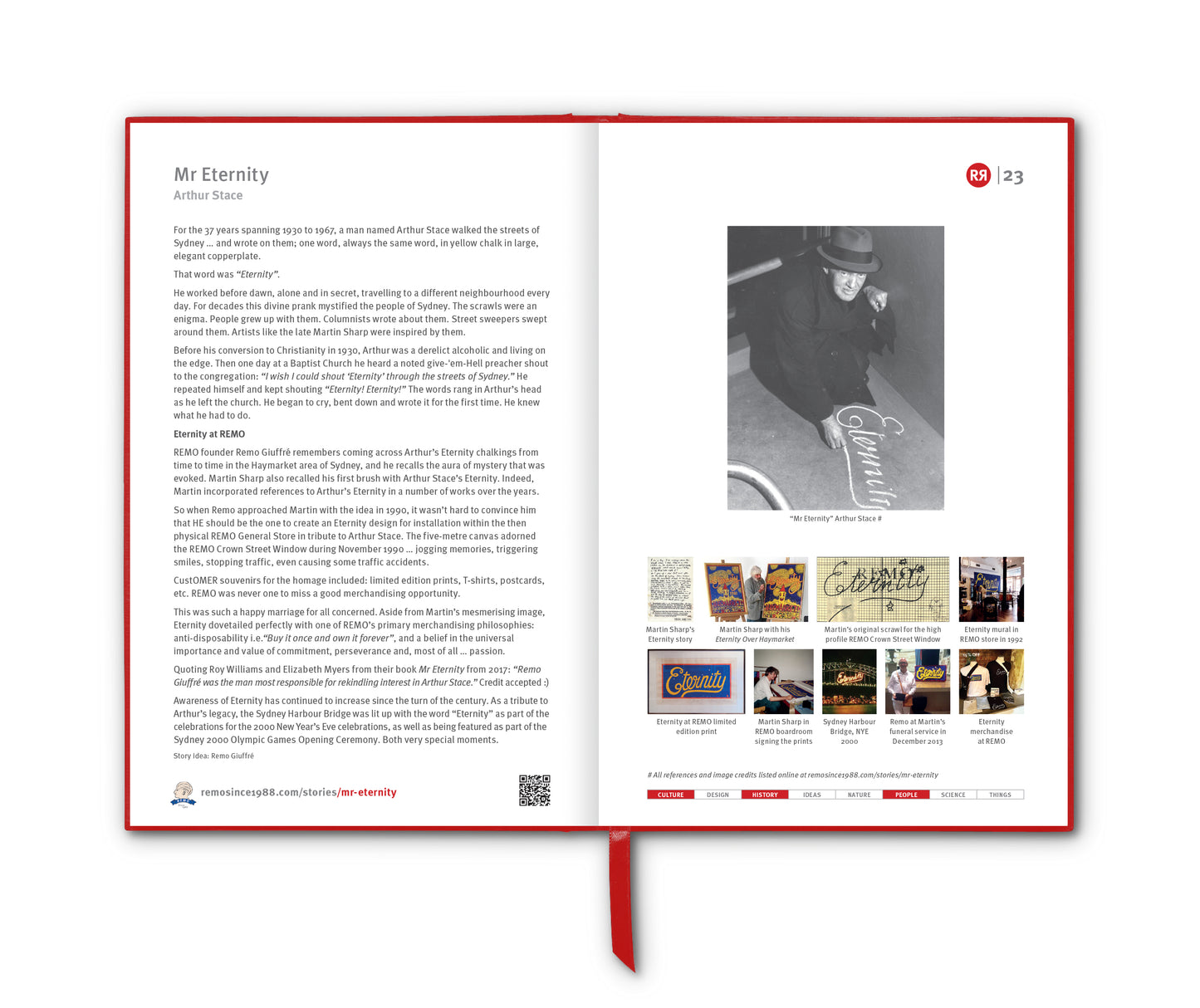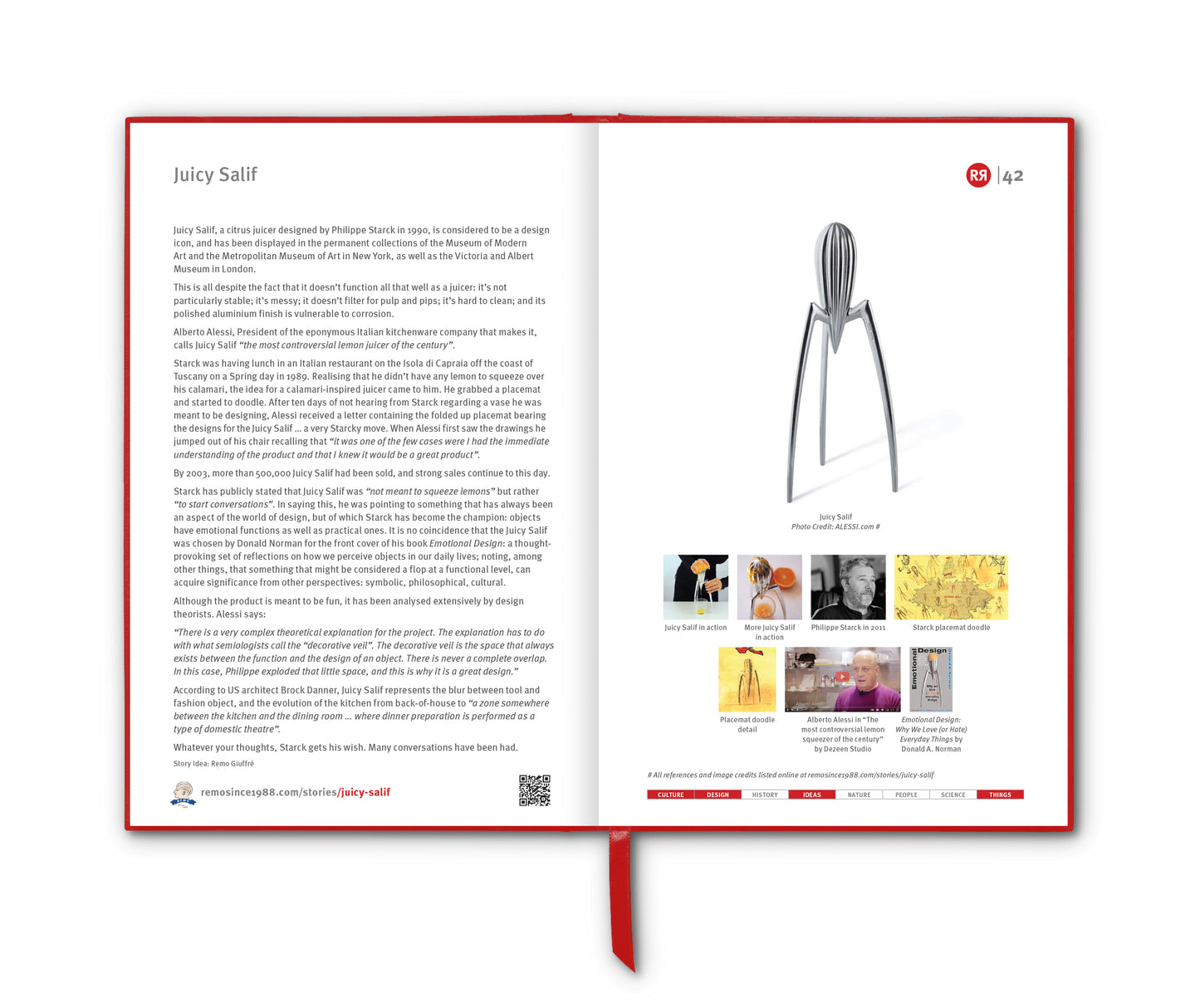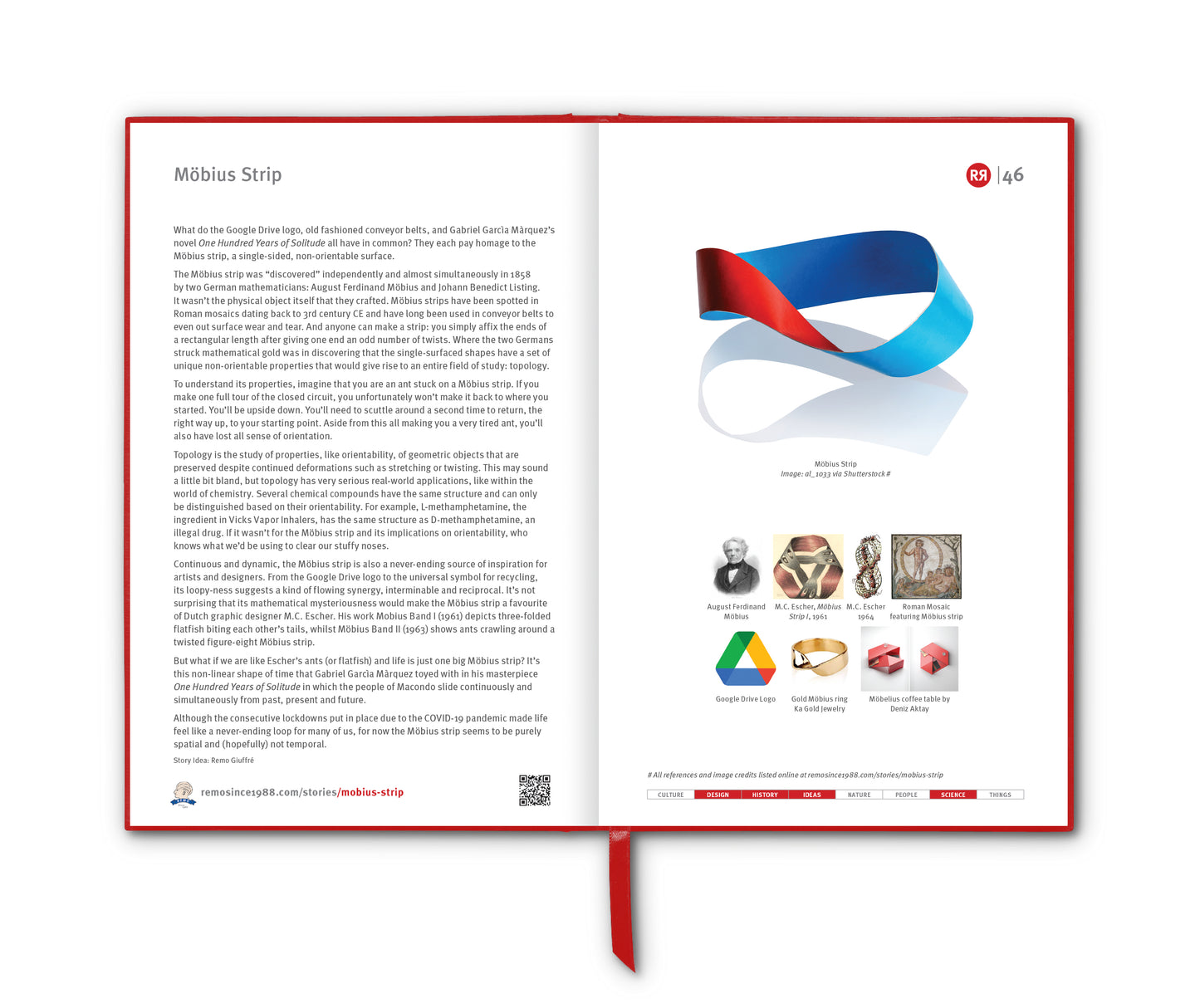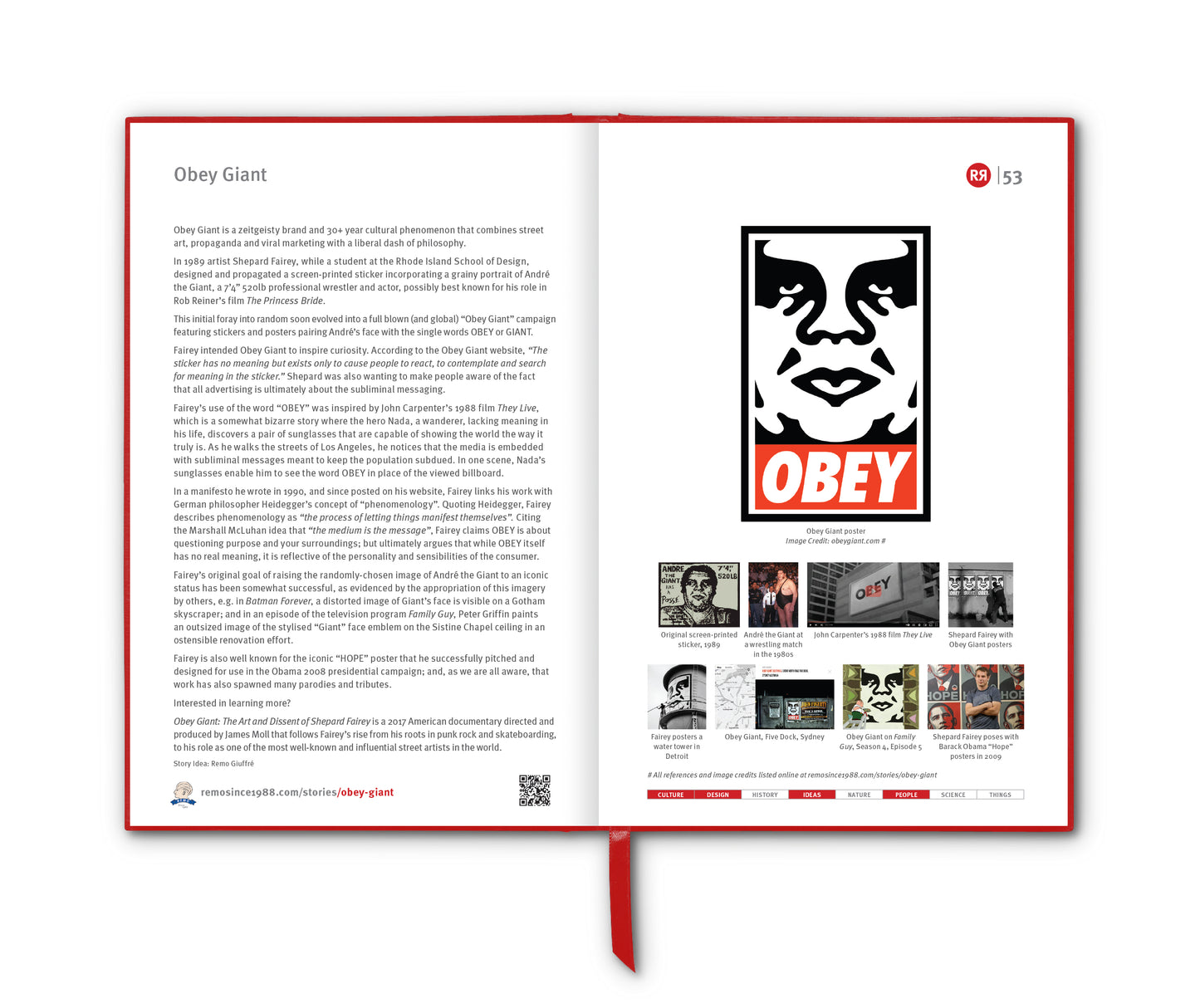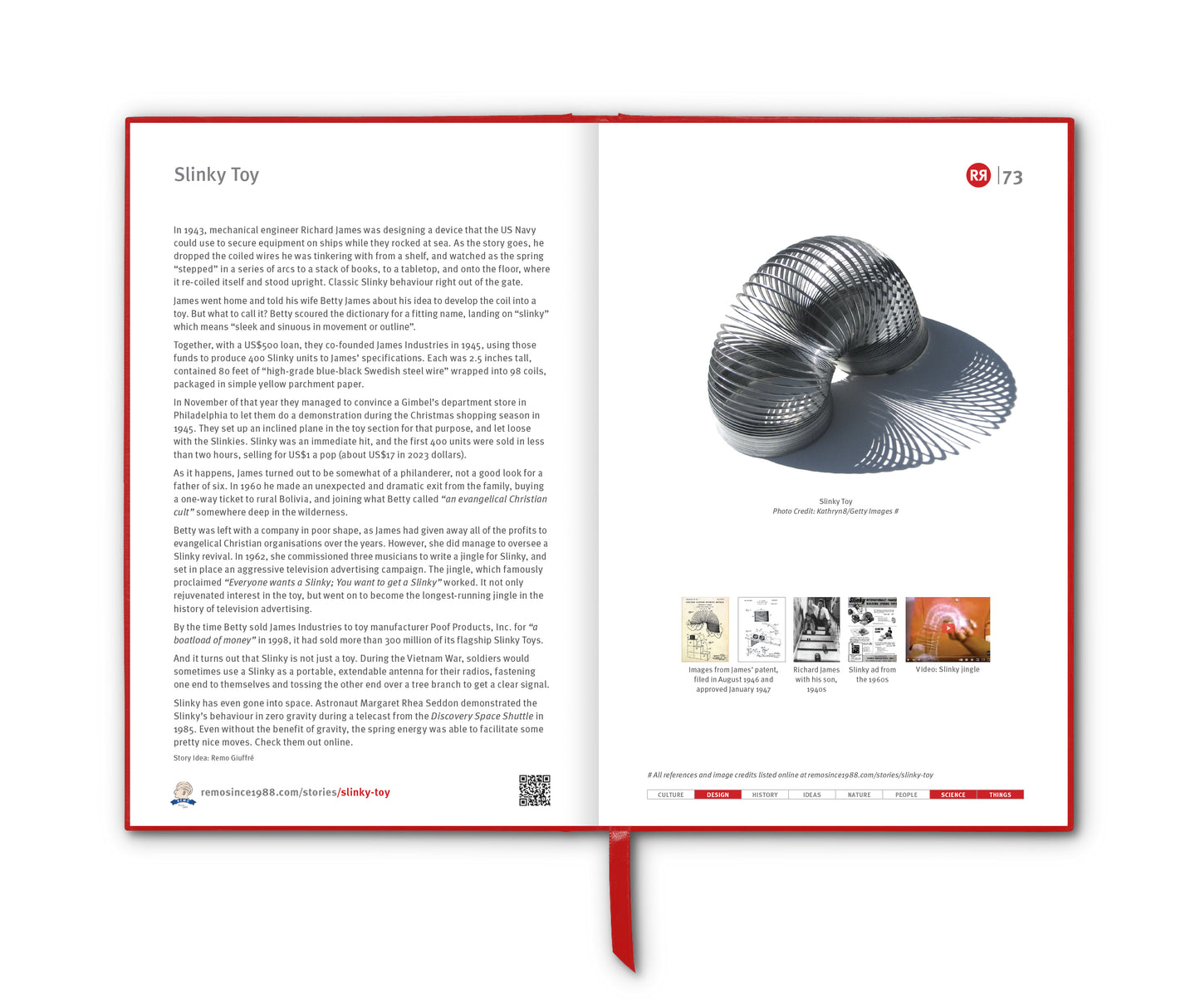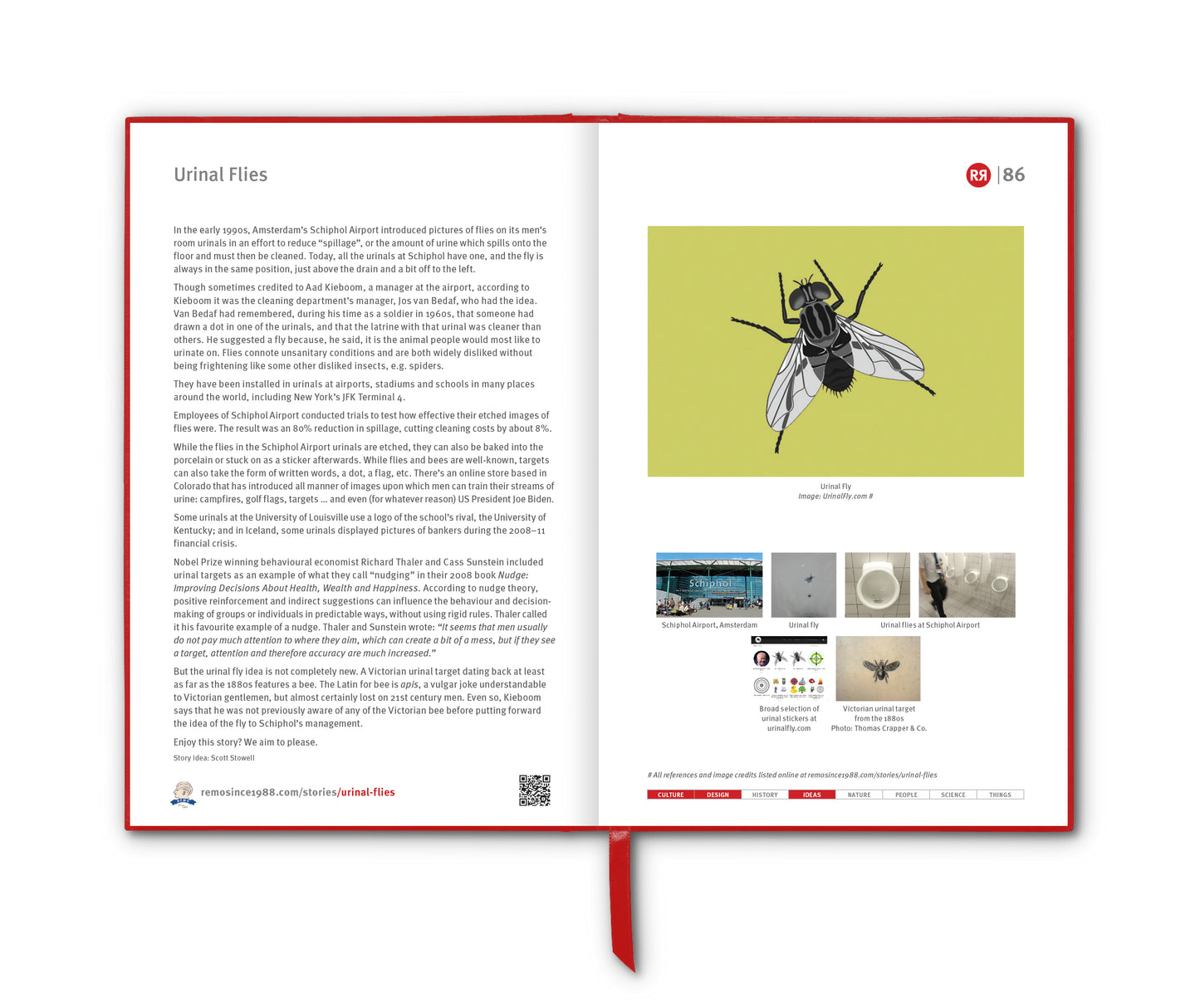

An intraocular lens (IOL) is a lens implanted in the eye usually as part of a treatment for cataracts or for correcting other vision problems such as near-sightedness (myopia) and far-sightedness (hyperopia). This modern surgical miracle – restoring or improving sight in a matter of minutes – owes an unlikely debt to the chaos of aerial combat in World War II.
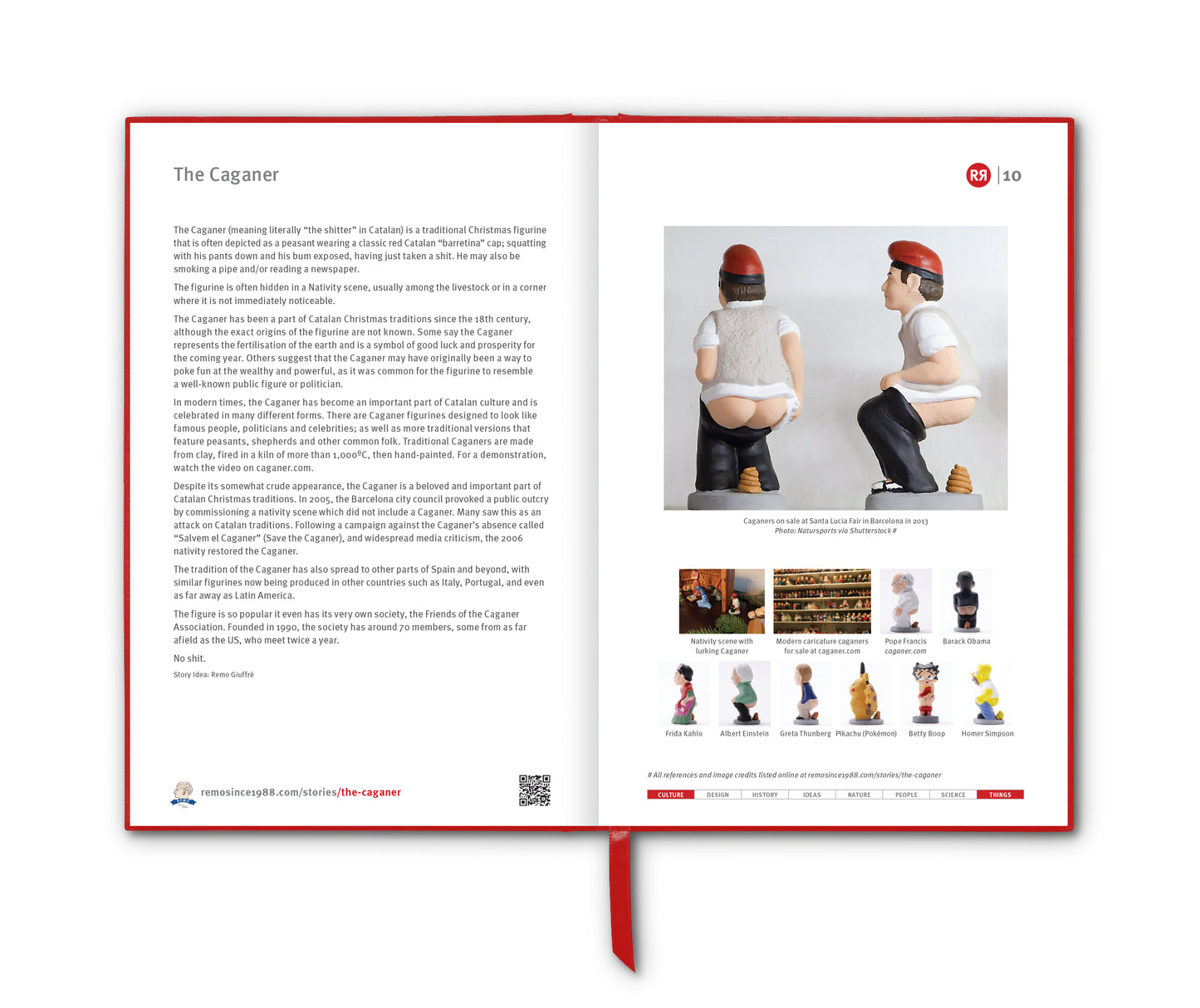
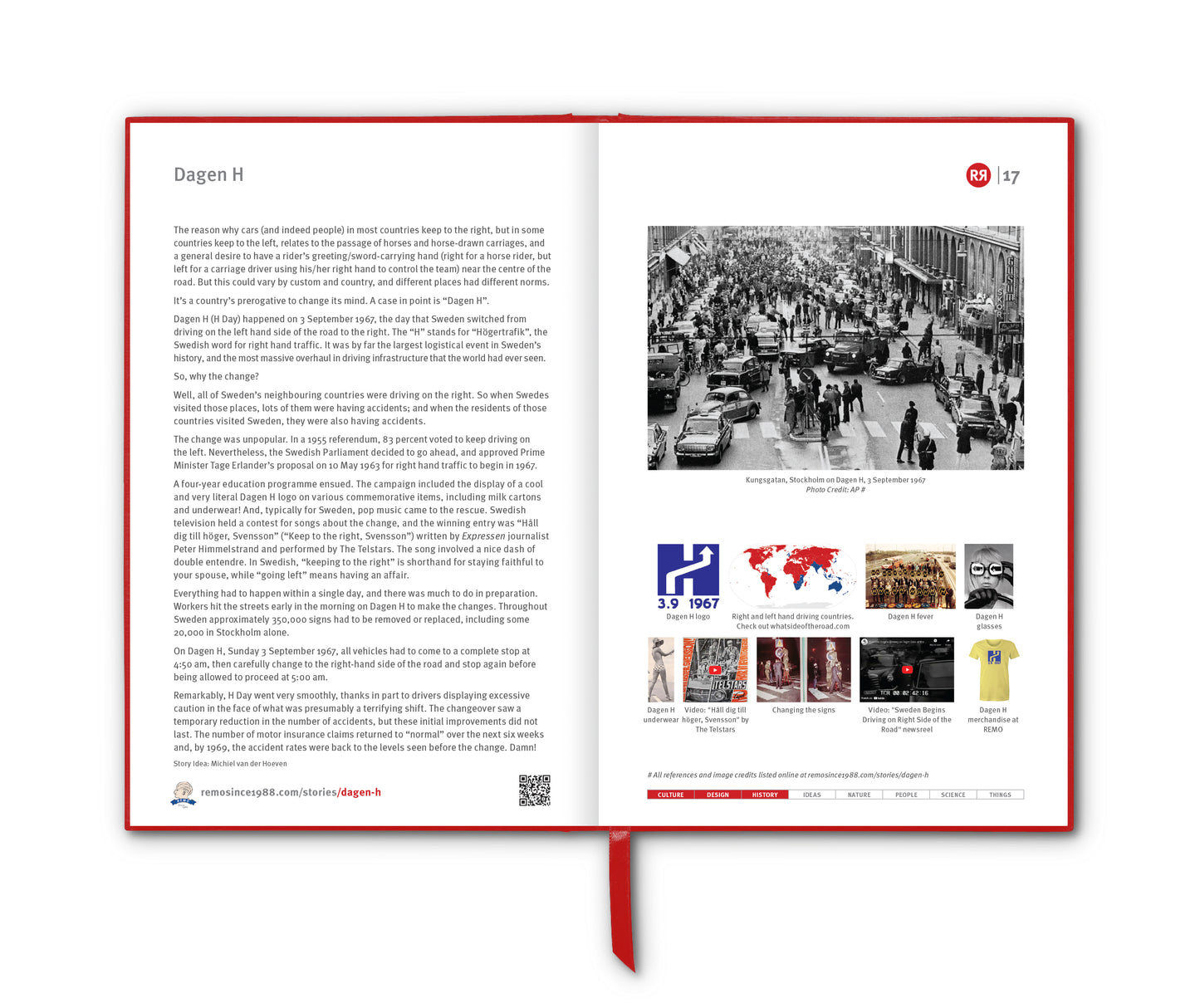
At the time, combat aircraft canopies were often made from Polymethyl methacrylate, a transparent, shatter-resistant plastic more commonly known by the brand name Plexiglas. When these canopies fractured during crashes or combat, they sent shards flying into pilots’ faces – sometimes embedding deep within the eye. Conventional medical wisdom would suggest that such foreign bodies should trigger severe inflammation or rejection. But something surprising happened: they didn’t.
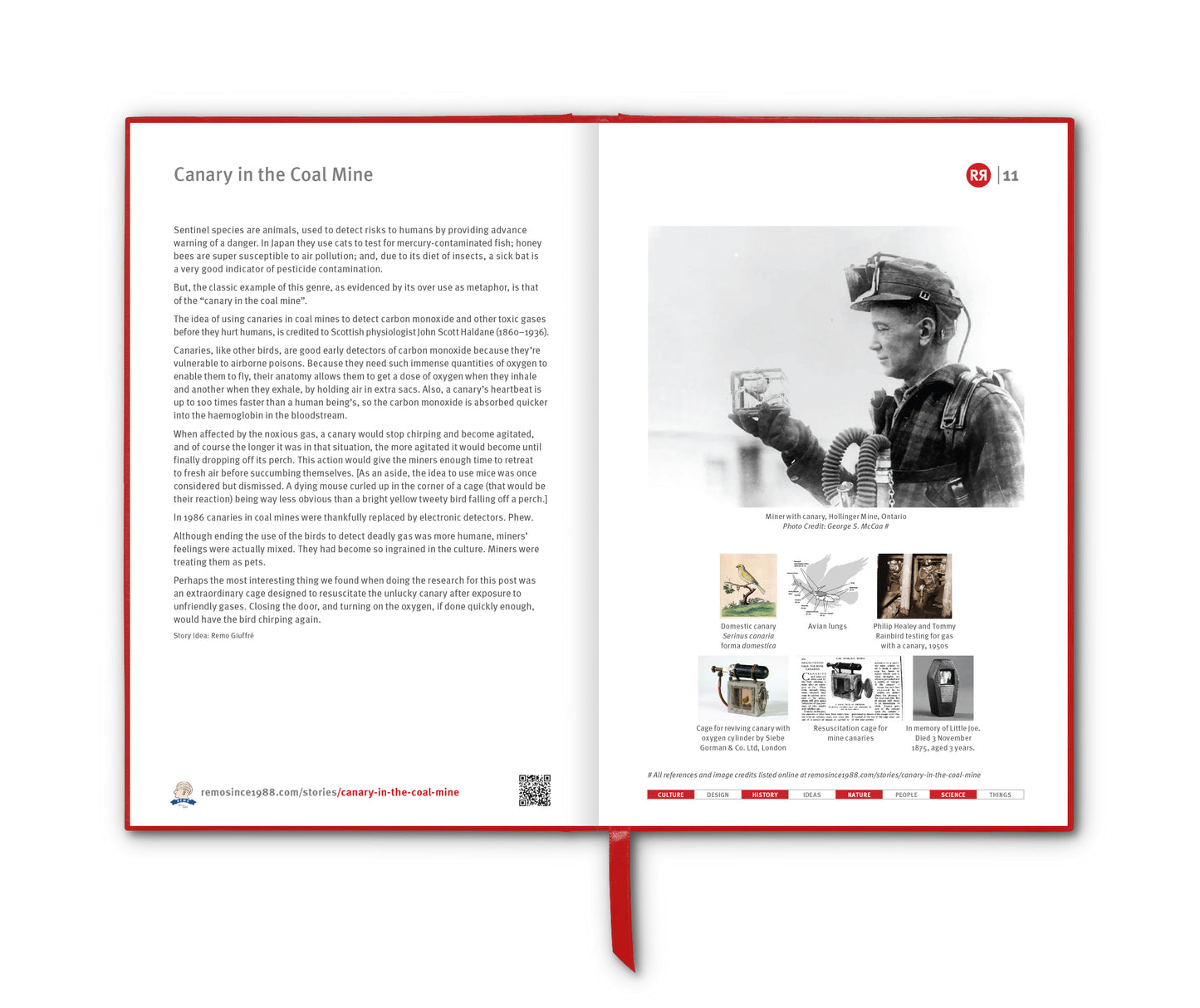
Enter Harold Ridley, a keen-eyed [Ed: couldn’t resist] British ophthalmologist working with injured Royal Air Force pilots, including Gordon “Mouse” Cleaver, one of the first RAF aces of World War II. Ridley noticed that fragments of PMMA lodged in the eye often remained inert. Unlike metal or organic materials, they didn’t provoke the immune system. The eye, it seemed, tolerated this synthetic substance remarkably well.
This observation sparked a radical idea. At the time, cataracts – clouding of the eye’s natural lens – were treated by removing the lens entirely, leaving patients with severely impaired vision that required thick glasses. Ridley wondered: what if the cloudy lens could be replaced, rather than simply removed? And what if PMMA, already proven to be biocompatible inside the eye, could serve as the replacement?
It was a bold leap. The idea of implanting an artificial lens inside the human eye was met with skepticism, even resistance. But Ridley persisted. On 29 November 1949, at St Thomas’ Hospital in London, he performed the first successful implantation of an intraocular lens (IOL), made from PMMA. The patient, a woman undergoing cataract surgery, regained functional vision – without the need for cumbersome spectacles.
Ridley’s invention didn’t gain immediate acceptance. Many in the medical community considered it risky, even reckless. Early designs had limitations, and complications did occur. But over time, improvements in lens design, surgical technique, and sterilisation transformed the procedure. What began as a wartime observation evolved into one of the most common and successful surgeries in the world.
Today, cataract surgery using intraocular lenses is performed on tens of millions of patients each year. Modern lenses can be folded for insertion through tiny incisions and can even correct vision at multiple distances. Yet at the heart of this sophisticated procedure lies a simple, almost accidental discovery: that a material designed for aircraft could quietly coexist within the human eye.
It’s a reminder that innovation doesn’t always happen in the lab. Sometimes, it emerges quite literally from the wreckage of a Happy Accident [RR5:34].
Postscript
The rigid PMMA lenses that Harold Ridley first implanted have since given way to more advanced materials. Today’s intraocular lenses are typically made from soft, foldable silicone or acrylic polymers – still biocompatible, but far more adaptable. These flexible lenses can be compressed, inserted through a tiny incision, and then gently unfolded in the eye, making modern cataract surgery quicker, safer and less invasive than ever before.
Story Idea: Manuel Rosario
______________________________
References
wikipedia.org/wiki/Intraocular_lens
wikipedia.org/wiki/Harold_Ridley_(ophthalmologist)
smithsonianmag.com/air-space-magazine/Hurricanes-cataracts
https://www.hollows.org/
Images
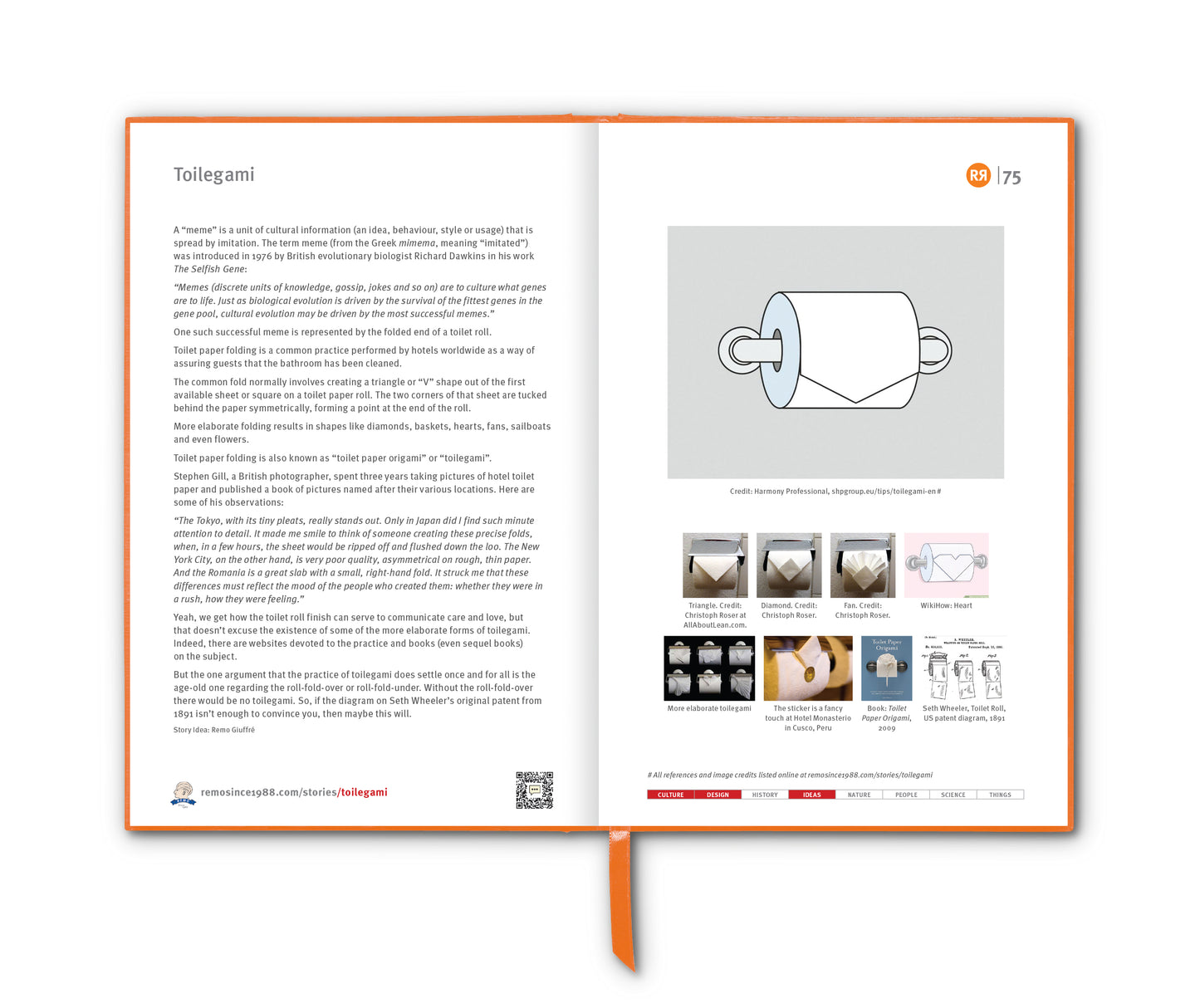
1. An intraocular lens, Baden Baden, Germany. Photo credit: Frank C. Müller
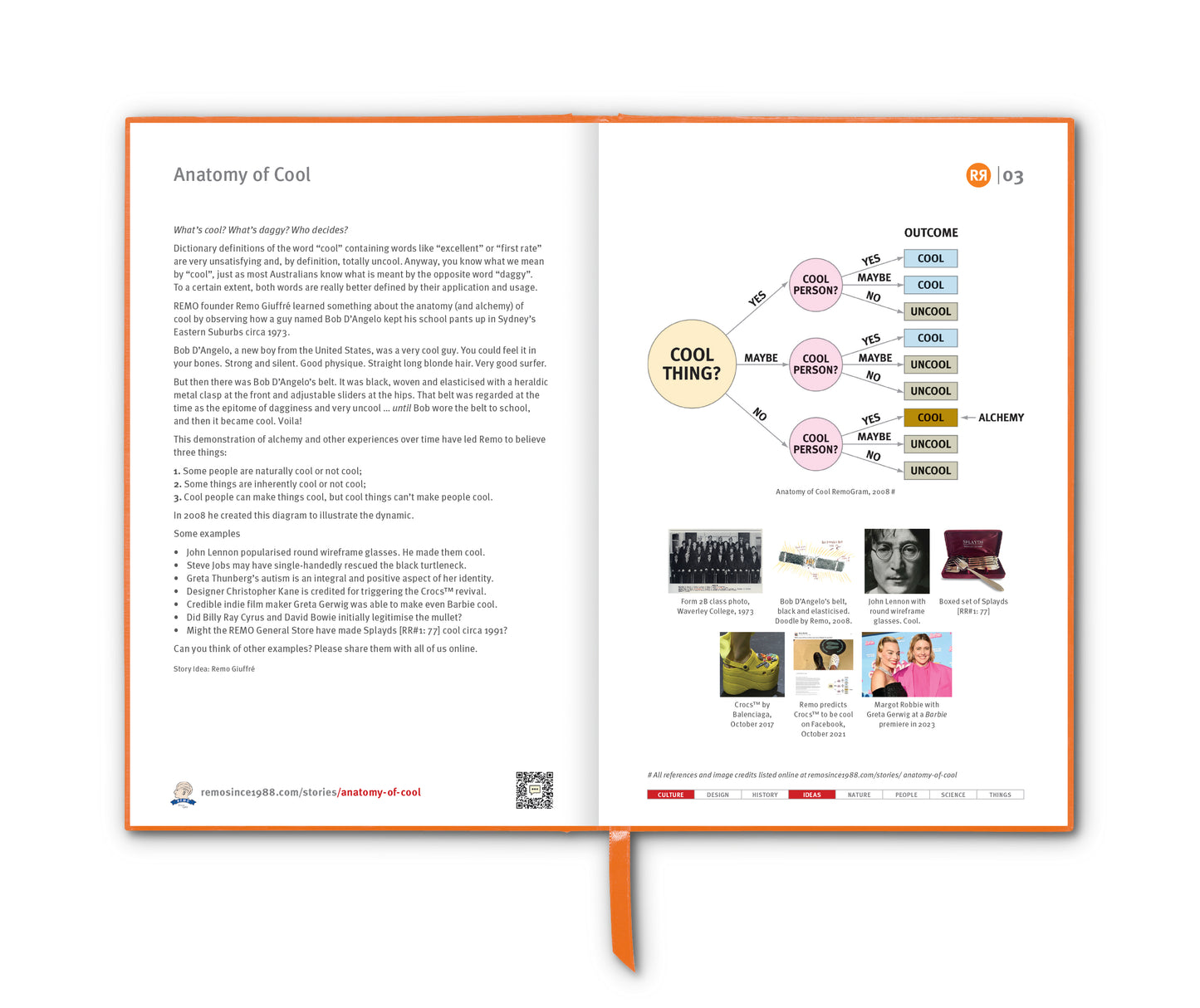
2. Hawker Hurricane with framed canopy slid to rear. Photo credit: Adrian Pingstone
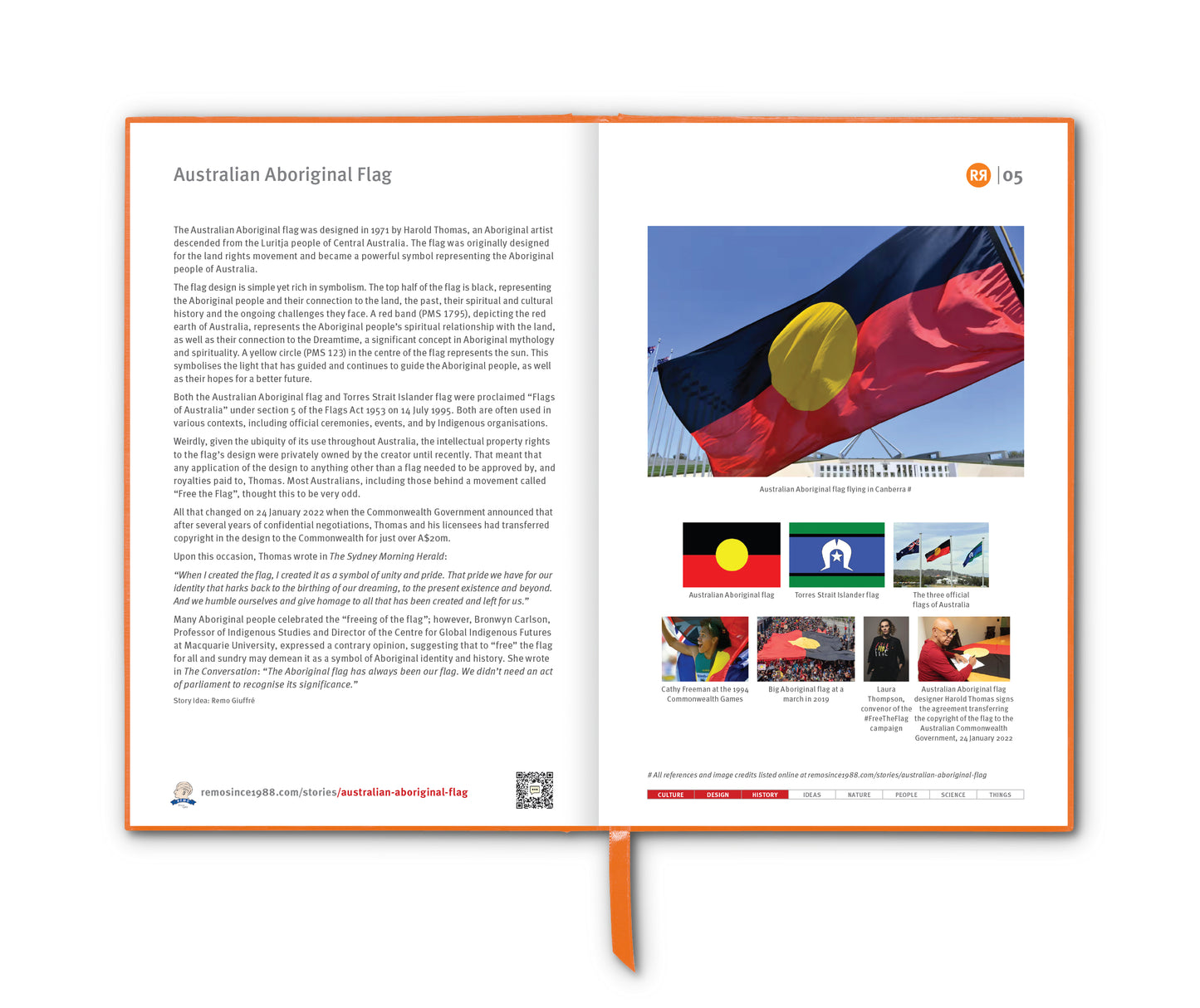
3. Harold Ridley. Credit: Smithsonian magazine
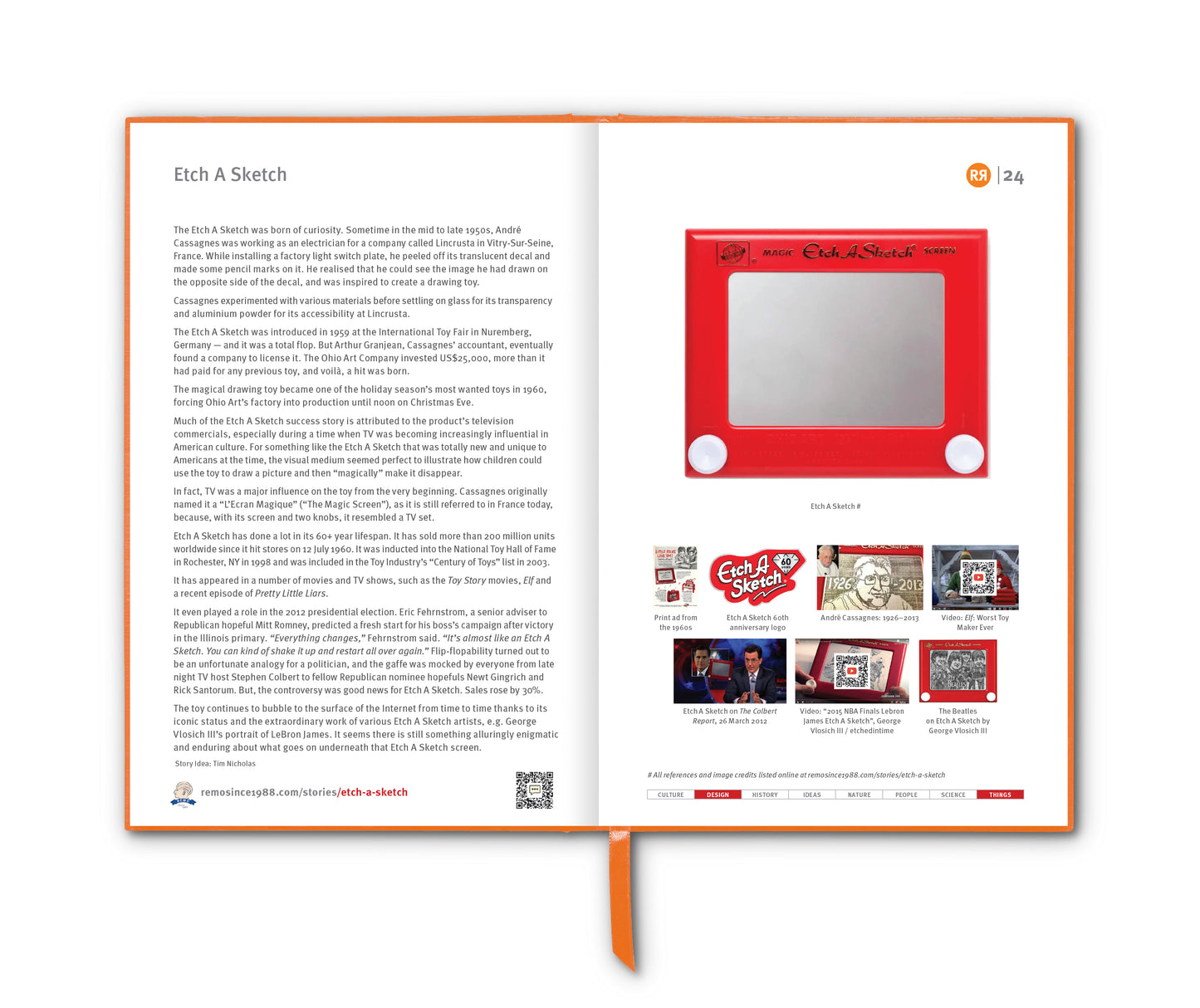
4. The structure of PMMA. Credit: ResearchGate
5. Cataract surgery illustration. Credit: Mayo Foundation
6. Plaque at St Thomas' Hospital, 8 February 1950
7. Video: Professor Fred Hollows revolutionised low cost cataract surgery in the developing world. with an $8 IOL, 2015
8. See more Happy Accidents [RR5:34]