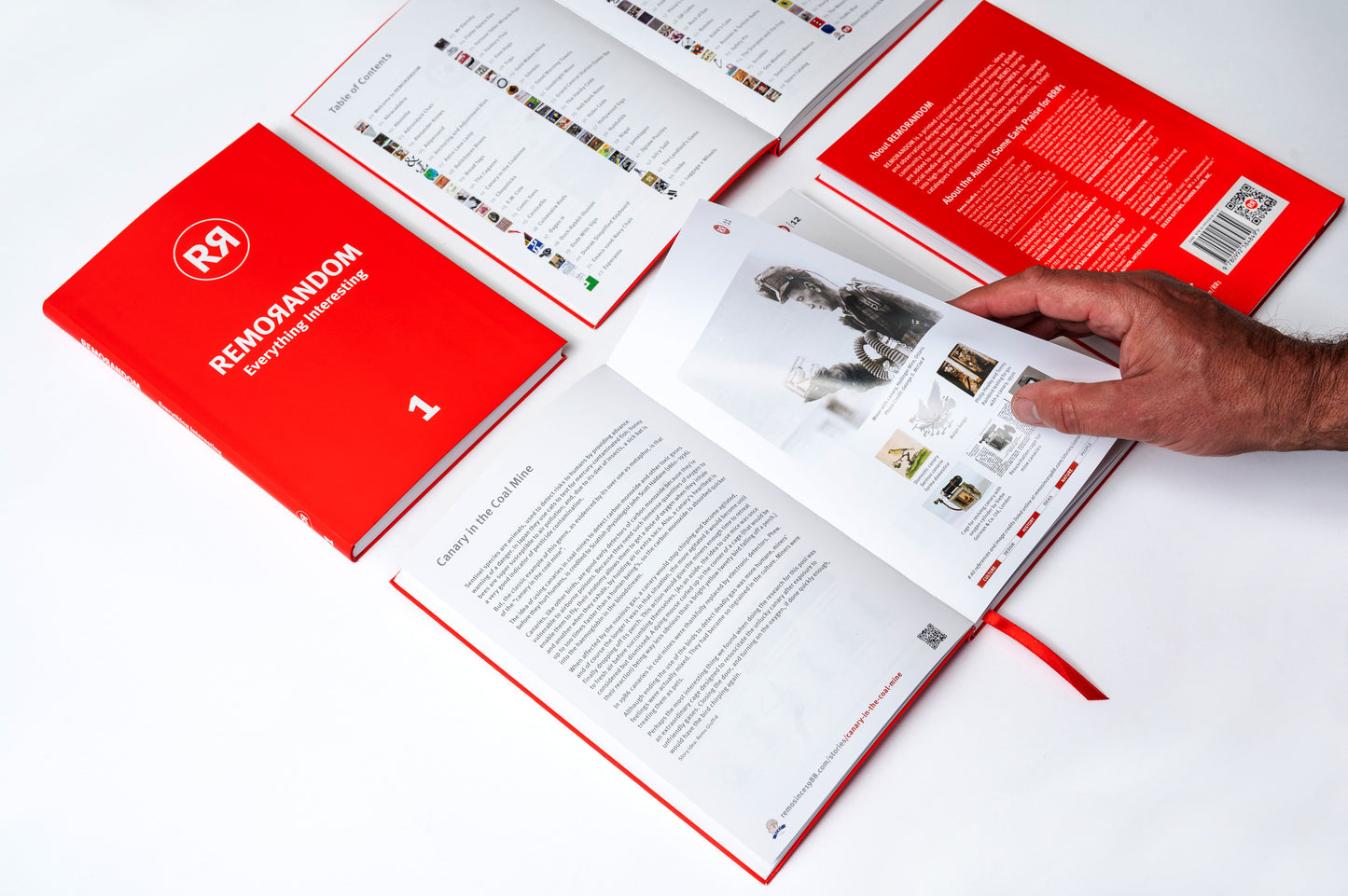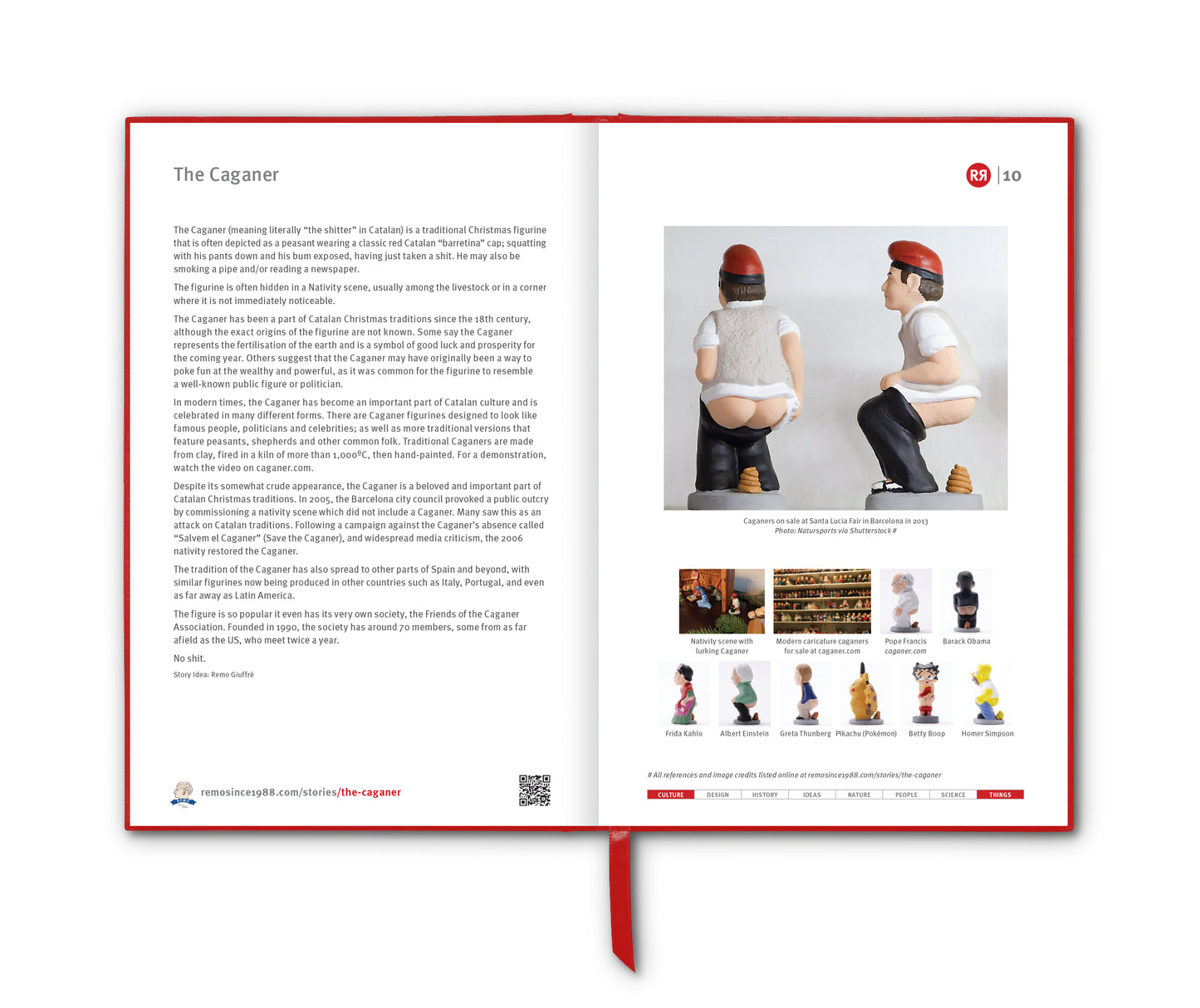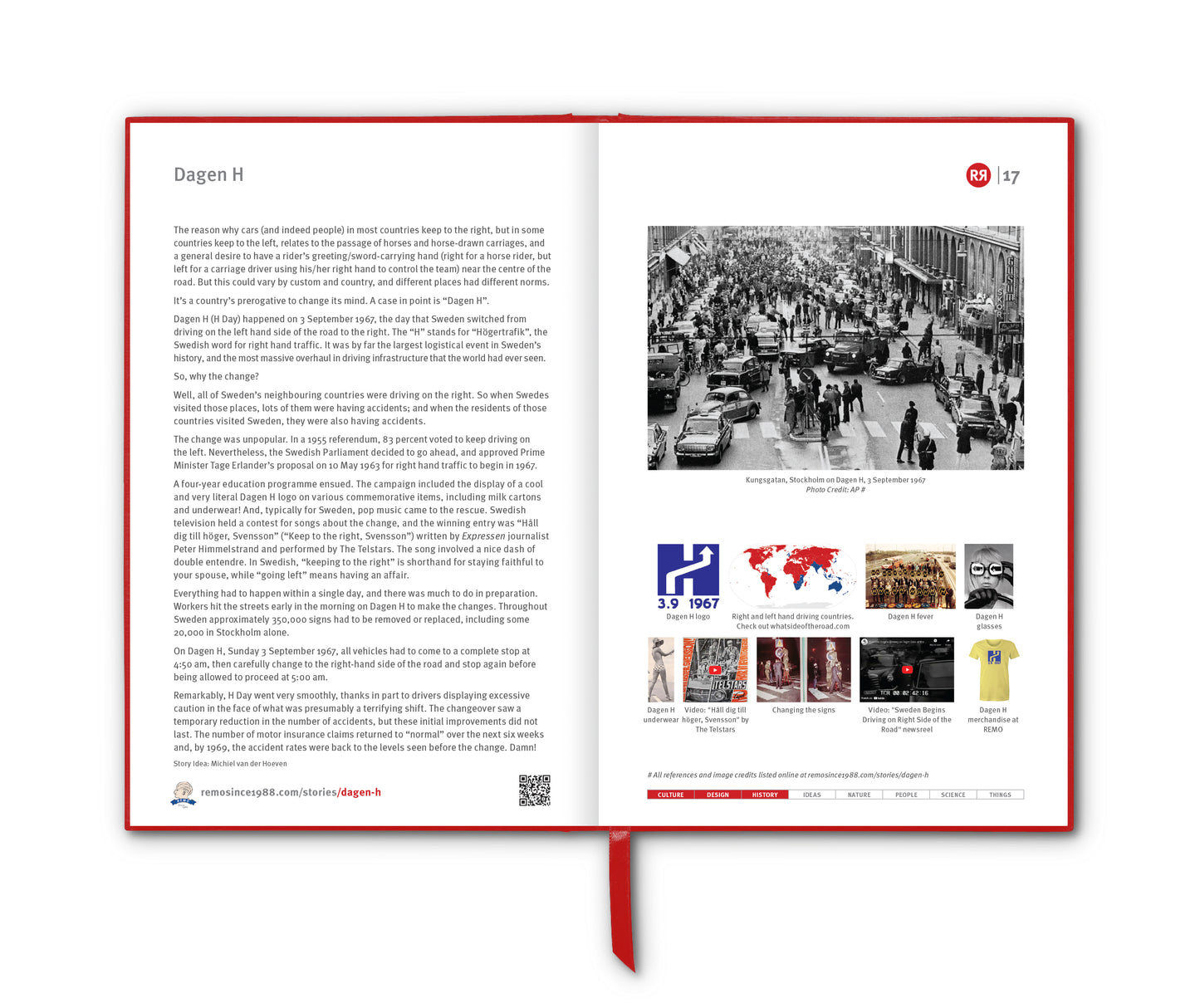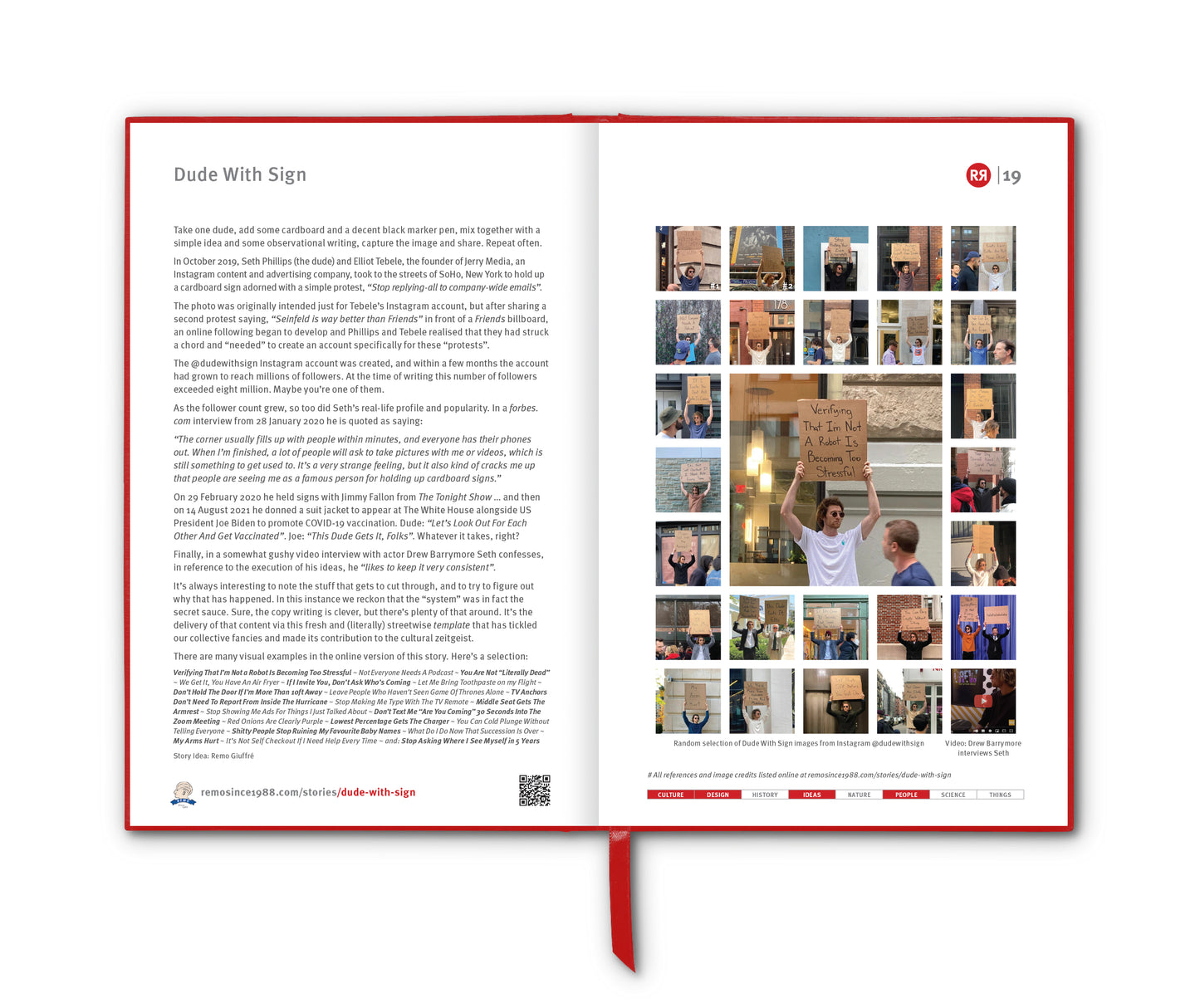

You’ve almost certainly used one, yet it’s unlikely that you know what it’s called. It’s the metal measuring tool found in shoe stores, the one with sliding gauges and markings that determines your shoe size. Yet despite being a fixture of retail life for a century, it remains largely invisible – a perfect example of a tool so effective that it disappears into the background.
The device was invented by Charles F. Brannock, the son of a shoe retailer from Syracuse, New York. Dissatisfied with the crude wooden Ritz sticks then in use, Brannock spent several years developing a more accurate system. Remarkably, he built his early prototype using an Erector Set. He patented the design in the 1920s, and it quickly became the footwear industry standard. Nearly a century later, the basic design remains largely unchanged.
What makes the Brannock Device so clever is that it measures not only foot length and width but also arch length – the distance from the heel to the ball of the foot. This third measurement helps explain why two people with the same foot length can require different shoe sizes. The device transformed shoe fitting from educated guesswork into something approaching science.
Its cultural significance comes not from glamour but from ubiquity. Generations of children have stood on one while being fitted for school shoes. Millions of soldiers have been measured on military versions of the device. It has quietly influenced how shoes are manufactured and sold around the world. Like the paperclip [RR3:59] or the zipper[RR5:89], it solved a problem so completely that nobody seriously needed to improve upon it.
Few people have championed the Brannock Device more enthusiastically than writer Paul Lukas. Through his Substack Inconspicuous Consumption, Lukas celebrates overlooked objects that perform their jobs with elegance and precision. He describes the Brannock Device as his publication’s symbol and “personal North Star”, admiring it as the ultimate inconspicuous object: useful, durable, honest and free from unnecessary embellishment. His fascination runs so deep that he once got a Brannock Device tattoo and even helped organise a minor-league baseball promotion celebrating the device.
The Brannock Device belongs to a special class of designed objects that achieve near perfection through simplicity – many of which have been celebrated in REMORANDOM. Consider the Swiss Army knife [RR6:74], the LEGO brick [RR5:46] or the safety pin [RR1:63]. Each performs a specific task extraordinarily well, resists obsolescence and remains fundamentally unchanged for decades.
In an age obsessed with disruption and innovation, the Brannock Device offers a different lesson. Sometimes the highest achievement of design is not to dazzle, but to endure.
Today, with more than one million devices sold, the Brannock Device remains the standard for the footwear industry.
Story Idea: Paul Lukas
__________________________
References
wikipedia.org/wiki/Brannock_Device
brannock.com
brannockdevices.com
wsj.com/articles/SB10001424052748703395904576025730088444702
inconspicuous.info
espn.com/mlb/story/_/id/23721592/the-minor-league-syracuse-chiefs-give-locally-made-institution-moment-spotlight
Images
1. Brannock Device. Credit: Brannock Device Company Records, Archives Center, National Museum of American History
2. Pre-Brannock Wooden Ritz stick
3. Charles. F. Brannock (1903–1992). Credit: Brannock Device Company Records, Archives Center, National Museum of American History
4 & 5. Brannock Device US Patent
6. Charles Brannock at work in his shop
7. Unidentified worker using a drill press at the Brannock Device Company machine shop
8. Measuring a foot. Credit: San Luis Podiatry
9. Brannock Device point of sale
10. A happy shopper trying on shoes with the aid of the Brannock Device. Credit: McCall's magazine
11. Paul Lukas with fresh tattoo, 2003