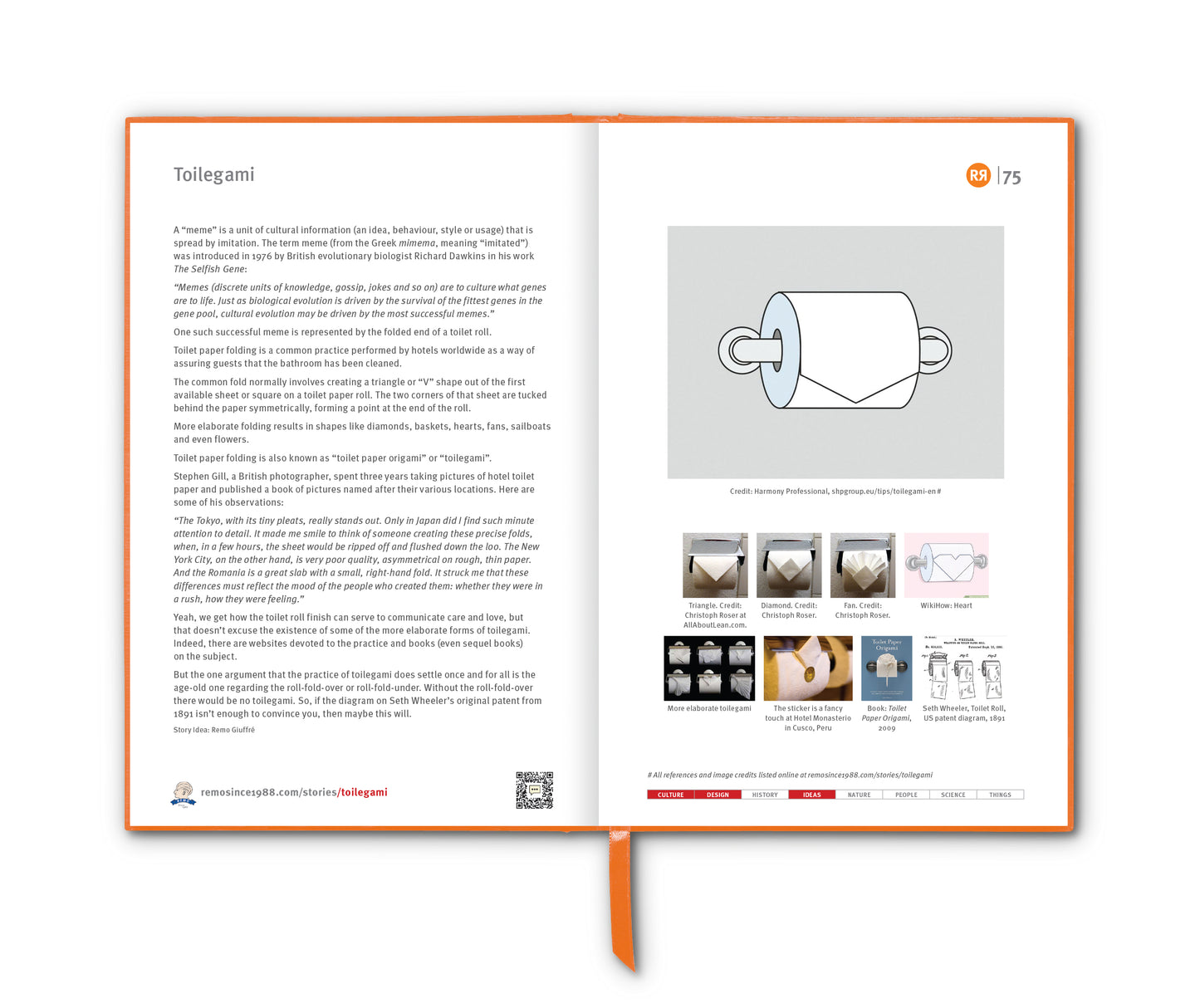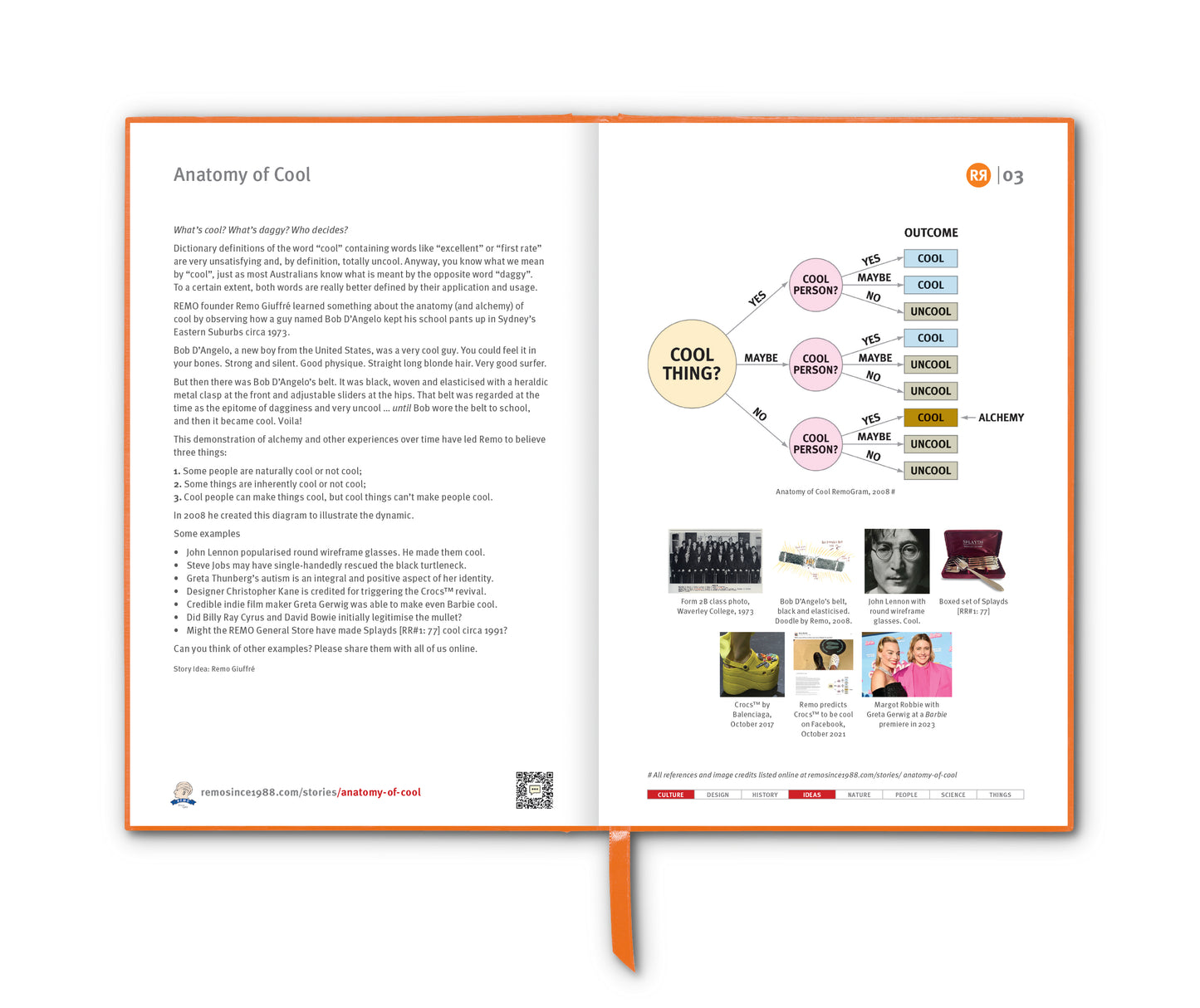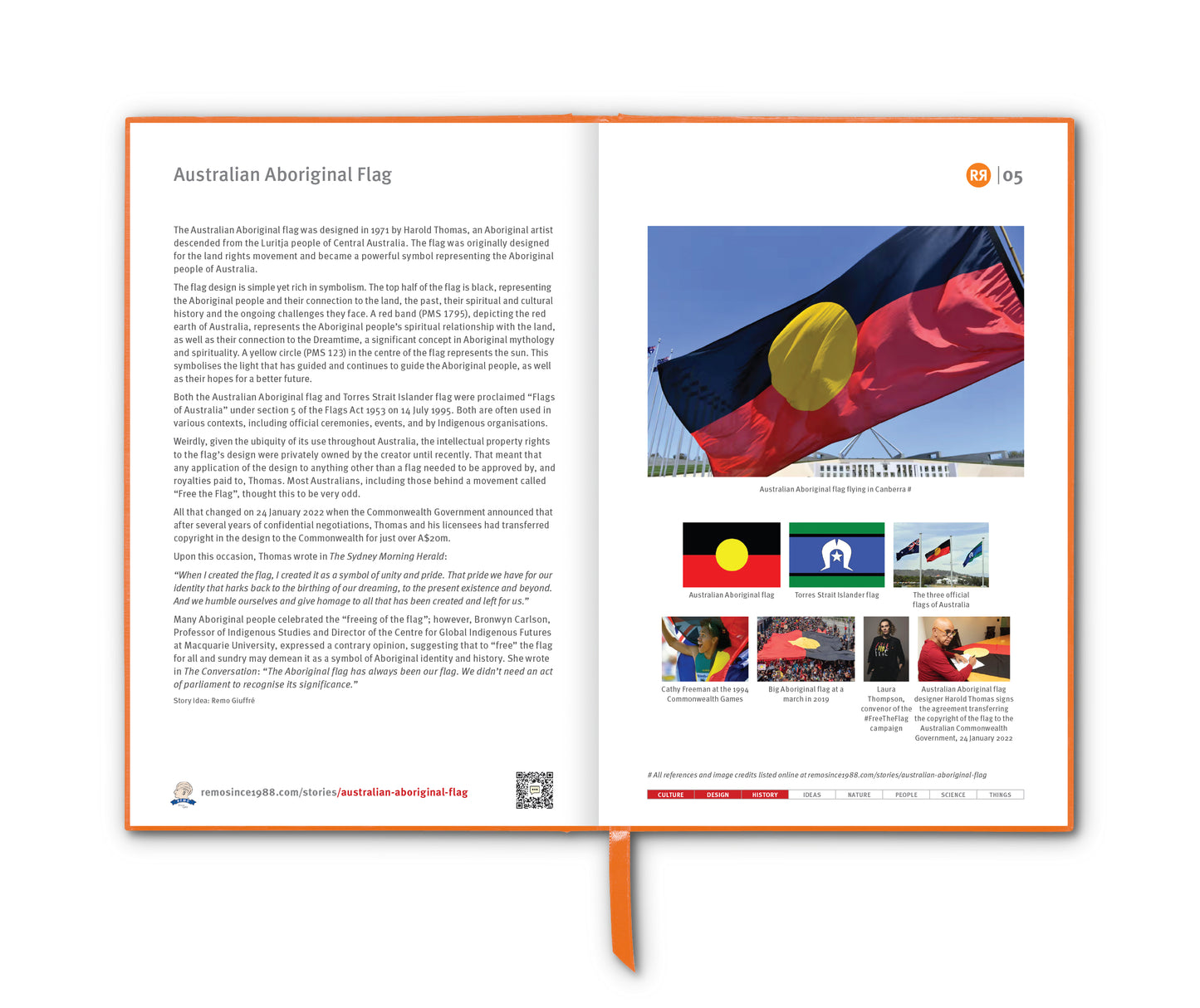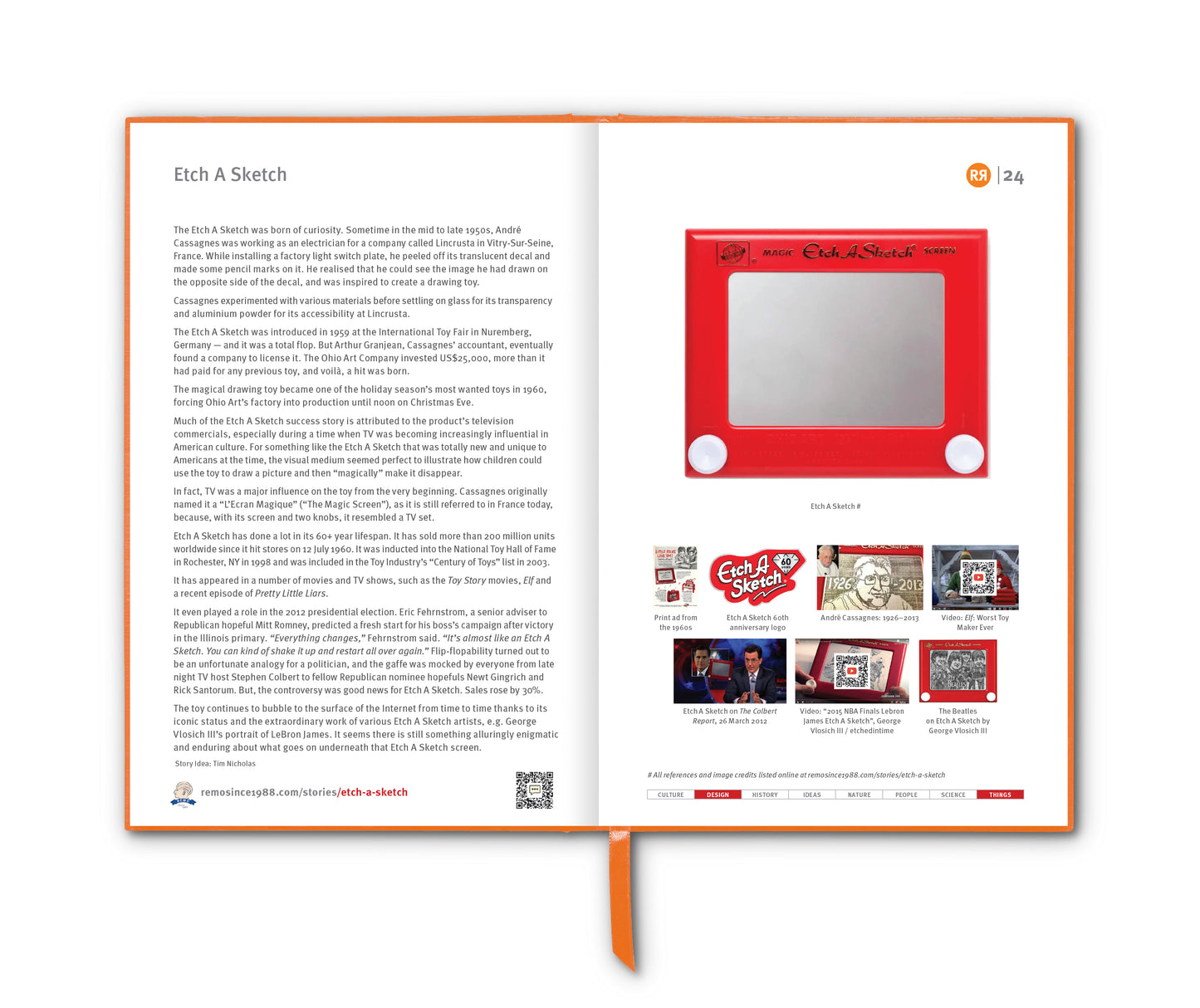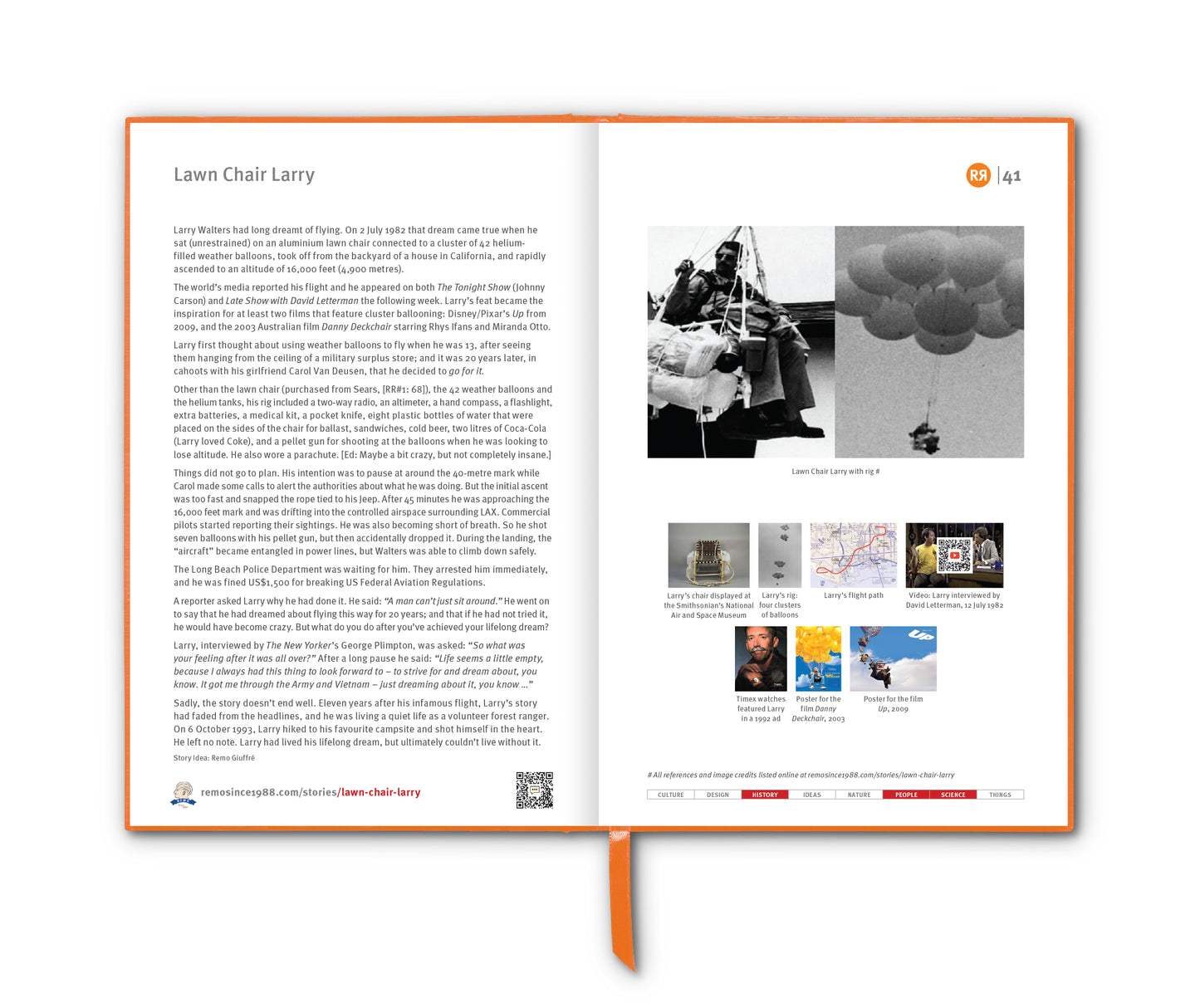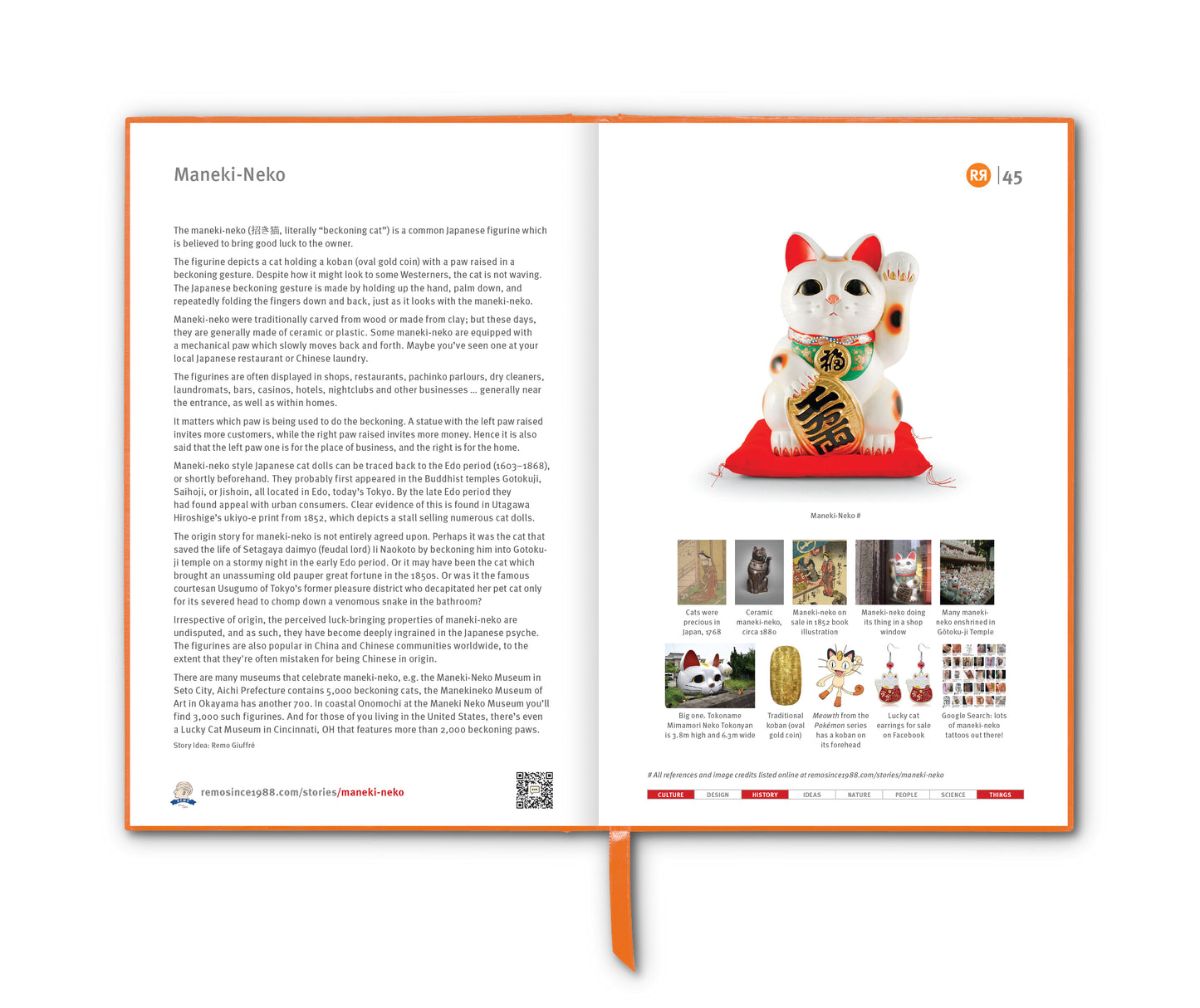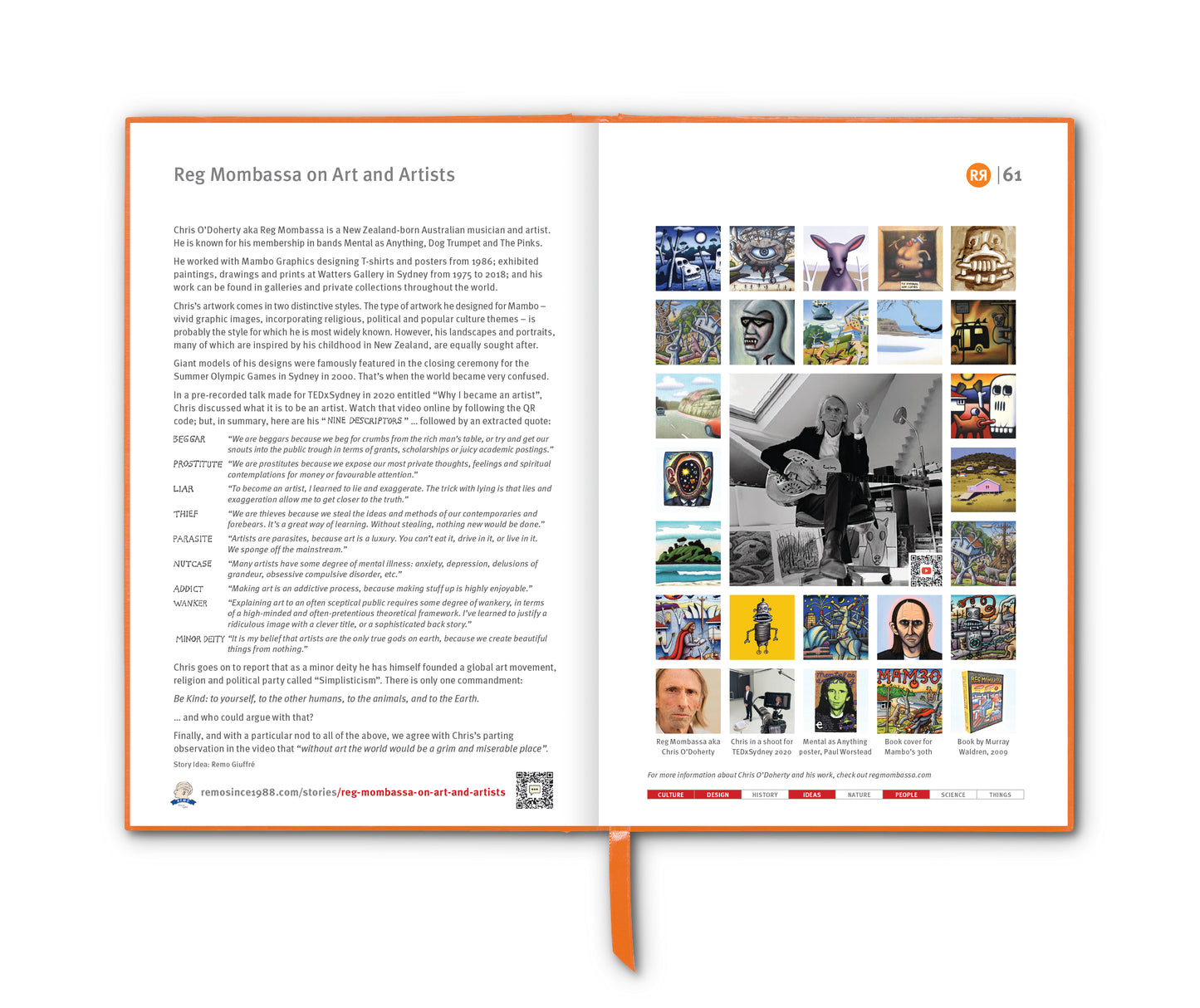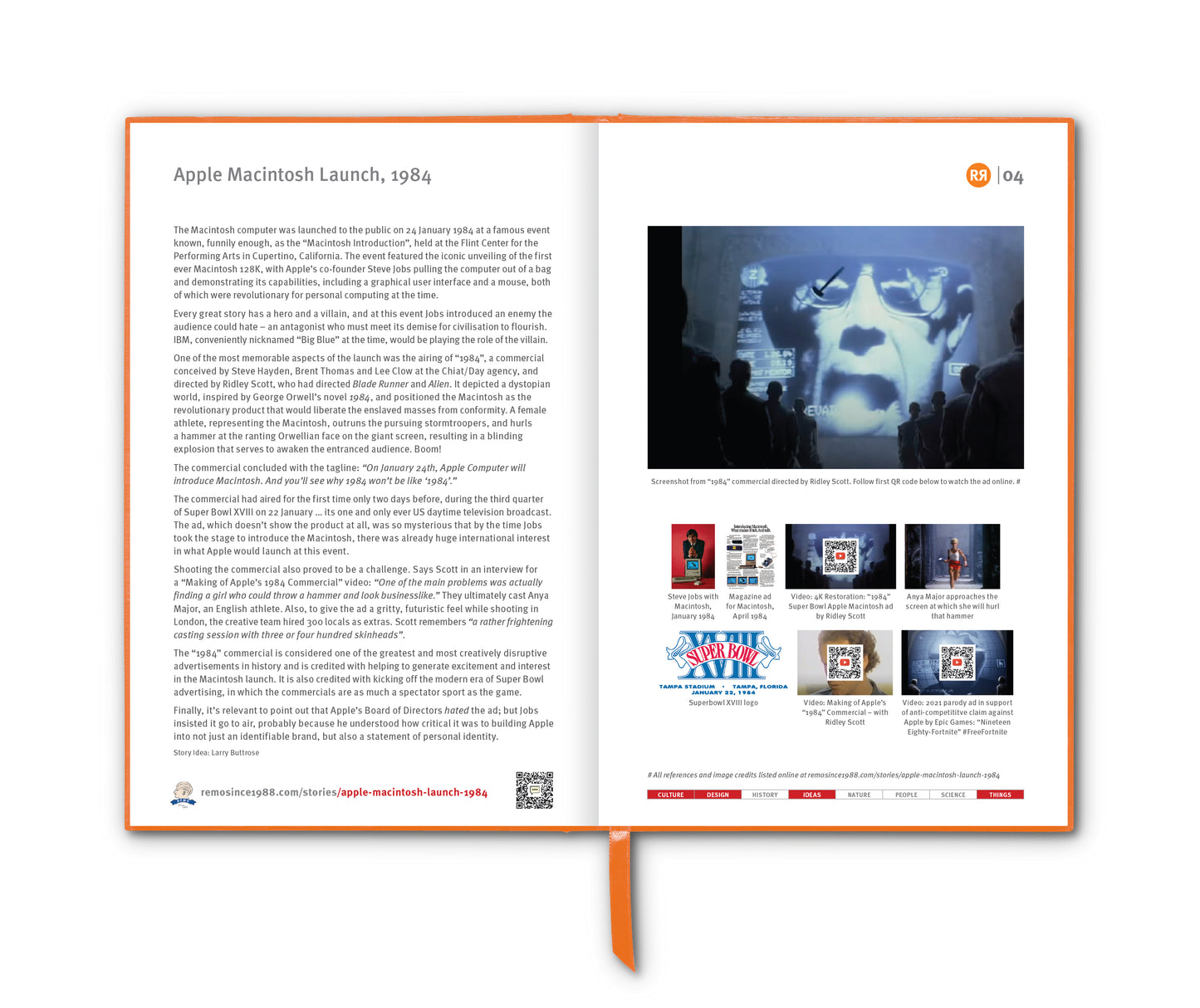

In the world of industrial design, the jerrycan is often cited alongside icons like the paperclip [RR3:59] as an object where form and function align so perfectly that improvement becomes unnecessary. To this day it continues to be regarded as the gold standard of liquid transport.
The jerrycan was developed in 1930s Germany, where the Wehrmacht ("armed forces") needed a more reliable way to transport fuel for its rapidly mechanised operations. Existing containers were fragile, prone to leaks and inefficient to store. German engineers – often linked to the Müller company in Schwelm – responded with the Wehrmacht-Einheitskanister (“armed forces standard canister”).
The term “jerrycan” comes from Allied slang. “Jerry” was a nickname for German soldiers. British and American troops first encountered these cans during the North African campaign and quickly realised their radical superiority – often capturing and reusing them in the field.
One of the earliest advocates for the design outside Germany was American engineer Paul Pleiss who had prepared a vehicle to journey to India with a German colleague who had managed to acquire three of the German jerrycans for their trip. Pleiss, recognising the strategic importance of the design, eventually got to get a sample back to the United States and proceed to vigorously promote its adoption, but initial resistance from military bureaucracy delayed its uptake –contributing to ongoing and significant fuel losses early in the war.
So, why was the jerrycan so remarkable?
Durability: It was made from pressed steel with a recessed/protected weld along the centre of the sides. It also featured an X-shaped embossing on each side, reinforcing its structure and allowing it to withstand rough handling and internal pressure changes.
Stackability: Its rectangular form allowed for efficient packing and secure stacking, maximising space in transport vehicles and storage depots.
Three-handle system: A deceptively simple innovation – three parallel handles enabled one person to carry a full can or two empty cans one handed, two people to share the load or multiple cans to be passed quickly along a chain.
Leak-proof seal: The cam-lock lid with a rubber gasket ensured an airtight closure. It could be opened quickly without tools, reducing spillage and contamination.
Air space and smooth pouring: An internal air pocket meant that even a full can would float, and an air vent allowed fuel to flow evenly, avoiding the “glugging” common in earlier designs.
Protective lining: Early cans were coated internally to prevent rust and contamination, making them suitable for both fuel and water.
In contrast, early Allied containers – particularly the aptly-named British “flimsy” (low-grade four-gallon cans made of tin) – were notorious for leaking and breaking – especially in desert conditions.
Once the advantages of the German design became clear, Allied forces rapidly reverse-engineered and mass-produced their own versions. The British one was almost a direct copy and comparable in quality to the German original. The American designed “blitzcan” replaced the German recessed welded seam with rolled seams which were prone to leakage. Not as good.
By the later stages of the war, millions of jerrycans were in use, forming a critical part of military logistics for both sides.
The German design jerrycan is still a standard container for fuel and other liquids for the armies of the NATO countries, and indeed for liquid-lugging civilians all over the world.
Story Idea: Erik Spiekermann
________________________
References
wikipedia.org/wiki/Jerrycan
carryology.com/utility/carry-history-the-wwii-jerrycan/
thefabricator.com/thewelder/blog/arcwelding/the-jerrycan-history-and-design
hagerty.co.uk/articles/the-astonishing-story-of-the-jerrycan/
blitzcan.se/major-paul-pleiss/
Images
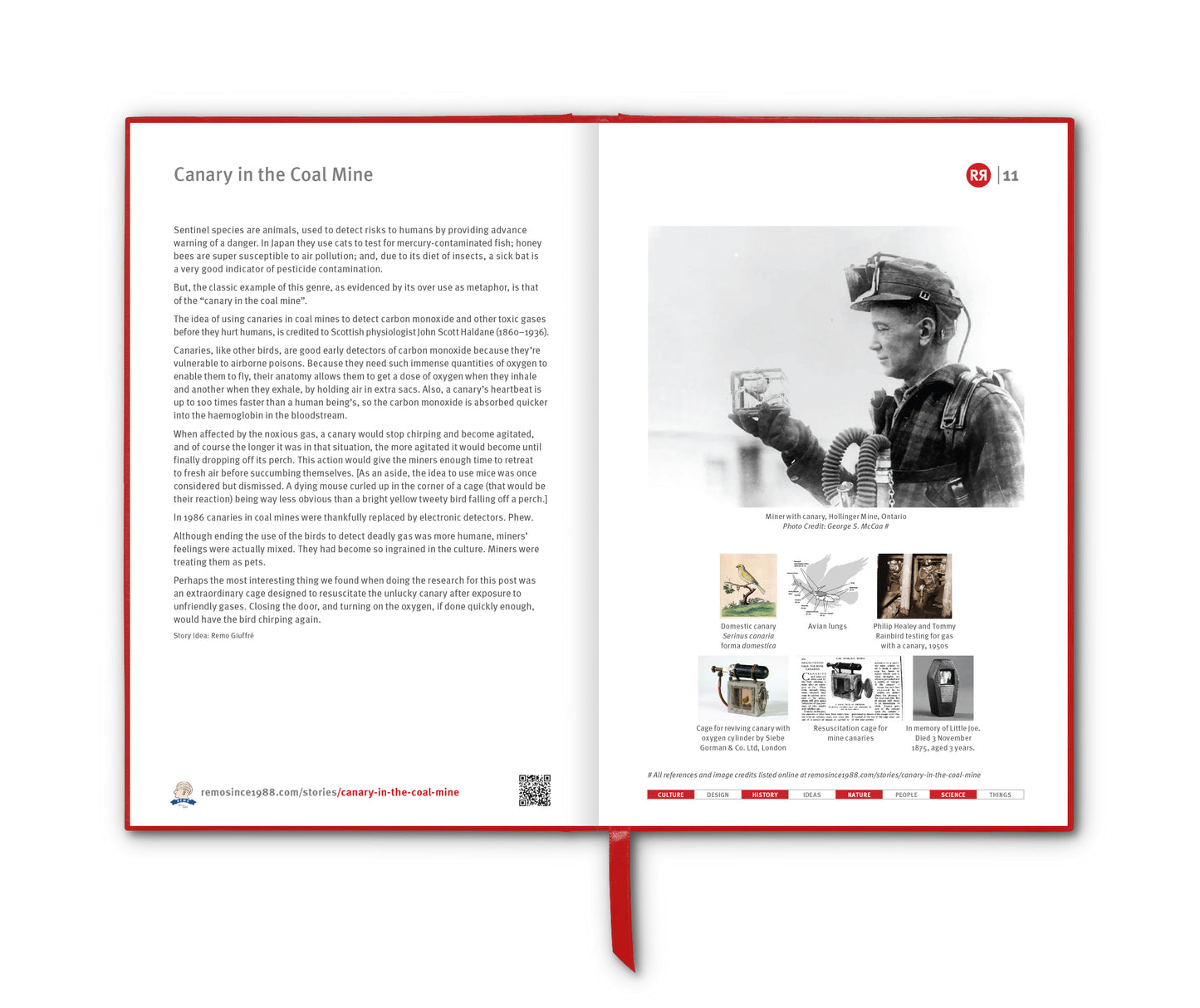
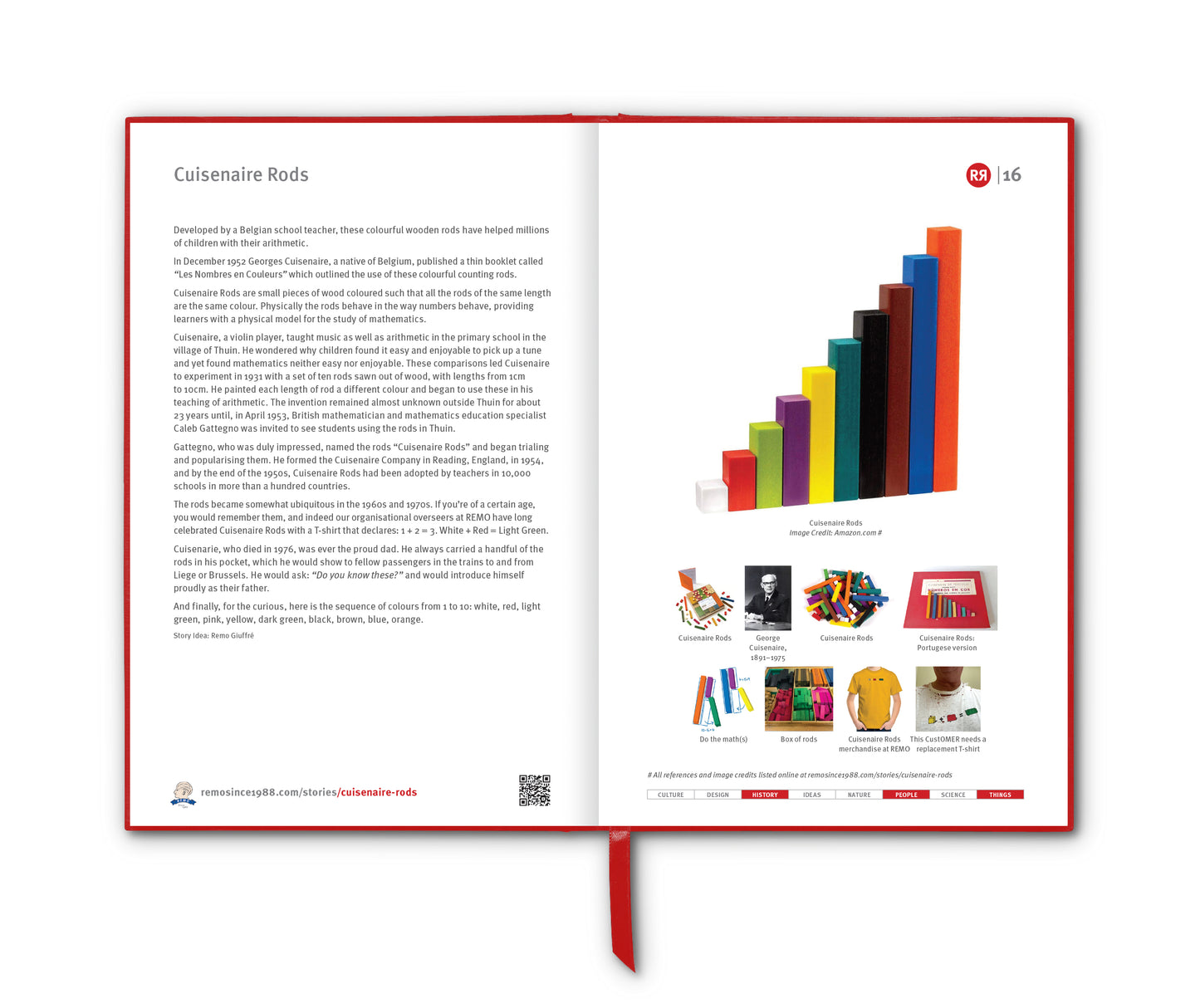
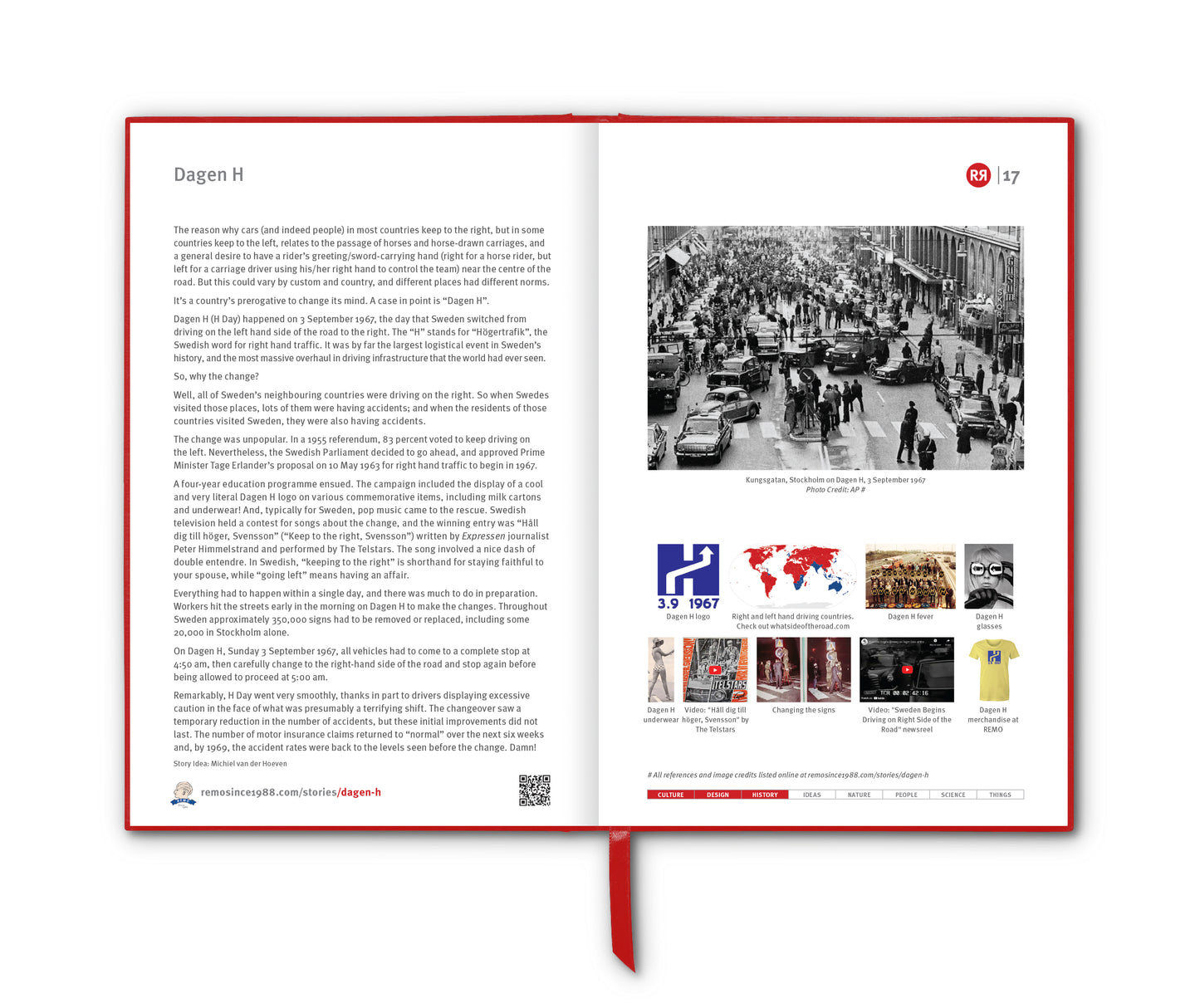
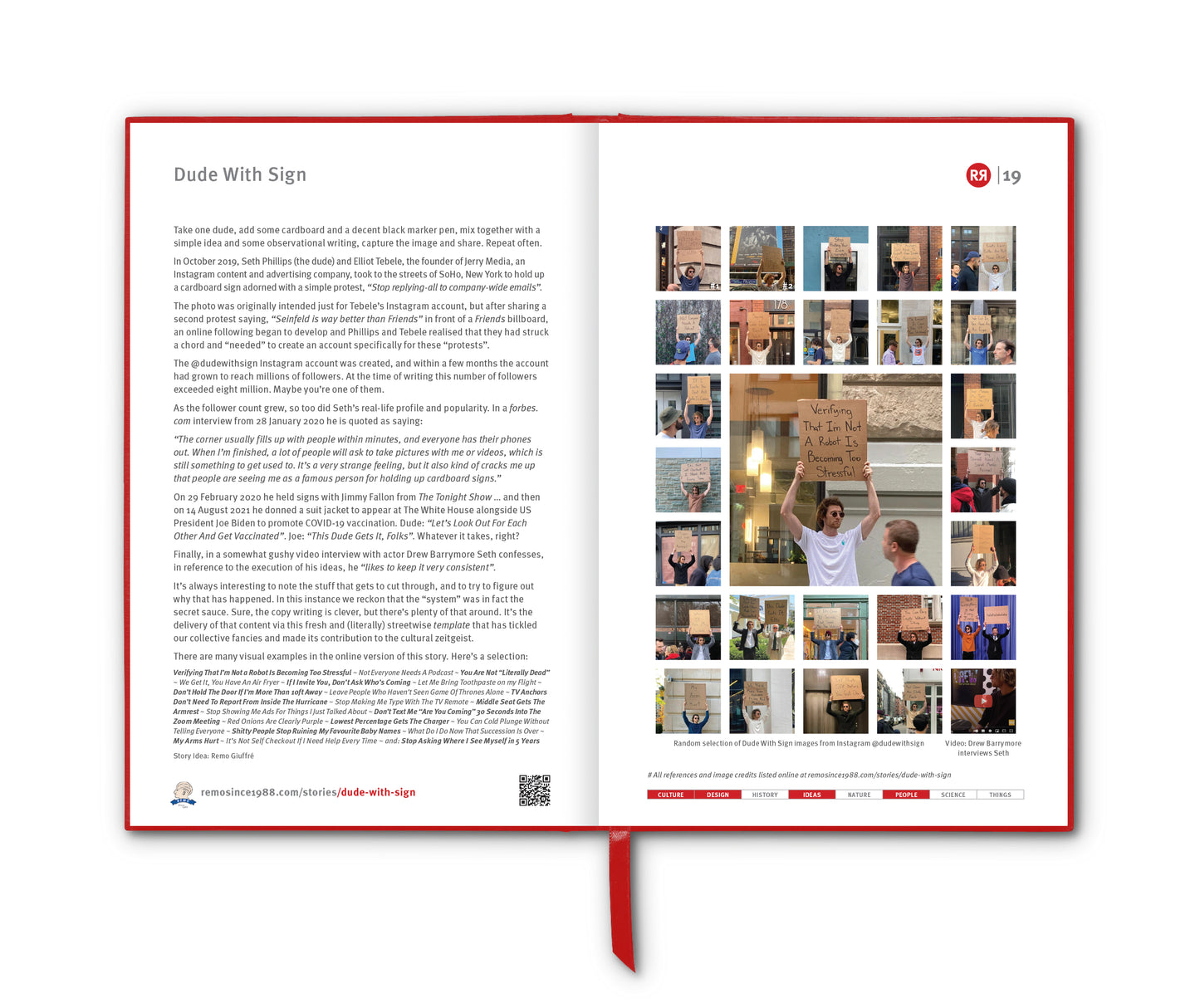
1. Original German Wehrmacht-Einheitskanister aka jerrycan
2. Paul Pleiss, 24 April 1941
3. Jerrycans, 1941. Photo credit: Heinz Fremke
4. British soldier filling a Crusader tank with petrol from a 4-gallon "flimsy" tin, 27 October 1942
5. Loading jerrycans onto a barge in 1944 in training for the D-Day invasion
6. The double carry
7. Lots of jerrcans
8. British manufacturing of jerrycans
9. British copy, 1943
10. Video: "Jerry Cans: The True Secret Weapon of WWII", Calum on Raasay, 2022