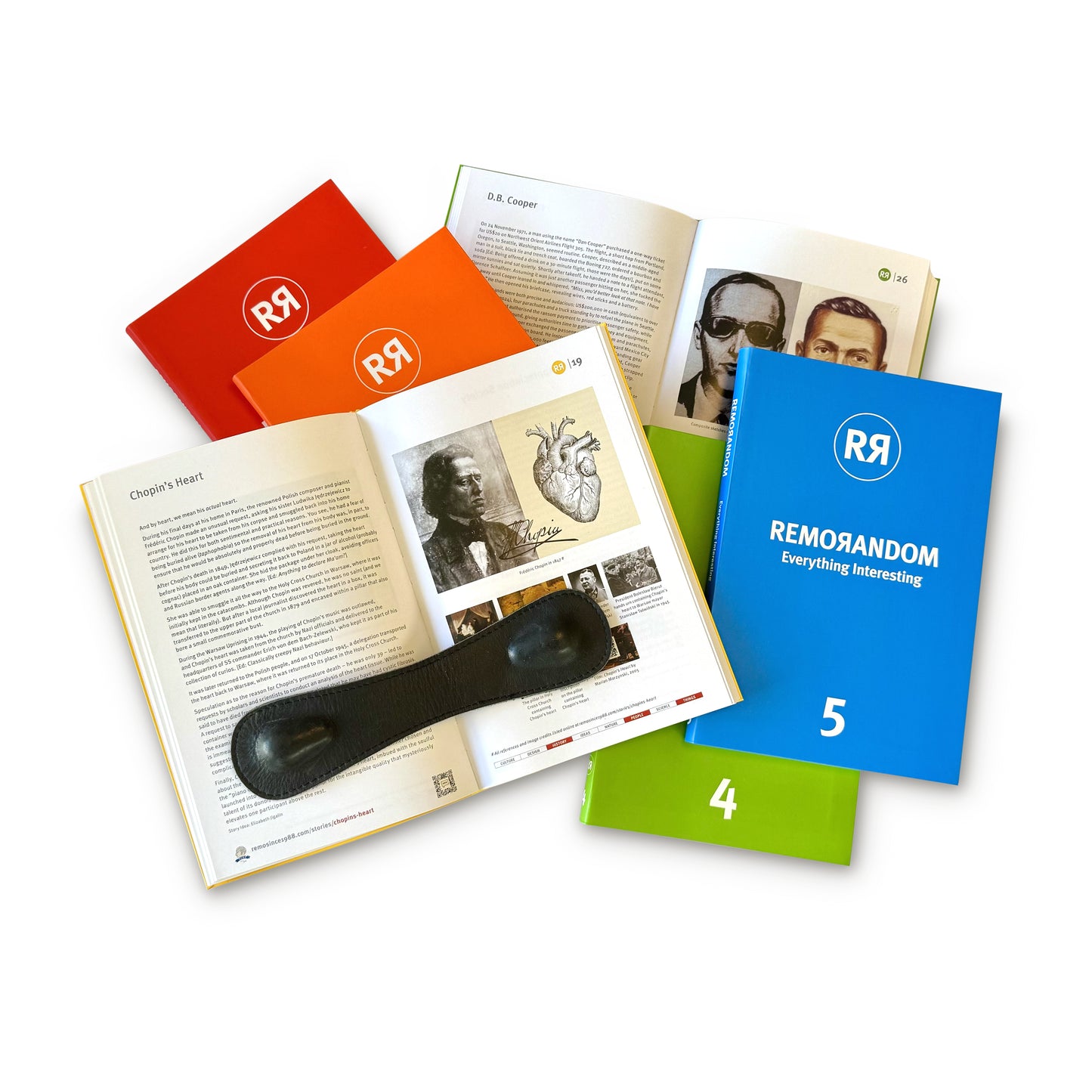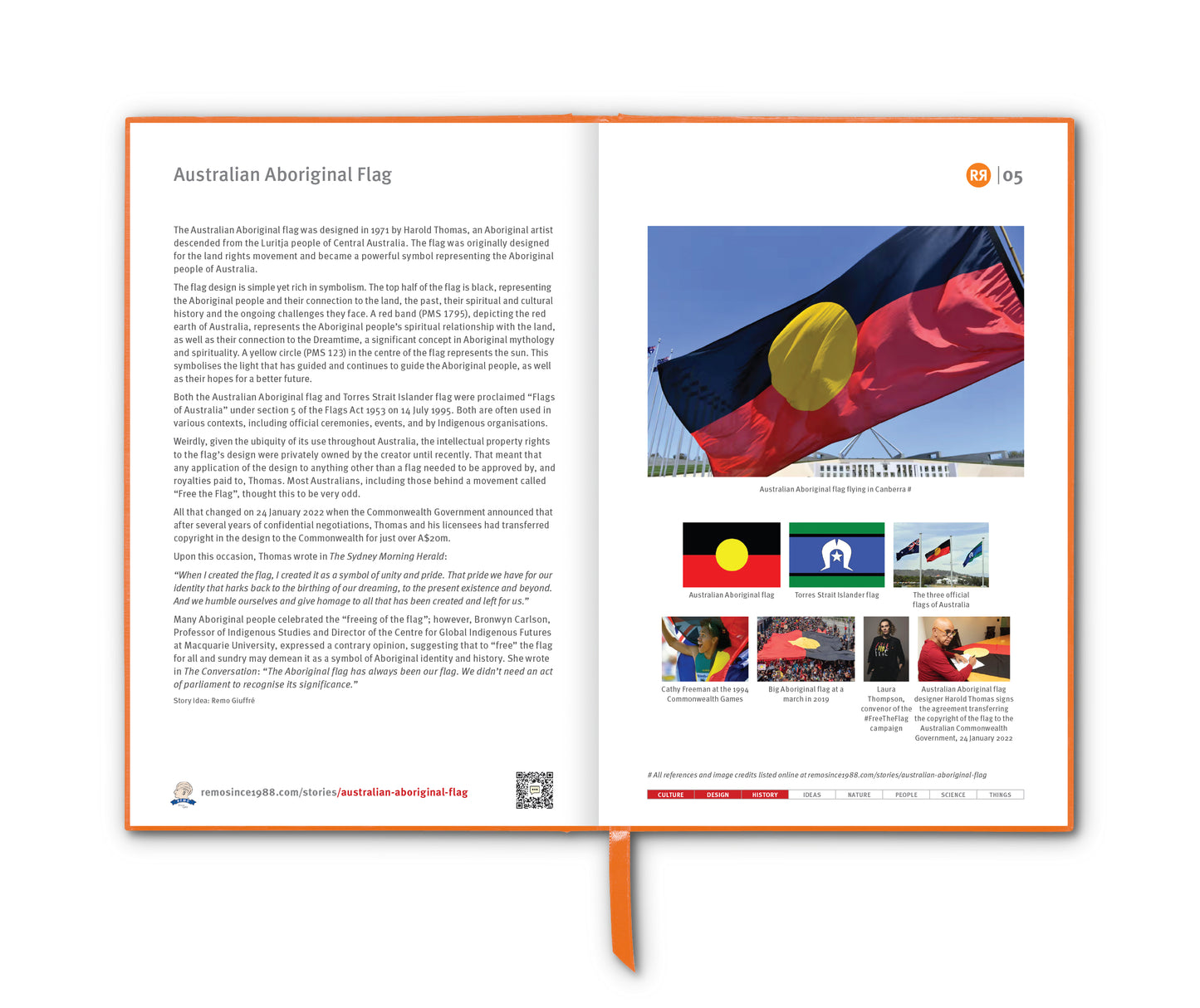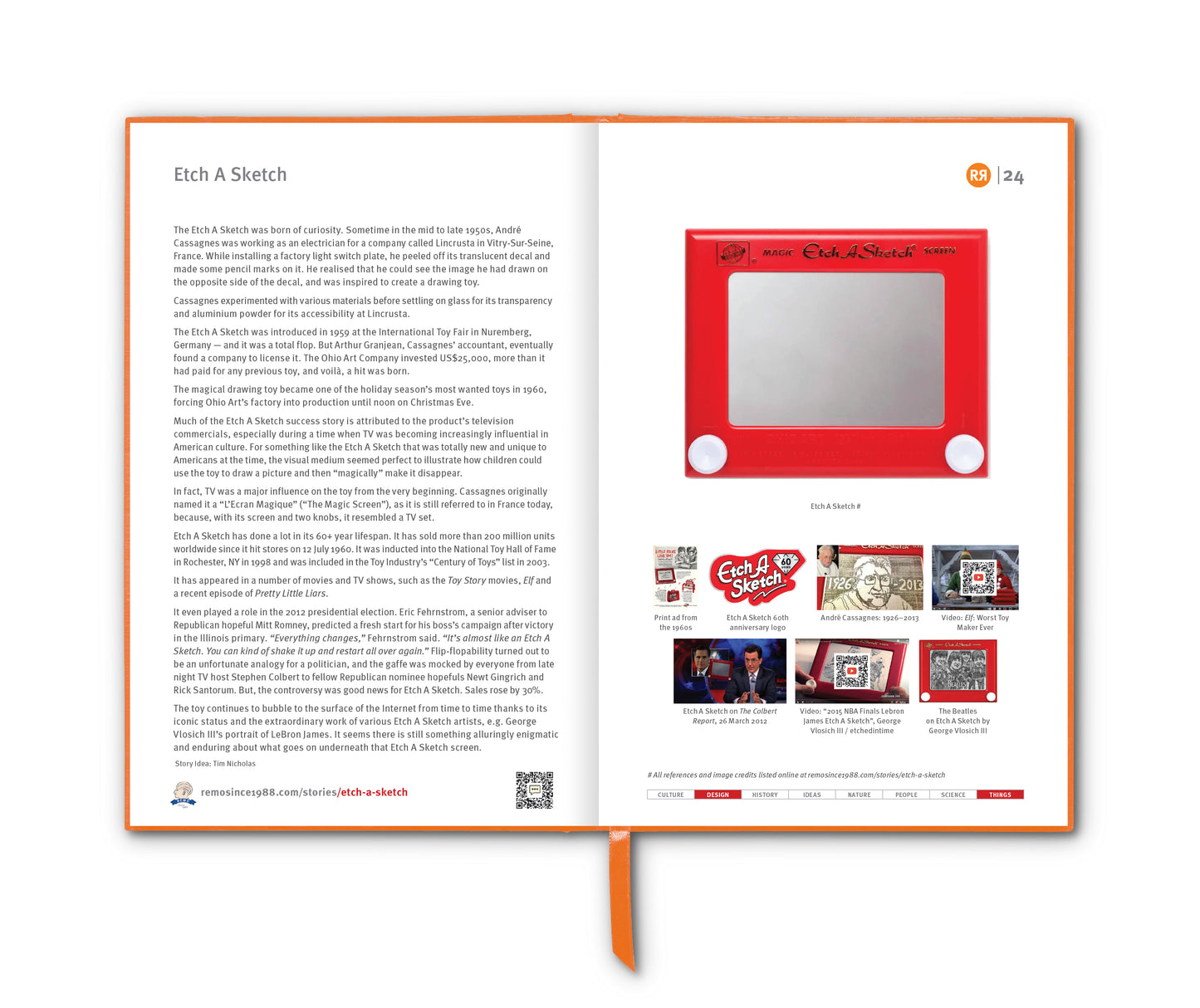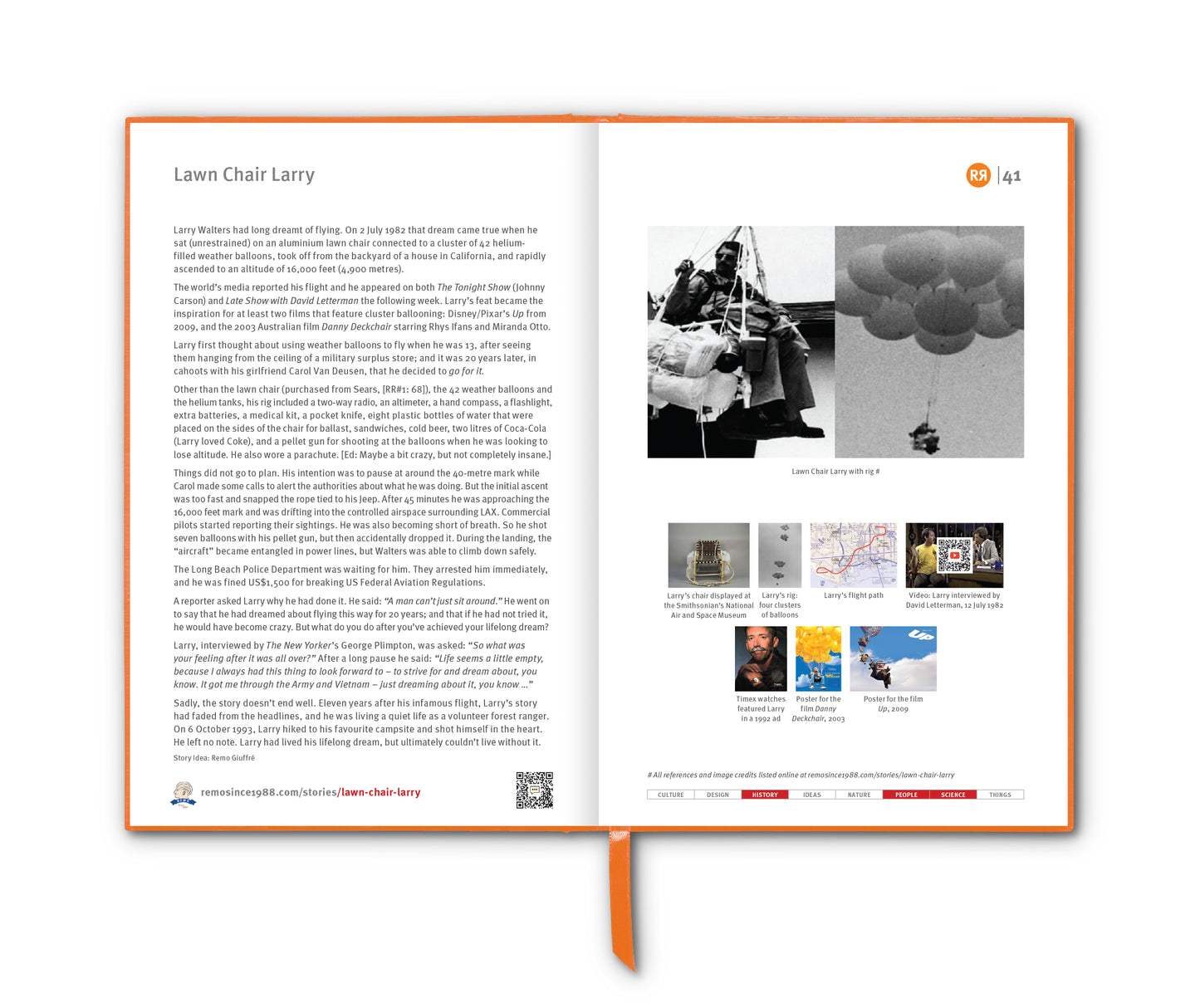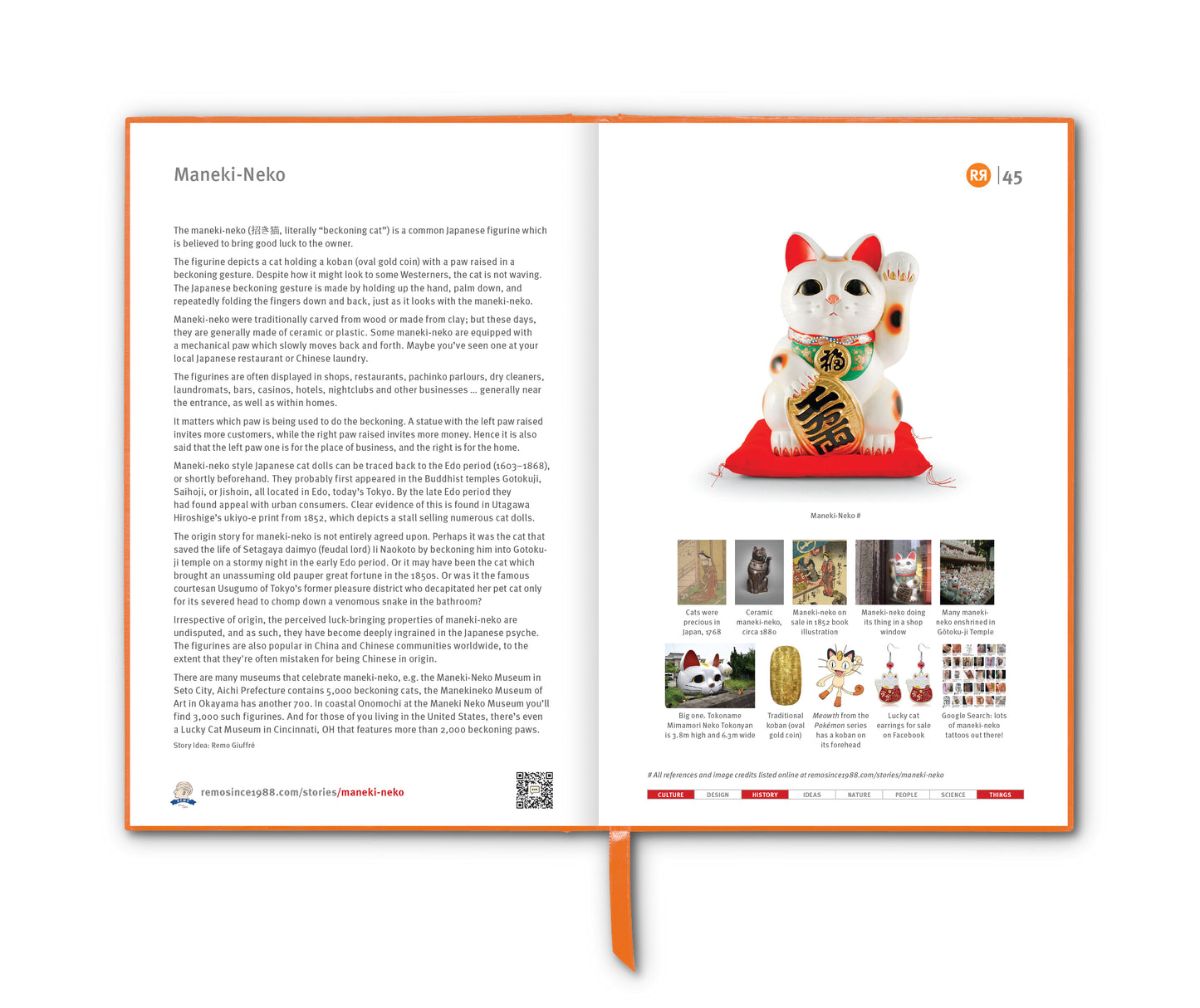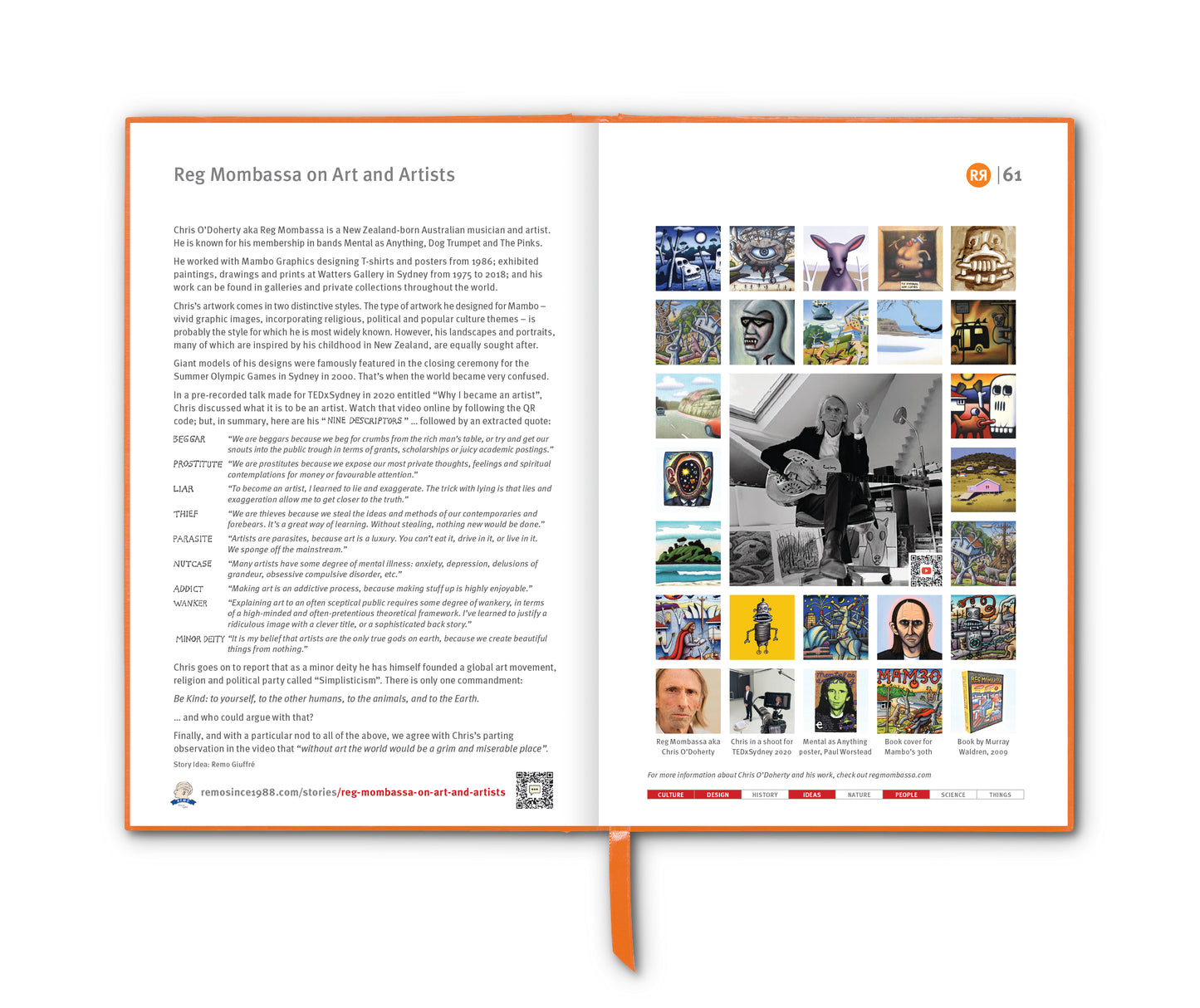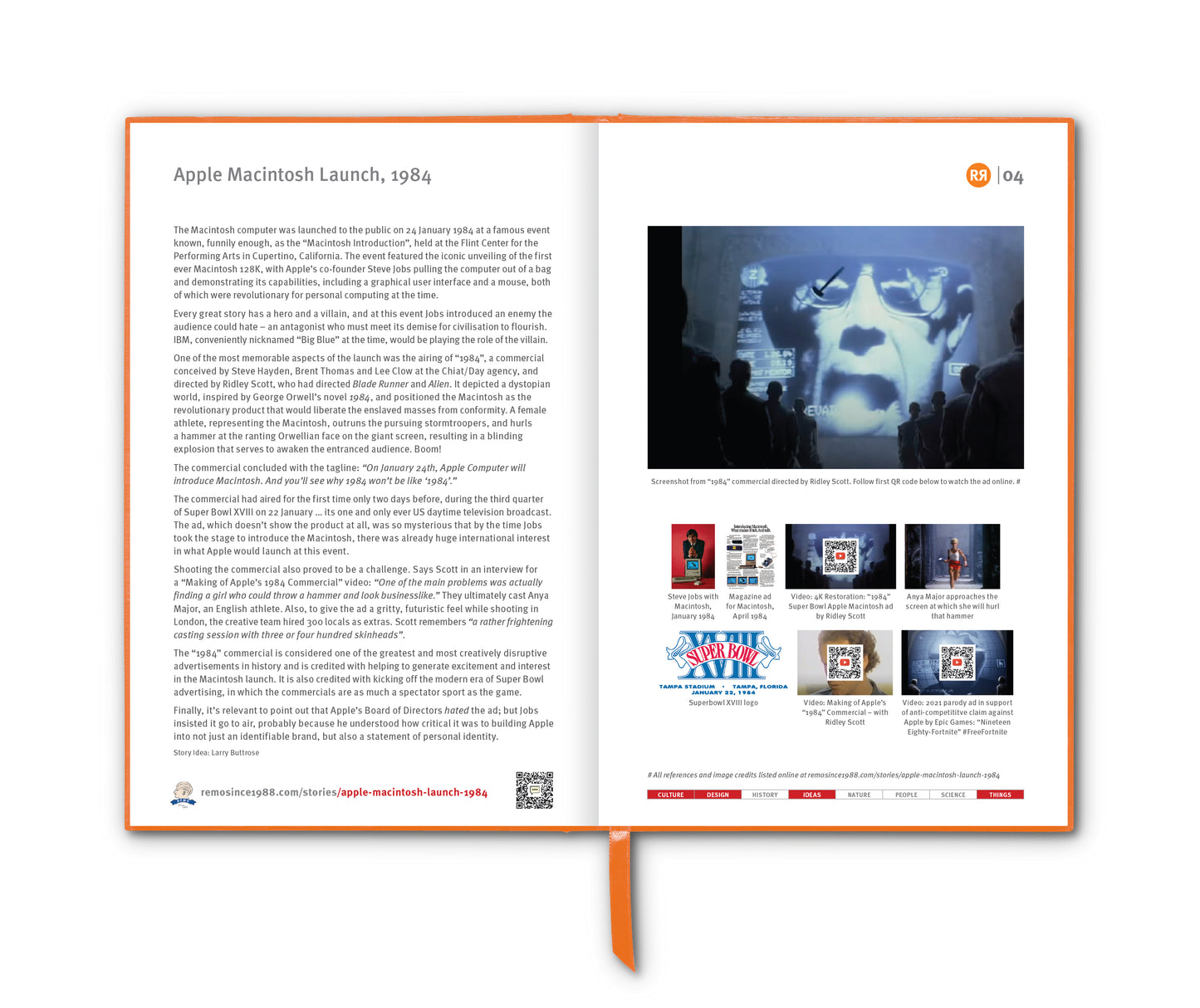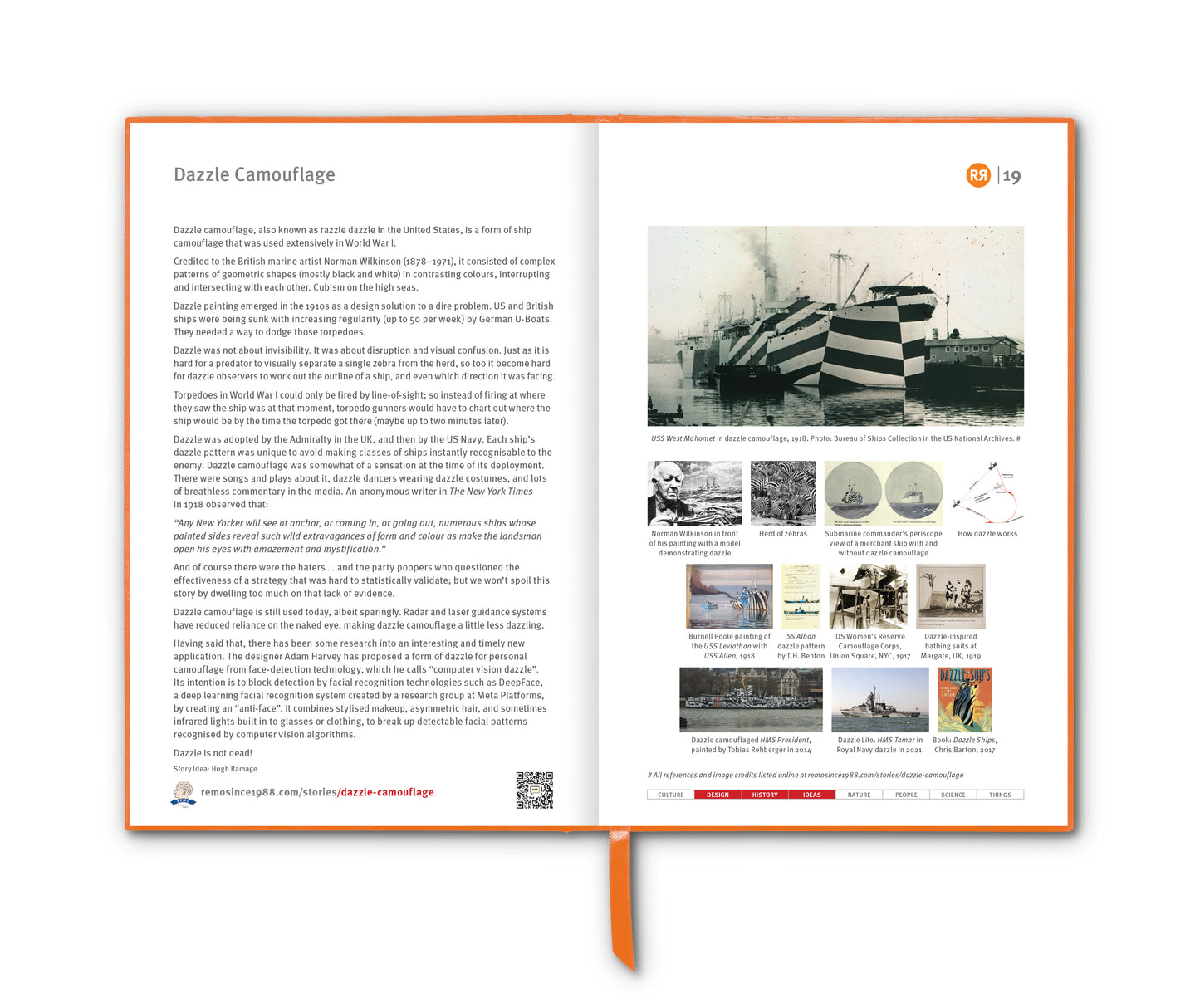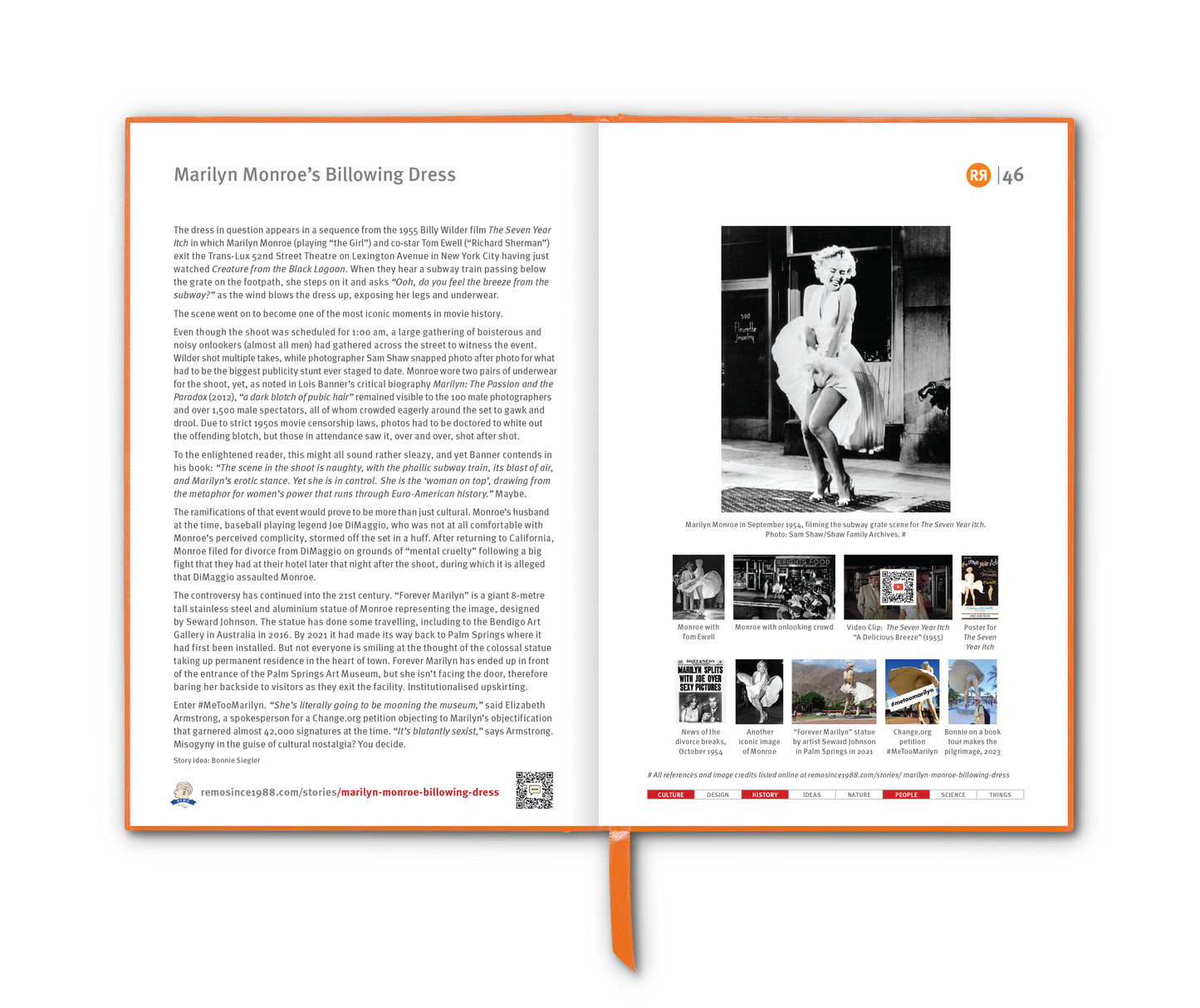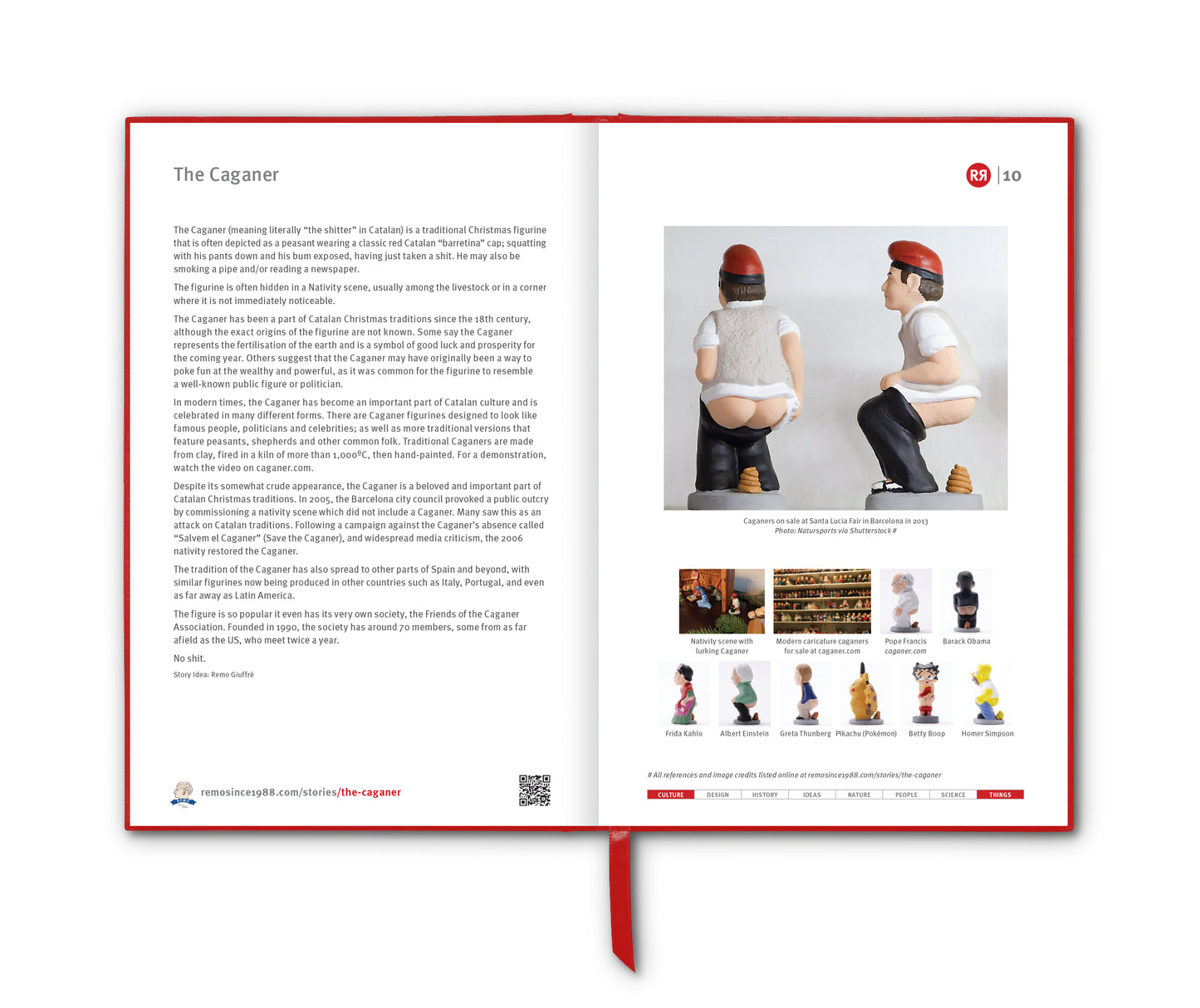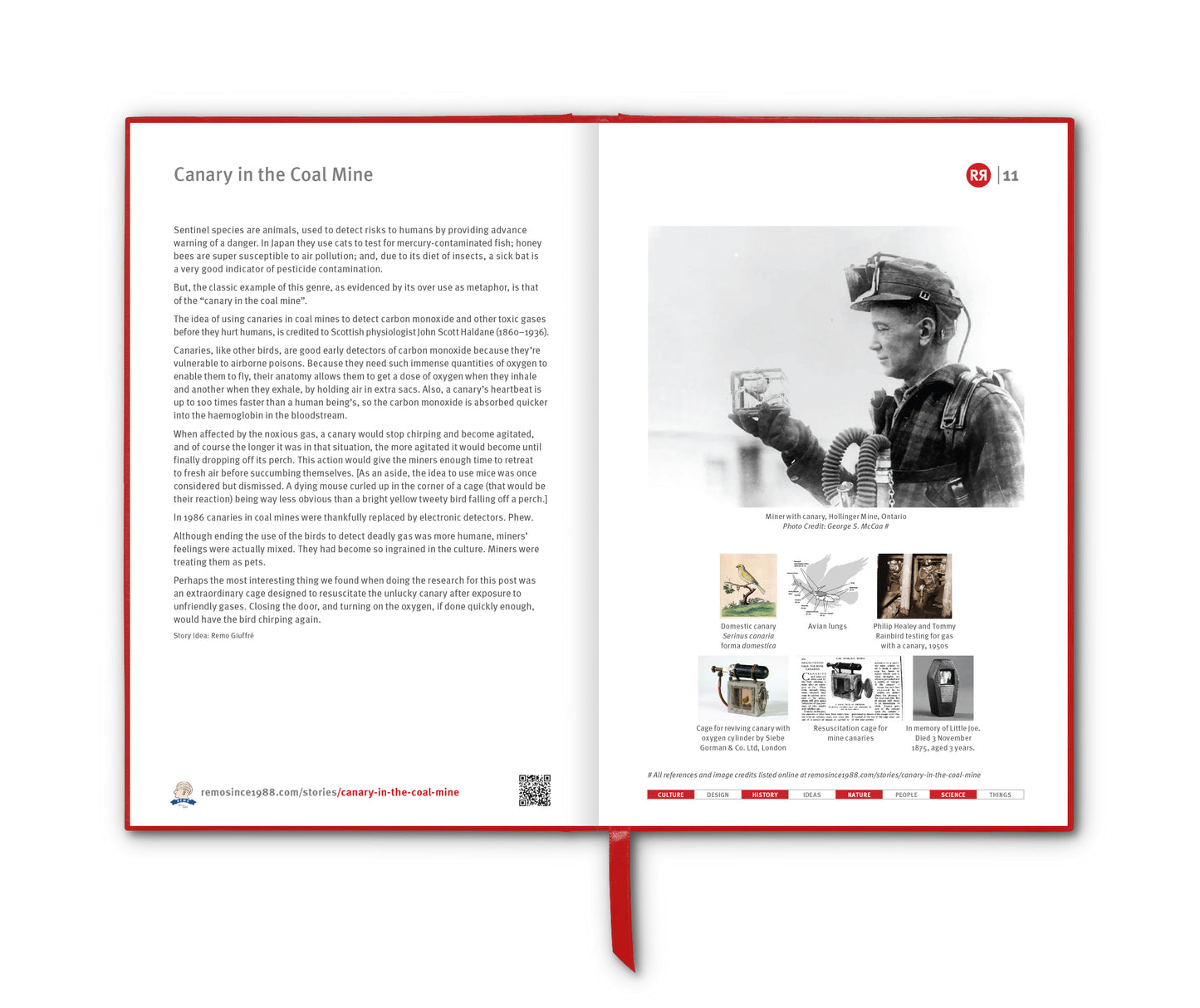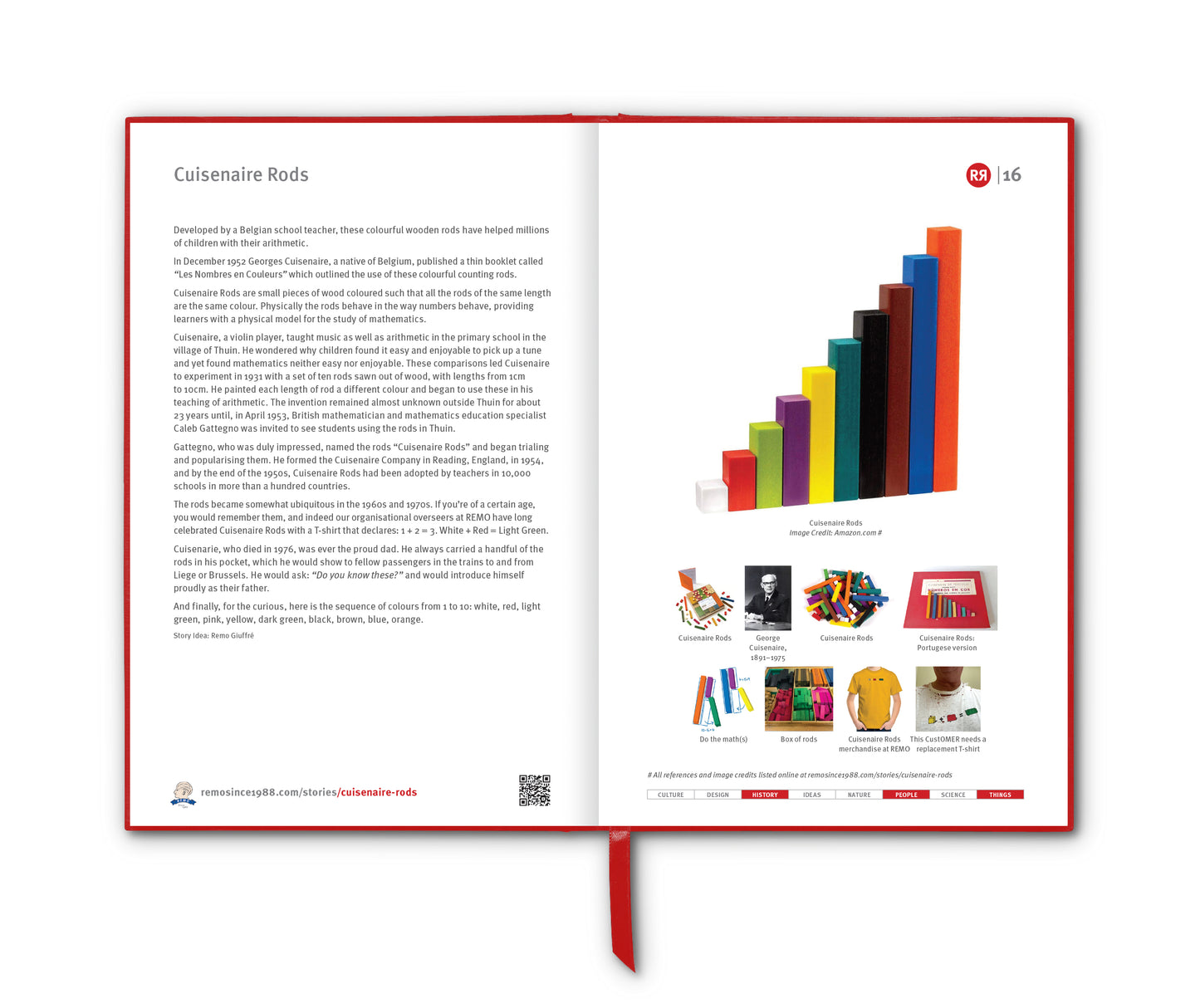

The Volkswagen Beetle – officially known as the Type 1 – was born during a dark chapter of history, but went on to become one of the most beloved and recognisable cars in the world.
The story starts in 1934, when Adolf Hitler commissioned engineer Ferdinand Porsche [Ed: Yes, it's the same guy.] to design a Volkswagen (literally “people’s car”) that would be affordable, reliable and practical for ordinary German families. The result was the initial prototype of the Beetle: air-cooled, rear-engined, and built to cruise the autobahn at 100 km/hour.
World War II interrupted production, and the Volkswagen factory in Wolfsburg was repurposed to manufacture military vehicles. After the war, the British Army took over the bombed-out plant and restarted production, partly to keep local workers employed. By 1946, the factory was producing thousands of Beetles – mostly for use by occupying forces. So, against all odds, what started as a Nazi propaganda project was about to become a symbol of postwar prosperity, peace and individuality.
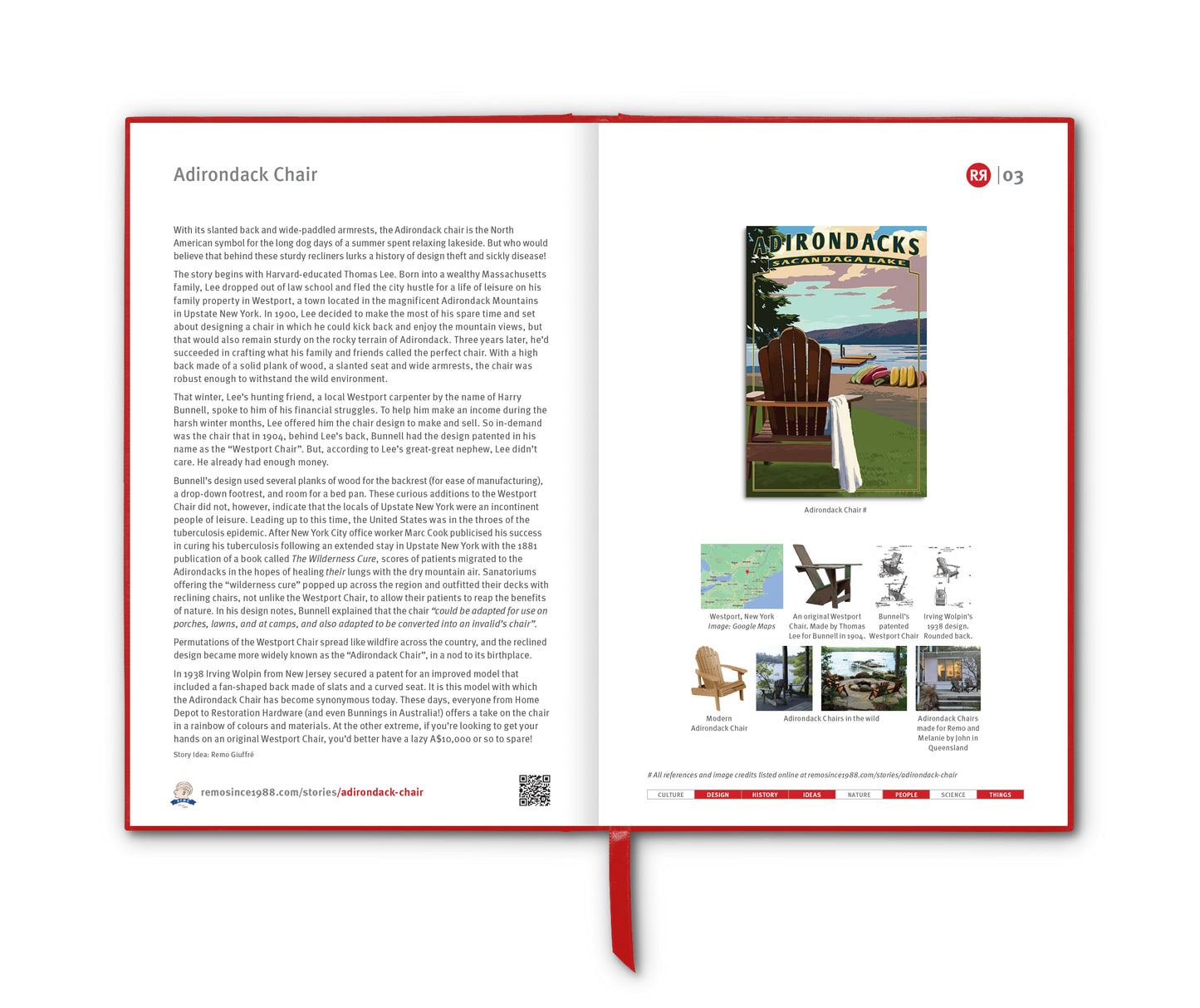
In the 1950s and ’60s, the Beetle found traction across Europe and especially in the United States. Americans, surrounded by oversized chrome-laden vehicles, were charmed by the Beetle’s small, rounded shape and functional simplicity. Its reliability and affordability – coupled with solid German engineering – made it a hit with students, families and counterculture types alike.
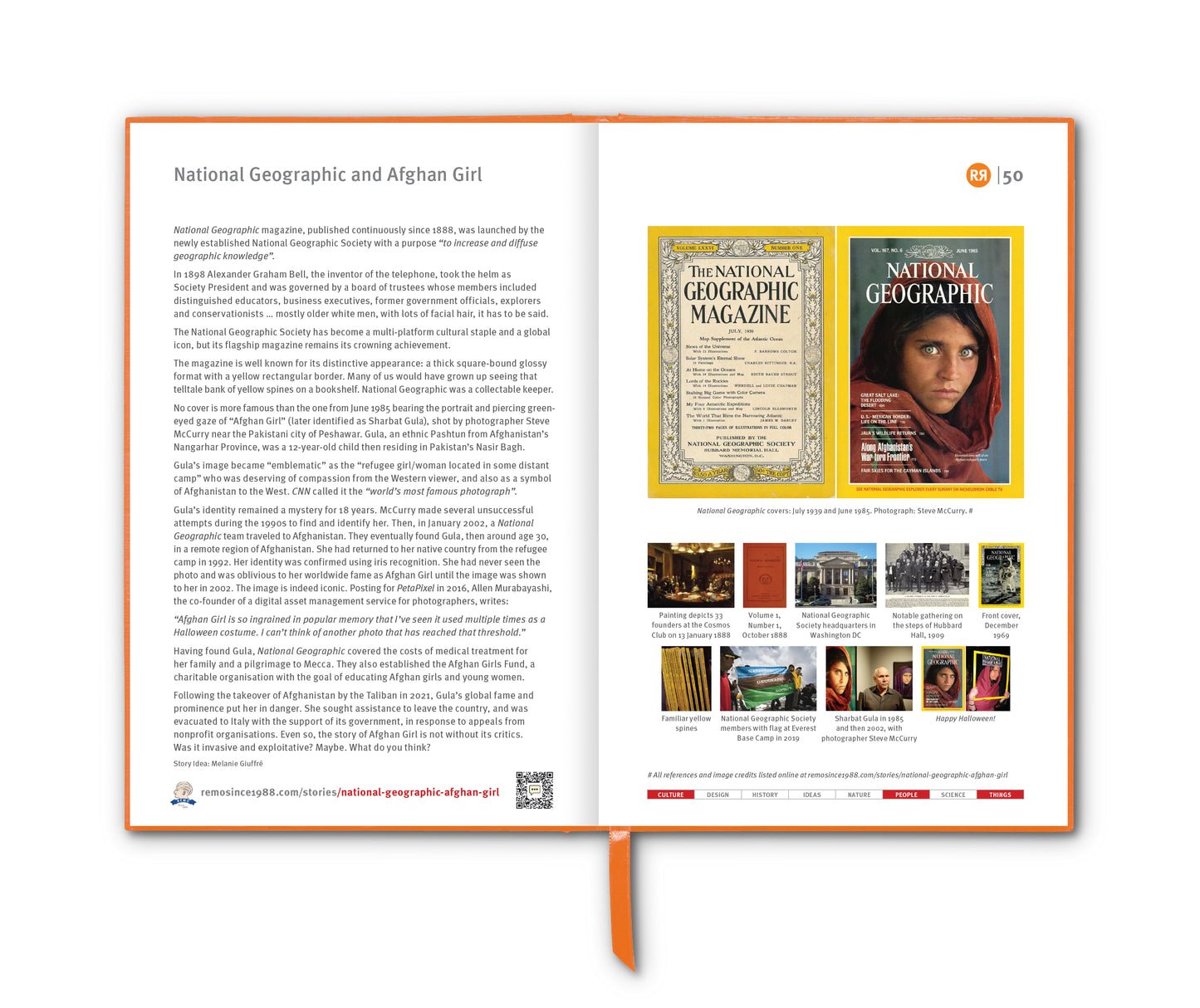
Volkswagen’s advertising agency, Doyle Dane Bernbach (DDB), played a critical role in the Beetle's cultural ascension. Their groundbreaking 1959 “Think Small” campaign turned traditional car advertising on its head. Instead of boasting about power or luxury, the most famous ad from the campaign featured a tiny Beetle surrounded by white space, celebrating its modesty. This honest, self-deprecating tone resonated deeply with a growing segment of Americans tired of corporate spin. The ad, the hero of what is still the most famous automotive campaign of all time, sparked a marketing revolution – one that influenced generations of advertisers.
The Beetle’s popularity extended into the 1970s, but its utilitarian design began to lose ground to more modern vehicles. Production in Germany ceased in 1978, though the car continued to be made in Brazil and Mexico for decades. In 1998, Volkswagen released the "New Beetle”, a retro-inspired redesign aimed at nostalgia-driven buyers. A second redesign followed in 2011. Production finally ended in 2019, capping off an extraordinary run of over 21 million units sold globally – making it one of the best-selling cars of all time.
Culturally, the Beetle became much more than just a car. It was Herbie the Love Bug in Disney films. It was a symbol of 1960s freedom and rebellion. It was flower-powered, surfboard-topped, and sticker-covered. For many, it represented a way of life – economical, individualistic and just a bit quirky.
The Beetle’s story isn’t just automotive history; it’s social history on four wheels.
______________________
References
wikipedia.org/wiki/Volkswagen_Beetle
wikipedia.org/wiki/Think_Small
adweek.com/agencies/ddb-volkswagen-think-small-print-legacy
Images
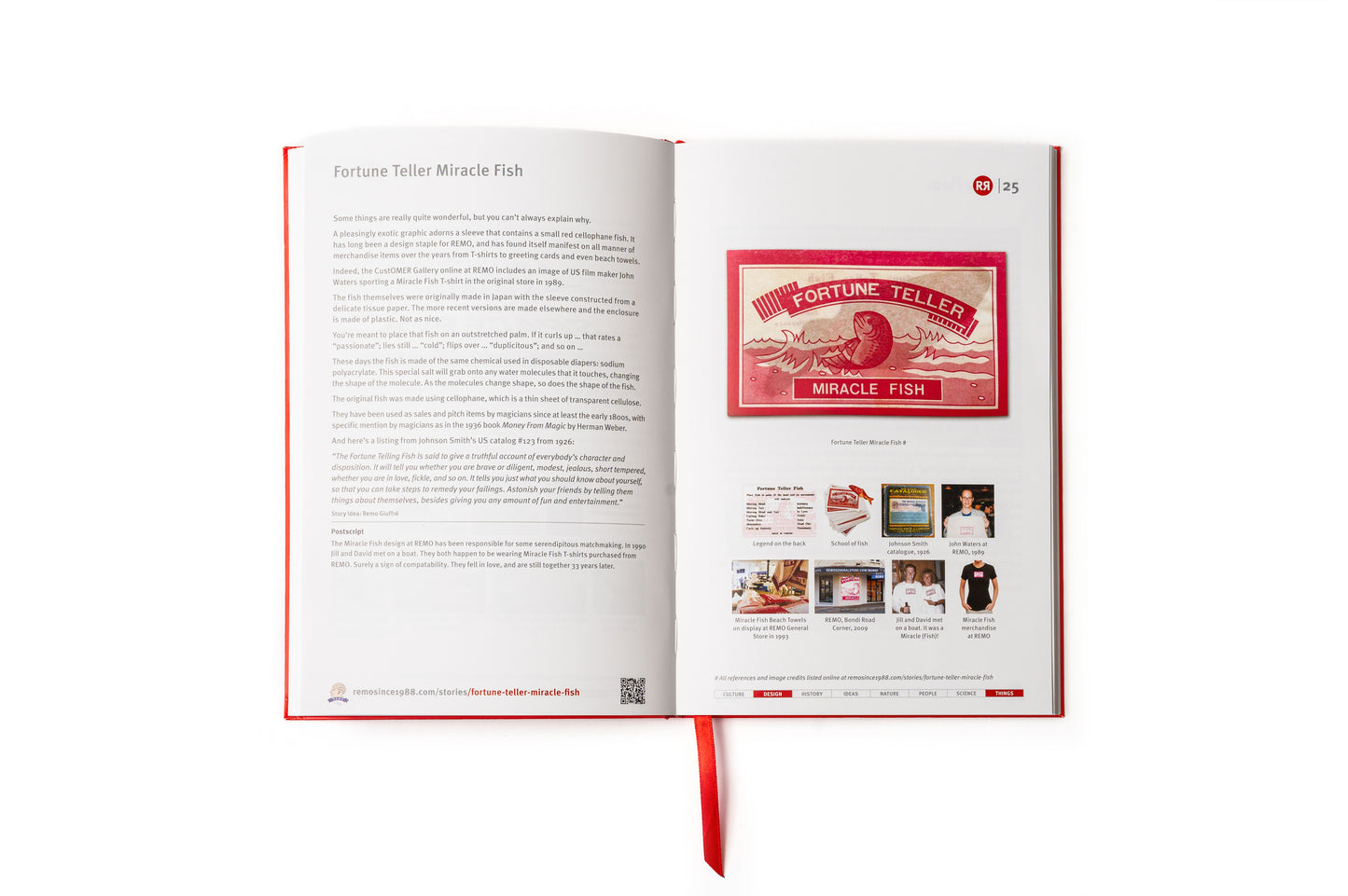
1. Volkswagen Beetle outside the newly re-opened Wolfsburg Motor Works, 1946. Credit: volkswagen.com
2. Ferdinand Porsche with his own Volkswagen Beetle
3. Volkswagen propaganda in Nazi Germany
4. The New York Times reports with scepticism on the "Volksauto"
5. Assembly line at the Wolfsburg Volkswagen plant. Credit: Roger Wollstadt via flickr
6. Iconic "Think Small" campaign, Doyle Dane Bernbach, 1959
7. Original Herbie used by Disney for the filming of Herbie Goes to Monte Carlo
8. Poster for The Love Bug, 1968
9. Little Miss Sunshine, 2006
10. Former taxi from Mexico City, 2007. Photo credit: Mattes
11. The New Beetle, 1998