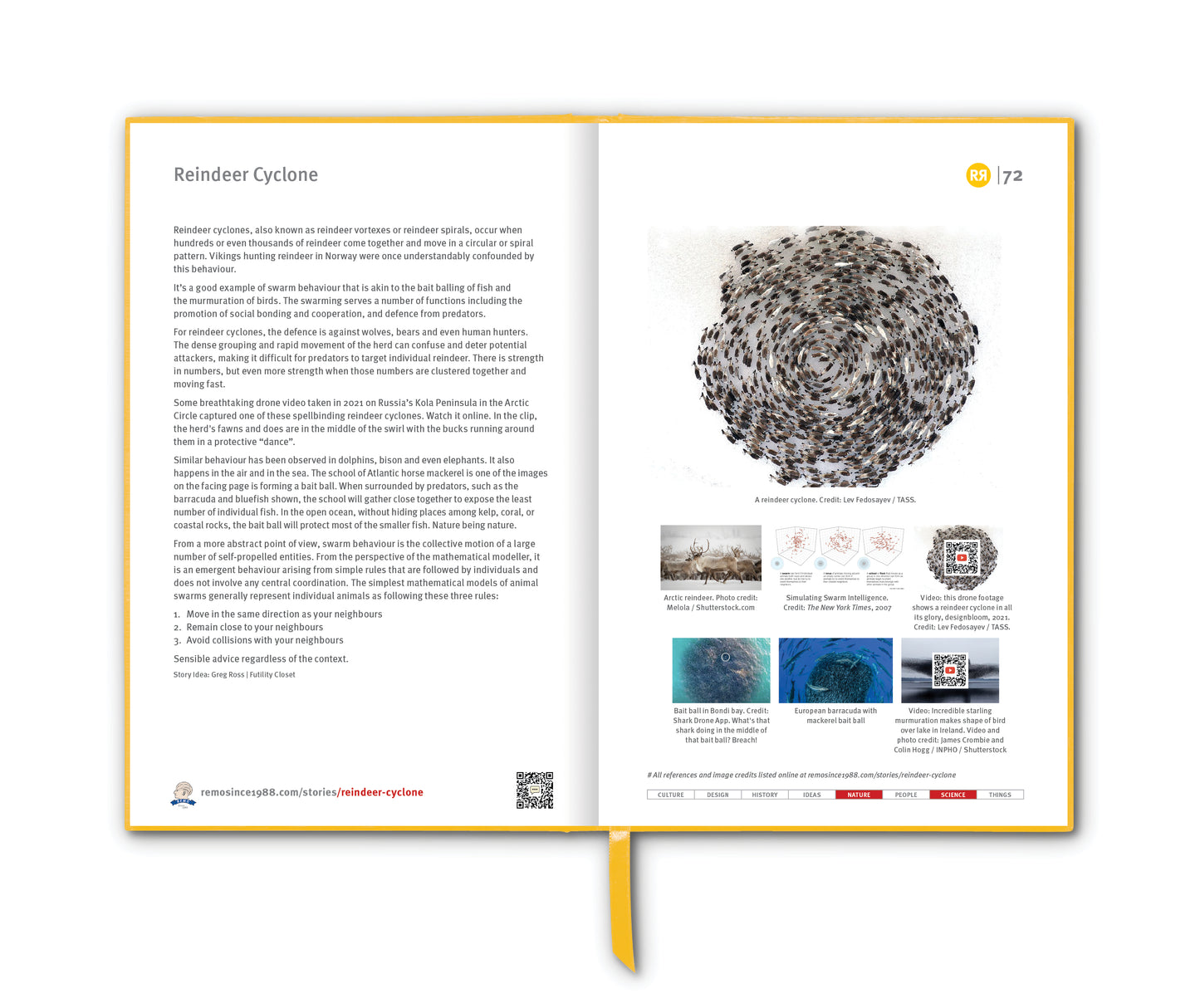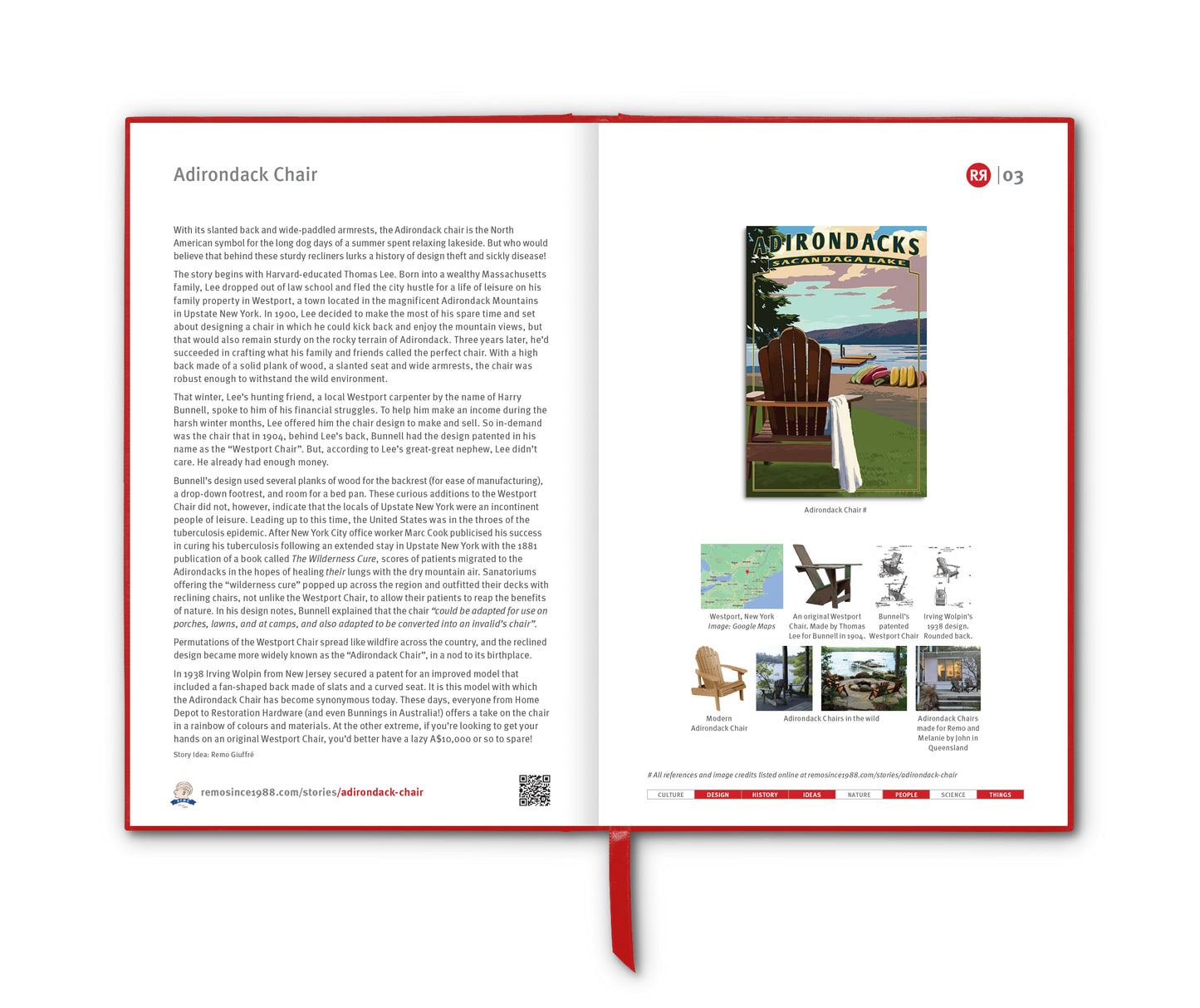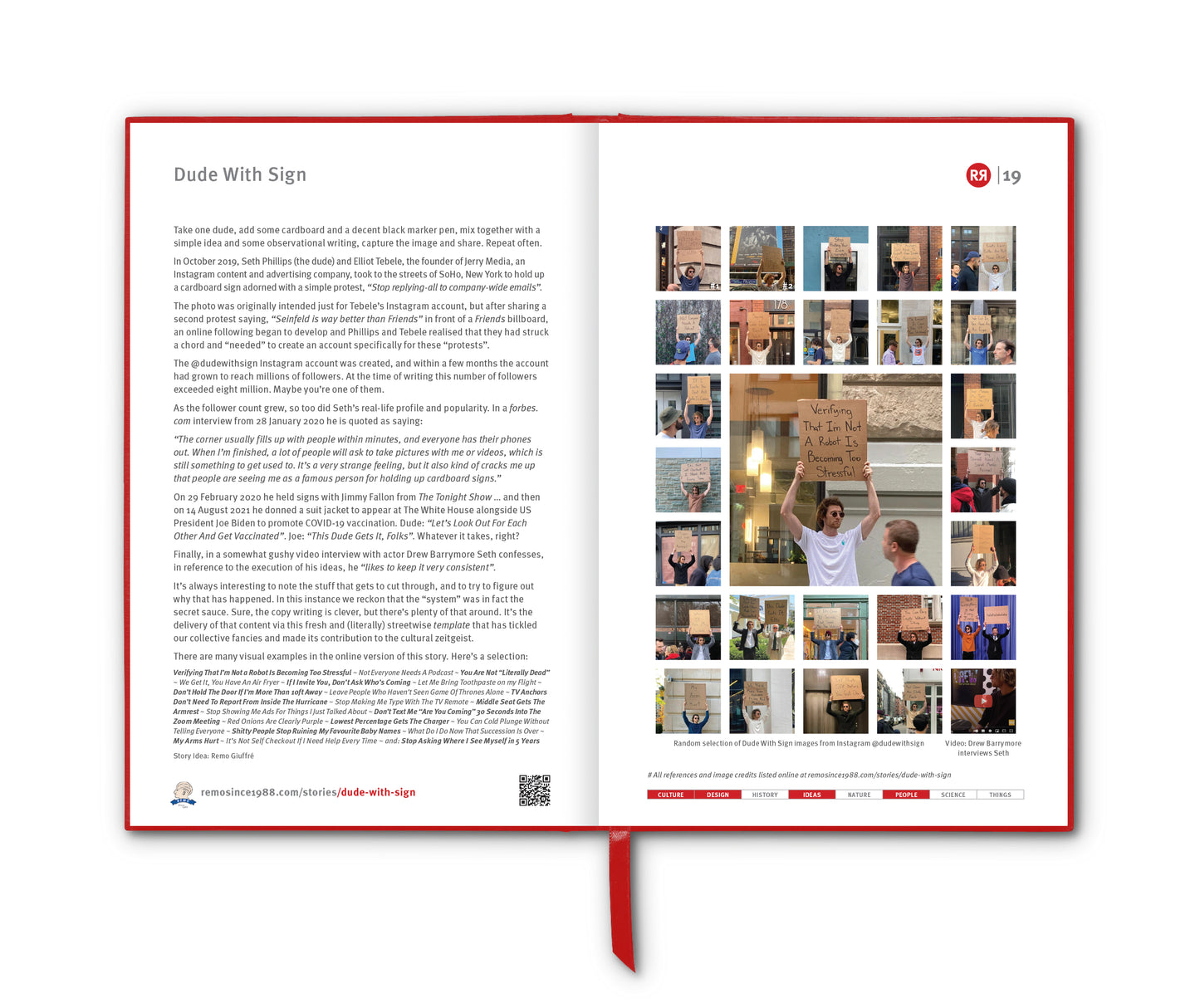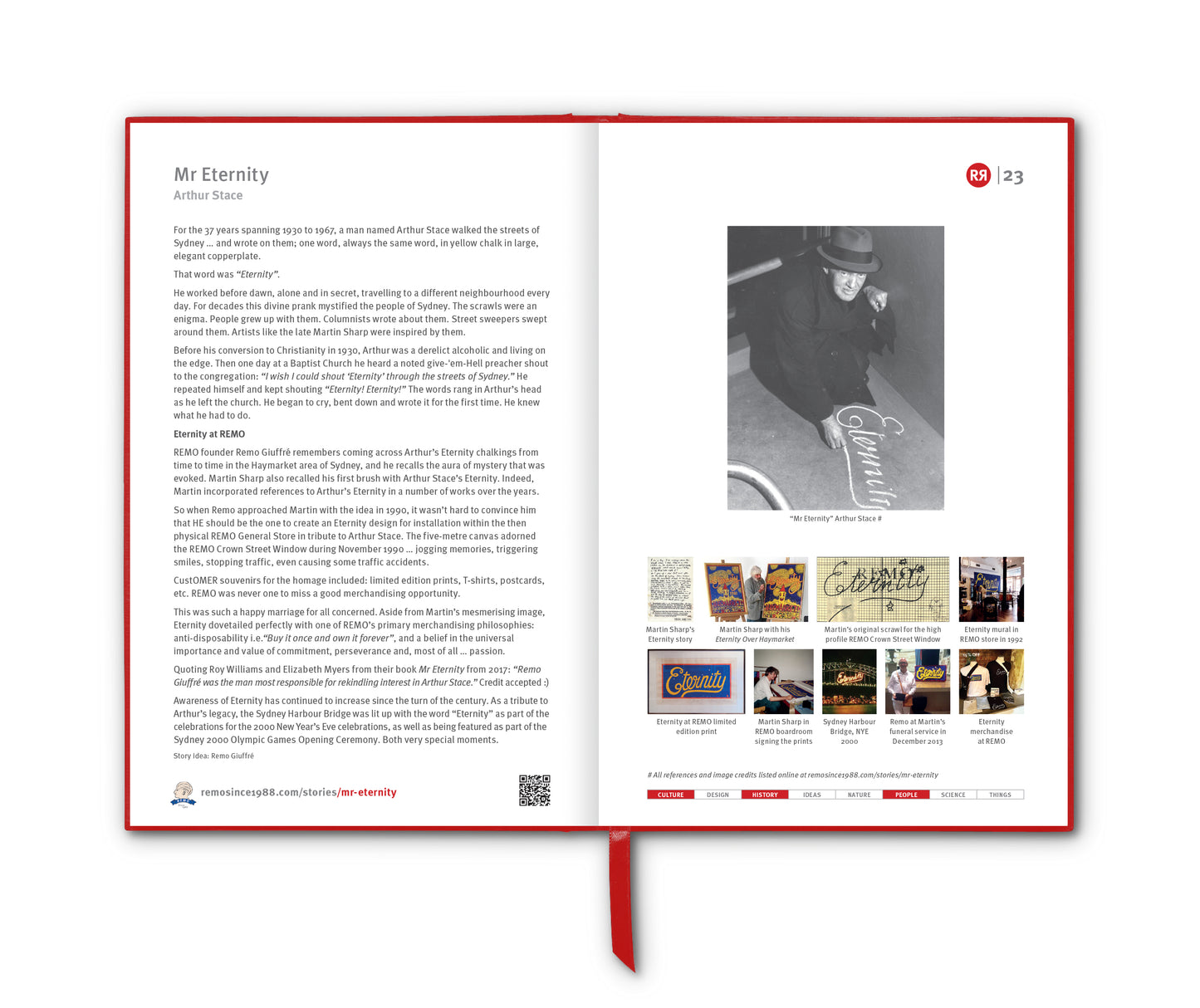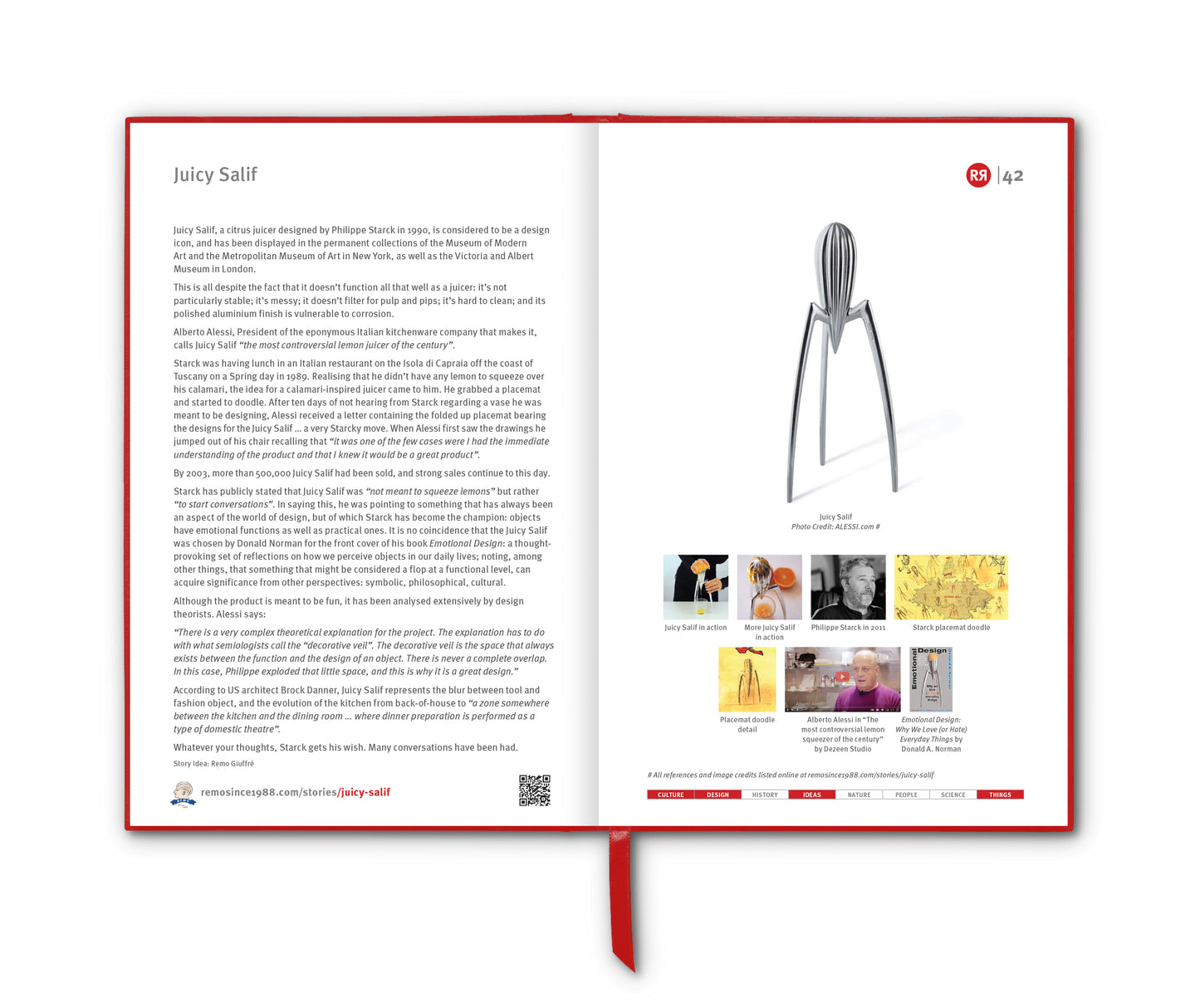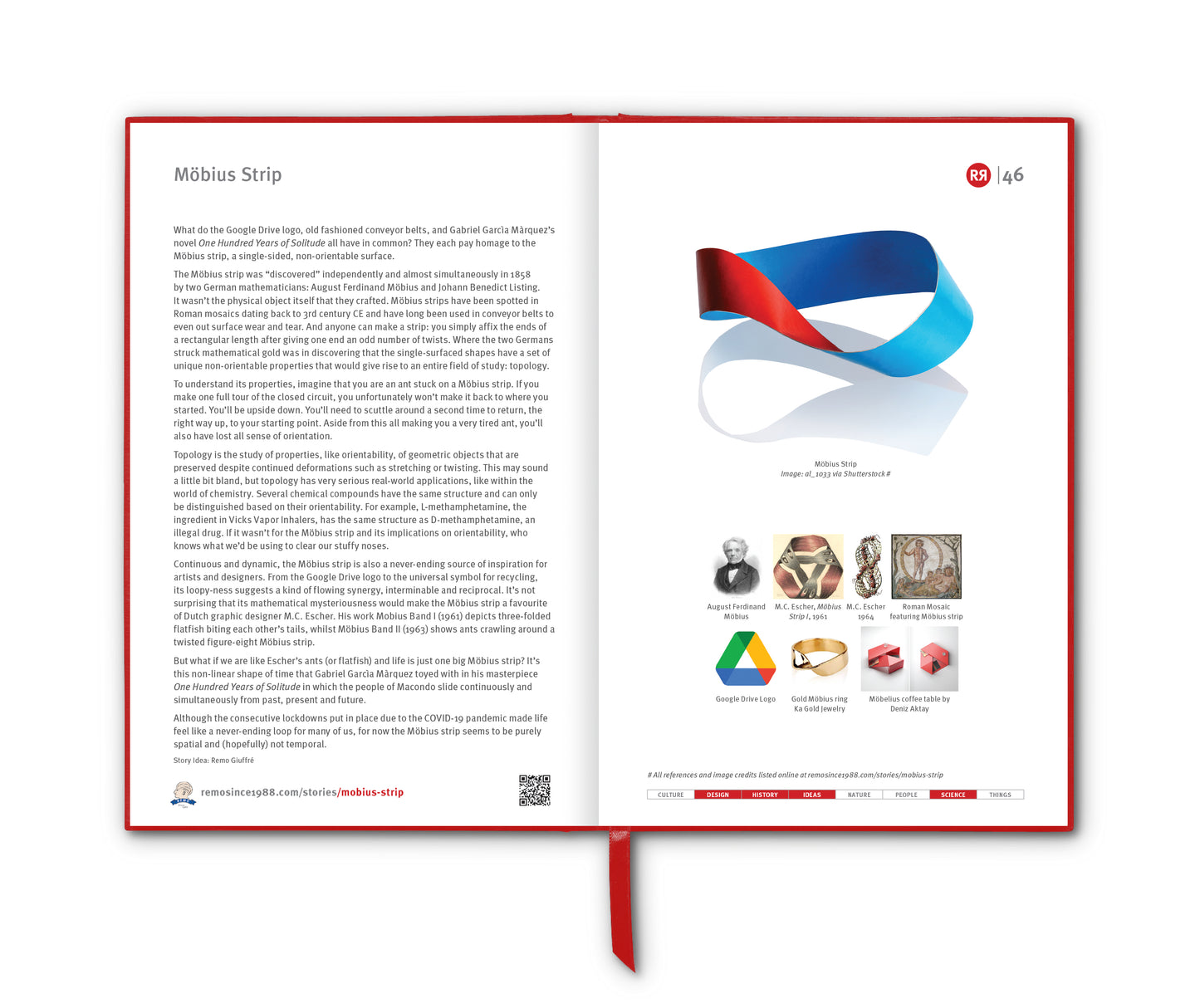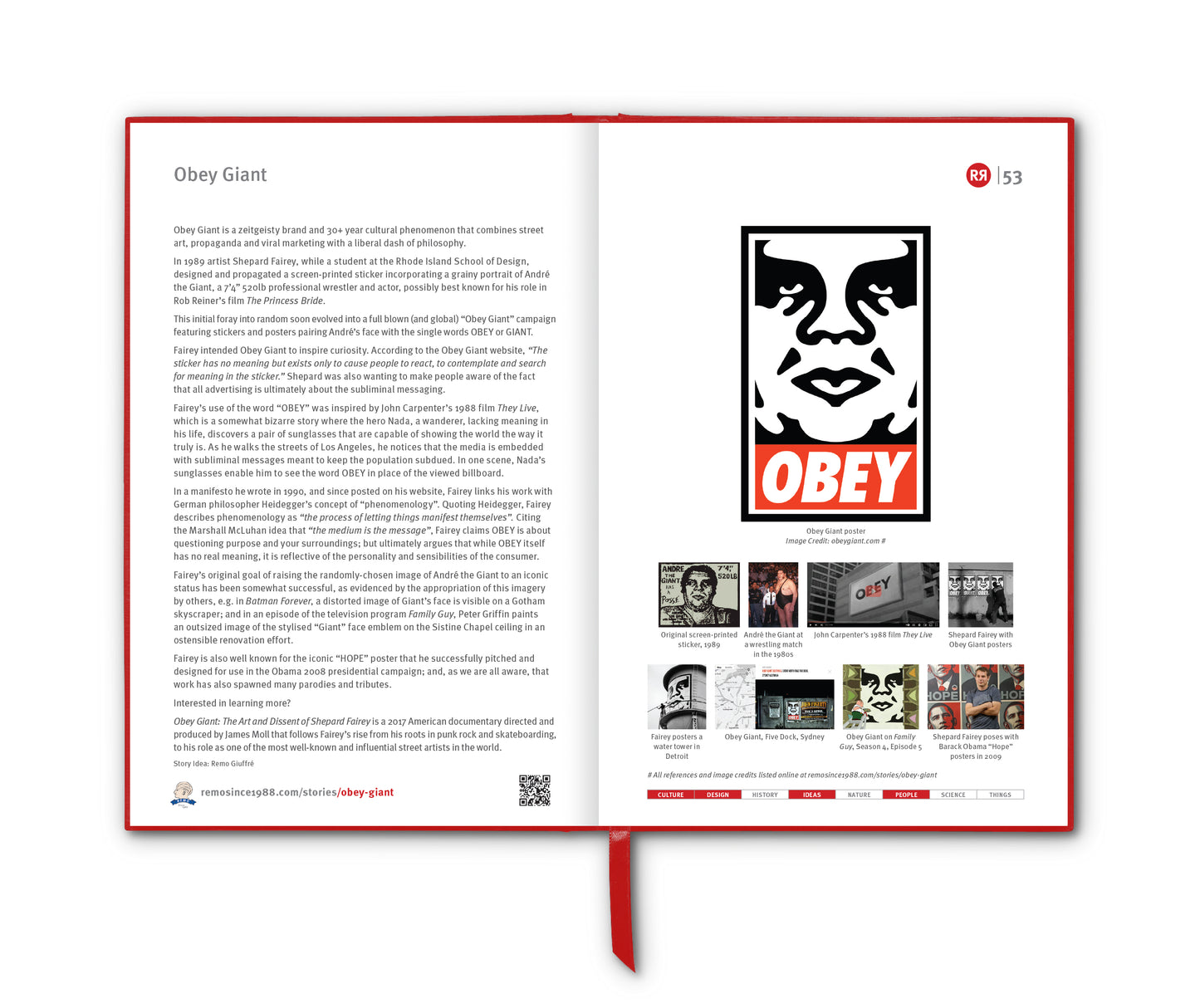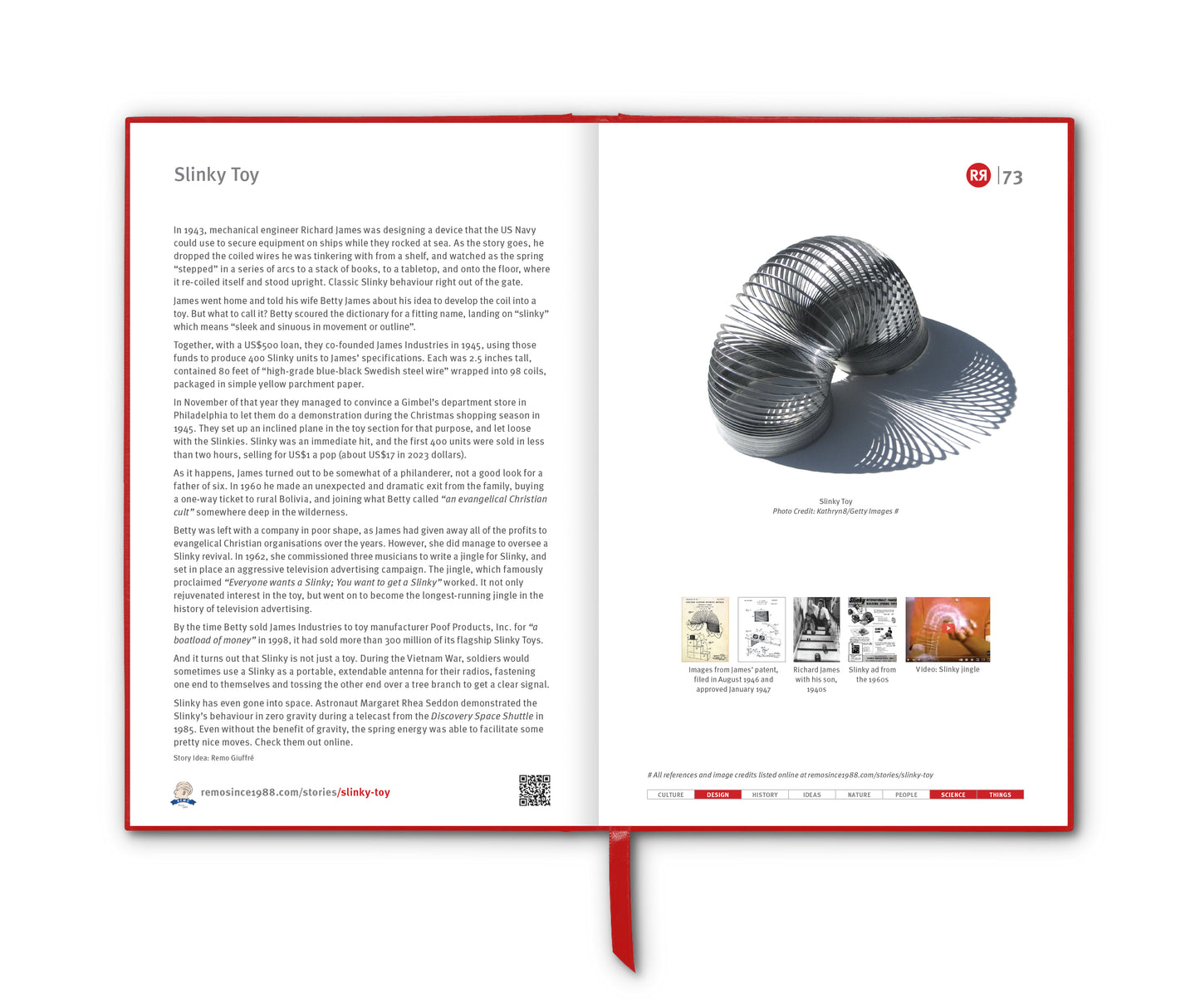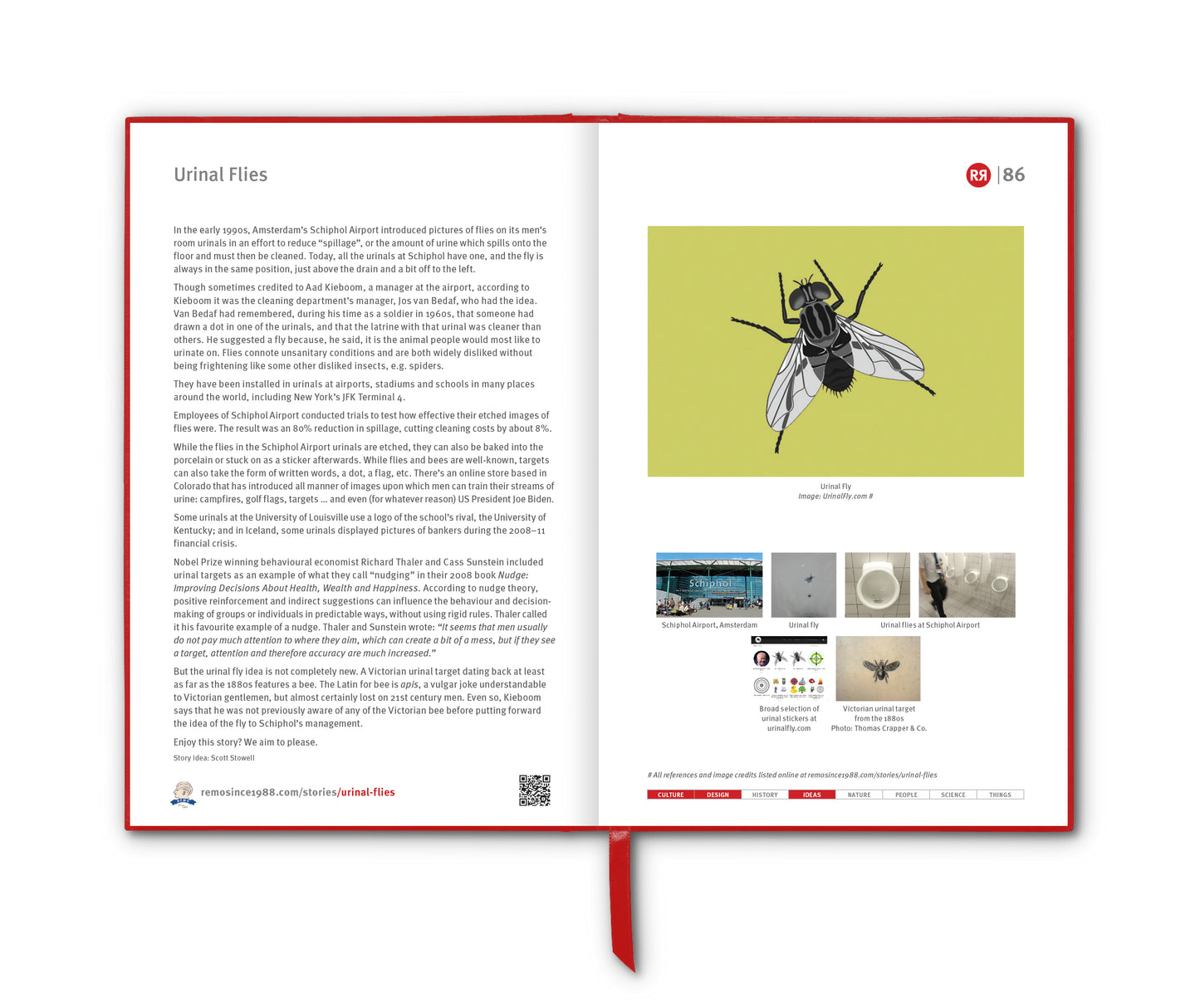

Apollo 13 was the seventh crewed mission of NASA’s Apollo space program. It is remembered not for landing on the Moon (it failed on that count), but for turning into one of the most extraordinary rescue missions in the history of human spaceflight – and for immortalising the words (often misquoted): “Okay, Houston, we’ve had a problem here.”
Launched on 11 April 1970, Apollo 13 was NASA’s third planned lunar-landing mission, crewed by commander Jim Lovell, lunar module pilot Fred Haise and command module pilot Jack Swigert (replacing Ken Mattingly who, having been exposed to German measles, became ineligible to crew at the 11th hour). Its goal was to explore the Fra Mauro highlands of the Moon. Instead, it became a high-stakes struggle for survival, defined by ingenuity, teamwork and calm under pressure – a celebration of engineering.
Two days into the mission, while the spacecraft was about 320,000 kilometres from Earth, an oxygen tank in the service module exploded. The blast crippled the spacecraft, knocking out power, damaging life-support systems, and venting oxygen into space. Moments later came that above-mentioned and now-famous line from Swigert. In an instant, the mission changed from lunar exploration to a fight to bring three astronauts home alive. High drama.
The explosion rendered the command module largely uninhabitable, forcing the crew to power it down and take refuge in the lunar module, Aquarius. Designed to support two astronauts for two days on the Moon, Aquarius now had to sustain three men for nearly four days in deep space. Power was critically limited, temperatures dropped near freezing, and carbon dioxide levels began to rise as scrubbers designed for a smaller crew reached capacity.
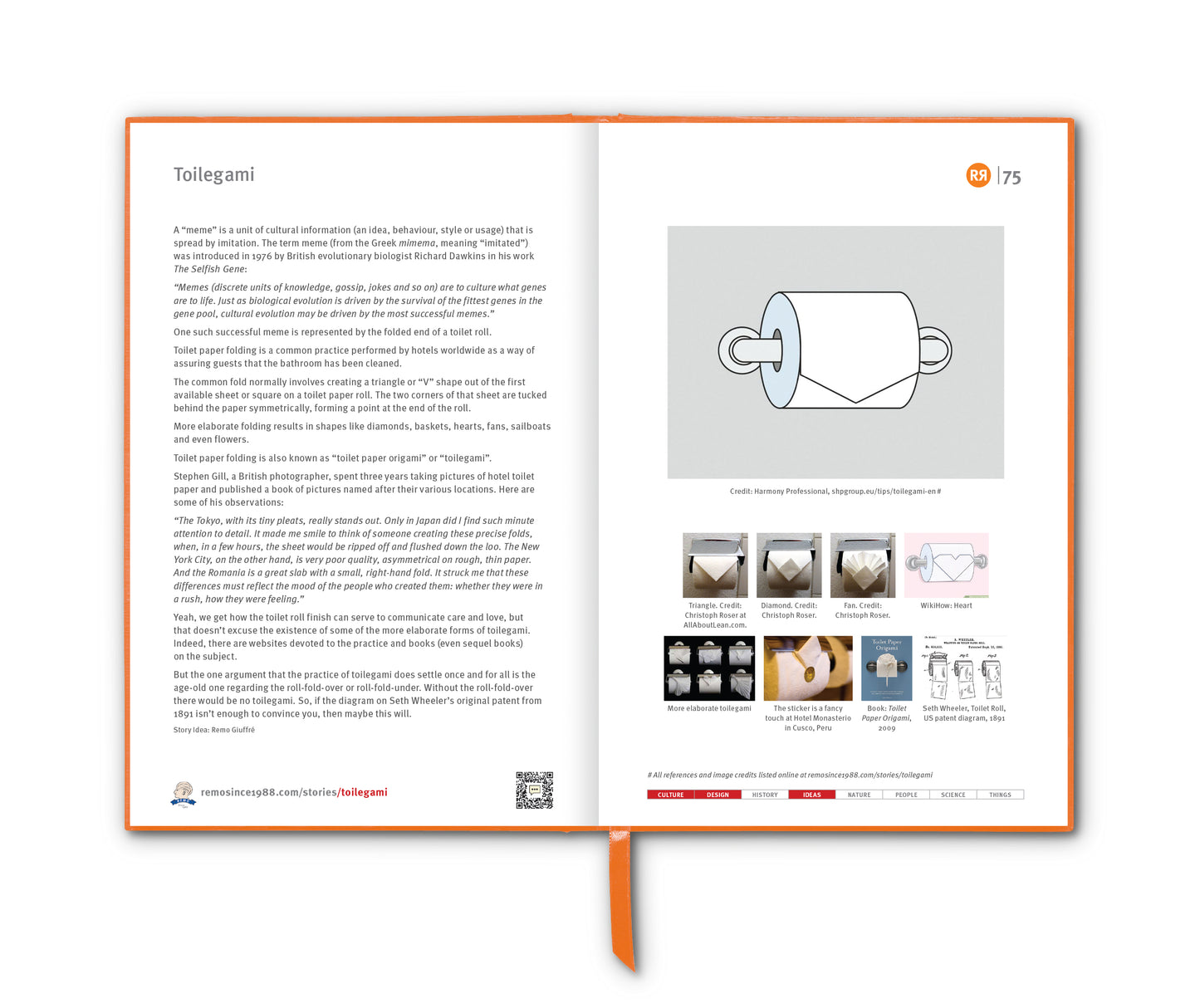
Back on Earth, NASA’s Mission Control in Houston worked around the clock. Engineers improvised solutions in real time, most famously devising a way to adapt square command-module CO₂ scrubbers to fit the round lunar-module system using only materials available onboard – plastic bags, cardboard and duct tape [RR4:28]. The solution worked, preventing carbon dioxide poisoning and becoming a symbol of human problem-solving at its best. Watch the scene from the 1995 Apollo 13 film HERE.
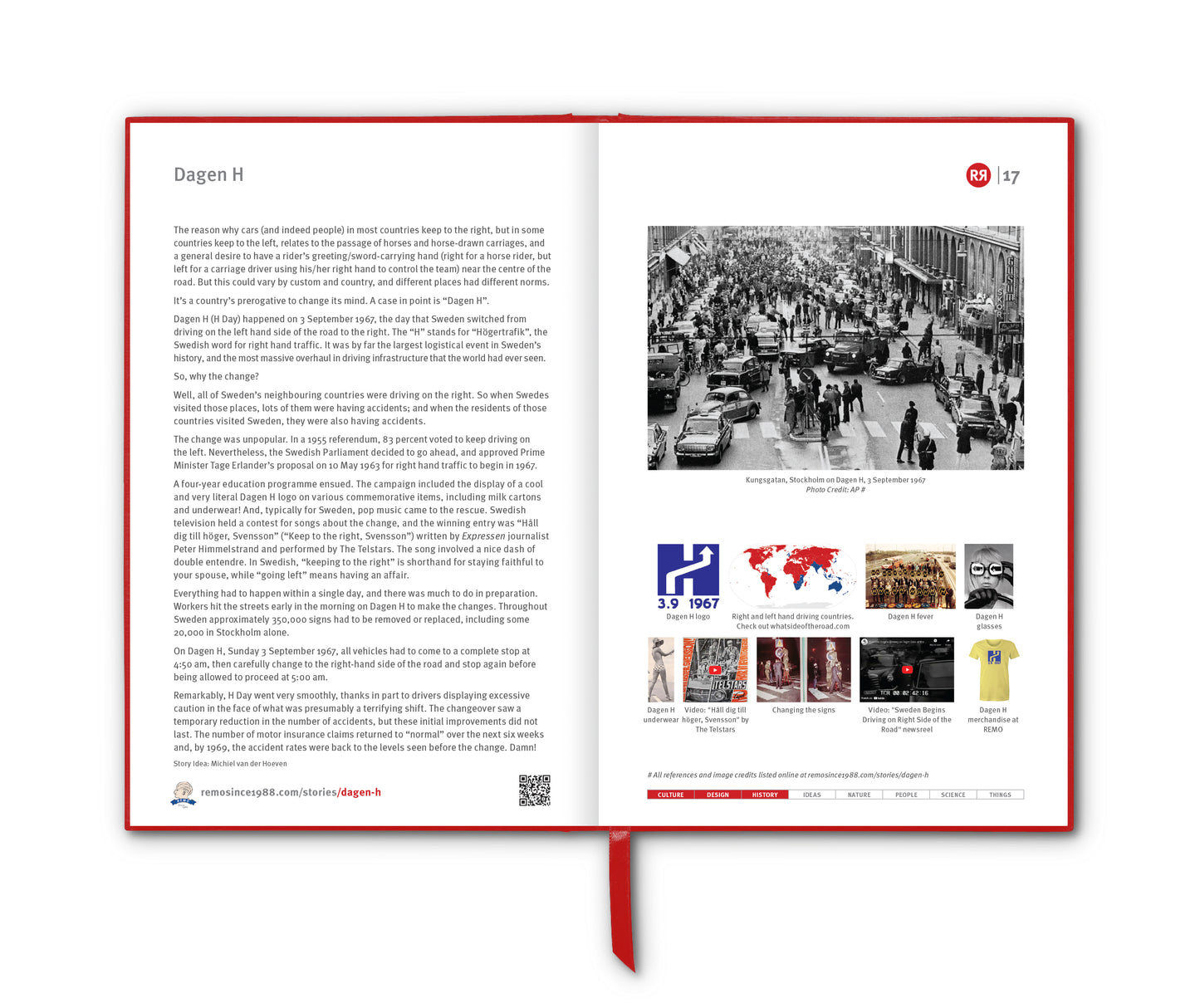
Navigation posed another major challenge. With onboard computers shut down to conserve power, the crew performed manual course corrections, using the Sun and Earth as visual references. The spacecraft was sent on a “free-return trajectory” around the Moon, using lunar gravity to slingshot it back toward Earth. Although Apollo 13 never landed, it did swing around the Moon at a distance of about 254 kilometres from the surface – ironically setting a record at the time for the farthest humans had ever travelled from Earth.
After nearly six tense days, the crew re-entered Earth’s atmosphere on 17 April 1970. Communication was lost longer than expected during re-entry, raising fears of disaster, but the command module splashed down safely in the Pacific Ocean. All three astronauts survived.
Apollo 13 was officially labelled a “successful failure.” While it did not achieve its intended scientific objectives, it demonstrated the resilience of both astronauts and ground crews, reshaped NASA’s approach to safety and redundancy, and became a defining story of human cooperation under pressure.
The story of Apollo 13 has been dramatised several times, most notably in the 1995 film Apollo 13 based on Lost Moon, the 1994 memoir co-authored by Lovell.
_______________________
References
Images
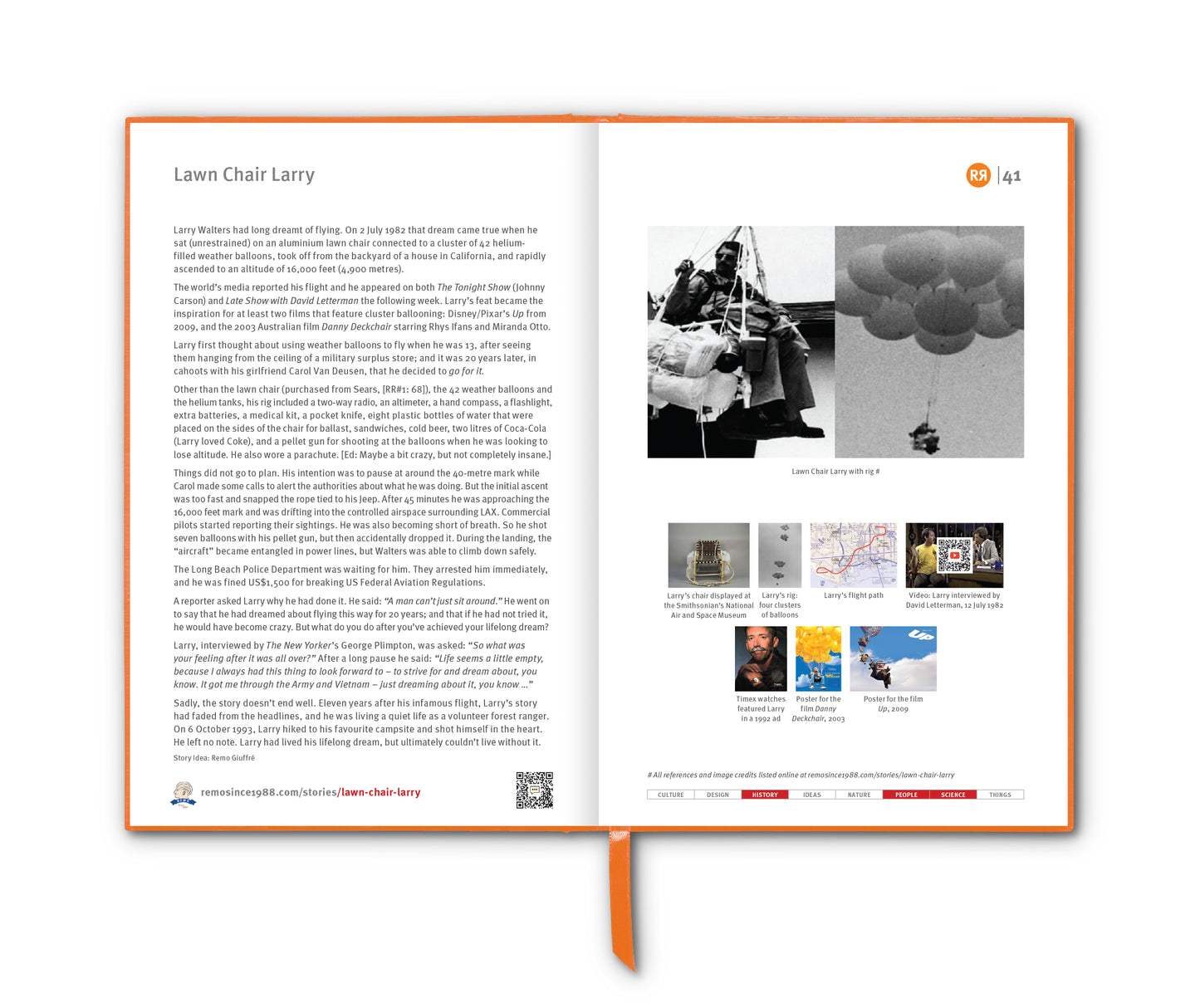
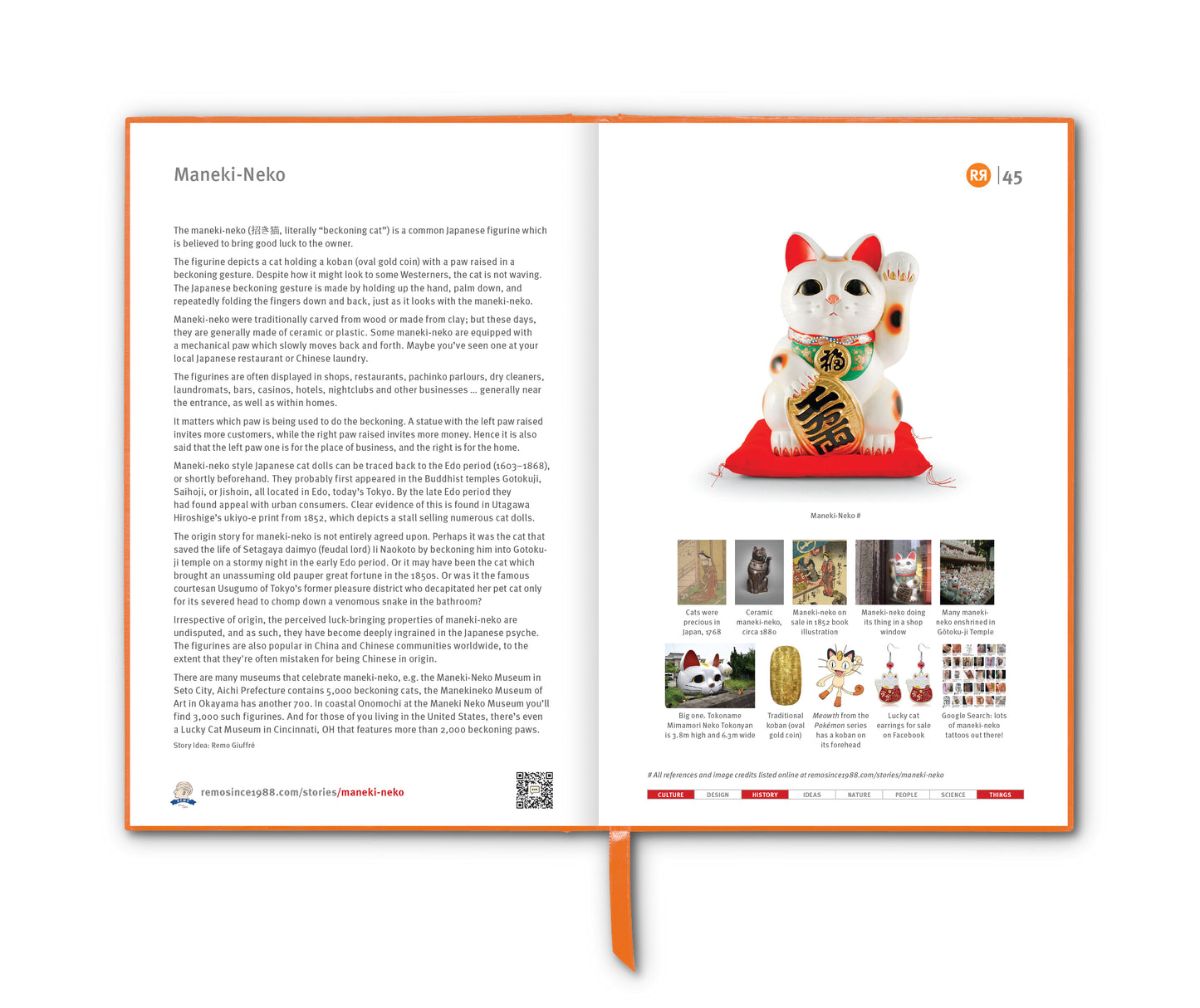
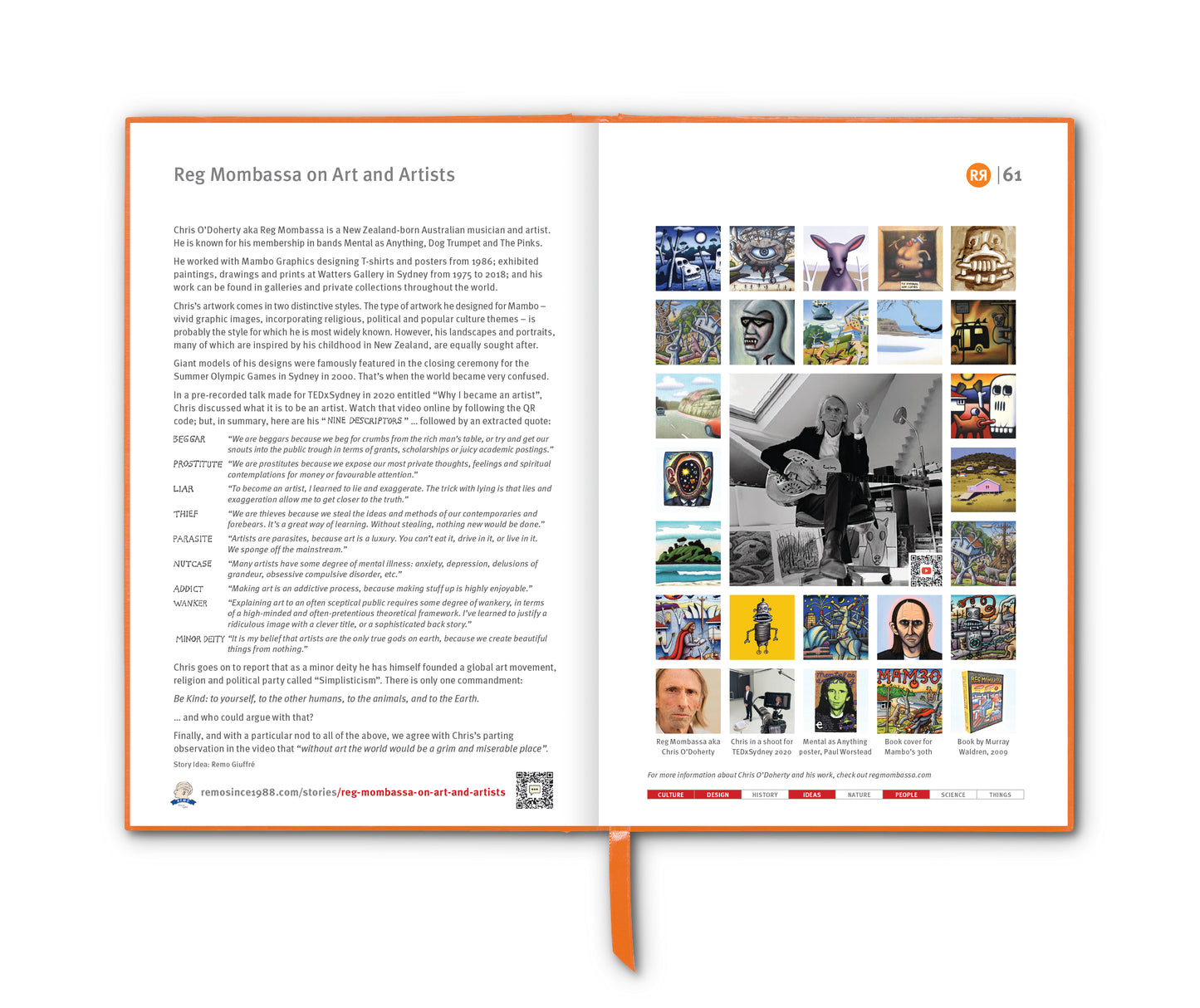
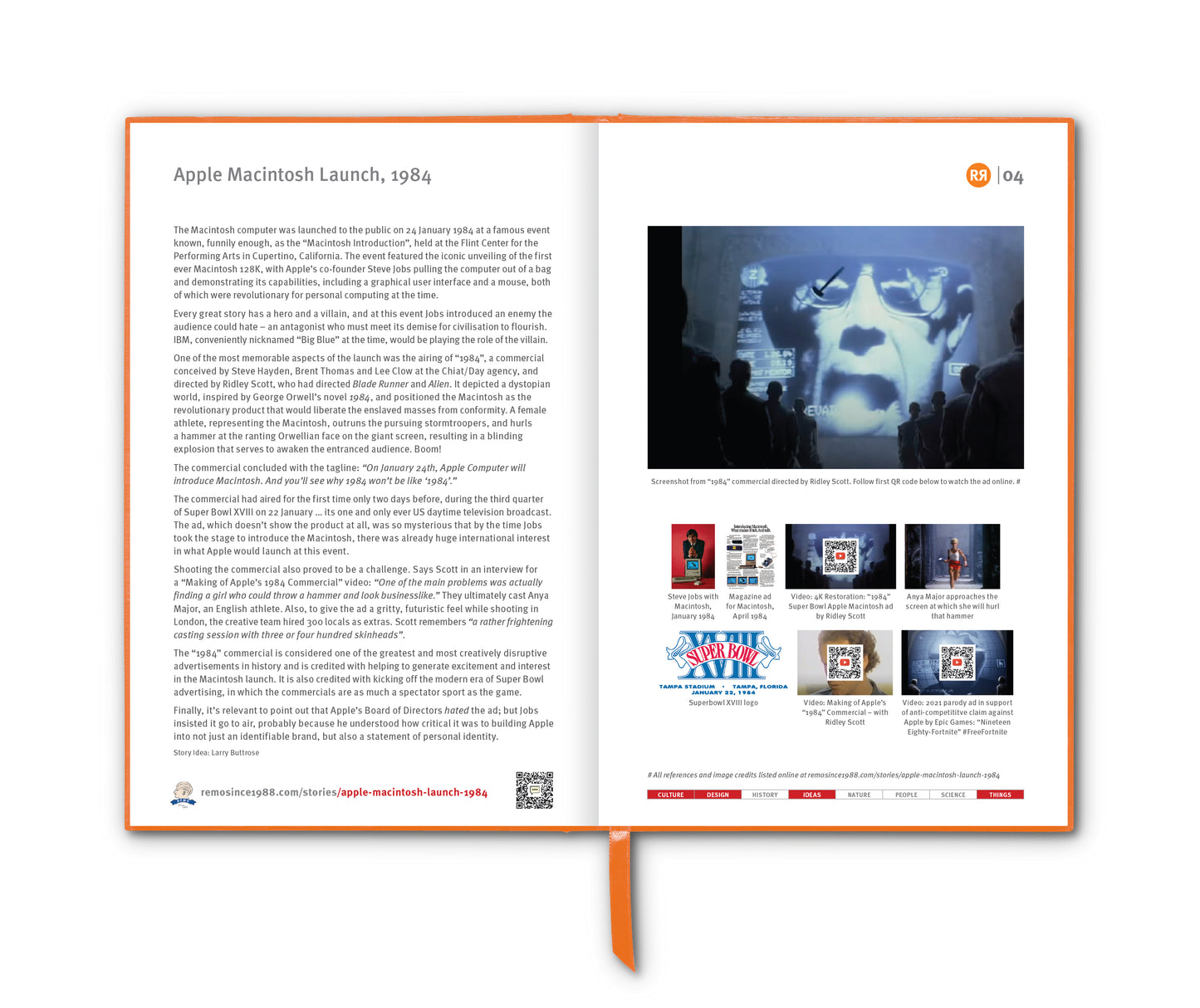
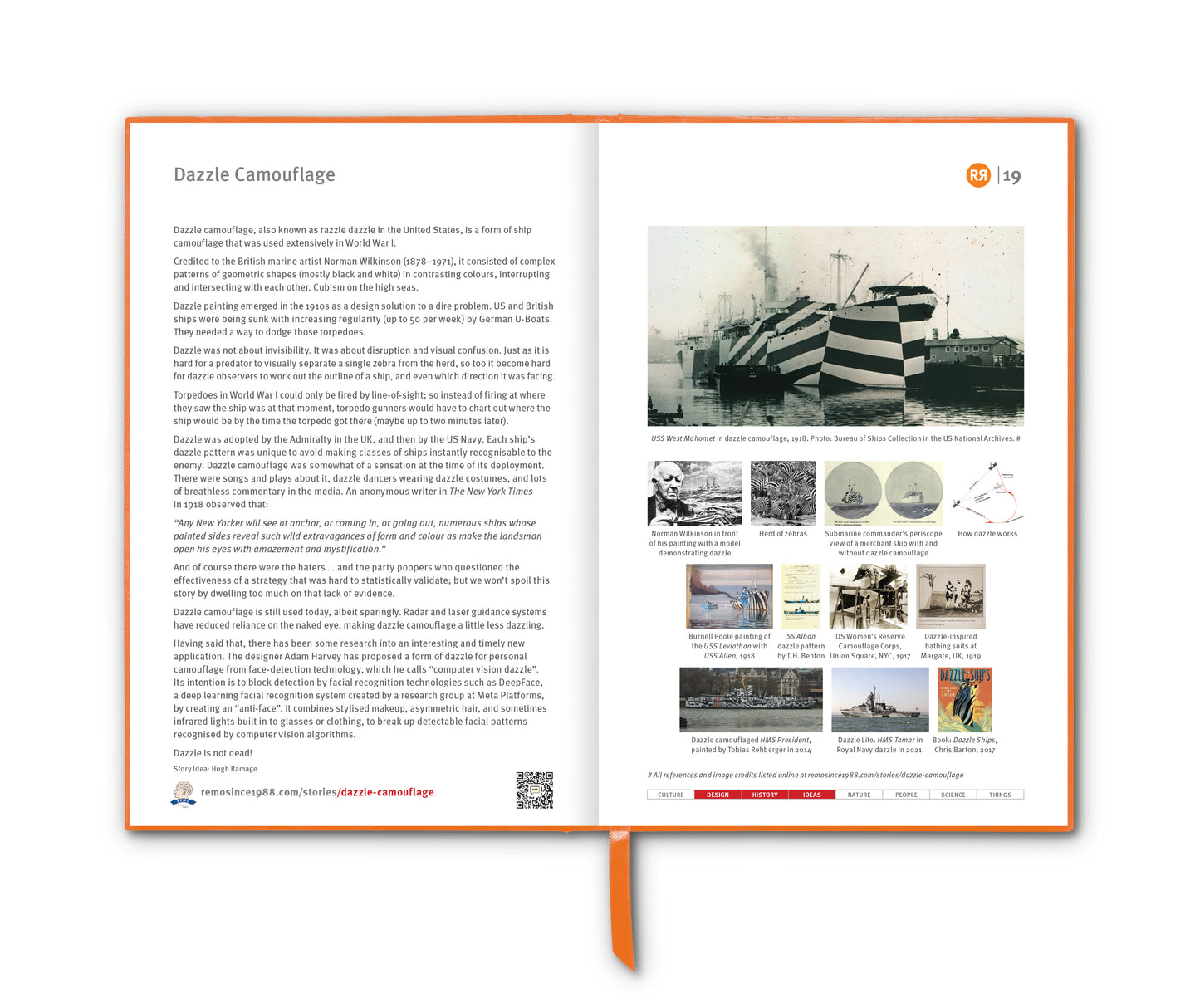
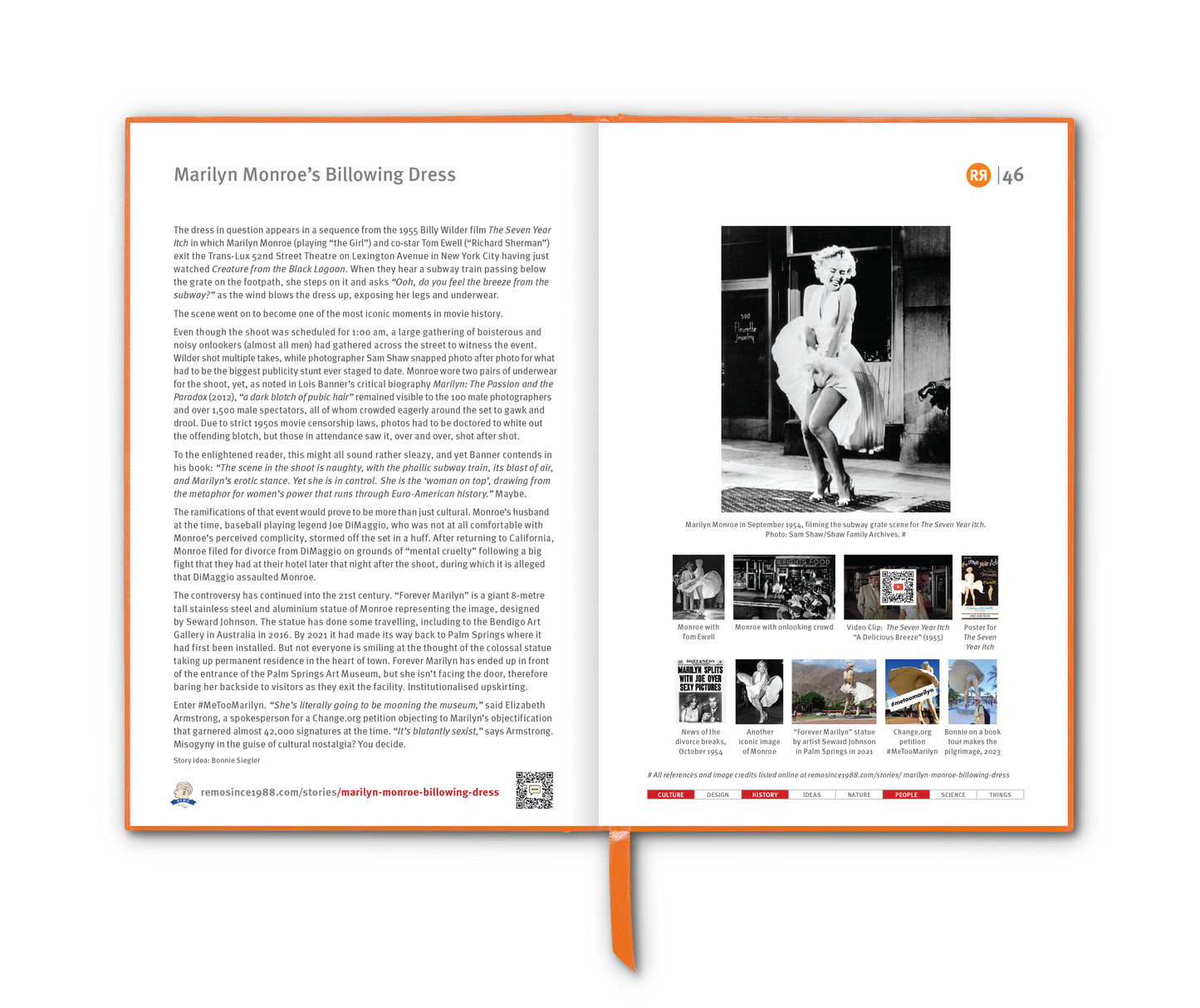
1. Apollo 13 launches from Kennedy Space Center, 11 April 1970. Credit: NASA. Apollo 13 logo. Swigert with the rig improvised to adapt the CM's lithium hydroxide canisters for use in the LM.
2. NASA logo
3. The Apollo 13 lunar landing mission prime crew from left to right are: Commander, James A. Lovell Jr., Command Module pilot, John L. Swigert Jr., and Lunar Module pilot, Fred W. Haise Jr. Photo credit: NASA
4. Mission Operations Control Room during the TV broadcast just before the Apollo 13 accident. Astronaut Fred Haise is shown on the screen.
5. Hacking the CO₂ scrubbers to fit the round lunar-module system
6. Video: Apollo 13: “Houston, We’ve Had a Problem” NASA
7. Lovell reading the front page of Honolulu Star Bulletin on 17 April 1970
8. President Richard Nixon awarding the Apollo 13 astronauts the Presidential Medal of Freedom
9. Apollo 13 silver medallion struck by Robbins Company for NASA
10. DVD cover art for Apollo 13 film from 1995
11. Video: Apollo 13 (1995) - Duct Tape and Cardboard Scene (8/11) | Movieclips
12. Apollo 13 replica prop at Universal Studios, Hollywood. Photo credit: Mike Peel