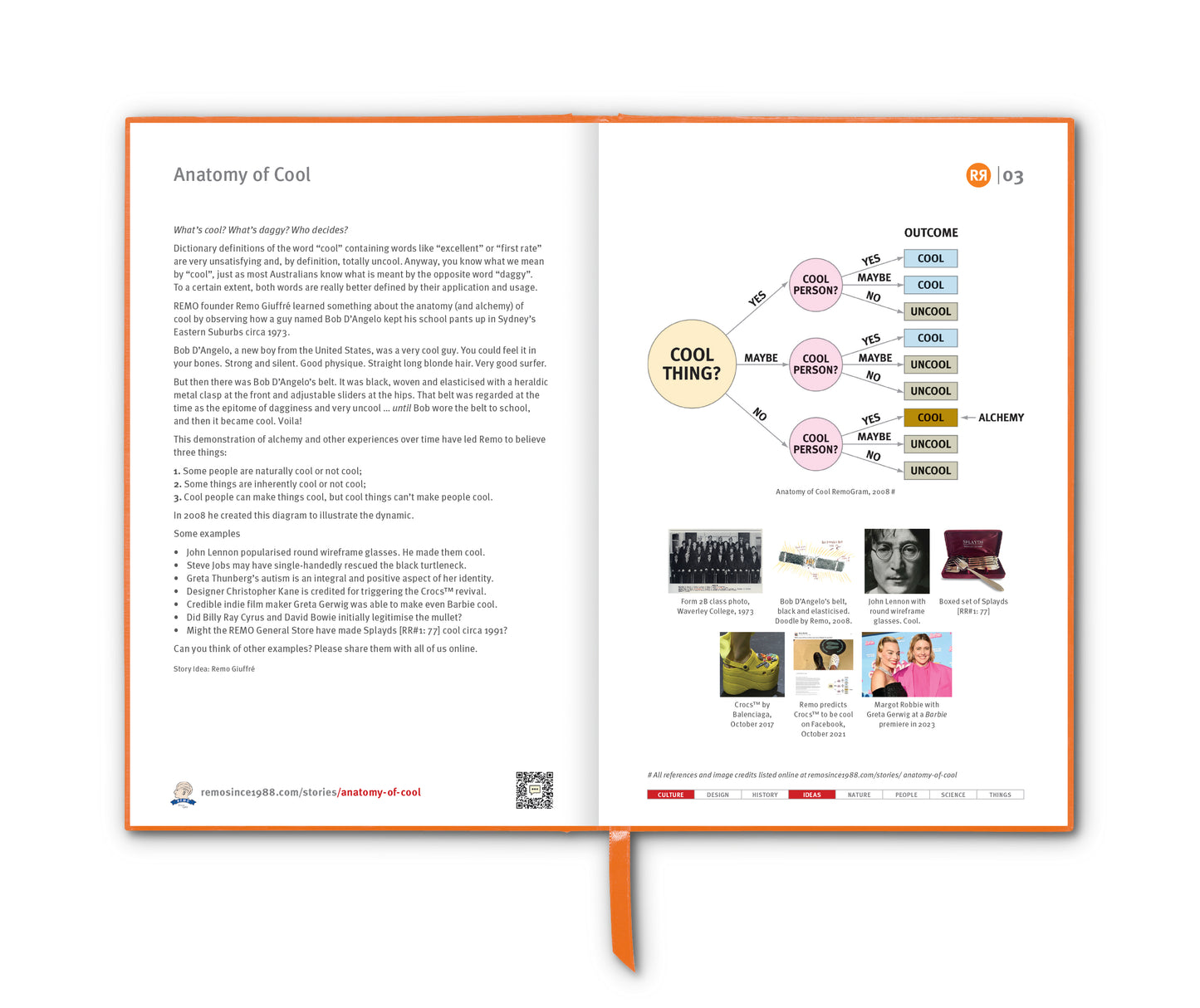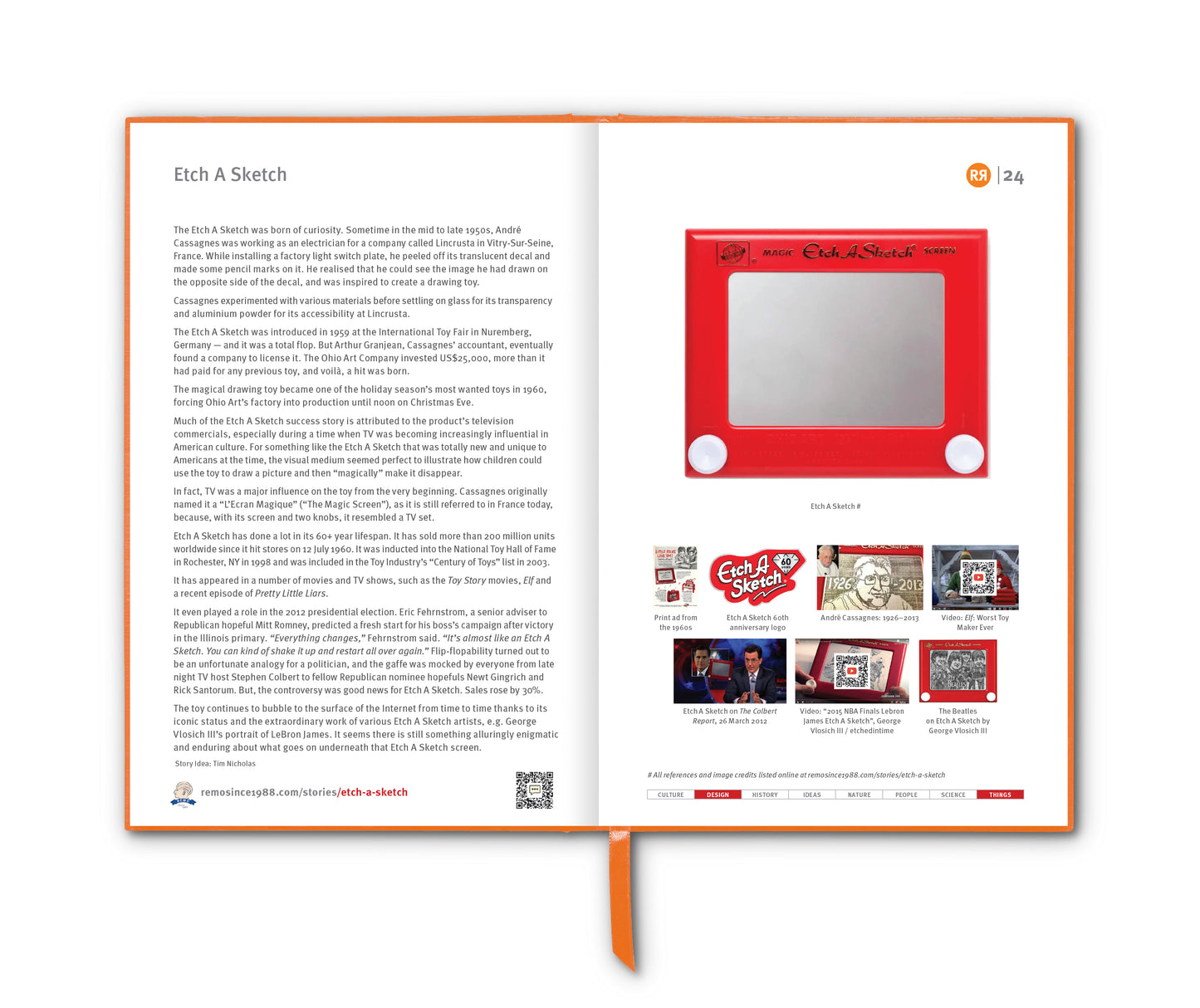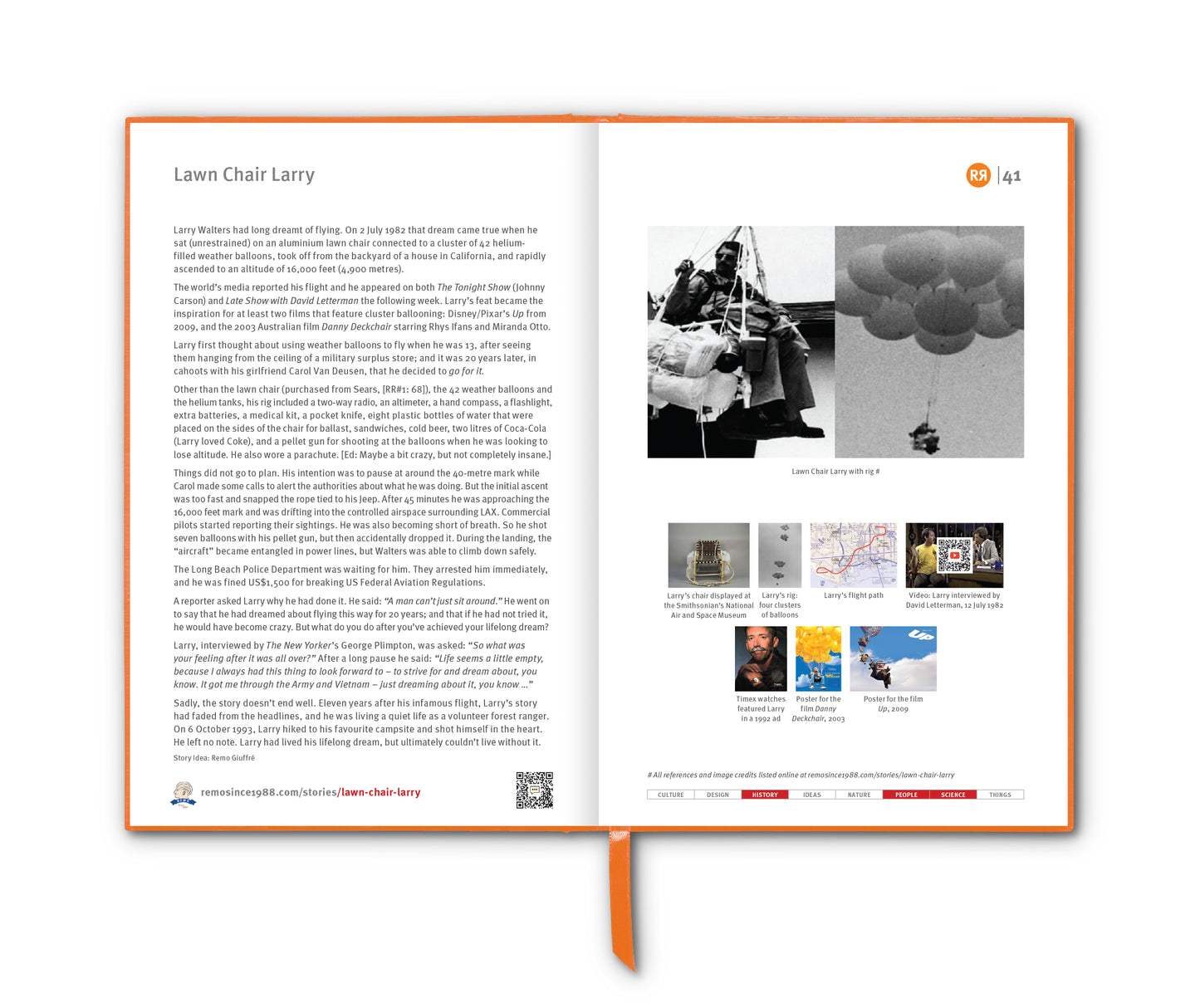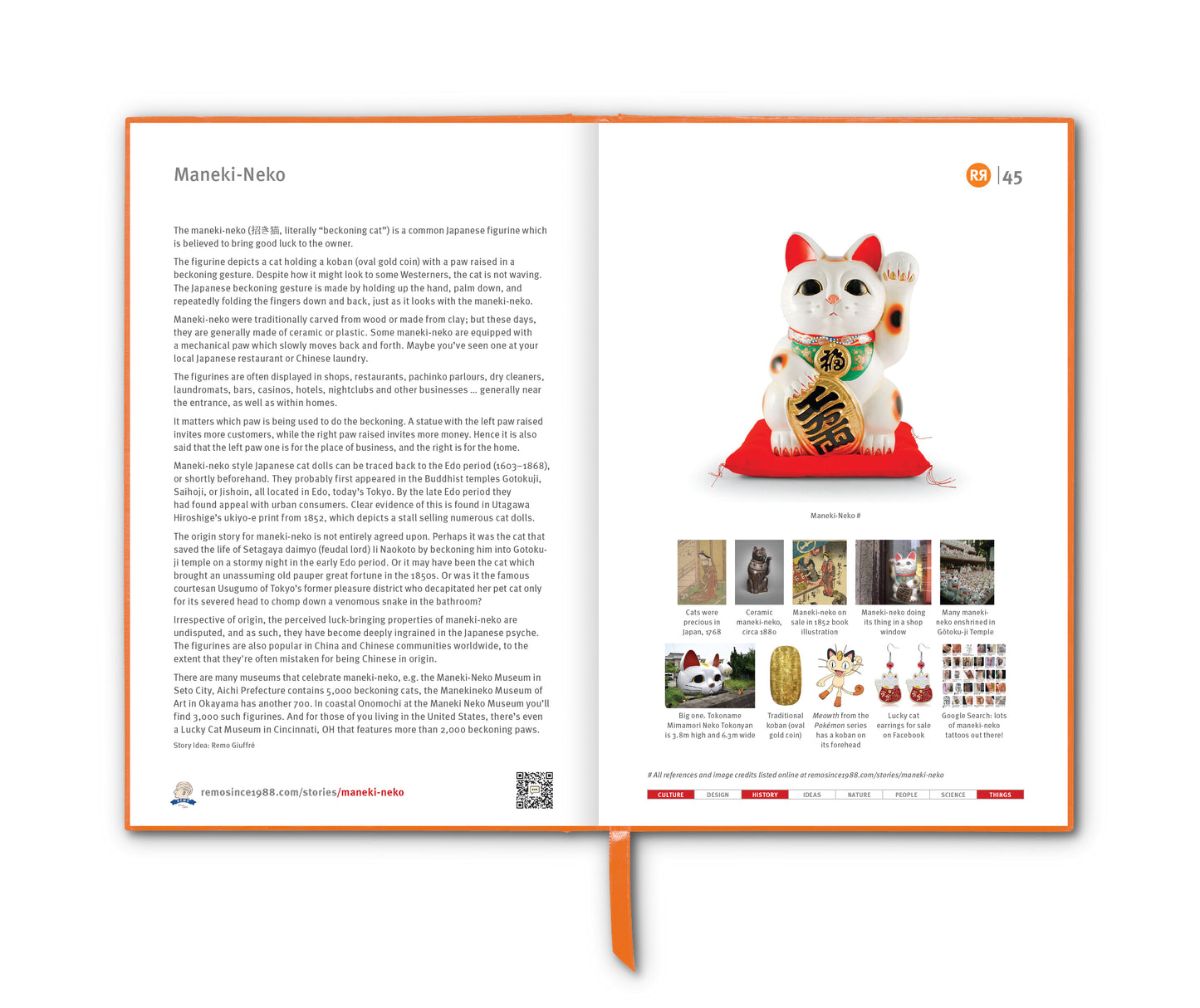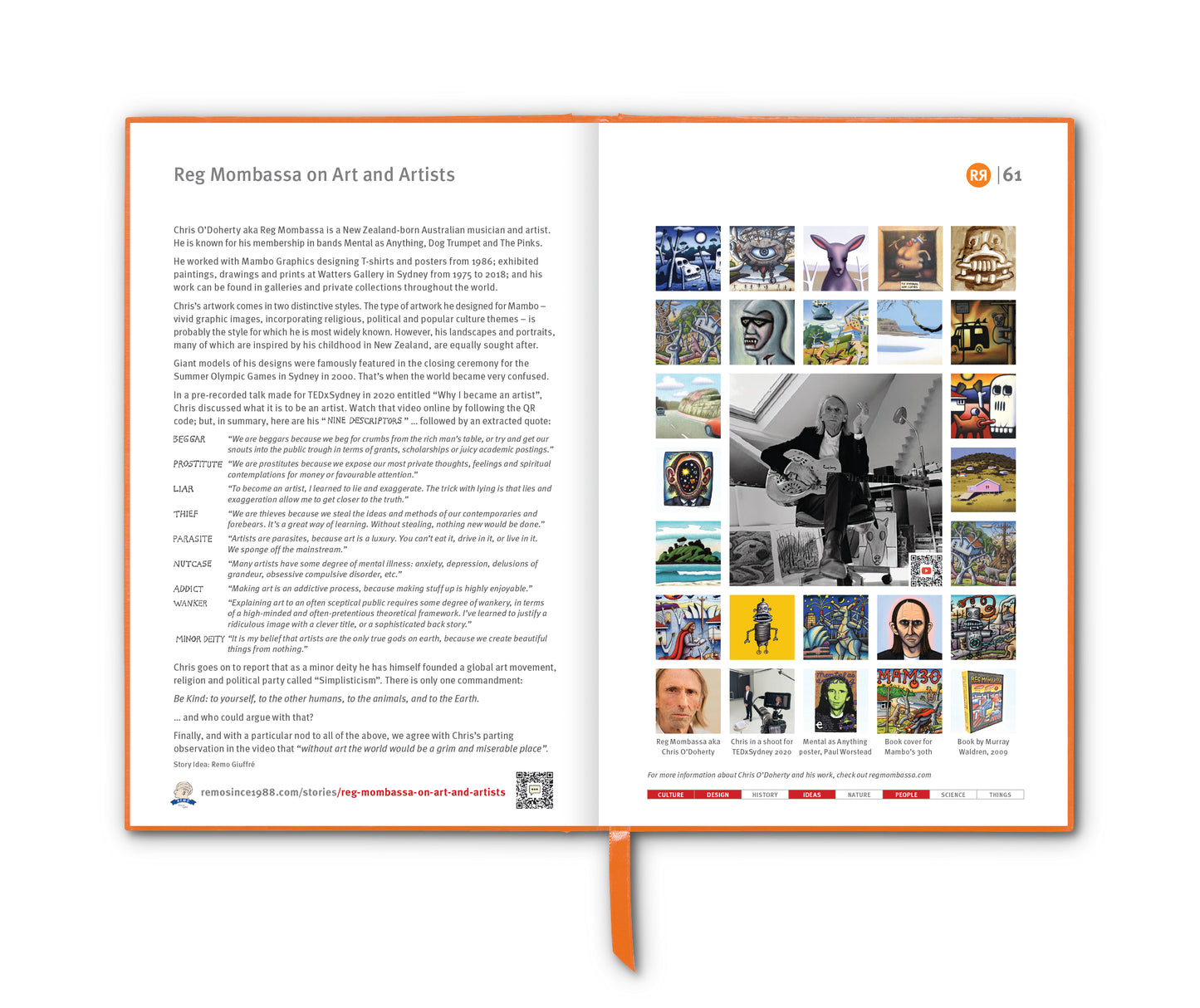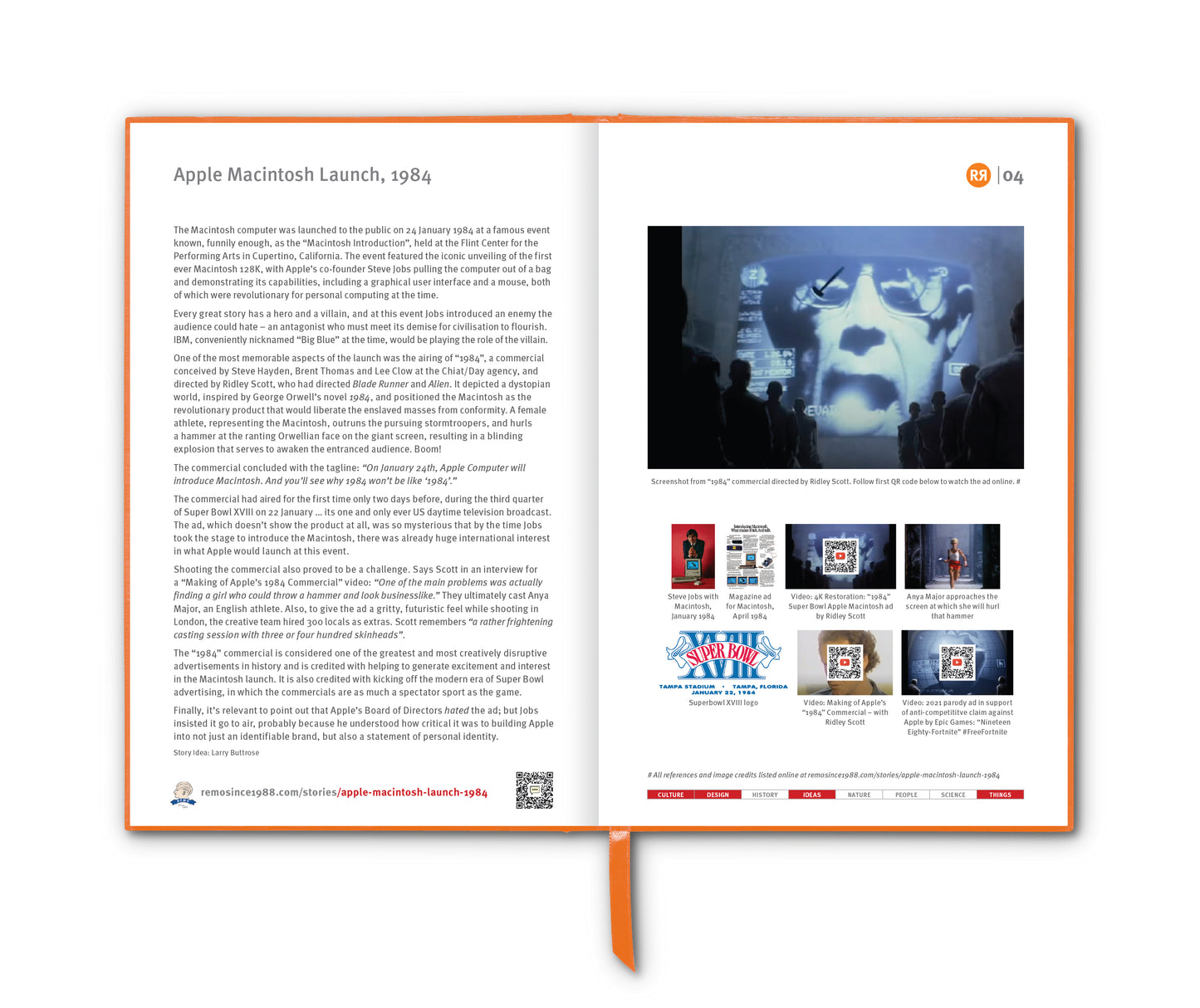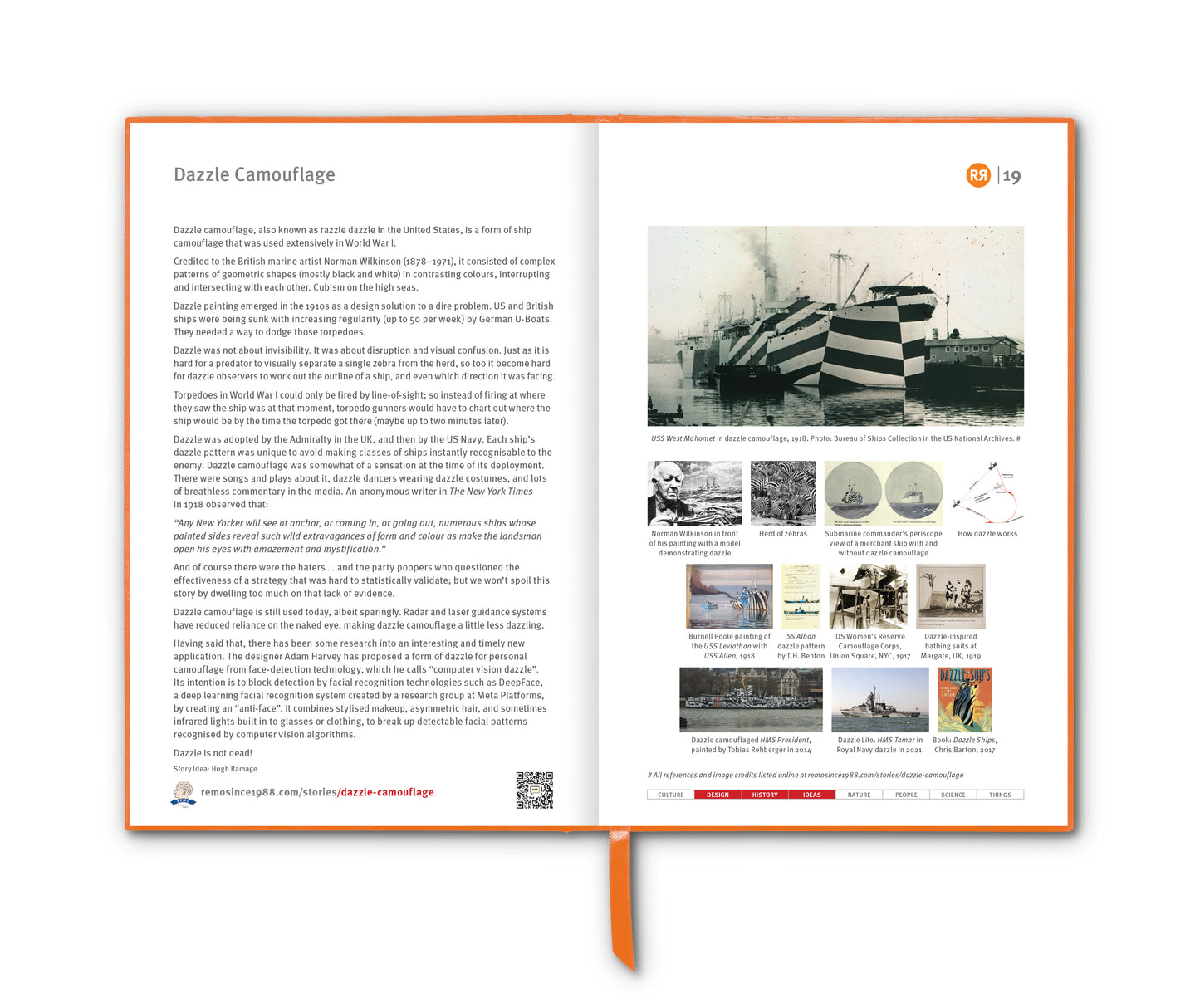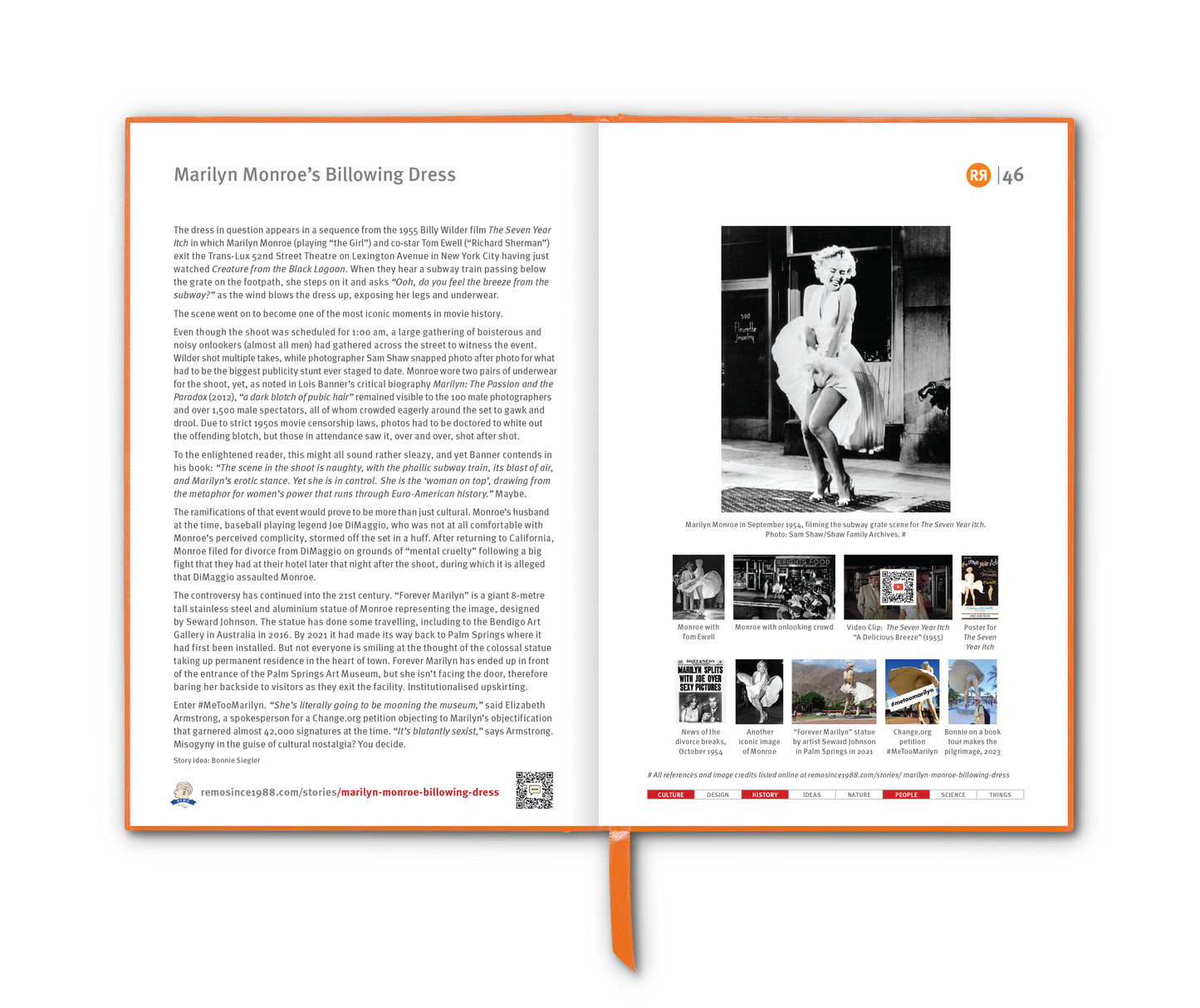

Bullfighting – most closely associated with Spain but practiced in various forms across the Iberian Peninsula and Latin America – has a history that blends ritual, sport and spectacle. Its roots can be traced to ancient cultures, where bulls held symbolic power. In Ancient Rome, staged combats between men and animals were a popular form of entertainment, while earlier Minoan frescoes from Crete depict acrobats vaulting over bulls, suggesting a long-standing cultural fascination with the animal.
Modern bullfighting, or corrida de toros, took shape in Spain during the 18th century. It evolved from aristocratic horseback contests into a stylised contest on foot, placing the matador at the centre of the drama. One of the earliest and most influential figures was Francisco Romero, credited with formalising the use of the muleta (red cape) and the estoque (sword), establishing many of the rituals still observed today. Over time, bullfighting developed into a highly codified art form, with strict rules, costumes and stages of engagement – increasingly brutal and bad news for the bull, it has to be said
The 20th century produced some of the most celebrated matadors, including Juan Belmonte, who revolutionised the style by standing almost motionless as the bull charged, heightening the sense of danger. His rival, Joselito, embodied a more classical approach, and their competition captivated the public until Joselito’s death in the ring in 1920 – a moment that marked a turning point in the sport’s mythology. Later figures such as Manolete and El Cordobés became national icons, further embedding bullfighting in Spanish identity.
Bullfighting has also been shaped by historical events. During the Spanish Civil War, the practice declined, only to re-emerge as a symbol of cultural continuity in the post-war period. However, its popularity has fluctuated in recent decades, reflecting changing social values.
The controversy surrounding bullfighting is longstanding. Pope St. Pius V decreed that “spectacles” such as bullfights are “removed from Christian piety and charity”. He wished that “these cruel and base spectacles of the devil and not of man” be abolished and he forbade attendance at them under penalty of excommunication.
Modern day critics argue that it is a cruel and outdated practice, pointing to the prolonged suffering of the animal. Animal rights organisations have campaigned vigorously against it, leading to legal restrictions and bans in some regions, such as Catalonia, where bullfighting was prohibited in 2010 (though later challenged in court). Supporters, however, defend it as an important cultural tradition, an art form and a ritual that connects contemporary society with its historical roots. [Ed: Hmm – given the guaranteed gory outcome for the bull, not sure that this defence is going to hold up in the longer term.]
Bullfighting has left a deep imprint on global culture. Ernest Hemingway famously chronicled it in Death in the Afternoon, portraying it as a profound and tragic art. The image of the matador has appeared in countless works of art, from Pablo Picasso’s bull motifs to the operatic drama of Carmen. Even in popular media, bullfighting remains a potent symbol –evoking themes of bravery, mortality and spectacle.
Postscript
The matador’s muleta is famously red, but not for the reason many assume. Contrary to popular belief, bulls are colour-blind to red; they respond instead to movement. The crimson cloth is primarily for the audience, its colour masking the sight of blood and heightening the drama of the performance.
__________________________________________
References
wikipedia.org/wiki/Bullfighting
britannica.com/sports/bullfighting
theconversation.com/award-winning-bullfighting-documentary-likely-to-anger-aficionados-and-abolitionists-alike
Images
1. Third stage: enter the matador with muleta – the final sequence of the bullfight in Madrid, Spain. Photo credit: MarcusObal
2. A Bull fight in Ancient Rome - from a painting by A. Wagner, 1878
3. Pope Pius V's decreee against bullfighting and other blood sports involving wild animals, 1567
4. Death of the Picador by Francisco de Goya, circa 1793
5. Francisco Romero with muleta
6. Poster by Cândido de Faria for the silent film Course de taureaux à Séville (1907)
7. A bull fight in Barcelona, Spain, circa 1900
8. Book:
Death in the Afternoon by Ernest Hemmingway, 1932
9. Valencia bullfighting poster, 1955
10. Bulls' heads on the walls of a Spanish restaurant