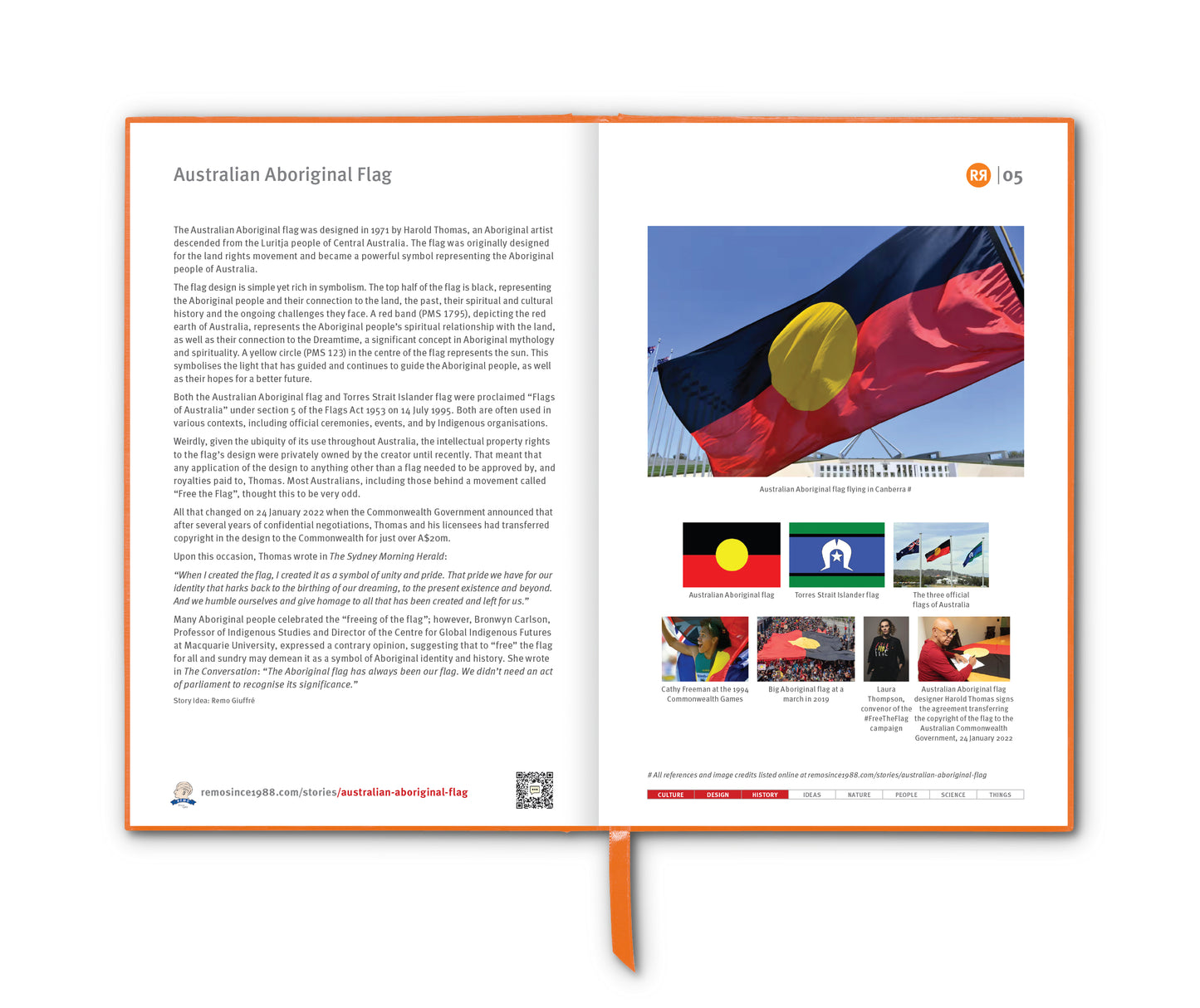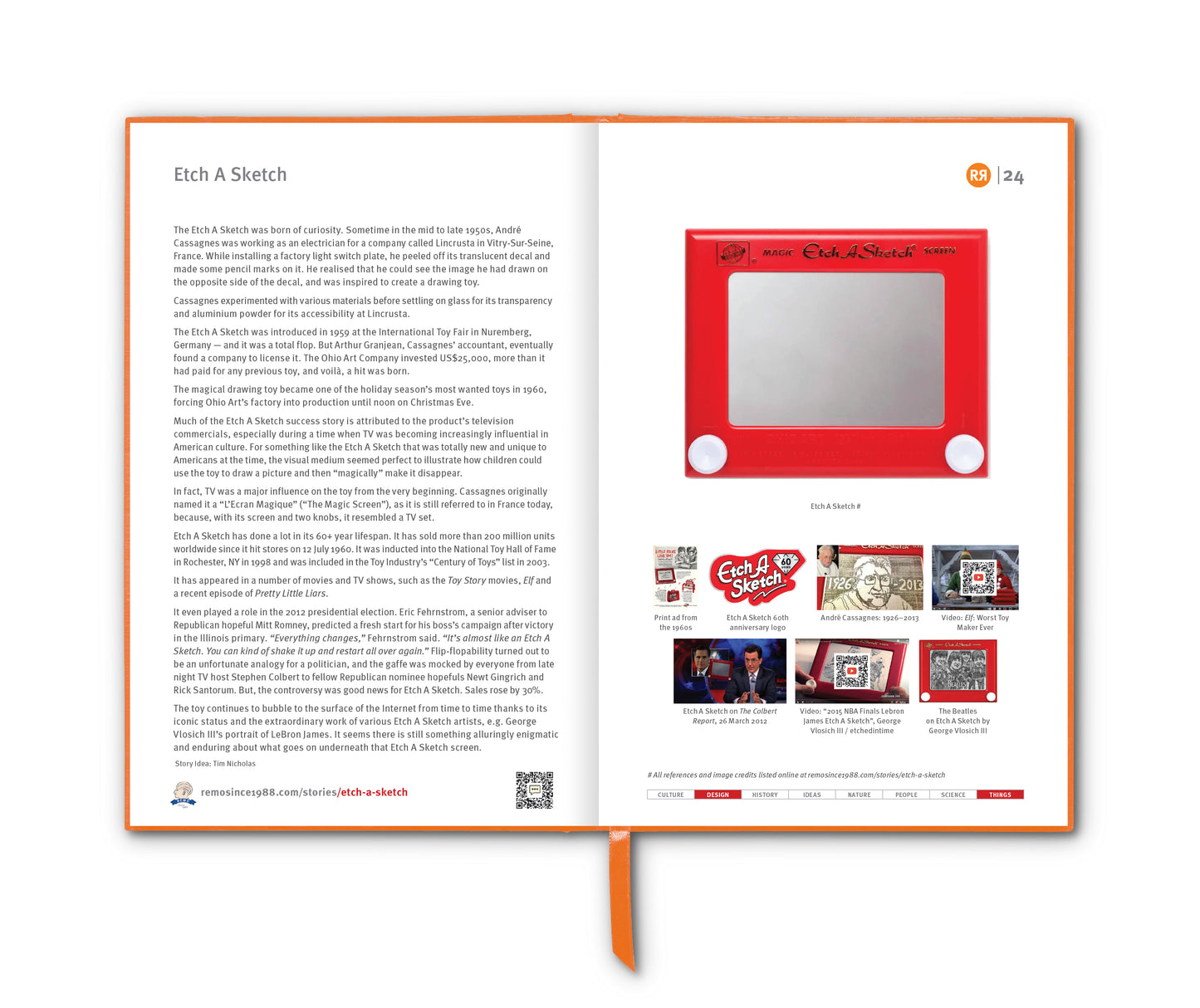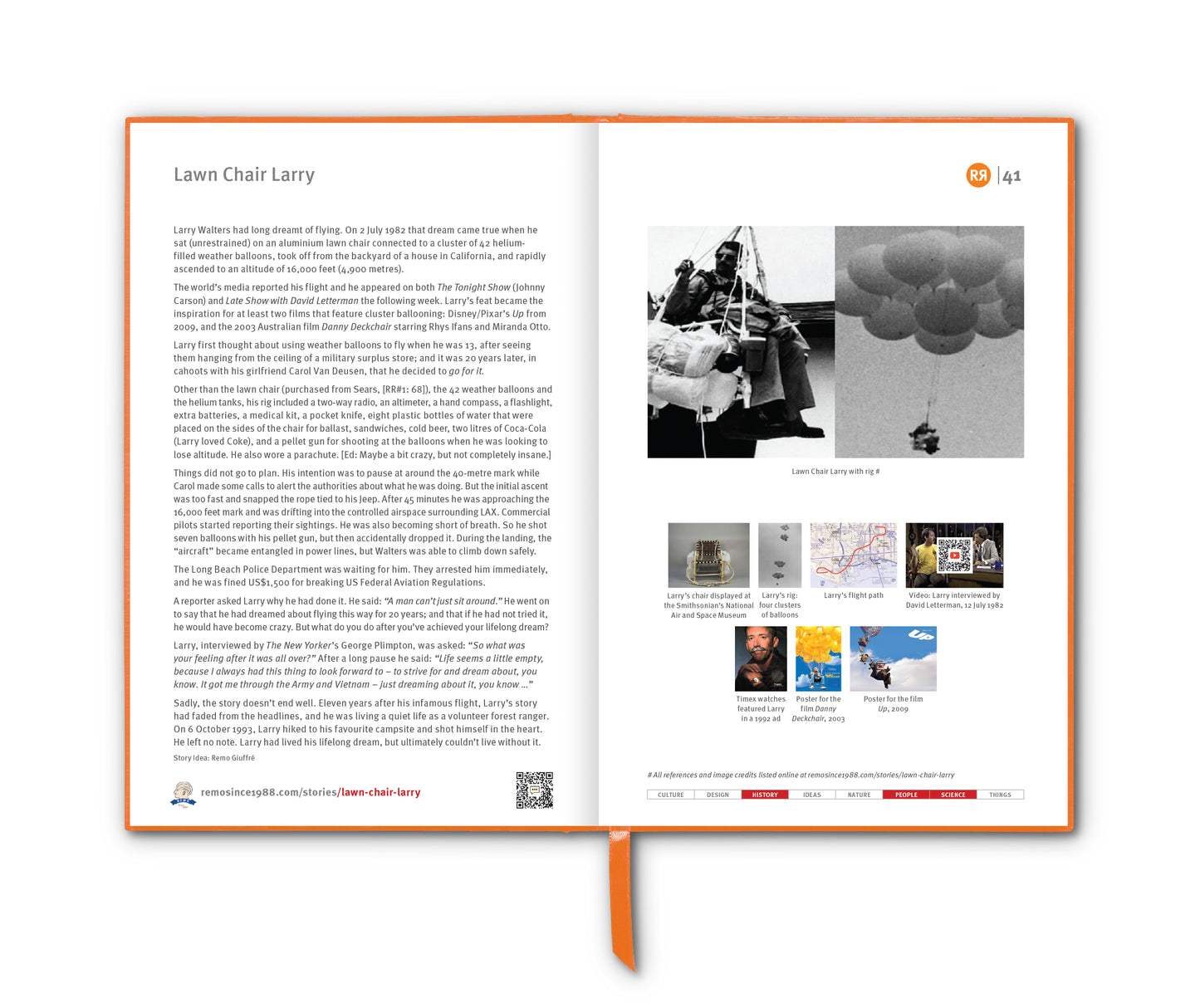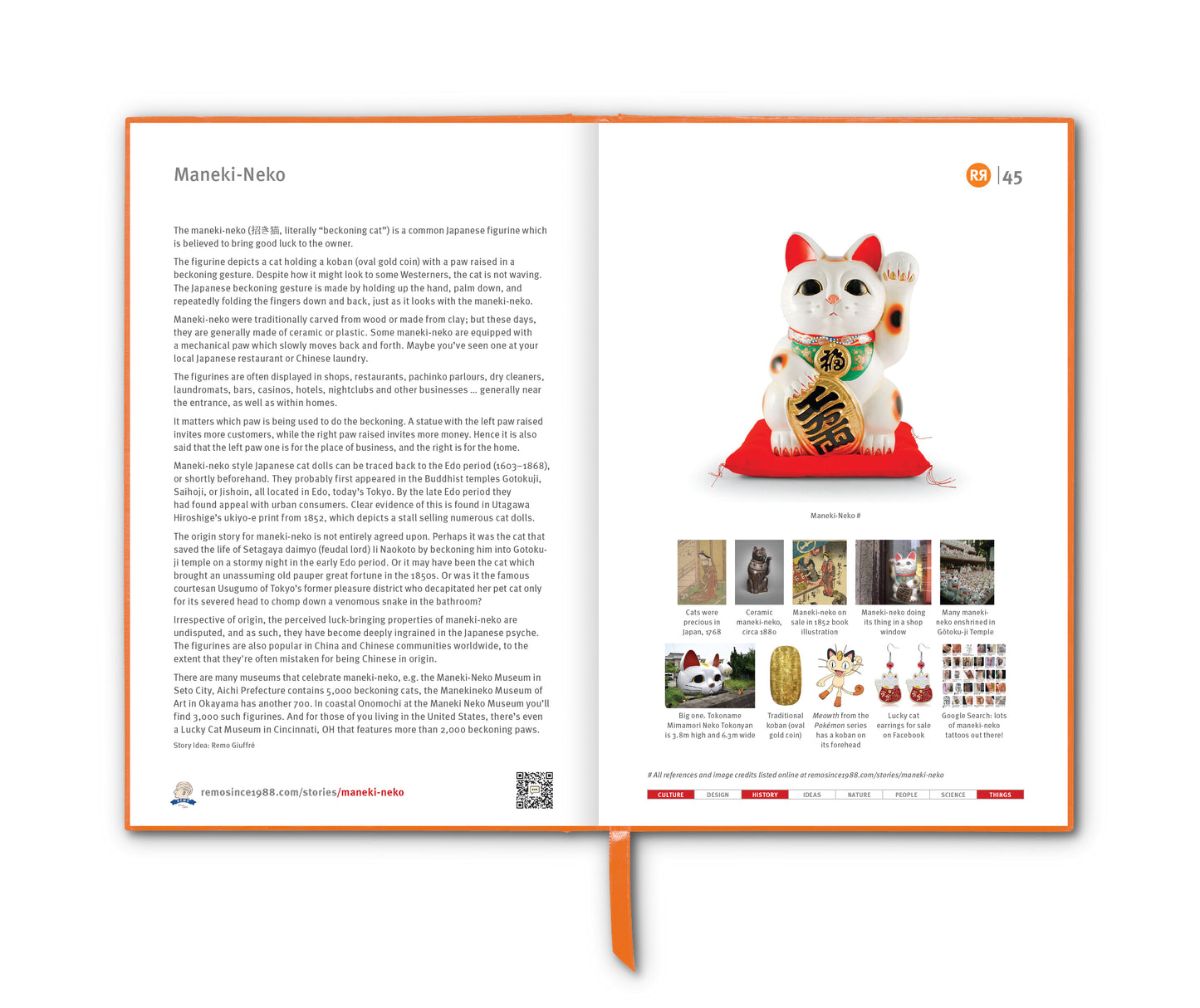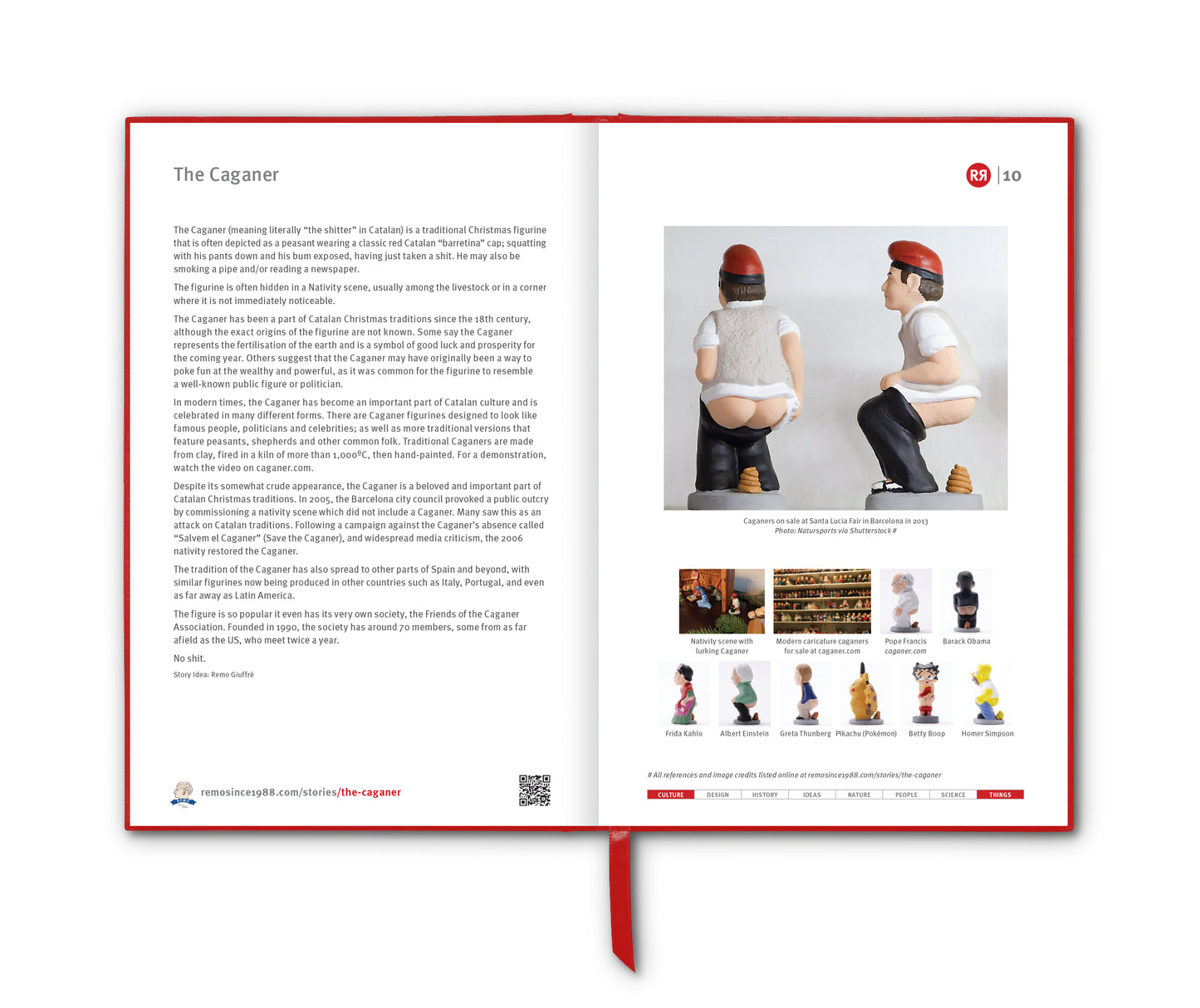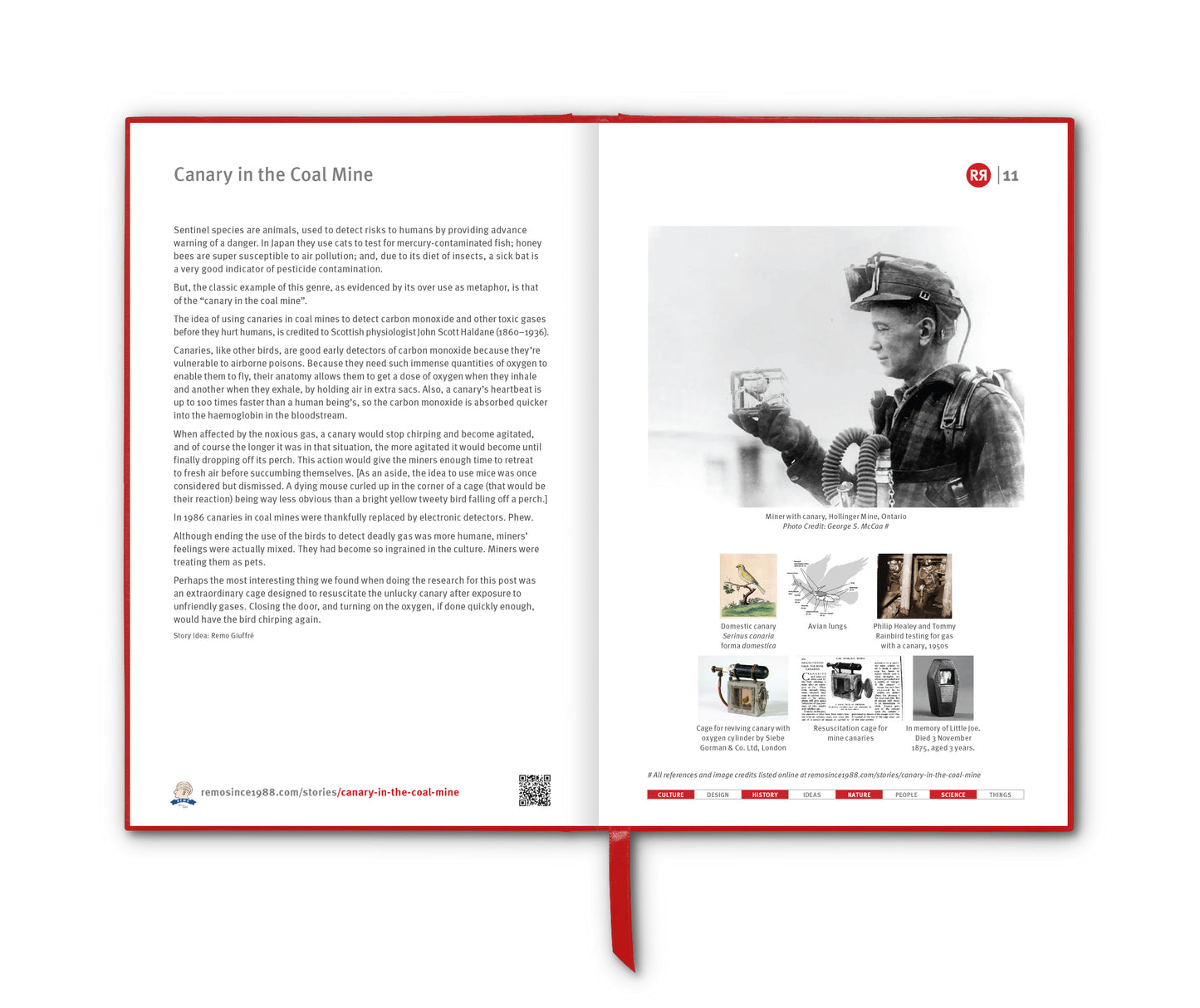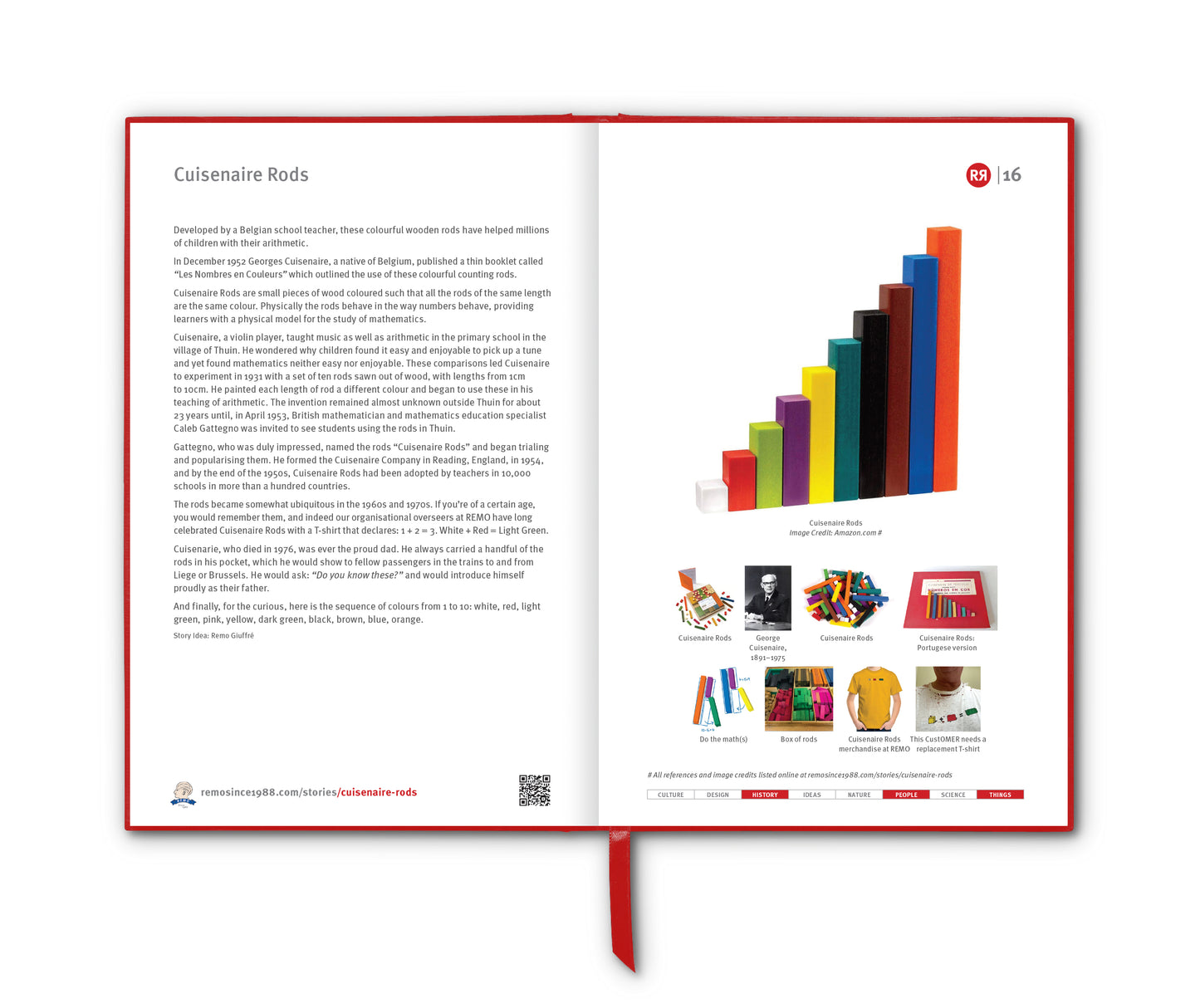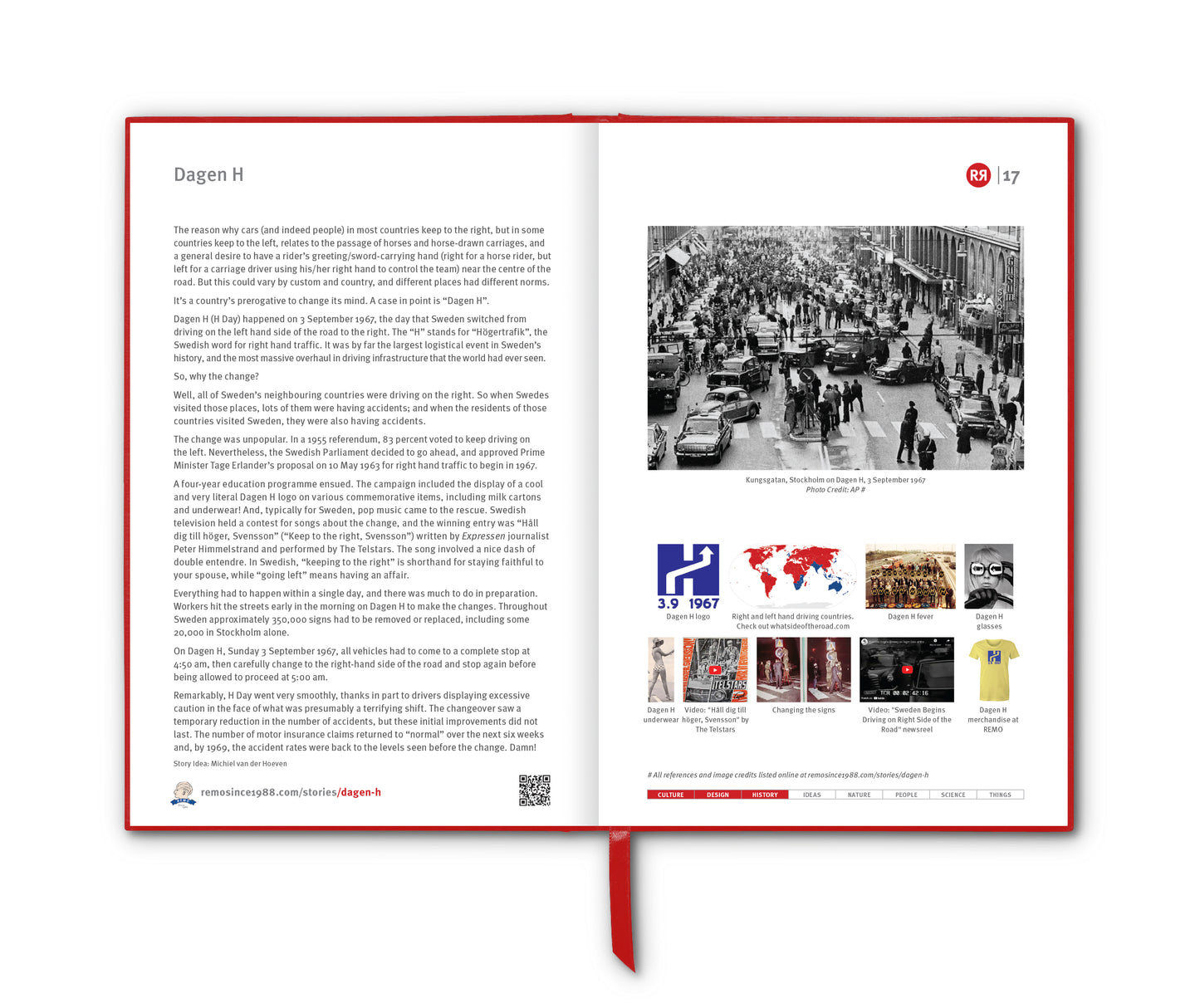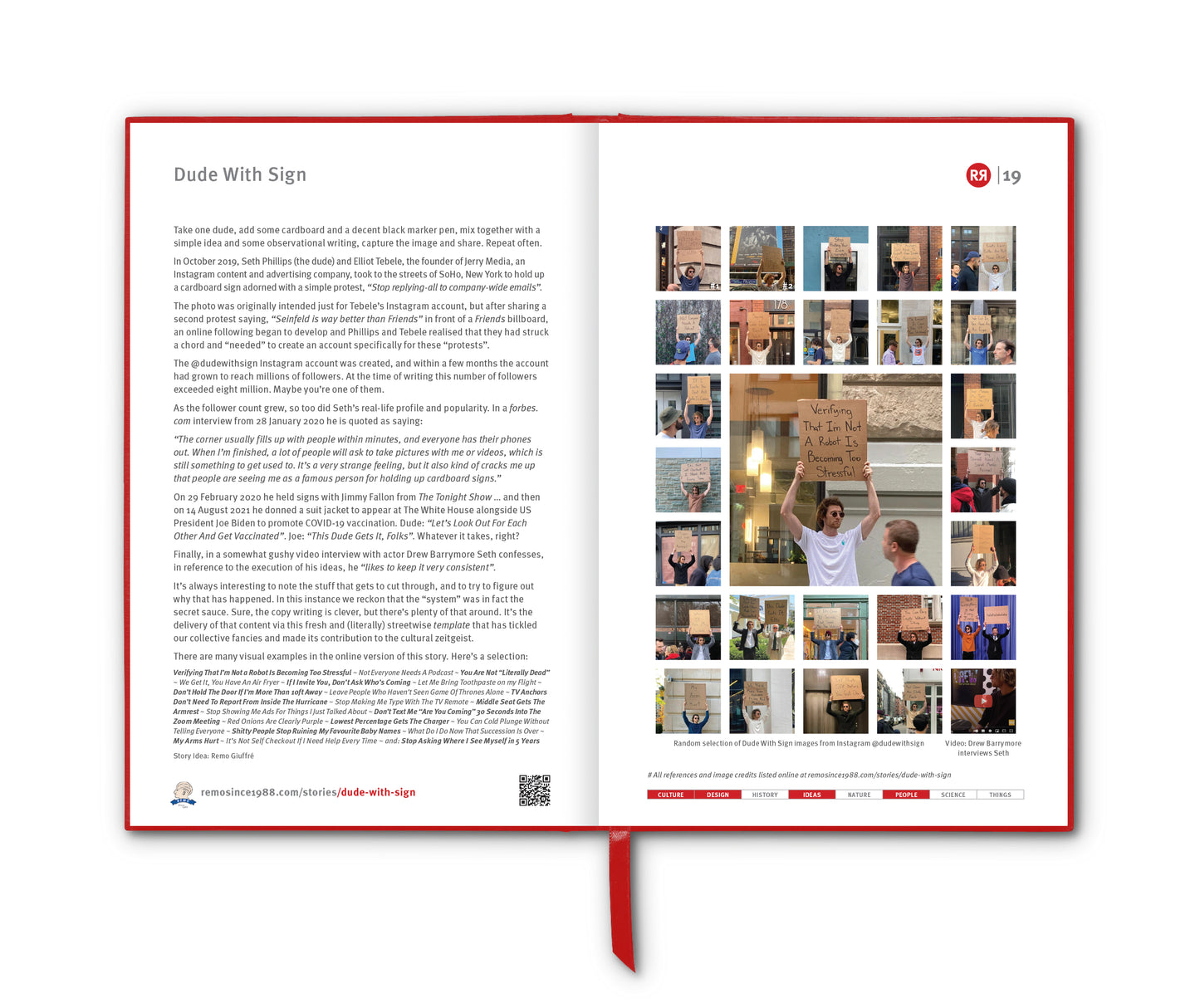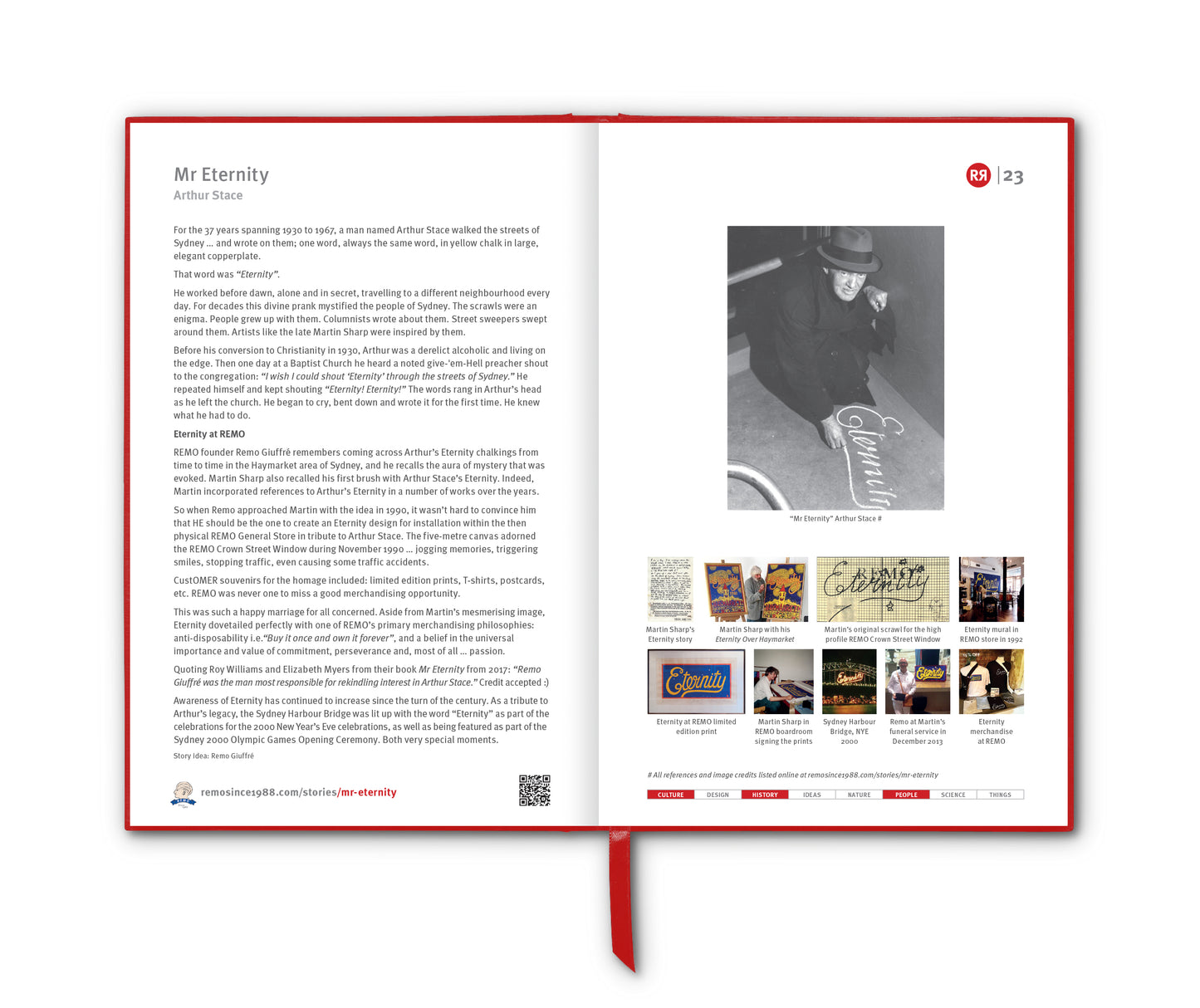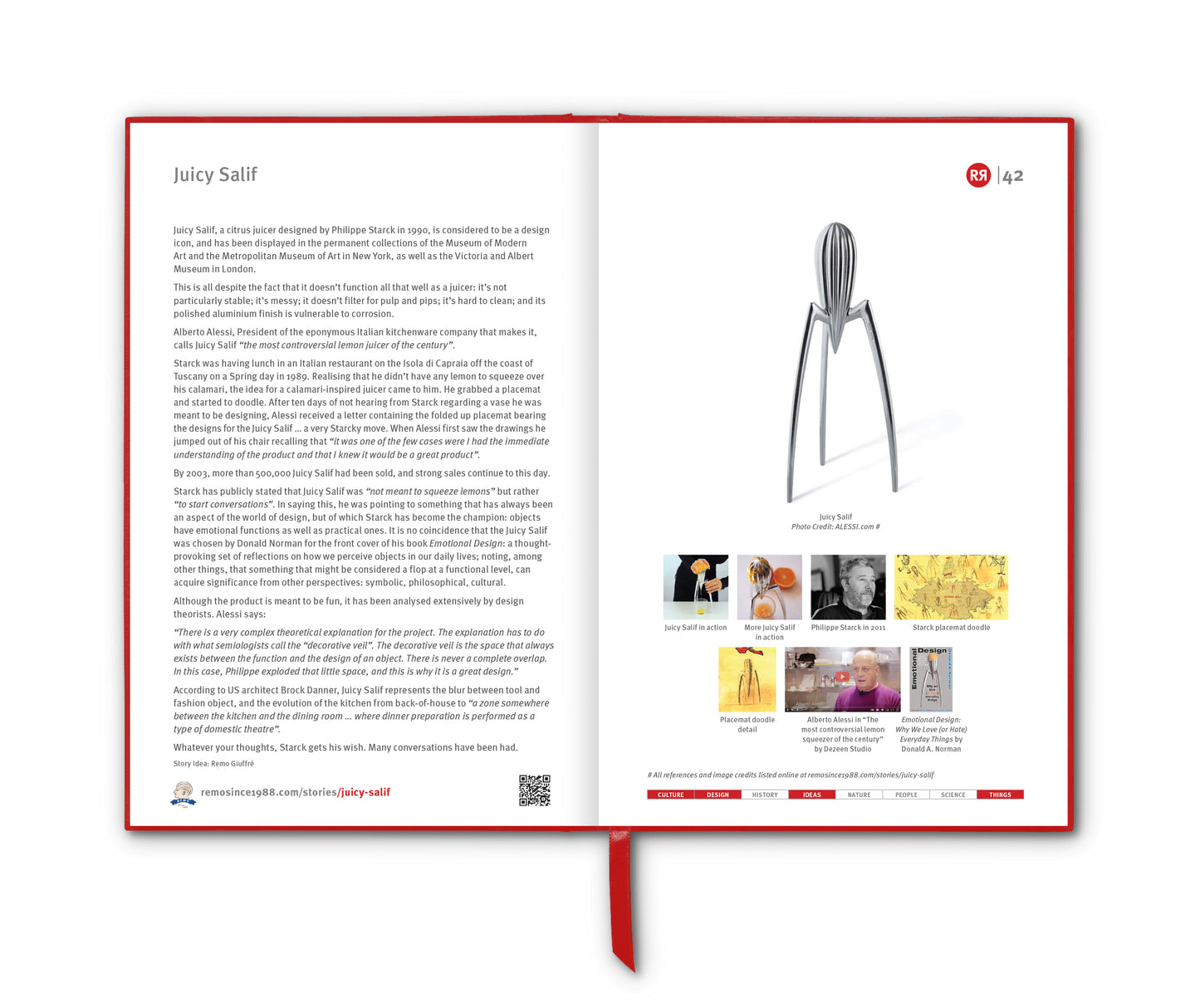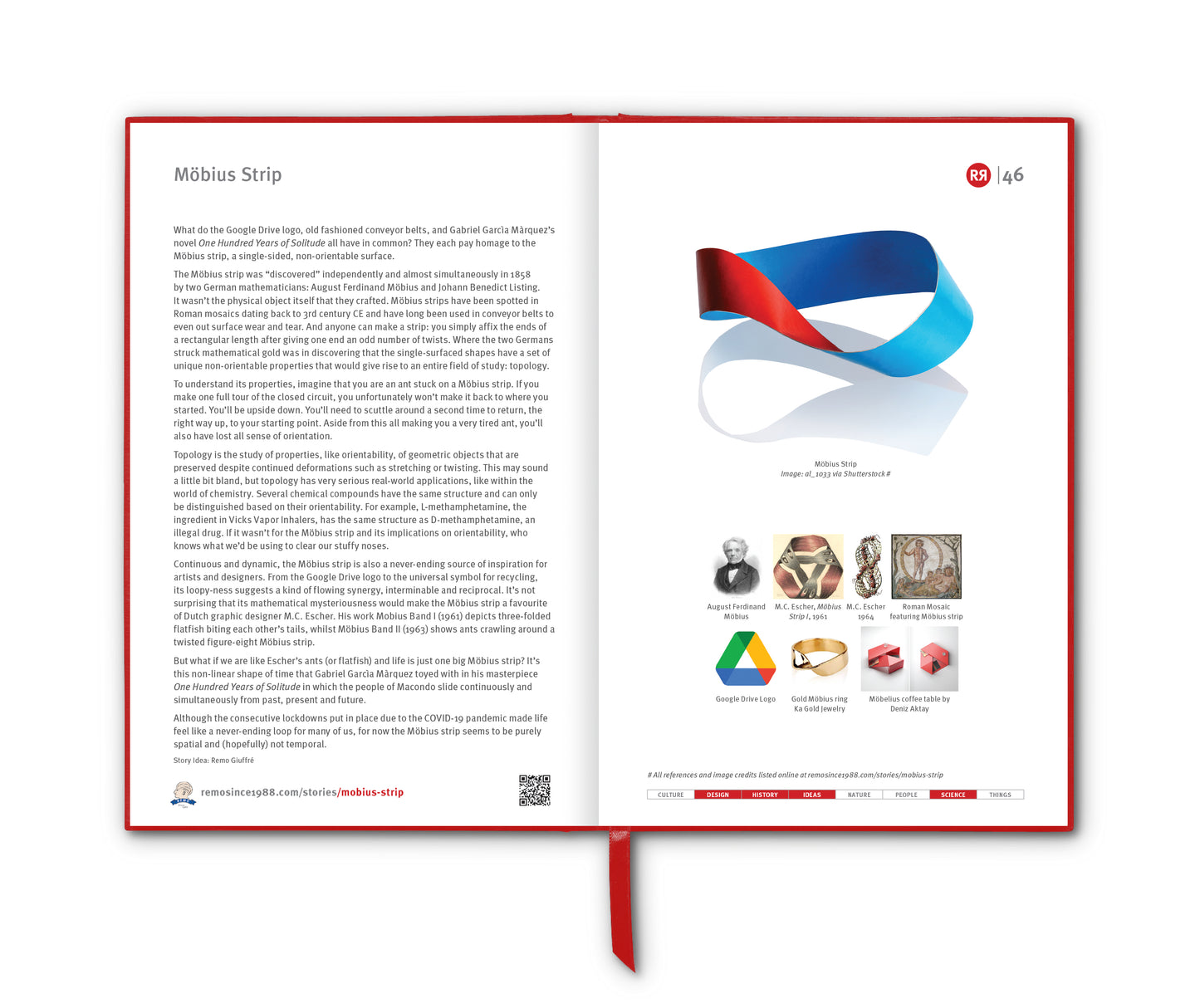

Christmas beetles are one of Australia’s most recognisable seasonal insects – small, chunky scarab beetles in the genus Anoplognathus, famous for their metallic green, gold or bronze sheen and their uncanny habit of appearing in large numbers around December. For generations, their arrival has been part of the sensory fabric of an Australian Christmas: warm nights, cicadas humming, mosquito coils [RR2:49] burning – and these iridescent beetles thudding gently into windows and verandah lights.
Biologically, Christmas beetles are part of the scarab family, and there are around 35 to 36 species, almost all endemic to Australia. Adults emerge in early summer to feed – often on eucalyptus leaves – and to mate. After mating, females lay eggs in the soil, which hatch into “curl grubs”. These larvae live underground for one to two years, feeding on roots before pupating and eventually emerging as adult beetles to repeat the cycle.
Despite their familiarity, Christmas beetles are ecologically important. As both herbivores and prey, they form part of a broader food web, while their larval stages help recycle nutrients in the soil. Their abundance – or absence –can therefore act as a subtle indicator of environmental health.
In recent decades many Australians have noticed something unsettling: there simply seem to be way fewer Christmas beetles. Where once they appeared in swarms, they are now often absent altogether. This perception is widespread, but intriguingly, scientists cannot yet definitively confirm a population collapse. The reason is simple –there has never been a long-term, systematic dataset tracking their numbers.
This gap in knowledge has prompted the work of entomologist Tanya Latty at the University of Sydney. Latty leads a major citizen-science initiative – the Christmas Beetle Count – encouraging Australians to upload sightings via platforms like iNaturalist [RR5:39]. The project has already gathered tens of thousands of observations, aiming to establish baseline data and identify trends.
Latty’s research highlights a key point: while anecdotal evidence strongly suggests decline, scientists are still in the process of turning that collective memory into measurable evidence. As she notes, without solid data, it’s impossible to pinpoint the exact causes.
That said, several likely factors are under investigation. Habitat loss is a leading suspect. Urban expansion has replaced large areas of native bushland and grassland – the environments where larvae develop in the soil.
Climate change is another possible driver, particularly through altered rainfall patterns and temperature shifts that can disrupt the timing of insect life cycles. Drought, in particular, may reduce survival rates underground, while excessive moisture can also be harmful.
Other pressures include pesticide use (which can kill larvae in soil) and artificial lighting, which may disorient adult beetles. Importantly, these factors likely interact rather than act alone.
For now, the disappearance of Christmas beetles remains something of an ecological mystery. What is clear is that understanding their fate depends not just on scientists like Tanya Latty, but on the collective observations of the public.
_______________________
References
csiro.au/en/news/all/articles/2023/december/christmas-beetles
australian.museum/learn/animals/insects/christmas-beetle
abc.net.au/news/2021-11-04/christmas-beetles-study-research
sydney.edu.au/news-opinion/news/2025/12/17/christmas-beetle-project-reaches-20000-observations-tanya-latty
tanyalatty.com
Images
1. King Beetle (left) and two unnamed Christmas beetles, left to right: Anoplognathus viridiaeneus, Anoplognathus hirsutus and Anoplognathus brunnipennis. Photo credit: Abram Powell for the Australian Museum
2. Christmas beetle. Photo credit: Mike Burleigh for the Australian Museum
3. Christmas beetles in Australia
4. The washerwoman (Anoplognathus porosus) Christmas beetle. Photo credit: Tanya Latty
5. Spotted for iNaturalist by Sofia Zvolanek
6. Tanya Latty
7. Video: "Why you should meet your insect neighbours", Tanya Latty, TEDxSydney 2025
8. Annual #ChristmasBeetleCount
9. Video: “The surprising power of your nature photos”, Scott Loarie, TED, April 2025