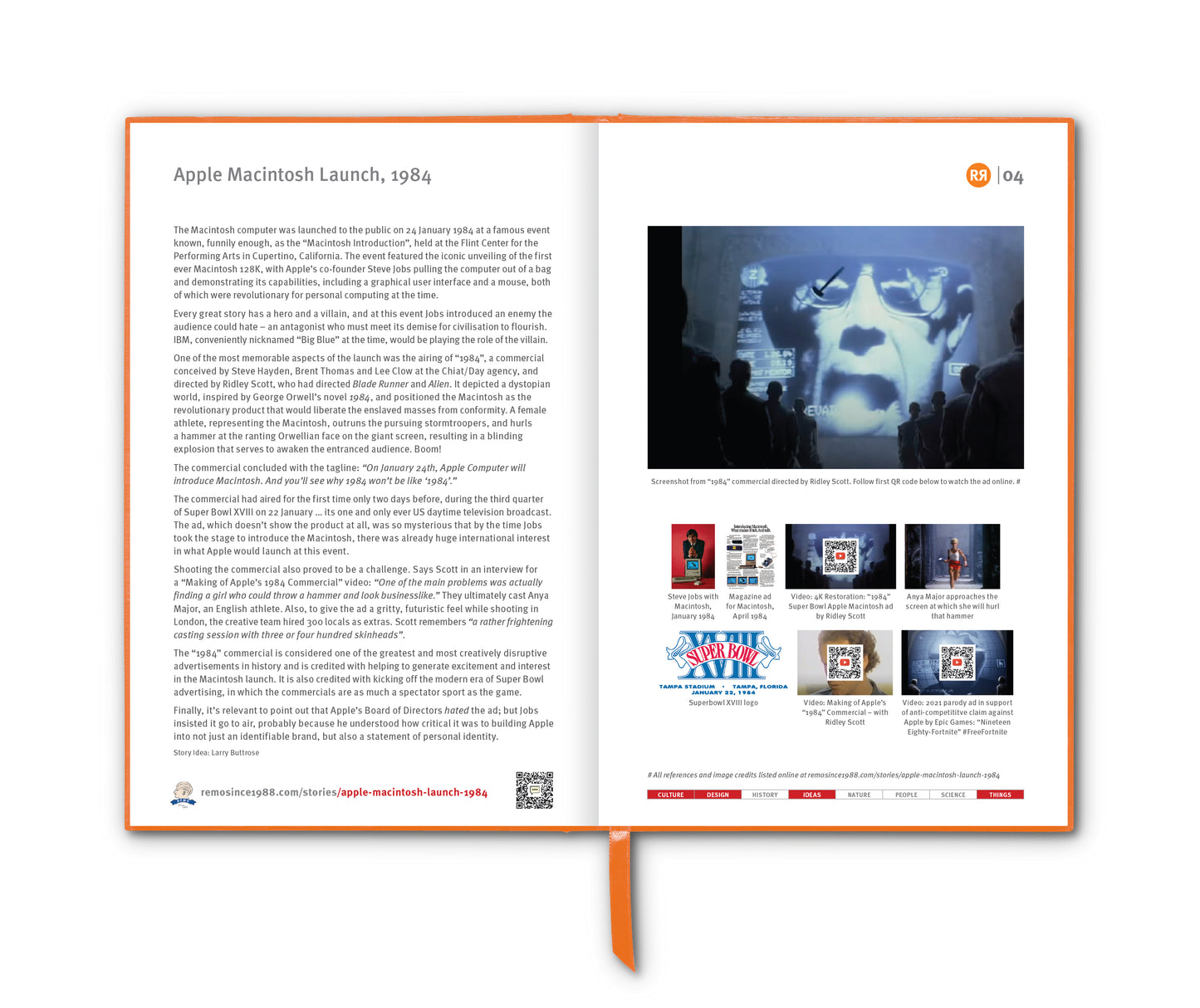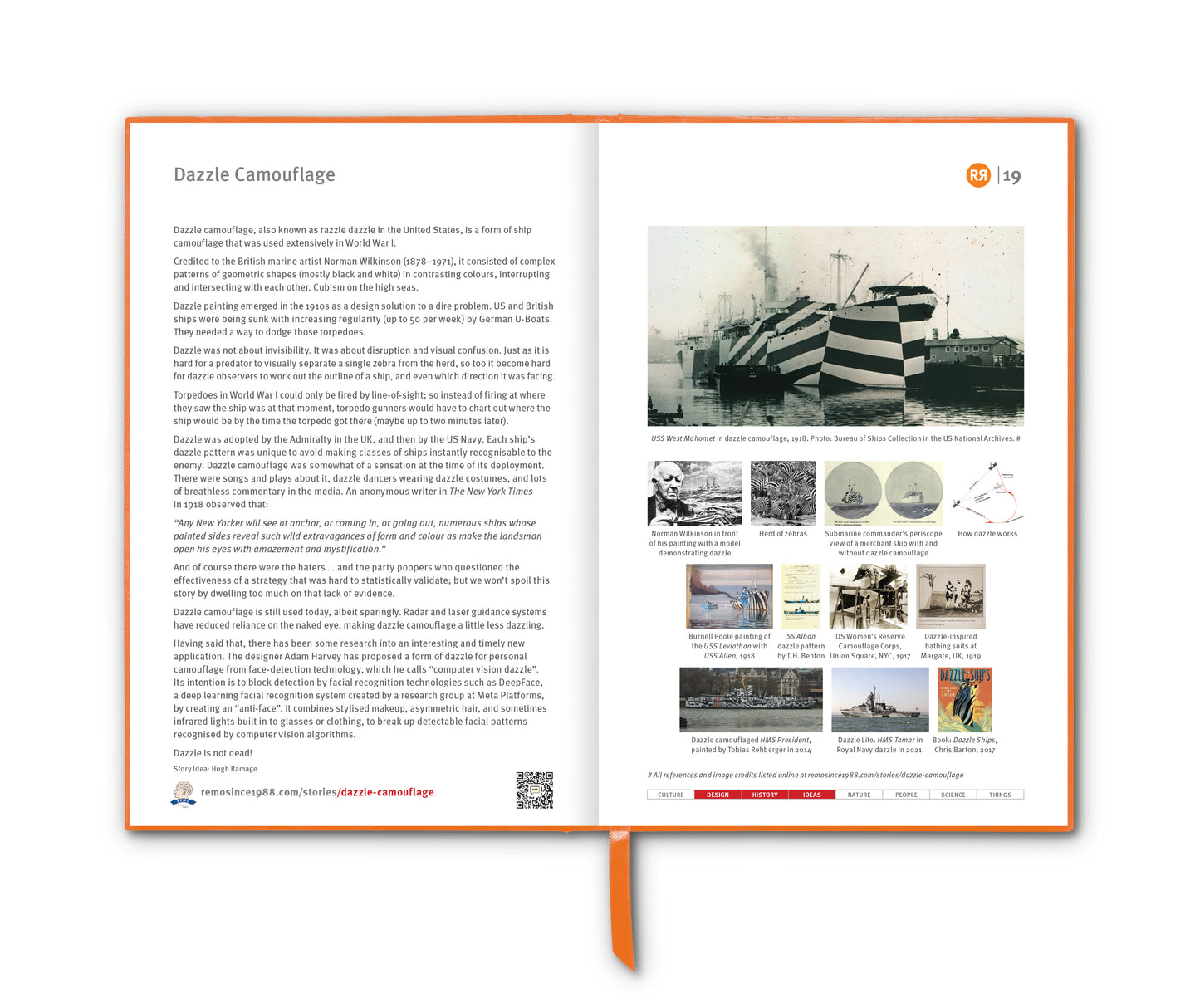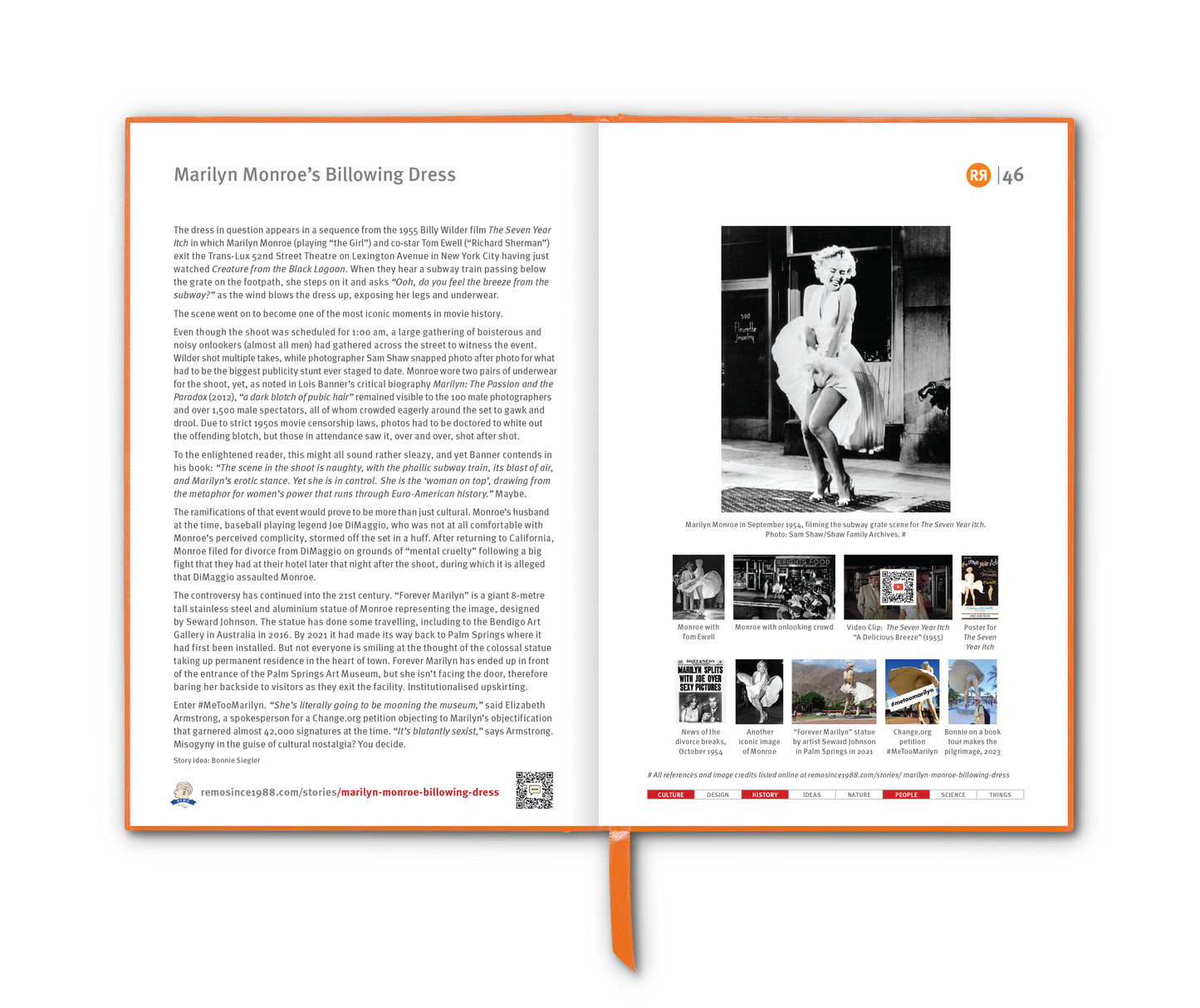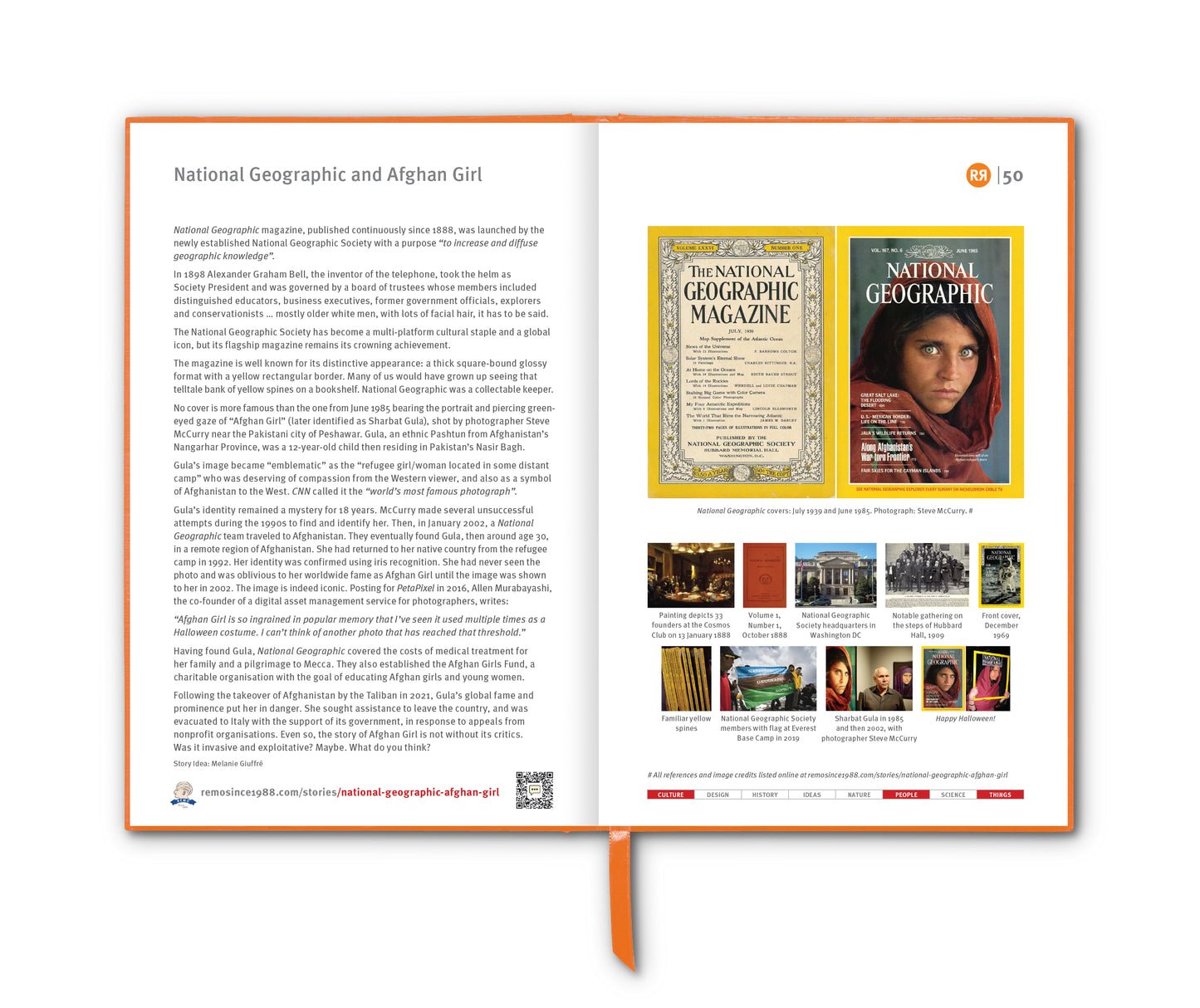

The idea of daylight saving time (“DST”) – shifting clocks forward in warmer months to extend evening daylight – has a long and slightly eccentric history.
The typical implementation of DST is to adjust clocks ahead of standard time by one hour in spring or late winter, and to set clocks back by one hour in the autumn (or "fall" in North American English, hence the mnemonic: "spring forward and fall back").
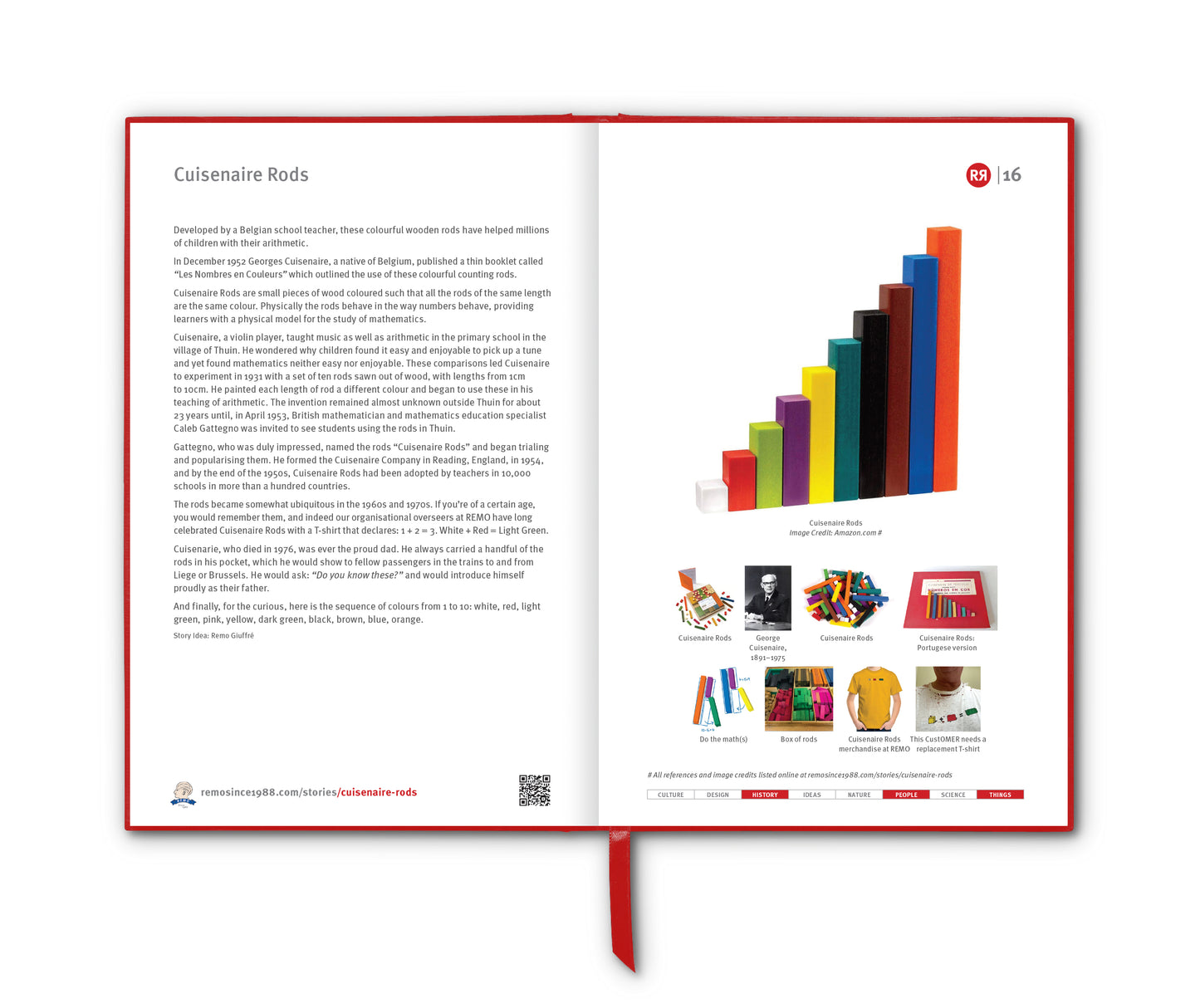
The concept is often traced back to Benjamin Franklin, who in 1784 wrote a satirical essay suggesting Parisians could save candles by waking earlier to use morning sunlight. Franklin never proposed changing clocks, but his idea planted a seed: that, by collectively pretending, human schedules might be adjusted to better align with daylight. (As an aside, it’s surely relevant the Franklin was also the author of the proverb: “Early to bed and early to rise makes a man healthy, wealthy and wise.”)
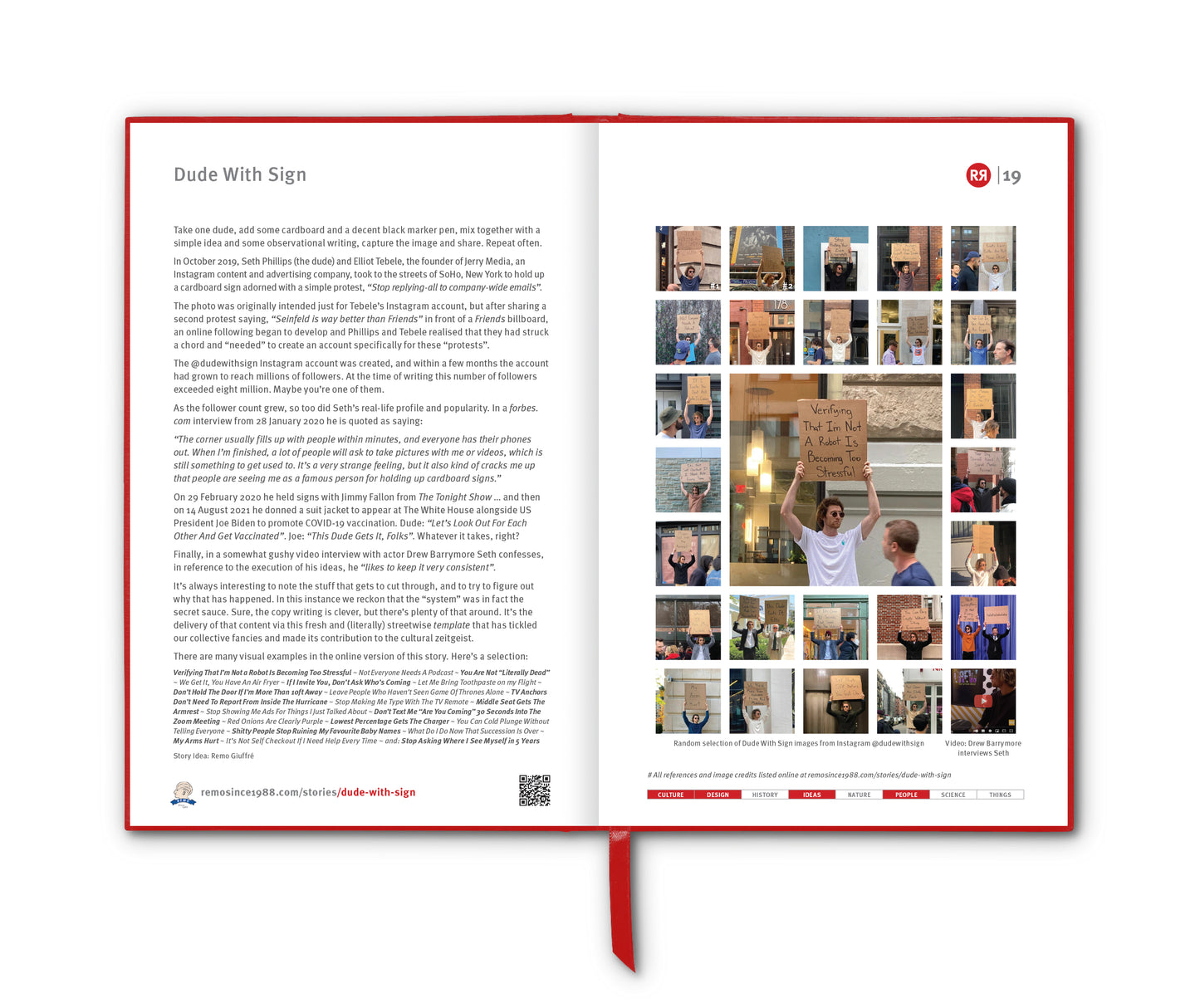
The first serious proposal came more than a century later from New Zealand entomologist George Vernon Hudson, who in 1895 suggested a two-hour shift to give people more daylight for leisure – particularly after work. Around the same time, British builder William Willett championed a similar idea in Britain, motivated by a dislike of “wasted” morning light. Willett campaigned vigorously, though he died before seeing it adopted.
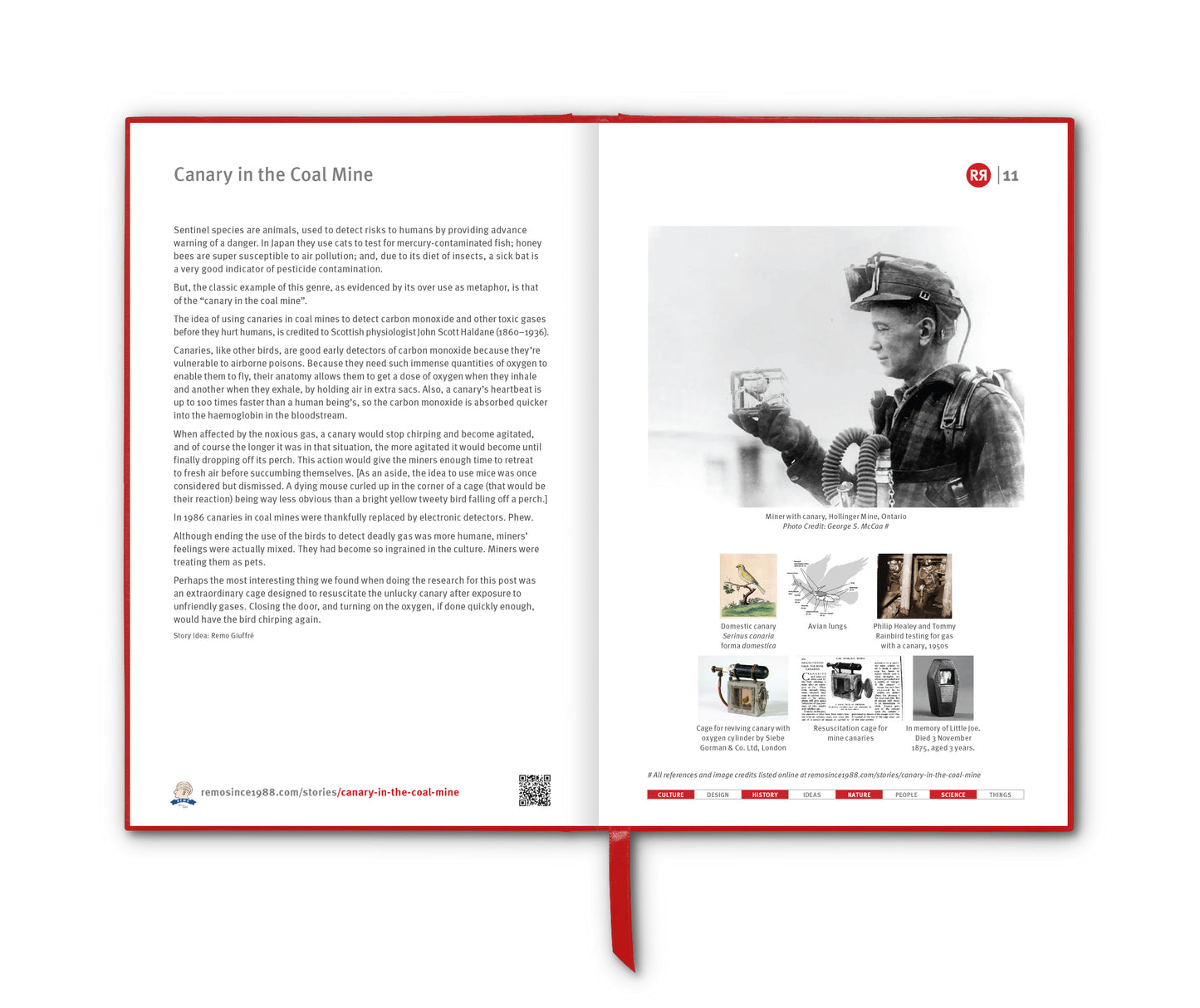
Daylight saving time was first implemented nation-wide during World War I, when Germany introduced it in 1916 to conserve fuel by reducing the need for artificial lighting. Other countries, including the United Kingdom and United States, quickly followed. It was widely abandoned after the war, then revived again during World War II for similar energy-saving reasons.
In the decades since, daylight saving has spread unevenly across the globe. Much of Europe and North America observes it, while many countries near the equator – where daylight hours vary little – do not. Even within countries, practices differ: for example, in Australia, some states observe daylight saving while others, like Queensland and Western Australia, do not.
Supporters argue that daylight saving reduces energy consumption, encourages outdoor activity and benefits retail and tourism by extending usable daylight in the evening. Longer evenings are associated with increased exercise, social interaction and economic activity. There are also claims – though debated – that it can reduce road accidents by aligning active hours with daylight.
Opponents counter that the energy savings are minimal or even negative in modern economies, where air conditioning and electronics offset lighting reductions. Critics also highlight health impacts: the clock change disrupts circadian rhythms, leading to short-term increases in sleep disturbances, workplace accidents and even heart attacks. Also, farmers have historically opposed daylight saving, as livestock do not adjust to human time shifts, complicating agricultural routines.
The debate continues today, with some regions moving to abolish the biannual clock changes altogether. Proposals in places like the European Union and parts of the United States suggest a future where time remains fixed year-round – though whether that time should resemble standard time or permanent daylight saving remains contested.
Story Idea: Melanie Giuffré
______________________________
References
wikipedia.org/wiki/Daylight_saving_time
smithsonianmag.com/smart-news/what-happened-the-last-time-the-us-tried-to-make-daylight-saving-time-permanent
theconversation.com/why-daylight-saving-time-is-unhealthy-a-neurologist-explains
nationalgeographic.com/science/article/daylight-saving-time
Images
1. Photo by Jeanne Rouillard on Unsplash
2. George Vernon Hudson was the first to propose modern DST in 1895
3. William Willett
4. UK poster for the Daylight Savings Bill
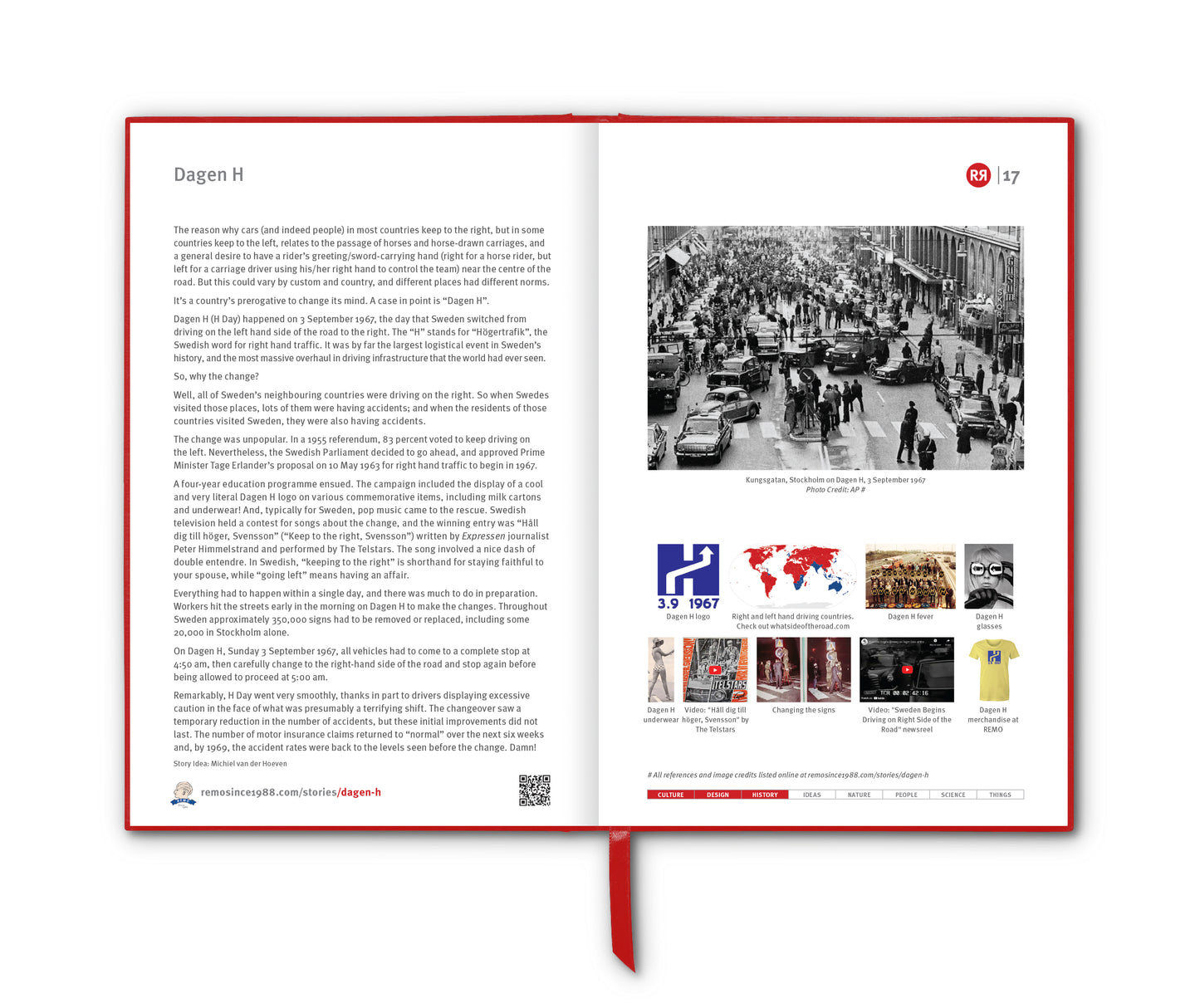
5 & 6. DST was first implemented in the United States to conserve energy during WWI. Posters credit: United Cigar Stores
7. Children wearing signs protesting daylight saving time in 1939. Photo credit: Walter Kelleher for New York Daily News
8. Spring forward. Fall backward.
9. Countries practising DST. Credit: National Geographic
10. Australian states observing DST. Credit: National Geographic
11. Video: Daylight Saving Time 101 | National Geographic, 2019