


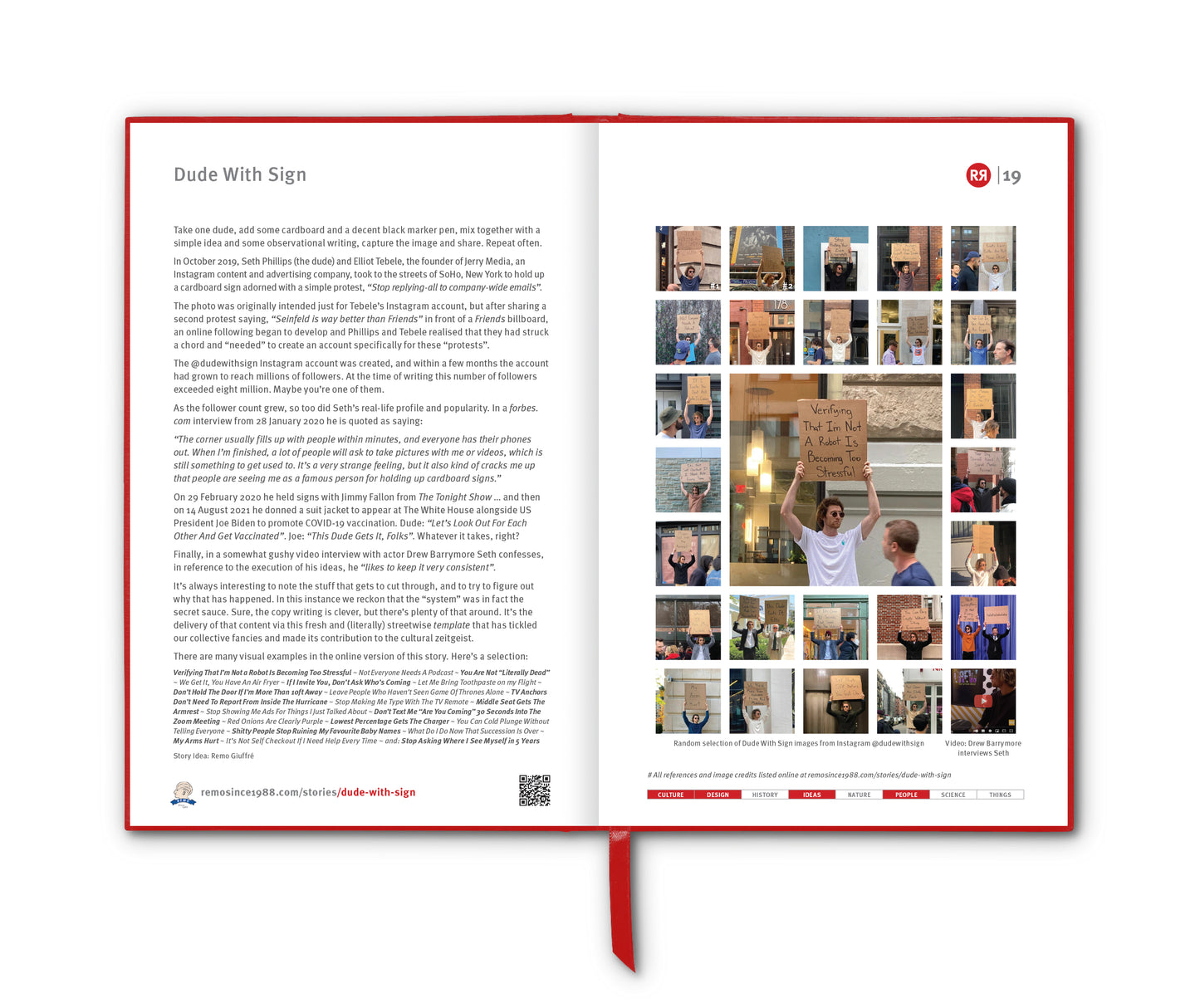
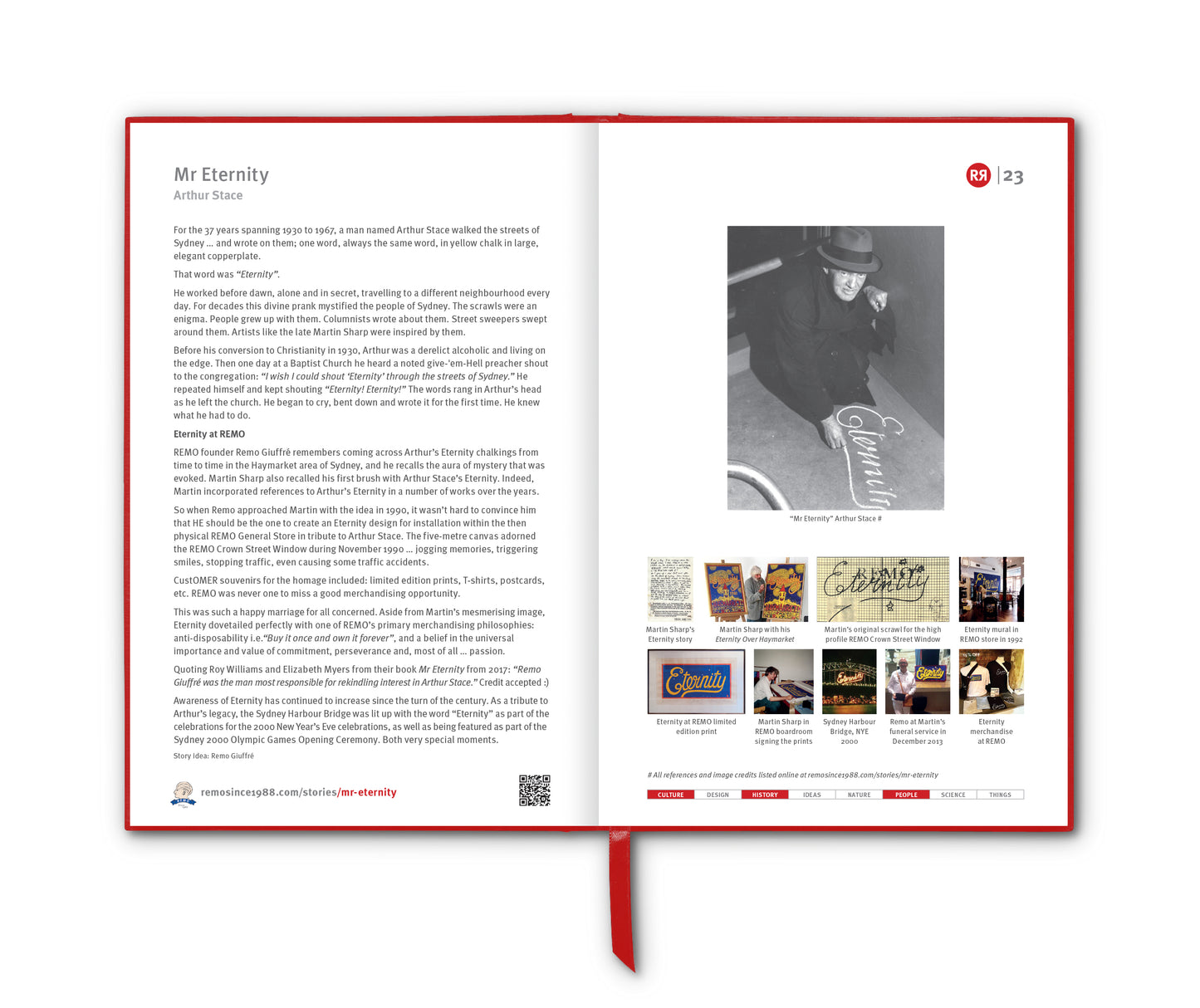
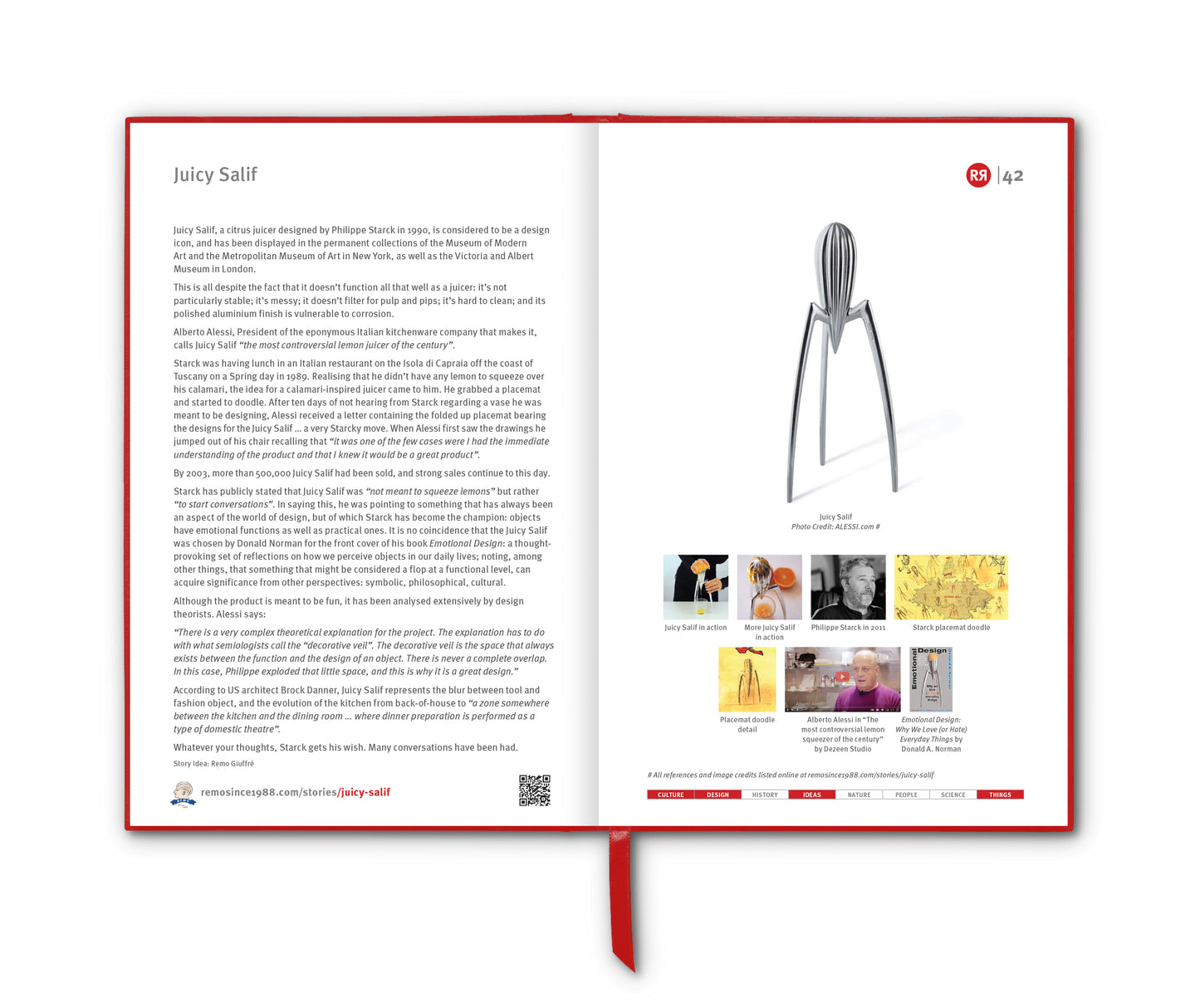
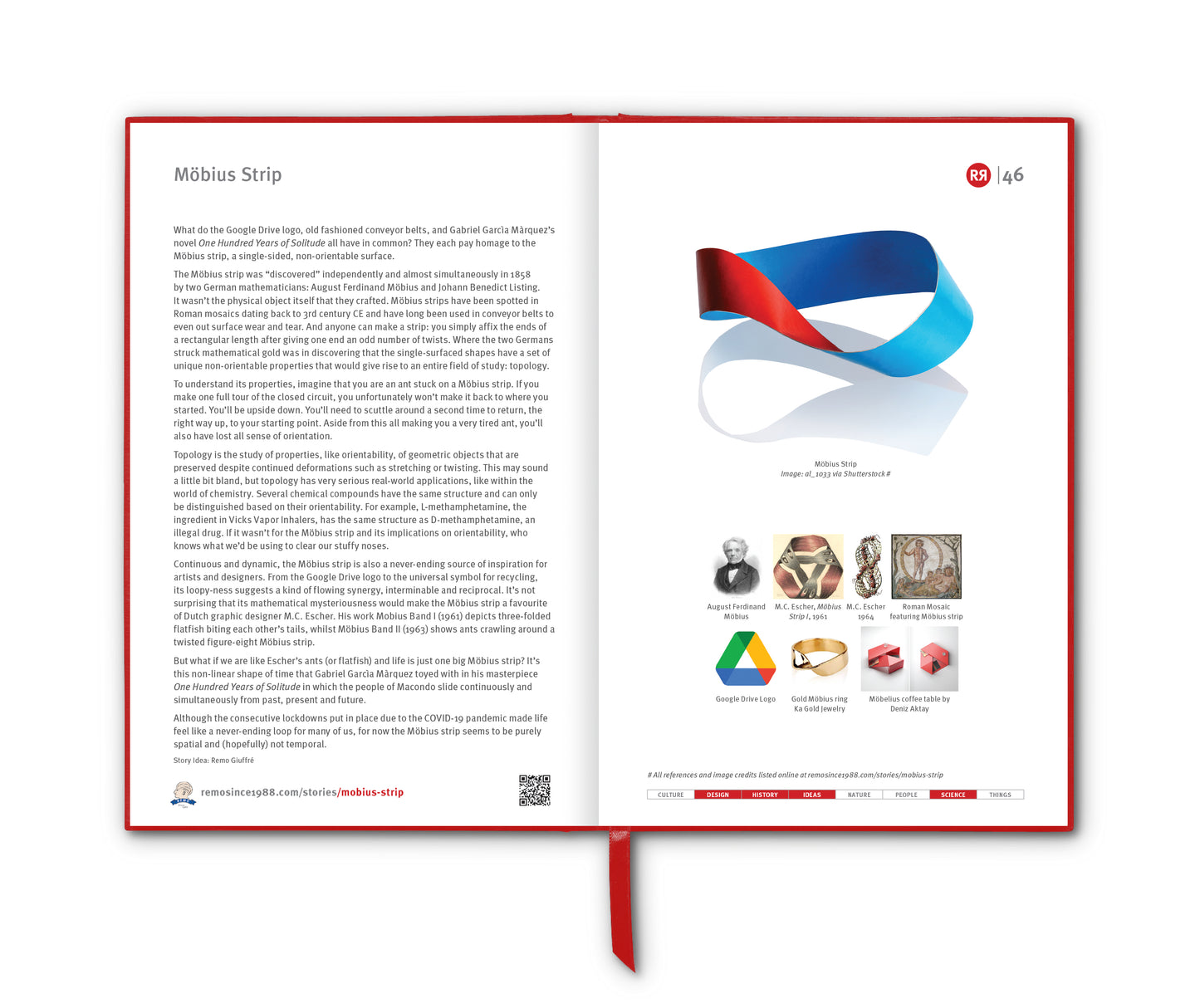
The Fabergé Eggs are among the most extravagant objects ever created – symbols of imperial opulence, exquisite craftsmanship and ultimately – the fragility of power.
Their story begins in 1885 when Tsar Alexander III commissioned the House of Peter Carl Fabergé to create a special Easter gift for his wife, Empress Maria Feodorovna. The result was the “Hen Egg”: a white enamel shell that opened to reveal a golden yolk, a golden hen and a tiny diamond replica of the imperial crown. She was delighted, and a tradition was born.
From that moment until 1917, Fabergé produced what are commonly described as 50 Imperial Easter Eggs for the Russian royal family, although historians differ on the exact totals depending on whether unfinished or privately commissioned eggs are included. Of the Imperial eggs, between 43 and 44 are generally considered to survive today, with the remainder lost, destroyed, or unaccounted for
Each egg was handmade, often taking up to a year to complete, and each contained a unique “surprise” inside. Materials ranged from gold, platinum and diamonds to guilloché enamel, rock crystal and rare gemstones. Some eggs stood only 6–12 cm tall but contained astonishing mechanical complexity, including working clocks, miniature carriages and even moving trains.
The eggs were a dazzling blend of art and engineering, crafted by teams of specialist goldsmiths, enamelers and stone setters working under Fabergé’s direction in St Petersburg. They embodied late-Romanov Russia at its most confident – lavish and ceremonially obsessed.
Then along came 1917.
The Russian Revolution brought the tradition to an abrupt end. The imperial family was executed, and the Romanov treasures were seized by the Bolsheviks. Many eggs were sold abroad in the 1920s and 1930s by Soviet officials hungry for foreign currency, often for a fraction of their true value. What had once been sacred family heirlooms became scattered across the world, appearing in auctions, museums and occasionally estate sales.
One of the most famous modern stories involves the “Third Imperial Egg”. In 2012, a scrap-metal dealer in the American Midwest bought a small gold egg-shaped object at a flea market, intending to melt it down for gold. After failing to find a buyer, he searched online and realised it matched a long-lost Fabergé egg. It was later authenticated as an Imperial Fabergé egg worth around US$33 million.
Another tale is that of the Rothschild Egg, created in 1902. It disappeared into private hands for decades before resurfacing and being sold at auction in 2007 for £8.98 million, once again proving the enduring mystique of Fabergé’s work.
Among the most famous Fabergé eggs are:
- The Hen Egg (1885) – the very first Imperial egg
- The Coronation Egg (1897) – containing a miniature royal carriage
- The Trans-Siberian Railway Egg (1900) – with a tiny working train
- The Winter Egg (1913) – encrusted with over 3,000 diamonds
- The Rothschild Egg (1902) – featuring a mechanical cockerel
Today, Fabergé eggs are held by major institutions such as the Kremlin Armoury in Moscow and private collections. Individual eggs have sold for anywhere from US$5 million to over US$30 million, making them some of the most valuable decorative objects on Earth.
____________________
References
https://en.wikipedia.org/wiki/Faberg%C3%A9_egg
https://jewellerydiscovery.co.uk/blogs/vault/nine-facts-about-faberge-eggs
Images
1. The Trans-Siberian Railway egg (1900) and the Fabergé workshop circa 1900
2. Peter Carl Fabergé at work circa 1900
3. Tsar Alexander III circa 1885
4. The Hen Egg (1885) – the very first Fabergé Egg
5. The Coronation Egg (1897)
6. The Winter Egg (1913) – designed by Alma Pihl, the only female Fabergé workmaster
7. The Rothschild Egg (1902)
8. Nicholas II of Russia with the royal family, 1913. Portrait by the Levitsky Studio, Livadiya.
9. Diagram of the "Third Imperial Egg" – the one that was discovered in a flea market
10. Video: The Making of The Fabergé x 007 Octopussy Egg Objet, 2024















2 comments
I have the surprises out of a fabrege egg that contains a stone with napoleon info
I have the surprises out of a fabrege egg that contains a stone with napoleon info