
Fingerprints have a significant presence in popular culture, particularly in detective and crime-related stories. They are widely recognised as a form of unique identification and play a crucial role in solving mysteries and identifying criminals. So, what are they actually?
Fingerprints are the unique patterns of ridges and valleys found on the tips of (predominantly human) fingers. These intricate designs – loops, whorls, and arches – are formed before birth and remain unchanged throughout a person’s life, making them one of nature’s most reliable identifiers.
The formation of fingerprints begins in the womb, typically around the 10th week of gestation. As the fetus grows, pressure, movement and genetic factors interact to create these distinct ridge patterns on the epidermis. No two individuals, not even identical twins, share the same fingerprints. This uniqueness is a combination of genetic blueprint (the primary driver) and tiny environmental differences during development, such as the flow of amniotic fluid.
Functionally, fingerprints aren’t just for identity. The ridges enhance grip by increasing friction between the skin and objects, helping us grasp and manipulate tools with precision – or, if you’re a koala, eucalyptus leaves. They also improve our sense of touch, amplifying vibrations and textures.
The scientific study of fingerprints is known as dactyloscopy. Its forensic application dates back to the late 19th century when Sir Francis Galton (also the founder of eugenics) and others demonstrated their permanence and individuality. In his 1892 book Finger Prints, Galton calculated that the chance of a "false positive" (two different individuals having the same fingerprints) was about 1 in 64 billion.
The established classification systems organise fingerprint patterns into three main types: loops (the most common, accounting for about 60–65% of prints), whorls (30–35%) and arches (5%). Each of these types contains finer details called minutiae, such as bifurcations, ridge endings and islands. These minutiae make fingerprints highly distinctive.
In forensic science, latent fingerprints – those left on surfaces by natural skin oils and sweat – are often invisible to the naked eye. Investigators use powders, chemical reagents and even laser technology to reveal them. Once visible, they can be scanned and compared against vast fingerprint databases like the FBI’s Integrated Automated Fingerprint Identification System (IAFIS), which holds millions of records.
Beyond law enforcement, fingerprints have found their way into everyday life. Biometric authentication on smartphones and laptops relies on fingerprint sensors for security and convenience.
Interestingly, the uniqueness of fingerprints has inspired research in evolutionary biology. Some theories suggest they evolved to optimise tactile sensitivity, while others argue their primary role is enhancing grip in a wet or oily environment. No definitive answer exists, but the consensus is that fingerprints are a marvel of natural design – serving both functional and forensic purposes.
Postscript
A very rare medical condition, adermatoglyphia, is characterised by the absence of fingerprints. Affected persons have completely smooth fingertips, palms, toes and soles – but no other medical signs or symptoms. The condition has been called “immigration delay disease” by the researchers describing it, because the congenital lack of fingerprints causes delays when affected persons attempt to prove their identity while traveling! [Ed: Calls a spade, a spade.]
_________________________
References
https://en.wikipedia.org/wiki/Fingerprint
https://www.thearchaeologist.org/blog/koalas-have-fingerprints-almost-identical-to-ours-heres-why-thats-astonishing
Images
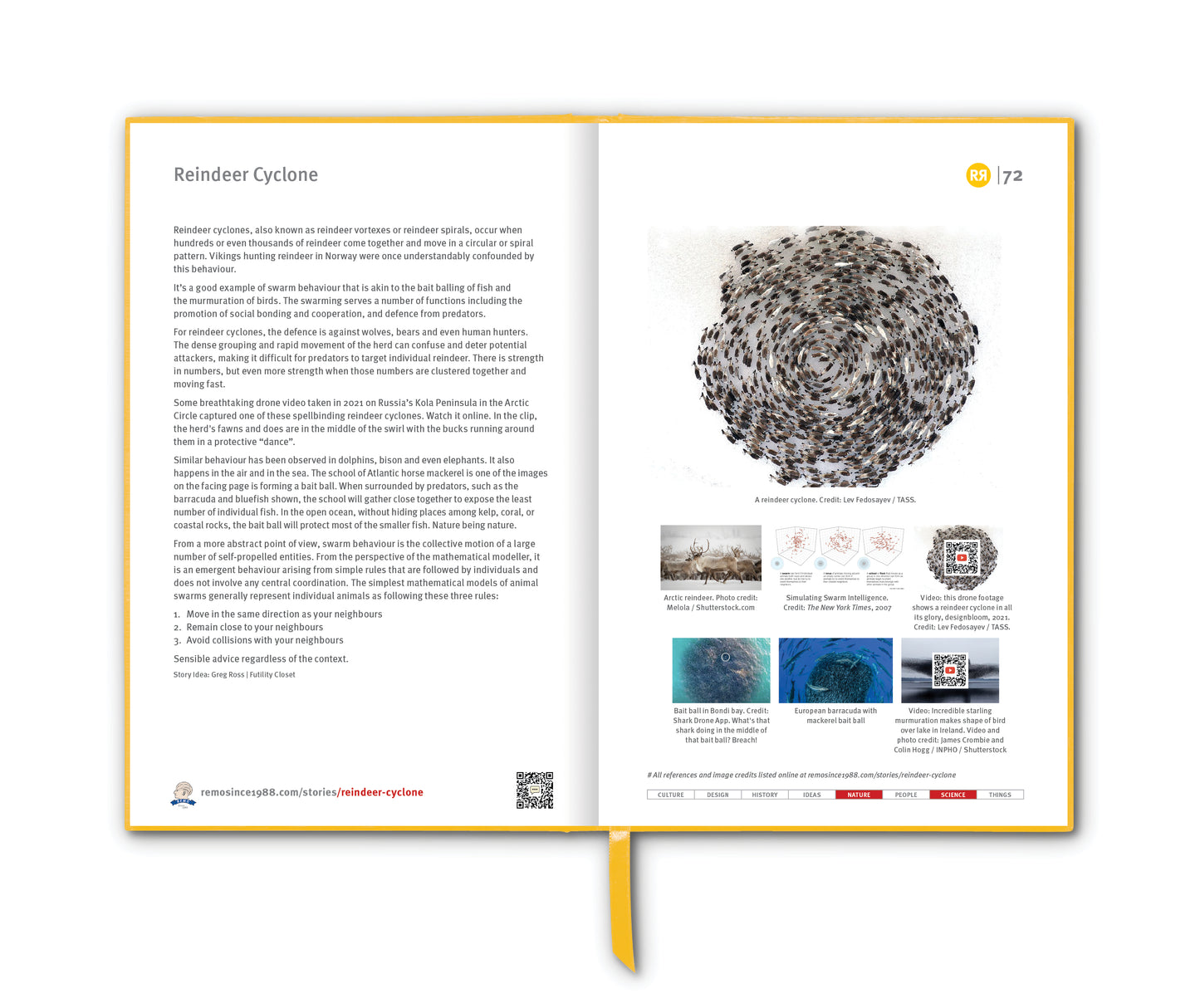
1. Koala fingerprint next to a human's. Credit: thearchaeologist.org
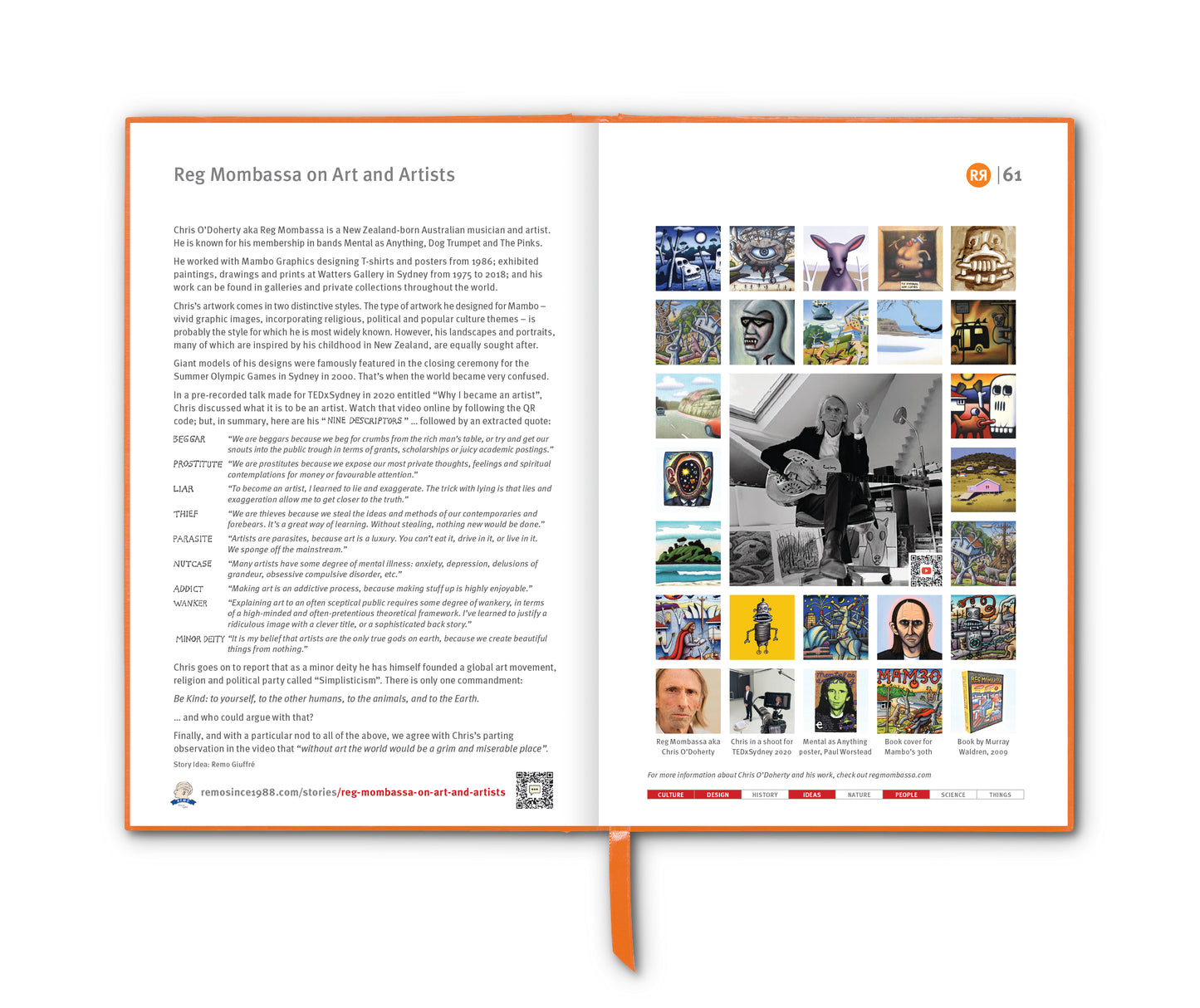
2. Ridge patterns: loop, whorl and arch
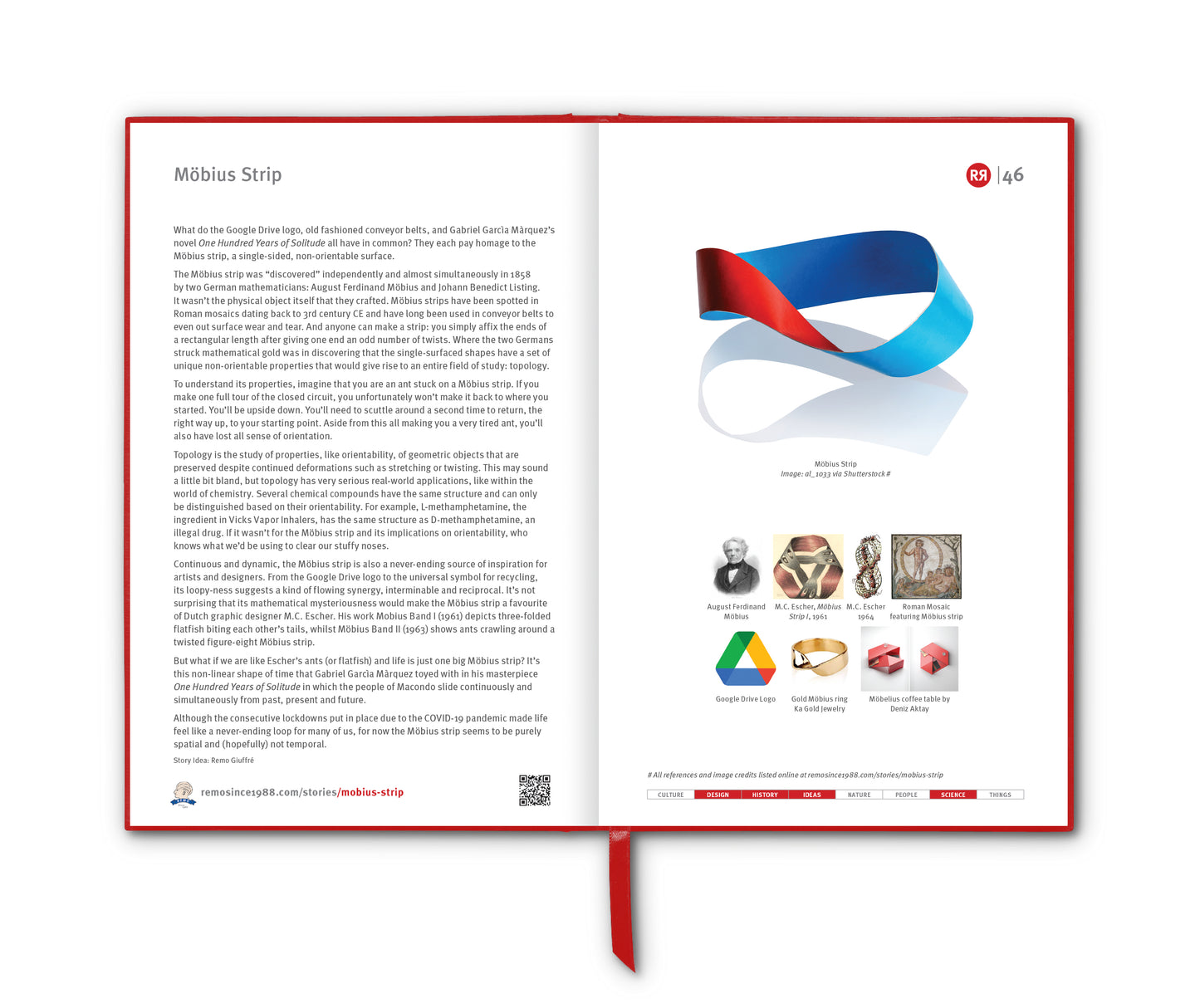
3. Minutiae patterns. Credit: Inaki Rom
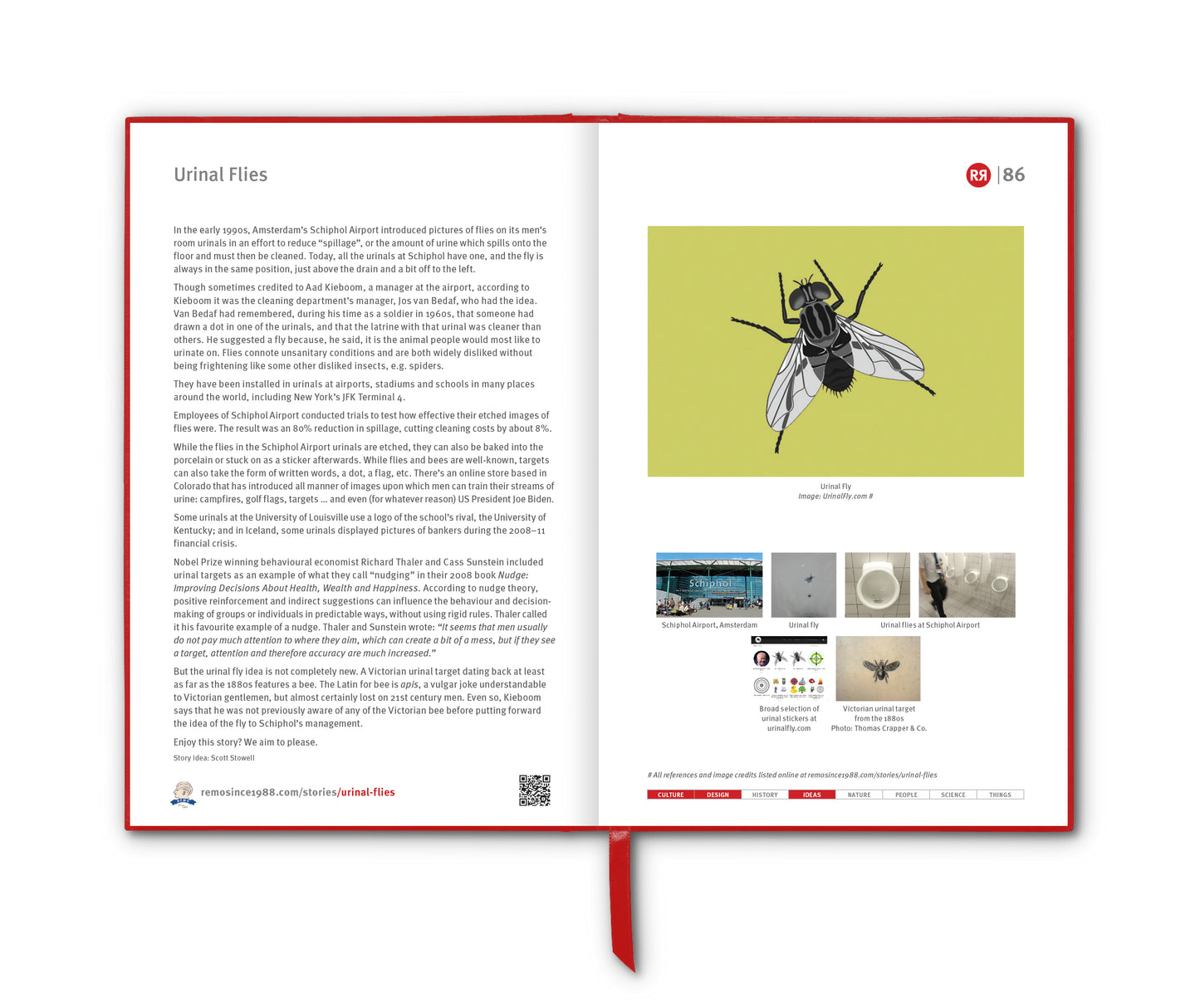
4. Sir Francis Galton. Photo taken in the 1850s or early 1860s.
5. Fingerprints taken by William Herschel, 1859/60
6. Pearson’s Weekly, 11 June 1898
7. Sherlock Holmes commemorative stamp
8. In the central pocket whorl, the line between the two deltas does not intersect with the central pocket.
9. Criminal Alvin Karpis had his fingerprints surgically removed in 1933. Credit: FBI