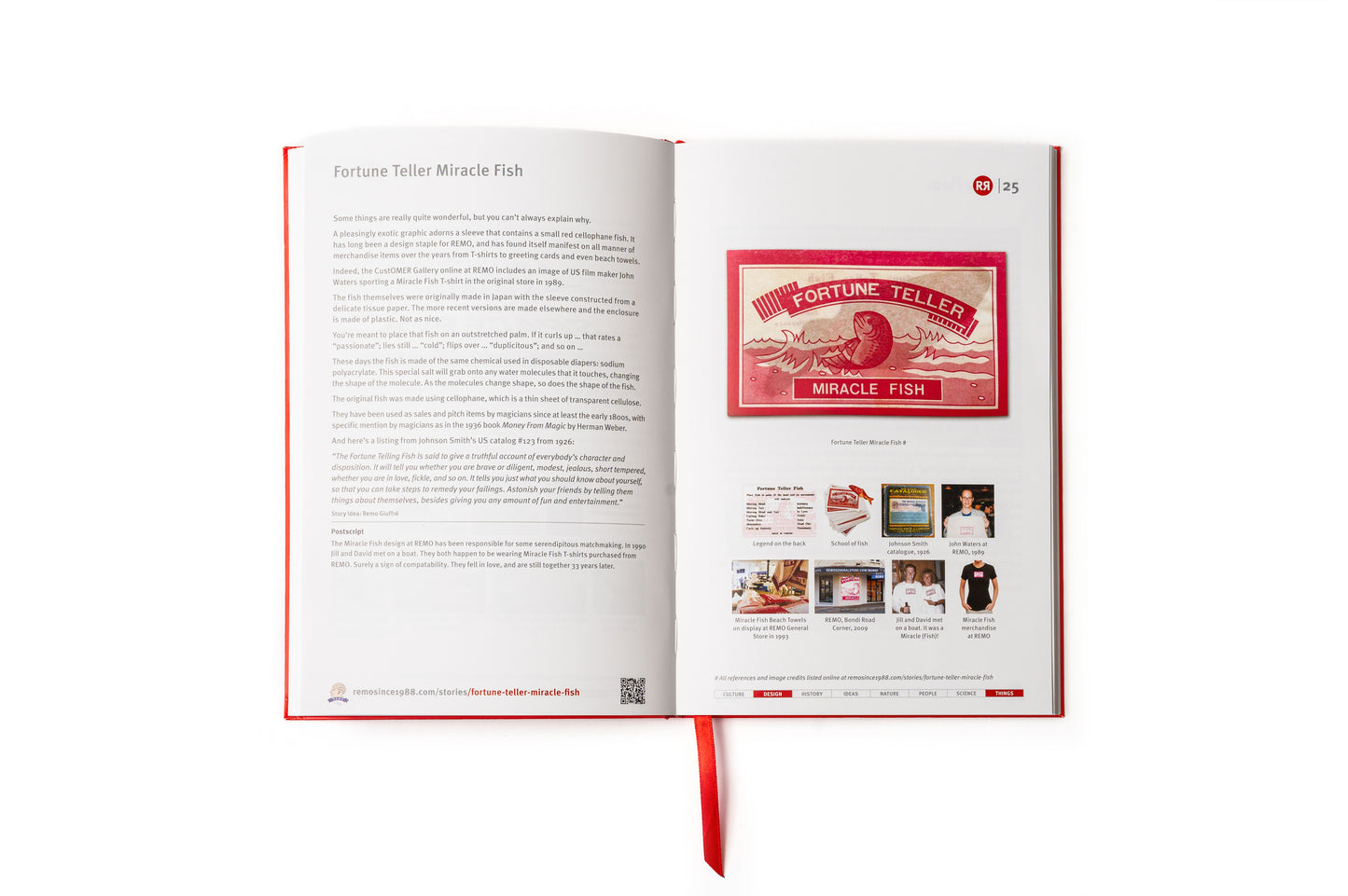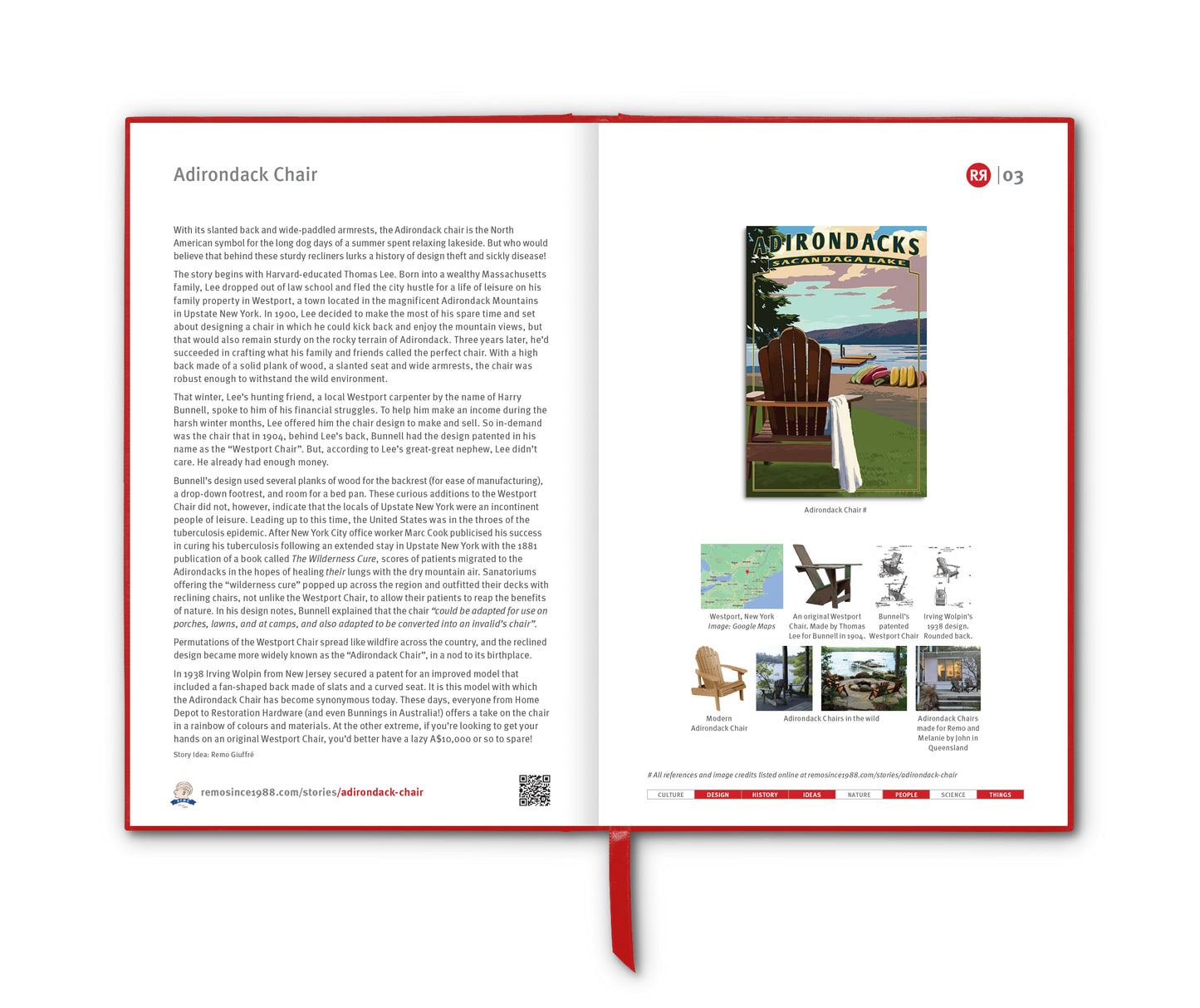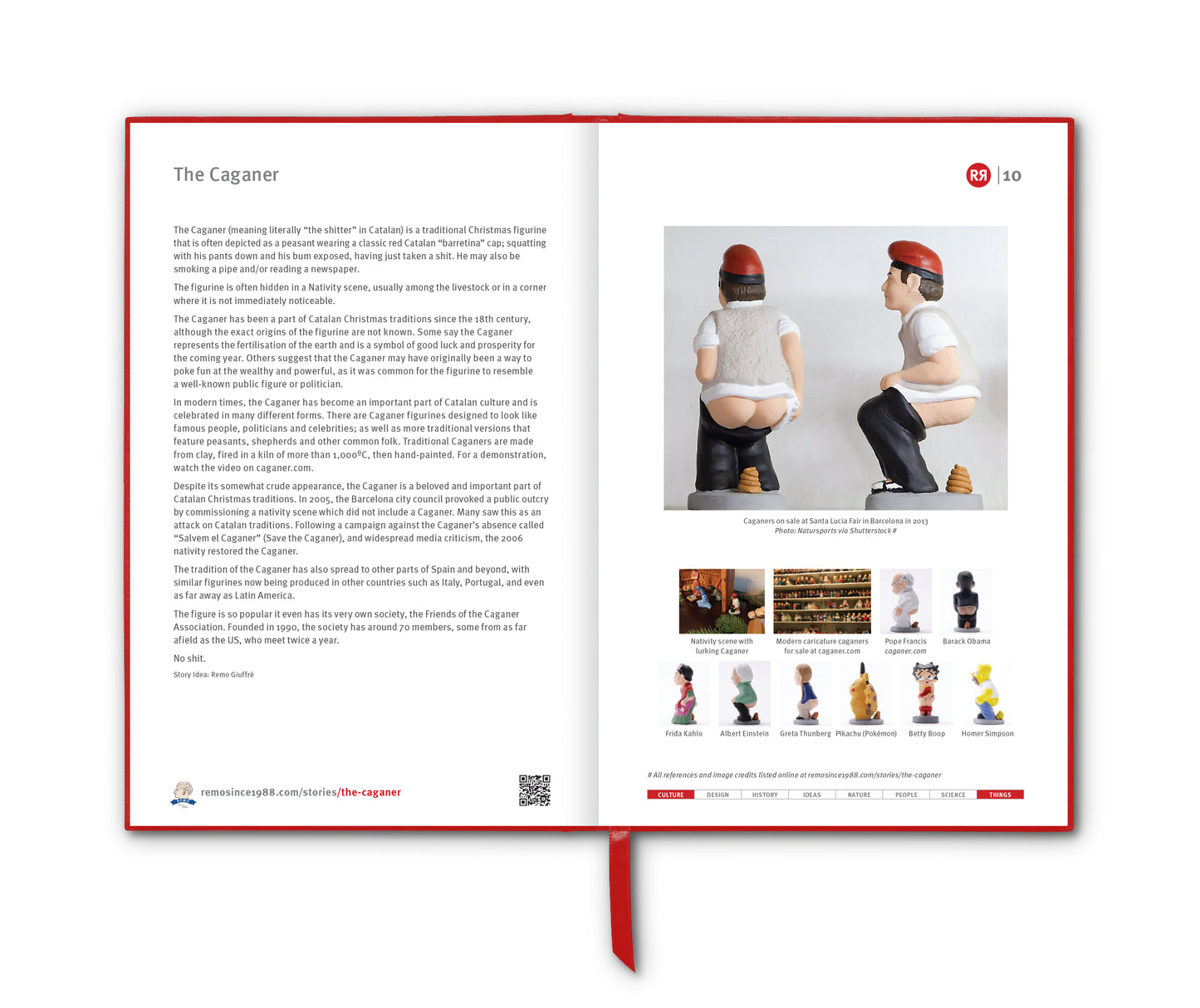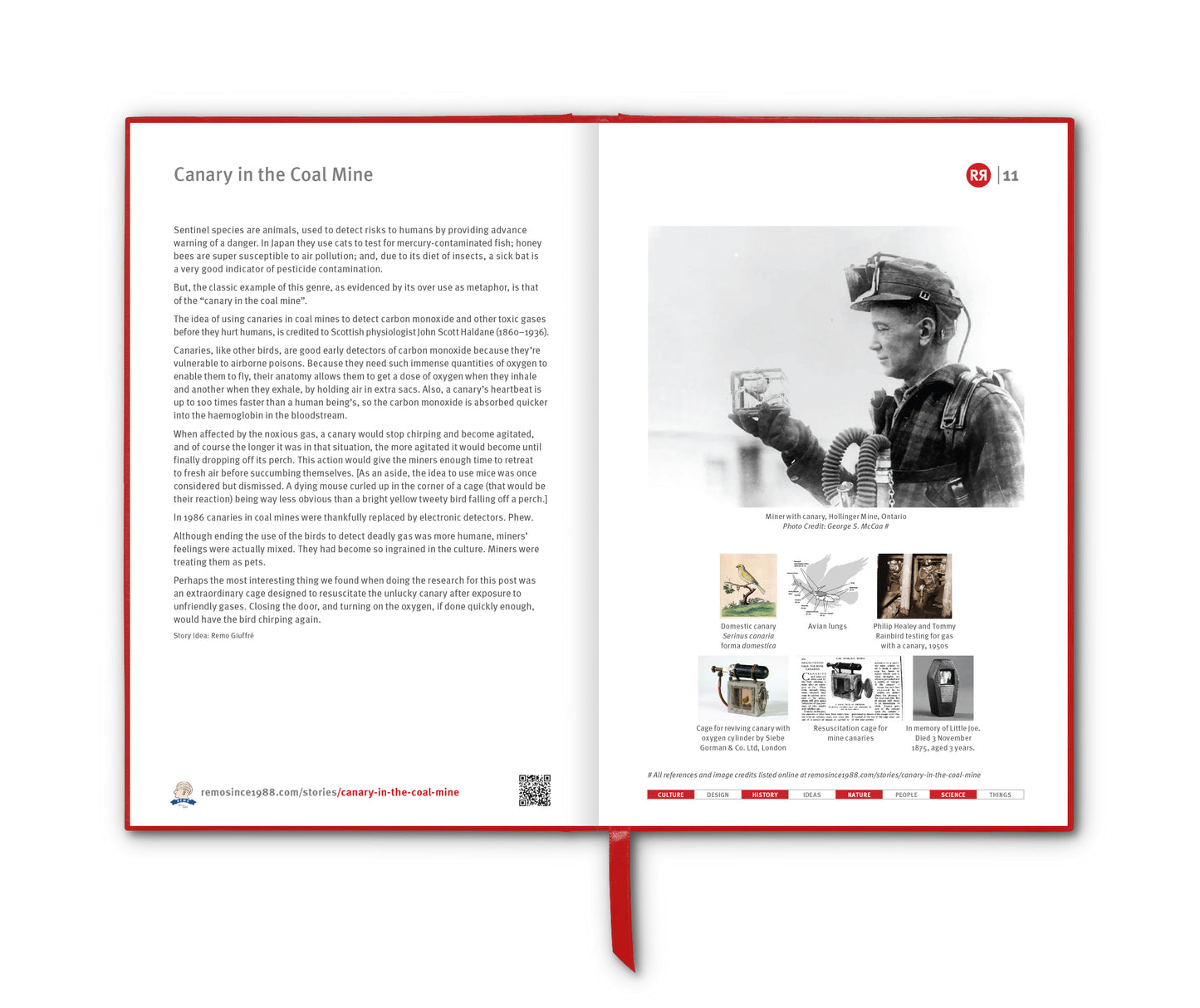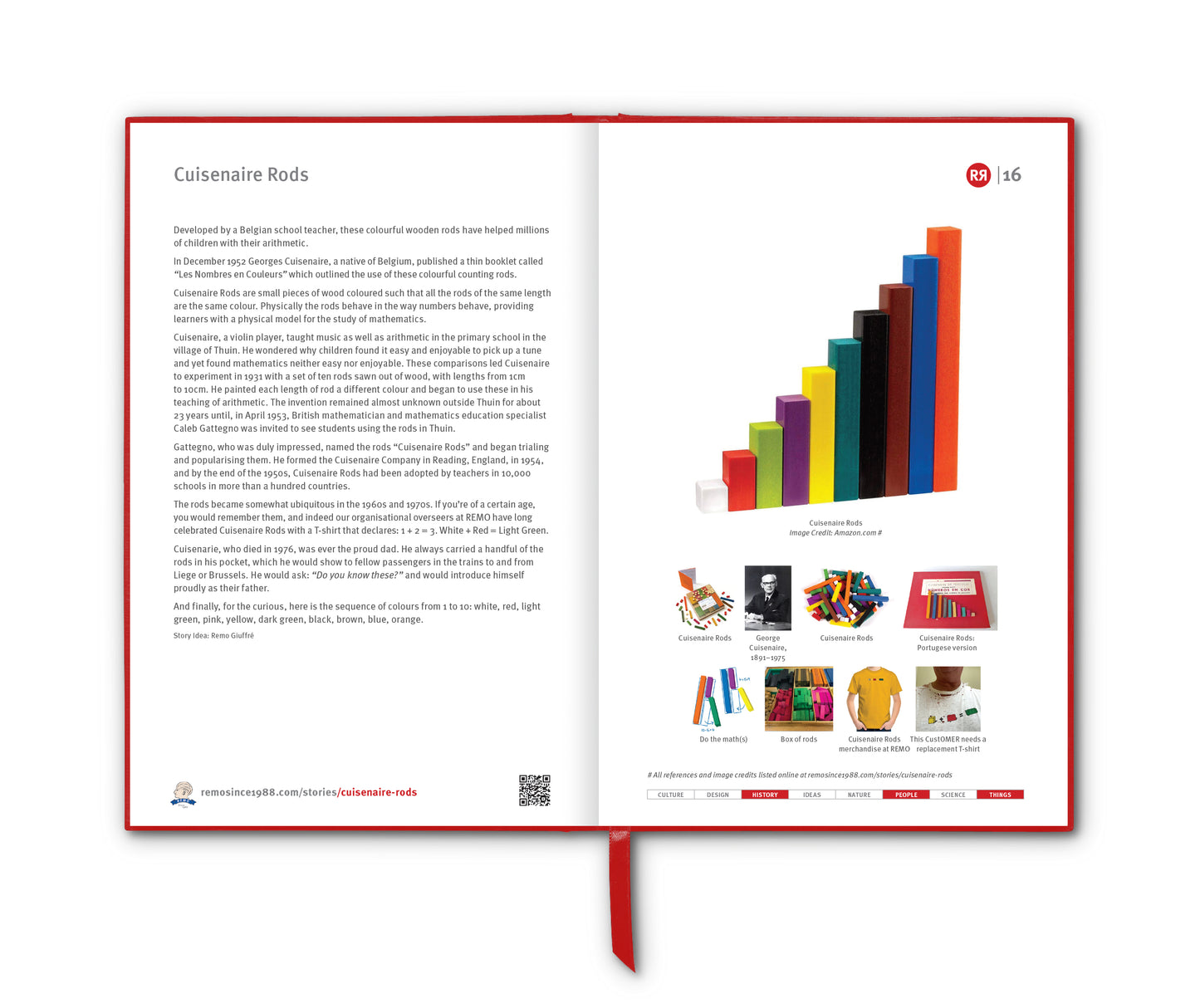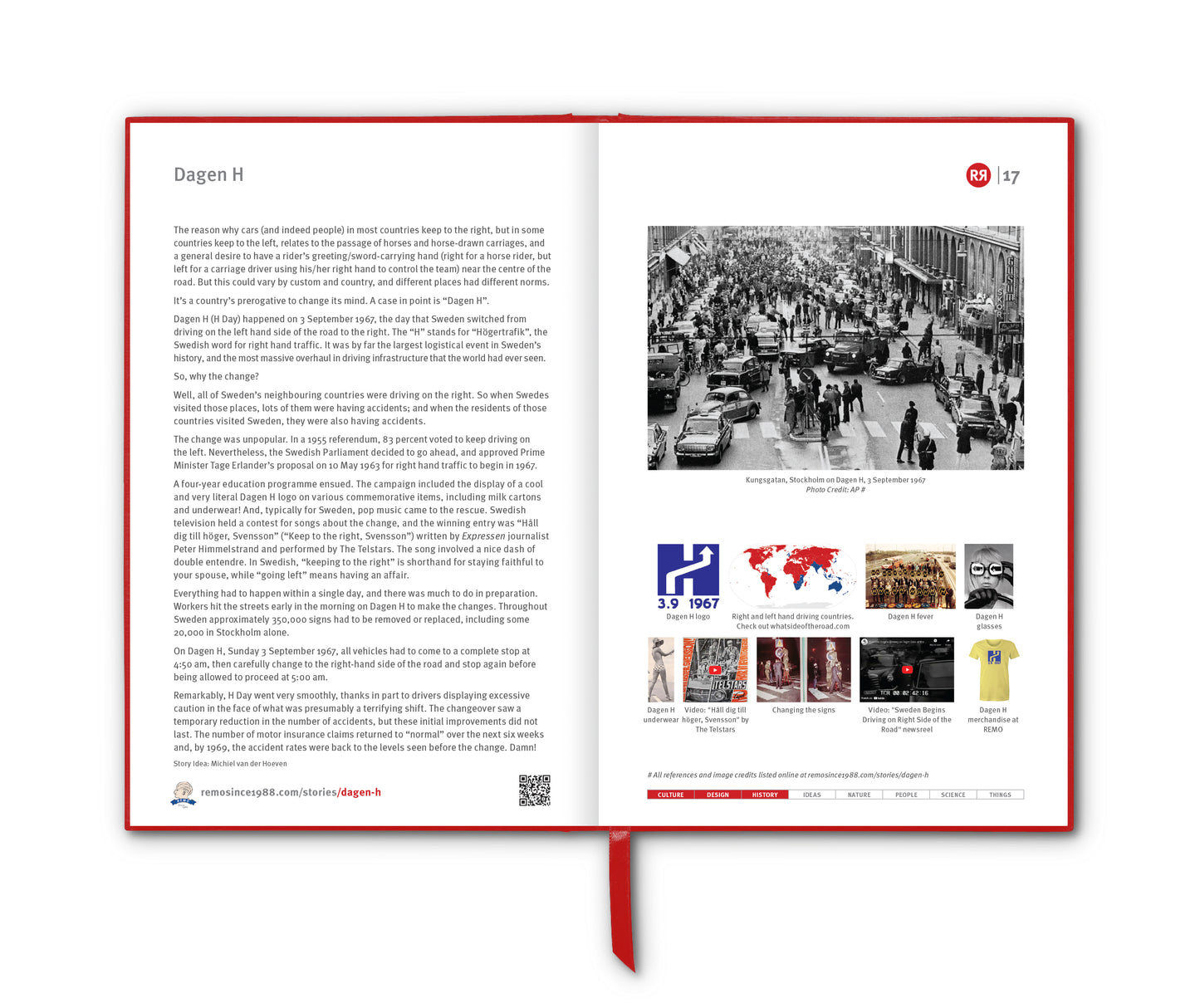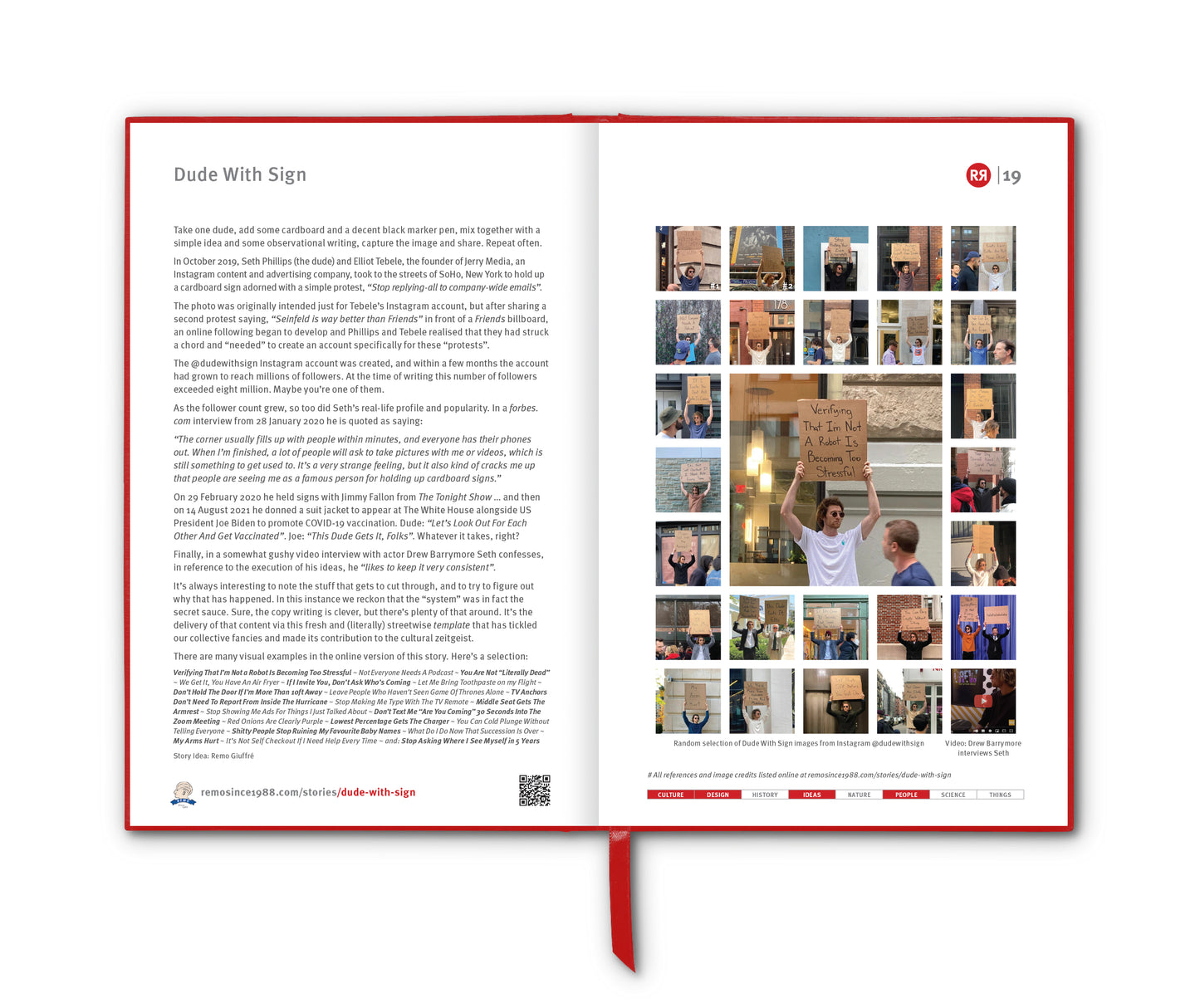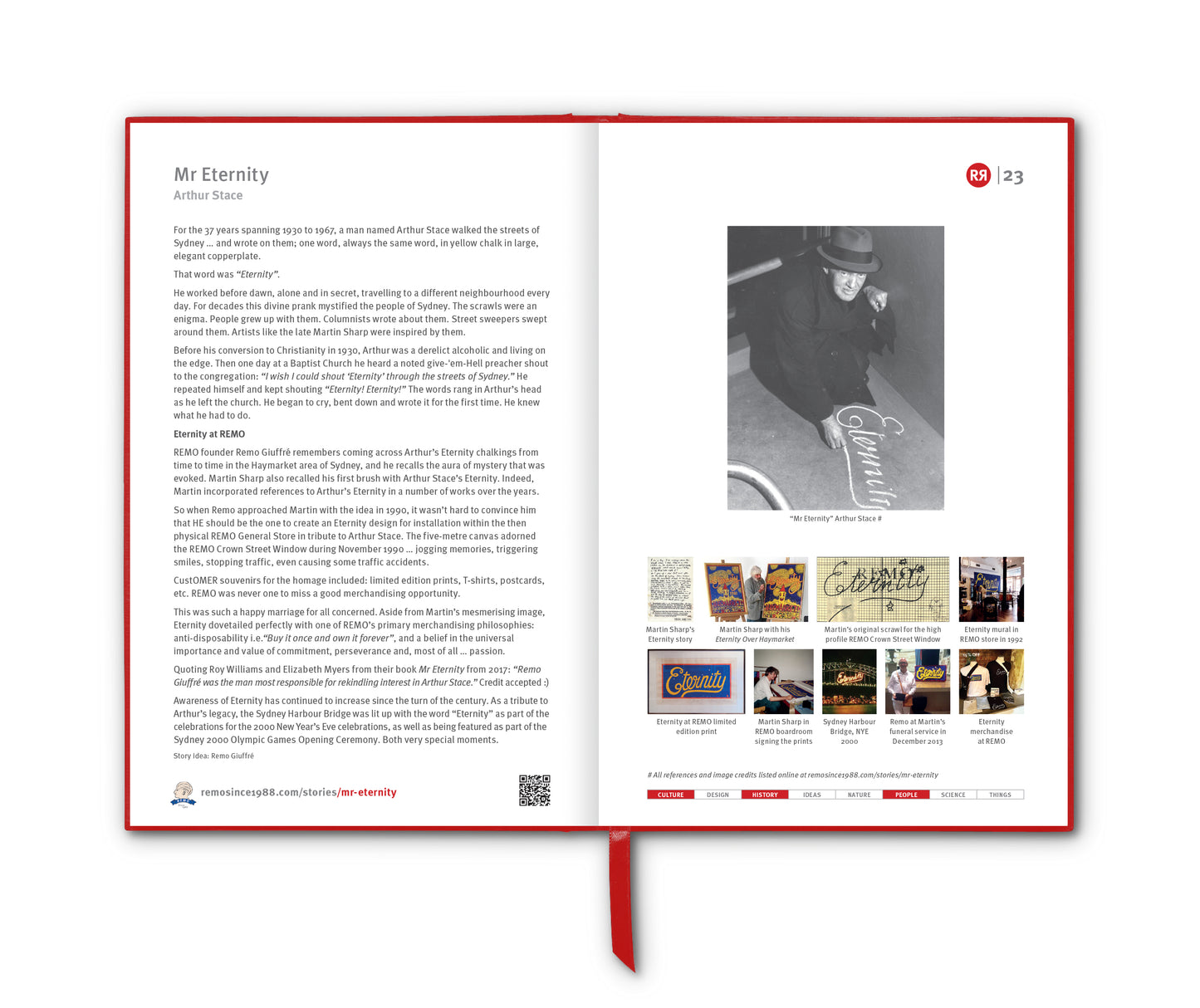

On 19 November 1863, amid the devastation of the American Civil War, Abraham Lincoln delivered one of the most famous speeches in history. It lasted barely two minutes. Yet the Gettysburg Address would come to redefine democracy, reshape the meaning of the United States and prove that brevity can be more powerful than length.
The speech took place at Gettysburg, Pennsylvania, where more than 50,000 soldiers had been killed, wounded or captured during a catastrophic three-day battle fought four months earlier. A new cemetery was being dedicated for the Union dead. The main speaker that day was not Lincoln but celebrated orator Edward Everett, who spoke for more than two hours in the grand style expected of the era. Lincoln rose afterwards to offer what organisers described almost as an afterthought: “a few appropriate remarks”.
Those remarks contained just 272 words.
Lincoln began not with the Civil War itself, but with the nation’s founding: “Four score and seven years ago …” Rather than focusing on military victory, he framed the war as a test of whether a nation “conceived in Liberty, and dedicated to the proposition that all men are created equal” could survive. In doing so, he subtly shifted the purpose of the war from preserving the Union to advancing equality and democratic ideals.
The speech was astonishingly compact. Lincoln avoided flowery language, patriotic bombast and direct attacks on the Confederacy. Instead, he used simple rhythms and cadences that made the address sound timeless. The most famous phrase — “government of the people, by the people, for the people” – remains, to this day, one of the clearest definitions of democracy ever spoken.
Ironically, the audience reaction at the time was modest. The 20 November article in The New York Times covering the event reports that Lincoln's speech was interrupted a few times by applause [RR7:XX] and was followed by "long continued applause”. Some newspaper editors criticised the speech as too short or inappropriate. Yet within decades it became revered as a masterpiece of political communication.
Even today, historians marvel at how much Lincoln was able to accomplish in so little space, and with so few words. The Gettysburg Address transformed a cemetery dedication into a meditation on sacrifice, equality and national purpose. It helped redefine what America meant – not merely a collection of states trying to preserve its union, but an unfinished democratic experiment.
The speech also inspired countless imitations and references. Schoolchildren memorise it. Politicians quote it. Its phrases appear on monuments and in films. The Lincoln Memorial in Washington, DC features the full text carved into stone.
In an age of endless speeches, podcasts and social media commentary, the Gettysburg Address remains a reminder that words do not need to be long to endure.
_____________________
References
wikipedia.org/wiki/Gettysburg_Address
wikipedia.org/wiki/Lincoln_Memorial
etsy.com/au/listing/92520018/1863-map-of-gettysburg
history.com/this-day-in-history/july-3/battle-of-gettysburg-ends
Images
1. Gettysburg Address by Abraham Lincoln, 19 November 1863
2. Portrait of Abraham Lincoln taken by Alexander Gardner on 8 November 1863, eleven days before his Gettysburg Address
3. A Harvest of Death, a photo taken by Timothy H. O'Sullivan immediately following the Battle of Gettysburg with death count overlay
4. Map of Gettysburg
5. Abraham Lincoln at centre, a few hours before delivering his address
6. The New York Times report from 20 November 1863
7. Gettysburg Address in full at Lincoln Memorial in Washington DC
8. 85th anniversary commemorative stamp
9. Lincoln's image carved into the stone of Mount Rushmore [RR3:54]
10. Video: Abe Lincoln's Gettysburg Address, RedFrost Motivation, 2021