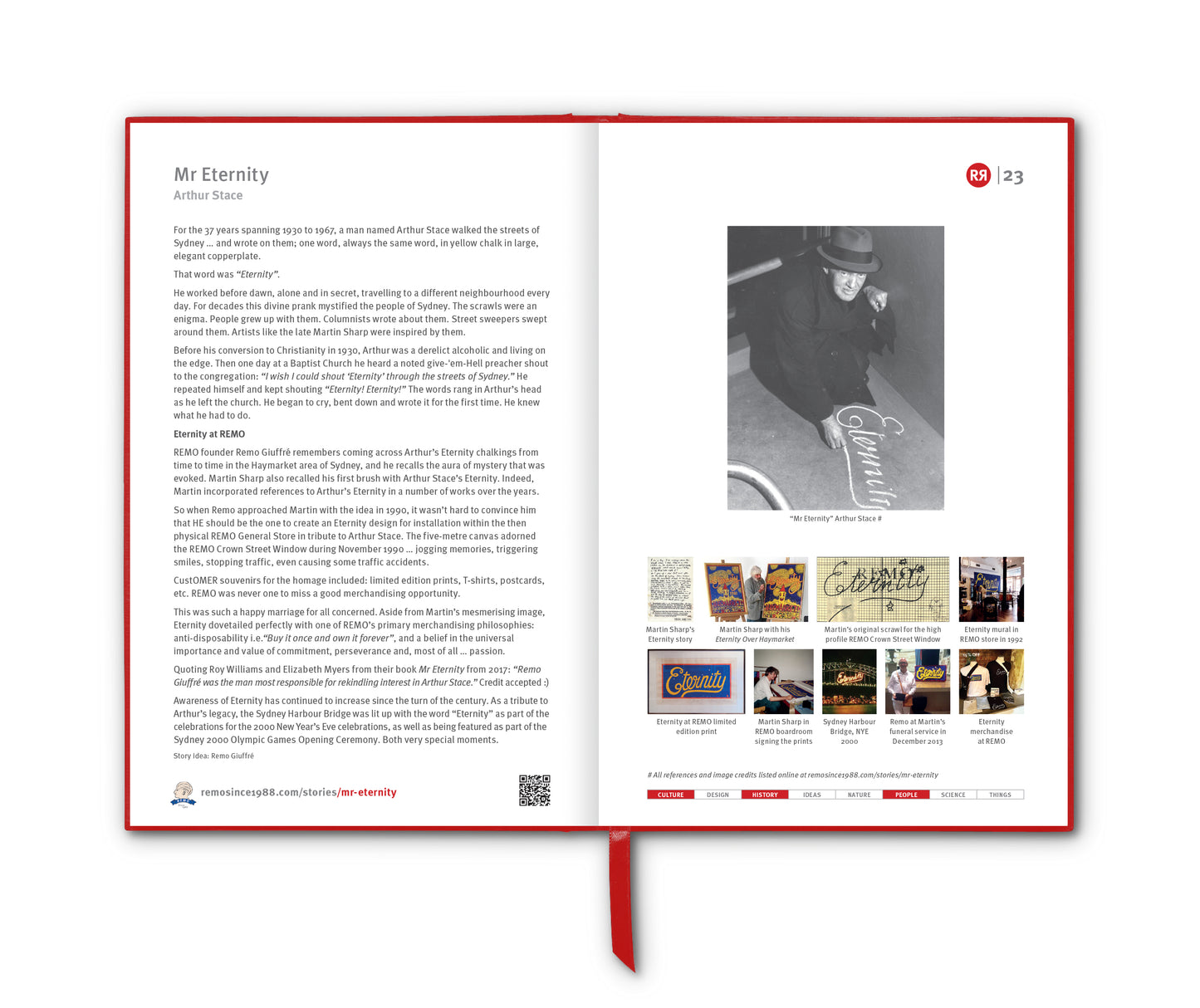

No, it’s not a joke – nor is it a tasteless exercise in cultural stereotyping .
On the evening of 18 June 1875, Dublin experienced one of the most unusual and chaotic fires in its history – and the cause of it all was Irish whiskey.
Known as the “Great Dublin Whiskey Fire”, this bizarre and tragic event unfolded on Chambers Street in the Liberties, a working-class district in the heart of the city known for its tanneries, distilleries and crowded tenements.
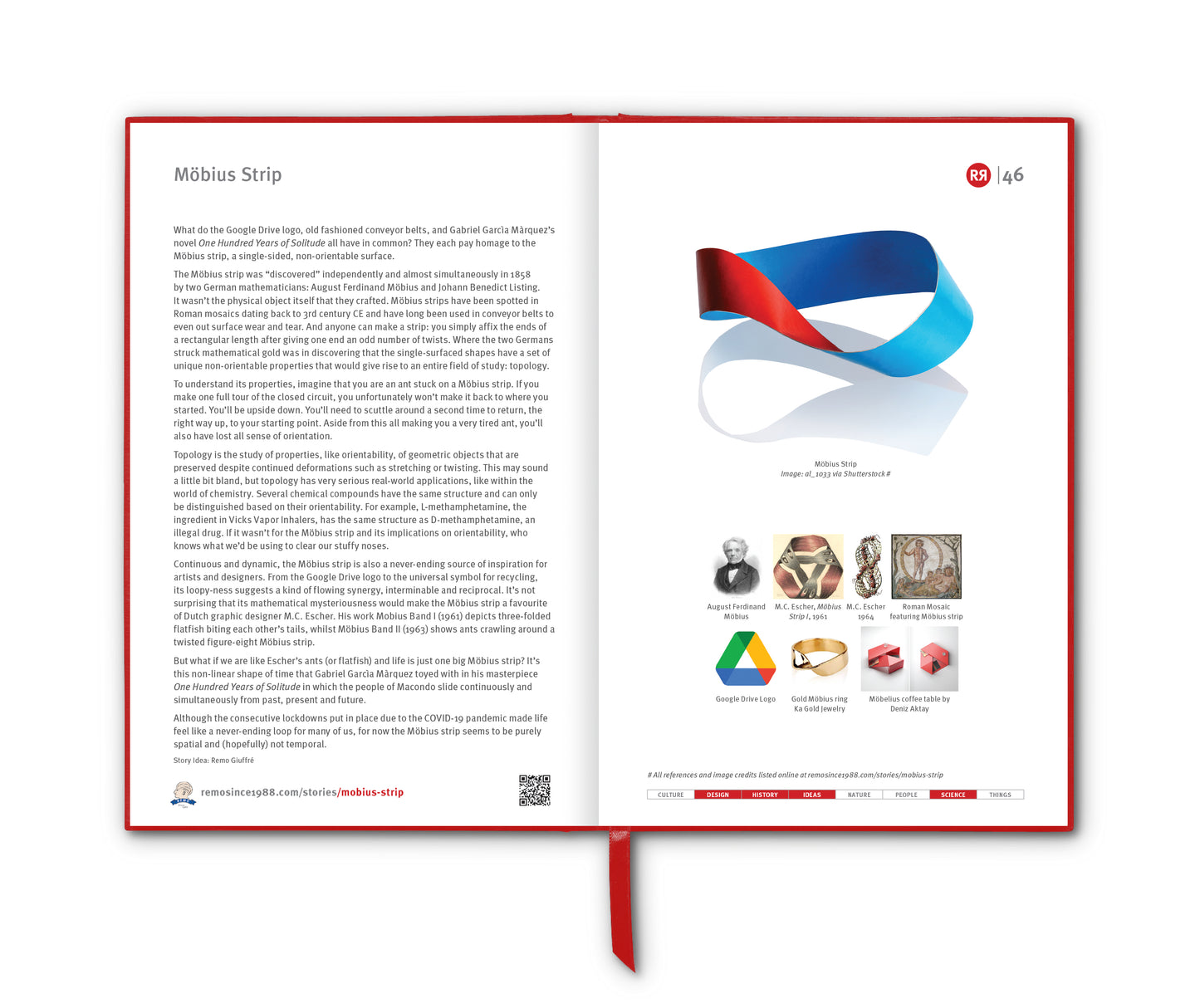
At around 8:00pm a fire broke out in Malone’s bonded warehouse on Chamber Street. These bonded warehouses were used to store whiskey that had not yet had excise duty paid. Once the fire reached the barrels of whiskey, the situation quickly escalated. Instead of exploding, the casks burst open, releasing rivers of flaming alcohol that flowed through the streets “like lava”.
The liquor ran down the cobbled streets of the Liberties, resulting in a 10 metre high column of flames, and igniting everything in its path – fences, market stalls, carts and buildings. Witnesses described flaming whiskey streams several inches deep, setting fire to animals and property. Panic swept through the neighbourhood as residents tried to flee or protect their homes.
Certain factors made the fire particularly destructive. First, the whiskey was able to seep under doors and through the building’s cracks. It was also undiluted, and therefore much higher proof than it would be at bottling time.
The local fire brigade, led by Captain James Robert Ingram, quickly responded. Ingram, known for his professionalism and innovation, realised that using water on a whiskey fire would only spread the burning liquid further. Instead, he ordered the use of sand, horse manure, and other absorbent materials to contain the flow and smother the flames. Firefighters shovelled manure from nearby stables to create barriers, a strategy that likely prevented even greater destruction.
In all, the fire destroyed at least eight buildings, including homes and warehouses. Dozens of horses and other animals died, but remarkably, only 13 human fatalities were recorded. However, and this is the punch line, these deaths were not caused by burns or smoke inhalation. In a tragic twist, most of the victims died from alcohol poisoning.
As the flaming whiskey began to cool, some onlookers scooped it up in hats, kitchenware and even boots, drinking it straight from the gutters. The temptation of free whiskey in a poor district proved fatal for many who ingested the raw, contaminated spirit.
The Irish Times also reported "a case of canine suicide" in the aftermath of the fire. On the Tuesday after the Friday fire, a dog ran through the open door of the home of William Eyre on Dominick Street Upper. The animal was "foaming at the mouth and evidently either rabid or suffering from delirium tremens”, at the hands of the lapped-up whiskey. The dog dashed madly about the house, knocking over furniture and attacking the homeowner. When Mr Eyre fended the dog off using an iron bar, the animal ran upstairs, jumped from a top floor window and “terminated its existence in the road below”. [Ed: Hair of the dog, indeed.]
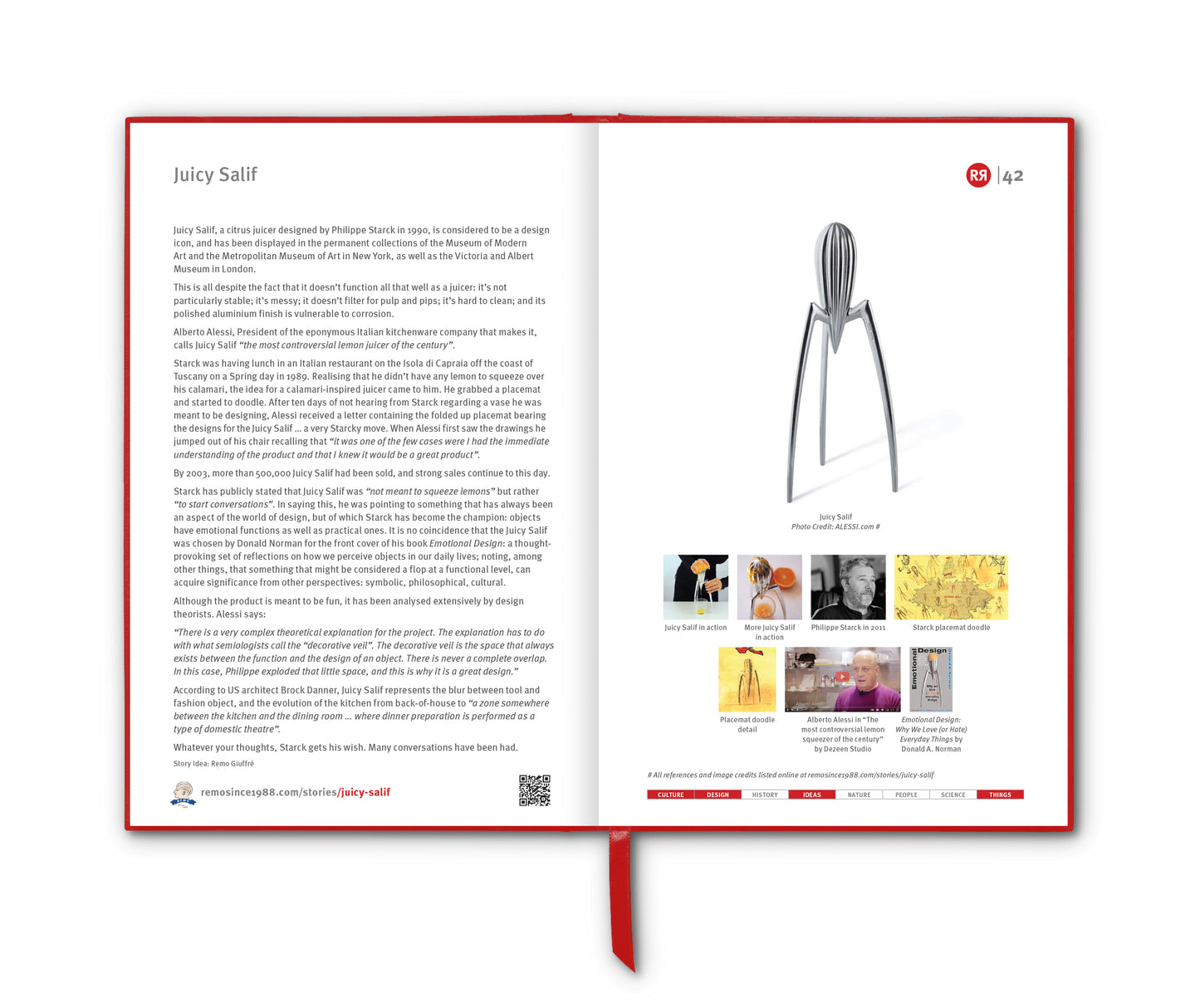
At a meeting a few days after the fire, Dublin Lord Mayor Peter Paul McSwiney said it was “amazing” the death toll wasn’t higher, and expressed the view that the “unhappy” overdose deaths would probably have happened in “any city where there was a tendency to indulge immoderately in drink.” [Ed: Really?]
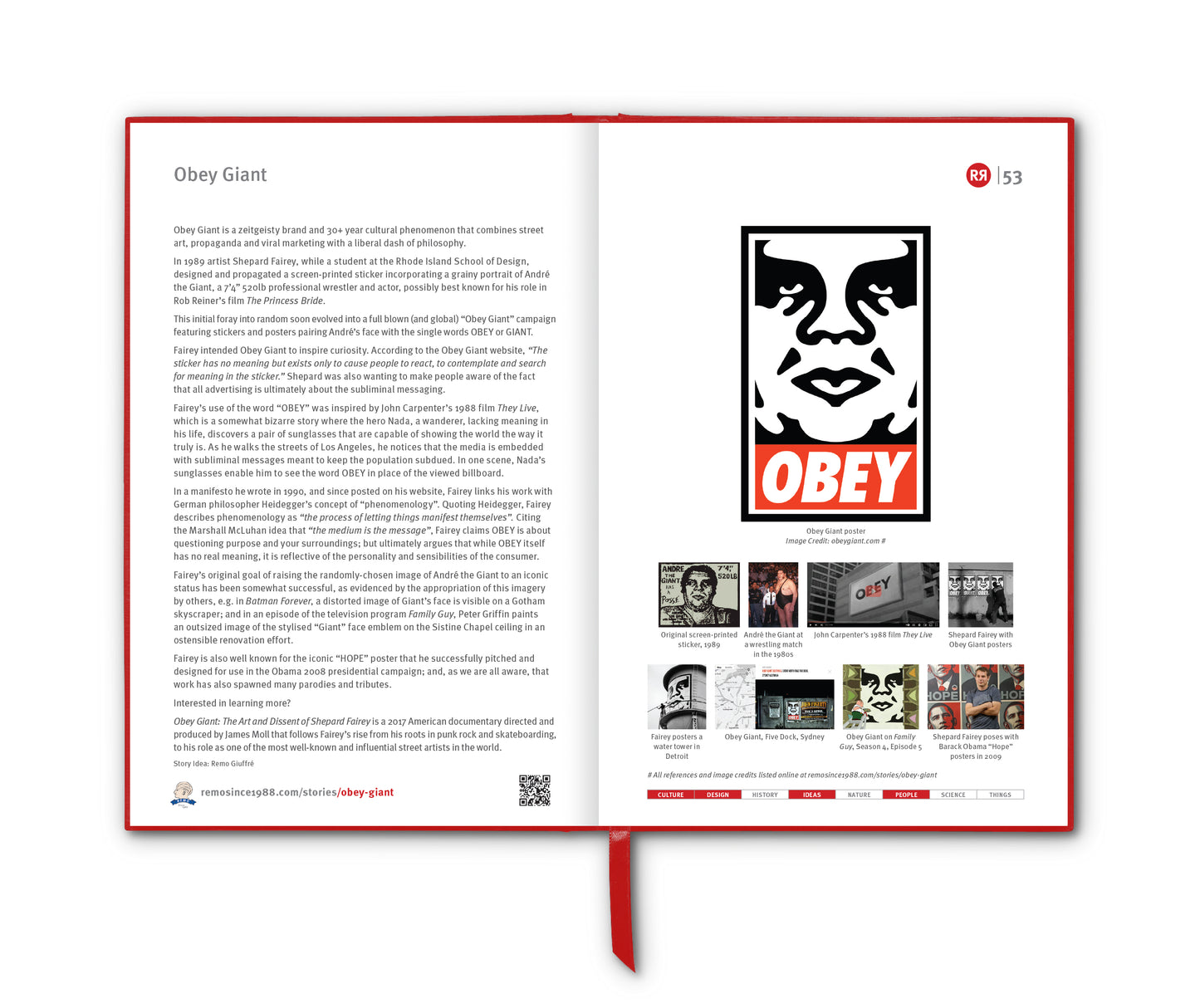
The incident sparked a public debate about the dangers of storing large quantities of flammable goods in densely populated areas. It also exposed the desperate social conditions of Dublin’s working class, for whom drinking whiskey from a gutter seemed like an opportunity rather than a risk.
________________________________
References
wikipedia.org/wiki/Dublin_whiskey_fire
irishtimes.com/news/offbeat/the-night-a-river-of-whiskey-ran-through-the-streets-of-dublin
blog.thepotstill.irish/the-dublin-whiskey-fire-of-1875
wineenthusiast.com/culture/spirits/great-whiskey-fire-irish-history
Images
1. An illustration of the Dublin whiskey fire in The Illustrated London News, 1875
2. Map of Dublin from 1891
3. Wooden casks at the bonded warehouse would have been stored in the same way as these in Bow Street in 1945
4. Chaotic scenes at the Dublin whiskey fire
5. Irish Examiner article, 21 June 1875
6. The Dublin Liberties Distillery today on the site of an old tannery
7. Liberties Irish whiskey
8. Book: The Great Liberties Whiskey Fire, Las Fallon, 2025. Published by Kilmainham Tales.
9. Podcast: Listen to Las Fallon talk about the fire on the Three Castles Burning podcast