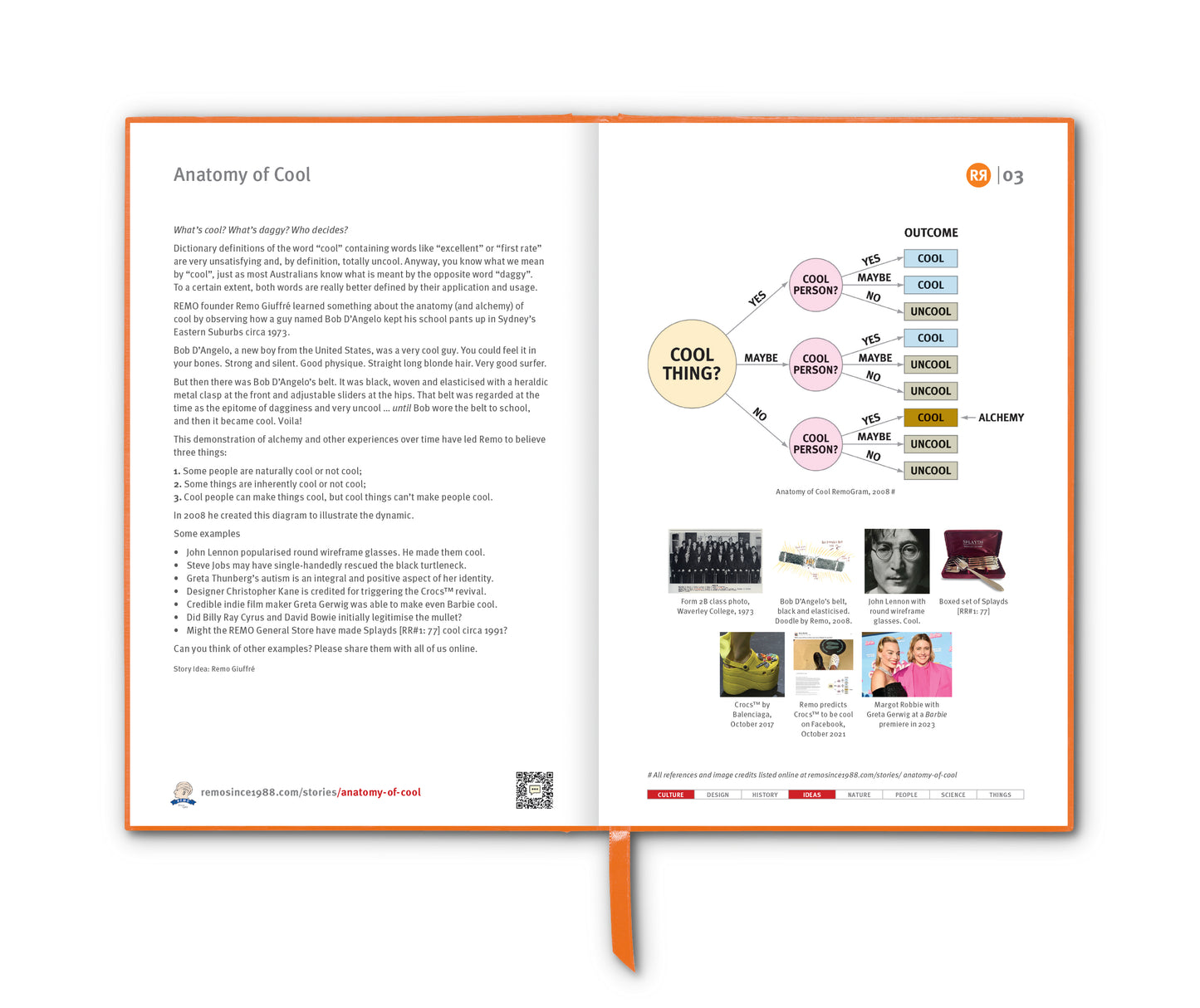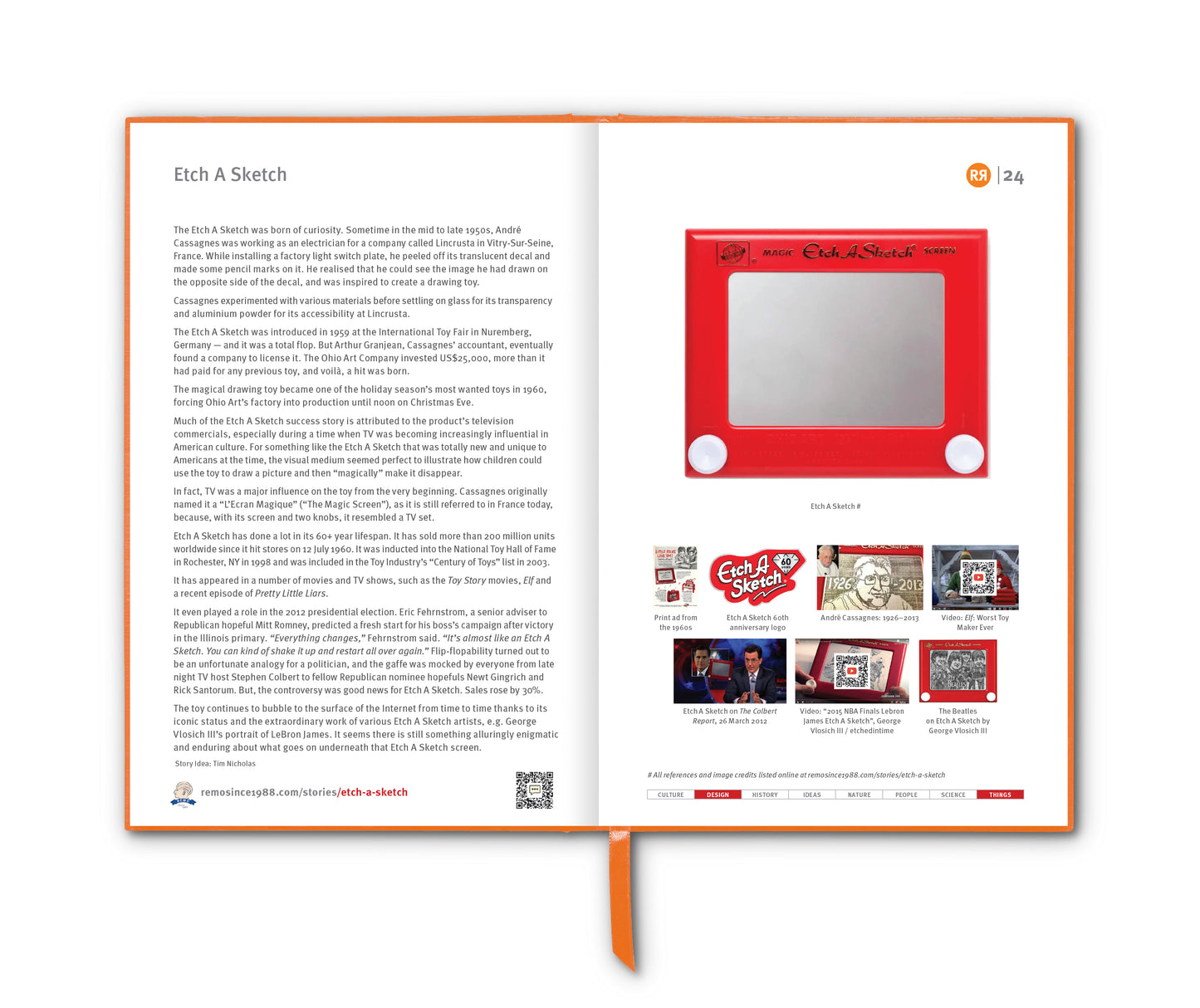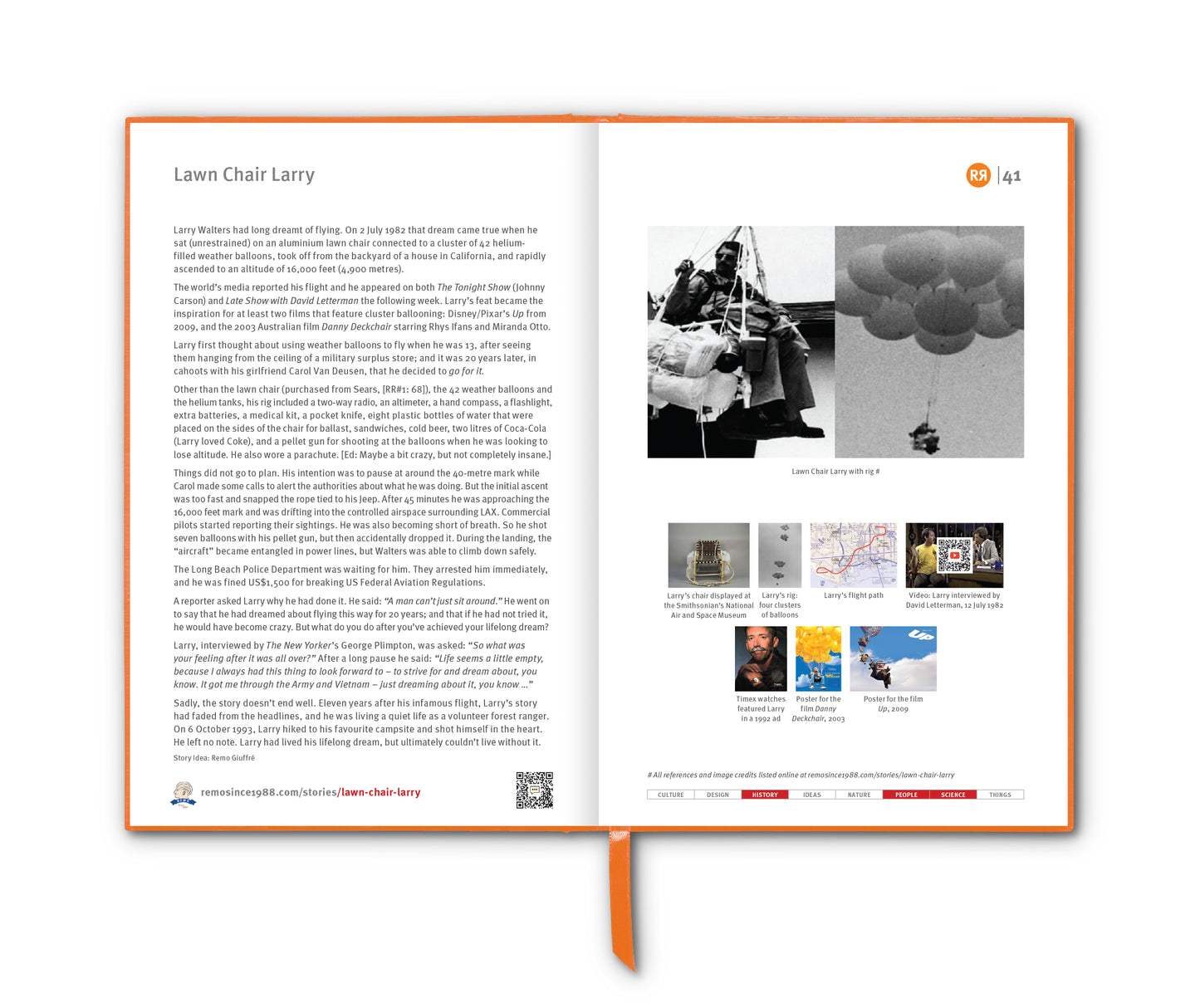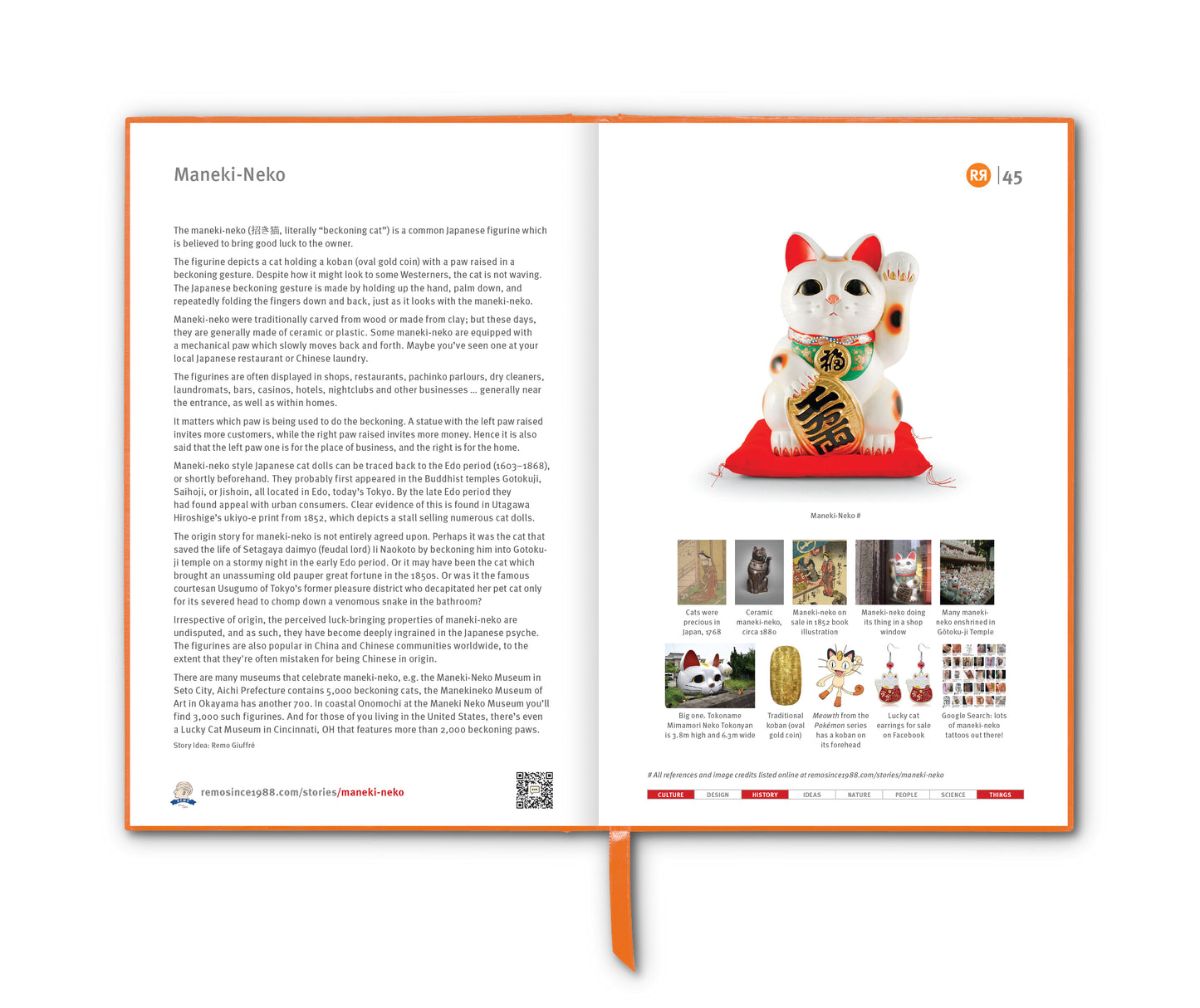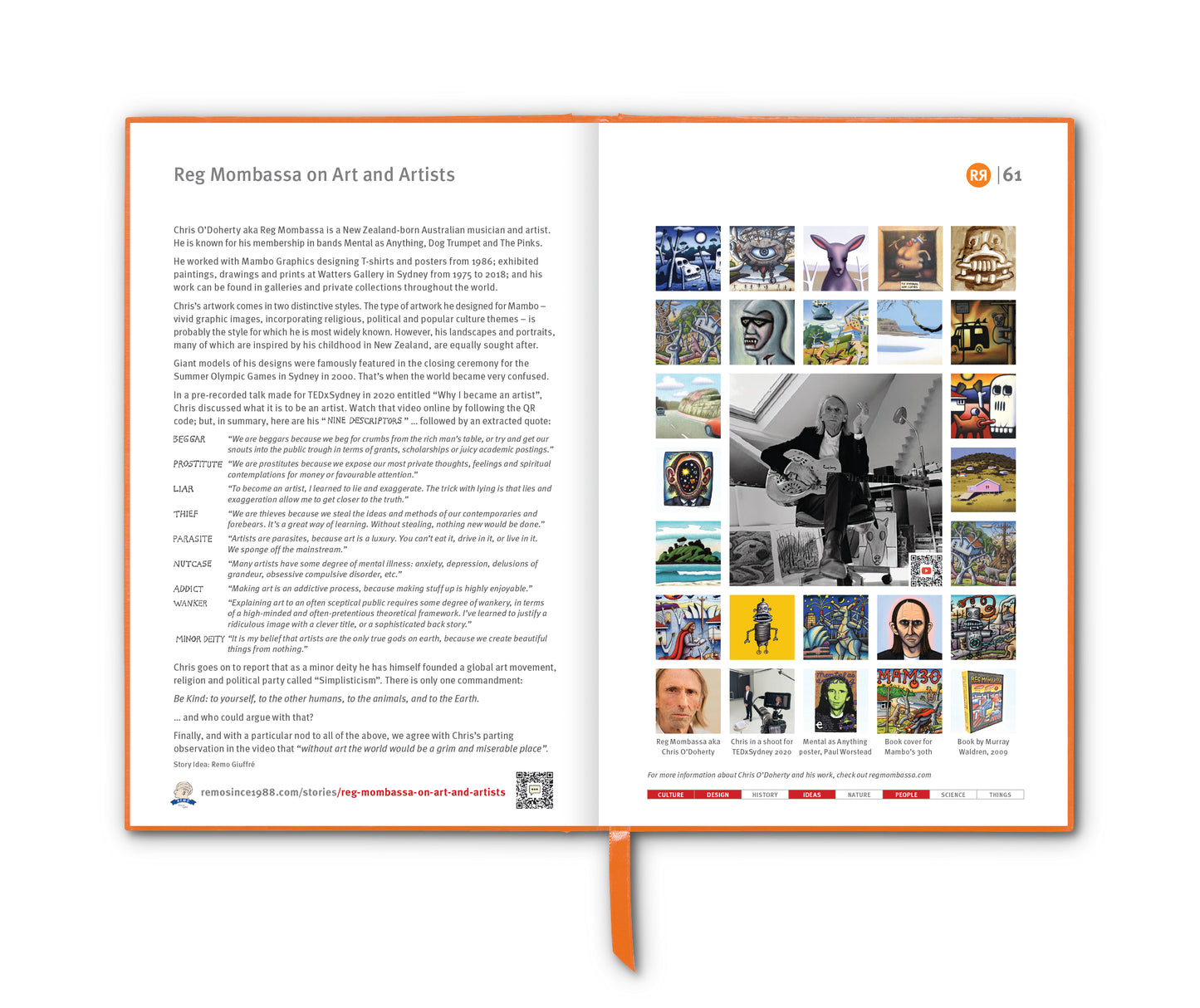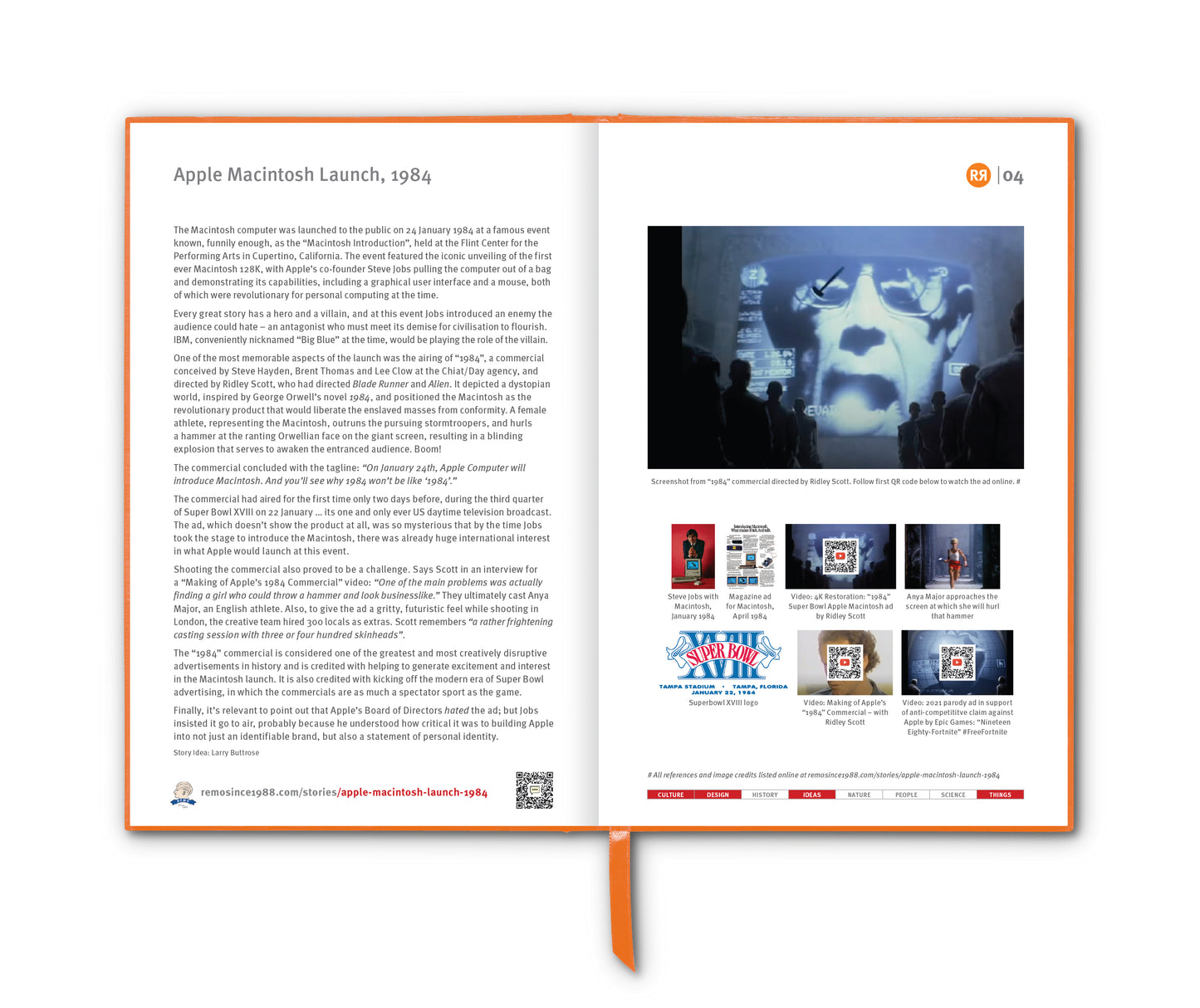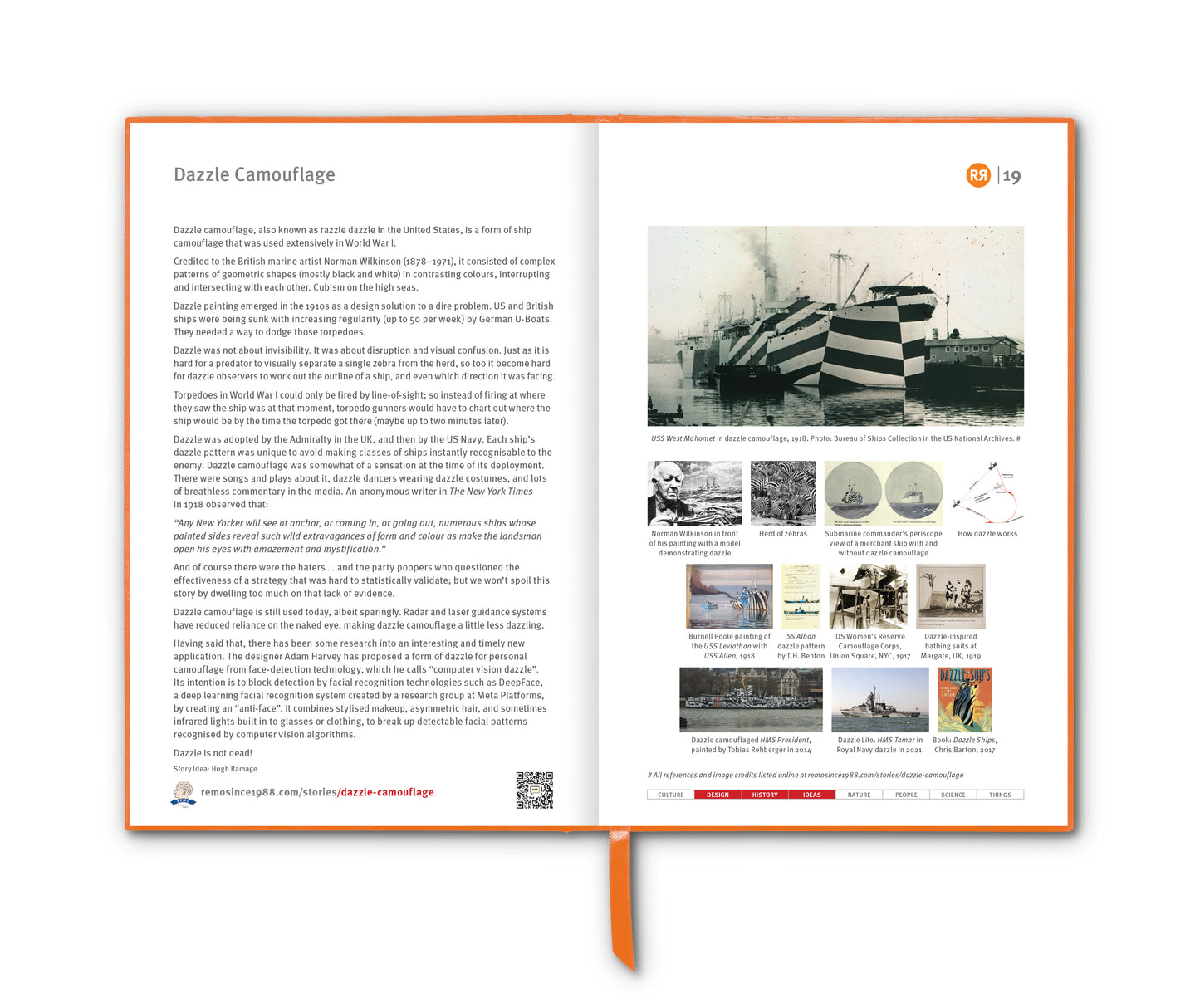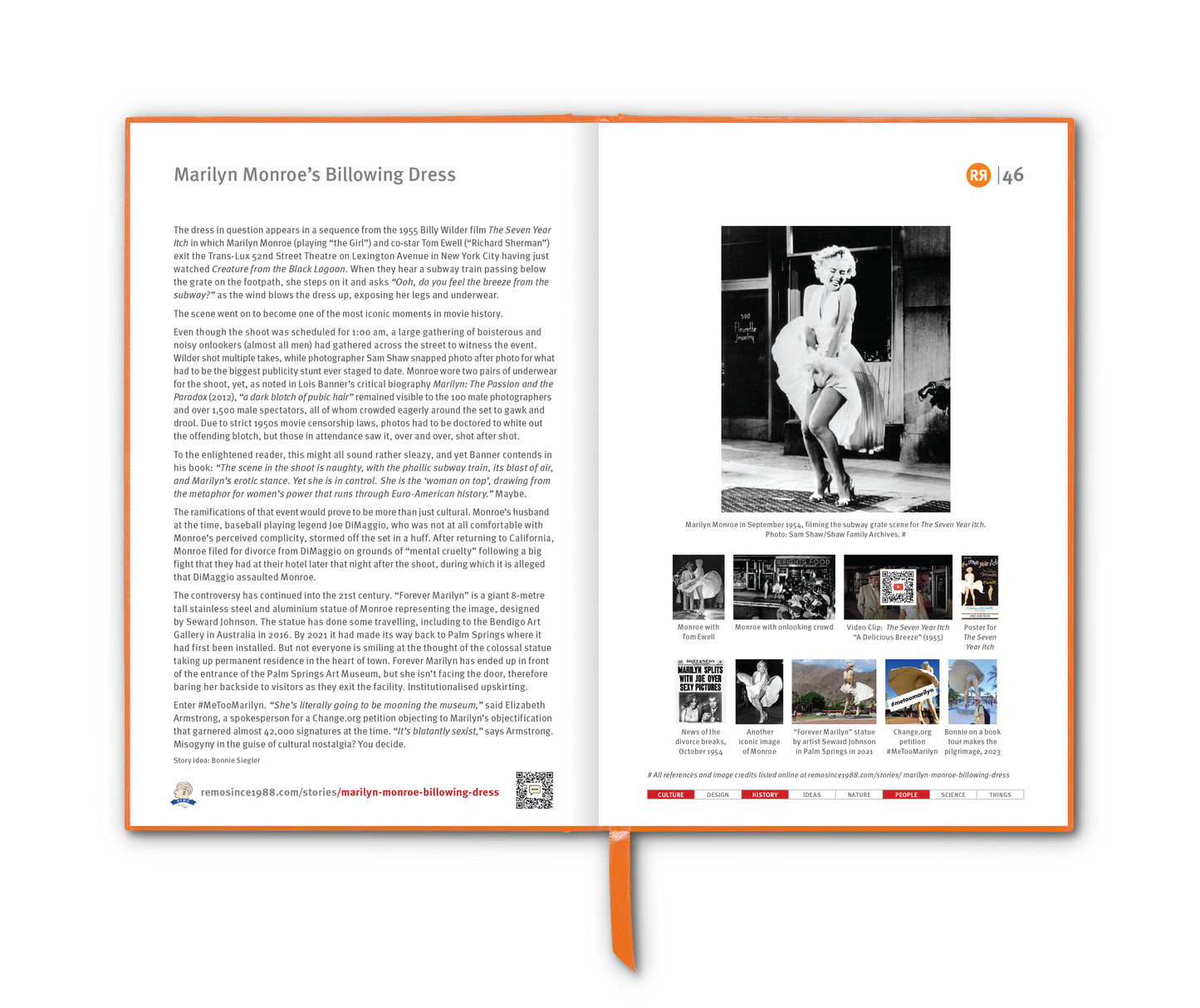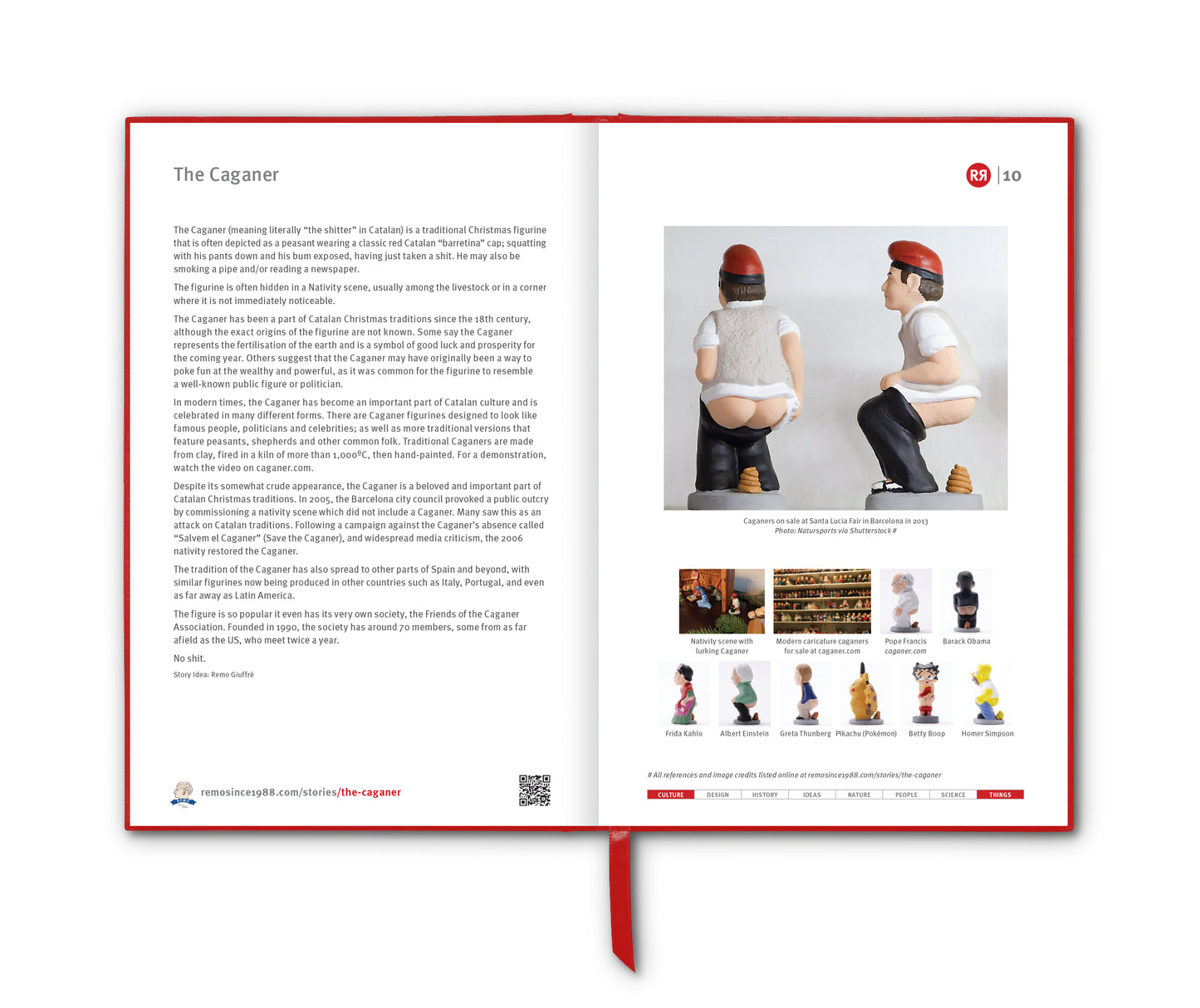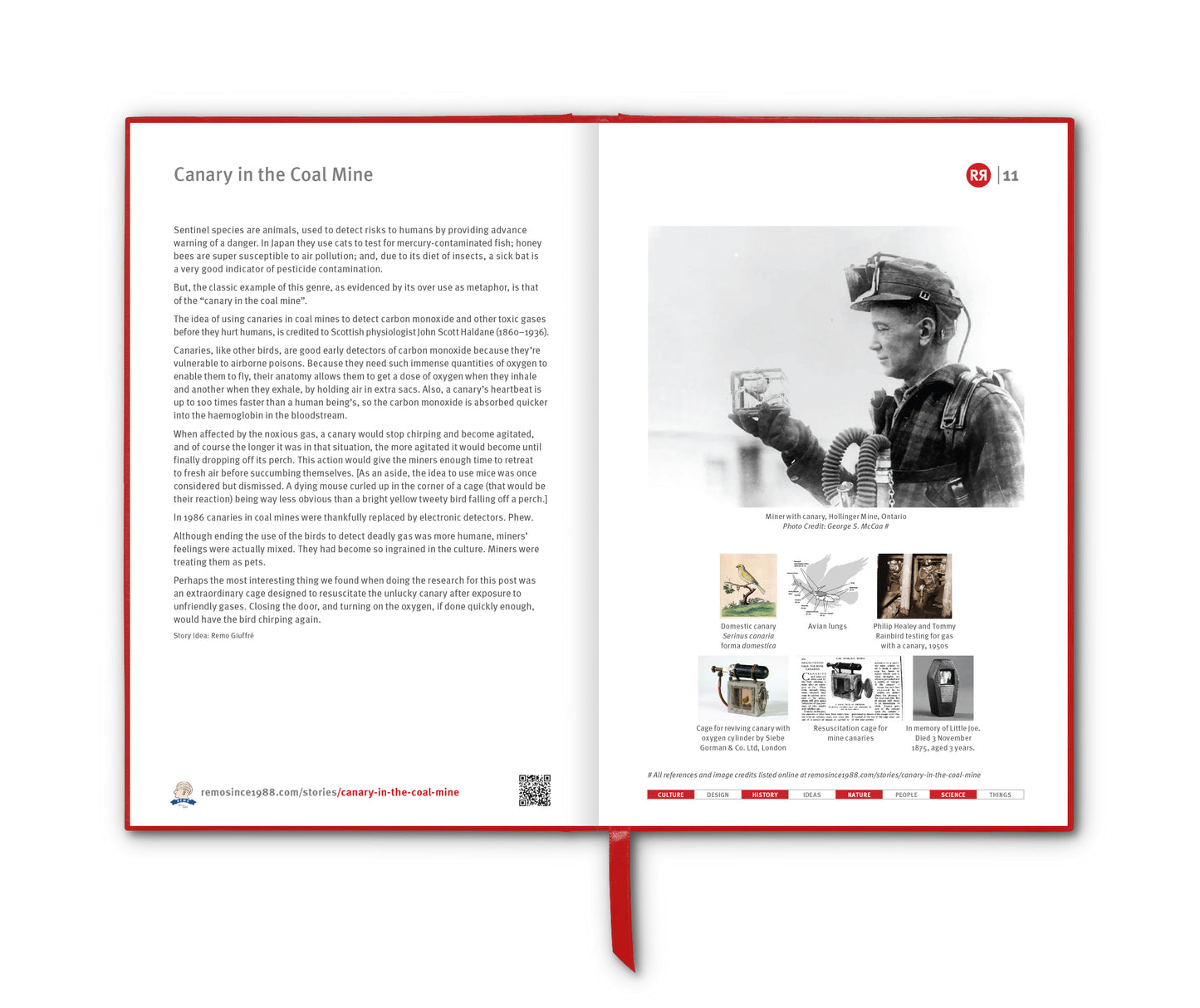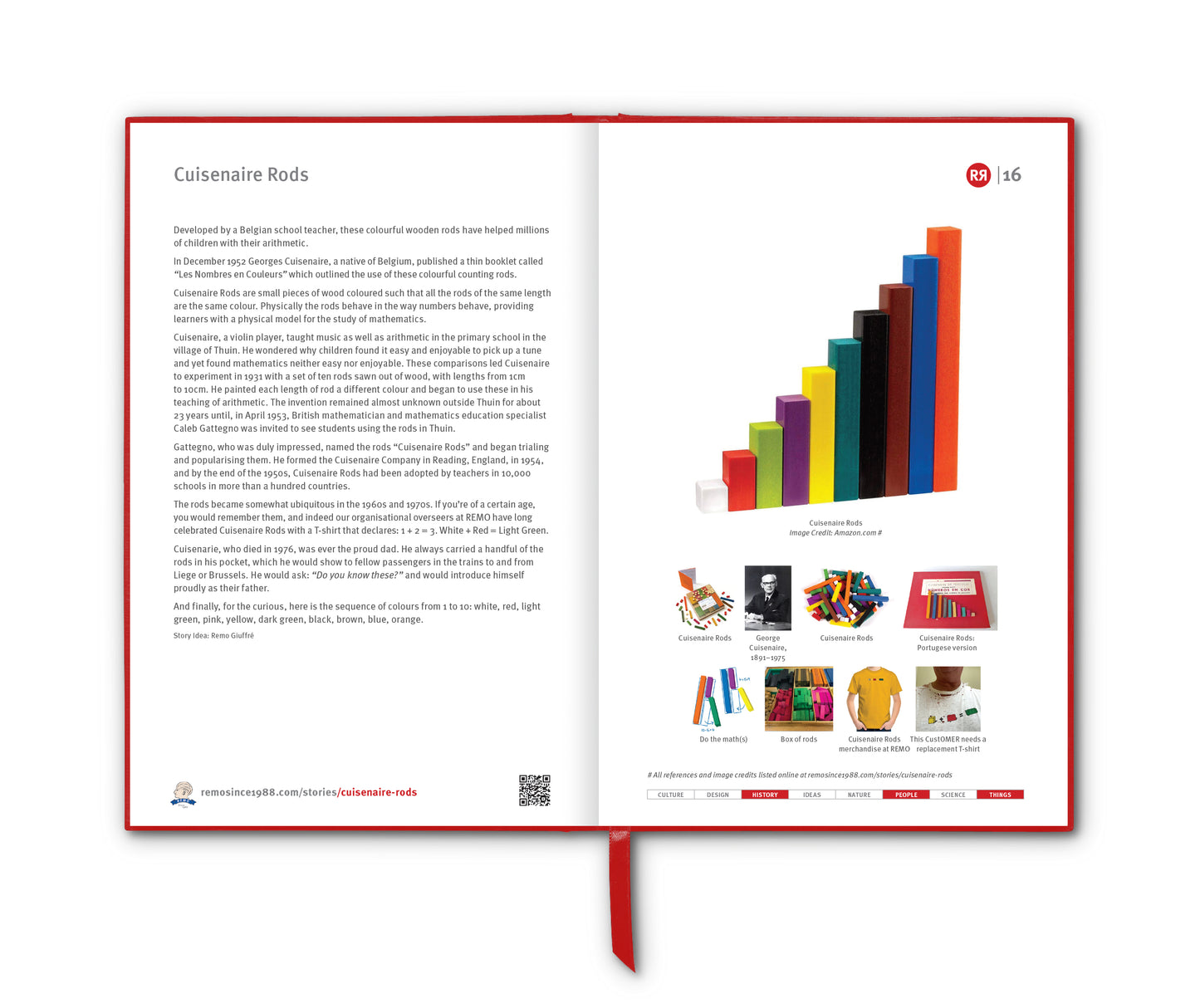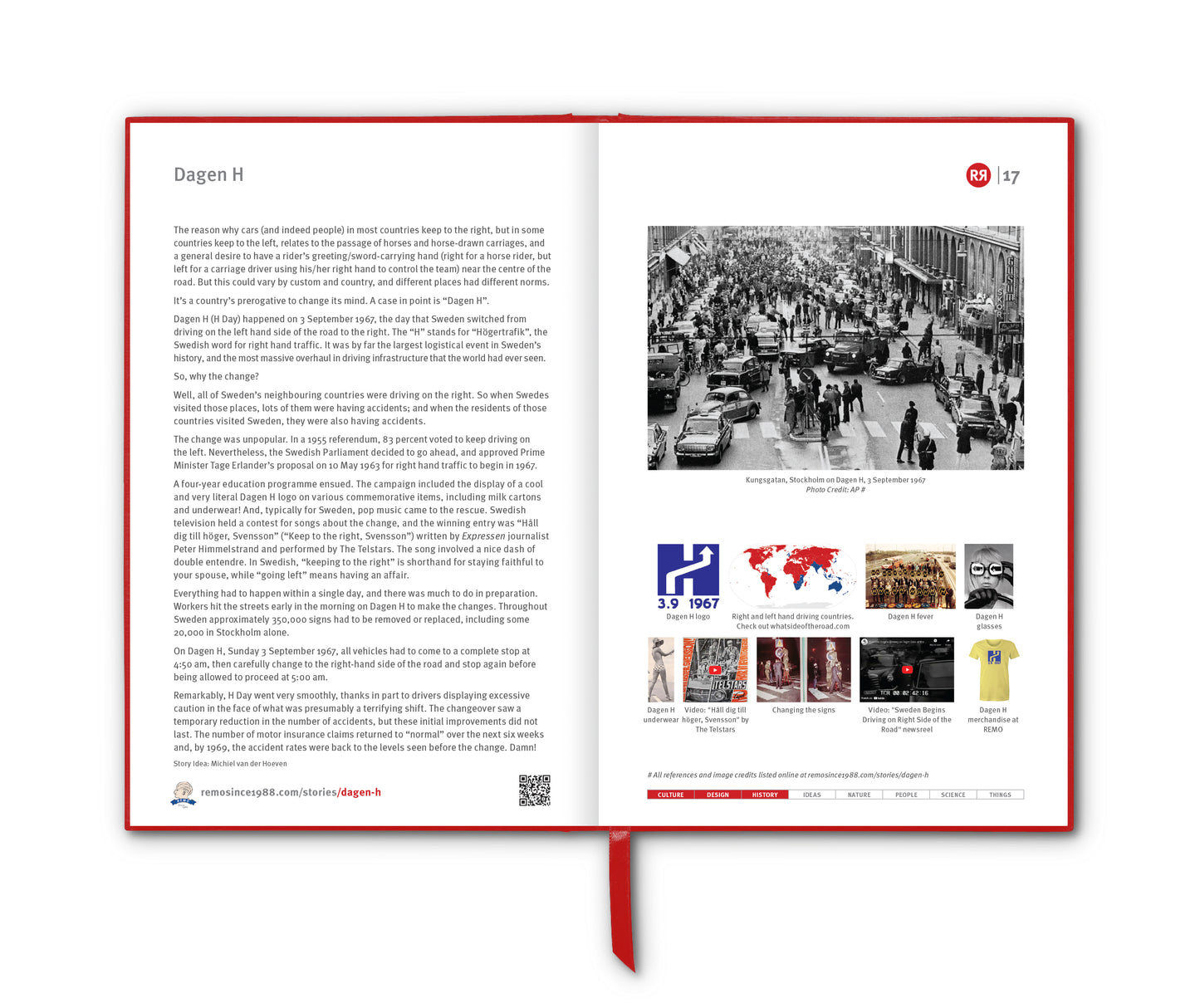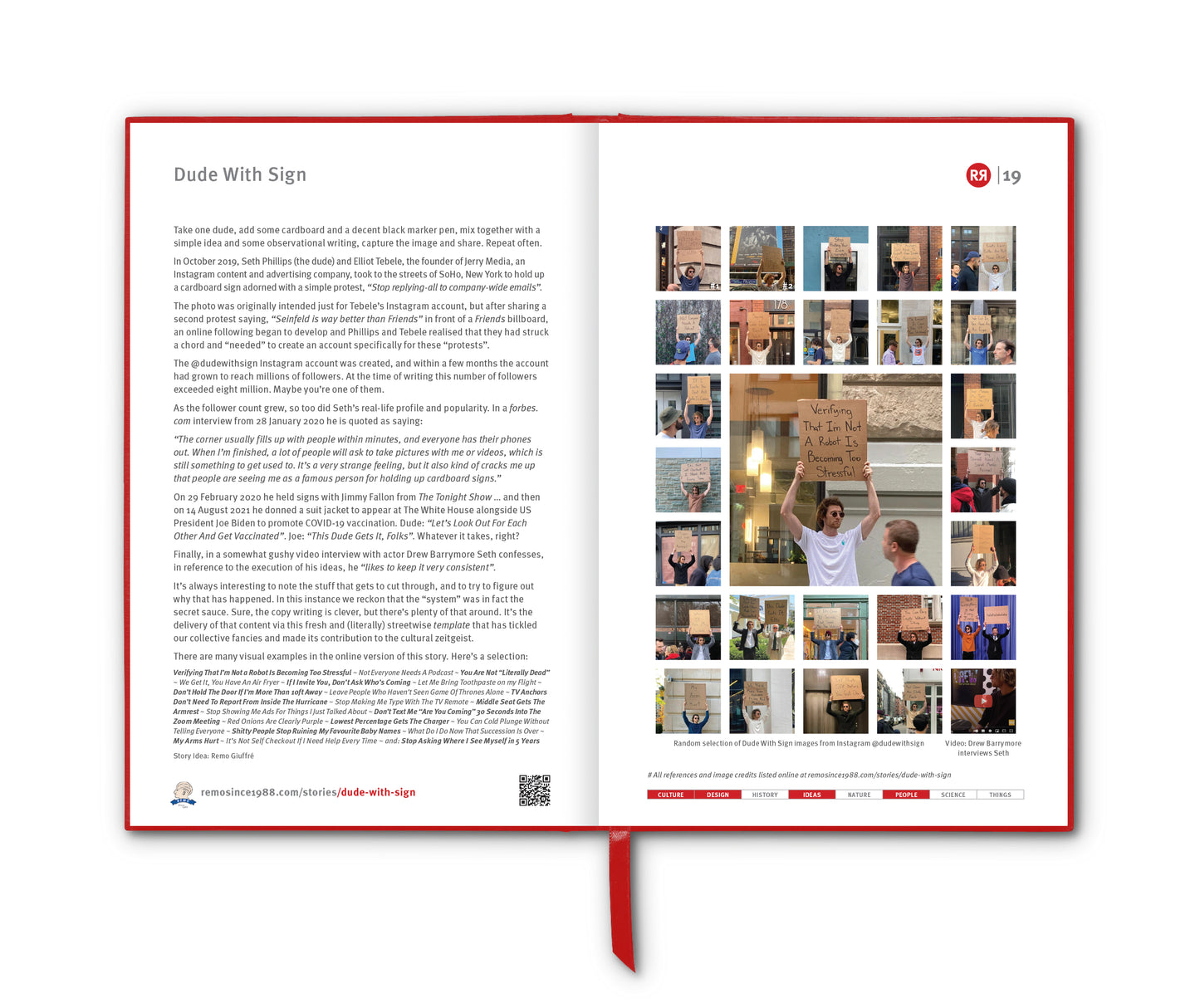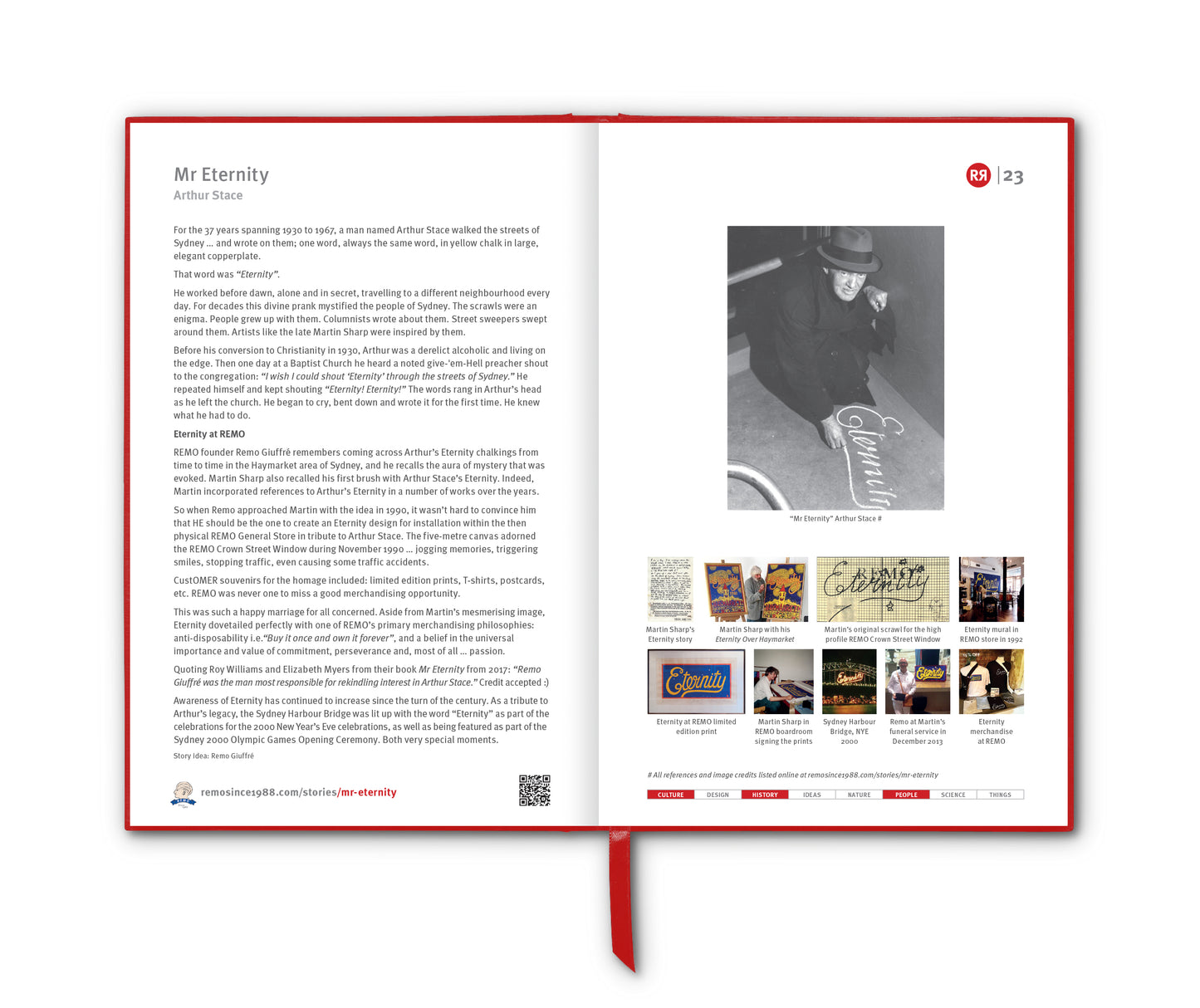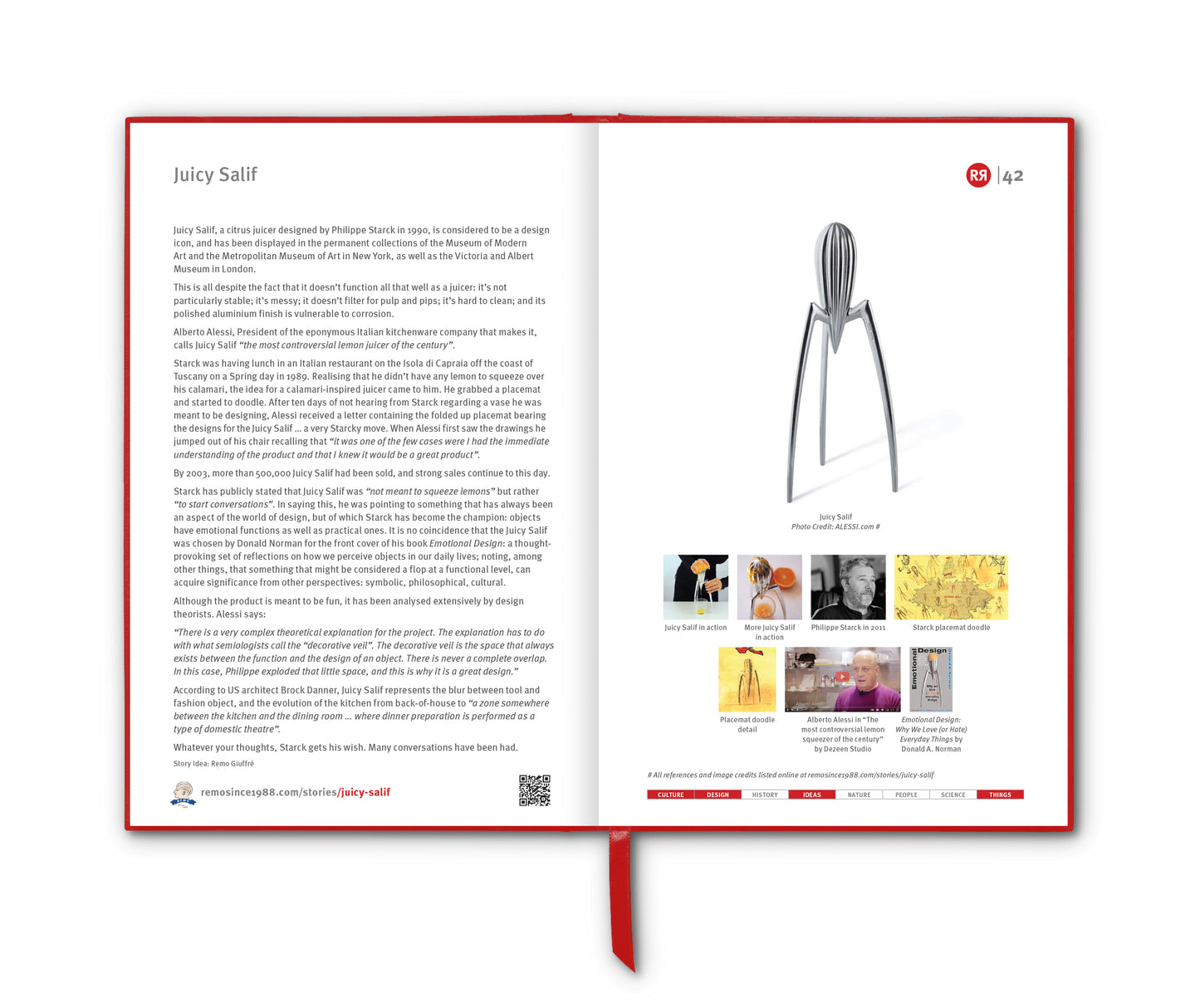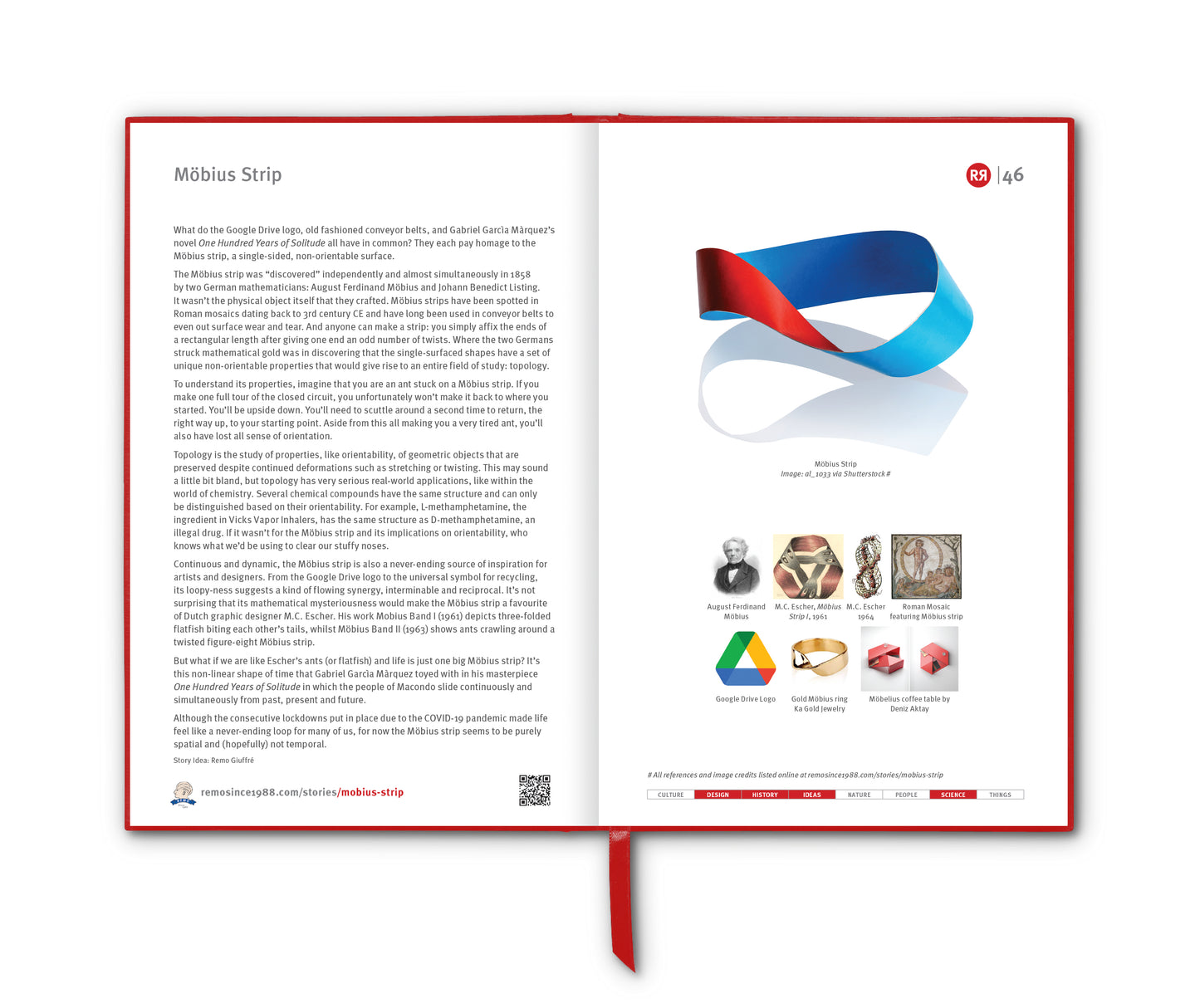

Hiroo Onoda 小野田 寛郎 was a Japanese Imperial Army intelligence officer who continued fighting for nearly 29 years after the end of World War II in 1945, carrying out guerrilla warfare on Lubang Island in the Philippines until 1974.
Born in 1922 in Kainan, Wakayama Prefecture, Onoda joined the army at age 18 and trained in guerrilla warfare. In 1944, near the end of World War II, he was sent to Lubang Island with a mission: conduct sabotage, gather intelligence, and above all – never surrender.
When American forces took control of Lubang in early 1945, most Japanese troops were killed or captured. Onoda, however, retreated into the dense jungle with a few comrades, convinced the war was still being waged. Over the years, leaflets and loudspeakers announced that Japan had surrendered, but Onoda dismissed them all as Allied propaganda. His military code – and orders from his commanding officer – had explicitly forbidden surrender or suicide. [Ed: Hard core]
As the years dragged on, the group dwindled. Two were killed in skirmishes with Filipino police; another surrendered in 1950. But Onoda remained steadfast. For nearly three decades, he survived off stolen food, hidden shelters and a mindset locked in 1945. Occasionally, he would engage in gun fights with locals, believing them to be enemy forces. Reports of a mysterious Japanese soldier on Lubang emerged over the years, but Onoda avoided capture.
In 1974, a young Japanese traveler and adventurer named Norio Suzuki set out to find “Lieutenant Onoda, a panda, and the Abominable Snowman, in that order”. Remarkably, he succeeded. Suzuki located Onoda, who still wore his tattered uniform and carried his rifle. Onoda told him he would not surrender unless his original commanding officer relieved him of duty. Japan’s government tracked down Major Yoshimi Taniguchi – then a civilian bookstore clerk – who flew to Lubang and formally ordered Onoda to lay down his arms.
On 9 March 1974, Onoda finally surrendered – nearly 3 decades after the war had ended. He was 52 years old.
Onoda’s return to Japan was met with astonishment. Some hailed him as a hero; others saw him as a relic of militarist fanaticism. The world had changed dramatically during his time in hiding, and Onoda struggled to adapt. In the mid-1970s, he moved to Brazil, where he raised cattle and lived a relatively quiet life, before eventually returning to Japan and opening a nature camp for young people.
Hiroo Onoda died in 2014 at the age of 91. His story remains one of the most extraordinary examples of dedication, delusion and the enduring scars of war.
Story Idea: Tim Nicholas
___________________________
References
Images
1. Hiroo Onoda as a young officer + poster for Onoda film, 2021
2. The ensign of the Imperial Japanese Army
3. Onoda trail and map, Lubang Island
4. Hiroo Onoda shortly after he was discovered in 1974
5. Hiroo Onoda offering his military sword to Philippine President Ferdinand E. Marcos on the day of his surrender, 11 March 1974
6. Japanese stragglers, 1947–1974. Onoda second last highlighted in yellow.
7. Video: Trailer for Onoda - 10,000 Nights in the Jungle, 2021