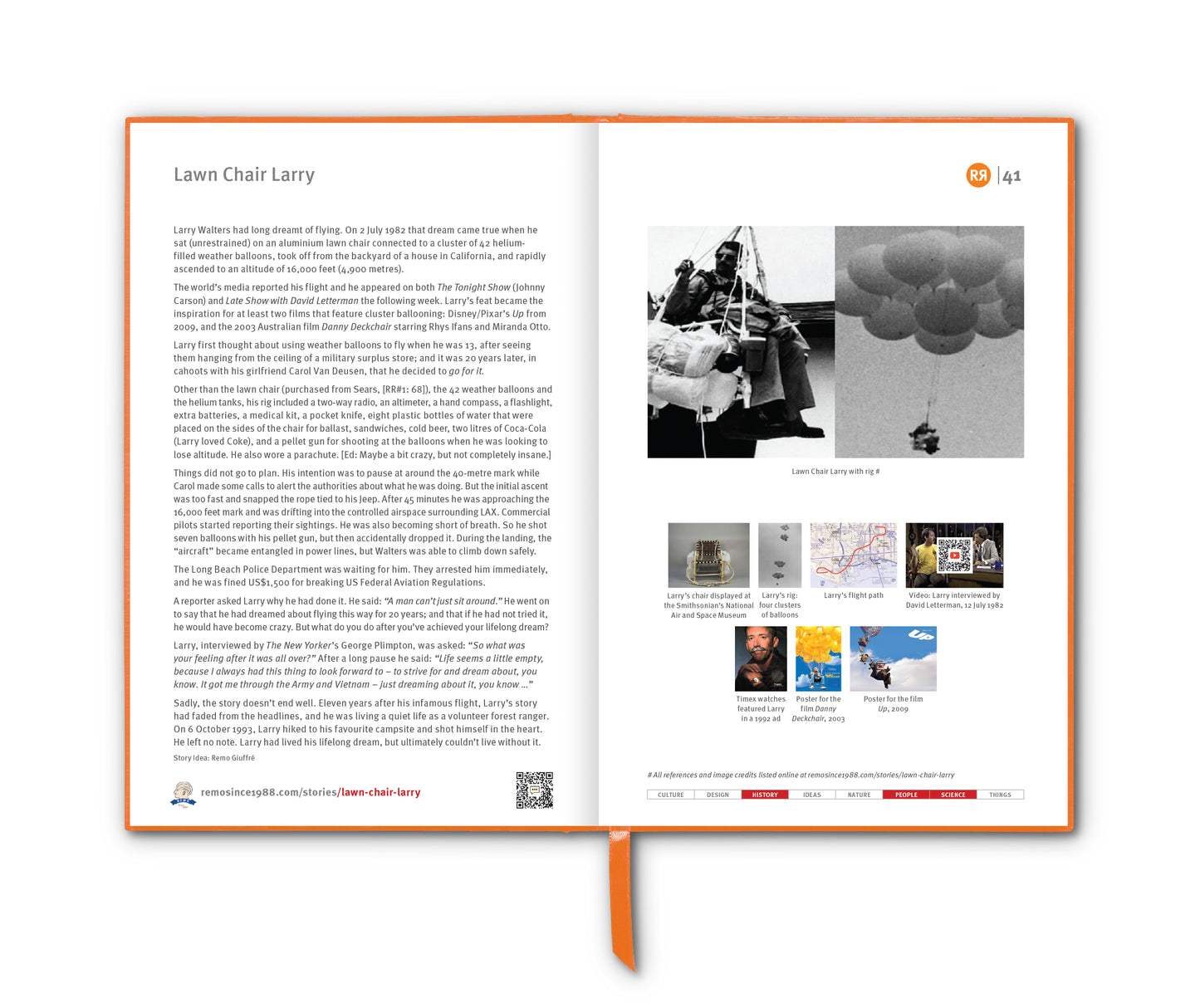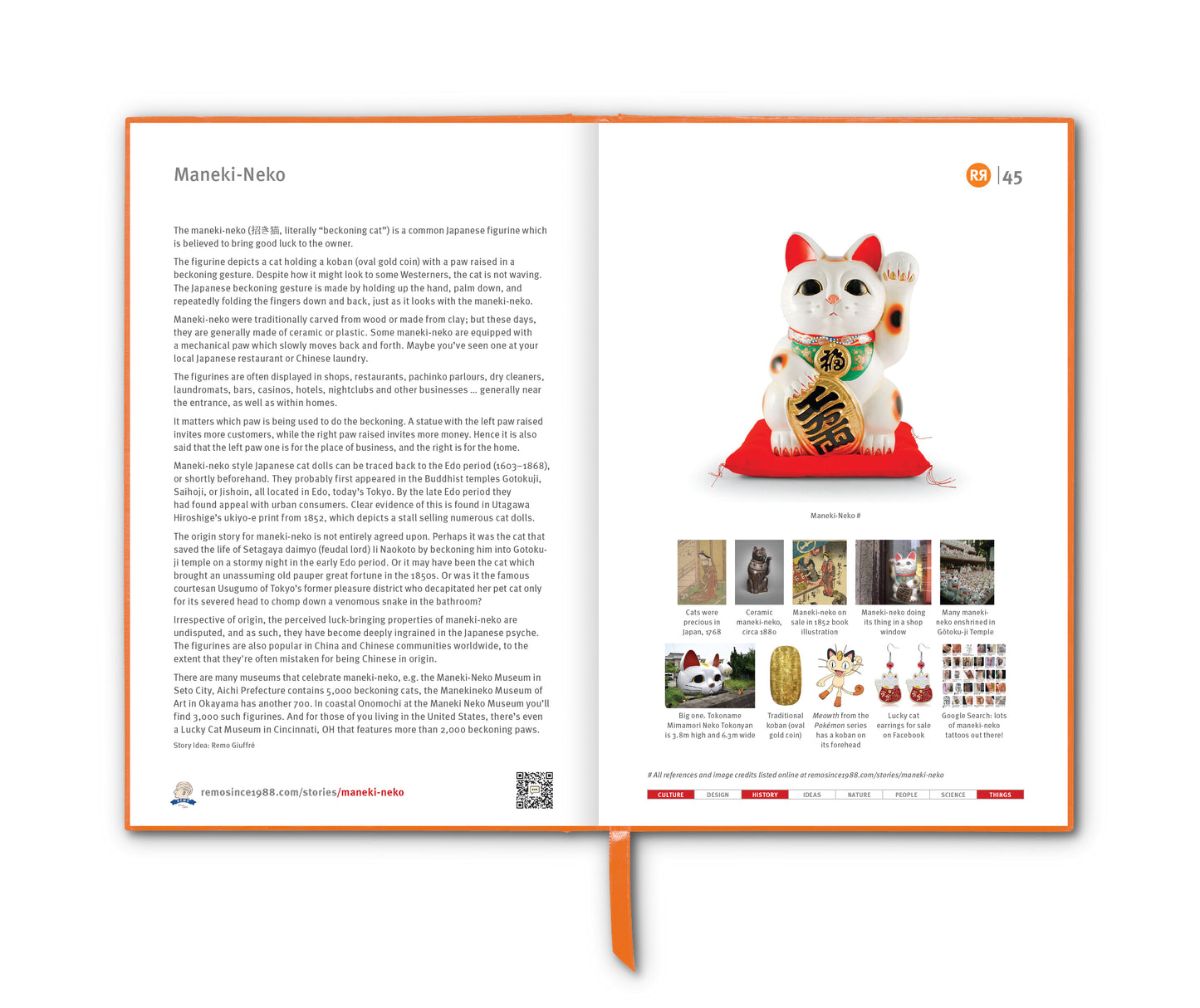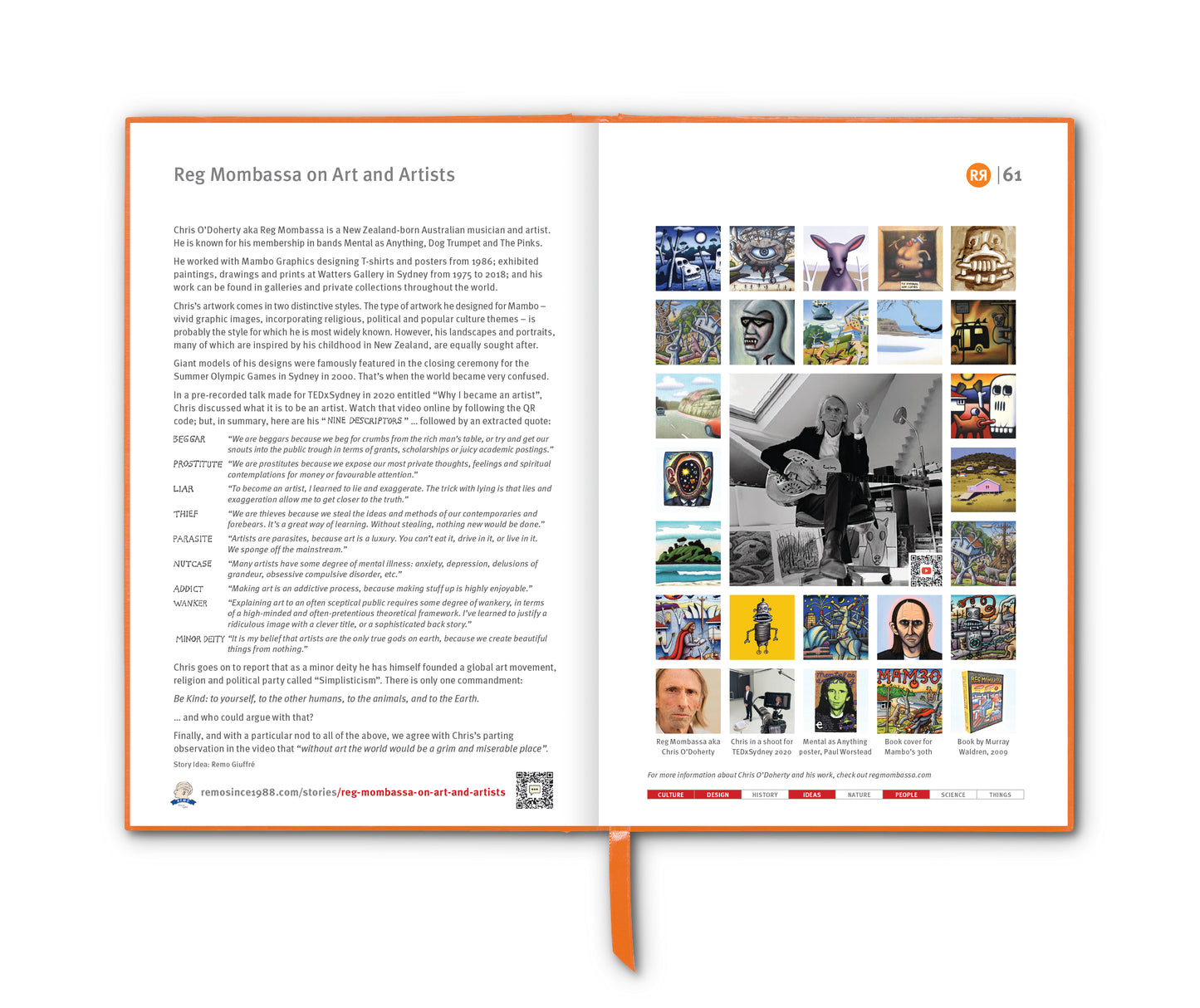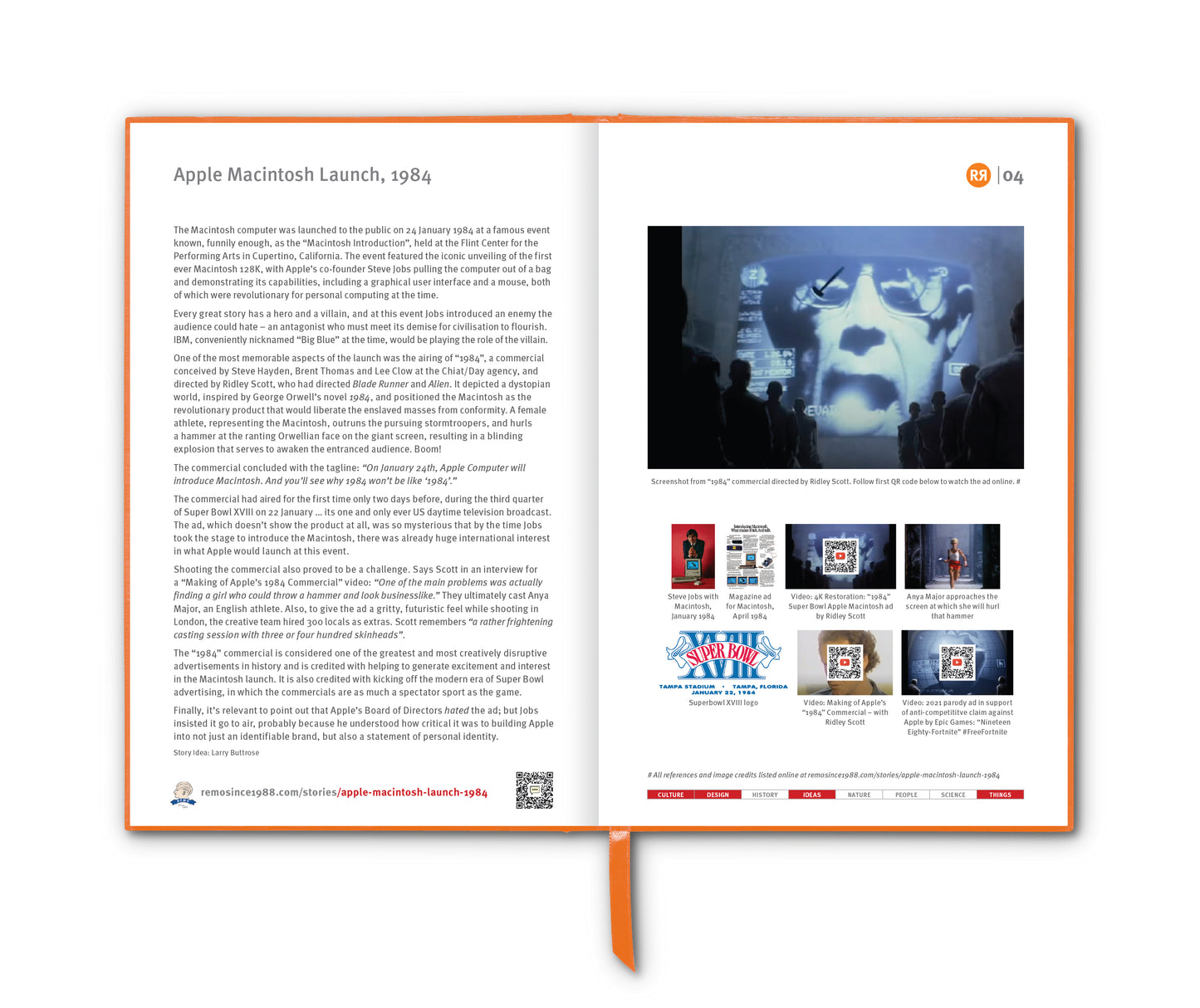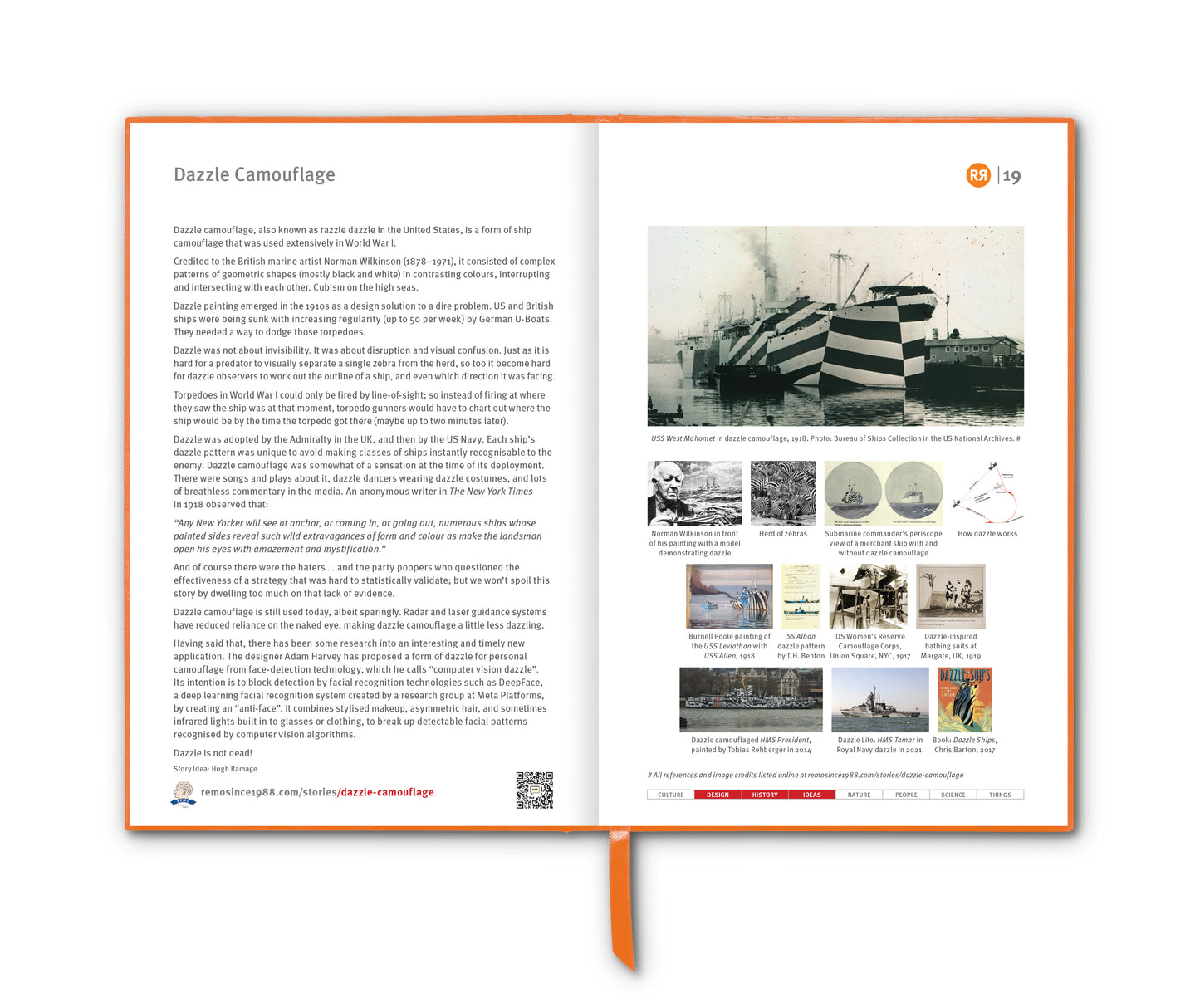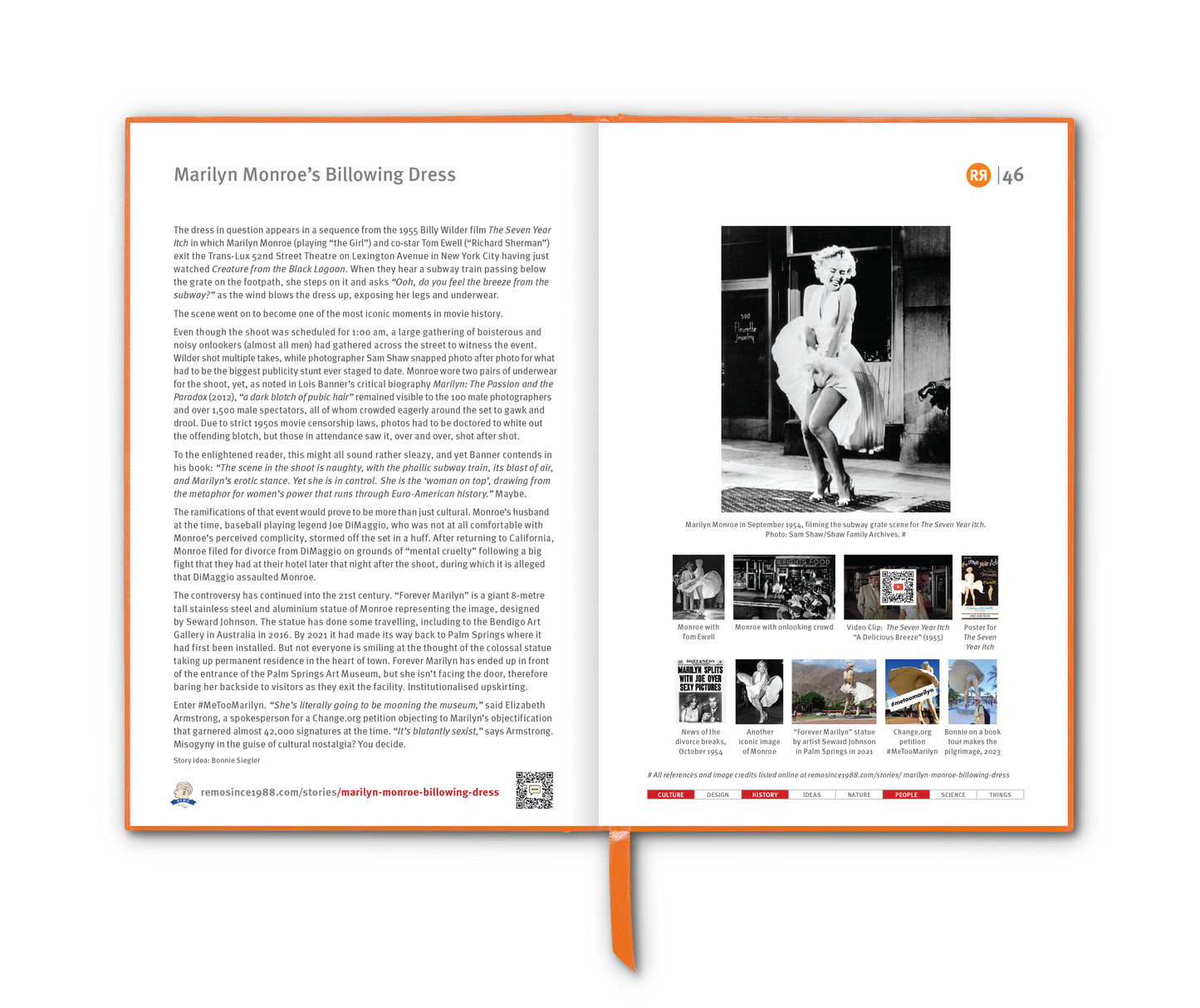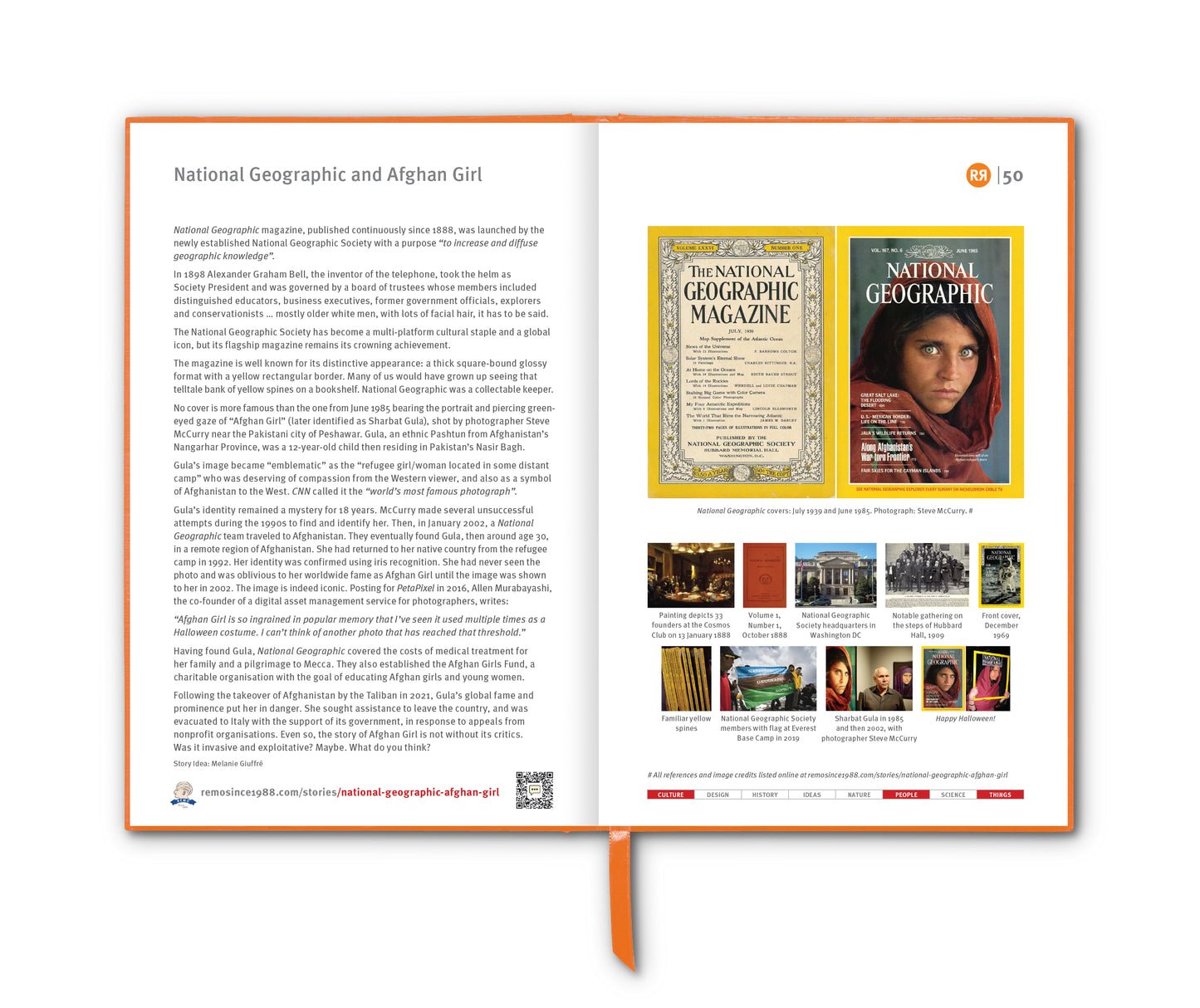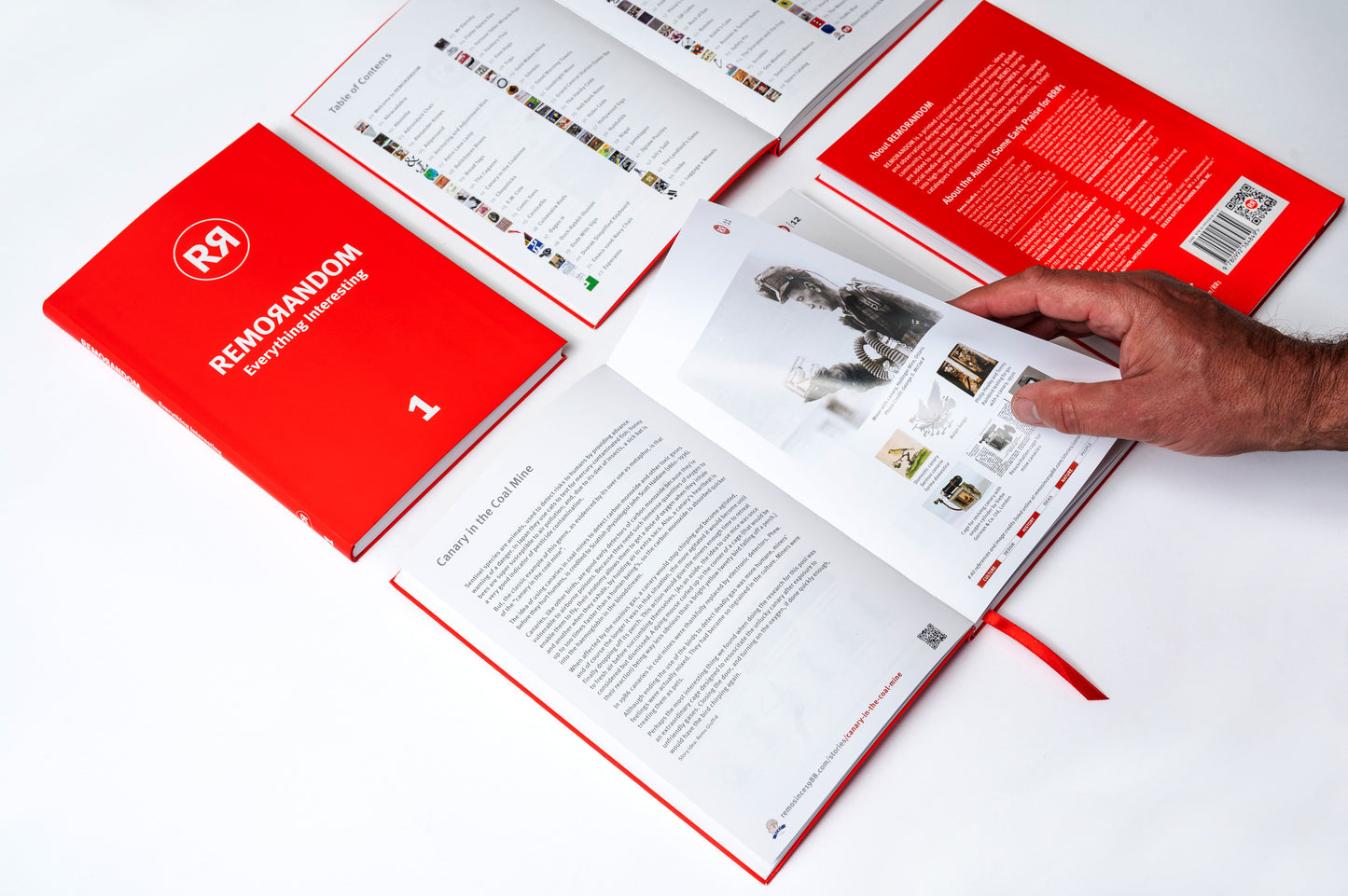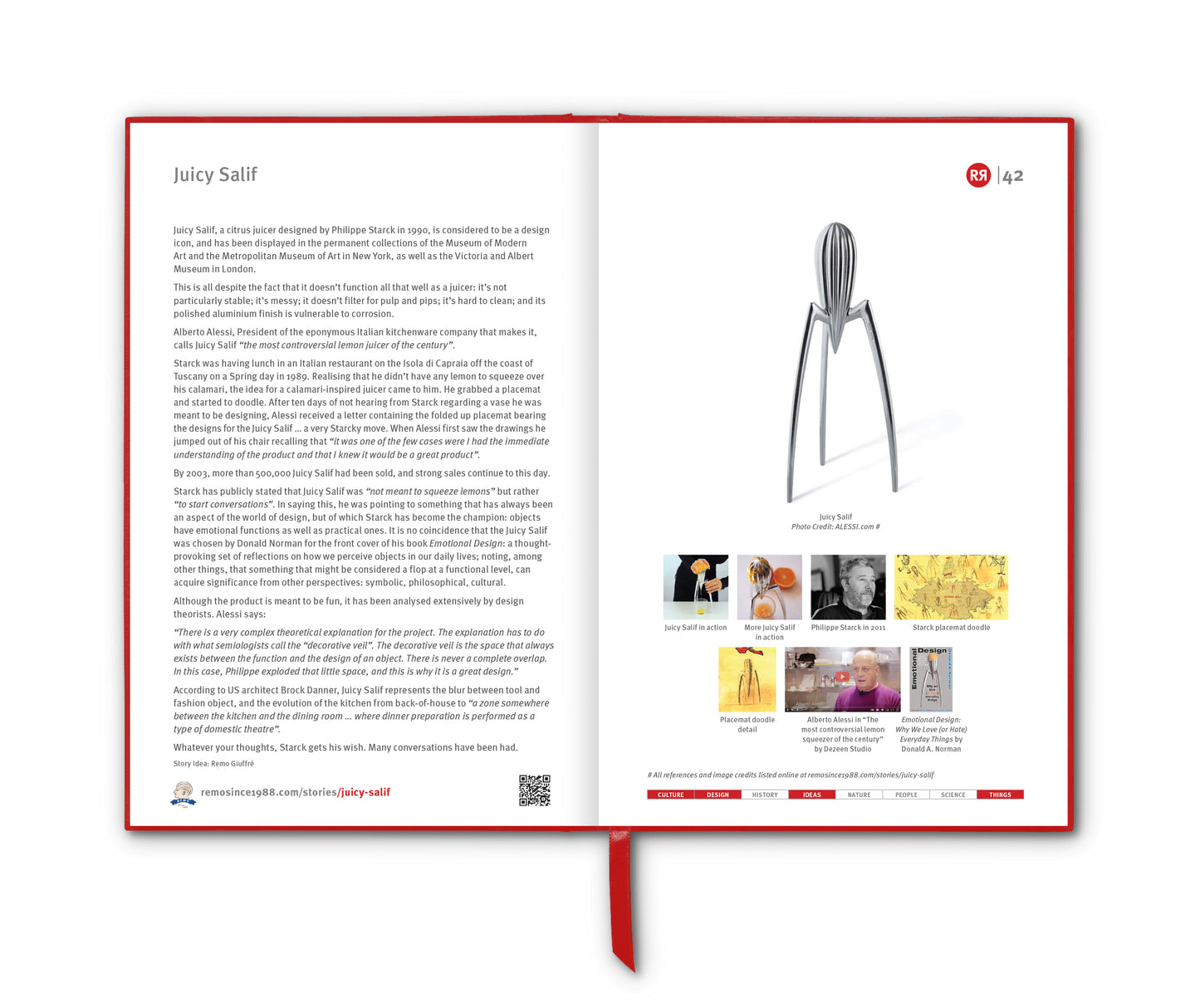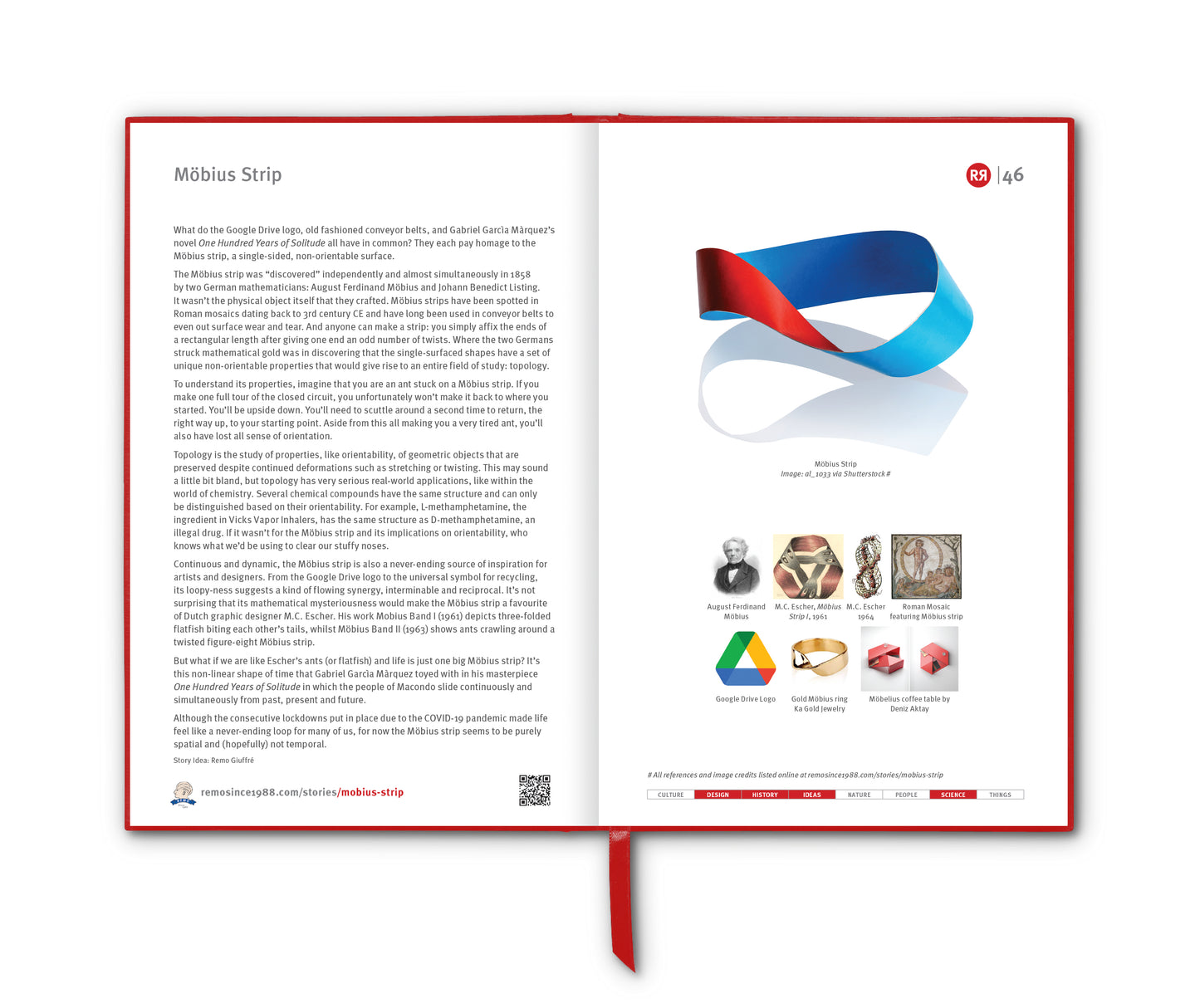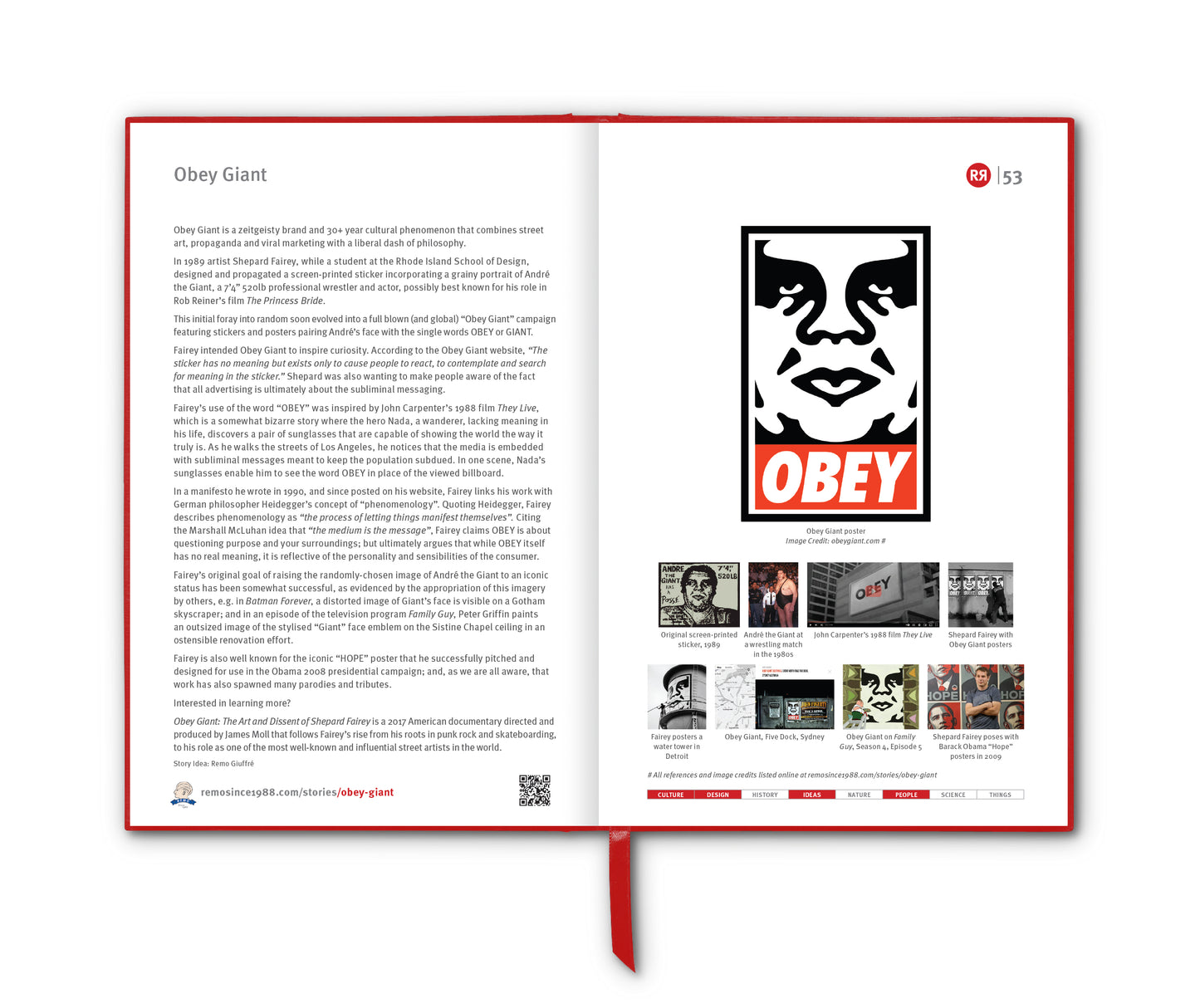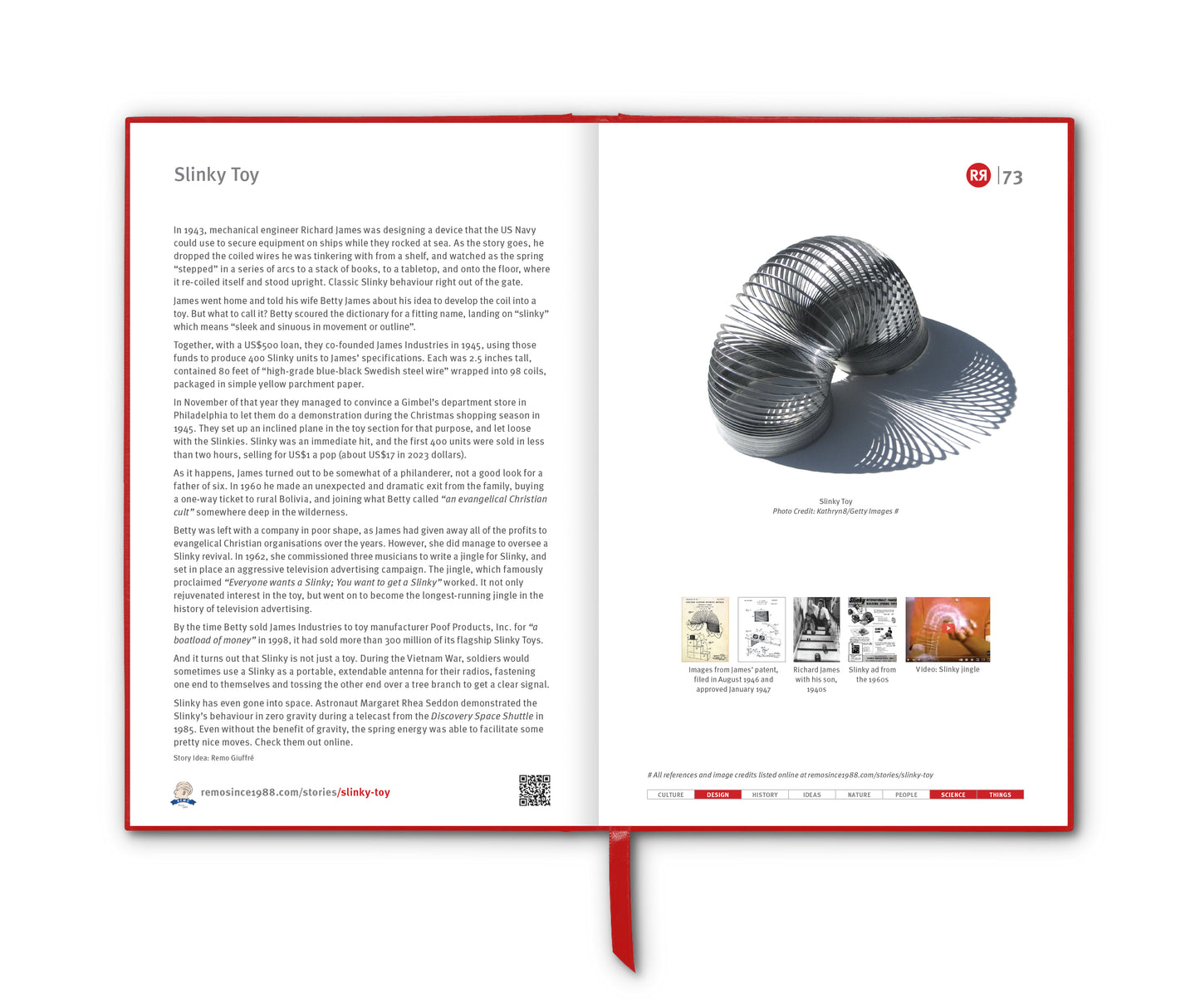

Throughout history, certain gems have become more than just objects of beauty. They are vessels for myth, symbols of power and occasionally magnets for scandal. These stones sparkle not only with light but with stories – each one reflecting a slice of human history, usually at its most dramatic. Here are five of the world's most iconic jewels, in what is arguably their descending order of cultural impact.
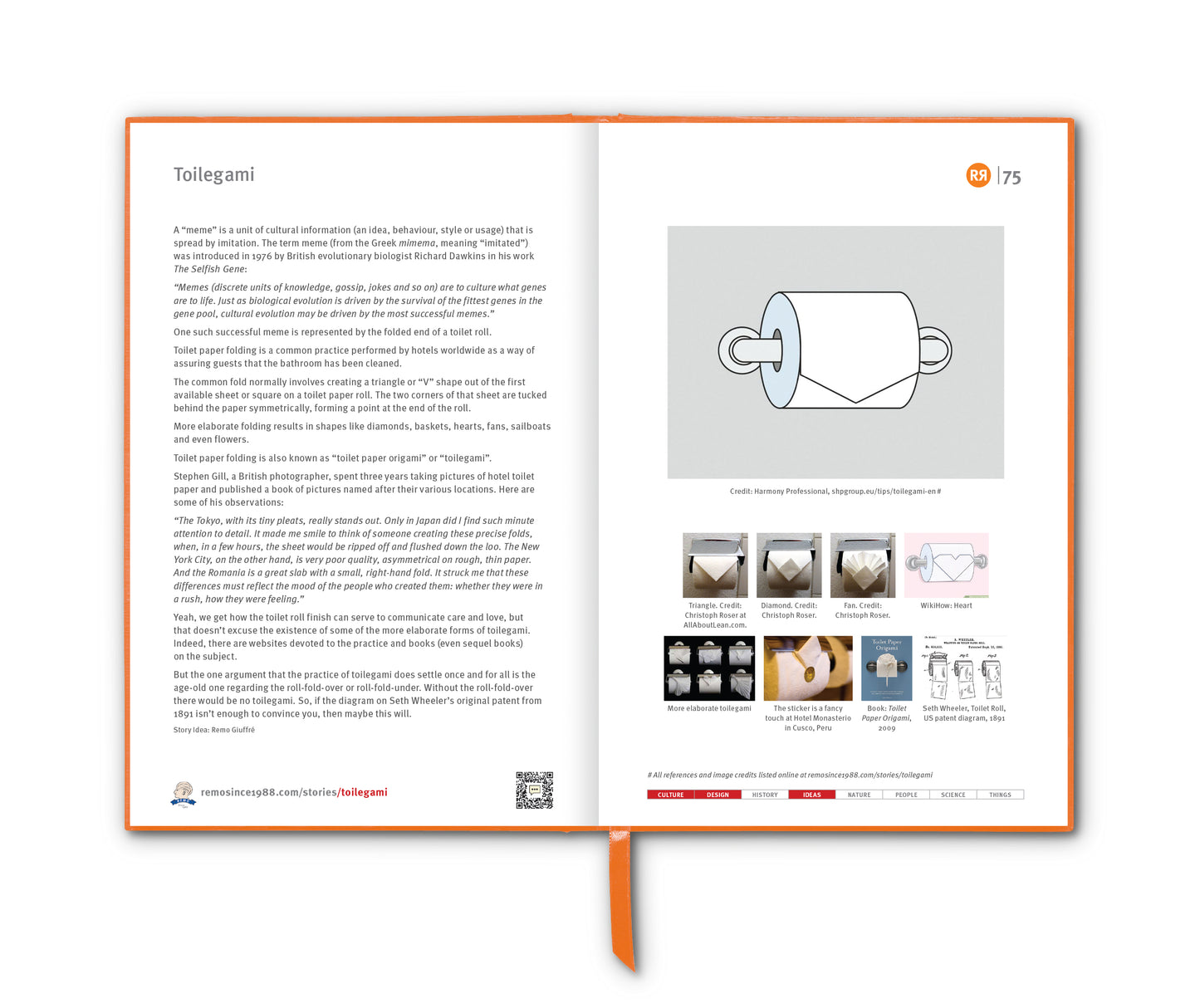
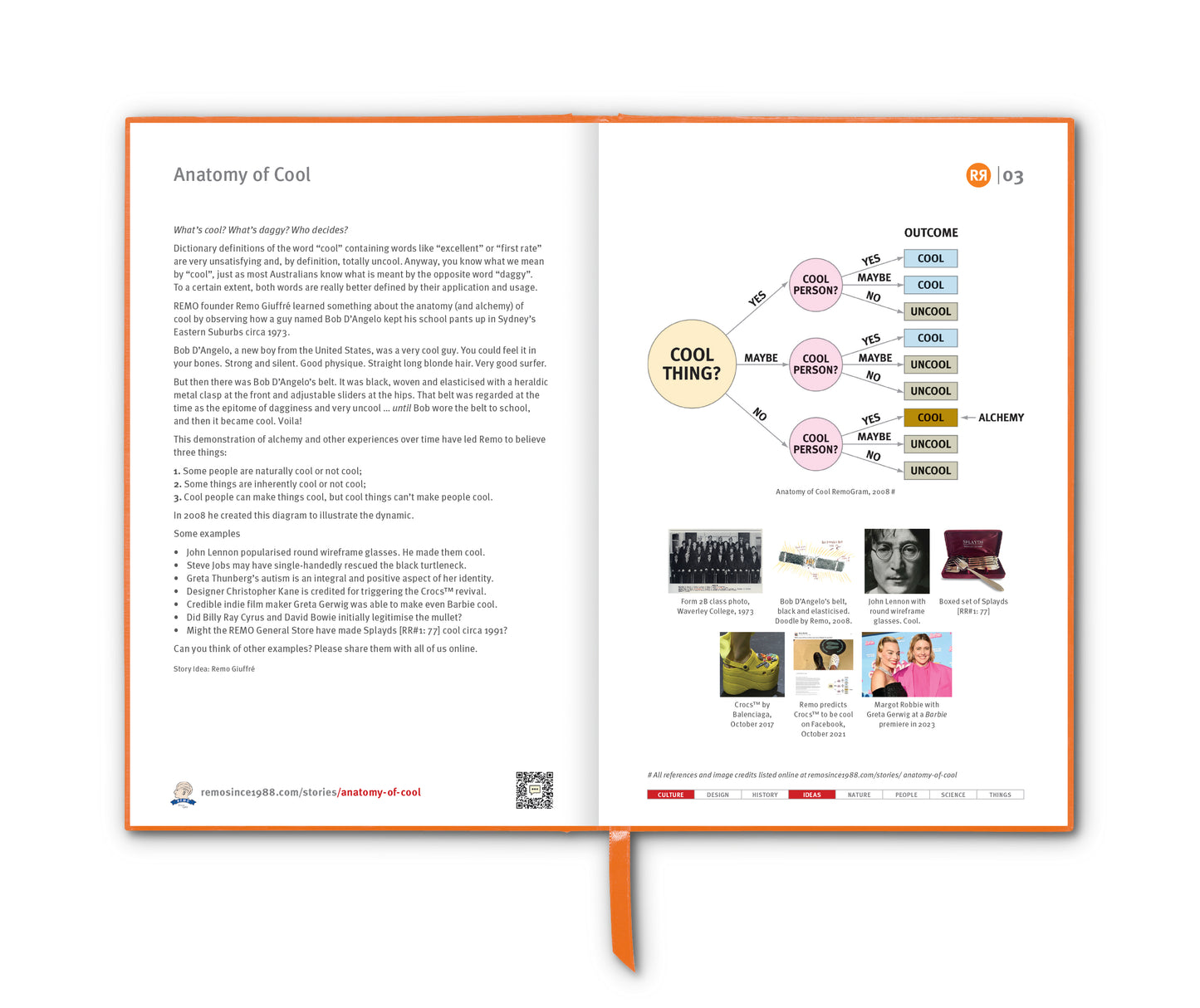
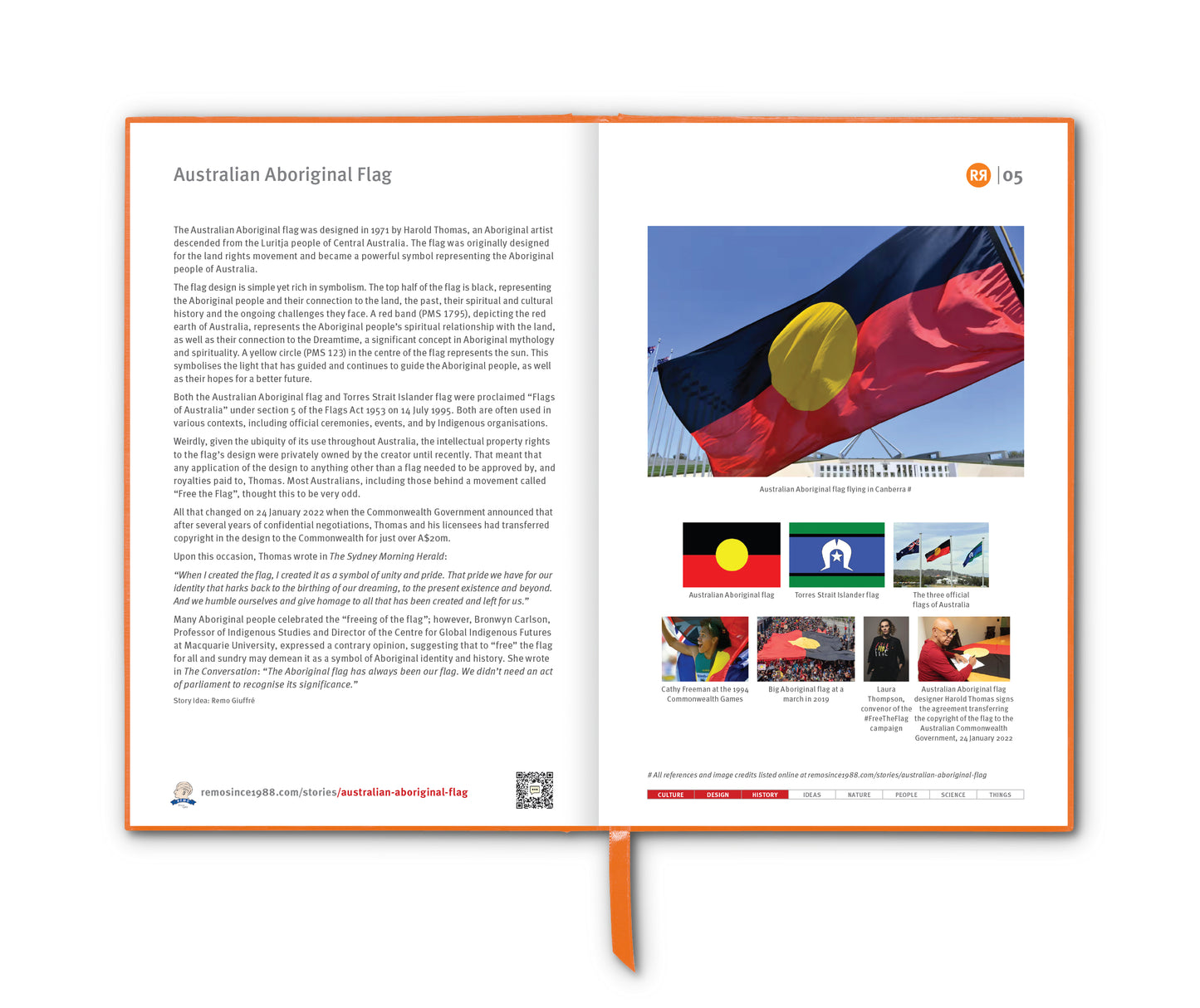
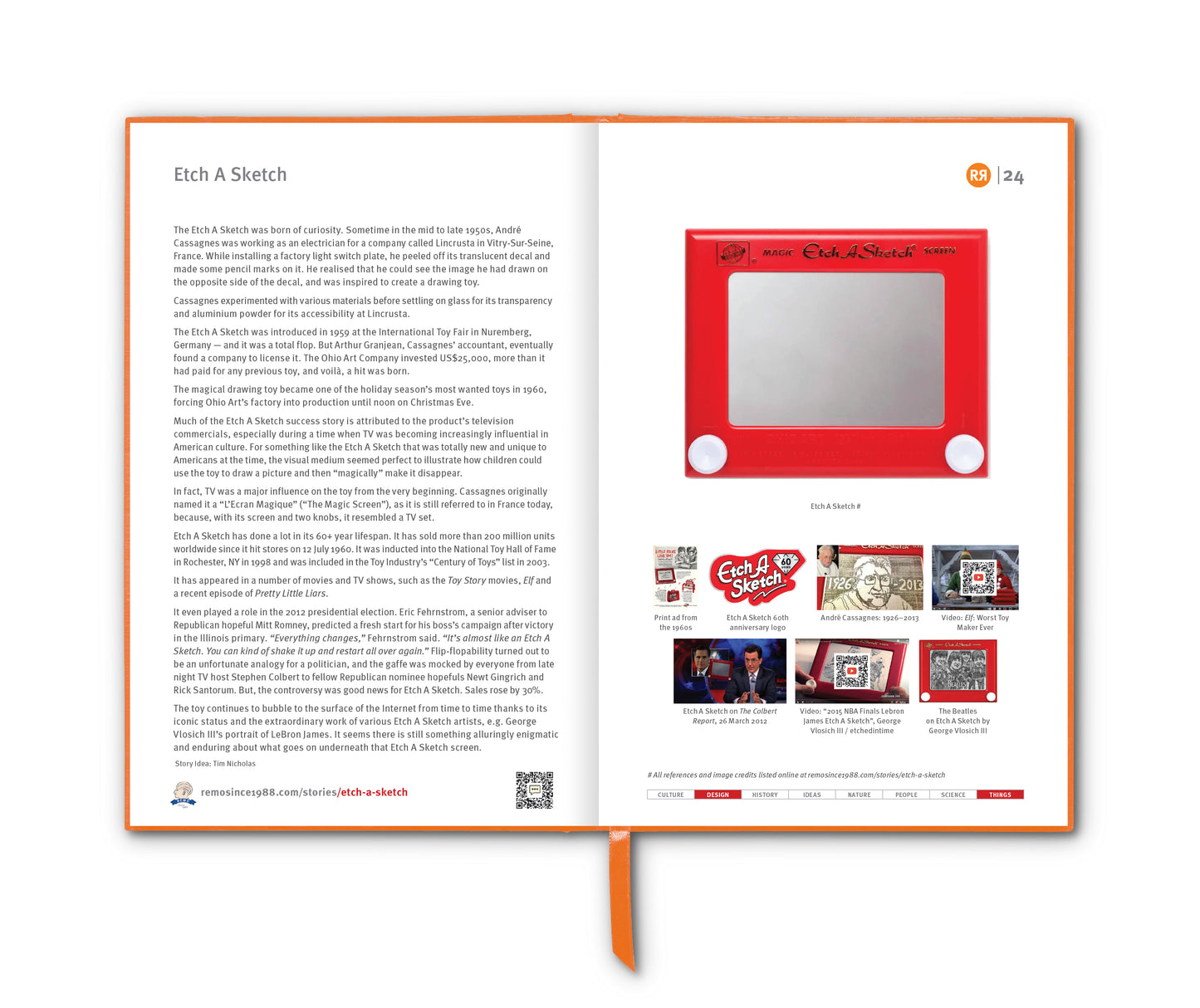
The Hope Diamond
Formed over a billion years ago in India and passing through French royalty before landing in the United States, this 45.52-carat blue diamond has long been linked to misfortune, i.e. lots of people dying. Whether or not the curse is real [Ed: It appears to be concocted for dramatic effect.], its legend makes it one of the most storied gems in existence, now safely housed in the Smithsonian within a 2011 “Embracing Hope” setting designed by Harry Winston.
The Koh-i-Noor
Once the largest known diamond, the Koh-i-Noor’s brilliance is matched only by its controversial past. Taken from India during the colonial era and now mounted in the platinum crown of the late British Queen Elizabeth, the Queen Mother, it remains the subject of dispute between nations. It’s less a stone than a symbol of contested history.
The Cullinan Diamond
At over 3,100 carats when unearthed in South Africa in 1905, the Cullinan remains the largest diamond ever discovered. Its nine fragments now sparkle in the British Crown Jewels, including the Great Star of Africa set in the "Sovereign's Sceptre with Cross". The sheer scale of this find, and the precision required to cut it, makes it legendary.
La Peregrina Pearl
Discovered in the 16th century by a slave in the Gulf of Panama, traded for his freedom and then owned by Spanish monarchs, this enormous 2.5cm long pear-shaped pearl eventually made its way to the United States and later entered Hollywood lore when gifted to Elizabeth Taylor by Richard Burton. At one point during the gifting ceremony, her dog almost swallowed it. Bad dog. La Peregrina was sold at Christie’s in 2011 as part of Taylor’s estate, and purchased by a private collector (identity undisclosed).
The Tiffany Yellow Diamond
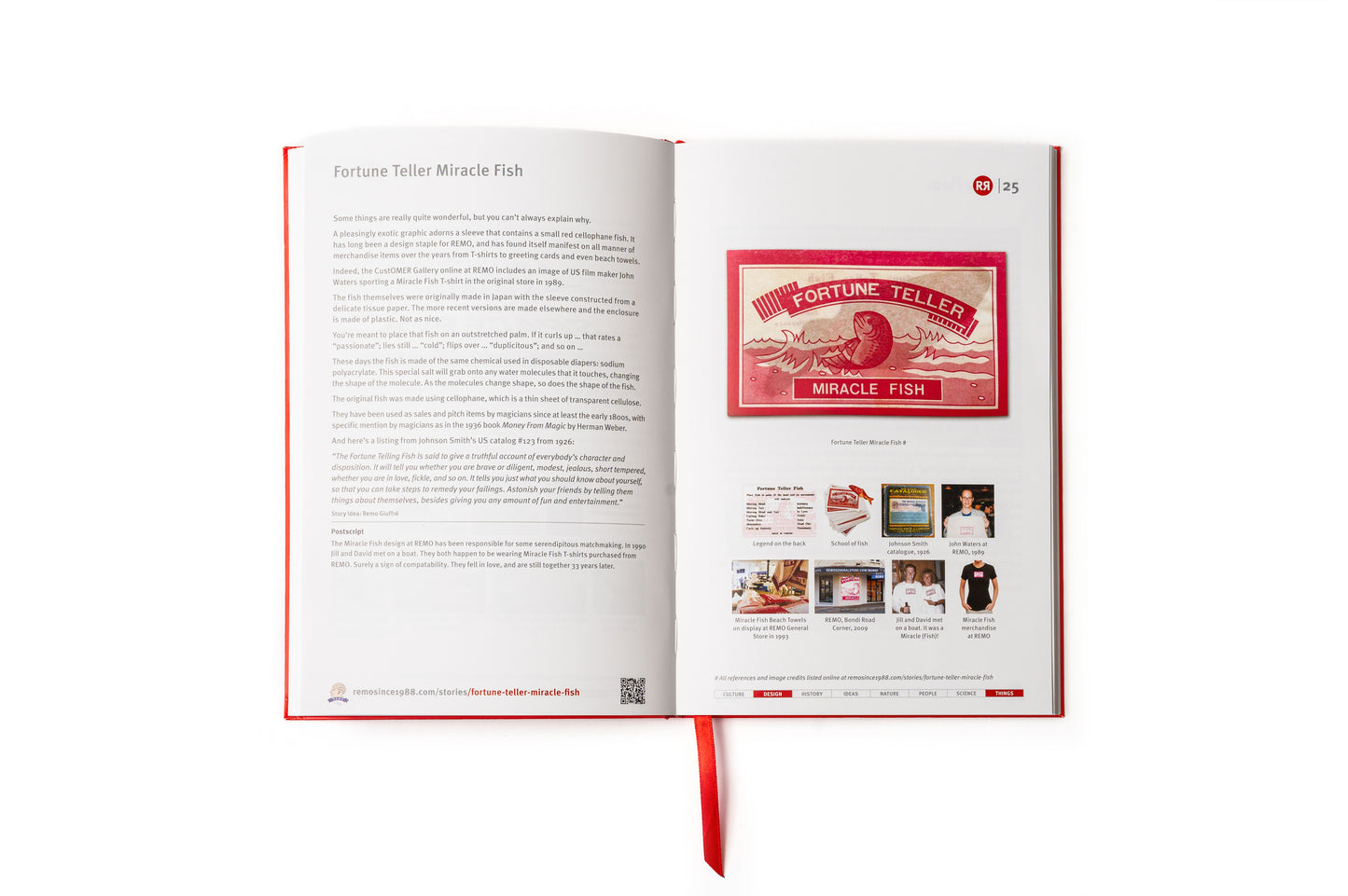
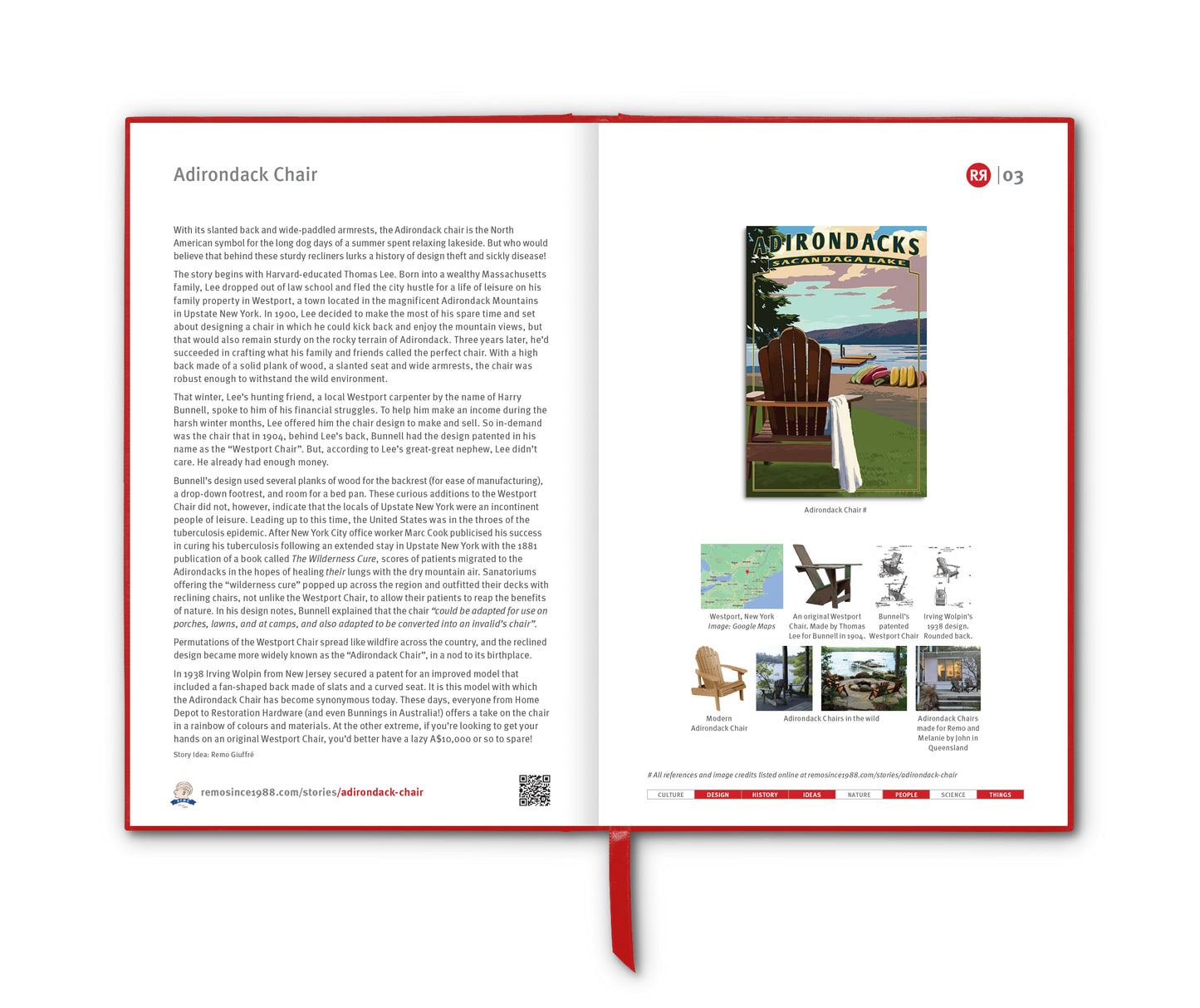
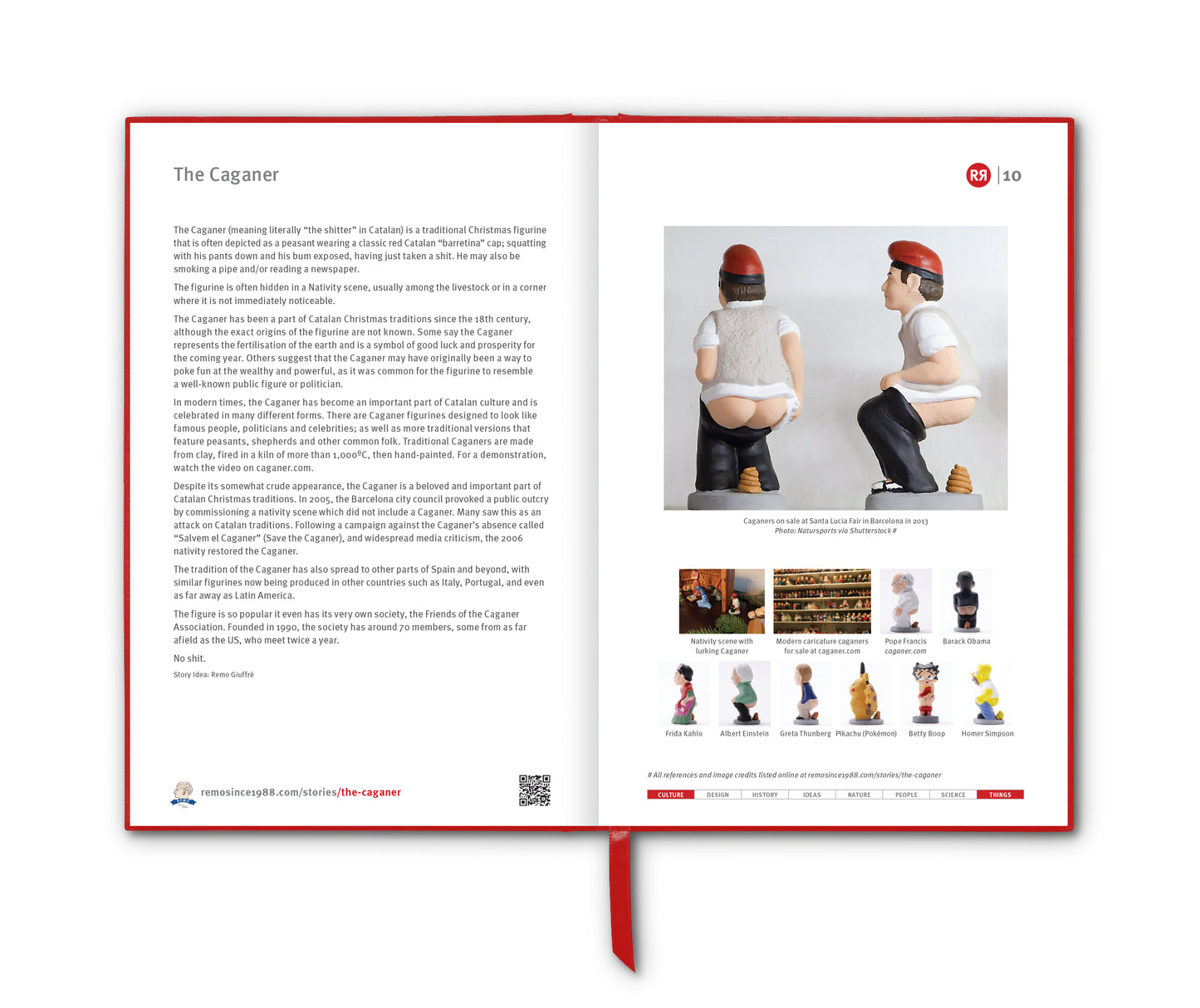
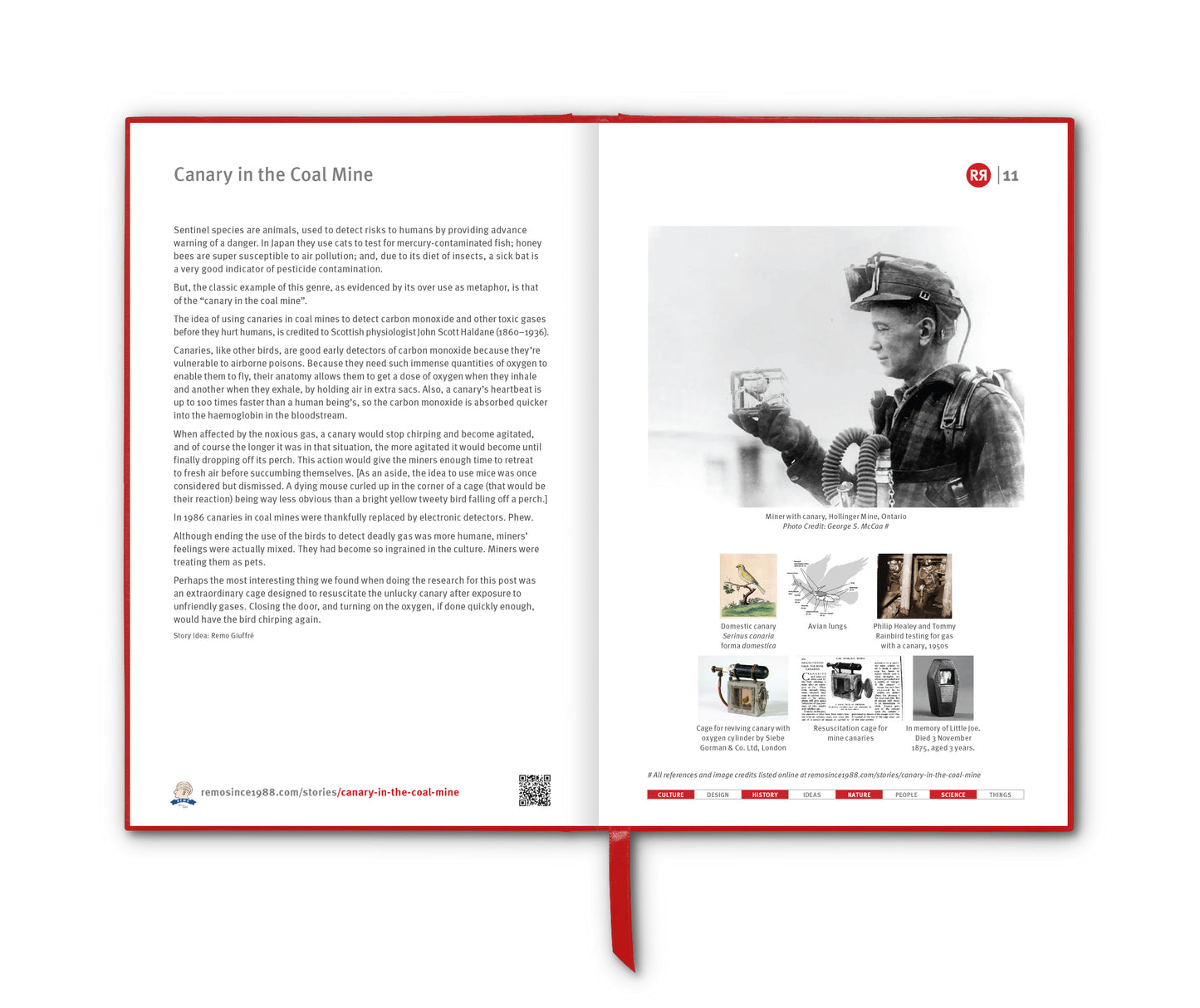
Charles Lewis Tiffany, the founder of Tiffany & Co., acquired the South African diamond almost 150 years ago. It was originally 287.42 carats before it was cut down into the diamond seen today. Weighing in at 128 carats, this rare yellow diamond has been carefully positioned as a symbol of glamour. Audrey Hepburn wore it in Breakfast at Tiffany’s, and Lady Gaga revived it at the Oscars in 2019. Through clever branding, it has become not just a gem but a pop culture icon. The diamond is displayed on the main floor of the Tiffany & Co. flagship store in New York City.
_________________________
References
wikipedia.org/wiki/Hope_Diamond
wikipedia.org/wiki/Koh-i-Noor
laprairie.com/ar-me/editorials-article/hope-diamond
artandobject.com/news/star-africa-diamond-symbol-monarchy-colonization-or-both
hollywoodreporter.com/news/general-news/lady-gagas-oscars-tiffany-diamond-was-last-worn-by-audrey-hepburn
Images
1. Hope Diamond. Photo credit: Chip Clark, Smithsonian Institution.
2. Jean-Baptiste Tavernier sketch of the uncut Hope Diamond
3. The Hope Diamond in the "Embracing Hope" setting, March 2011
4. Painting of Ranjit Singh wearing the Koh-i-Noor armlet
5. The Koh-i-Noor diamond in the front cross of the Queen Mother's Crown
6. Frederick Wells, mine manager, with the uncut Cullinan diamond
7. The nine major stones cut from the rough Cullinan diamond. Top: Cullinans II, I and III. Bottom: Cullinans VI, VIII, IV, V, VII and IX.
8. Great Star of Africa (Cullinan I) within the British Sovereign's Sceptre with Cross
9. La Peregrina. Credit: thejeweleryblog.wordpress.com
10. Elizabeth Taylor with La Peregrina while filming a cameo role in Anne of the Thousand Days, 1969
11. The Tiffany Yellow Diamond. Credit: Tiffany & Co
12. Tiffany Yellow Diamond wearers: Audrey Hepburn in 1961 and Lady Gaga in 2019