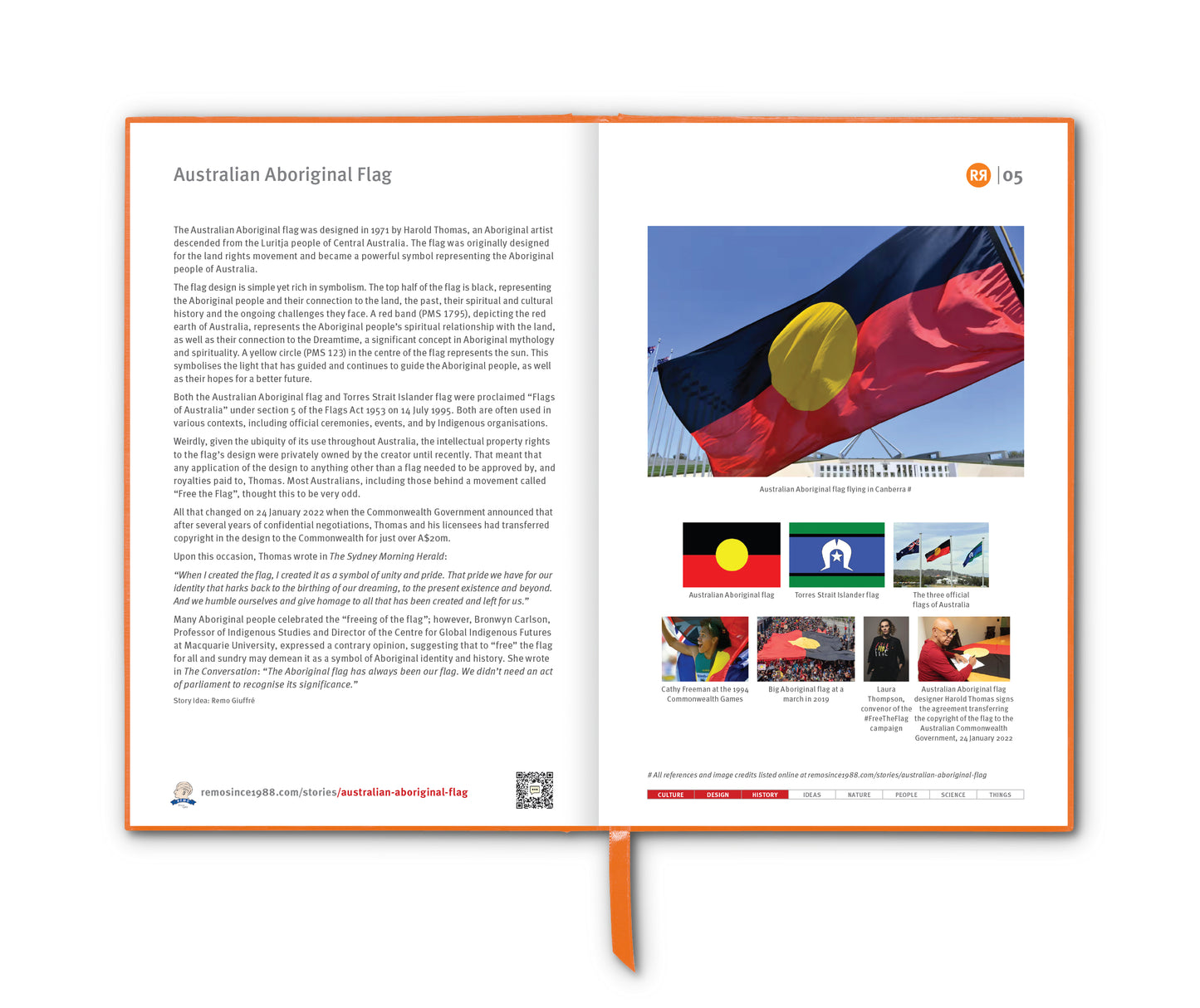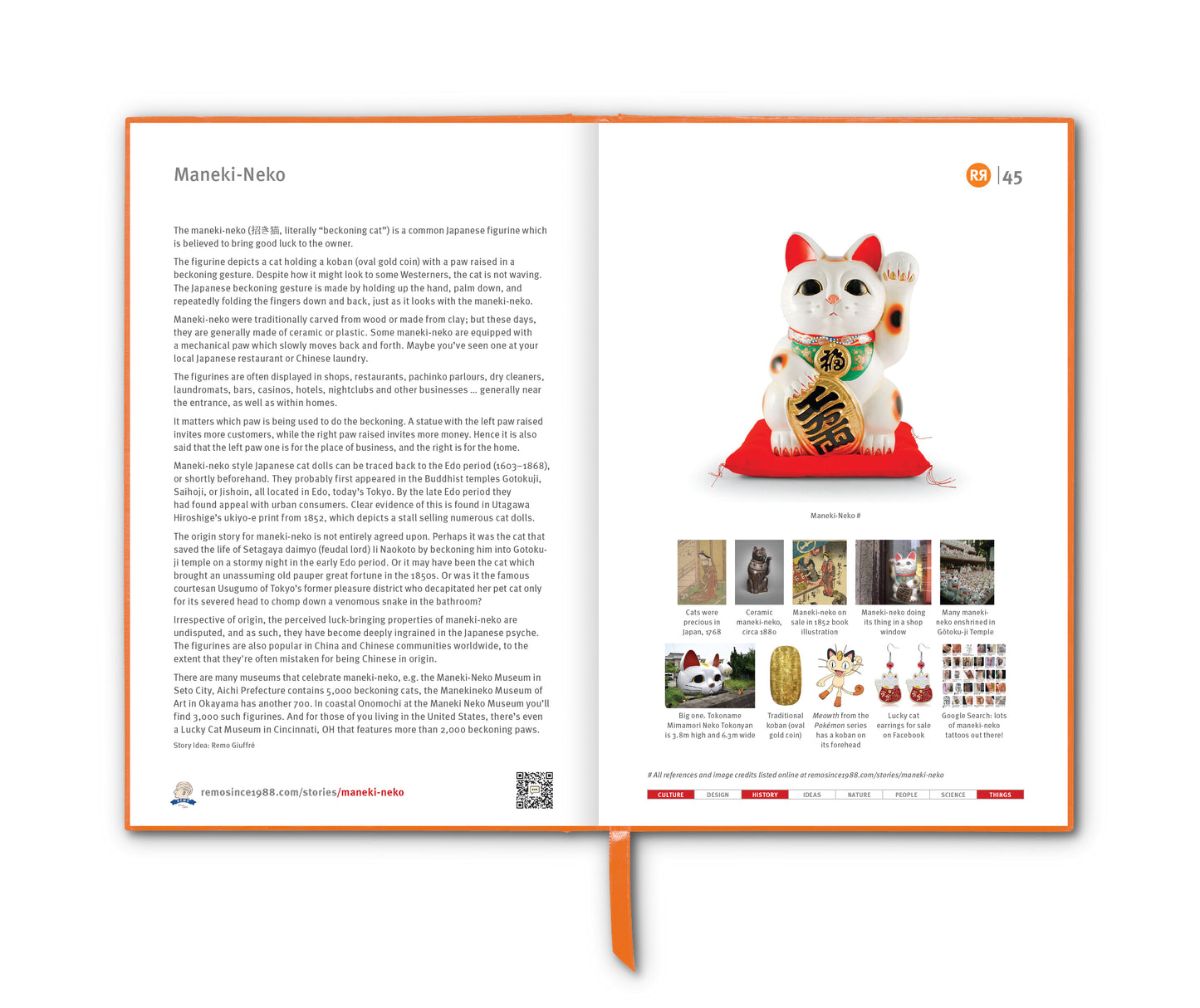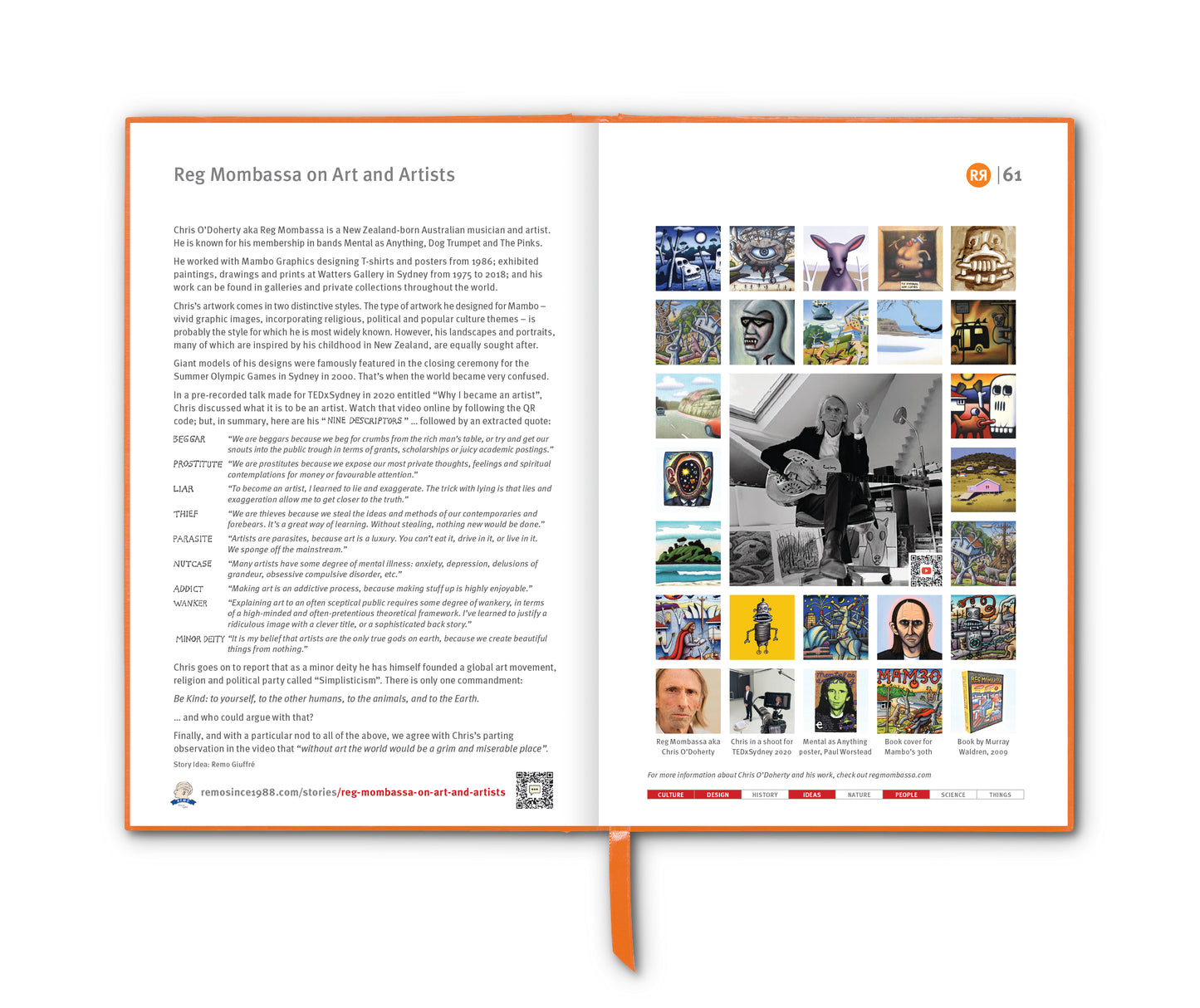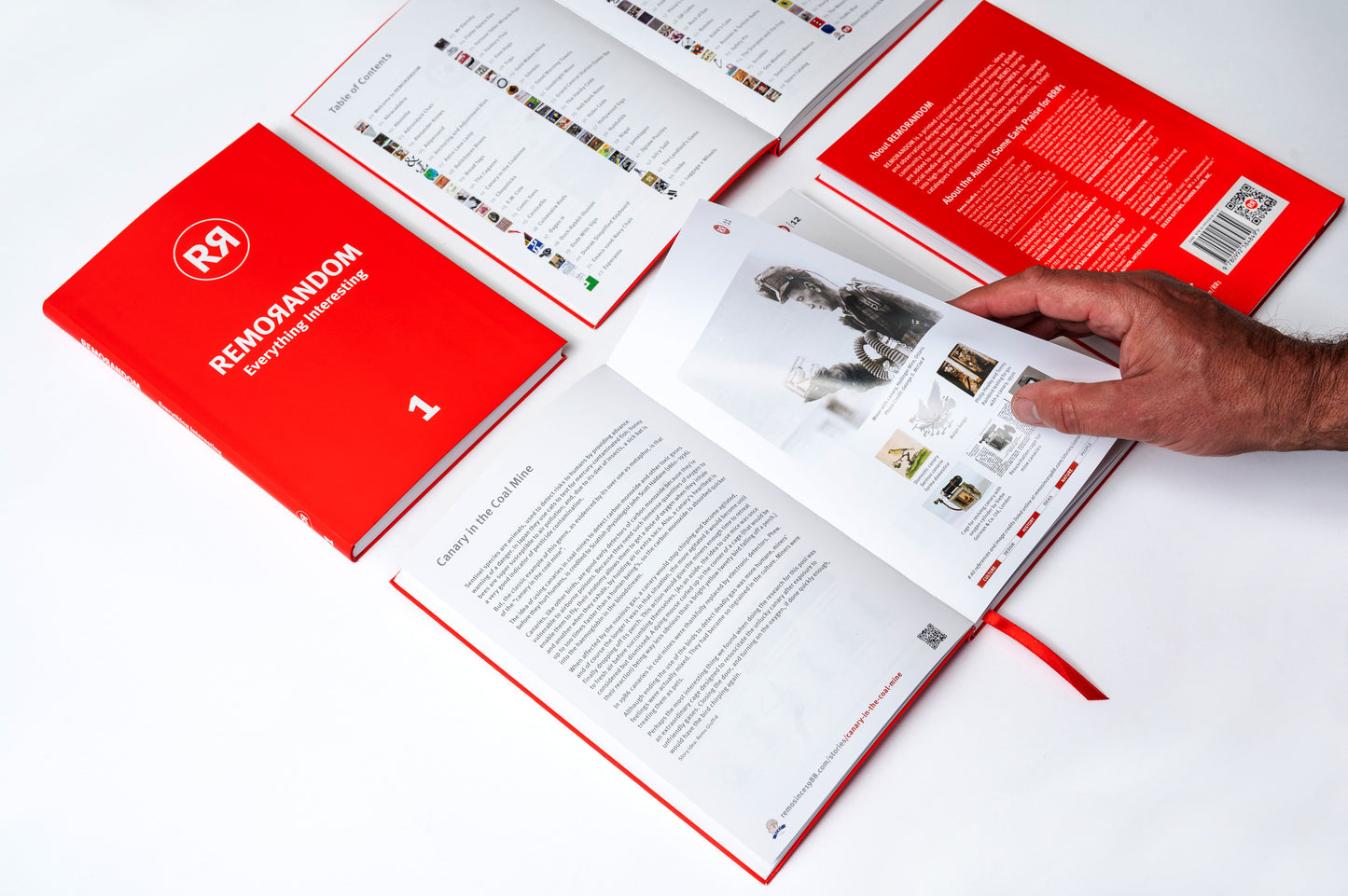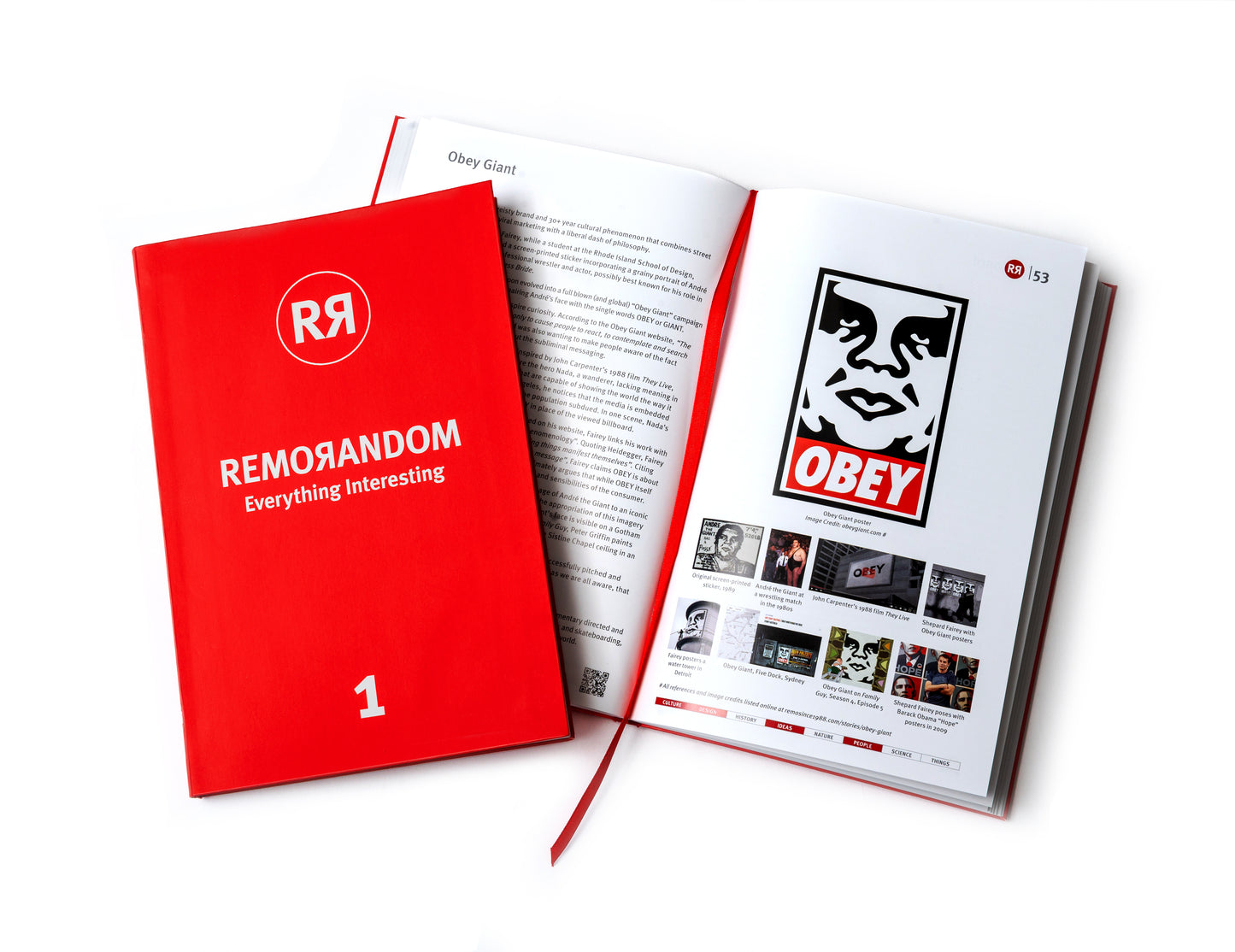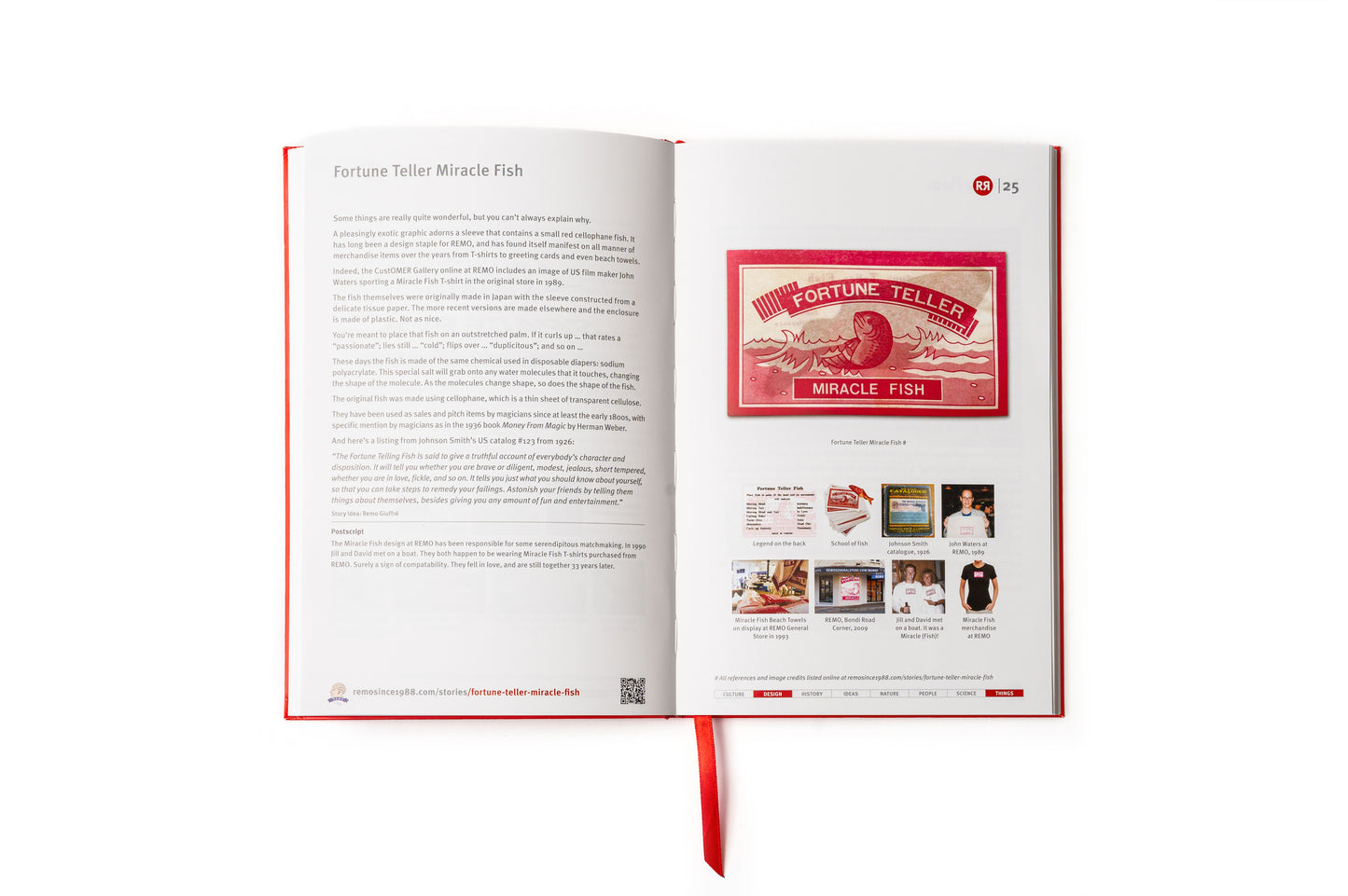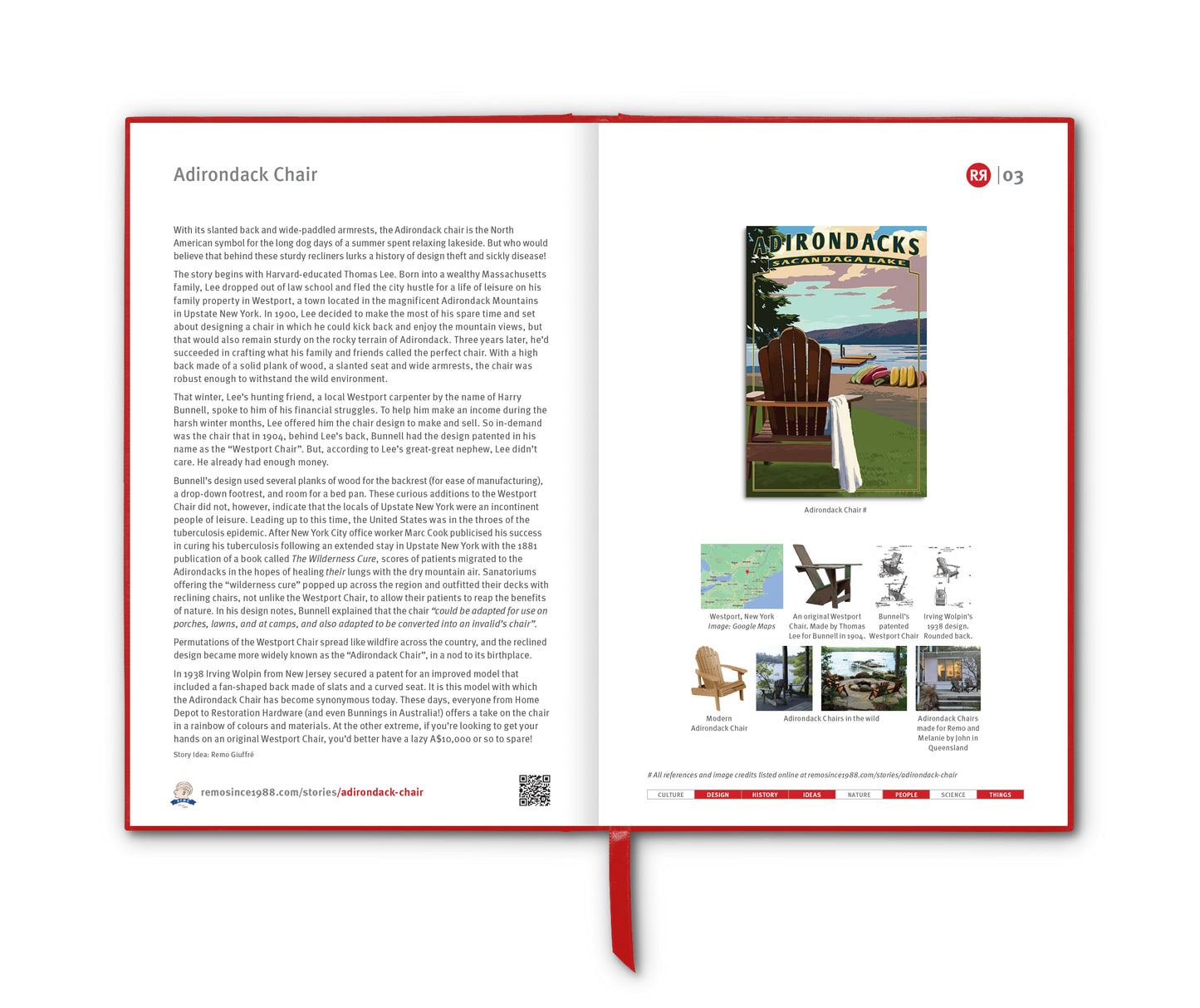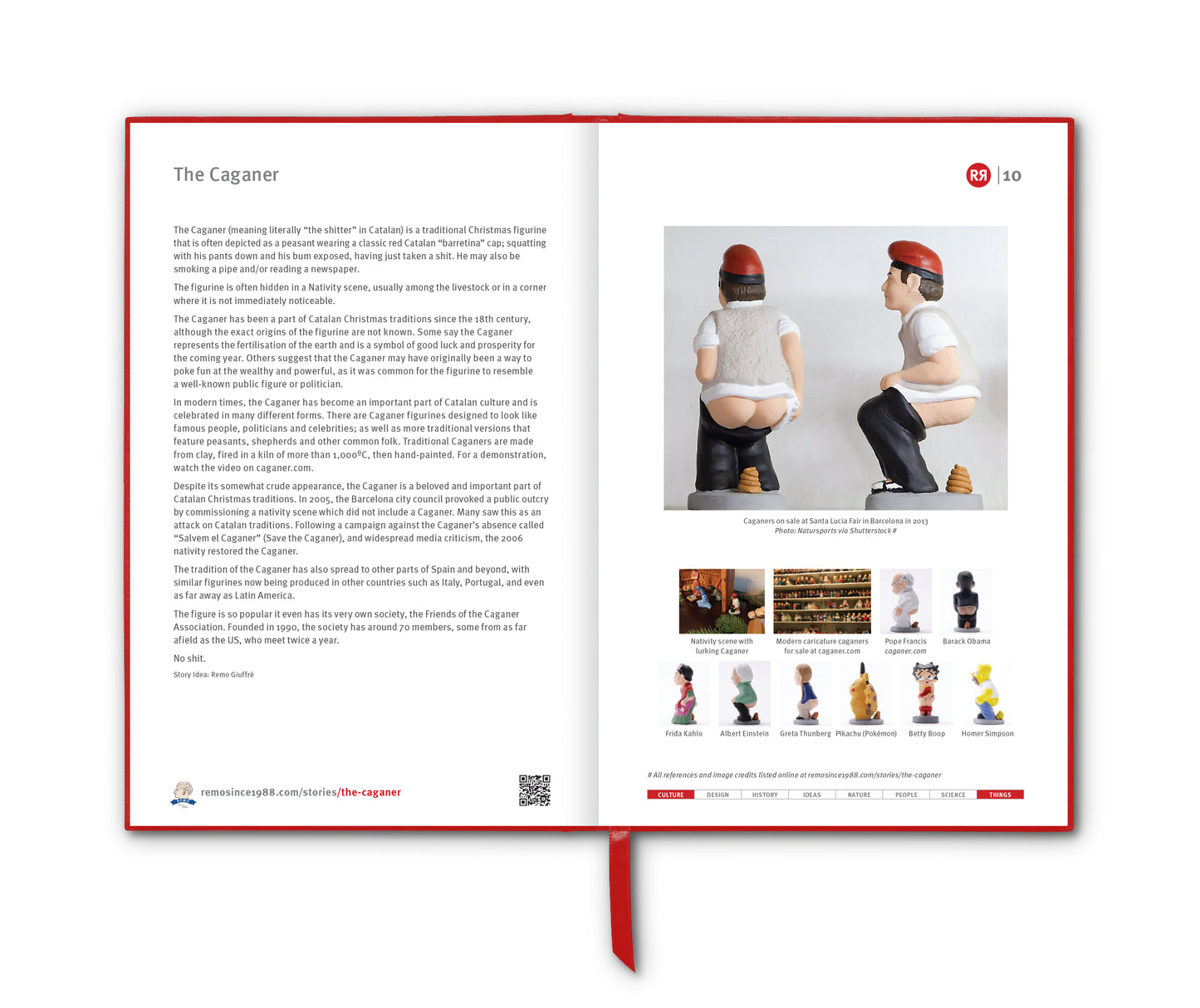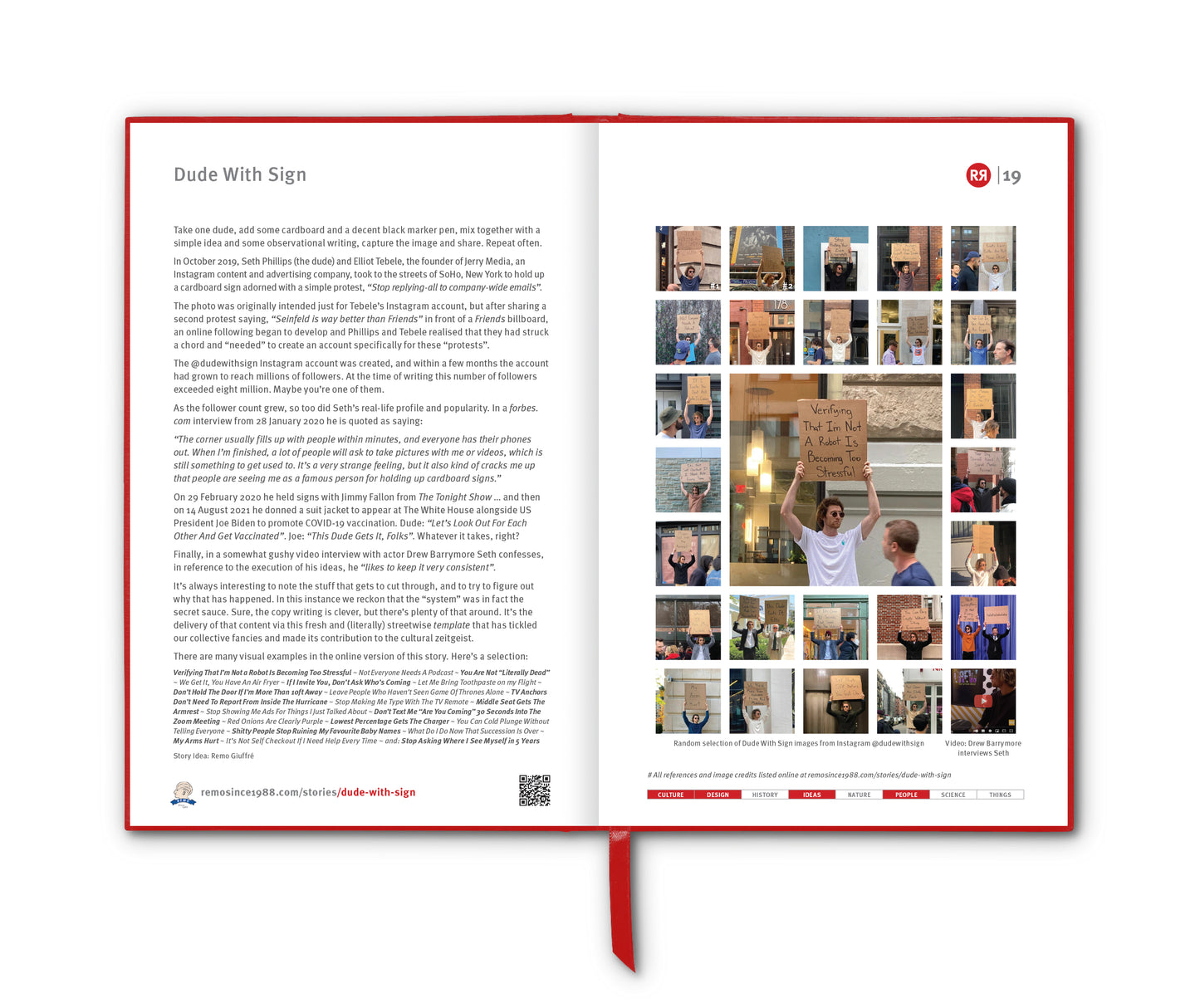

Kintsugi (金継ぎ), literally “gold joinery”, also known as kintsukuroi (金繕い, "golden repair") is the centuries-old Japanese art of repairing broken pottery with lacquer mixed with powdered gold, silver or platinum. Rather than disguising the cracks, kintsugi highlights them, transforming the object into something more beautiful precisely because of its history of damage. The practice, which dates back to the late 15th century, is often cited as a material expression of Japanese philosophies of imperfection, impermanence and renewal.
Genuine kintsugi uses the decorative maki-e lacquerware technique. This involves gluing the damaged pieces with kokuso urushi Glue, allowing them to dry, and then polishing them flat. Then, the black urushi (Japanese lacquer) is applied and sanded smooth with togisumi (charcoal for abrading). A coating of e-urushi, a type of varnish, is then applied, and pure gold powder is sprinkled on top for the finishing touches.
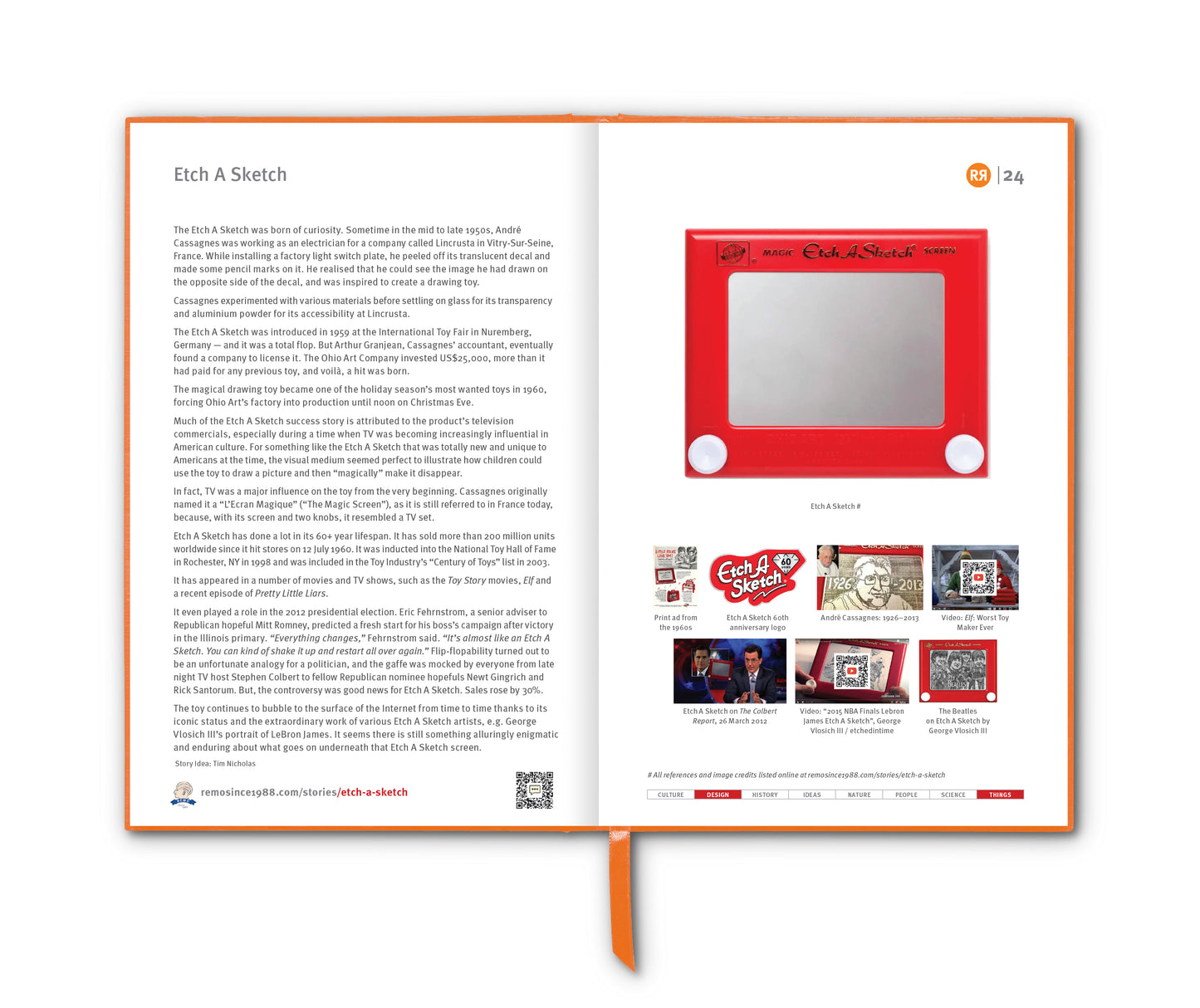
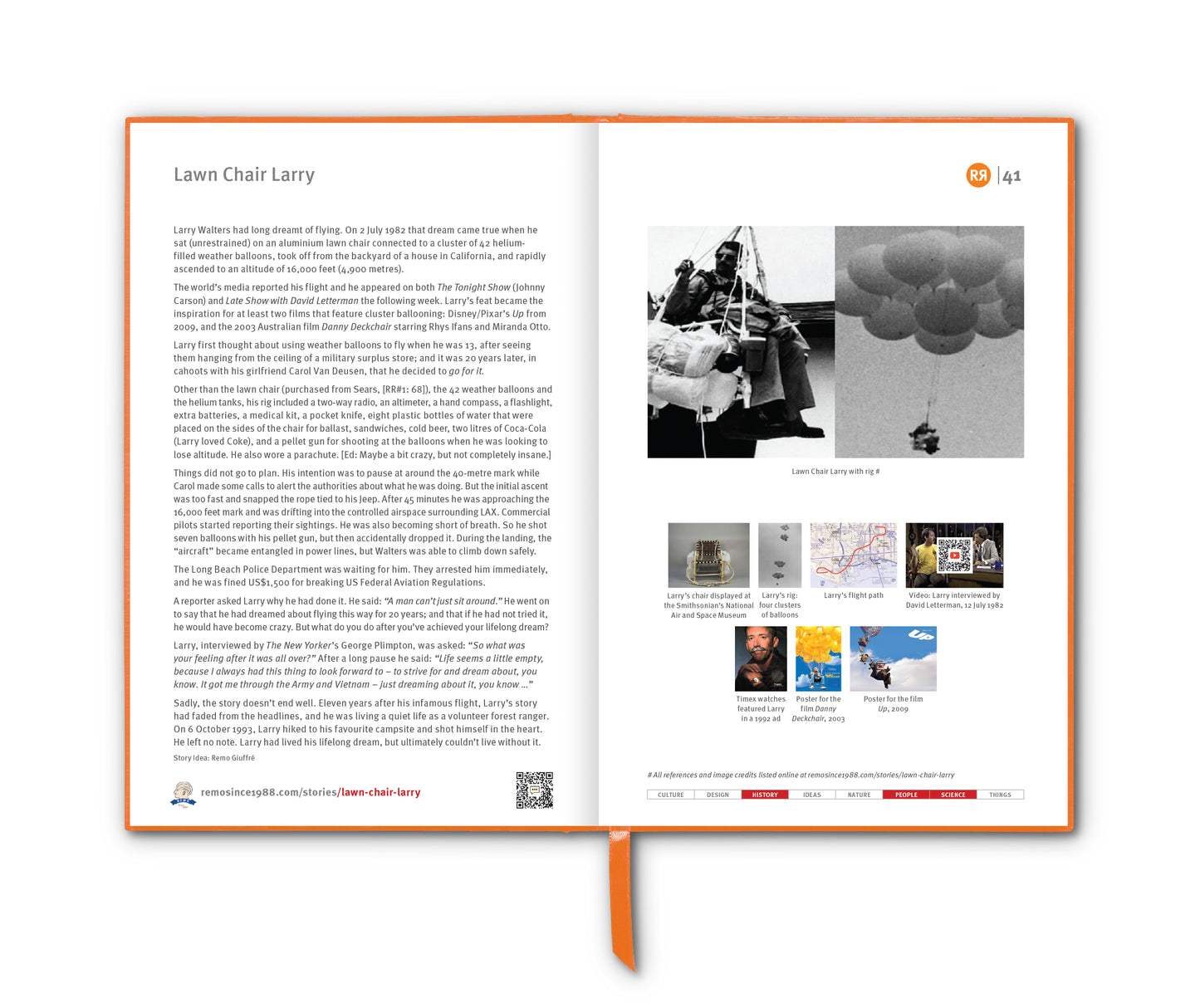
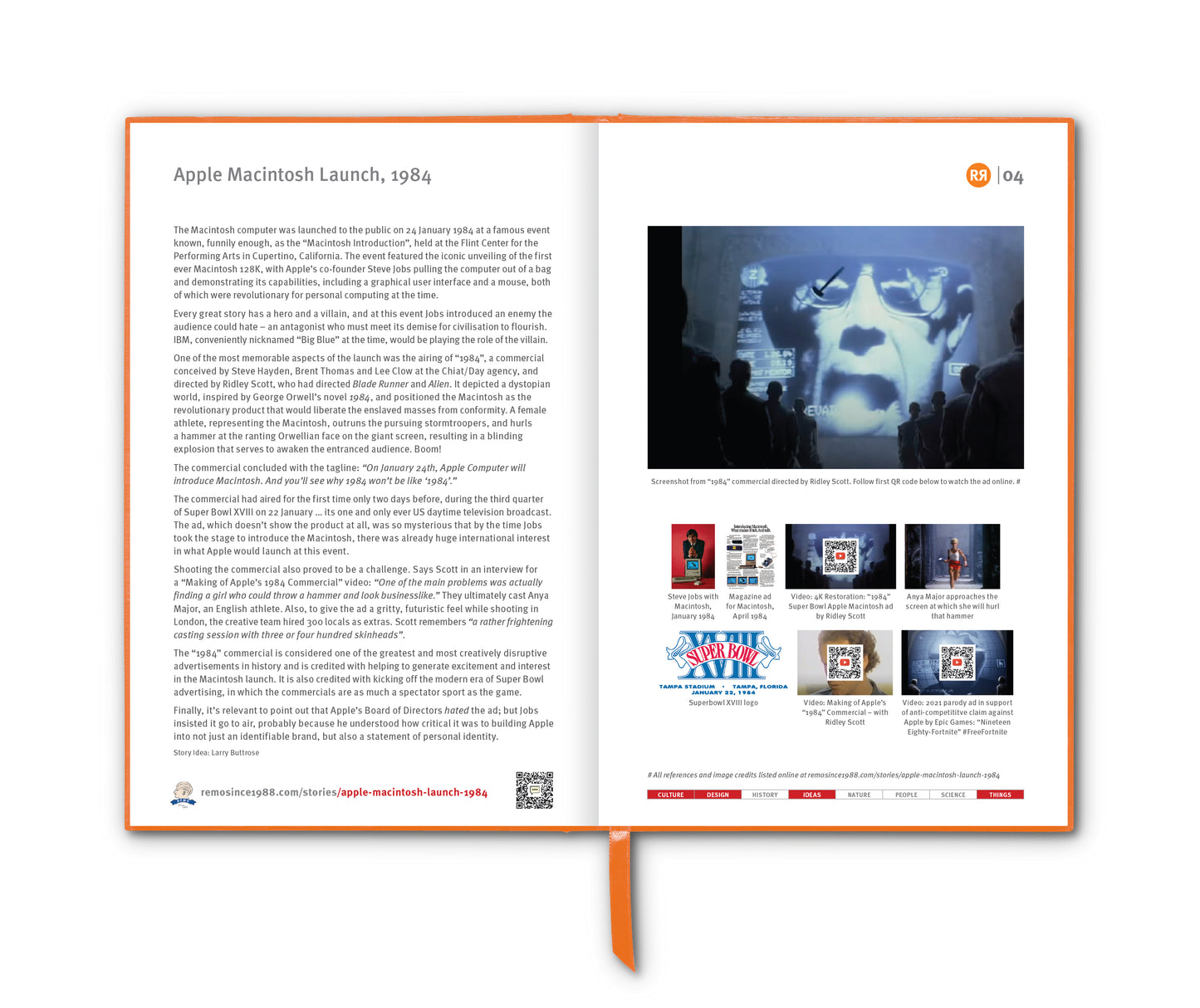
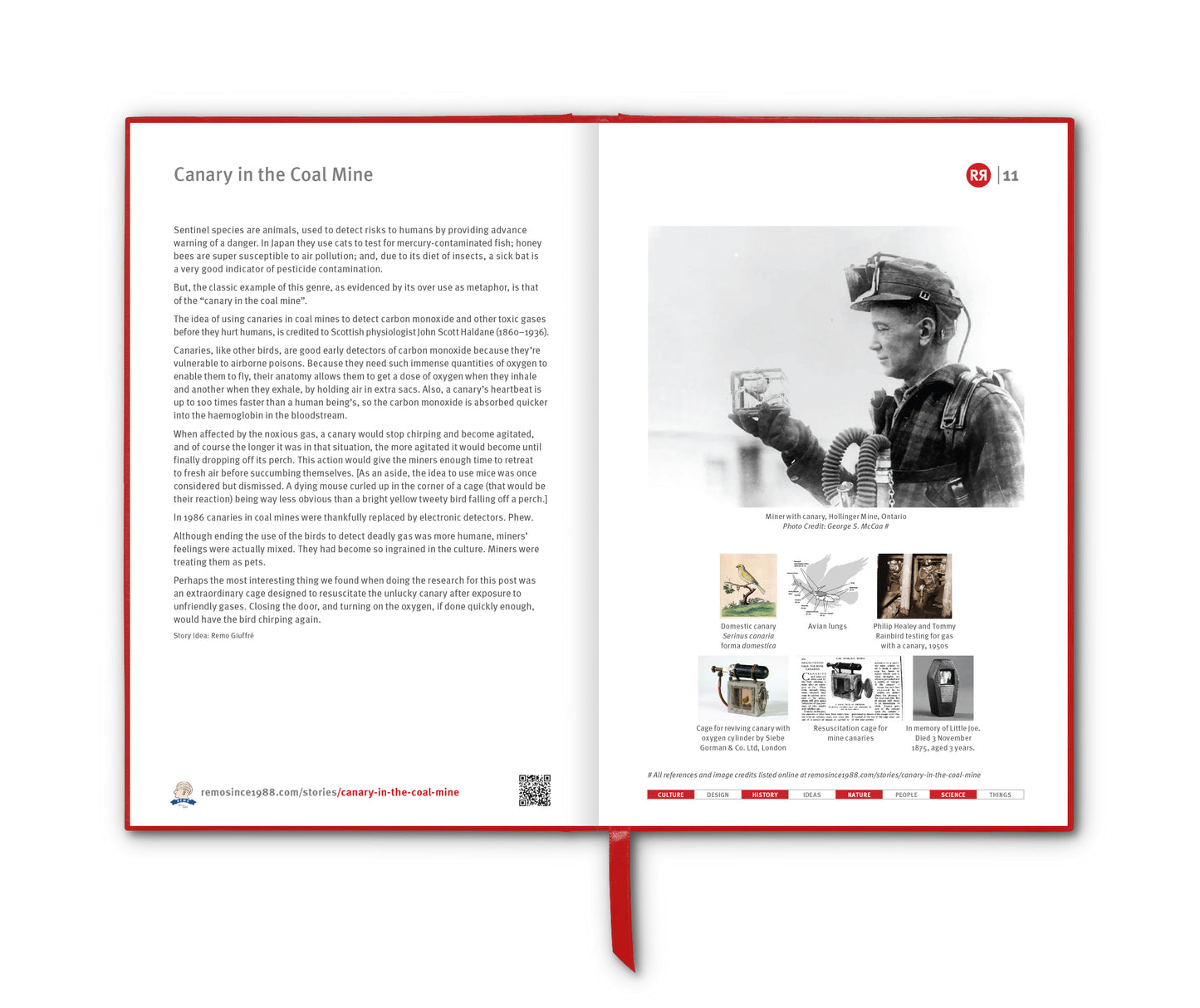
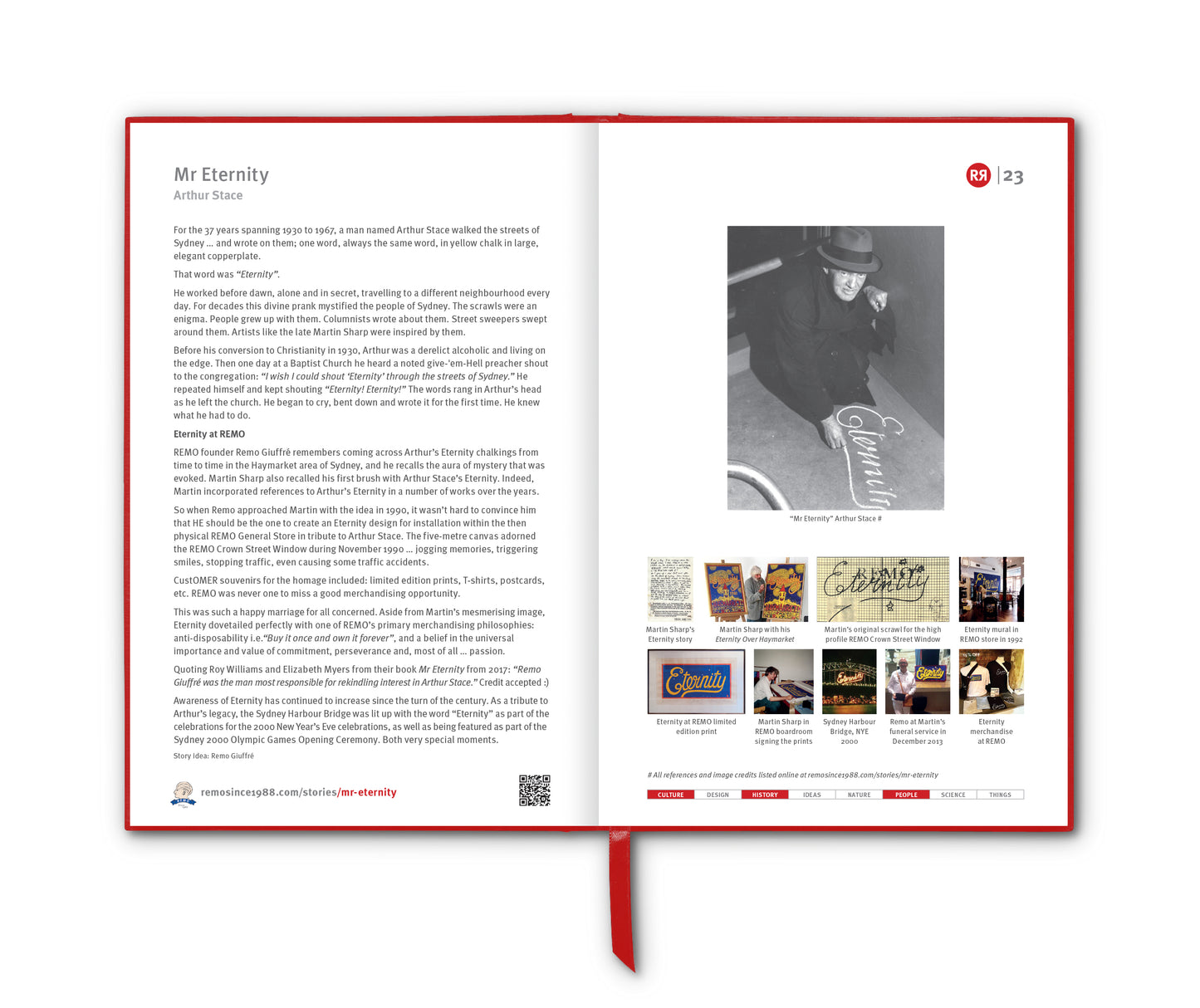
The story of kintsugi’s origin is typically traced to the shogun Ashikaga Yoshimasa (1436–1490). According to legend, Yoshimasa sent a damaged Chinese tea bowl back to China for repair, only to have it returned crudely stapled together with metal. Displeased, he challenged Japanese craftsmen to find a more aesthetically pleasing solution. Their response – using lacquer and powdered gold to fuse the broken pieces – gave rise to kintsugi. The repaired bowl became a prized possession, not despite its breakage, but because of it. In a culture where tea ceremonies and ceramics were already deeply aestheticised, kintsugi offered a poetic means of celebrating transience and resilience.
Culturally and philosophically, kintsugi is intertwined with wabi-sabi, the Japanese worldview that finds beauty in imperfection, simplicity and the natural passage of time. Where Western restoration might aim to erase signs of damage, kintsugi treats cracks and flaws as intrinsic parts of an object’s life story – not shameful scars to be hidden, but marks of endurance and growth. This notion parallels the Japanese practice of mottainai – avoiding waste by cherishing and reusing what already exists. Finally, it also reflects mushin, a Zen concept meaning “no mind” – acceptance of change and fate without resistance.
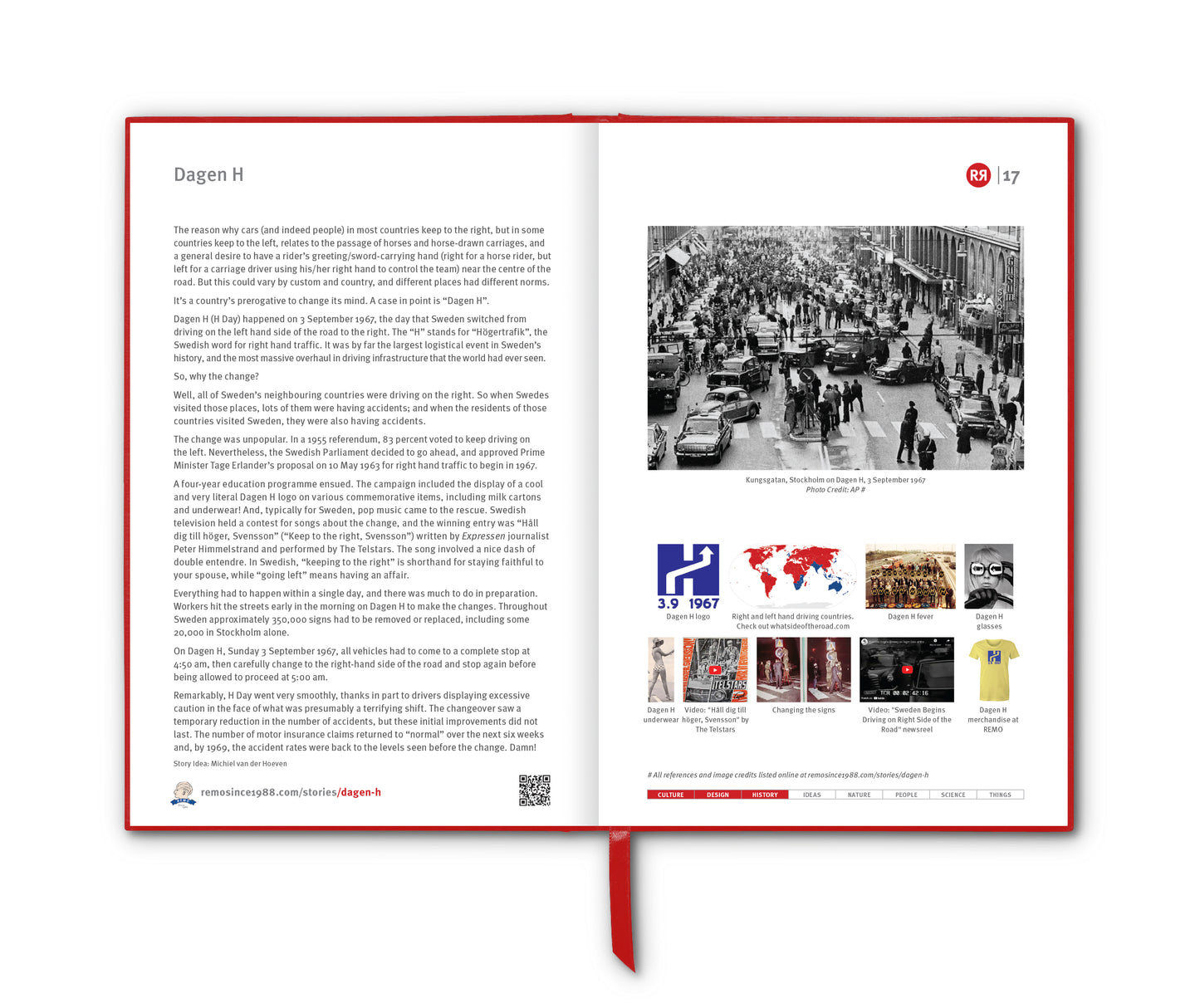
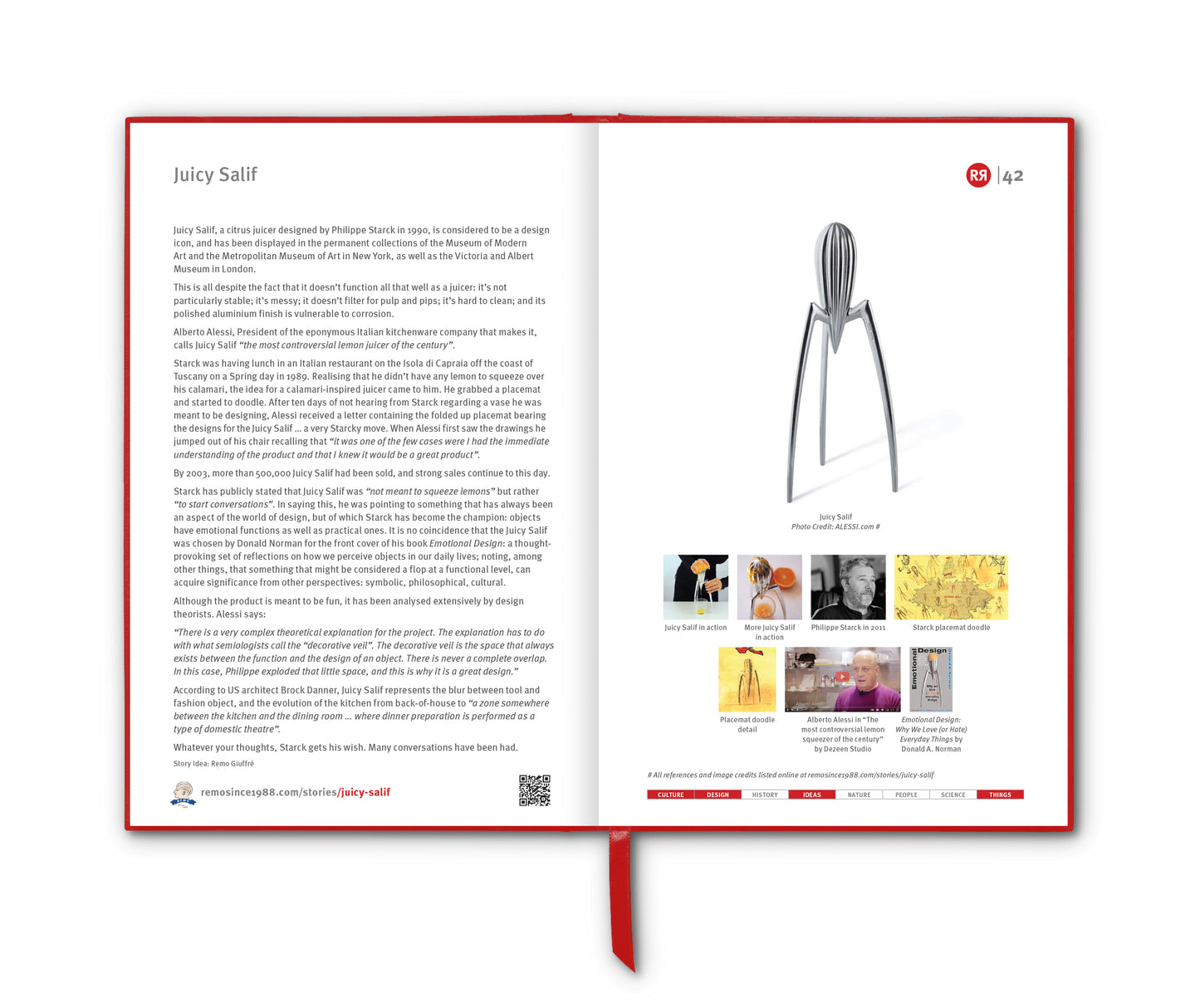
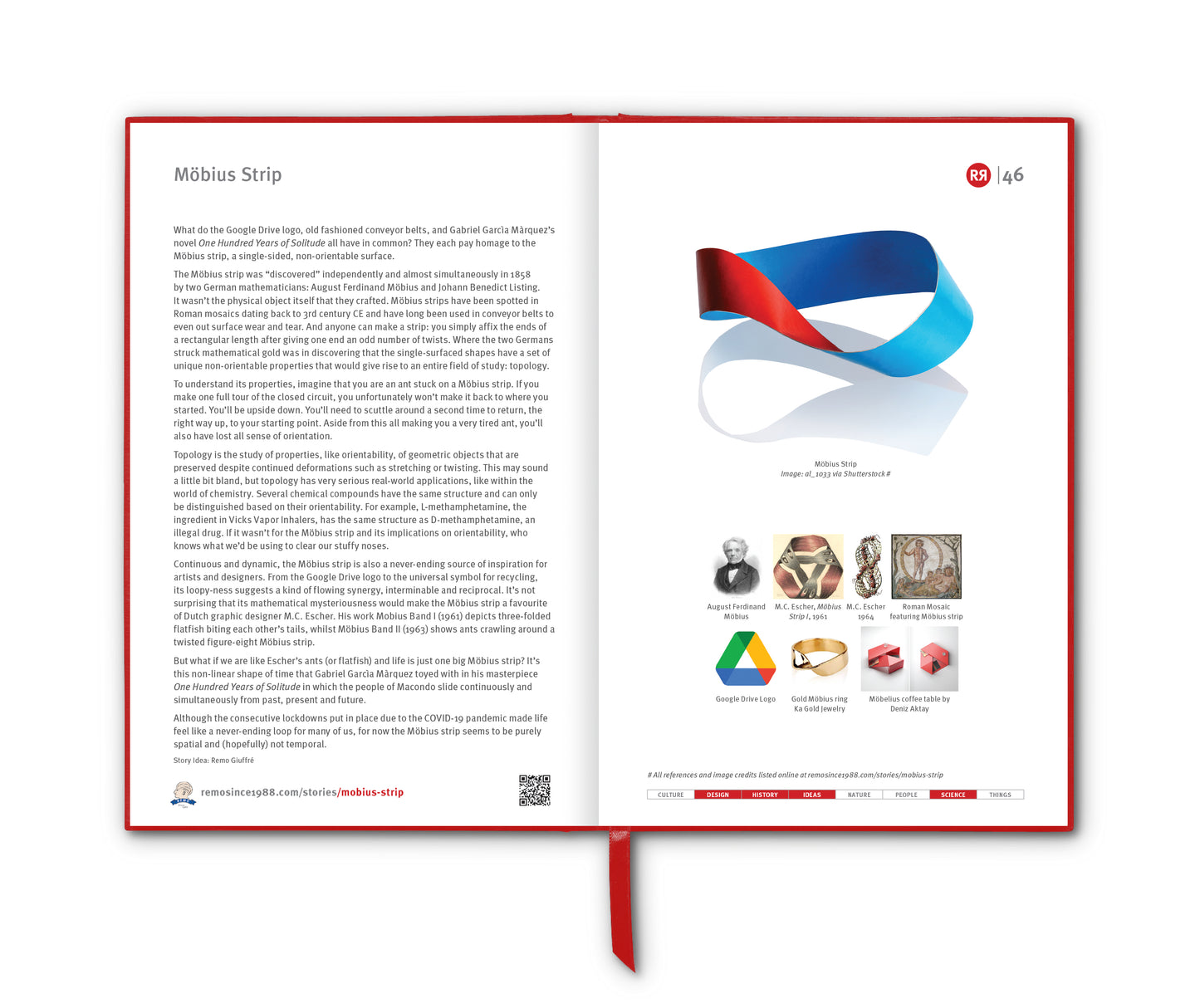
In modern times, kintsugi has taken on new metaphorical power. Artists and designers worldwide have adopted its visual and philosophical language, from contemporary ceramics to fashion, architecture, and mental health discourse. The artist Yeesookyung, for instance, reimagines the technique in her Translated Vase series, creating organic, hybrid sculptures from broken porcelain fragments. In fashion, brands like Maison Margiela and designers such as Junya Watanabe have referenced kintsugi aesthetics in garments that celebrate visible mending and patchwork. Even luxury watchmakers, such as Grand Seiko, have drawn inspiration from kintsugi’s shimmering seams in limited-edition designs.
Beyond aesthetics, kintsugi has entered popular psychology as a metaphor for healing and resilience. Books, podcasts, and wellness movements use the concept to frame personal recovery: to be “kintsugi-ed” is to be made whole again, beautifully altered by experience. The idea has become especially resonant in a time of global uncertainty, offering a quiet antidote to the modern obsession with flawlessness.
In summary, kintsugi can teach us many things about life, including:
- Accepting the fact that we are fragile
- Reminding us that there is beauty in the imperfect
- Proving that we can be strong and resilient enough to put our pieces back together
________________________________
References
wikipedia.org/wiki/Kintsugi
mymodernmet.com/kintsugi-kintsukuroi
japan.travel/en/luxury/detail/kintsugi-golden-joinery-experiences-and-master-classes
tatsujin-style.com/blogs/journal/kintsugi-kintsukuroi
Images
1. Kintsugi tea ceremony chawan bowl. Photo credit: Marco Montalti via Shutterstock
2. Ashikaga Yoshimasa (1436–1490)
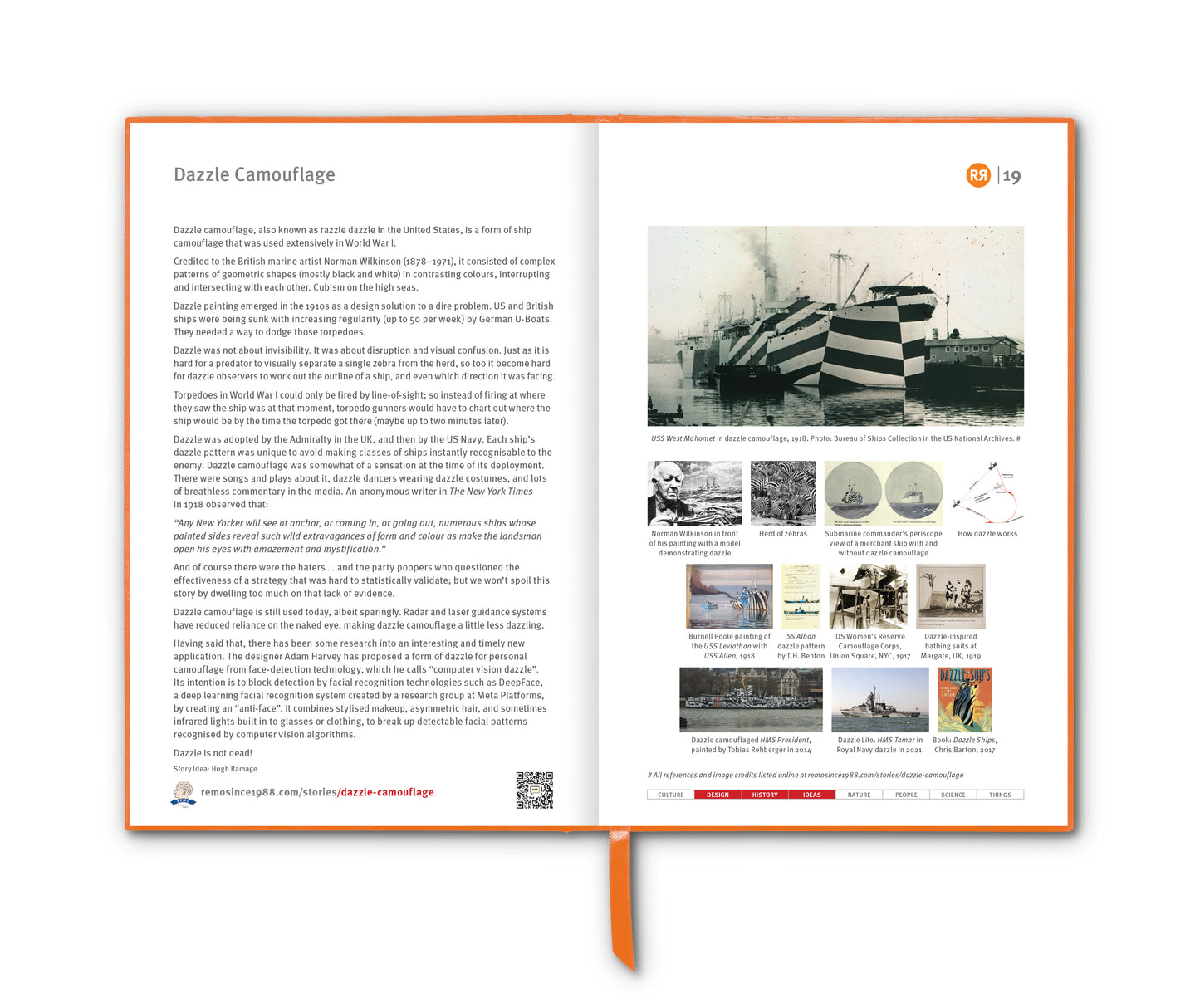
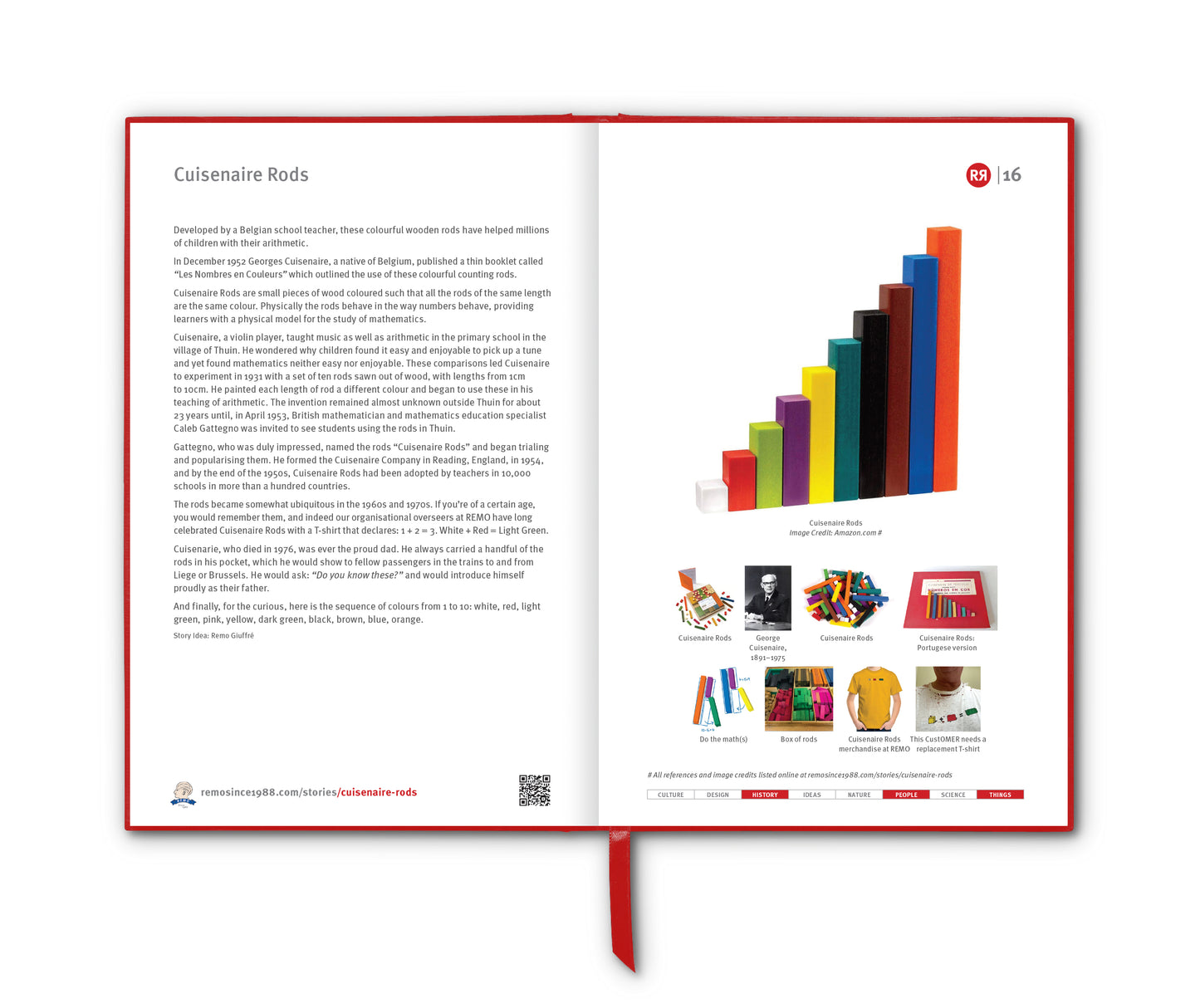
3. Repair work on Mishima ware hakeme-type tea bowl, 16th century
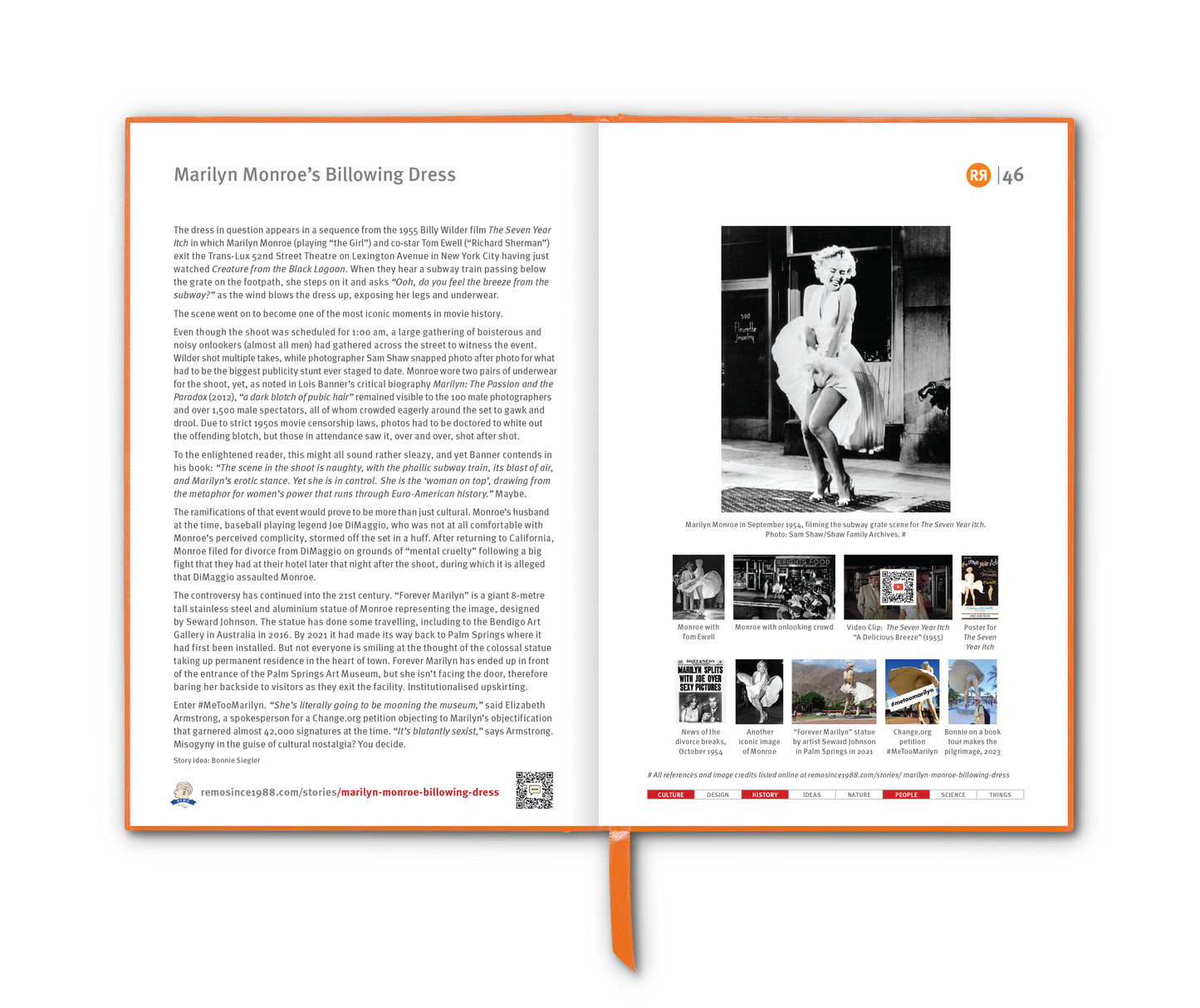
4. Goryeo wine ewer with spout and handle repaired with gold lacquer by a Japanese collector in the early 20th century
5. Kintsugi Master Showzi Tsukamoto
6. Translated Vase (TVW24), 2014, Yeesookyung
7. Kintsugi-inspired patchwork design by Junya Watanabe, 2018
8. Seiko Kintsugi Seigaiha Dial
9. Nanking reticulated basket, circa 1750, mended with metal staples