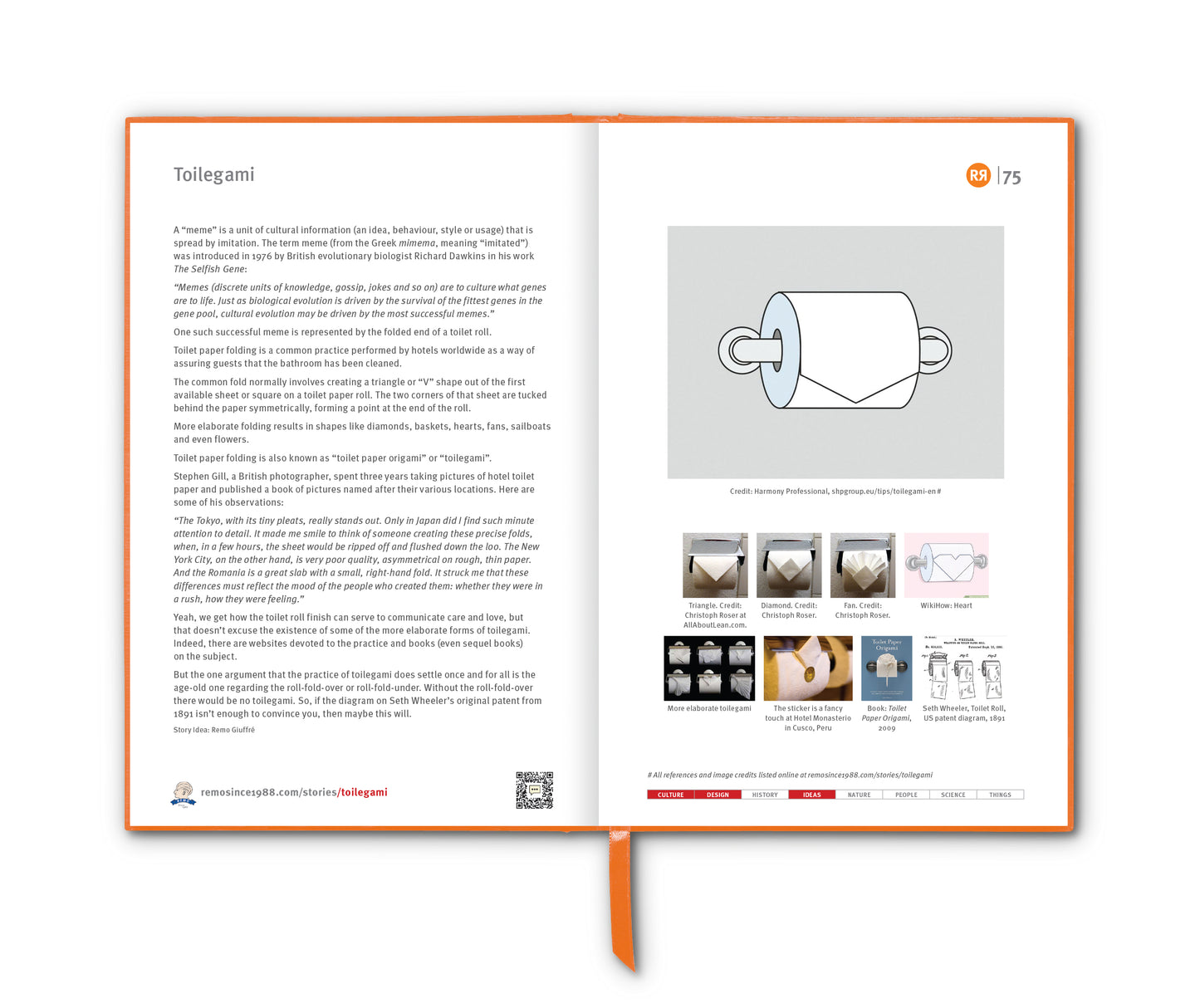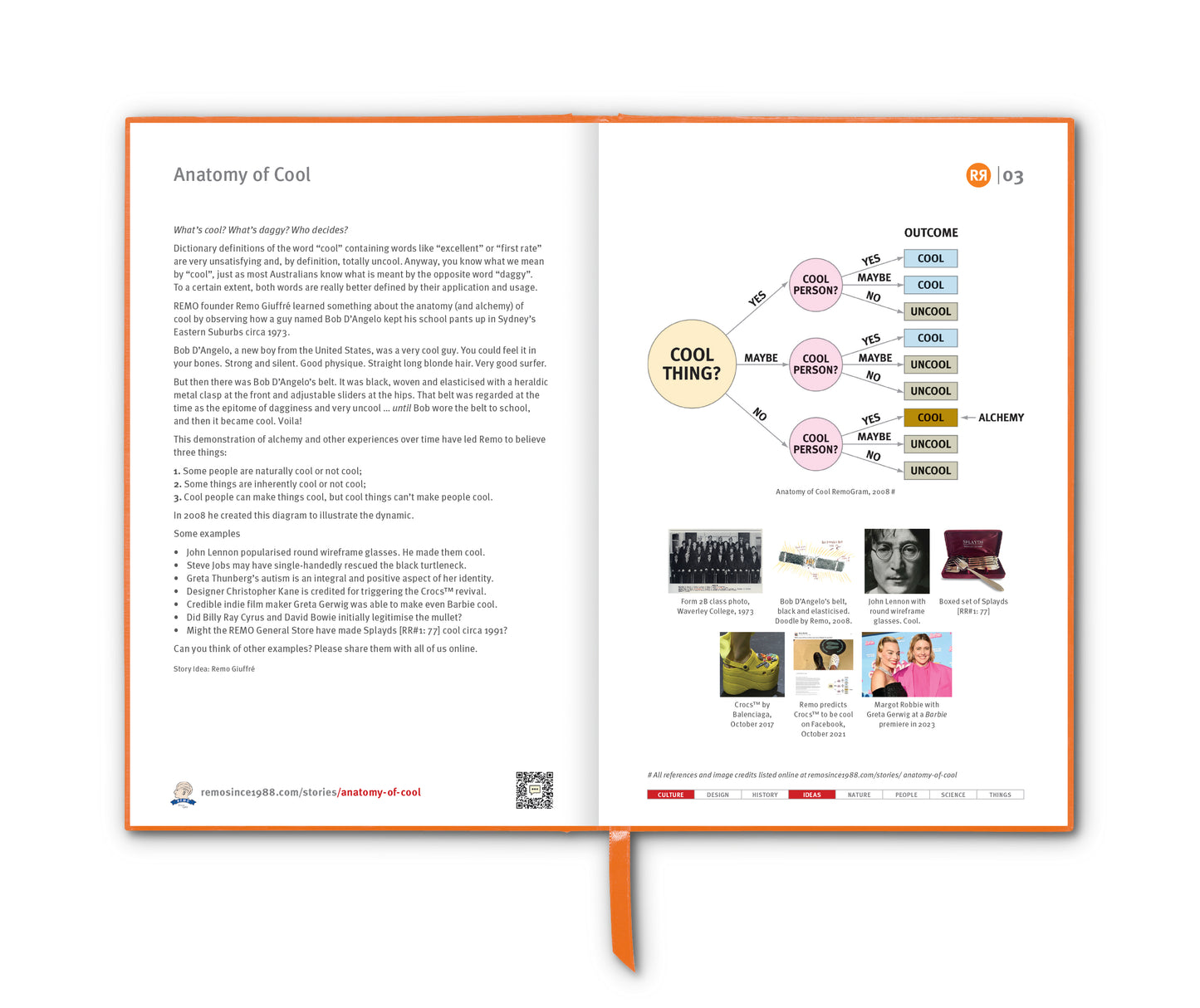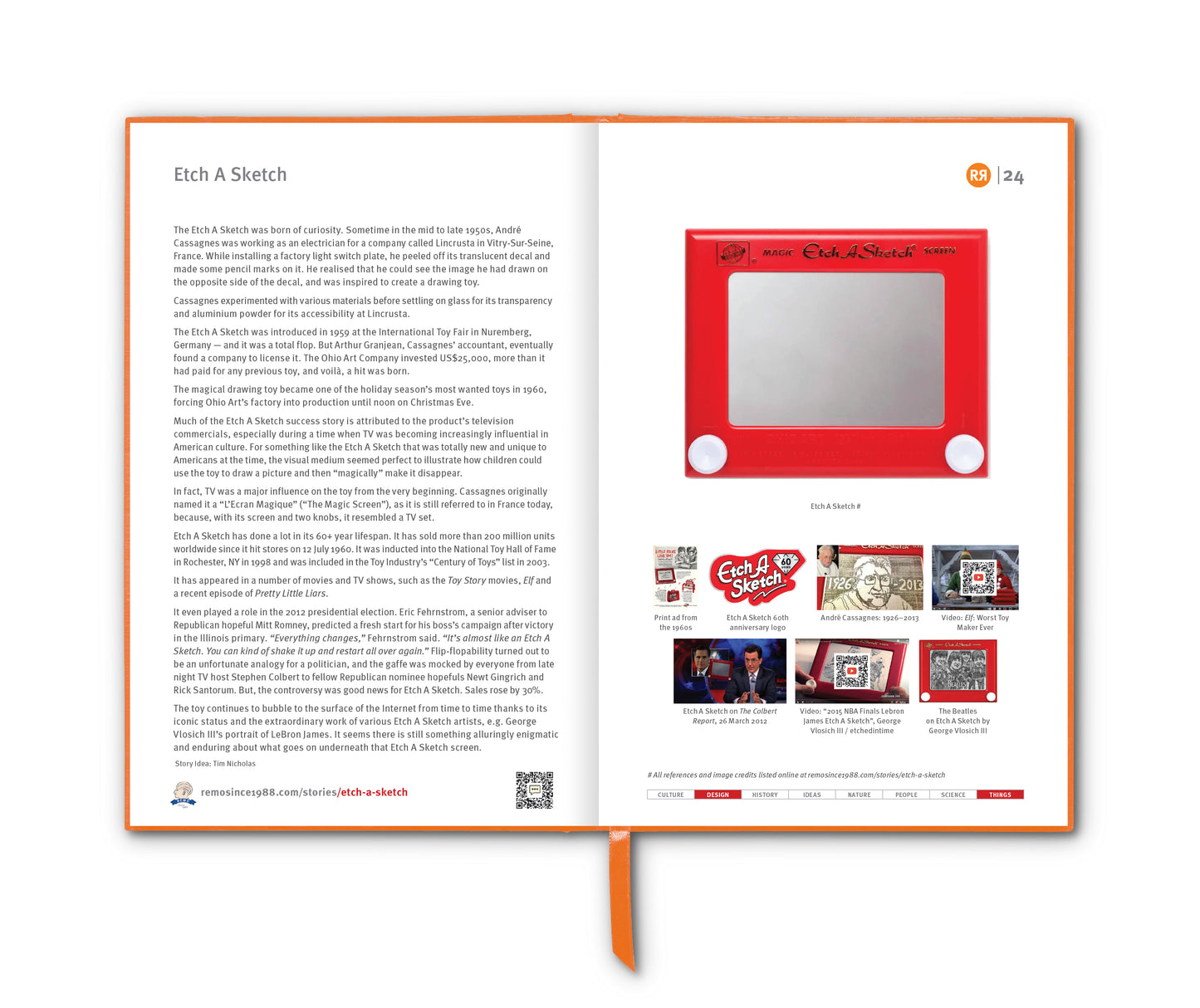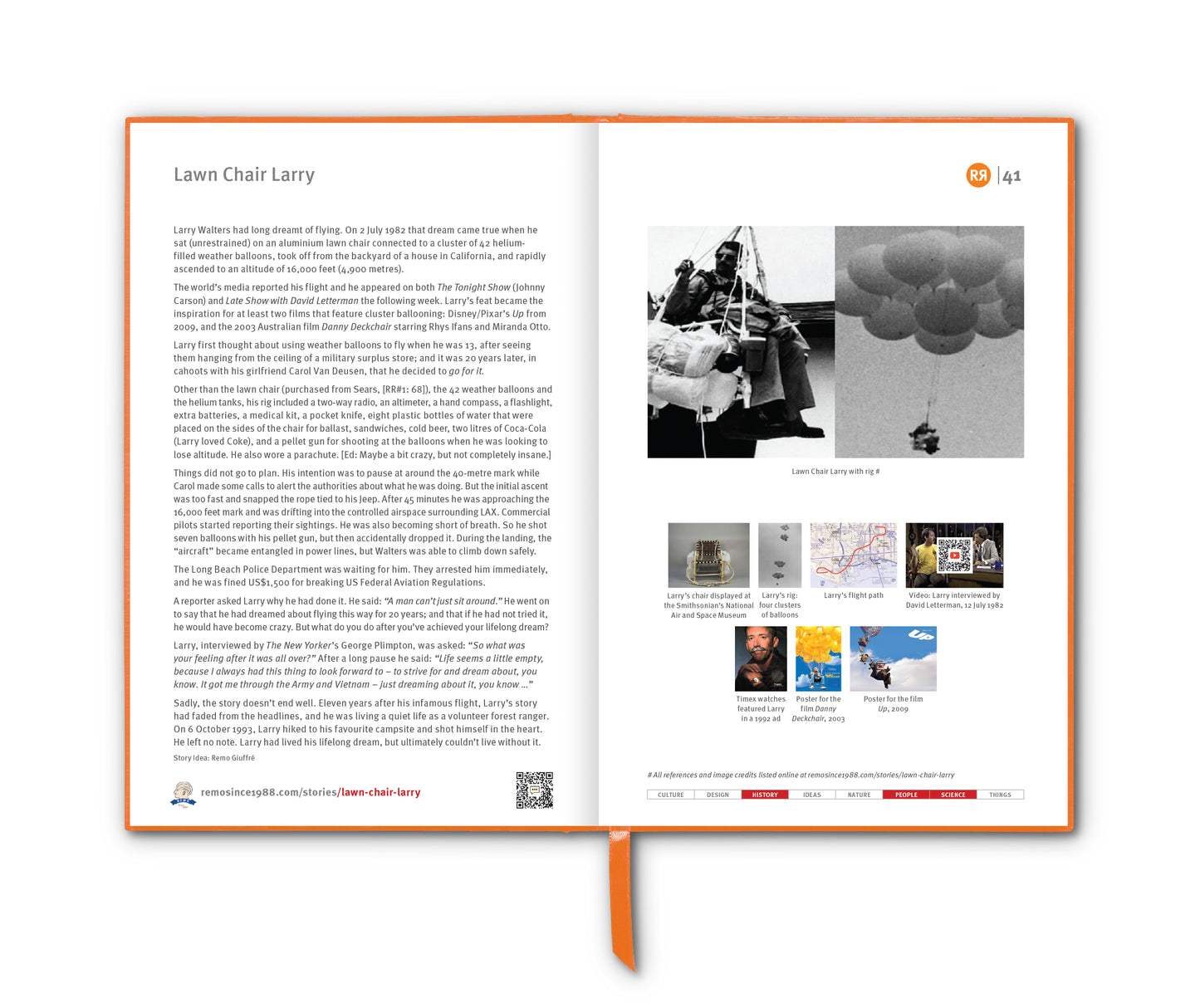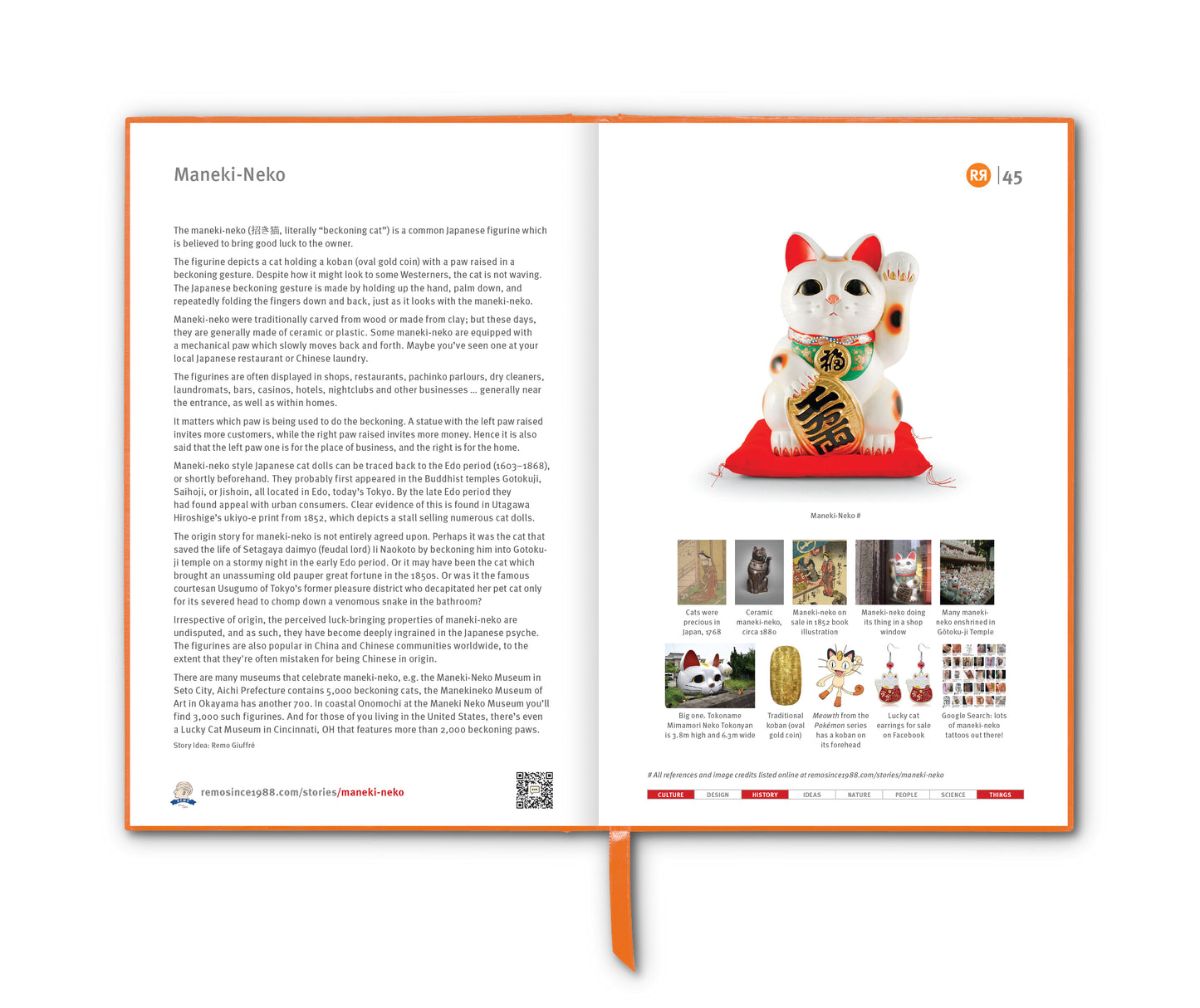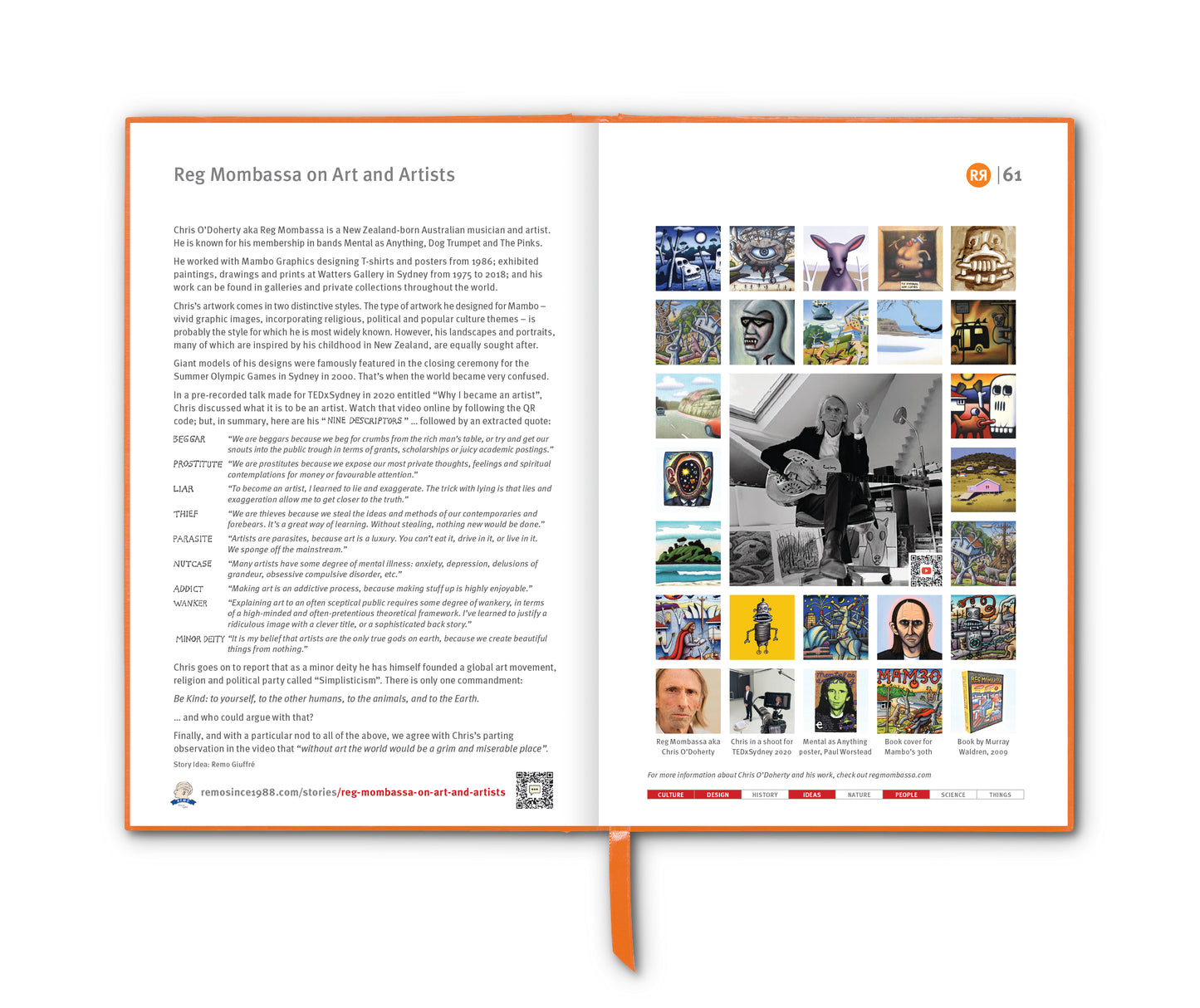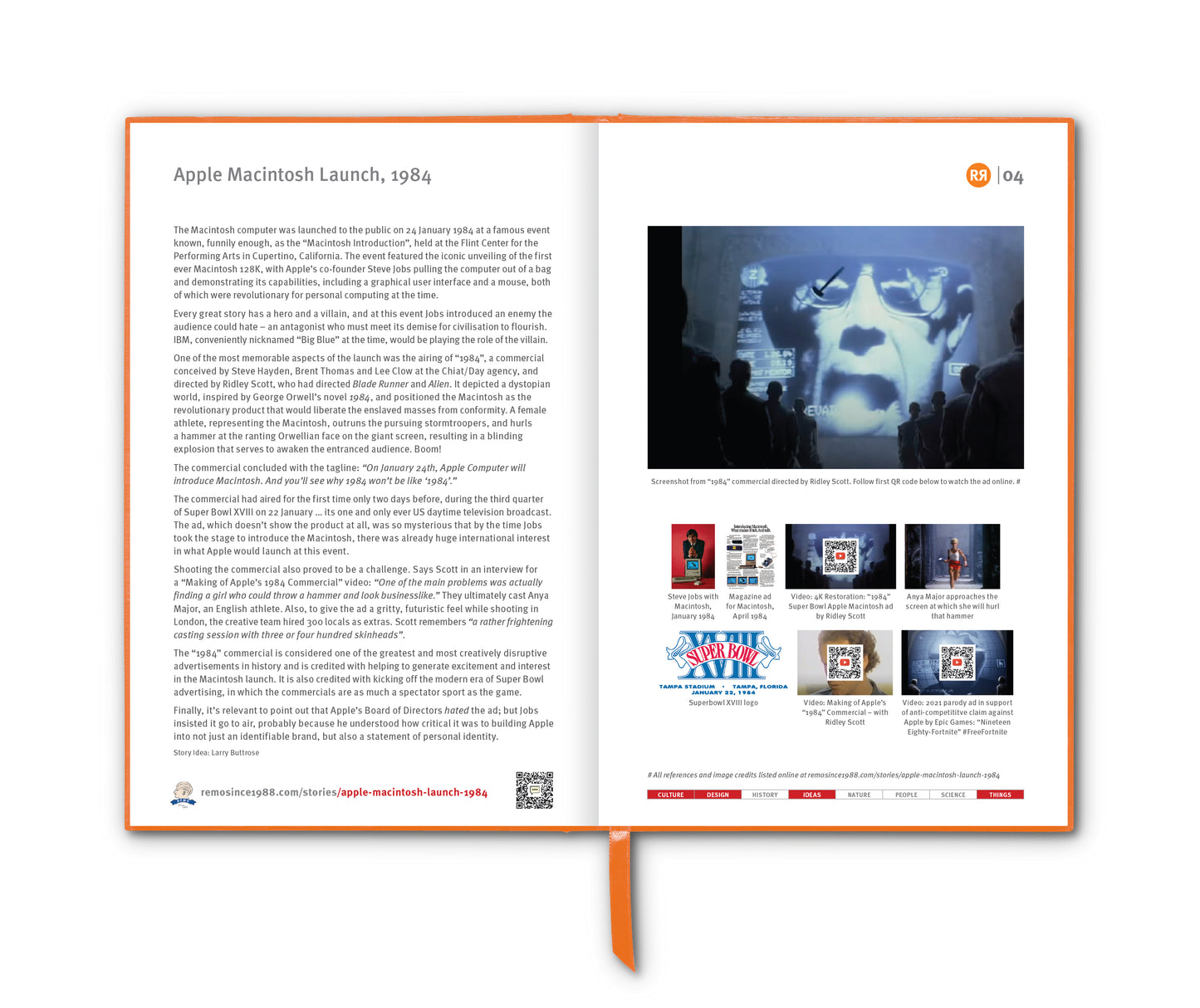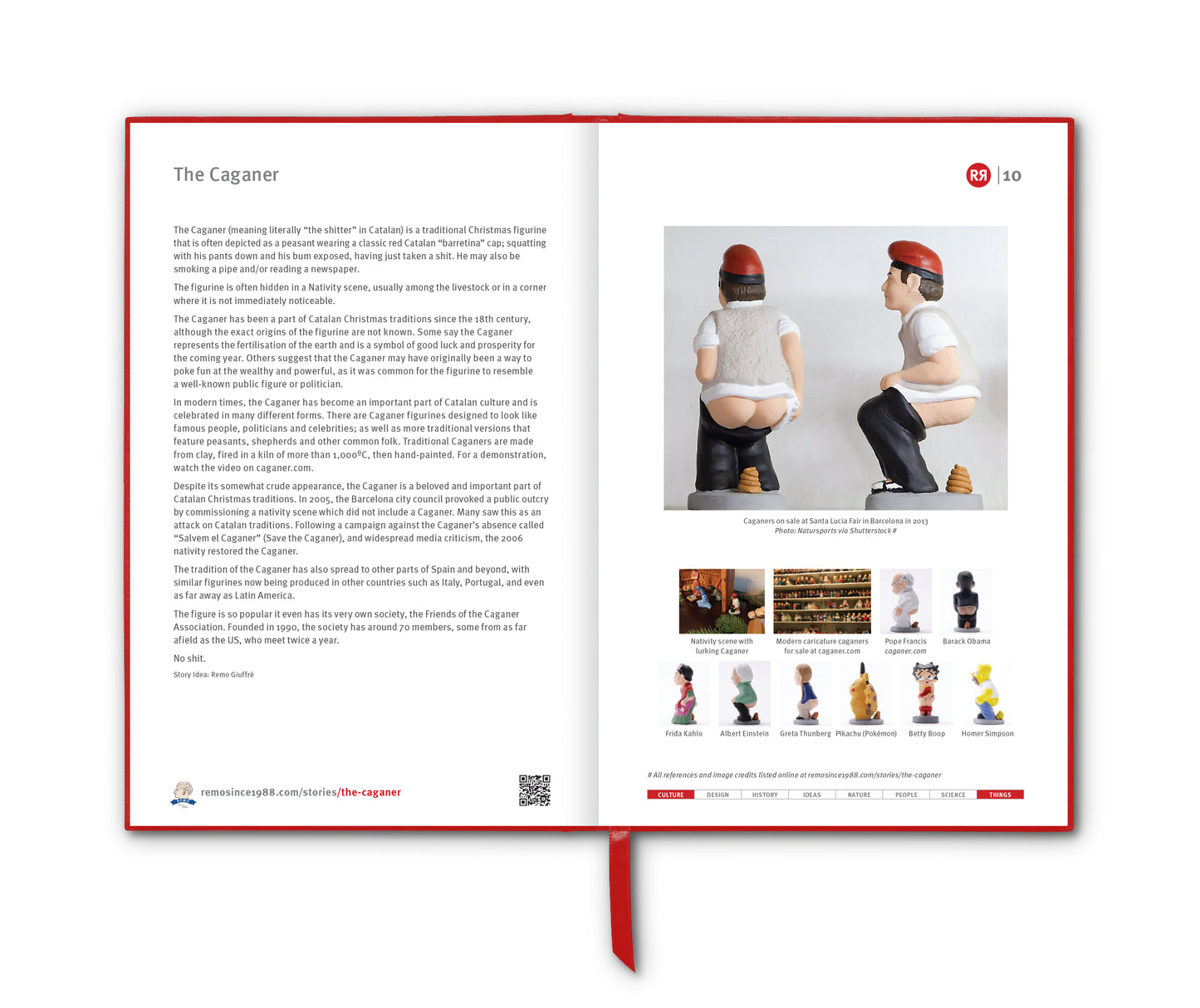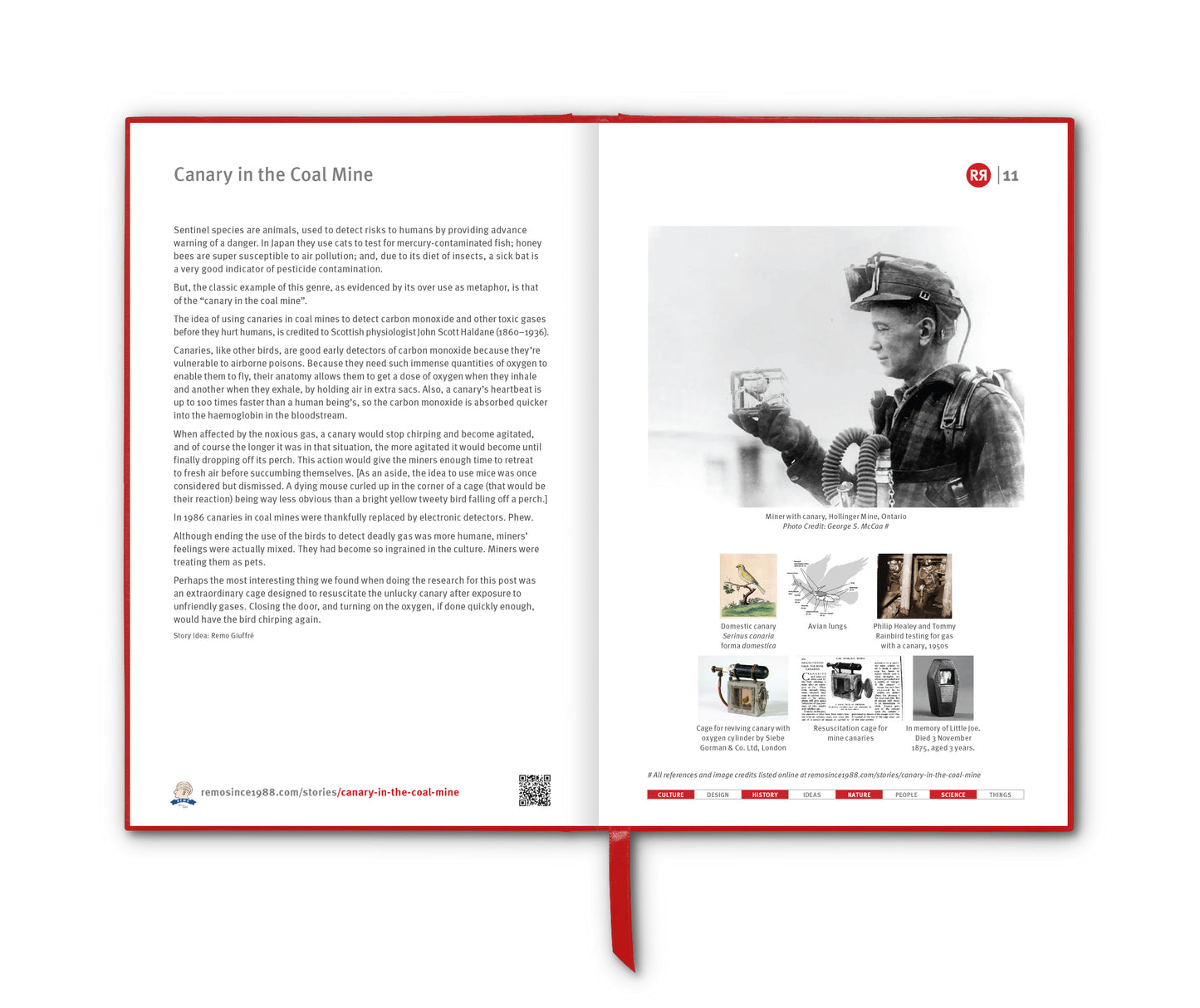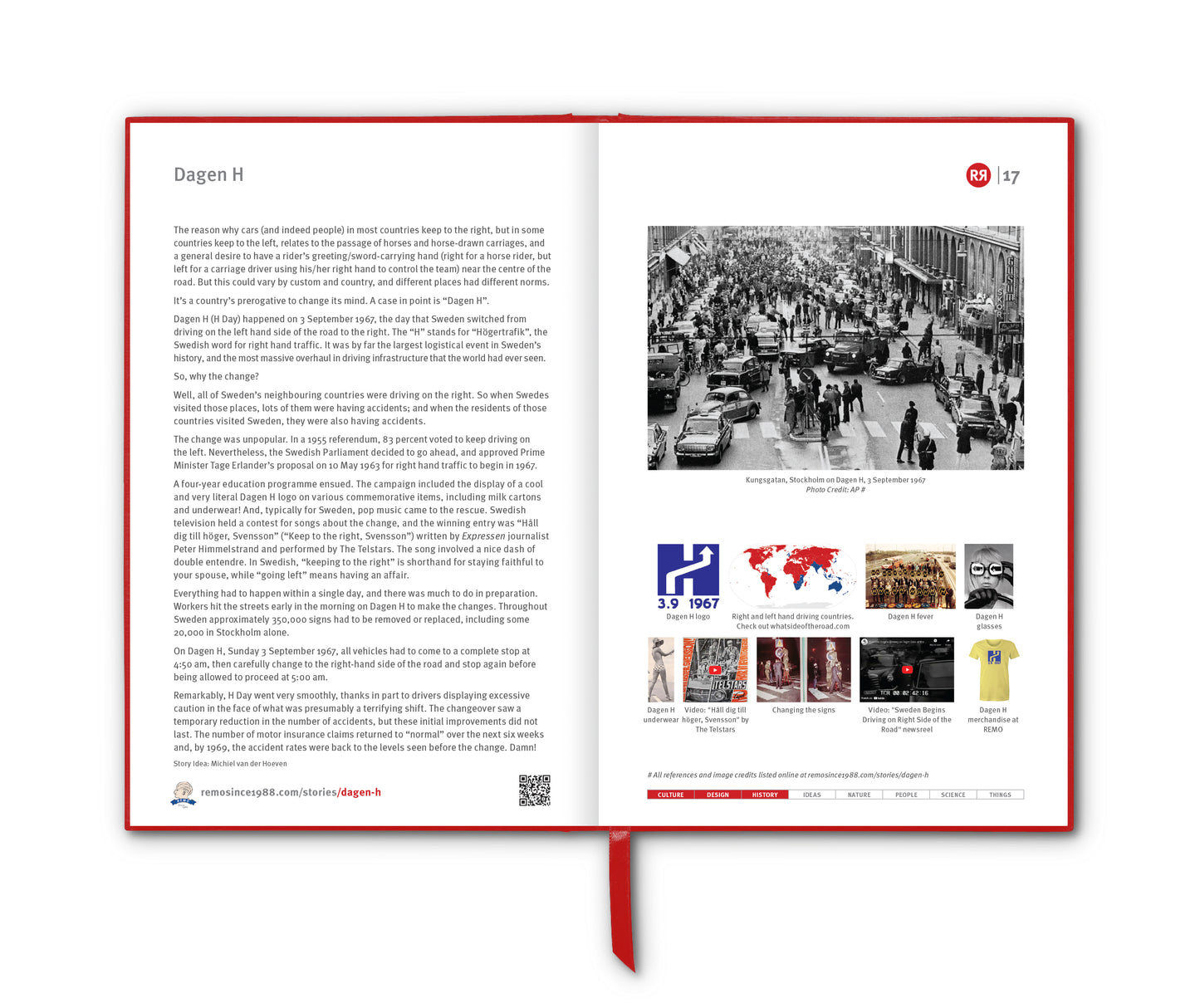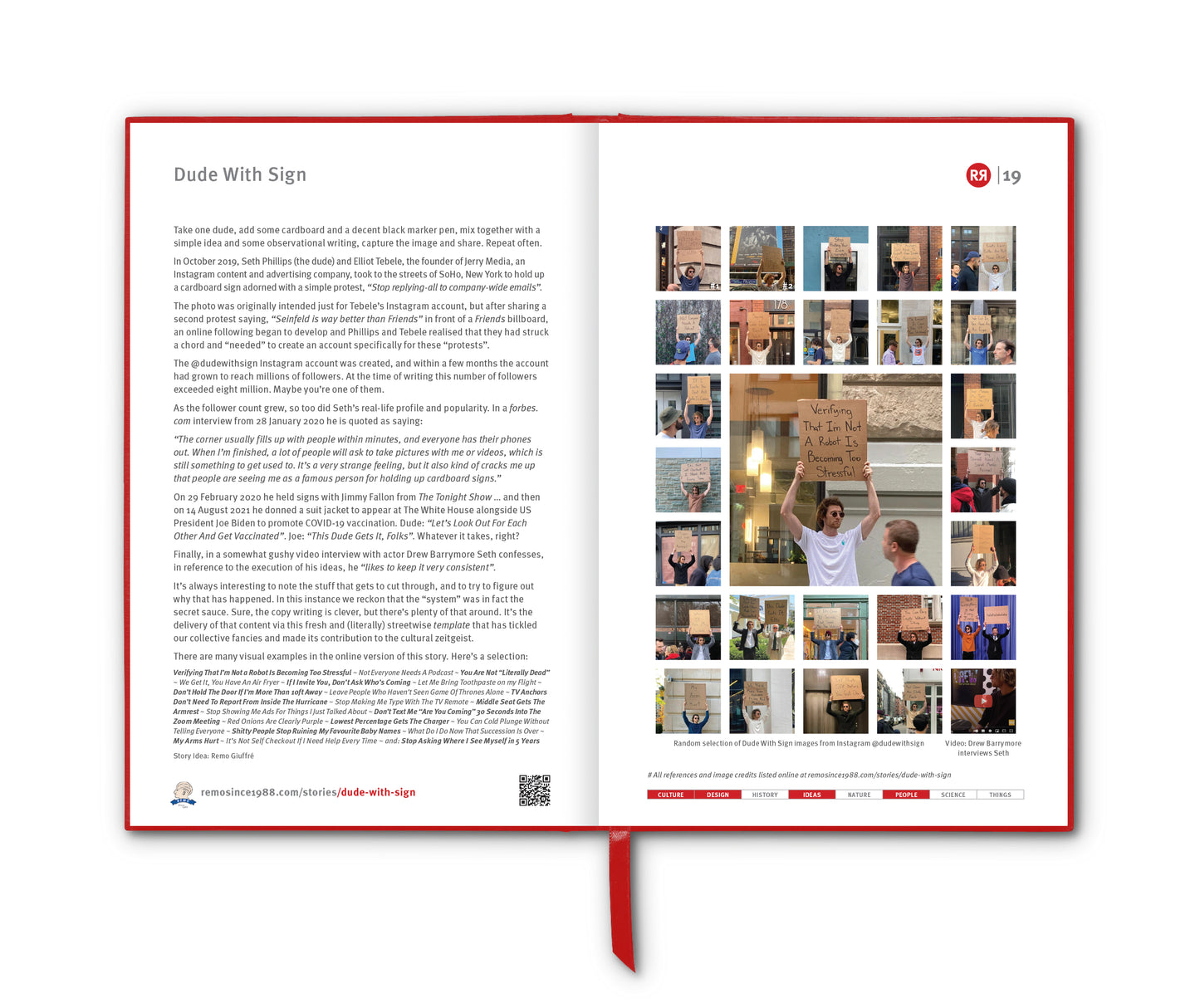

The legend of the Loch Ness Monster aka “Nessie” is an enduring modern myth that blends ancient folklore with 20th-century media spectacle. The setting is Loch Ness, a vast, cold and famously opaque freshwater loch whose depth and low visibility make it an ideal stage for mystery.
While stories of a water beast date back to an account by Saint Columba in the 6th century, the contemporary phenomenon truly began in 1933, when a series of reported sightings coincided with increased road access along the loch.
The most iconic piece of “evidence” emerged the following year: the so-called Surgeon’s Photograph, taken in 1934 and attributed to Robert Kenneth Wilson. The image appeared to show a long-necked creature breaking the surface and quickly became global proof – until it was revealed decades later (in 1994) to be an elaborate hoax involving a toy submarine and a sculpted head! Despite this, the photograph remains one of the most reproduced and discussed images in cryptozoology.
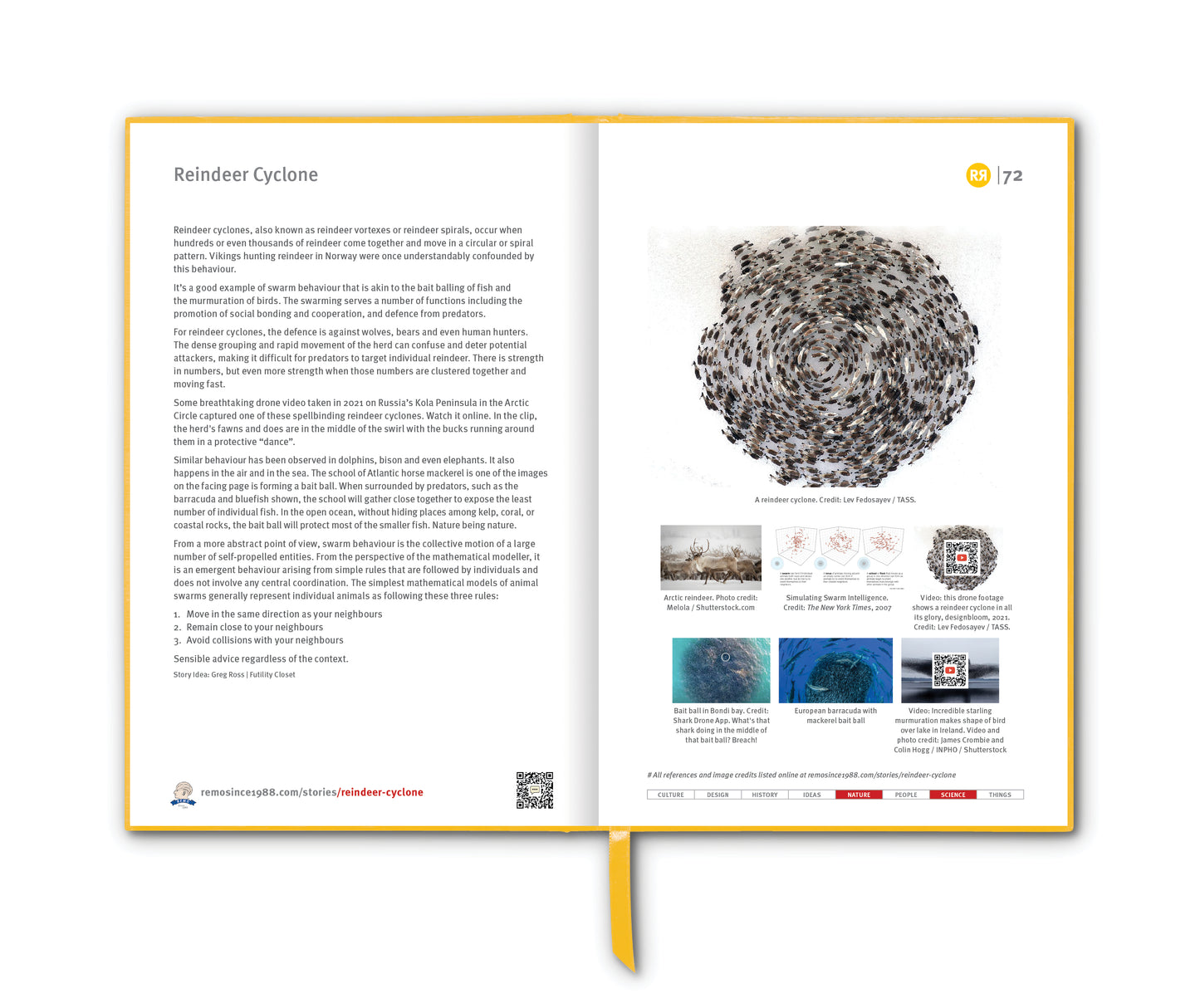
Over the years, numerous other sightings have been reported, often describing humps, wakes or serpentine movements in the water. Many have been explained as misidentified natural phenomena – floating logs, swimming deer, wave patterns or optical illusions caused by the loch’s unique conditions. Yet the persistence of sightings has kept the legend alive, reinforced by eyewitness conviction and the allure of the unexplained.
Scientific efforts to resolve the mystery have been equally compelling. In 1987, a large-scale sonar sweep known as Operation Deepscan deployed a flotilla of boats equipped with echo-sounding equipment across the loch. While a few unusual readings were detected, none provided conclusive evidence of a large, unknown creature.
But, as the BBC's Clive Ferguson concluded at the time: "If nothing else, Operation Deepscan has proved one thing; you cannot kill a legend with science."
More recent investigations, including environmental DNA sampling, have suggested more mundane explanations for the monster, such as large populations of eels.
Nessie has long since transcended folklore to become a global cultural icon. The creature features in films, television and literature, including playful nods in works like fantasy drama The Water Horse: Legend of the Deep (2007). It has been referenced by creators as varied as Steven Spielberg and Roald Dahl, and appears regularly in cartoons, advertising and tourism campaigns. The loch itself attracts hundreds of thousands of visitors annually, many drawn by the chance – however slim – of a sighting.
Tributes to Nessie exist worldwide, from themed attractions to novelty merchandise, and even webcam livestreams trained permanently on the loch’s surface.
Like Bigfoot or the Yeti, Nessie occupies a curious space between skepticism and belief. Ultimately, the Loch Ness Monster endures not because it has been proven, but because it cannot be entirely dismissed. It is a story sustained by ambiguity.
______________________________
References
wikipedia.org/wiki/Loch_Ness_Monster
bbc.com/culture/article/20251002-the-century-long-search-for-the-loch-ness-monster
hoaxes.org/nessie
smithsonianmag.com/smart-news/the-legendary-loch-ness-monster-attracts-a-new-generation-of-hunters
thoughtco.com/facts-about-the-loch-ness-monster
Images
1. The famous Loch Ness Monster "Surgeon's Photograph" established as a hoax in 1994. Photo credit: Robert Kenneth Wilson / Keystone/Getty
2. Loch Ness in Scotland
3. Saint Columba
4. Robert Kenneth Wilson
5. Loch Ness Monster rendering
6. Smirnoff vodka campaign, 1981. Photo credit: Steve Mansfield-Devine
7. The Loch Ness Monster captured, The Simpsons S10 E21, 1999
8. Poster for The Water Horse: Legend of the Deep (2007)
9. Loch Ness homage sculpture in Lake Bumbunga, South Australia
10. Remo hams it up in Lochiel, April 2021