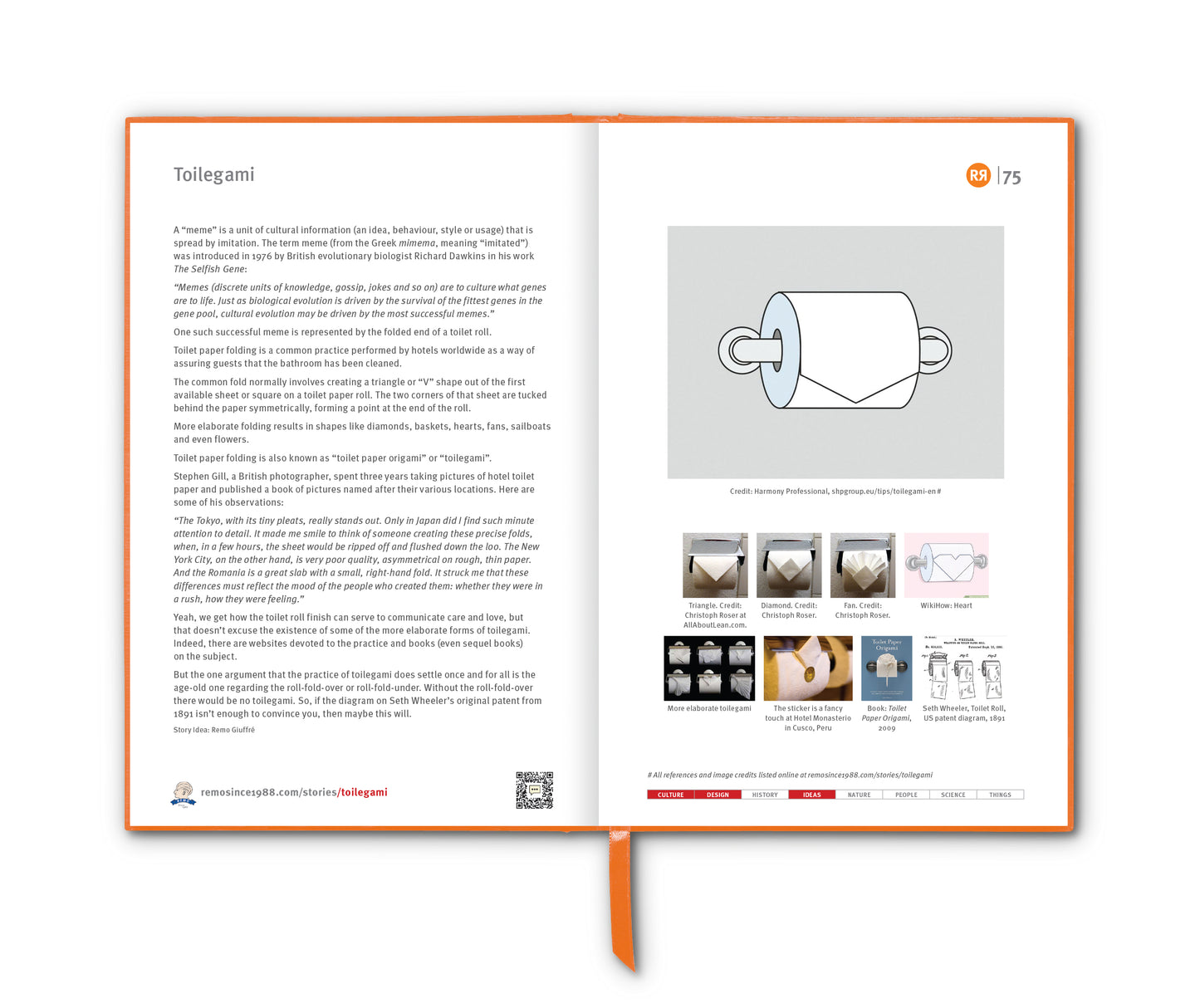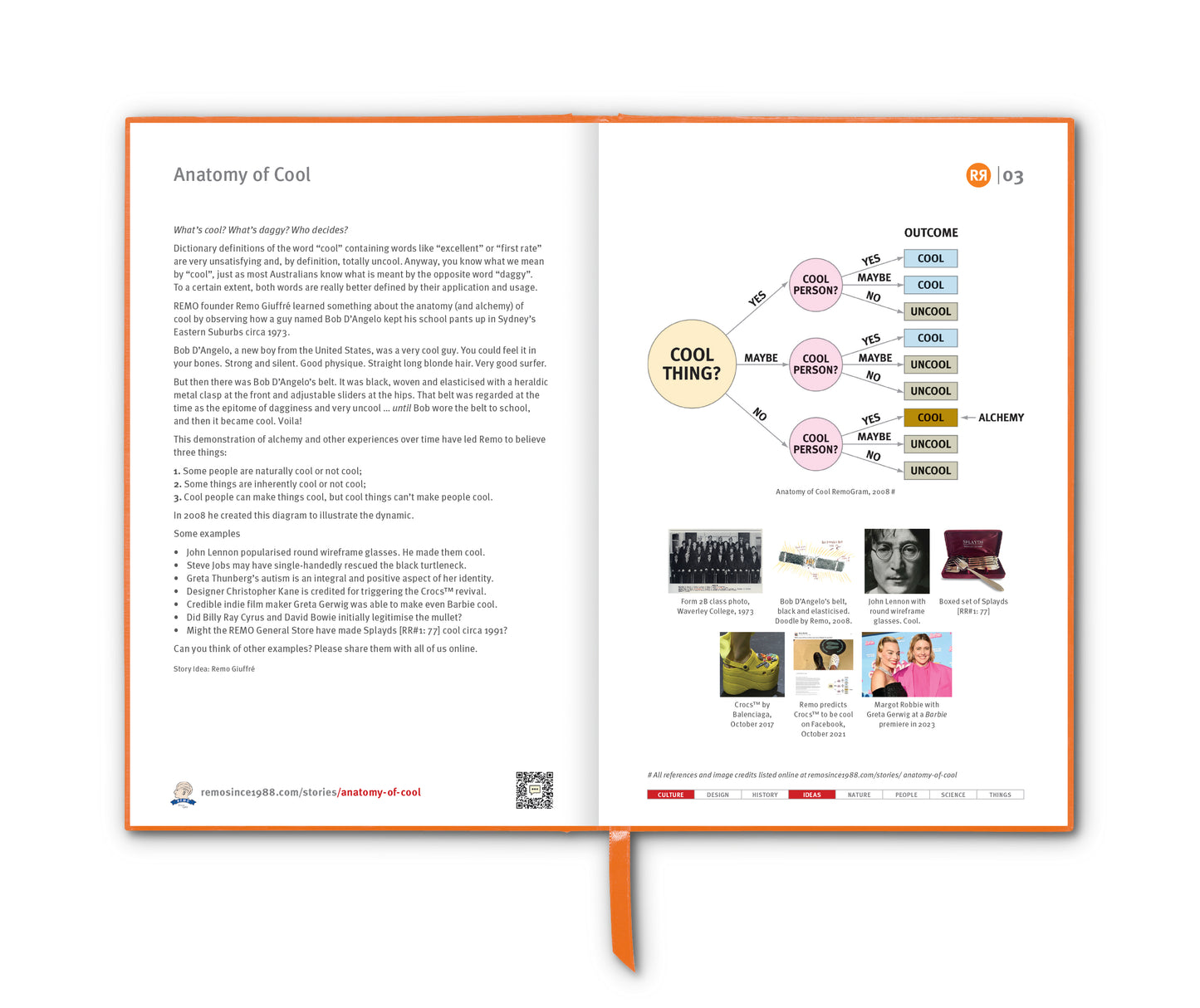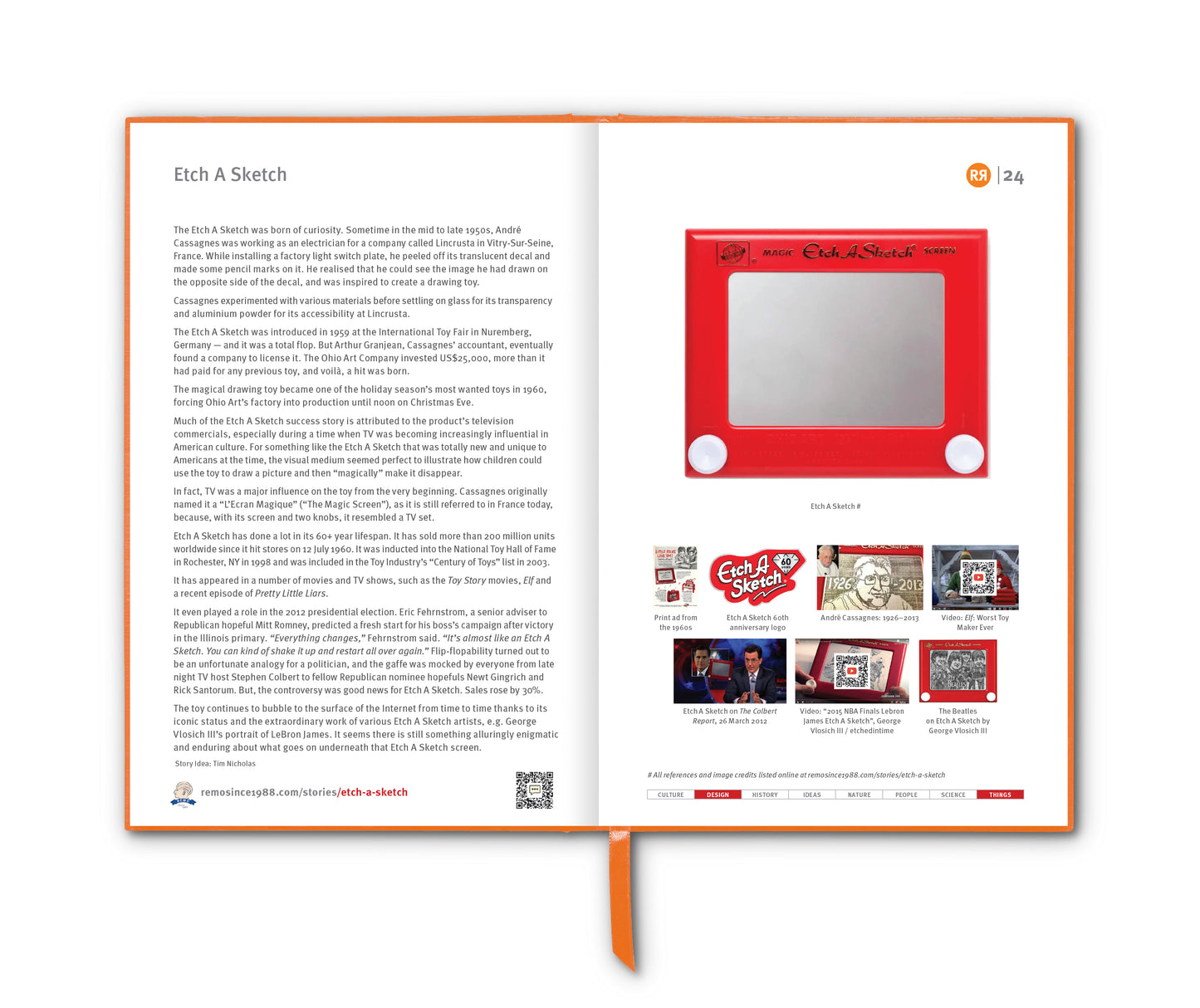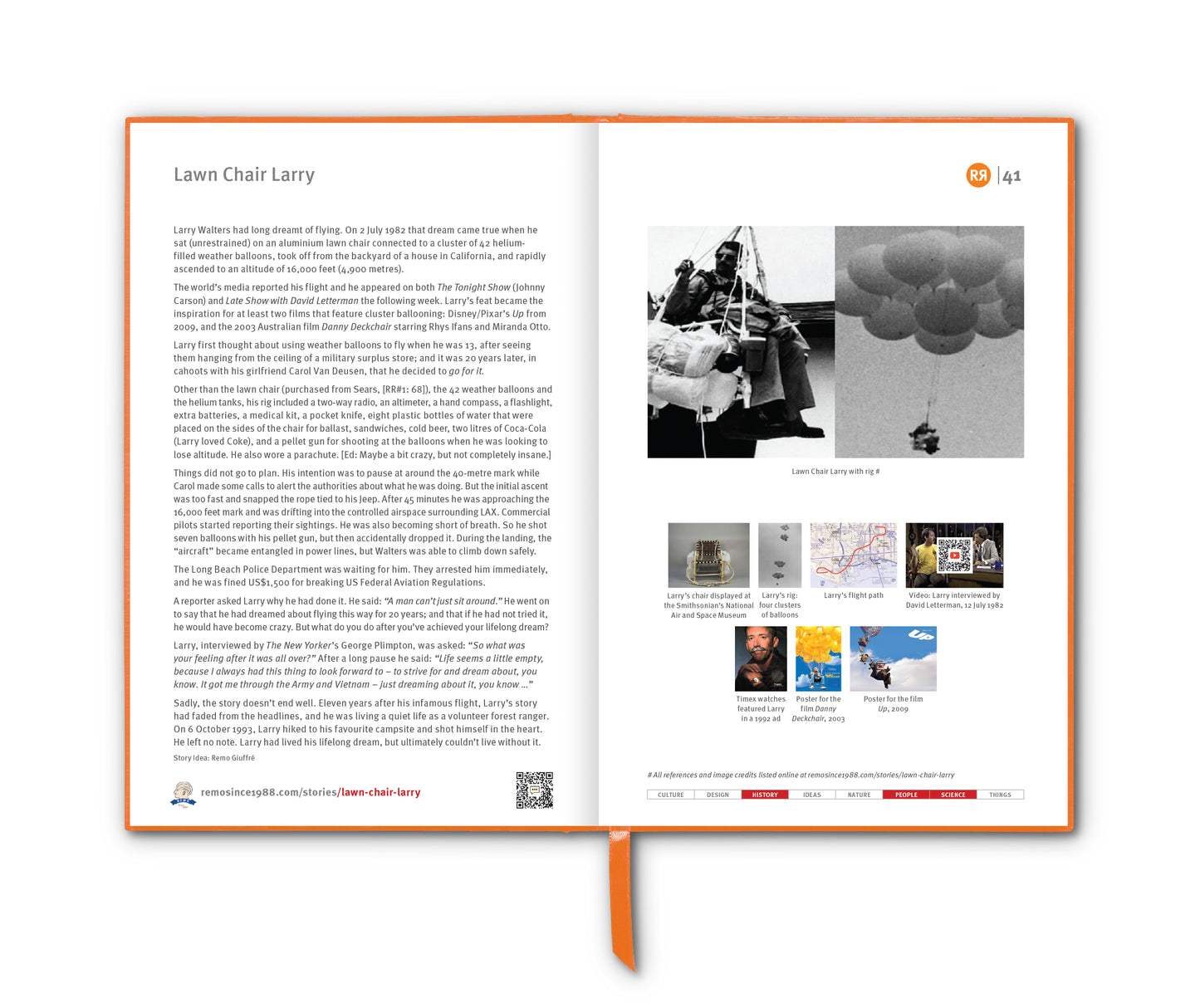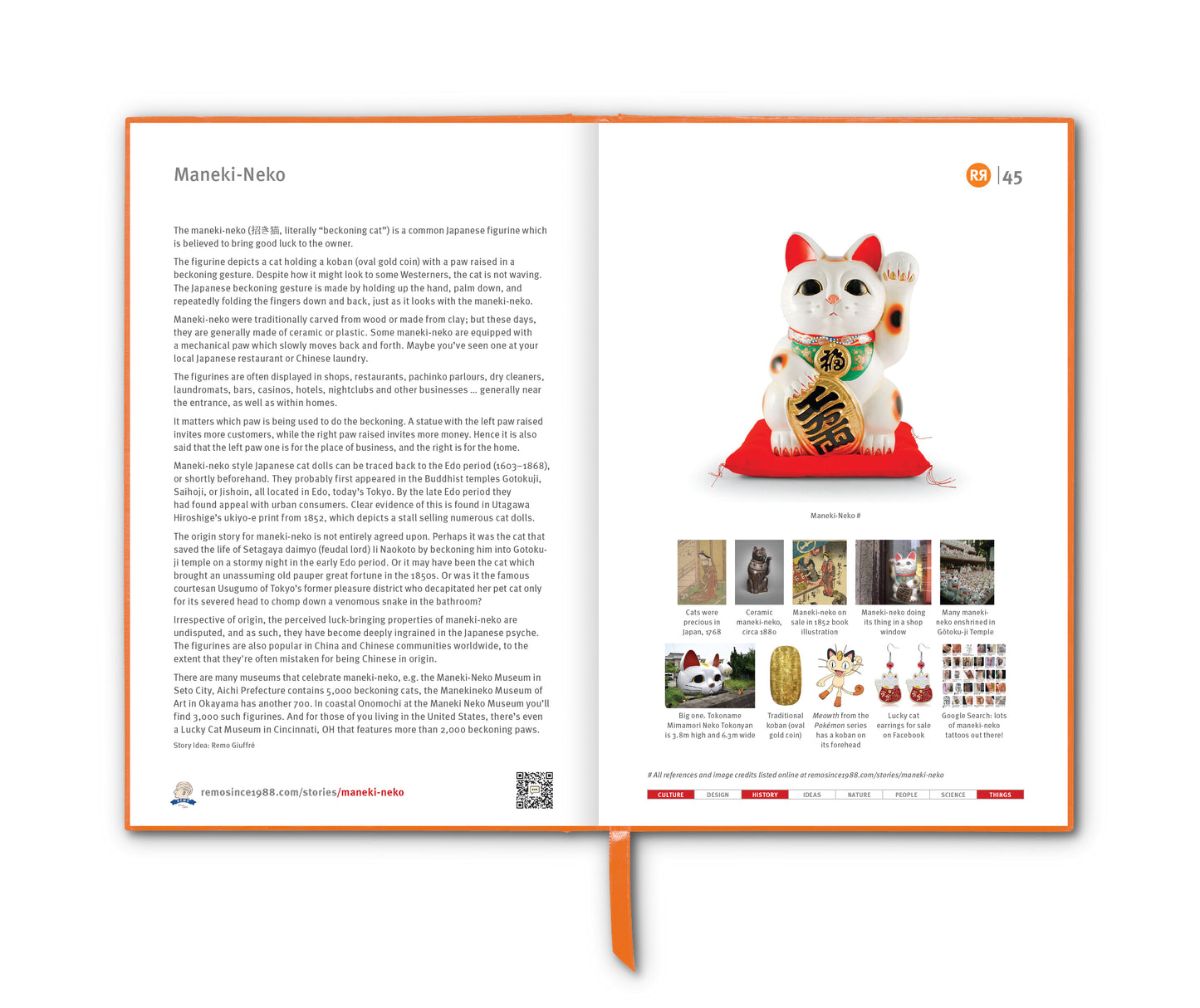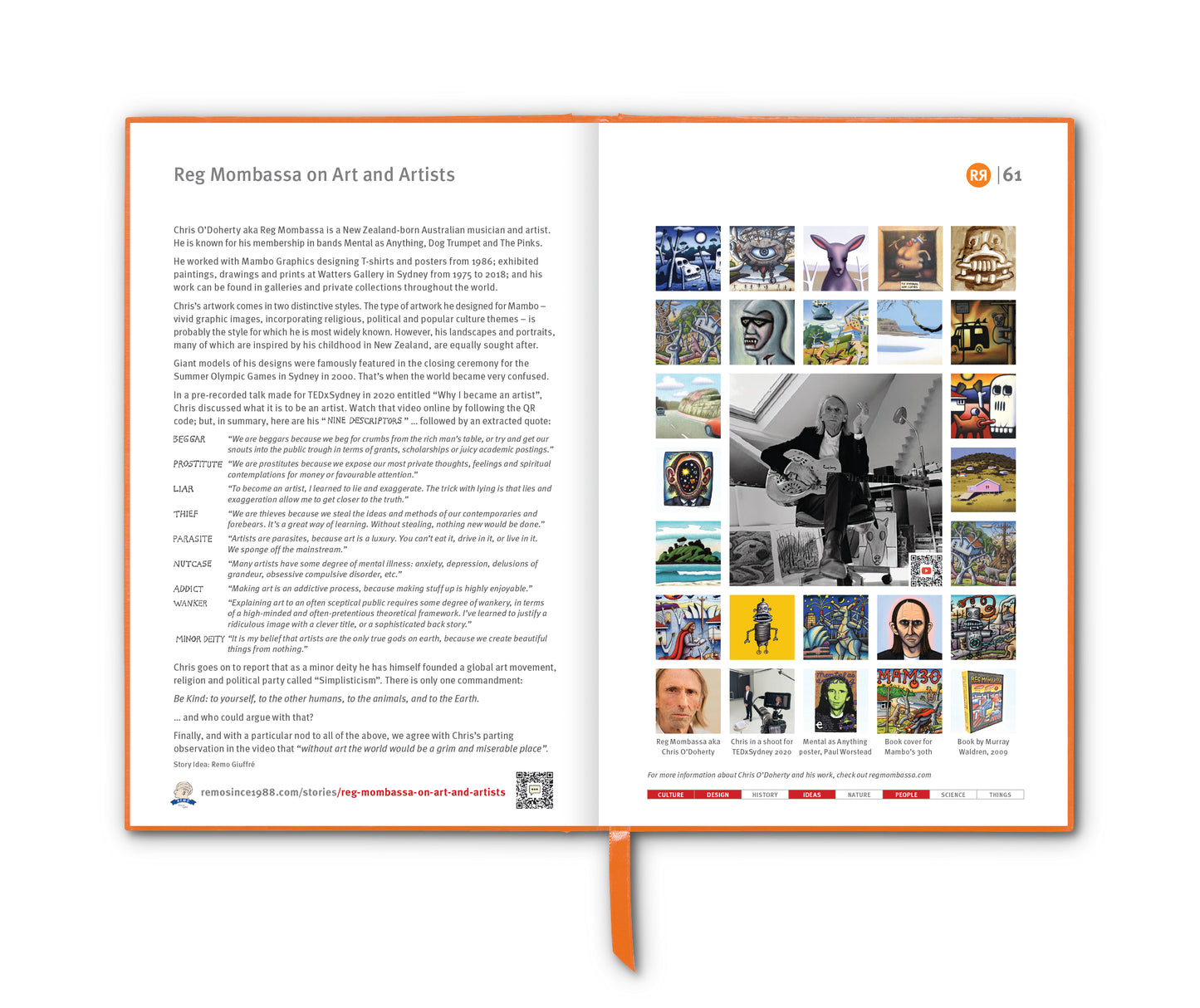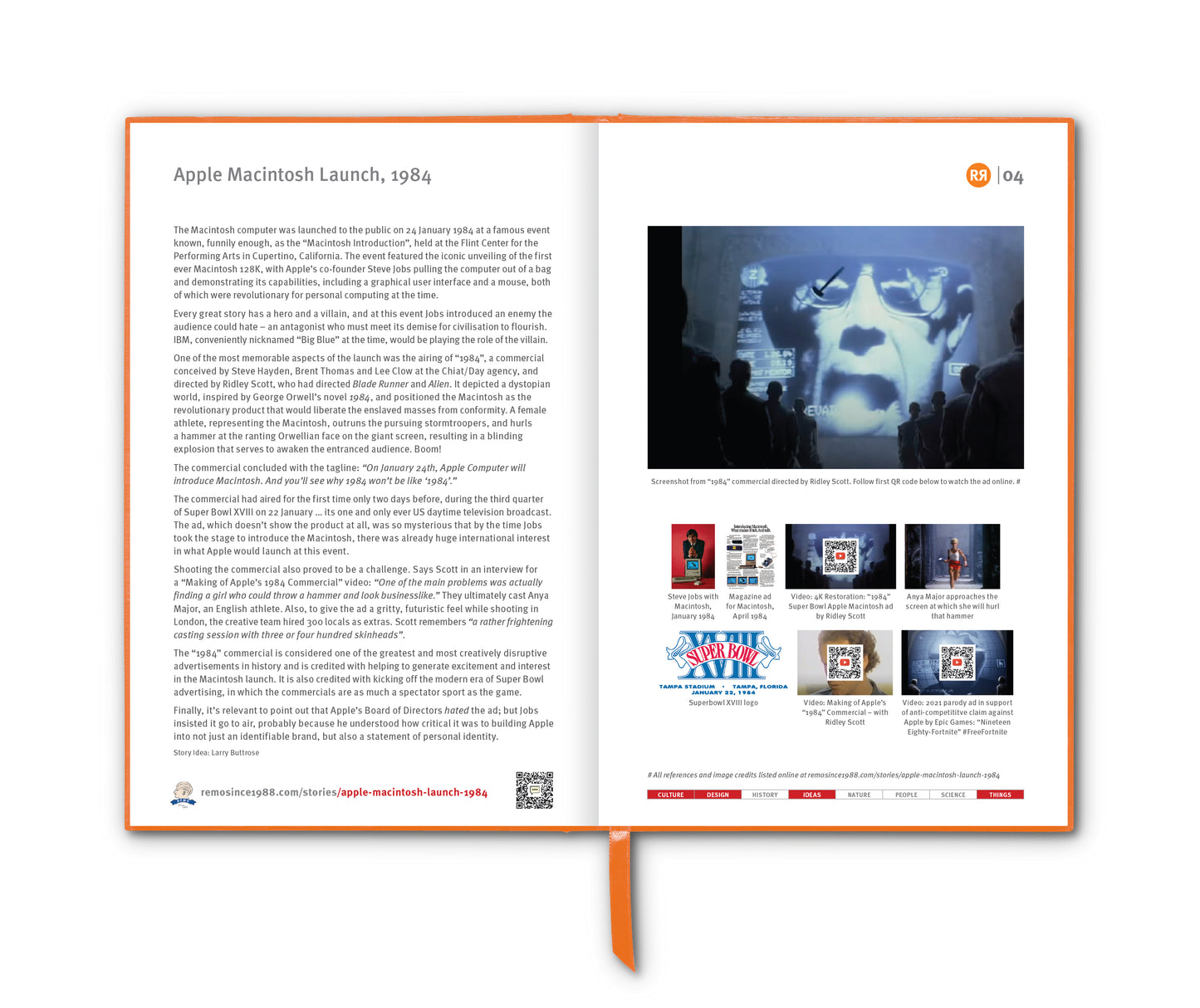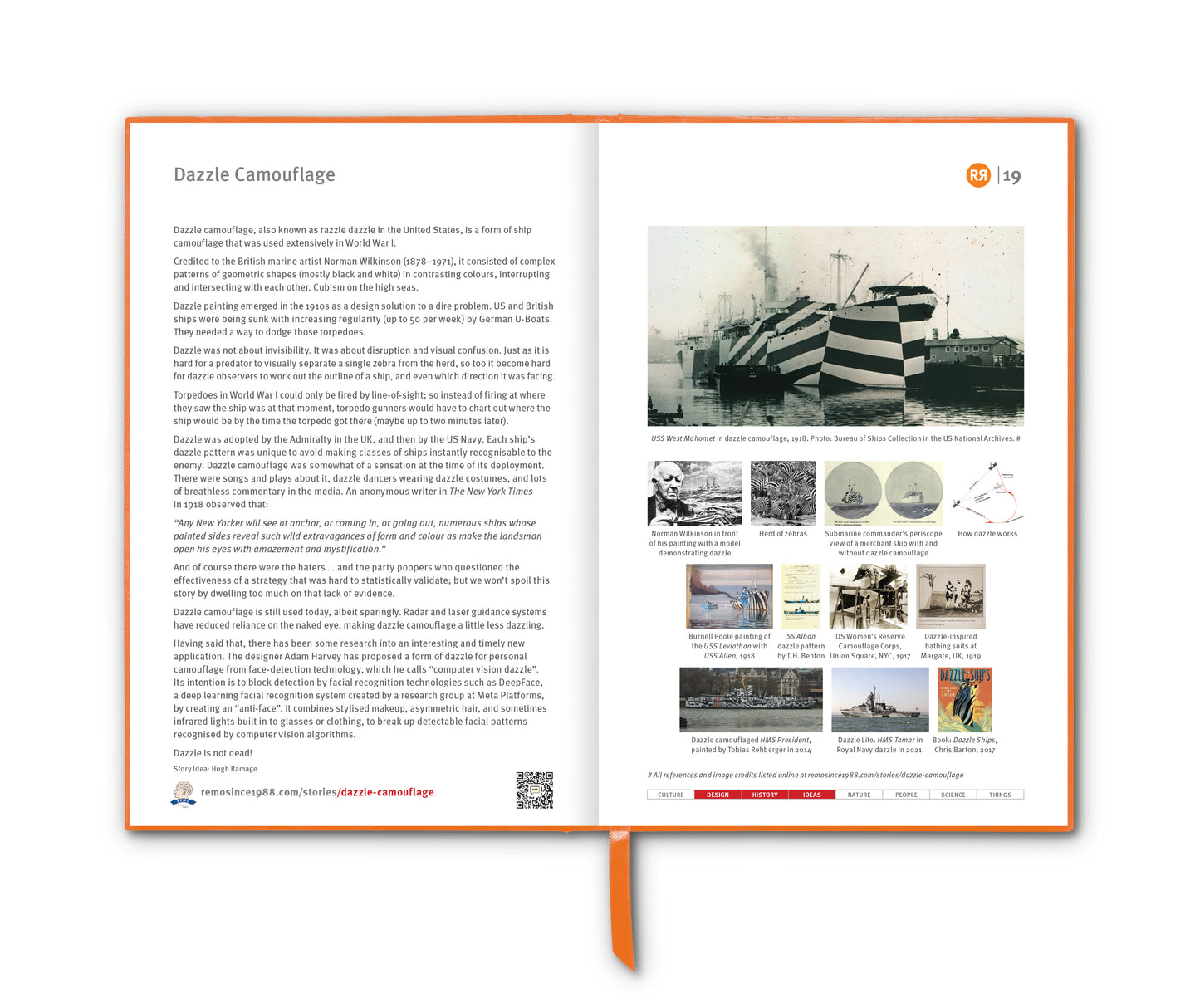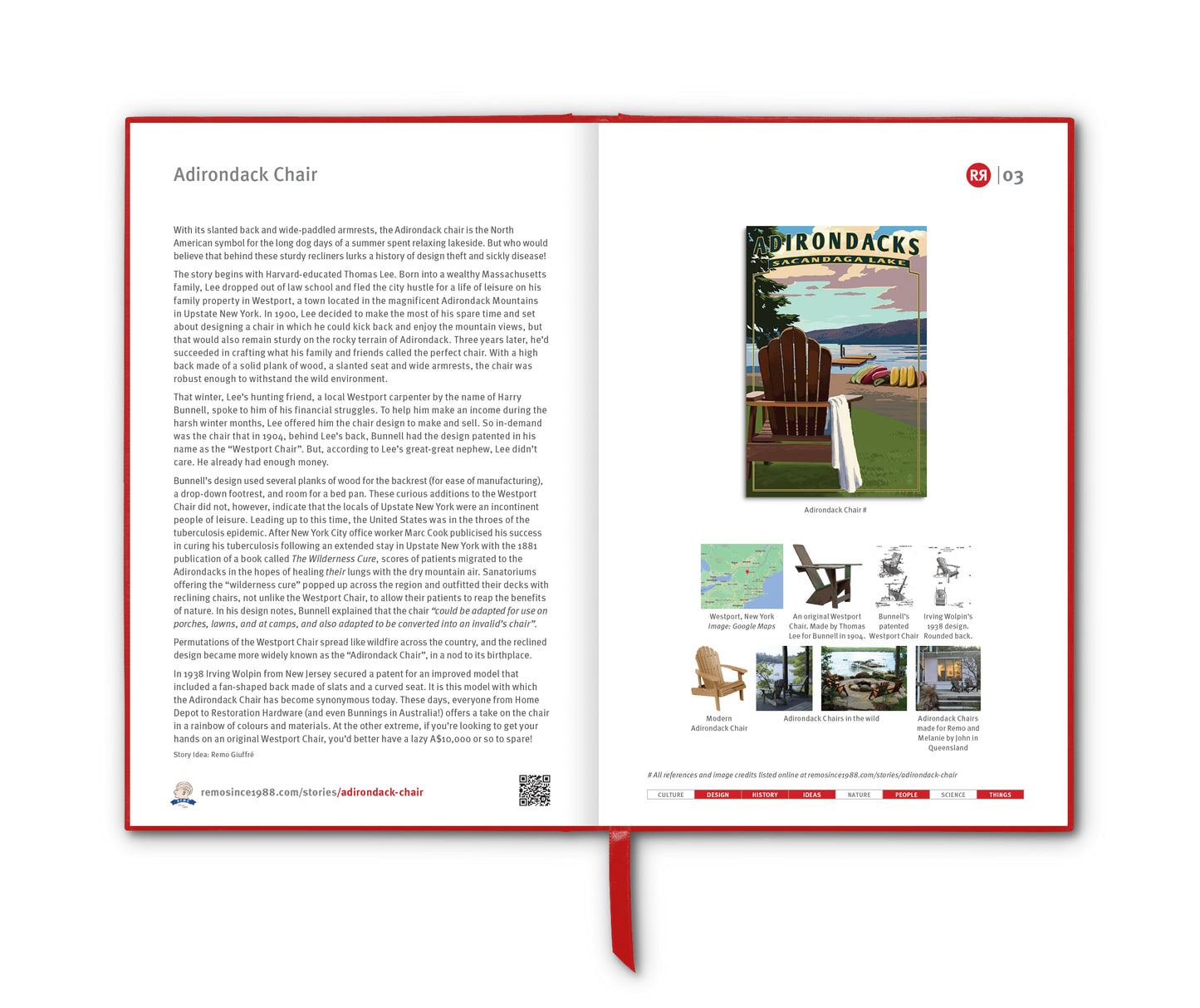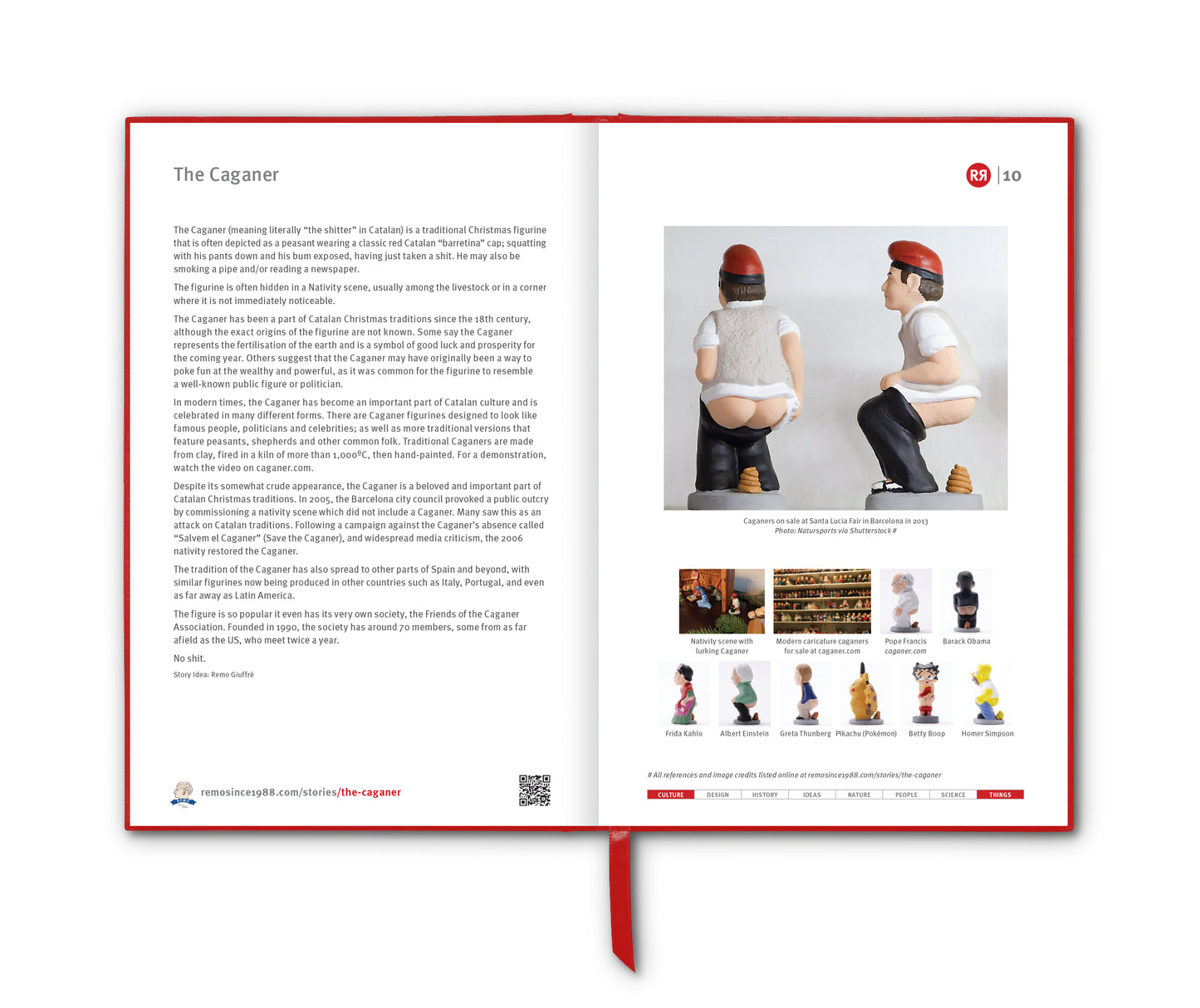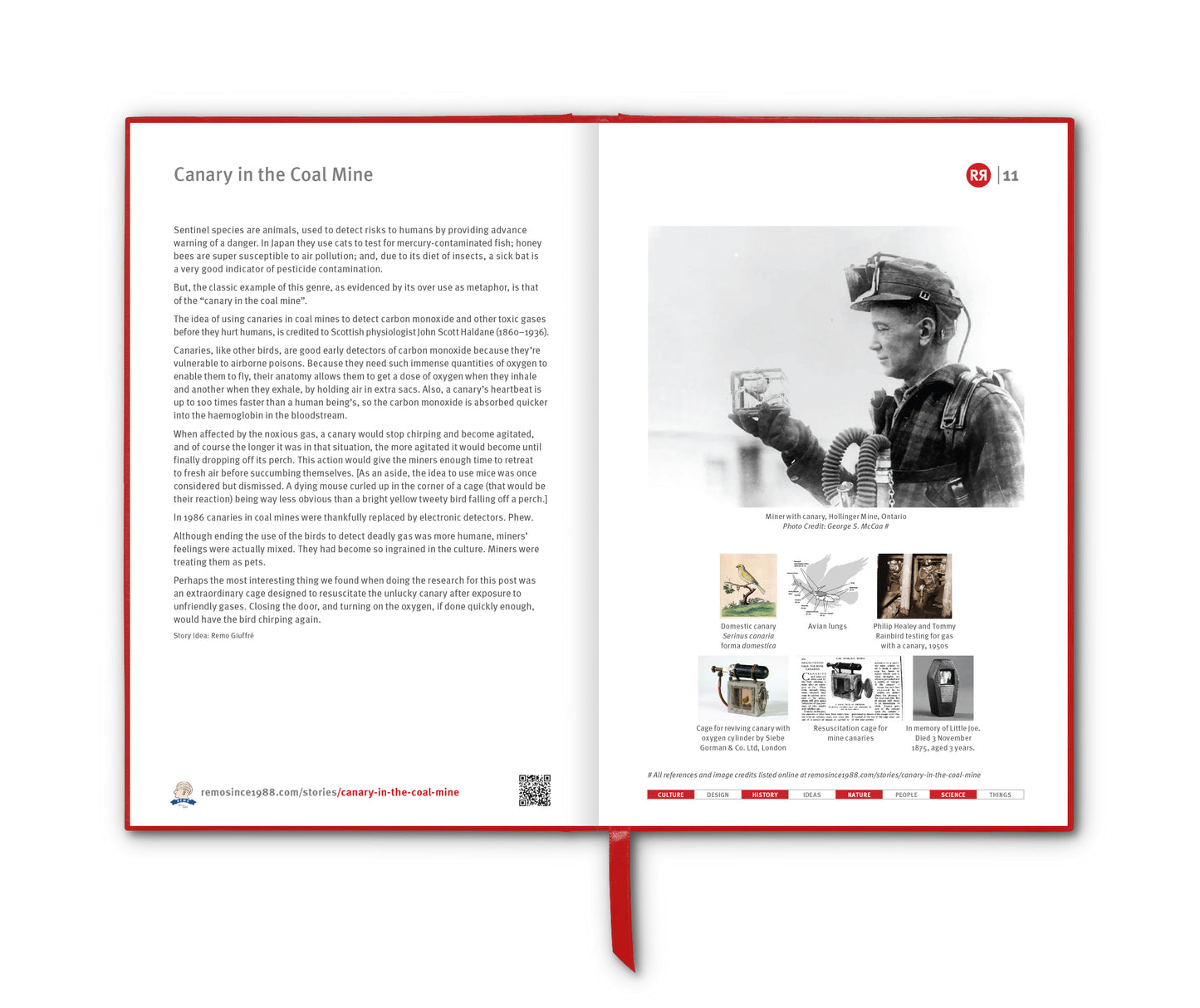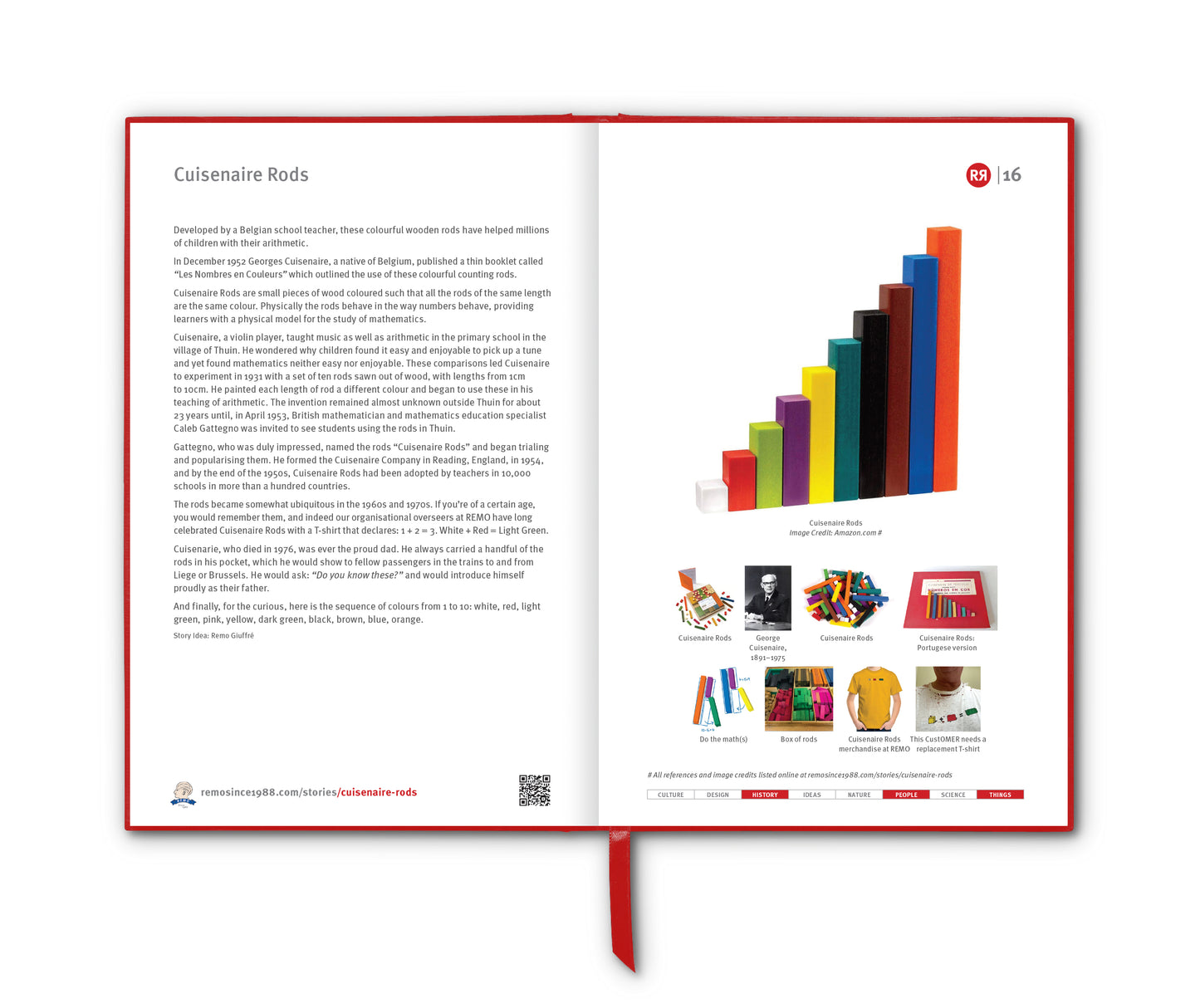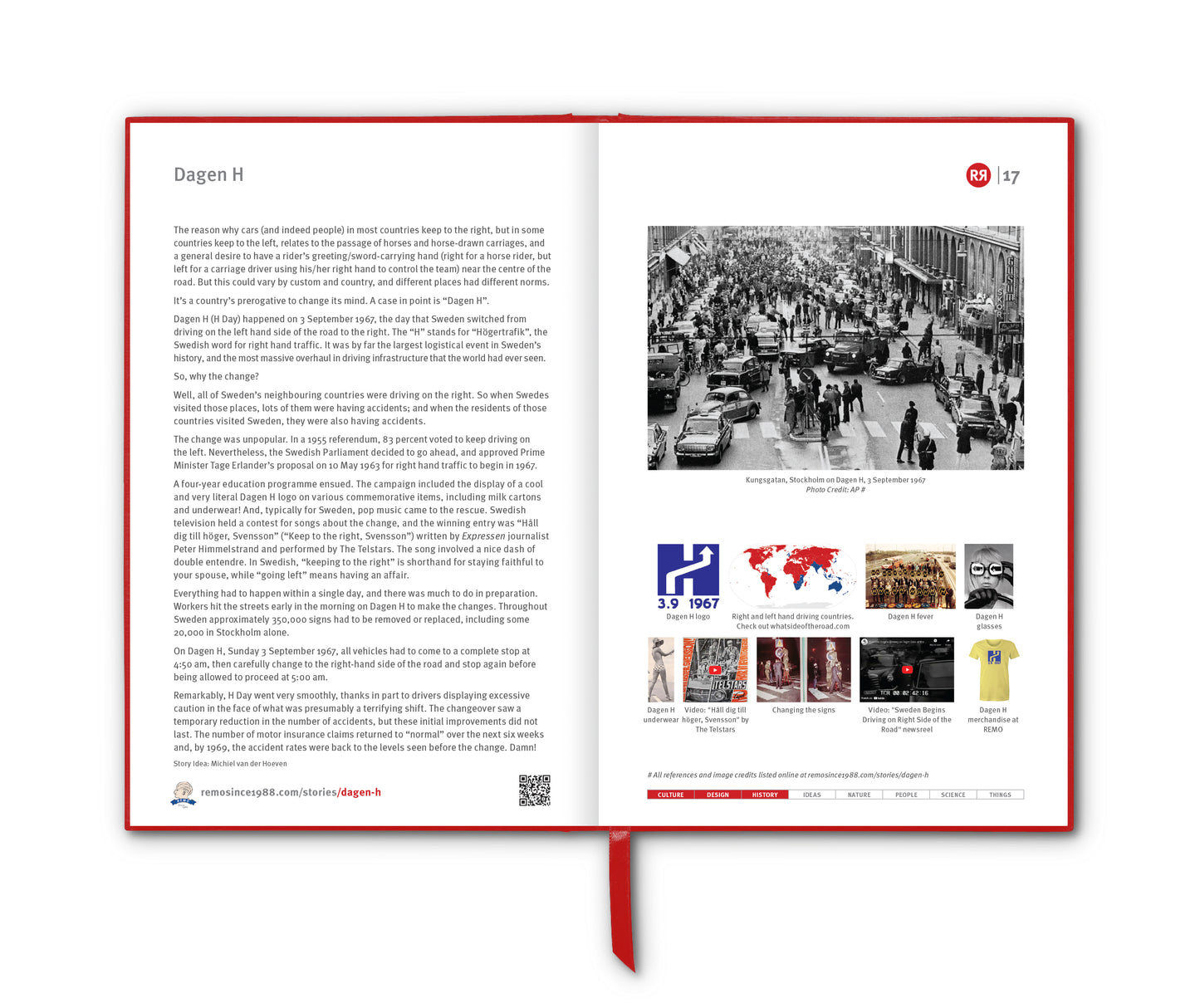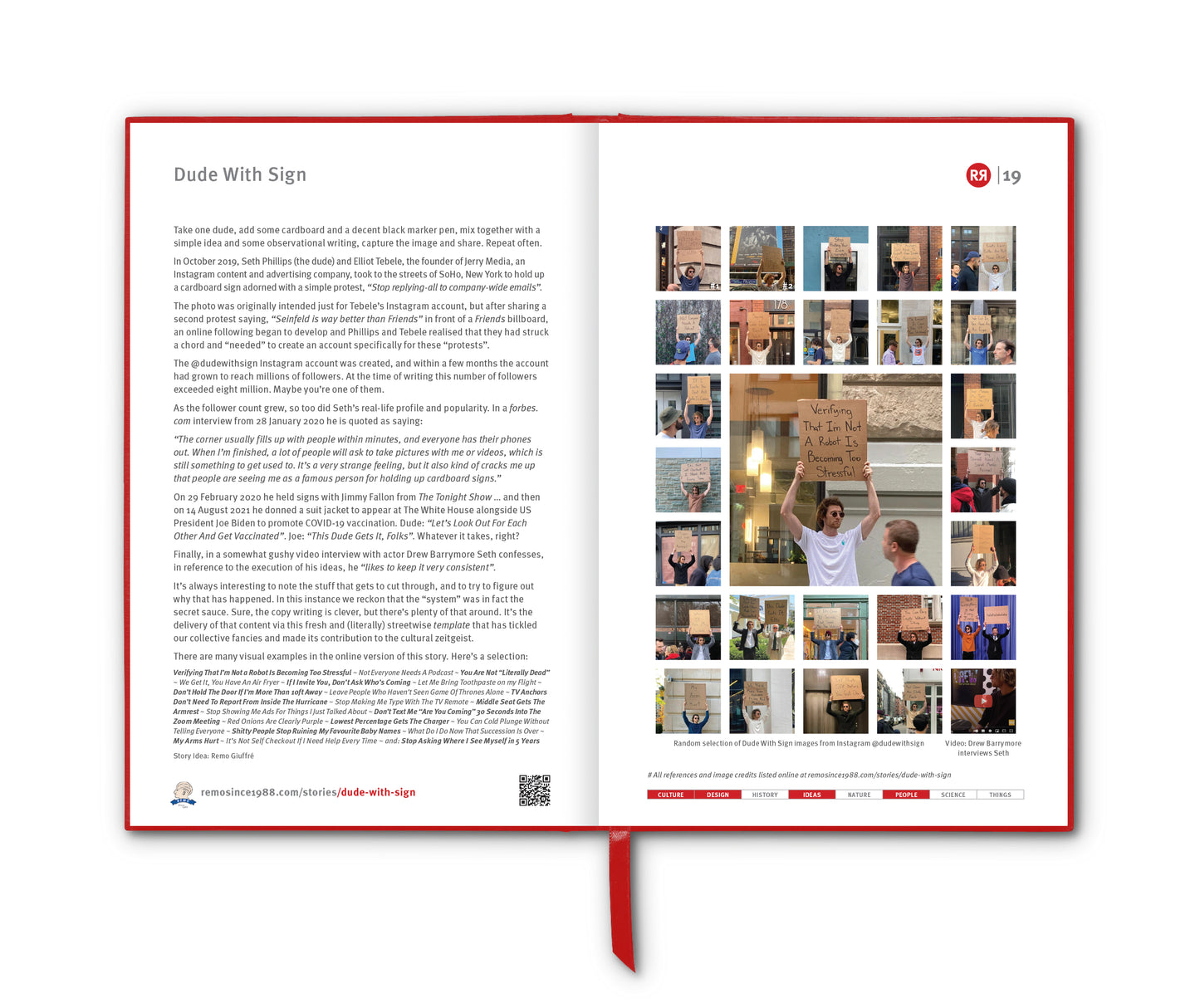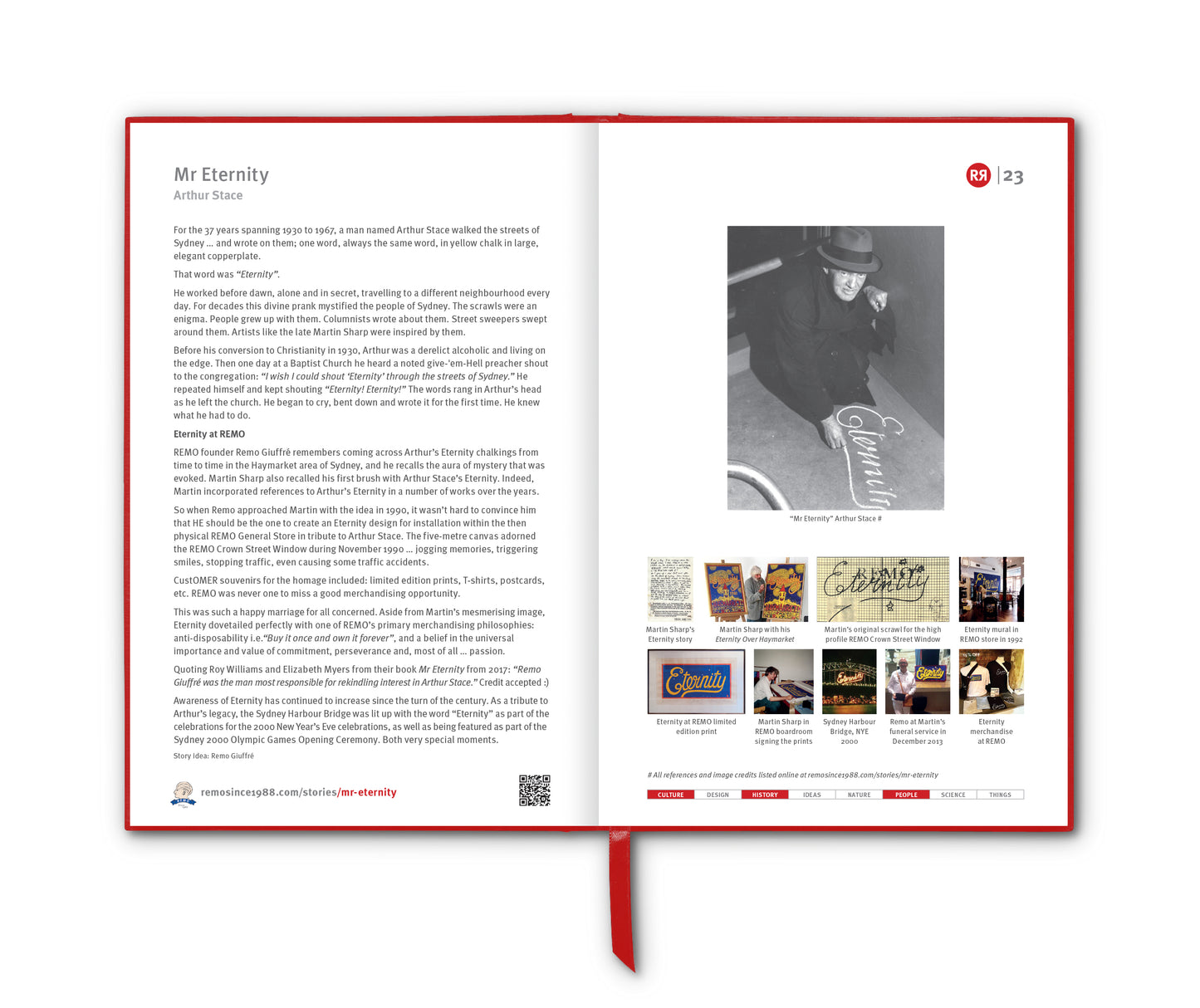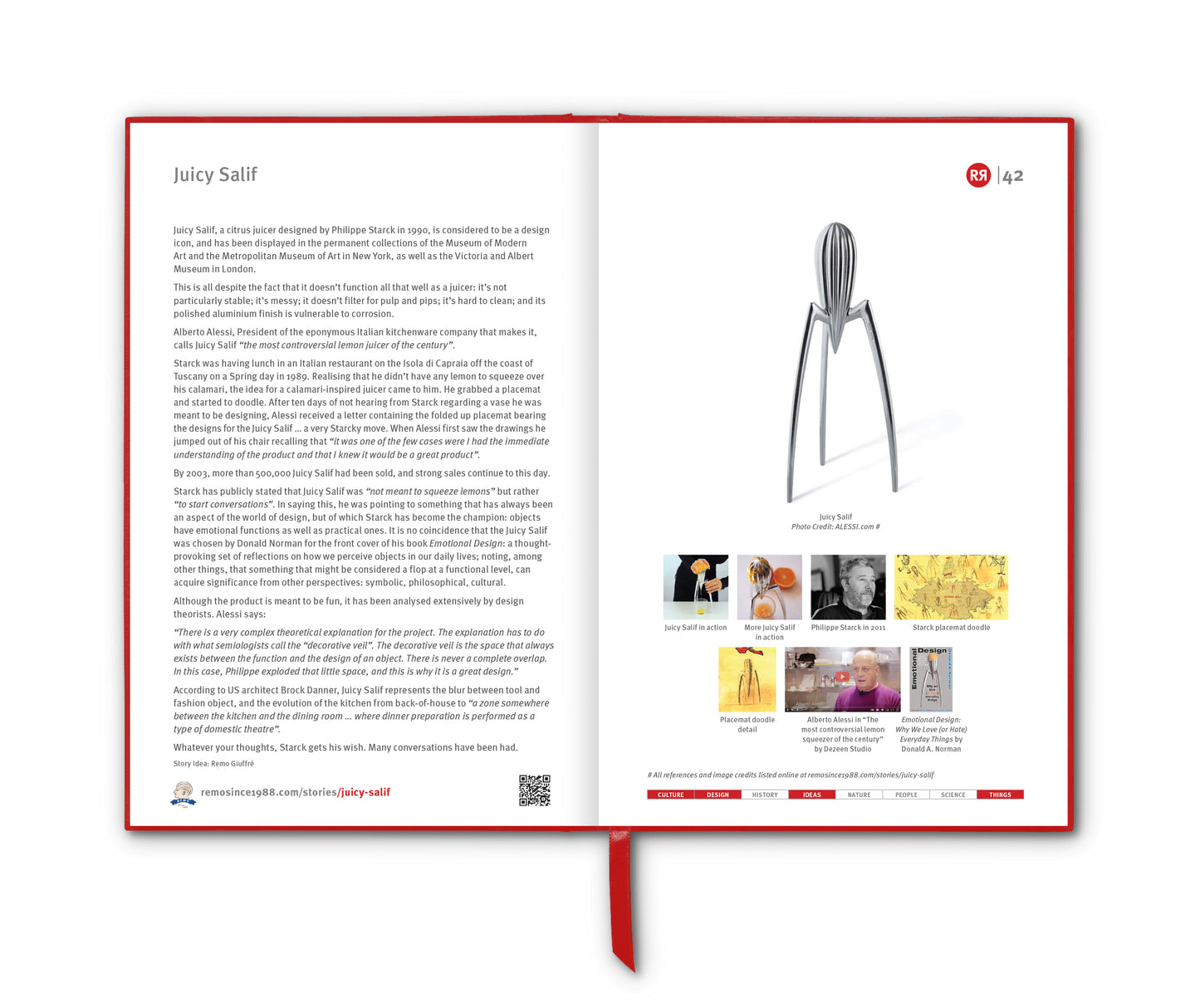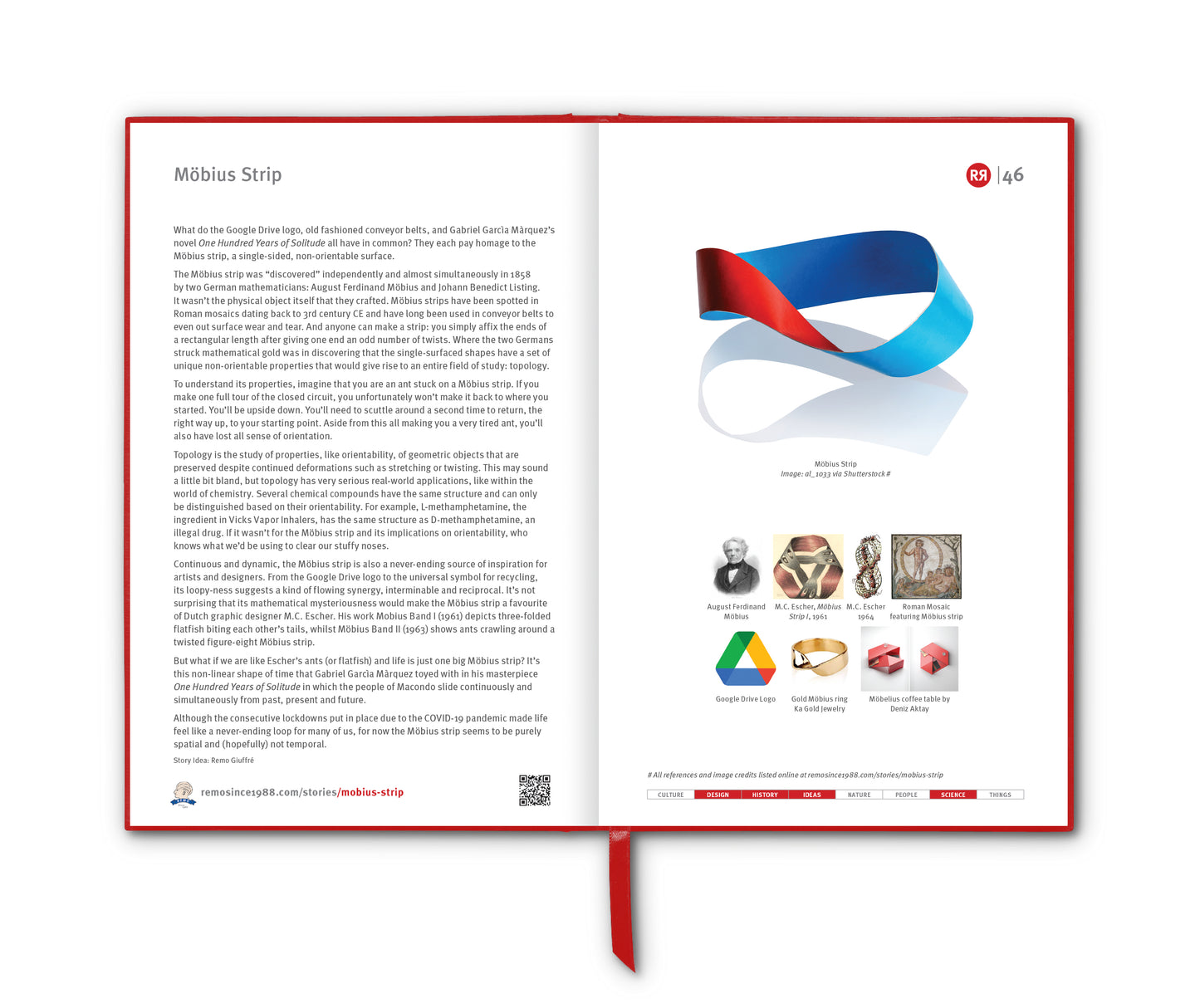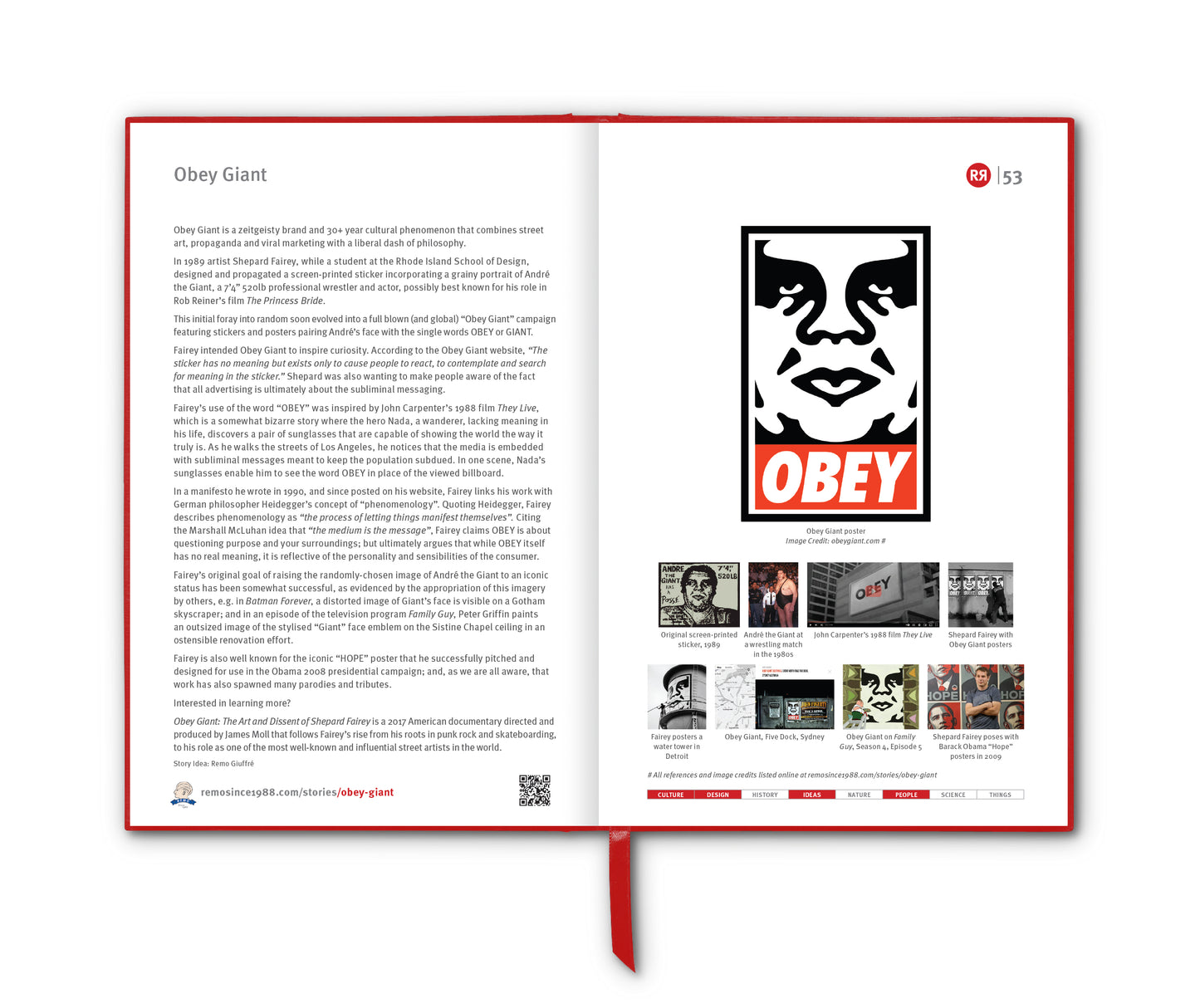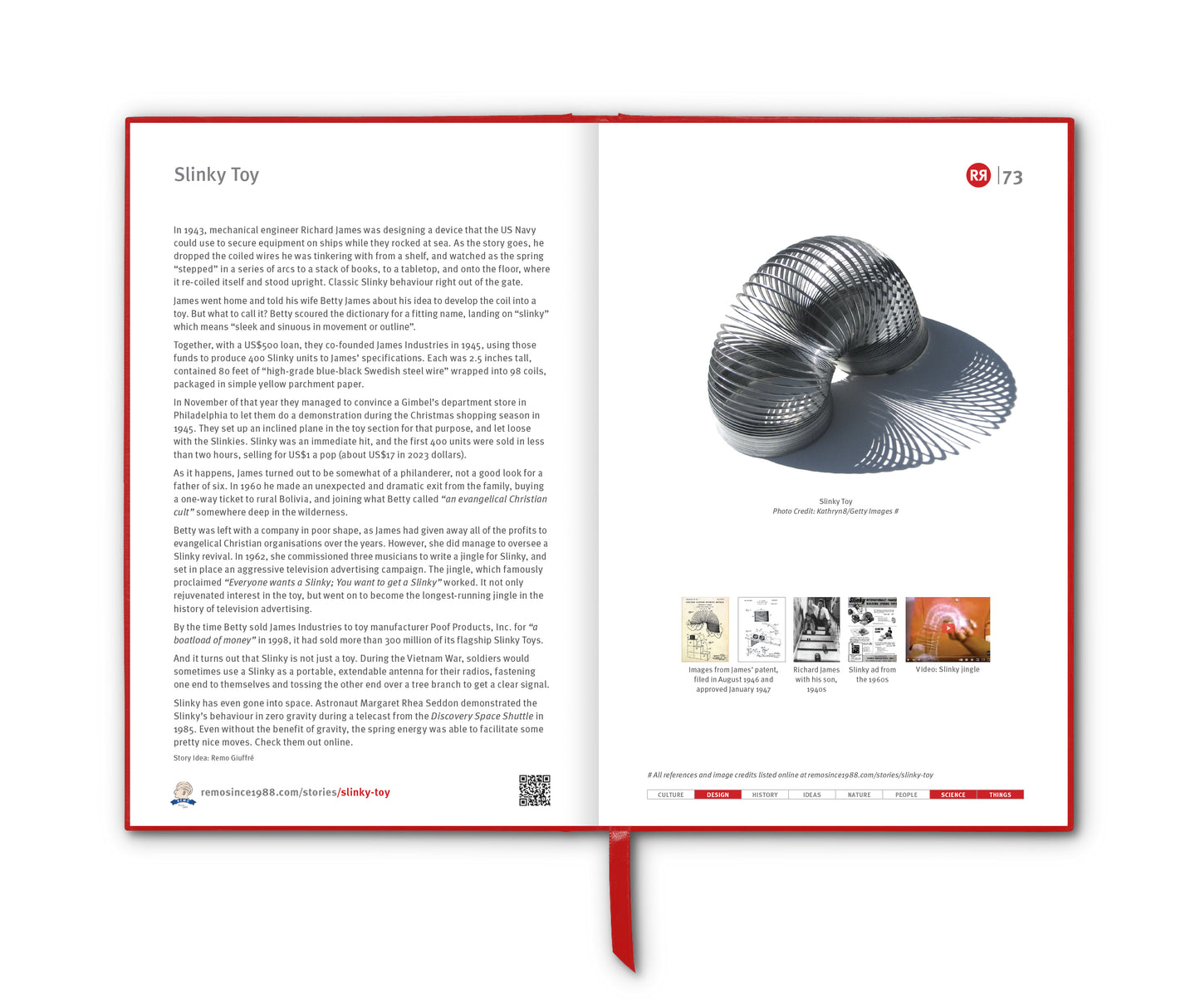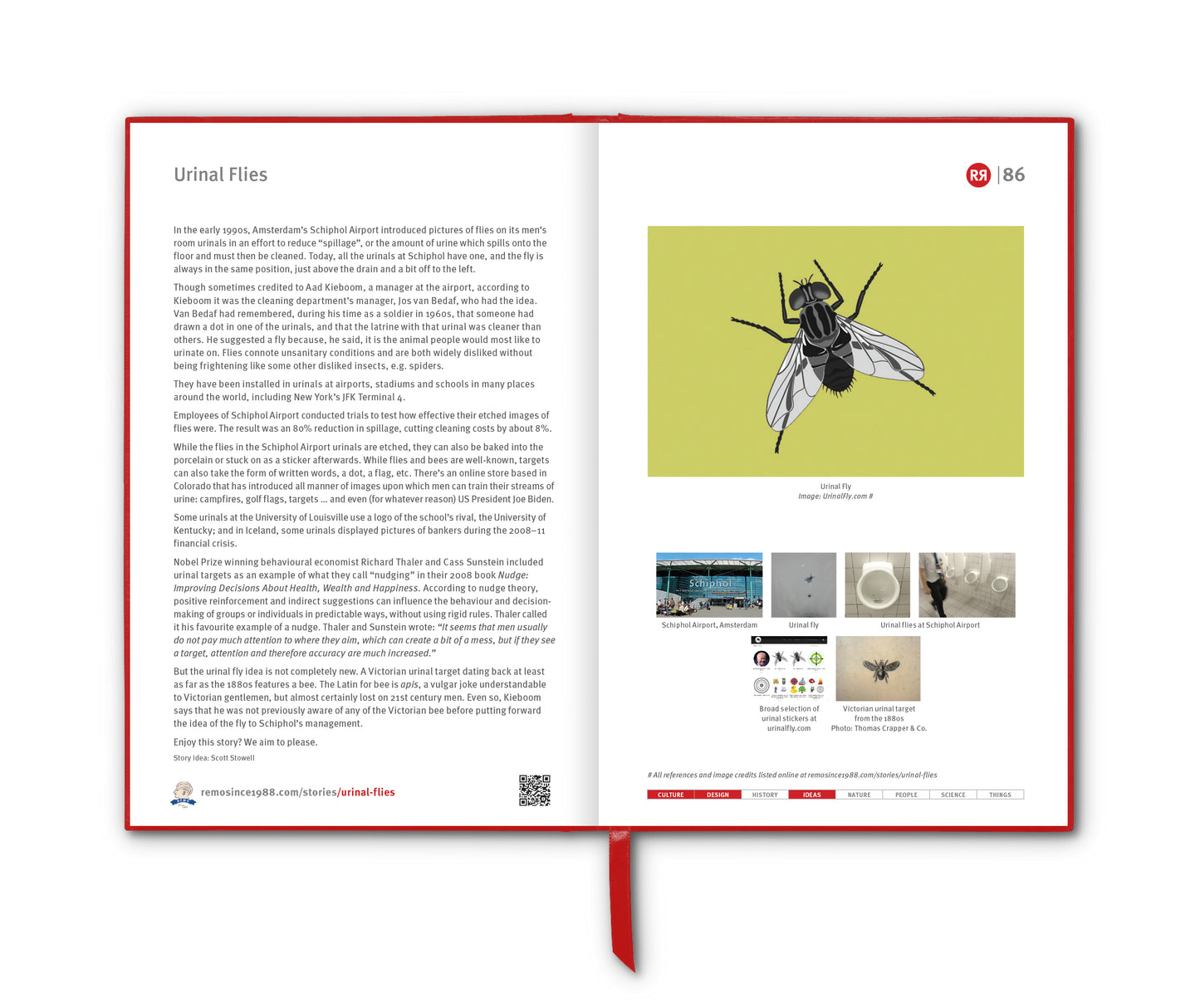

The Mona Lisa – also called La Gioconda in Italian and La Joconde in French – is a half-length portrait painted by Leonardo da Vinci during the Italian Renaissance, most likely between 1503 and 1519. Leonardo began work on it in Florence, probably at the behest of Francesco del Giocondo, a wealthy silk merchant, to depict his wife, Lisa (Gherardini) del Giocondo.
Leonardo was famously meticulous, layering delicate glazes to create soft transitions of light and shadow using a technique called sfumato, which gives the enigmatic sitter her almost living presence. His approach broke from the conventional profile portraits of the day, and the three-quarter pose helped set the standard for future Western portraiture.
After Leonardo’s death in 1519, King Francis I of France acquired the painting, and it entered France’s royal collection. During the French Revolution it became national property and was eventually installed in the Louvre Museum in Paris around the turn of the 19th century.
The sitter’s identity – while overwhelmingly believed by scholars to be Lisa del Giocondo – has never been definitively proven, and this uncertainty only deepened public fascination over time.
For much of the 19th century, the Mona Lisa was respected among art connoisseurs — but not yet globally iconic. Its transformation into a household name was as much about circumstance and myth as craftsmanship. Art historian Alicja Zelazko has noted that the painting’s fame “is the result of many chance circumstances combined with the painting’s inherent appeal”.
The watershed moment came in 1911, when an Italian handyman and Louvre employee, Vincenzo Peruggia, stole the painting and hid it for more than two years before attempting to return it to Italy. The ensuing worldwide media frenzy propelled the Mona Lisa into global consciousness far beyond art circles.
During World War II, the Mona Lisa was evacuated for fear of bombings and looting. Between 27 September 1938 and 17 June 1945, it was moved ten times, hidden in a crate marked only with the code “MNLP No. 0”, standing for Musée National du Louvre Peintures No. 0.
The painting also famously travelled to the United States in 1963, where it drew about 40,000 visitors per day during its weeks at the Metropolitan Museum of Art in New York and the National Gallery in Washington, DC.
Reproductions and reinterpretations of the Mona Lisa – from Marcel Duchamp’s playful defaced postcard to Andy Warhol’s pop-art versions – cemented its status as a cultural icon, and not just a masterpiece.
The Mona Lisa now hangs behind bulletproof glass in the Louvre’s Salle des États, drawing millions. The museum welcomed 8.7 million visitors in 2024, with an estimated 20,000 people a day coming specifically to see this painting. Around 7 million visitors annually see the Mona Lisa – more than any other artwork in the museum. At peak times, visitors may only have ~30 seconds to view the painting amidst the crowds.
Because of overcrowding, the Louvre is currently undergoing major renovation plans – including a dedicated Mona Lisa room with special access – partly to improve that experience. President Emmanuel Macron framed this as ensuring that the painting “deserves… better conditions of display” for future audiences.
As for value, the Mona Lisa holds the Guinness World Record for the highest known insurance valuation for a painting: US $100 million in 1962, equivalent to around $1 billion today – though it is effectively priceless and not for sale.
Ultimately, the Mona Lisa remains both a masterpiece of Renaissance art and what is arguably the world’s most famous cultural icon.
_________________________________
References
wikipedia.org/wiki/Mona_Lisa
britannica.com/topic/Mona-Lisa-painting
presse.louvre.fr/
apnews.com/article/paris-louvre-museum-renovation-64c83759247406323def9e54bb4890c9
abc.net.au/news/2025-04-14/mona-list-art-heist-by-vincenzo-peruggia/105150860
metmuseum.org/perspectives/from-the-vaults-leonardo-da-vinci-mona-lisa
unjourdeplusaparis.com/en/paris-culture/histoire-de-la-joconde
Images
1. About 20,000 people a day visit the Louvre in Paris to see the Mona Lisa. Photo credit: Grzegorz Czapski, 7 October 2018
2. Mona Lisa, by Leonardo da Vinci, from C2RMF retouched
3. Presumed self-portrait of Leonardo (circa 1510) at the Royal Library of Turin, Italy
4. Vincenzo Peruggia
5. The Mona Lisa's vacant place in the Salon Carré, Louvre Museum, after having been stolen in 1911.
6. Excelsior, journal illustré quotidien, La Joconde est Revenue, 1 January 1914
7.
Leonardo da Vinci is said to have applied the Golden Mean to some works, and in the composition of the Mona Lisa.
8.
L.H.O.O.Q. by Marcel Duchamp, 1919
9.
Coloured Mona Lisa, Andy Warhol, 1963
10. Line of people waiting in front of the Museum to see the Mona Lisa in 1963
11. Video: Why is the Mona Lisa so famous? - Noah Charney, TED-Ed, 2022