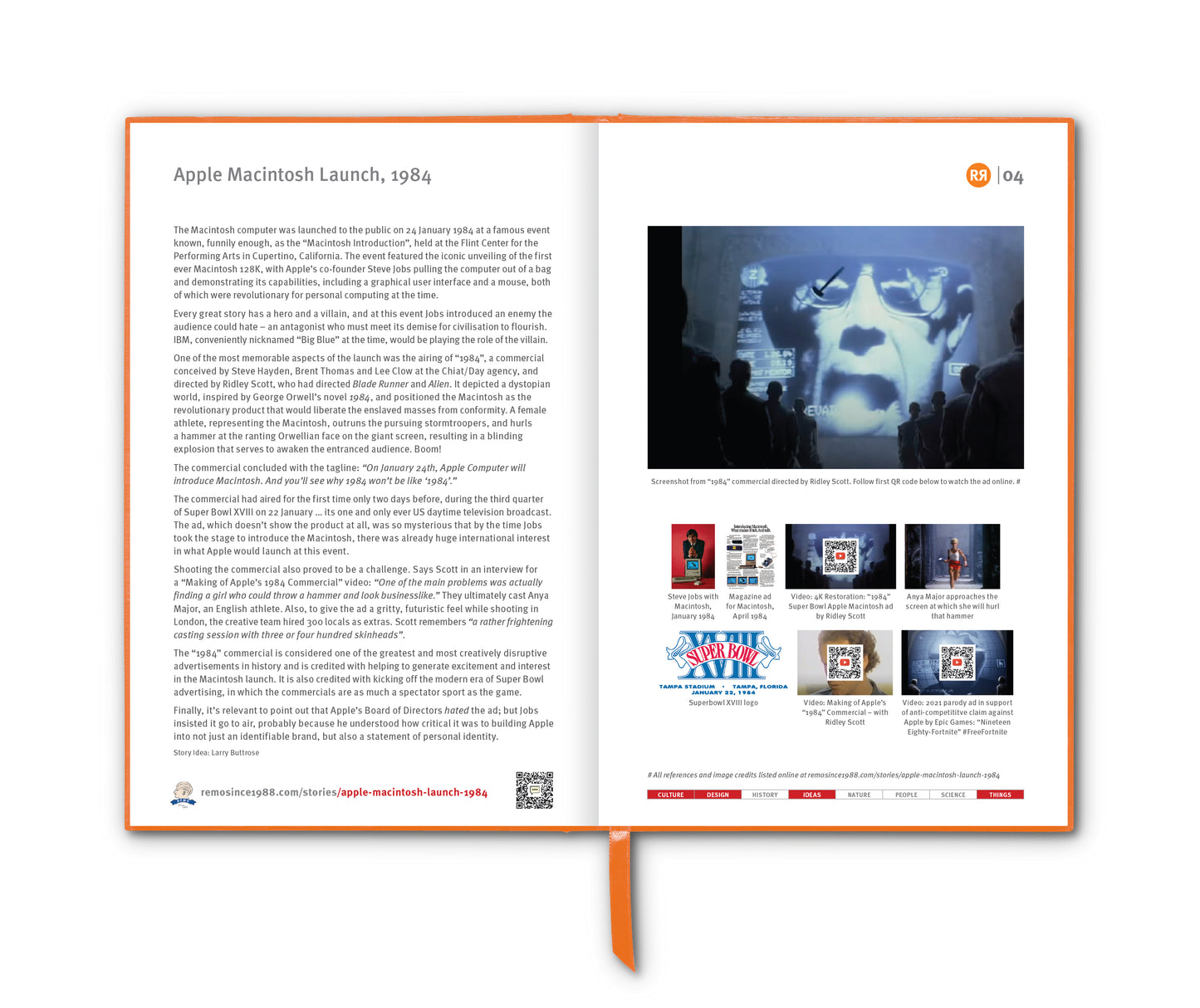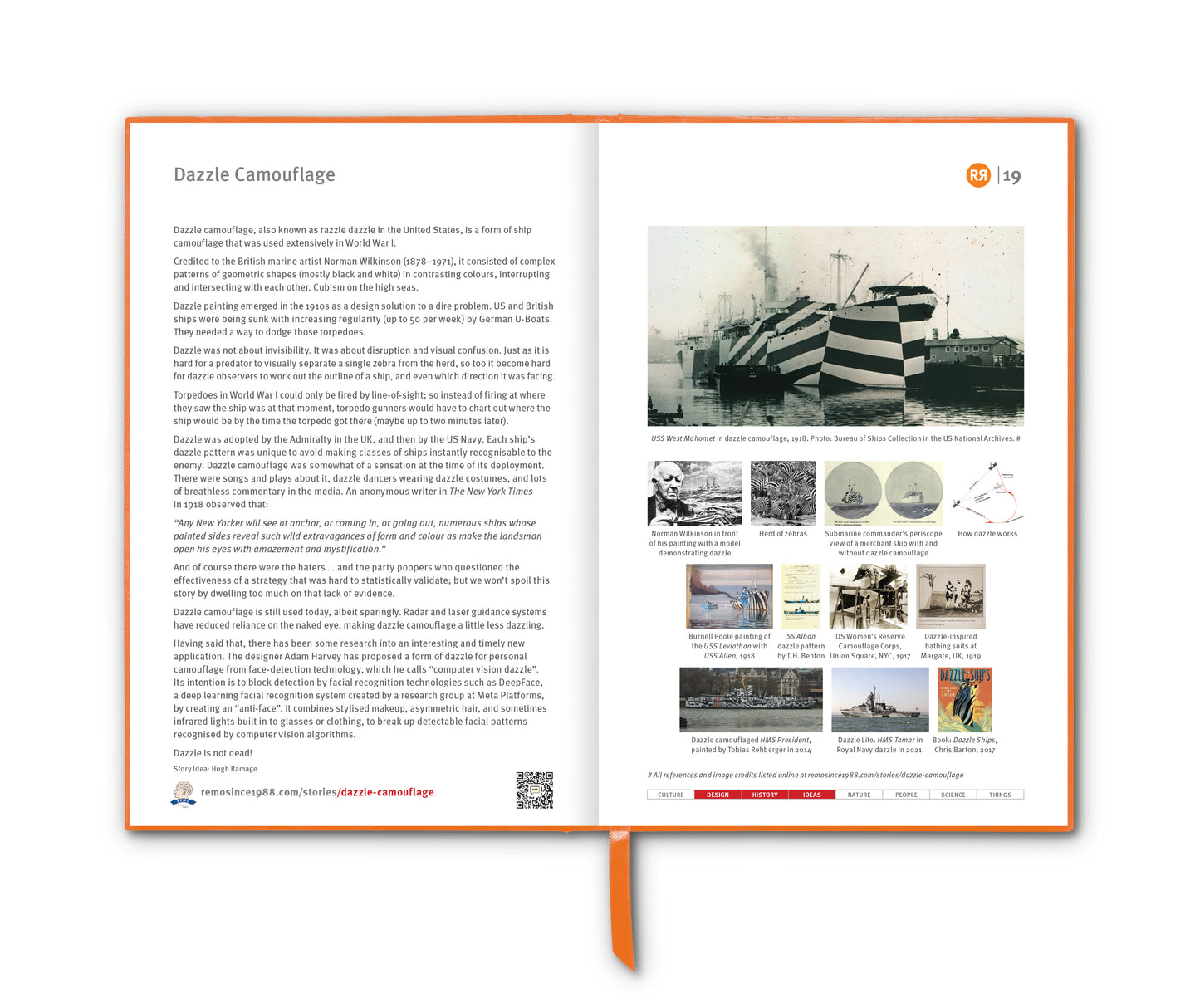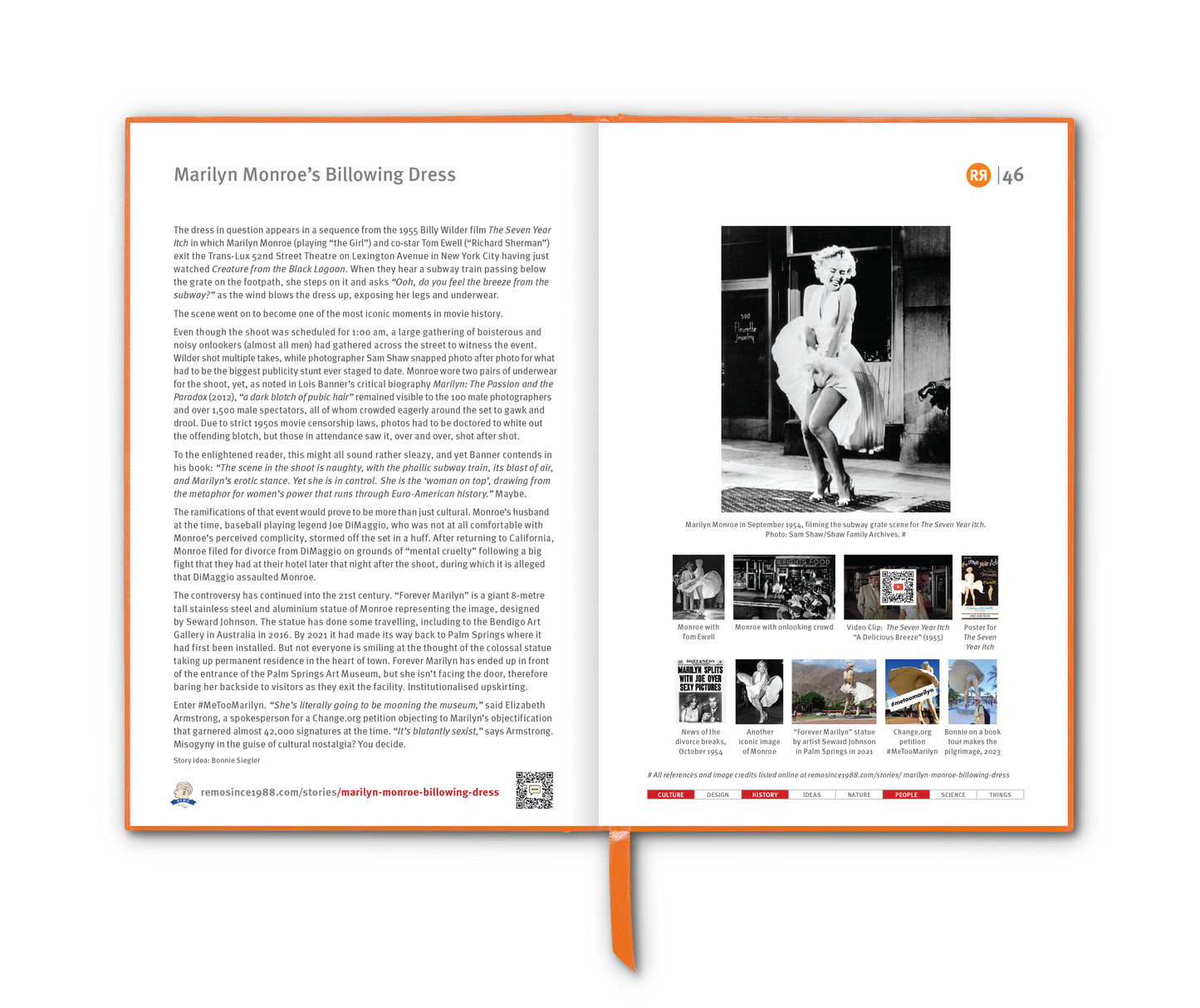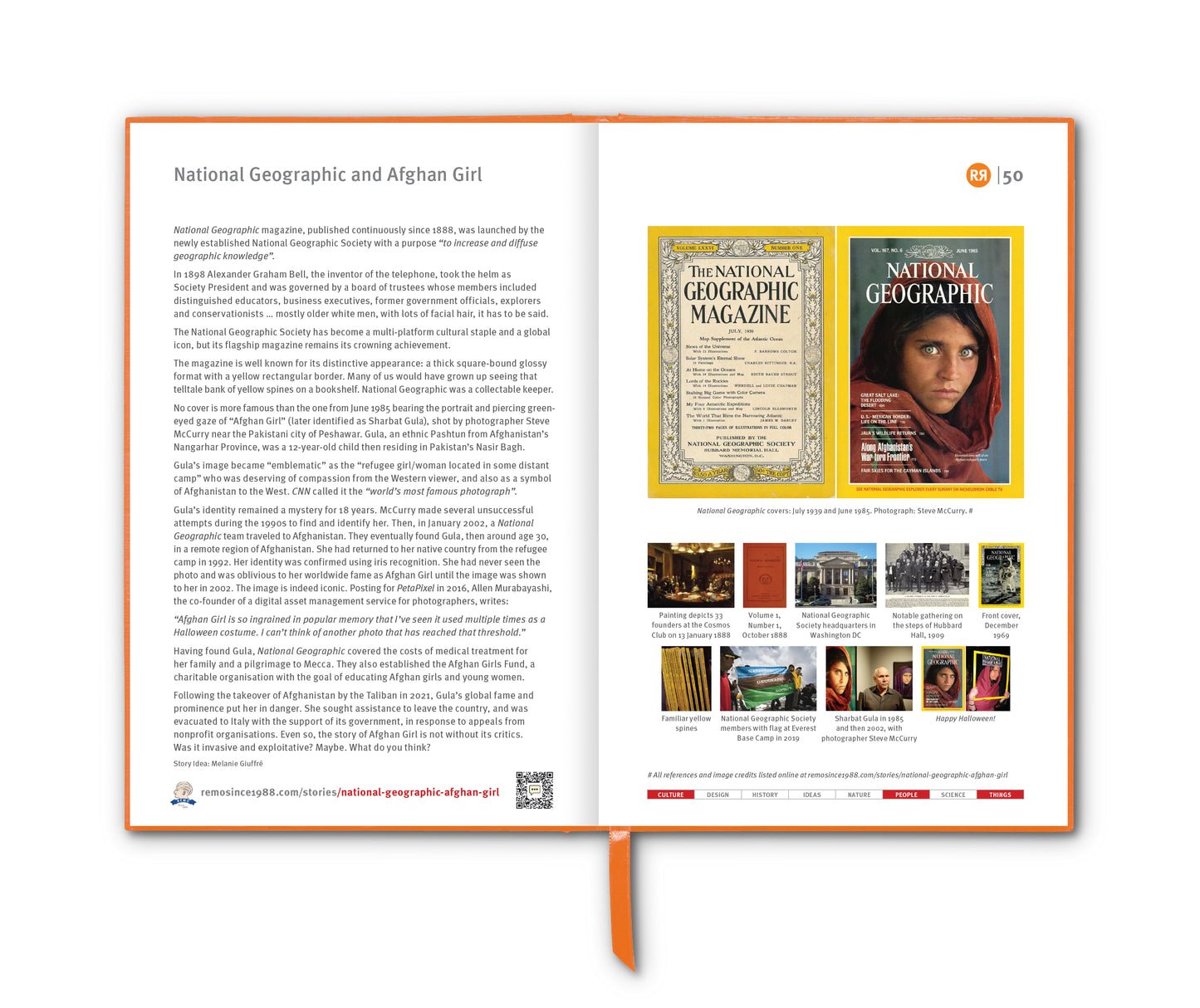

Morse code is a communications method which encodes text characters as standardised sequences of two different signal durations, called dots and dashes, or dits and dahs.
Developed in the 1830s and 1840s by Samuel Morse and Alfred Vail as a way to send electrical pulses across telegraph wires – representing the birth of instantaneous communication across distances. Morse’s key insight in constructing the code was to consider how frequently each letter is used in English. The most commonly used letters have shorter symbols, e.g. “E” which appears most often, is signified by a single “dot”.
Long after the telegraph faded, Morse continued to thrive in places where communication was otherwise impossible. One of the most remarkable examples came not from a telegraph office or a ship at sea, but from a North Vietnamese prison cell. In 1966, US Navy Commander Jeremiah Denton was shot down and captured. Forced to appear in a propaganda broadcast, Denton knew that every word he spoke would be scripted and scrutinised. His captors expected him to project calm and compliance. Instead, Denton found a way to tell the truth.
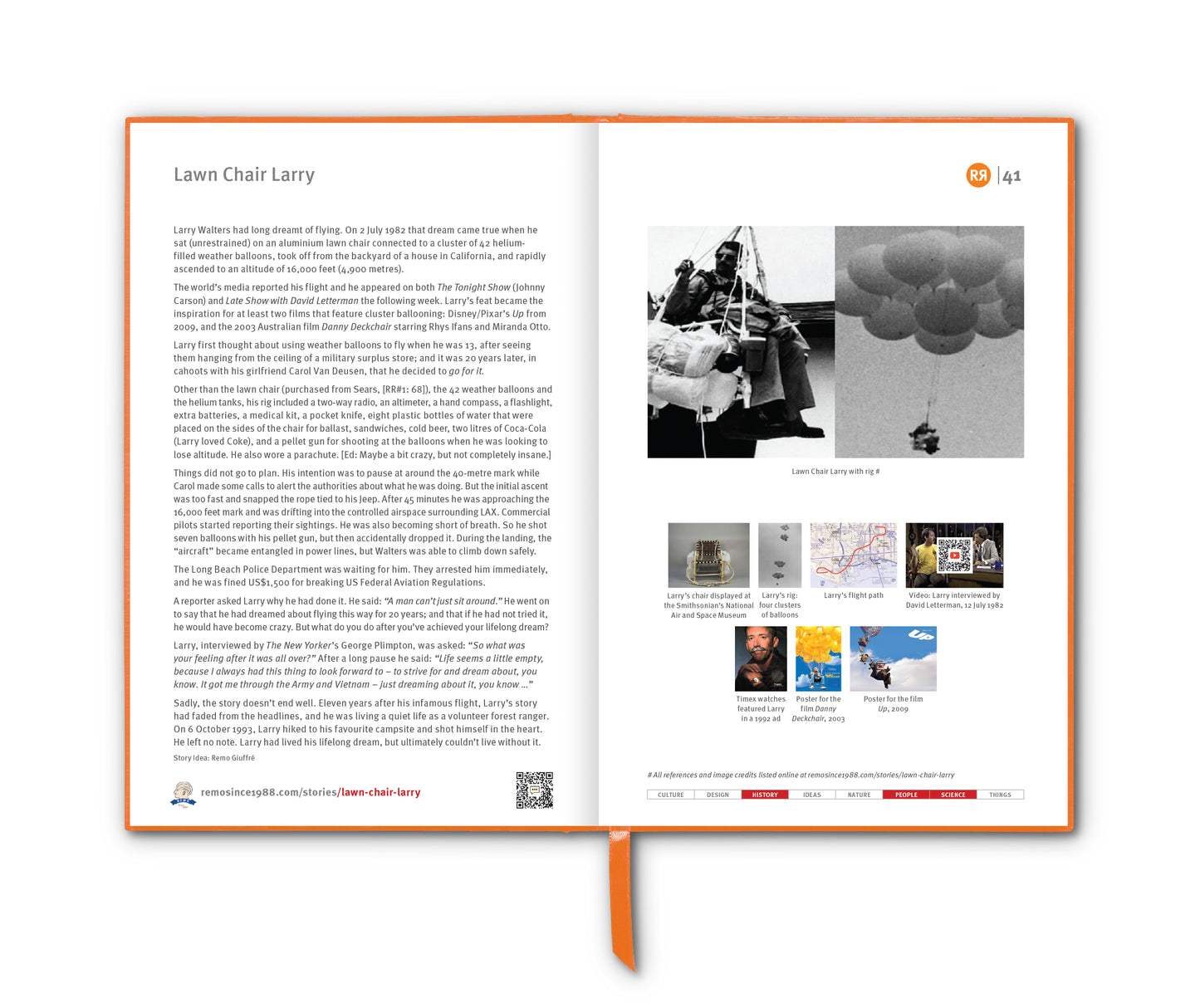
As the cameras rolled, he answered questions with apparent composure – but with his eyes he blinked a different story. Slowly, deliberately, he spelled out T-O-R-T-U-R-E in Morse code. To the casual viewer it looked like nervous blinking. To American intelligence, watching later, it was a breakthrough: undeniable proof that prisoners were being brutalised.
That moment shows why Morse code has endured. It reduces communication to its barest essentials: short and long, on and off, yes and no. It can be tapped, flashed or blinked. Its power lies in its adaptability.
Over the years, Morse has cropped up in lots of other surprising ways. Here are some examples:
- SOS [RR1:74]: The international distress signal (· · · — — — · · ·), adopted in 1905, was chosen not for its words but for its unmistakable rhythm. It remains the best-known code sequence in the world.
- V for Victory [RR6:XX]: During World War II, Churchill’s famous “V” salute was echoed in Morse as · · · —, which also happens to be the opening motif of Beethoven’s Fifth Symphony –broadcast by the BBC as a sonic rallying cry.
- POW communication: In both World War II and Vietnam, prisoners tapped messages through pipes and walls, adapting Morse into “tap codes” that allowed conversations under the guards’ noses.
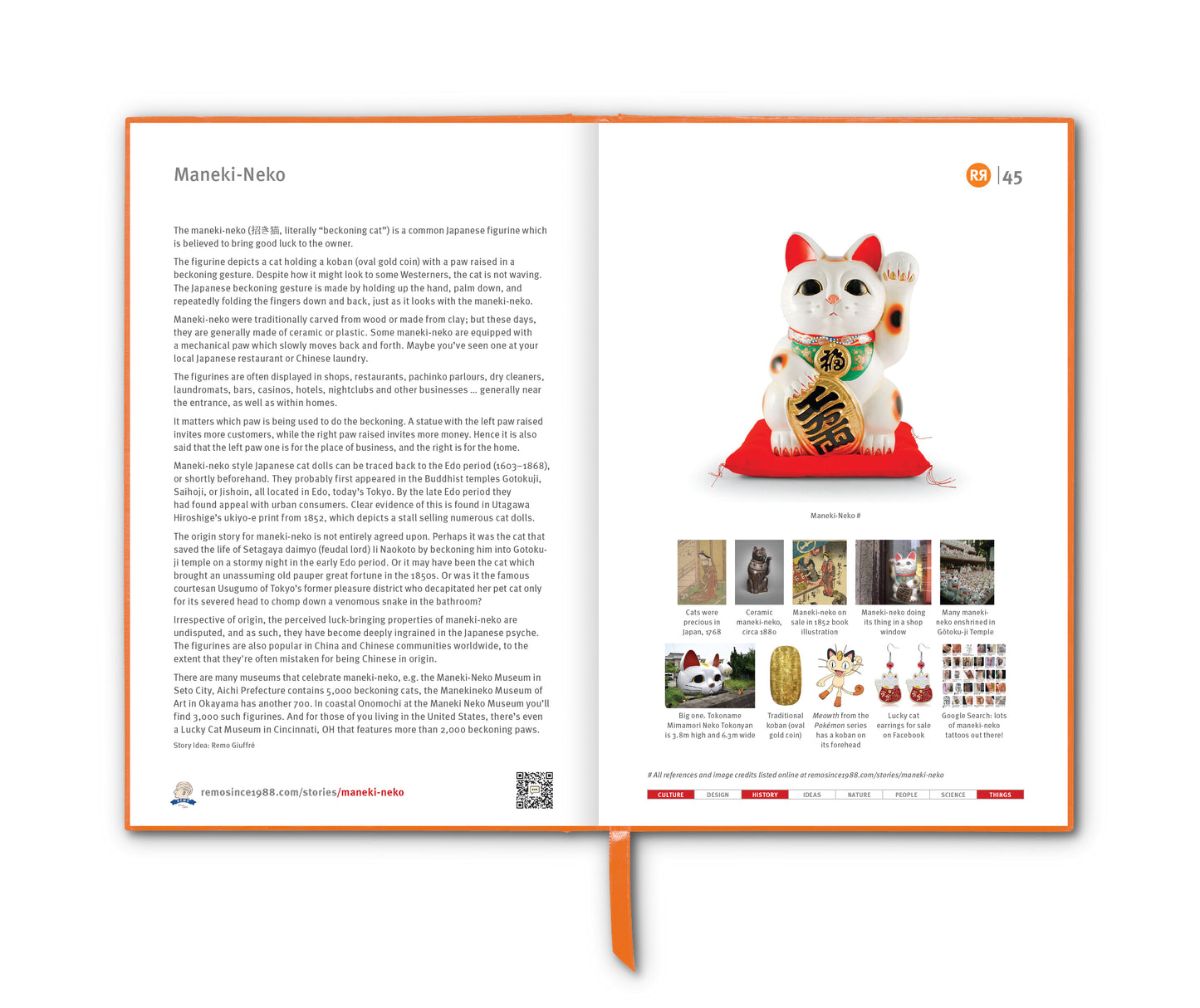
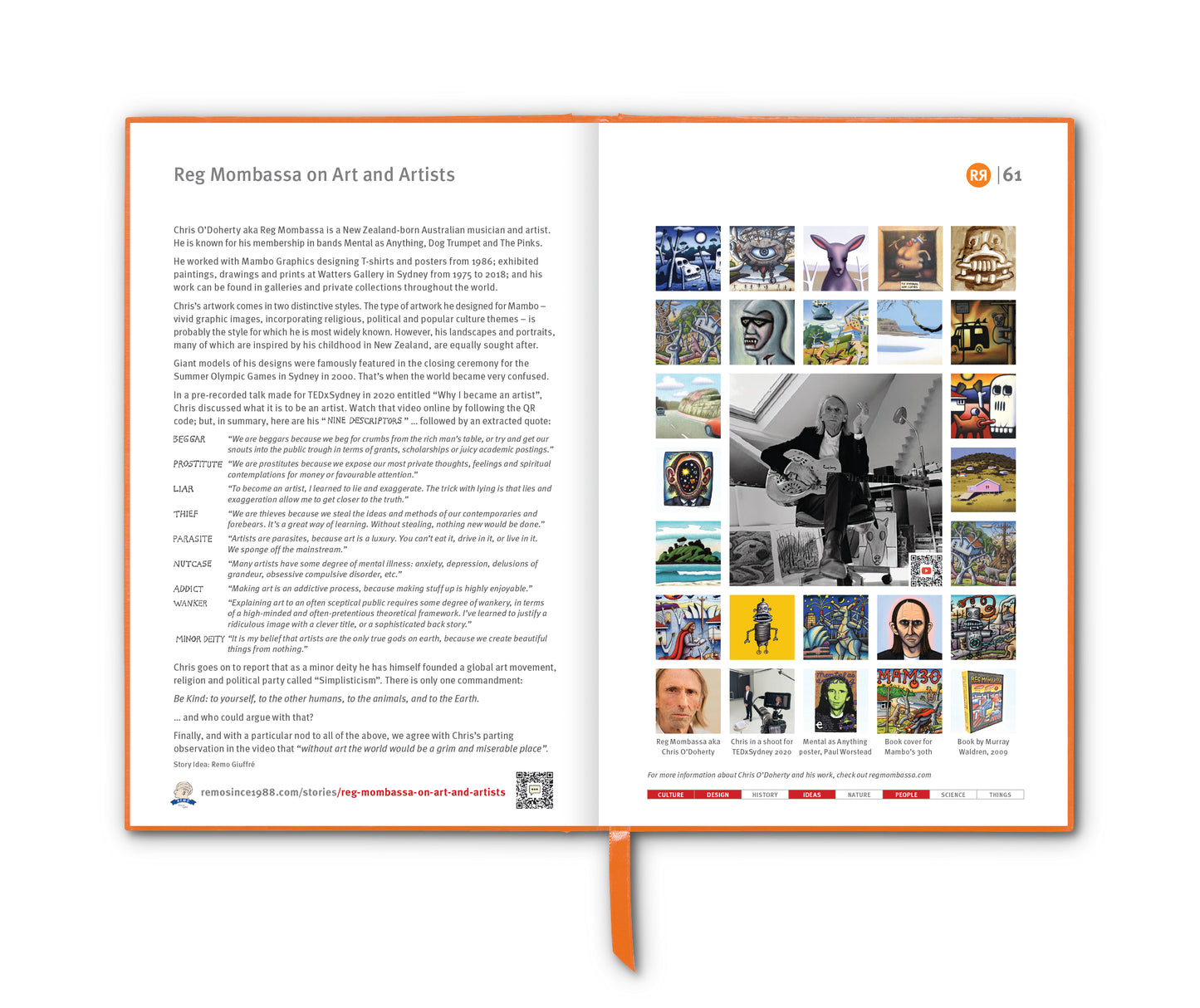
- Inspector Morse: Colin Dexter’s fictional detective forever tied the code to British popular culture, with Morse patterns woven into the TV series’ theme music.
- K-Pop Hints. Children as young as five are learning it – spurred on by K-Pop bands who use it to leak hints about upcoming songs to fans.
Morse code is always there – ready to serve whenever ordinary words cannot be spoken.
_________________________
References
wikipedia.org/wiki/Morse_code
smithsonianmag.com/innovation/morse-code-celebrates-175-years-and-counting
nationalworld.com/lifestyle/tech/morse-code-revival-dots-dashes-embraced-new-generation
dailymail.co.uk/sciencetech/article-11640643/Morse-Code-making-comeback-Children-young-FIVE-learning-it
Images
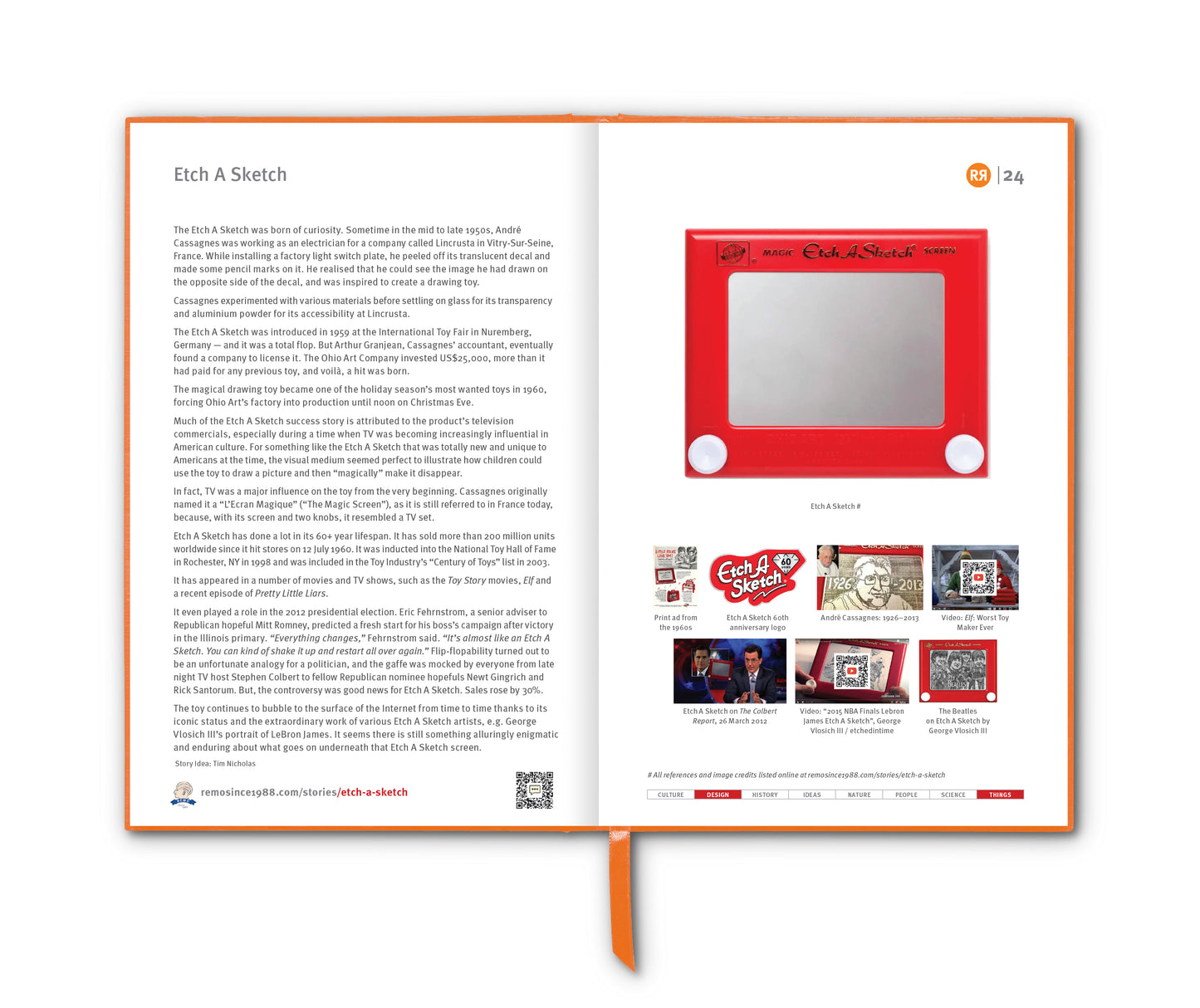
1. Montage of Morse code with Morse code operator
2. Samuel F.B. Morse. Credit: Library of Congress\
3. US Patent 1,647 – "Telegraph Signs", 20 June 1840
4. International Morse code
5. Morse code operator
6. The only known picture of Titanic's wireless radio room. Photo credit: Francis Browne
7. Old vintage book from the early 1900s on learning how to use morse code. Photo credit: Chris Curry on Unsplash
8. Video: "Admiral Jeremiah Denton Blinks Morse Code Warning as POW"
9. A US Navy signalman sends Morse code signals in 2005. Photo credit: Tucker M. Yates
10. SOS [RR1:74]
11. The V-sign (and its Morse code equivalent) incorporated on an American propaganda poster for the War Production Board, 1942 or 1943
12. DVD cover for Inspector Morse, TV crime drama, 1987–2000