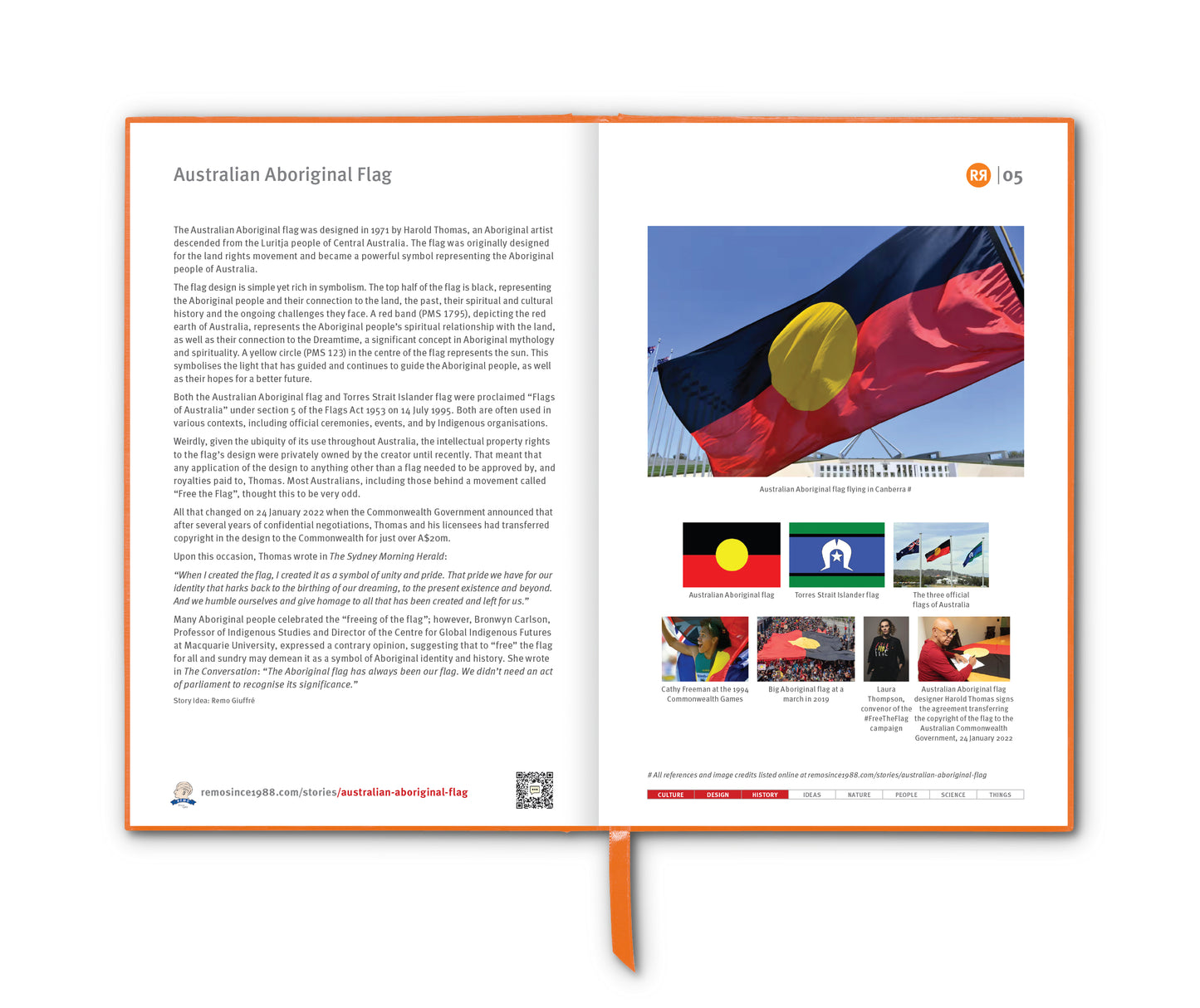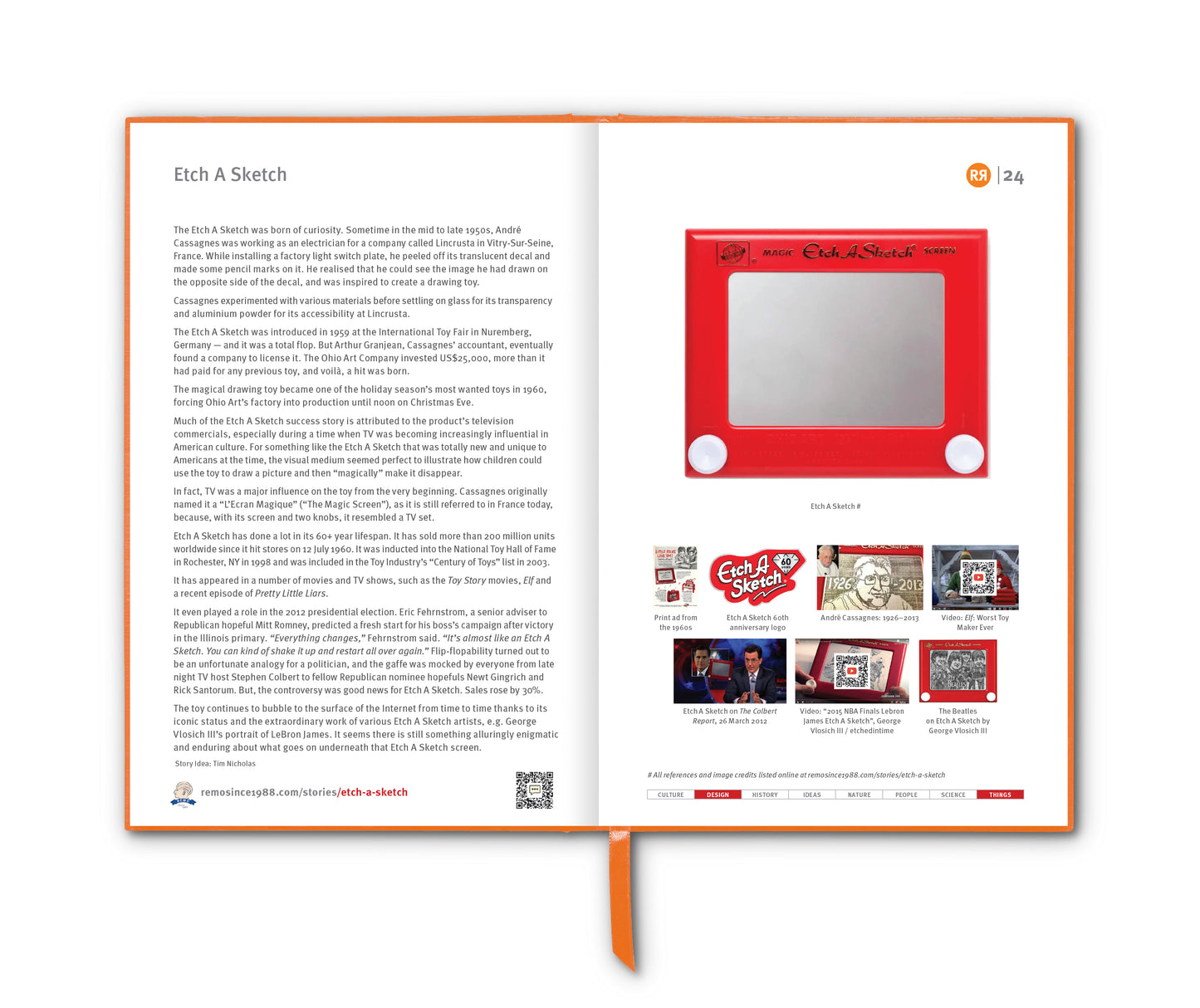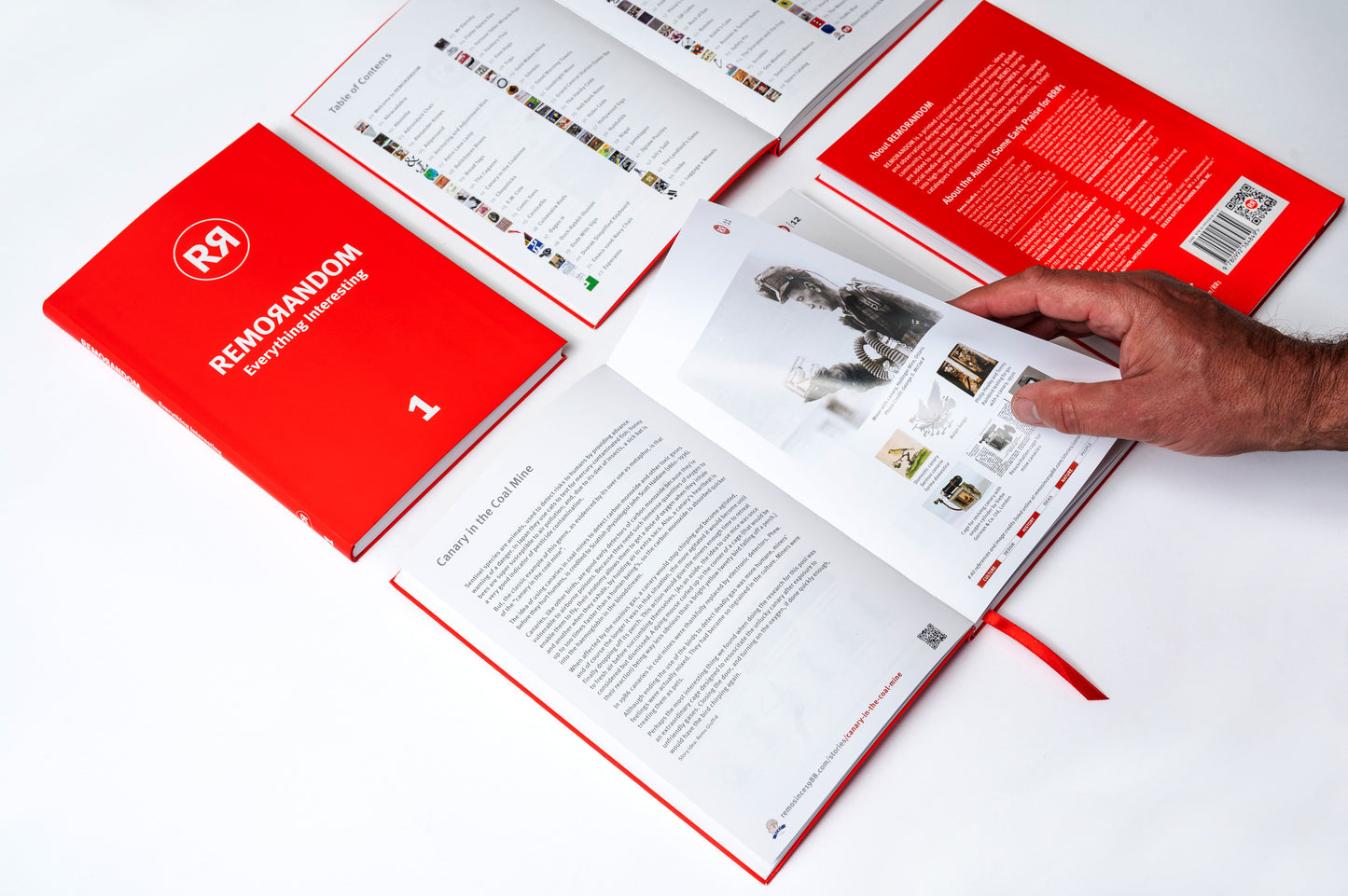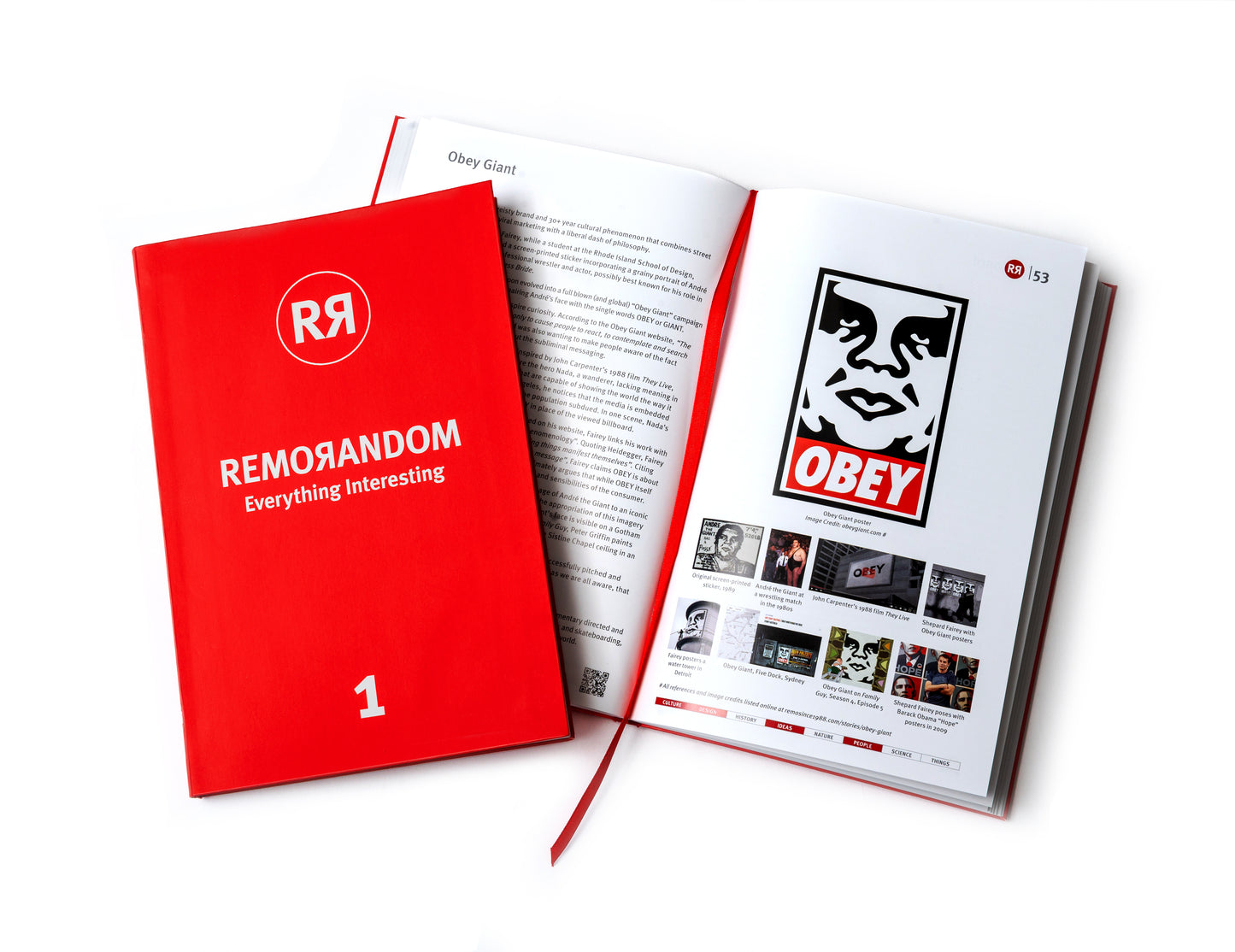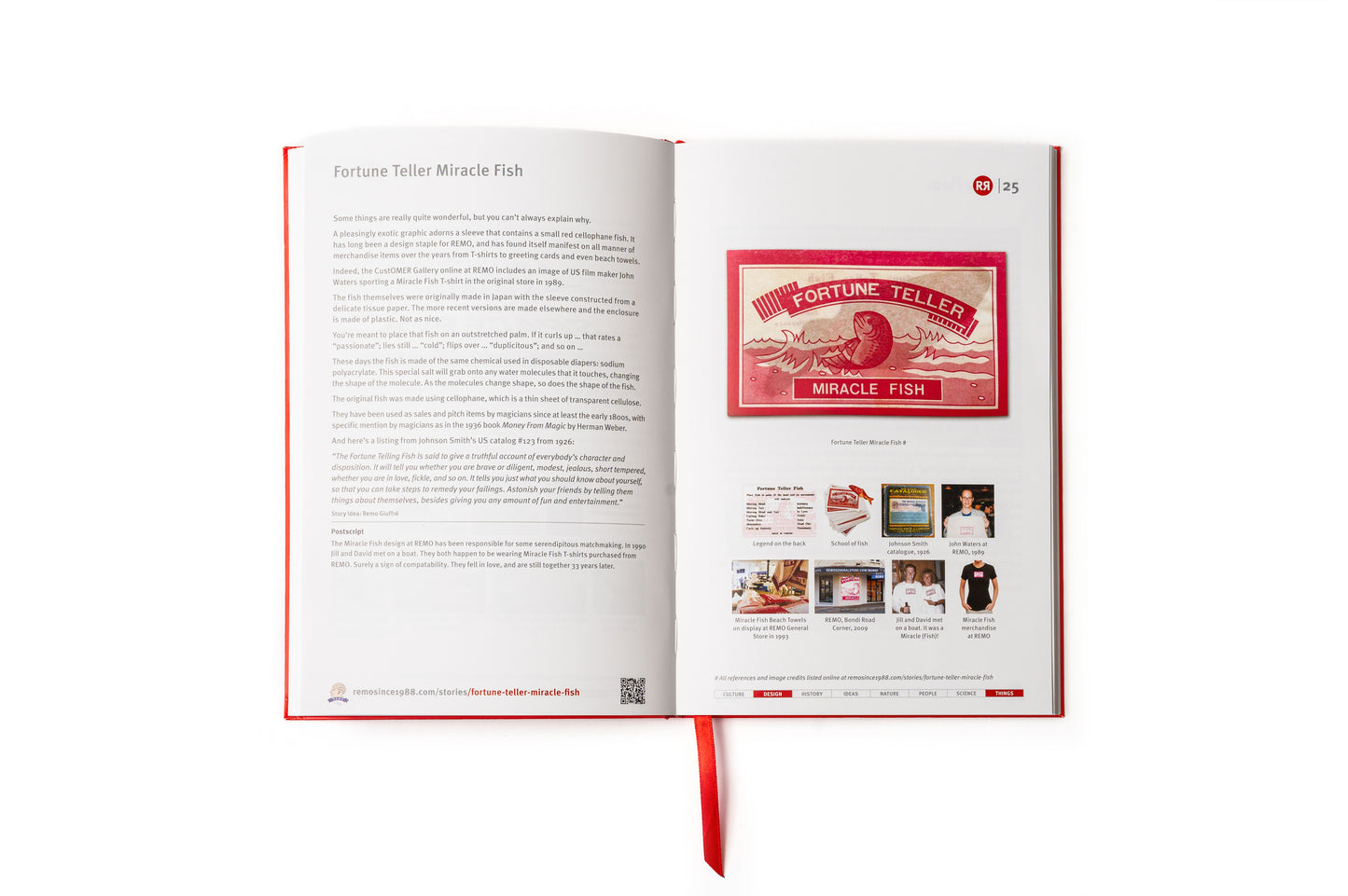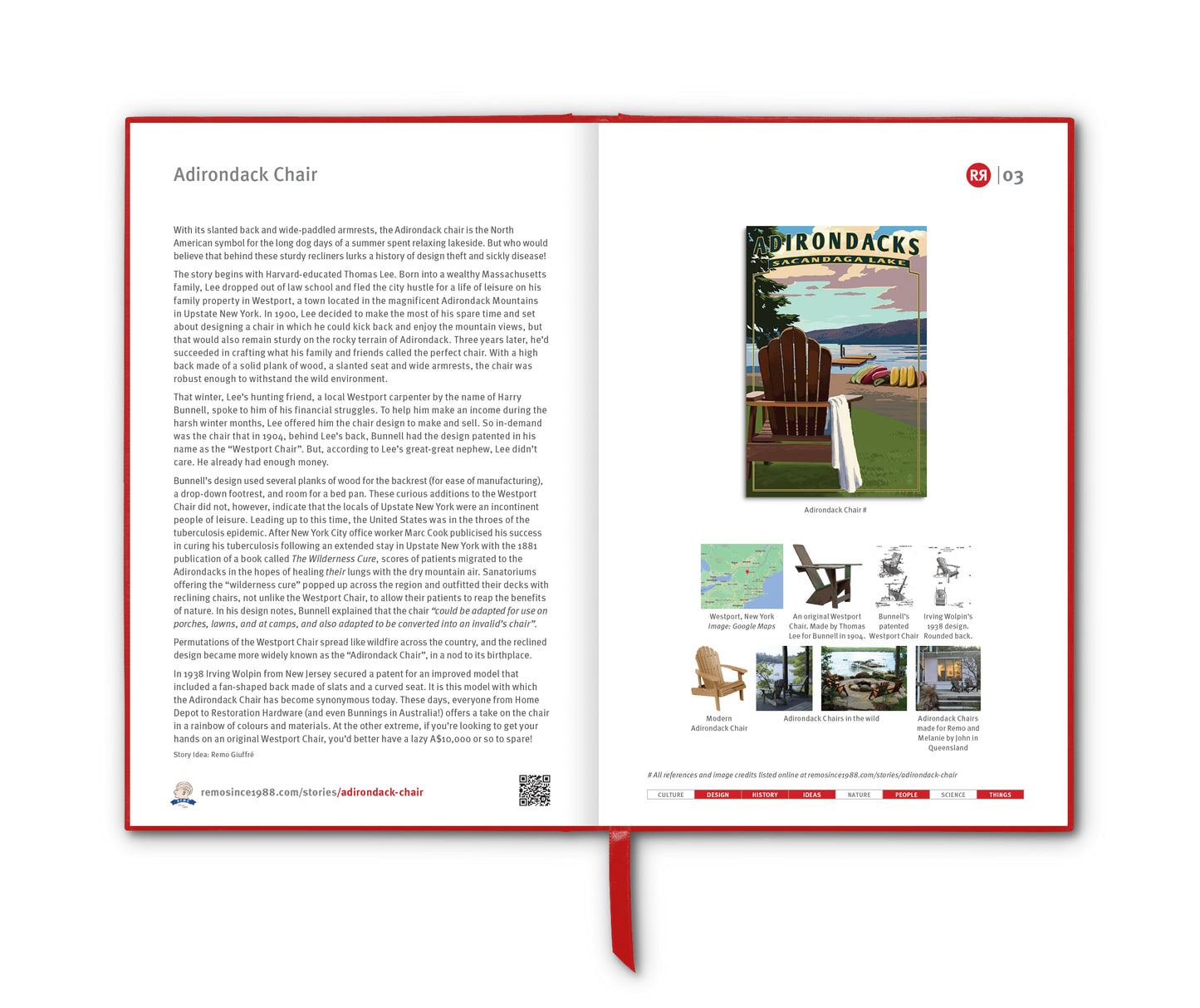

Petroleum or “rock oil” from the Medieval Latin petroleum, derived from petra ("rock" or "stone" from Greek pétra) and oleum ("oil” from Greek élaion) refers to naturally occurring hydrocarbons found beneath the Earth’s surface in both liquid and gaseous forms.
Crude oil, the liquid portion of petroleum as it comes out of the ground before any processing, is a dense, energy-rich liquid formed over millions of years from the buried remains of microscopic marine organisms. Subjected to heat and pressure deep within the Earth’s crust, this organic matter gradually transformed into hydrocarbons: chains of carbon and hydrogen atoms that store remarkable amounts of chemical energy.
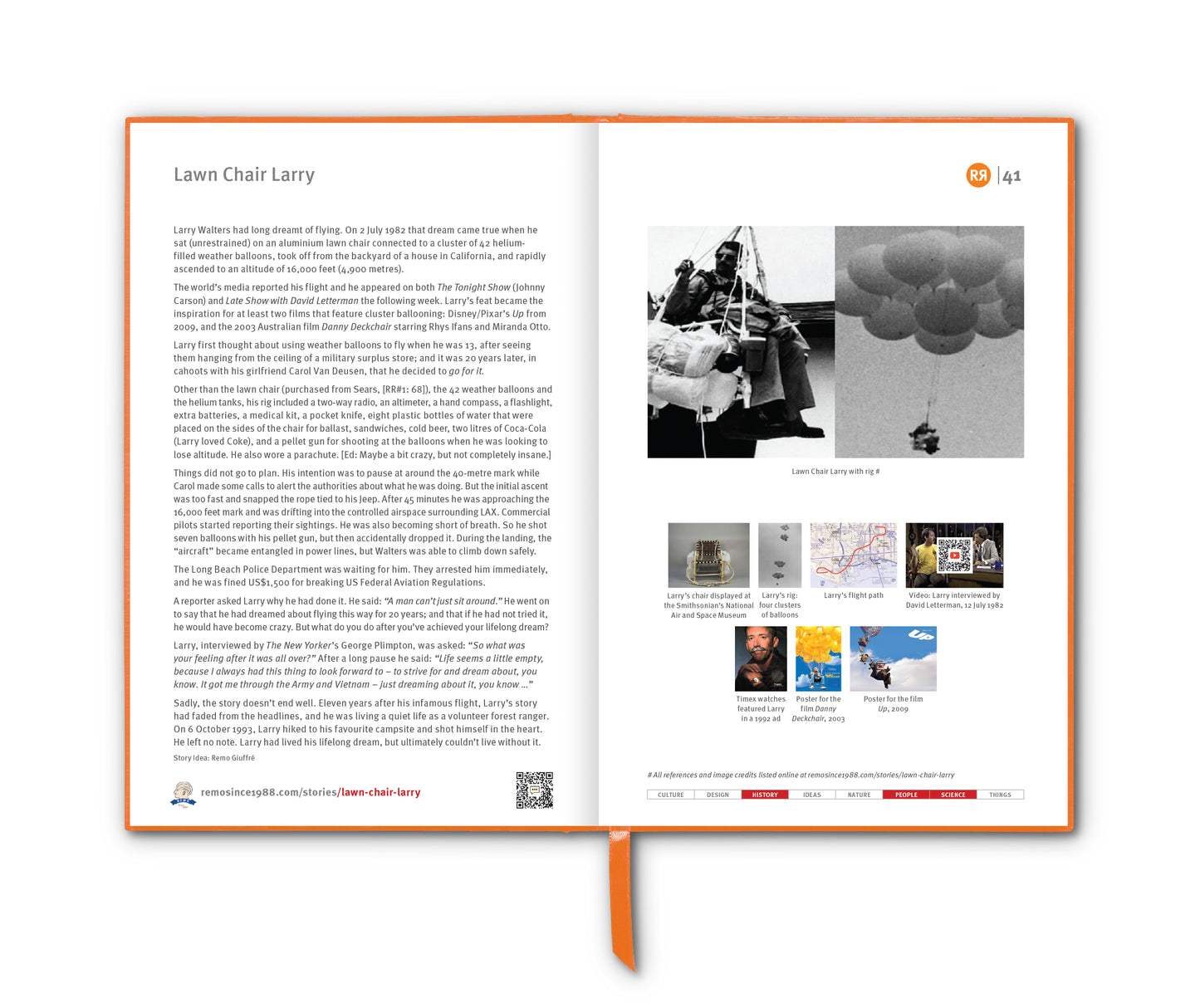
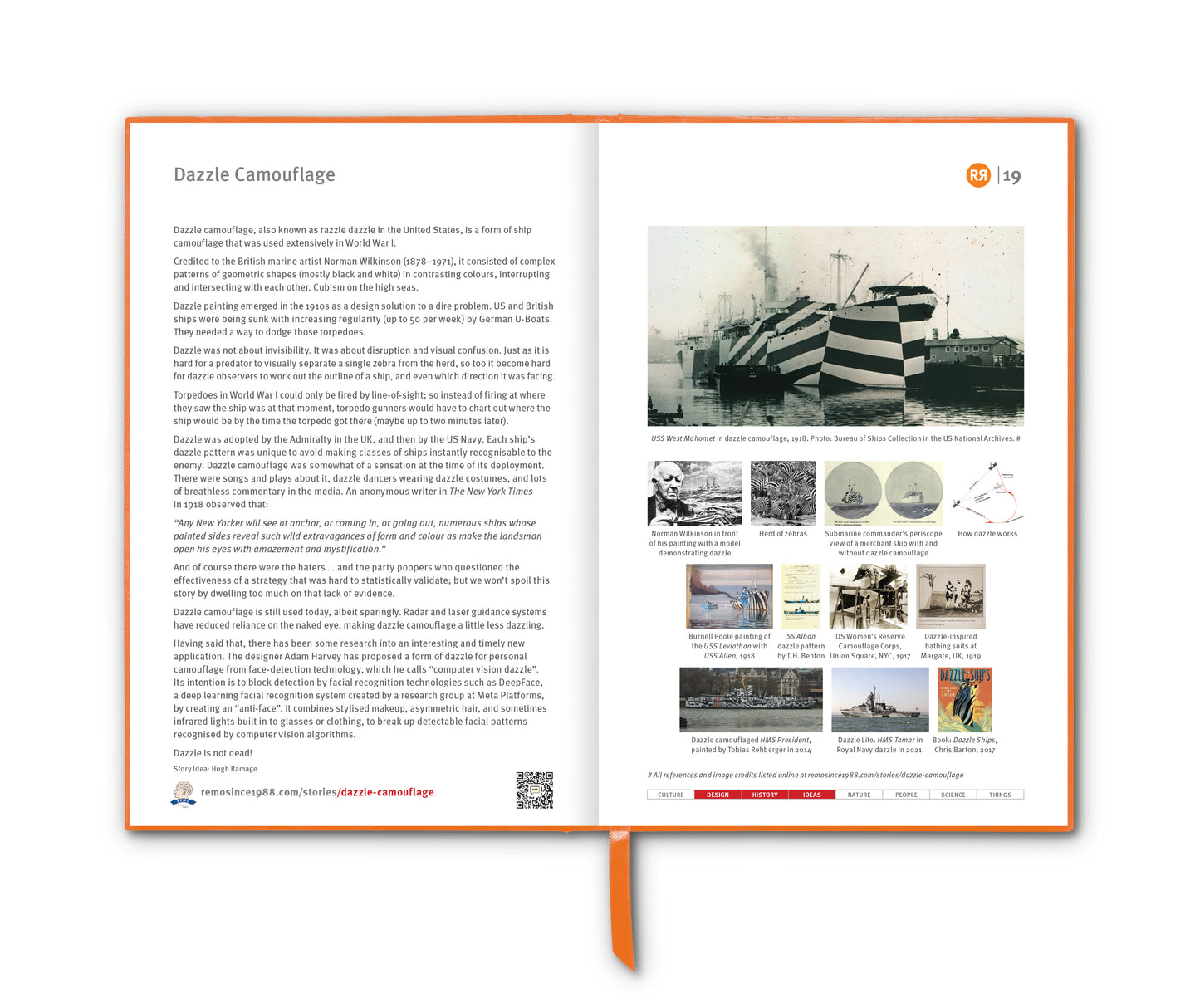
The usage of crude oil, sometimes referred to as “black gold”, dates back to as early as 3000 BCE, when Babylonians (modern day Iraqis) would use it as mortar in construction and to waterproof their boats..The ancient Egyptians also used oil in the preparation of mummies to help preserve corpses.
Crude oil is not a single uniform substance but a complex mixture of hydrocarbons of varying lengths and structures, along with small amounts of sulphur, nitrogen and other impurities. Its value lies not in its raw form, but in what it can be turned into. This transformation happens through the refining process, a sophisticated sequence of physical and chemical operations designed to separate and convert crude oil into usable products.
The first stage of refining is fractional distillation. Crude oil is heated in a furnace and fed into a distillation column, where different components separate based on their boiling points. Lighter fractions such as petroleum gases rise to the top, while heavier fractions settle lower down. From this initial separation come familiar fuels: liquefied petroleum gas (LPG) for your BBQ, petrol (gasoline) for your car, kerosene (jet fuel), diesel and heavier fuel oils.
Beyond fuels, petroleum refining yields a vast array of by-products that quietly permeate everyday life. Naphtha, for example, is a key input for the petrochemical industry, leading to the production of plastics, synthetic rubber and fibres like nylon and polyester. Bitumen, the heaviest fraction, is used for road surfacing and roofing. Lubricating oils reduce friction in engines and machinery. Paraffin wax appears in candles, packaging and even cosmetics.
The sheer versatility of petroleum-derived products is striking. From the plastic casing of a smartphone to the synthetic fabrics in clothing, from medical equipment to agricultural fertilisers, petroleum is embedded in the infrastructure of modern civilisation. It is not just an energy source but a foundational material resource.
Yet this dependence comes with significant challenges. Petroleum is a finite resource, formed on geological timescales far beyond human reach. Its extraction and combustion contribute substantially to environmental degradation and climate change, primarily through the release of greenhouse gases such as carbon dioxide. Oil spills and habitat disruption further underscore the ecological risks associated with its use.
As a result, the world is increasingly grappling with how to balance the undeniable utility of petroleum with the urgent need for sustainability. Renewable energy sources, electrification and advances in materials science are gradually reshaping the landscape. We hope.
Moreover, proximity to petroleum deposits, and subsequent access to and pricing of oil have historically fuelled both domestic and geopolitical conflicts, state-sanctioned oil wars, diplomatic and trade frictions, energy policy disputes and other resource conflicts, e.g. Iran’s blockade of the Strait of Hormuz in 2026.
________________________
References
https://en.wikipedia.org/wiki/Petroleum
https://www.bbc.co.uk/teach/articles/zn6gnrd
Images
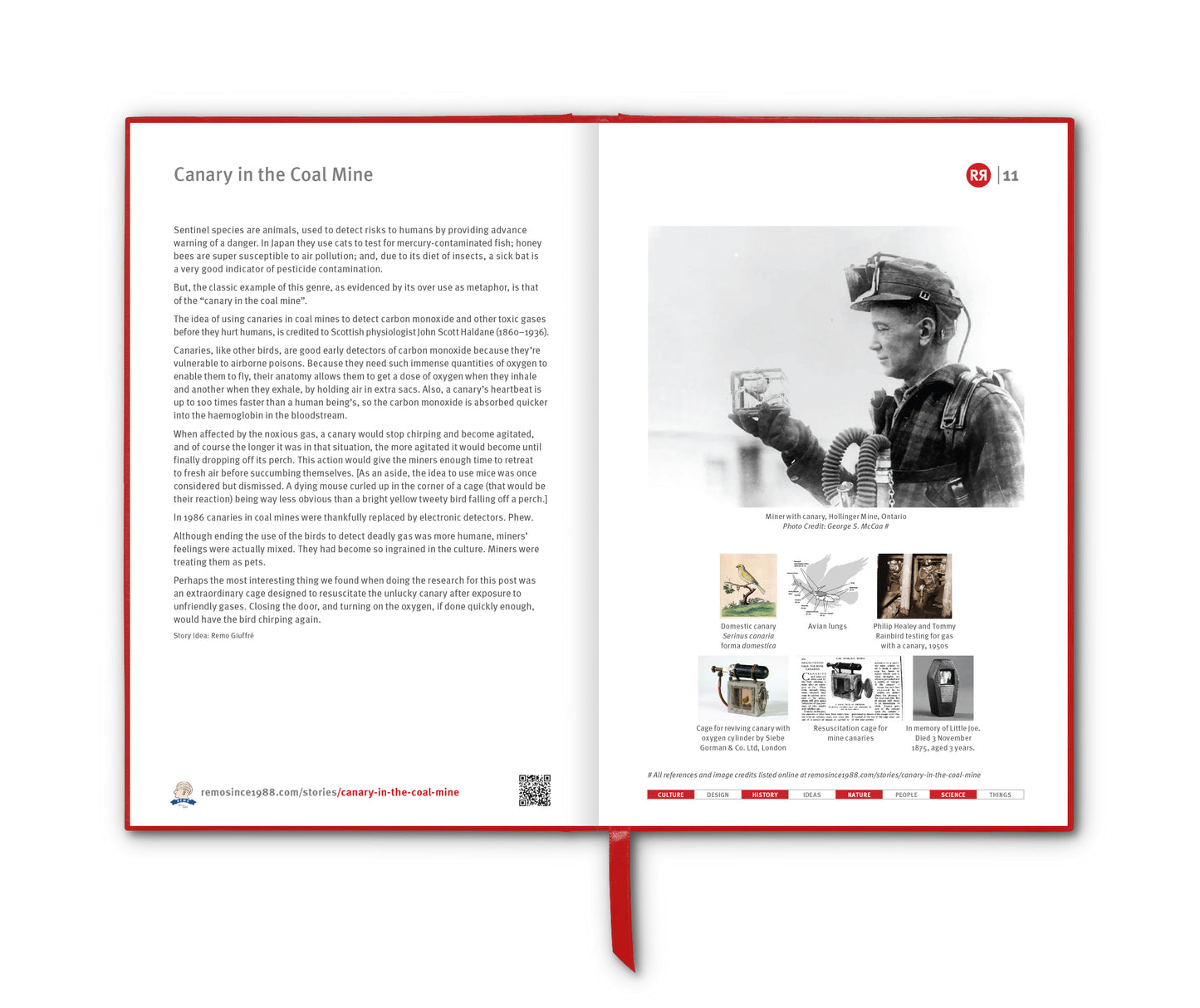
1. Crude oil. Photo credit: Peter Schreiber via iStock Photo
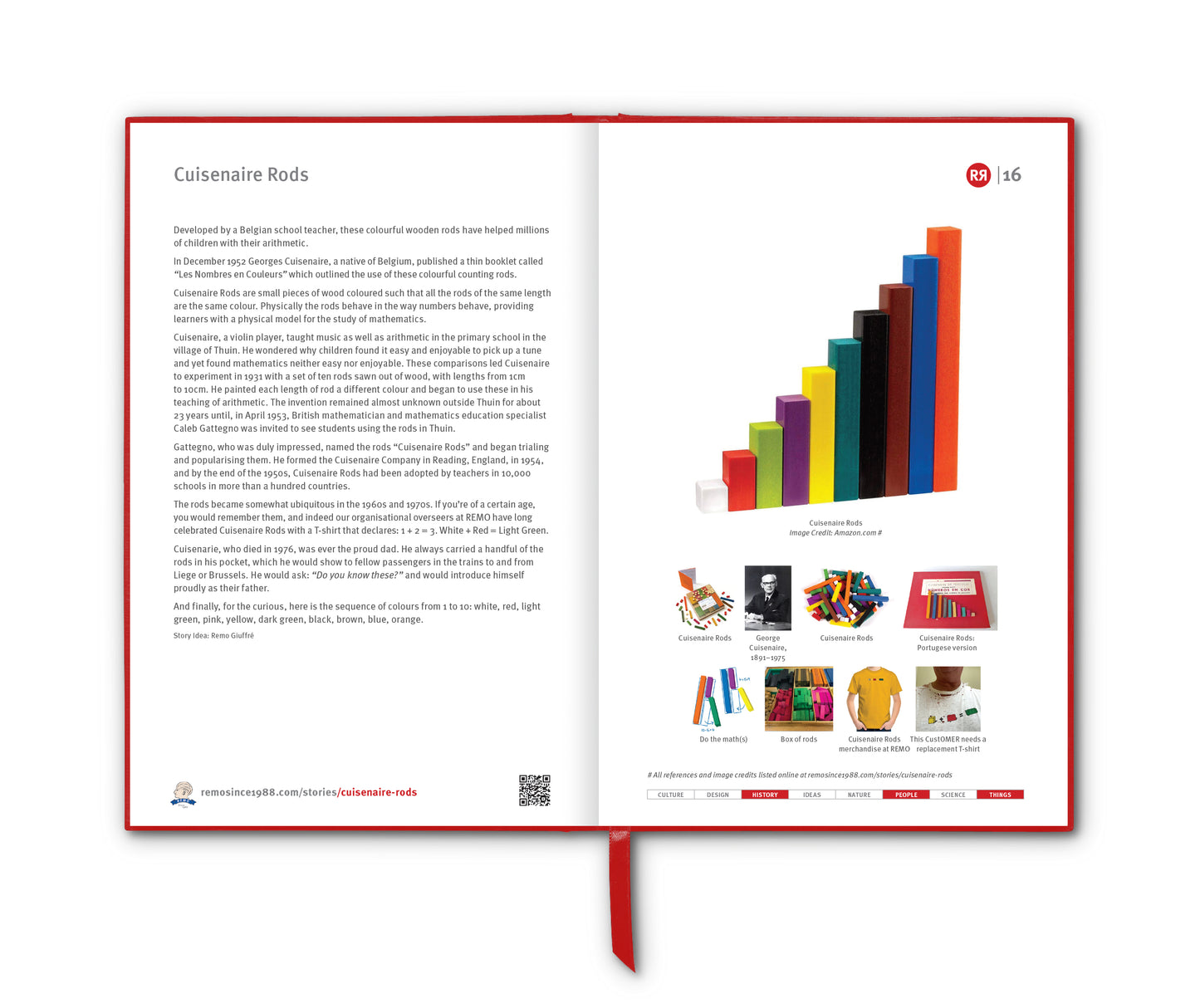
2. Crude oil in a beaker. Photo credit: An oil derrick in Okemah, Oklahoma in 1922
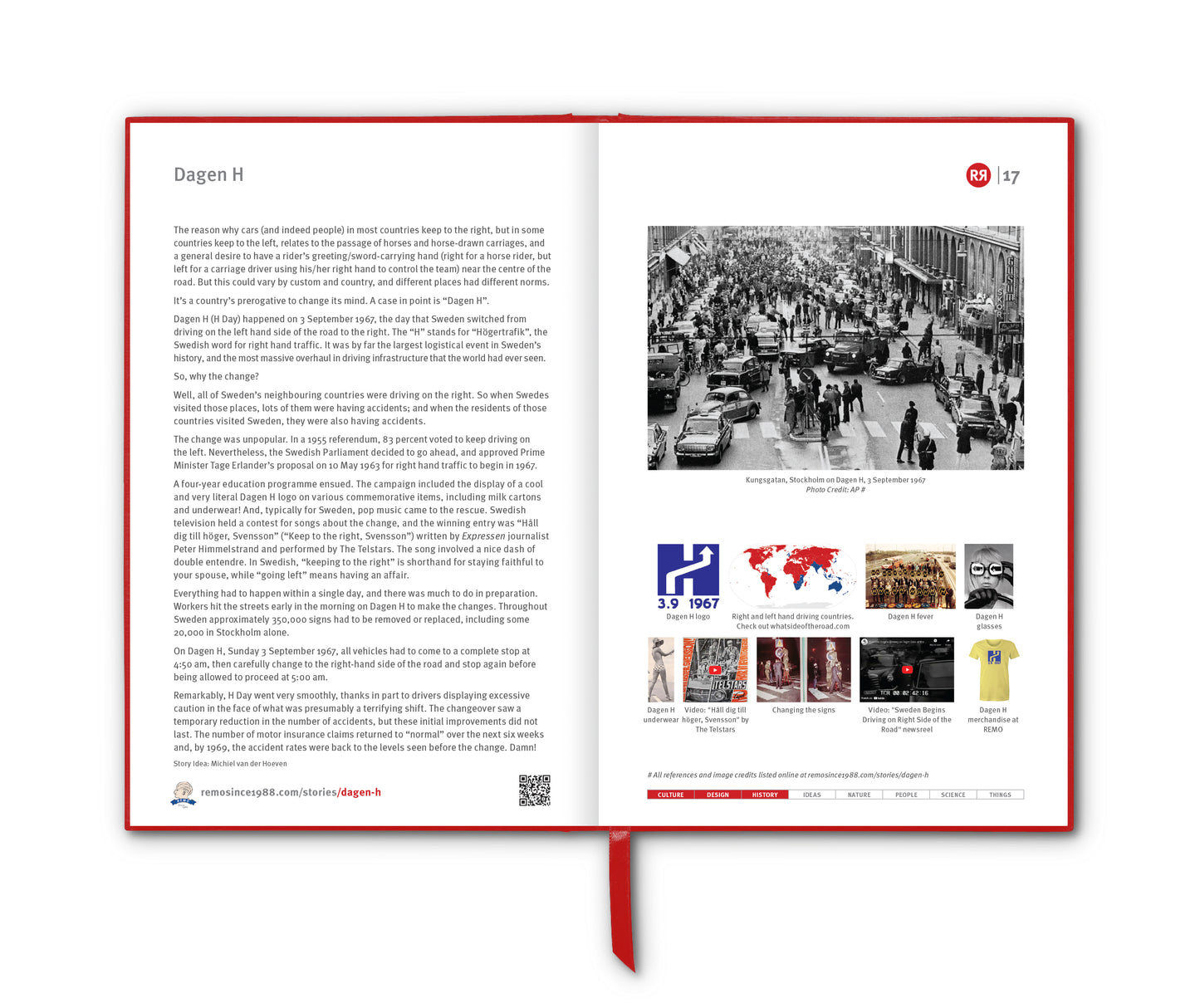
4. Fractional distillation of crude oil diagram
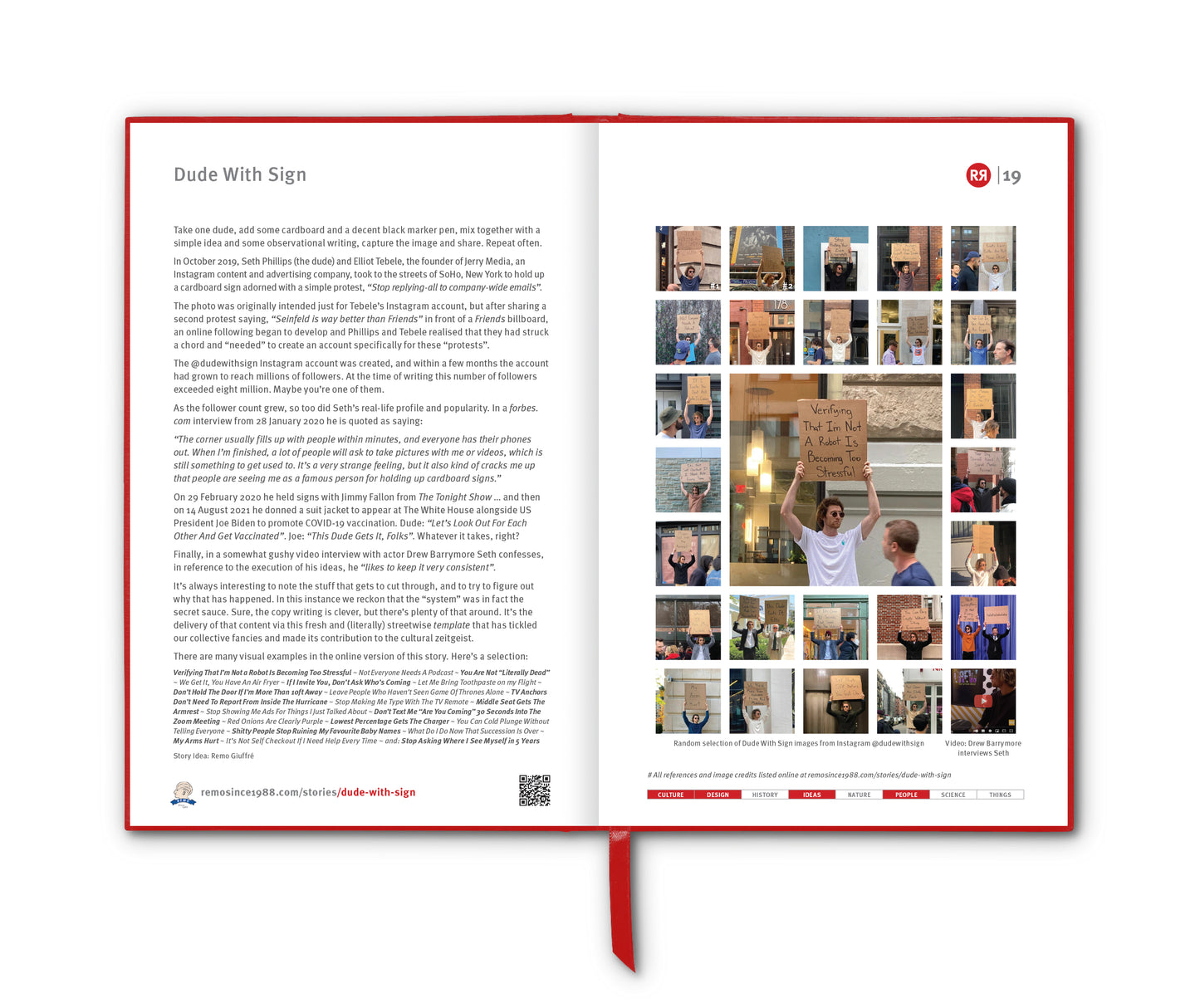
5. Venezuela and Middle Eastern countries have the largest proven crude oil reserves. Credit: RCraig09
6. Big Oil Don't Surf. Credit: fightforthebight.org.au
7. Kuwait's oil fields on fire after retreating Iraqi forces employ a scorched earth policy
8. Strait of Hormuz, 2026
9. The Beverly Hillbillies (1962–1971). Source of wealth: "black gold"