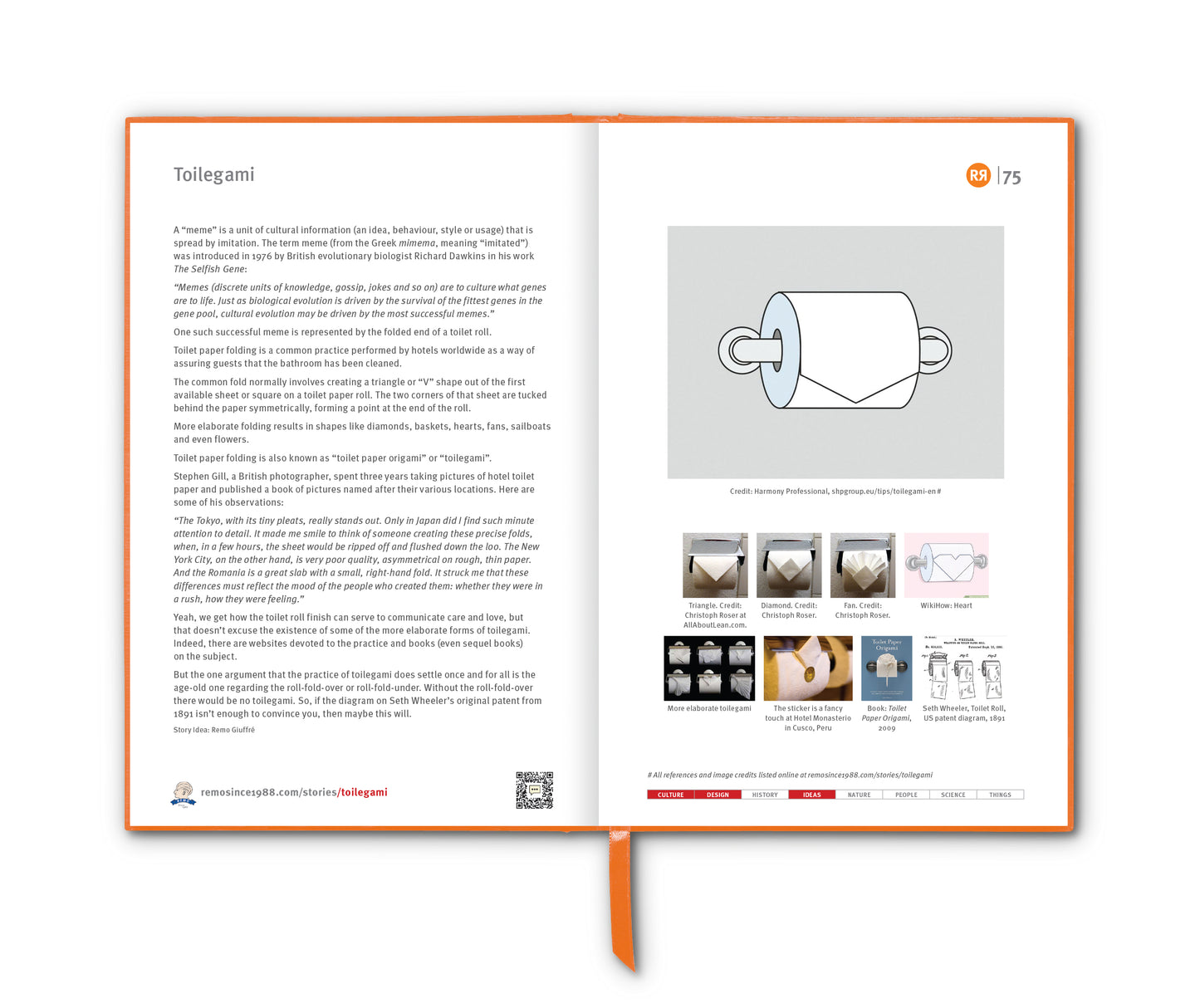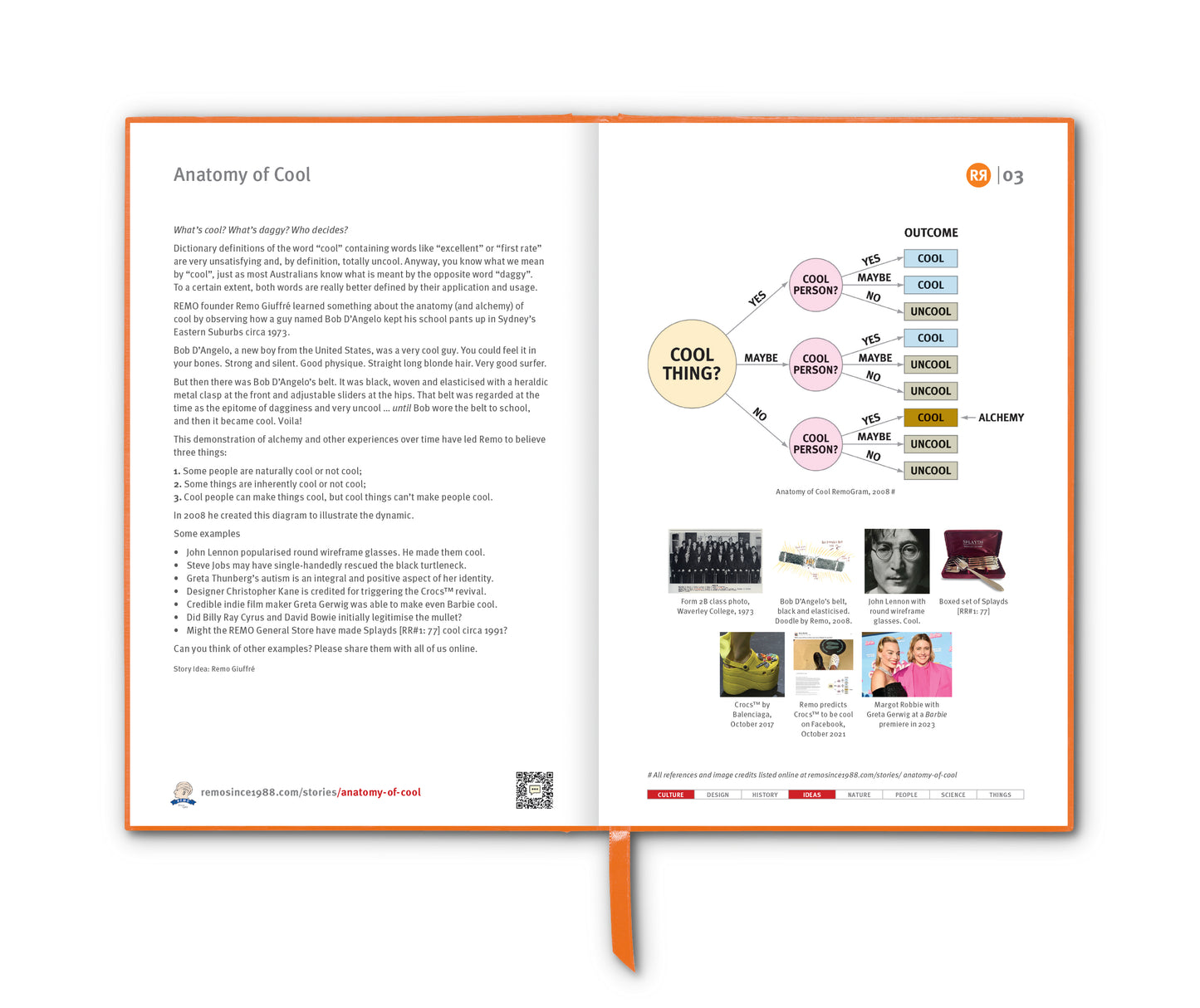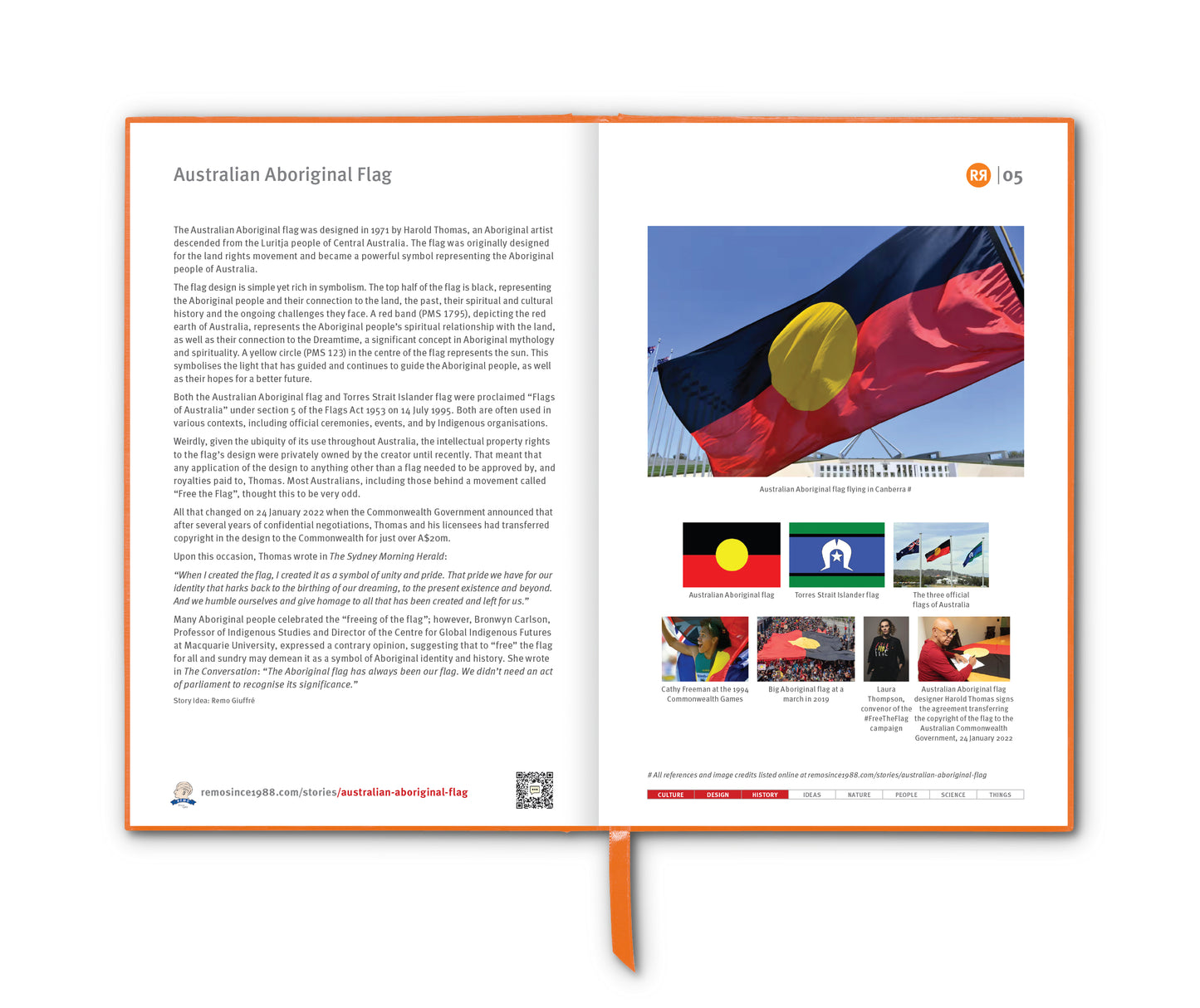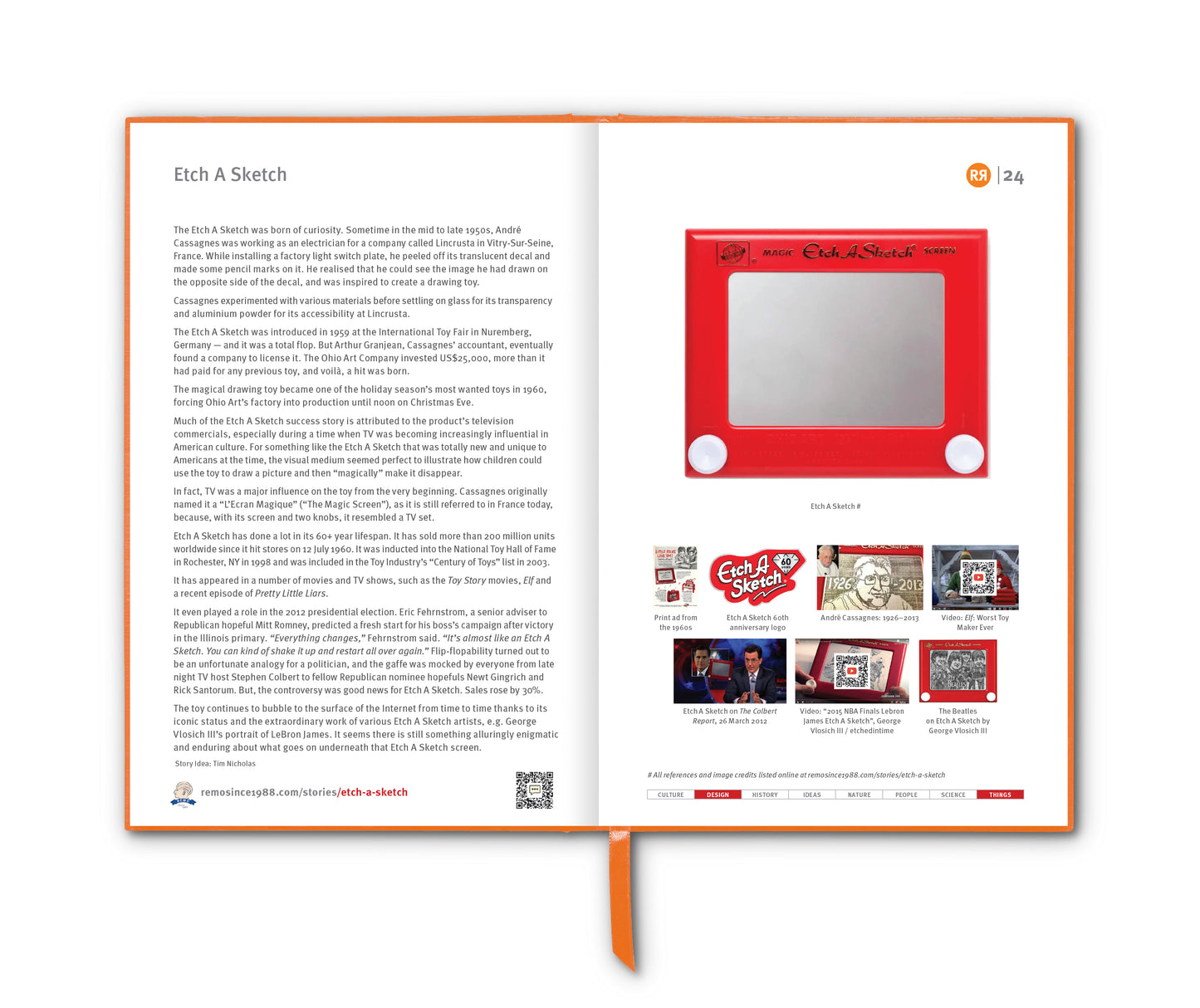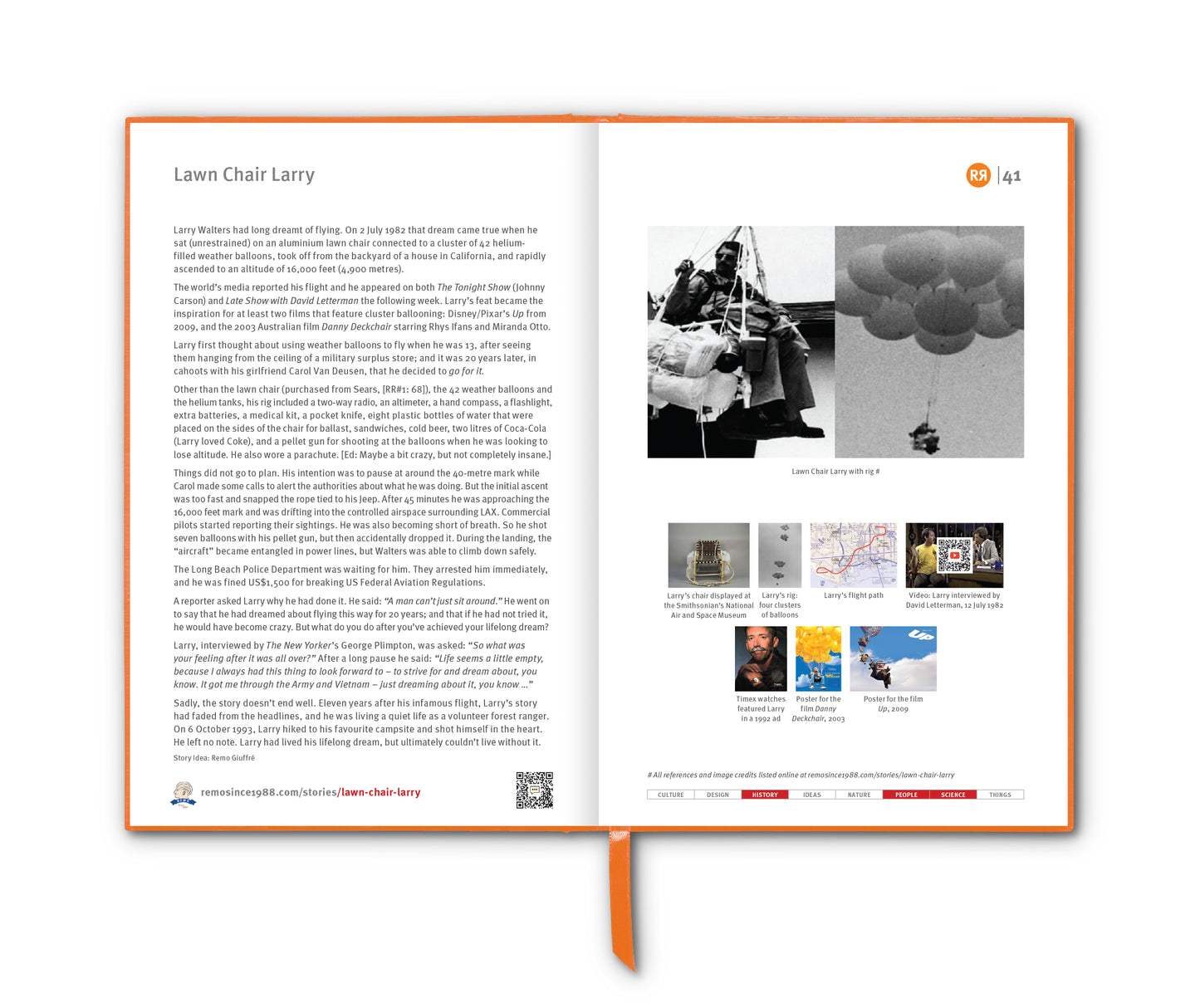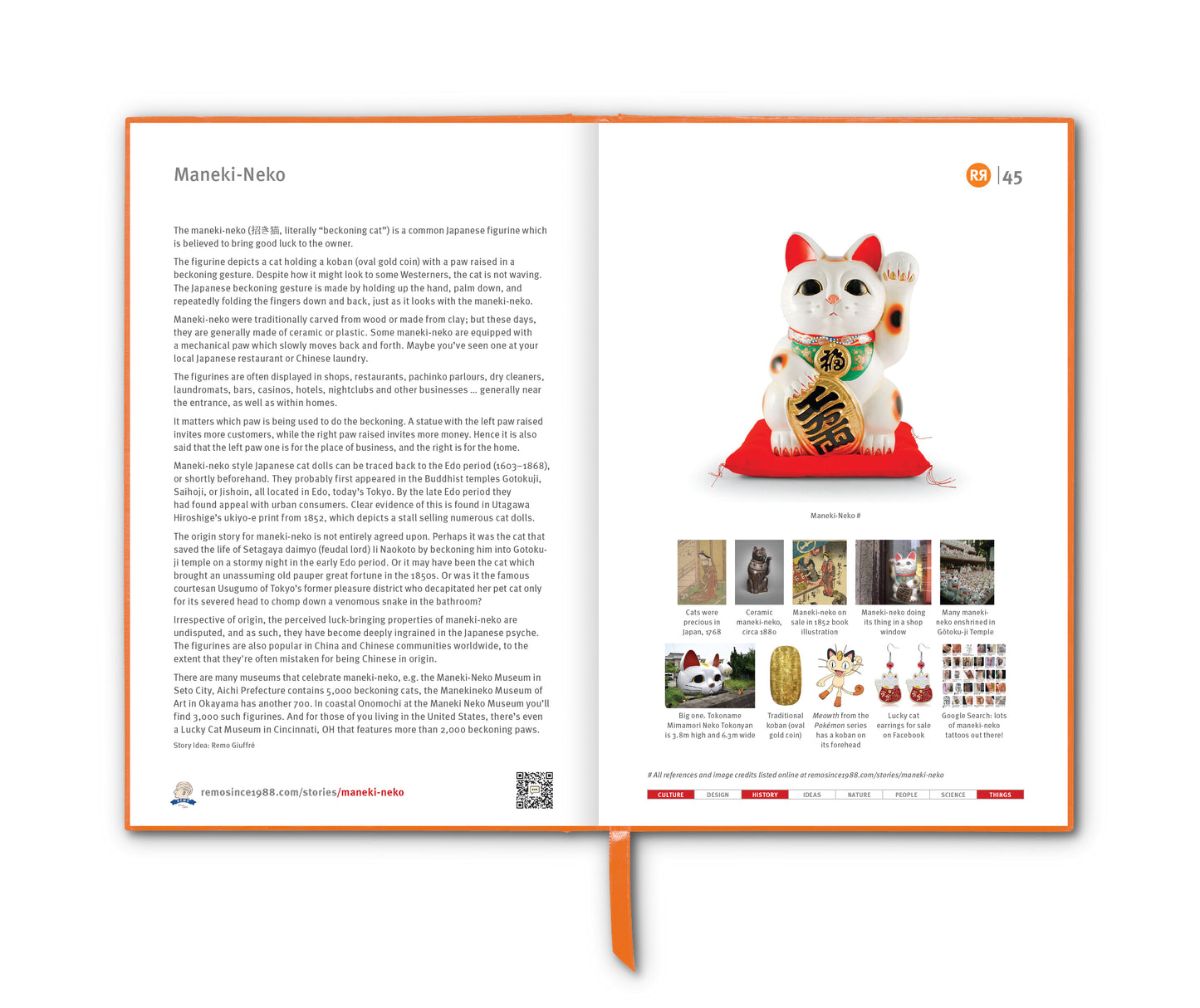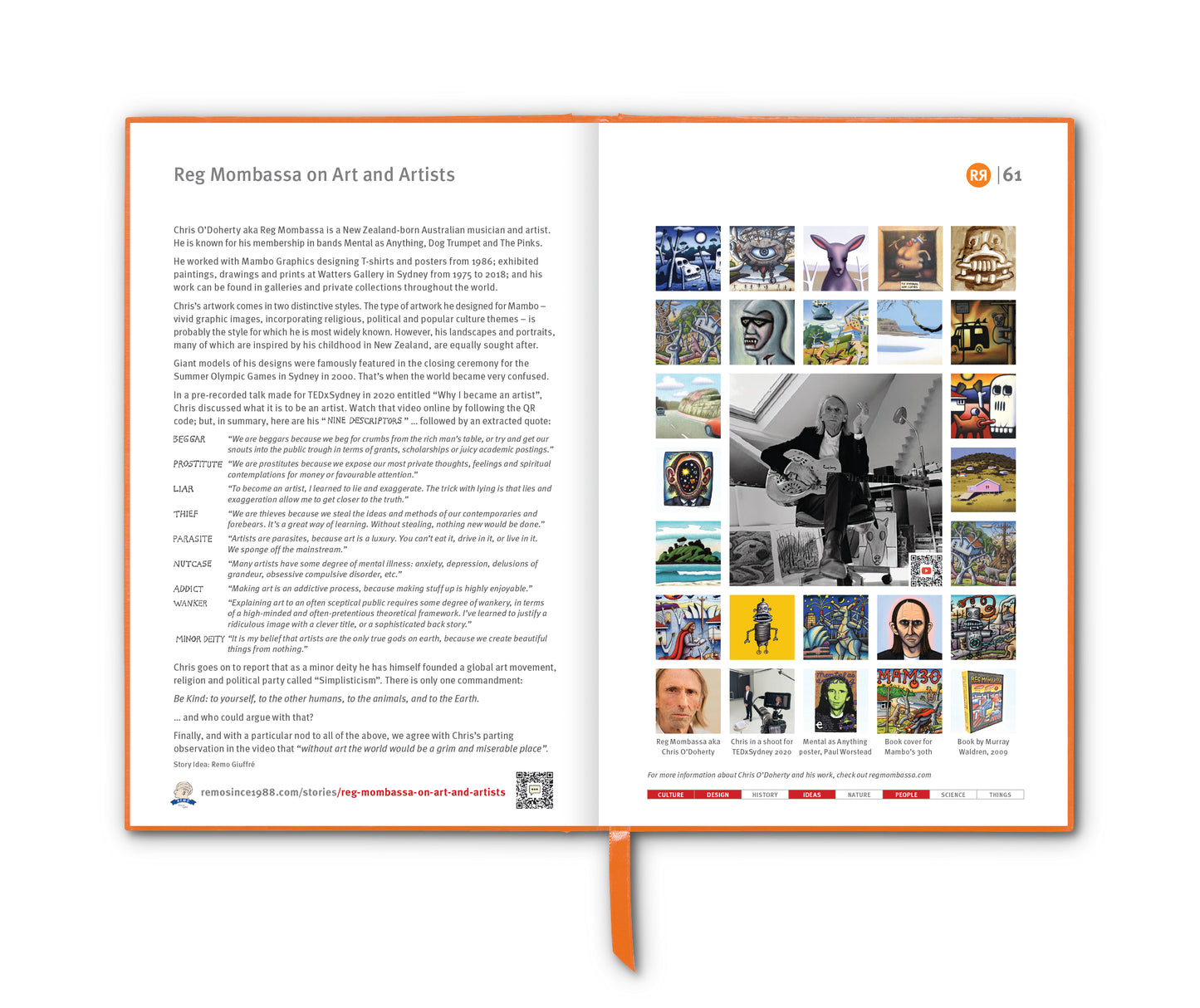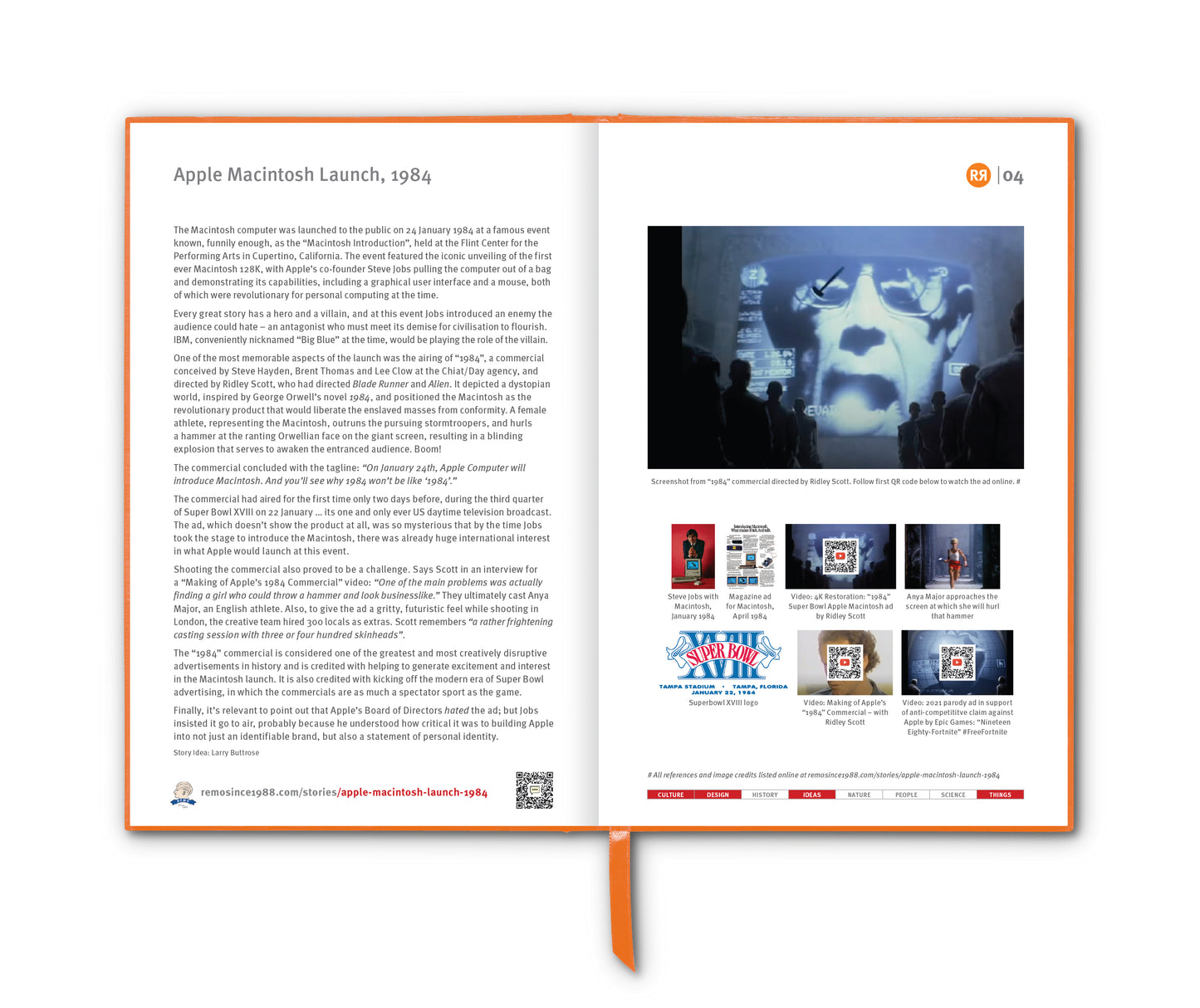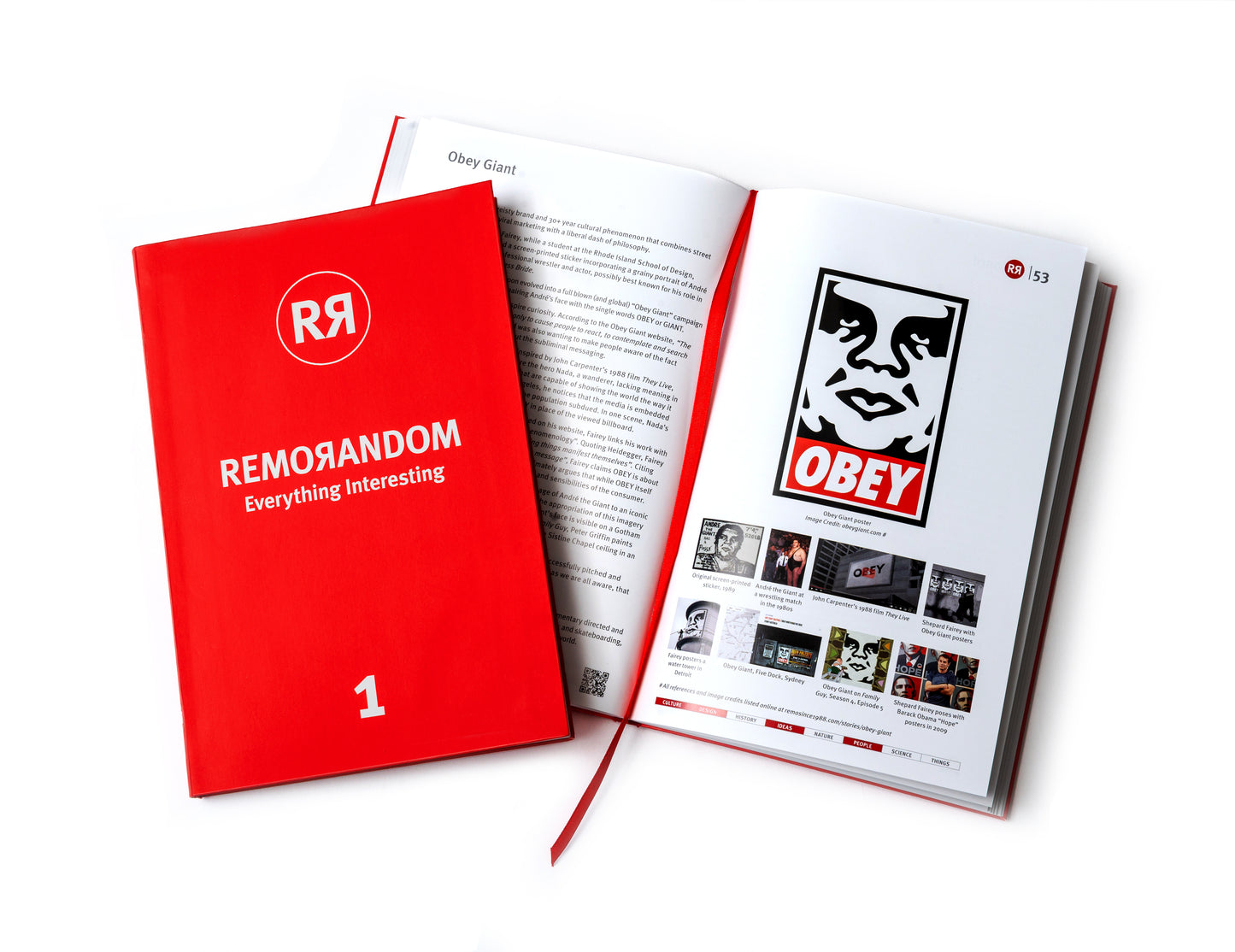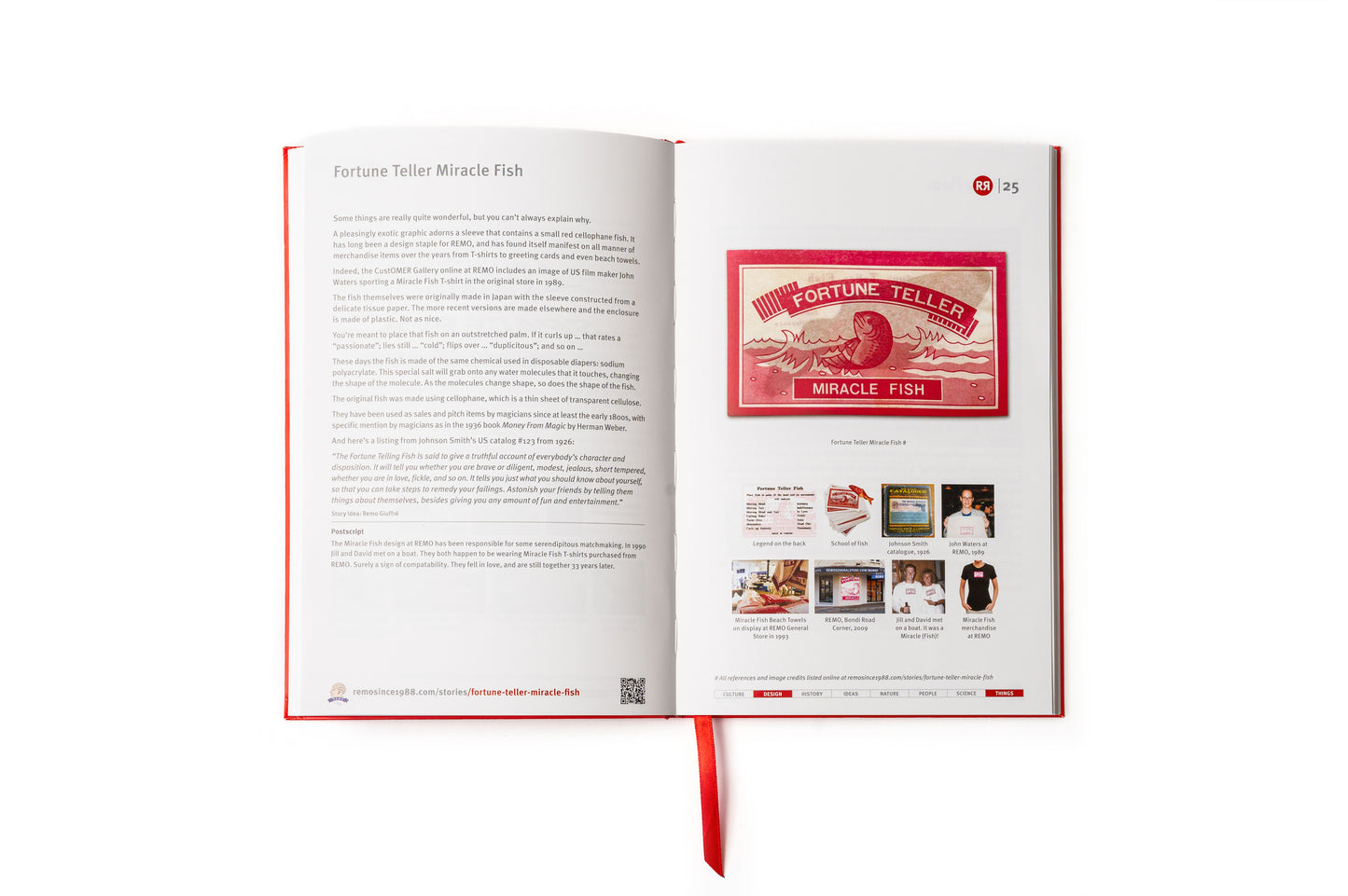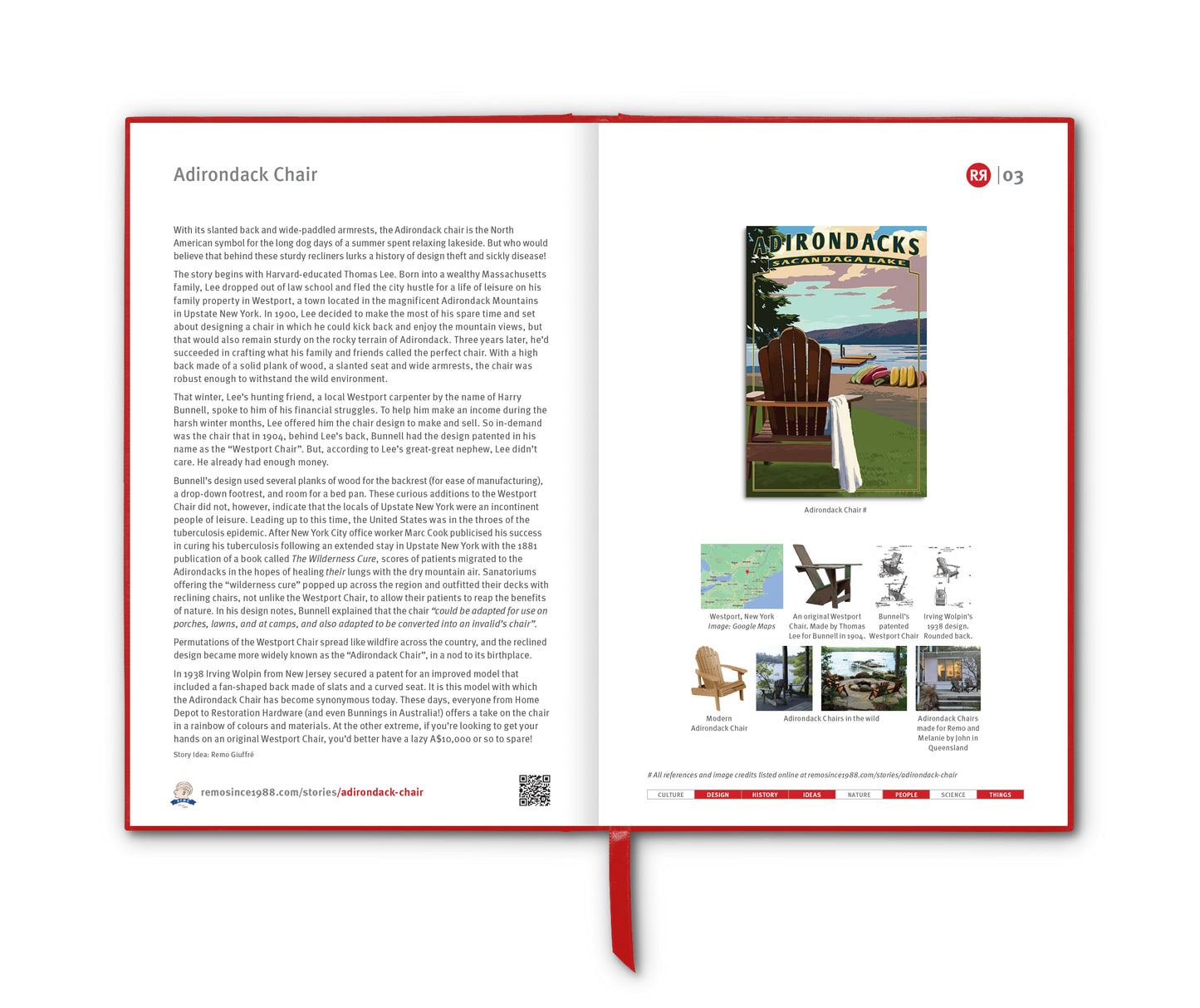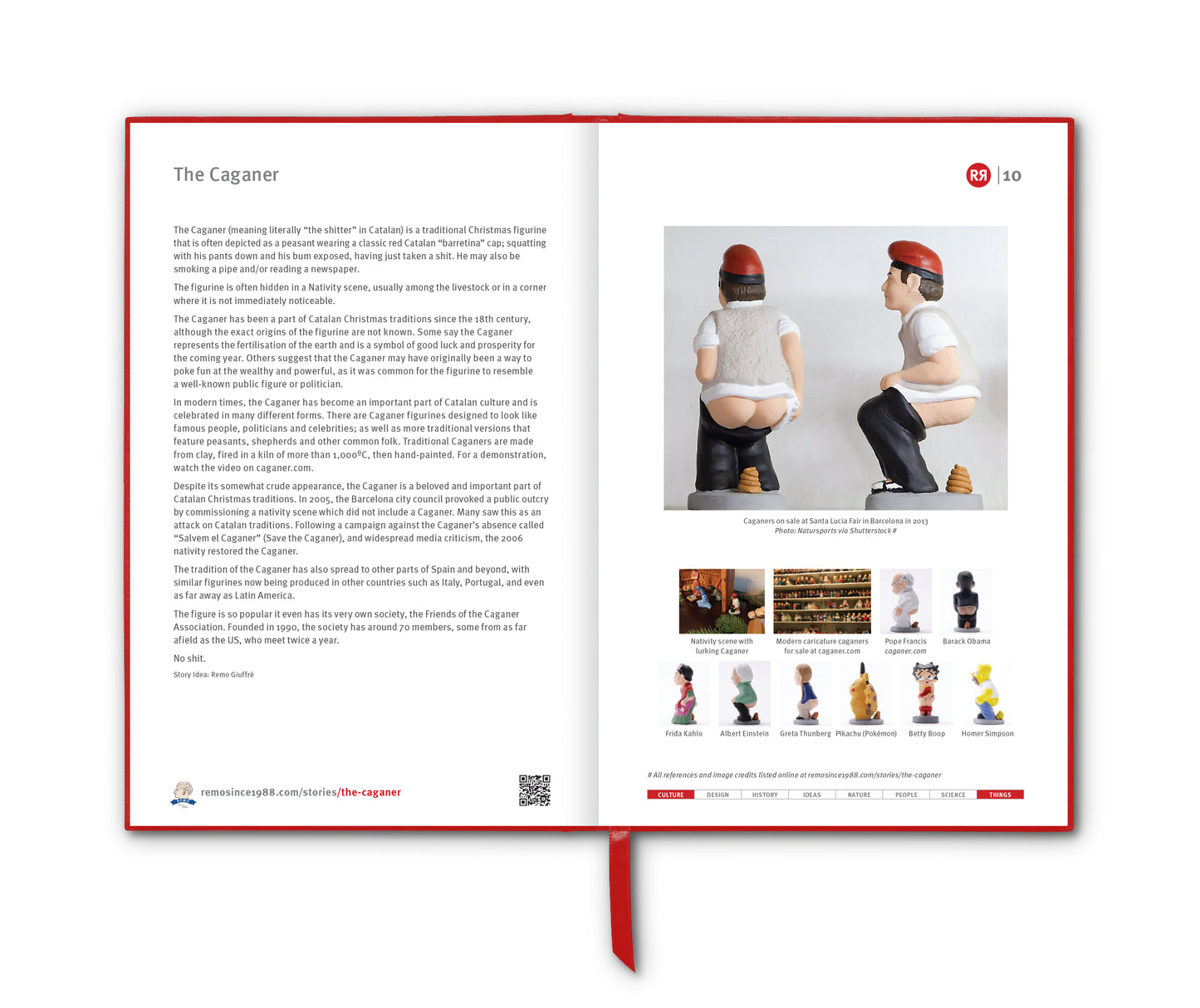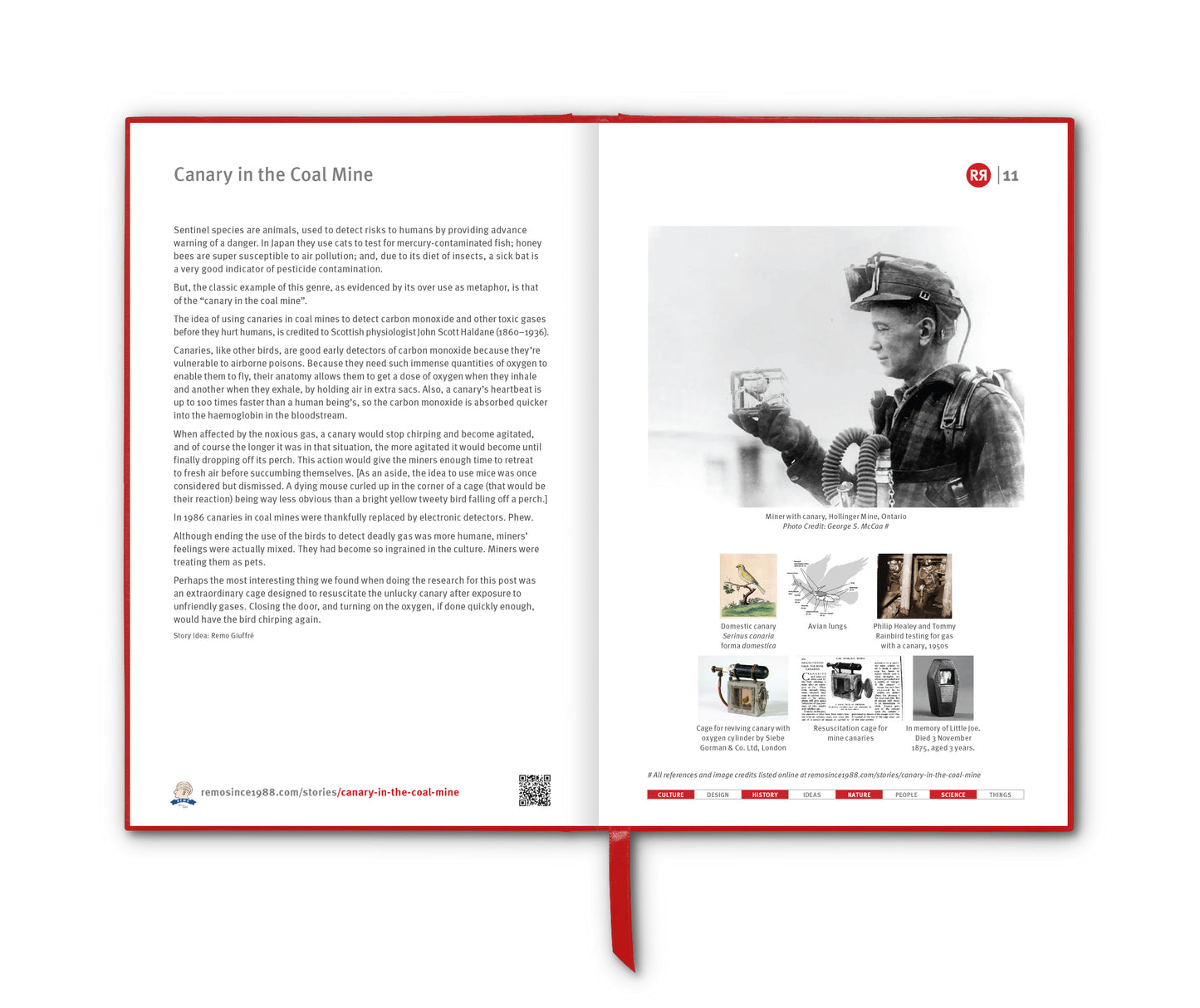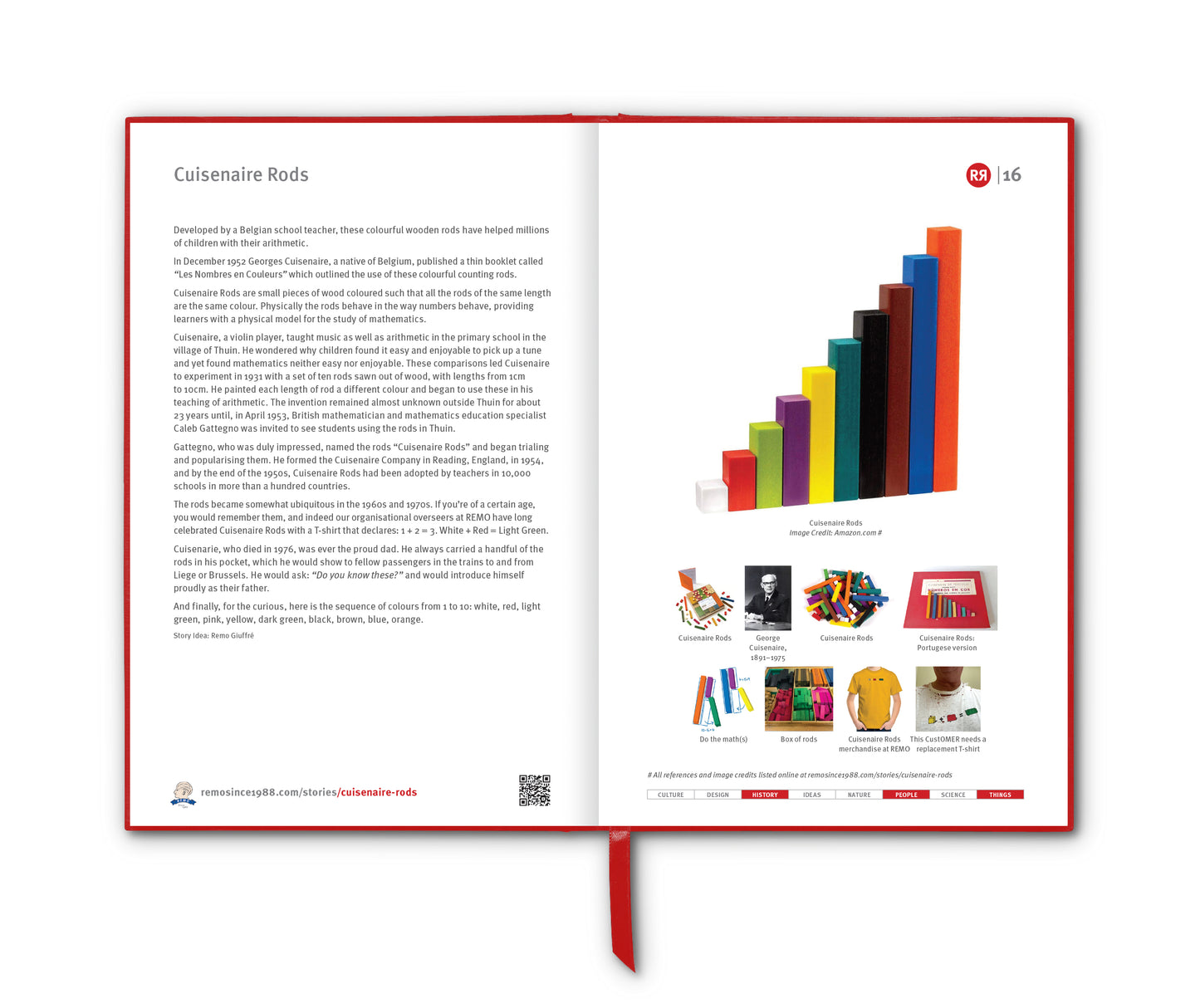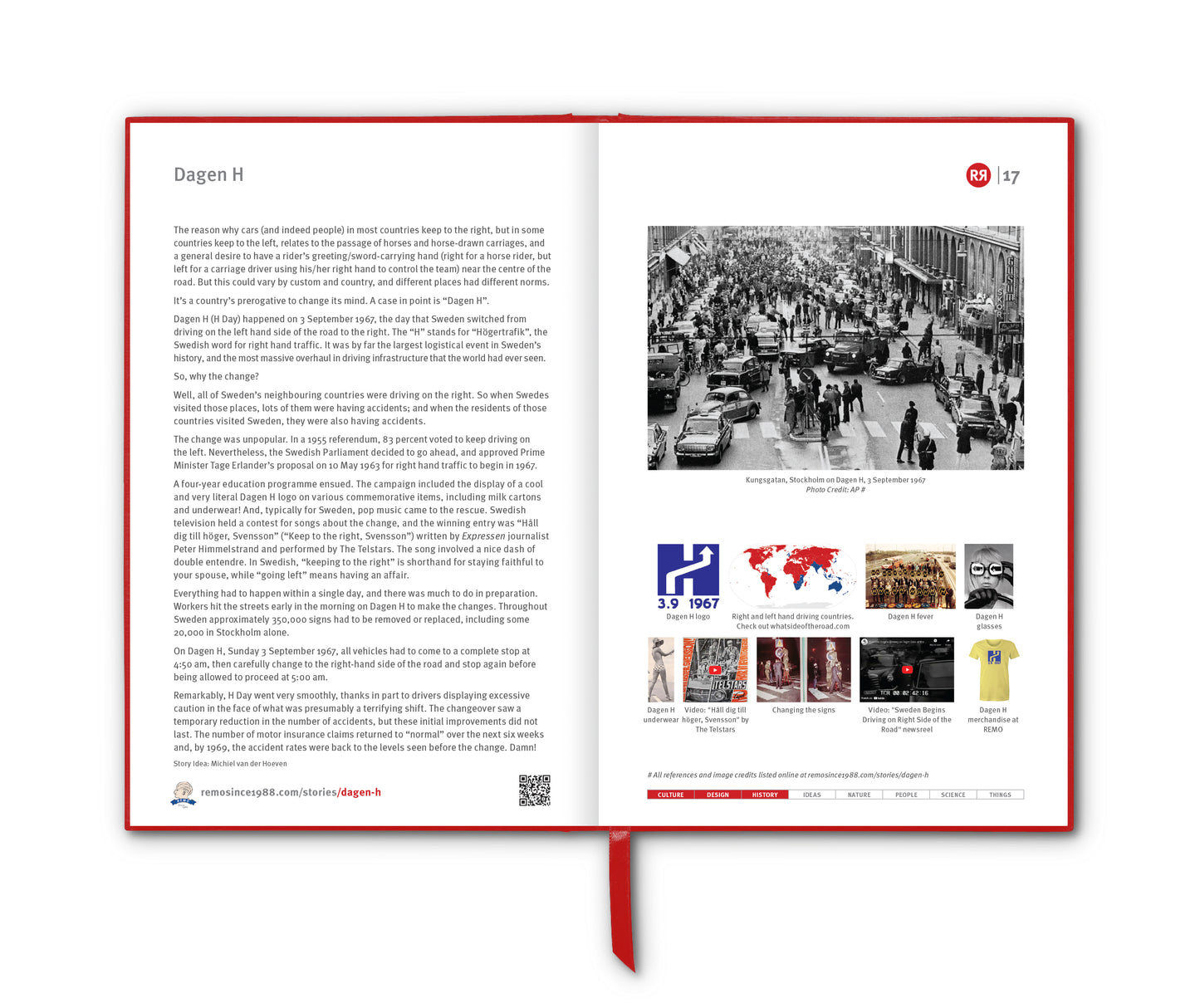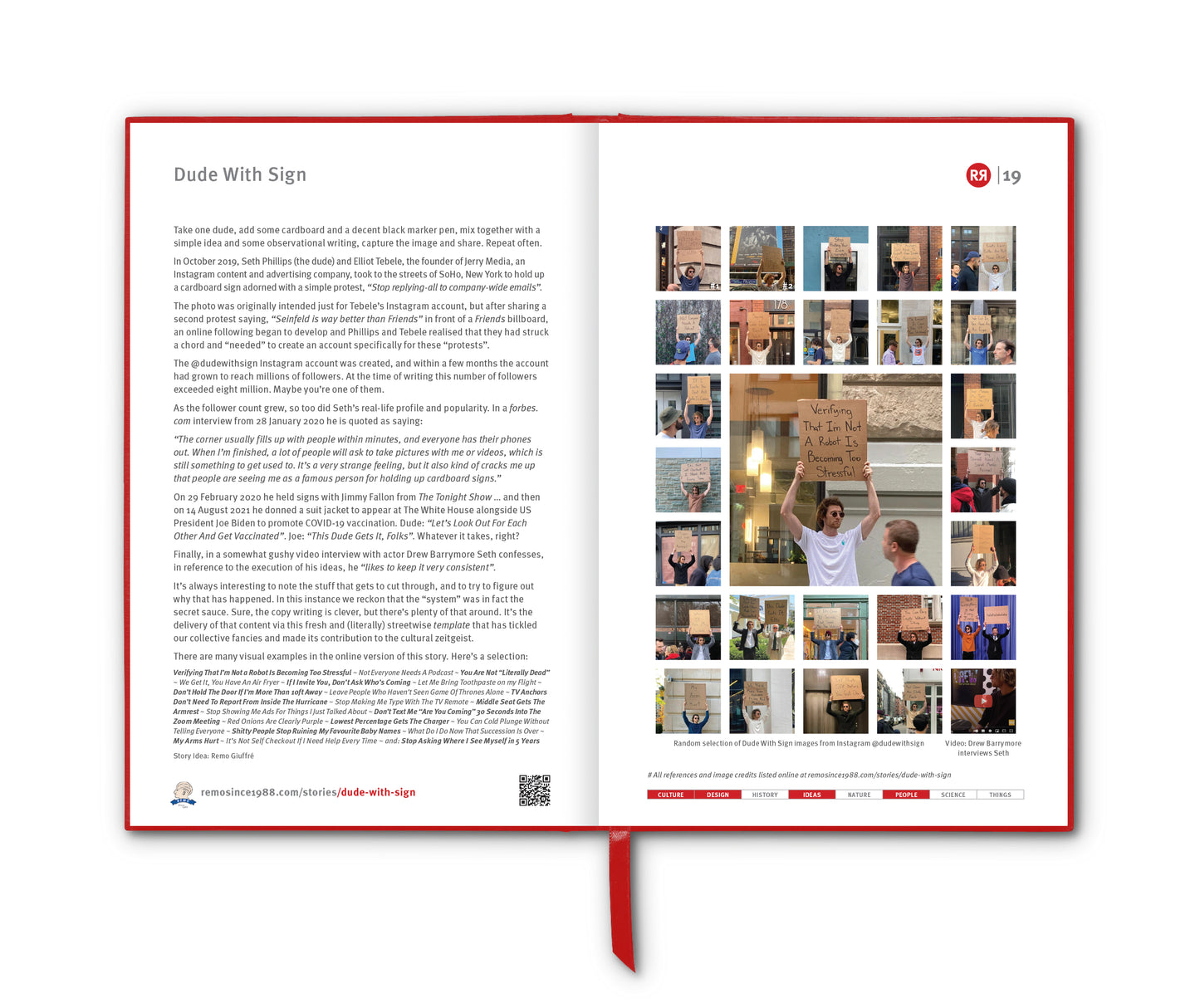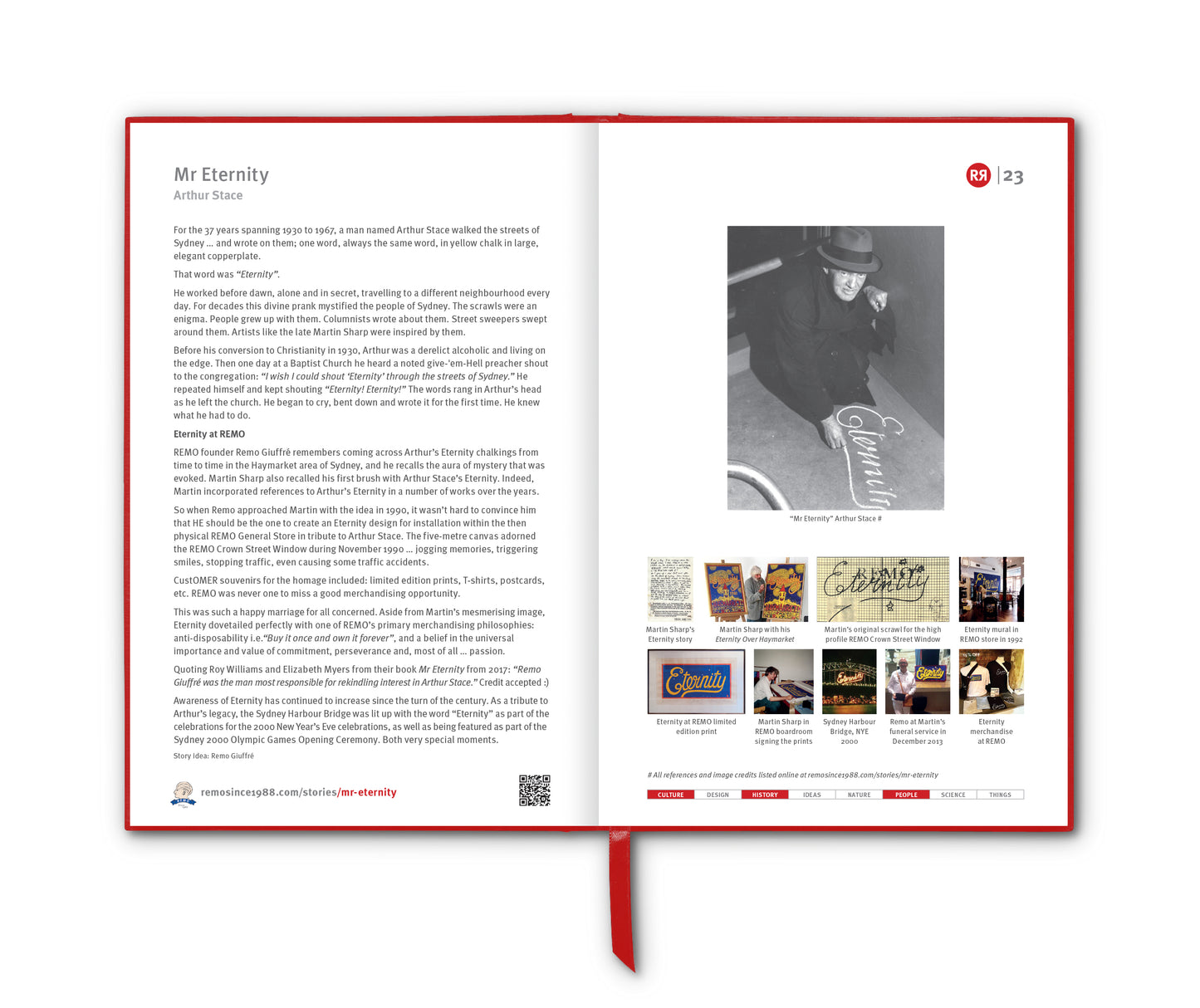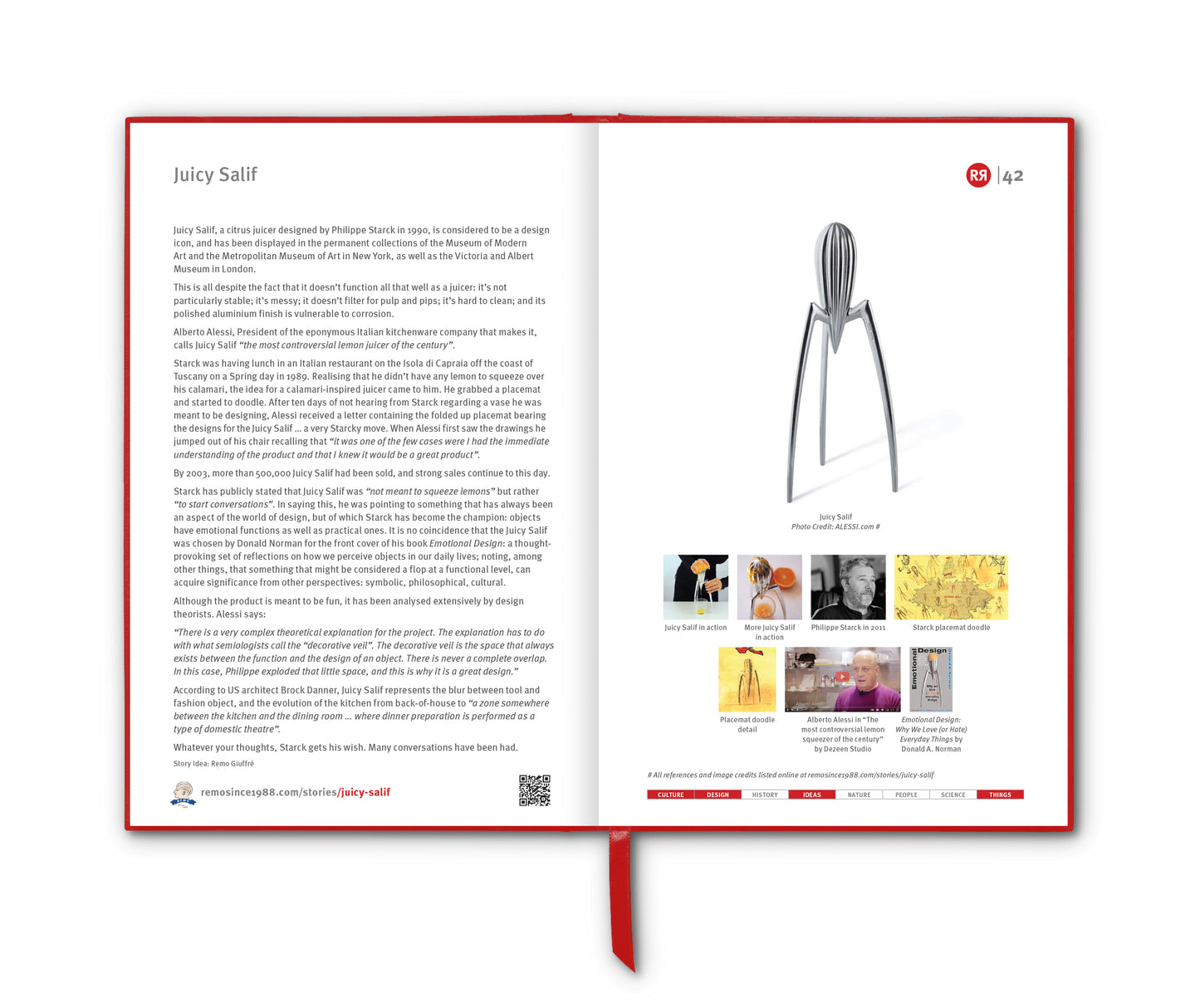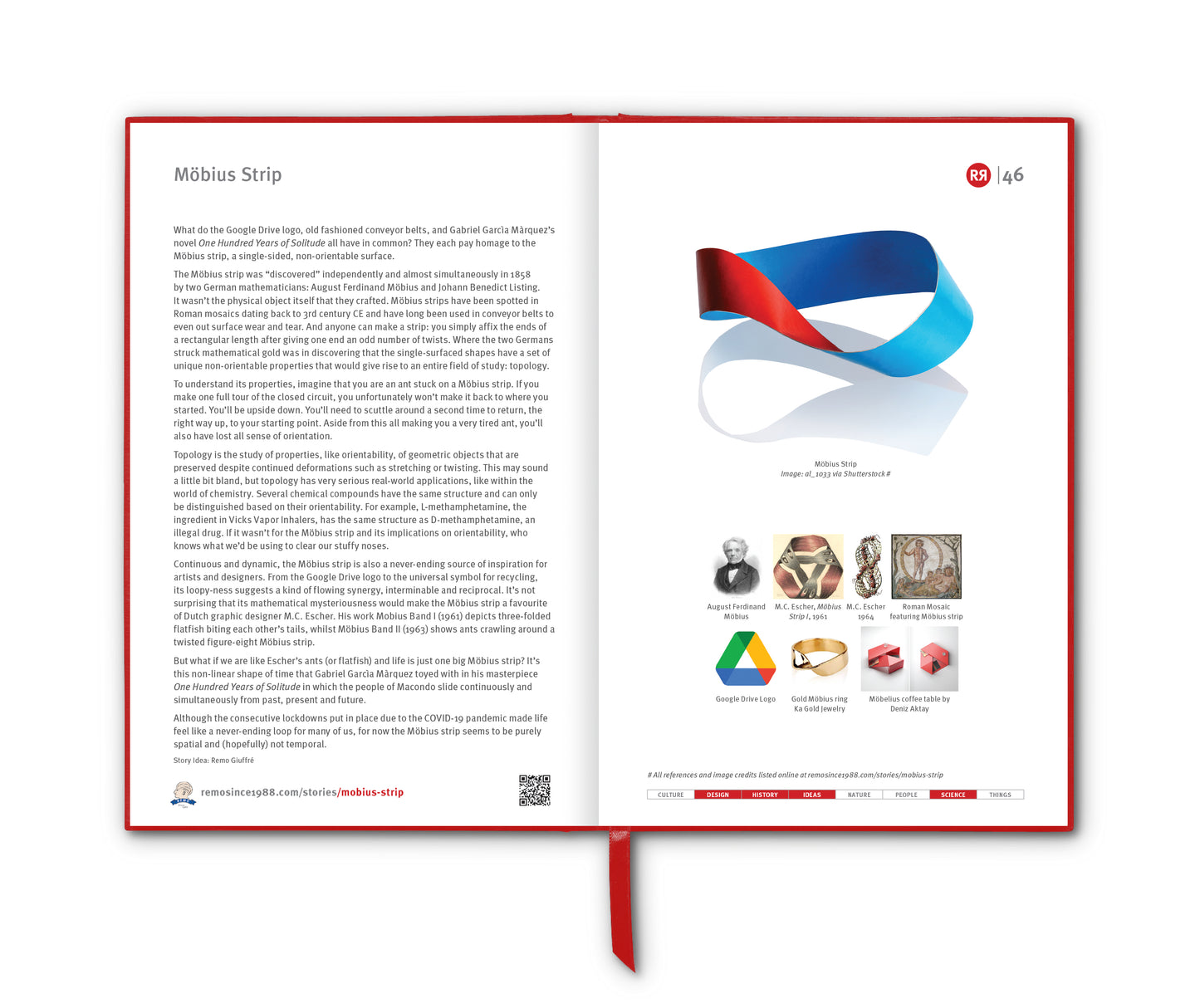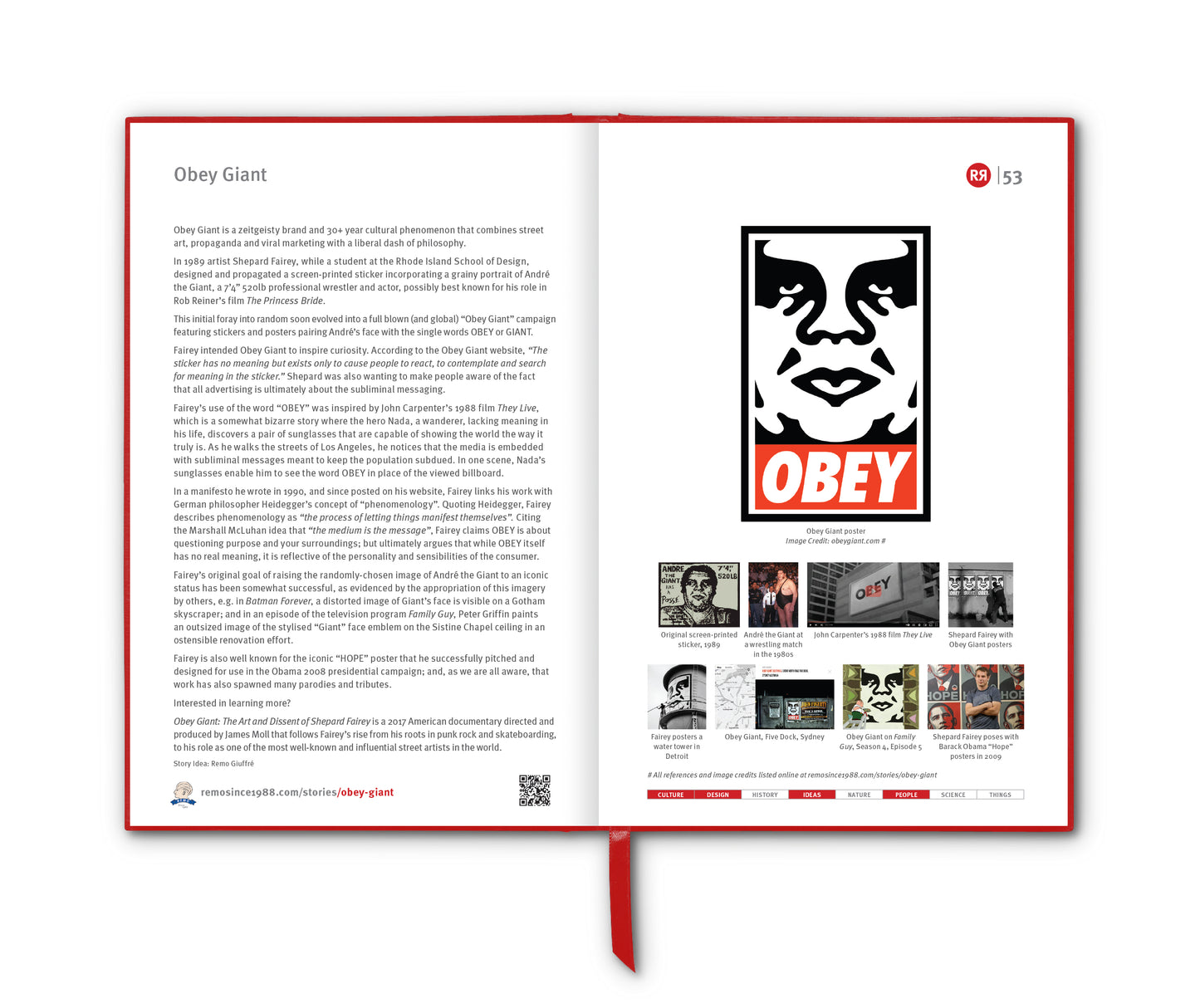

The photo booth quietly democratised something once expensive and formal: the portrait. Long before selfies and smartphone cameras, the booth offered ordinary people a fast, cheap way to capture themselves – four frames, a strip of paper and a few minutes behind a curtain.
The photo booth story begins in 1925, when Russian-born inventor Anatol Josepho introduced the first successful automated portrait machine on Broadway in New York City. Called the “Photomaton”, it developed and printed photographs without the need for a photographer. The experience was part novelty, part miracle of modern engineering. Customers sat on a small stool, adjusted themselves in a mirror, and waited as the machine whirred through exposure, development and drying. For 25 cents, they received eight small photos. Within months, thousands of people lined up daily to try it.
The appeal was immediate. Portrait photography had previously required a studio visit, careful posing and a relatively high cost. The booth removed all that ceremony. Suddenly anyone – couples, sailors on leave, friends on a night out – could document themselves spontaneously. The privacy curtain helped too. Inside the booth, people experimented with expressions, flirtation and silliness in ways they might never attempt in front of a formal photographer.
Josepho’s invention was quickly acquired by investors who expanded the concept globally, installing booths in arcades, train stations and department stores. During the mid-20th century the photo booth became part of urban culture. Generations produced tiny black-and-white strips for passports, wallets and love letters.
Artists also fell in love with the machine. The repetitive format – the same framing again and again – turned the booth into a kind of accidental conceptual art device. Perhaps the most famous enthusiast was Andy Warhol, who used photo booths extensively as a tool for portrait studies and spontaneous documentation of friends and celebrities.
Technology eventually changed the mechanics but not the idea. Digital booths replaced chemical development, colour became standard and some machines added props, filters and oversized prints. Yet the essence remained the same: a tiny studio you step into briefly to produce a small record of a moment.
Today the photo booth survives partly through nostalgia. Vintage analogue booths – the kind that still use film and chemistry – have even become cult objects, preserved in bars, galleries and railway stations. In a world where billions of photos are taken every day, the photo booth still offers something distinctive – a tangible strip, a social artifact, proof of life.
Postscript
Many CustOMERs from the original REMO store in Sydney had their photos taken in the photo booth located on site. Kids had their growing up documented. Lovers had their love celebrated. The photo booth also played a starring role in the 1989 REMO post card. That card (featured at the top of the facing page) was captioned: “The Human Face of Retailing”, listing all of the people and items of merchandise involved. The card was indeed festive (note the green and red push pins) – but also communicated something important: a collaborative spirit and deep sense of fun. With less than a second transpiring between each vertical frame moving down each of the six strips, you can imagine what must have been involved in this exercise. Joyful mayhem.
____________________
References
https://en.wikipedia.org/wiki/Photo_booth
https://collection.powerhouse.com.au/object/11009
https://repgenevievemundy.wordpress.com/2015/03/01/amelie-photo-booths/
https://www.atlasobscura.com/places/flinders-street-photo-booth
https://www.yeelengroup.com/yeelen-magazine/a-moment-of-sudden-revelation-andy-warhols-six-self-portraits
Images
1. REMO photo booth post card, 1989
2. Anatol Josepho inside his photo booth
3. Photomaton card
4. 1930s New York City photo booth. Photo credit: Powerhouse Museum
5. Photo booth image of Remo's Mum and Nonna
6. Andy Warhol photo booth monatage from 1965
7. Andy Warhol's Six Self-Portraits (1986)
8. Photo booth strips at entrance to REMO store
9. REMO photo booth post card event on 14 November 1989
10. Audrey Tautou as Amélie in the 2001 film
11. Video: "Why the photo booth is making a comeback" BBC Global, 2025