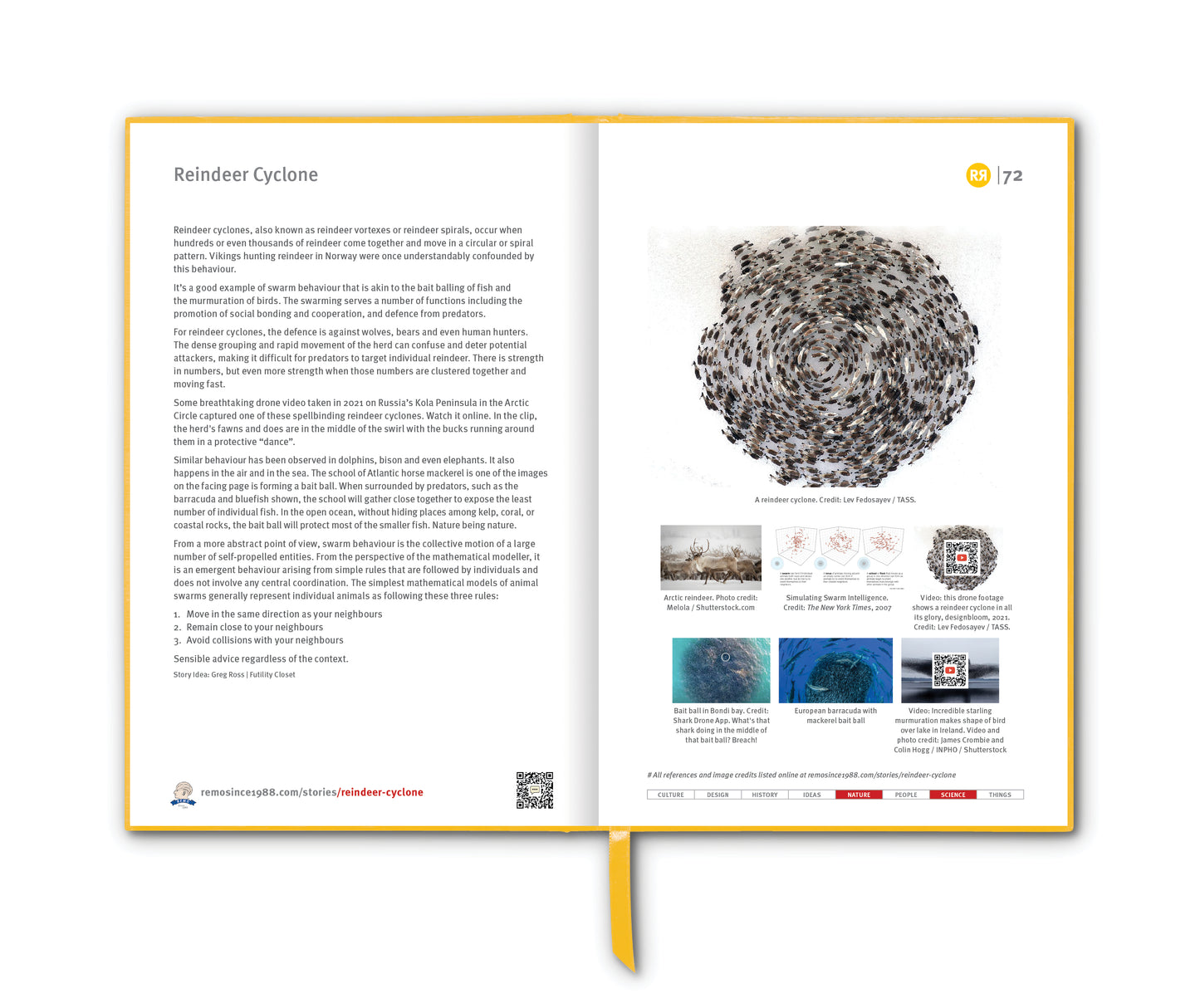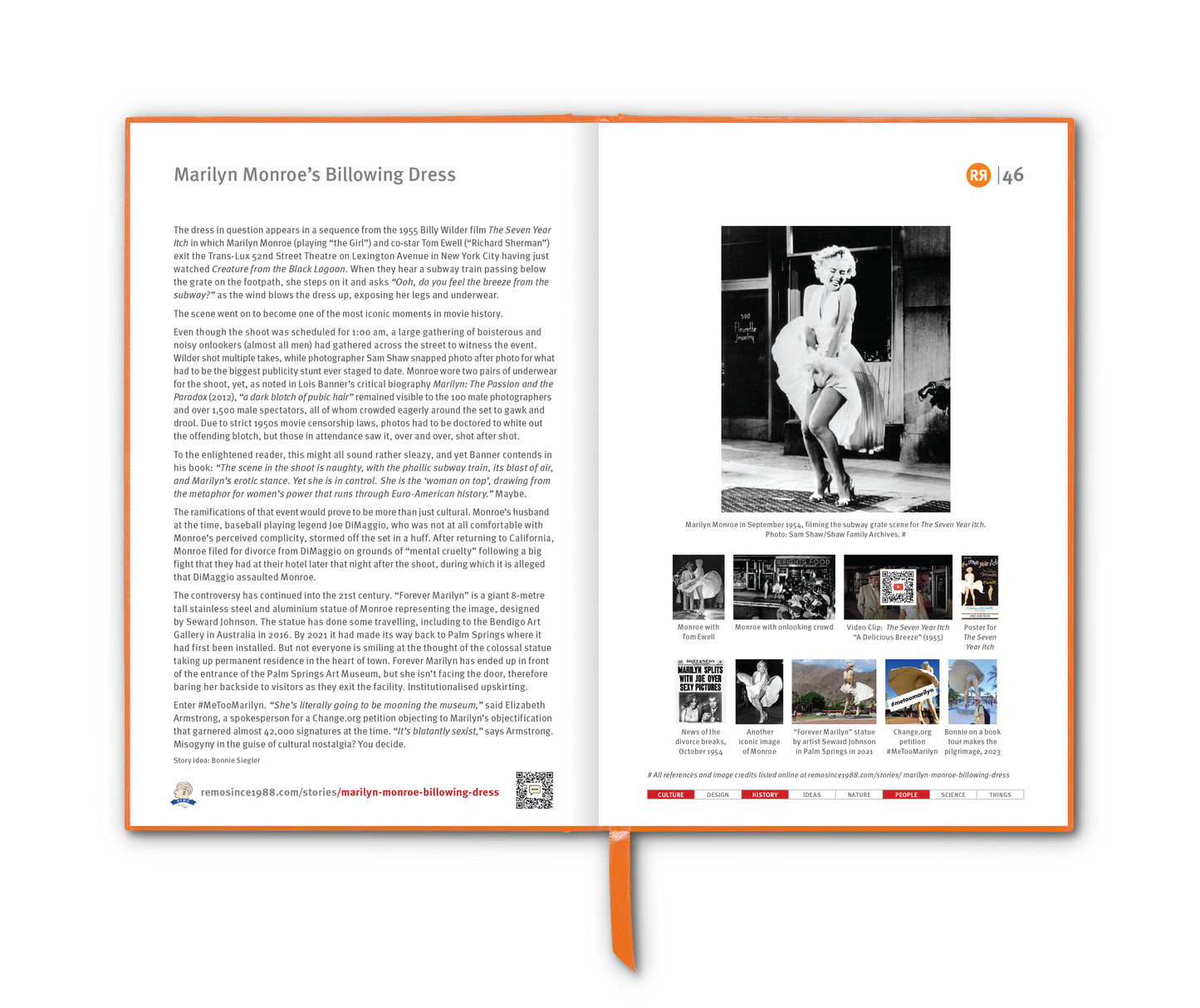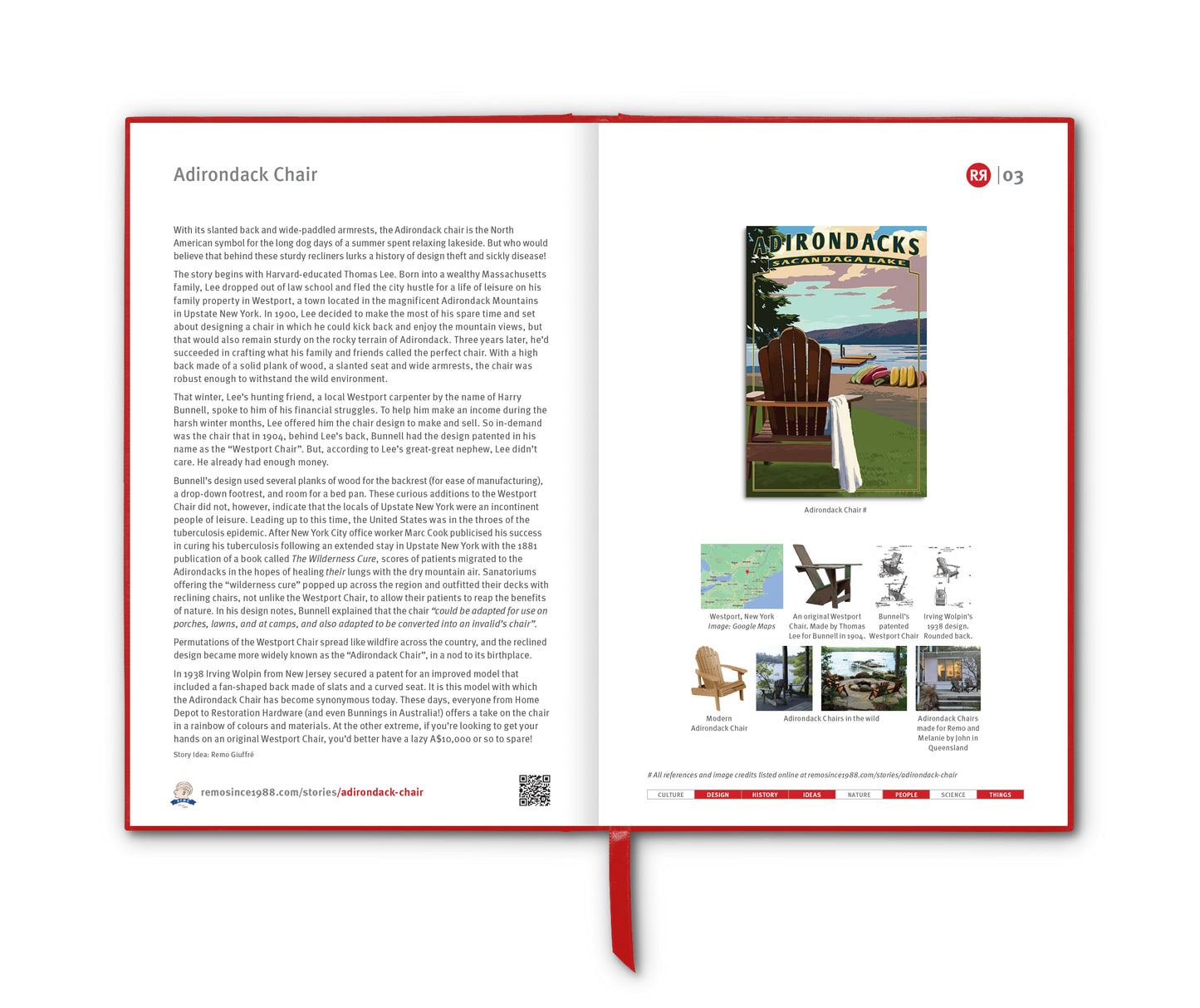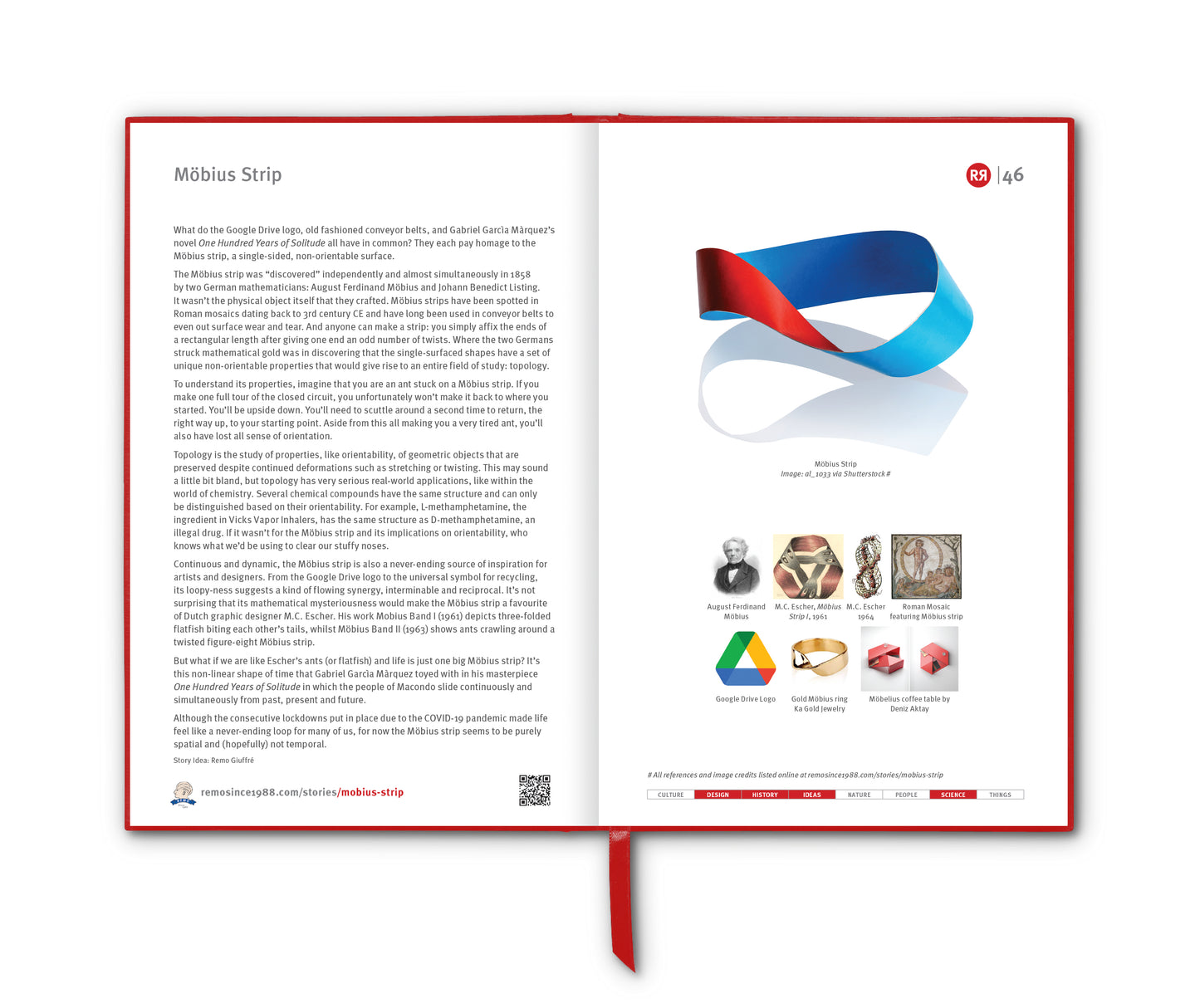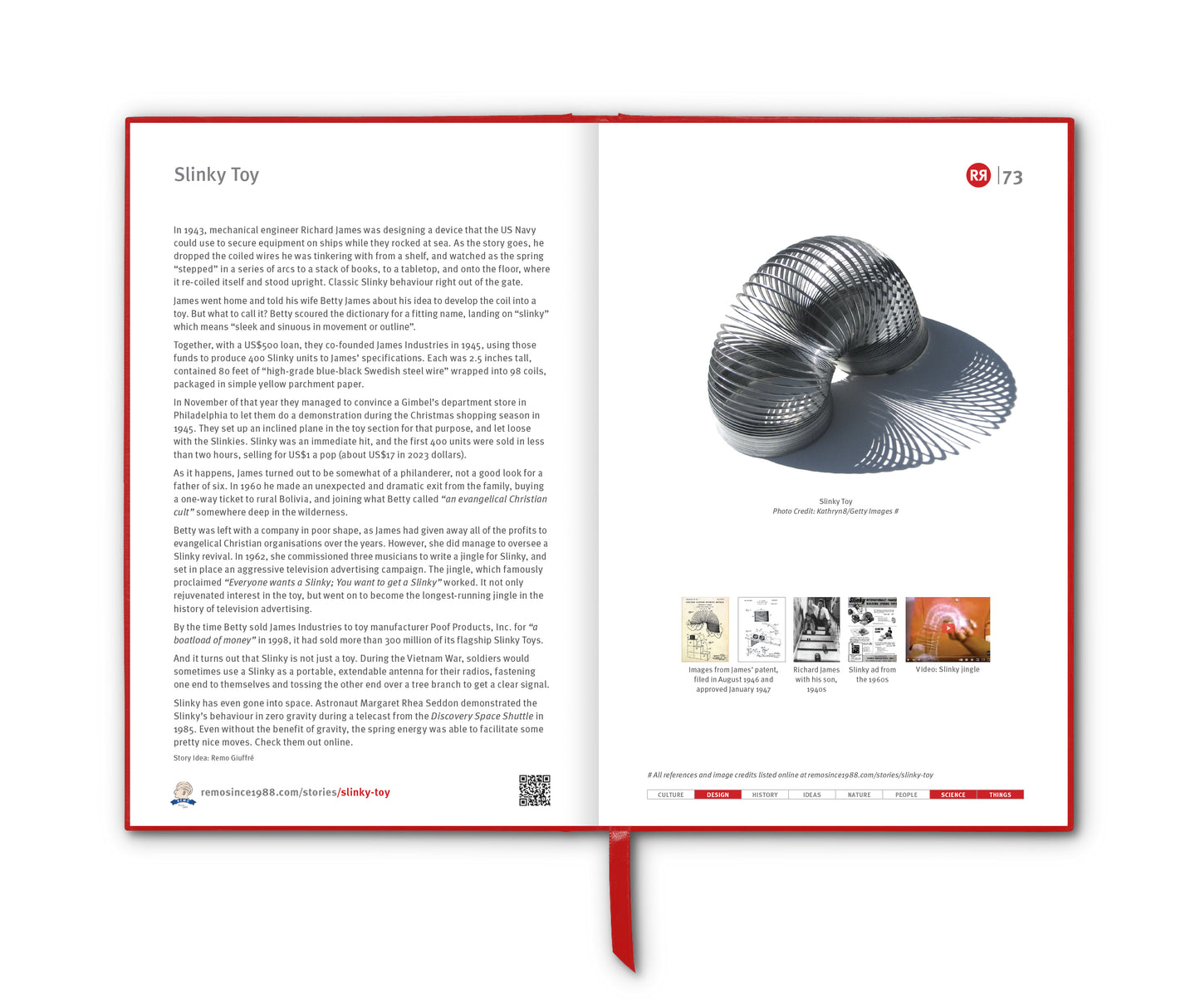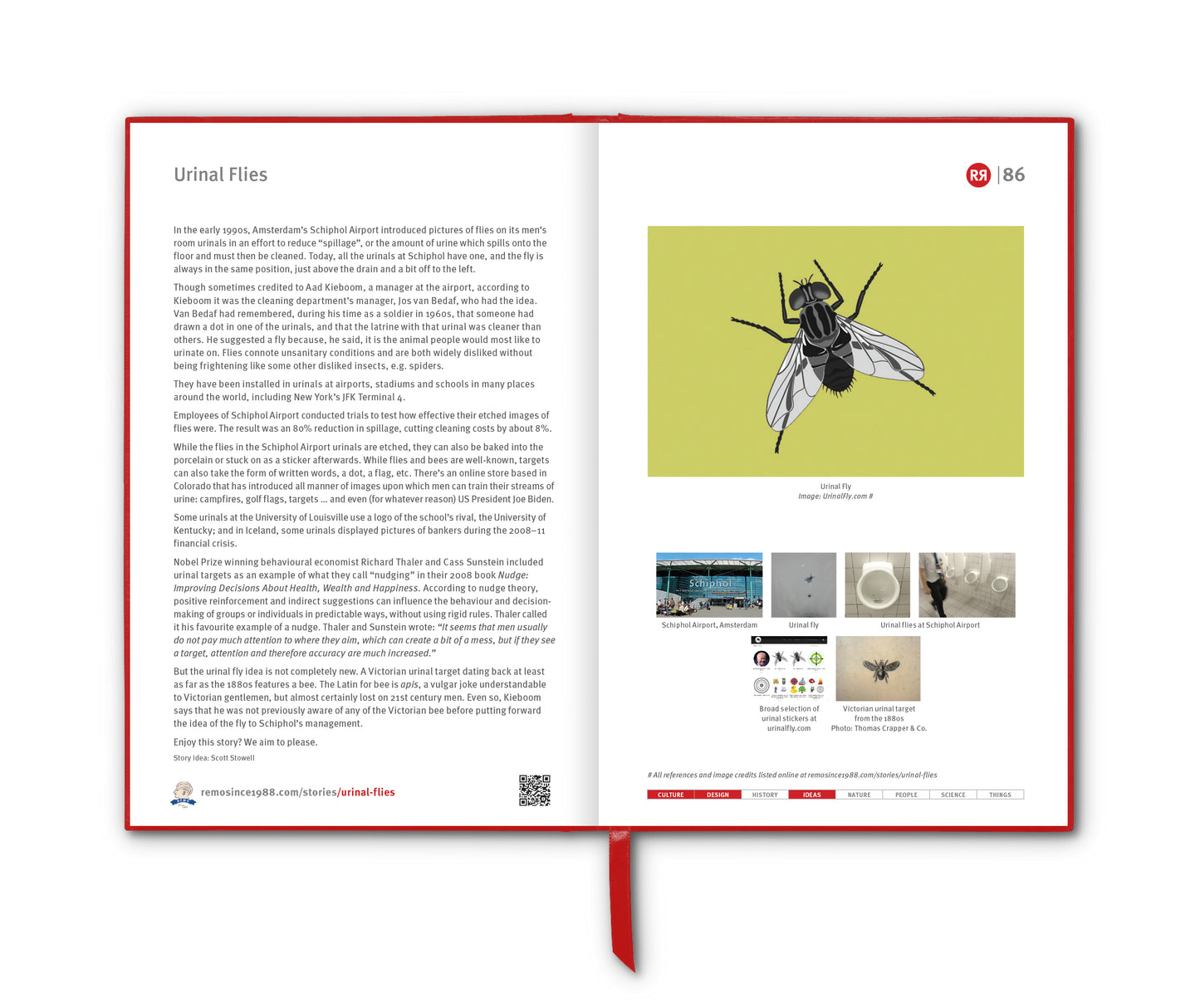

π (spelled out as “pi”) is a number that represents the ratio of a circle’s circumference to its diameter. and is approximately equal to 3.14159 – but its decimal expansion goes on forever without repeating.
This irrational, transcendental number has been known and studied for thousands of years, inspiring awe, curiosity and even obsession.
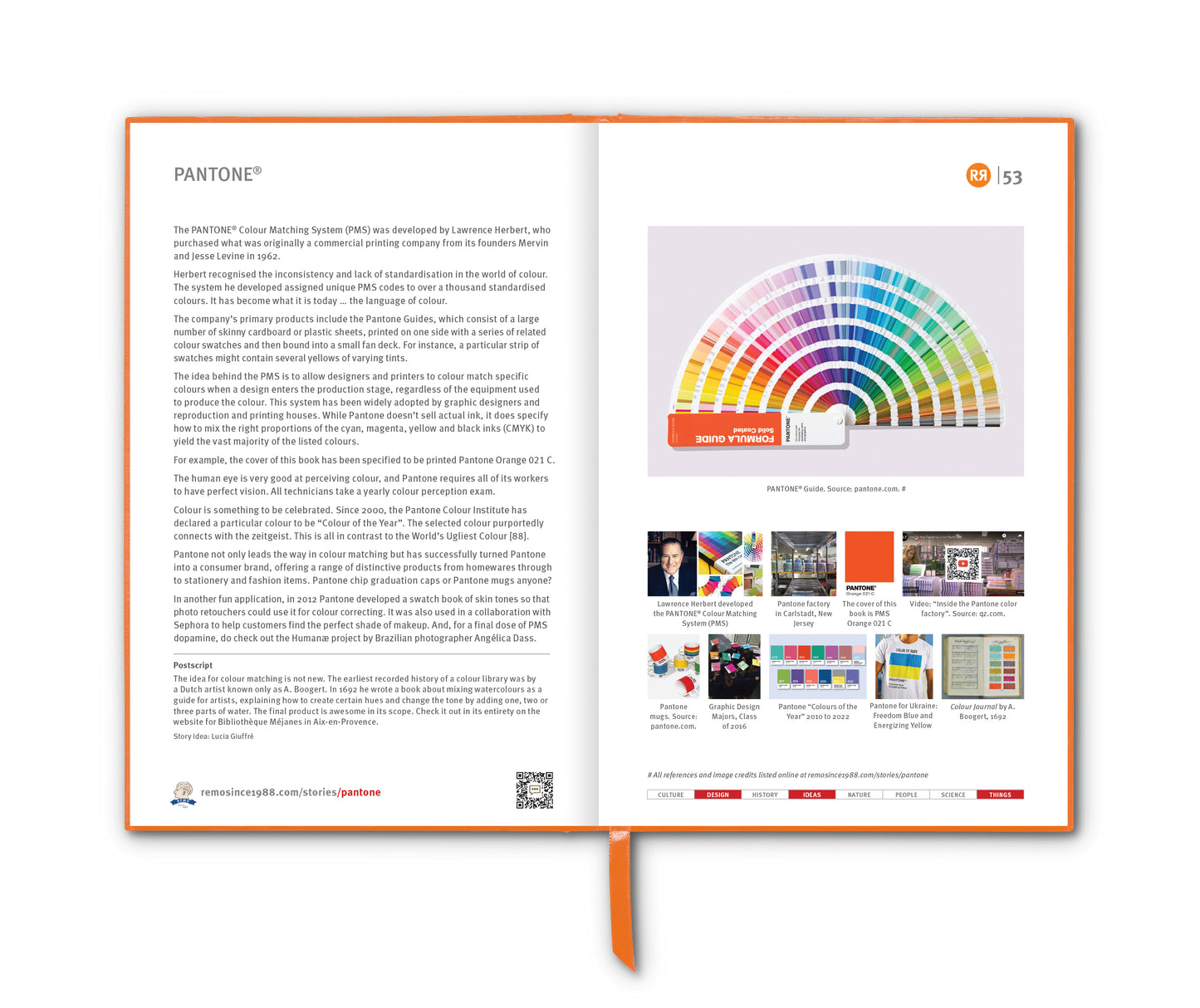
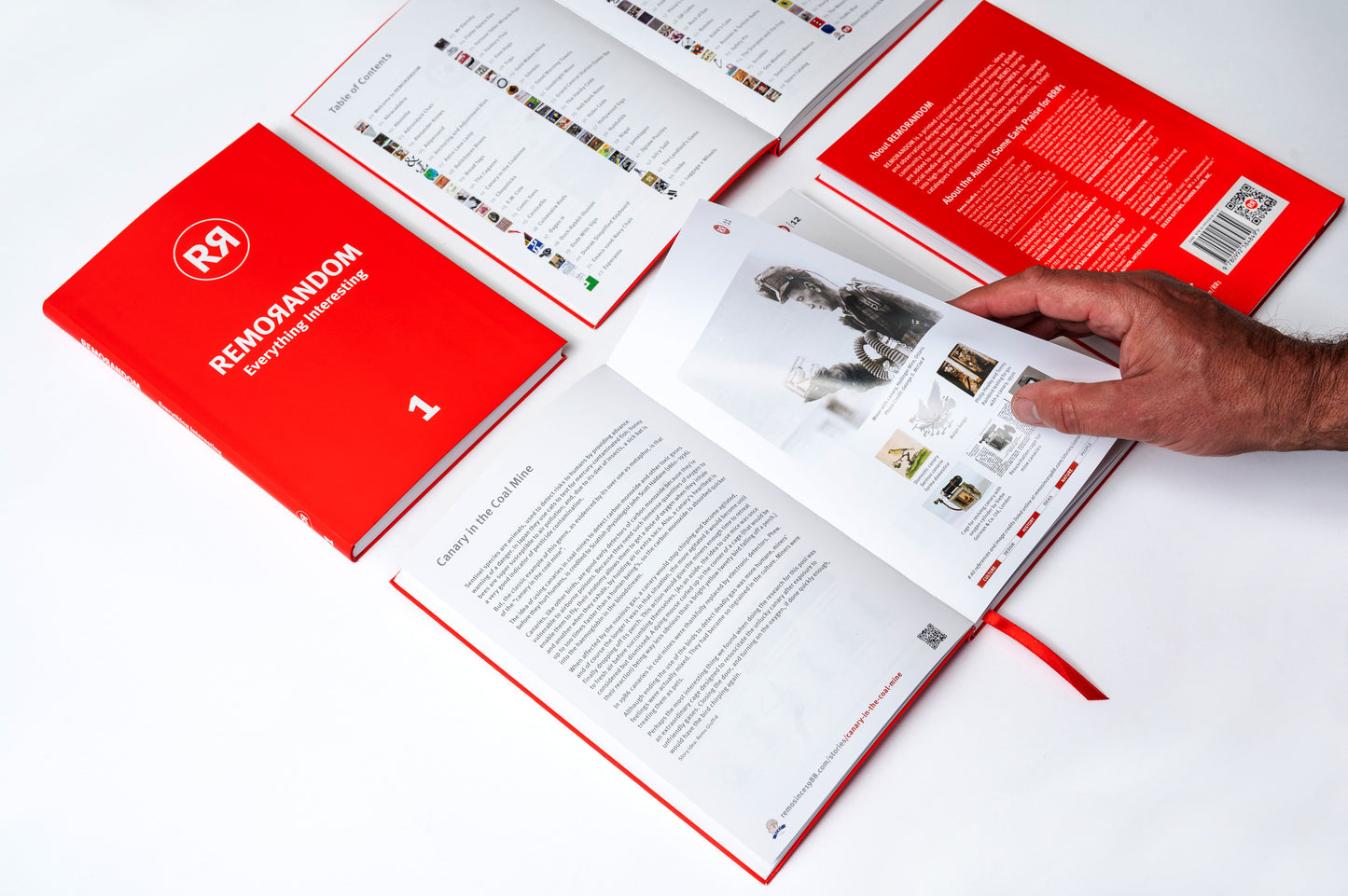
The origins of π stretch back to ancient civilisations. The Egyptians and Babylonians both had rough approximations for it – usually around 3.125 or 3.16. The earliest known written approximations date to around 1900 BCE. Archimedes of Syracuse, one of the greatest mathematicians of the ancient world, was the first to calculate π rigorously. Using inscribed and circumscribed polygons around a circle, he narrowed its value to between 3 1/7 (approximately 3.1429) and 3 10/71 (approximately 3.1408). His geometric approach remained a standard for centuries.
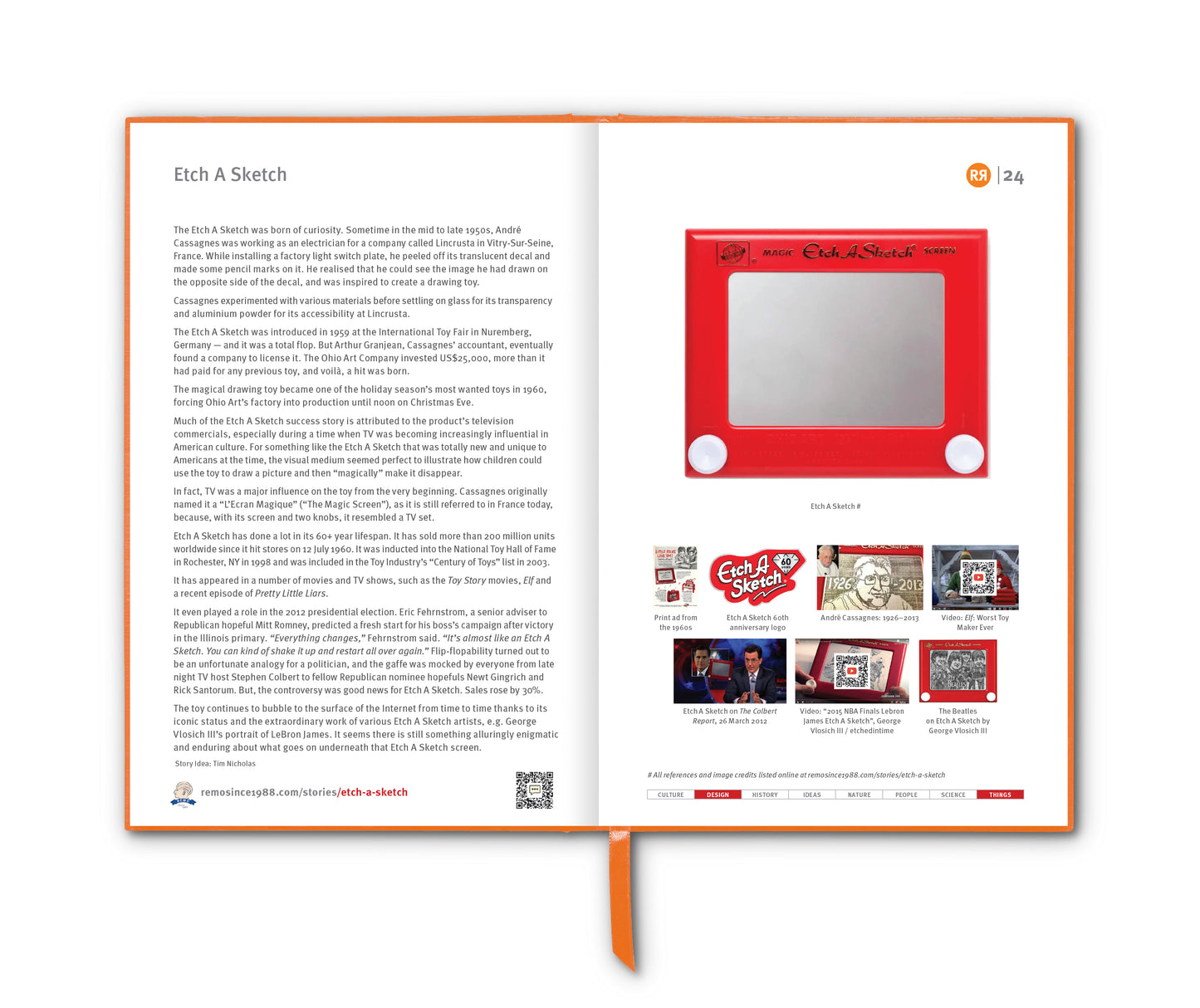
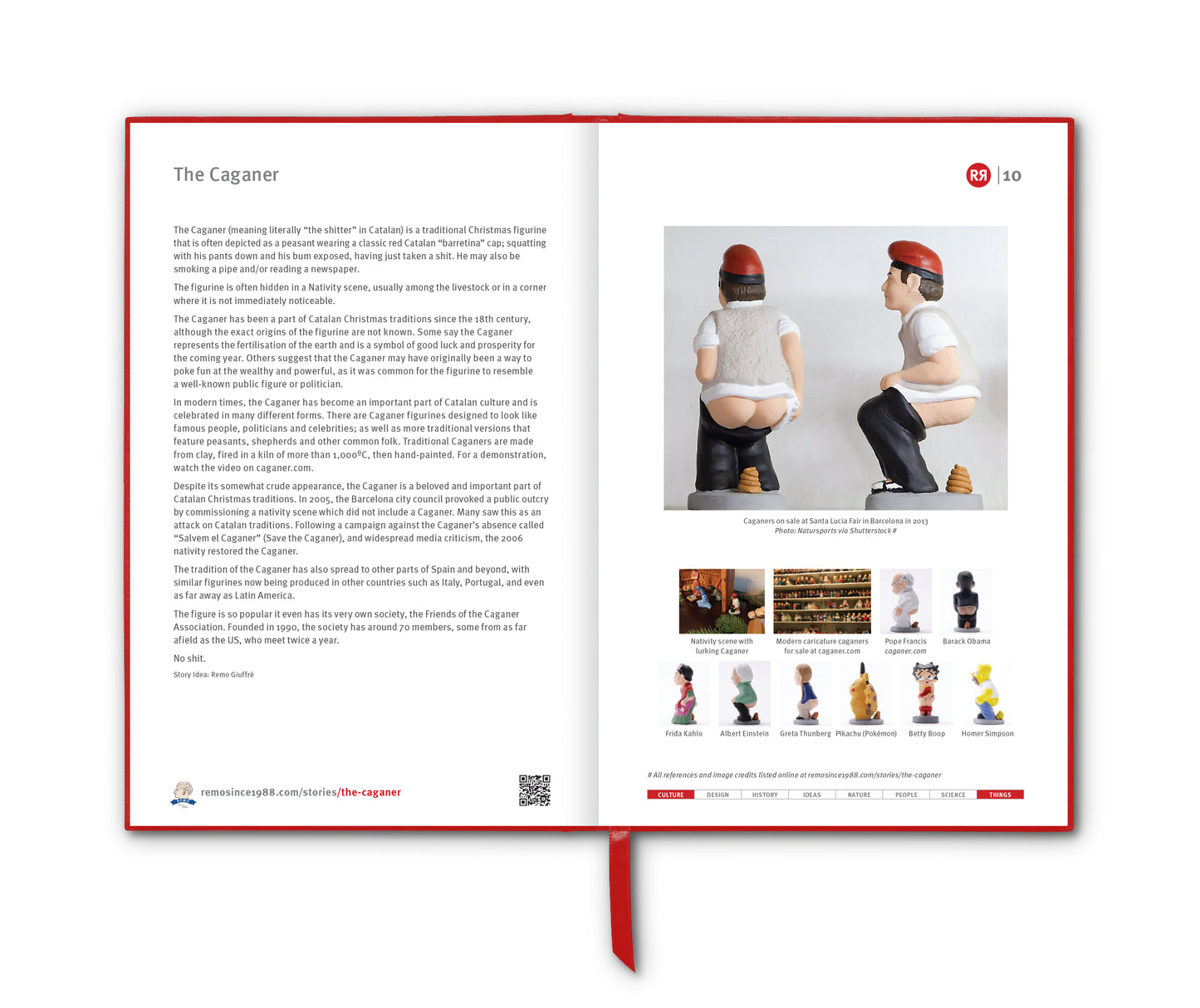
The Greek letter π itself was not used to represent the number until the 18th century, first appearing in this context in 1706 by Welsh mathematician William Jones, and later popularised by the Swiss mathematician Leonhard Euler. The symbol π was chosen as an abbreviation of the Greek word perimetros – meaning perimeter.
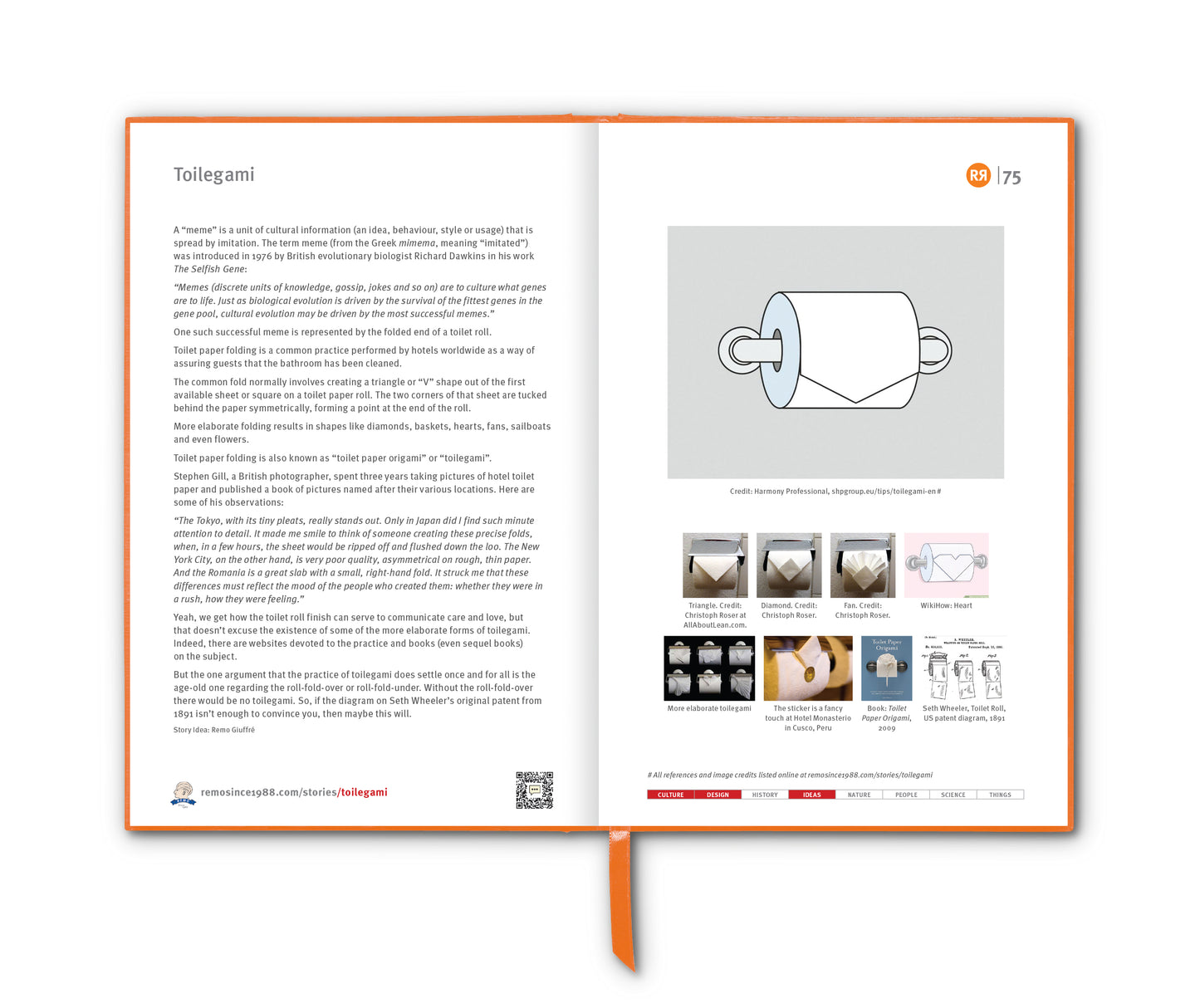
The significance of π lies not just in geometry but across mathematics and physics. It appears in formulas involving circles, spheres, waves and probability. It underpins everything from the motion of pendulums to quantum mechanics. The ubiquity of π in equations describing the natural world reveals something deeply universal about its nature. It is a bridge between the abstract and the tangible.
Despite being infinitely long and non-repeating, π has most recently been calculated to over 300 trillion digits (2 April 2025) thanks to supercomputers and advanced algorithms. While only a few dozen digits are needed for most practical applications (NASA, for example, uses only about 15), the pursuit of Pi's digits has become a mathematical sport – a test of both human ingenuity and computational power.
Culturally, π has achieved a sort of mythic status. "Pi Day" is celebrated worldwide on 14 March, especially in schools and maths departments. Fans recite digits of π from memory (a practice called piphilology), sometimes thousands of digits long. [Ed: Remo's daughter Lola, the idea giver for this topic, was able to recite it up to 100 digits as a little girl. Party trick.]
The current world record for reciting digits of Pi from memory is over 70,000 digits, held by Rajveer Meena of India. It took him nearly 10 hours, wearing a blindfold the entire time.
Others write poems called “piems,” where the number of letters in each word corresponds to the digits of π. [Ed: Too much spare time.]
It has also appeared in literature (Carl Sagan's Contact), film (Darren Aronofsky's Pi), and even religious discourse, where its seemingly “unknowable” nature evokes the infinite. Indeed, some see π as a metaphor for mystery or the limitations of human knowledge.
Ultimately, π isn’t just a number. It’s a symbol of mathematical beauty, the infinite complexity of the universe, and the unending human desire to understand it.
Story Idea: Lola Giuffré
_____________________
References
wikipedia.org/wiki/Pi
wikipedia.org/wiki/Piphilology
fastcompany.com/1669614/what-pi-looks-like-to-4-million-decimal-places-as-pixel-art
Images
1. π visualised as pixel art. Credit: NY-based interdisciplinary designers TWO-N
2. Archimedes developed the polygonal approach to approximating π
3. π expressed geometrically
4. Portrait of William Jones (1675–1749) by William Hogarth in the National Portrait Gallery
5. π Pie, created at Delft University of Technology
6. "Pi Day" paraphernalia. Credit: uncommongoods.com
7. Book: Contact by Carl Sagan, 2019
8. Poster for Pi film by Darren Aronofsky, 1999
9. π decimal points on 21st birthday urn for Lola, 2016
10. π tattoos are surprisingly popular
11. π merchandise at REMO available HERE