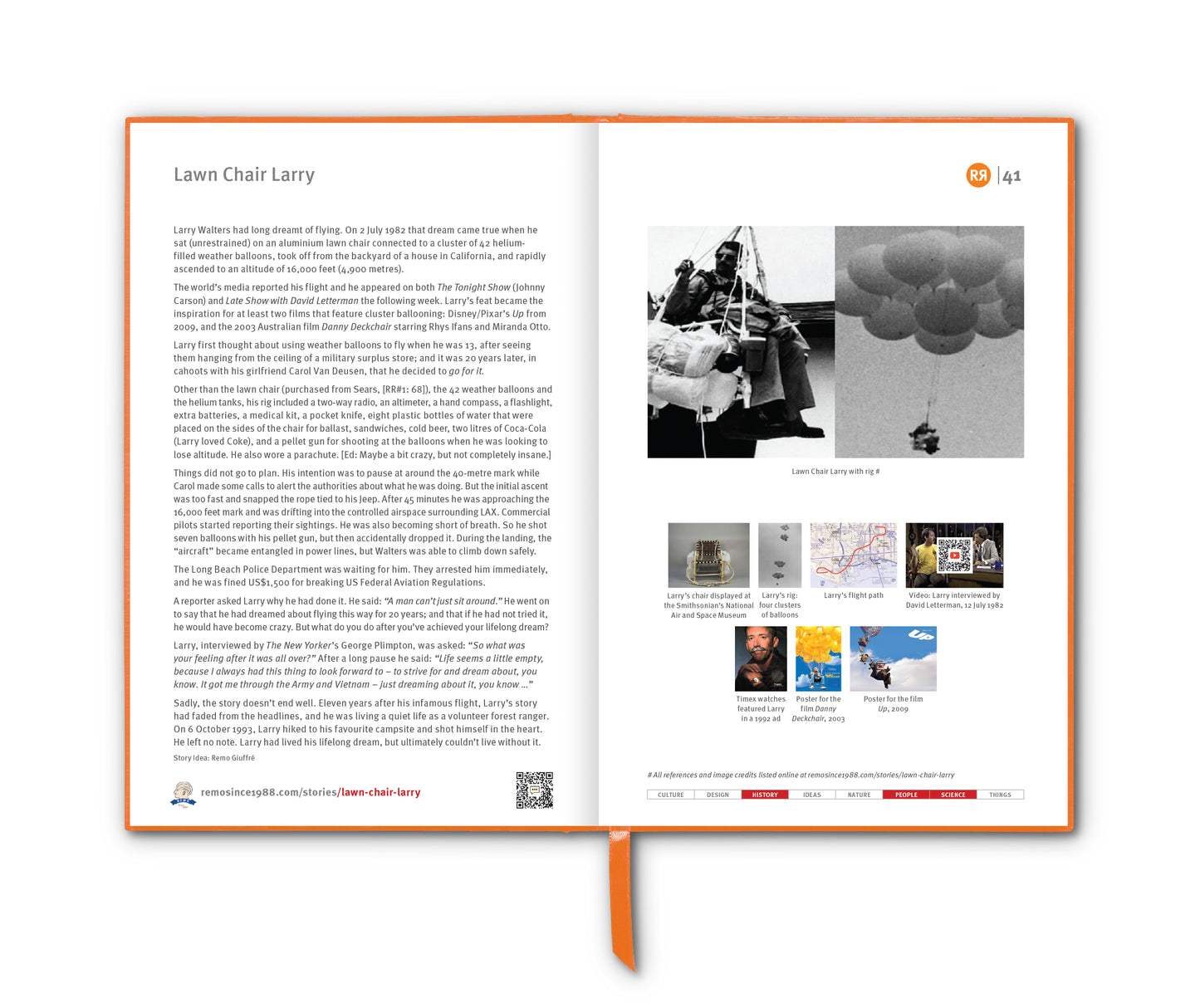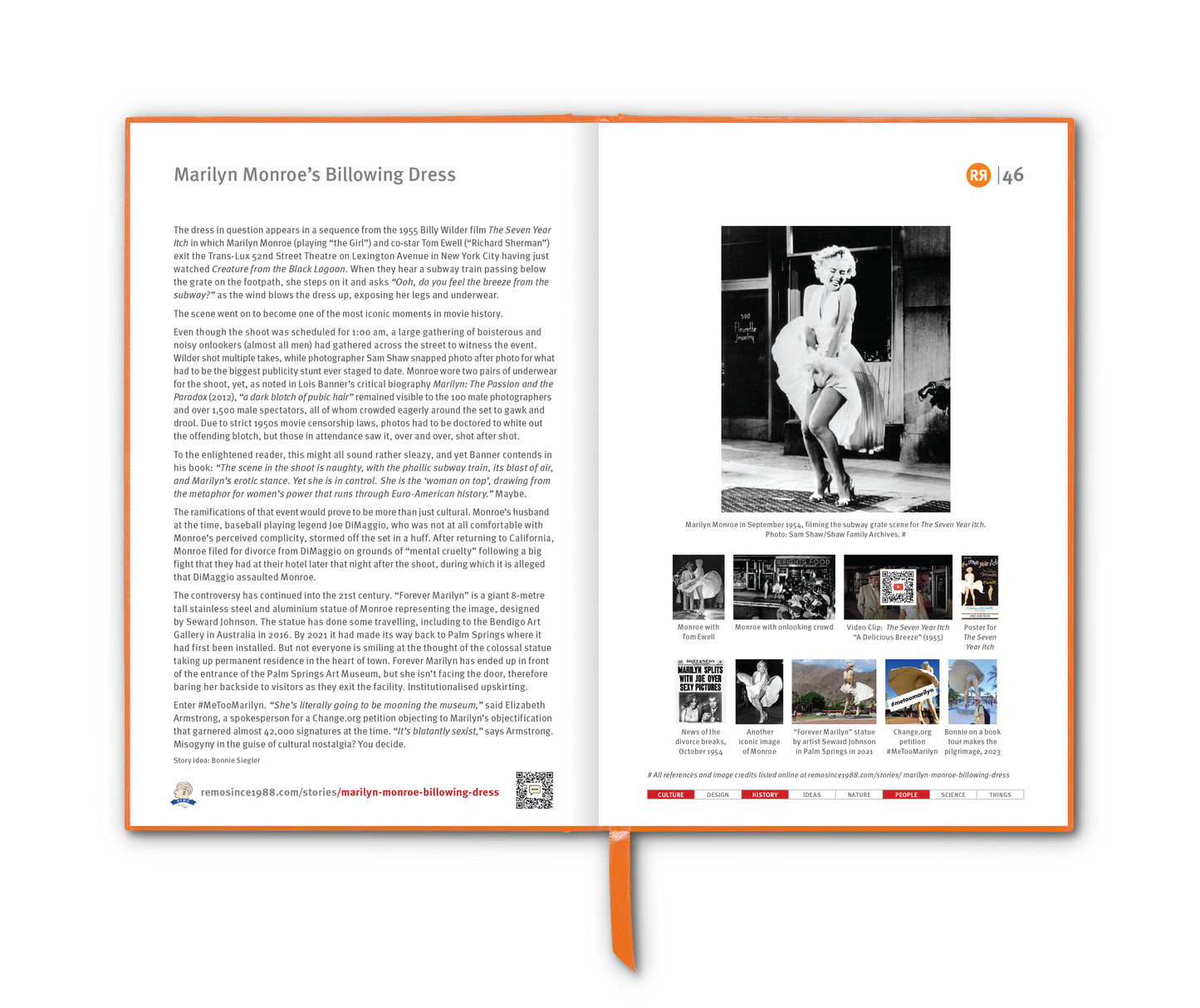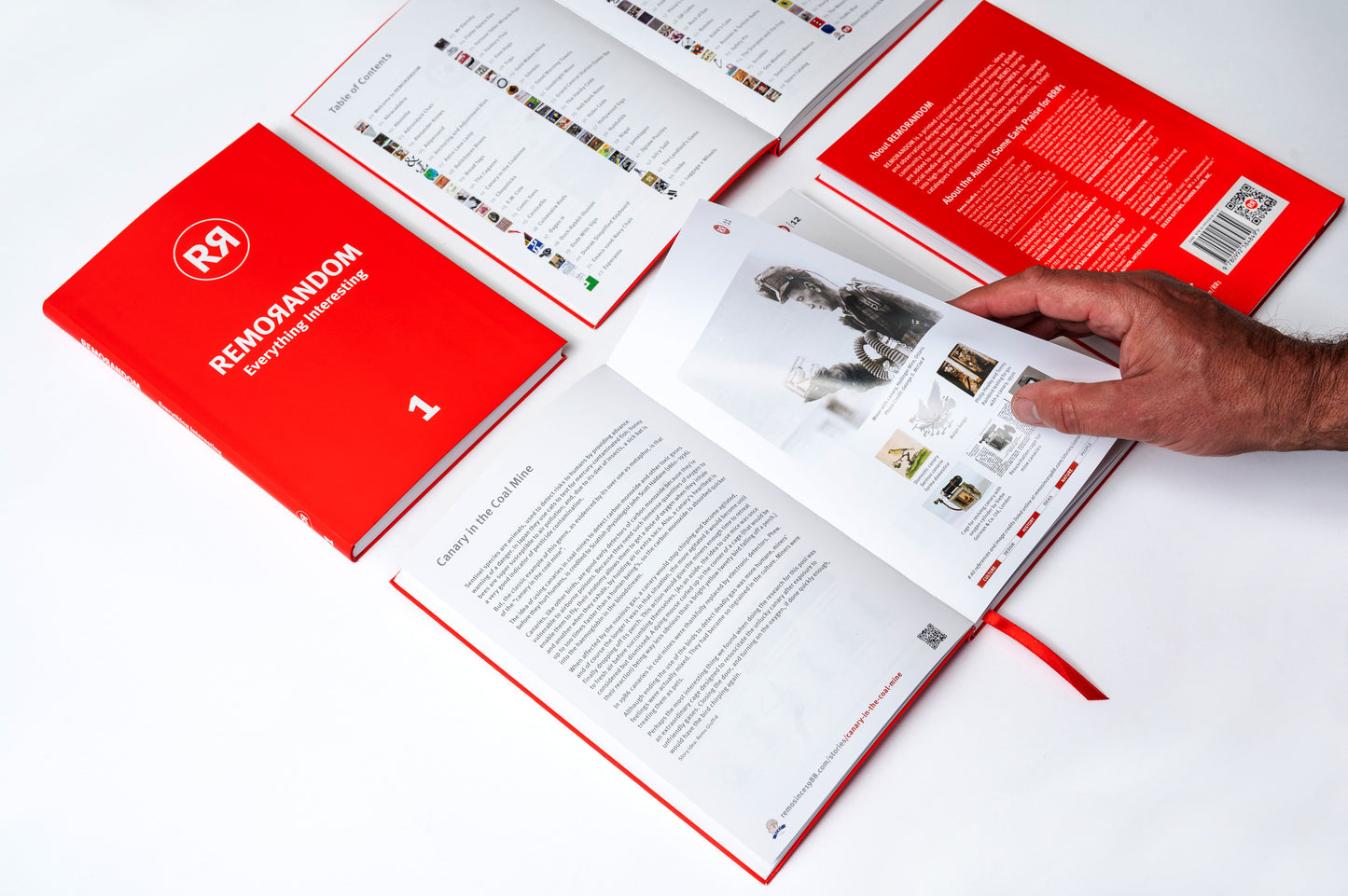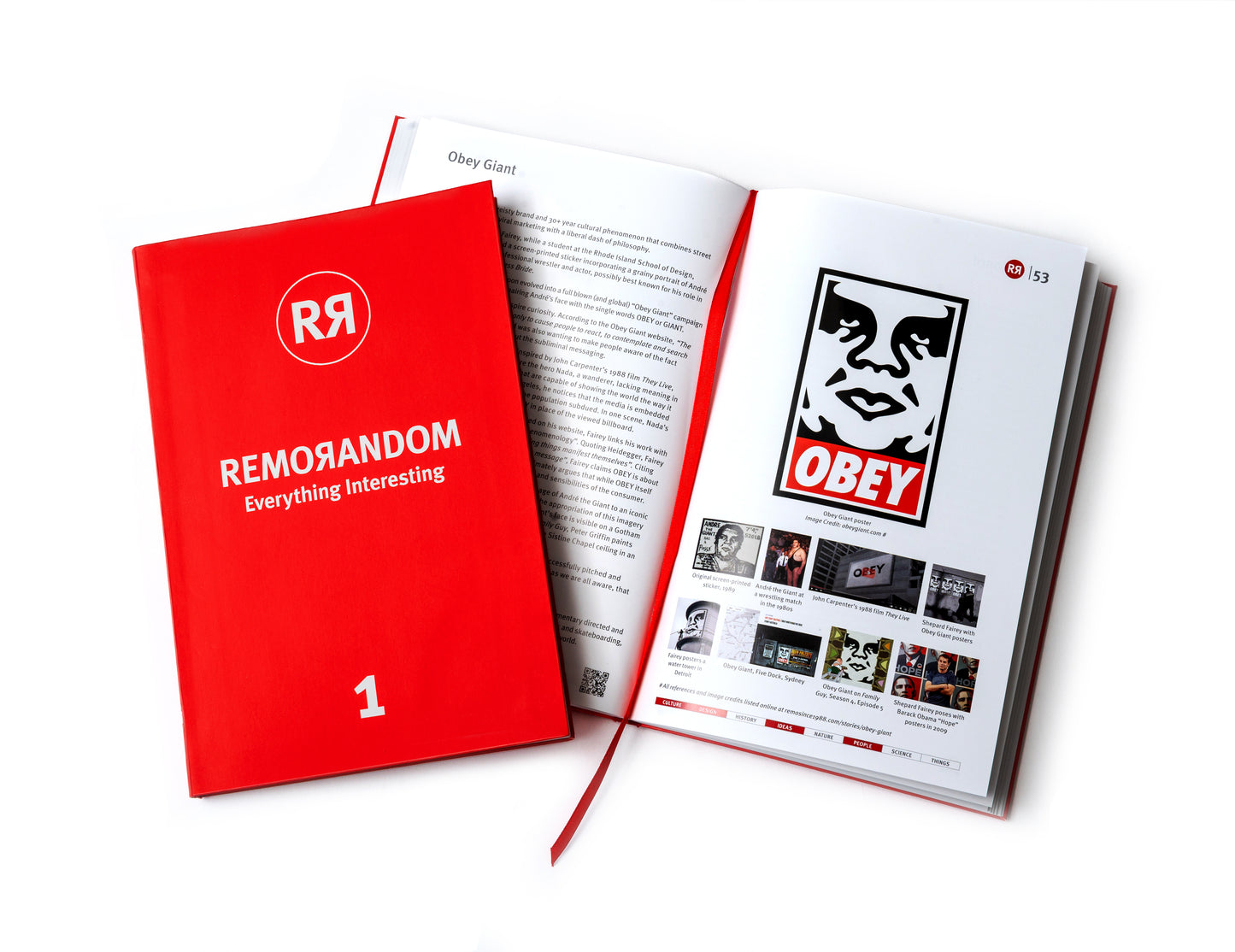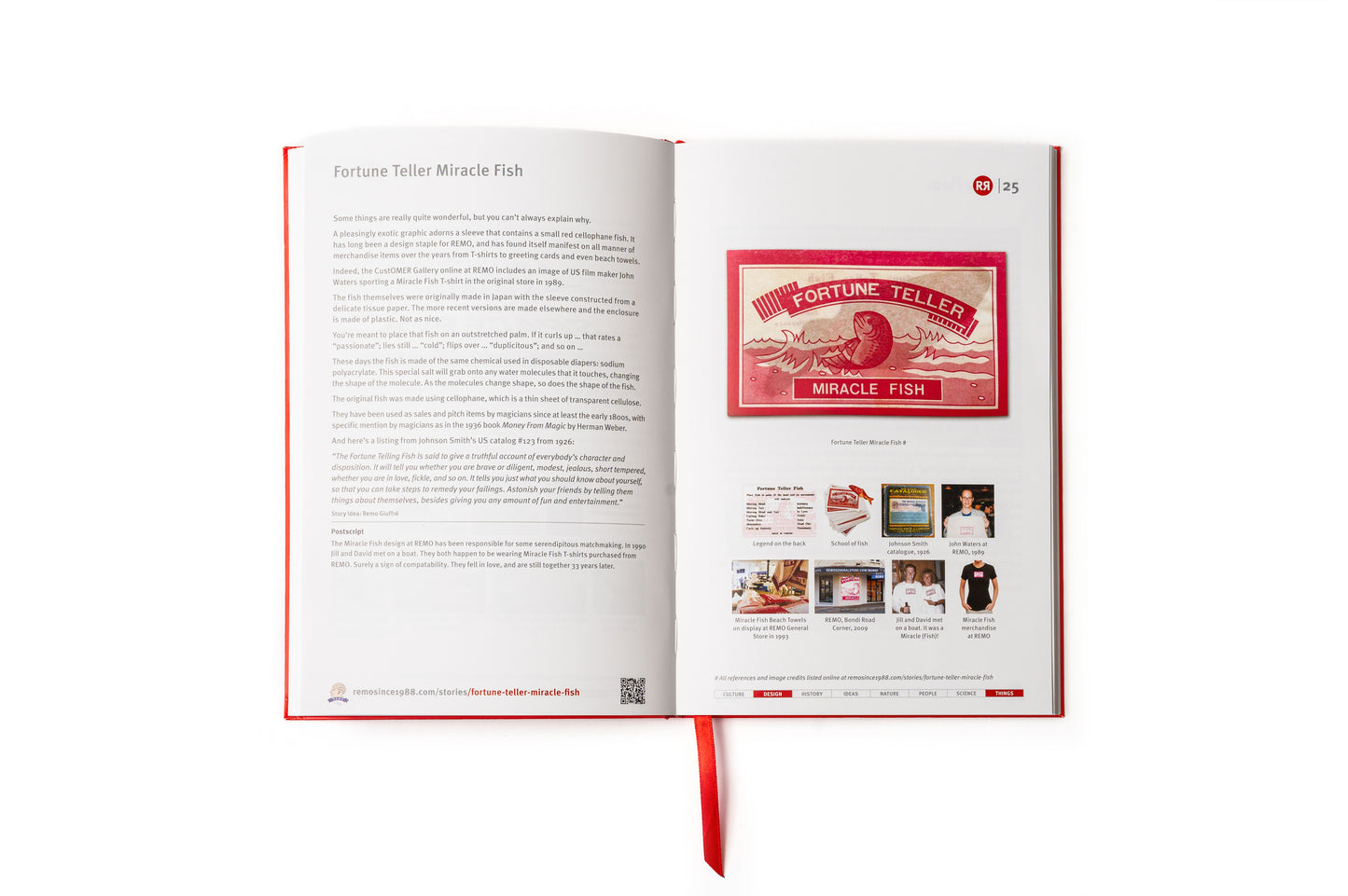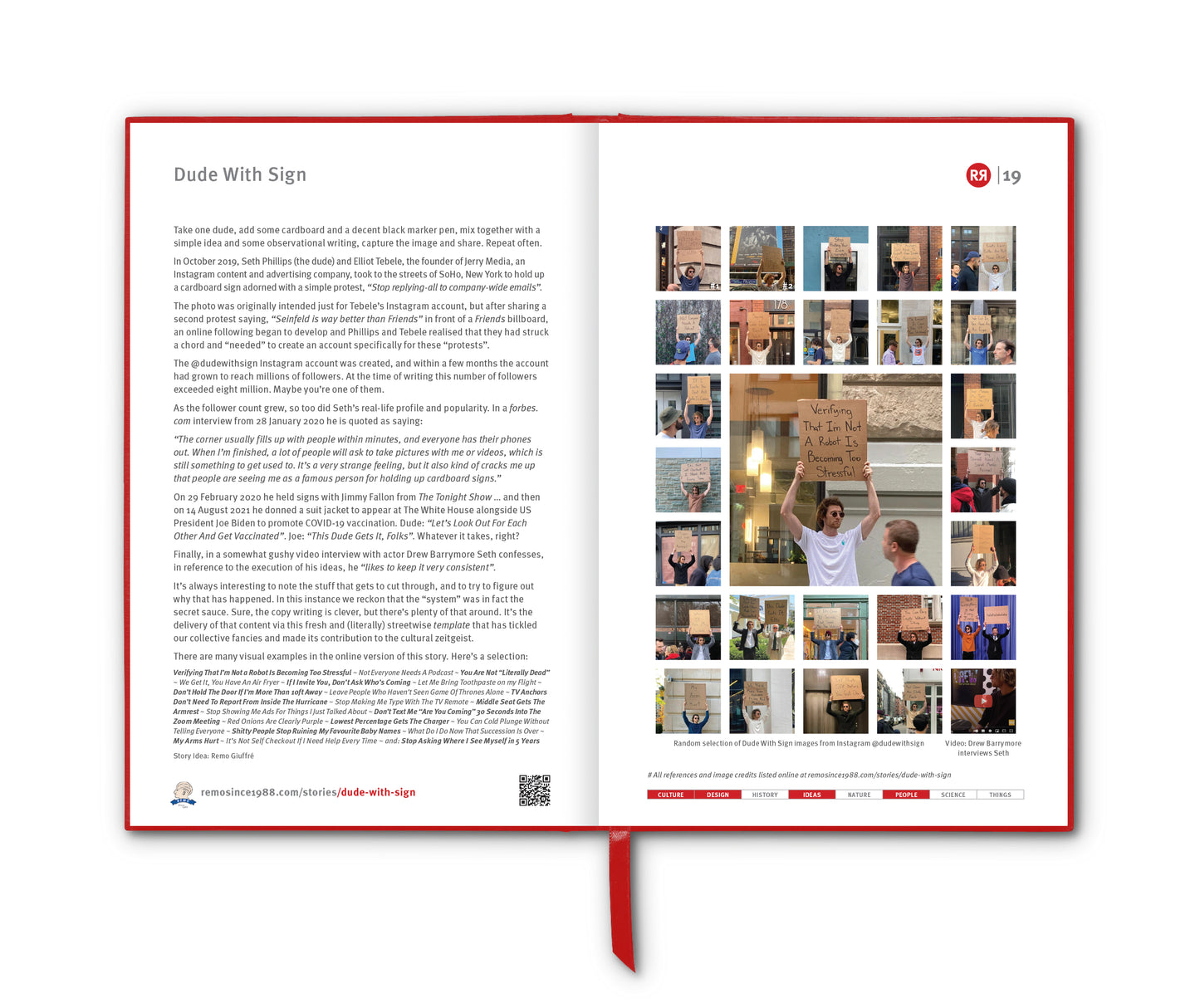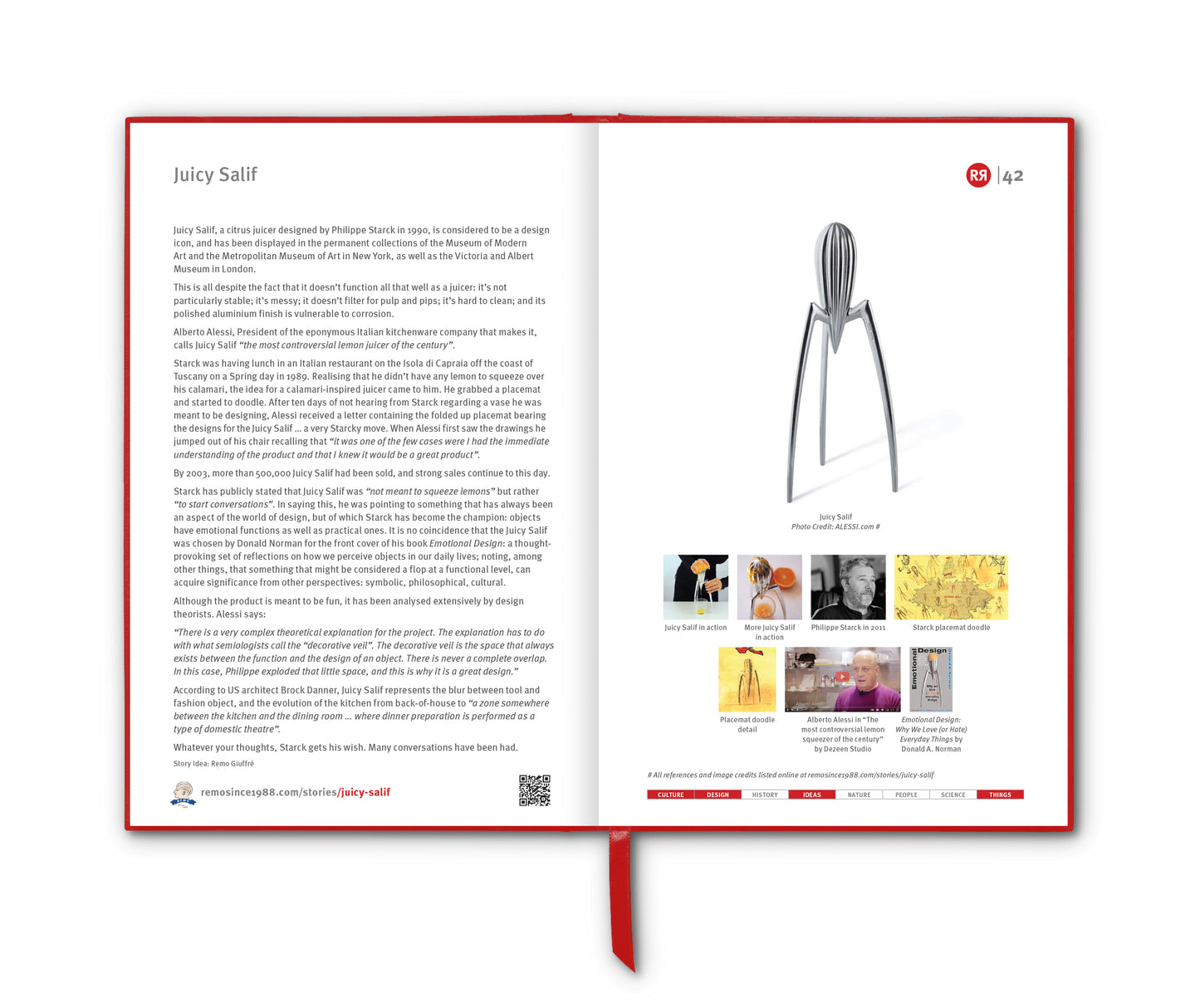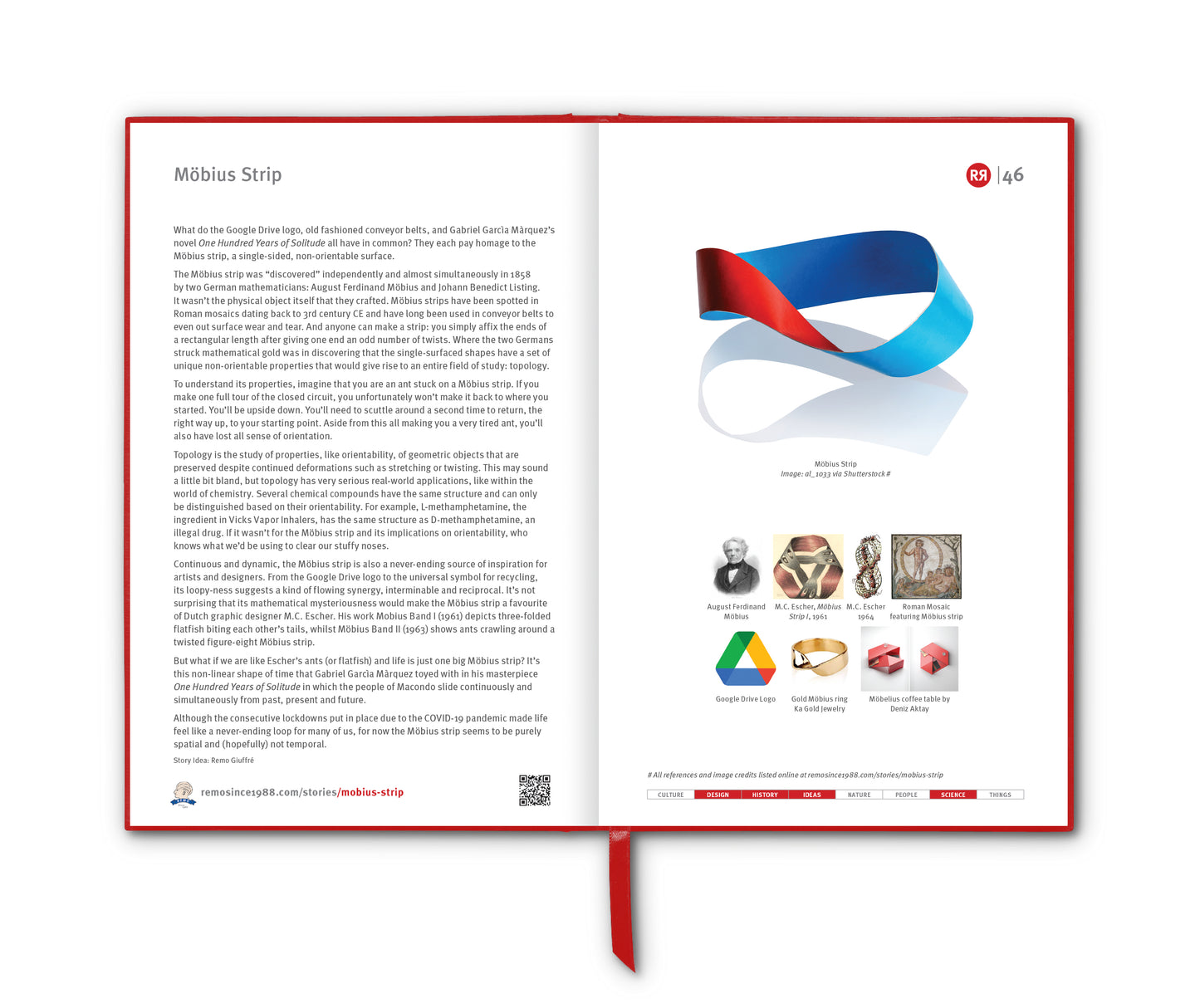

Few symbols of cultural power are as instantly recognisable as the red carpet. A strip of fabric, rolled out before a waiting crowd, signals to the world: something important is happening here, and these people matter.
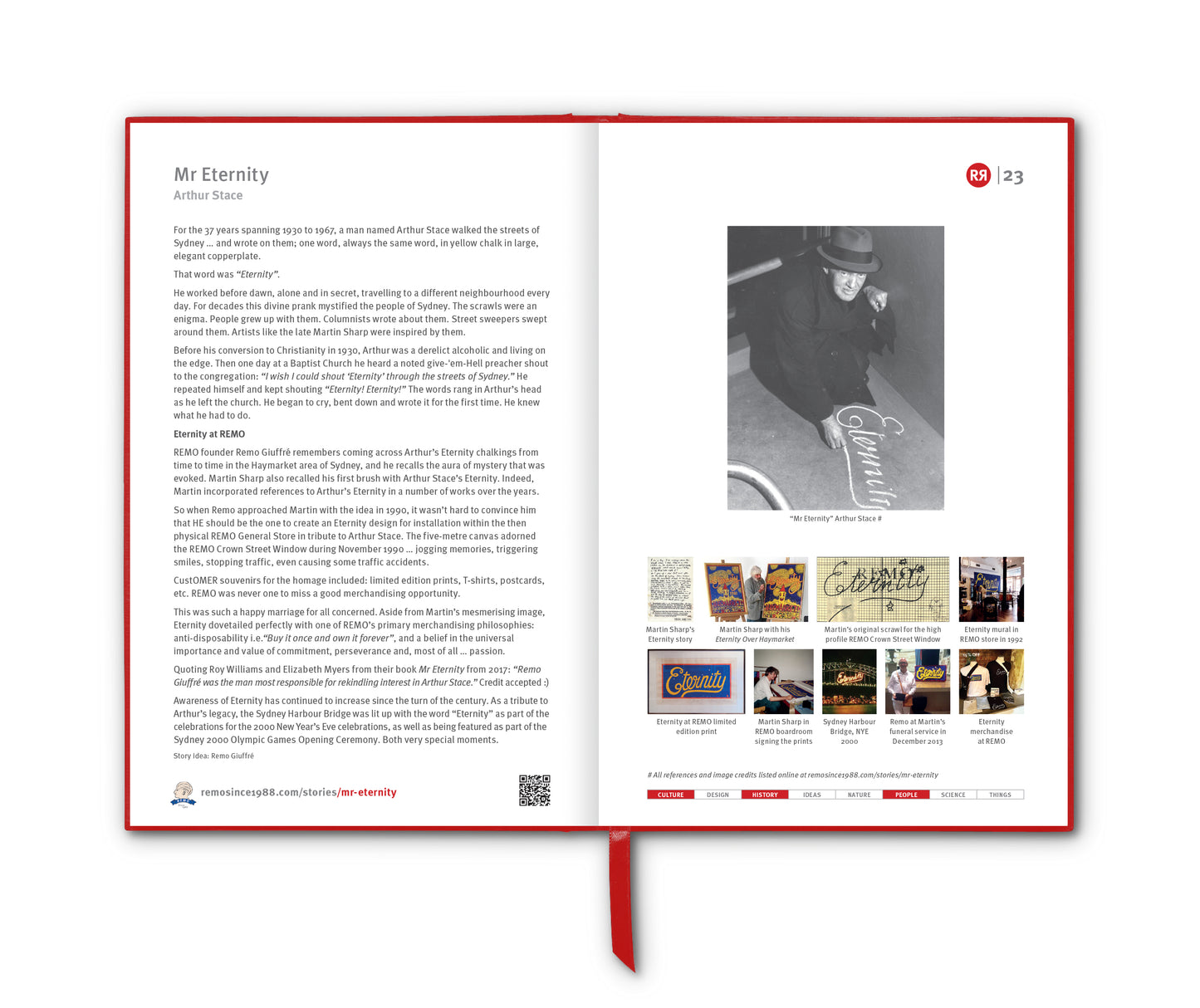
Indeed, today a red carpet is shorthand for glamour, prestige and celebrity, but the tradition stretches back more than two thousand years. Its earliest recorded appearance comes from ancient Greece, where a crimson walkway symbolised honour – and sometimes divine status. In Aeschylus's Agamemnon (458 BCE), the returning warrior-king is welcomed home by his wife Clytemnestra with a path of crimson cloth. He hesitates – treading on it feels hubristic, the province of gods, not men. He steps on it anyway, and is murdered shortly after. [Ed: Not such a great omen for the first red carpet.]
For centuries, red fabric remained the exclusive preserve of the powerful. In medieval and Renaissance Europe, crimson dyes – derived from kermes insects or, later, New World cochineal – were extraordinarily expensive. Cardinals wore red. Royalty walked on red. The colour communicated authority, sanctity and blood all at once. It was not for ordinary feet.
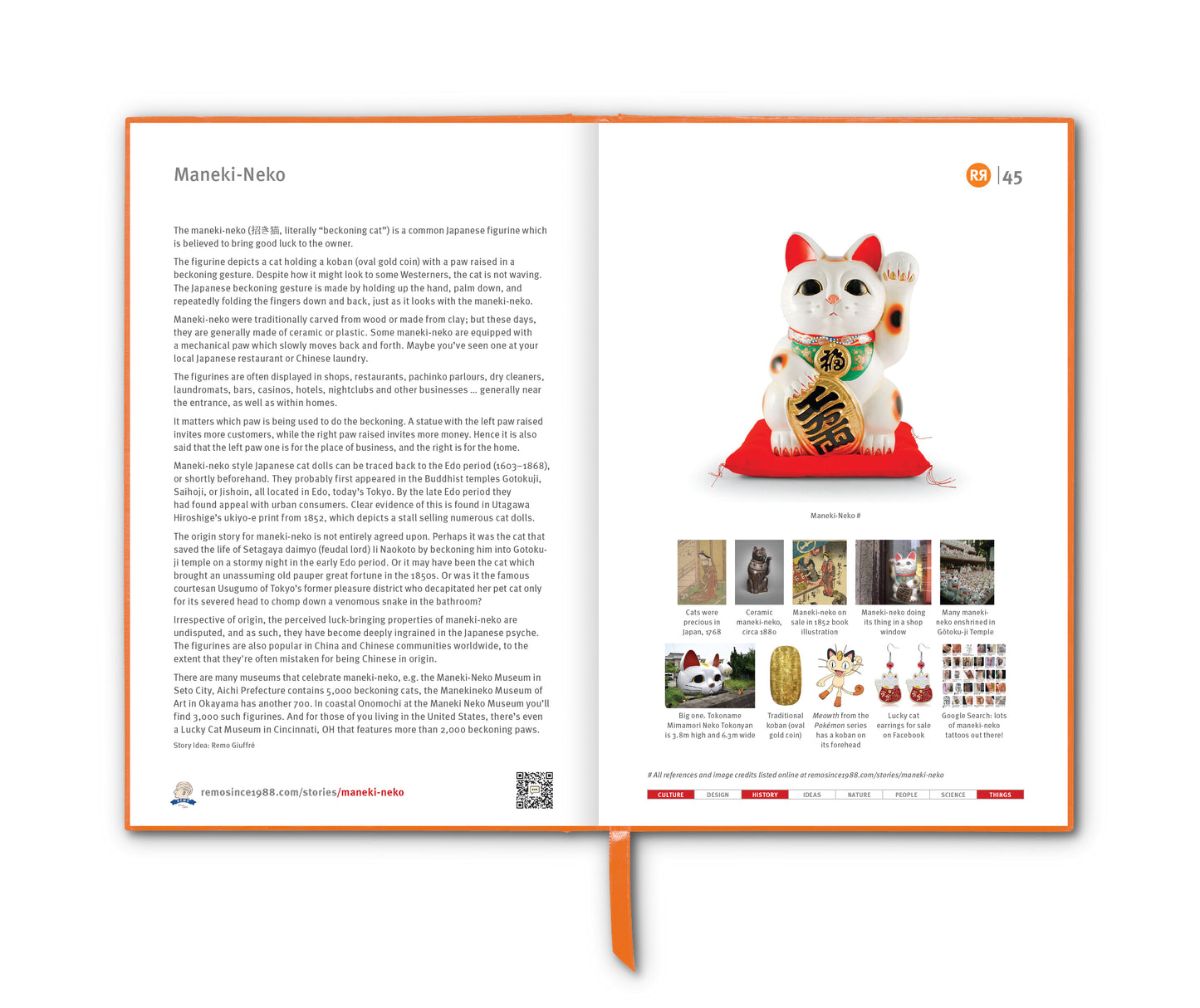
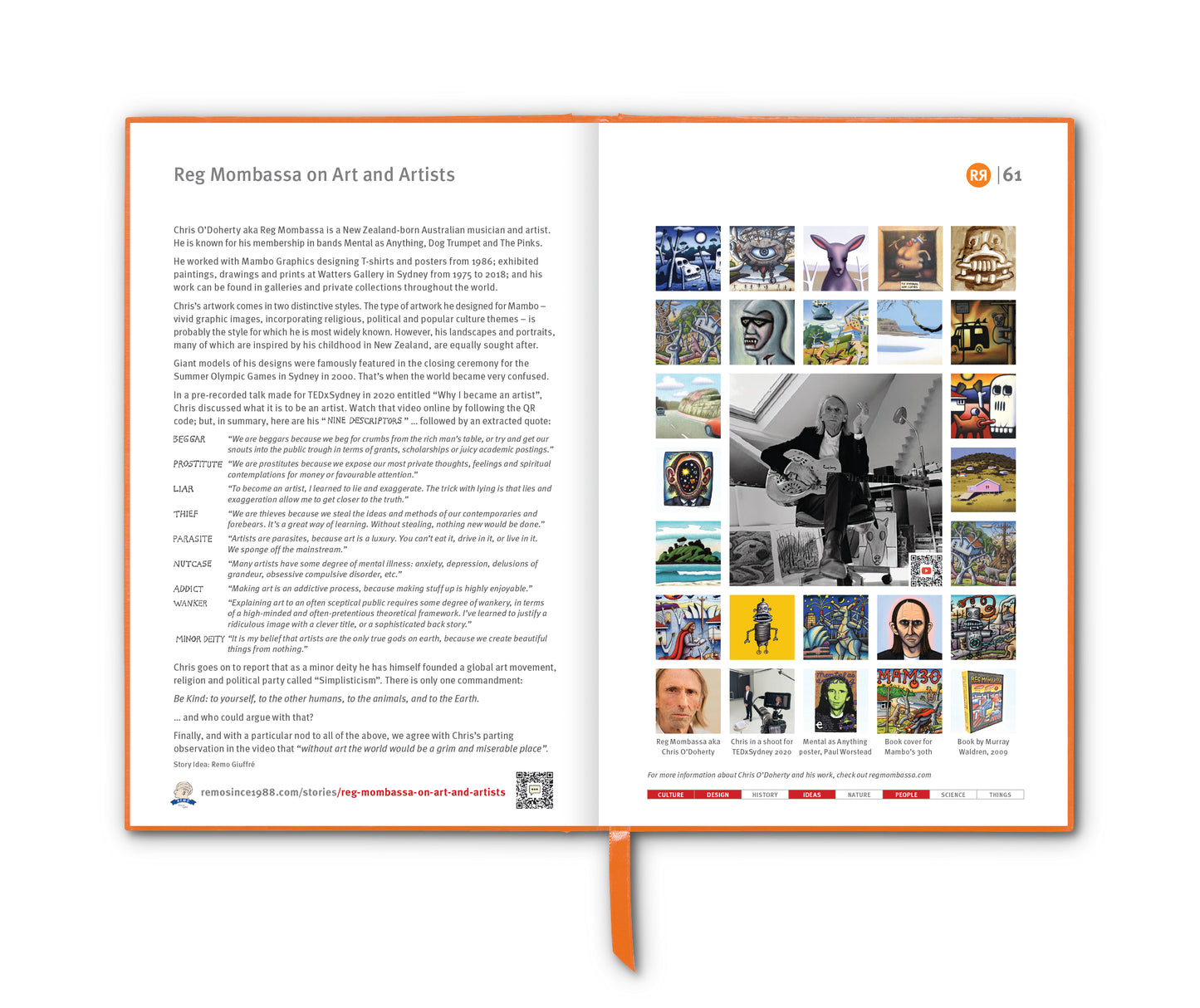
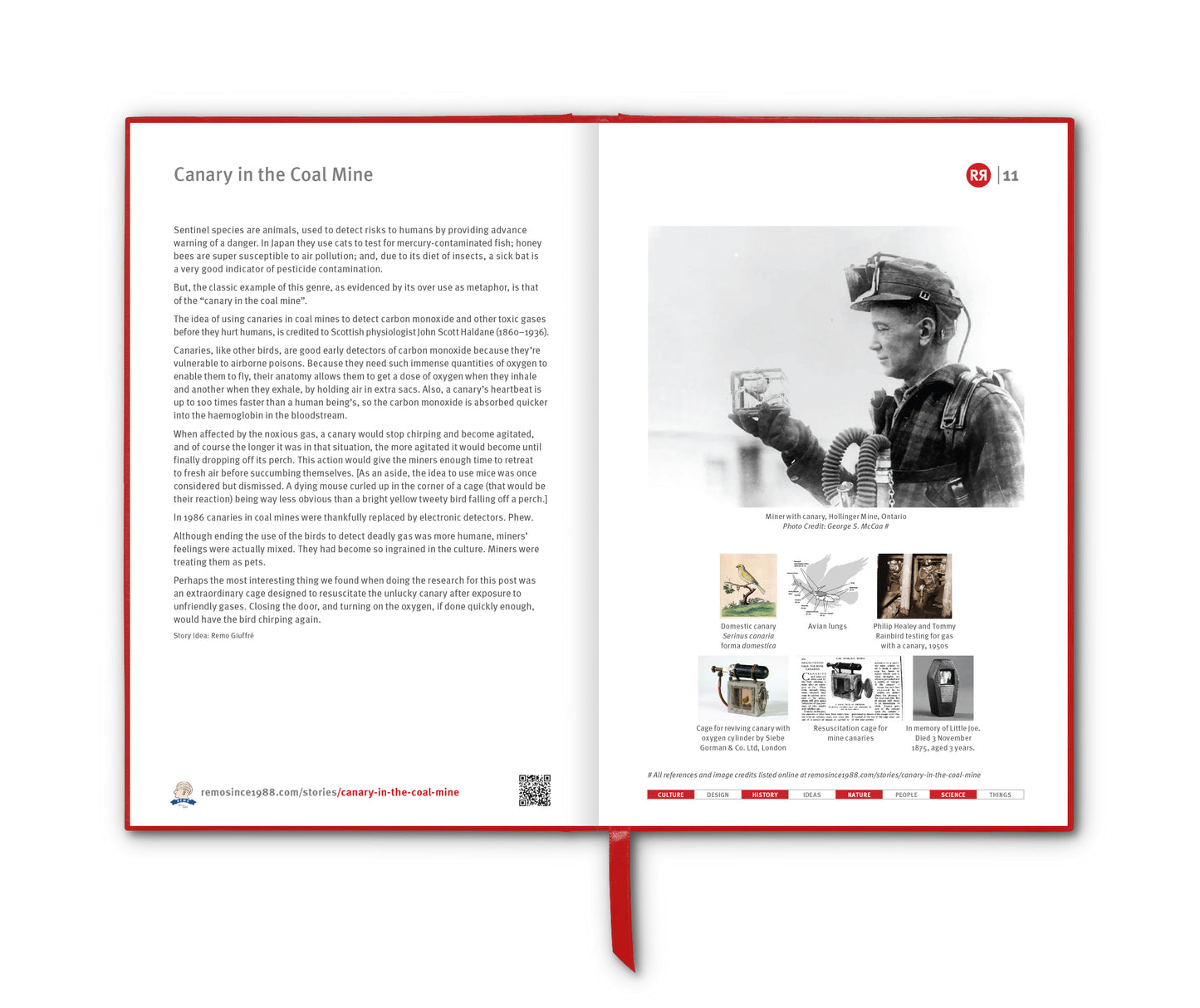
One of the first documented uses of a literal red carpet in modern public life occurred in 1821, when a red carpet was rolled out to welcome US President James Monroe in South Carolina. During the late 19th and early 20th centuries, railways and luxury venues adopted the practice for distinguished guests. New York’s famous 20th Century Limited train even used a red carpet to guide passengers to their sleeping cars – an early example of the phrase “red-carpet treatment”.
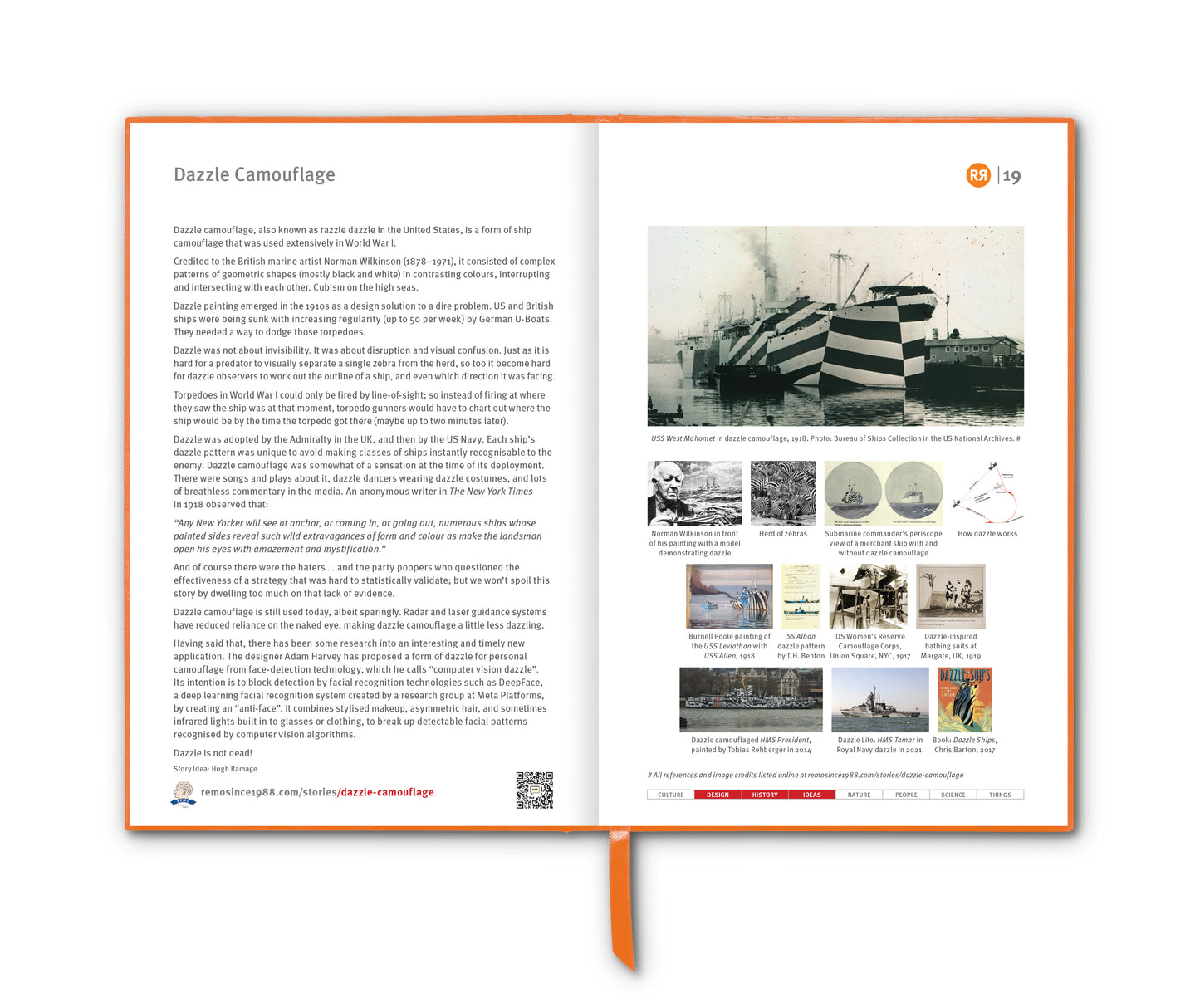
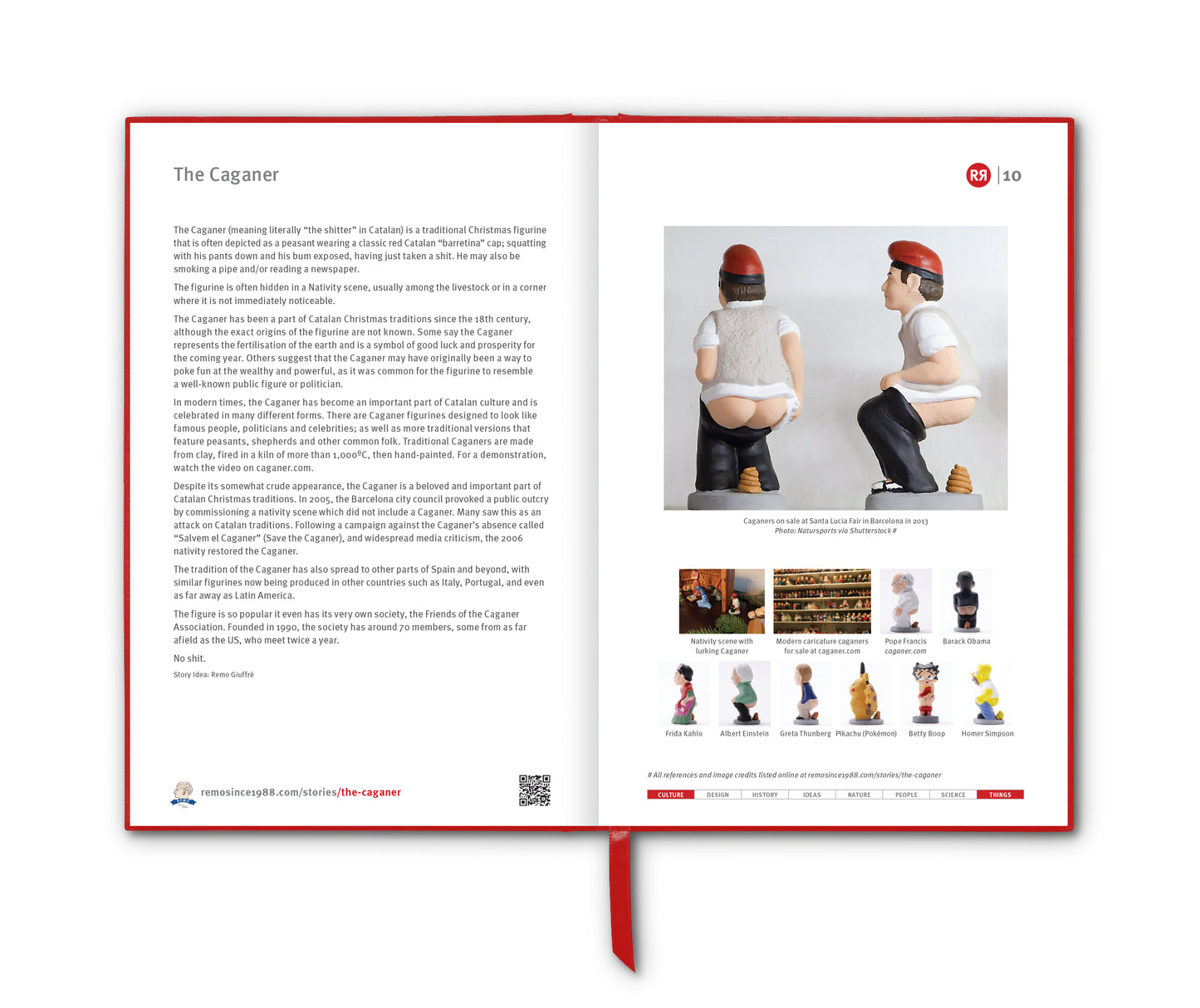
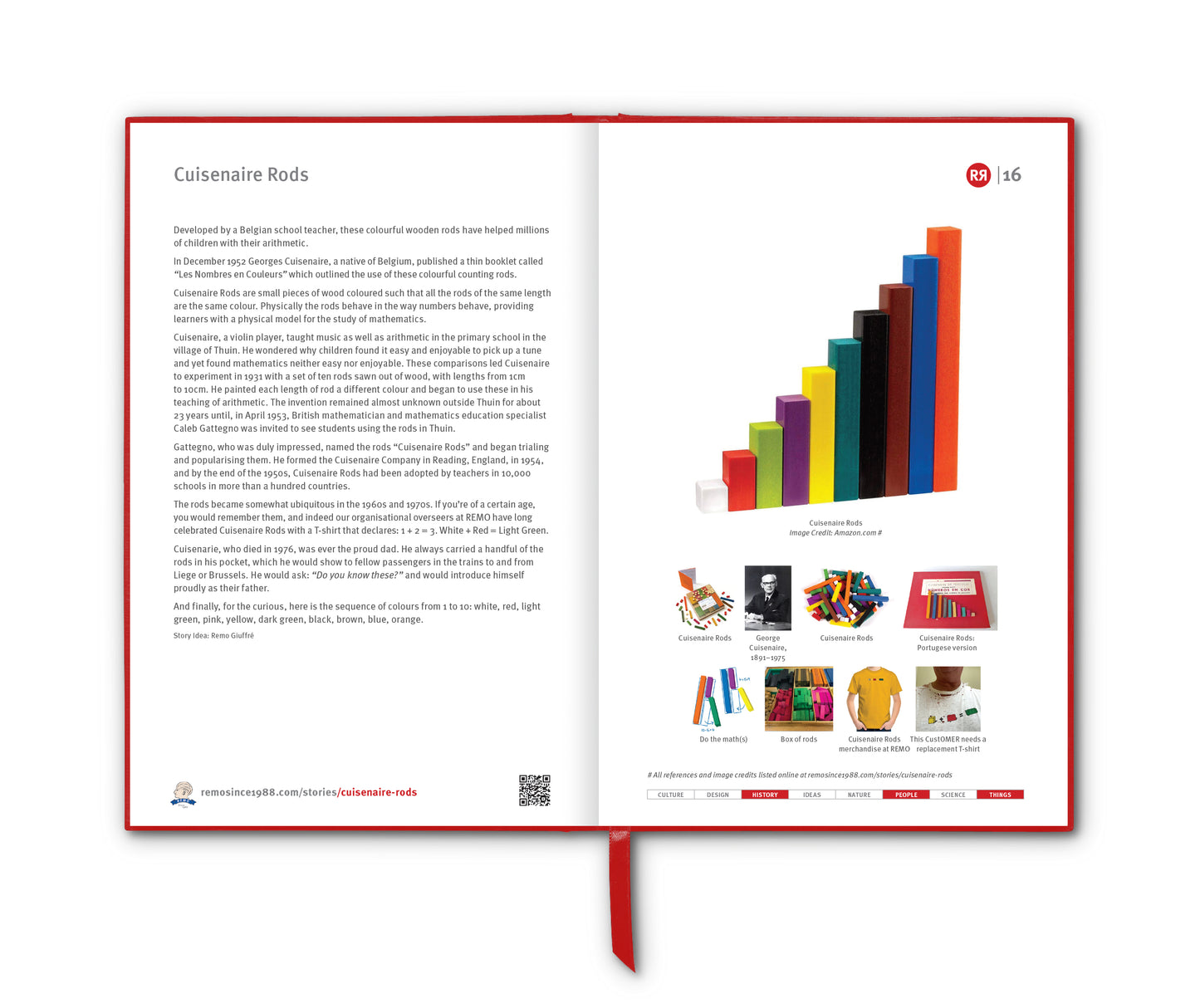
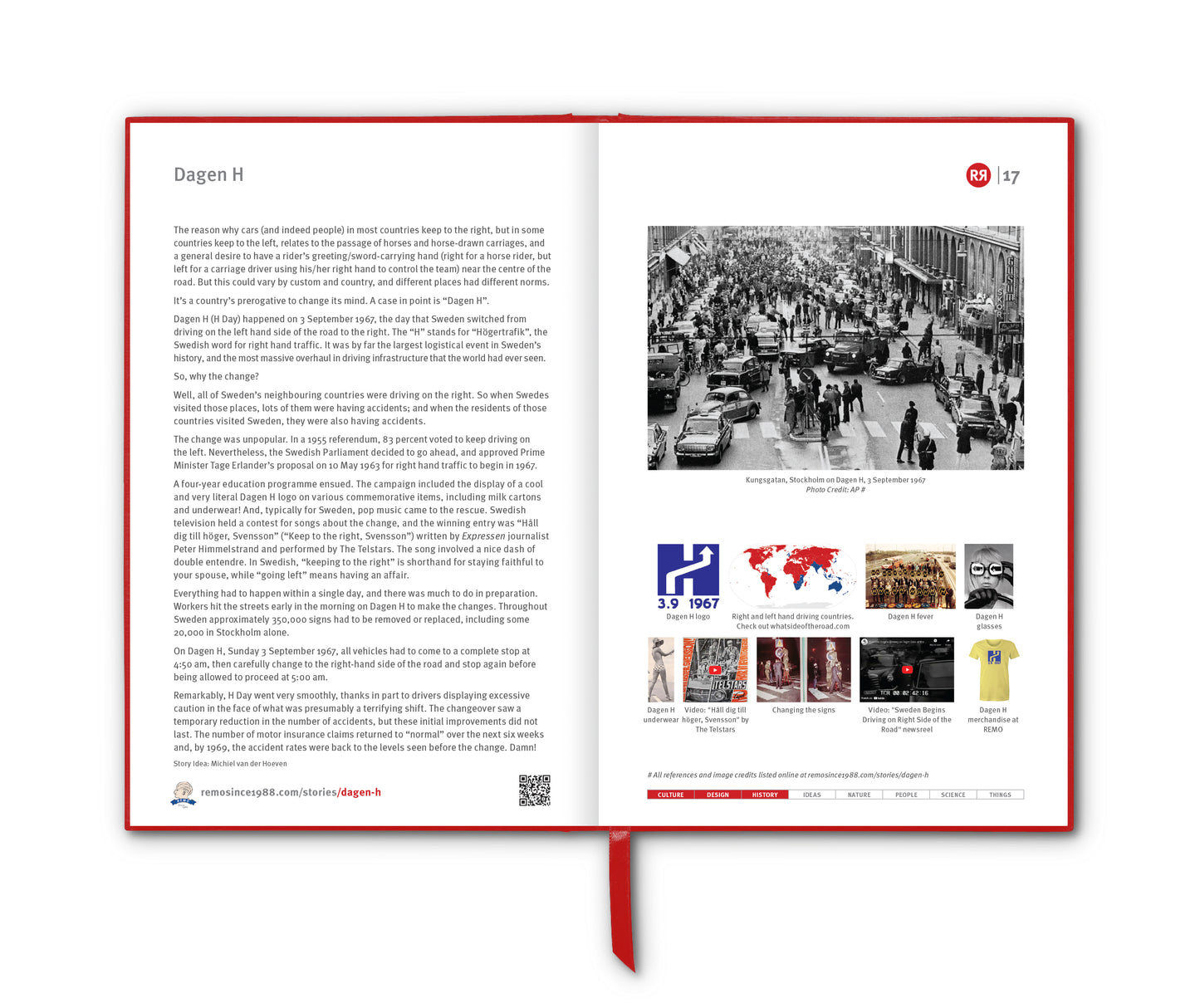
By 1922, the practice had found its way to Hollywood, when Grauman's Egyptian Theatre in Los Angeles used a red carpet for the premiere of Robin Hood, starring Douglas Fairbanks. The Academy Awards adopted the red carpet in earnest from the 1960s onwards, but it was the 1990s that transformed it into a full-blown cultural institution. Joan Rivers and her daughter Melissa began broadcasting pre-show red carpet fashion commentary on E! Entertainment Television in 1994, effectively inventing the red carpet interview as its own genre – part fashion critique, part celebrity interrogation. The carpet had effectively become a fashion runway. The question "Who are you wearing?" became its own shorthand for a new kind of cultural conversation. What was once a symbol of honour had evolved into a ritualised moment of public display.
It has also, predictably, attracted its fair share of rebellion and reinvention. Actors have used the carpet as a protest platform, e.g. Time's Up pins, black gowns and political statements. The carpet can accommodate the subversive precisely because it is so thoroughly ritualised.
Beyond entertainment, the phrase “rolling out the red carpet” has entered everyday language as a metaphor for lavish hospitality. Governments promise red-carpet treatment to visiting dignitaries, businesses offer it to valued clients, and the hospitality industry uses the expression to signal exceptional service.
Finally, from time to time event organisers, charity galas or tech conferences have experimented with colours other than red for their carpets – usually to align with brand colours or cause messaging (blue for ocean conservation, green for environmental events). These tend to feel more like corporate branding exercises than genuine cultural moments, and rarely generate the same visual impact.
See also: Met Gala [RR4:47] and Purple [RR3:66]
_____________________
References
wikipedia.org/wiki/Red_carpet
smithsonianmag.com/smithsonian-institution/what-is-the-origin-of-hollywoods-red-carpet-180949038/
Images
1. Red carpet pathway lined with gold stanchions and red curtains. Photo credit: liyastock via shutterstock
2. Wool dyed with the scale insect kermes
3. Portrait of James Monroe by Samuel Finley Breese Morse, 1819
4. The 20th Century Limited leaving Chicago's LaSalle Street station, 9 June 1938
5. Grauman's Egyptian Theatre, Los Angeles
6. Grauman Poster for Robin Hood (1922) starring Douglas Fairbanks
7. Joan Rivers and Halle Berry at the Golden Globe awards in 2002. Credit: E!
8. Chilean President Sebastián Piñera arriving in Paris in October 2010
9. Air Asia "Red Carpet" service, 2023