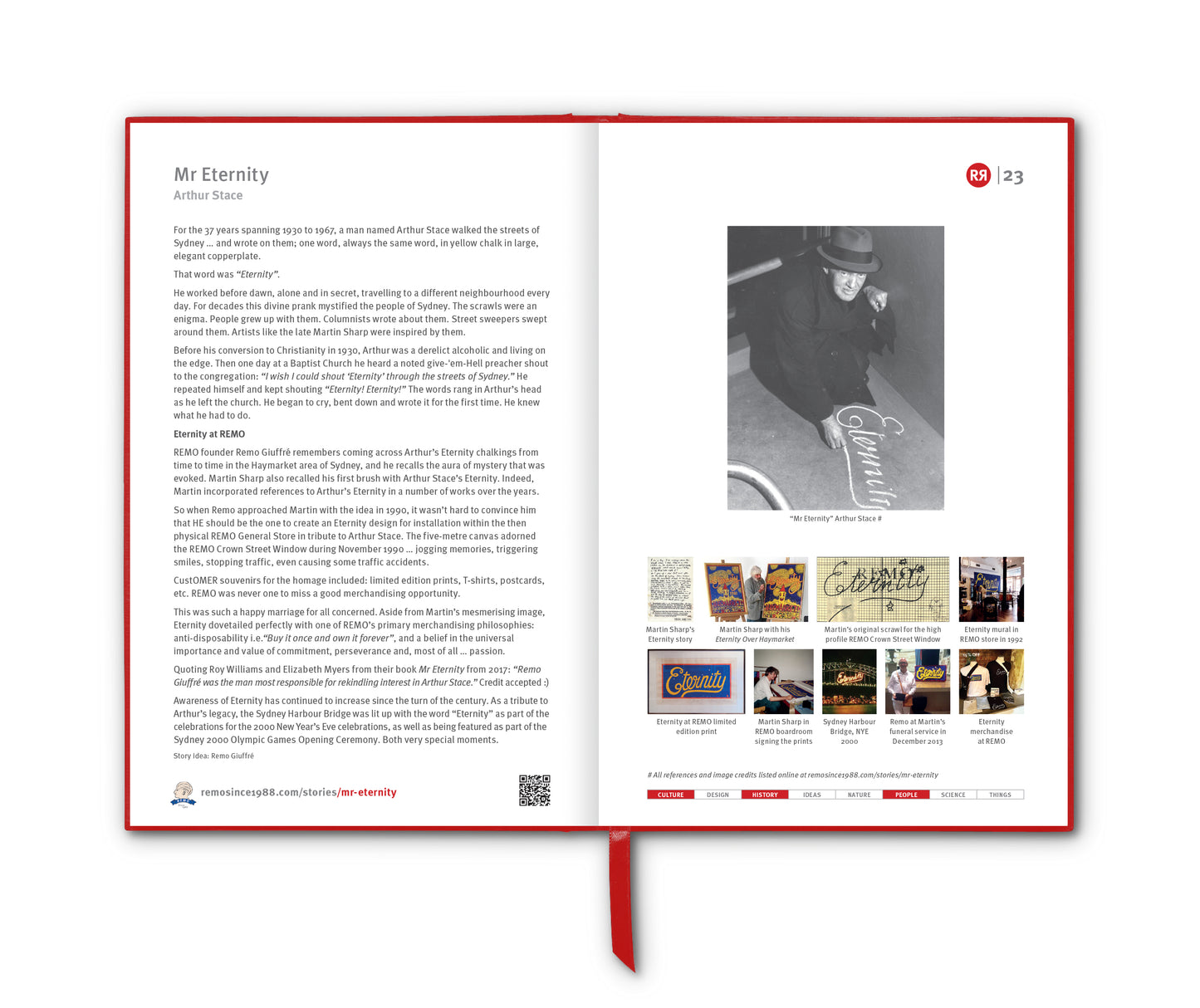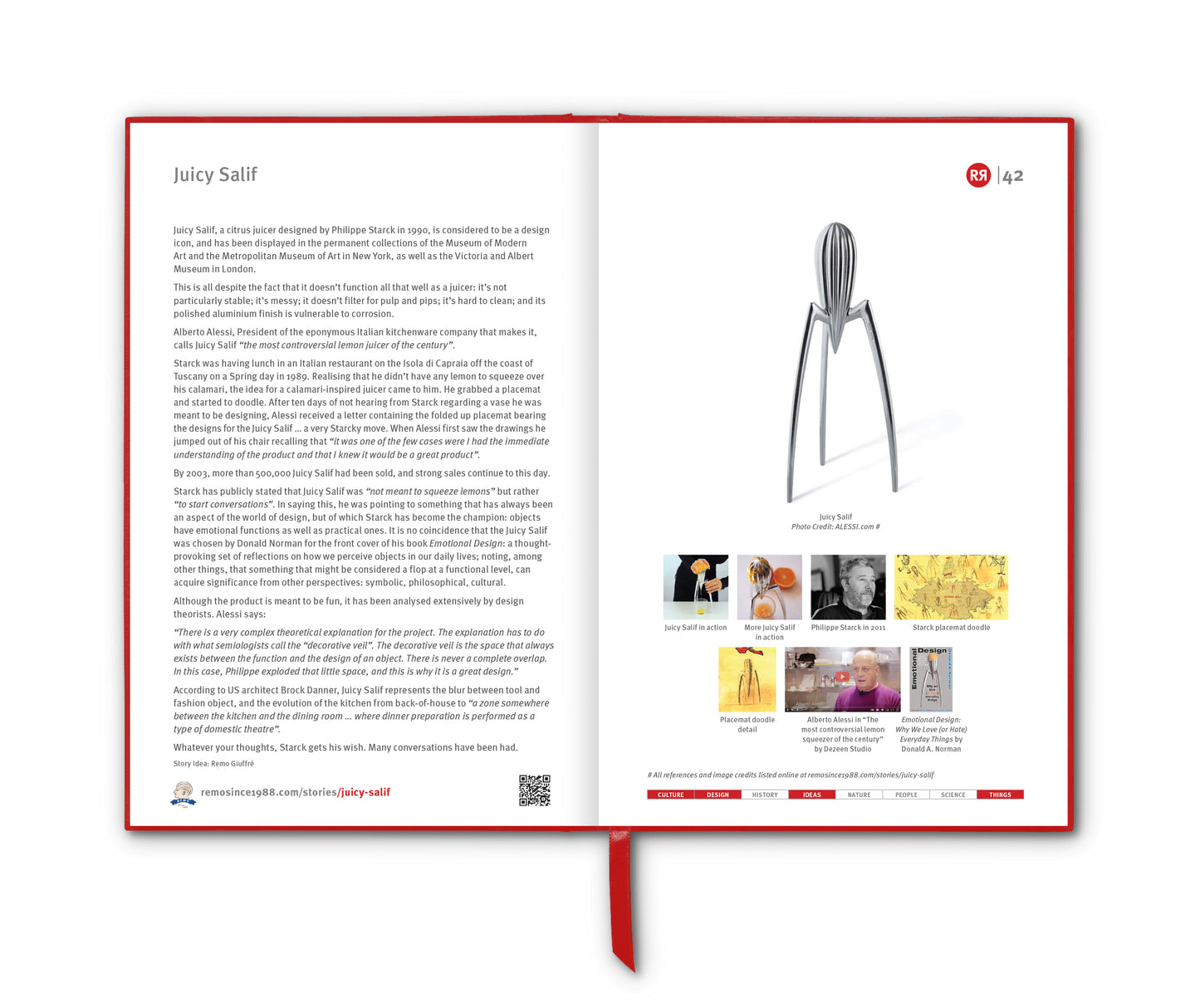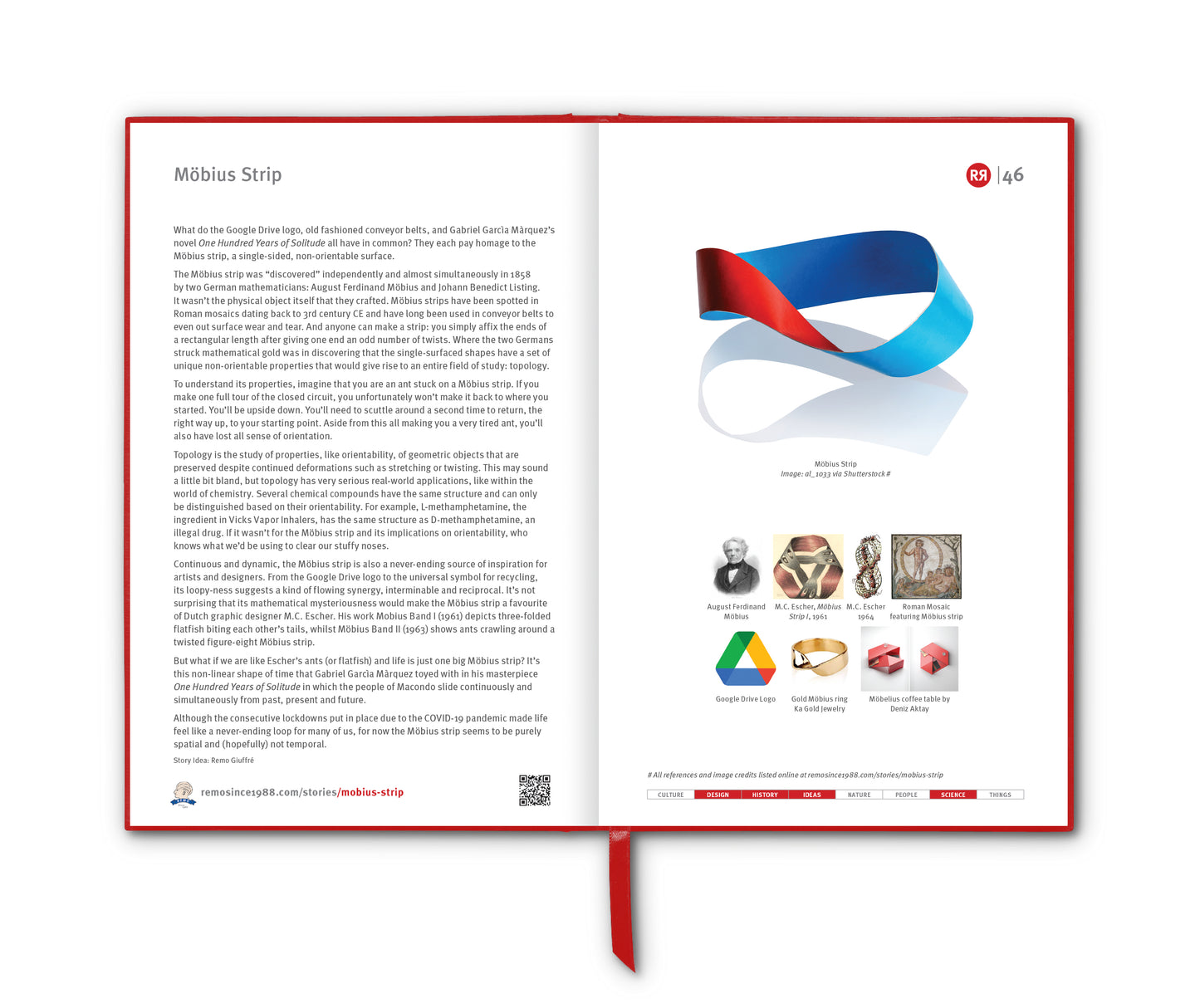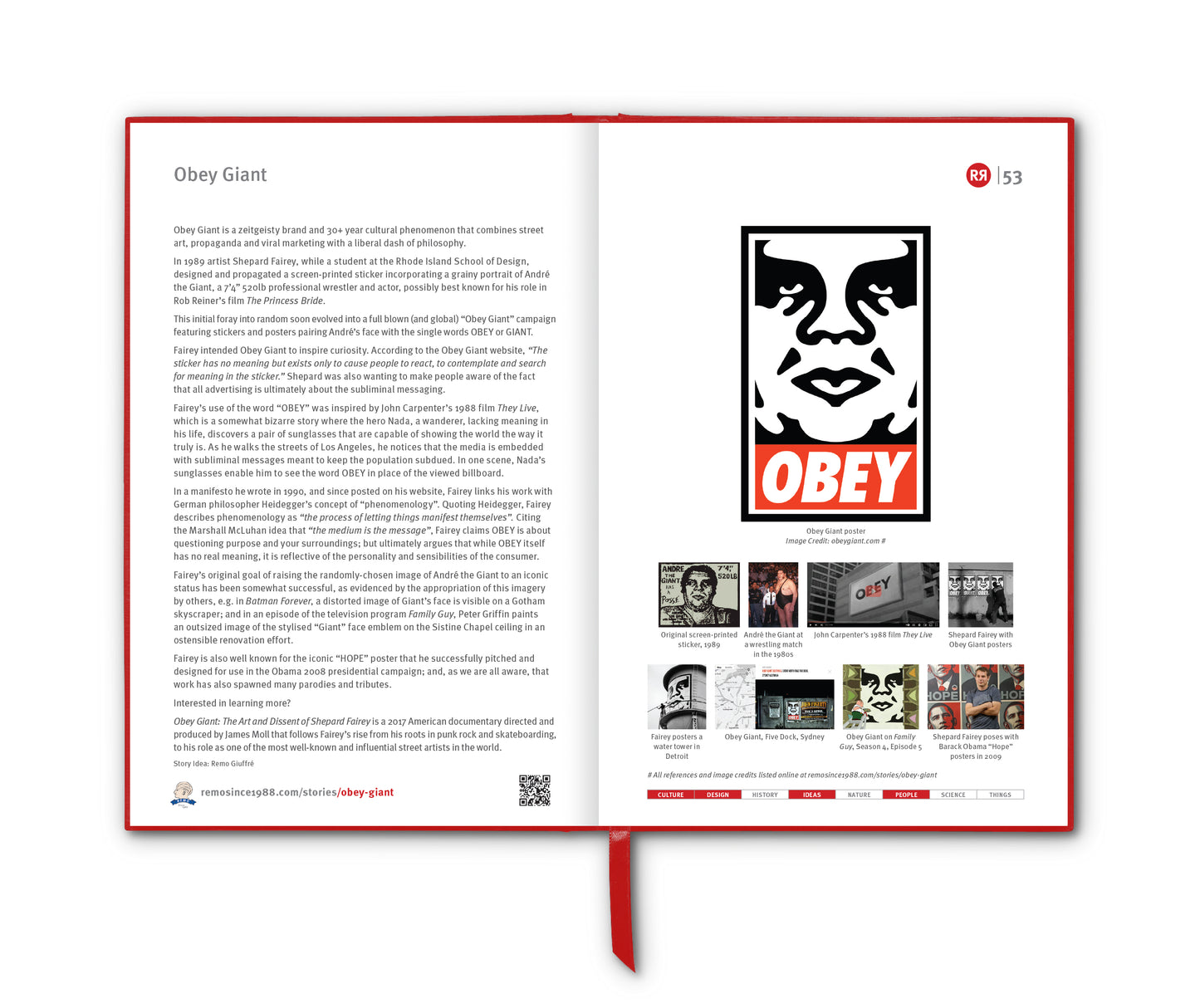

The Scandinavian tradition known in Sweden as Lördagsgodis (“Saturday sweets” or ”Saturday candy") – has an unexpected origin. It is a cherished weekly ritual that began life as a public health strategy to combat tooth decay.
The story begins in the early 20th century, when Sweden, like many countries, was grappling with widespread dental problems among children. Tooth decay was common, but the precise causes were still being debated. Was it sugar itself, or something else in the modern diet? Researchers wanted definitive answers. Their search culminated in the infamous Vipeholm experiments, conducted between 1945 and 1955 at Vipeholm Hospital near Lund. Residents of the institution, many of whom had intellectual disabilities, were divided into groups and fed different diets. Some received sugary foods with meals, while others were given sticky, sugar-rich treats such as toffees between meals. Researchers then monitored the development of dental cavities over many years.
The findings were significant. They demonstrated that frequent consumption of sticky sugary foods between meals caused dramatically higher rates of tooth decay than consuming sugar less often. The research helped establish one of modern dentistry's key principles: frequency of sugar consumption is often more important than the total amount consumed.
Yet the experiments remain highly controversial. The participants were unable to provide informed consent, and many were deliberately exposed to diets known to damage their teeth. Fifty of the research subjects ended up with completely ruined teeth. By modern ethical standards, the study would be considered unacceptable.
The practical outcome of the study was the recommendation that sweets should be limited to a single occasion each week. Swedish health authorities encouraged families to reserve candy for Saturdays, reducing the constant exposure of teeth to sugar.
The advice proved remarkably successful. Rather than viewing it as a restriction, many families embraced it as a special weekly event. Children would receive pocket money, visit a confectionery store on Saturday, and carefully select their own assortment of sweets – lösgodis (“loose candy”) from colourful pick-and-mix displays. Shoppers choose from hundreds of varieties, including gummies, liquorice, marshmallows, chocolate-coated treats and sour candies. The colourful displays are a major attraction for children, who often spend considerable time selecting the perfect assortment. The visit to the confectionary store became a fun family event.
In many households, this added another layer of education. Children learn to budget, deciding whether to spend all their weekly allowance on candy or save part of it for something bigger. The ritual encourages delayed gratification, comparison shopping and simple financial decision-making.
Of course, modern life has softened the rules. Many Scandinavian children enjoy sweets on other occasions such as birthdays, holidays and special events. Yet the idea of Saturday as "candy day" remains remarkably resilient.
See also: Crayfish Party [RR5:19] and Jantelagen [RR1:40]
_________________________
References
wikipedia.org/wiki/L%C3%B6rdagsgodis
bbc.com/worklife/article/20211004-lrdagsgodis-swedens-saturday-only-candy-tradition
atlasobscura.com/articles/an-adorable-swedish-tradition-has-its-roots-in-human-experimentation
Images
1. Saturday sweets. Photo credit: BBC
2. Selection of Swedish sweets
3. Lösgodis (“loose candy”)
4. Kids, teeth, sweets and cavities
5. Vipeholm Hospital near Lund
6. Vipeholm study abstract
7 & 8. Confectionary stores in Sweden
9. Book: Candy: A Century of Panic and Pleasure, Samira Kawash, 2013
10. Video: "Lördagsgodis: Sweden's delicious Saturday tradition that prevents decay", BBC Global, 2022