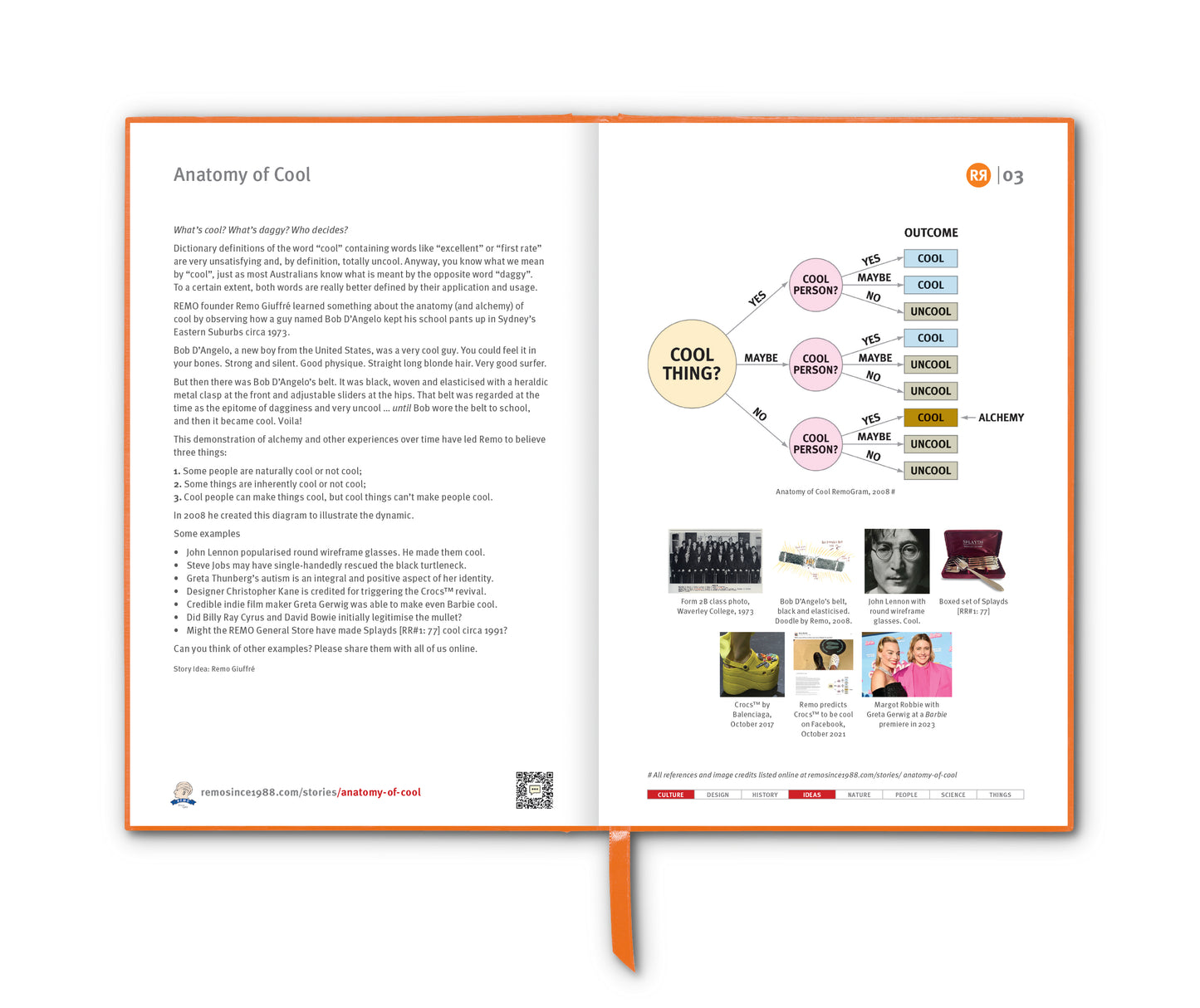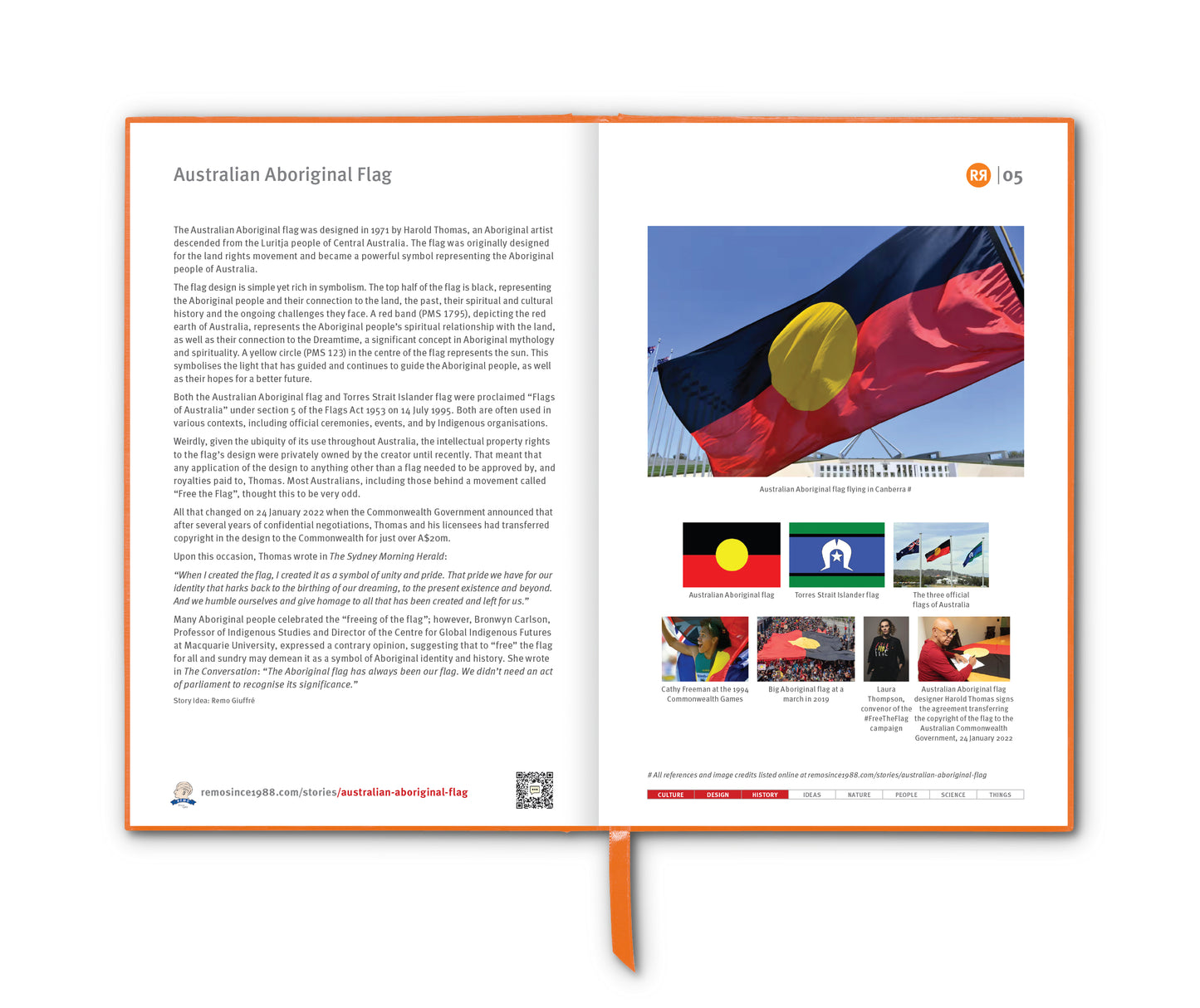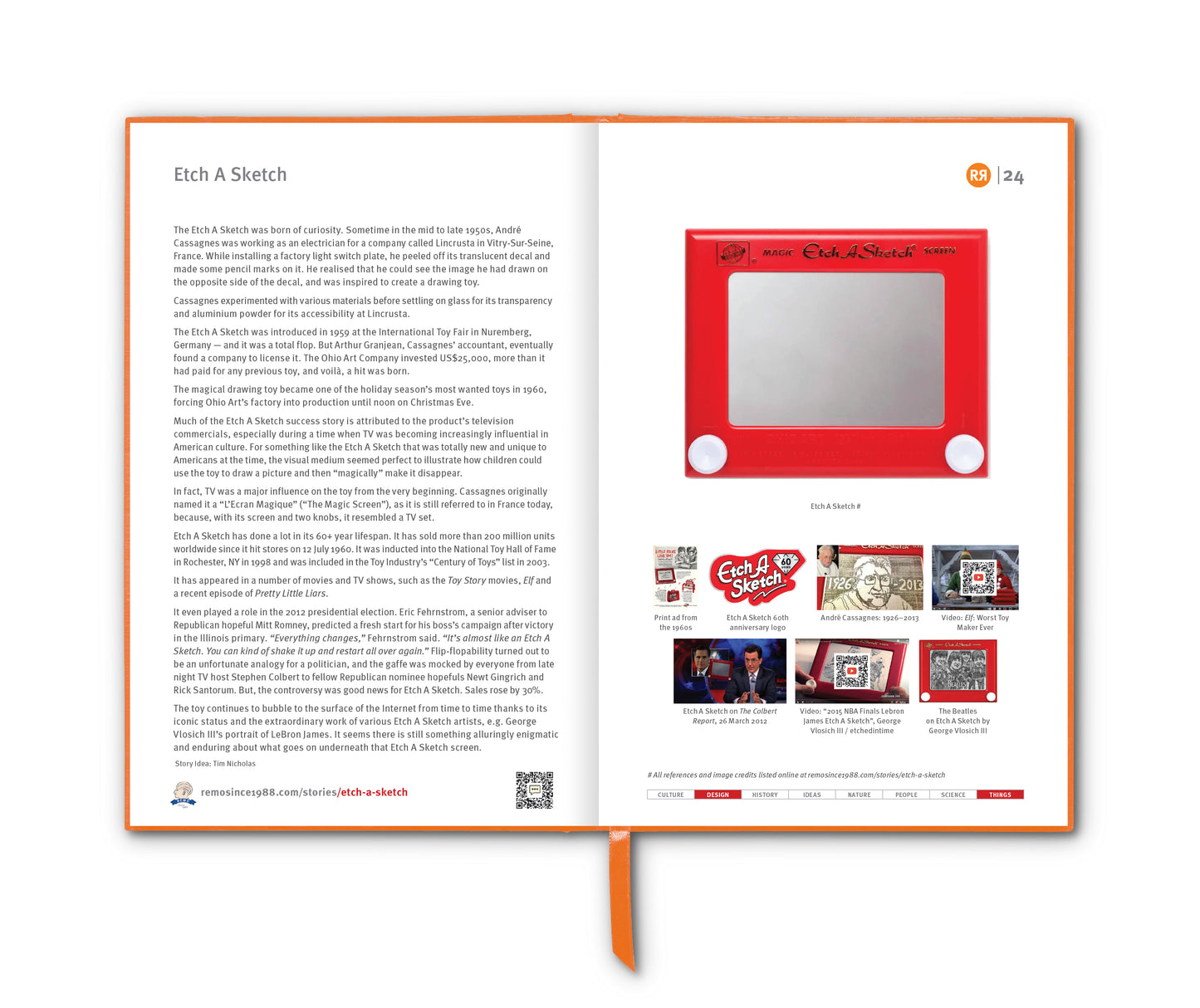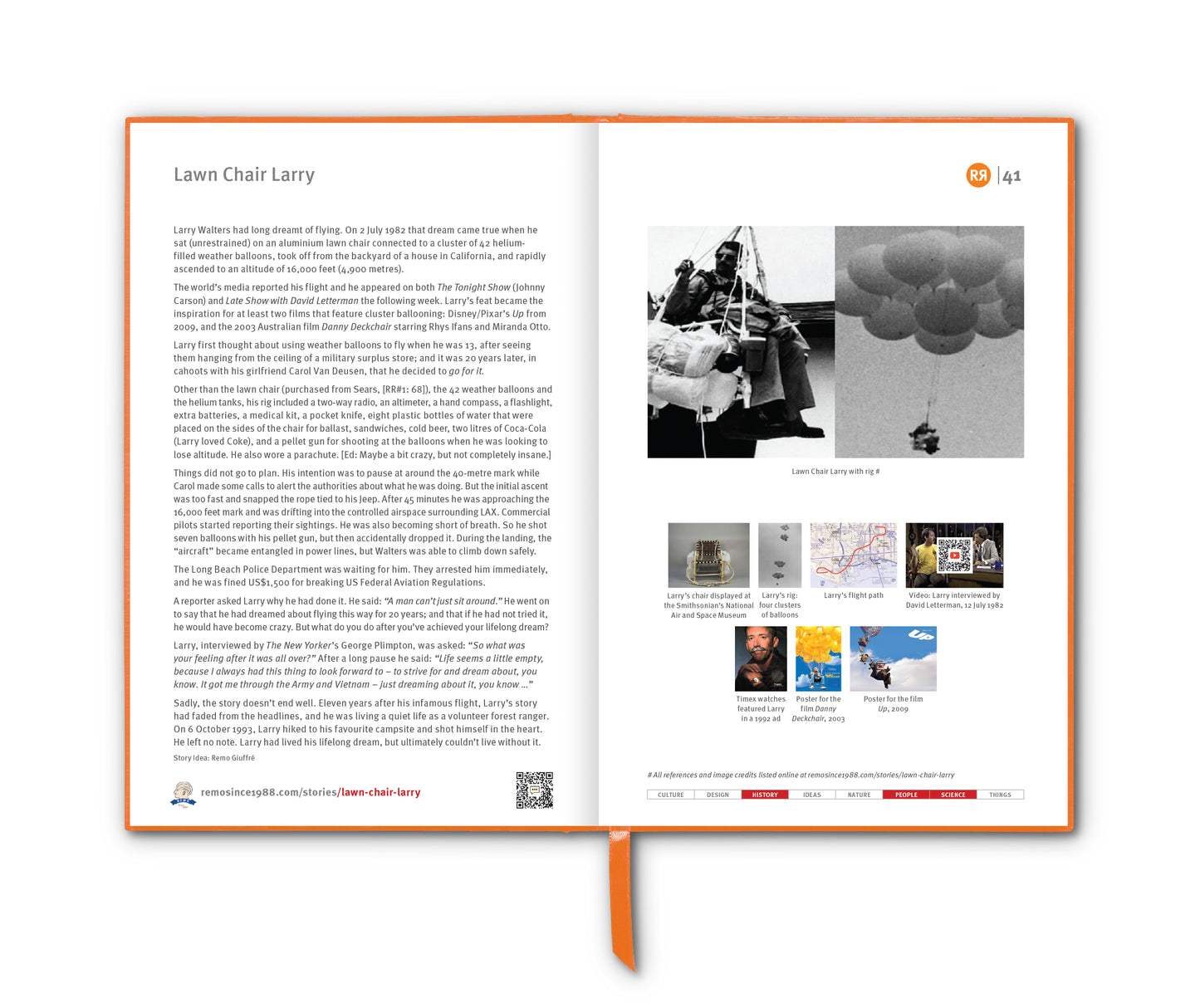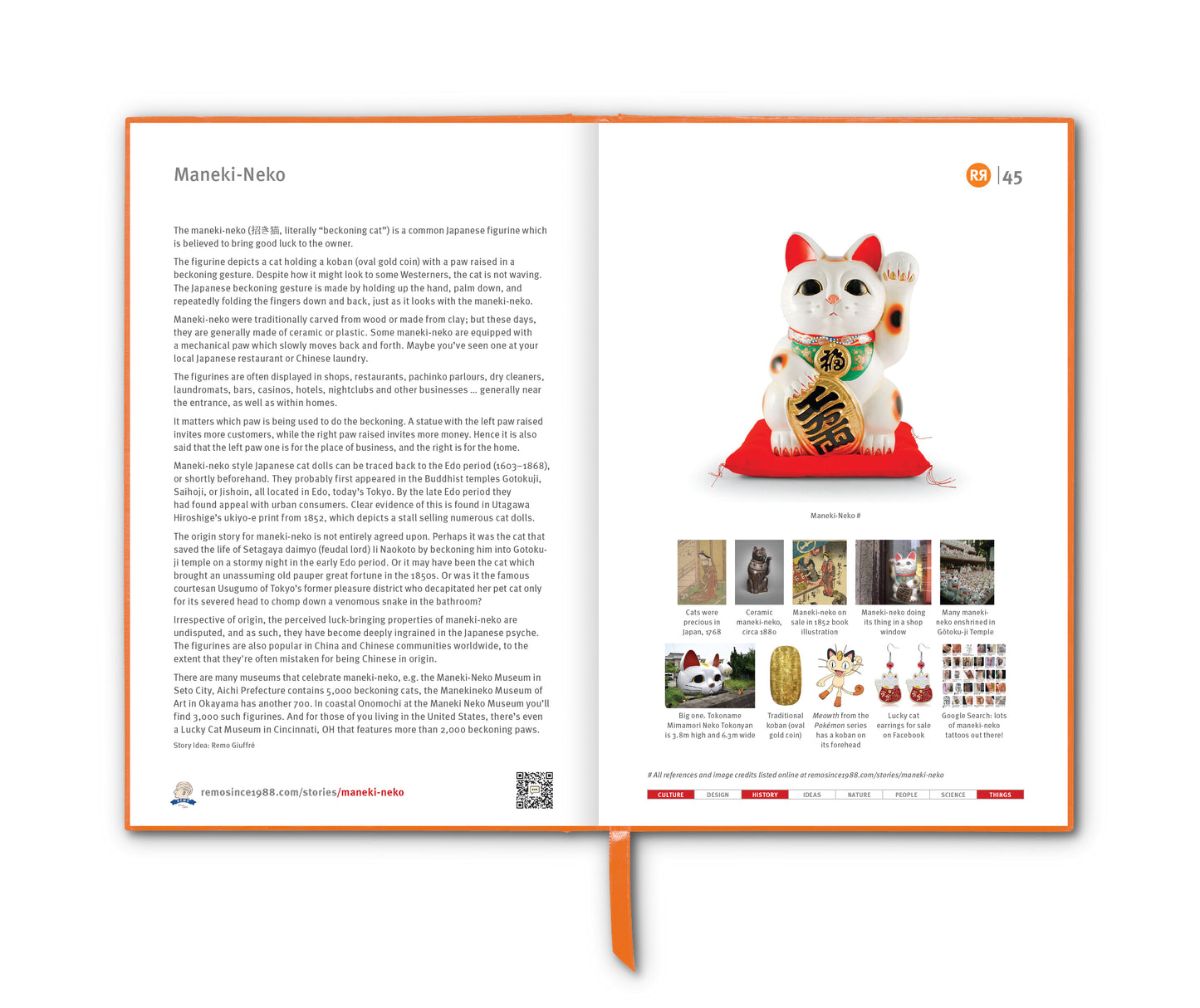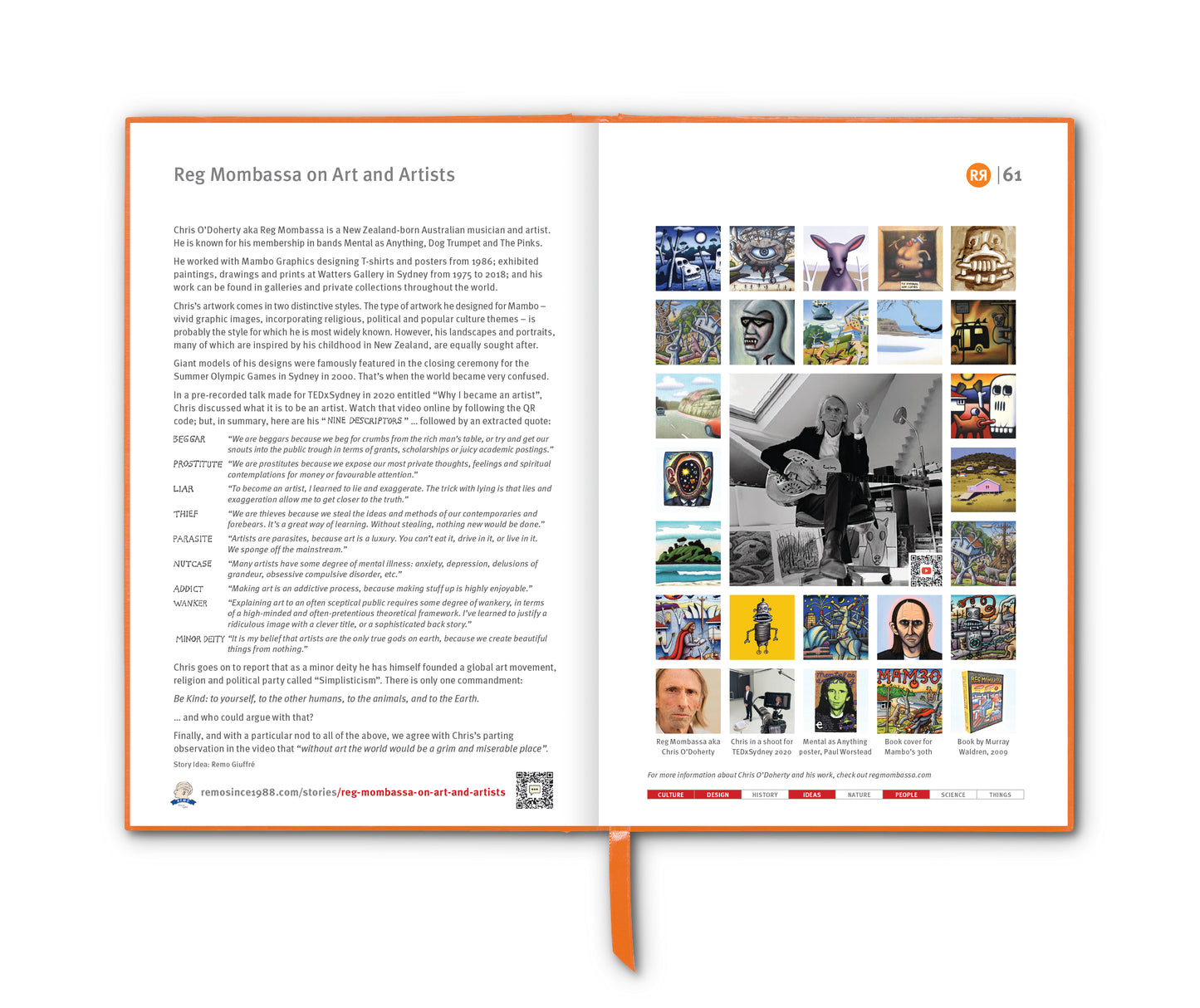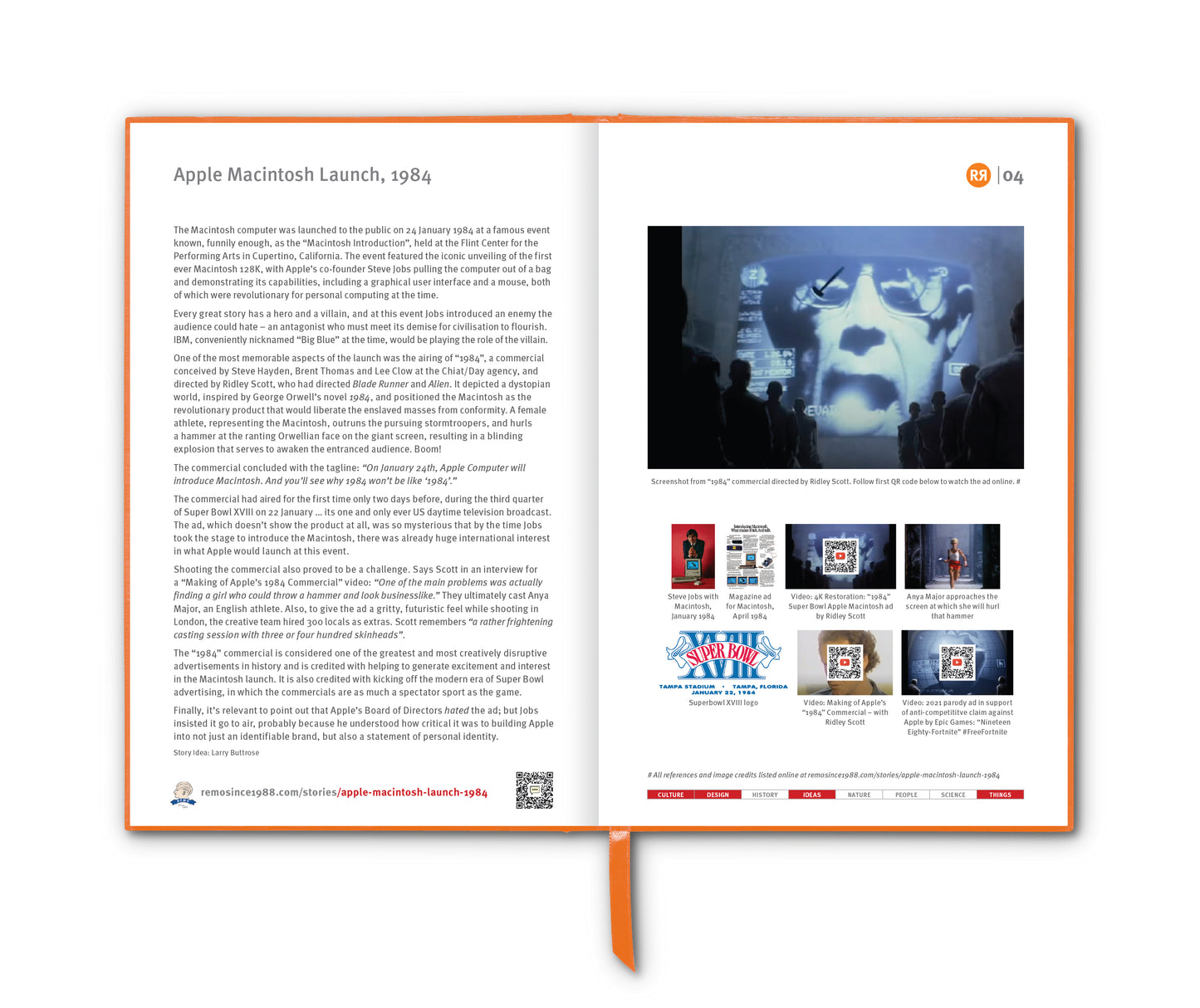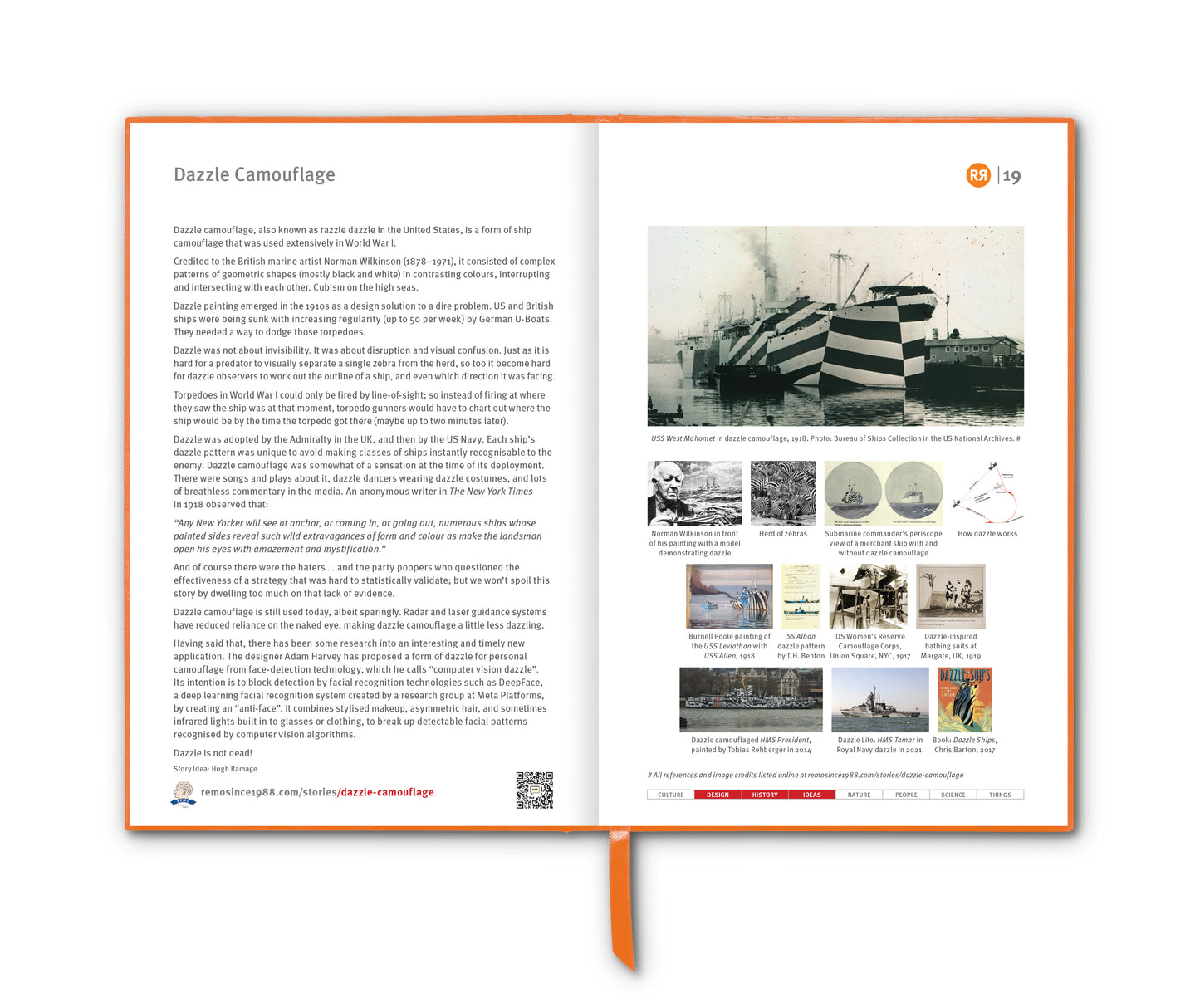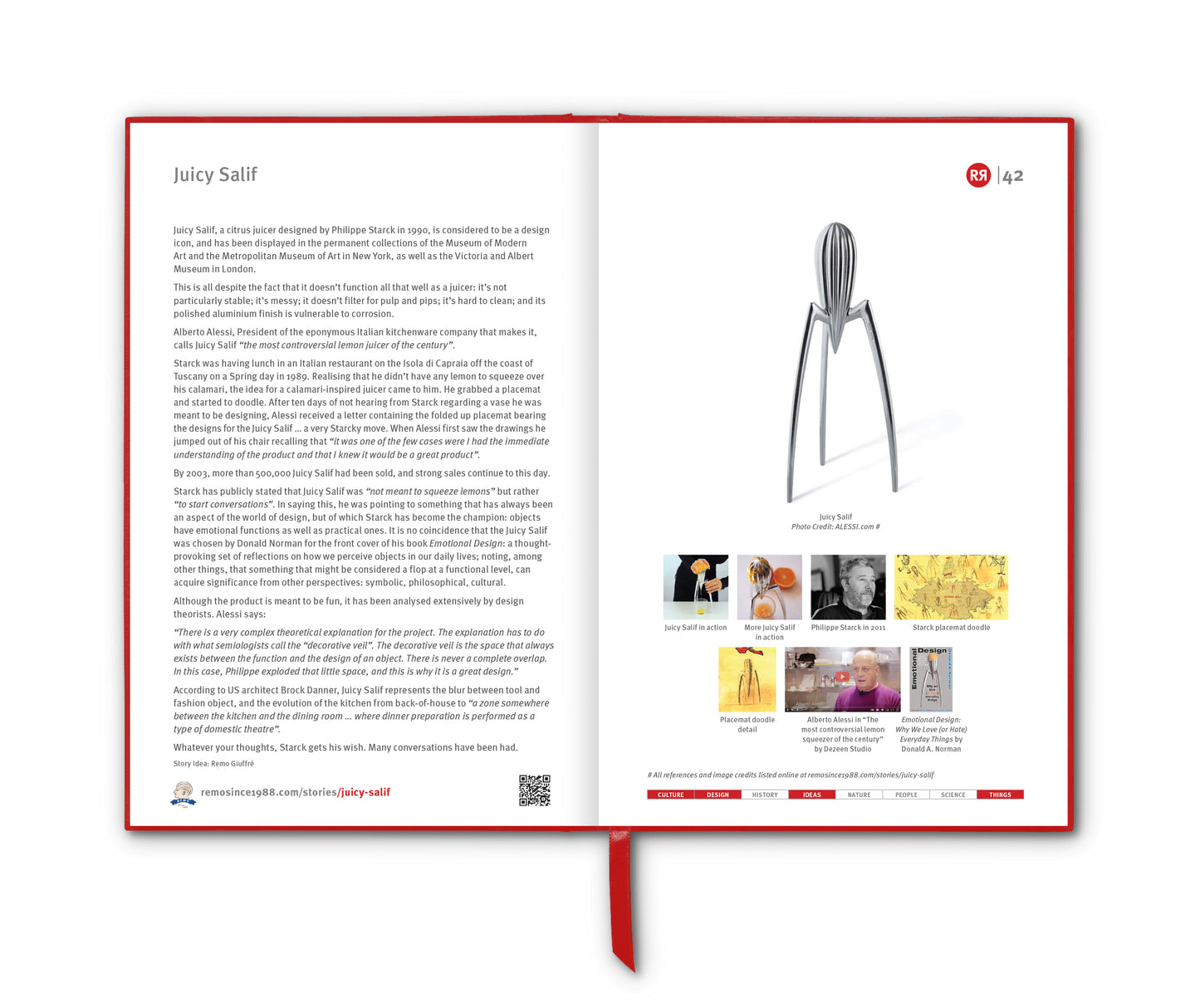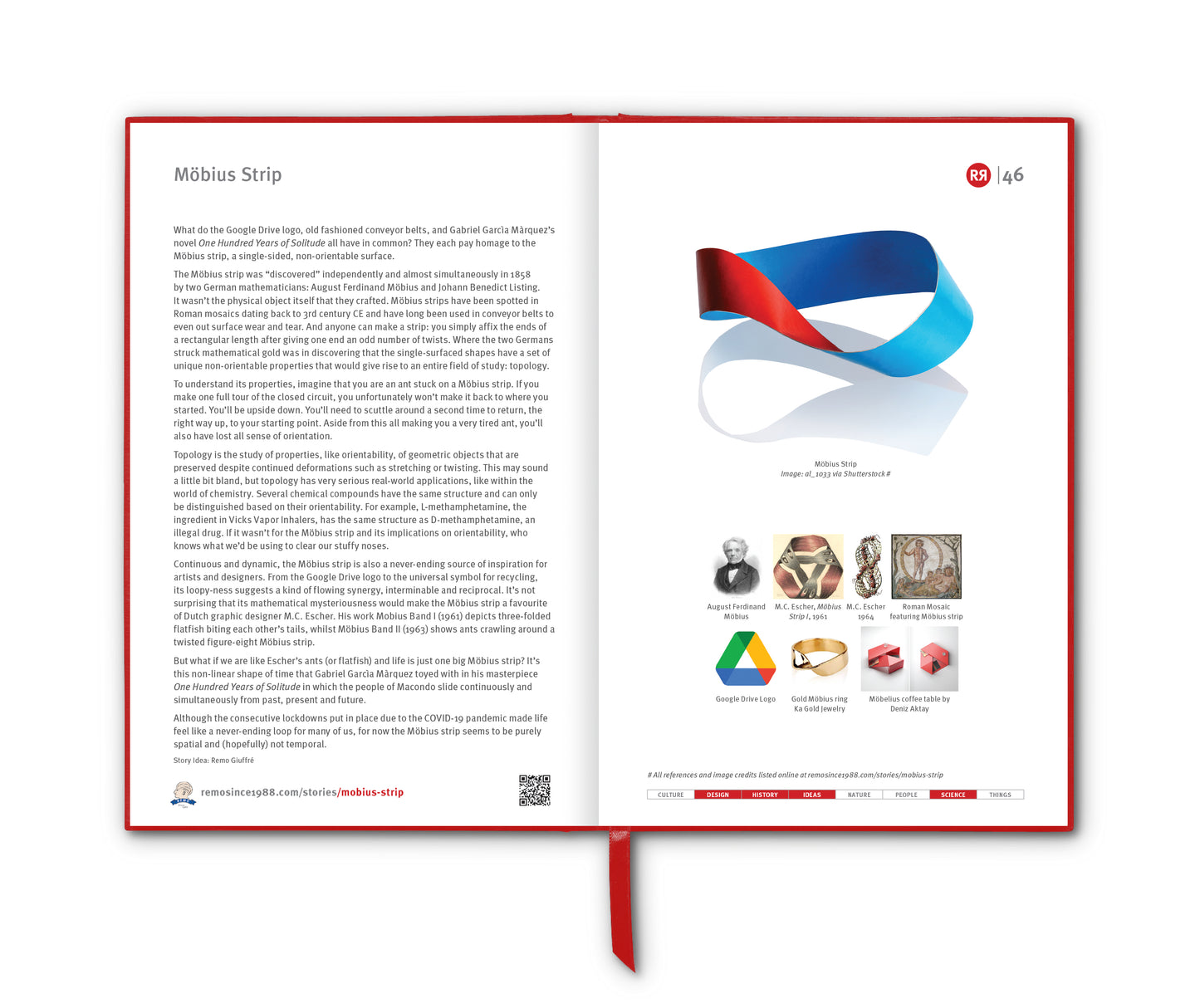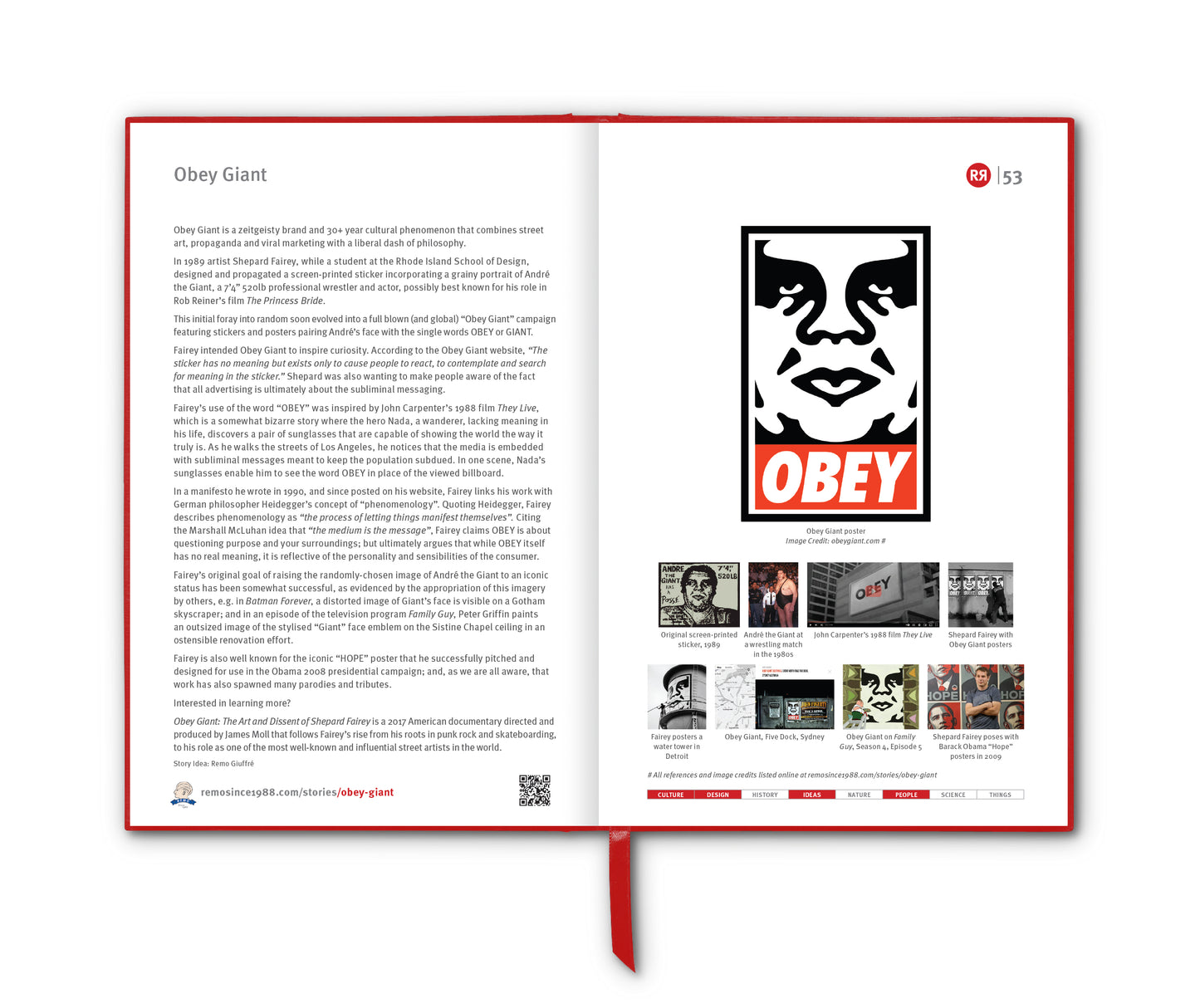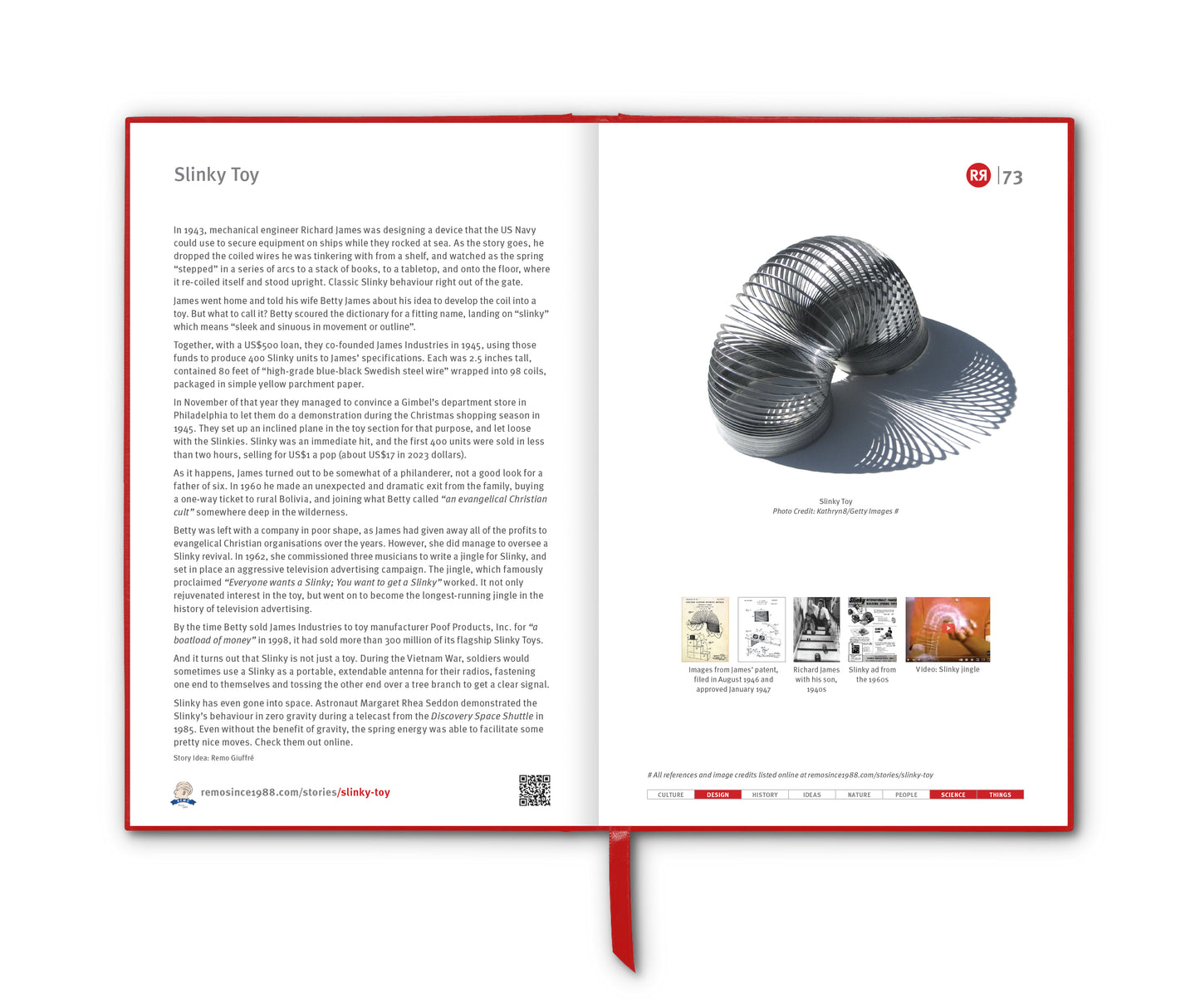

The Streisand effect describes a situation where an attempt to hide, remove or censor information results in the unintended consequence of the effort instead increasing public awareness of the information.
In 2003, the singer and actress Barbra Streisand sued a photographer for US$50 million. The offending image was one of 12,000 aerial photographs documenting coastal erosion in California. Streisand objected to the inclusion of her Malibu home in the archive, arguing it violated her privacy.
At the time she filed the lawsuit, the image had only been downloaded from the photographer Kenneth Adelman’s website six times; two of which were downloads by Streisand’s own attorneys. As a result of the case, paired with Barbra Streisand’s celebrity status, public interest in the photograph grew immensely. By the end of the month, 420,000 people had visited the site. The attempt to suppress the photograph had spectacularly amplified its reach.
Thus was coined the “Streisand Effect”: the phenomenon whereby efforts to hide, censor or remove information inadvertently draw greater attention to it. The term was popularised by tech commentator Mike Masnick of the blog Techdirt.
The name might be new, but the phenomenon is not. Take this 1,500 year old Chinese proverb: 欲蓋彌彰, pinyin: Yù gài mí zhāng – “(when one) attempts to cover (the truth), (it) becomes more conspicuous". And centuries beforehand in 109 CE the Roman historian Tacitus said this about the consequences of emperor Nero’s censorship:
“So long as the possession of these writings was attended by danger, they were eagerly sought and read: when there was no longer any difficulty in securing them, they fell into oblivion.”
The modern day mechanics of the effect are both psychological and technological. Humans are wired to notice forbidden fruit. When something is labelled secret, banned or removed, curiosity spikes. Add to this the networked dynamics of social media – where outrage, censorship claims and “what are they hiding?” narratives travel quickly – and the result can be exponential visibility.
There are numerous examples: In 2010, the Church of Scientology [RR4:66] attempted to remove an internal video featuring Tom Cruise from the internet; the effort catalysed widespread sharing and protests led by the activist collective Anonymous. In 2013, pop star Beyoncé tried to limit circulation of unflattering Super Bowl photos. The images promptly went viral as memes. And then there was the portrait that the Australian billionaire Gina Rinehart wanted removed from the National Gallery of Australia, a quest that attracted attention across both traditional media and social media – including internationally, with US television host Stephen Colbert even featuring the drama on The Late Show.
Which brings us to a notable contemporary example: the gradual release of files connected to US financier, child sex offender and trafficker Jeffrey Epstein. Over recent years, court documents and related materials have been unsealed in stages, often after legal wrangling and intense media scrutiny. Each tranche of disclosure has generated fresh waves of speculation online, particularly where redactions remain or expectations outpace revelations.
In this context, partial disclosure (even when legitimately protecting victims) can function like attempted suppression. When documents are heavily redacted or released incrementally, the gaps become as compelling as the content. Online communities dissect every omission. The very act of controlling the flow of information can reinforce suspicion that something more explosive lies beneath.
The Streisand Effect reminds us of a paradox of power: in the digital era, control over information is fragile. Attempts to silence can amplify.
__________________________
References
wikipedia.org/wiki/Streisand_effect
forbes.com/sites/traversmark/2024/08/24/a-psychologist-explains-the-streisand-effect--when-censorship-fails/
briannefleming.medium.com/the-streisand-effect-a-must-know-for-every-marketer-or-pr-pro
Images
1. The original image of Barbra Streisand's cliff-top residence in Malibu, California. Photo credit: Kenneth Adelman. Copyright: Kenneth & Gabrielle Adelman, California Coastal Records Project
2. Actor Barbra Streisand at an event on 15 May 2018
3. Mike Masnick at the Public Knowledge IP3 Awards event in 2012
4. Tom Cruise at a Scientology ceremony. Credit: Going Clear
5. Beyoncé at the 2013 Superbowl
6. Gina Rinehart and her portrait by Vincent Namatjira. Photo credit: Getty Images
7. Jeffrey Epstein. Credit: Reuters
8. Design: US Flag Redacted, Tucker Viemeister, 2019
9. Cartoon by Nick Anderson, 4 August 2025