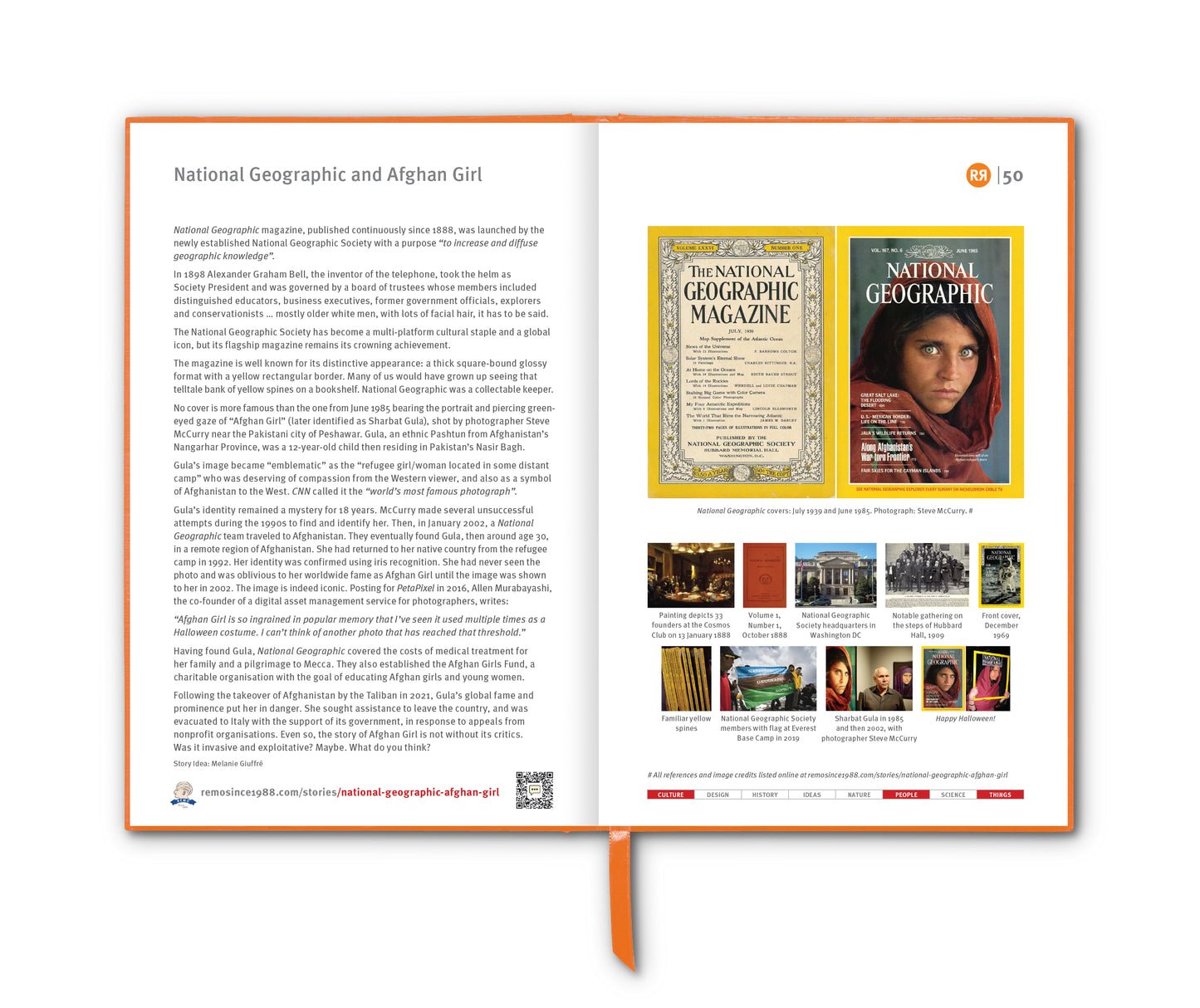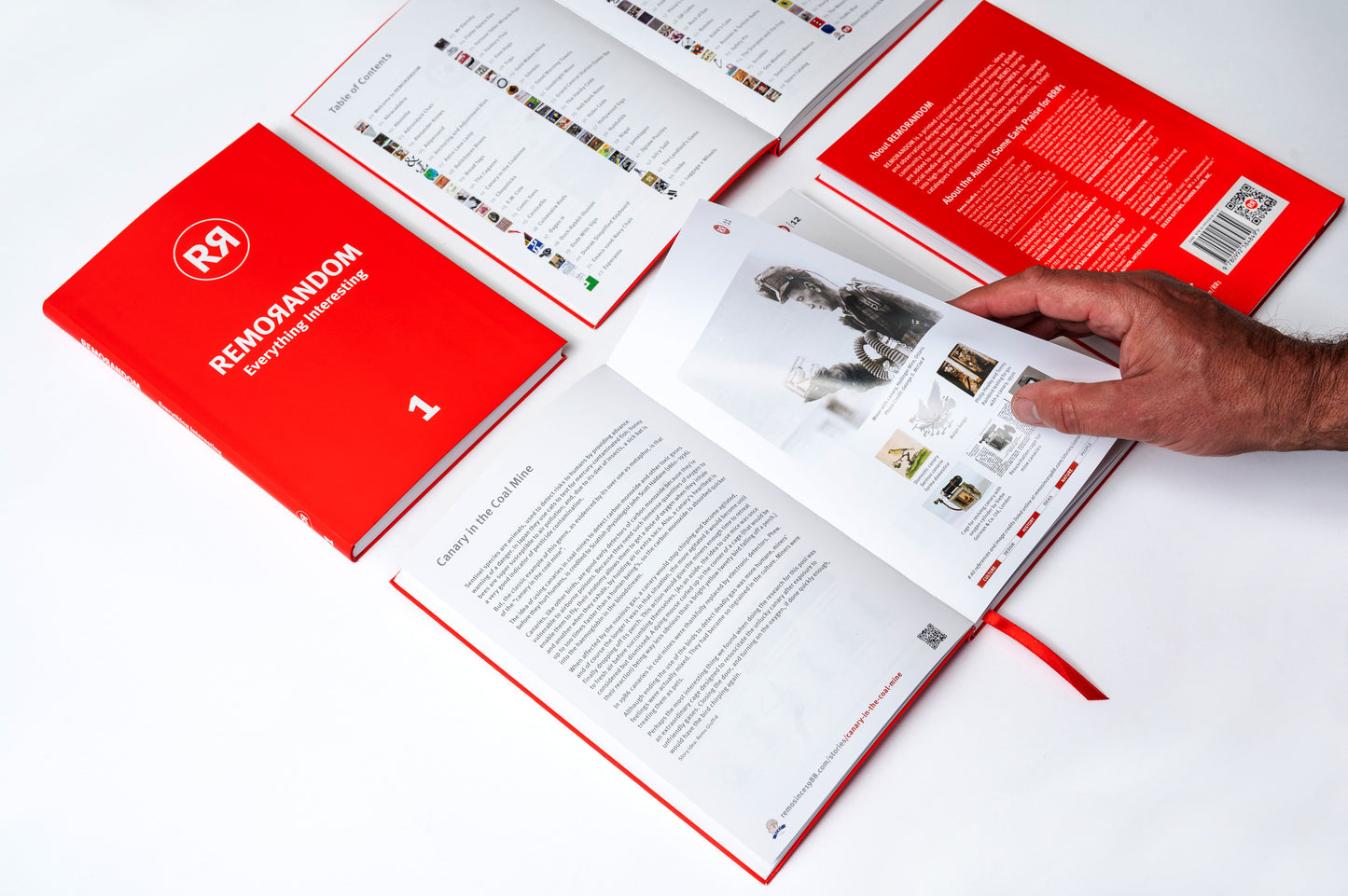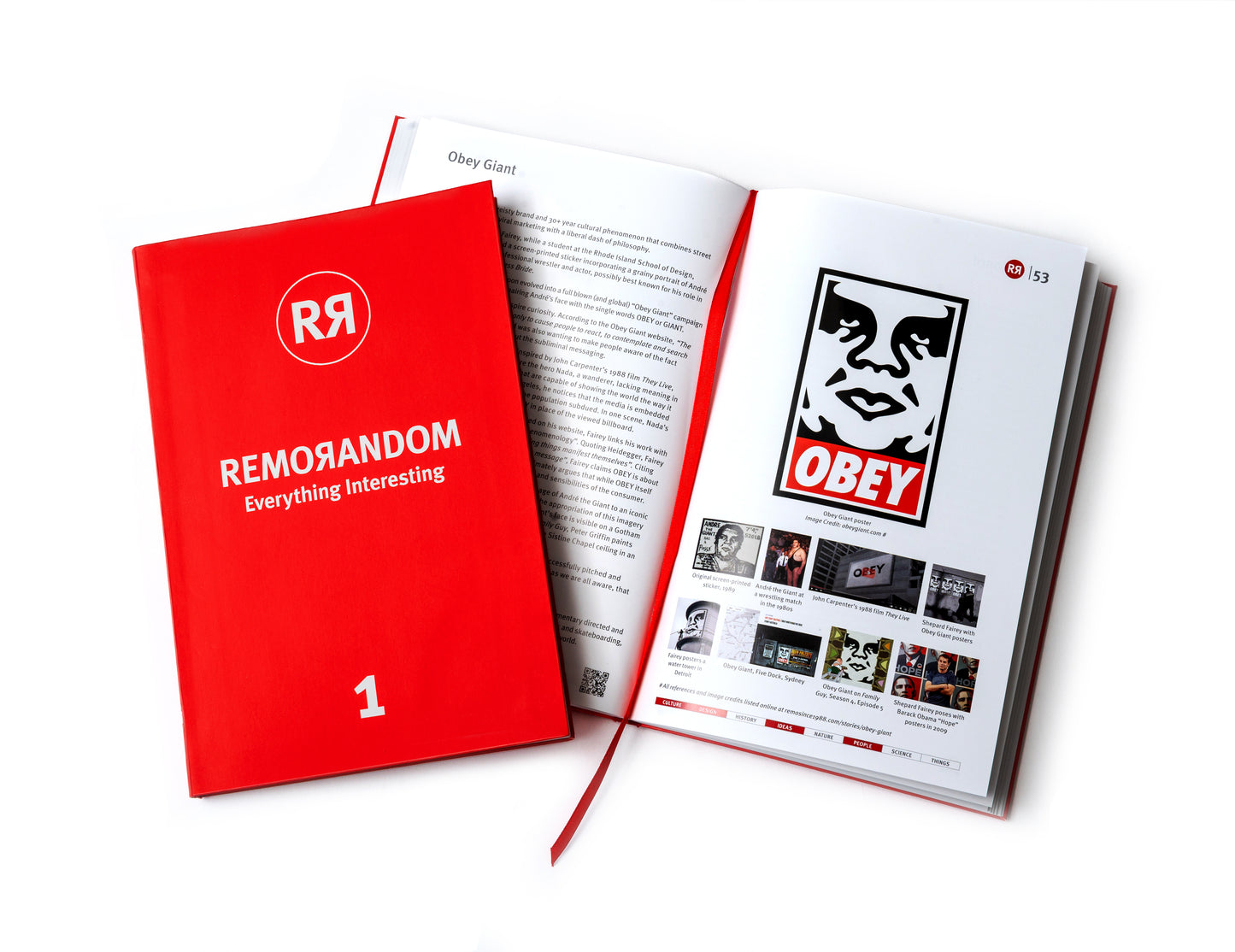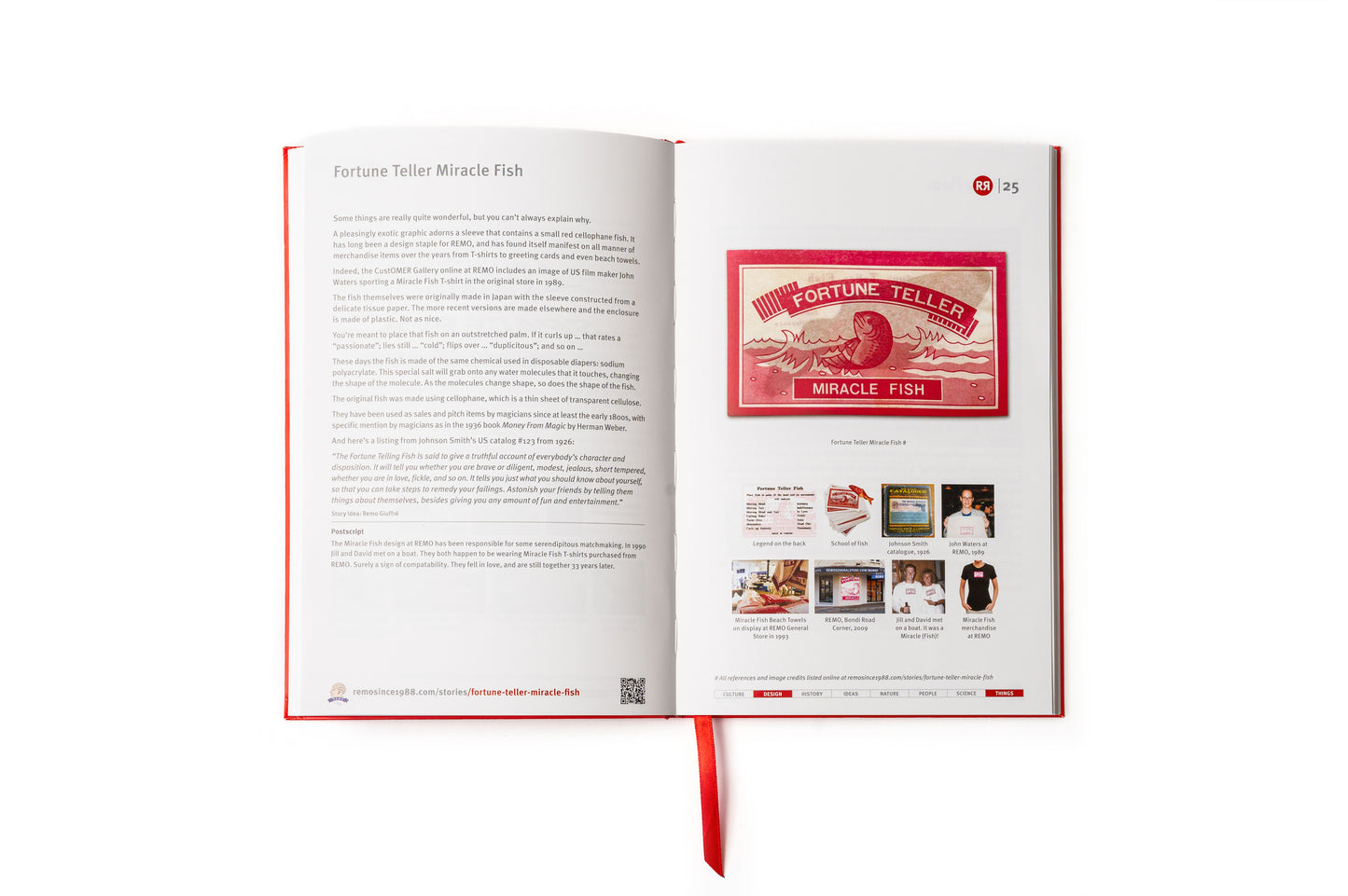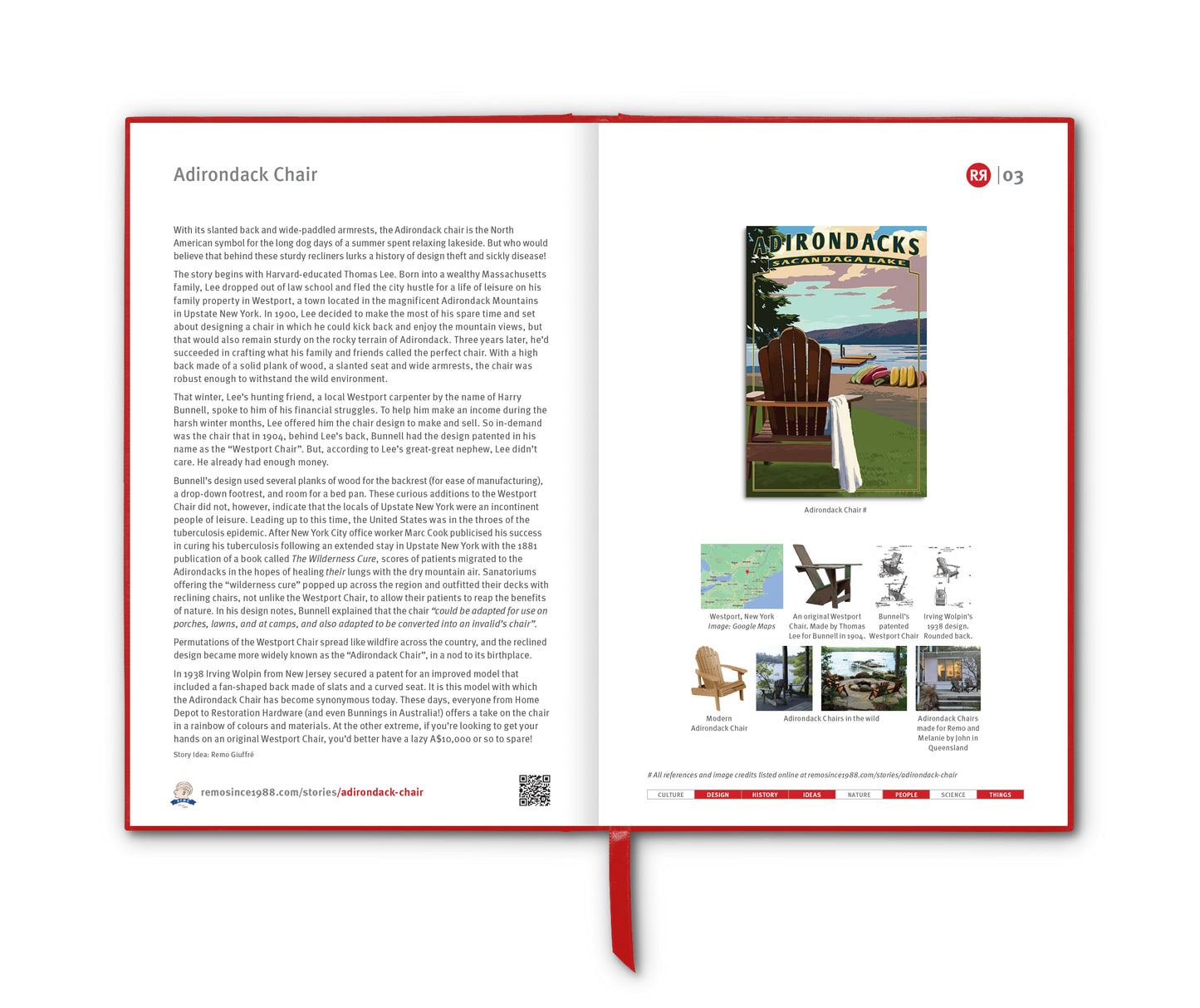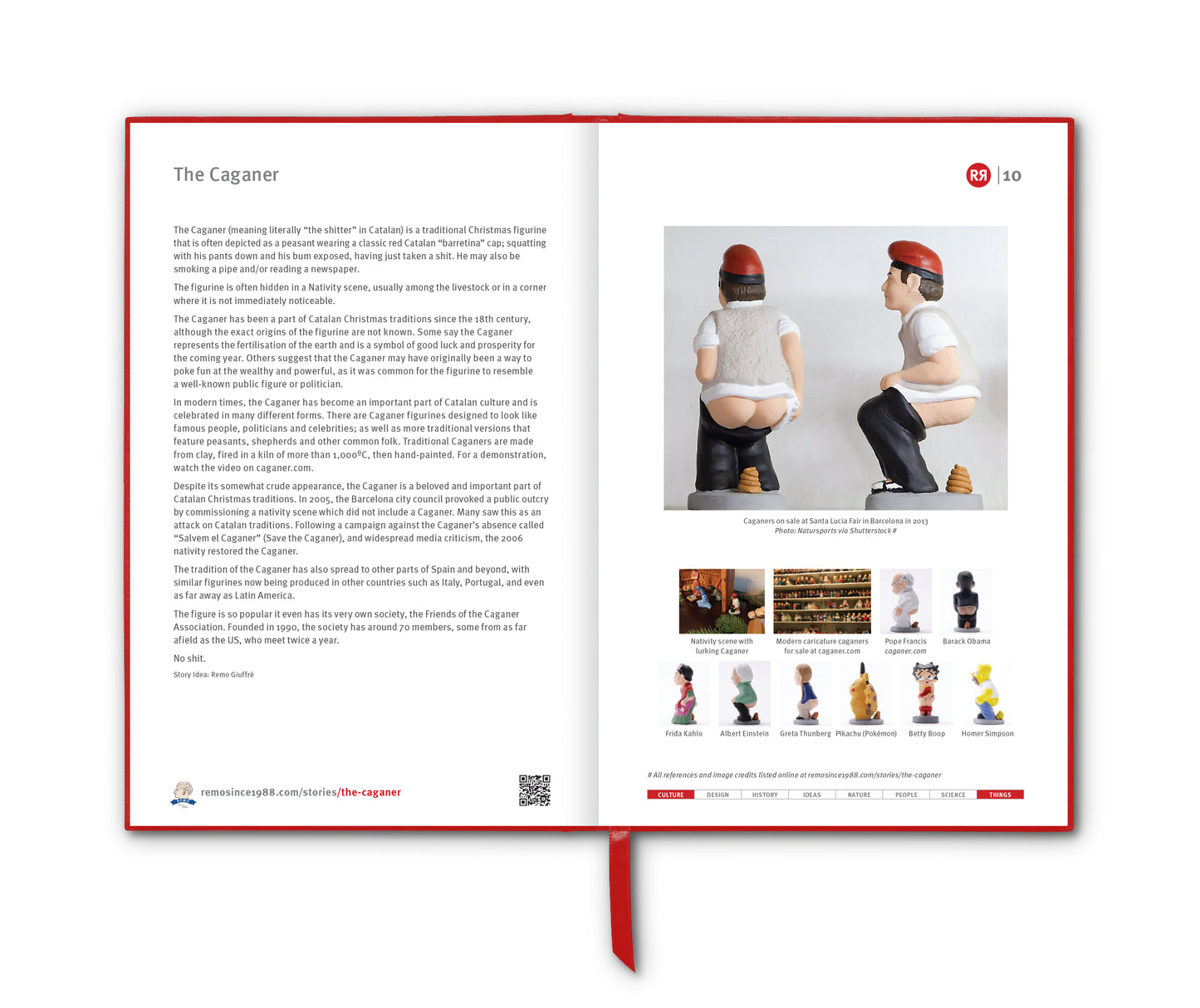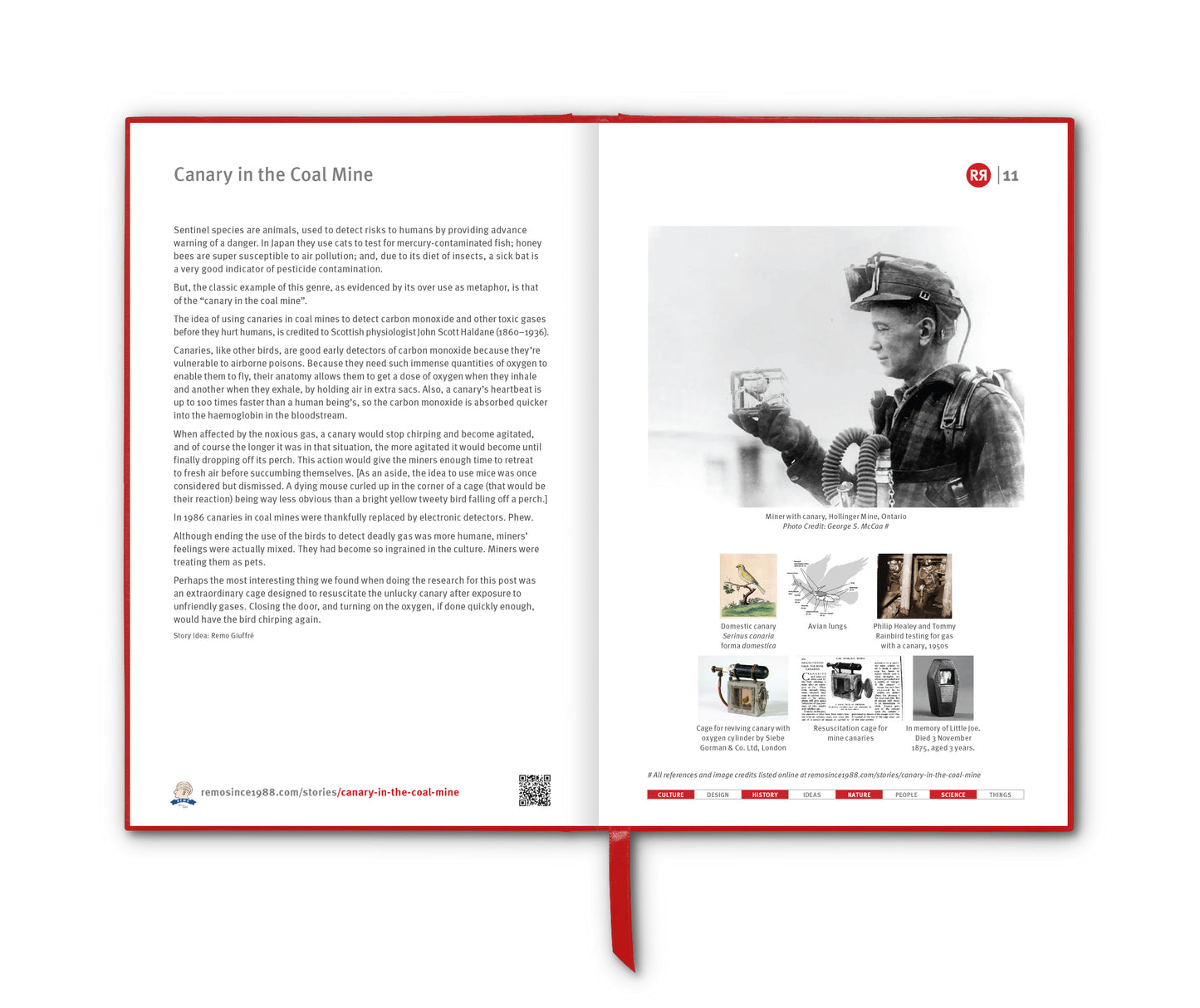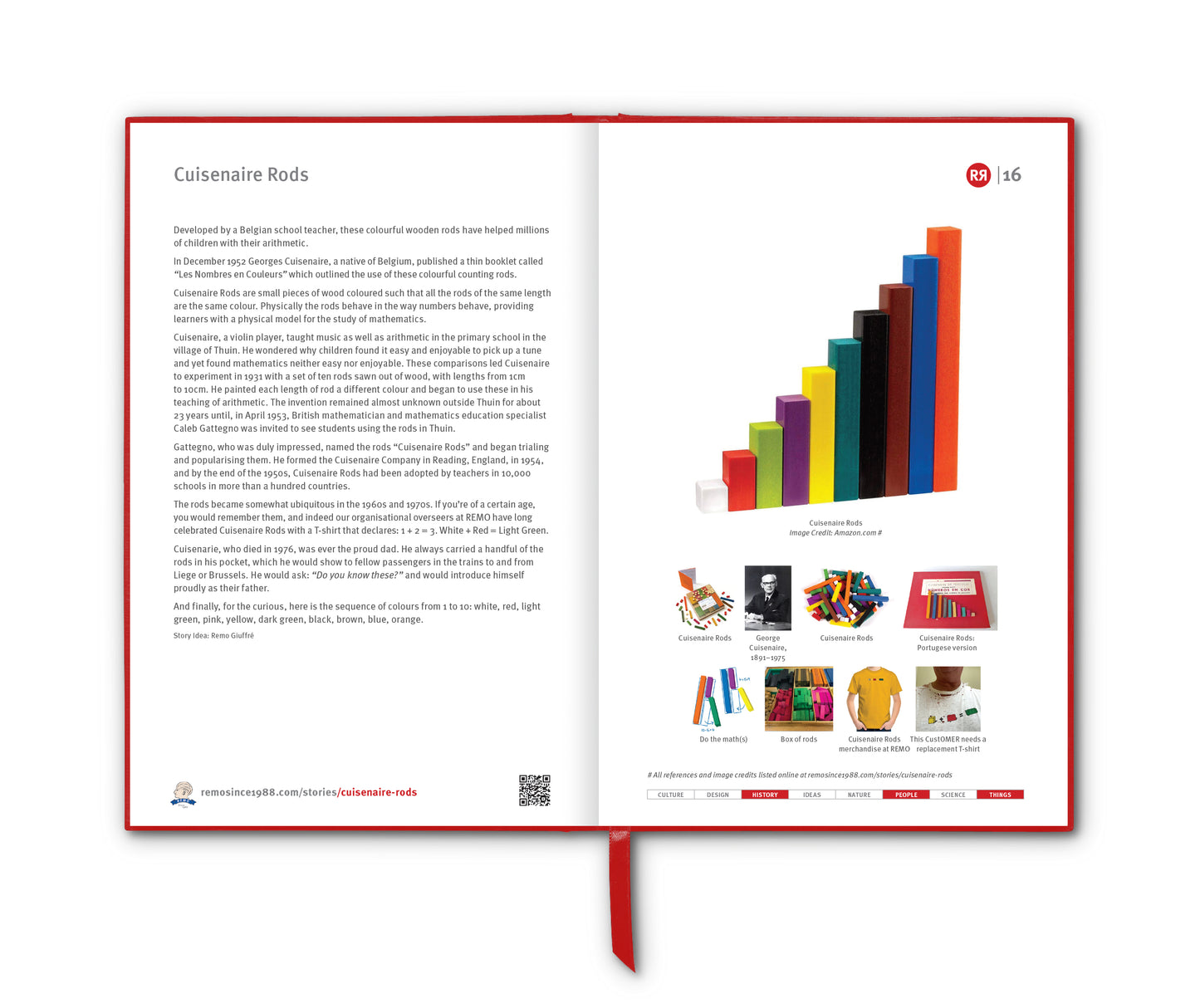

The story of this iconic tool begins in the late 19th century, when the Swiss Army found itself in need of a standard-issue pocket knife for its soldiers. The knife had to be able to open canned food and disassemble rifles. The Schmidt–Rubin rifle, in particular, required a screwdriver for maintenance. In 1891, the first such knives were produced by the German firm Wester & Co. in Solingen, Germany – but Swiss national pride demanded a homegrown solution.
The following year, a Swiss cutler named Karl Elsener founded the Swiss Cutlery Company in Ibach and began producing the knives domestically. His company would eventually become Victorinox, the name combining his mother’s name (Victoria) and the stainless steel ("inox") that defined the knives’ durability.
Elsener’s breakthrough came in 1897 with the Schweizer Offiziersmesser (“Swiss Officer’s Knife”). Although not issued to enlisted soldiers, this model became the template for the multi-tool as we know it – a knife, screwdriver, can opener and awl all folded neatly into a single handle. Over time, corkscrews, scissors, tweezers and other attachments were added – each maintaining the delicate balance between versatility and portability.
The Second World War gave the knife its enduring English name. American GIs stationed in Europe found the German word Offiziersmesser impossible to pronounce, so they simply called it the “Swiss Army Knife”. The moniker stuck, and after the war, returning soldiers helped popularise the tool in the United States and beyond. It became synonymous with resourcefulness.
By the 20th century, the Swiss Army Knife (SAK) had become an international design classic. It is celebrated in MoMA New York’s collection and Munich's State Museum of Applied Art, has been featured in countless films – and even made its way into space. In 1978, NASA astronauts carried a Victorinox knife aboard the Space Shuttle, where it proved useful for everything from slicing food to fixing equipment. When an antenna jammed on the Space Shuttle Discovery in 1995, astronauts reportedly used their Swiss Army Knives to get it working again – a real-life MacGyver moment that cemented the knife’s reputation as the ultimate problem-solver.
Over the decades, the knife has also entered the cultural lexicon as a metaphor for versatility – “the Swiss Army Knife of …” has become shorthand for anything multifunctional. Designers and engineers continue to draw inspiration from its clean lines, mechanical precision and elegant compactness. It’s a rare product that feels both timeless and futuristic.
Today, Victorinox remains a family-run company, still based in Ibach, Switzerland while its onetime rival Wenger (another Swiss maker) was absorbed into Victorinox in 2005. Despite smartphones and high-tech gadgets, the Swiss Army Knife endures – a beautifully engineered reminder that real-world utility never goes out of style.
Postscript
A comically large Wenger knife model (the “Wenger 16999”, see image), comprising 87 tools that can perform 141 different functions, was recognised by Guinness World Records [RR3:] as “The World's Most Multifunctional Penknife” in 2007. [Ed: They wisely avoided using the word “pocket”, cuz that ain’t gonna fit in anyone’s pocket.] Not designed to be in any way practical, it was made to showcase Wenger’s capability of designing a SAK in its most extreme form.
______________________
References
wikipedia.org/wiki/Swiss_Army_knife
victorinox.com
Images
1. The Schweizer Offiziersmesser from 1897 alongside the "Duke of Urbino" design for REMO by Richard Allan, 1988
2. Victorinox "Hunstman" Swiss Army Knife
3. "Modell 1890" – the first Swiss soldier knife produced by Wester & Co., Solingen
4. Karl Elsener (1860–1918)
5. Victorinox factory in Ibach, Switzerland
6. Video: "Production of the Victorinox Swiss Army Knife" Victorinox, 2020
7. SAK on The Simpsons, season 5, episode 8
8. Steve Carell, Get Smart, 2008
9. Knife Ship I, Claes Oldenburg and Coosje van Bruggen, 1985
10. Swiss Army Knives at REMO, 1990
11. The "Wenger 16999” aka the "Wegner Giant"