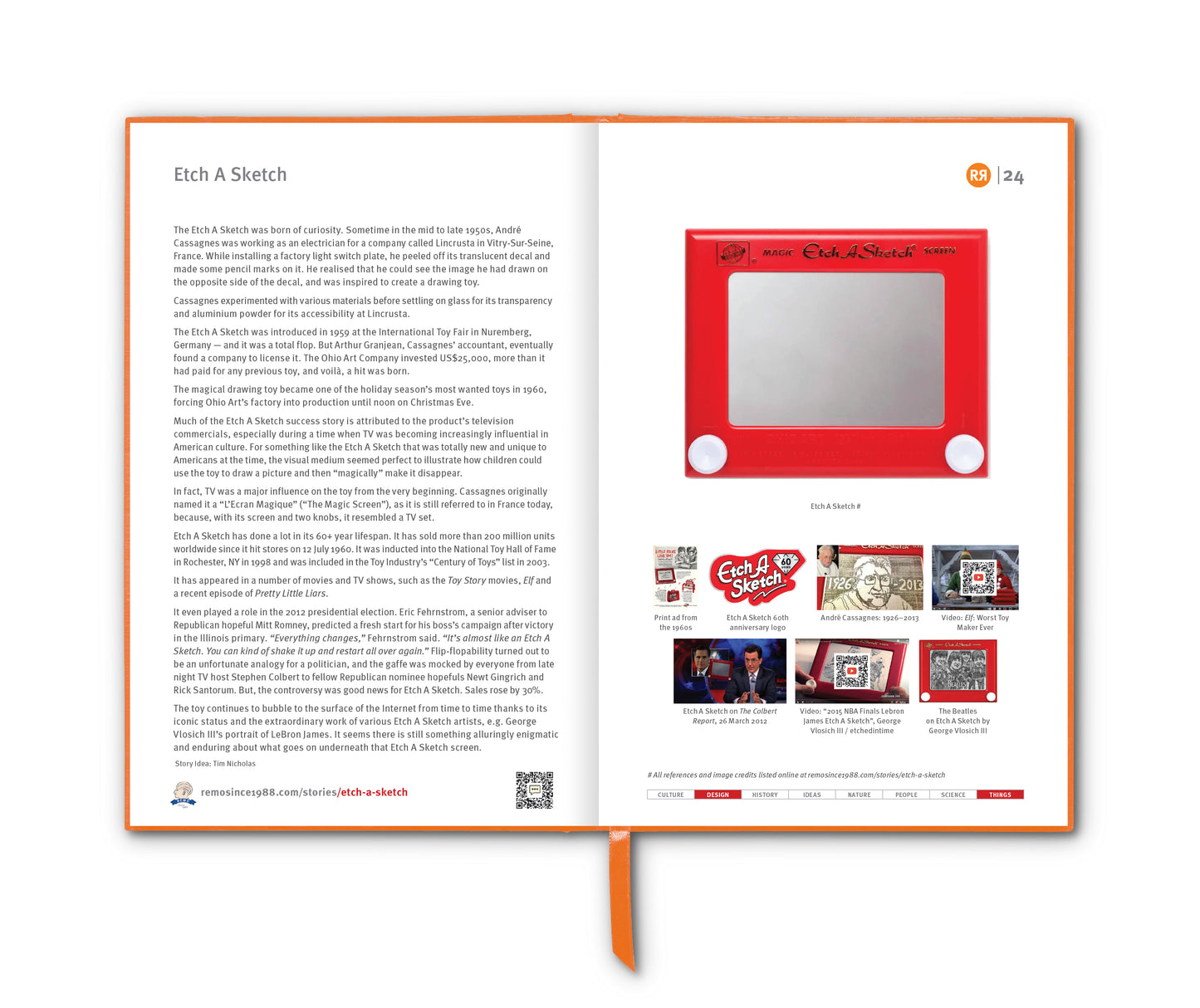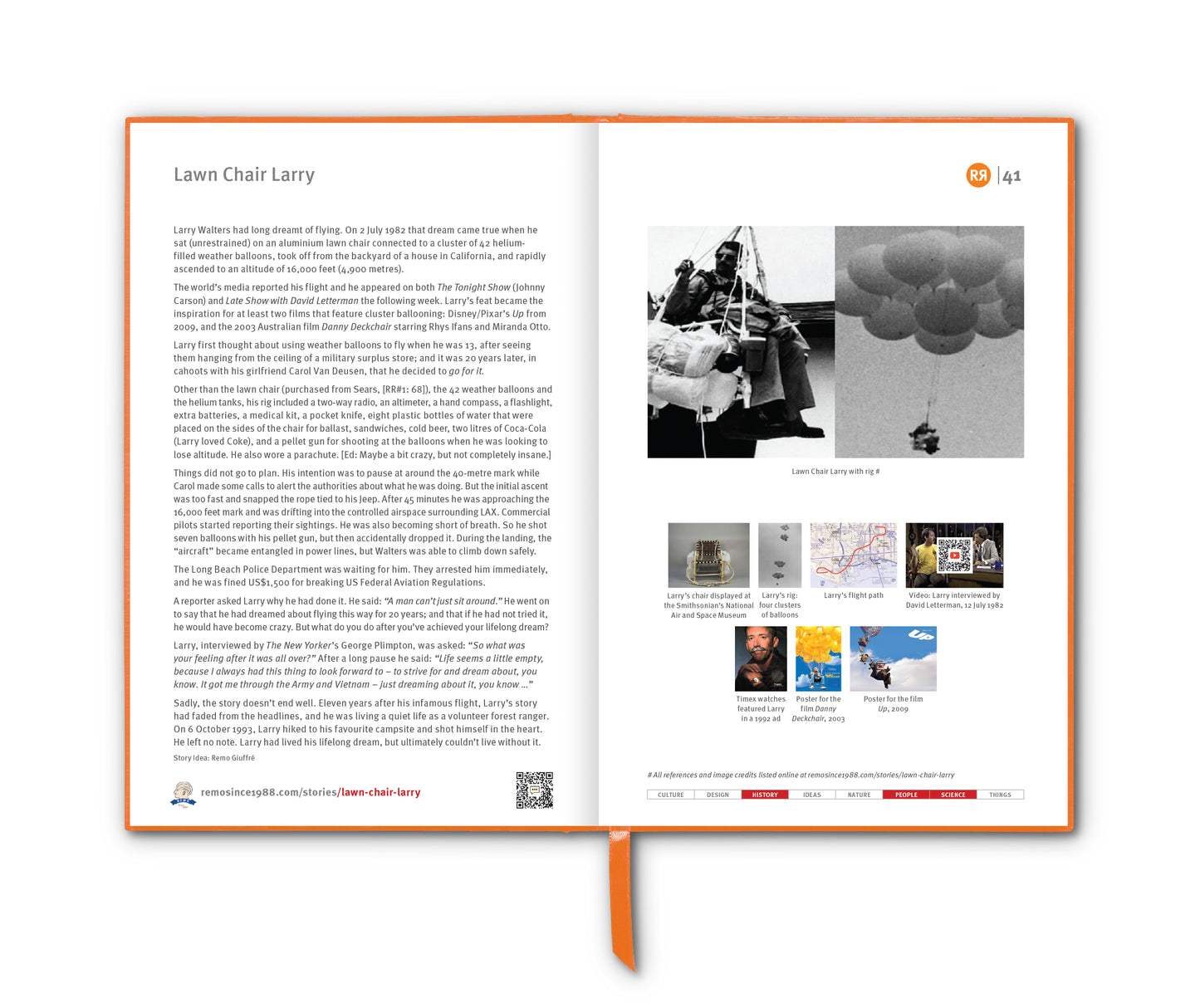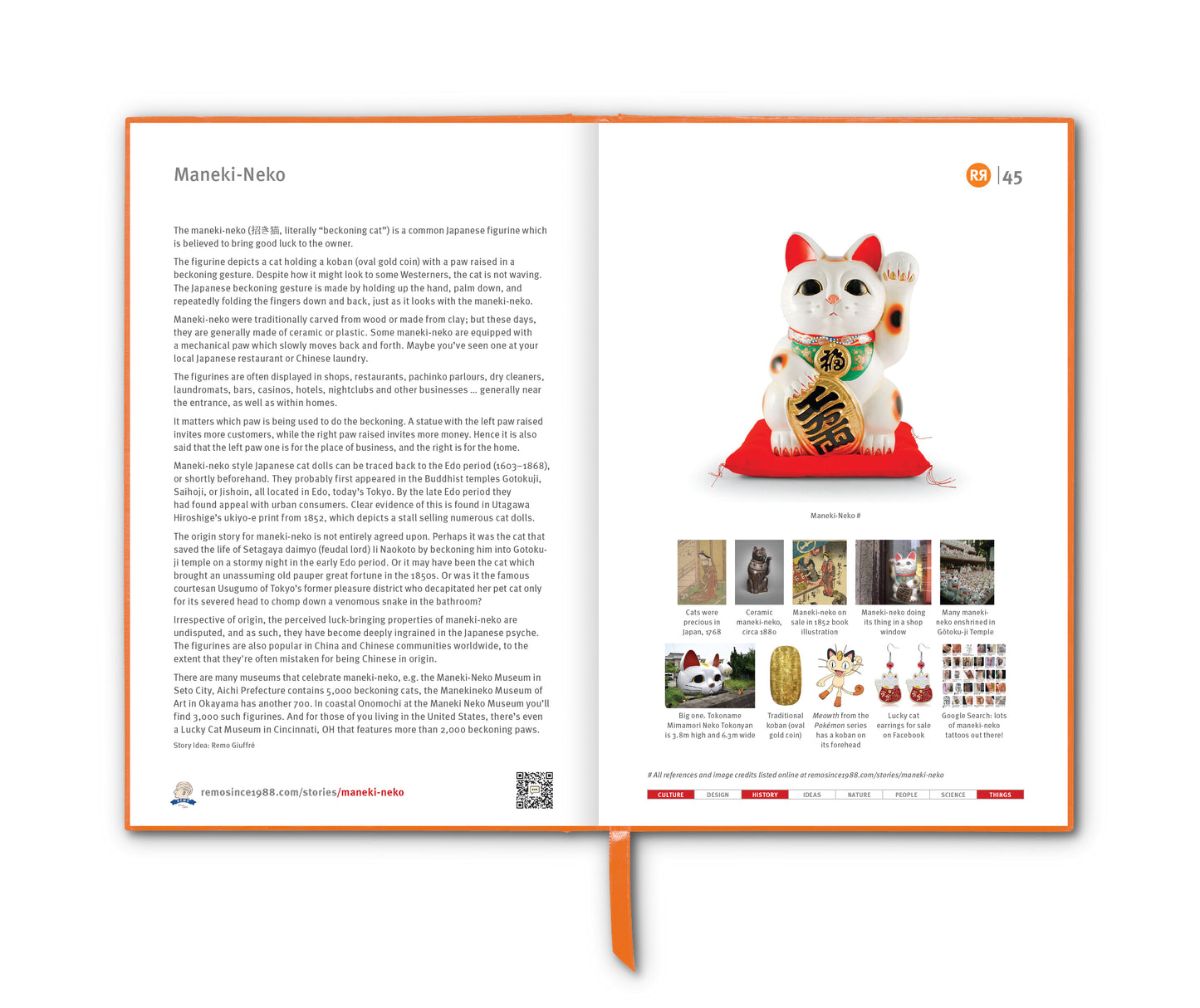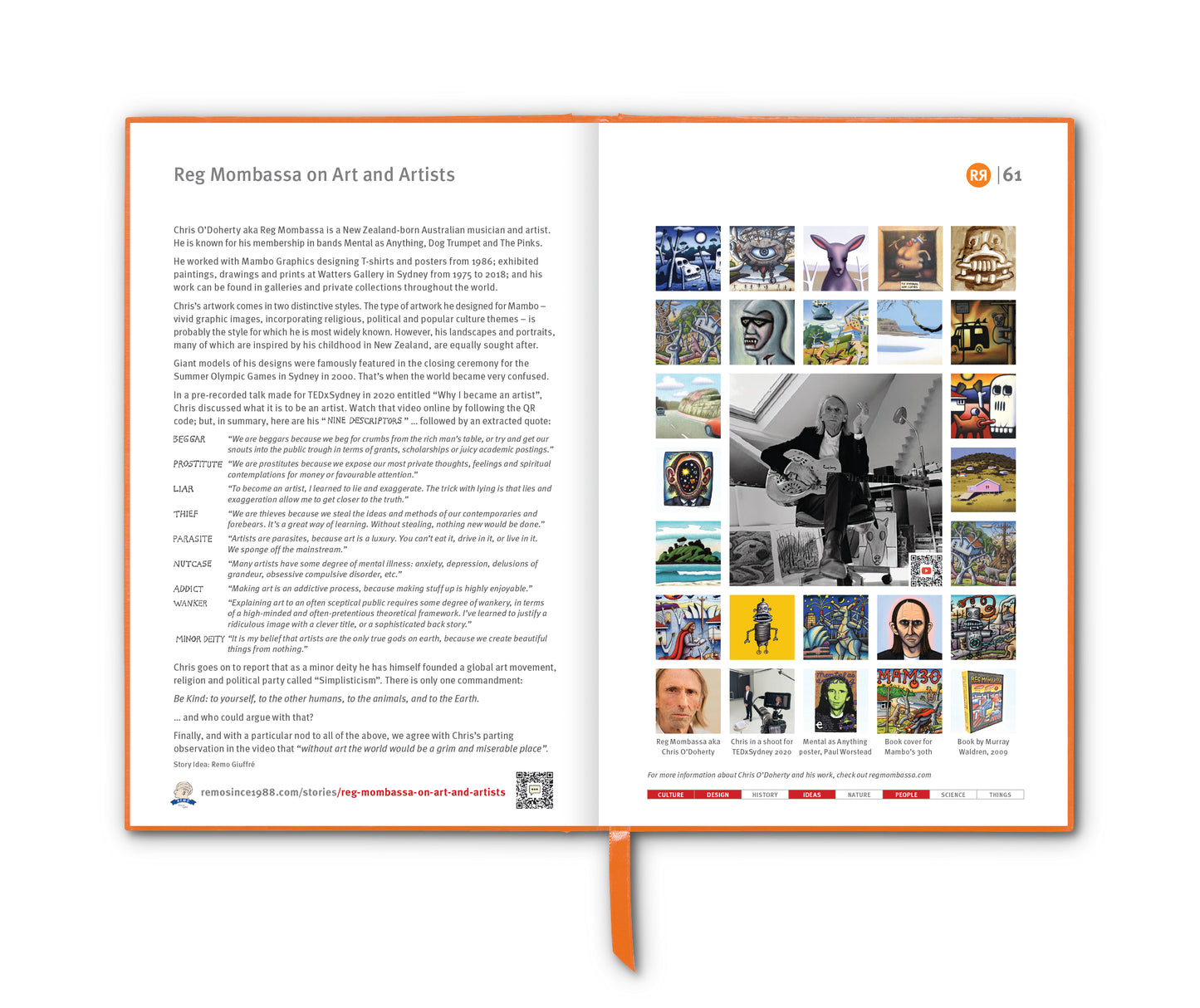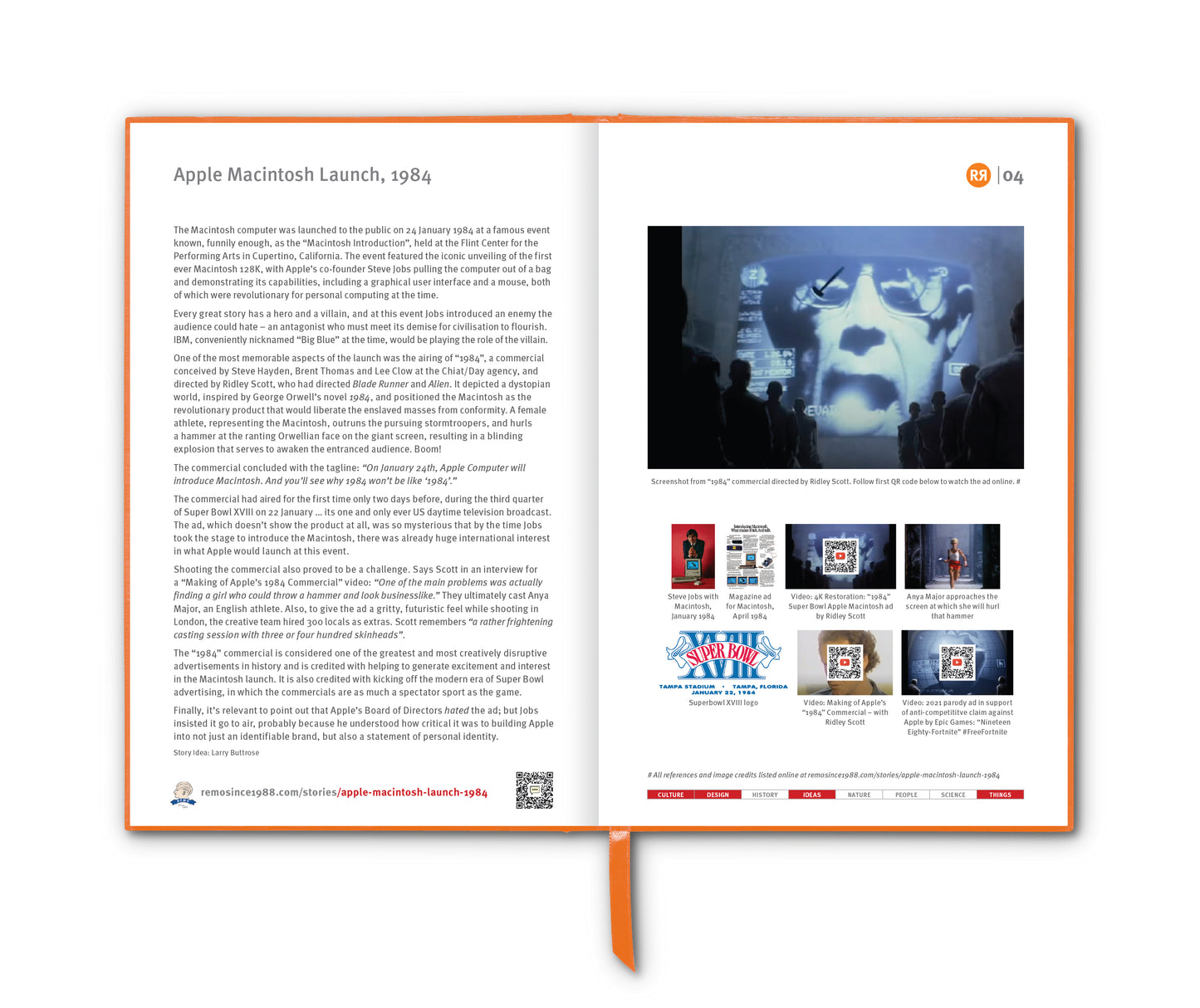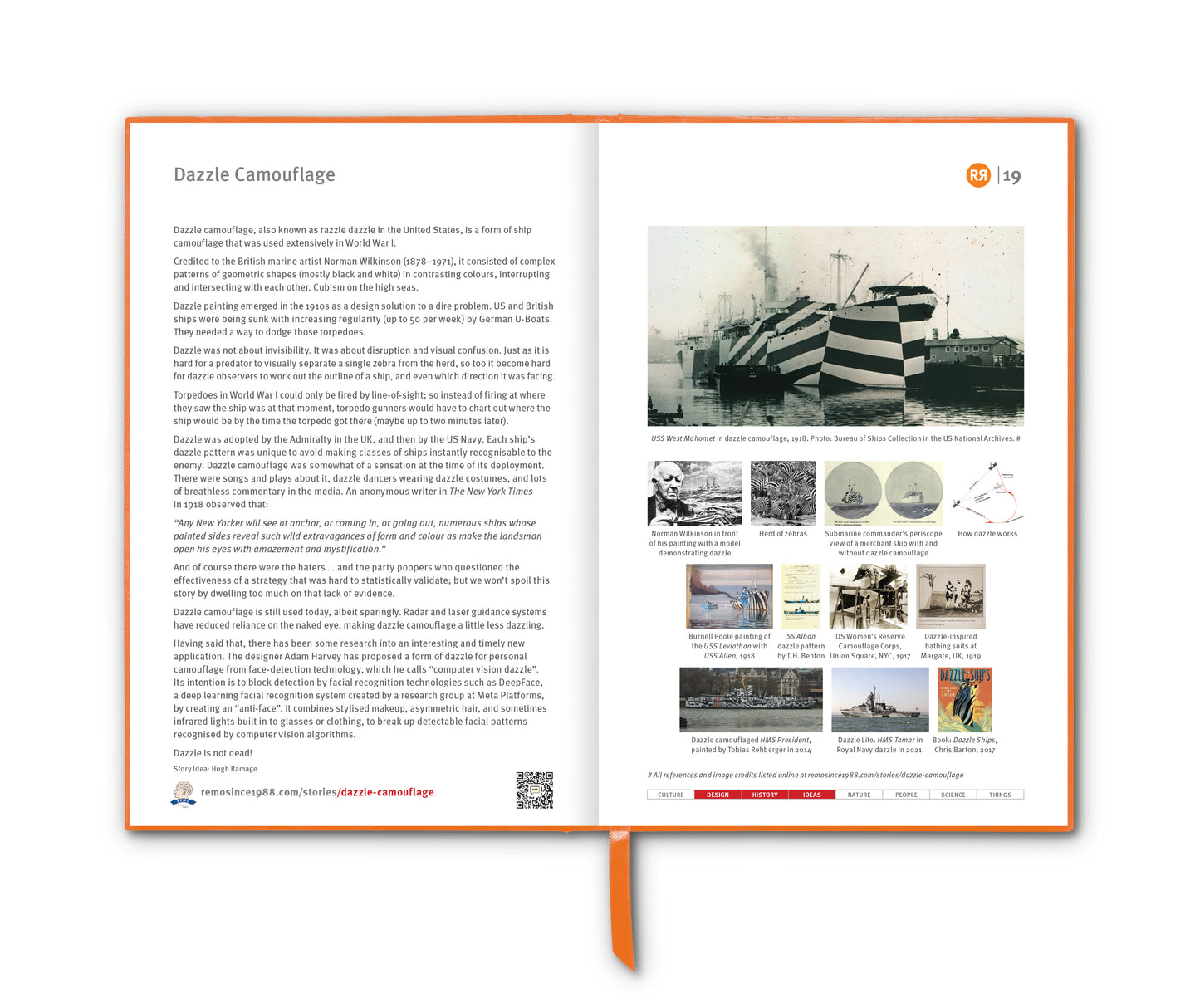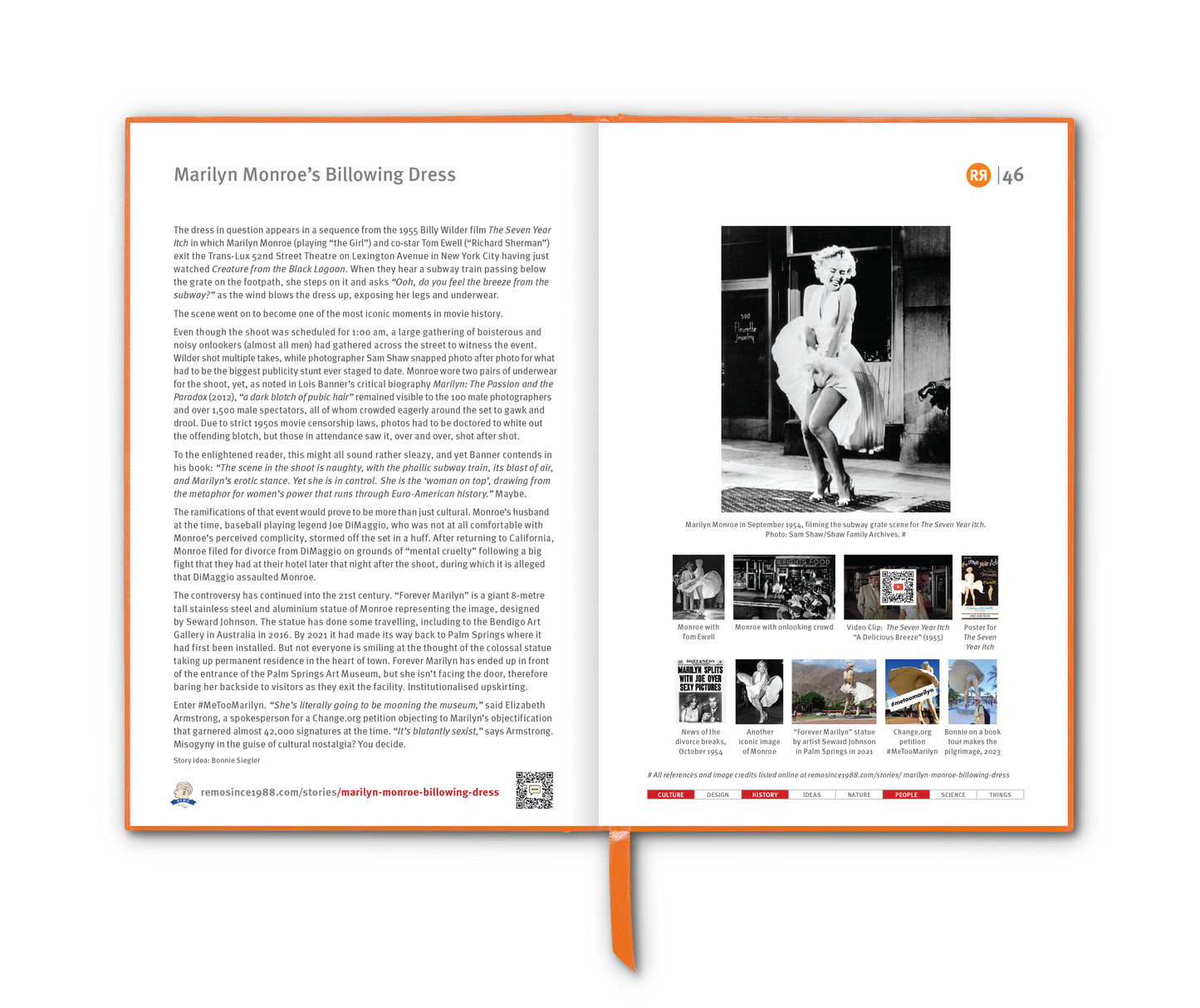

The word umbrella evolved from the Latin umbra, meaning “shaded” or “shadow”. The Oxford English Dictionary records the first recorded usage in this sense in 1611.
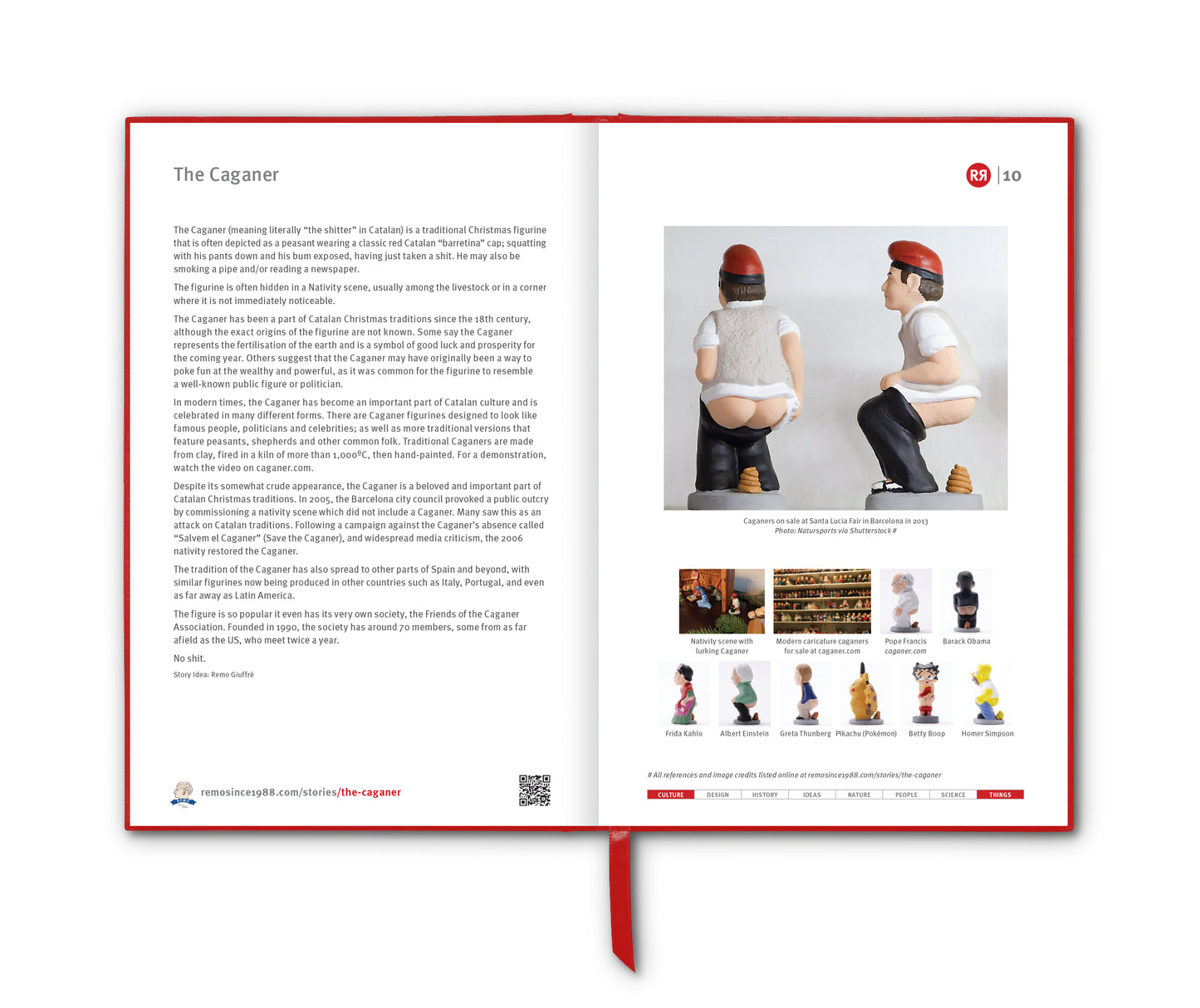
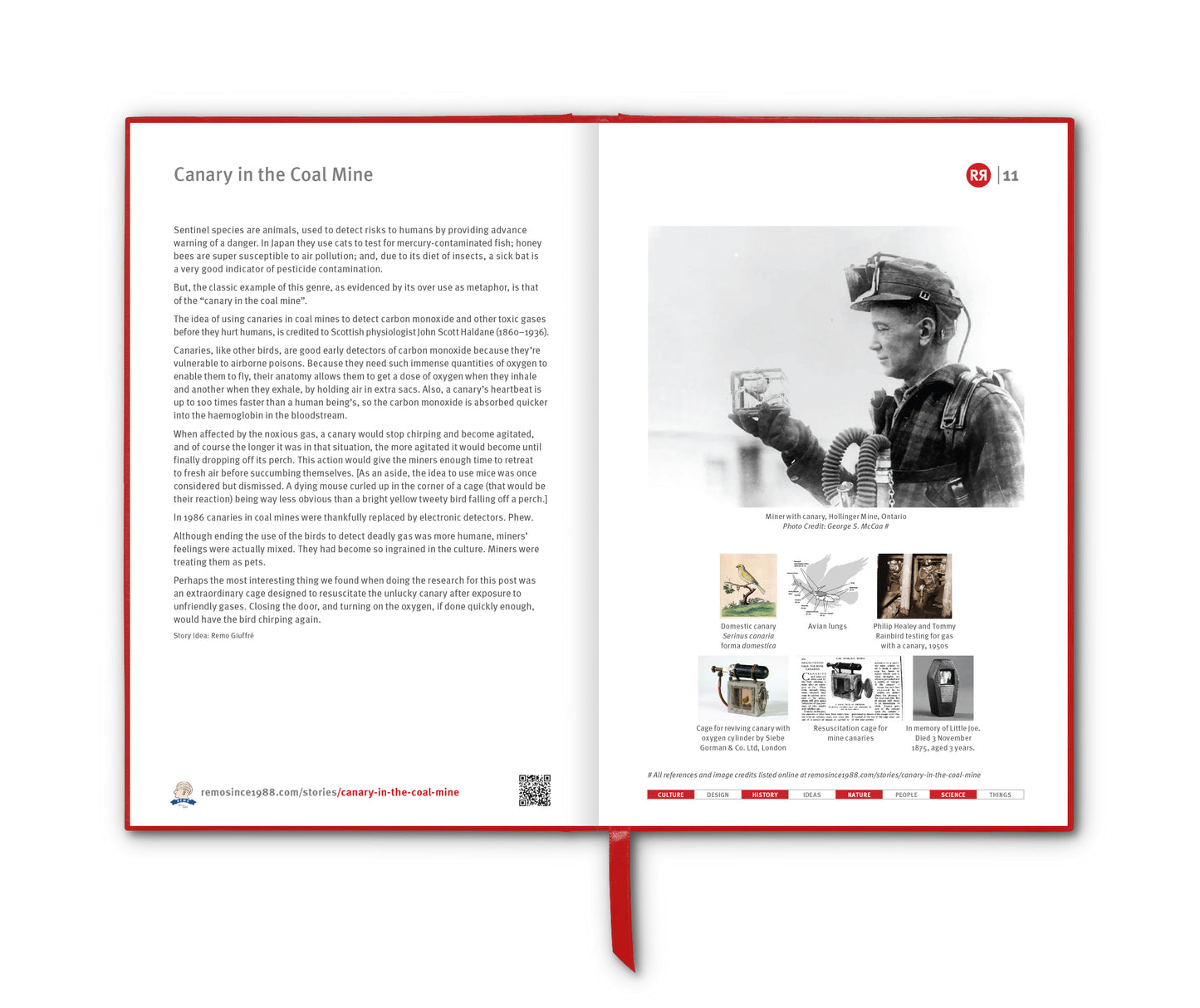
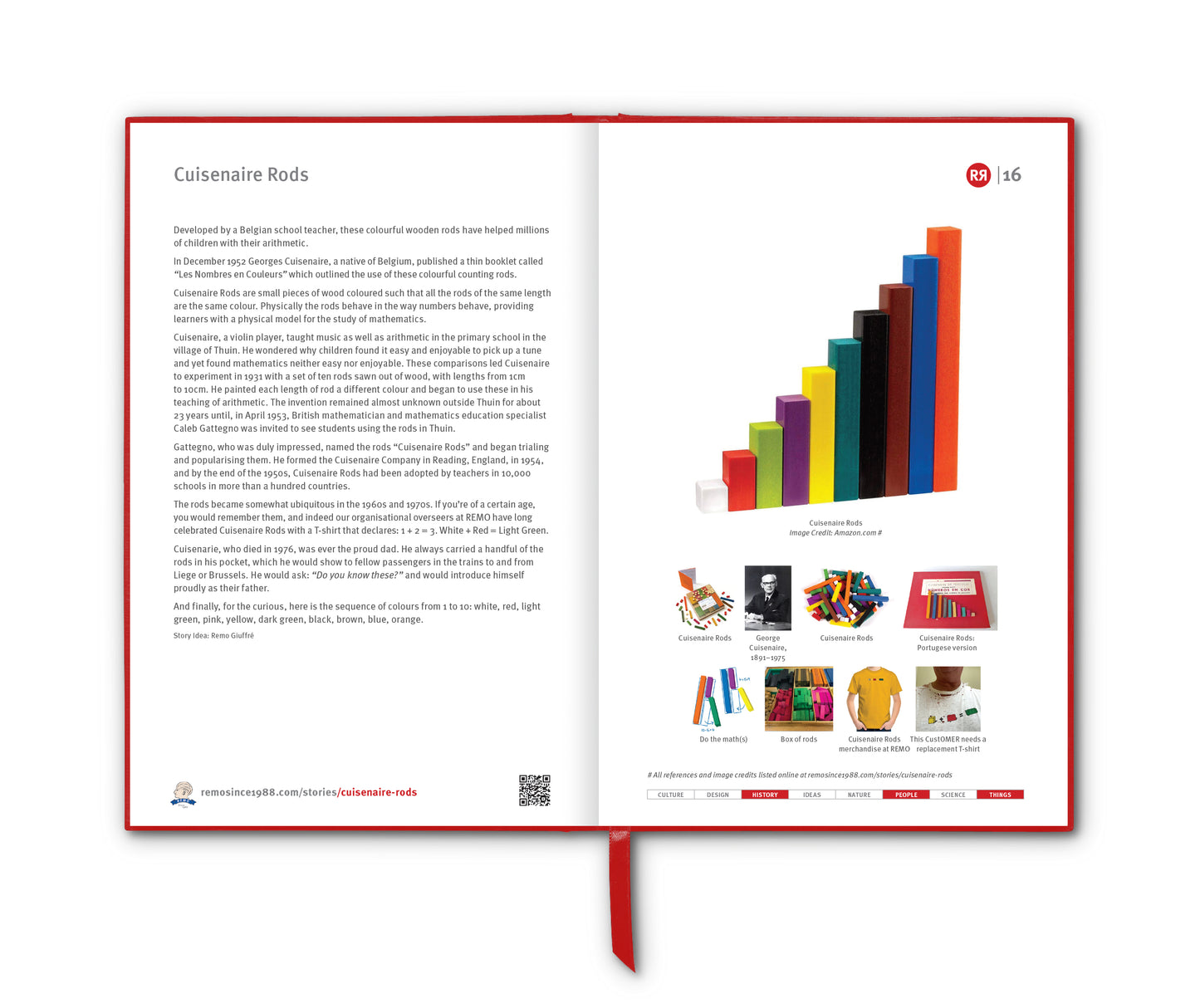
Across centuries and cultures, the umbrella has evolved from being a luxury object representing divine privilege into an everyday functional companion, and in the process has gathered layers of meaning: protection, power, protest, elegance and even joy.
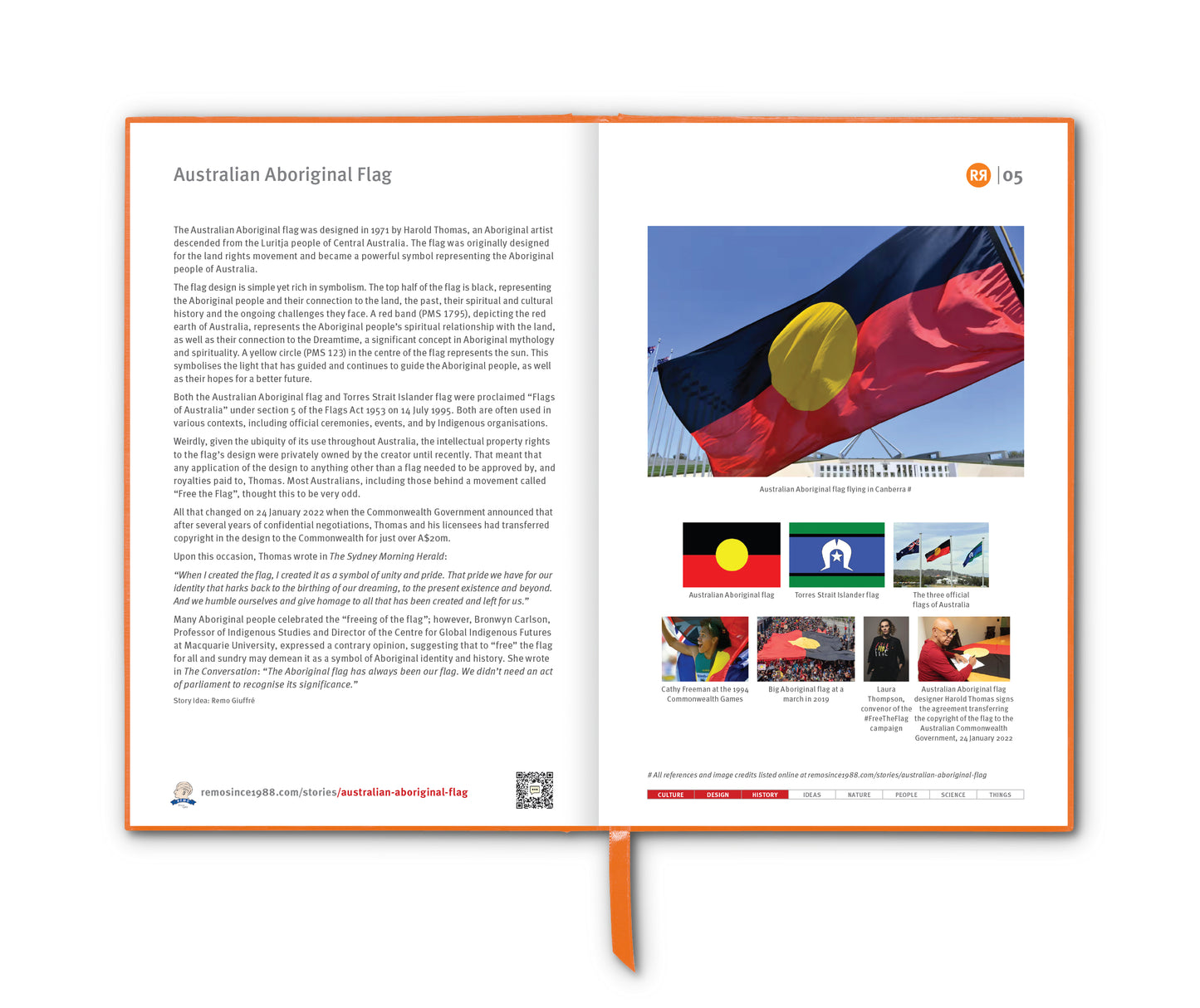
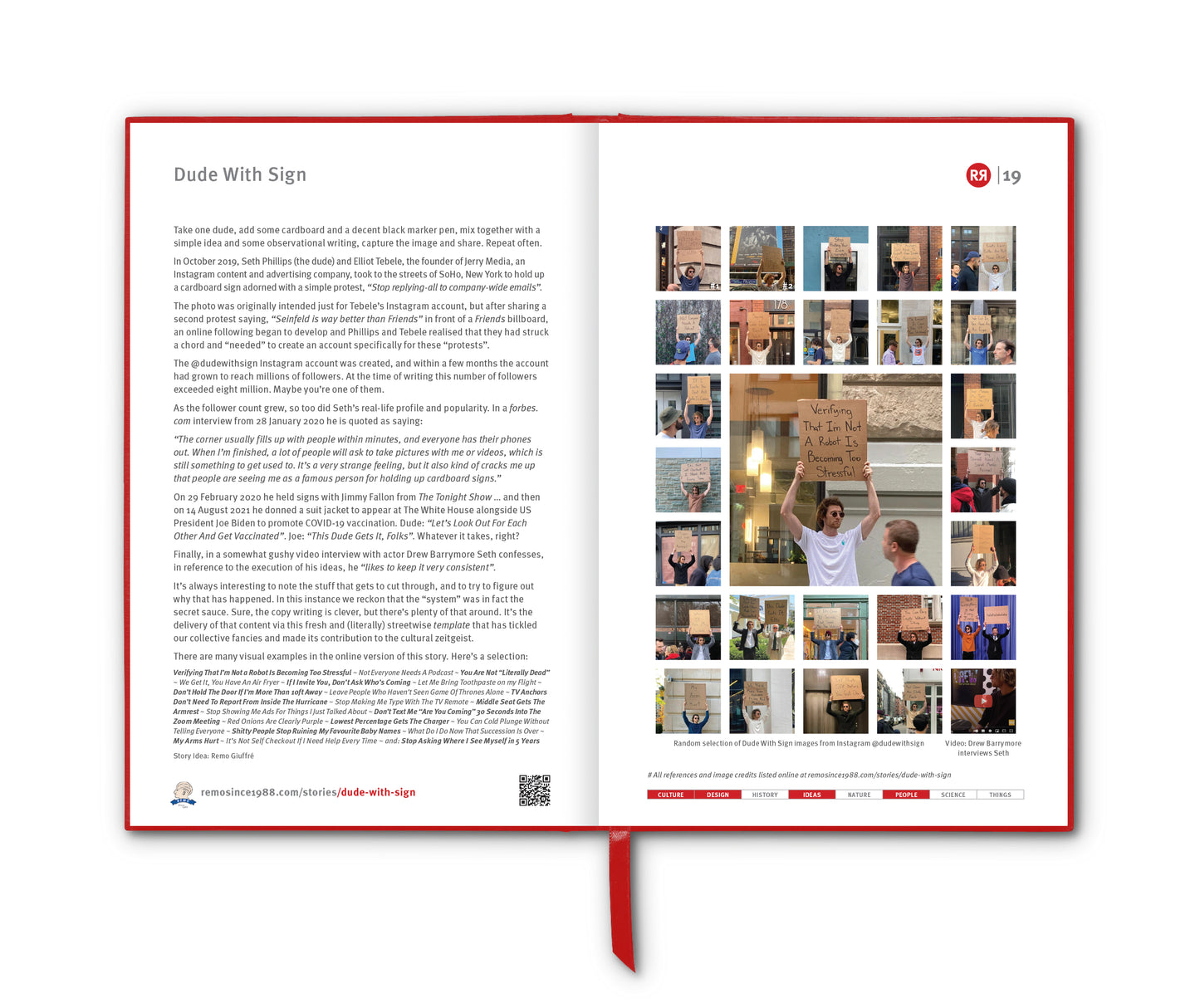
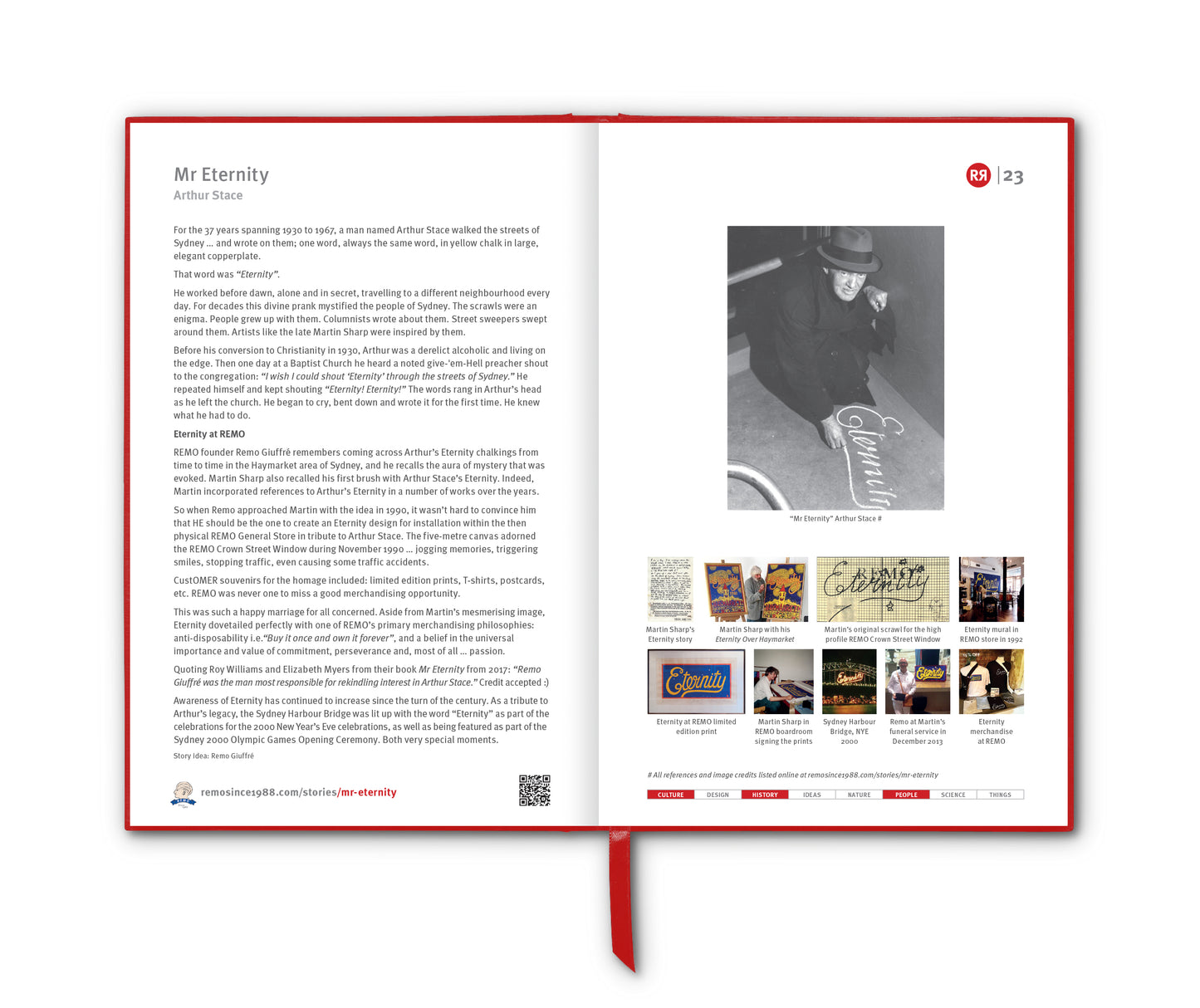
Originally designed not to block rain but sun, the umbrella began its cultural journey in ancient Egypt, Assyria, India and China. It was a symbol of nobility, carried above pharaohs and emperors to signify divine protection. The chatra, or ceremonial parasol, remains one of Buddhism’s Eight Auspicious Symbols, representing enlightenment and spiritual shelter. To stand beneath an umbrella was to be set apart – shaded not only from light, but from the ordinary.
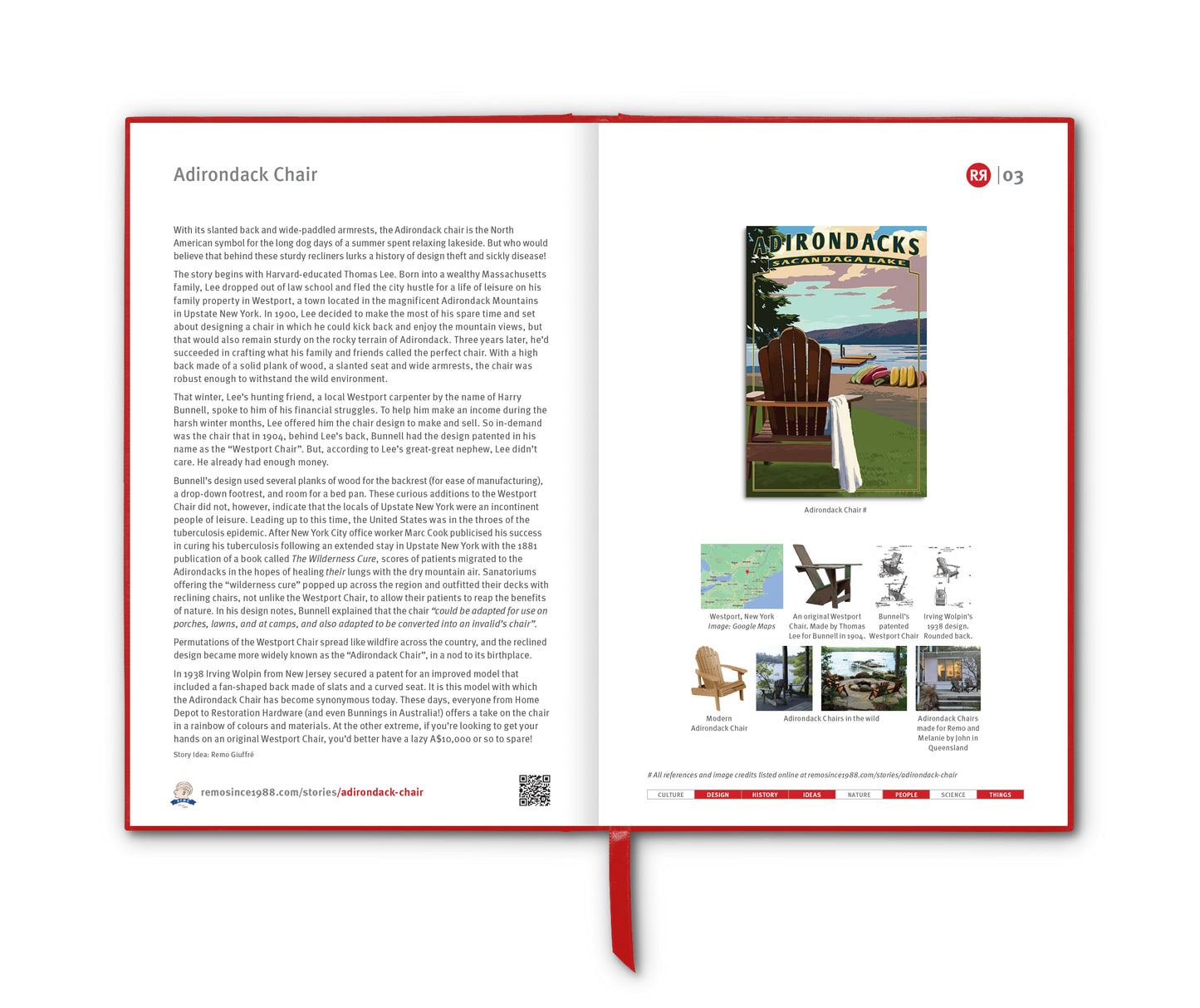
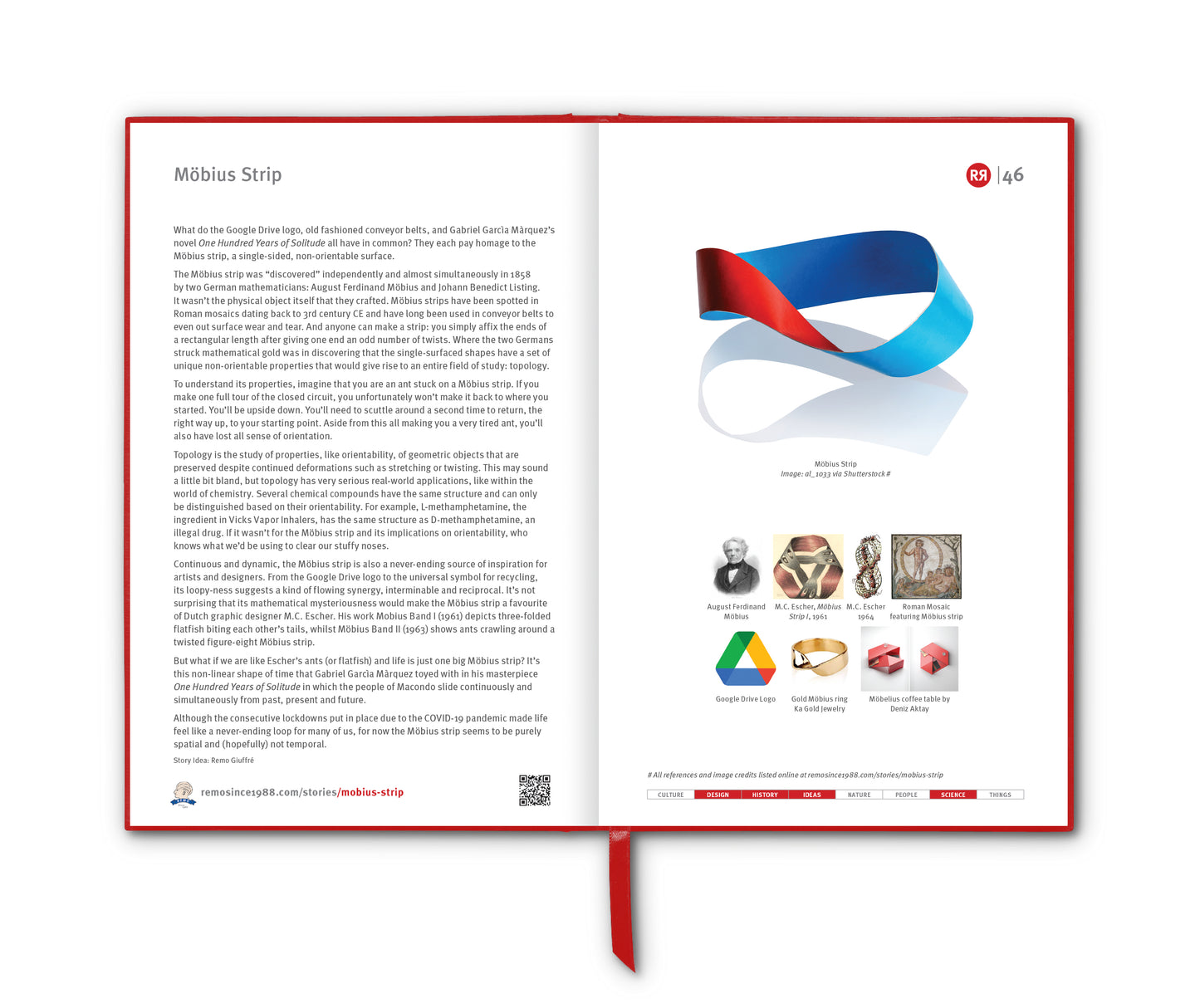
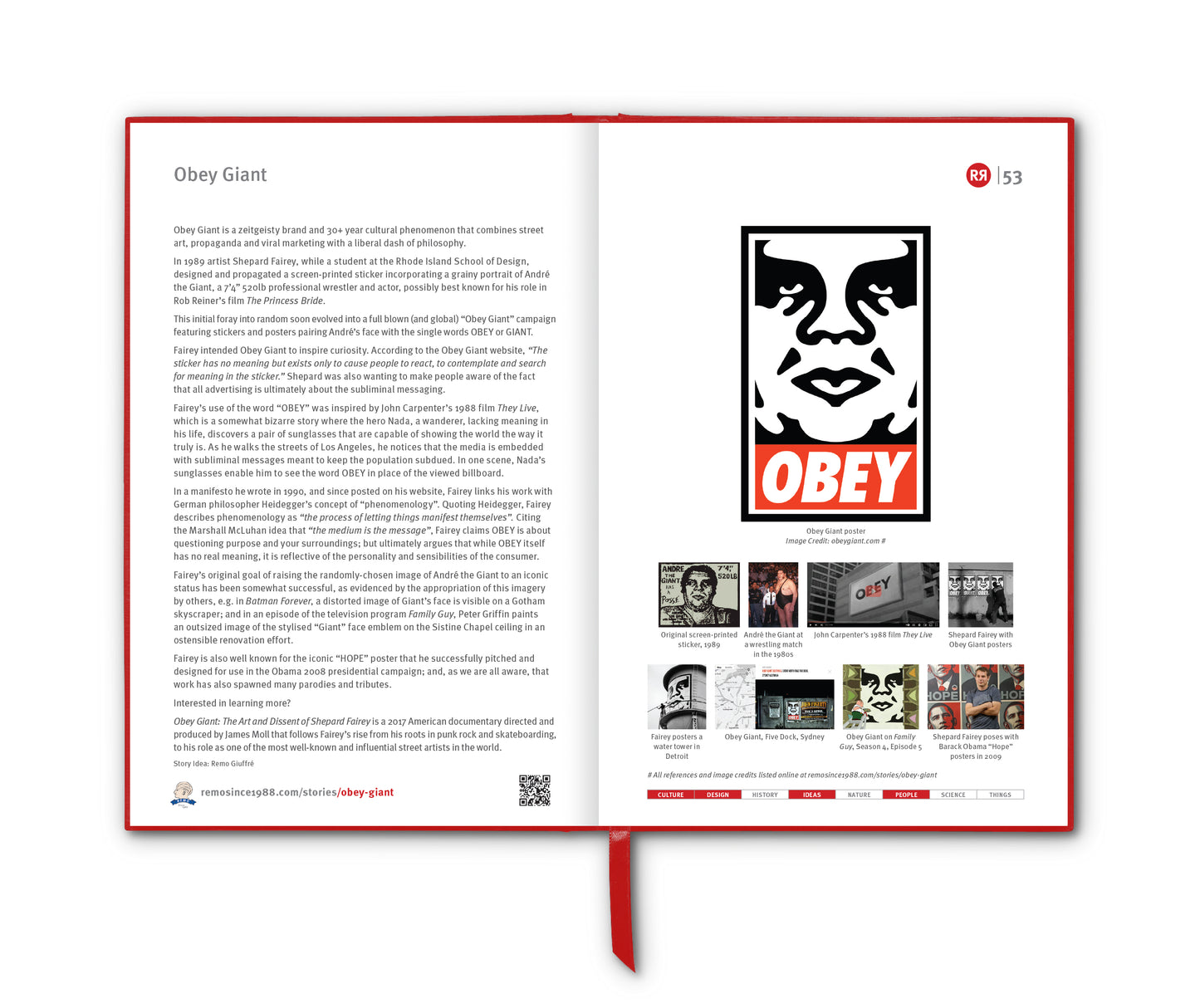
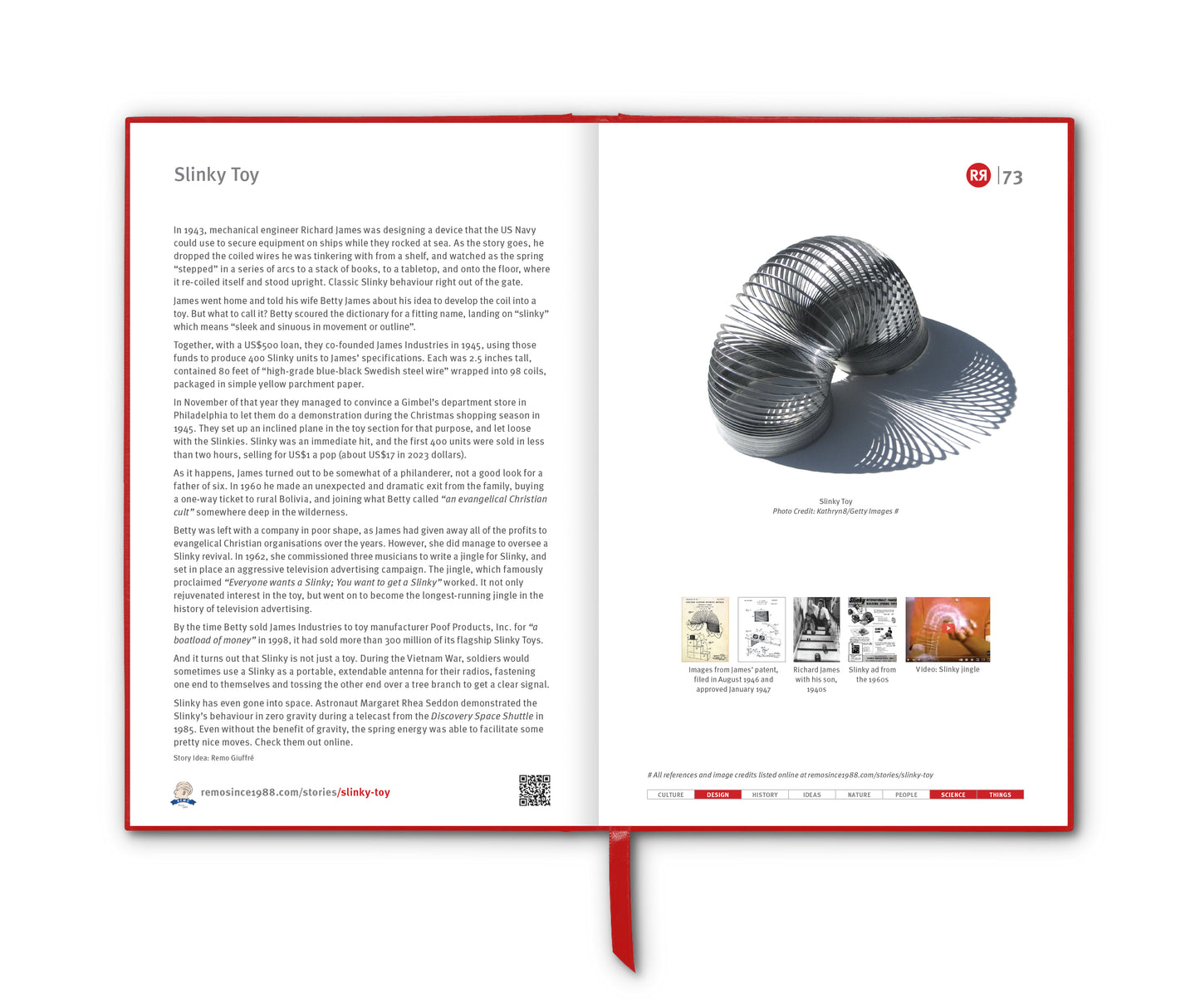
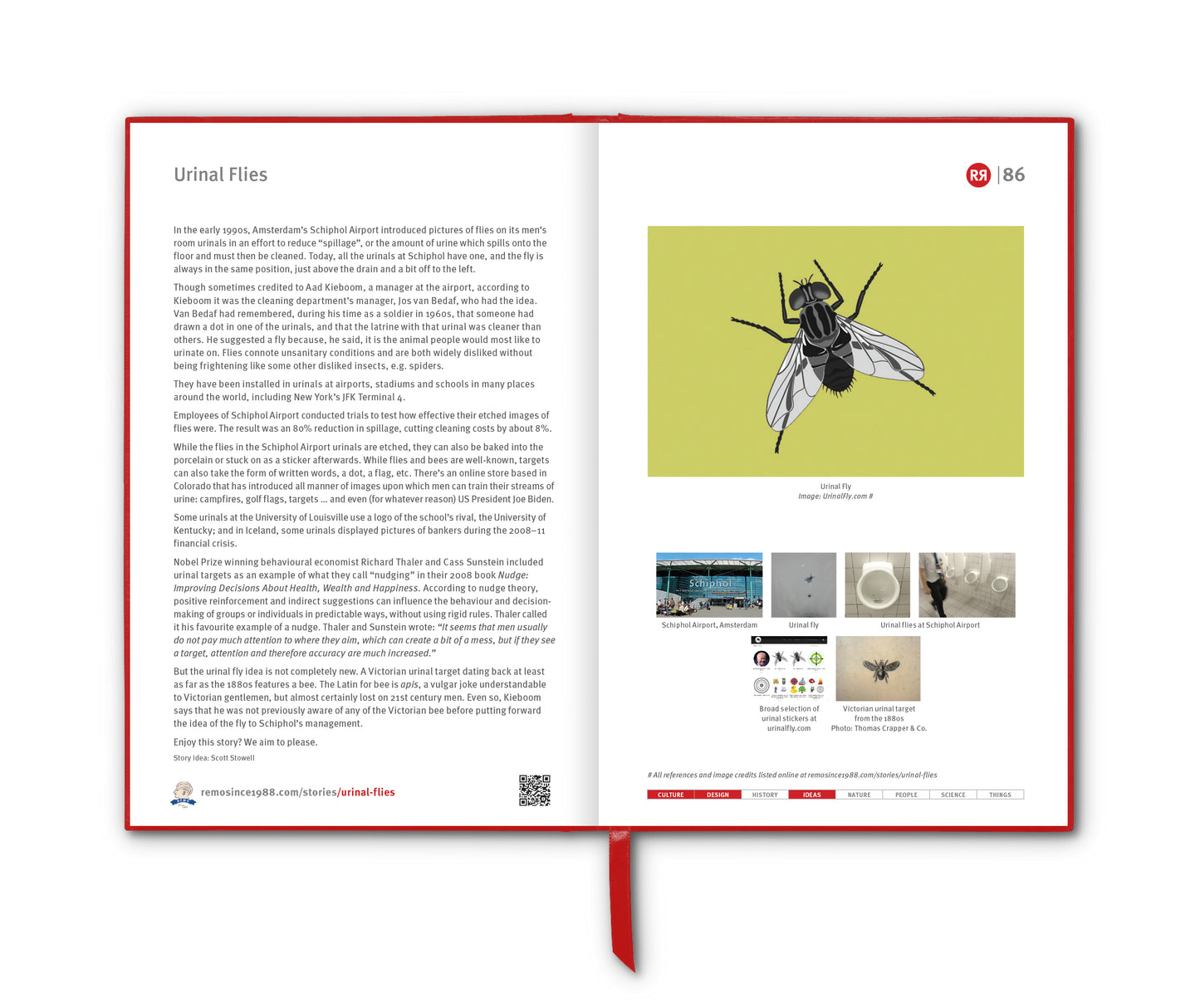
Over time, utility took precedence. The Chinese pioneered waterproofing with waxed paper and silk, transforming the parasol into a true umbrella. Jean Marius, a French inventor, is credited with creating a more modern, foldable umbrella in 1705, so by the 18th century, not just in Paris, but in the rain-soaked streets of London, the umbrella had become democratised, thanks to figures like Jonas Hanway, who famously braved public ridicule for carrying one. What had once been a badge of status was now a tool of practicality – an emblem of self-reliance and urban sophistication.
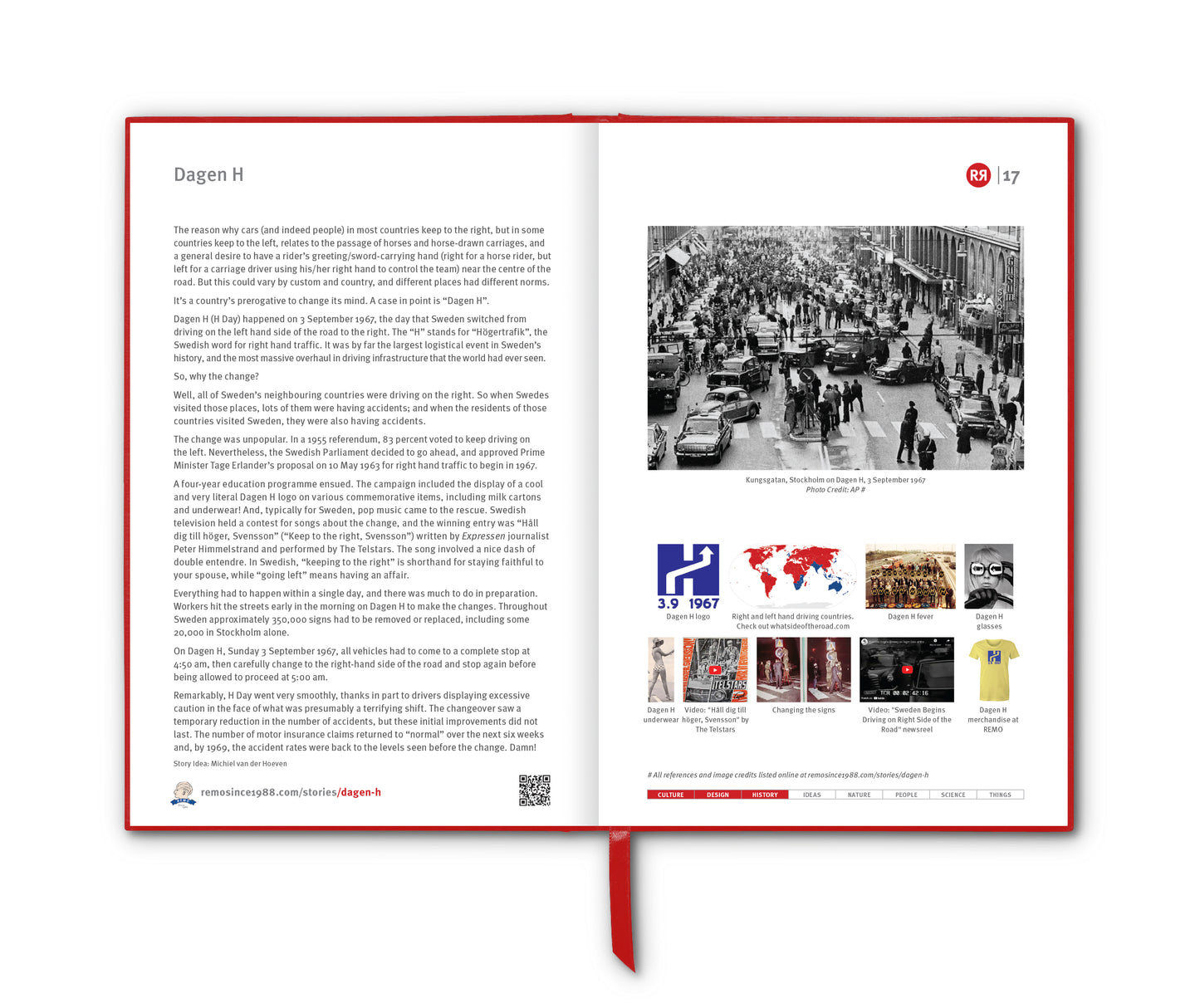
Yet the umbrella never lost its metaphorical edge. In language, we use “umbrella” to describe unity and protection – an “umbrella term”, an “umbrella organisation” – a structure that holds disparate parts together. In politics, it has swung from symbol of timidity to one of courage. When British Prime Minister Neville Chamberlain waved his umbrella in 1938, it came to represent appeasement – sheltering under false calm while storms gathered. But decades later, in 2014 Hong Kong, that same object was reclaimed as a banner of defiance.
During the "Umbrella Movement", pro-democracy protesters used umbrellas to shield themselves from police tear gas and pepper spray. The sight of thousands of people holding umbrellas – bright, ordinary, defiant – became one of the most enduring images of peaceful resistance in the 21st century. The yellow umbrella, whether opened outdoors or indoors, became shorthand for hope, unity, and the belief that even the simplest of tools could stand up to overwhelming power.
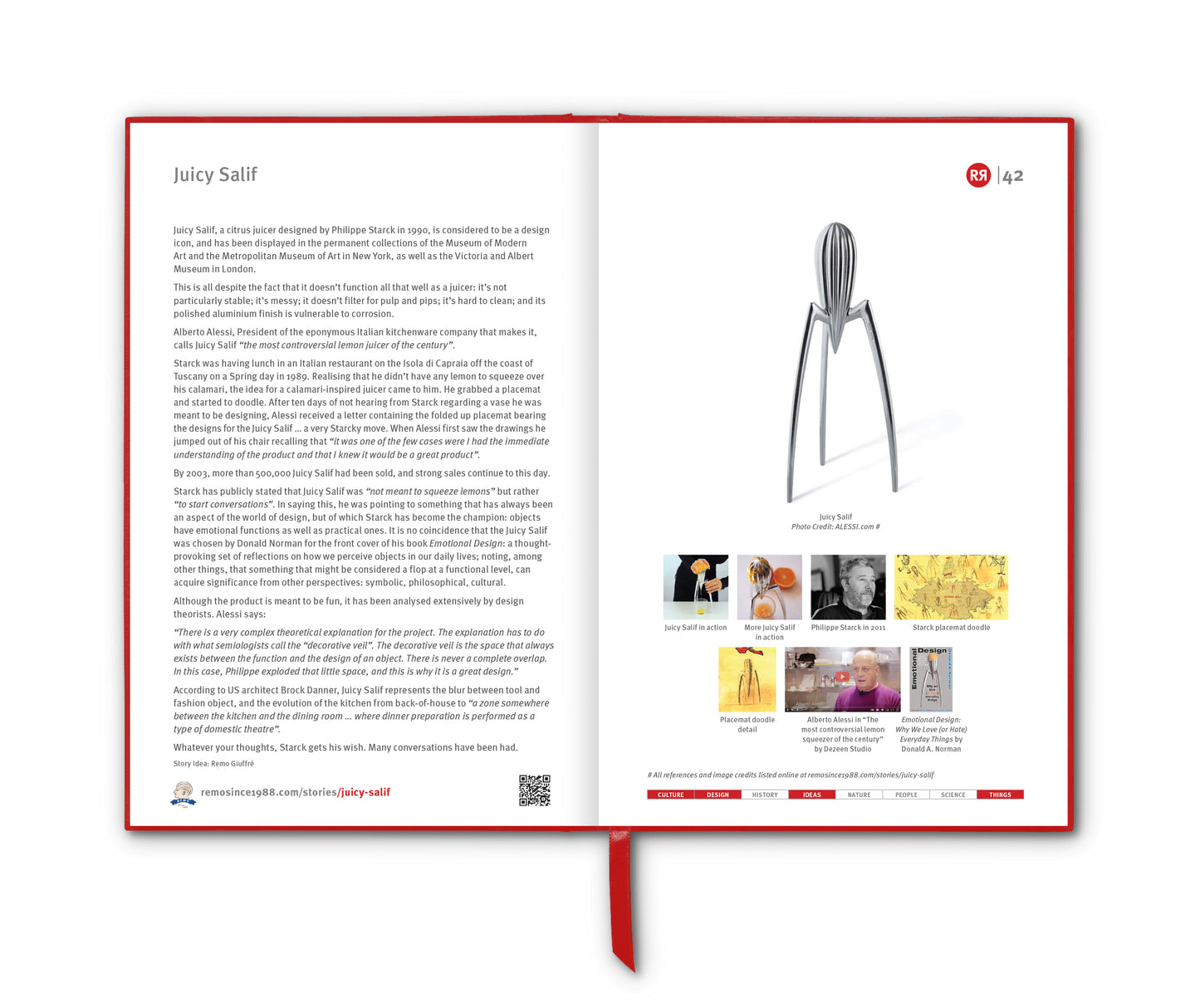
In popular culture, the umbrella has served as everything from prop to portal. In Renoir’s The Umbrellas (1881–86), umbrellas evoke both connection and separation – people sharing space yet divided by their private shelters. Gene Kelly’s Singin’ in the Rain (1952) umbrella dance remains cinema’s ultimate ode to optimism – a man spinning and splashing through stormwater, unbothered by the weather. Finally, Mary Poppins floated into the sky beneath hers, turning domestic order into magic.
Do you own an umbrella?
_________________________
References
wikipedia.org/wiki/Umbrella
umbrellaworkshop.com/umbrellas/history-of-the-umbrella
townandcountrymag.com/society/tradition/a26899647/queen-elizabeth-umbrellas-fulton-match-outfit
Images
1. Sky Umbrella, 1992, Tibor Kalman and Emanuela Frattini Magnusson. Credit: MoMA New York
2. Bas-relief of the Persian king Xerxes I (485–465 BCE) at Persepolis. Photo credit: Jona Lendering
3. Relief of an Egyptian parasol. Hatshepsut temple, Deir el-Bahari, Theban Necropolis, Egypt
4. Paris Street; Rainy Day by Gustave Caillebotte, 1877
5. Pierre-Auguste Renoir, The Umbrellas, circa 1881-86
6. Jonas Hanway from an 1871 engraving
7. Neville Chamberlain cartoon by Don Angus, 1939
8. Mary Poppins, 1964
9. Queen Elizabeth II with her matching Birdcage umbrellas by Fulton
10.
The "Umbrella Man" photo as police dispersed demonstrators with tear gas in Hong Kong
11. Contemporary Street Art in Port Louis, Mauritius. Photo credit: Martin Falbisoner
12. Video: “Singing in the Rain" - Rhianna "Umbrella" Mash-Up, withlotsabutta, 2013