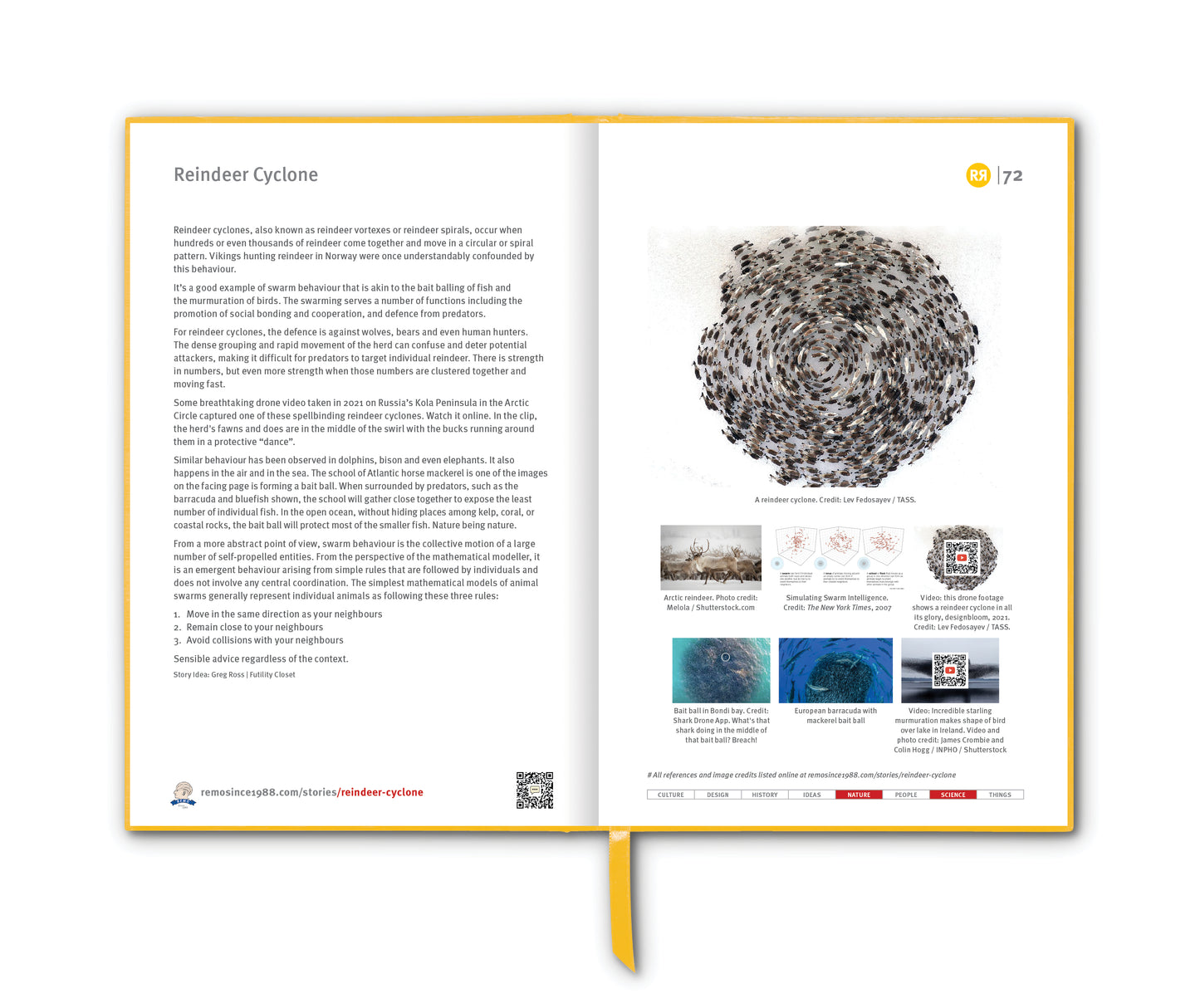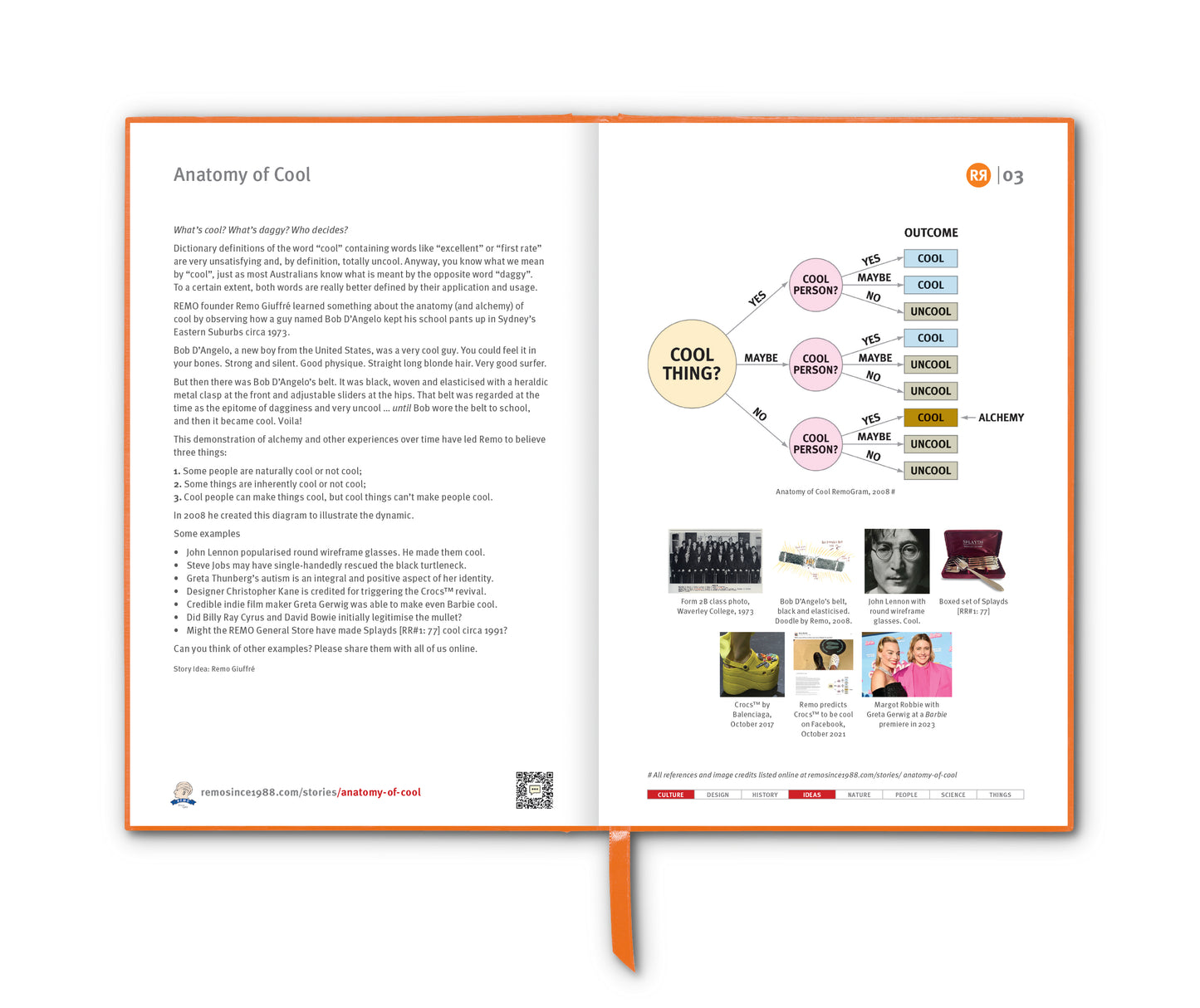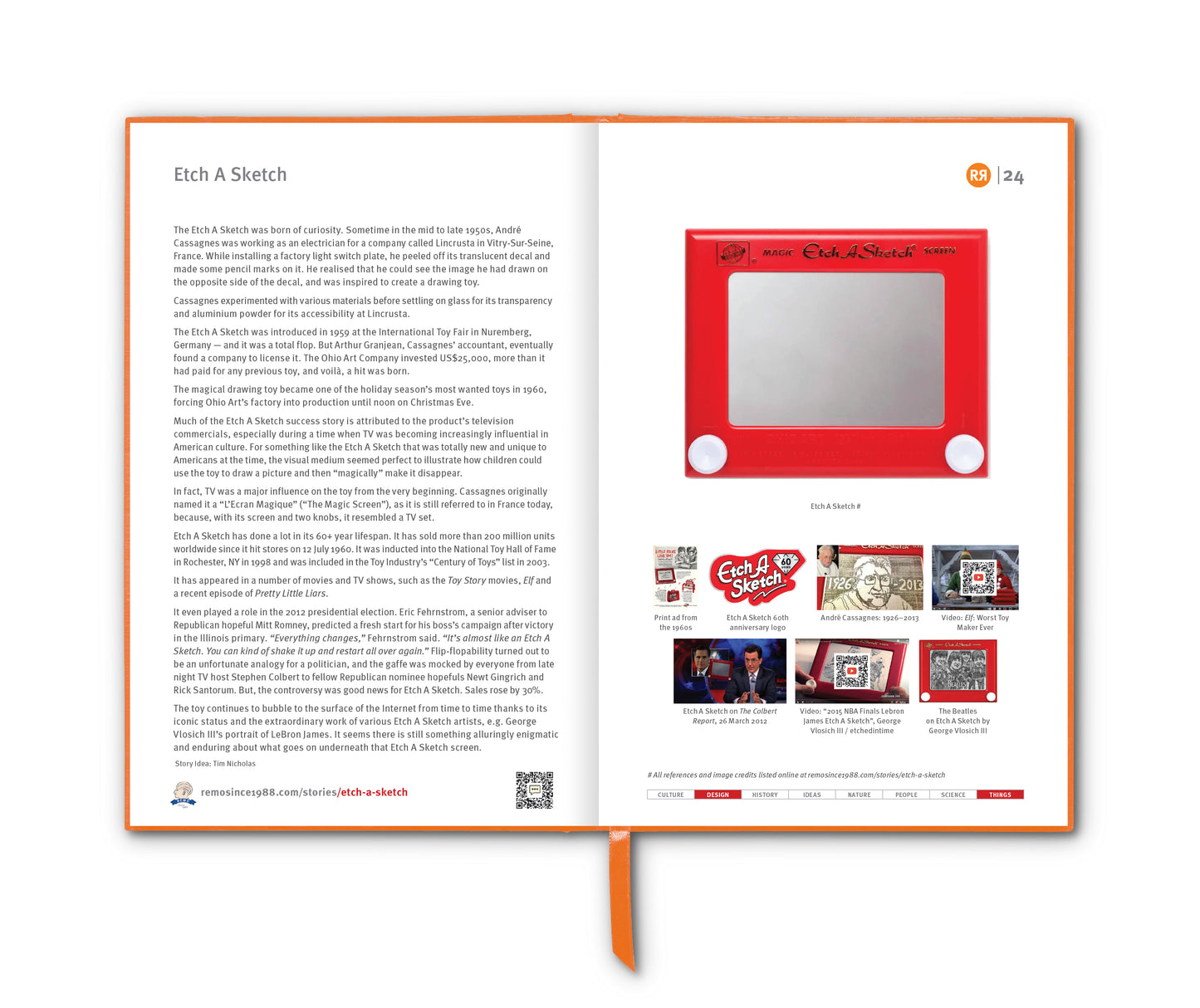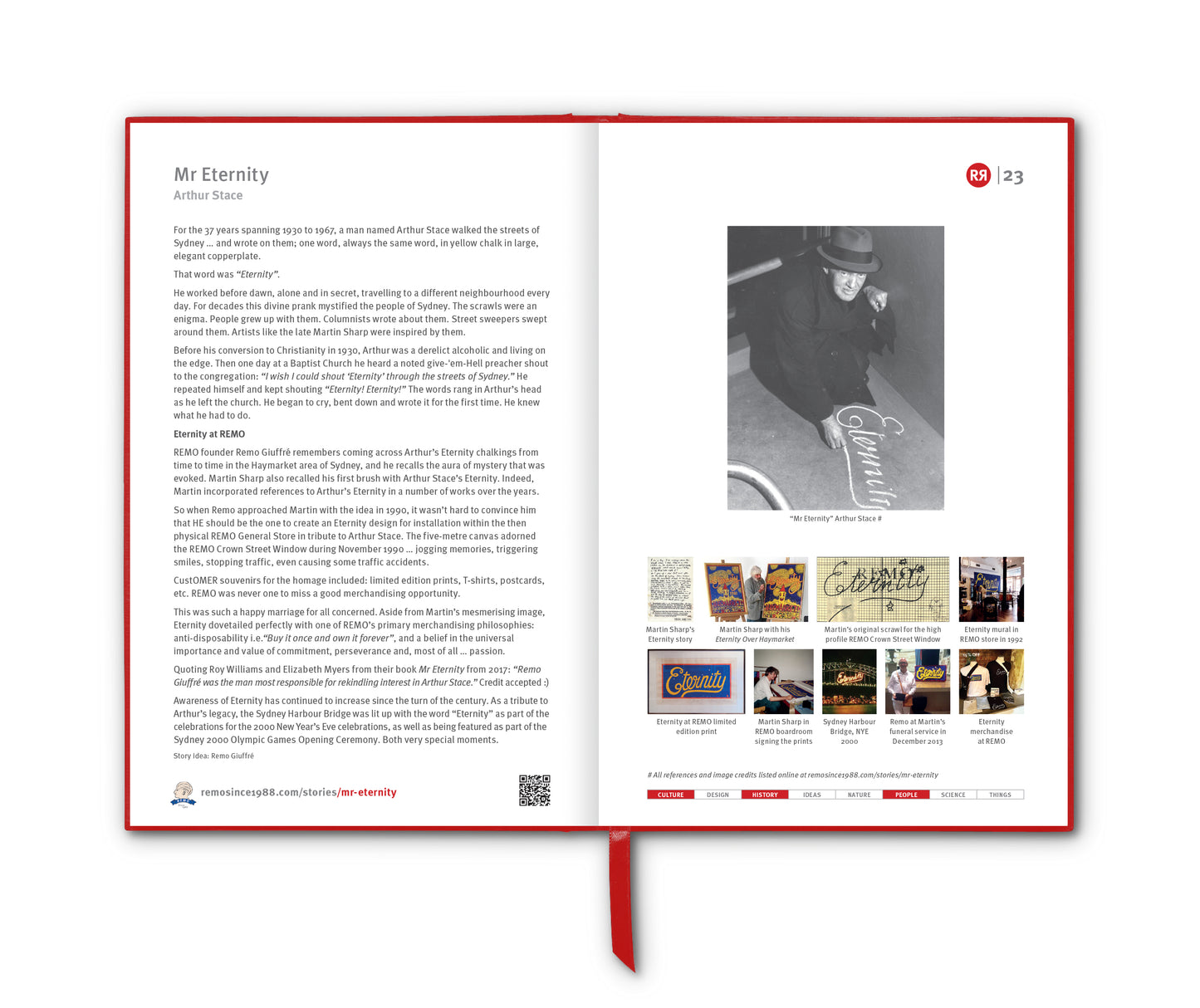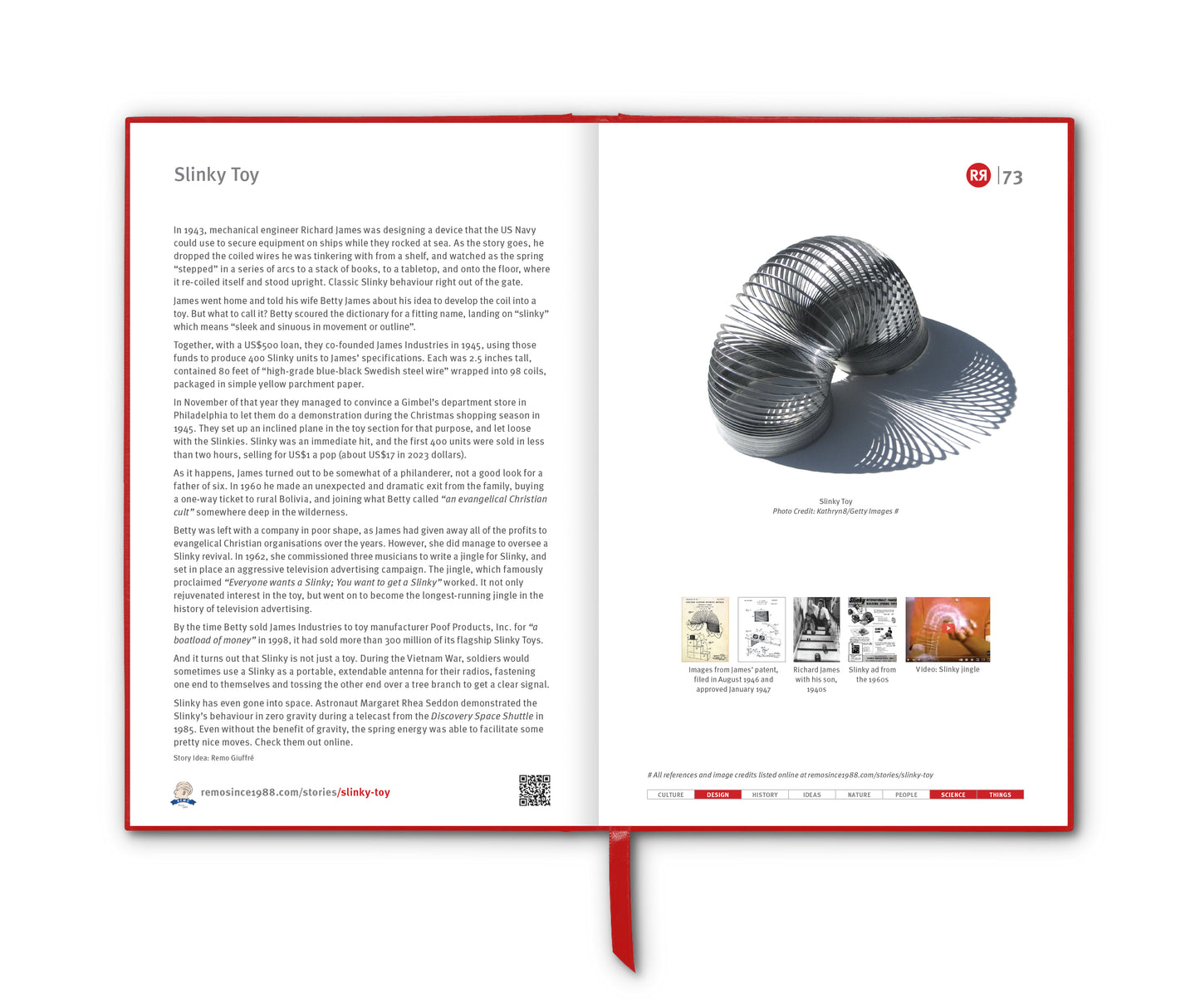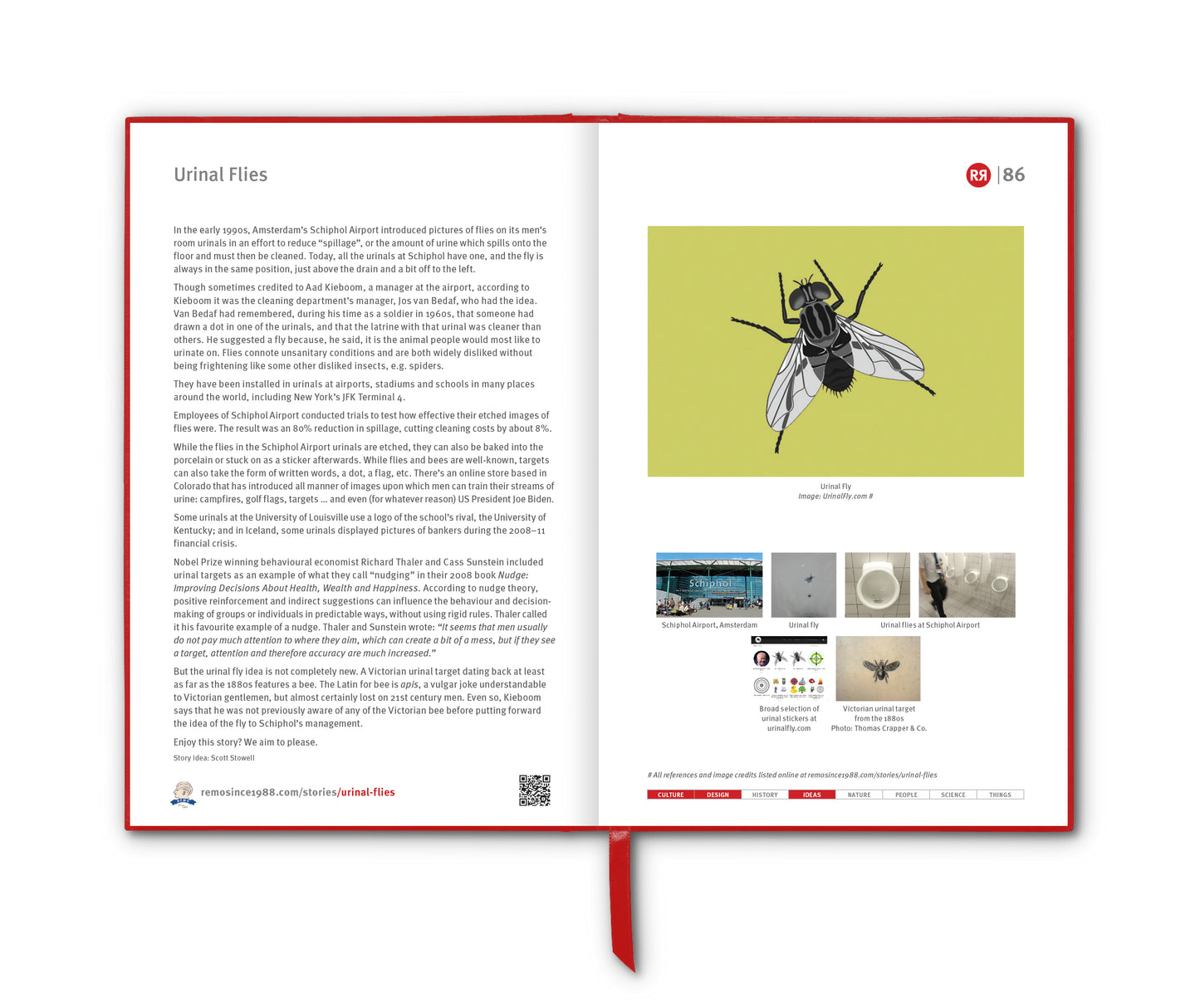

On the outskirts of a small Bavarian town called Wemding stands one of the world’s strangest and slowest construction projects: the Zeitpyramide, or “Time Pyramid”. It began in 1993 – not with the goal of finishing in a few years, or even a few decades – but in 1,200 years. Yes, this is architecture on a geological timescale.
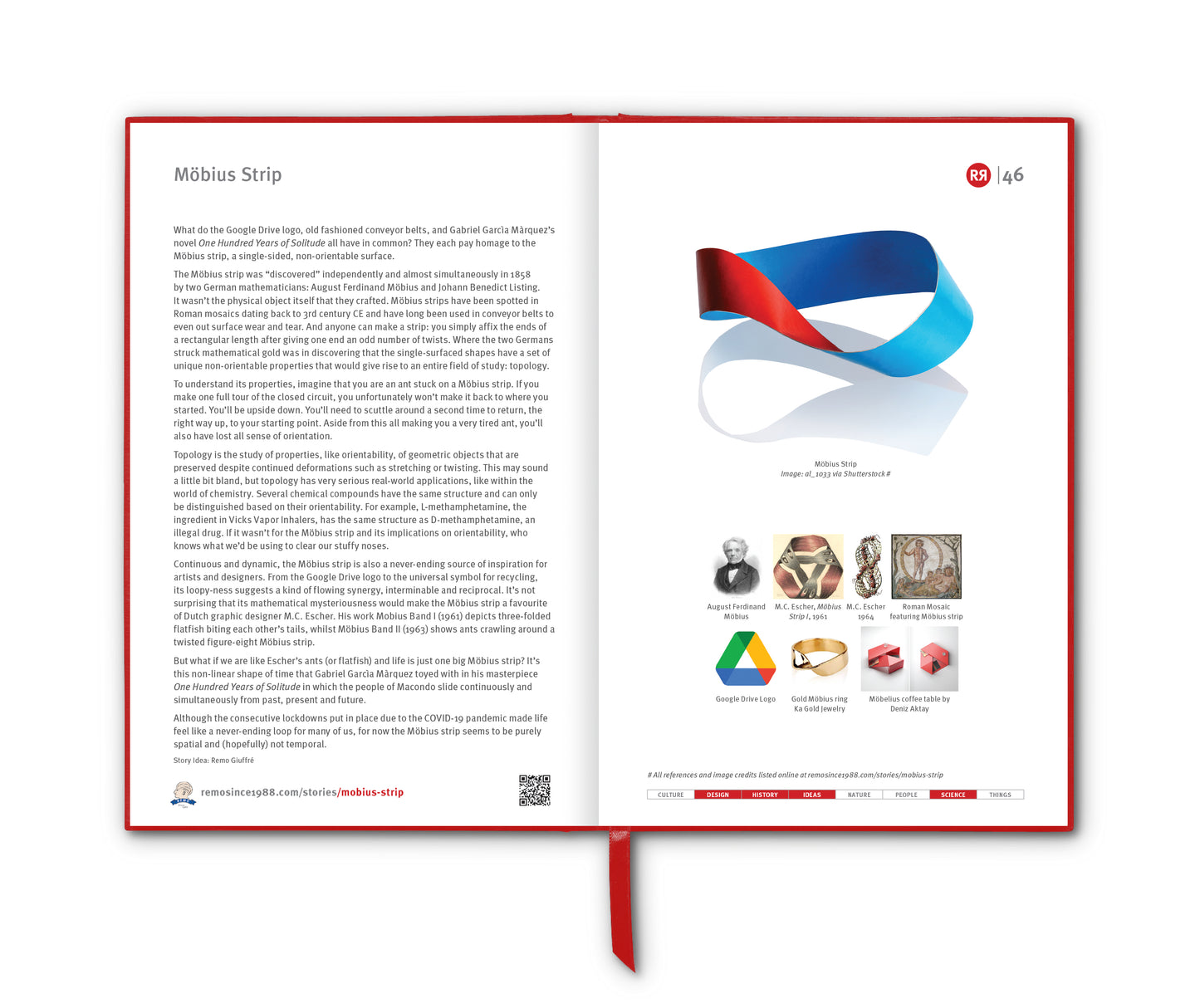
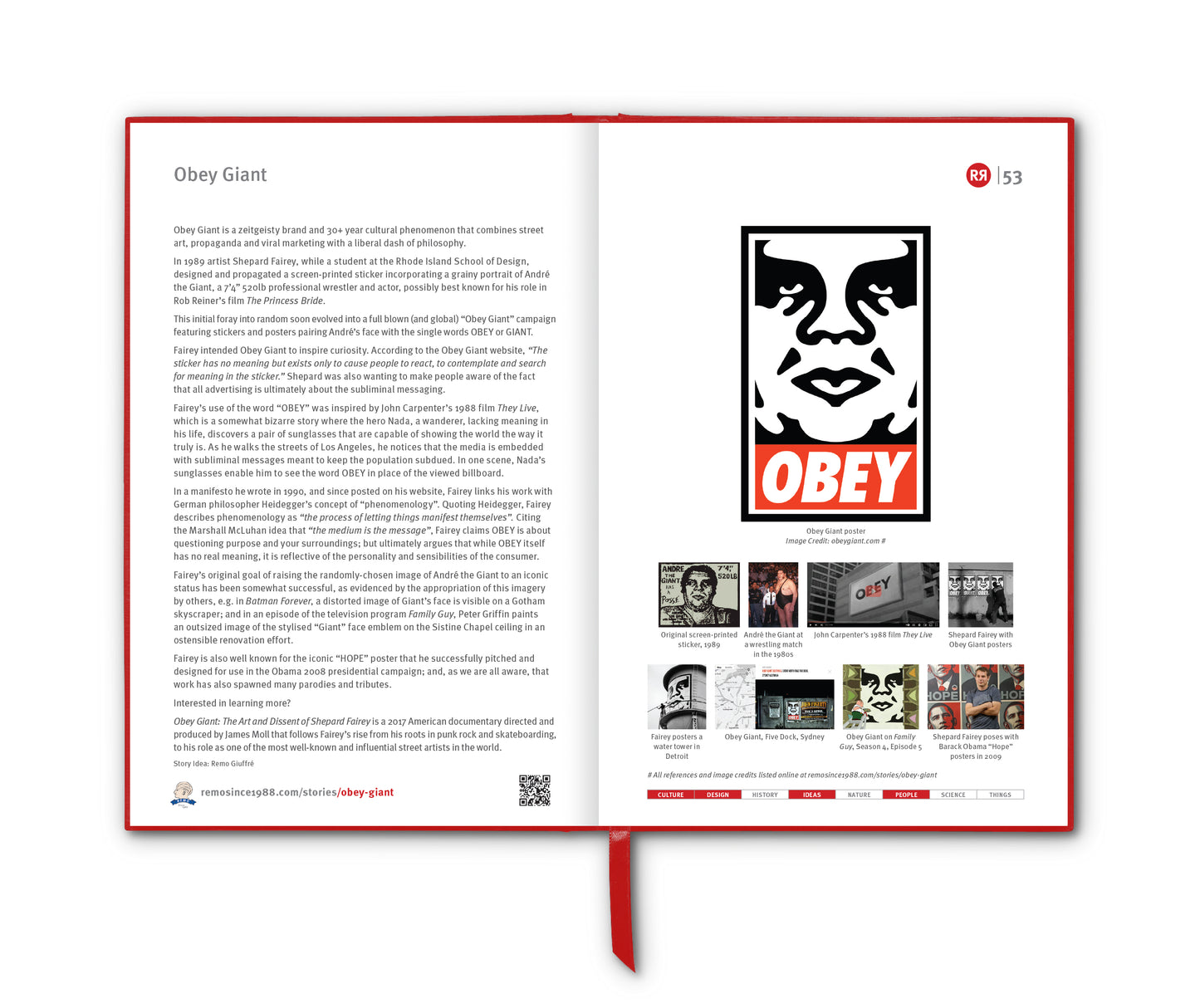
The concept originated from the local artist Manfred Laber, who proposed the idea to commemorate Wemding’s 1,200th anniversary. The pyramid would be built by adding one concrete block every 10 years, each block weighing around 6 tonnes. At that pace, the pyramid will be completed in the year 3183. The site currently boasts only four blocks, stacked in a way that hints at its eventual monumental shape.
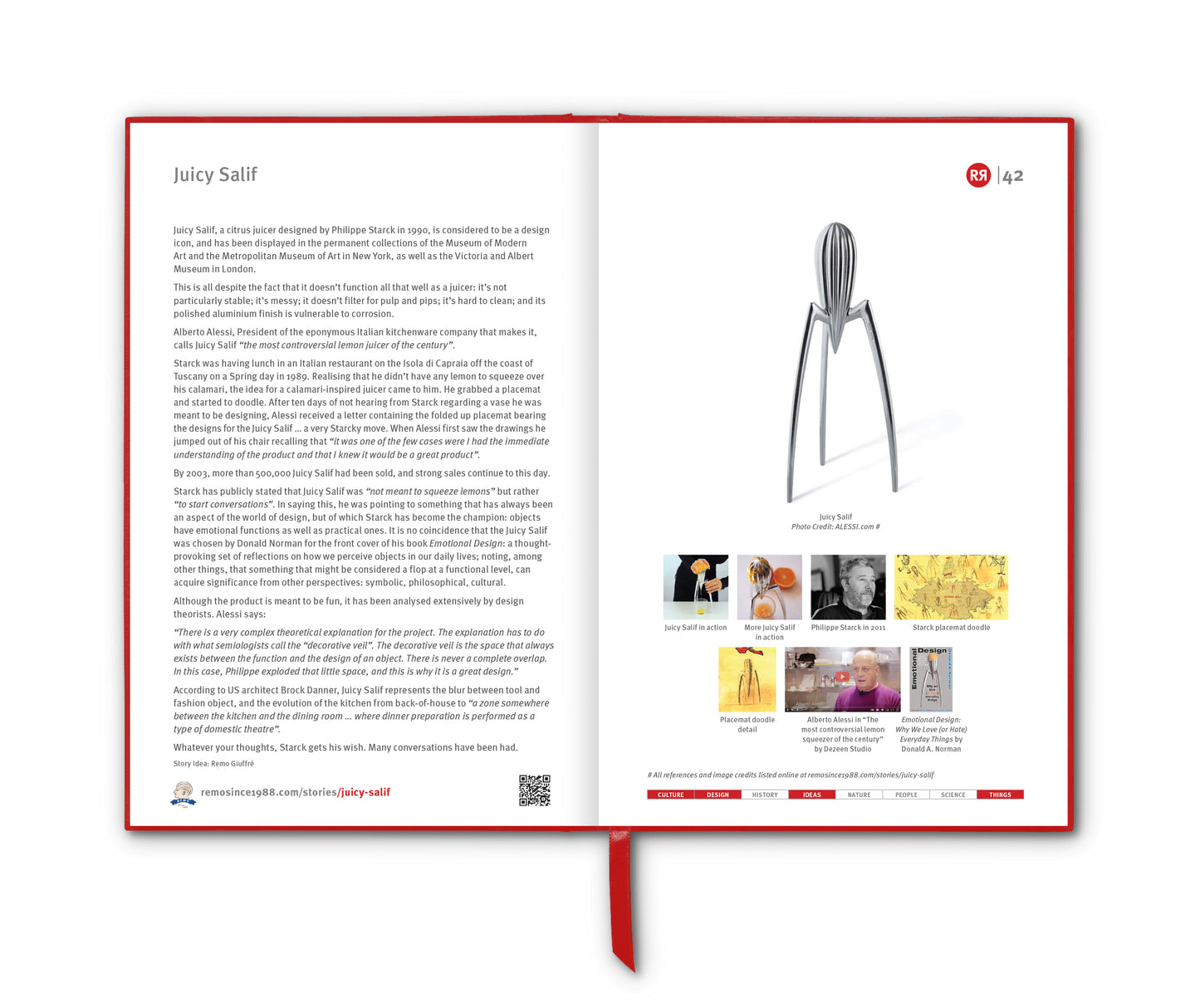
The Zeitpyramide is part art, part philosophy, and part social experiment. It asks us to confront the uncomfortable truth of modern life: our obsession with immediacy. We live in an age of instant gratification, yet here is a project that unfolds in slow motion, binding generations together in a shared commitment. It’s less about the finished structure and more about the continuity of human culture, an intergenerational handshake.
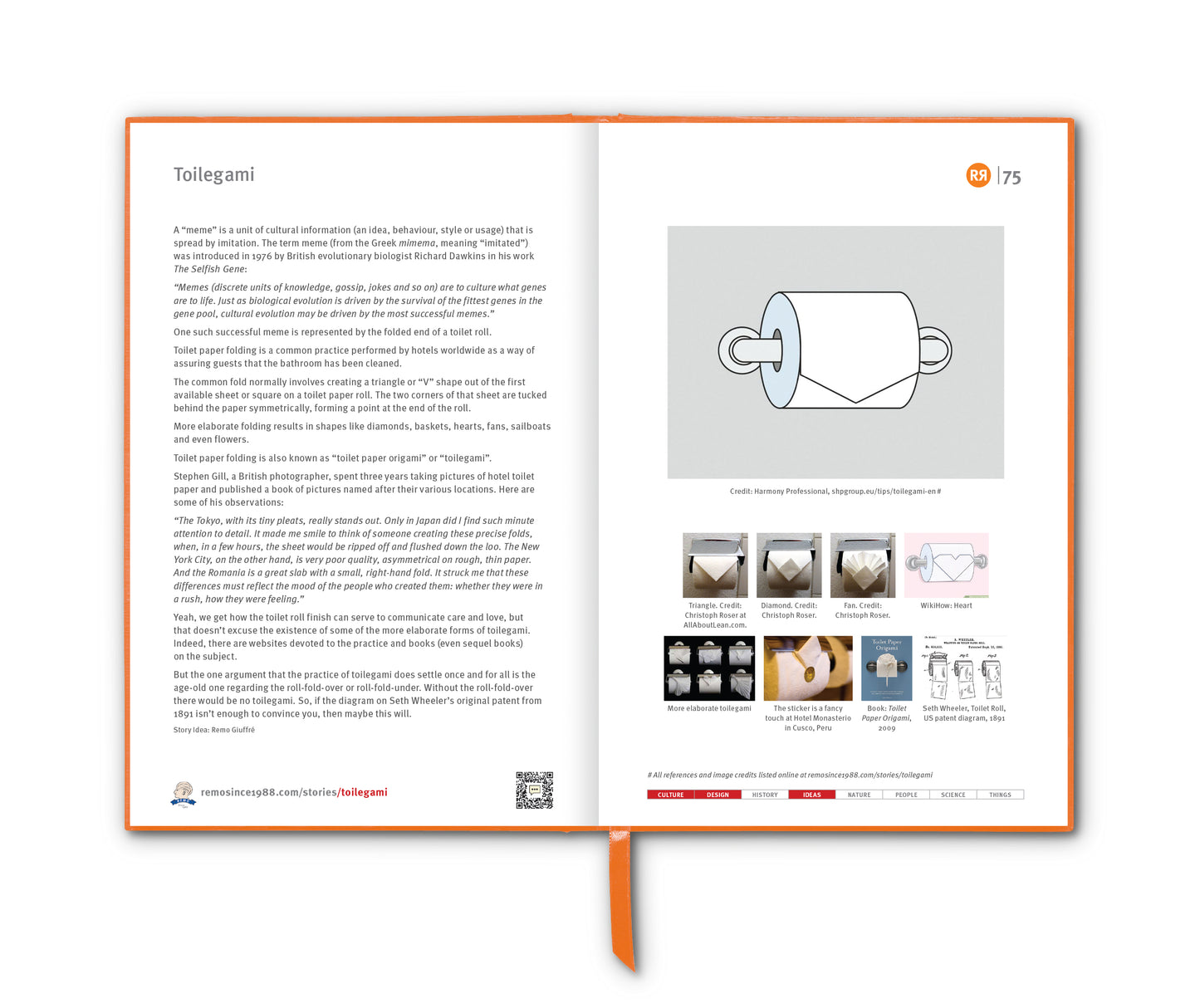
This radical slowness is not unique. It resonates with other long-term thinking projects, such as the 10,000 Year Clock [RR4:21] aka the “Clock of the Long Now” – a mechanical clock designed to keep time for 10,000 years. Conceived by the Long Now Foundation, with backing from tech figures like Jeff Bezos, the clock is currently being installed inside a mountain in Texas. Unlike the Zeitpyramide, which passively accumulates mass, the 10,000 Year Clock actively tells time on a scale that dwarfs human lifespans. It ticks once a year, and its century hand moves once every 100 years. Like the pyramid, the clock is less about practical utility and more about provoking a cultural shift toward long-term responsibility.
Other examples exist. The Svalbard Global Seed Vault [RR3:78] in Norway is designed to safeguard humanity’s agricultural heritage for millennia – in case of catastrophe; and the Library of Babel, inspired by a 1941 short story by Argentine author and librarian Jorge Luis Borges, exists digitally and conceptually to preserve every possible text.
These projects share an ethos: that meaning can extend beyond a single lifetime.
When the final block of the Zeitpyramide is placed in 3183, the world will likely be unrecognisable. Yet, if humanity is still around, they will get to ponder and appreciate a strange concrete pyramid that had been built slowly and patiently, by people who believed that some things are worth doing, even if you’ll never get to see them finished.
Postscript
Not everyone loves the decision to represent 1,200 years with just 120 blocks. According to YouTuber Matt Parker, the Zeitpyramide suffers from a mathematical issue known as the "picket fence error". For a picket fence of n elements, n + 1 posts are required. The error arises because the project started with the placement of the first block in 1993, rather than waiting for the first decade to pass. [Ed: Impatient artist?] This means the pyramid will be completed in 3183, which is only 1,190 years from the start date, not 1,200 as was promised. As a result, this art project has become famous not only for its original concept, but also for the controversy around its maths. Parker pointed out this error during his visit to the placement of the fourth block in 2023. His video proposes a number of alternative ways to pleasingly deploy 121 blocks whilst retaining some degree of pyramid vibe. Feel free to geek out on it HERE.
_________________________
References
wikipedia.org/wiki/Zeitpyramide
atlasobscura.com/places/zeitpyramide-wemding
nytimes.com/2023/09/14/arts/design/wemding-time-pyramid-zeitpyramide.html
bartneck.de/2024/03/07/zeitpyramide-when-maths-and-art-disagree/
Images
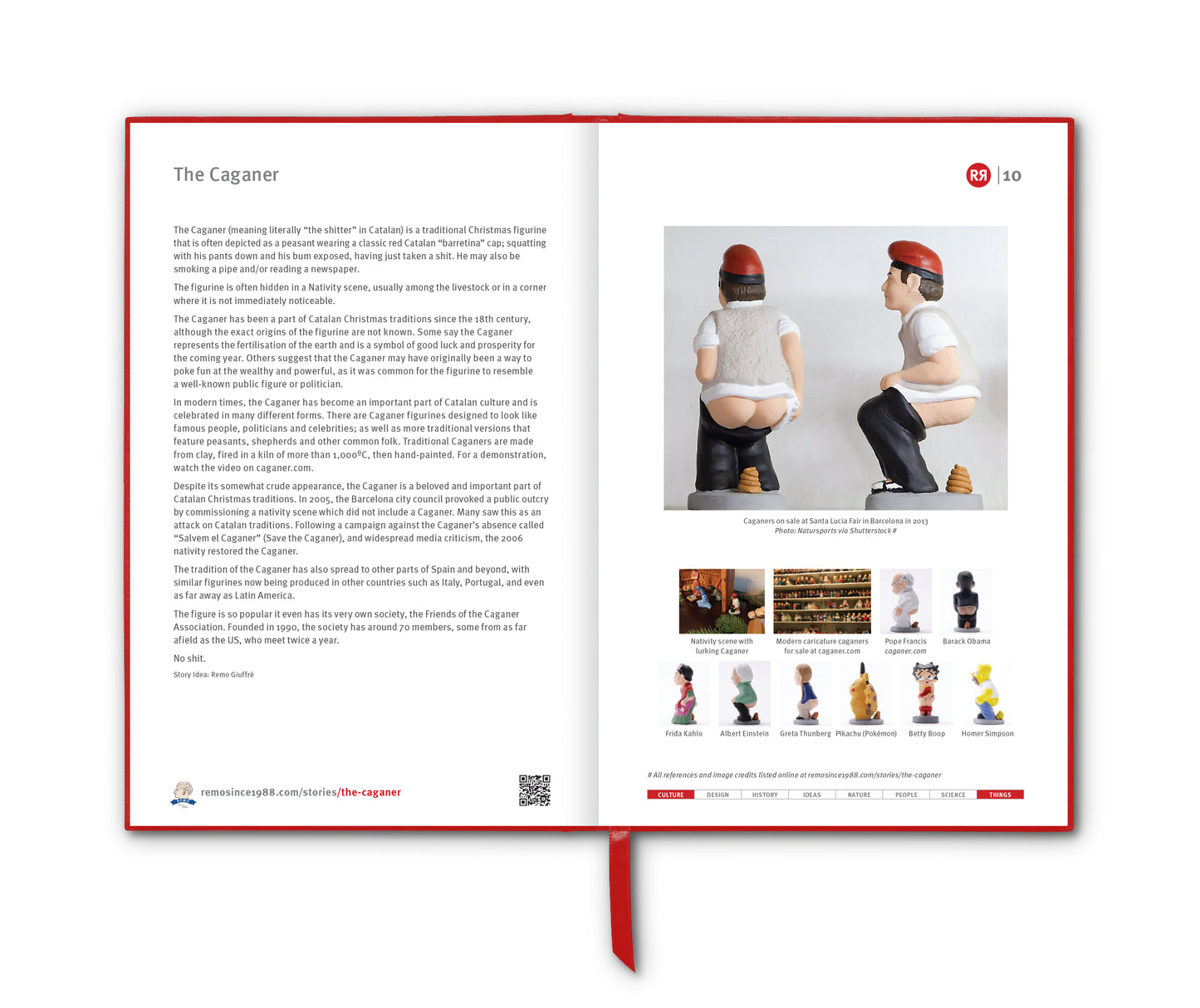
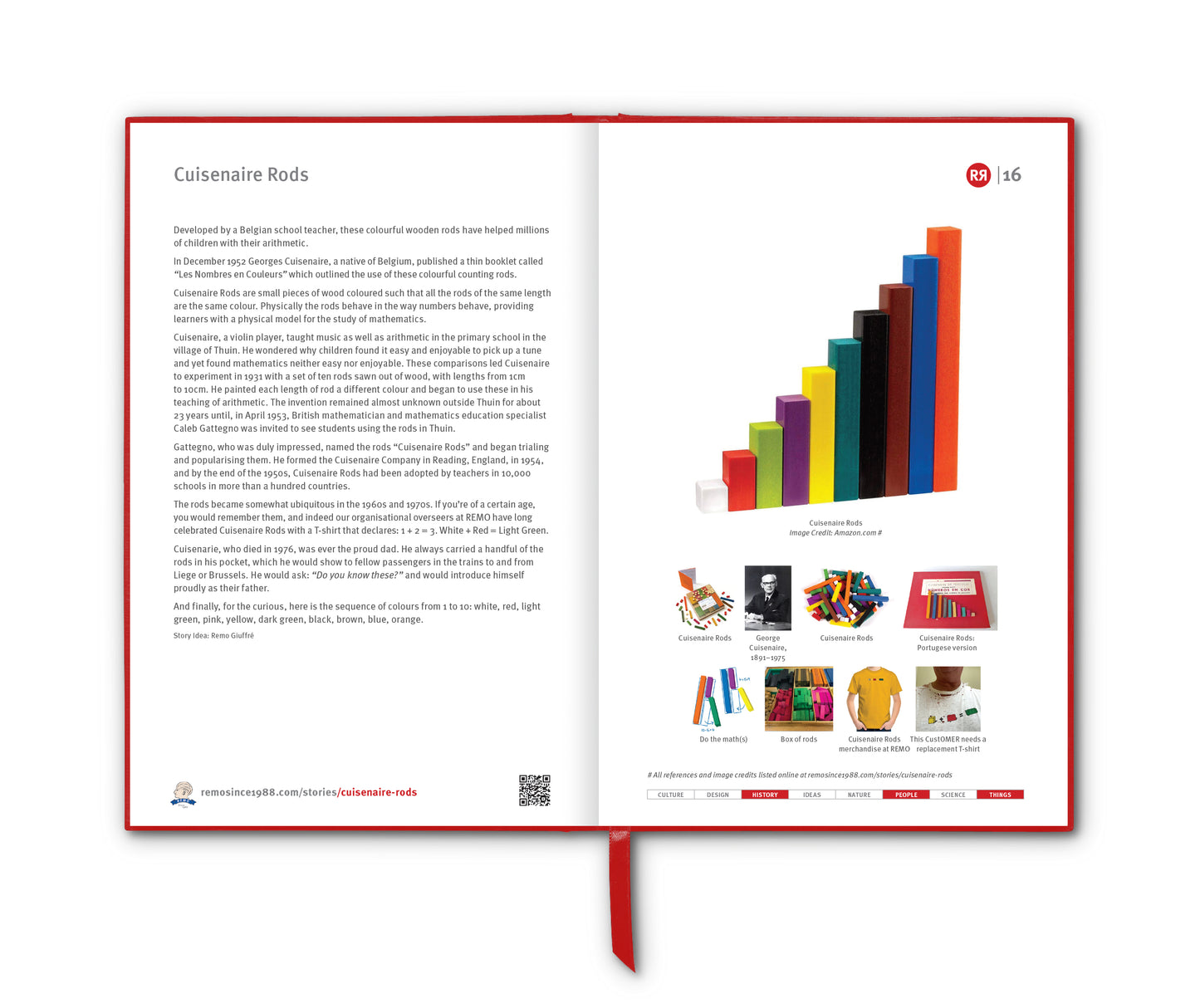
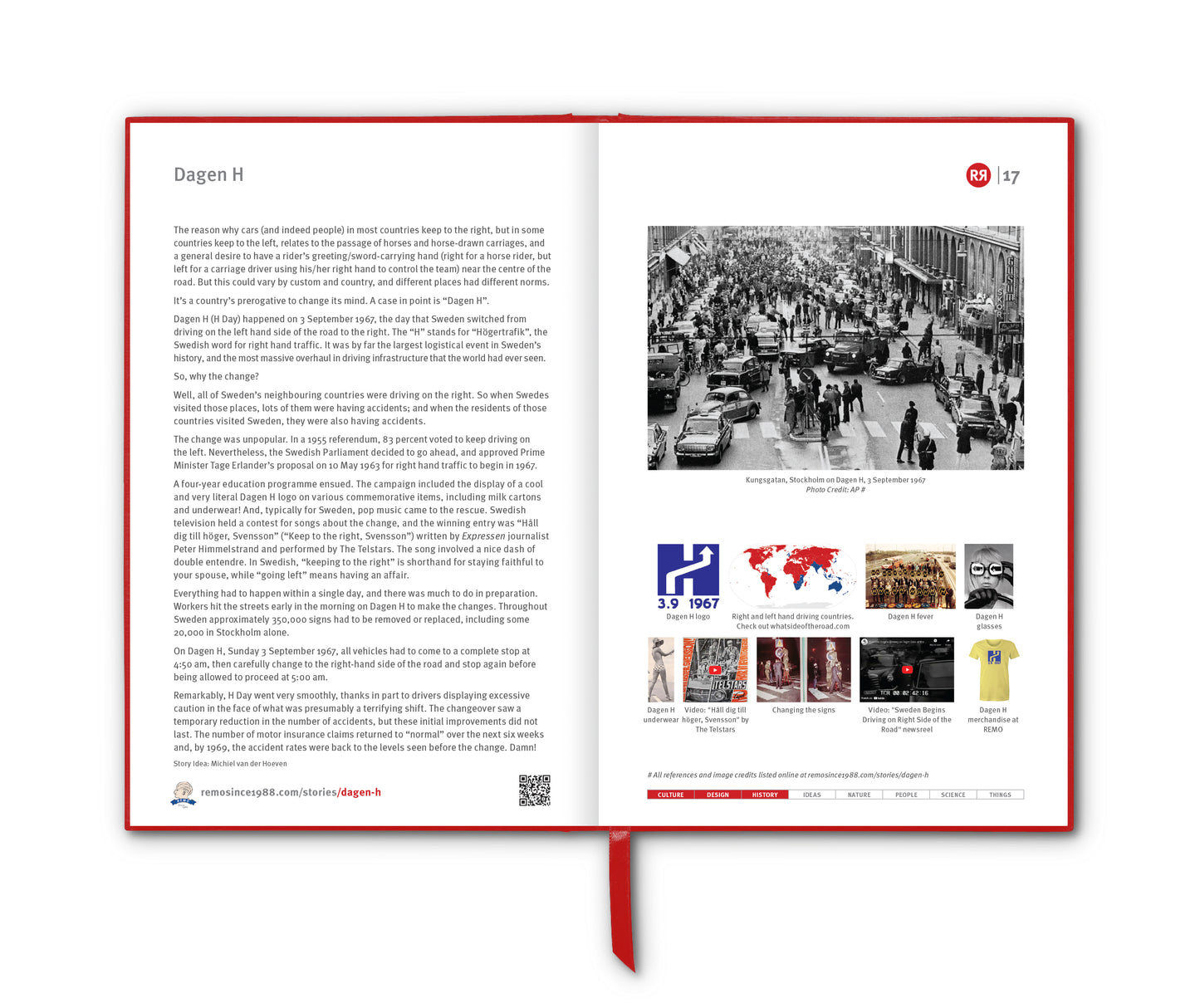
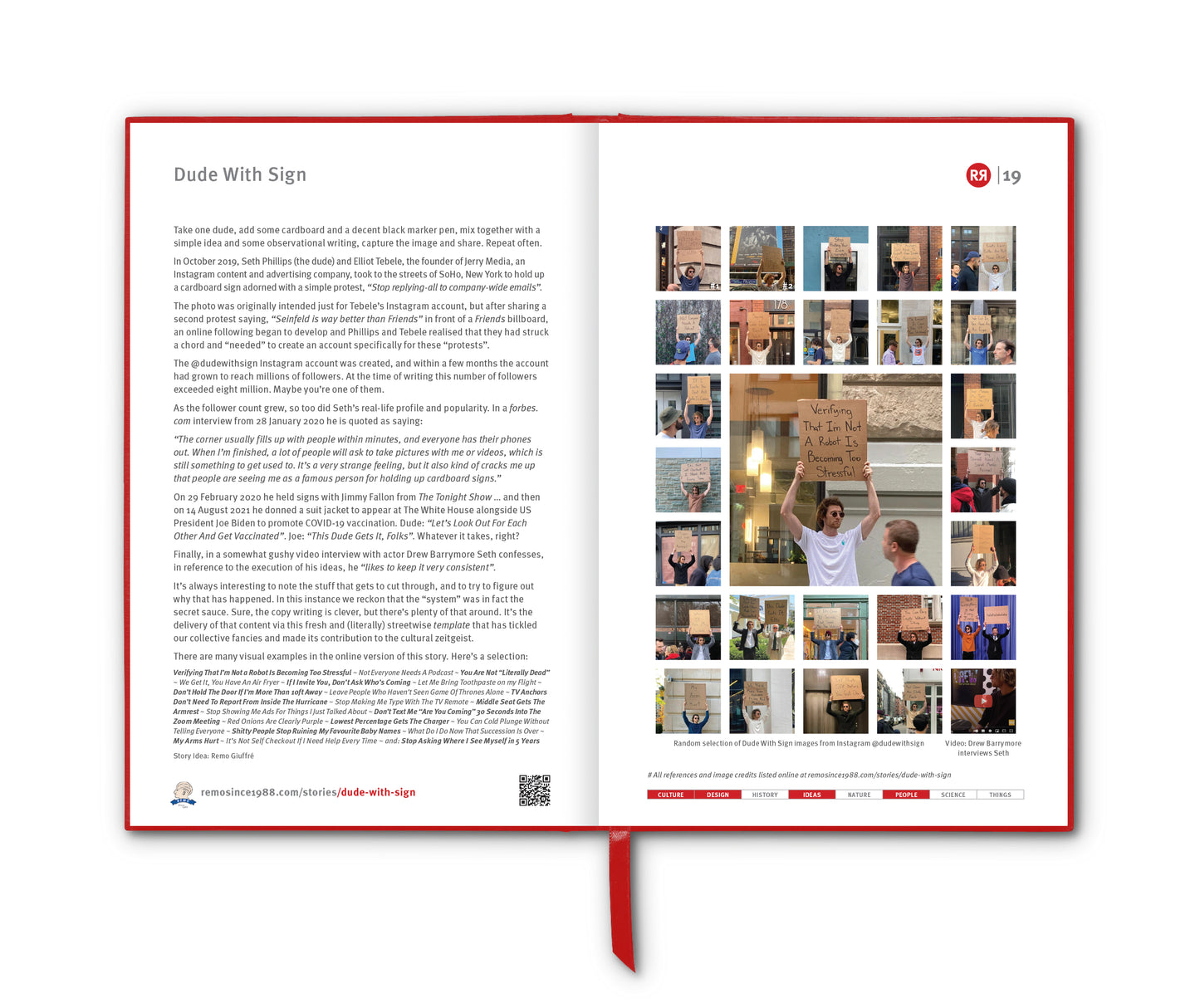
1. Zeitpyramide will be 24 feet tall when it is complete in 3183 CE. Photo credit: Felix Schmitt for The New York Times
2. Map of Germany showing Wemding in Bavaria
3. Manfred Laber with his model for Zeitpyramide
4. Trimetric projection of the design. Credit: Cmglee
5. The fourth block is laaid down in 2023. Photo credit: Felix Schmitt for The New York Times
6. Video: The 1,200 Year Maths Mistake, Stand-up Maths (Matt Parker)
7. The picket fence issue
8. Matt Parker's idea for a 121 block Zeitpyramide