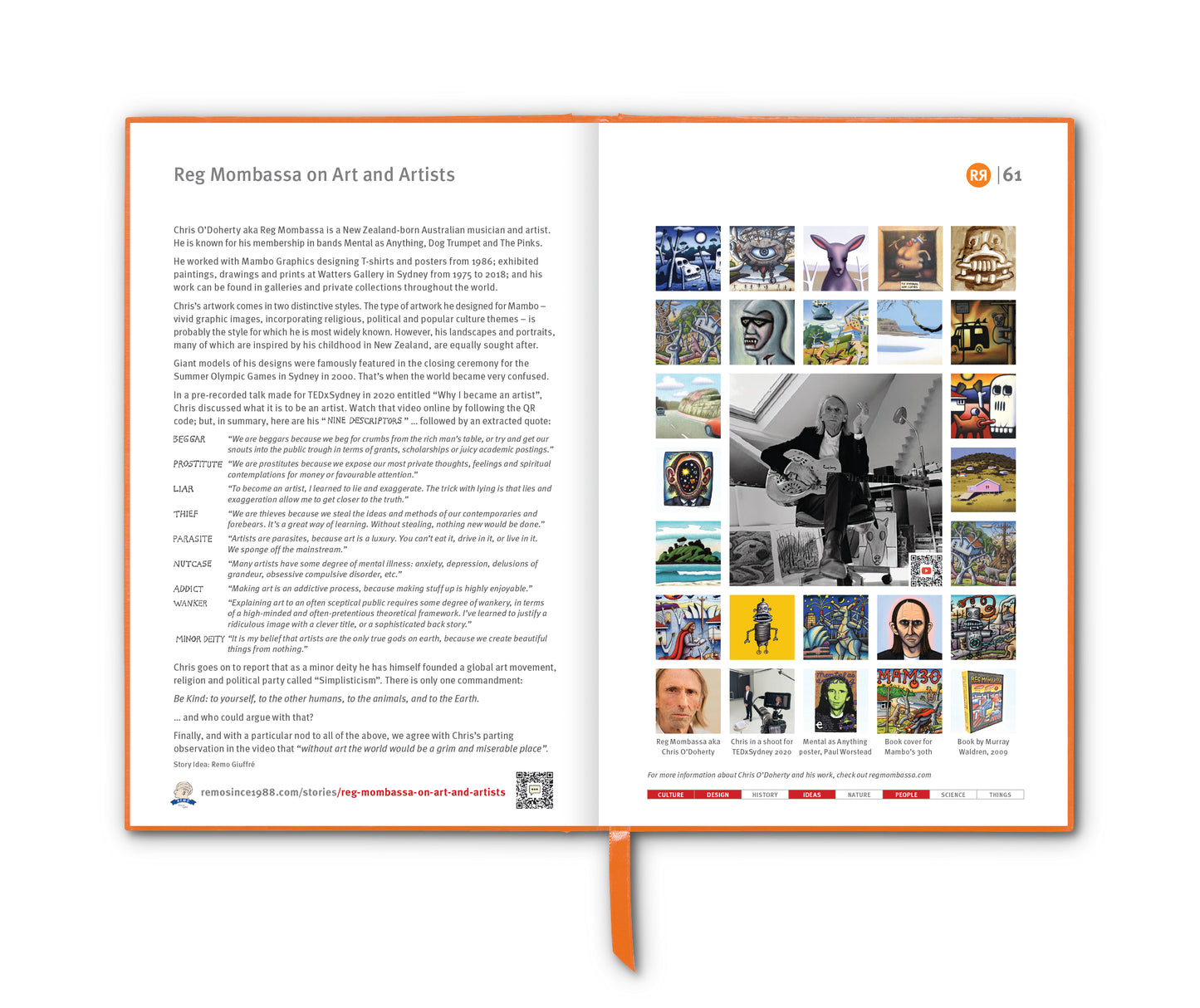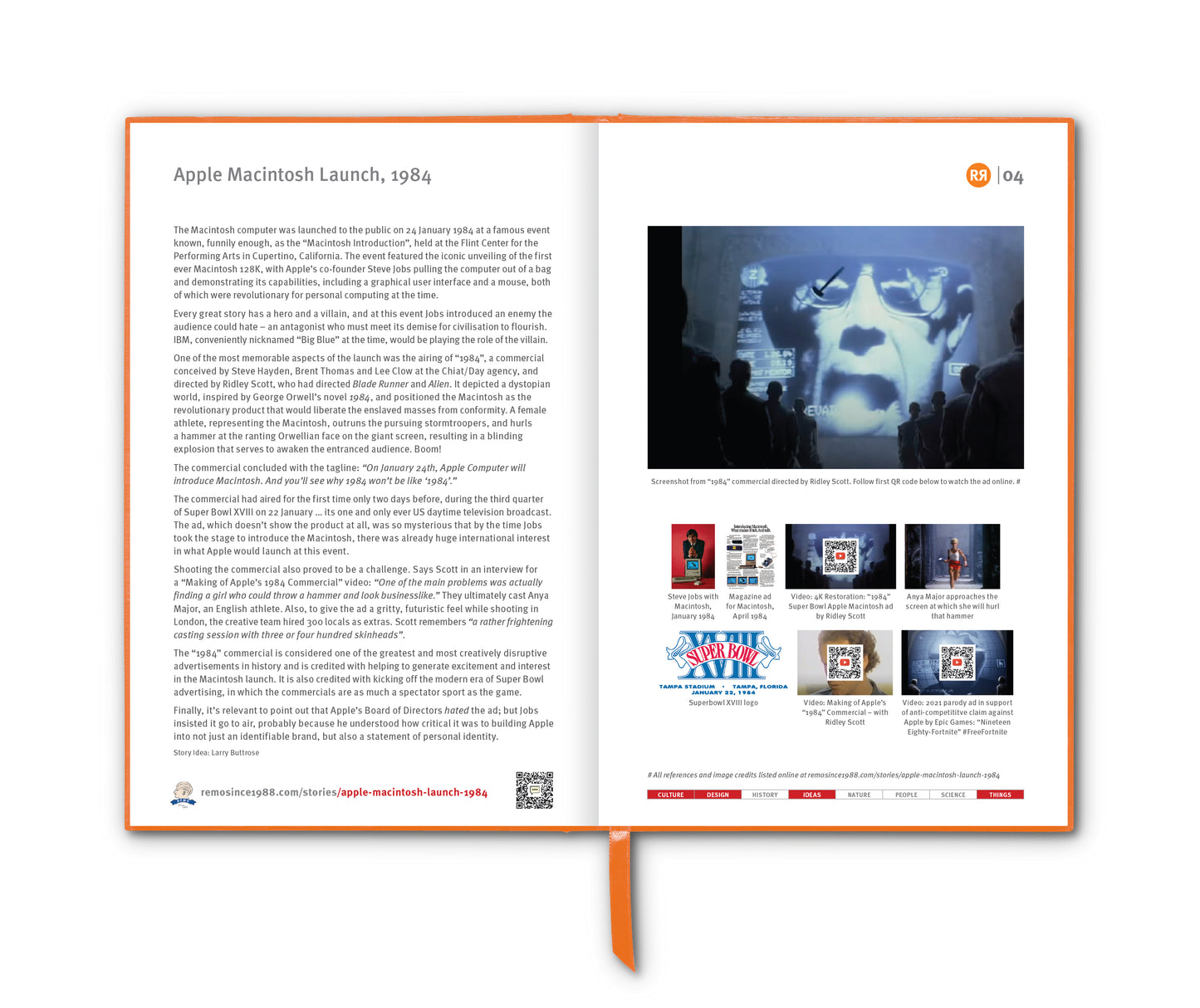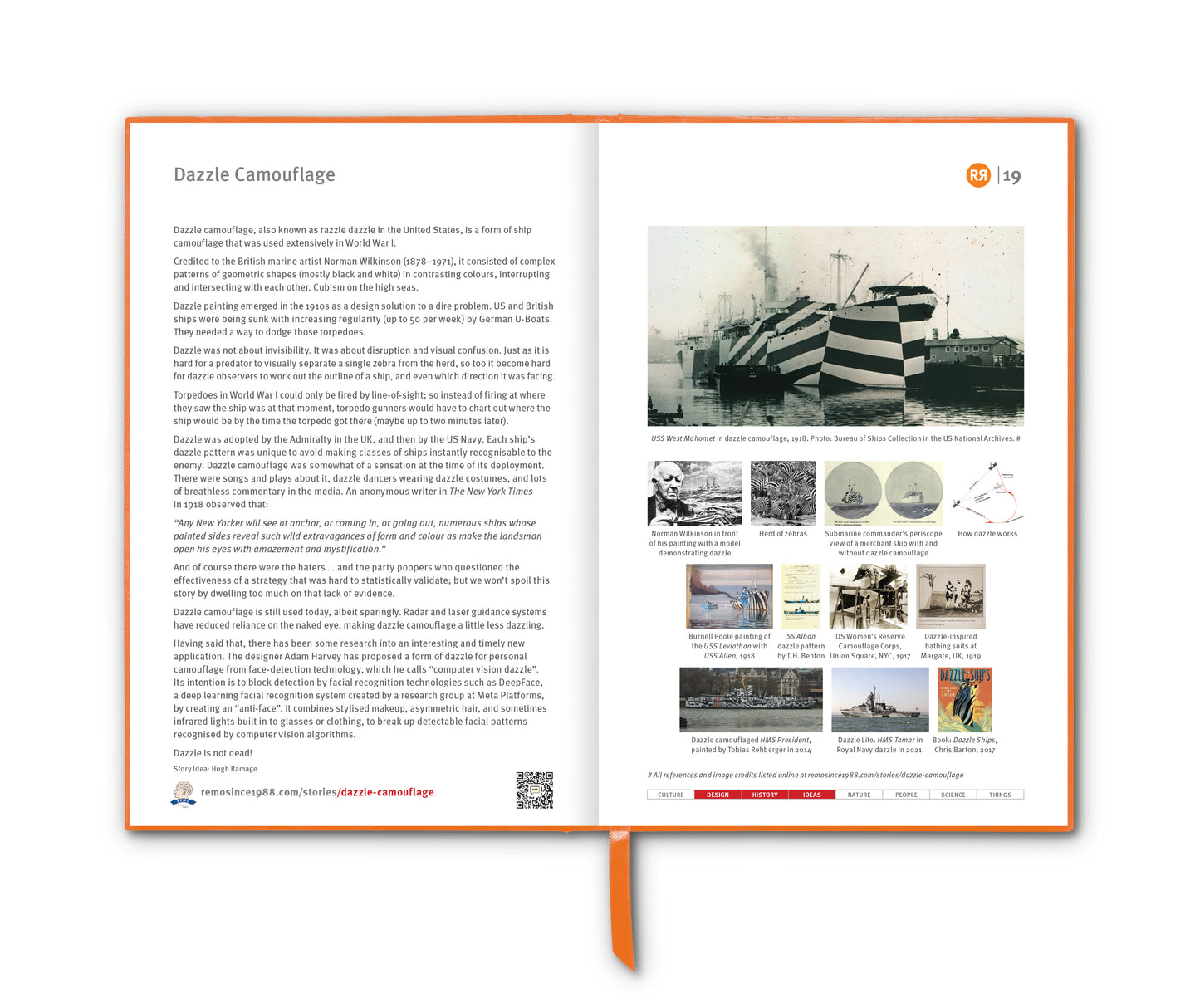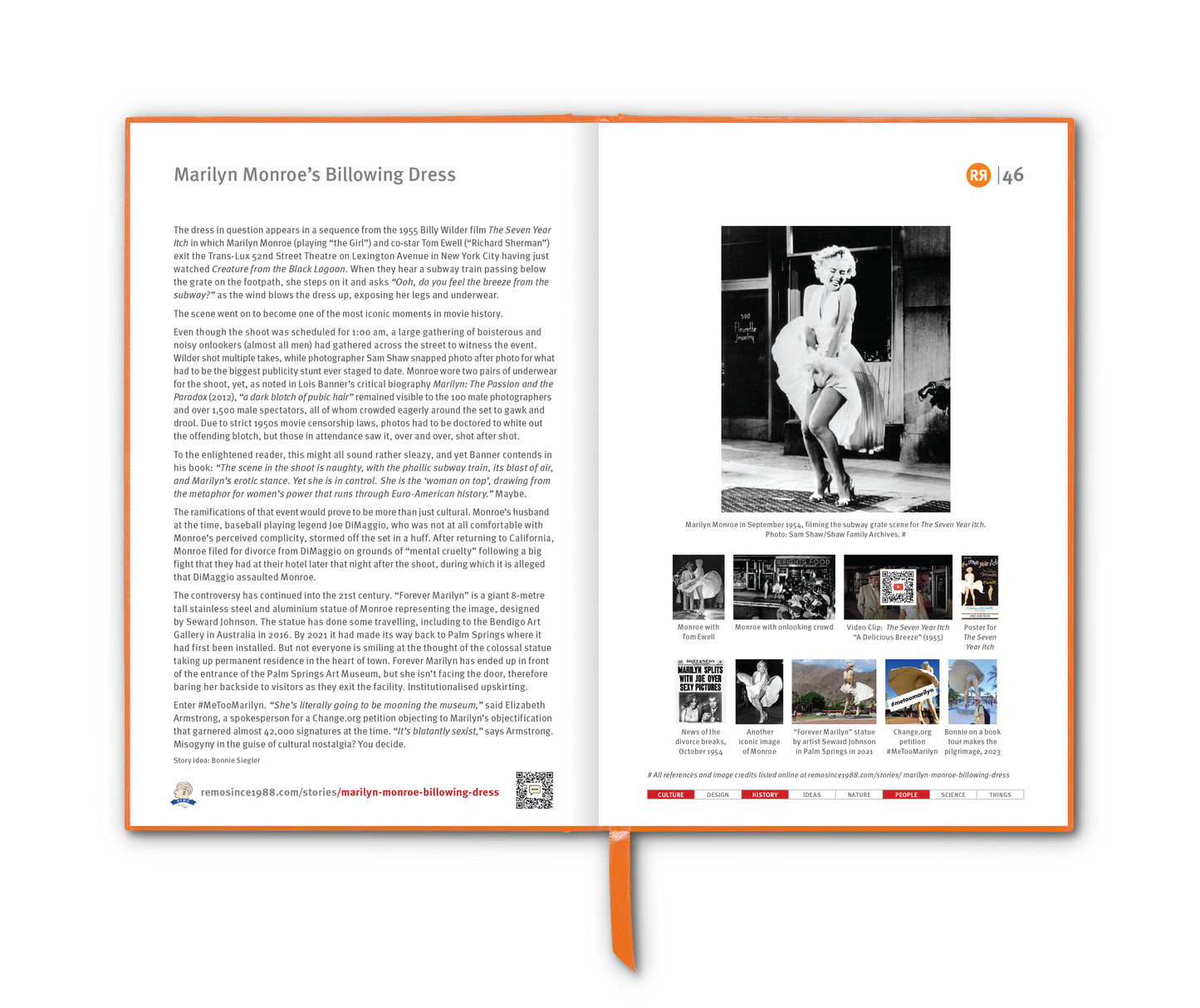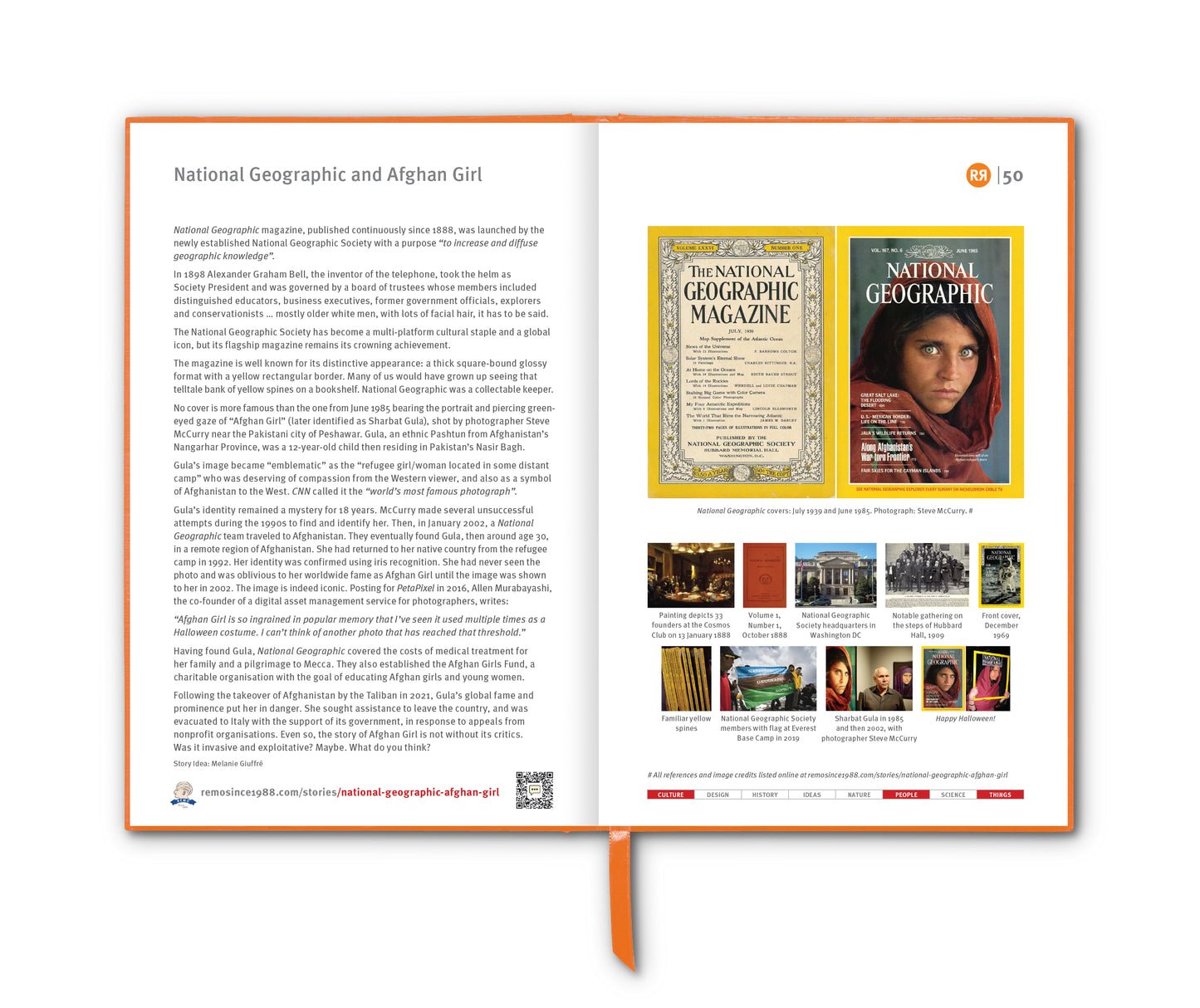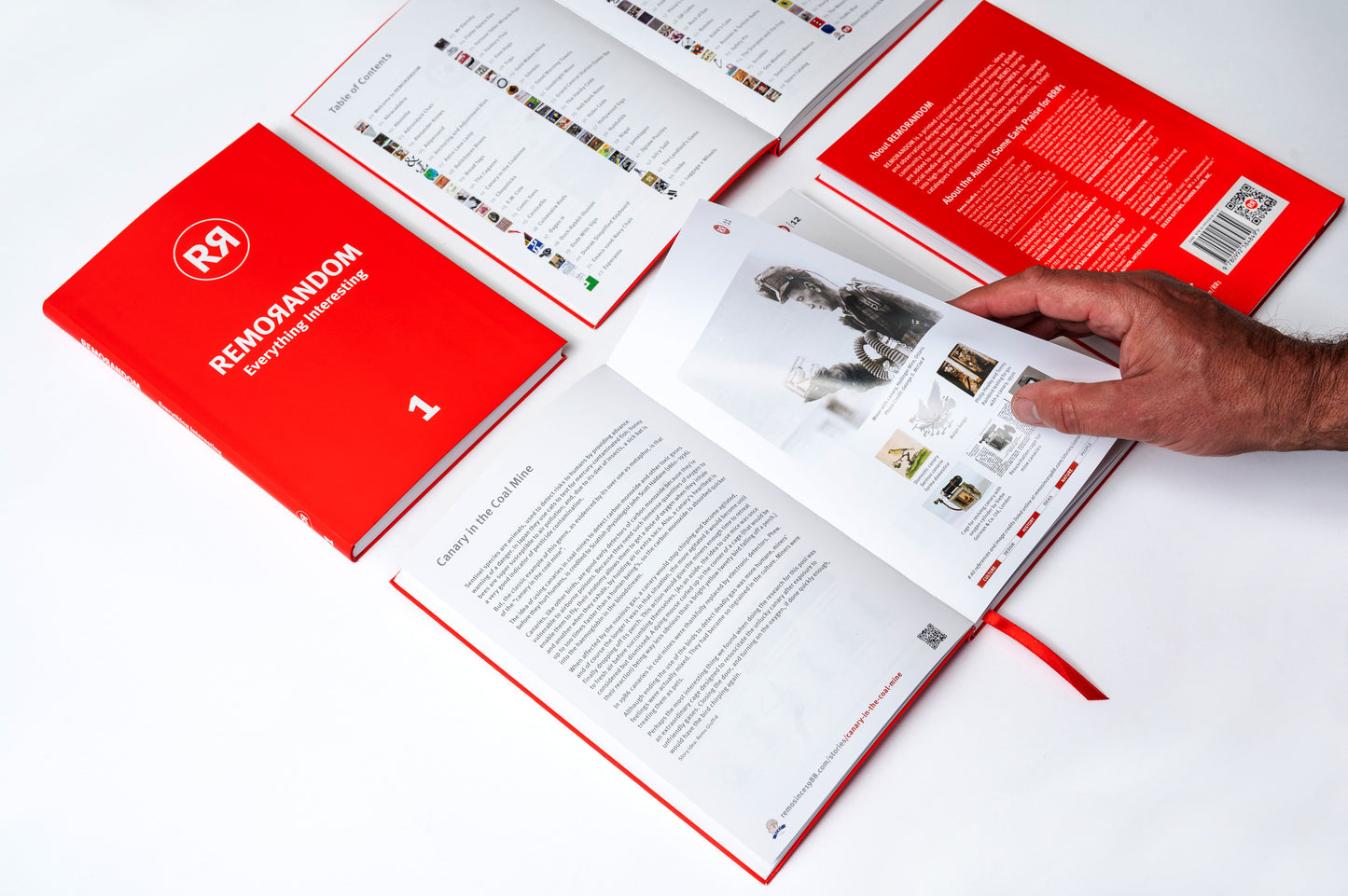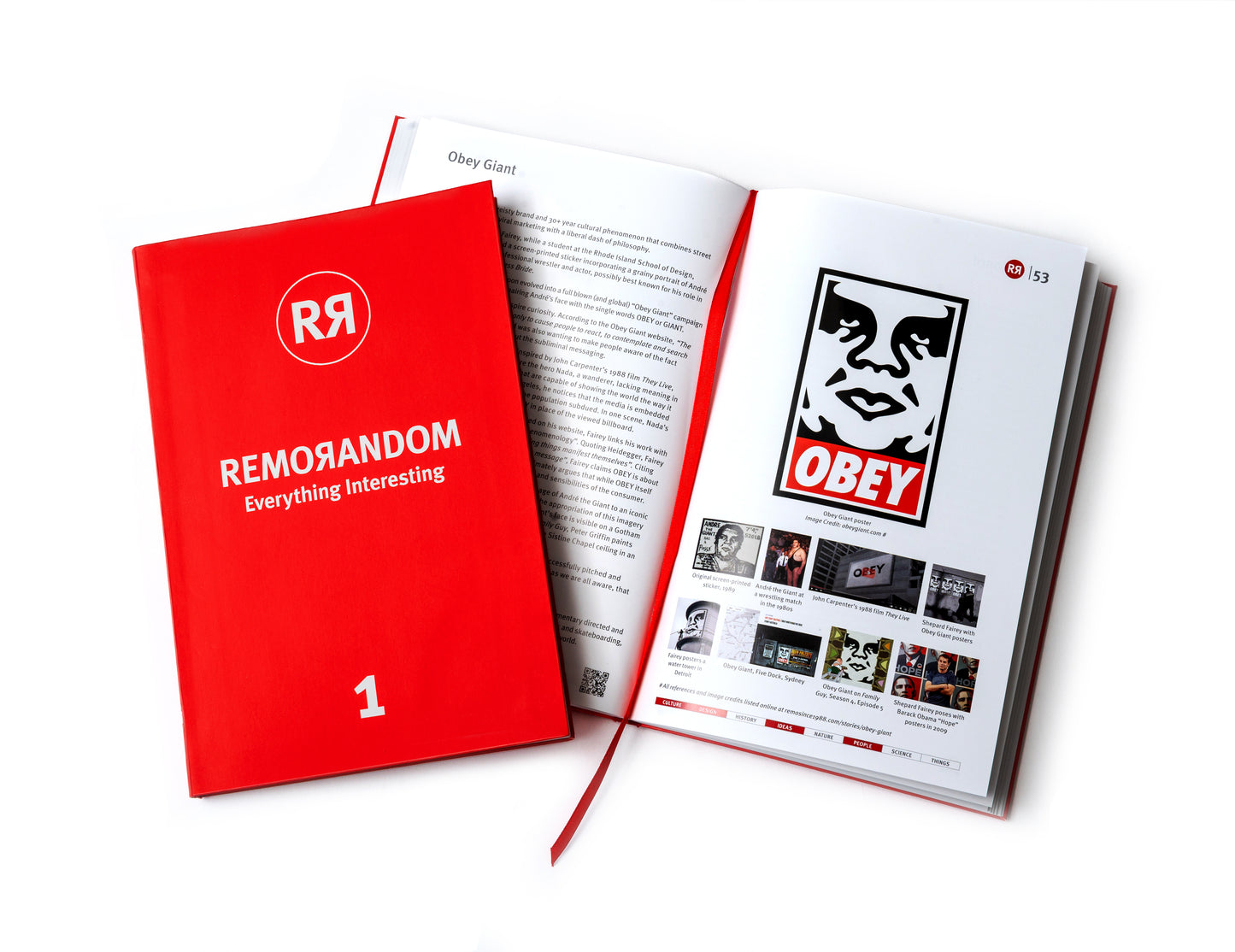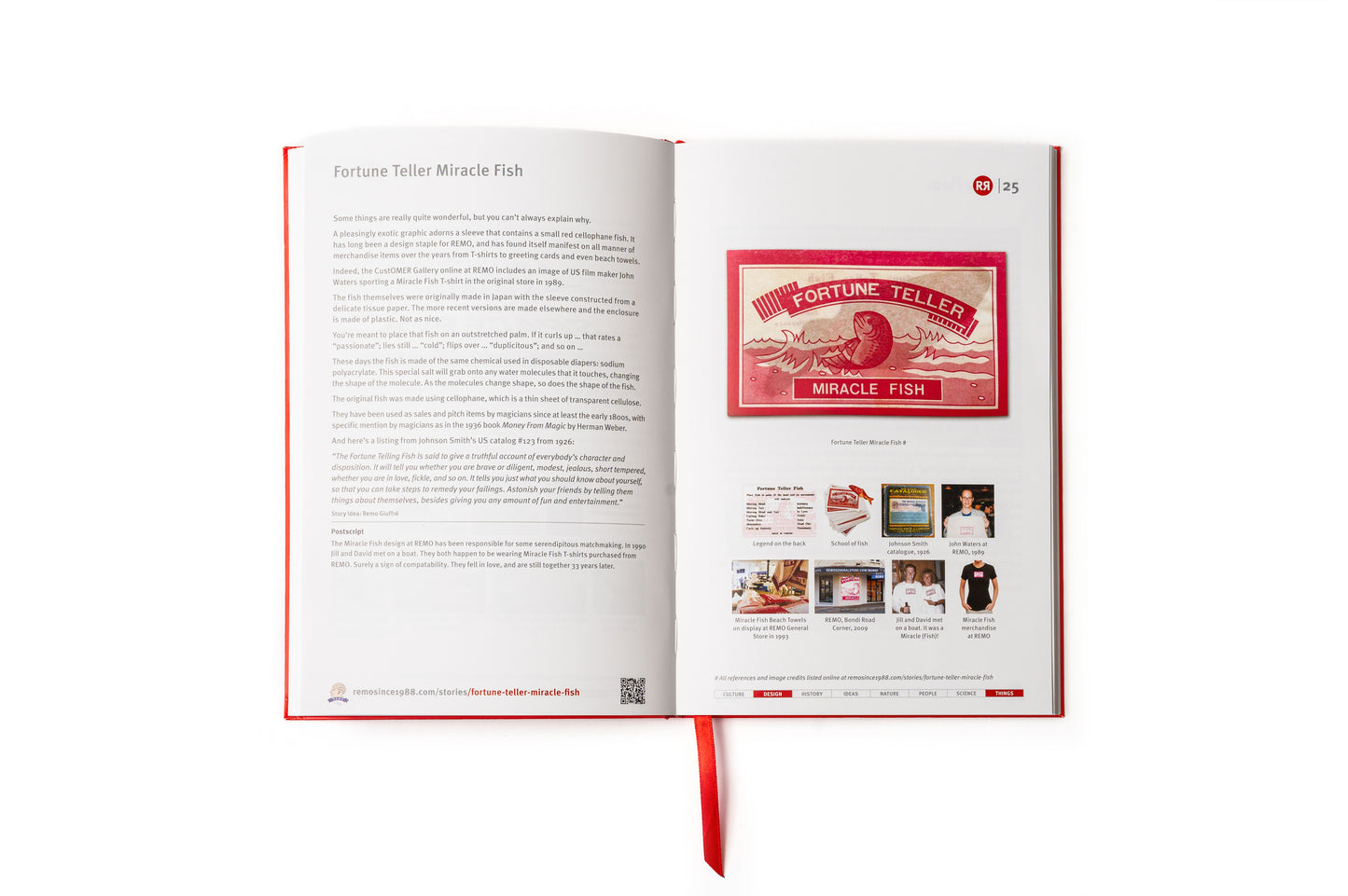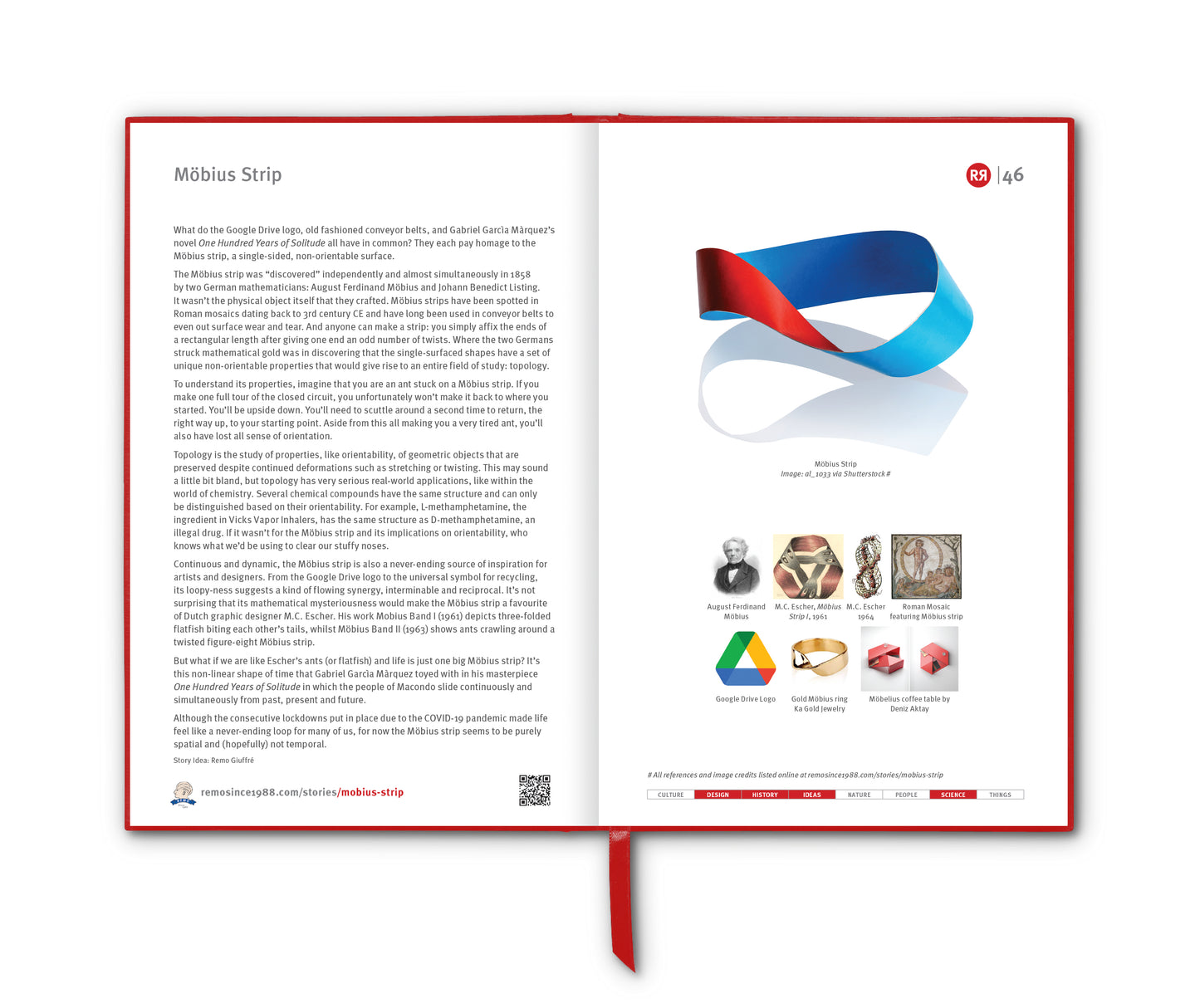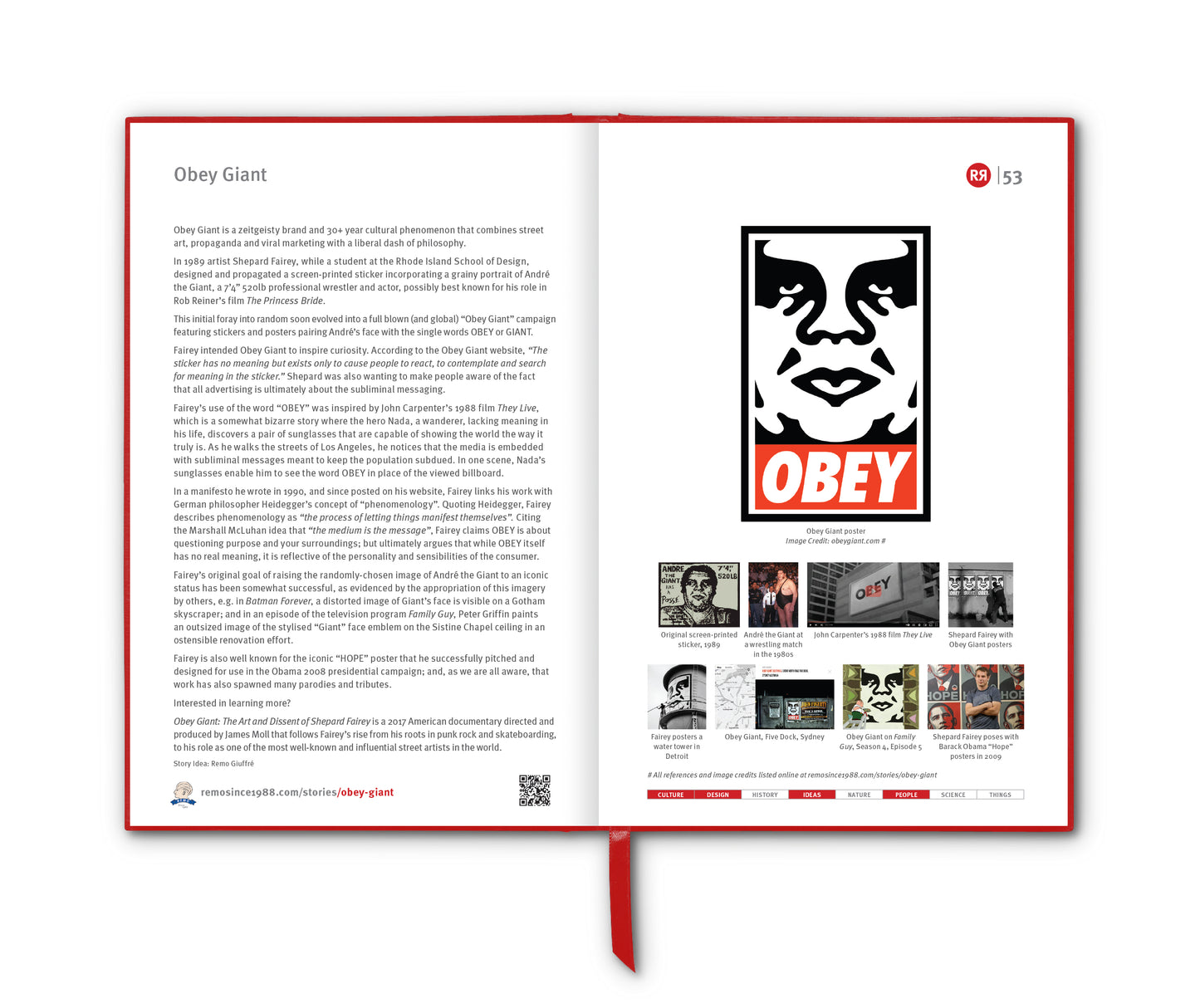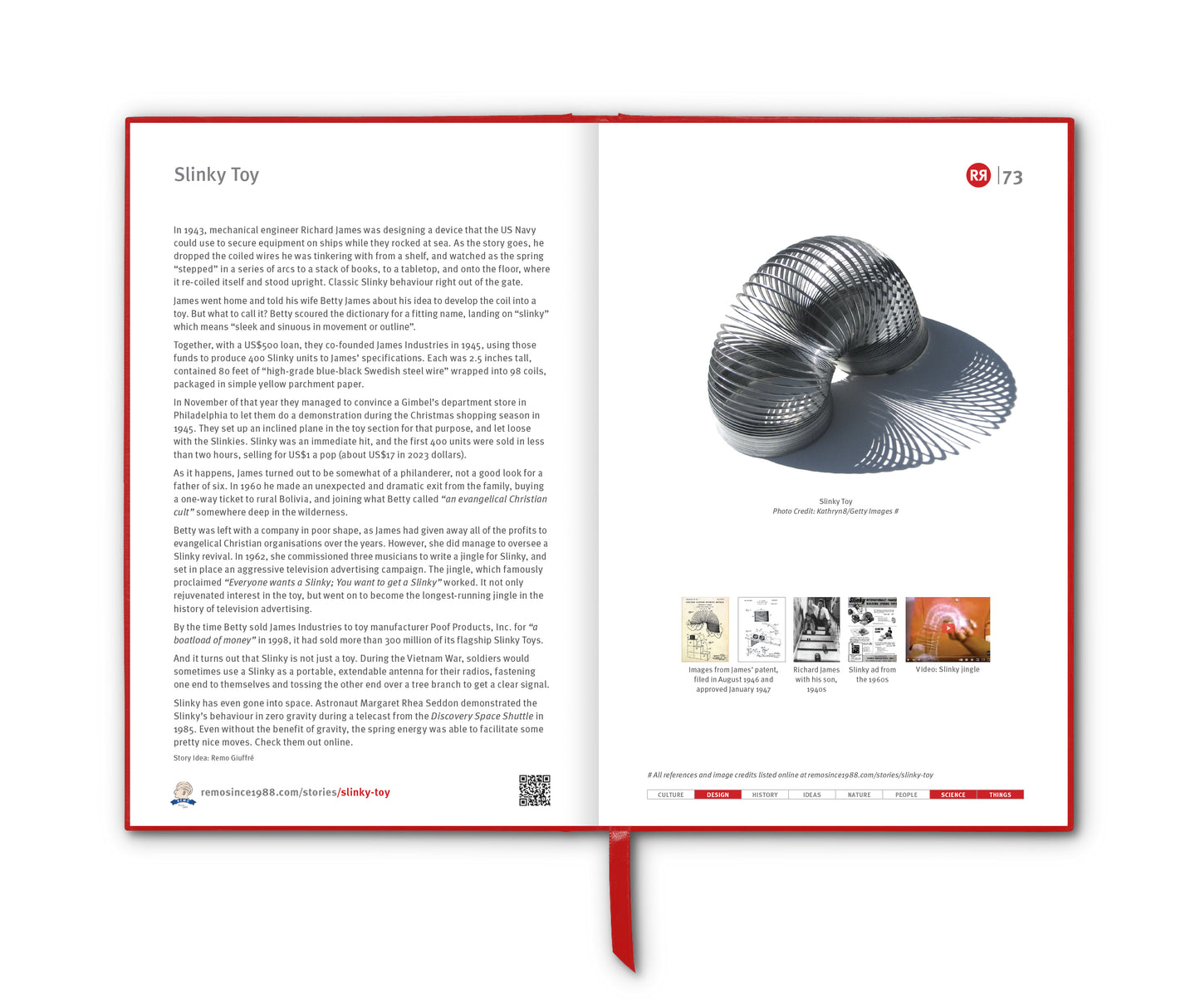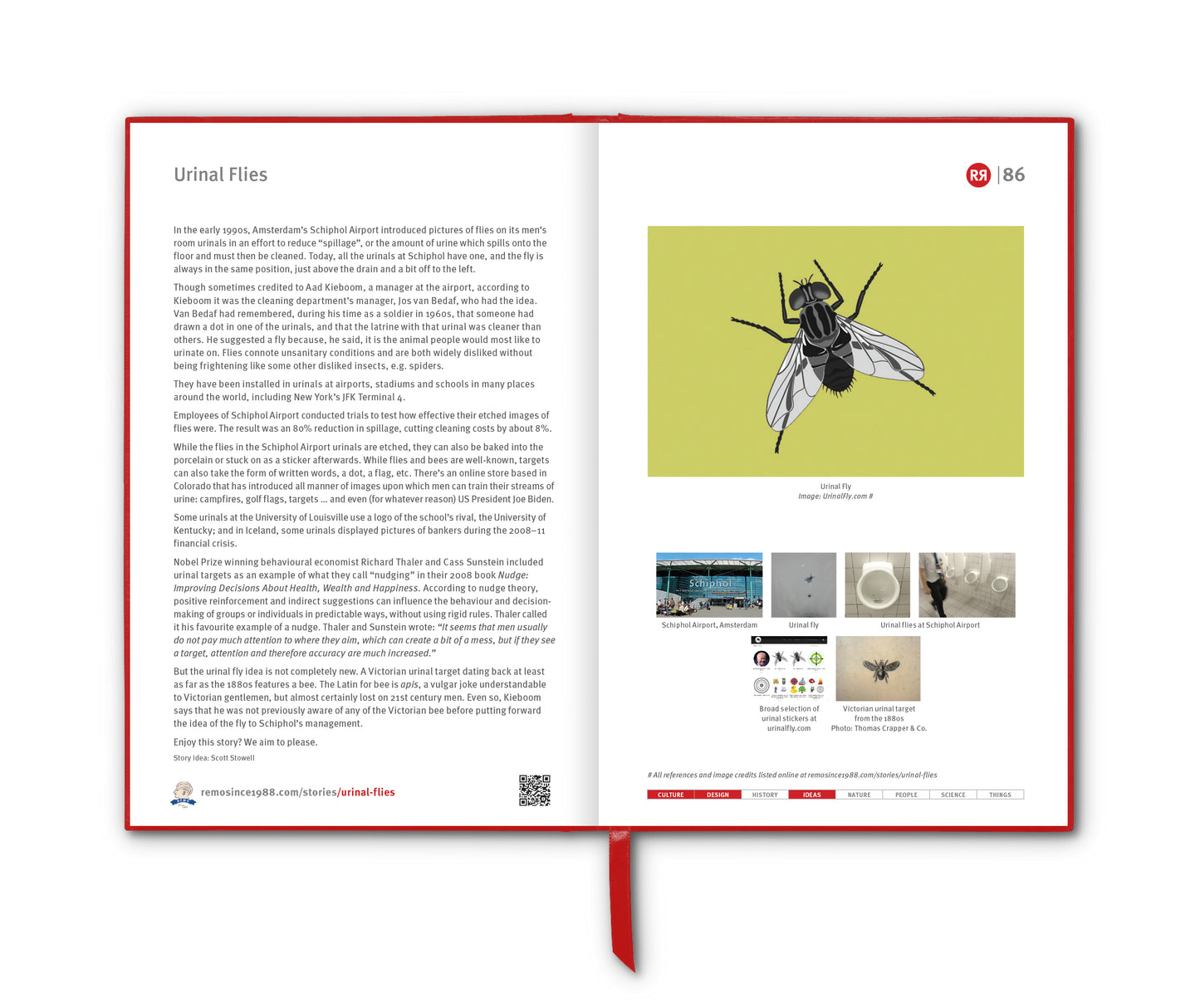

The Eurovision Song Contest is a long-running and somewhat eccentric television event – a dazzling mix of pop music, geopolitics, kitsch, nationalism, spectacle and genuine cultural exchange. It has a huge following around the world.
First staged in 1956, Eurovision was originally conceived not simply as entertainment, but as a technological and diplomatic experiment designed to unite postwar Europe through live television broadcasting.
The contest was inspired partly by Italy’s famous Sanremo Music Festival and organised by the European Broadcasting Union (EBU). The inaugural competition took place in Lugano, Switzerland, with just seven participating countries: Belgium, France, West Germany, Italy, Luxembourg, the Netherlands and Switzerland. Each nation entered two songs, and Switzerland’s Lys Assia became Eurovision’s first winner with the song Refrain.
What began as a modest black-and-white broadcast gradually evolved into a global cultural phenomenon watched by hundreds of millions. Over the decades Eurovision expanded far beyond Europe, eventually welcoming countries such as Israel and even Australia, whose enthusiastic fan base earned it a permanent invitation to compete.
Eurovision’s influence on popular music has been enormous. The Swedish group ABBA achieved international superstardom after winning the 1974 contest with Waterloo, famously beating Olivia Newton-John, who was then representing the United Kingdom and came in fourth. Céline Dion won for Switzerland in 1988 before becoming one of the world’s best-selling singers. The 1994 interval act in Dublin introduced Riverdance to the world, turning an Irish dance performance into a global theatrical sensation.
The contest has also become famous for its elaborate staging, flamboyant costumes and wildly unpredictable performances. Eurovision helped pioneer many elements of modern televised entertainment, from elaborate choreography and pyrotechnics to audience televoting. The now-famous “douze points” scoring system – in which countries award 12 points to their favourite act – was introduced in 1975 and became part of Eurovision folklore. Some find it confusing.
Yet Eurovision is never just about music. Political tensions frequently spill onto the stage. During the Cold War, voting patterns often reflected regional alliances, while modern controversies have centred on issues ranging from LGBTQI+ rights to wars and boycotts. Researchers have even studied Eurovision voting as a way of analysing cultural and political relationships between nations.
At the same time, Eurovision has become a celebration of identity, diversity and camp theatricality. In recent years the contest has embraced a broader range of languages and musical styles after decades dominated by English-language pop songs.
In 2026 Bulgaria’s Dara (Darina Yotova) won Eurovision with “Bangaranga.” Watch that winning performance HERE.
Story Idea: Melanie Giuffré
___________________________
References
wikipedia.org/wiki/History_of_the_Eurovision_Song_Contest
eurovision.com/
britannica.com/art/Eurovision-Song-Contest
wikipedia.org/wiki/Eurovision_Song_Contest
Images
1. Eurovision Song Contest scoreboard, 1960
2. Lys Assia, the winner of the first Eurovision Song Contest in 1956
3. Gustav Winckler and Birthe Wilke, representing Denmark at the 1957 contest in Frankfurt.
4. Dana became the first of seven Irish winners at the 1970 contest in Amsterdam.
5. Countries which have hosted the Eurovision Song Contest as of 2026: single hosting (green) and multiple hostings (pink)
6. Video: Waterloo (LIVE), ABBA from Sweden 🇸🇪 | Winner of Eurovision 1974
7. Conchita Wurst became the second Austrian artist to win the contest in 2014
8. Eurovision watch party. Credit: Reddit.com/r/eurovision
9. Cartoon by Mads Horwath for The New Yorker, 2026
10. Poster for Eurovision Song Contest: The Story of Fire Saga, Netflix, 2020
11. Bulgarian singer Dara is the most recent winner of the contest with "Bangaranga"