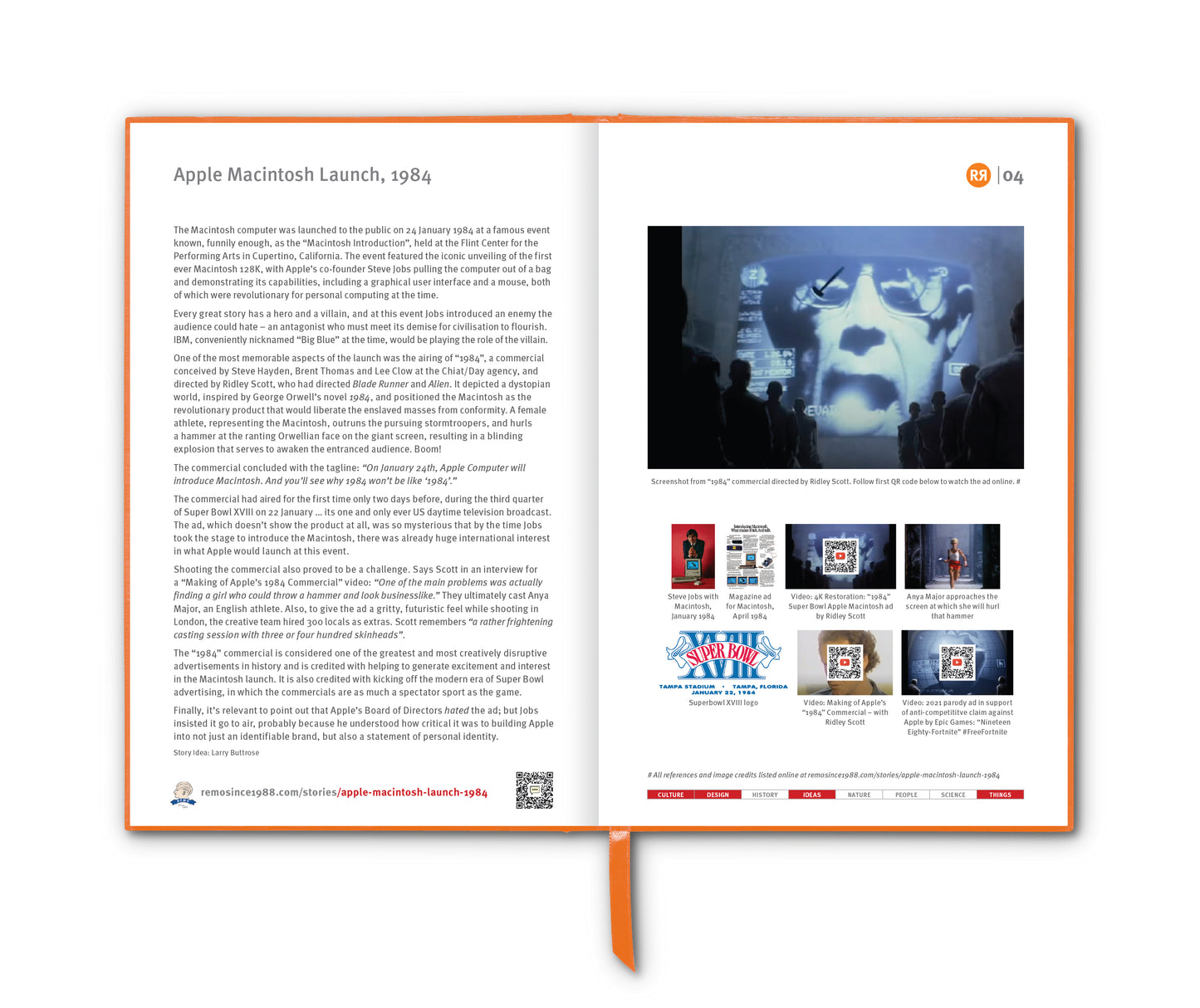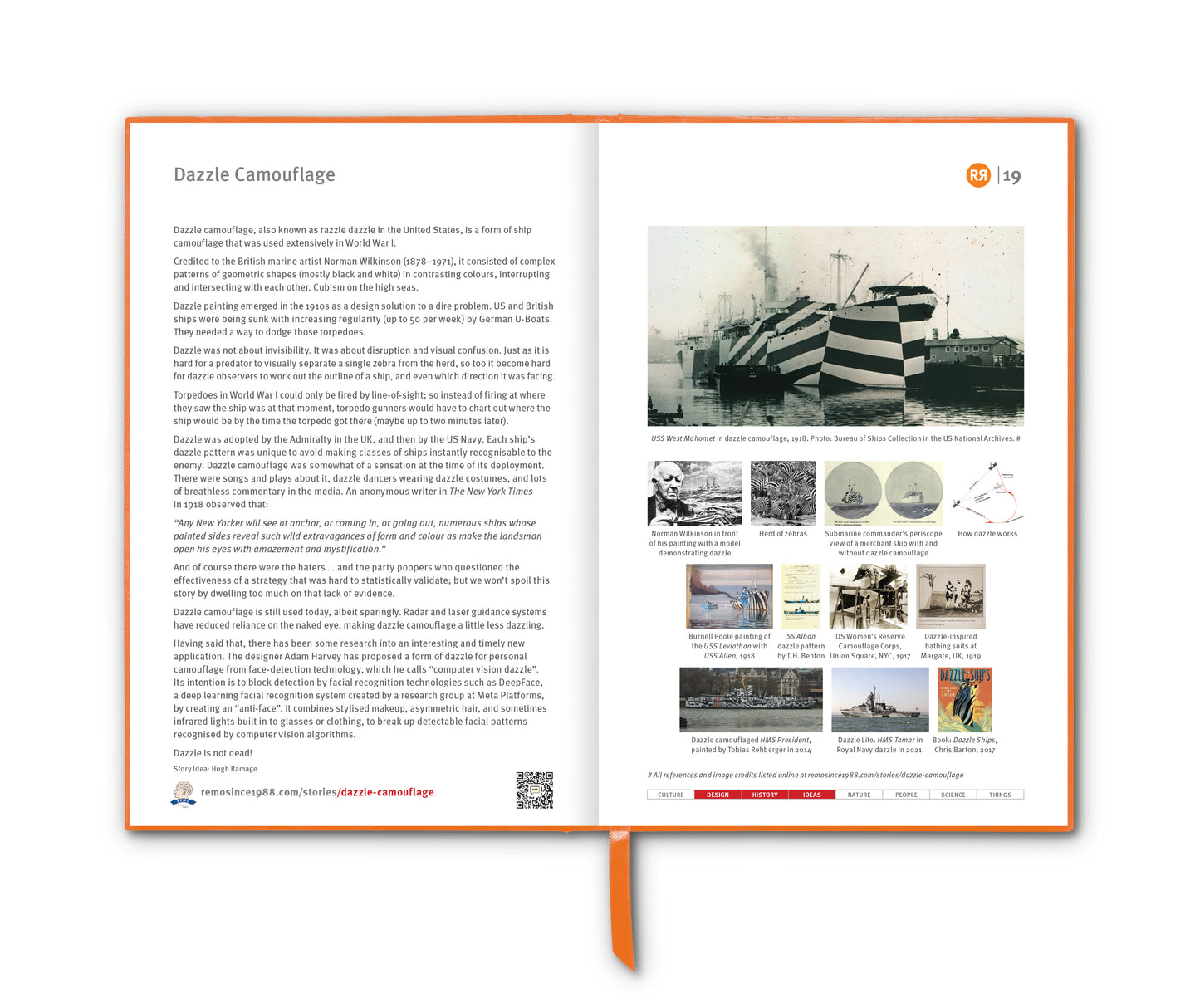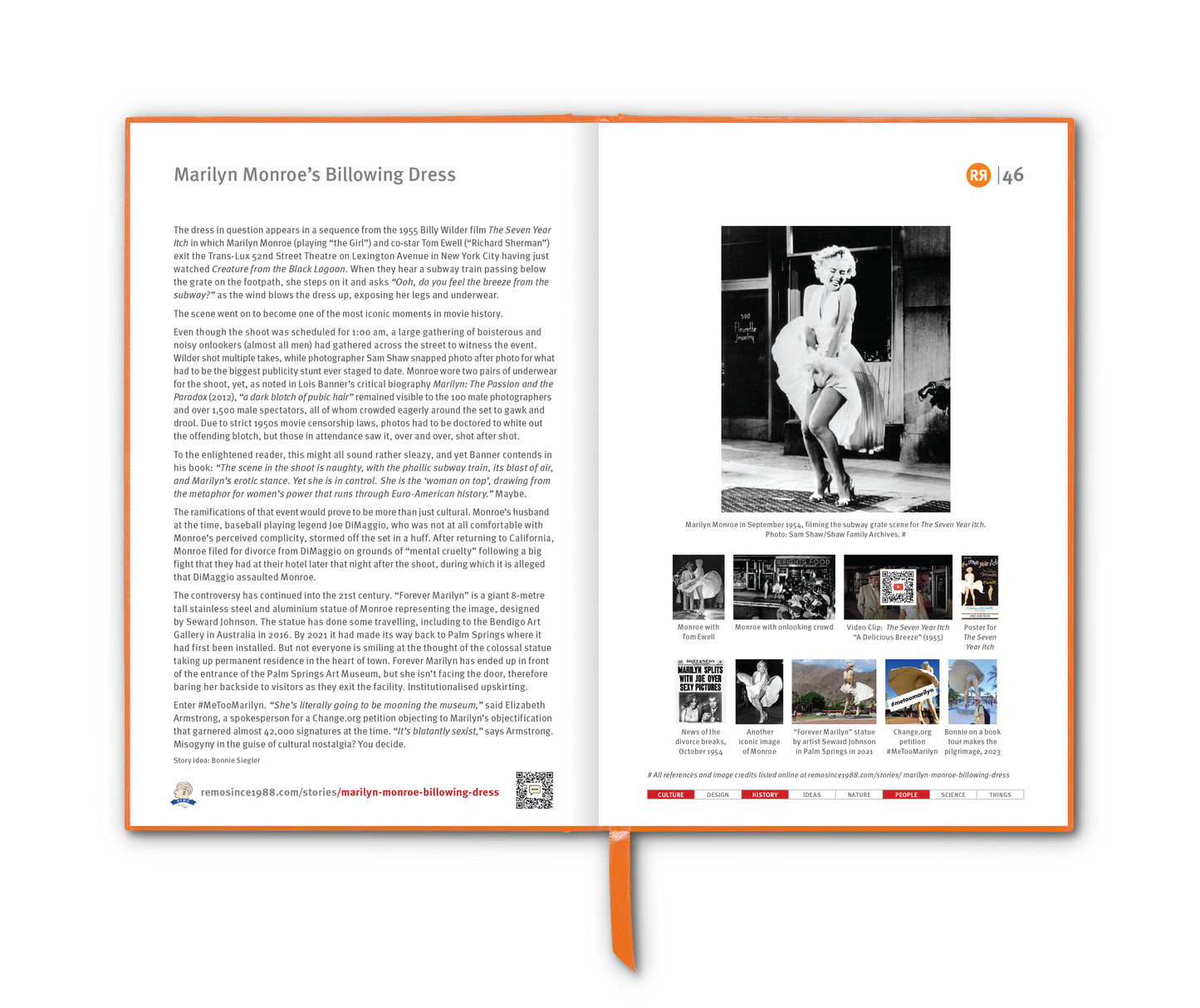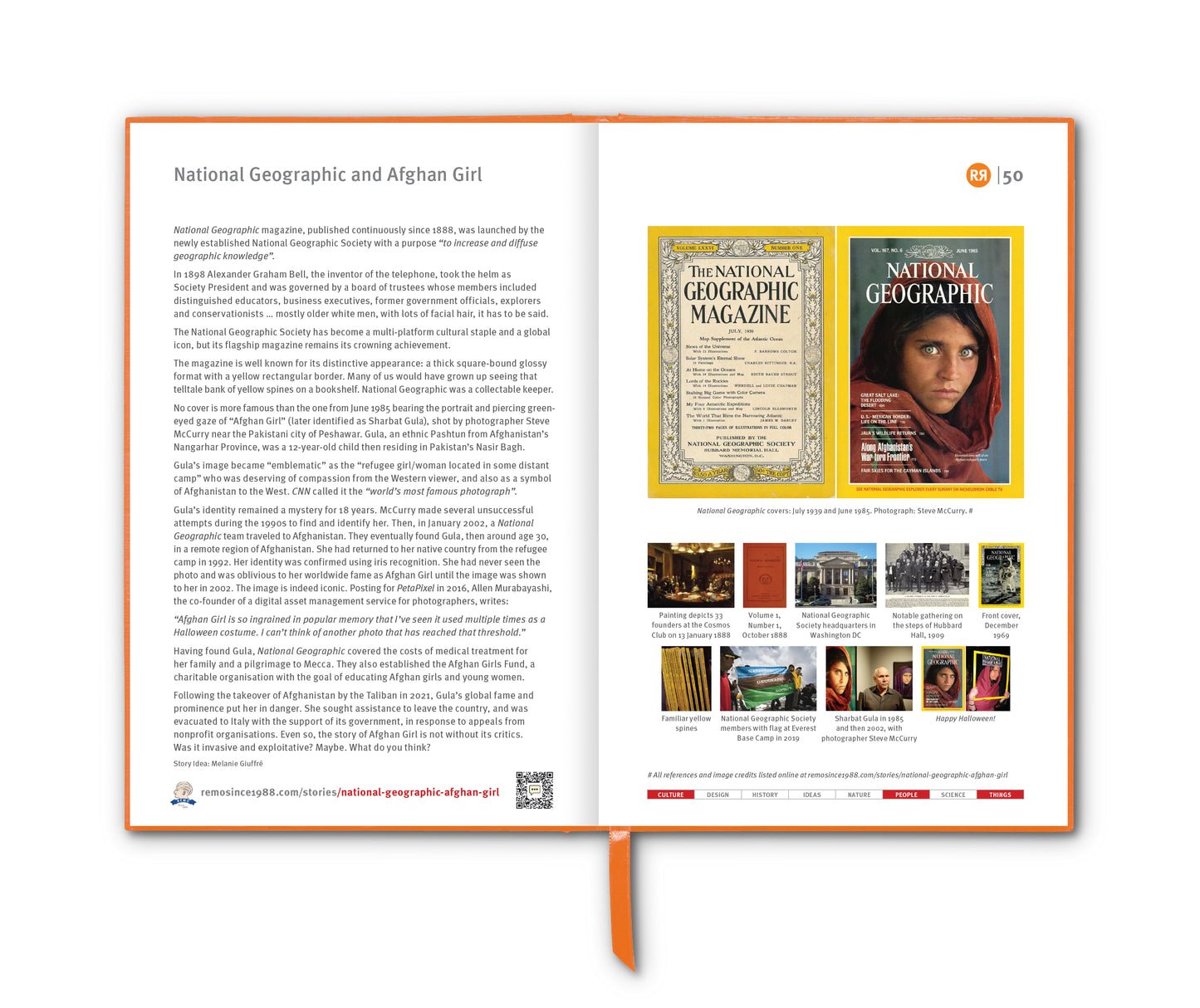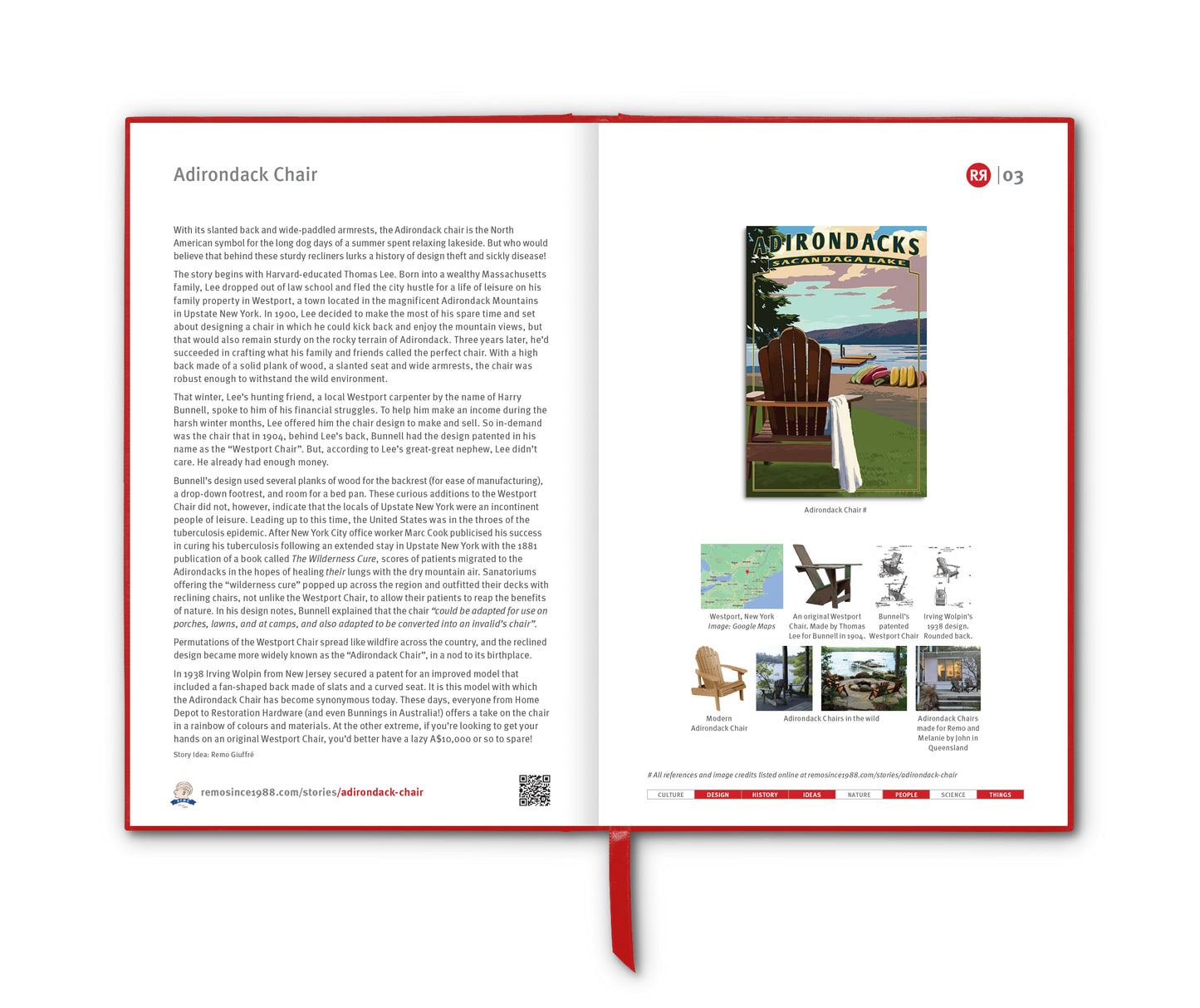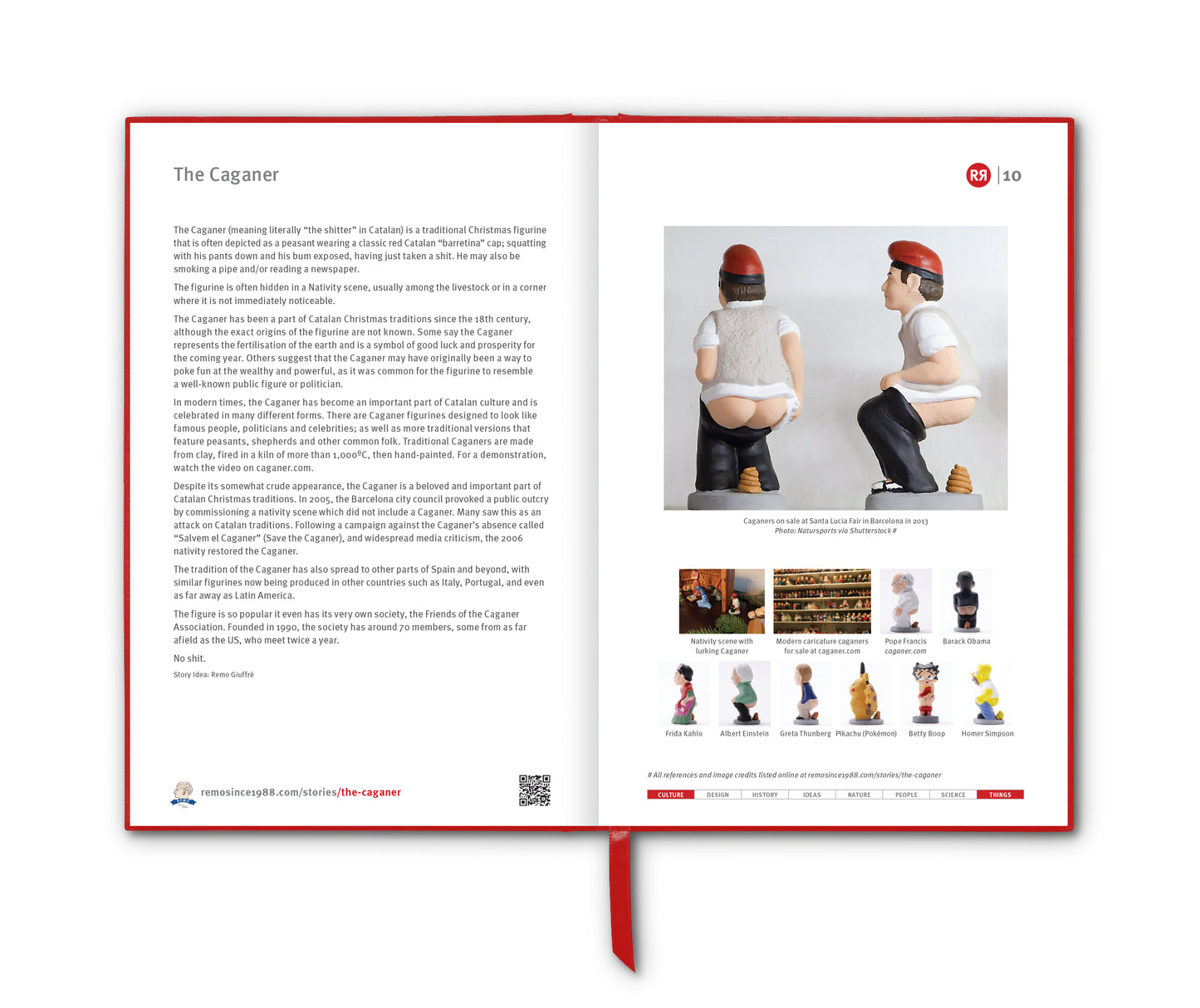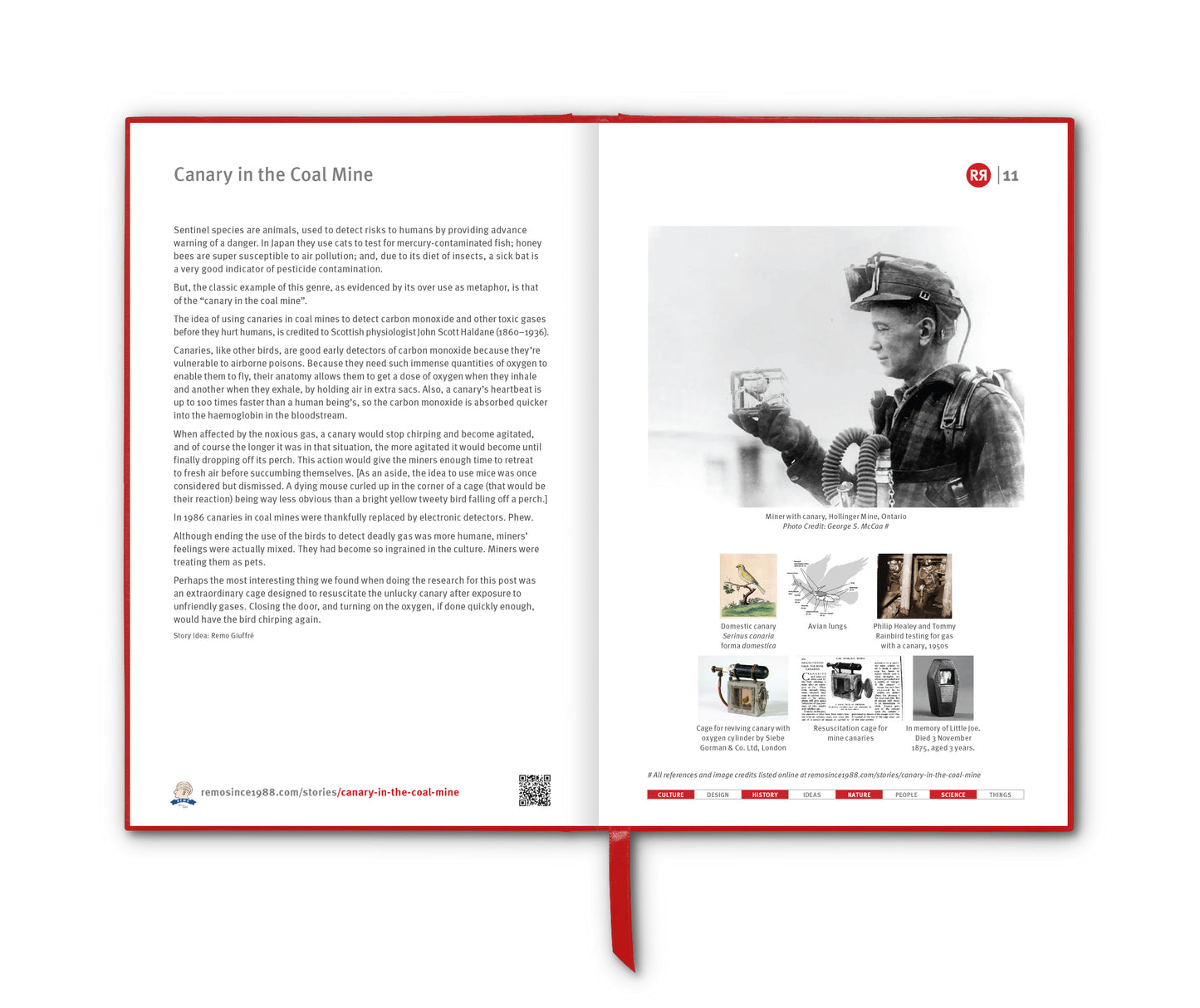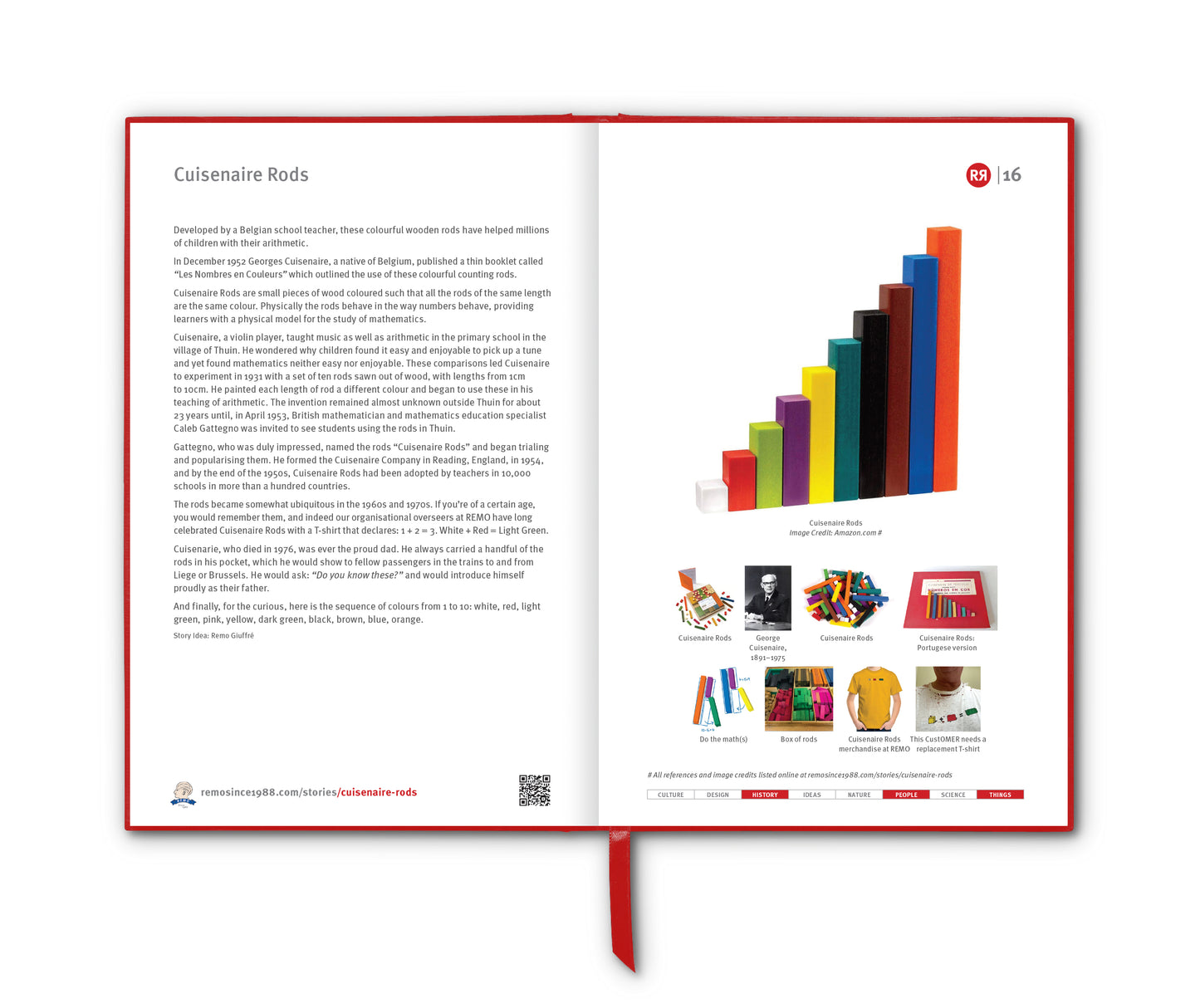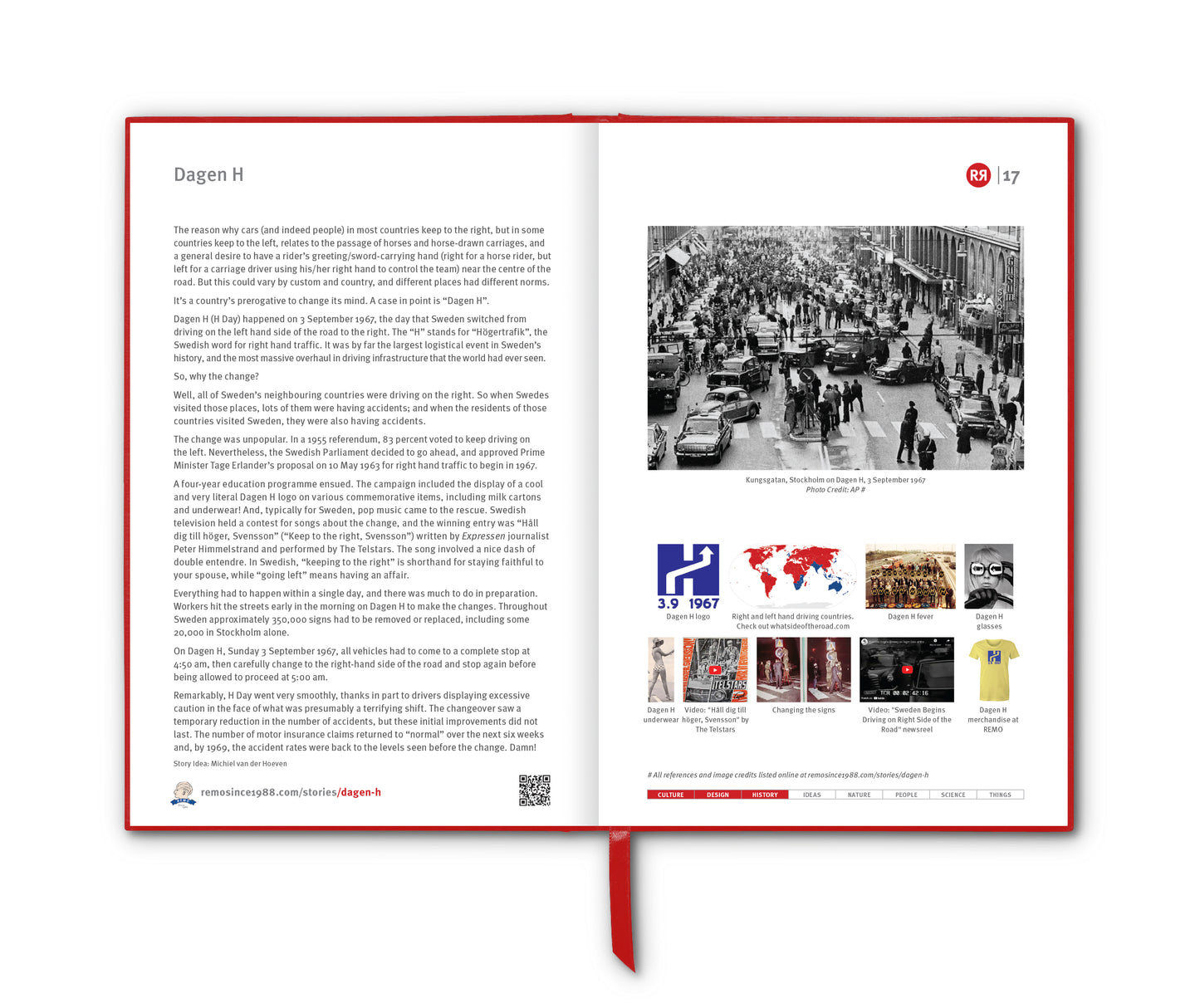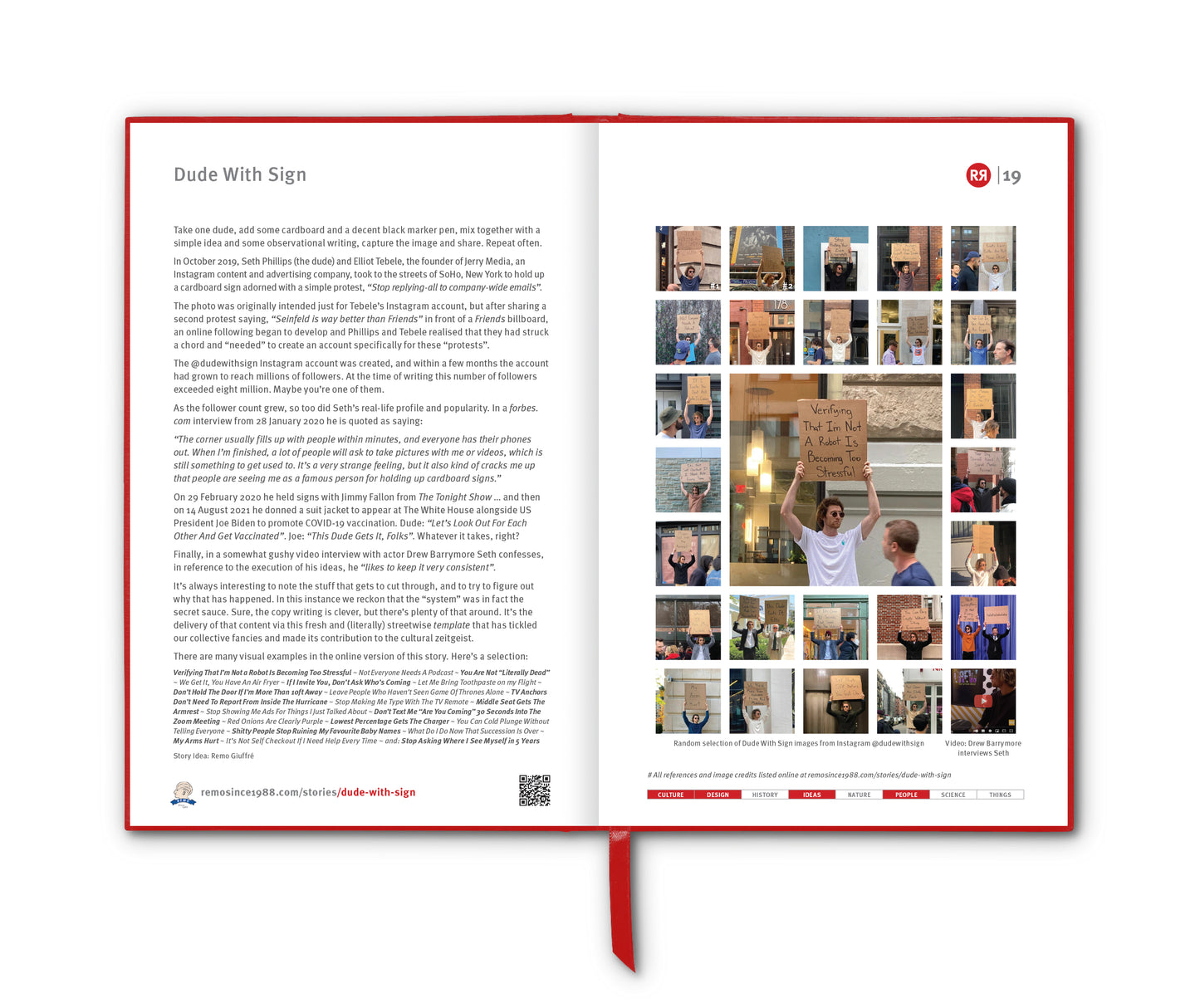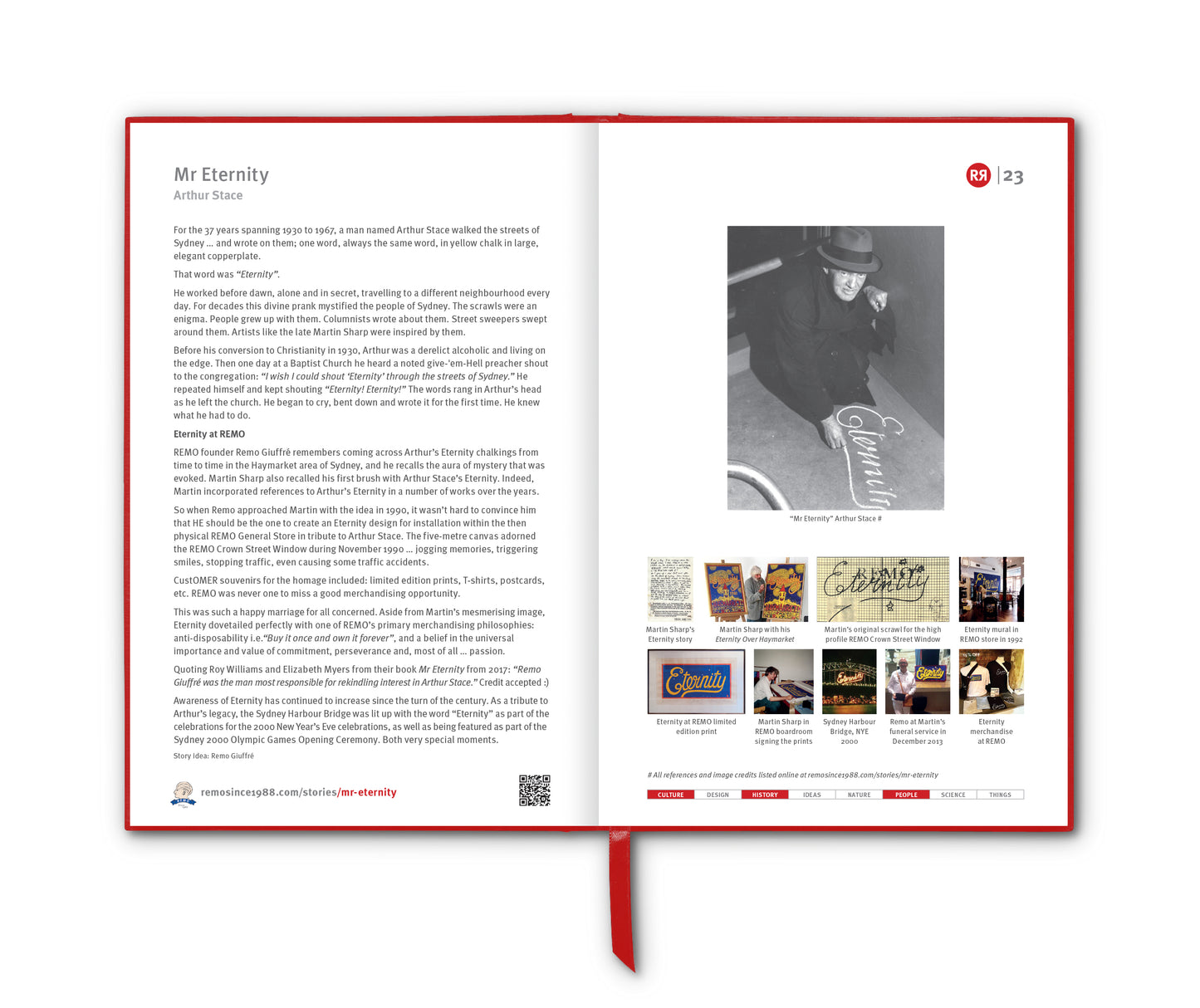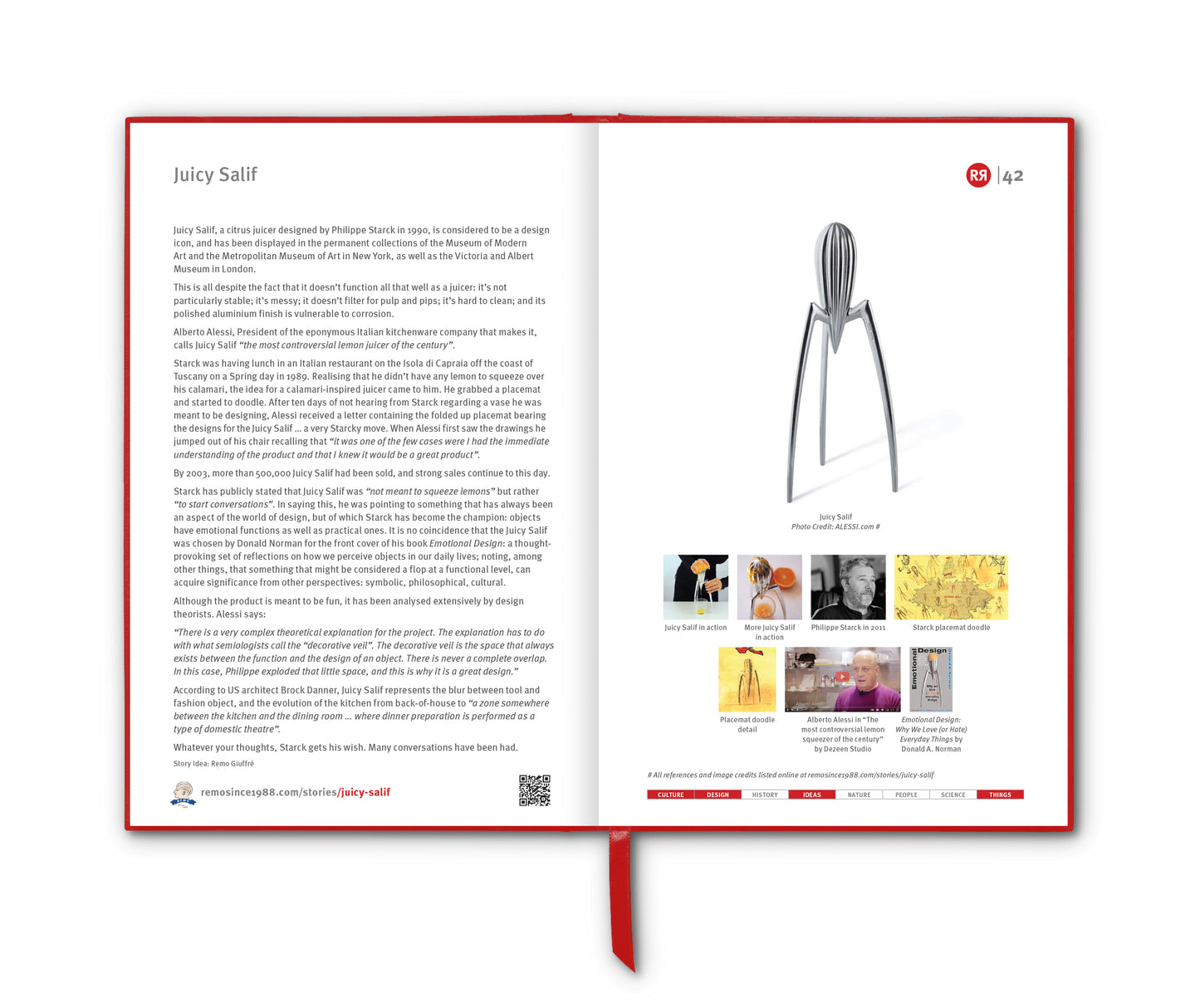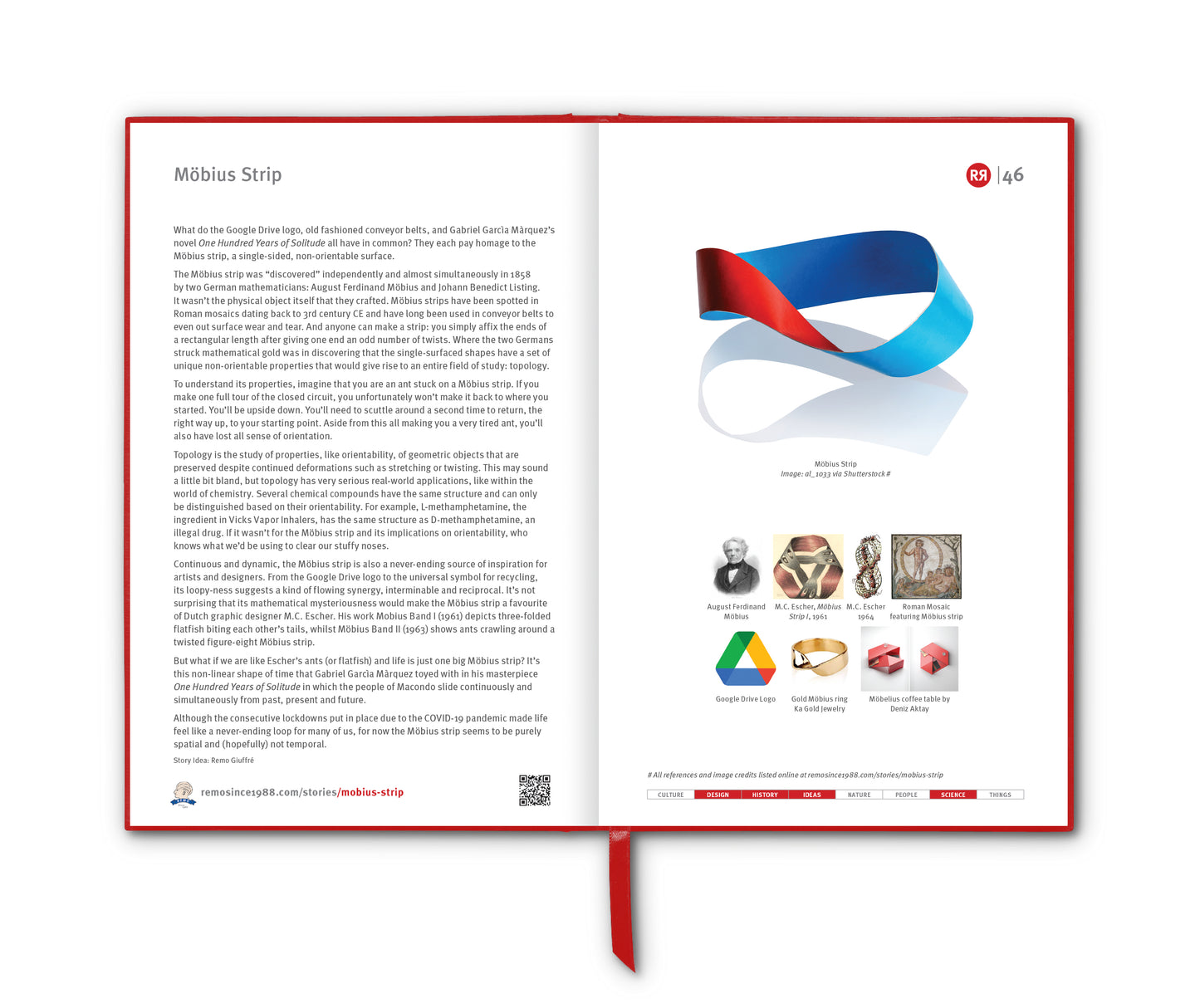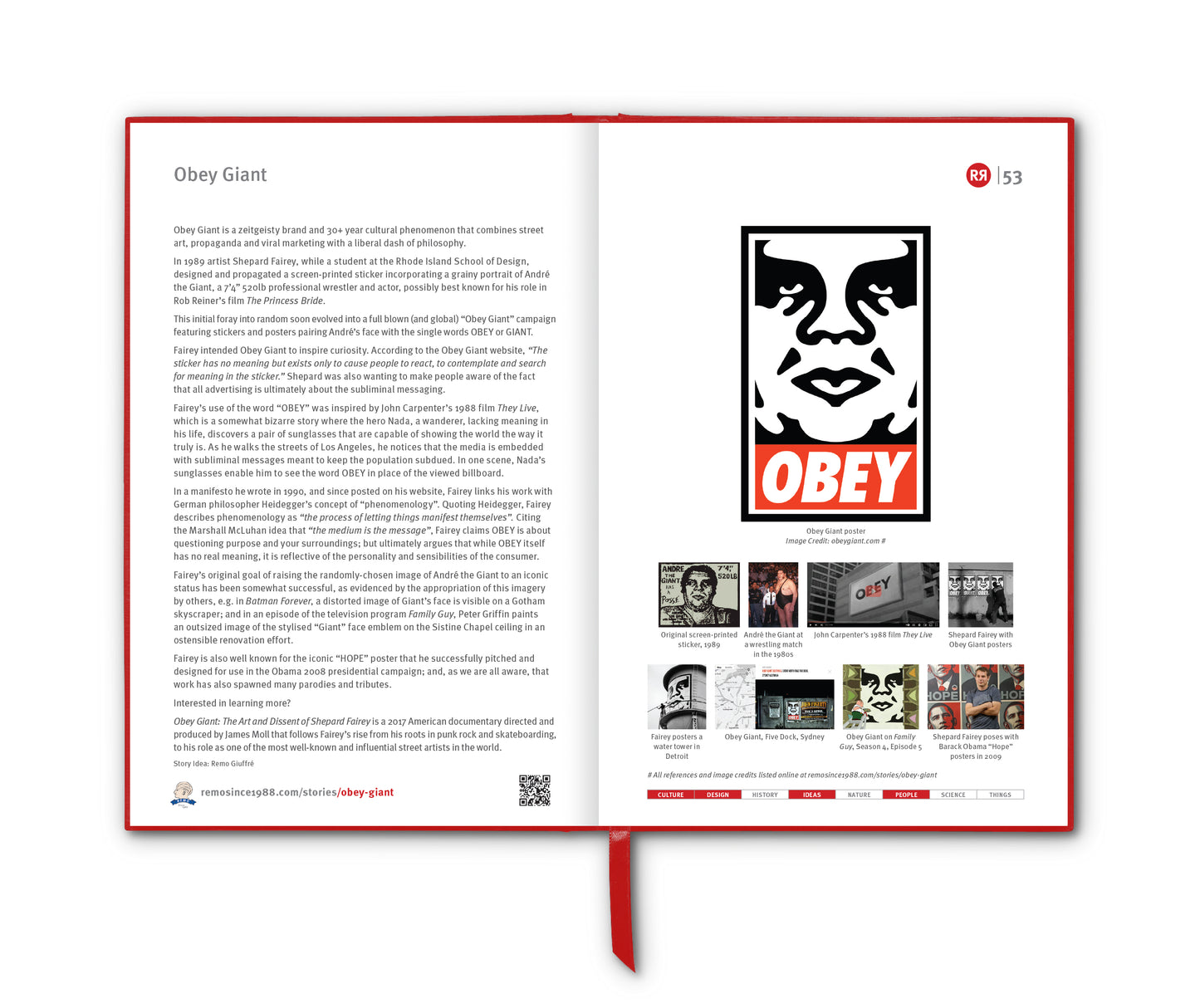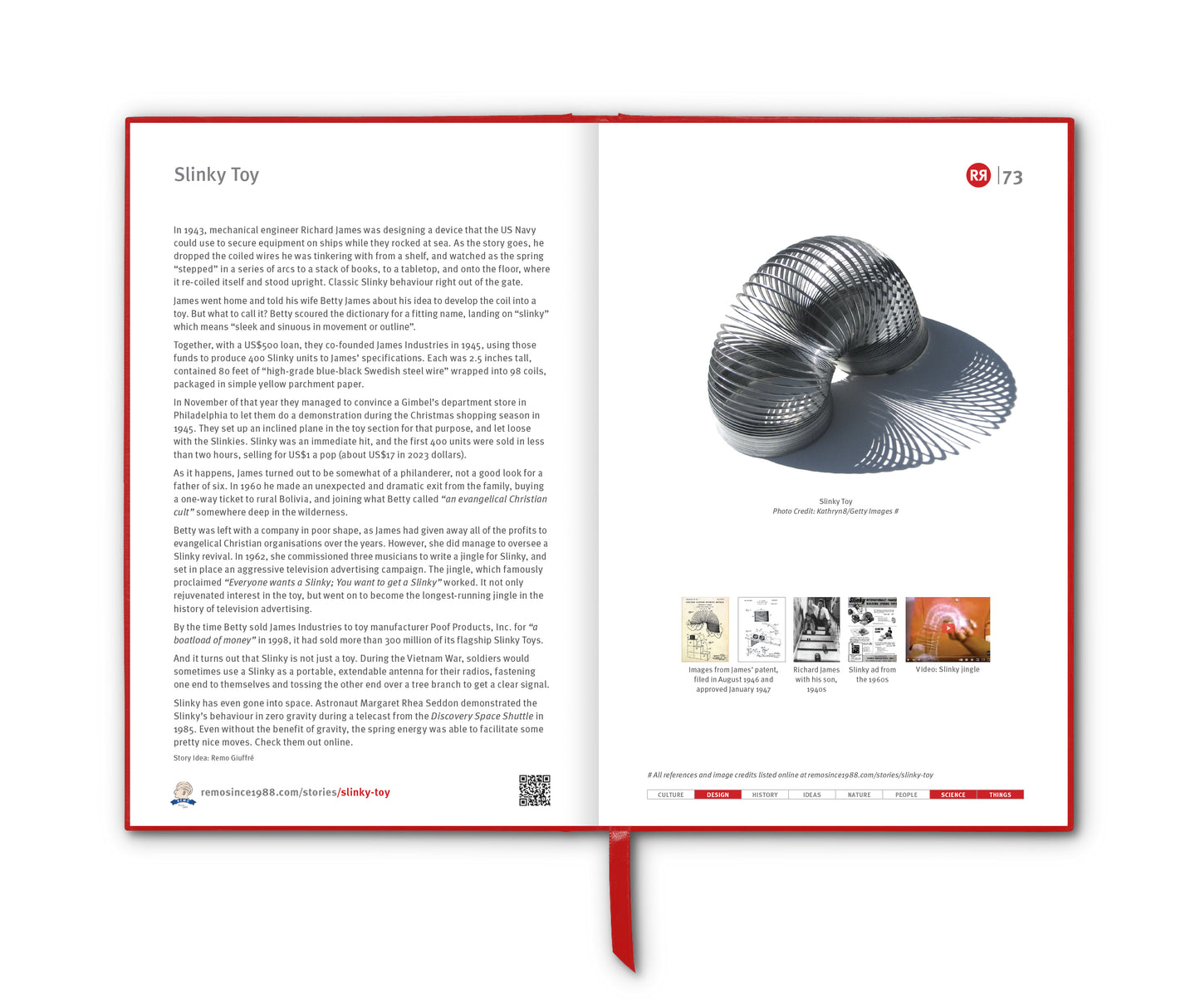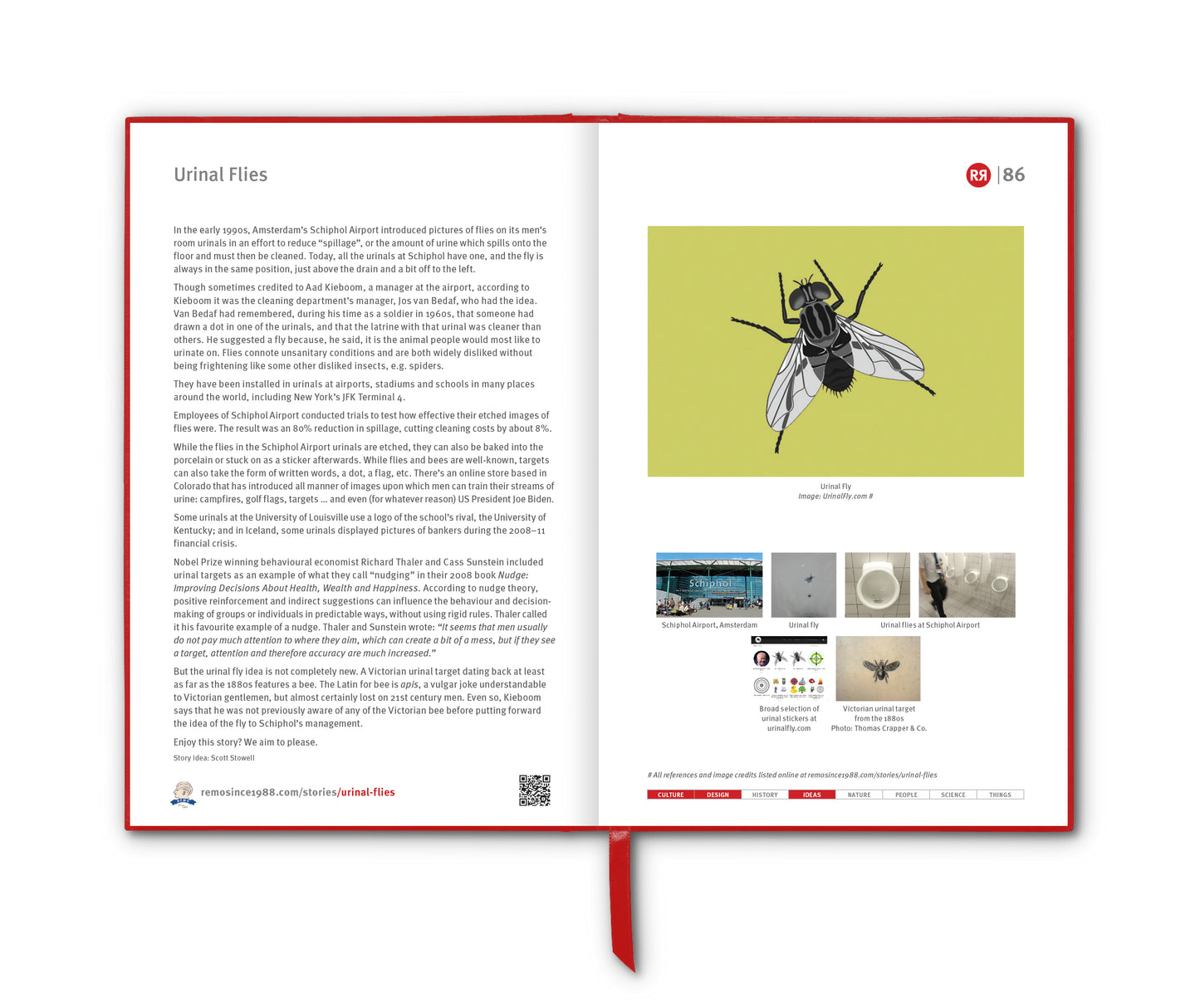

The story of Steinway & Sons begins in 1853, when German immigrant Heinrich Engelhard Steinweg—who had been building pianos in his kitchen back in Seesen, Germany – founded the company in a small loft in New York City. Soon after anglicising his name to Henry E. Steinway, he and his sons began crafting instruments that would revolutionise piano design.
The Steinways were meticulous innovators, filing over a hundred patents that refined everything from string tension to soundboard resonance. By the late 19th century, Steinway pianos were synonymous with quality and aspiration, the choice of both concert halls and affluent homes.
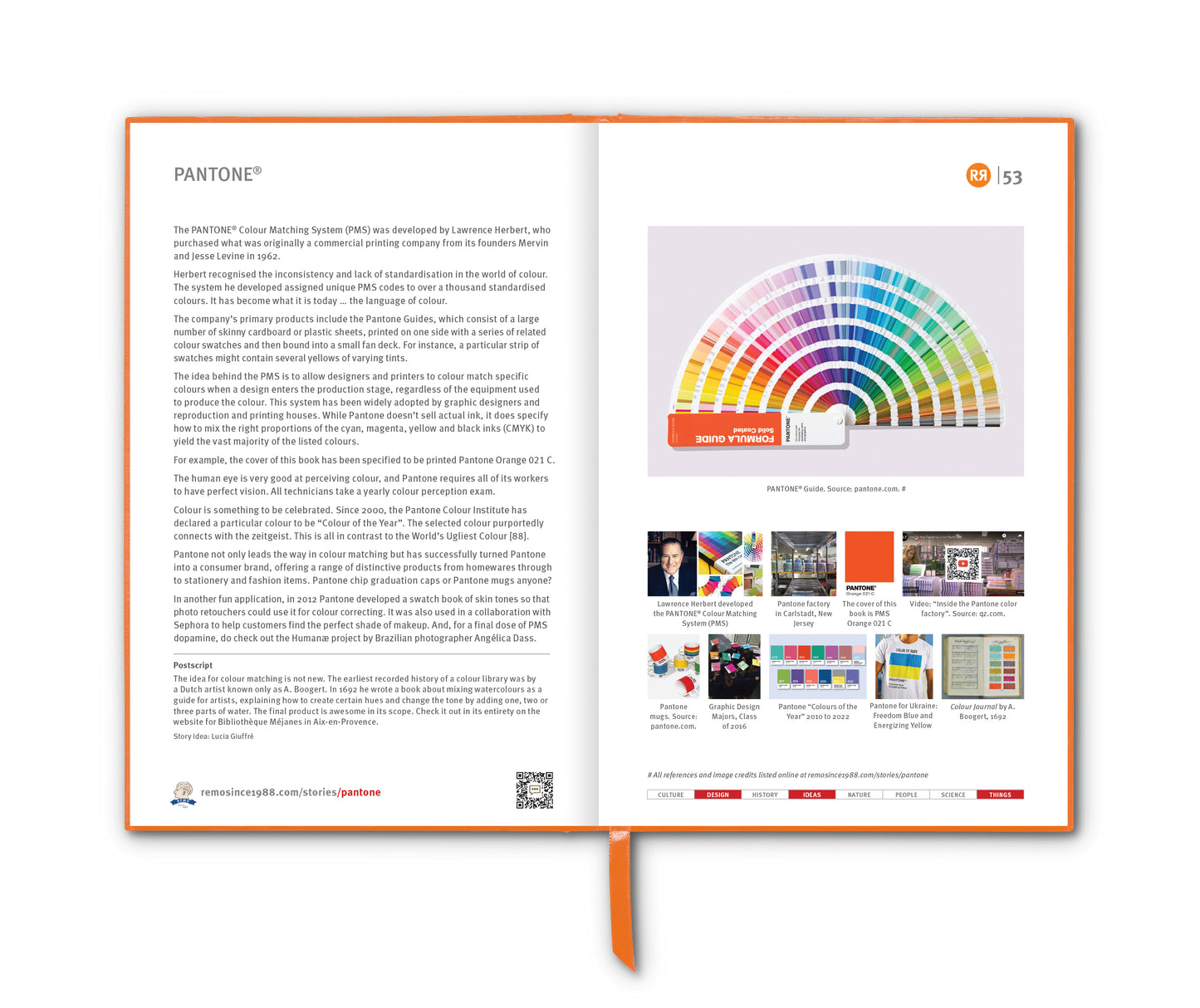
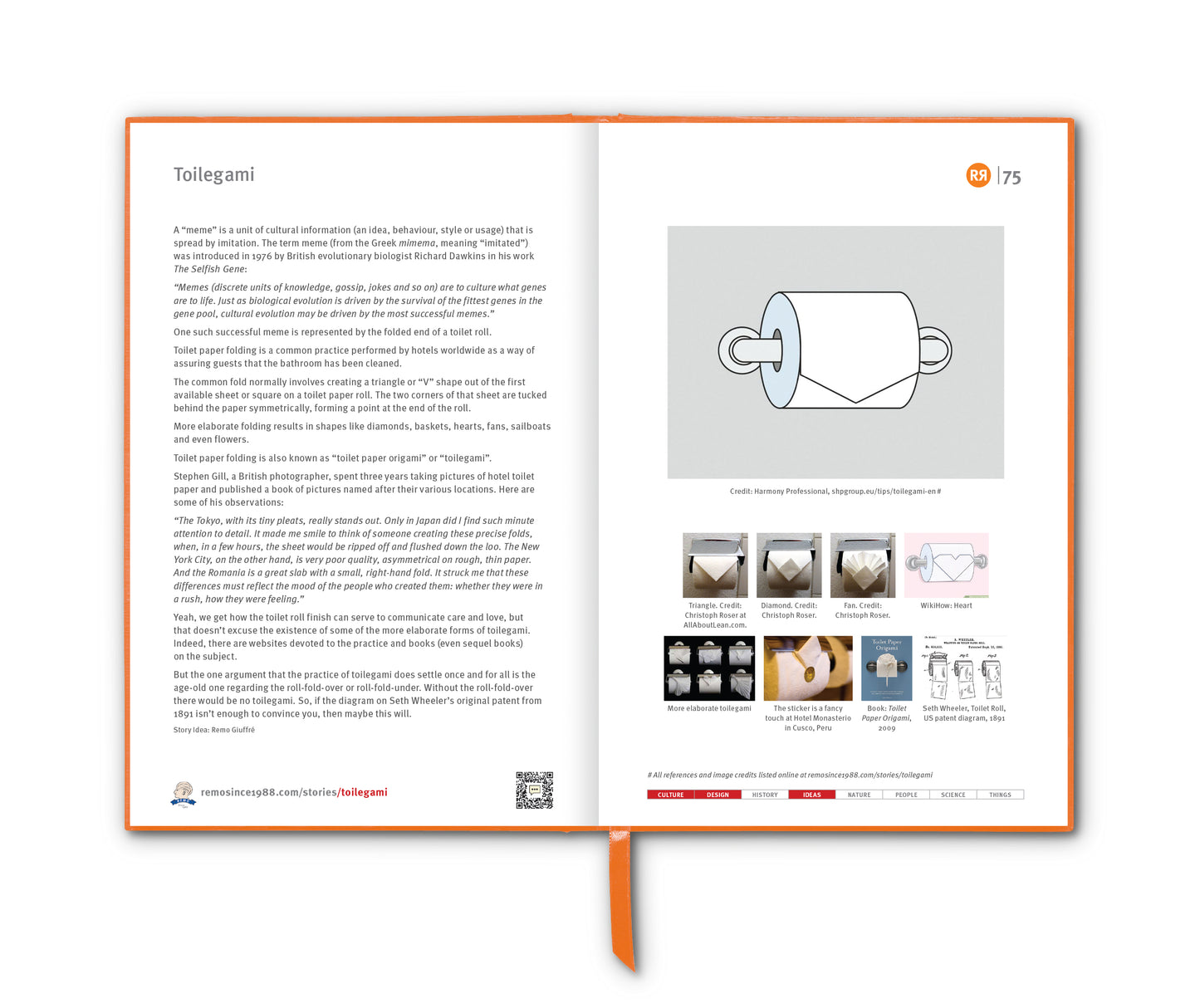
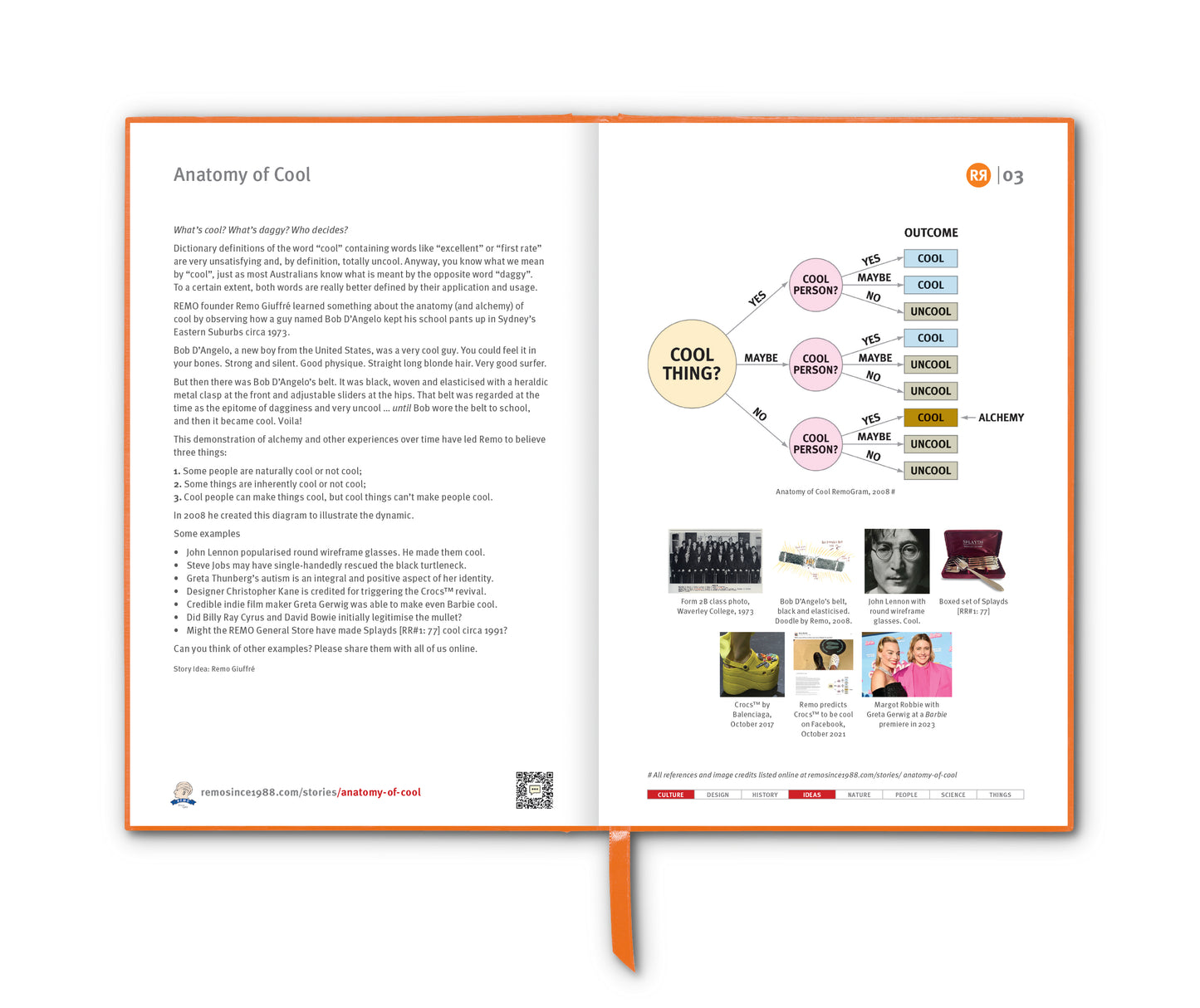
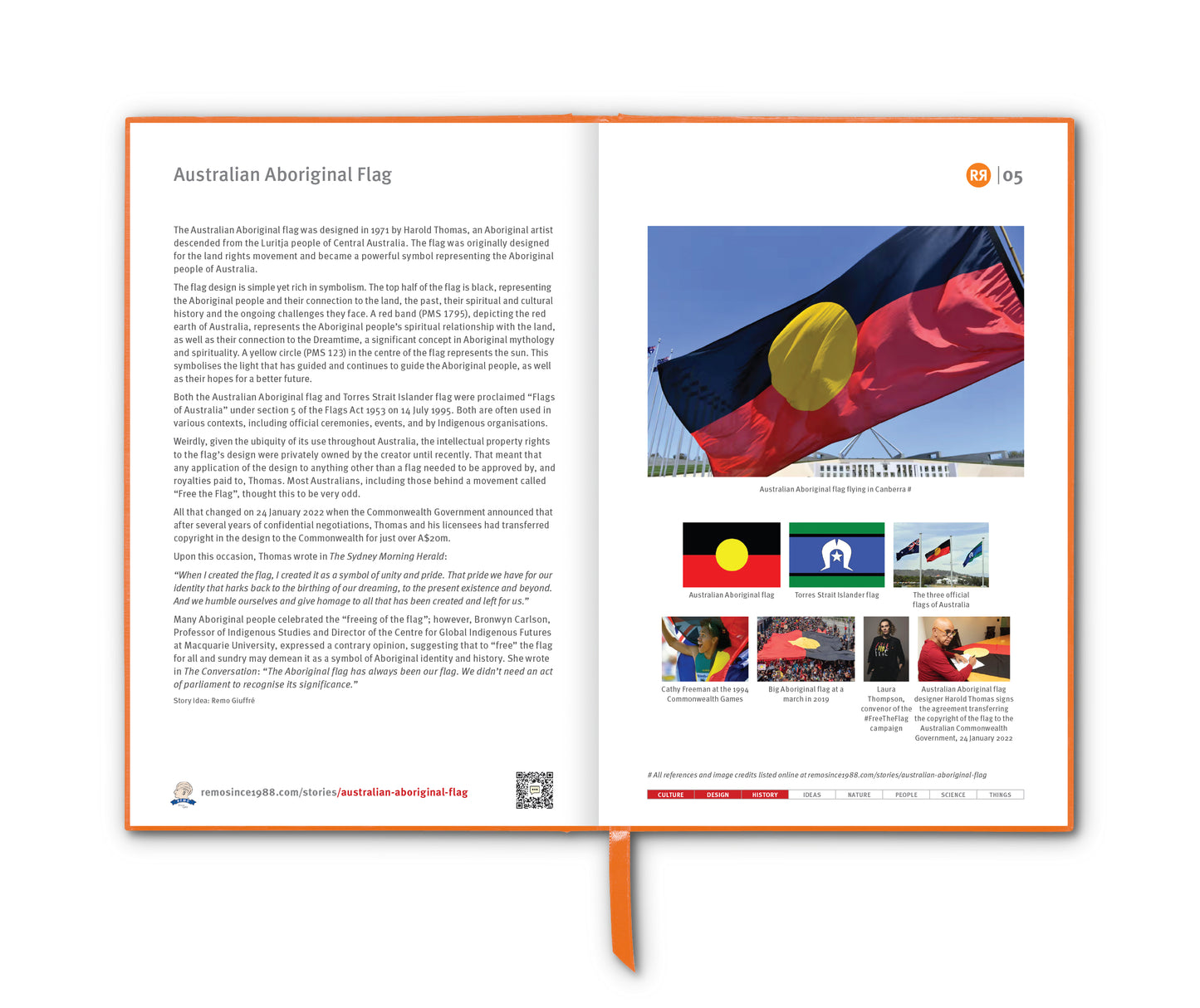
The Steinways’ genius lay in combining craftsmanship with industrial precision. They perfected the “cross-stringing” technique, where bass strings cross over the treble strings, allowing for a richer, more resonant tone. Their rim-bending process – still used today – creates the curved body from layers of hard rock maple wood pressed together under immense pressure, giving the instrument its strength and signature sound. Every piano, even now, takes nearly a year to build, with thousands of parts assembled largely by hand in factories in Queens, New York and Hamburg, Germany.
But are Steinway pianos really better than the rest? That question stirs endless debate among musicians. Admirers praise the Steinway’s warmth, dynamic range and the way it seems to “breathe” with the performer. Its tone can be dark and thunderous or delicate and bell-like – depending, they say, on who’s playing. Critics argue that Steinways have coasted on their reputation, and that rival makers like Bösendorfer, Fazioli and Yamaha’s concert grands can match or surpass them in certain qualities. Fazioli, for instance, is often described as having more clarity and precision; Bösendorfer pianos are famed for their extra bass notes and Viennese glow. Some pianists even describe Steinways as “inconsistent,” since every instrument – being handmade – has a slightly different feel and voice.
Yet that inconsistency is part of the mystique and appeal. A Steinway isn’t meant to be perfect; it’s meant to be alive. Pianists choose their Steinway like a partner, visiting the factory to test dozens until one “speaks” to them. The Steinway Artist Program formalises this relationship. Starting in the 19th century, it invites professional pianists – without payment – to become Steinway Artists, a sort of musical fellowship. In exchange for their endorsement and agreement to play Steinways exclusively, these artists gain access to a bank of Steinway pianos worldwide, especially via the company’s network of concert service centres and backline instruments. The roster reads like a who’s who of piano history: Sergei Rachmaninoff, Arthur Rubinstein, Horowitz, Glenn Gould, Mitsuko Uchida, Lang Lang and thousands more.
There’s a reason why a staggering 97% of concert pianists reportedly choose Steinway. Part of it is tradition; part of it is the brand’s near-monopoly on top-tier concert instruments in major halls. But much of it is still about touch and tone – the intangible sense that a Steinway, at its best, lets a pianist express more emotion per note. Whether that superiority is objective or romantic is almost beside the point. Just like Stradivarius violins [RR2:70], Steinway pianos occupy that rare space where craft and legend converge.
Following decades of family stewardship, Steinway & Sons was owned by the American CBS, Inc. from 1972 to 1985. The company is currently owned by the investment firm Paulson & Co. (founded by hedge-fund manager John Paulson).
________________________
References
https://en.wikipedia.org/wiki/Steinway_%26_Sons
https://www.steinway.com/about
Images
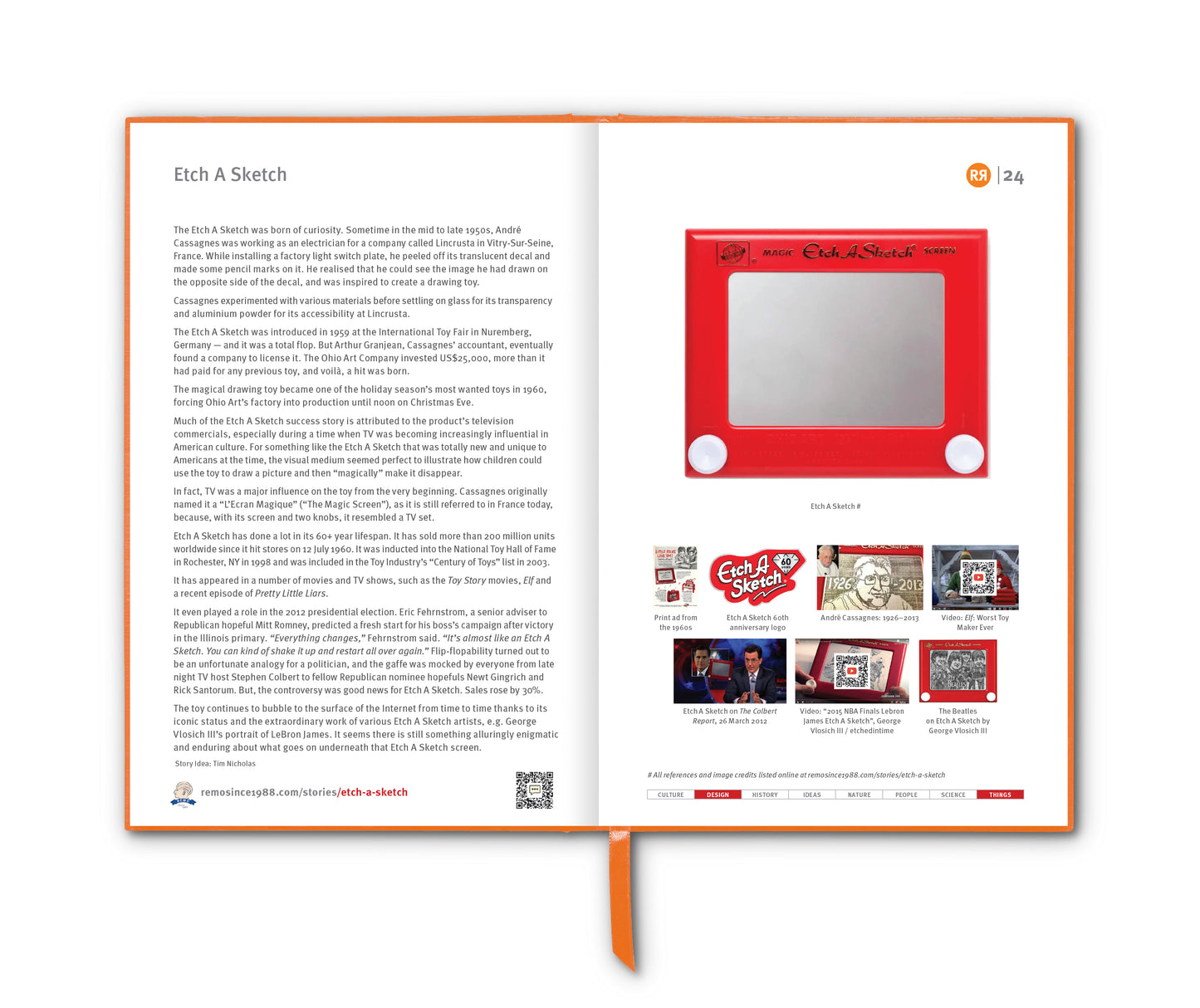
1. Steinway Model D-274 concert grand piano made in Hamburg. Photo credit: Steinway & Sons
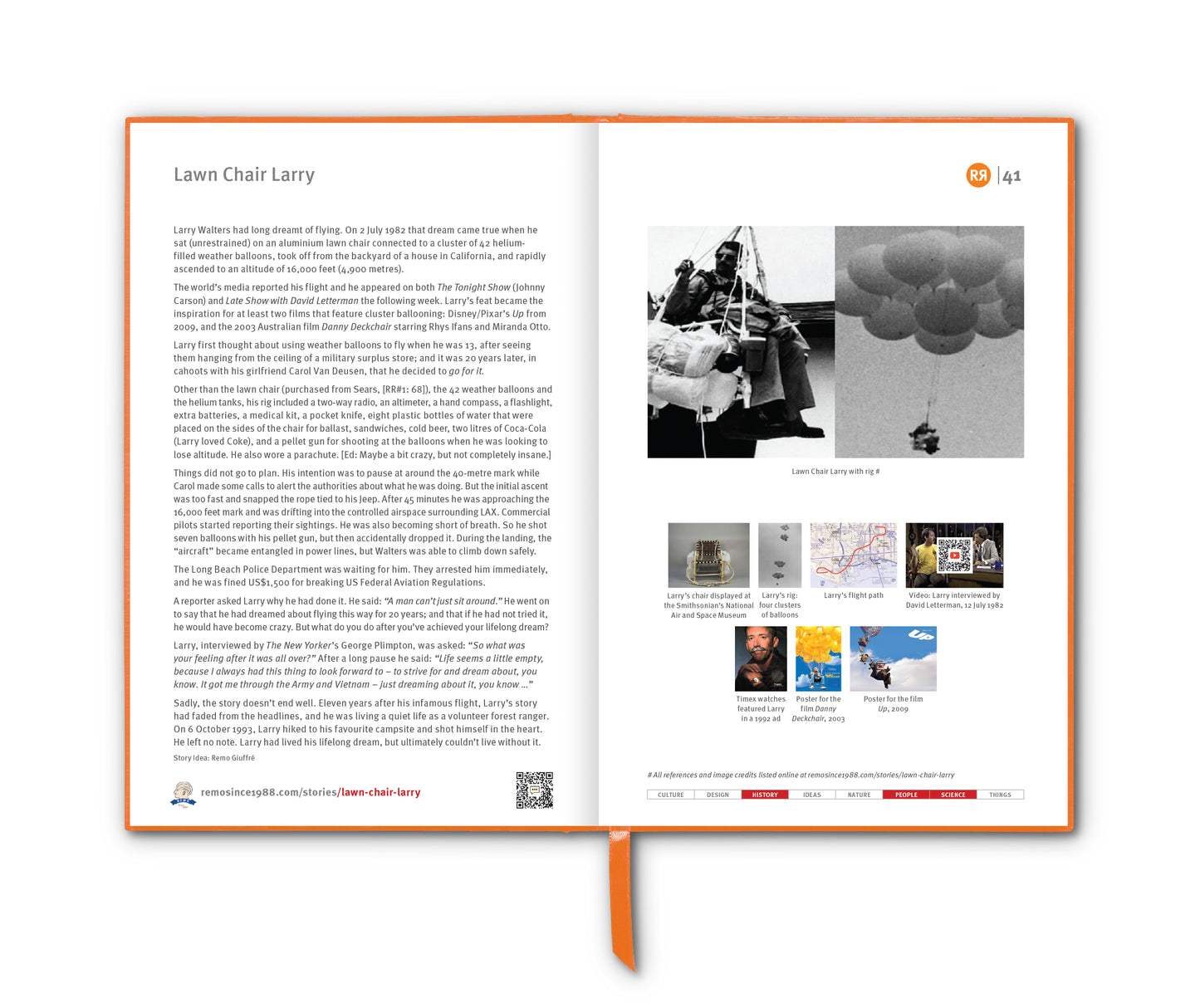
2. Heinrich Engelhard Steinweg (1797–1871)
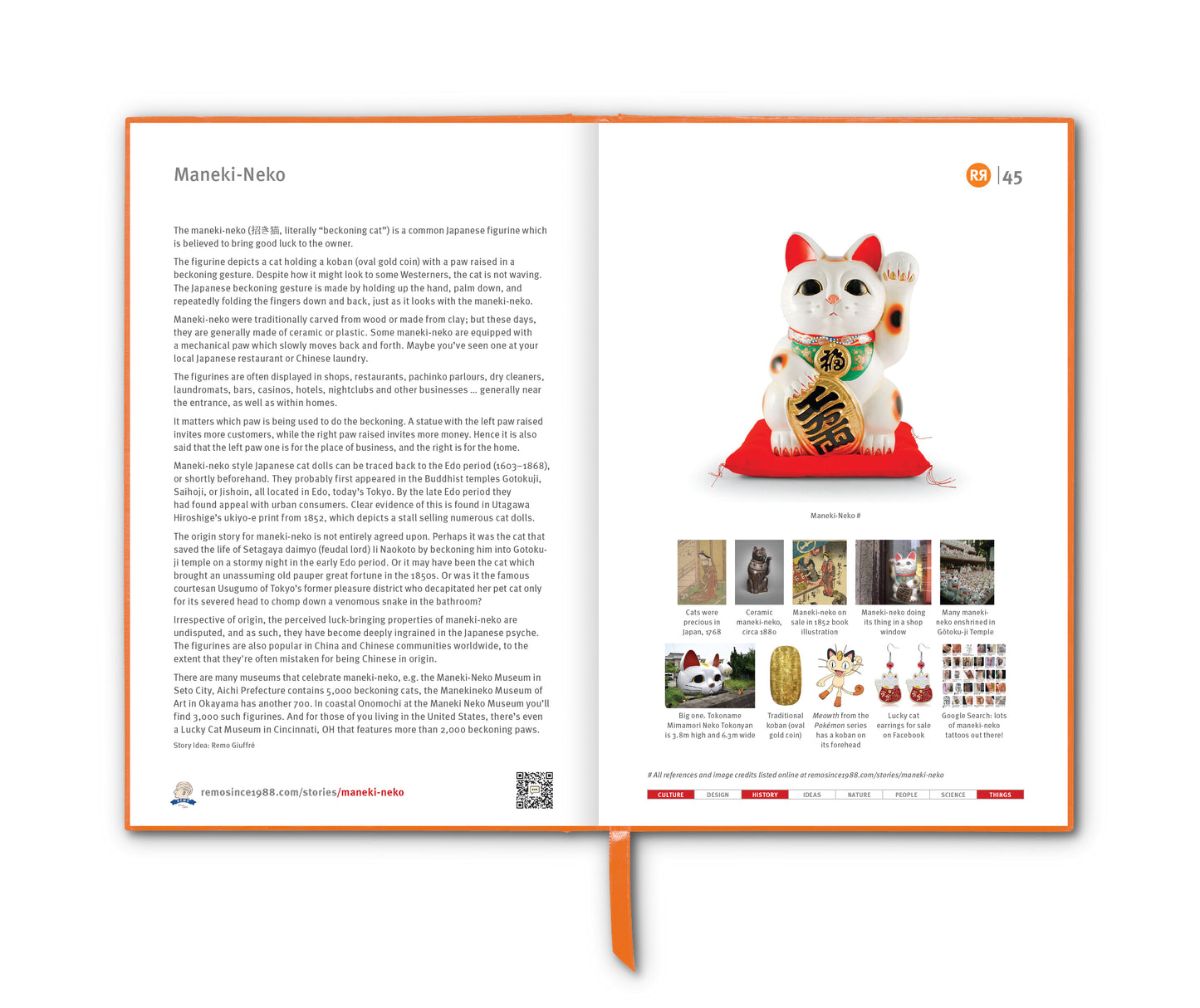
3. Steinway's factory in Manhattan, 1876
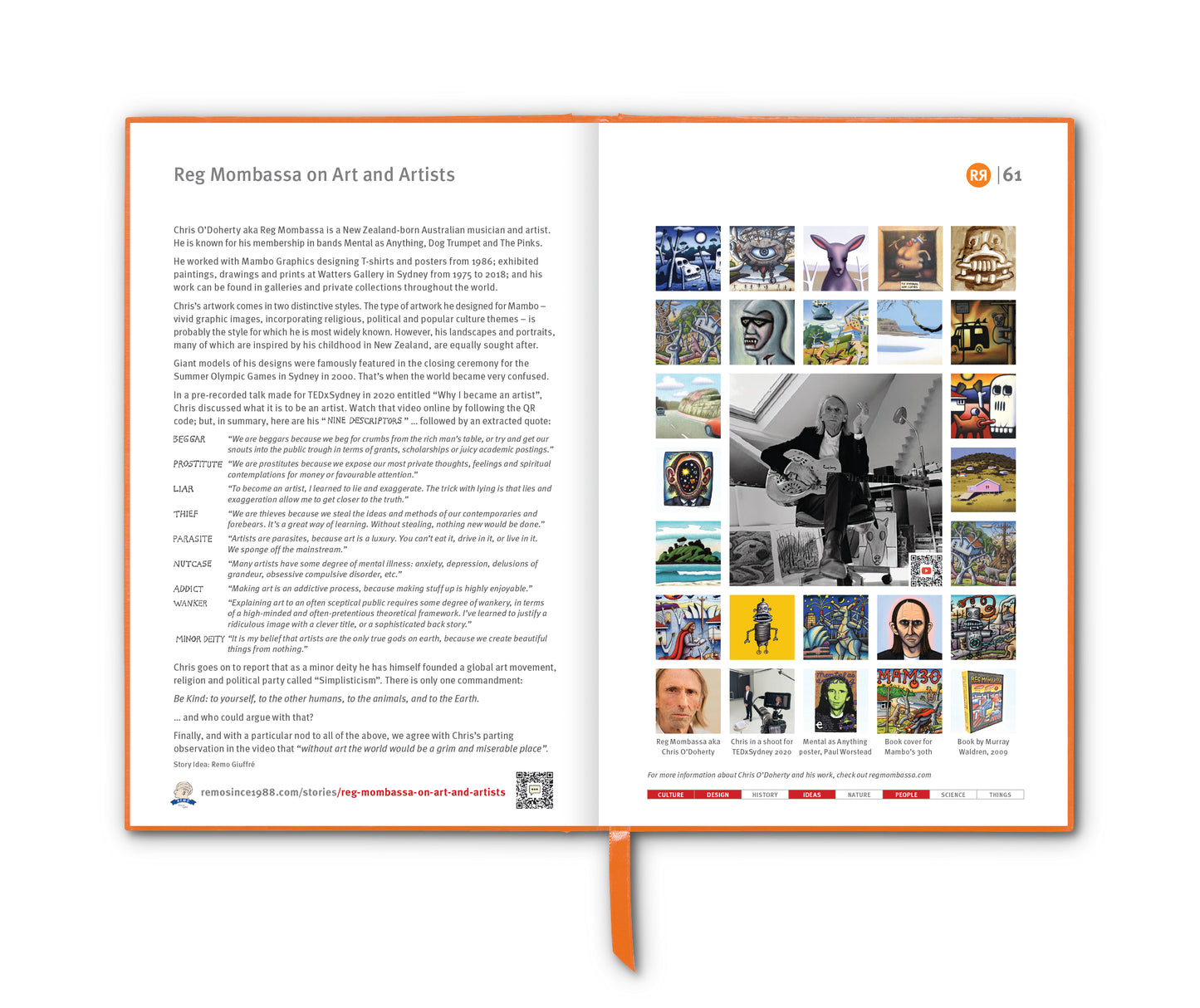
4. "Sudden Mania to become Pianists created upon hearing Steinway's Pianos at the Paris Exposition", 1867
5. Steinway Patent for rim bending, 1880
6. Rim forming with pressure
7. Keys of a Steinway grand piano
8. Hand painting the logo
9. Mickey Mouse Steinway special edition
10. John Lennon's white Steinway appearing in his 1971 video for “Imagine” was a Birthday present to Yoko Ono
11. Video: "The Making of a Steinway" narrated by John Steinway, 2011